

Posts Tagged ‘Blog’

What Is the Best Autofocus Mode for Moving Objects?
The worst possible thing that may occur to a photograph is for the image to become blurry or unclear. The autofocus option that is provided through most recent DSLR cameras is certainly a blessing. Autofocus is great when it works, but there are occasions when the camera accidentally locks onto the wrong subject. Some situations are too demanding for autofocus to handle.
As a photographer, you may find it difficult to focus on a moving subject. However, photographing subjects in motion, especially those travelling at fast speeds, requires more than just focussing the camera. There are a plethora of other factors to take into account when attempting to focus on ever-evolving subject matter.
Whether you're an NFL quarterback, sniper, or archer, you know how much more difficult it is to strike a moving target than a still one. This is a common challenge that photographers face as well. It is impossible to emphasise the significance of having sharp focus; it is one of the elements that, together with lighting, composition, and frame, contribute to the making of a beautiful shot.
In all creative endeavours, there is surely some wiggle area to account for. A person's image will not be well accepted by the intended audience if they fail to adhere to a set of rules, no matter how irrelevant or arbitrary they may seem.
Over the past several years, autofocus systems have seen remarkable development. In the time it takes you to blink, they can have a topic razor-sharp. If you have ever tried to concentrate a camera by eye, you know that the focusing mechanism is usually more precise than your own.
Nevertheless, items can get a little more tricky when photographing moving scenes, so make sure your camera is in the right mode. Check out Wild Romantic Photography for photographic packages and services if you're in need of some wedding photography guidance
Autofocus on modern cameras is fantastic since it eliminates the need for the photographer to manually focus on the subject. The primary focus settings of the camera—manual, single, continuous, and single—give you a great deal of latitude to get the shot just the way you want it.
Tips for Taking Clearer Pictures What Camera Settings You Need to Know
Focusing and taking sharper pictures is a typical challenge for amateur photographers. The following are a few suggestions for adjusting your camera's settings and taking clearer pictures:
- Placement of Attention (single, auto – AF-S, continuous, AF-C, and AF-A)
- When to employ a single focus point, a zone focus, or a combination of the two (or even auto)
- Mode de conduite (single or continuous, when to use each)
- In low-light situations, a wide-open aperture is ideal.
- Pay attention to a contrasting region.
- Look a person in the eye.
There are a variety of options available to you in your camera's settings for achieving crisp results when taking pictures. It's important to pick the one that works best for the various environments in which your photography will be used. Let's take it one at a time so you can learn which parameters apply in certain situations.
Methods and Adjustments for Clearer Images
Select the Right Focus Mode
You can find a Focus Mode option on many different cameras, from DSLRs and mirrorless models down to some compacts. As a result, you may decide whether the camera will lock focus on the subject you select or follow it as it moves, providing you more control over the resulting image. Although some cameras offer more, in most cases there are four distinct focus modes:
- Canon's One-Shot mode, Nikon and Sony's AF-S, Pentax's AFS, and Olympus' S-AF all refer to a single focus mode.
- Canon's version of Continuous Focus Mode is called AI Servo, whereas Nikon's and Sony's versions are AF-C, Pentax's is AFC, and Olympus's is C-AF.
- Canon's AF-A mode (named AI Focus on Nikon and Sony cameras and AFA on Pentax cameras) is known as Auto Focus Mode.
- All cameras have essentially the same manual focus system, so the letter "M" is not necessary.
Important note: Wouldn't it be great if camera companies could just agree on a standard set of names?
Okay, that's great, but can you please explain what it all means? It would be great if you could just switch to Auto Focus Mode on your camera and let it take care of everything for you. However, if you've been shooting with your DSLR for some time, you've probably stopped utilising the auto settings. This is because the camera isn't always accurate. After some time with your DSLR, you'll likely find that you no longer use the majority of its automatic settings.
In other words, this isn't an isolated instance. Although this option (sometimes referred to as AF-A or AI Focus) is meant to provide benefits of both automated and manual focusing, in reality, it is rarely used by photographers because the camera almost invariably makes the wrong choices. As a result, it may or may not accurately detect a moving item, and it will continue to track focus on a fixed object without successfully locking focus for you.
Focusing Mode That Never Stops
The Continuous Focus option, also known as AF-C (Nikon) or AI Servo AF (Canon), is ideal for maintaining focus on a moving subject while tracking it with the camera. As soon as you start to press down on the shutter release button, the camera will begin focusing. This triggers the camera to start recording. The camera automatically tracks the subject's motion and makes fine-tuned adjustments to the focus settings in the Continuous focusing setting to keep the image crisp.
If you utilise the C-AF mode, pressing and holding the shutter button will cause the camera to keep the lens focussed. Having the camera in continuous drive mode ensures that the lens is kept in focus between shots, no matter how quickly you fire them off. This means that, with the right autofocus point selected, it can keep the subject in focus even as it travels closer or farther away from the camera, making it a great option for photographing sporting events. In particular, subjects that are moving in either direction relative to the camera benefit greatly from continuous focusing.
In this setting, the autofocus is activated when the shutter button is down halfway, but you cannot lock the focus. Instead, as the subject moves, the device will continue to fine-tune the focus to keep the image in sharp focus. This is a great option for anything that requires quick reactions, such as active youngsters, shooting sports, active dogs, and so on. The best results are achieved when combining this mode with a zone or multi-point focus area.
This mode drains the battery quickly because of the continual focusing and refocusing it performs. Even if you use autofocus, you can still get a fuzzy picture if your subject is chaotic and moving quickly because the technology can't always tell which way it's going to go. Choosing the right wedding photographer in Melbourne to capture every moment on your wedding day.
The Single-Shot Focusing Mode
After that, there is single-focusing ability, denoted by AF-S (Nikon) or One-Shot AF (Canon). With this setting, the shutter button is depressed halfway to focus the camera, but after it locks onto the subject, there is no further focusing adjustment. Use this setting for displaying static or consistently-present content to save battery life. However, this setting is not ideal when trying to capture an object whose location is in flux. Because of this, going to One Shot mode is your best chance if you aren't trying to grab a rapid shot of a deer in the early morning or wanting to immortalise Tony Romo getting tackled.
Standard Focusing Mode
You should know that most cameras have two autofocus modes, and some even have three. S-AF, or Single-Autofocus, is the most popular configuration. In this setting, halfway depressing the shutter release will trigger the camera's autofocus feature. Keeping your finger on the shutter button after it has focused will prevent any further focusing adjustments from being made, regardless of how the subject moves while you continue to hold the button down. A refocused lens is the result of lifting your finger from the shutter button and then pressing it again. That job is now taken care of by the camera.
Single-AF mode is ideal for photographing immobile subjects or when you need to recompose and focus an image. However, Continuous-Autofocus (also known as C-AF) is a better choice for photography, sports and other sorts of activity. This mode is best used to zero in on stationary objects or people. When you click the shutter button halfway, the camera will initiate autofocus and lock focus.
- To achieve pin-sharp focus on static or unmoving subjects like this photograph of a Cuban woman puffing on a cigar, switch to Single Focus Mode.
- For still or unchanging subjects, such as portraits, switch to Single Focus Mode.
Upon achieving Focus Lock, you may hear a beep (you can usually disable that if it annoys you as much as it does me, look in your camera menu under sounds). Single-point focusing works very well with this setting.
In-Camera Focusing & Adjustment
Automatic Autofocus, abbreviated AF-A (for Nikon) or AI Focus AF, is the third and final autofocus mode (for Canon). This is a relatively new addition, but it has already proved to be very useful. In this setting, the camera's focusing computer will choose between One-Shot AF and AI Servo AF (on Canon cameras) or AF-C and AF-S (on Nikon cameras) automatically. When available, this autofocus mode is chosen by default for cameras.
Auto-AF, or A-AF, refers to a third type of automated focusing found on many cameras. If you use this setting, your camera will try to guess whether or not your subject is moving, and will then automatically transition between Single-AF and Continuous-AF. Although it has its uses, you should usually think about your subject and decide if S-AF or C-AF is best. As a result, the camera is more likely to react as you predict.
The goal of this setting is to incorporate the best features of both urban and rural areas. It's the words "ought to be!" that really drive home the point there. In this mode, the camera analyses the scene and decides whether to use Single or Continuous focus based on its findings. The trouble is that, like with any auto option, the camera could easily make a mistake and shoot a fuzzy picture.
Unfortunately, it's frequently the worst of both worlds, and more often than not, a larger percentage of the images are fuzzy than are in crisp focus. Therefore, you should select one of the two options that were previously discussed. Some cameras, like Canons, feature a quick switch button that lets you switch between the two modes with ease, while others require separate settings for each. Once again, reading the camera's handbook is your best bet for learning about all of the functions available on your model.
Note: Do a Google search for the brand name of your camera, the model number, and the words "user manual" if you don't have the printed manual or can't find it. It's likely that a PDF version of the document will show up in the search engine results. You should download it to your phone and keep it there so you can access it easily anytime you need it. The customizable options, for example, can be hard to find, but the built-in search feature makes it a breeze to zero in on exactly what you're looking for.
You need to keep in mind that photography can be an art form, and that in order to develop anything beautiful, you need to trust your own instincts and go with what you see. Because you will never anticipate what will occur next or what will catch your eye, having the camera make swift focus changes is a great help. This feature will maintain focus on the subject regardless of whether you switch subjects or the subject itself moves. We have the best wedding photographer in Yarra Valley to capture your beautiful moments on your wedding day.
Focusing Mode Can Be Set To Manual
Perhaps the most time-consuming and frustrating thing that stands between a good photographer and a great one is having to manually focus their camera. In order to get their subjects in sharp focus, experienced photographers use a combination of the lens barrel's distance measurements and physical measurements of the distance between the lens and the subject. Indeed, the same holds true for medium format cameras used by fine art photographers. You'll get the sharpest focus that way. Is there a solution if you are unable to bring the measuring tape close enough to the subject?
Trust your own eyes and knowledge of the critical focus zone accessible with the chosen aperture setting to determine how crisp an image will be. Most digital single-lens reflex cameras have a diopter adjustment (it's usually adjacent to the viewfinder) that lets you fine-tune the camera's focusing ability to account for slight differences in eye sight. Depending on how clearly things appear in the viewfinder, you can make the necessary changes. Focus can also be determined with the use of the depth of field preview button, albeit this is a more complex technique.
Manual focus is required if attention must be paid to a non-standard target. For example, a problem that isn't front and centre at a time when the action is in the foreground. The terms "Manual Focus" and "Manual Shooting Mode" are sometimes used interchangeably, although they aren't the same thing. To clarify, manual focus is different from manual shooting mode, and vice versa.
Some people may get the two terms—"Manual Shooting Mode” and “Manual Focus”—mixed up. It is NOT necessary to use Manual Focus when shooting in Manual Exposure Mode. You certainly can, but there's no requirement or reason to. In this setting, focusing the camera will require you to physically turn the lens's focus ring. Take advantage of this option while taking shots in poor light or when you're particularly close to the subject.
The use of Manual Mode may prove challenging, especially if your subject is constantly on the move. Do not be intimidated by your camera's complex focusing system. In no way are you acting dishonestly by doing so.
Let's pretend your camera has a Live View mode or you're using a mirrorless camera with an electronic viewfinder that also offers focus help or focus peaking. Manual Focus mode is far more intuitive and practical in such a situation. If you're using a DSLR, though, and have trouble focusing (especially if your eyes are "mature" like mine), try switching to a different autofocus mode.
The best course of action here is to choose the Focus Mode that works best with the subject being captured. If the target isn't moving (or is only moving laterally and maintaining its distance from the camera), select "single shot" from the aforementioned options (AF-S, One-Shot). That's how you get a nice, crisp focus lock and a clear picture.
If your subject, like as a youngster, is moving quickly in a variety of directions, or towards you or away from you, then you should choose the Continuous Focus Mode (also known as Servo or AF-C). If you use a different brand of camera and want to know what the various focus modes are named, you can do so by consulting the handbook for your specific model. Yet it is likely that they will be similar to the precedent examples.
Planning your dream wedding and don’t want to miss out on the special moments on your big day? Worry no more, Wild Romantic Photography has you covered.
Identify the Best Focal Distance
When looking through the viewfinder of a camera, you will most likely see a grid of dots or squares. Half-pressing the shutter button causes one or more of the dots to light up and/or be highlighted, the number dependent on the number of times the button is pressed.
Depending on which one (or ones) of those lights up, the camera will make an attempt to concentrate on the target at that precise location. When determining how to set your camera's focus points, you have three alternatives that are generally accepted as the norm. And your camera might have even more settings than that, but you know what I'm about to say, so just go ahead and read the handbook.
Unique Area of Concentration
Once you zero in on a specific spot, the camera won't move from that spot. This is the best choice for static subjects. You can direct the camera's attention more precisely to the area of your choosing. To achieve a shallow depth of field when shooting with a wide aperture, this is crucial.
Pay special attention to the highlighted section in red. The camera will attempt to zero in on that spot. You should see something very close to this when you peek through the viewfinder of your camera.
A cross-type focus point is defined as the spot in the middle (that means the camera looks for contrast both horizontally and vertically). However, in many cameras, the majority or even all of the other locations can only detect the variation along a single axis (vertically). If you're having trouble focusing, picking the centre of the screen usually yields the best results. So, even if you're taking images in a dimly lit room or outside in the dark, choosing the centre point will help your camera focus.
Again, consult your camera's handbook to learn what focal-point options exist other from the camera's centre. If you're still unsure, though, remember that the one in the middle is your fallback. Looking for a Mornington Peninsula wedding photographer? Look no further! Wild Romantic Photography has you covered.
Focusing on a Particular Area or Several Areas at Once
To focus, the camera in this mode either zeroes in on a small cluster of focus points or a broader zone (a section of the picture). This is the best approach to take when dealing with subjects that are in motion, as it is more challenging to maintain concentration on a single spot when doing so. Have you ever attempted to shoot a child or a bird while it was in flight utilising a single point of focus? It's frustrating, and at worst, your efforts yield little to no fruit. Use a zone or many points instead of a single one, and the camera will look in all of that space for the topic.
There is a difference in quality between cameras that will affect the final product you get. As a result, you should seek for a camera that has gotten positive ratings in the category of focus if you intend to capture images of sports or moving subjects (such as children, animals, or other people) (fast focus, number of points, tracking focus).
Selecting Focus Areas Automatically
To bring a specific part of the scene into great focus, the camera will pick it at random if you use this setting. Though camera technology is improving all the time thanks to additions like Face Detection, the object nearest to the camera will usually have the best image quality. But if you want the camera to focus on the gorgeous flower behind the fence while keeping the wall in front of it out of focus, you'll have to adjust the focus manually.
Most of the time, our camera is set to Single Point Focus. This should make it simpler for you to settle on a setting that works for the subject of your photo.
Auto AF Point selection systems are easily thrown off by chaotic backgrounds and subjects that are constantly moving. It is strongly recommended that you set the active AF point on your own. There is typically an option that gives you the ability to select a single point for the camera to focus on. This may be referred to as the Single AF-point or, ironically, the Multi AF Point (because you can choose from multiple topics).
When you use this option, the focus point will be placed precisely where you want it to be; however, in order for it to work, you need to be able to hold the camera steady. As a result, the active energy is over the subject in the viewfinder, which is something that is frequently easier said than done when you are photographing a sporting event.
When you're trying to keep the active area over the subject, a Zone AF (or similar) model gives you a little bit of room for error, which makes it an excellent choice for shooting sports. In spite of this, it is more targeted than the Auto AF-Point mode, which uses all of the points that are available. If you’d like to work with professional photographers for your wedding, book with us at Wild Romantic Photography.
In the Zone AF mode, just as with the Single AF Point mode, you need to choose the Zone that covers the subject, and then you need to make sure that area stays over the problem even as the subject moves. As long as you do that and make sure the camera is set to the C-AF mode, you should be able to capture sharp images.
Conclusion
Digital cameras' autofocus is fantastic when it works, but there are times when it focuses on something else. Here are some recommendations for tweaking your camera's settings and capturing sharper photographs. There are four different focus modes available on various cameras, and picking the one that best suits your needs is essential. These include "mode de conduite," or "driving style," and the various autofocus settings (such as "single," "auto," "continuous," and "auto") that you can employ. A camera with Continuous Focus, sometimes called AF-C (Nikon) or AI Servo AF (Canon), can keep its focus on a moving subject while following it precisely.
This mode drains the battery quickly because of the continual focusing and refocusing it conducts. Most cameras have two autofocus modes, and some even have three. S-AF, or Single-Autofocus, is the most popular setup. Next, there is a mode called One-Shot AF (Canon) or AF-S (Nikon) that allows for a single focusing attempt (Canon). Many cameras also provide a third, automatic focusing mode called auto-focus (AF).
Here, the camera evaluates the scene and selects either Single or Continuous focus, depending on what it finds. Canon cameras, for example, have a mode switch that may be activated with the press of a single button. Having the ability to quickly shift the camera's focus is a huge boon. A diopter adjustment is typically found on digital single-lens reflex cameras and allows for more precise focusing. It is also possible to use the depth of field preview button to zero in on the point of focus.
Pick a Focus Mode that complements the subject being photographed. When in doubt, switching to Manual Focus mode is the most natural and efficient choice. The Continuous Focus Mode is the one to use if your subject is constantly on the move (also known as Servo or AF-C). Once you zero in on a single point, the camera won't move from that spot. For unchanging topics, this is your best bet.
The camera's focus can be narrowed to a specific region at your command. To produce a shallow depth of field when shooting with a wide aperture, this is necessary. If you're aiming to keep the active area above the subject, a Zone AF (or similar) model provides you a little bit of room for error. As long as you do that and make sure the camera is set to the C-AF setting, you should be able to snap sharp shots.
Content Summary
- Autofocus can't manage the complexities of some scenes.
- Focusing a camera on a moving subject can be challenging.
- If you're trying to zero in on a topic that's always changing, you've got a lot of additional considerations to make.
- Still, when photographing in motion, things might become more complicated, so check your camera's settings.
- Manual, single, continuous, and single are the camera's default focus modes, giving you a lot of control over the final result.
- Focusing Location (single, auto – AF-S, continuous, AF-C, and AF-A) When to utilise a fixed-focus, fixed-zone, variable-zone, variable-area, or variable-area-and-fixed-focus (or auto) combination Mode de conduite (single or continuous, when to use each) A large aperture is best for low-light conditions.
- Your camera's settings give you a range of options for producing sharp photos.
- Turning the camera's dial to Auto Focus Mode would be fantastic, as it would handle all of the focusing for you.
- Ongoing Focusing Mode Maintaining focus on a moving subject while tracking it with the camera is a breeze with the Continuous Focus option, also known as AF-C (Nikon) or AI Servo AF (Canon).
- When using the Continuous focusing mode, the camera follows a moving subject and makes small but constant adjustments to the focus to maintain sharpness.
- Putting your camera into continuous drive mode keeps the lens sharp no matter how quickly you snap pictures.
- Continuous focussing is very useful for subjects that are moving in either direction with respect to the camera.
- Next, there is a mode called One-Shot AF (Canon) or AF-S (Nikon) that allows for a single focusing attempt (Canon).
- This setup is ideal for use with single-point focusing mechanisms.
- Here, the camera's focusing computer will decide between One-Shot AF and AI Servo AF (on Canon cameras) or AF-C and AF-S (on Nikon cameras).
- The majority of cameras use this autofocus setting by default when there is an option.
- Auto-AF, abbreviated as A-AF, is the third form of auto-focusing featured in many cameras.
- When this option is selected, the camera will attempt to determine whether or not the subject is in motion and switch between Single-AF and Continuous-AF accordingly.
- If you want to know how to use all of the features of your camera, you should consult the manual.
- If you need to concentrate on something out of the ordinary, you'll have to focus manually.
- It's important to note that manual focus is distinct from manual shooting mode.
- When photographing in Manual Exposure Mode, manual focus is not required.
- In cases where your subject is always on the go, using Manual Mode can be difficult.
- If your camera's focusing system seems complicated, don't let that stop you from taking pictures.
- You should select the Focus Mode that gives you the sharpest image of your subject.
- There are three standard options for choosing where in the frame you want to set your camera's focus points.
- The camera's focus can be narrowed to a specific region at your command.
- As the intersection of two lines, the focal point of a cross-type object is the focal point of the object (that means the camera looks for contrast both horizontally and vertically).
- It's recommended that if you're having problems concentrating, you try focusing on the exact centre of the screen.
- So, whether you're shooting indoors or out, in low light or complete darkness, focusing on the centre of your subject will yield the clearest results.
- If you want to use a focal point other than the camera's centre, you should check the manual to see what additional options you have.
- Concentrating on One or More Subjects at Once Once In this setting, the camera can choose to focus on a dense cluster of points or an expansive area (a section of the picture).
- When you use a zone or multiple points instead of just one, the camera will scan the entire area for the subject.
- Using Artificial Intelligence to Pick Targets If you activate this setting, the camera will choose an area of the scene at random and focus in on it.
- These days, we use Single Point Focus as our default camera mode.
- It should be less of a challenge to find an exposure that complements your topic matter now.
- You should adjust the AF point manually.
- Most cameras have a setting that lets you concentrate on a specific area.
- Like the Single AF Point option, the Zone AF mode requires you to select the Zone that encompasses your subject and then maintain that Zone's coverage of the issue as your subject moves.
FAQs About Photography
Is Aperture The Same As F Stop?
You may have heard the phrases "f-stop" and "f-number" and wondered what they meant if you're just starting out in photography. It might be a big nuisance to study lens characteristics like aperture and f-stop. After their first interaction with Aperture, many photographers are left with more questions than answers. In this piece, we'll examine them in depth and discuss their applications in photography. If you need advice on your wedding photography, check out our photography packages and services at Wild Romantic Photography.
First, let's get a bird's eye view of Aperture and f-stop, and then we'll go into the nitty-gritty.
How do you define "Aperture"?
Aperture is one of three controls in the camera that affect exposure. Like the iris of a human eye, the aperture (or diaphragm opening) of a lens controls how much light enters the camera. The Aperture regulates the amount of light entering the lens, analogous to the pupil of a human eye. Lens aperture controls how much light is let in. The aperture stops on the f-stop scale correspond to the numbers.
Explain the meaning of the F-stop.
An f-stop is the numerical representation of the ratio between the lens' focal length and the aperture's entrance pupil diameter (or f-number). In this context, an f-stop refers to the ratio between the maximum aperture of a lens and its own focal length, and is employed to create uniformity in aperture amongst lenses of different designs. The f-stop or f-number refers to the lens's aperture setting.
Are Aperture and F-Stop, Then, the Same Thing?
Put simply, yes.
The aperture measures the physical diameter of the lens's diaphragm. How much light the Aperture allows into the lens is represented by the f-stop, which is the ratio of the focal length to the diameter of the entrance pupil.
How much light reaches the camera's sensor is based on the lens's focal length and the aperture's opening.
By correlating the lens's aperture size to its focal length, F-stops account for both of these factors. When comparing lenses of the same f-stop, this ensures that the same amount of light is reaching the sensor regardless of which lens was used. F-stops, in this context, do not imply an absolute Aperture but rather a relative Aperture.
At Wild Romantic Photography, we have the best Melbourne wedding photographer to take memorable photos on your wedding day.
The F-Stop: Why Such a Strange Term?
Let's break down the f-stop symbol into its individual elements.
The numerator (f) is the focal length, and the denominator (d) is the diameter of the pupil at the point of entrance.
Imagine a time when metal plates had to be physically placed into the front of a lens in order to adjust its diaphragm. The aperture of a lens might be adjusted by using different sized "stops," or separate dishes.
By changing the number of "stops" in a lens, the amount of light entering the lens may be modified. The term has stuck around, for better or worse, even if it doesn't really mean anything anymore.
Can Light Be Stopped at a Certain F-Stop?
The word "stop" can have an altogether different meaning when used in photography. All three parts of the exposure triangle rely on exposure values to make adjustments that add or subtract one stop of light to the overall exposure.
Exposure values are quantified in relation to one another using a system known as "stops of light." One exposure value exists for each f-stop (EV). When the relative exposure value is raised by one EV, or one stop of light, the amount of light hitting the sensor increases by a factor of two. At the same time, halving the exposure value (EV) reduces the amount of light by half. This doubling or halving of light is a relic from the days when metal stops were inserted into lenses to adjust exposure, and as such, it should feel familiar.
What does the F-Stop Scale mean?
The f-stop is defined as the ratio of the lens's focal length to the aperture size (or f-number). If you still do not understand it, a far more basic explanation is available. The basic term for the number shown on your camera whenever you change the aperture is the f-stop (or aperture stop).
Maybe you have some photos from the past that show a similar setting. Your camera's LCD screen or viewfinder will display the f-stop as f/2.8, f/4, f/5.6, f/8, f/11, etc. It's OK to abbreviate f/2.8 to f/2.8 or to write it with a capital "F" at the beginning to show that it's the first number in a fraction; either way, it's still the same value. You may come across other f-stops, some of which are much smaller than f/4, for example f/1.2, or much bigger, for example f/64.
By way of illustration, the change in light entering the camera while going from f/2.8 to f/22 is far more pronounced than when transitioning between f/2.8 and f/22. Take this full-stop increment f-stop scale as an example.
Apertures of f/1.0, f/1.4, f/2, f/2.8, f/4, f/5.6, f/8, f/11, f/16, f/22, f/32, f/45, and f/64 can be used.
You may find that in addition to the full-stop increments, your lenses also have more granular f-stop settings, which would translate to 1/3 or 1/2 stops.
Many contemporary lenses do not include an aperture ring; instead, aperture is controlled by the camera body and shown on the LCD. In the menu of certain cameras, you may choose between utilising full, 1/3, or 1/2 stop increments for exposure settings.
The F-stop scale seems arbitrary; could you explain why the numbers are set up the way they are?There are a number of motivations behind the origin of the f-stop scale.
The answer to the first question is obvious.
As you now know, the f-stop is a fractional number. Every fraction loses value as its denominator grows greater; this is a universal law of mathematics. While 8 is more than 2, a half cup of sugar is far more substantial than an eighth of a cup. Similarly, a higher f-stop value results in a smaller relative aperture opening. At smaller f-numbers, more light enters than at bigger ones.
The second, more complex justification for the f-stop mechanism is that it enhances focusing precision.
First, let's review what we already know about Aperture.
- A change of one f-stop in exposure is the same as a reduction of one stop of light.
- Depending on how long it's been since the sensor was last visited, the quantity of light hitting it might have doubled or been cut in half.
- The f-stop is the reciprocal of the ratio of focal length to aperture diameter (the size of the entry pupil).
Let's throw in these more details:
- Light entering the eye is increased by a factor of two or four when the size of the entrance pupil is made twice as large or half as small.
- The entrance pupil looks like a spherical form.
- The area of a circle is A =?
- The diameter of a circle is equal to two times the radius, or r2.
- The area of a circle is directly proportional to its diameter and radius, therefore changing any one will result in a different circle size.
- To get the square footage of a circle, just multiply the radius or diameter by 2. A procedure's footprint can be cut in half by dividing its radius or diameter by 2.
- Thus, the f-stop scale appears nonsensical, since each f-stop reflects an area change that is proportionate to a change in the circle's radius (or diameter) by a factor of 2.
We could stop here and tell you to take this mathematical statement at its value; doing so will help you understand why doubling or halving the size of the pupil on the cornea's front surface requires a factor of 2. If you're interested in the mathematical justification, it's provided below. Remember that a narrower aperture opening corresponds to a higher f-stop value. We have the best wedding photographer in Yarra Valley to capture your beautiful moments on your wedding day.
Why Are There Two Times as Many F-Stops?
Unless you have a passion for mathematics, you probably don't know why the square root of two is used to multiply the area of a circle by two or divide it by four. By calculating the following equation, we learn that 2 is significant: where A1 is the area of Circle1, and A2 is the area of Circle2, which is twice that of Circle1.
A2 = 2A1
As a result of the method used to determine the area of a circle, the f-stop scale has some rather peculiar values. Not too terrible, huh?
The entry pupil area doubles or halves with every doubling or halving of the f-number, which in turn alters the relative exposure by one stop of light (one exposure value) in either direction along the f-stop scale.
The Role of Aperture in Photography
As we've already established, aperture refers to the size of the hole in your camera's lens through which light may enter. It's not necessary to have a Ph.D. in rocket science to understand aperture blades, although it helps.
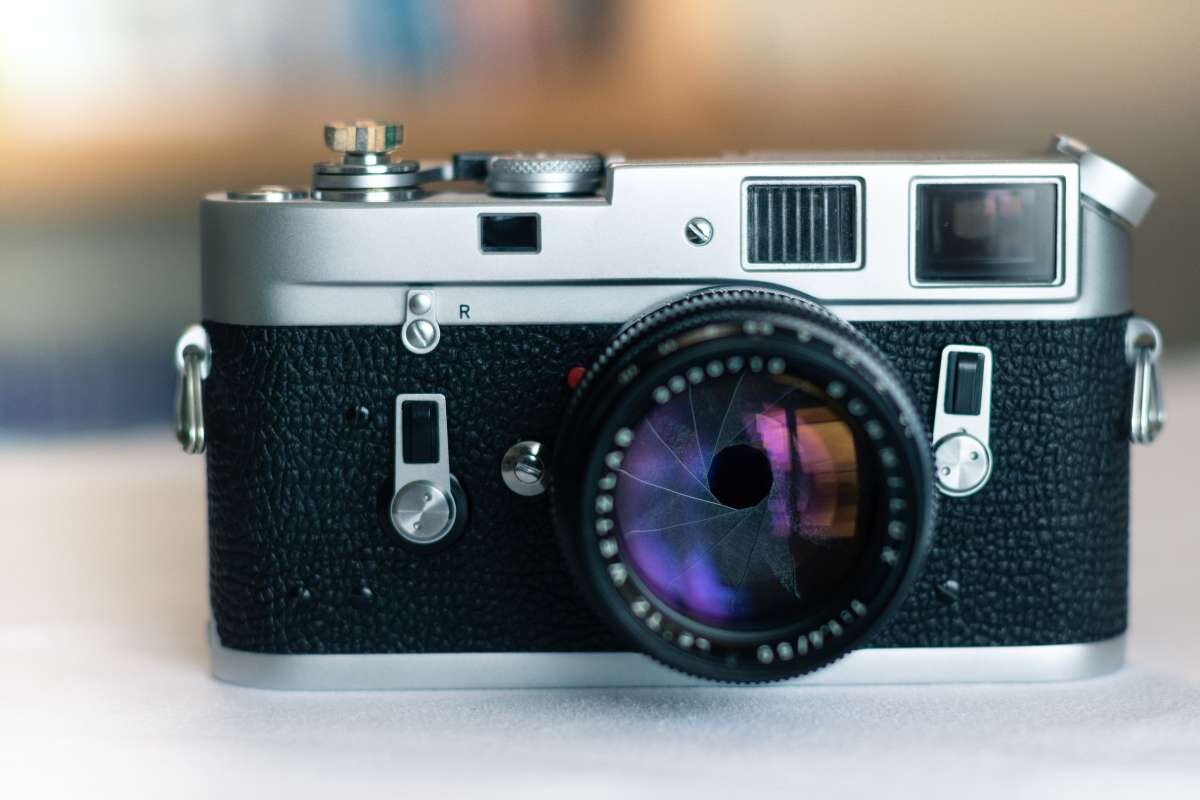
Blades (or the diaphragm) that control the aperture of an optical system. Look into the camera's inner workings. When lit properly, the following design is revealed:
Cutting edges
The space formed by these blades is your aperture. They're movable, too, so you can open or close the Aperture as needed.
That is a really important insight. Photography forums are rife with debates on large and small apertures. The aperture blades can be "shut down" (narrowed) or "opened up" (expanded) depending on the desired effect for a given photo. Images captured with a wide aperture undoubtedly seem different than those captured with a tight aperture. Larger apertures let more light into the camera, producing more vibrant images. But that's not all that can be changed with Aperture.
The other, more crucial factor is the depth of field, or the range of sharpness from the foreground to the background.
Changes in Depth of Field with Varying Aperture
The aperture setting on your camera is a highly effective tool for capturing the photos you desire. Changing this requires using either the manual or aperture-priority modes on your camera.
Planning your dream wedding and don’t want to miss out on the special moments on your big day? Worry no more, Wild Romantic Photography has you covered.
If F-numbers are used to describe aperture, why?
How come your aperture uses such a weird font? For example, what does "f/8" even mean? The fact that Aperture is a fraction is crucial, as it is one of its defining features.
You may write "f/8" as "1/8" in a fractional form (one-eighth). A distance of f/2, or 1/2, separates them (one-half). One f-number is equivalent to one sixteenth of a second (one-sixteenth). There's plenty more we could list. By now, you ought to have a firm grasp of fractions. Differences between 1/16 cup and 1/2 cup of sugar are significant. A quarter-pound burger is more substantial than four sliders, each of which weighs one tenth of a pound. By the same logic, an aperture of f/2 would be much bigger than an aperture of f/16. Do not be surprised if you are perplexed while reading an online article that overlooks this crucial point.
Quick, tell me if f/8 or f/22 is the bigger aperture.
You immediately know the right answer since Aperture is a fraction. Raising the importance of 1/8 has a far greater potential for success than increasing the importance of 1/22. Therefore, f/8 is the larger Aperture. If you need a wide aperture, choose a small f-stop like f/1.4, f/2, or f/2.8. An f-stop of f/8, f/11, or f/16 indicates an extremely small aperture.
Explain the significance of the letter "f."
Where does the "f" come from in terms of f-stops and aperture names (like "f/8"). This is a common enquiry from picture enthusiasts.
To recall what "f" stands for, simply substitute the focal length of your lens into the fraction, which will tell you the diameter of the aperture blades. (It is the apparent diameter of the lens when viewed from the front.)
Let's say you're shooting with an 80-200mm f/2.8 lens, and you've set it to its widest angle of 80mm. At f/4 (80mm / 4), the aperture blades of your lens will seem 20 mm in diameter, and at f/16 (80mm / 16), they will appear just 5 mm in diameter. Wow, that's a fantastic conception. This also explains why a smaller f/4 aperture is preferable to a larger f/16 aperture.
How many different f-stops are available?
Picking an f-stop at random is not a viable choice. When your lens's aperture blades approach their physical limit, they can no longer close or open any more. The "top" or "completely open" Typically, a lens' aperture will be one of the following numbers: f/1.4, f/1.8, f/2, f/2.8, f/3.5, f/4, or f/5.6.
Numerous photographers place a premium on having access to the biggest Aperture possible. In rare cases, they'll shell out hundreds more for a lens with a faster maximum aperture (f/2.8 as opposed to f/4, or f/1.4 as opposed to f/1.8).
To what end does a lens benefit from having a big maximum aperture? The maximum aperture of a lens determines how much light can enter the camera. To give you an idea, a lens with a maximum aperture of f/2.8 lets in twice as much light as a lens with an f/4.0 maximum aperture. This disparity may have a major impact on nighttime shooting.
When the maximum Aperture was added in the name of the lens, manufacturers of photography equipment saw an increase in sales. Also among my favourites is the Nikon 20mm f/1.8G. The f/1.8 aperture is the maximum available.
Because photographers aren't usually concerned with the lens's minimum aperture (or "smallest aperture"), most manufacturers don't include it in the lens's name. The information on this feature, however, is readily available on the manufacturer's website.
A lens's smallest Aperture is typically something like f/16, f/22, or f/32. We have an exclusive range of wedding photography Mornington Peninsula services. Check them out here.
Focusing on F-Stop and DoF
The depth of field in your photographs is greatly affected by the aperture of your lens, in addition to the quantity of light that enters the camera.
Examining f/4 and f/32 for Depth of Field
Indeed, this is a very interesting subject! Only a fraction of the lizard's head is in in focus in the f/4 shot. The image's backdrop is rather blurry. This is what is meant by the term "depth of field."
In this sense, depth of field may be imagined as a transparent window through which you can see your subject. Parts of your shot that are within the window glass, regardless matter how thin it is, will be sharply focused since the glass's thickness fluctuates with the aperture. At about f/4, the pane is barely perceptible. If the focal length is f/32, the glass is quite robust. It would be inaccurate to compare the field to a sheet of glass because the depth gradually diminishes.
Because of this, portrait photographers frequently utilise apertures of f/1.4, f/2, and f/2.8. Consequently, just a tiny section of your subject (such their eyes) will be in focus, producing a nice "shallow focus" effect.
You should now understand why apertures like f/8, f/11, and f/16 are so commonly used by landscape photographers. All the way to the horizon, this is what you need.
Aperture size is represented here. By halving the aperture size, we can control how much light enters a room.
- f/8.0
- f/11.0
- f/2.8 (lets in half as much light as f/2.0)
- f/4.0 (etc.)
- f/5.6
- f/16.0
- f/22.0
- f/32.0 (tiny Aperture, lets in almost no light)
- f/1.4 (massive opening of your aperture blades, lets in a lot of light)
- f/2.0 (lets in half as much light as f/1.4)
However, contemporary cameras and lenses now provide intermediate values like as f/1.8 and f/3.5, making the range of available apertures much wider.
A lens's finest performance is often achieved between f/4 and f/5.6 or f/8. Adjusting the sharpness is less crucial than focusing on other aspects, so feel free to play around with it. There's a good reason why your lens includes a variety of aperture settings.
Variable F-Additional Stop's Repercussions
On the next page, you'll find a comprehensive rundown of all the ways in which Aperture may alter your photos. Included are phenomena such as diffraction, sun stars, lens aberrations, and so on. However, while this is necessary information to have at your disposal, it is not now in the forefront of your attention.
Instead, keep in mind that Aperture is most often used for exposing (brightening) and focusing (narrowing). Learning from those is the first order of business. The effects on your photographs are the most immediately apparent right now; you can learn about the more nuanced effects later.
F-Stop vs. Aperture
If you're new to photography, you can feel overwhelmed by all the specialised jargon and phrases that are used. Aperture and F-stop are a couple of such terms. Additionally, many individuals interchangeably use these names, adding to the already complex situation. In optical terms, aperture is the diameter of the opening used to collect light. The largest aperture that your camera's diaphragm can accommodate. A bigger diaphragm aperture lets in more light since the dimension of the opening is directly proportionate to the quantity of light. In contrast, an F-stop is only a measurement between the lens's Aperture and Focal Length. The same F-stop can be achieved with a wider aperture on a longer lens or a narrower aperture on a shorter lens.
Because of its handy scaling in photography, the f-stop is commonly employed. For every doubling of the F-stop, the light reaching the sensor is reduced by half. The amount of light hitting the sensor cannot be determined since aperture diameters are not all measured in the same way.
Most photographers ignore the lens's real aperture and instead utilise the F-stop. Too little light can generate an underexposed shot, while too much might cause an overexposed one, making light the single most crucial aspect in photography. Altering the F-stop is how one manipulates the depth of field. To this day, shutter speed remains the major modifier for manipulating exposure. Both the advantages and disadvantages of wide and small apertures may be compensated for by adjusting the shutter speed. The latter is more prone to suffer from blurring, especially if the camera is not properly fastened.
These terms have the same meaning, so you may safely use them interchangeably. The ratio of these two is negative, so keep that in mind. By increasing the F-stop setting, the aperture may be made narrower.
Conclusion
The Aperture regulates the amount of light entering the lens, analogous to the pupil of a human eye. The aperture measures the physical diameter of the lens's diaphragm. How much light the Aperture allows into the lens is represented by the f-stop. The word "stop" can have an altogether different meaning when used in photography. The basic term for the number shown on your camera whenever you change the aperture is the f-stop.
F-stop is defined as the ratio of the lens's focal length to the aperture size (or f-number). The f-stop is a fractional number. Every fraction loses value as its denominator grows greater. Apertures of f/1.0 - f/2.8 are far more substantial than an eighth of a cup of sugar. The scale may also include 1/3 or 1/2 stop increments for exposure settings.
Light entering the eye is increased by a factor of two or four when the size of the pupil on the cornea's front surface is halved or doubled. A narrower aperture opening corresponds to a higher f-stop value, and a doubling or halving of the f-number means a larger pupil area. The aperture setting on your camera is a highly effective tool for capturing the photos you desire. Changing this requires using either the manual or aperture-priority modes. Larger apertures let more light into the camera, producing more vibrant images.
Depth of field is the range of sharpness from the foreground to the background. The maximum aperture determines how much light can enter the camera. An f-stop of f/8, f/11, or f/16 indicates an extremely small aperture. When your lens's aperture blades approach their physical limit, they can no longer close or open any more. A lens's smallest.
Aperture is typically something like f/16, f/22, or f/32. Depth of field may be imagined as a transparent window through which you can see your subject. Parts of your shot that are within the window glass, regardless matter how thin it is, will be sharply focused. A lens's finest performance is often achieved between f/4 and f/5.6 or f/8. Aperture is most often used for exposing (brightening) and focusing (narrowing).
The effects on your photographs are the most immediately apparent right now; you can learn about the more nuanced effects later. A bigger diaphragm aperture lets in more light since the dimension of the opening is directly proportionate to the quantity of light. An F-stop is only a measurement between the lens's Aperture and Focal Length. These terms have the same meaning, so you may safely use them interchangeably.
Content Summary
- You may have heard the phrases "f-stop" and "f-number" and wondered what they meant if you're just starting out in photography.
- It might be a big nuisance to study lens characteristics like aperture and f-stop.
- After their first interaction with Aperture, many photographers are left with more questions than answers.
- In this piece, we'll examine them in depth and discuss their applications in photography.
- First, let's get a bird's eye view of Aperture and f-stop, and then we'll go into the nitty-gritty.
- Explain the meaning of the F-stop.
- The f-stop or f-number refers to the lens's aperture setting.
- By changing the number of "stops" in a lens, the amount of light entering the lens may be modified.
- All three parts of the exposure triangle rely on exposure values to make adjustments that add or subtract one stop of light to the overall exposure.
- What does the F-Stop Scale mean?The f-stop is defined as the ratio of the lens's focal length to the aperture size (or f-number).
- The basic term for the number shown on your camera whenever you change the aperture is the f-stop (or aperture stop).Maybe you have some photos from the past that show a similar setting.
- Take this full-stop increment f-stop scale as an example.
- You may find that in addition to the full-stop increments, your lenses also have more granular f-stop settings, which would translate to 1/3 or 1/2 stops.
- In the menu of certain cameras, you may choose between utilising full, 1/3, or 1/2 stop increments for exposure settings.
- The F-stop scale seems arbitrary; could you explain why the numbers are set up the way they are?There are a number of motivations behind the origin of the f-stop scale.
- As you now know, the f-stop is a fractional number.
- The second, more complex justification for the f-stop mechanism is that it enhances focusing precision.
- Light entering the eye is increased by a factor of two or four when the size of the entrance pupil is made twice as large or half as small.
- The area of a circle is A =?
- The diameter of a circle is equal to two times the radius, or r2.
- Thus, the f-stop scale appears nonsensical, since each f-stop reflects an area change that is proportionate to a change in the circle's radius (or diameter) by a factor of 2.We could stop here and tell you to take this mathematical statement at its value; doing so will help you understand why doubling or halving the size of the pupil on the cornea's front surface requires a factor of 2.
- Remember that a narrower aperture opening corresponds to a higher f-stop value.
- Why Are There Two Times as Many F-Stops?Unless you have a passion for mathematics, you probably don't know why the square root of two is used to multiply the area of a circle by two or divide it by four.
- By calculating the following equation, we learn that 2 is significant: where A1 is the area of Circle1, and A2 is the area of Circle2, which is twice that of Circle1.A2 = 2A1As a result of the method used to determine the area of a circle, the f-stop scale has some rather peculiar values.
- Not too terrible, huh?The entry pupil area doubles or halves with every doubling or halving of the f-number, which in turn alters the relative exposure by one stop of light (one exposure value) in either direction along the f-stop scale.
- Look into the camera's inner workings.
- The other, more crucial factor is the depth of field, or the range of sharpness from the foreground to the background.
- Changes in Depth of Field with Varying ApertureThe aperture setting on your camera is a highly effective tool for capturing the photos you desire.
- The fact that Aperture is a fraction is crucial, as it is one of its defining features.
- Therefore, f/8 is the larger Aperture.
- If you need a wide aperture, choose a small f-stop like f/1.4, f/2, or f/2.8.
- To recall what "f" stands for, simply substitute the focal length of your lens into the fraction, which will tell you the diameter of the aperture blades. (
- This also explains why a smaller f/4 aperture is preferable to a larger f/16 aperture.
- Because photographers aren't usually concerned with the lens's minimum aperture (or "smallest aperture"), most manufacturers don't include it in the lens's name.
- Focusing on F-Stop and DoFThe depth of field in your photographs is greatly affected by the aperture of your lens, in addition to the quantity of light that enters the camera.
- Examining f/4 and f/32 for Depth of FieldIndeed, this is a very interesting subject!
- Only a fraction of the lizard's head is in in focus in the f/4 shot.
- By halving the aperture size, we can control how much light enters a room.f/8.0 f/11.0f/2.8 (lets in half as much light as f/2.0) f/4.0 (etc.)
- Adjusting the sharpness is less crucial than focusing on other aspects, so feel free to play around with it.
- There's a good reason why your lens includes a variety of aperture settings.
- Variable F-Additional Stop's RepercussionsOn the next page, you'll find a comprehensive rundown of all the ways in which Aperture may alter your photos.
- Included are phenomena such as diffraction, sun stars, lens aberrations, and so on.
- Instead, keep in mind that Aperture is most often used for exposing (brightening) and focusing (narrowing).
- Learning from those is the first order of business.
- The effects on your photographs are the most immediately apparent right now; you can learn about the more nuanced effects later.
- F-Stop vs. ApertureIf you're new to photography, you can feel overwhelmed by all the specialised jargon and phrases that are used.
- Aperture and F-stop are a couple of such terms.
- The largest aperture that your camera's diaphragm can accommodate.
- A bigger diaphragm aperture lets in more light since the dimension of the opening is directly proportionate to the quantity of light.
- In contrast, an F-stop is only a measurement between the lens's Aperture and Focal Length.
- The same F-stop can be achieved with a wider aperture on a longer lens or a narrower aperture on a shorter lens.
- For every doubling of the F-stop, the light reaching the sensor is reduced by half.
- Most photographers ignore the lens's real aperture and instead utilise the F-stop.
- Altering the F-stop is how one manipulates the depth of field.
- Both the advantages and disadvantages of wide and small apertures may be compensated for by adjusting the shutter speed.
- By increasing the F-stop setting, the aperture may be made narrower.
FAQs About Aperture

Is Photography A Promising Career?
Photographers don't have to worry about the typical stresses of "job" like the rest of us. You can only imagine how often that line is heard by photographers. Outsiders may think photographers have a dream job since they get to capture moments for a living. Maintaining consistent engagement in discussions regarding photography as a profession is getting progressively more demanding.
What they don't realise is how quickly one can go from making minimum pay to a six figure salary as a professional photographer, or how quickly one can go from photographing the Northern Lights to a wedding. Working as a professional photographer is a dream job for many people.
If you found yourself here, you're probably thinking about making photography your profession and wondering how successful photographers tend to be. The history of photography is marked by many ups and downs, but the industry is currently booming because to the widespread adoption of social media and photo-sharing websites like Instagram, Pinterest, and Facebook.
Most young people today believe that anyone can get their hands on photography gear thanks to technical improvements. Can they make a living as photographers?
Is there room for development in the photographic industry? It's true that photography may be a lucrative profession, but your success as a photographer will depend on your individual set of abilities, your imagination, the type of photography you choose to focus on, and your work ethic.
A good photographer's drive and dedication set them apart from the rest. If you need advice on your wedding photography, check out our photography packages and services at Wild Romantic Photography.
Reasons Why Photography Is An Excellent Career Option
We're going to assist you avoid the pitfalls that have prevented other photographers from making a career from their art by launching a successful and lucrative business. However, photography is a great profession for a variety of reasons. There are many more that may have been included, but we narrowed it down to these 11 favourites.
Make A Memory That Will Last A Lifetime
A snapshot can freeze a brief instant in time, preserving it for all of eternity. You should take full advantage of this brief chance! We think a lot of people take this idea for granted because it is so simple to have a camera in the modern world.
Almost every photographer discovers their own calling
Don't rush into deciding what kind of photographer you are; instead, take as much time as you need. Photographing landscapes is fun, but you might find that you're more interested in wedding, boudoir, commercial, or even portrait photography. If you're not sure where your photographic interests lie, that's okay.
Clients Will Believe in Your Vision
Your clients will gladly and enthusiastically support your efforts to be yourself in your interactions with them. They went with you instead of anyone else because they respect and admire your taste and judgement. Being dishonest with who you really are and pretending to be someone you're not are both very damaging. To my next point...
Build Your Portfolio
Here is your shot to make a fashion statement and show the world who you are. Taking shortcuts and failing to produce a good job because of haste is not an option. Take care to make your portfolio unique while yet conveying who you are and how you think. The way in which other people rate your artistic ability is entirely under your control.
You Have The Opportunity To Tell A Story
A photographer's portfolio can be utilised to tell a story. Whether they were taken at a crucial occasion in the life of someone else or on an exciting journey you took, these pictures will always serve as a reminder of those times. Thanks to photographs, people can revisit the important occasions in their lives.
Photography Will Take You Somewhere
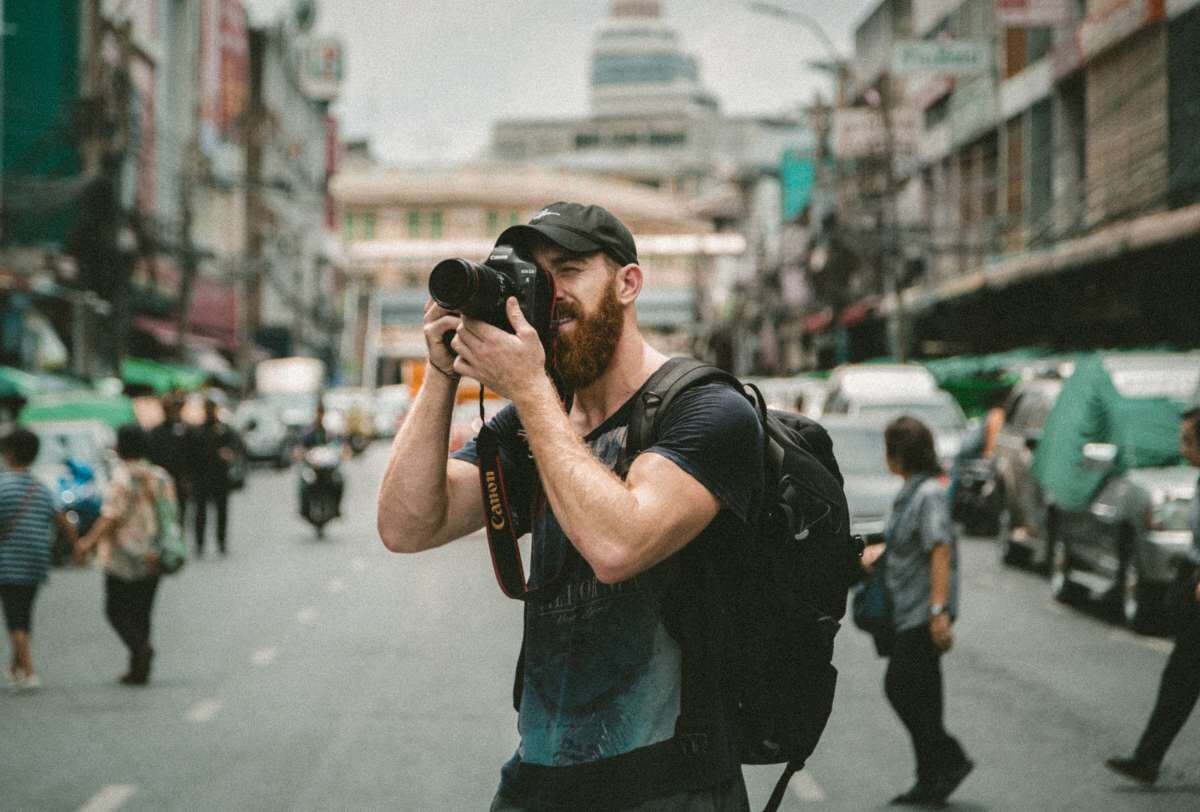
If you're a photographer, whether you specialise in landscapes or travel, you'll get to see and experience things you never would otherwise. All work travels will be experienced differently after this. Rather of formal meetings, you'll be documenting informal interactions. After the big day, your wedding photos will be your most treasured memento. Not sure where to start when it comes to looking for your wedding photographer of choice?
You can work whenever you want
You are in charge here. Is it time for you to take a break? Do you feel the urge to re-establish stronger family ties? In that case, go right ahead. Just who are they to tell you otherwise, anyway? Do you agree that is totally awesome? The time at your disposal is entirely at your control.
You Get to Continue Learning
As with every other field, photography is always evolving. New tools will always be appearing on the market, and there will be different lighting methods and editing approaches to master. Keeping one's attention in the here and now requires one to continually expand one's knowledge. No longer are you staying in a single spot.
You are entitled to attend photography conferences
Photography conventions are a lot of fun, especially when compared to corporate conventions. No matter where you are in the world, you can always find the one that best suits your needs. Attending a photography conference not only allows you to learn from your peers, but also to network with other photographers. Never assume that you or anyone else won't need someone to cover for you or them; the necessity for such a favour can come at any time.
Every Day Is Unique
One thing is certain about photography: no two days are ever the same. You'll be editing the day after the wedding, and the night before, you'll be celebrating with the happy couple over champagne. Two weddings on the same weekend might still be special and memorable for different reasons. Each time is a fresh adventure, full of potential new sights, sounds, and people to meet.
Money
Though it's not often a photographer's major objective, no one wants to go hungry. Some photographers may disagree, but the vast majority of individuals who work in this industry will tell you that there is a good chance of making a living. It is entirely up to you to set prices and manage bookings.
Photographic Career Difficulties
If you have significant creative ability, an eye for composition, and technical proficiency, a career in photography can be very rewarding. Because of the challenges inherent in the business, a career in photography is not the best choice for everyone. Learning how to take great photographs effectively requires a lot of time and work. This industry could be a good fit if you enjoy a sense of adventure and would like to see the world through the eyes of a camera.
Let's say you're set on being a professional photographer. If this describes you, you can pursue many different types of photography careers, from portraiture to commercial photography to freelancing. It's important to have specialised knowledge and abilities in each industry because of the specific issues it faces.
If you want to be a successful photographer in a certain field, you need to know the ins and outs of both classic and modern photography. Gaining proficiency in image editing and composition will help you achieve greater levels of success in this creative field. Prepare to use the power of your camera to make a difference in the lives of people all around the world.
We have the best wedding photographer in Yarra Valley to capture your beautiful moments on your wedding day.
What Is It Like to Work in Photography?
Photography is the best way to visually represent the world around you, and it's also an art form. The average day for a photographer is quite different from the average day for someone in another profession. However, the abundance of photographers in the profession today makes success incredibly difficult to achieve. We've laid out certain rules for you to follow so you can experience what it's like to work as a photographer.
A Photographer's Vision Is Selling
Photographers have the unique opportunity to share their vision with the world while making a profit from their work. You have a unique viewpoint and philosophical perspective, both of which contribute to the distinctiveness of your work. When one's outlook on life is optimistic, they are better able to use art as a vehicle for self-expression.
You Might Be Able to Live Your Dream
You should seriously consider making photography your profession if you have a deep appreciation for the art form and a contagious passion for it. You'll get to see the world through the eyes of a camera and share your perspective through film.
You can focus your career on the specific area of photography that most excites you, and that sense of agency over one's own professional growth is likely to keep you motivated. Because there is no set schedule to follow, a photographer's days are always exciting.
Hard work pays off handsomely
Take my advice and steer clear of going into photography just to get rich quick. If financial gain is your sole motive for getting into this business, you should be ready for a rough road.
In order to be successful in photography, you need to be enthusiastic and committed. Sure thing! To put it simply, there will never be a time when a talented professional photographer is without work. However, this is a universal idea that can be applied to any organisation, so a newcomer may still find it challenging to stay up and survive.
The Best Job for Explorers
Photographers have a lot of options when it comes to careers. You get a lot of attention and opportunity to learn about interesting things as a professional photographer. There is a vast range in how much time a photographer spends in the great outdoors depending on their chosen speciality. The sheer breadth and depth of your experiences and exposure ensure that you are forever expanding your horizons and acquiring new insights.
It takes a lot of practise and effort
If you're serious about making photography your living, you have to give it a lot of your time and energy. Getting the most out of your photography skills in this field requires a lot of practise. With time and practise, you'll get the skills you need to take pictures with the best possible composition, angle, timing, and lighting.
If you take the time to carefully edit your photos, they will stand out from the crowd. If you take one hundred shots at random, on average, you will make a profit on one of them. It's expected that figure will increase dramatically in the years to come.
Lack of Motivation
Everyone has this feeling at some point in their lives; even a photographer can run out of creative steam at some point in their career. It's important to take some time apart when anything like this happens.
One of the perks of being your own boss is having the freedom to take a break from your regular routine whenever you like. You may go there for a picnic or some other relaxing activity to help you relax and clear your head.
Client Dissatisfied
If you want to make a living as a photographer, you need be ready to deal with clients who will either pay you cheaply or who will simply never be satisfied with your work. Your best bet is to keep your cool, keep pushing forwards, and show off your skills in this challenging situation. Consistency is rewarded, so keep at it.
Do you want to make sure you don't miss a thing at your fantasy wedding? No need to fret; we at Wild Romantic Photography have you covered.
Things to Think About Before Starting a Photography Business

So, you've invested in a high-quality camera, discovered a deep appreciation for photography, and have been toying with the idea of turning your hobby into a source of income. Before you make that move, though, you should keep reading. You might get talked out of it, but you might also realise that you're up for the task of making a life as a photographer and that now is the time to give it a go. Any person who takes photographs for a living, with an emphasis on portrait photographers, is considered a "professional photographer" for the purposes of this article.
You aren't good enough...yet
It's possible that you're not yet a competent enough photographer to earn money from other people's purchases, despite your enthusiasm for photography and the praise you've received for your work. Does it happen that you shoot a tonne of photos, the vast majority of which you never look at again? How often do you tell yourself, "I'll repair that later in Photoshop?" Photos that aren't sharp, well-exposed, and well-composed in-camera don't warrant further processing in Photoshop.
If you find yourself pondering the techniques employed by established photographers and wondering how on earth they achieved the results they did, you probably aren't ready to make the jump to professional photographer just yet. You don't have to try to outdo the photographers whose work you like by making photos that look exactly like theirs.
That's what We mean when we say you should be cognisant of their aesthetic origins. Light, depth of field, angles, and other elements all play a role in an image, and you should know how they do so. It would be really useful if you had some sense of how much of the image is the result of post-processing.
You lack relevant experience.
This ties up with the idea that one is inadequate, yet the significance of experience cannot be overstated. Consistency is a virtue that must be maintained at all times. You need to go into every shoot with the expectation that you will get some great shots and the ability to adapt to situations where the lighting or subject matter is less than perfect.
You need to know your camera settings like the back of your hand, especially when you're following a mischievous toddler around and don't have time to stop and figure out what your shutter speed should be. You must be completely familiar with them. Planning to start looking for a wedding photographer soon? Check out our range of Mornington Peninsula wedding photography here.
You don't want to lose your passion for photography.
A common pitfall of turning a pastime into a profession is that it starts to feel more like work than fun. This is something you should be aware of before you embark on such a path. It's not something that happens to all of them, but I've seen enough instances of burnout and resignation among professional photographers to know that it's a real problem. You might think it'd be great to make a living doing something you enjoy, but are you ready to face the reality that you might grow to dislike it?
You'd rather not deal with business matters.
It takes a lot more time and effort than you might think it does to run a photography business, what with taxes, business licences, contracts, the upkeep of photographic equipment, scheduling, emailing, and making phone calls. Taking pictures for fun, selling them for money, and using the proceeds to buy luxuries is not the same thing as being a professional photographer. The bills pile up quickly, and there are a lot of them. There are some jobs that are extremely dull and repetitive. Hours can be eaten up by all the little tasks that need to be done behind the scenes.
No matter how talented you are as a photographer, if you can't handle the business end of things, you won't go very far. It's not a breeze. It's a cause of frustration. It's not uncommon for it to become completely overwhelming. Occasionally awful things happen, like when your entire photography calendar disappears from The Cloud (yes, speaking from experience).
Having to ask for financial assistance from others is a skill that is not innately possessed by everyone. You need to be able to keep your schedule, your finances, and your policies very well organised. You must also have the motivation to do it. Believe us when we tell that people are going to urge you to change all of your policies, your fees, and how you conduct business for them, so you need to make a decision on all of that ahead of time.
You hate dealing with difficult people.
Some folks are just more difficult to get along with than others. People that pay you to shoot their portrait may have unreasonable expectations, and even if you give it your all, you may still receive negative feedback. This occurs when the subject of the shot hires you to take their picture. To someone with a sensitive disposition, criticism of this sort can feel like a personal attack.
Most of the subjects you photograph will be amazing human beings who will be gushing over your work and you. Certainly not in every case. Anxious customers can take up a lot of your time on the phone (how's the weather? You know, the outfits and the forced grins. Or someone who wants to debate every Internet idea in details, even if it's not your style. They adore your portfolio, but occasionally they'll ask if you can remove all of their wrinkles with Photoshop. In general, people don't ask stupid questions. Keep everyone happy even when they aren't on the same page as you.
It's not as glamorous as you may imagine.
People are often gushing about how great it must be to be a photographer and how much they want they could do the same thing. In fact, this is a common occurrence. Many people get a rude awakening when they decide to launch a photography business without first doing substantial research and self-evaluation, and the realisation of how difficult it is to be a photographer is one of the results. It's a huge undertaking.
Many people make the decision to become "professional photographers" on a whim, but only a small percentage of those people remain in the field for more than a year; some don't even last that long. It takes work to build a customer base. There is work involved in keeping an existing clientele satisfied. They don't magically appear before the camera, waving stacks of $100 dollars and flashing a pearly white smile. You're going to have to earn it.
You will have rivals, and people will usually criticise your efforts. At times, the photography community may become very toxic. You'll encounter great people to work with and who will boost your morale, but you'll also come across some who, if given the chance, will try to pull you down.
There are many rewarding aspects to running your own business, but there are also many challenges. Remember that you are ultimately responsible for the outcomes of your actions, thus it's important to stay cognisant at all times. Making it as a professional photographer requires more than simply a love for photography. In light of the effort involved, you may decide that taking images because you're an expert and because you like doing it is more rewarding.
Do you find the tone a tad acrid here? Even while we recognise the possibility, we'd like to keep things in perspective. For all its glamour, the photography industry isn't exactly welcoming to those who don't know what they're getting in.
If you’d like to work with professional photographers for your wedding, book with us at Wild Romantic Photography.
Then, recall the motives that led you to this decision. It's work, and not an easy kind of work. You might not always enjoy taking care of the nuts and bolts of things. There will be moments when you want to hide in a crevice and stow away your camera. Nonetheless, you'll feel incredibly fortunate to be a photographer the vast majority of the time.
You'll have a blast mingling with the other employees. You'll have a blast photographing beautiful scenes and people in their element. You will take tremendous pride in making your customers happy and in providing them with unforgettable memories of your business.
Conclusion
Photography is a great profession for a variety of reasons. A snapshot can freeze a brief instant in time, preserving it for all of eternity. Maintaining consistent engagement in discussions regarding photography as a profession is getting progressively more demanding. There are many more that may have been included, but we narrowed it down to these 11 favourites. If you're not sure where your photographic interests lie, that's okay.
Photographing landscapes is fun, but you might find that you're more interested in wedding, boudoir, commercial, or even portrait photography. Take care to make your portfolio unique while yet conveying who you are and how you think. A career in photography can be a good fit if you enjoy adventure and want to see the world through a camera. There are many different types of photography careers, from portraiture to commercial photography to freelancing. Learning how to take great photographs effectively requires a lot of time and work.
Photography is the best way to visually represent the world around you, and it's also an art form. Gaining proficiency in image editing and composition will help you achieve greater levels of success. We've laid out certain rules for you to follow so you can experience what it's like to work as a photographer. If you take one hundred photos at random, on average, you will make a profit on one of them. Consistency is rewarded, so keep at it.
If you want to make a living as a photographer, you need be ready to deal with unhappy clients. Things to Think About Before Starting a Photography Business. Is Photography A Promising Career? by Wild Romantic Photography Melbourne. Any person who takes photographs for a living, with an emphasis on portrait photographers, is considered a "professional photographer".
You should be cognisant of how much of an image is the result of post-processing. A common pitfall of turning a pastime into a profession is that it starts to feel more like work than fun. You might think it'd be great to make a living doing something you enjoy, but are you ready to face the reality that you might grow to dislike it? Some folks are just more difficult to get along with than others. People that pay you to shoot their portrait may have unreasonable expectations.
Anxious customers can take up a lot of your time on the phone. You need to keep everyone happy even when they aren't on the same page as you. The photography industry isn't exactly welcoming to those who don't know what they're getting into. Making it as a professional photographer requires more than simply a love for photography. There are many rewarding aspects to running your own business, but there are also many challenges. Remember that you are ultimately responsible for the outcomes of your actions.
Content Summary:
- Photographers don't have to worry about the typical stresses of "job" like the rest of us.
- Outsiders may think photographers have a dream job since they get to capture moments for a living.
- Maintaining consistent engagement in discussions regarding photography as a profession is getting progressively more demanding.
- What they don't realise is how quickly one can go from making minimum pay to a six figure salary as a professional photographer, or how quickly one can go from photographing the Northern Lights to a wedding.
- Working as a professional photographer is a dream job for many people.
- If you found yourself here, you're probably thinking about making photography your profession and wondering how successful photographers tend to be.
- The history of photography is marked by many ups and downs, but the industry is currently booming because of the widespread adoption of social media and photo-sharing websites like Instagram, Pinterest, and Facebook.
- Most young people today believe that anyone can get their hands on photography gear thanks to technical improvements.
- Can they make a living as photographers?Is there room for development in the photographic industry?
- It's true that photography may be a lucrative profession, but your success as a photographer will depend on your individual set of abilities, your imagination, the type of photography you choose to focus on, and your work ethic.
- A good photographer's drive and dedication set them apart from the rest.
- If you need advice on your wedding photography, check out our photography packages and services at Wild Romantic Photography.
- We're going to assist you to avoid the pitfalls that have prevented other photographers from making a career from their art by launching a successful and lucrative business.
- However, photography is a great profession for a variety of reasons.
- A snapshot can freeze a brief instant in time, preserving it for all of eternity.
- You should take full advantage of this brief chance!
- We think a lot of people take this idea for granted because it is so simple to have a camera in the modern world.
- Almost every photographer discovers their own calling. Don't rush into deciding what kind of photographer you are; instead, take as much time as you need.
- Photographing landscapes is fun, but you might find that you're more interested in wedding, boudoir, commercial, or even portrait photography.
- If you're not sure where your photographic interests lie, that's okay.
- Your clients will gladly and enthusiastically support your efforts to be yourself in your interactions with them.
- Being dishonest with who you really are and pretending to be someone you're not are both very damaging.
- Here is your shot to make a fashion statement and show the world who you are.
- Take care to make your portfolio unique while yet conveying who you are and how you think.
- The way in which other people rate your artistic ability is entirely under your control.
- A photographer's portfolio can be utilised to tell a story.
- Whether they were taken at a crucial occasion in the life of someone else or on an exciting journey you took, these pictures will always serve as a reminder of those times.
- Thanks to photographs, people can revisit the important occasions in their lives.
- All work travels will be experienced differently after this.
- After the big day, your wedding photos will be your most treasured memento.
- Not sure where to start when it comes to looking for your wedding photographer of choice?You can work whenever you want. You are in charge here.
- Is it time for you to take a break?
- Do you feel the urge to re-establish stronger family ties?
- As with every other field, photography is always evolving.
- Keeping one's attention in the here and now requires one to continually expand one's knowledge.
- No longer are you staying in a single spot.
- You are entitled to attend photography conferences. Photography conventions are a lot of fun, especially when compared to corporate conventions.
- No matter where you are in the world, you can always find the one that best suits your needs.
- Attending a photography conference not only allows you to learn from your peers, but also to network with other photographers.
- Never assume that you or anyone else won't need someone to cover for you or them; the necessity for such a favour can come at any time.
- One thing is certain about photography: no two days are ever the same.
- You'll be editing the day after the wedding, and the night before, you'll be celebrating with the happy couple over champagne.
- Two weddings on the same weekend might still be special and memorable for different reasons.
- Each time is a fresh adventure, full of potential new sights, sounds, and people to meet.
- Though it's not often a photographer's major objective, no one wants to go hungry.
- Some photographers may disagree, but the vast majority of individuals who work in this industry will tell you that there is a good chance of making a living.
- It is entirely up to you to set prices and manage bookings.
- If you have significant creative ability, an eye for composition, and technical proficiency, a career in photography can be very rewarding.
- Because of the challenges inherent in the business, a career in photography is not the best choice for everyone.
- Learning how to take great photographs effectively requires a lot of time and work.
- This industry could be a good fit if you enjoy a sense of adventure and would like to see the world through the eyes of a camera.
- Let's say you're set on being a professional photographer.
- If this describes you, you can pursue many different types of photography careers, from portraiture to commercial photography to freelancing.
- If you want to be a successful photographer in a certain field, you need to know the ins and outs of both classic and modern photography.
- Gaining proficiency in image editing and composition will help you achieve greater levels of success in this creative field.
- Prepare to use the power of your camera to make a difference in the lives of people all around the world.
- We have the best wedding photographer in Yarra Valley to capture your beautiful moments on your wedding day.
- Photography is the best way to visually represent the world around you, and it's also an art form.
- The average day for a photographer is quite different from the average day for someone in another profession.
- However, the abundance of photographers in the profession today makes success incredibly difficult to achieve.
- We've laid out certain rules for you to follow so you can experience what it's like to work as a photographer.
- Photographers have the unique opportunity to share their vision with the world while making a profit from their work.
- You have a unique viewpoint and philosophical perspective, both of which contribute to the distinctiveness of your work.
- When one's outlook on life is optimistic, they are better able to use art as a vehicle for self-expression.
- You should seriously consider making photography your profession if you have a deep appreciation for the art form and a contagious passion for it.
- You'll get to see the world through the eyes of a camera and share your perspective through film.
- You can focus your career on the specific area of photography that most excites you, and that sense of agency over one's own professional growth is likely to keep you motivated.
- Because there is no set schedule to follow, a photographer's days are always exciting.
- Hard work pays off handsomely. Take my advice and steer clear of going into photography just to get rich quick.
- If financial gain is your sole motive for getting into this business, you should be ready for a rough road.
- In order to be successful in photography, you need to be enthusiastic and committed.
- Sure thing!
- To put it simply, there will never be a time when a talented professional photographer is without work.
- Photographers have a lot of options when it comes to careers.
- You get a lot of attention and opportunity to learn about interesting things as a professional photographer.
- There is a vast range in how much time a photographer spends in the great outdoors depending on their chosen speciality.
- It takes a lot of practice and effort. If you're serious about making photography your living, you have to give it a lot of your time and energy.
- Getting the most out of your photography skills in this field requires a lot of practise.
- With time and practice, you'll get the skills you need to take pictures with the best possible composition, angle, timing, and lighting.
- If you take the time to carefully edit your photos, they will stand out from the crowd.
- Everyone has this feeling at some point in their lives; even a photographer can run out of creative steam at some point in their career.
- It's important to take some time apart when anything like this happens.
- One of the perks of being your own boss is having the freedom to take a break from your regular routine whenever you like.
- You may go there for a picnic or some other relaxing activity to help you relax and clear your head.
- If you want to make a living as a photographer, you need to be ready to deal with clients who will either pay you cheaply or who will simply never be satisfied with your work.
- Your best bet is to keep your cool, keep pushing forwards, and show off your skills in this challenging situation.
- Do you want to make sure you don't miss a thing at your fantasy wedding?
- So, you've invested in a high-quality camera, discovered a deep appreciation for photography, and have been toying with the idea of turning your hobby into a source of income.
- Before you make that move, though, you should keep reading.
- You might get talked out of it, but you might also realise that you're up for the task of making a life as a photographer and that now is the time to give it a go.
- Any person who takes photographs for a living, with an emphasis on portrait photographers, is considered a "professional photographer" for the purposes of this article.
- You aren't good enough...yet It's possible that you're not yet a competent enough photographer to earn money from other people's purchases, despite your enthusiasm for photography and the praise you've received for your work.
- Does it happen that you shoot a tonne of photos, the vast majority of which you never look at again?
- How often do you tell yourself, "I'll repair that later in Photoshop?"
- Photos that aren't sharp, well-exposed, and well-composed in-camera don't warrant further processing in Photoshop.
- If you find yourself pondering the techniques employed by established photographers and wondering how on earth they achieved the results they did, you probably aren't ready to make the jump to professional photography just yet.
- You don't have to try to outdo the photographers whose work you like by making photos that look exactly like theirs.
- That's what We mean when we say you should be cognisant of their aesthetic origins.
- Light, depth of field, angles, and other elements all play a role in an image, and you should know how they do so.
- It would be really useful if you had some sense of how much of the image is the result of post-processing.
- You lack relevant experience.
- This ties up with the idea that one is inadequate, yet the significance of experience cannot be overstated.
- Consistency is a virtue that must be maintained at all times.
- You need to go into every shoot with the expectation that you will get some great shots and the ability to adapt to situations where the lighting or subject matter is less than perfect.
- You need to know your camera settings like the back of your hand, especially when you're following a mischievous toddler around and don't have time to stop and figure out what your shutter speed should be.
- You must be completely familiar with them.
- You don't want to lose your passion for photography.
- A common pitfall of turning a pastime into a profession is that it starts to feel more like work than fun.
- This is something you should be aware of before you embark on such a path.
- It's not something that happens to all of them, but I've seen enough instances of burnout and resignation among professional photographers to know that it's a real problem.
- You might think it'd be great to make a living doing something you enjoy, but are you ready to face the reality that you might grow to dislike it?You'd rather not deal with business matters.
- It takes a lot more time and effort than you might think it does to run a photography business, what with taxes, business licences, contracts, the upkeep of photographic equipment, scheduling, emailing, and making phone calls.
- Taking pictures for fun, selling them for money, and using the proceeds to buy luxuries is not the same thing as being a professional photographer.
- The bills pile up quickly, and there are a lot of them.
- There are some jobs that are extremely dull and repetitive.
- Hours can be eaten up by all the little tasks that need to be done behind the scenes.
- No matter how talented you are as a photographer, if you can't handle the business end of things, you won't go very far.
- It's not a breeze.
- Having to ask for financial assistance from others is a skill that is not innately possessed by everyone.
- You need to be able to keep your schedule, your finances, and your policies very well organised.
- You must also have the motivation to do it.
- Believe us when we tell you that people are going to urge you to change all of your policies, your fees, and how you conduct business for them, so you need to make a decision on all of that ahead of time.
- You hate dealing with difficult people.
- Some folks are just more difficult to get along with than others.
- People that pay you to shoot their portrait may have unreasonable expectations, and even if you give it your all, you may still receive negative feedback.
- This occurs when the subject of the shot hires you to take their picture.
- To someone with a sensitive disposition, criticism of this sort can feel like a personal attack.
- Most of the subjects you photograph will be amazing human beings who will be gushing over your work and you.
- Certainly not in every case.
- Anxious customers can take up a lot of your time on the phone (how's the weather?
- You know, the outfits and the forced grins.
- Or someone who wants to debate every Internet idea in details, even if it's not your style.
- They adore your portfolio, but occasionally they'll ask if you can remove all of their wrinkles with Photoshop.
- In general, people don't ask stupid questions.
- Keep everyone happy even when they aren't on the same page as you.
- It's not as glamorous as you may imagine.
- People are often gushing about how great it must be to be a photographer and how much they want they could do the same thing.
- In fact, this is a common occurrence.
- Many people get a rude awakening when they decide to launch a photography business without first doing substantial research and self-evaluation, and the realisation of how difficult it is to be a photographer is one of the results.
- It's a huge undertaking.
- Many people make the decision to become "professional photographers" on a whim, but only a small percentage of those people remain in the field for more than a year; some don't even last that long.
- It takes work to build a customer base.
- There is work involved in keeping an existing clientele satisfied.
- You're going to have to earn it.
- You will have rivals, and people will usually criticise your efforts.
- At times, the photography community may become very toxic.
- You'll encounter great people to work with and who will boost your morale, but you'll also come across some who, if given the chance, will try to pull you down.
- There are many rewarding aspects to running your own business, but there are also many challenges.
- Remember that you are ultimately responsible for the outcomes of your actions, thus it's important to stay cognisant at all times.
- Making it as a professional photographer requires more than simply a love for photography.
- In light of the effort involved, you may decide that taking images because you're an expert and because you like doing it is more rewarding.
- Do you find the tone a tad acrid here?
- Even while we recognise the possibility, we'd like to keep things in perspective.
- For all its glamour, the photography industry isn't exactly welcoming to those who don't know what they're getting in.
- Then, recall the motives that led you to this decision.
- It's work, and not an easy kind of work.
- You might not always enjoy taking care of the nuts and bolts of things.
- There will be moments when you want to hide in a crevice and stow away your camera.
- Nonetheless, you'll feel incredibly fortunate to be a photographer the vast majority of the time.
- You'll have a blast mingling with the other employees.
- You'll have a blast photographing beautiful scenes and people in their element.
FAQs About Photography
How Do I Film My Wedding?
Then, recall the motives that led you to this decision. It's work, and not an easy kind of work. It's probable that you occasionally hate having to deal with the nuts and bolts of things. There will be times when you want to hide in a crevice and stow your camera somewhere out of sight. You will, however, feel incredibly privileged to be a photographer the vast majority of the time. You're going to love spending time with your coworkers.
You are going to have a lot of fun taking stunning photographs and catching people in their natural states. You will adore satisfied customers and will take great pride in the fact that you can give them experiences that will live on in their memories for all time. If you need advice on your wedding photography, check out our photography packages and services at Wild Romantic Photography.
But! Ask a buddy to be your videographer even if they have never done it before. In order to create a beautiful wedding video, you need simply adhere to these simple guidelines. We love to talk about DIY wedding options that can help you save money on your big day.
Ways to Guarantee the Perfect Diy Wedding Video
Designate and Empower a Specific Person to Be Your Videographer
There must be no confusion about who will be in charge of videography during your wedding. Whether you decide to invite a close friend or a member of the family to be your "videographer," you should make sure to have an open conversation about it. They should feel comfortable enough to record during your wedding day after hearing your words and not feel forced to create an award-winning film.
Similarly, you may have one friend video the ceremony and then hand the camera off to another buddy to shoot the reception, etc. Make your videographer friend feel unique and appreciated in whatever way you can.
Having your wedding recorded on film is a great way to remember all of the lovely moments with your family and friends that were a part of your big day. Nonetheless, in order to do this crucial work, you should give serious thought to the people in whom you will invest your faith. We here at Wild Romantic Photography highly recommend getting together a group of five or six pals and making sure they're all cool with being filmed.
You must make it clear that you do not want them to serve as your "professional wedding videographer" for the duration of the ceremony and reception. People who are close to you, including friends and family, will want to do a good job for you since it will make them feel like they play a significant role in your celebration.
Give Them a Brief
The last thing you want to worry about on your wedding day is whether or not the video cameras are being used. You should schedule separate times for your videographers to film in advance of the wedding. It'd be fun to record the morning preparations with the bridesmaids and groomsmen, then hand off the cameras to Sarah and Jeff to capture the wedding on video.
We have an exclusive range of wedding photography Mornington Peninsula services. Check them out here.
Leave Messages
The most successful wedding videos we've edited are the ones where the couple has planned ahead and agreed upon which components they want to include.
You and your partner may agree to leave a message for each other the night before, exchange gifts in front of the camera, or simply have short conversations with the camera throughout the day about how you're feeling. Such events are the ones that will send shivers down your spine when you're an old wrinkly man thinking about them for the first time.
As your filming pal won't be in too much motion, they shouldn't be in the way of your photographer. If you've hired a professional photographer to capture the event, they would gladly advise your friend on the best place to put up their camera because photographers are narcissists who think the world revolves around them.
No, really! Though (in all candour) this is not the case. This will make sure that your photographer understands the importance of staying out of the frame whenever possible. Your videographer pal should be able to collaborate with your photographer like they're part of the same team.
Set Some Challenges
A good wedding video will not be the product of you strolling around the venue shooting anything that moves. Filming with intention and in 10- to 20-minute bursts is ideal. Why not have a friend film your wedding, organise a group of ten people to do a goofy dance, or set up a video journal at your reception with funny questions for attendees to answer on camera? Your edited wedding film will have a more personal feel if you follow these simple tips.
Use the Tripod
It would be difficult for even the most skilled wedding videographers to stand in one place and keep the same shot for a long time. You should have the tripod ready to start recording in plenty of time before the event starts, as most ceremonies and speeches run at least thirty minutes.
Always acquire a good shot from the tripod, and position the camera as near to the speaker as feasible for optimal sound. Because of this, your cameraman may keep an eye on it without worrying about shakiness.
Regardless of the sort of camera you want to use, a tripod is an essential piece of equipment for capturing your wedding day (seriously, this might be the most important of our wedding videography tips). One of the biggest drawbacks of the video is that it was shot using a handheld camera. In a nutshell, it's unsteady, it's shaky, and it makes people sick to their stomachs to see.
Any movie longer than 45 seconds in length should be shot with the assistance of a tripod. By purchasing a cheap, five-foot-tall tripod, your video will instantly become 156 percent more watchable. It's worth it to invest in a good mount for your smartphone if you want to use it for filming.
Do not put your trust in the fact that your friend will be able to keep their arms raised while using their phone for the next seventeen minutes while sitting in the third row behind all of the tall people. Create lasting memories through your Yarra Valley wedding photography that will be cherished forever.
Use Whatever Camera You Can Get Your Hands-On
Anything from a smartphone or tablet to a conventional video camcorder or even a DSLR camera can be used to record your wedding day. It was also possible for participants to utilise their laptop cameras to record video of the ceremonies and broadcast it live to six other countries. You need not spend a small fortune on a rental or purchase of a top-of-the-line professional camera.
It's true that this will help, but for the money you'll be spending, why not just employ a professional cameraman instead? If it's so crucial, you shouldn't care about whether or not it was captured in high definition suited for burning Blu-ray discs and playing back on the most impressive television ever built.
Could you not Turn the Camera on Its Side?
If you're like us, you're always making use of your smartphone's video recording capabilities. Our recorded videos, however, will be viewed on a stationary television rather than a smartphone. Keep the camera upright and move back if you need more room in your shot; videos filmed on their sides will have huge black bars on either side of the screen when played back on a television.
Move Slowly or Not at All
For this reason, it is crucial that your filming friend understands that the ultimate goal is to get stable, useful footage. Your wedding film should not be expected to be a work of art or cinematic quality. They have to make sure the camera is set up properly so it can capture what's going on, and then make sure it actually is recording. If they have never used a video camera before, they should avoid moving it at all costs while filming.
The primary goal is to keep the camera as stationary as possible, however it is permissible to follow the subject with the camera or gradually zoom out if they move out of view. Therefore, there will be no attempts to create an action shot, and there will be no cutting from one person speaking to another. It's important that the documentary they're making seems to be "simply the facts."
Beware of the Zoom
There's no denying the utility of being able to zoom in, but on the big day, it's best to proceed with caution and not get too close. When the camera is zoomed all the way in, the resulting film is blurry and unsteady (especially if it is being shot in a dimly lit room). To begin with, we recommend moving closer to whatever it is you're filming.
Be Close Enough to Hear
The only thing more annoying than a shaky handheld video is not being able to hear what's being said. Even if the video quality is low, if the audio is good, we'll watch it. However, if the audio quality is low, even if the video quality is high, we won't watch it. The best approach to ensure that your camera is picking up audio is to place it where you can clearly hear the person being filmed.
The camera should not be placed too far from the activity unless the audio is being presented loudly through headphones or microphones for all participants. The tripod holding your camera should be as close to the subject as possible if you want clean shots; this distance is determined by how well you can hear the person you're filming.
Find Some Inspiration
One of the most crucial aspects of wedding preparation is remembering that the more information you gather, the more options you will have. The Shoot It Yourself Vimeo channel offers over 700 wedding videos that are sure to get your creative juices flowing and encourage you to make your own wedding video. Finally, and most importantly, have a good time!
You can take a selfie by spinning around the room, running and jumping over the camera while it's on the floor, and using the lens as if it were a mirror. There is no limit to the number of ideas that can be used, and the more ideas you have, the better your edited video will be... And keep in mind that there's absolutely nothing wrong with exposing a little skin every now and then! Our exclusive range of Melbourne wedding photography will help you not miss a thing on your wedding day.
Make Complete Recordings
When filming a ceremony, it's best to start at the beginning and keep going until a good while has gone after the event has ended. Begin recording right before the first dance begins, and keep going all the way through to the end of the song. When you're good to go, hit the record button so that... you get the idea. You need uninterrupted, exclusive film of every event, from the very beginning to the very finish.
If you need to move the camera to acquire a better shot, keep recording. Even if there is only a small team and a lot of movement, it is better to do one continuous take than to risk missing something vital. The editing procedure will also be simplified by about 143% as a result of this modification.
Editing Can Be Positively Easy
If a friend were to film all of the exciting parts of your wedding and send them to you afterwards, you would have very little work to do in terms of editing. You won't find it hard to do so. Ceremony filming? You should select when you want it to fade in to start, and then pick when you want it to fade out to end.
Is the cake-cutting ceremony next? Is there a specific time at which you want each clip to start playing? See? The convenience of having only one clip eliminates the need to worry about timing the audio or splicing together many recordings to get a workable shot. Now that it's done, you can choose when the video starts and stops playing. A comparable method of video editing is already in widespread use and is accessible to anyone who has used Snapchat, V, or Instagram.
Planning your dream wedding and don’t want to miss out on the special moments on your big day? Worry no more, Wild Romantic Photography has you covered.
Why? Because Love
Even if you're on the fence about whether or not you want the ceremony filmed, there are still plenty of reasons to have at least some footage captured. I've gone to weddings when beloved ancestors who are no longer with us have offered heartfelt and humorous toasts.
When compared to the ability to capture and replay a moment in time using video footage, there are some things that simply cannot be photographed. For this reason, it is essential to have a strategy in place before beginning production on any video. A wedding video that was shot artistically and cost a lot of money is lovely, but being able to watch your best friend's speech again and again and feel all the feels is priceless (and luckily, basically free).
When it comes to equipment, simplicity is key. First, some fundamentals:
- A basic, at least 5-foot-tall tripod
- Phone tripod holder
- A video light (or even just a good, wide-beam flashlight) if it's going to grow dark, or make sure everyone stands in a well-lit area.
- A battery pack or spare batteries
- Free and straightforward video editing software like Windows Movie Maker or iMovie is readily available. They are suitable for use in creating DVDs.
Wedding Video Ideas

You may make a beautiful time capsule of the events leading up to your wedding by including video into every stage of the process. The ease with which the video may be shared with others means that even those who live far away can feel a part of the celebration. Check out these amazing wedding video ideas, and then read our post featuring many more ways to use video on your big day.
Before the Wedding
Proposal Video
Getting ready to pop the question? A video proposal is the best approach to propose because it will make the recipient dumbfounded. Even if you ultimately decide against producing a video proposal for your significant other, you may still utilise a video to capture the event. Take images of your entry with a friend or a professional photographer. Then, you can share a slideshow of the proposal or a reminiscence of the engagement as a way to announce your engagement.
Wedding Invitation Video
Inviting guests to events via video is becoming increasingly prevalent, and it's easy to see why. The wedding guests can't lose them, they're versatile, and no paper is needed.
Story of Us Video
Friends and family should be made aware of the engagement at least a short time before the wedding. Some of your extended family and high school pals may not be familiar with each other or may have forgotten the circumstances surrounding your first meeting and subsequent romance. An engaging video telling your narrative could be a great addition to your wedding website or Facebook group. It's also a great opportunity to get the people closest to you psyched for the big day by throwing a rehearsal dinner or engagement party.
During the Wedding
Wedding Ceremony Slideshow
Putting together a slideshow of ceremony images for the after-party won't take more than a few minutes of your time. Be sure you have a large screen, projector, or television set set up and ready to begin. The next step is to upload your photos to a computer.
Video Booth
Adding a video component to the wedding photo booth will make it even more entertaining for guests. Encourage your guests to offer their congratulations to the happy couple or to act goofy with some props. You can even create a do-it-yourself video booth by mounting a tablet in a frame. Even if you choose to only use a photo booth, you can still compile your favourites into a short video and post it to social media after the wedding.
After the Wedding
Honeymoon Video Recap
Make a video album with the footage and photographs you captured on your honeymoon and keep it so you can relive the experience whenever you choose. You might also use social media to update friends and family on your wedding and honeymoon via video.
Anniversary Slideshow
It doesn't matter if it's your first or 25th anniversary; a video is a wonderful way to remind your sweetheart that you're still deeply in love with them. When celebrating a landmark anniversary, such as a couple's golden wedding anniversary, a video slideshow is a great way to remember the event and the people who made it possible. If you plan on showing your film at a party, it's a good idea to practise showing it on a TV or projector in a variety of ways.
DIY Wedding Video Tips
If you want to employ a videographer, you need a cost-effective solution. The production value of a wedding film that doesn't break the bank is not necessarily tied to the price tag. Learn how to make a wedding video that seems like it was shot by an expert but is actually rather simple to put together and will allow you to record all the special moments of your wedding day.
SELECTING AN AMATEUR VIDEOGRAPHER
Since you'll be focused on the nuptials themselves on the big day, delegate responsibility for the wedding film to someone else in advance. Appoint one or more wedding guests to serve as videographers, and make sure they have access to any necessary equipment on the big day. You can choose from a variety of approaches to filming your video, including the following:
- You should appoint one of your guests to record the event.
- Invest on student labour to handle your video editing needs. It will save money on the video and give everyone more time to have fun.
- Have your wedding guests record video and take photos, then collect their memories after the ceremony.
- To document the event, provide a few visitors with mobile cameras, such as a GoPro. To capture a truly one-of-a-kind perspective of the ceremony and reception, attach a camera to a bouquet or other wedding-day object.
Preserve your Wedding Memories on Film for Less
Hearing you and your partner express your love for one another via your vows is one of the most meaningful and significant things we can imagine. That's up there with the most potent things we can imagine. It is clear that the two of you have a deep and abiding love for one another, and it is this love that has allowed for this wedding to take place. To be able to watch a tape of your wedding and relive the joy all over again is a precious experience.
If you’d like to work with professional photographers for your wedding, book with us at Wild Romantic Photography.
Conclusion
Having your wedding recorded on film is a great way to remember all of the lovely moments with your family and friends. Empower a buddy to be your videographer even if they have never done it before. We highly recommend getting together a group of five or six pals and making sure they're all cool with being filmed. Schedule separate times for your videographers to film in advance of the wedding. Make it clear that you do not want them to serve as your "professional wedding videographer".
Your videographer pal should be able to collaborate with your photographer like they're part of the same team. A good wedding video will not be the product of you strolling around the venue shooting anything that moves. Filming with intention and in 10- to 20-minute bursts is ideal. Any movie longer than 45 seconds in length should be shot with the assistance of a tripod. A smartphone or tablet can be used to record wedding videos.
You don't need to spend a fortune on a top-of-the-line professional camera. Make sure the camera is set up properly so it can capture what's going on, and then make sure it actually is recording. When the camera is zoomed all the way in, the resulting film is blurry and unsteady. To begin with, we recommend moving closer to whatever it is you're filming. If the audio quality is low, even if the video quality is high, we won't watch it.
When filming a ceremony, it's best to start at the beginning and keep going until a good while after the event has ended. The convenience of having only one clip eliminates the need to worry about timing the audio or splicing together many recordings to get a workable shot. A video proposal is the best way to propose to the person you want to marry. Inviting guests to events via video is becoming increasingly prevalent, and it's easy to see why. Check out these amazing wedding video ideas, and then read our post featuring more ways to use video on your big day.
An engaging video could be a great addition to your wedding website or Facebook group. You can even create a do-it-yourself video booth by mounting a tablet in a frame. A video is a wonderful way to remind your sweetheart that you're still deeply in love with them. Delegate responsibility for the wedding film to someone else in advance. Appoint one or more wedding guests to serve as videographers, and make sure they have access to any necessary equipment. Make a simple video that seems like it was shot by an expert but is rather simple to put together.
Content Summary
- It's work, and not an easy kind of work.
- You will, however, feel incredibly privileged to be a photographer the vast majority of the time.
- Ask a buddy to be your videographer even if they have never done it before.
- Whether you decide to invite a close friend or a member of the family to be your "videographer," you should make sure to have an open conversation about it.
- Make your videographer friend feel unique and appreciated in whatever way you can.
- Having your wedding recorded on film is a great way to remember all of the lovely moments with your family and friends that were a part of your big day.
- We here at Wild Romantic Photography highly recommend getting together a group of five or six pals and making sure they're all cool with being filmed.
- You must make it clear that you do not want them to serve as your "professional wedding videographer" for the duration of the ceremony and reception.
- People who are close to you, including friends and family, will want to do a good job for you since it will make them feel like they play a significant role in your celebration.
- Give Them a BriefThe last thing you want to worry about on your wedding day is whether or not the video cameras are being used.
- You should schedule separate times for your videographers to film in advance of the wedding.
- We have an exclusive range of wedding photography Mornington Peninsula services.
- You and your partner may agree to leave a message for each other the night before, exchange gifts in front of the camera, or simply have short conversations with the camera throughout the day about how you're feeling.
- As your filming pal won't be in too much motion, they shouldn't be in the way of your photographer.
- This will make sure that your photographer understands the importance of staying out of the frame whenever possible.
- Your videographer pal should be able to collaborate with your photographer like they're part of the same team.
- Set Some Challenges
- Filming with intention and in 10- to 20-minute bursts is ideal.
- Why not have a friend film your wedding, organise a group of ten people to do a goofy dance, or set up a video journal at your reception with funny questions for attendees to answer on camera?
- Regardless of the sort of camera you want to use, a tripod is an essential piece of equipment for capturing your wedding day (seriously, this might be the most important of our wedding videography tips).
- One of the biggest drawbacks of the video is that it was shot using a handheld camera.
- Any movie longer than 45 seconds in length should be shot with the assistance of a tripod.
- By purchasing a cheap, five-foot-tall tripod, your video will instantly become 156 percent more watchable.
- It's worth it to invest in a good mount for your smartphone if you want to use it for filming.
- Create lasting memories through your Yarra Valley wedding photography that will be cherished forever.
- Anything from a smartphone or tablet to a conventional video camcorder or even a DSLR camera can be used to record your wedding day.
- You need not spend a small fortune on a rental or purchase of a top-of-the-line professional camera.
- Our recorded videos, however, will be viewed on a stationary television rather than a smartphone.
- Keep the camera upright and move back if you need more room in your shot; videos filmed on their sides will have huge black bars on either side of the screen when played back on a television.
- Move Slowly or Not at AllFor this reason, it is crucial that your filming friend understands that the ultimate goal is to get stable, useful footage.
- They have to make sure the camera is set up properly so it can capture what's going on, and then make sure it actually is recording.
- If they have never used a video camera before, they should avoid moving it at all costs while filming.
- "Beware of the Zoom
- There's no denying the utility of being able to zoom in, but on the big day, it's best to proceed with caution and not get too close.
- To begin with, we recommend moving closer to whatever it is you're filming.
- Even if the video quality is low, if the audio is good, we'll watch it.
- However, if the audio quality is low, even if the video quality is high, we won't watch it.
- The best approach to ensure that your camera is picking up audio is to place it where you can clearly hear the person being filmed.
- The tripod holding your camera should be as close to the subject as possible if you want clean shots; this distance is determined by how well you can hear the person you're filming.
- The Shoot It Yourself Vimeo channel offers over 700 wedding videos that are sure to get your creative juices flowing and encourage you to make your own wedding video.
- Finally, and most importantly, have a good time!You can take a selfie by spinning around the room, running and jumping over the camera while it's on the floor, and using the lens as if it were a mirror.
- Our exclusive range of Melbourne wedding photography will help you not miss a thing on your wedding day.
- Make Complete Recordings
- When filming a ceremony, it's best to start at the beginning and keep going until a good while has gone after the event has ended.
- Begin recording right before the first dance begins, and keep going all the way through to the end of the song.
- You need uninterrupted, exclusive film of every event, from the very beginning to the very finish.
- Editing Can Be Positively EasyIf a friend were to film all of the exciting parts of your wedding and send them to you afterwards, you would have very little work to do in terms of editing.
- Is there a specific time at which you want each clip to start playing?
- Now that it's done, you can choose when the video starts and stops playing.
- A comparable method of video editing is already in widespread use and is accessible to anyone who has used Snapchat, V, or Instagram.
- Worry no more, Wild Romantic Photography has you covered.
- Because LoveEven if you're on the fence about whether or not you want the ceremony filmed, there are still plenty of reasons to have at least some footage captured.
- When compared to the ability to capture and replay a moment in time using video footage, there are some things that simply cannot be photographed.
- For this reason, it is essential to have a strategy in place before beginning production on any video.
- Wedding Video IdeasYou may make a beautiful time capsule of the events leading up to your wedding by including video into every stage of the process.
- Check out these amazing wedding video ideas, and then read our post featuring many more ways to use video on your big day.
- Even if you ultimately decide against producing a video proposal for your significant other, you may still utilise a video to capture the event.
- Friends and family should be made aware of the engagement at least a short time before the wedding.
- During the WeddingWedding Ceremony SlideshowPutting together a slideshow of ceremony images for the after-party won't take more than a few minutes of your time.
- Video BoothAdding a video component to the wedding photo booth will make it even more entertaining for guests.
- You can even create a do-it-yourself video booth by mounting a tablet in a frame.
- Even if you choose to only use a photo booth, you can still compile your favourites into a short video and post it to social media after the wedding.
- After the WeddingHoneymoon Video RecapMake a video album with the footage and photographs you captured on your honeymoon and keep it so you can relive the experience whenever you choose.
- You might also use social media to update friends and family on your wedding and honeymoon via video.
- When celebrating a landmark anniversary, such as a couple's golden wedding anniversary, a video slideshow is a great way to remember the event and the people who made it possible.
- DIY Wedding Video Tips
- If you want to employ a videographer, you need a cost-effective solution.
- Learn how to make a wedding video that seems like it was shot by an expert but is actually rather simple to put together and will allow you to record all the special moments of your wedding day.
- SELECTING AN AMATEUR VIDEOGRAPHERSince you'll be focused on the nuptials themselves on the big day, delegate responsibility for the wedding film to someone else in advance.
- You can choose from a variety of approaches to filming your video, including the following:You should appoint one of your guests to record the event.
- Invest on student labour to handle your video editing needs.
- Have your wedding guests record video and take photos, then collect their memories after the ceremony.
- Preserve your Wedding Memories on Film for LessHearing you and your partner express your love for one another via your vows is one of the most meaningful and significant things we can imagine.
- If you'd like to work with professional photographers for your wedding, book with us at Wild Romantic Photography.
FAQs About Photography
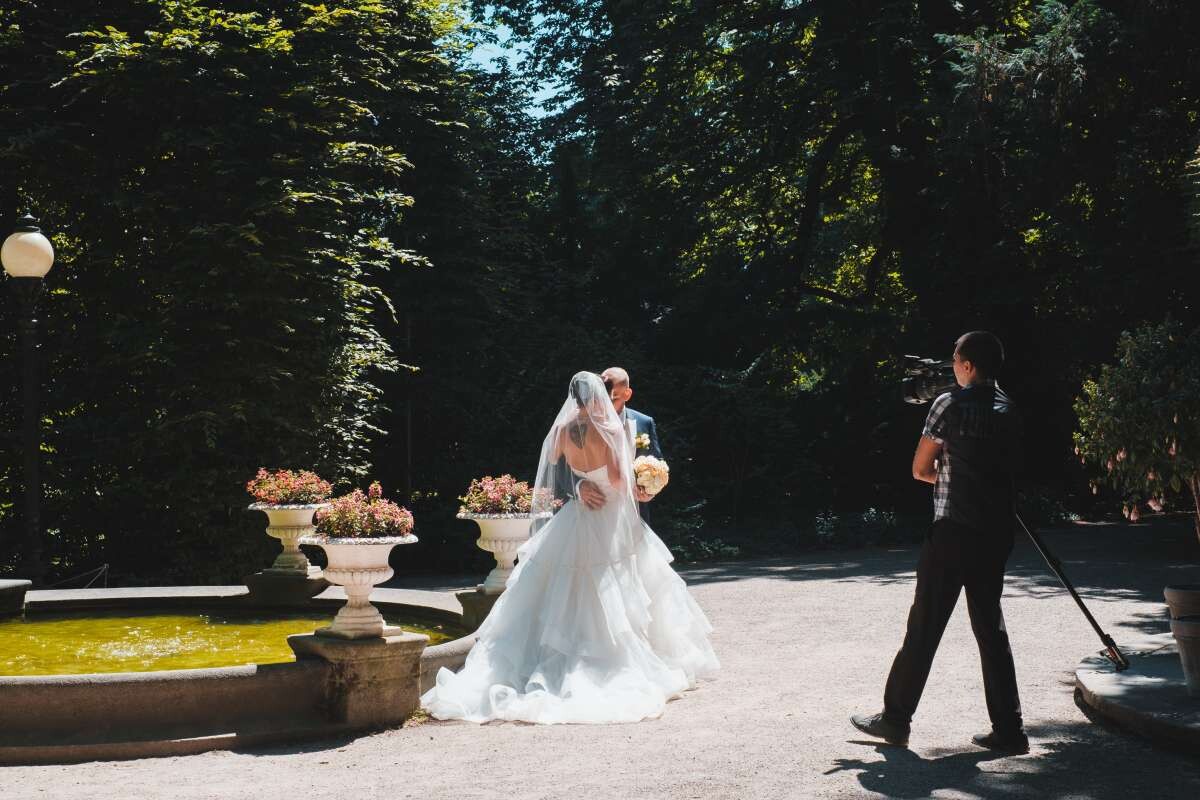
Is a Videographer Worth It for a Wedding?
There are valid arguments for and against the practise of hiring a videographer for a wedding, making the decision to do so a challenging one.
Wedding videography is a great addition to any big day, but most engaged couples view it more as an extravagance than a necessity. However, what not as many people know is that there is a wide variety in how much a wedding videographer will charge. You can either hire a videographer for a hefty sum to capture the entire event, or you can pay someone to record just the ceremony itself.
If you need advice on your wedding photography, check out our photography packages and services at Wild Romantic Photography.
But if money is tight, how can you decide if hiring a videographer for any length of time is a good use of that expense? Here are the circumstances in which hiring a wedding videographer is an essential must, as well as those in which it is highly unlikely to pay off. Below, we've weighed the pros and cons of having a videographer film your wedding so you can make an educated decision.
Is Wedding Videography worth the cost of your wedding?
The decision of whether or not to hire a videographer to record the wedding is one that many engaged couples face.
Video is a highly anticipated feature for some, but less so for others. Here, we'll address some of the most often asked questions about wedding videography and offer some practical guidance for selecting the right videographer. That you'll find this data useful is our sincere hope.
First, some numbers:
The most recent data from The Wedding Report shows that over 63% of couples used a videographer in some capacity for their wedding in 2018. About 37% of the couples I spoke to have no wedding day video.
The vast majority of the couples (almost 94%) who responded to the survey a year after their wedding expressed regret at not having a video clip of their special day. Those are quite respectable totals when you think about it from every angle.
Should I Hire a Wedding Videographer?
To tell you the truth, I have my doubts about it.
We know that not all couples see the value in having a video or film made of their wedding. What we can tell you are a few of the many good reasons to have your wedding ceremony covered professionally.
A wedding film is a must if you want to be able to relive the day, hear the vows, toasts, or speeches that were spoken, or see the expressions on people's faces, and if you want to be able to show your children the video of your wedding one day.
When compared to static photography, video captures motion and typically includes accompanying sound, allowing you to revisit not only a single frame but also a specific moment in time through visual means.
Don't misunderstand us; we're not attempting to downplay the significance of wedding photographs, which are still widely used in modern ceremonies. Wedding videos were not commonplace 20 years ago, but technology has come a long way in that time.
If you want to remember every single moment of your wedding, the video is like insurance. Spending money on a professional photographer is an investment, and so is spending money on a professional to document your wedding day. Truth be told, as humans, we tend to forget things quite quickly, and as time goes on, our memories become more and more clouded.
As a culture, we are fond of documenting major life events through photography and videography, especially weddings, because we know we will forget important details without some kind of record.
Both the advancement of technology and the public's perception of it have contributed to the widespread belief that wedding photography is superior to wedding videography.

To give you an idea of how long ago photography was invented, consider that your grandparents probably had wedding photos made but not video. Videos were shot on 8 or 16 millimetre film and rarely had sound. It was also a significant financial commitment to purchase a movie camera in those days.
Back in the 1980s and 1990s, when I first started out in this field, the wedding video was still more of a luxury item than a normal line item for most couples' budgets. Twenty-five years ago, wedding videos were two-hour lengthy, embarrassing affairs that most people avoided at all costs.
Nowadays, however, newlyweds have access to digitally recorded wedding ceremonies of a quality unimaginable in the mid-1990s, as well as short feature films and multi-camera coverage of the ceremony. There was no such thing as these things. Even though modern technology has led to exciting new developments in the wedding videography area, it is still not quite as popular as its close relative, wedding photography.
Our exclusive range of Melbourne wedding photography will help you not miss a thing on your wedding day.
Personal Moments With Guests
Guests are increasingly encouraged to record personal remarks onto the video camera for the newlyweds to view and relive in the future. This is a great option for those who forgot to send their congratulations to the happy couple on their wedding day.
Not only that, but it may capture the natural banter that occurs between guests at any point during the celebration. Witnessing your loved ones come together and form closer bonds in your honour is a once-in-a-lifetime opportunity.
The Benefit of Audio
One of the main benefits of video over still photography is that it captures motion and sound simultaneously. Everything from the bride's entrance to the ceremony's last statements can be recorded and re-watched at any time. Because you were probably a nervous wreck and emotional wreck the first time around, revisiting these scenes may be quite satisfying.
View from a New Perspective
When there are numerous events occuring simultaneously, your wedding day may seem to fly by in a flash. Your wedding video will allow you to relive the event at your own pace, giving you the chance to take in details you may have missed the first time around and to discover new, meaningful moments you missed. After watching this, you will have a fresh perspective on your wedding day and a deeper appreciation for it.
For Those Who Missed It
Guests who couldn't make it to the big day might still feel like they were there thanks to wedding videos. Expert videographers can capture an event from a variety of angles, making the audience feel as though they were there in person. Thanks to the advances in digital media, wedding videos can now be widely shared.
Real Candid Moments
When it comes to wedding photography, a typical and significant criticism is that the bulk of the shots are too manufactured. The nature of video makes it easy to film authentically candid moments, mostly because people forget that a videographer is present, making it a perfect medium for this purpose. Unlike still images, video can capture spontaneous and natural expressions, giving you access to previously unseen recollections.
Budget Concerns
Having a wedding is not cheap. For the added cost of hiring a videographer, you'll need to make adjustments to your wedding budget. The majority of brides believe it is an indispensable part of their wedding and are willing to cut back in other areas to afford it.
As an alternative to hiring a professional photographer or videographer, you may ask a friend who is likewise skilled with a camera and editing software to document the occasion. You might also request that people snap pictures during the event. Tell them to use their phones to take pictures of you at important occasions and send them to you.
Won't They Get in the Way?
People often worry that the presence of a videographer at their wedding will detract from the efforts of the photographer. There is widespread concern about this. You want your wedding photographer to be able to catch all of the best moments naturally.
In addition, if they can coordinate with the wedding photographer, you'll end up with even better images of your special day. You, your photographer, and your videographer must all be on the same page for the day of the event to go off without a hitch.
Planning your dream wedding and don’t want to miss out on the special moments on your big day? Worry no more, Wild Romantic Photography has you covered.
Editing Woes
Many brides are also disappointed by the editing decisions made on their wedding film. Transitions, music, and the general tone of the film are all part of the editing process, which may make a huge difference.
The best approach to address this issue is to put potential wedding videographers through their paces before committing to hiring them. The best method to understand their style is to ask to see examples of their work. Don't be shy about expressing your preferences; after all, it is your money that is paying for the service.
Is Hiring a Wedding Videographer a Must or a Maybe?
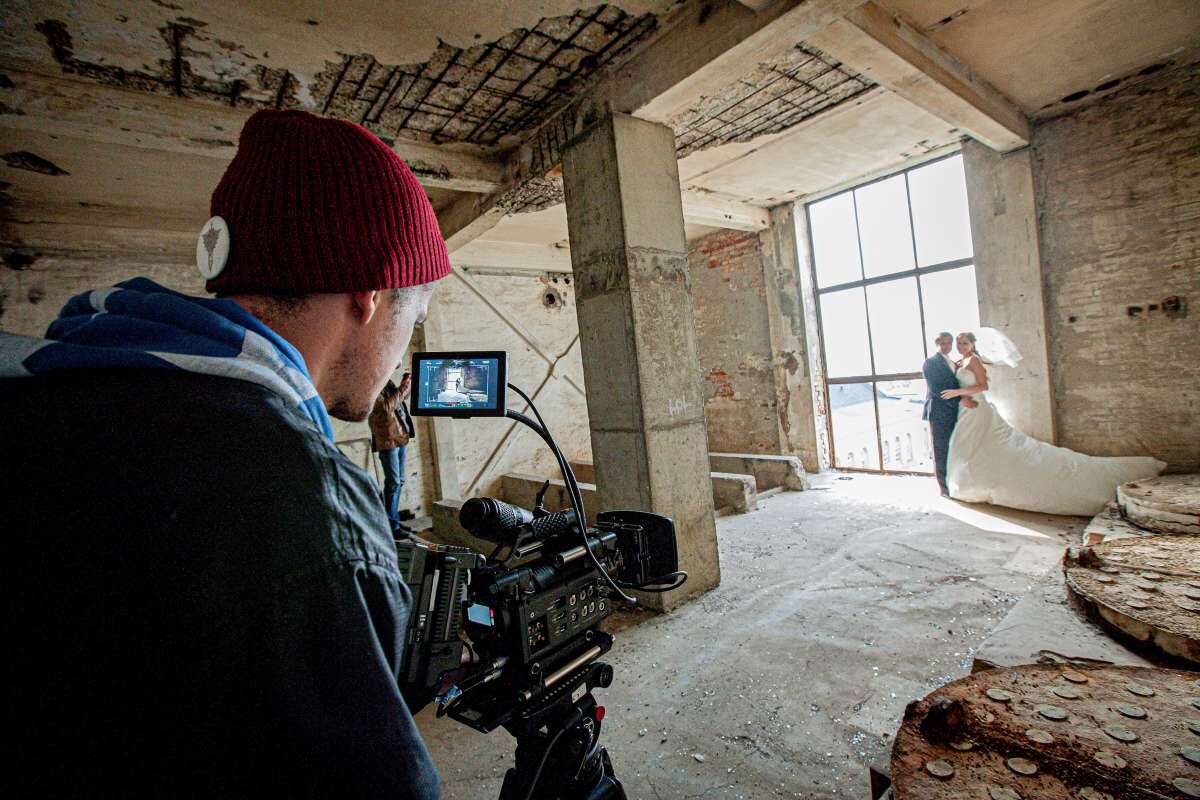
Worth It: to See the Moments You Missed.
A wedding video will allow you to relive the ceremony and see all of the funny and touching moments you may have missed. You might have missed cocktail hour because you were gone photographing the sunset, or you might have stayed in the bridal suite to see how your spouse reacts to the present you gave them. If there was video coverage, you might be able to see some of these situations for yourself.
Not Worth It: When the Budget Is Already Spread Thin.
Adding Video could be a financial disaster for those who have a hard time managing their money as it is. There is a chance that they will be more expensive than traditional photography. Professional wedding videographers will charge a cost that reflects their expertise and experience in the field. You could put off making the hire and add the cameraman at the last minute, but the top videographers are usually booked months in advance, so you don't want to wait until the last minute to find one.
Worth It: When You Want to Relive Your Favorite Moments.
Your wedding's most touching moments—when you and your partner said your vows, when your father offered a toast, and when you and your partner shared your first look—will be preserved forever on film. The best thing is that you can keep reliving these memorable moments with your loved ones and closest friends.
The day may come when you play this film for your own kids. It's a wonderful way to remember special anniversaries, and you might end up watching it more often than you planned.
Not Worth It: When You're Especially Camera Shy.
Keep in mind that most seasoned videographers are experts in the art of creating clandestine films, so this advice should be taken with a grain of salt: if you have a history of feeling uncomfortable in front of cameras, you may want to rethink your decision to become a videographer.
The sound equipment could also be a bit of a bother, so you'll want to check with any pros you're considering about what he/she typically uses to capture voices. Create lasting memories through your Yarra Valley wedding photography that will be cherished forever.
Worth It: When You Care About Capturing the Full Mood of the Day.
No matter how advanced a camera is, there will always be those parts of the world that simply can't be captured. The Video rectifies this shortcoming by recording not just visuals (such your flawless first dance or the children's adorable processional down the aisle), but also audio (such as your best friend giving her wedding toast). What's more, it accurately depicts the characteristics of the individuals you care about.
The Common Complaints About Not Getting Wedding Video
Now I'll go over a few of the most prevalent arguments against getting a wedding film.
You Can't Hang Video on a Wall.
It's true that you can't hang your wedding film on the wall, or any other form of movie for that matter, but it's a popular misconception that I'll dispel now.
Is it feasible, in your opinion, to tow your boat down the freeway? We suggested you take your boat for a spin along the interstate because you're trying to draw comparisons between still images and moving video, two mediums that couldn't be more different from one another.
To put it another way, would you take your boat out on the highway? In the same way that the media would never be able to report something like that, you can't pull it off, either. So, you're just going to sit there all day starring at the same wedding photo on your HDTV?
You certainly are not.
We all understand that when one person says they don't want a wedding video because you can't hang a video on the wall, they are actually referring to two entirely distinct things.
It's Not Important to Capture My Important Moments on Video
It's important to remember that not all brides want or need a wedding film; some are simply happy with still photographs of their big day. Perhaps a video isn't for you if you fall into that category.
Have you ever wondered why Facebook has put so much emphasis on video over images in recent years? Users spend more time watching videos than reading text, which leads to more likes, shares, and advertising revenue for Facebook. In the technologically advanced civilisation of the year 2020, it is crucial to keep in mind that people tend to watch videos for far longer than they do single images. This is applicable to any video format as well.
It Just Costs So Much
This is, however, not the situation.
Wedding photography is often much more expensive for couples than wedding videography. This is because photographs have been available for longer and, traditionally, couples have opted for photographs first because their parents had photographs taken, and their parents had photographs taken, and so on back through the generations.
Although pricing for experts can range from several hundred to several thousand dollars, the typical cost of a wedding video has increased over the past decade to twelve.
Despite this, it is still more affordable than hiring a professional photographer. At Wild Romantic, we have the best wedding photographer in Mornington Peninsula to capture every single moment on your wedding day.
Wedding Videos Are Long and Boring, No One Will Watch Them More Than Once
Some people have the impression that wedding movies are boring, drawn-out rehashes of the event that can drag on for up to two hours. While this may have been the case in the past, modern wedding videos typically run between three to fifteen minutes in length, feature music and edited voice clips of the couple or officiant, and convey a story.
Despite your best efforts, we must disagree with you that most people just watch them one or twice before moving on. Any time I share one of my wedding videos online, I get hundreds of likes and comments, and many of my clients tell me they watch it multiple times.
Conclusion
Wedding videography is a great addition to any big day, but most engaged couples view it more as an extravagance than a necessity. You can either hire a videographer for a hefty sum to capture the entire event, or you can pay someone to record just the ceremony itself. A wedding film is a must if you want to be able to relive the day, hear the vows, toasts, or speeches that were spoken, or see the expressions on people's faces. Video captures motion and typically includes accompanying sound, allowing you to revisit a specific moment in time through visual means. The benefits of using video over still photography include capturing motion and sound simultaneously.
Expert videographers can capture an event from a variety of angles, making the audience feel as though they were there in person. After watching your wedding video, you will have a fresh perspective on your day and a deeper appreciation for it. People often worry that a videographer will detract from the efforts of the photographer. You want your wedding photographer to be able to catch all of the best moments naturally. The best approach to address this issue is to put potential wedding videographers through their paces before committing to hiring them.
A wedding video will allow you to relive the funny and touching moments. There is a chance that they will be more expensive than traditional photography. If you have a history of feeling uncomfortable in front of cameras, you may want to rethink decision to become a videographer. A wedding video captures not just visuals, but audio as well. Facebook has put more emphasis on video over images in recent years.
Not all brides want or need a wedding film; some are simply happy with still photographs. It's important to keep in mind that people watch videos for far longer than they do single images. The typical cost of a wedding video has increased over the past decade to twelve dollars. Despite this, it is still more affordable than hiring a professional photographer. At Wild Romantic, we have the best wedding photographer in Mornington Peninsula to capture every moment on your wedding day.
Content Content
- There are valid arguments for and against the practise of hiring a videographer for a wedding, making the decision to do so a challenging one.
- Wedding videography is a great addition to any big day, but most engaged couples view it more as an extravagance than a necessity.
- However, what not as many people know is that there is a wide variety in how much a wedding videographer will charge.
- You can either hire a videographer for a hefty sum to capture the entire event, or you can pay someone to record just the ceremony itself.
- But if money is tight, how can you decide if hiring a videographer for any length of time is a good use of that expense?
- Here are the circumstances in which hiring a wedding videographer is an essential must, as well as those in which it is highly unlikely to pay off.
- Below, we've weighed the pros and cons of having a videographer film your wedding so you can make an educated decision.
- Is Wedding Videography worth the cost of your wedding?The decision of whether or not to hire a videographer to record the wedding is one that many engaged couples face.
- Here, we'll address some of the most often asked questions about wedding videography and offer some practical guidance for selecting the right videographer.
- First, some numbers:The most recent data from The Wedding Report shows that over 63% of couples used a videographer in some capacity for their wedding in 2018.
- About 37% of the couples I spoke to have no wedding day video.
- Should I Hire a Wedding Videographer?
- We know that not all couples see the value in having a video or film made of their wedding.
- A wedding film is a must if you want to be able to relive the day, hear the vows, toasts, or speeches that were spoken, or see the expressions on people's faces, and if you want to be able to show your children the video of your wedding one day.
- Don't misunderstand us; we're not attempting to downplay the significance of wedding photographs, which are still widely used in modern ceremonies.
- Wedding videos were not commonplace 20 years ago, but technology has come a long way in that time.
- If you want to remember every single moment of your wedding, the video is like insurance.
- Spending money on a professional photographer is an investment, and so is spending money on a professional to document your wedding day.
- Both the advancement of technology and the public's perception of it have contributed to the widespread belief that wedding photography is superior to wedding videography.
- Nowadays, however, newlyweds have access to digitally recorded wedding ceremonies of a quality unimaginable in the mid-1990s, as well as short feature films and multi-camera coverage of the ceremony.
- Our exclusive range of Melbourne wedding photography will help you not miss a thing on your wedding day.
- Personal Moments With GuestsGuests are increasingly encouraged to record personal remarks onto the video camera for the newlyweds to view and relive in the future.
- Witnessing your loved ones come together and form closer bonds in your honour is a once-in-a-lifetime opportunity.
- The Benefit of AudioOne of the main benefits of video over still photography is that it captures motion and sound simultaneously.
- Everything from the bride's entrance to the ceremony's last statements can be recorded and re-watched at any time.
- View from a New PerspectiveWhen there are numerous events occuring simultaneously, your wedding day may seem to fly by in a flash.
- Your wedding video will allow you to relive the event at your own pace, giving you the chance to take in details you may have missed the first time around and to discover new, meaningful moments you missed.
- After watching this, you will have a fresh perspective on your wedding day and a deeper appreciation for it.
- For Those Who Missed ItGuests who couldn't make it to the big day might still feel like they were there thanks to wedding videos.
- Expert videographers can capture an event from a variety of angles, making the audience feel as though they were there in person.
- Real Candid MomentsWhen it comes to wedding photography, a typical and significant criticism is that the bulk of the shots are too manufactured.
- The nature of video makes it easy to film authentically candid moments, mostly because people forget that a videographer is present, making it a perfect medium for this purpose.
- Unlike still images, video can capture spontaneous and natural expressions, giving you access to previously unseen recollections.
- Budget Concerns
- For the added cost of hiring a videographer, you'll need to make adjustments to your wedding budget.
- As an alternative to hiring a professional photographer or videographer, you may ask a friend who is likewise skilled with a camera and editing software to document the occasion.
- Won't They Get in the Way?People often worry that the presence of a videographer at their wedding will detract from the efforts of the photographer.
- You want your wedding photographer to be able to catch all of the best moments naturally.
- In addition, if they can coordinate with the wedding photographer, you'll end up with even better images of your special day.
- You, your photographer, and your videographer must all be on the same page for the day of the event to go off without a hitch.
- Planning your dream wedding and don't want to miss out on the special moments on your big day?
- Editing WoesMany brides are also disappointed by the editing decisions made on their wedding film.
- Don't be shy about expressing your preferences; after all, it is your money that is paying for the service.
- Is Hiring a Wedding Videographer a Must or a Maybe?Worth It: to See the Moments You Missed.
- A wedding video will allow you to relive the ceremony and see all of the funny and touching moments you may have missed.
- If there was video coverage, you might be able to see some of these situations for yourself.
- Professional wedding videographers will charge a cost that reflects their expertise and experience in the field.
- You could put off making the hire and add the cameraman at the last minute, but the top videographers are usually booked months in advance, so you don't want to wait until the last minute to find one.
- The best thing is that you can keep reliving these memorable moments with your loved ones and closest friends.
- Keep in mind that most seasoned videographers are experts in the art of creating clandestine films, so this advice should be taken with a grain of salt: if you have a history of feeling uncomfortable in front of cameras, you may want to rethink your decision to become a videographer.
- Create lasting memories through your Yarra Valley wedding photography that will be cherished forever.
- No matter how advanced a camera is, there will always be those parts of the world that simply can't be captured.
- The Common Complaints About Not Getting Wedding VideoNow I'll go over a few of the most prevalent arguments against getting a wedding film.
- You Can't Hang Video on a Wall.
- It's true that you can't hang your wedding film on the wall, or any other form of movie for that matter, but it's a popular misconception that I'll dispel now.
- We all understand that when one person says they don't want a wedding video because you can't hang a video on the wall, they are actually referring to two entirely distinct things.
- It's Not Important to Capture My Important Moments on VideoIt's important to remember that not all brides want or need a wedding film; some are simply happy with still photographs of their big day.
- Perhaps a video isn't for you if you fall into that category.
- Have you ever wondered why Facebook has put so much emphasis on video over images in recent years?
- Wedding photography is often much more expensive for couples than wedding videography.
- Although pricing for experts can range from several hundred to several thousand dollars, the typical cost of a wedding video has increased over the past decade to twelve.
- Despite this, it is still more affordable than hiring a professional photographer.
- At Wild Romantic, we have the best wedding photographer in Mornington Peninsula to capture every single moment on your wedding day.
- Wedding Videos Are Long and Boring, No One Will Watch Them More Than OnceSome people have the impression that wedding movies are boring, drawn-out rehashes of the event that can drag on for up to two hours.
- While this may have been the case in the past, modern wedding videos typically run between three to fifteen minutes in length, feature music and edited voice clips of the couple or officiant, and convey a story.
- Despite your best efforts, we must disagree with you that most people just watch them one or twice before moving on.
- Any time I share one of my wedding videos online, I get hundreds of likes and comments, and many of my clients tell me they watch it multiple times.
FAQs About Photography

What Do I Need To Learn To Be A Photographer?
The advent of digital cameras has led to a tremendous rise in the attractiveness of photography as both an artistic medium and a viable profession. Start off by taking one of the numerous available free online photography classes, then practise regularly to polish your talents. Eventually, you should look for a niche within the photography industry in which to pursue advanced study. Learn how to take better photos with less hassle by following these easy steps. Anyone can find the solution to the question "What do I need to learn to become a photographer?"
Although simple at first glance, there is more to it than meets the eye. If you want to build a reputation for yourself as an professional photographer, you'll need a lot of talent, abilities, business savvy, and self-control to make it in this competitive field. If they want to make it as a professional photographer, not only do they must be talented, but also also need to be willing to put in the hours, compete fiercely because of the supply-demand disparity, and run their business like an entrepreneur. The success of a professional photographer depends on more than just natural ability.
Despite the fact how you can earn a lot more as a photographer depending on your talent, talents, portfolio, and business skills, it is critical to ensure that your love and enthusiasm of photography are what is driving your decision to walk down the route of becoming a good photographer.
If you've already determined that photography is the career path for you, then you probably want to know how to get there. If you need advice on your wedding photography, check out our photography packages and services at Wild Romantic Photography.
In this all-encompassing manual, we have covered everything you need to know to make the transition from beginner to professional photographer, including but not limited to:
There is plenty to learn. Take things slowly at first.
The following stage, after deciding to pursue photography as a career, is to evaluate not whether you will do it in the proper manner. There is a great deal of knowledge that must be mastered before you can call yourself a professional photographer, including: f-stops, ISOs, visibility, focus methods, white balance, brightness, structure, depth of field, how various lenses affect your pictures, how to look at the camera for portraits, and how communicate your voice to a world through your photographs.
It's easy to get overwhelmed by the length of the list, but if you divide it up into manageable chunks, you'll have no trouble crossing everything off. Pick one thing you wish to improve and devote most of your time to that. Reading up on your camera's manual will provide you with the most useful advice for achieving sharp focus first shots.
Getting a properly exposed image requires first mastering the interplay between ISO, f-stop, or shutter speed. Break it down into smaller, more manageable chunks, and then, once you've mastered that, move on to the next chunk.
If you try to learn everything at once, you can become frustrated and put your camera back on automatic, missing out on a fun creative opportunity. At Wild Romantic Photography, we have the best Melbourne wedding photographer to take memorable photos on your wedding day.
I was photographing in manual mode.
Most photographers, when they say they are "shooting in manual," actually imply that they are using the camera's manual exposure setting. This may or may not mean that photographer is using manual focus, though.
The second, and arguably more convincing, is that the best exposure again for scene you're photographing may not be achieved by simply setting a metre on the camera to zero. If you're taking a picture in a really bright area when your camera is configured to metre to middle grey, you may be instructed to raise the exposure in order to achieve the correct exposure.
For scenarios where darkness predominates, the opposite is true. To begin grasping this idea, setting your camera to manual exposure, acquiring a gray card, and learning what to do with these items all are great options. The Zone Method, proper exposure, and other techniques for finding the optimal light level will be discussed. Such phrases are likely to be used around you.
Most importantly, though, remember that while your camera's metre might serve as a rough guide, it loves to metre to a centre, and setting the grey metre to 0 may not yield the ideal results. Moreover, there will be times when you have to make sacrifices and overexpose or underexpose aspects of the scene that aren't important to ensure that the elements that really are important, such as the subject of a picture, are exposed adequately.
You want to decide what is most important, not let your camera decide. Looking for wedding photography Melbourne? Look no further! Wild Romantic Photography has you covered.
Acknowledge Exposure
When you've mastered the individual effects of aperture, shutter, and ISO on your photos, a next step is to discover how these variables interact to produce a pleasing exposure. As soon as you've finished this, you can go to the next phase. Understanding what is meant when someone says they have a "better publicity" is a challenge. Some people act as if there's a right exposure and a wrong exposure, claiming that if you choose the wrong one, you're an idiot. That's really absurd.
How about you try to gain a better grasp of it by looking it up online? Funny, best of luck with it! All of these methods for creating an effective exposure are overly complex and fail to address the underlying issue. For example, "the intensity of light shining on a photographic film divided by the period for which it is exposed" is my favourite definition of exposure, which prompts the question, "Uh...so do I need a calculation for this?" Consequently, we came up with the following specification of exposure:
Accurately exposing an image entails determining how bright you want the final product to be. If it's brighter than you'd like, the exposure is probably too high. With underexposure, the photo is darker than desired. Simple. The final artistic call is yours to make. You are the designated photographer, after all. But you need to know how to modify all your settings as well as how to utilise your camera to help you figure out how to get the exposure you desire.
Don't be afraid of high ISOs.
Instead of taking a blurry photo because the image quality was set too low, it's better to take one that has a small amount of noise in it. In addition, even with a camera made for novices, the noise shouldn't be much of a problem if you have an idea that's also correctly illuminated or exposed to the left and possibly little overexposed (though not blown). To shoot images utilising natural light indoors, by the lighting of a lamp or iPad, or to catch the final rays of light outside, you should boost that exposure to the utmost amount that your camera will let you to.
Beautiful photos do not require the latest and best equipment.
It's easy to imagine that if you merely buy a fancier camera or splurge on a fancier lens, your photos would suddenly become better just because everyone else is talking about them. No matter how you slice it, that's not how it operates. You'll need to put inside a lot of time and effort into studying and practising in order to see visible results in your photography. Once you have established the groundwork, it is up you you to go as far as one can.
Planning your dream wedding and don’t want to miss out on the special moments on your big day? Worry no more, Wild Romantic Photography has you covered.
Observe the light.
You should think about learning to read the light once you have learned the fundamentals such as exposure and focus. Good lighting is the single most important factor in elevating a photo from mediocre to extraordinary. Light is something that can be studied in a classroom, in a book, or simply by paying attention to it as you go through your day.
Consider the lighting in the paintings and TV shows you enjoy and observe how it affects the subjects. If you make it a habit to read first thing in the morning, it will be tough to put the book down later. You may need to immediately grab your camera when you see the light is striking your child while they play on the front hall, or when you come across a magnificent sunset. It's possible that this will occur in the near future.
In my perspective, there is no one who can rightfully be called the "lord of lights" (except maybe the Greek God Apollo). We photographers are really the content servants of light. We'll be stuck here without it and unable to get anything done. And it may be an unpredictable dictator at times (primarily if you use natural light).
However, education about light is necessary. to grasp its many complexities and subtleties. so that you can use it productively no matter what you're up against. Therefore, its production is necessary. To actively look for it. The photographer has already been preparing for this moment their entire career. It's unlikely that we'll ever become the master in the conventional sense, but with due reverence and plenty of practise, we just could get there.
The question is, where do we really begin? Simple. Outside. Outdoors, you can choose from an endless variety of lighting fixtures. Can you shoot in the midday sun? What about the golden hour's light? When it's absolutely dark outside? At what time will we be able to see the stars? Get back inside as soon as possible. Make the most of the illumination provided by the glass panels.
You can start honing your abilities in a circumstance that appears basic but actually requires a great degree of intricacy, and there are an unlimited number of possible endings there. Would you like to further your education? Make your own bulb (like a real wizard!) and see what you get.
Learn how to effectively employ an off-camera flash. Before you start working on your lighting sets, you'll need some studio lights, that you can get by buying, renting, or borrowing. Keep your eyes peeled, never stop learning, and continually push yourself into new lighting conditions. It'll give you enough photographic opportunities to last a lifetime and produce some truly stunning works of art. We have the best wedding photographer in Yarra Valley to capture your beautiful moments on your wedding day.
Before you spend all of your time thinking about processing your photographs, focus on getting it right in the camera.
Rather than focusing solely on how to improve your photos in post-production, you should practise taking better shots in the first place. This doesn't mean, though, that you didn't manage the fundamentals of at least a couple of editing programmes. To be clear, this is not meant to imply that you can't. If you keep the original "straight out of the camera" (SOOC) file, you can reprocess photos from years ago. As your processing expertise grows, you can use this to your advantage.
However, you won't being able to change your baby's hazy perceptions because of your absence of foundational knowledge. Additionally, recording in RAW provides a great deal more leeway when it came to post-processing the photographs. Further, a solid SOOC frees you from the burden of trying to fix a subpar image, allowing you to devote your processing time to realising your vision. Raw has the tendency to seem daunting, so please don't let that stop you from exploring it.
Even though you have to do at least the basic things to every photograph since your camera is still not doing it for you, you have a lot of say in the end result. There won't be any issues if you wish to drastically alter the exposure. Is it possible that the illumination changed and you were unable to properly adjust the white balance? If you photographed in RAW, you still have options for editing the image. A digital camera's RAW file format functions like a film negative. In this approach, the image can be constructed in a way that really is true to your intentions.
Take the time to learn how to post-process manually.

When it comes to expressing your personal style in your photography, I find that knowing how and where to edit a image by hands is the most effective method, regardless of whether or not a certain preset yields desirable results. Even if you're a fan of the conveniences that actions and presets offer in digital photography software, this holds true. It is easy to go overboard when editing with action and presets if you aren't familiar with the programmes and have no idea what a well-edited picture should look like. Especially if you do not have a much of editing experience, you'll find this to be the case.
Make sure you know your way around white balance and skin tones before diving into post-processing. You can have the best lighting and most optimal settings for your camera, but if the white balance is way off, your photos will still lack the professional sheen you were hoping for. During the learning process, you might not notice anything, but later on, when you actually look at your early work, you might be shocked to realise that you once thought an orange baby was cute.
An appropriately calibrated monitor is better for your eyes. It's okay if it doesn't come easily; just keep trying, learning from your mistakes, and observing other people's work. Also, printing images might help you focus on little details that could otherwise get lost in a digital viewing.
Learn the rules so you can purposefully break them.
We encountered folks who believe the following elements are necessary to complete their look:
Issues with the white balance.
Unique but somewhat subpar musical compositions.
And yet more instances that go against the norms of photography.
It is usually easy to see the difference between someone who has internalised these rules and is deliberately violating them to express their message and someone whose eyes just aren't matured enough to understand how and where to break the laws in order to transmit their vision for their viewers. This differentiation is typically straightforward to make. They don't play by the rules because they have no idea what those rules are.
Join the ranks of those who are familiar enough with the norms to flout them at will. At Wild Romantic, we have the best wedding photographer in Mornington Peninsula to capture every single moment on your wedding day.
Slumps are normal.
Perhaps your performance has declined as you have been studying. You are probably not worsening; rather, you are becoming aware of things that were previously overlooked. Even while it may be easier to spot errors in your current work, it can be helpful to look back at older pieces and evaluate how much progress you've made. It's possible that your results will suffer when transitioning from automatic to manual. If you can get past that, your photography will flourish.
Slumps can affect everyone, regardless of whether or not outsiders consider their work to be acceptable or exceptional. Many creative people hit dry spells. You are not alone; there are several ways out of a creative rut that you can experiment with (shooting through it, putting the camera away, beginning a personal project, etc.). There is a consensus that this is how most people feel.
Every image does not have to be a piece of art.
It's easy to get stuck in a rut of just taking beautiful photos, and to stop shooting photos altogether when conditions aren't perfect. Do not let yourself be caught in this trap. Everyday events like birthday, vacation, trips to the park, and all of the other minor incidents that occur every day are worth remembering, even when the lighting isn't great or the backdrop is busier then Times Square.
Some photographers are capable of producing amazing works of art even when settings are less than ideal, but if you aren't one of these photographers, you shouldn't allow that stop you from taking pictures of the important people and situations in your life.
Have fun on your journey.
Being in this field for so long has taught me many things, one of which is that there is always room for improvement in photography. To put it another way, as long as you continue making new things, you'll never know it all or be able to master every talent.
You can never stop learning and expanding your horizons. There is always someone more capable than you are, no matter how skilled you become. Take cautious that the pressure to achieve a certain standard or to measure up to others' opinions doesn't rob you of the pleasure you should get from the act of achieving something.
Conclusion
The advent of digital cameras has led to a rise in the attractiveness of photography as both an artistic medium and a viable profession. There is a great deal of knowledge that must be mastered before you can call yourself a professional photographer, including: f-stops, ISOs, visibility, focus methods, white balance, brightness, structure, depth of field and how various lenses affect your pictures. It's easy to get overwhelmed by the length of the list, but if you divide it into manageable chunks, you'll have no trouble crossing everything off. Pick one thing you wish to improve and devote most of your time to that. Reading up on your camera's manual will provide you with the most useful advice for achieving sharp focus first shots.
Once you've mastered the individual effects of aperture, shutter, and ISO on your photos, a next step is to discover how these variables interact to produce a pleasing exposure. Some people act as if there's a right exposure and a wrong exposure, claiming that if you choose the wrong one, you're an idiot. All of these methods for creating an effective exposure are overly complex and fail to address the underlying issue. The final artistic call is yours to make. Good lighting is the single most important factor in elevating a photo from mediocre to extraordinary.
Light is something that can be studied in a classroom, in a book, or simply by paying attention to it as you go through your day. We photographers are really the content servants of light. And it may be an unpredictable dictator at times (primarily if you use natural light). You can start honing your skills in a circumstance that appears basic but requires a great degree of intricacy. Before you start working on your lighting sets, you'll need some studio lights, that you can get by buying, renting, or borrowing.
Recording in RAW gives you more leeway when it comes to post-processing the photographs. If you keep the original "straight out of the camera" (SOOC) file, you can reprocess photos from years ago. Knowing how and where to edit a photograph by hand is the most effective method, regardless of whether or not a certain preset yields desirable results. Print images might help you focus on little details that could otherwise get lost in a digital viewing. It's okay if it doesn't come easily; just keep trying, learning from your mistakes, and observing other people's work.
It's easy to get stuck in a rut of just taking beautiful photos, and to stop shooting photos altogether when conditions aren't perfect. There are several ways out of a creative rut that you can experiment with (shooting through it, putting the camera away, beginning a personal project, etc.). Join the ranks of those who are familiar enough with the norms to flout them at will. There is always room for improvement in photography, and as long as you continue making new things, you'll never know it all. If portraiture is something you're considering, there's a wealth of knowledge to be obtained about how people behave and what motivates them. Another option is to start a career as a travel photographer and combine the historical interest of a historian with the cultural curiosity of an anthropologist while writing about the places you visit.
Thus, they are undeniably foundational aspects of photography that every photographer should devote time and effort to mastering. You may learn the basics of some in a few hours, while others will take you the rest of your life to completely understand. Not only is this good news, but it's also very encouraging. You still have a long road of exciting and enlightening study ahead of you.
The question is, though, whether or not there are any other potential research areas. Is there else other than photography that you might learn to hone your talents even further? Sure enough, there are. All of them are only suggestions. You'll learn both the fundamentals of photography and the jargon of the visual arts. After that, there is a mountain of uncharted territory to explore and learn about. If you’d like to work with professional photographers for your wedding, book with us at Wild Romantic Photography.
If portraiture is something you're considering, there's a wealth of knowledge to be obtained about how people behave and what motivates them. Another option is to start a career as a travel photographer. Photographic styles from landscape to photojournalist are all represented.
If this is the case, you'd do well to combine the historical interest of a historian with the cultural curiosity of an anthropologist while writing about the places you visit. There's always more to learn as a photographer, but the tips above will get you off to a great start.
Content Summary:
- Start off by taking one of the numerous available free online photography classes, then practise regularly to polish your talents.
- Eventually, you should look for a niche within the photography industry in which to pursue advanced study.
- Learn how to take better photos with less hassle by following these easy steps.
- Anyone can find the solution to the question "What do I need to learn to become a photographer?"Although simple at first glance, there is more to it than meets the eye.
- If you want to build a reputation for yourself as an professional photographer, you'll need a lot of talent, abilities, business savvy, and self-control to make it in this competitive field.
- The success of a professional photographer depends on more than just natural ability.
- Despite the fact how you can earn a lot more as a photographer depending on your talent, talents, portfolio, and business skills, it is critical to ensure that your love and enthusiasm of photography are what is driving your decision to walk down the route of becoming a good photographer.
- If you've already determined that photography is the career path for you, then you probably want to know how to get there.
- In this all-encompassing manual, we have covered everything you need to know to make the transition from beginner to professional photographer, including but not limited to:There is plenty to learn.
- Take things slowly at first.
- The following stage, after deciding to pursue photography as a career, is to evaluate not whether you will do it in the proper manner.
- There is a great deal of knowledge that must be mastered before you can call yourself a professional photographer, including: f-stops, ISOs, visibility, focus methods, white balance, brightness, structure, depth of field, how various lenses affect your pictures, how to look at the camera for portraits, and how communicate your voice to a world through your photographs.
- It's easy to get overwhelmed by the length of the list, but if you divide it up into manageable chunks, you'll have no trouble crossing everything off.
- Pick one thing you wish to improve and devote most of your time to that.
- Reading up on your camera's manual will provide you with the most useful advice for achieving sharp focus first shots.
- Getting a properly exposed image requires first mastering the interplay between ISO, f-stop, or shutter speed.
- Break it down into smaller, more manageable chunks, and then, once you've mastered that, move on to the next chunk.
- If you try to learn everything at once, you can become frustrated and put your camera back on automatic, missing out on a fun creative opportunity.
- Most photographers, when they say they are "shooting in manual," actually imply that they are using the camera's manual exposure setting.
- This may or may not mean that the photographer is using manual focus, though.
- The second, and arguably more convincing, is that the best exposure again for a scene you're photographing may not be achieved by simply setting a metre on the camera to zero.
- To begin grasping this idea, setting your camera to manual exposure, acquiring a gray card, and learning what to do with these items all are great options.
- The Zone Method, proper exposure, and other techniques for finding the optimal light level will be discussed.
- Most importantly, though, remember that while your camera's metre might serve as a rough guide, it loves to metre to a centre, and setting the grey metre to 0 may not yield the ideal results.
- Moreover, there will be times when you have to make sacrifices and overexpose or underexpose aspects of the scene that aren't important to ensure that the elements that really are important, such as the subject of a picture, are exposed adequately.
- You want to decide what is most important, not let your camera decide.
- When you've mastered the individual effects of aperture, shutter, and ISO on your photos, a next step is to discover how these variables interact to produce a pleasing exposure.
- Understanding what is meant when someone says they have a "better publicity" is a challenge.
- All of these methods for creating an effective exposure are overly complex and fail to address the underlying issue.
- Consequently, we came up with the following specification of exposure:Accurately exposing an image entails determining how bright you want the final product to be.
- If it's brighter than you'd like, the exposure is probably too high.
- With underexposure, the photo is darker than desired.
- But you need to know how to modify all your settings as well as how to utilise your camera to help you figure out how to get the exposure you desire.
- Don't be afraid of high ISOs.
- Instead of taking a blurry photo because the image quality was set too low, it's better to take one that has a small amount of noise in it.
- In addition, even with a camera made for novices, the noise shouldn't be much of a problem if you have an idea that's also correctly illuminated or exposed to the left and possibly little overexposed (though not blown).
- Beautiful photos do not require the latest and best equipment.
- You'll need to put inside a lot of time and effort into studying and practising in order to see visible results in your photography.
- Once you have established the groundwork, it is up you you to go as far as one can.
- You should think about learning to read the light once you have learned the fundamentals such as exposure and focus.
- Good lighting is the single most important factor in elevating a photo from mediocre to extraordinary.
- Light is something that can be studied in a classroom, in a book, or simply by paying attention to it as you go through your day.
- Consider the lighting in the paintings and TV shows you enjoy and observe how it affects the subjects.
- We photographers are really the content servants of light.
- to grasp its many complexities and subtleties.
- so that you can use it productively no matter what you're up against.
- Therefore, its production is necessary.
- Outdoors, you can choose from an endless variety of lighting fixtures.
- Make the most of the illumination provided by the glass panels.
- Learn how to effectively employ an off-camera flash.
- Before you start working on your lighting sets, you'll need some studio lights that you can get by buying, renting, or borrowing.
- We have the best wedding photographer in Yarra Valley to capture your beautiful moments on your wedding day.
- Before you spend all of your time thinking about processing your photographs, focus on getting it right in the camera.
- Rather than focusing solely on how to improve your photos in post-production, you should practise taking better shots in the first place.
- This doesn't mean, though, that you didn't manage the fundamentals of at least a couple of editing programmes.
- If you keep the original "straight out of the camera" (SOOC) file, you can reprocess photos from years ago.
- As your processing expertise grows, you can use this to your advantage.
- However, you won't being able to change your baby's hazy perceptions because of your absence of foundational knowledge.
- Additionally, recording in RAW provides a great deal more leeway when it came to post-processing the photographs.
- Even though you have to do at least the basic things to every photograph since your camera is still not doing it for you, you have a lot of say in the end result.
- There won't be any issues if you wish to drastically alter the exposure.
- If you photographed in RAW, you still have options for editing the image.
- A digital camera's RAW file format functions like a film negative.
- In this approach, the image can be constructed in a way that really is true to your intentions.
- Take the time to learn how to post-process manually.
- What Do I Need To Learn To Be A Photographer?
- When it comes to expressing your personal style in your photography, find that knowing how and where to edit an image by hand is the most effective method, regardless of whether or not a certain preset yields desirable results.
- Even if you're a fan of the conveniences that actions and presets offer in digital photography software, this holds true.
- It is easy to go overboard when editing with action and presets if you aren't familiar with the programmes and have no idea what a well-edited picture should look like.
- Especially if you do not have much editing experience, you'll find this to be the case.
- Make sure you know your way around white balance and skin tones before diving into post-processing.
- You can have the best lighting and most optimal settings for your camera, but if the white balance is way off, your photos will still lack the professional sheen you were hoping for.
- An appropriately calibrated monitor is better for your eyes.
- Learn the rules so you can purposefully break them.
- And yet more instances that go against the norms of photography.
- They don't play by the rules because they have no idea what those rules are.
- Join the ranks of those who are familiar enough with the norms to flout them at will.
- Even while it may be easier to spot errors in your current work, it can be helpful to look back at older pieces and evaluate how much progress you've made.
- If you can get past that, your photography will flourish.
- Many creative people hit dry spells.
- You are not alone; there are several ways out of a creative rut that you can experiment with (shooting through it, putting the camera away, beginning a personal project, etc.).
- Every image does not have to be a piece of art.
- It's easy to get stuck in a rut of just taking beautiful photos, and to stop shooting photos altogether when conditions aren't perfect.
- Do not let yourself be caught in this trap.
- Some photographers are capable of producing amazing works of art even when settings are less than ideal, but if you aren't one of these photographers, you shouldn't allow that to stop you from taking pictures of the important people and situations in your life.
- Being in this field for so long has taught me many things, one of which is that there is always room for improvement in photography.
- You can never stop learning and expanding your horizons.
- There is always someone more capable than you are, no matter how skilled you become.
FAQs About Photography

What Is The 500 Rule In Photography?
If you're into night sky photography in every capacity, you'll eventually hear someone mention about "500 Rule," otherwise known also as "rule of 500." Sooner or later, you will take photos of the night sky if you care about that sort of thing. Most seasoned photographers will memorise this moment rule of thumb so they can apply it when they're out shooting as night but want to get one of those spectacular shots of a Milky Way that tends to sweep audiences off their own and keep all stars nice and sharp.
Beginner astrophotographers may find it challenging to get a sharp image with properly formed stars. Star trailing is an effect that can be captured in photographs of night sky that used a tripod as well as a lengthy exposure time. This is because, as seen from Earth, the night sky appears to be moving.
When shooting astrophotography using a tripod setup that doesn't monitor the sky, the 500 Rule is among the most successful tactics for reducing the appearance the star trails in the final image.
If you've ever dabbled with low - light photography, you know that taking pictures of a landscape at night is a very different experience from taking pictures of a landscape during the day. As soon as the sun goes dark and the sky fills with stars, you can put aside your knowledge of standard camera settings. Almost all of these will do more harm than good to your photographs.
Instead, you'll need to go against every photography rule you've ever learned and use a high ISO, a wide aperture, and a slow shutter time.
If you need advice on your wedding photography, check out our photography packages and services at Wild Romantic Photography.
Even though we go into great length in our night photography guide for beginners on the different settings, shutter speed is sometimes forgotten. Sure, you'll need a slow shutter speed, but what about keeping the ISO low, the aperture around f/11, and the exposure time at several minutes?
We can certainly do that, however this will also impart an affect upon your images. This issue can be solved by applying the "500 Rule."
What happens if we increase the shutter speed too much?
The camera will capture any movement that occurs while the shutter is open. Thus, the camera will record any subject that moves while a shutter is open; for example, leaves blown by the wind during a five-second exposure will appear blurry because of the duration of time that shutter was open.
What kind of effects does this have on night photography? Due to Earth's spin, the stars will seem blurry so when shutter speed is greater than a particular time. Those are the so-called "star trails" that everyone talks about.
It's possible that you'll have to have a shutter of much more over 20 minutes if you stick with ISO 100 and aperture of f/11. The image file you end up with will be significantly cleaner (less noise and better front-to-back sharpness) because to the lengthy shutter speed, but it will include star trails.
Now, while trying out different variations on this technique might be a great deal of fun, how should you do if you want the stars to be really sharp? How fast should the shutter be set? Allow me to introduce you to a concept known as the "500 rule":
What exactly is the 500 Rule?
When taking photographs of the night sky, the 500-second rule is used to establish how long an exposure can be before star trails emerge or the stars become indistinct. Photographs taken with a shutter speed longer than what is allowed by this guideline will not capture sharp stars.
In order to determine the optimal exposure settings for a given lens on a full-frame and crop sensor camera, one only needs to consult a simple formula. If you follow those instructions to a T, the stars in your Milky Way and night sky photos will be razor sharp and won't trail.
The 500 rule could be helpful when shooting the night sky with a fixed camera and tripod. This technique is applicable to photographs captured with lenses of varying lengths (up to roughly 200mm), but it shines when paired with a variable aperture to capture the Milky Way. Choosing the right wedding photographer in Melbourne to capture every moment on your wedding day.
The 500 Rule Produces Razor-Sharp Stars
Shooting at night is difficult because you have to settle for less-than-ideal conditions. You have to have a low ISO and a completely open aperture to get clear shots of the stars at night. This stipulation cannot be waived.
While using star trails can be a fun approach on occasion, you should take every precaution to avoid star blur. As the stars gradually become blurrier, it becomes clear that the shutter is only little too slow at the this moment. It's now very evident that star trail wasn't really deliberately made, but rather was the result of a random occurrence. In times like these, the 500 Rule comes in handy.
500 Night Photography Rules
This simple rule of thumb, known as the "500 rule," can be used to calculate the longest exposure time that will prevent fuzzy stars in a shot. How perfect is it? No. However, it gives you a good idea of a shutter speed you can utilise with the gear at your disposal.
The 500 Rule for Full Frame Cameras

The 500 rule states that you should use an ISO of 3200 or 6400, an aperture of f/2.8 (and as wide as your lens will allow), and a shutter speed of 500 divided by that of the lens's focal length to achieve the best results with a full-frame camera.
With such a full-frame sensor camera, the computation is simplified as much as possible, but you should still be ready for a shorter exposure. Since a crop factor is unnecessary, just divide 500 by the focal length to get the appropriate exposure. The reason for this is because there is no need to consider any elements related to the crop. For instance, if you were using a lens with a focal length of 50 millimetres, your shutter speed would indeed be two min (500 divided by 50 equals 10).
The recommended shutter speed for a lens with a 24 mm focal length is about 21 minutes (500 divided by 24 equals 21).
Think about how your camera's sensor reacts to low light to determine if you need to use a lower iso. Some cameras feature flawless sensors, allowing the operator to get excellent star photos at iso settings near 500.
The 500 Rule for a Canon Camera with a Crop Sensor
If you're using a Cannon crop sensor camera, remember that the crop factor is 1.6. After that, it boils down to:
500 / (focal length x 1.6)
500 divided by (50 times 1.6) yields 6 seconds when using a 50mm lens (approximately).
Nikon's 500 Rule for Crop Sensor Cameras
Considering that crop factor for just a Nikon cropping sensor camera was 1.5, you would do it as follows:
500 / (focal length x 1.5)
For a 50mm lens, the formula is 500 / (50 x 1.5) = 7 seconds (approximately).
The 500 Rule Shutter Speed Settings
Remember that this is just a suggestion and that, depending on the details of the scenario, some adjustments may need to be made. It's important to factor in light pollution or atmospheric haze in addition to the angle at which the stars are positioned.
Depending on your camera and lens, you should use the following settings. It's important to remember that the 500-rule isn't infallible, and that you'll probably need to make some tiny adjustments that account for factors like light pollution, the position of the stars, and atmospheric haze.
How to Use the 500 Rule to Calculate Shutter Speeds
In that case, what exactly is the formula that determines the optimum shutter speed? It's elementary, really:
Maximum Shutter Speed = 500 / Focal Length.
The 14mm lens you're using is the industry standard for low-light photography. A shutter speed of less than 35 seconds should get crisp stellar images, with 500/14 giving you the absolute minimum.
Just that? Finished? Just barely. There will be some people for whom the aforementioned formula doesn't work. The computed shutter speed above is designed for full-frame sensors, so if you're using an APS-C or Micro Four Thirds camera, you'll wind up with blurry stars.
To determine the fastest shutter speed possible with an APS-C or Micro 4/3 sensor, multiply the focal length by the crop factor. It's common for APS-C sensors to have an crop factor of 1.5, while Micro 4/3 sensors get a crop factor of 2. The crop factor for Canon's APS-C sensors is 1.6, which is slightly different from other manufacturers.
Maximum Shutter Speed (APS-C) = 500 / (Focal Length * 1.5)
Maximum Shutter Speed (APS-C, CANON) = 500/(Focal Length * 1.6)
SHUTTER SPEED IN MICROFOURTHS: 500/(FOCAL LENGTH * 2)
When employing the 500 rule for night photography, use caution.
The 500 rule is an excellent guideline for night photography, but caution should still be used. There is still a chance that you will see some haze in your stars even if you take all of the precautions that have been outlined above. This is because there are imperfections in the guideline.
For crisp star images in your final product, it is highly recommended that you first take a test photo just at calculated shutter and then zoom into the preview. If not, the duration of their exposure should be reduced. A maximum exposure period of 30 seconds should be used for photographing the night sky.
Why Do Photographers Follow The 500 Rule?
Despite the fact that the 500 rule is much more of a guideline, it can nevertheless be put into effect. Taking images of a night sky can be greatly improved by using this straightforward procedure. If all goes as planned, your photographs of the stars will be clear the all way to a boundaries of the picture.
The goal is to find out how long of an exposure may be used without losing detail in the stars or creating distracting star trails. Clearness in photographs is lost if the shutter speed is set for longer than is allowed by this guideline (the stars will appear as trails rather than dots).
You'll need a solid grasp of mathematics to work with this formula, but you don't become a nuclear physicist to apply it well. This can be done easily, yet often the smallest changes have the biggest impacts.
Planning your dream wedding and don’t want to miss out on the special moments on your big day? Worry no more, Wild Romantic Photography has you covered.
How Does It Work?
The regulation goes as follows:
SS = 500 / (CF x FL)
If this formula is confusing to you, take heart; all you need to do is learn the abbreviations. Shutter speed (SS) is given in seconds, crop factor (CF) is the ratio of your sensor's area to that of a full-frame sensor, and focal length (FL) is given in millimetres.
The optimum shutter speed is determined by the following formula: 500 divided by the product of the crop factor and the focal length.
Different crop-factor settings will be required depending on the camera model you use. If you need a reference, here it is:
Full-frame cameras, times one
Compact System Cameras from Nikon and Canon have a 1.5X (1.6X) magnification.
The X-Micro 4/3 and a Second Camera
Compact cameras with such a one-inch size sensor and magnifications of 2.7x and higher (or smaller)
There is no special significance to the number "500" in this formula, despite its widespread use. Astrophotographers have merely determined that this particular value produces the greatest results for their shots.
The magic of this method is in its ability to calculate your camera's optimal shutter speed on its own, allowing you to capture images with highest possible level of transparency. It finishes the job as quickly as feasible.
Let's pretend for a second that you wanted to photograph the night sky yet had no clue how to avoid capturing star trails. For instance, you anticipate that the picture you take with a micro 4/3 camera with a remote lens adapter cable would turn out great because you choose a shutter speed of 60 seconds. On the other side, you'll get a hazy photo that doesn't do credit to how beautiful the sky actually is.
The 500-Rule is a helpful tool for determining how long a picture must be exposed for when utilising a particular camera system. It's not precise enough to be called a science.
The Science of It
To estimate how much longer this exposure period can be before the stars' motion becomes visible, we need to come up with a simple formula.
A full rotation of the sky takes 24 hours and occurs at a speed of 0.0042 arc degrees every second. The vertical field of sight will be 73.7 degrees when utilising a 24 millimetre lens on a full-frame camera.
Suppose this camera's sensor contains 24 million individual photoreceptors (6000 x 4000). The aforementioned 73.7 degrees are reflected onto 6000 pixels, making the pixel density per degree 81.4. The 500 rule states that a glass of this sort requires an exposure period of around 21 seconds (500/24).
The sky will revolve by about 0.09 degrees in 21 seconds (0.0042 degrees times 21 seconds). With this camera, 0.1 degrees is equivalent to 7.3 pixels (81,4*0.1).
The amount of pixels which must pass well before stars as we see then in the sky became star trail in the picture is exactly 7.3 pixels; this is the maximum degree of motion blur that is permissible. But can you make out this sway in the photos?
Most of the time, our visual attention is drawn to visuals on a screen. If you try to zoom in to 100% on your full-resolution shot, you'll discover that the stars are actually points of light. This is of course completely meaningless, as you could never see this with your naked eye.
It's something to consider if you want to print your images in a very large format. When posting images online (Flickr, Instagram, etc.), the attention to detail is less important.
Looking for a Yarra Valley wedding photographer? Look no further! Wild Romantic Photography has you covered.
Is the 500 Rule Effective?
If you were to use these shutter speeds in the real world, how well do you think they would perform? The right answer is "occasionally."
When asked if they thought the 500 rules were reliable, respondents offered a range of responses, but most agreed that the system is highly effective in most situations.
As noted by seasoned photographer Craig Stocks, the extent to which a picture taken with the "500 rule" is devoid of star trails depends on the camera's resolution and the quality of a lens. Higher resolution systems increase the likelihood of spotting star trails.
This effect is more subtle with lower-resolution cameras, and therefore the 500-rule works better for them.
As an additional note, if you take your images near the horizon, the stars may appear to move a bit quicker than they actually are. Because of its significance, this needs to be brought out.
The 500 rule is a good place to start, but it's not a perfect measurement, so you'll need to play around with your own camera and lens setup to see what works best.
Tools that are useful

- Many different stacking programmes exist, and some of them are listed below. When need to stack untracked photos, We utilise either Adobe Photoshop or DeepSkyStacker. It's worth looking into the picture stacking script option in Adobe Photoshop, which automates the procedure.
- Mr. Senator - As a bonus, it's completely costless for Windows users to make advantage of. It streamlines the process of picture stacking, allowing you to create a stunning image with no effort. The RAW format, crucial for the highest quality results, is now supported.
- The trial version of Starry Landscape Stacker can be downloaded for free, but it's only compatible with Mac OS X. When utilising this programme, you can rest assured that your photographs will out out beautifully. The only real downside is that you can't use RAW files directly, therefore you'll need to use Adobe Flash RAW or another programme to convert it to TIFF before you can use them in the programme.
- Another programme that works on Windows is called DeepSkyStacker. It streamlines the stacking process by handling registration and post-stacking tasks with minimal effort and storing the output as a TIFF. We have an exclusive range of wedding photography Mornington Peninsula services. Check them out here.
Images of the Star Trail
What do you do if you really want to schedule a time to display the star trails? Star trailing is a photographic technique that allows the stars' apparent motion across the sky to be artistically recorded. The procedure requires taking images with far longer exposure durations than those required by the 500 rule.
Photographers will employ the longest exposure time feasible in order to record as much sky movement as available (without blowing out the highlights). As a rule of thumb, a tripod as well as a thirty-second exposure duration will do the trick. In order to create exceptionally lengthy star trails over time, the pictures are blended in Adobe Photoshop using the "lighten" blend option.
Conclusion
Beginner astrophotographers may find it challenging to get a sharp image with properly formed stars. Star trailing is an effect that can be captured in photographs of night sky that used a tripod as well as a lengthy exposure time. The 500 Rule is among the most successful tactics for reducing the appearance the star trails in the final image. The 500 Rule is used to establish how long an exposure can be before star trails emerge or the stars become indistinct. Photographs taken with a shutter speed longer than what is allowed by this guideline will not capture sharp stars.
If you follow these instructions to a T, the stars in your Milky Way and night sky photos will be razor sharp and won't trail. The 500 Rule states that you should use an ISO of 3200 or 6400, an aperture of f/2.8 (and as wide as your lens will allow), and a shutter speed of 500 divided by that of the lens's focal length. Since a crop factor is unnecessary, just divide 500 by the focal length to get the appropriate exposure. Some cameras feature flawless sensors, allowing the operator to get excellent star photos at iso settings near 500. Using the 500 Rule, you can determine the optimum shutter speed for a given focal length.
It's important to remember that the formula isn't infallible and that you'll probably need to make some tiny adjustments. The formula above is designed for full-frame sensors, so if you're using an APS-C or Micro Four Thirds camera, you'll wind up with blurry stars. The 500 rule is an excellent guideline for night photography, but caution should still be used. For crisp star images in your final product, it is highly recommended that you first take a test photo just at calculated shutter and then zoom into the preview. A maximum exposure period of 30 seconds should be used for photographing the night sky.
The 500-Rule is a helpful tool for determining how long a picture must be exposed for when utilising a particular camera system. A full rotation of the sky takes 24 hours and occurs at a speed of 0.0042 arc degrees every second. The amount of pixels which must pass well before stars as we see then in the sky became star trail in the picture is exactly 7.3 pixels. The extent to which a picture taken with the "500 rule" is devoid of star trails depends on the camera's resolution and the quality of a lens. Higher resolution systems increase the likelihood of spotting star trails, while lower resolution cameras have a more subtle effect.
If you take your images near the horizon, the stars may appear to move a bit quicker than they actually are. The RAW format, crucial for the highest quality results, is now supported in both programmes. It's worth looking into the picture stacking script option in Adobe Photoshop. The trial version of Starry Landscape Stacker can be downloaded for free, but it's only compatible with Mac OS X.
The 500 Rule isn't foolproof, but it's a good rule of thumb to bear in mind when trying to capture the perfect shot of night sky with your camera. Like many amateur photographers, We started out with crop-sensor, entrance DSLR camera as well as a kit lenses (usually 18-55mm or similar).
You should try out the 500 Rule the next time you set up your tripod, since We believe it to be an excellent solution for consumers in this situation. If your sensor has a higher megapixel count than 30, you should probably tone down the 500 Rule's recommendations and look at the NPF Rule instead.
If you can grasp this concept, you'll have a far better grasp on how to picture the stars in the night sky, which are effectively moving targets.
If you’d like to work with professional photographers for your wedding, book with us at Wild Romantic Photography.
Whether you're shooting with a full-frame or micro 4/3 camera, the 500 rule is a useful benchmark that may be applied in a variety of settings. The Milky Way, or your favourite constellation, may be captured in astonishing detail using image stacking and a variety of software tools.
Content Summary:
- If you're into night sky photography in every capacity, you'll eventually hear someone mention the "500 Rule," otherwise known also as "rule of 500."
- Sooner or later, you will take photos of the night sky if you care about that sort of thing.
- Most seasoned photographers will memorise this moment rule of thumb so they can apply it when they're out shooting at night but want to get one of those spectacular shots of a Milky Way that tends to sweep audiences off their own and keep all stars nice and sharp.
- Beginner astrophotographers may find it challenging to get a sharp image with properly formed stars.
- Star trailing is an effect that can be captured in photographs of night sky that used a tripod as well as a lengthy exposure time.
- This is because, as seen from Earth, the night sky appears to be moving.
- When shooting astrophotography using a tripod setup that doesn't monitor the sky, the 500 Rule is among the most successful tactics for reducing the appearance the star trails in the final image.
- If you've ever dabbled with low - light photography, you know that taking pictures of a landscape at night is a very different experience from taking pictures of a landscape during the day.
- As soon as the sun goes dark and the sky fills with stars, you can put aside your knowledge of standard camera settings.
- Almost all of these will do more harm than good to your photographs.
- Instead, you'll need to go against every photography rule you've ever learned and use a high ISO, a wide aperture, and a slow shutter time.
- If you need advice on your wedding photography, check out our photography packages and services at Wild Romantic Photography.
- Even though we go into great length in our night photography guide for beginners on the different settings, shutter speed is sometimes forgotten.
- Sure, you'll need a slow shutter speed, but what about keeping the ISO low, the aperture around f/11, and the exposure time at several minutes?We can certainly do that, however this will also impart an affect upon your images.
- This issue can be solved by applying the "500 Rule."
- What happens if we increase the shutter speed too much?
- The camera will capture any movement that occurs while the shutter is open.
- Thus, the camera will record any subject that moves while a shutter is open; for example, leaves blown by the wind during a five-second exposure will appear blurry because of the duration of time that shutter was open.
- What kind of effects does this have on night photography?
- Due to Earth's spin, the stars will seem blurry when shutter speed is greater than a particular time.
- Those are the so-called "star trails" that everyone talks about.
- It's possible that you'll have to have a shutter of much more over 20 minutes if you stick with ISO 100 and aperture of f/11.
- The image file you end up with will be significantly cleaner (less noise and better front-to-back sharpness) because of the lengthy shutter speed, but it will include star trails.
- Now, while trying out different variations on this technique might be a great deal of fun, how should you do if you want the stars to be really sharp?
- How fast should the shutter be set?
- Allow me to introduce you to a concept known as the "500 rule":What exactly is the 500 Rule?
- When taking photographs of the night sky, the 500-second rule is used to establish how long an exposure can be before star trails emerge or the stars become indistinct.
- Photographs taken with a shutter speed longer than what is allowed by this guideline will not capture sharp stars.
- In order to determine the optimal exposure settings for a given lens on a full-frame and crop sensor camera, one only needs to consult a simple formula.
- If you follow those instructions to a T, the stars in your Milky Way and night sky photos will be razor sharp and won't trail.
- The 500 rule could be helpful when shooting the night sky with a fixed camera and tripod.
- This technique is applicable to photographs captured with lenses of varying lengths (up to roughly 200mm), but it shines when paired with a variable aperture to capture the Milky Way.
- Choosing the right wedding photographer in Melbourne to capture every moment on your wedding day.
- The 500 Rule Produces Razor-Sharp Stars Shooting at night is difficult because you have to settle for less-than-ideal conditions.
- You have to have a low ISO and a completely open aperture to get clear shots of the stars at night.
- This stipulation cannot be waived.
- While using star trails can be a fun approach on occasion, you should take every precaution to avoid star blur.
- As the stars gradually become blurrier, it becomes clear that the shutter is only little too slow at the this moment.
- It's now very evident that star trail wasn't really deliberately made, but rather was the result of a random occurrence.
- In times like these, the 500 Rule comes in handy.500 Night Photography Rules This simple rule of thumb, known as the "500 rule," can be used to calculate the longest exposure time that will prevent fuzzy stars in a shot.
- However, it gives you a good idea of a shutter speed you can utilise with the gear at your disposal.
- What Is The 500 Rule In Photography?
- The 500 rule states that you should use an ISO of 3200 or 6400, an aperture of f/2.8 (and as wide as your lens will allow), and a shutter speed of 500 divided by that of the lens's focal length to achieve the best results with a full-frame camera.
- With such a full-frame sensor camera, the computation is simplified as much as possible, but you should still be ready for a shorter exposure.
- Since a crop factor is unnecessary, just divide 500 by the focal length to get the appropriate exposure.
- The reason for this is because there is no need to consider any elements related to the crop.
- For instance, if you were using a lens with a focal length of 50 millimetres, your shutter speed would indeed be two min (500 divided by 50 equals 10).The recommended shutter speed for a lens with a 24 mm focal length is about 21 minutes (500 divided by 24 equals 21).Think about how your camera's sensor reacts to low light to determine if you need to use a lower iso.
- If you're using a Cannon crop sensor camera, remember that the crop factor is 1.6.
- After that, it boils down to:500 / (focal length x 1.6)500 divided by (50 times 1.6) yields 6 seconds when using a 50mm lens (approximately).Nikon's 500 Rule for Crop Sensor Cameras Considering that crop factor for just a Nikon cropping sensor camera was 1.5, you would do it as follows:500 / (focal length x 1.5)For a 50mm lens, the formula is 500 / (50 x 1.5) = 7 seconds (approximately).The 500 Rule Shutter Speed Settings Remember that this is just a suggestion and that, depending on the details of the scenario, some adjustments may need to be made.
- It's important to factor in light pollution or atmospheric haze in addition to the angle at which the stars are positioned.
- Depending on your camera and lens, you should use the following settings.
- It's important to remember that the 500-rule isn't infallible, and that you'll probably need to make some tiny adjustments that account for factors like light pollution, the position of the stars, and atmospheric haze.
- In that case, what exactly is the formula that determines the optimum shutter speed?
- It's elementary, really:Maximum Shutter Speed = 500 / Focal Length.
- The 14mm lens you're using is the industry standard for low-light photography.
- A shutter speed of less than 35 seconds should get crisp stellar images, with 500/14 giving you the absolute minimum.
- There will be some people for whom the aforementioned formula doesn't work.
- The computed shutter speed above is designed for full-frame sensors, so if you're using an APS-C or Micro Four Thirds camera, you'll wind up with blurry stars.
- To determine the fastest shutter speed possible with an APS-C or Micro 4/3 sensor, multiply the focal length by the crop factor.
- It's common for APS-C sensors to have an crop factor of 1.5, while Micro 4/3 sensors get a crop factor of 2.
- When employing the 500 rule for night photography, use caution.
- The 500 rule is an excellent guideline for night photography, but caution should still be used.
- There is still a chance that you will see some haze in your stars even if you take all of the precautions that have been outlined above.
- This is because there are imperfections in the guideline.
- For crisp star images in your final product, it is highly recommended that you first take a test photo just at calculated shutter and then zoom into the preview.
- If not, the duration of their exposure should be reduced.
- A maximum exposure period of 30 seconds should be used for photographing the night sky.
- Despite the fact that the 500 rule is much more of a guideline, it can nevertheless be put into effect.
- Taking images of a night sky can be greatly improved by using this straightforward procedure.
- If all goes as planned, your photographs of the stars will be clear the all way to the boundaries of the picture.
- The goal is to find out how long of an exposure may be used without losing detail in the stars or creating distracting star trails.
- Clearness in photographs is lost if the shutter speed is set for longer than is allowed by this guideline (the stars will appear as trails rather than dots).You'll need a solid grasp of mathematics to work with this formula, but you don't become a nuclear physicist to apply it well.
- This can be done easily, yet often the smallest changes have the biggest impacts.
- The regulation goes as follows:SS = 500 / (CF x FL)If this formula is confusing to you, take heart; all you need to do is learn the abbreviations.
- Shutter speed (SS) is given in seconds, crop factor (CF) is the ratio of your sensor's area to that of a full-frame sensor, and focal length (FL) is given in millimetres.
- The optimum shutter speed is determined by the following formula: 500 divided by the product of the crop factor and the focal length.
- Compact System Cameras from Nikon and Canon have a 1.5X (1.6X) magnification.
- The X-Micro 4/3 and a Second CameraCompact cameras with such a one-inch size sensor and magnifications of 2.7x and higher (or smaller)There is no special significance to the number "500" in this formula, despite its widespread use.
- Astrophotographers have merely determined that this particular value produces the greatest results for their shots.
- The magic of this method is in its ability to calculate your camera's optimal shutter speed on its own, allowing you to capture images with highest possible level of transparency.
- Let's pretend for a second that you wanted to photograph the night sky yet had no clue how to avoid capturing star trails.
- For instance, you anticipate that the picture you take with a micro 4/3 camera with a remote lens adapter cable would turn out great because you choose a shutter speed of 60 seconds.
- On the other side, you'll get a hazy photo that doesn't do credit to how beautiful the sky actually is.
- The 500-Rule is a helpful tool for determining how long a picture must be exposed for when utilising a particular camera system.
- To estimate how much longer this exposure period can be before the stars' motion becomes visible, we need to come up with a simple formula.
- A full rotation of the sky takes 24 hours and occurs at a speed of 0.0042 arc degrees every second.
- The vertical field of sight will be 73.7 degrees when utilising a 24 millimetre lens on a full-frame camera.
- Suppose this camera's sensor contains 24 million individual photoreceptors (6000 x 4000).
- The aforementioned 73.7 degrees are reflected onto 6000 pixels, making the pixel density per degree 81.4.
- The 500 rule states that a glass of this sort requires an exposure period of around 21 seconds (500/24).The sky will revolve by about 0.09 degrees in 21 seconds (0.0042 degrees times 21 seconds).
- With this camera, 0.1 degrees is equivalent to 7.3 pixels (81,4*0.1).The amount of pixels which must pass well before stars as we see then in the sky became star trail in the picture is exactly 7.3 pixels; this is the maximum degree of motion blur that is permissible.
- Most of the time, our visual attention is drawn to visuals on a screen.
- If you try to zoom in to 100% on your full-resolution shot, you'll discover that the stars are actually points of light.
- This is of course completely meaningless, as you could never see this with your naked eye.
- It's something to consider if you want to print your images in a very large format.
- When posting images online (Flickr, Instagram, etc.),
- the attention to detail is less important.
- If you were to use these shutter speeds in the real world, how well do you think they would perform?
- When asked if they thought the 500 rules were reliable, respondents offered a range of responses, but most agreed that the system is highly effective in most situations.
- As noted by seasoned photographer Craig Stocks, the extent to which a picture taken with the "500 rule" is devoid of star trails depends on the camera's resolution and the quality of a lens.
- Higher resolution systems increase the likelihood of spotting star trails.
- This effect is more subtle with lower-resolution cameras, and therefore the 500-rule works better for them.
- As an additional note, if you take your images near the horizon, the stars may appear to move a bit quicker than they actually are.
- Because of its significance, this needs to be brought out.
- The 500 rule is a good place to start, but it's not a perfect measurement, so you'll need to play around with your own camera and lens setup to see what works best
- Many different stacking programmes exist, and some of them are listed below.
- When we need to stack untracked photos, We utilise either Adobe Photoshop or DeepSkyStacker.
- It's worth looking into the picture stacking script option in Adobe Photoshop, which automates the procedure.
- Mr. Senator - As a bonus, it's completely costless for Windows users to make advantage of.
- It streamlines the process of picture stacking, allowing you to create a stunning image with no effort.
- The RAW format, crucial for the highest quality results, is now supported.
- The trial version of Starry Landscape Stacker can be downloaded for free, but it's only compatible with Mac OS X. When utilising this programme, you can rest assured that your photographs will out out beautifully.
- The only real downside is that you can't use RAW files directly, therefore you'll need to use Adobe Flash RAW or another programme to convert it to TIFF before you can use them in the programme.
- Another programme that works on Windows is called DeepSkyStacker.
- It streamlines the stacking process by handling registration and post-stacking tasks with minimal effort and storing the output as a TIFF.
- We have an exclusive range of wedding photography Mornington Peninsula services
- Star trailing is a photographic technique that allows the stars' apparent motion across the sky to be artistically recorded.
- The procedure requires taking images with far longer exposure durations than those required by the 500 rule.
- Photographers will employ the longest exposure time feasible in order to record as much sky movement as available (without blowing out the highlights).
- As a rule of thumb, a tripod as well as a thirty-second exposure duration will do the trick.
- In order to create exceptionally lengthy star trails over time, the pictures are blended in Adobe Photoshop using the "lighten" blend option.
FAQs About Photography
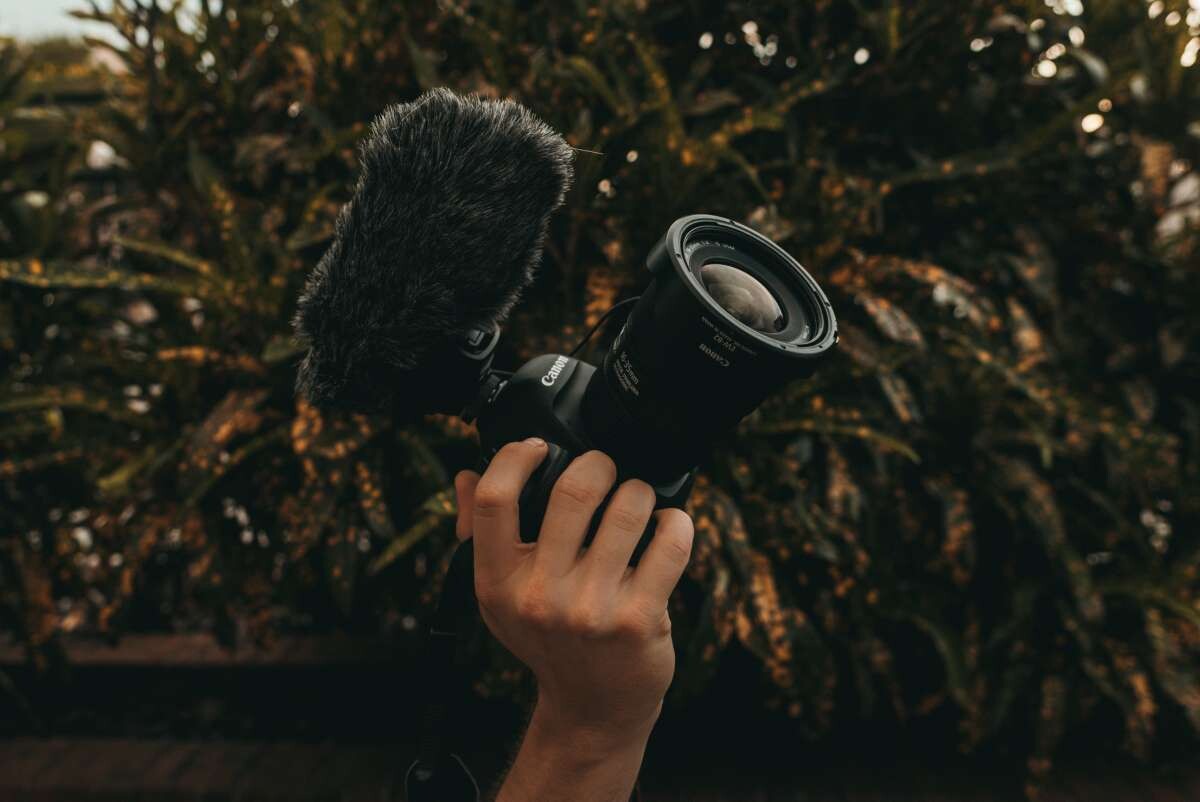
How to Book More Wedding Video Clients?
Artists who specialise in videography have a great chance of getting paid well for their wedding videos. To make a wedding film stands out from the crowd, which means you may charge more than you would for other types of video creation. Videographers that specialise in weddings might earn $10,000 or more for each video they produce. If you need advice on your wedding photography, check out our photography packages and services at Wild Romantic Photography.
Wedding videography is a great subset of the filmmaking industry for newcomers to break into because of the low barriers to entry. Most newly engaged couples do not place a high value on the wedding video, which can be used to your advantage. Most people know someone who is getting married soon, and this is a great opportunity to give your services for free and build your videography portfolio.
We can confidently say that the wedding market is one of the most stable and steady sectors of the economy. The institution of marriage is a constant in human history. This means that engaged couples will always be on the lookout for venues, bakeries, photographers, DJs, and videographers. This is more evidence of the intense competition present in the market. You need to set yourself out from the competitors, which may be anyone from the nephew of your cousin's roommate's nephew to full-fledged production houses.
You should let your potential clients know that you won't be able to attend every wedding for which you're hired. This is encouraging news. To get there, it may help to specify the kinds of weddings you want to photograph.
Can you only take weddings in the neighbourhood, or would you travel for work? Do you just take photos at the ceremony and reception, or do you photograph the entire event? Assuming you've finished formulating your initial strategy, the following step is to learn more about your target market's demographics.
The wedding business is well-known for its intense rivalry. Here is a compilation of marketing tips that will help you connect with newly engaged couples and secure more wedding bookings.
Update your website.
In this day and age, not having a website is not an option. Put something up on the site even if the design isn't perfect. Your website should have video reels showcasing your most current work, a brief biography, and your contact details at the very least. Creating and publishing blogs on the uploaded videos is a great way to attract more viewers to the website.
You can talk about the wedding day itself as well as link to other suppliers who helped out on that page. The city where the wedding will take place is usually the first stop for engaged couples looking for videographers. Your website should provide a detailed description of your location, along with a list of other filming sites you've used. If you haven't already, update your website with your most recent highlight reels immediately.
At Wild Romantic Photography, we have the best Melbourne wedding photographer to take memorable photos on your wedding day.
Have easy-to-read materials.
Don't write a novel-length email in response to a couple's message. Give them a high-quality brochure they may peruse at their leisure. Even if you only have a one-page PDF booklet to offer, send it to them because it will be helpful and educational. Provide a comprehensive pricing structure and a list of acceptable payment options. If the costs aren't finalised and may vary, at least give us an idea of what we may expect to pay. If you're selling multiple different packages, it's important to describe what each one includes.
Use Facebook Pages.
Don't place too much faith in your Facebook profile. Keep the business's money in a separate account. As a result, analytics and targeted advertising will benefit greatly. Whenever you release a new wedding highlight reel, you should promote it using Facebook's "Boost Post" feature. When you market your film, it will show up in many feeds. The fact that you can tailor your boost by choosing married couples as your key audience is by far the most interesting feature.
Get to know other vendors — even other videographers!
Knowing how other sellers operate is crucial to your success. Some suppliers you'll dread working with, while others you'll wish you could collaborate with more frequently may pleasantly surprise you. One of the best moves you can make is to get in touch with other vendors, especially those you've worked with before.
You can both boost your business by recommending each other to other couples. A few of the pairs will ask for your input and suggestions. You will look like a seasoned veteran if you offer up names of the top event coordinators, DJs, and photographers.
It's a good idea to network with other videographers, so don't be shy about approaching them. An alliance with them can lead to many exciting opportunities. You can help one another out and provide each other helpful critique. Keep a spare cameraman on hand in case you ever need one, or if the worst happens and you become sick and can't work. In addition, when you have plans for a specific date, they will provide you great suggestions.
Don't rely solely on wedding magazines or websites
Do not assume the title of photographer just yet. A still shot won't help, and magazine advertising are prohibitively pricey. Wedding magazines are a great way to get your name out there, but they won't let you show off your best work. Your video's highlights are the key to attracting a few new viewers.
The same holds true for venues and service providers who have their own wedding websites. If you can't get a third-party site to host your work, you'll have to drive them to your own site. You'll have to pay more than the average videographer if you want your work featured prominently. Getting the most out of the wedding vendor website is essential if you're going to spend money on it.
Attend bridal shows
Do your homework before committing to a bridal show, as there are usually several to choose from in any given metropolitan city. The most exciting part of these shows is getting to talk to actual married folks. It's a great chance to show off your individuality and flair. It's impossible to complete the task at hand if you and your team members can't get along. Still, it's best if you can find a companion who complements you rather than detracts from you. Costs associated with attending such functions are often high.
Not only do you have to shell out cash to guarantee yourself a seat, but your booth design also needs to be eye-catching and display your work. You'll need a screen of some kind, be it a TV, laptop, or tablet, to watch highlight reels. You also need to have enough pamphlets, business cards, or at the very least a signup sheet. You must take the initiative at these shows. You're wasting your time if you don't want to communicate with other people.
Contact your engaged friends and relatives
Contrary to popular belief, this is a fantastic spot to begin your search for new clients. Many couples are ready to take a chance on you because, in contrast to their wedding photography, they view their wedding video as an optional expense. If you want to get paid to film a wedding, the most important thing is to make sure you perform a fantastic job. Remember that this is your one and only chance to capture this moment in time and get it exactly right.
Spending significant effort in preparation meticulously planning out your objectives is the surest way to attain them. Staying organised is usually a plus, but it's absolutely essential when shooting weddings on film. Get to the railway station early to explore. On the dance floor, the bride is most often on the left, thus you should move to the right. You should spend more time filming the bride than the groom since she is more significant.
The right side of the frame should be the primary viewpoint, but you can also use the centre or slightly off to the left for alternative camera angles. If everything went perfectly, you'd have your pick of at least three cameras, each with its own angle from which to record the spectacular spectacle. Prior to the big day, make it a point to attend the rehearsal so you can get a feel for how things will go.
You've spent months preparing for this perfect wedding, and you don't want to miss a moment. Don't fret; Wild Romantic Photography has got you covered.
If you are asked to stand up for a certain portion of the performance, your view of the stage may be completely obstructed. If you are unable to attend the wedding rehearsal, you should at least speak with the wedding coordinator or the officiant to find out what will take place on the wedding day. Finally, before the ceremony starts, double check that you have adequate spare batteries.
Build your brand with a wordpress site and a Google my business Page.
Clients in need of wedding videography services might be attracted in different ways, such by creating a website and optimising it for search engines. The bridge usually is responsible for locating the wedding's videographer; if she doesn't know somebody personally, she will likely use the internet to perform a search.
The objective is to put your company in a place where it will be seen by individuals who are actively looking for the services you offer. To that aim, a high-quality WordPress-built website and a thoroughly optimised Google My Business listing are your two best bets. It's smart to use wedding-related terminology in the company name if that's what you want to focus on in terms of production.
As a result, climbing to the top of Google's search results will be a breeze. In order to improve your website's visibility in search engine results, it is recommended that you incorporate a variety of wedding-related keywords throughout the content. This means that you should aim for a wide number of variations on the concept of "Wedding Videographer + City," rather than simply one. If your website is in good working shape, then it's time to finish setting up your Google My Business listing. Don't forget that your GMB is targeting a specific location, and focus your operations there largely.
You will need to establish a service location since most wedding video makers do not have an office or storefront. Make sure your Yarra Valley wedding photography is one that will last a lifetime.
Get referrals from local photographers who specialise in weddings by networking with them
Building relationships with wedding photographers is crucial for securing employment as a wedding videographer. If they're any good, you'll be able to capitalise on the steady influx of new customers they bring in. Referrals from satisfied customers are invaluable since they cut down on the time and effort required to close a sale.
Referrals, on the other hand, are much more likely to result in a sale than completely unqualified leads because the customer has already created trust in the business. If the wedding photographer gives you the go-ahead, it's a good bet that you'll perform a great job. However, in the corporate world, appearances are more important than reality. We can't know if this is true or not.
In the photography industry, it can be difficult to find more than one individual ready to refer potential clients your way. This is due to the fact that they normally anticipate receiving leads from you in exchange for your services.
Complications arise whenever people work together on a project. The greatest plan of action would be to establish friendly relations with just one highly sought-after wedding photographer. As opposed to dividing your attention, focusing just on one strong link will help you save time and effort.
In order to reach newly engaged brides and grooms, you can use Facebook ads.

This has been the most reliable source of new business for my wedding videography company. Sharing a highlight reel or wedding video you've already made on social media is a great way to advertise to newly engaged couples. Thanks to Facebook's sophisticated targeting options, it's now possible to save money on marketing while still reaching the people most likely to become paying customers.
Following the video, send them to a landing page that addresses their specific concerns about producing a professional wedding film. If you do as I say, new consumers will begin flooding in. The greatest way to advertise a videographer's services is to show off their work in a high-quality highlight reel or wedding film.
A system that brings you an infinite number of new clients can be readily set up if you can tap into the emotions the couple is feeling on their wedding day. Starting with an idea and ending with a sale, we walk you through every step of creating the wedding video advertisement and the landing page.
This is a basic yet efficient method for acquiring your first wedding videography clients. Maintaining a steady stream of high-paying clients is the best way for a seasoned expert to maximise their revenue.
A variety of our wedding photography Mornington Peninsula offerings are completely unique. Come take a look at them at this link.
Sell an experience, not your services alone.
The best strategy to bring in bookings is to actually show folks what it is you're selling. There's more to it than meets the eye, and most people don't even realise it's there. First of all, if you want more people to hire you, don't advertise all the services you offer. The love tale of you and your partner is preserved in film for all time.
Motivate them by offering them an experience. Create something that piques the reader's interest, keeps them engaged, and transports them back to the wedding day.
If you want to come across as friendly and genuine in the eyes of your website's visitors, it helps to have the copy reflect your tone of voice. In addition, videographers should ensure that their websites are full with calls to action, such as "contact" buttons and links to online booking forms.
Reach out to planners + venues, + vendors (And provide value upfront.)
The best strategy to expand your photography business is by word-of-mouth advertising from your current clientele. Booking additional weddings is a breeze when your excellent reputation is spread by word of mouth from satisfied clients and other local professionals.
But the question remains, how can you initially hook such committed patrons? Networking is key, and the best way to start is by helping others. The key to success lies in this.
Always focus on what you can do for a potential client or vendor in the photography industry rather than what they can do for you. This is of paramount significance. What other surprise can you give them that will make them gasp in delight?
Most photographers follow this protocol when reaching out to a new venue or service provider:
Say something like, "Hey, my name is So-and-So, and I'd love it if you'd check out my portfolio because I'd love to work with you."
What they can do for you as a person is the sole focus here. We choose to take the opposite tack on this issue.
Instead of doing that, you might provide this information to a planner.
"To whom it may concern: I am always interested in meeting new creative people and collaborating with them, so if you're interested, I'd love to get to know you. Would you be available to grab a cup of coffee with me sometime this week? In addition, if you'd like some recent headshot photos taken of you while we are together, I'd be happy to do that as well.
As a postscript, please know that I was so impressed by your __ that I wrote a glowing review of your services on Google."
Instead of immediately asking the planner, venue, or vendor for something, volunteer to help them out first. Better yet, help them out in some way that they won't even notice!
One possible interpretation is to visit that metropolitan landmark while the sun is sinking in order to capture some stunning images of the crowd gathered there. You might also provide a 5-star rating and nice review for the planner with whom you'd like to work.
Clients can be impressed by something as simple as a gift or service they didn't expect to get or pay for.
Make a list of the companies and locations you'd like to work with, and then consider how you can provide them with immense value right off the bat without expecting anything in return.
Raise the importance, availability, and time constraints
There is only ever one enquiry that customers ask while determining whether or not to buy:
"Will it be beneficial in the end?"
A customer will place an order for your product or service if they believe the value they receive justifies the cost. Similarly, people won't book with you if they don't believe your services are worth the money you're demanding.
The most important thing you can do to get more bookings is to charge more for your service. Predicting the CUSTOMER's values, which will be subjectively different for each individual customer, can be challenging.
Inquiring is the best method for learning these facts.
You should enquire as to the reasoning behind each couple's decision to book with you, as well as the specific aspects of your work that made them feel that it was worth the investment in terms of money. Additionally, you should always enquire as to the reason a couple did not book when they did not. The responses will shock you, and that's a good thing since it means you're on the path to improvement.
Creating a sense of scarcity in your market can help you charge more for your services.
Simply put, scarcity emerges when supply and demand interact. If consumers believe that obtaining your products or services will be difficult, they will be willing to pay a premium. Every photographer has a certain number of free Saturdays and Sundays, but by phrasing it this way, I hope to convey the impression that my work is particularly sought after.
Time-limited pricing is another strategy that can boost the impression of value and the sense of urgency.
I'll go into more depth on this subject in our upcoming session on client meetings, and I'm giving everyone who books in the next day a significant discount to encourage them to do so. By doing so, I'm able to raise the prospects of them making a reservation in the near future.
To encourage quick action, I'm providing a deep discount to anyone who books a spot in our upcoming session on client meetings within the next day. This increases the possibility that they will book an appointment soon.
Let's pretend that a full wedding day costs you the industry standard of $2,500.
In order to employ this strategy, you may charge $3,500 instead of the earlier $2,000 pricing. Your response to prospective couples may be something like, "My prices for your date are $3,500," and you could move on. I've seen that the couples who are most willing to cooperate are the ones who don't hesitate to make decisions. Thus, I offer a $2500 discount to any couple who is eager to set up an appointment without delay. Is it settled that we should go ahead and make reservations for dinner?
Simply by rephrasing your pricing in this way, the perceived value of your offer has increased by $1,000 and an incredible sense of urgency has been added, all without changing the final pricing at all.
Upgrade your portfolio.
When I look at the websites and branding of competing photographers, I find that one of the most common issues is that their portfolios are out of date.
Keep your website and social media platforms up to date with your most recent work as you progress as a photographer and your work and editing skills improve. However, it is equally important to replace or remove outdated photos and alterations.
Always remember that quality trumps quantity in importance. Rather than compiling every photo you've ever shot into one massive portfolio, it's better to have a selection of your best work that's been cut down to its most compelling moments.
Lack of uniformity in your products and services may leave consumers confused and unsatisfied. Do they feel confident in your ability to provide them with high-quality photographs? Yet, your portfolio is NOT a crucial aspect of your company.
Putting a lot of money into marketing, branding, and positioning can help a photographer become very successful despite generating subpar work. In contrast, some photographers may have impressive portfolios, but they have trouble with even the most fundamental aspects of marketing. If you maintain your portfolio fresh and impressive, however, marketing your services will be a breeze.
Refresh your online presence and marketing strategy
Do you have any idea what tickles people's fancy? No photography website is required for success. It's no secret that being active on social media and making beautiful photographs can propel a brilliant photographer to the top of their field.
Even though they don't have a website, they've been able to overcome this obstacle because of the exceptional quality of their work.
Due to their low cost and ease of production, websites will be practically mandatory by 2020 at the latest. Preserving your brand in the modern day requires some proactive maintenance, including a revamp of your website with fresh, up-to-date portfolio examples and other information. I do this annually to demonstrate my expertise and keep up with the times.
It's actually to your benefit that most photographers' websites aren't too outstanding; this leaves you more room to be creative and stick out from the crowd by employing a superior design. Keeping your social media profiles fresh requires comparable upkeep, such as eliminating old photos that aren't representative of your brand's aesthetic, updating your bio, etc.
This is helpful for search engine optimisation and brand awareness. The frequency with which you update your website, social media profiles, and other online domains is a factor in Google's ranking algorithm.
Boost your website's search engine optimisation.
"Search Engine Optimization" (or "SEO") is an abbreviation. Photographers would be foolish to discount the significance of search engine optimisation (SEO) and being familiar with the signals that search engines like Google use to rank websites. Your website will get more traffic and a higher ranking in search results if you optimise it for local searches.
The following are essential components of search engine optimisation:
The length of time that your site has existed: The length of time that articles have been published. It usually takes a domain at least a year to see any real improvement in its search engine rankings. In addition, "ageing" content items before they are transcribed can be a time-consuming process. The average duration is between two and ten months.
How long your site has been up and running: Just how long the history of articles goes back. In most cases, a year is required before a domain's rankings become noticeable. Time is also needed for content articles to "age" before being typed. Typically, it takes between two and ten months.
New posts, comments on posts, social shares, etc.: All signal that the information on your website is dynamic and relevant, making it more visible in Google's search results. They want to display searchers content that is relevant to their queries.
Timing of Page Loading: No one appreciates a sluggish website. If your website takes too long to load, Google will reprimand you. In order to climb the search engine ranks, you need a faster website.
Backlinks: A backlink is like a personal endorsement. Google is more inclined to consider you trustworthy if you make more requests. Google gives more weight to offers that it deems to be of higher quality. (For example, if the president were to vouch for you instead of your Aunt Sallie, the latter would be disregarded.) The question is, who can we trust more?
How well does your material address the query or search intent of the user?: Someone looking for "wedding photographers in Detroit" is more interested in finding "Detroit Wedding Photographer" than "Destination Wedding Photographer In Michigan." Adding new pages to your site that focus on each of these keywords can be a powerful SEO tactic.
Getting noticed online is a part of SEO, or search engine optimisation: Websites that receive a lot of organic traffic are automatically deemed more relevant and valuable by Google.
Switching from HTTP to HTTPS (Secure Hypertext Transfer Protocol): Is the quickest and easiest way to increase your site's ranking NOW. Including the letter "S," for "secure," is a breeze. As such, the specifics will vary based on your web host. Both Siteground and Squarespace provide this feature at no additional cost. Prices for web hosting with providers like HostGator and GoDaddy may add up quickly. Siteground is the place to be if you're running a WordPress site, but it's a fantastic investment otherwise. Compare and contrast the features and pricing with those of Hostgator and Siteground; you can get significantly faster page loads, superior customer support, free HTTPS, and a few other nice extras for roughly the same price. After I made the adjustment, I climbed to the top of the rankings quickly.
Book us at Wild Romantic Photography if you'd like to have experienced photographers at your wedding.
Conclusion
Wedding videography is a great subset of the filmmaking industry for newcomers to break into. Videographers that specialise in weddings might earn $10,000 or more for each video they produce. Most newly engaged couples do not place a high value on the wedding video, which can be used to your advantage. If you're looking for a wedding videographer, it's important to have a good website and easy-to-read materials. A city where the wedding will take place is usually the first stop for engaged couples looking for videographers.
Your website should provide a detailed description of your location, as well as other filming sites you've used. It's a good idea to network with other videographers, so don't be shy about approaching them. You'll have to pay more than the average videographer if you want your work featured prominently. Getting the most out of the wedding vendor website is essential if you're going to spend money on it. Many couples are ready to take a chance on you because they view their wedding video as an optional expense.
Prior to the big day, make it a point to attend the rehearsal so you can get a feel for how things will go. If everything goes perfectly, you'd have your pick of at least three cameras, each with its own angle from which to record the spectacular spectacle. If you're a wedding videographer in the Yarra Valley, then it's time to set up your Google My Business listing. It's smart to use wedding-related terminology in the company name if that's what you want to focus on. You will need to establish a service location since most wedding video makers do not have an office.
Focus your marketing efforts on one strong link that will help you save time and effort. Facebook ads are a reliable source of new business for my wedding videography company. Maintaining a steady stream of high-paying clients is the best way for a seasoned expert to maximise their revenue. If you want to expand your photography business, the key to success is word-of-mouth advertising. Instead of immediately asking the planner, venue, or vendor for something, volunteer to help them out first.
You might also provide a 5-star rating and nice review for whom you'd like to work with. Inquiring as to why a couple chose to book with you, and what made them feel it was worth the investment in terms of money. Creating a sense of scarcity in your market can help you charge more for your services. If consumers believe obtaining your products or services will be difficult, they will be willing to pay a premium. Quality trumps quantity in importance and it's important to keep your website and social media platforms up to date.
If you maintain a portfolio fresh and impressive, marketing your services will be a breeze. Photography websites will be practically mandatory by 2020 at the latest. The frequency with which you update your website, social media profiles, and other online domains is a factor in Google's ranking algorithm. It usually takes a domain at least a year to see any real improvement in its search engine rankings.
Content Summary
- Artists who specialise in videography have a great chance of getting paid well for their wedding videos.
- To make a wedding film stands out from the crowd, which means you may charge more than you would for other types of video creation.
- Wedding videography is a great subset of the filmmaking industry for newcomers to break into because of the low barriers to entry.
- Most newly engaged couples do not place a high value on the wedding video, which can be used to your advantage.
- We can confidently say that the wedding market is one of the most stable and steady sectors of the economy.
- This means that engaged couples will always be on the lookout for venues, bakeries, photographers, DJs, and videographers.
- This is more evidence of the intense competition present in the market.
- To get there, it may help to specify the kinds of weddings you want to photograph.
- Assuming you've finished formulating your initial strategy, the following step is to learn more about your target market's demographics.
- The wedding business is well-known for its intense rivalry.
- Here is a compilation of marketing tips that will help you connect with newly engaged couples and secure more wedding bookings.
- Creating and publishing blogs on the uploaded videos is a great way to attract more viewers to the website.
- Your website should provide a detailed description of your location, along with a list of other filming sites you've used.
- If you haven't already, update your website with your most recent highlight reels immediately.
- Provide a comprehensive pricing structure and a list of acceptable payment options.
- Keep the business's money in a separate account.
- Whenever you release a new wedding highlight reel, you should promote it using Facebook's "Boost Post" feature.
- When you market your film, it will show up in many feeds.
- One of the best moves you can make is to get in touch with other vendors, especially those you've worked with before.
- It's a good idea to network with other videographers, so don't be shy about approaching them.
- An alliance with them can lead to many exciting opportunities.
- Your video's highlights are the key to attracting a few new viewers.
- If you can't get a third-party site to host your work, you'll have to drive them to your own site.
- You'll have to pay more than the average videographer if you want your work featured prominently.
- Getting the most out of the wedding vendor website is essential if you're going to spend money on it.
- Do your homework before committing to a bridal show, as there are usually several to choose from in any given metropolitan city.
- It's a great chance to show off your individuality and flair.
- Contrary to popular belief, this is a fantastic spot to begin your search for new clients.
- If you want to get paid to film a wedding, the most important thing is to make sure you perform a fantastic job.
- Remember that this is your one and only chance to capture this moment in time and get it exactly right.
- On the dance floor, the bride is most often on the left, thus you should move to the right.
- You should spend more time filming the bride than the groom since she is more significant.
- Prior to the big day, make it a point to attend the rehearsal so you can get a feel for how things will go.
- If you are unable to attend the wedding rehearsal, you should at least speak with the wedding coordinator or the officiant to find out what will take place on the wedding day.
- It's smart to use wedding-related terminology in the company name if that's what you want to focus on in terms of production.
- In order to improve your website's visibility in search engine results, it is recommended that you incorporate a variety of wedding-related keywords throughout the content.
- If your website is in good working shape, then it's time to finish setting up your Google My Business listing.
- Building relationships with wedding photographers is crucial for securing employment as a wedding videographer.
- This has been the most reliable source of new business for my wedding videography company.
- Sharing a highlight reel or wedding video you've already made on social media is a great way to advertise to newly engaged couples.
- The greatest way to advertise a videographer's services is to show off their work in a high-quality highlight reel or wedding film.
- Starting with an idea and ending with a sale, we walk you through every step of creating the wedding video advertisement and the landing page.
- This is a basic yet efficient method for acquiring your first wedding videography clients.
- Motivate them by offering them an experience.
- The best strategy to expand your photography business is by word-of-mouth advertising from your current clientele.
- Booking additional weddings is a breeze when your excellent reputation is spread by word of mouth from satisfied clients and other local professionals.
- Always focus on what you can do for a potential client or vendor in the photography industry rather than what they can do for you.
- Instead of immediately asking the planner, venue, or vendor for something, volunteer to help them out first.
- There is only ever one enquiry that customers ask while determining whether or not to buy: "Will it be beneficial in the end?"
- A customer will place an order for your product or service if they believe the value they receive justifies the cost.
- Similarly, people won't book with you if they don't believe your services are worth the money you're demanding.
- The most important thing you can do to get more bookings is to charge more for your service.
- You should enquire as to the reasoning behind each couple's decision to book with you, as well as the specific aspects of your work that made them feel that it was worth the investment in terms of money.
- Creating a sense of scarcity in your market can help you charge more for your services.
- If consumers believe that obtaining your products or services will be difficult, they will be willing to pay a premium.
- Time-limited pricing is another strategy that can boost the impression of value and the sense of urgency.
- Let's pretend that a full wedding day costs you the industry standard of $2,500.
- In order to employ this strategy, you may charge $3,500 instead of the earlier $2,000 pricing.
- Your response to prospective couples may be something like, "My prices for your date are $3,500," and you could move on.
- Thus, I offer a $2500 discount to any couple who is eager to set up an appointment without delay.
- Simply by rephrasing your pricing in this way, the perceived value of your offer has increased by $1,000 and an incredible sense of urgency has been added, all without changing the final pricing at all.
- When I look at the websites and branding of competing photographers, I find that one of the most common issues is that their portfolios are out of date.
- Keep your website and social media platforms up to date with your most recent work as you progress as a photographer and your work and editing skills improve.
- Yet, your portfolio is NOT a crucial aspect of your company.
- Putting a lot of money into marketing, branding, and positioning can help a photographer become very successful despite generating subpar work.
If you maintain your portfolio fresh and impressive, however, marketing your services will be a breeze. - Refresh your online presence and marketing strategy
- It's no secret that being active on social media and making beautiful photographs can propel a brilliant photographer to the top of their field.
- Preserving your brand in the modern day requires some proactive maintenance, including a revamp of your website with fresh, up-to-date portfolio examples and other information.
- Keeping your social media profiles fresh requires comparable upkeep, such as eliminating old photos that aren't representative of your brand's aesthetic, updating your bio, etc.
- This is helpful for search engine optimisation and brand awareness.
- The frequency with which you update your website, social media profiles, and other online domains is a factor in Google's ranking algorithm.
- Photographers would be foolish to discount the significance of search engine optimisation (SEO) and being familiar with the signals that search engines like Google use to rank websites.
FAQs About Photography

How Do Photographers Get Leads?
Every service-based company's most valuable resource is its leads pipeline. The term "contacts" refers to the people who know about your business and have expressed an interest in the services you provide. While this is the single most important component in a company's success or failure, photography business owners say that not receiving enough leads is their biggest obstacle.
When asked to elaborate, most business owners would say that a lead is a person who has shown interest in buying their product or service. On the other side, it is probably too late if you are waiting for individuals to contact you in order to book you. Without an exceptional flow of referrals from satisfied customers, you are missing out on a vast pool of potential leads. What this means is that you should initiate contact with others before waiting to be asked a question.
When a potential client who has never worked with you before contacts you, they are most likely just looking for the best deal. Reason being, they have never done business with you before. Businesses hate this and say that all they get from their Facebook ads and SEO is individuals looking to compare prices, which is a waste of time and money. As was previously discussed, you can go a long way towards avoiding the improper kinds of potential clients by ensuring that the material on your website is written effectively and is oriented towards your ideal customer.
If you need advice on your wedding photography, check out our photography packages and services at Wild Romantic Photography.
Even if you have a stellar track record, an innovative company idea, and a wealth of expertise, all of it will be for nought if you don't have a steady stream of prospective clients lined up. Don't moan about the lack of customers when you may be thinking this instead: The day begins with an empty schedule, but after a few emails and sipping coffee, your day is quickly filled. How? simply because your method of lead generation is so efficient.
The easiest approach to ensure that your schedule is always full of clients is to have a reliable lead generation strategy in place that brings in new customers on a consistent basis. There are a variety of methods to achieve this goal.
FAQs About Photography
What Exactly Are Leads?
While there is much latitude in the methods, techniques, and formats that can be used to generate leads, the underlying concept remains the same: a "leader" is any consumer with a high propensity to buy a product. For your photography company, a lead is someone who seems like a possible customer.
Having a steady flow of leads is, therefore, essential to the growth of any company. And then the question becomes, "How do you get them?"
Begin by establishing a strong lead generation system
With less effort and in less time than it takes to make a sandwich, Joy is able to fill her agenda by sending a single email to her audience.
For this reason, the difference between a defective lead generating system and an effective one is analogous to that between a calendar with no client sessions and one that is full to capacity.
While the term "lead generation system" may make you think of a wide variety of activities, all it actually means is making connections with people who could become new customers and thinking of ways to keep your current clientele interested and engaged. A monthly newsletter, automated email messages, and an active social media profile are all examples of this.
The goal is to remind your consumers that you still exist and to provide them with information that they will find interesting and useful. Exciting and valuable are the watchwords here.
You've probably experienced the annoyance of receiving spam emails from organisations that go on and on about why you should pay attention to them, and you may have even witnessed other photographers treating their clients in a similar fashion.
It's best if you don't end up being the group's designated photographer.
Instead, you should zero in on what you know would pique your consumers' attention, such as your own ideas and theories, current events, and photography-related goods and services.
The time for sending out sales emails and social media postings has passed; now is the time to gently poke and engage with potential clients. By taking these steps, you'll make selling much simpler down the road. As your consumers begin to rely on and respect the content you give for them, your relationship with them will evolve from one based on sales to one in which you supply photography services that they want and are prepared to pay for.
Lead generation is more like a friend reaching out to a friend than a business spouting sales talk at a customer.
Your photographs will be your most treasured wedding keepsake. Not sure where to start when it comes to looking for your wedding photographer of choice?
Creating Leads
A photographer's major focus in online marketing should be to advertise photography services. For this purpose, you will require "leads," sometimes known as potential clients.
Leads can refer to any potential customers you come in contact with, but in the context of online marketing, leads are typically understood to be email addresses. In business parlance, "generating leads" is accumulating contact information from prospective clients via email.
A website visitor who has no intention of contacting you will most likely not return. This makes capturing the lead crucial, as doing so will allow you to promote to prospective customers about services and products in the future.
Having a lead means you have another chance to sell your product or service to a potential client.
The simplest and most fundamental lead generation method you may employ is a "lead capture form" displayed on your photography website. Included in this is a widget (usually placed in the sidebar) that requests the user's name and email address in exchange for access to a premium content area.
People who are already on your side should be supported
To ensure a constant influx of new consumers, it's vital to keep in touch with those who are already familiar with your photographic services. While the likelihood of making a sale to an existing customer is between 60 and 70 percent, the likelihood of making a sale to a new lead is only 5 to 20 percent, as reported by Marketing Metrics. The cost of acquiring new customers far outweighs the increased likelihood of making a sale to an existing one.
When you're feeling optimistic about the future, it's easy to overlook the clients you already have in favour of the ones you might gain.
However, doing so will substantially increase the difficulty of what is already a challenging task.
It would be a great mistake to disregard your current clientele, since they have already made a financial commitment in your business by purchasing your photography services. This shows that they trust you, are on your team, and will remain loyal unless you offer them a reason not to be. And it's a big omission in the procedures of many businesses.
Rather of focusing on finding new, untapped clients, you should focus on strengthening ties with your current base of customers.
Maintain an Effective Method of Organisation
Maintaining an updated client organisation should be a daily focus. You don't want to spend a lot of time and energy creating new leads and establishing long-term connections with existing customers, only to have crucial details get lost in the flow due to a lacklustre information management system.
At the absolute least, maintain a central database where you can readily retrieve the names, emails, and phone numbers of your leads. Keep it in one place, make sure it's easy to find, and, most importantly, update it regularly.
Is that not enough? Make a running tally of your customers, noting if they are new or returning customers, the specific photography services they have used in the past, and the needs you expect them to have in the future.
For the more imaginative among us, maintaining this spreadsheet can get tedious and repetitious. If you make it a habit, though, you'll find that it takes only a few minutes per day, and the value it provides can be worth thousands of dollars.
Create a lead-capturing machine out of your website
Avoid the common mistake of photographers everywhere and avoid making your website about you. It's not that you're not awesome per such, but rather that clients care a lot more about having their needs met than having their interest piqued by you.
The allure of a website devoted only to showcasing your many wonderful qualities is strong. In the end, it's you they'd be betting on. Actually, no. They want to spend money on bettering themselves.
Imagine if on the same day, you decide to visit the websites of not one but two distinct photographers. A photographer's portfolio, bio, and contact information can all be found on one site, while tips and tricks for developing one's craft and expanding one's enterprise are the main focus on the other.
Which of them piques your curiosity the most, and why? This is the one, of course, that will prove most useful to you because of the relevance to your personal and professional life.
Each of your clients is the same way. They will likely work with a photographer who already knows them and what matters to them. Your credentials are required content for your site, but they shouldn't steal the show. Instead, you should centre your efforts on making content that is both informative and practical for your target audience.
A guide on what to wear, recommendations for fantastic photographic locations in your area, and iPhone photography tutorials are all examples of valuable content that may attract and retain customers. The reader stands to gain from all of these. After you've created great content, it's important to make it easy for consumers to sign up for more of the same.
The tough part is finished once they click the sign-up link. Once you have their email address, you can add them to your database and use your newfound lead generation technique to get in touch with them.
Wild Romantic Photography has the best range of services of wedding photography Yarra Valley. Check them out here.
Put some thought into how your portfolio looks, especially on Instagram.
Every day, we have conversations with well-established photographers who all report the same thing: Instagram has become an indispensable tool for securing new jobs.
It depends on how you pose the question.
They're Displaying the Correct Photos
Be deliberate in how you curate your Instagram feed. About one-seventh of the photos should be candid, while the rest should be staged or otherwise professionally photographed.
Do share these images on Instagram to attract more customers:
- photos of a professional calibre that you have taken for clients; original snapshots
- photos of family and friends, which are clearly of amateur quality, and no more than one weekly backstage photo.
- The creation of a "work-life balance" plan can help when you feel like you can't seem to get your personal and professional lives to coexist peacefully.
- Instagram account that is dedicated solely to your personal photography and which your customers cannot access or associate with your business.
Pro-Tip
Those who work in photography promotion often see social media as a never-ending experiment. Try things out for a couple of weeks and if it isn't working, switch gears. Your specialised audience and your unique personality will determine everything from the best times to publish to the types of photographs that will get the most engagement. Try new things and don't be afraid to fail.
Planning your dream wedding and don’t want to miss out on the special moments on your big day? Worry no more, Wild Romantic Photography has you covered.
They are properly using hashtags in their posts.
Hashtags should not be written in the space provided below the image. They belong in the initial comment you write after posting your photo. Aim for a minimum of 11 hashtags when posting for maximum exposure. Cute and funny hashtags like "I Love My Clients" won't help you obtain new customers.
Regular (almost daily) Updates
Publish a fresh photograph on Instagram every day during the workweek, and if you want to push yourself even further, do the same on the weekends. This will help you attract and retain more clients. Schedule your Instagram posts in advance by picking a day of the week to select the photos you intend to share that week. It's one of the best ways to spread the word about your photographic services.
Some of the photos you post may have been around for a while, and that's just fine. As long as they are of great quality and fairly represent the work you are doing, your audience will respond favourably to them. Find out which of your pictures are most popular, and then make more like them.
Pro-Tip
When using Instagram, it's important to check your Direct Messages area frequently. You'll have to actively check for Direct Messages sent by possible new customers, as Instagram will only notify you of Direct Messages sent by people who are currently following you.
Consider Your Target Market
Finding your niche can help you choose the best advertising approach for your photography business. The best way to get people interested in a photographer's work is to promote them in a niche they're already passionate about. Knowing who you're talking to makes it easier to figure out the best approach, content, tools, and promotion techniques to use.
Create a Customer Database
After settling on a specific demographic, photographers can create a streamlined database to keep track of all their ongoing projects and potential clients. To get you started, here are some ways to group your customers:
- Leads that could be clients or employment opportunities
- A clientele from the past or a former employer
- Possible partners for joint marketing or philanthropic work
- Affiliates and suppliers
In slow periods, you can review the list to determine who would be interested in receiving follow-up communications such as marketing advertising, proposals, or special offers.
Simply by asking, you can gain more clients
A group of friends surrounds you. You have a network of friends and family, and they have a network of friends and family, and they have a network of friends and family, and so on and so on forever and ever amen! You may know these people through various online and offline networks, such as social media, your church, your day job, your children's school, etc. You can also try getting in touch with them directly and asking for a booking.
To what extent does it frighten you? Possibly, at least to a degree. But it's far easier than when you have no clients at all!
Here's how you can best market to them:
- Give away a freebie or a discount.
- Inform your friends, relatives, and former clients/customers of the following:
"I'm trying to establish a portfolio and would love to book five enjoyable portrait sessions in the month of October. Each couple or family will receive a 20% discount on their session in exchange for getting to pick out a stunning new location of their own choosing. Please contact me through email if you or anybody you know is interested in attending so that I may reserve a place for you. I can't wait to create some truly unique images with you."
Direct dialogue is a must when trying to convince them to buy something.
You can tweak this deal as you like if you think that will help you bring in more consumers.
- complimentary 8x10 inch matted print.
- You may save $500 on any wedding package this winter if you bring a friend.
- free downloadable app Grab a copy of our wedding guide and we'll throw in a free engagement photo shoot on the house.
Organise a Giveaway or Contest
You shouldn't just ask your audience for something; you should also give to them. Hosting contests and awarding prizes is a great way to market your photography business in a lighthearted way that draws in new consumers and shows appreciation to your current clientele. Try hosting a contest on social media to attract new followers and potential customers. Creating an audience is a powerful tool.
You may, for instance, request that users follow your page, share a particular post, and tag three or more friends. The goal is to incentivize future usage of your services by offering a prise that will be of interest to your target demographic, will provide value to your business, and will be easy to deliver.
Looking for a Mornington Peninsula wedding photographer? Look no further! Wild Romantic Photography has you covered.
Pro-Tip
There won't be any effect on your bottom line from offering specials and discounts if you've priced your services fairly. These types of offers are a normal part of conducting business and should be accounted for in the marketing budget you've put aside for your photography business. In order to bring in new clients, don't be reluctant to provide special discounts and sales. To avoid losing money on the discounts you're offering, be sure to check your numbers more than once.
Increase Your Online Marketing Presence
Utilise Social Media Platforms
Most photographers and their clientele are active on social media, providing a free and accessible marketing opportunity. Use these no-cost promotional resources to attract more clients and book more events. Depending on the type of business you run or the target audience you aim to reach, you may want to attempt advertising on one of the following channels:
- Social media platforms like Tik Tok, Instagram, and Pinterest
Your photography-themed Pinterest boards will serve as inspiration for your audience. If weddings, corporate events, or other special events are your forte as a photographer, you may want to establish boards exhibiting your work. Then, to make your panels more discoverable, include a brief description and relevant tags.
Post images at least three times a week to get the most out of your marketing efforts. Put in some consideration with your captions and use relevant hashtags and tags. It's not enough to simply post to Instagram; you also need a visible presence in Instagram Stories. You can use this to provide your followers a glimpse into your working environment, whether that's a photoshoot or your regular office.
Maximise the potential of your page by using real-time video, tagged images, and posts that inspire participation from your audience. In order to make it simple for your followers to get in touch with you, it is essential that you provide them with your photography business's contact information, including your email address, website, and call-to-action buttons.
Tik Tok
Although this social media site is still in its infancy, we urge you to start utilising it right away. Although Tik Tok's user base tends to be younger than that of other social media sites, it could help you reach the folks most likely to hire you if you're a senior portrait photographer. You can also use it to promote your Instagram profile if you've found that's the most effective social media channel for your business.
Why Leads Aren't Booking
Reason 1: You're Bringing in the Incorrect Customers
If you run a business, you might think you can serve everyone, but the truth is that certain customers just aren't a good fit for your firm, and the same goes for them. Once you have identified who it is that you are destined to serve, you should review all of the opportunities that are now accessible to you and communicate this information to those who have enquired about your services.
Do you discover a decent match between these opportunities and your ideal customer avatar? If so, then it's unclear why not. Why did they deviate from your imagined perfect client? How did they measure up to the hypothetical perfect client profile, if at all?
If you find that the way your business is portrayed online differs significantly from the qualities your ideal customer may want, you may have solved part of the problem with your leads not booking. Your company's online appearance requires the same level of care and attention. Is it designed to bring in the kind of client you'd like to have? Is there something missing from your website that your ideal customer avatar has indicated a need for? How well do your social media efforts serve to inform, motivate, and bring together your target clientele?
It's not always easy to keep a level head when we're asked to be objective about our businesses. So, take a breather and find out from a trustworthy coworker who they think your ideal consumer is based on your web presences. Remember that the times you feel like you're missing out on opportunities because you're not able to make the right connections with the right individuals.
In addition, make time in your calendar to check out your competitors' online presences, such as their websites and social media pages. Can you tell, from what they post, who their ideal consumers are? Where can I find out what words, images, and content they're emphasising to attract that type of buyer? Don't take the ideas of others; instead, seek out ways that these thoughts might be adapted for use in your own business, with the clients you most hope to win over.
Reason 2: You Do Not Have a Lead Pipeline
Larger businesses sometimes divide their sales pipelines into multiple stages, one of which is dedicated to the qualification of leads. It's not necessary to follow this exact path, but it is useful to be familiar with the stages described above and to be able to imagine how they might play out in our businesses.
There are six stages altogether. Someone will first sign up to follow your blog. The second case involves a person who has submitted an online form and included their email address. In this context, MQL and SQL stand for "Marketing Qualified Lead" and "Sales Qualified Lead," respectively.
Someone who is in the early stages of their software purchase investigation and downloads a buyer's guide is a highly qualified marketing lead. This illustration shows how this operates. This shows that they want to buy the product the company is now offering. But if they sign up for a demo of the programme, that's when they become a sales qualified lead. After the demo phase, the lead will not enter the opportunity phase until they receive a follow-up enquiry.
Most photography business owners fail to plan beyond the first two stages of their sales pipeline, which are the opportunity and booking phases, respectively. There is no guarantee that this opening is a good fit for your business, as there is no screening procedure in place. This means that most of our clients are bargain hunters.
Having a client pipeline allows you to quickly eliminate leads that aren't a suitable fit for your business. Moreover, it facilitates the development of connections with people who are a good fit for you.
Reason 3: You are not cultivating leads
In order to convince a customer to buy a product or service, it often takes between seven and thirteen interactions with a company's marketing and sales departments. Early in the buying process, customers are doing research or raising their level of familiarity with your brand. Most companies do not consider someone who has reached these phases to be a qualified lead because the engagement that has taken place up to this point has not been detailed enough. The prospect is either not yet ready to buy or does not have a complete grasp of what it is that you have to offer.
This definition suggests that a person who contacts you to enquire about pricing may not even qualify as a prospect if they do not have the required level of knowledge. This is still the case, even if they are getting closer to making a choice about someone at the stage of awareness. Do you have any suggestions for business owners?
At this point, you understand why having a steady stream of potential customers is crucial. How to put it into action using search engine optimisation (SEO) best practises, a social media plan that generates natural backlinks to your content, and newsletters and email marketing to cultivate your leads is what we'll be talking about now.
If you are able to convince individuals to sign up for your newsletter but then fail to maintain regular communication with them, you are not adequately nurturing your leads. It's a waste of time to wait for a client to contact you and book a session before you put any money into marketing your services. In light of this, it's important to consider how to start building rapport with high-quality leads far before they're ready to make a reservation. By doing so, you may grow your relationship with them to the point where scheduling with you is a no-brainer.
People are drawn to passion
Enthusiasm attracts attention and interest. Your portfolio, social media, website, and interactions with potential clients will all benefit from the enthusiasm you have while photographing things that truly excite you.
If you’d like to work with professional photographers for your wedding, book with us at Wild Romantic Photography.
Don't be shy about telling your audience how thrilled you are with the progress you've made in building a portfolio and a successful business. Anxiously and forcefully demanding that the universe provide us work won't bring in any more clients. We establish successful enterprises by focusing on goals and connecting with a sense of purpose in all that we do.
Conclusion
How to take the perfect Instagram snapshot of your outfits. Here's everything you need to know to snap the best outfit shots on Instagram. Find out how to get the most likes and comments on an outfit photo you've posted to Instagram (or any other social media platform). Think about the overall effect of your feed as you decide which parts of your outfit to highlight. Lighting, composition, and angle are the three most important factors to consider.
The setting is still crucial, so don't forget to include it even if your costume is the main focus. It doesn't matter whether you embrace flower arrangements or printed scrunchies, well-chosen props and accessories can elevate any photoshoot to the next and dreamiest level. Capture a shot of your lap from above so your followers can see the intricate buttons and array of colours on your outfit. If you're looking for Yarra Valley's top wedding photographers, you've found them! Using the so-called "Rule of Thirds," divide the viewfinder of your camera into nine even squares.
The surest sign that your mother took a picture is if the subject is more than 500 metres distant. Selfies benefit from a simple, uncluttered background that allows the subject to stand out. Marble and wood tables are timeless classics. Having fun and being able to communicate with each other during the shoot makes the experience more pleasurable. Wild Romantic Photography offers wedding film videography services.
If the photos are intended for Instagram, your photographer will know to shoot at a wider angle so that you won't have to crop out your feet (the worst!) or your forehead (also the worst!). Have a bad hair day? Simply snap an aerial shot and consider the job done. The closest McDonald's, bars, and Starbucks should be memorised in advance so that you can accommodate the cast and crew who must change in public. While doing so, you should wear cycle shorts and a bra-let or a vest to avoid indecent exposure.
Keep in mind that your photographer has a job to do. As with a trip to the salon, you'll need to either prepay for the session or have cash with you on the day of the shoot. If you hire a director, you're making a decision to support his or her vision in terms of how the film is shot and assembled.
Content Summary
- While this is the single most important component in a company's success or failure, photography business owners say that not receiving enough leads is their biggest obstacle.
- On the other side, it is probably too late if you are waiting for individuals to contact you in order to book you.
- Without an exceptional flow of referrals from satisfied customers, you are missing out on a vast pool of potential leads.
- What this means is that you should initiate contact with others before waiting to be asked a question.
- As was previously discussed, you can go a long way towards avoiding the improper kinds of potential clients by ensuring that the material on your website is written effectively and is oriented towards your ideal customer.
- simply because your method of lead generation is so efficient.
- The easiest approach to ensure that your schedule is always full of clients is to have a reliable lead generation strategy in place that brings in new customers on a consistent basis.
- While there is much latitude in the methods, techniques, and formats that can be used to generate leads, the underlying concept remains the same: a "leader" is any consumer with a high propensity to buy a product.
- For your photography company, a lead is someone who seems like a possible customer.
- Having a steady flow of leads is, therefore, essential to the growth of any company.
- While the term "lead generation system" may make you think of a wide variety of activities, all it actually means is making connections with people who could become new customers and thinking of ways to keep your current clientele interested and engaged.
- The time for sending out sales emails and social media postings has passed; now is the time to gently poke and engage with potential clients.
- As your consumers begin to rely on and respect the content you give for them, your relationship with them will evolve from one based on sales to one in which you supply photography services that they want and are prepared to pay for.
- Leads can refer to any potential customers you come in contact with, but in the context of online marketing, leads are typically understood to be email addresses.
- In business parlance, "generating leads" is accumulating contact information from prospective clients via email.
- Having a lead means you have another chance to sell your product or service to a potential client.
- The simplest and most fundamental lead generation method you may employ is a "lead capture form" displayed on your photography website.
- People who are already on your side should be supportedTo ensure a constant influx of new consumers, it's vital to keep in touch with those who are already familiar with your photographic services.
- While the likelihood of making a sale to an existing customer is between 60 and 70 percent, the likelihood of making a sale to a new lead is only 5 to 20 percent, as reported by Marketing Metrics.
- Rather of focusing on finding new, untapped clients, you should focus on strengthening ties with your current base of customers.
- Maintain an Effective Method of OrganisationMaintaining an updated client organisation should be a daily focus.
- Make a running tally of your customers, noting if they are new or returning customers, the specific photography services they have used in the past, and the needs you expect them to have in the future.
- Create a lead-capturing machine out of your websiteAvoid the common mistake of photographers everywhere and avoid making your website about you.
- Each of your clients is the same way.
- Your credentials are required content for your site, but they shouldn't steal the show.
- Instead, you should centre your efforts on making content that is both informative and practical for your target audience.
- After you've created great content, it's important to make it easy for consumers to sign up for more of the same.
- Put some thought into how your portfolio looks, especially on Instagram.
- They're Displaying the Correct PhotosBe deliberate in how you curate your Instagram feed.
- The creation of a "work-life balance" plan can help when you feel like you can't seem to get your personal and professional lives to coexist peacefully.
- Instagram account that is dedicated solely to your personal photography and which your customers cannot access or associate with your business.
- Pro-TipThose who work in photography promotion often see social media as a never-ending experiment.
- Worry no more, Wild Romantic Photography has you covered.
- They are properly using hashtags in their posts.
- Schedule your Instagram posts in advance by picking a day of the week to select the photos you intend to share that week.
- Pro-TipWhen using Instagram, it's important to check your Direct Messages area frequently.
- Consider Your Target MarketFinding your niche can help you choose the best advertising approach for your photography business.
- Create a Customer DatabaseAfter settling on a specific demographic, photographers can create a streamlined database to keep track of all their ongoing projects and potential clients.
- To get you started, here are some ways to group your customers:Leads that could be clients or employment opportunitiesA clientele from the past or a former employerPossible partners for joint marketing or philanthropic workAffiliates and suppliersIn slow periods, you can review the list to determine who would be interested in receiving follow-up communications such as marketing advertising, proposals, or special offers.
- Simply by asking, you can gain more clientsA group of friends surrounds you.
- You have a network of friends and family, and they have a network of friends and family, and they have a network of friends and family, and so on and so on forever and ever amen!
- You can also try getting in touch with them directly and asking for a booking.
- But it's far easier than when you have no clients at all!Here's how you can best market to them:Give away a freebie or a discount.
- Inform your friends, relatives, and former clients/customers of the following:"I'm trying to establish a portfolio and would love to book five enjoyable portrait sessions in the month of October.
- Organise a Giveaway or ContestYou shouldn't just ask your audience for something; you should also give to them.
- Hosting contests and awarding prizes is a great way to market your photography business in a lighthearted way that draws in new consumers and shows appreciation to your current clientele.
- Try hosting a contest on social media to attract new followers and potential customers.
- Creating an audience is a powerful tool.
- The goal is to incentivize future usage of your services by offering a prise that will be of interest to your target demographic, will provide value to your business, and will be easy to deliver.
- Pro-TipThere won't be any effect on your bottom line from offering specials and discounts if you've priced your services fairly.
- These types of offers are a normal part of conducting business and should be accounted for in the marketing budget you've put aside for your photography business.
- In order to bring in new clients, don't be reluctant to provide special discounts and sales.
- Increase Your Online Marketing PresenceUtilise Social Media PlatformsMost photographers and their clientele are active on social media, providing a free and accessible marketing opportunity.
- Depending on the type of business you run or the target audience you aim to reach, you may want to attempt advertising on one of the following channels:Social media platforms like Tik Tok, Instagram, and PinterestYour photography-themed Pinterest boards will serve as inspiration for your audience.
- FacebookMaximise the potential of your page by using real-time video, tagged images, and posts that inspire participation from your audience.
- Although this social media site is still in its infancy, we urge you to start utilising it right away.
- Although Tik Tok's user base tends to be younger than that of other social media sites, it could help you reach the folks most likely to hire you if you're a senior portrait photographer.
- You can also use it to promote your Instagram profile if you've found that's the most effective social media channel for your business.
- Once you have identified who it is that you are destined to serve, you should review all of the opportunities that are now accessible to you and communicate this information to those who have enquired about your services.
- Do you discover a decent match between these opportunities and your ideal customer avatar?
- Is there something missing from your website that your ideal customer avatar has indicated a need for?
- So, take a breather and find out from a trustworthy coworker who they think your ideal consumer is based on your web presences.
- In addition, make time in your calendar to check out your competitors' online presences, such as their websites and social media pages.
- Reason 2: You Do Not Have a Lead PipelineLarger businesses sometimes divide their sales pipelines into multiple stages, one of which is dedicated to the qualification of leads.
- Most photography business owners fail to plan beyond the first two stages of their sales pipeline, which are the opportunity and booking phases, respectively.
- Having a client pipeline allows you to quickly eliminate leads that aren't a suitable fit for your business.
- In order to convince a customer to buy a product or service, it often takes between seven and thirteen interactions with a company's marketing and sales departments.
- Early in the buying process, customers are doing research or raising their level of familiarity with your brand.
- The prospect is either not yet ready to buy or does not have a complete grasp of what it is that you have to offer.
- This definition suggests that a person who contacts you to enquire about pricing may not even qualify as a prospect if they do not have the required level of knowledge.
- Do you have any suggestions for business owners?At this point, you understand why having a steady stream of potential customers is crucial.
- How to put it into action using search engine optimisation (SEO) best practises, a social media plan that generates natural backlinks to your content, and newsletters and email marketing to cultivate your leads is what we'll be talking about now.
- If you are able to convince individuals to sign up for your newsletter but then fail to maintain regular communication with them, you are not adequately nurturing your leads.
- In light of this, it's important to consider how to start building rapport with high-quality leads far before they're ready to make a reservation.
- By doing so, you may grow your relationship with them to the point where scheduling with you is a no-brainer.
- People are drawn to passionEnthusiasm attracts attention and interest.
- If you'd like to work with professional photographers for your wedding, book with us at Wild Romantic Photography.
- Don't be shy about telling your audience how thrilled you are with the progress you've made in building a portfolio and a successful business.

What Does Every Videographer Need?
Producing a high-quality video does not necessitate extensive time and money spent on pricey videography equipment with filmmaking schools. You can hone your filmmaking skills to become a professional videographer by paying close attention to some specifics that at first glance may seem inconsequential and by engaging in regular practise. These principles of video filmmaking can prove to be incredibly valuable if you're filming a more massive yield or just attempting to produce a blog that you audience will like viewing.
The video's overall production value is established by its contents. Showing your audience something fascinating or helpful will make them desire to see more from you.
On the other hand, the content itself shouldn't be the only consideration. The video's quality should still be a priority. When the production values of a video are so low that they get in the middle of the viewing experience, people will click away regardless of how compelling the content may be.
If you need advice on your wedding photography, check out our photography packages and services at Wild Romantic Photography.
One of the initial things you'll see printed just on assembly instructions is indeed a list of the equipment needed for the job, whether you're put together such a porch swing or a bookcase. If you have the proper instruments in your toolkit, you can accomplish anything; if not, you will struggle. Your camera bag should be treated in the same way. You can handle every situation that arises on set with just a few basic pieces of production equipment. What follows is a rundown of the essential equipment no self-respecting marksman should be without.
FAQs About Photography
Every Videographer Needs These Tools to Shoot Great Video
Tripod
Professional production values, including as steady shots and seamless camera motions, are best attained when working from a tripod. It's important to remember not all tripods were created equal. Before you buy, be sure it has both video and still-image recording capabilities. This usually means that the tripod has a fluid pan/tilt head, aggressive panhandlers, and drags that can be adjusted.
No matter how effectively your camera stabilises images, you still need a tripod. To use a DSLR camera with a zoom lens makes it easy to see even the smallest of motion blurs in a movie. Using a tripod with a primary camera can make it a far more powerful tool for video production. Using a tripod can do wonders for the image quality of any camera. As you begin your search, you may be taken aback by the seemingly infinite cost of tripods.
Better quality gear will allow for a smoother panning motion, easier portability, and less total weight.
Irrespective of how steadily you think you could hold a camera, you must use a tripod. It need not be the finest choice out there. However, doing so is mandatory.
Microphone Extender
Your camcorder's internal microphone is likely to have a high quality omni-directional pickup element due to its permanent position on the camera's front. However, you won't obtain decent sound from the camera until you press the lens up to your subject. The best way to record clear, undistorted audio is to position your microphone a close as possible to the source of interest. This necessitates wiping the photo from your camera's memory. There is a vast range of microphones available, from portable options to professional condenser microphones. The most popular and versatile microphones are the clip-on lavalieres & handheld "stick" mics.
In spite of improvements in audio pickup technology, video cameras continue to fall short of ideal in terms of audio quality. The sound quality will also likely suffer if you use a smaller device. These gadgets aren't made to capture high-quality audio recordings.
The usage of external microphones can considerably enhance the audio quality of your recordings. When filming video lectures, seminars, interviews, or any other event where people will be speaking, this is of utmost importance. You're in luck because an external mic of sufficient quality need not break the bank.
The proper microphone for the job must be carefully considered. While directional and shotgun microphones can record sound more narrowly, omni-directional microphones can capture sound from all directions. The type of material you're capturing will determine which method works best.
Headphones
Invest in a good pair of the over headphones that will isolate your microphone's output from ambient noise without compromising your ability to hear it. What is the one thing you need to do first to get the most out of your headphones? They must be switched on and plugged in. In spite of the fact that they could appear really sweet dangling from your neck, the headphones need to be put in your ears for them to work. You should choose a pair of headphones that are comfortable to wear and that you can listen to for the duration of the shoot. Starting to think about hiring a wedding photographer? Check out our range of Mornington Peninsula wedding photography here.
Bounce Card/Reflector
Reflectors as well as bounce cards will help you achieve the ideal lighting when you're on the go and shooting your weapon. Positioning your glass in such a manner that it is perfectly positioned allows you to obtain a polished effect whether the light source is natural sunlight, an incandescent lamp, or a Fresnel.
Professional photography & videography use round, bendable, reflective surfaces that are often silver or gold. When used in windy conditions, they tend to "wiggle" and "bounce" with a bright, powerful light. Many experts also prefer white cfrp cards to traditional index cards.
They're cheap, easy to come by, and attractive to top talent because of their sturdy structure and soft, diffused light. In addition to protecting your microphones from the outside, you can use them to tweak the white balance.
Tape for Gaffers
A large roll of elevated gaff tape should be one of the most readily available supplies for the resourceful shooter. The gaffer's tape is not the same as the duct tape, sticky tape, and masking tape. The glue on this fabric tape has been fine-tuned so that it sticks securely without leaking out.
Gaffer's tape may be pricey, but that isn't the time to skimp. Use it to fasten down power cables, attach microphones, or tape up a wobbly tripod leg.
Battery Backup
Despite our technical progress, digital cameras still require batteries to function. If those miniscule energy boosters die on you when you're not expecting it, you're done for. As a result, a spare battery and charger should never be far from your side. A second battery should be charging while one is powering your camera. Carrying a variety of 9-volt or AA cells for your microphones is also recommended. Then you can rest assured that you will never be without a reliable power supply.
Your Camera
When you pack, don't forget to bring your camera. Products like batteries, microphones, tapes, and reflectors are useless on their own. When you're done loading your camera, put the lens cap back on and make sure it's secure so it doesn't fall off during use. You can harm even a seemingly sturdy camera by allowing it too much freedom of movement in your purse.
In order to make a decent video, you'll need a decent camera. Whether you've done any research at all into the topic of video production software or video advertising, you're undoubtedly already aware there are a wide variety of viewpoints out there. Let's start with the basics. A digital single-lens reflex camera (DSLR) can be used for filming. You can't expect the same results that you'd get with a professional-grade video camera. While the price has dropped dramatically, the video quality keeps improving.
DSLR cameras are widely used by those who sell films online due to the high quality of the footage they generate. 1080p is the de facto standard worldwide high-definition video streaming online, and nearly all DSLR cameras now have the capability to record in this format. Many can even record at the greater 4K resolution. A DSLR requires a stable shooting platform and an additional microphone for the best results.
The image quality of an elevated video camera is superior, and it also comes with a wide range of useful features. We was wondering, what exactly are indeed the advantages of possessing a video camera? The lens should have better picture stabilisation, focus even when zooming in, and audio recording capabilities. However, if you want to make money from off your movies, you should have a video camera, as it is an important piece of gear for video creation. Wild Romantic Photography has the best range of services of wedding photography Yarra Valley. Check them out here.
Secondary camera on the go
If you always have a high-quality film or still camera, such as a DSLR, then there's no reason to buy another camera. For the simple reason that you can never tell when inspiration or a chance will strike. Whether for promotional or archival purposes, video captured with a smartphone or tiny camera can come in handy.
Spending a lot of money on video requires the freedom to capture footage whenever it's most convenient. Using a tiny camera or smartphone with HD video recording capabilities, you can shoot, edit, and submit your video in no time. Thanks to technological advancements, nearly all smartphones nowadays can capture video of at least passable quality. However, you may be happier with the results from a tiny camera.
If you want to edit your photos, a smartphone is better than a tiny camera. You may enhance the quality of your video's viewing experience for those other users by using one of the many programmes that allow you to do basic changes to your video before posting. Some folks won't consider this a top priority. You should have it if you want to record video whenever you want.
Lighting
Having good lighting can do wonders for the production value of your video. If you've ever seen a video interview when the interviewee clearly wasn't feeling well, then know how distracting it can be. Unfortunately, it might be challenging to achieve the ideal lighting effect. It is important to think about the equipment, as well as the many types of light, foreground and background lighting, shadows, and other factors. The price of such equipment might add up quickly. If you're just starting out, a reflector can help you make the most of the available natural light. Light can be accurately reflected by simply arranging the material. (You'll also require someone to carry it, therefore make sure to budget for that if you don't plan on buying a reflector holder.)
To begin enhancing the light in your movies, consider purchasing a low-cost reflector made just for newcomers. There is a reflector available with transparent, white, black, golden, and silver surfaces.
Reflector
If you're looking to switch to a more versatile and powerful lighting system, a softbox is a great option. Large fabric boxes enclosing bright bulbs create a flattering, ambient glow.
Professionals keep using them despite their large footprint because they provide superior illumination. Although less than a hundred dollars' amount of equipment is plenty to get started, a more expensive setup will provide superior performance and last considerably longer. It's important to avoid harsh shadows and glares in your film by using lighting that complements the subject matter rather than competing with it. The outcome is heavily influenced by this.
Gimbal
A gimbal is a type of camera stabilisation device. Gimbals come in a wide range of shapes and sizes, supporting cameras from the size of an iPhone to those of a professional video camera.
A gimbal is indeed a device that uses pivots and weights to keep your camera steady during filming. If you are constantly on the go, this is a must-have. When you need you camera to stay perfectly steady, a tripod is a great tool to have. A gimbal is necessary if you plan on doing any kind of travelling. Many different versions are available, and they all have their own unique specs and cost structures.
A higher price tag indicates a higher quality gimbal that is both lighter and more sturdy. If you plan on moving the camera around a lot while taking video, you should budget more money for that. If you plan on taking mostly still images, you won't have to stress as much about this. If you plan on making many of exciting movies, it's worth the investment to get professional equipment. An obvious quality boost is forthcoming.
Furthermore, it is important to invest in a gimbal that is compatible with your camera. Multiple attachment mechanisms exist, and the vast majority are ubiquitous. However, it's always a good idea to check twice. Your wedding images will be you most cherished keepsake. Not sure where to start when it comes to looking for your wedding photographer of choice?
Software for editing/production
There was a lot of time spent in the past discussing simple video editing programmes. At this point, it should go without saying that it's necessary. In spite of your video's high quality, it can benefit greatly from your basic knowledge of editing techniques.
There is absolutely no need to resort to more complex methods like colour correction or precise cutting. Removing any vocal pauses & adding some text are just two examples of how you can make your video look more polished and professional.
Spending significant time learning how to use video editing & production software is essential. Still, with the help of only a few introductory training, you could get started making vastly superior videos right away. It's good news that you won't have to part up a lot of cash to have it done. Though expensive programmes like Premiere Pro by Adobe are recommended, less expensive programmes like Shotcut and VideoPad will provide results that are on par with those of the more expensive programmes.
Lavalier microphone
Will your videos feature audio of people actually speaking? The next step is to consider purchasing a lavalier microphone. Essentially a miniature recorder with a high-quality microphone inside, this device can be worn by clipping onto a lapel or collar. It eliminates extraneous sounds so that only the speaker's speech is captured.
If your future videos won't include many talking parts, you might want to consider adding this to your "someday" list. Having at least for a couple good lavalier mics on hand is a must for the majority of individuals who plan to make videos on a regular basis. For those who will prefer filming with a DSLR camera, a portable lavalier mic that is hooked into the camera is a great option.
Video editing equipment
Almost any modern electronic gadget can be used to edit video. Most cellphones these days support apps that can edit video, and most computers can run at least a few of these programmes.
If, however, you anticipate needing to edit a lot of videos in the nearish term, you may want to consider investing in new technology. Many of the top filmmakers continue to use Apple technology for their editing needs, despite the fact that Windows PCs have swept up to Apple in terms in graphic processing capability. Take a look at your computer's specs to make sure it has enough graphics processing power for editing at top speed.
Keep your focus here, since it's crucial. To edit particularly large files, you might need a high-performance laptop or graphics card. Your computer will run slower as a result of this. The majority of people can edit perfectly well on the device they are now using. If you have seen that the process is time-consuming and you think you may profit from a method that is more efficient, it is time to look into making a change.
Service of transcription
Adding text to your video is a great method to increase interest in what you're selling, regardless of where you intend to post it. A large percentage of people who watch videos on social media do it without the sound on, thus if your videos don't include subtitles, you risk losing a lot of viewers.
If you're making a video but not posting it online, consider include captions for the deaf and hard of hear (and those who like to read along as they watch).
The difficulty is that transcribing takes a long time, that can be troublesome if you create a lot of movies. As a result, it is suggested that you use a transcription service. More faster than anyone could do it yourself, they will deliver your video's transcription to you. You'll have to shell out some cash, but after having a few films transcribed, you'll see why it was money well spent.
Your transcript, and at least a selection of it, could be used as a content improvement or to enhance the embedded video on the website. It's a win-win: providing more useful content for your audience will increase your site's traffic and visibility in search results.
Planning your dream wedding and don’t want to miss out on the special moments on your big day? Worry no more, Wild Romantic Photography has you covered.
Beginner Videography Tips
Many of the guidelines and techniques presented here are timeless and can be used as a reference regardless of whether or not you decide to get into the field of cinematography. Try them out and memorise the results. Along the process, not only will these help you make videos that look more professional and please your audience, but they'll also help you create your own unique filmmaking style and realise your full creative potential.
Gather Your Resources
Now more than ever, entry-level photographers can get their hands on a high-quality digital camera without breaking the bank. As long as you keep a few basics in mind, you may enhance your filmmaking skills using equipment you already own, like a smartphone.
- Use the back camera if you'd like crisper video.
- Put your camera into landscape orientation (horizontally instead of vertically)
- In order to keep your phone level, activate the grid if it appears as an overlay on your screen.
- If you're looking to enhance the quality of your videos and shoot better handheld shots, an extra microphone, a stable video tripod, and a gimbal stabiliser are all worthwhile investments.
Prepare Your Shoot
If you're going to actually film a music video, advertising, or short film, you'll have a lot more freedom to arrange things from the very beginning to the very finish. Make your storyboard look like it was drawn by an expert by drawing sequential images of your scenes. This will help you plan out the photos you want to get and give you a better idea of how they will all come together in the final product. It will serve as a manual during the filming and editing processes, and it can help you decide when to shoot, where to shoot, and with which camera (if more than one is available) before you ever start shooting.
However, if you're going to have been covering one certain event, you should do everything in your power to be well-prepared for it. As an example, a wedding videographer must understand when and how to film the bride, groom, as well as other members of the bridal party.
These are some important considerations for your wedding video:
- Make sure you know everything there is to know about the wedding day's schedule, from the commencement of a ceremony to the finish of the celebrations at the reception.
- Create a shot list in advance. Include the initial kiss, the cutting of the cake, and all other special moments the couple want to forever remember on this list.
- There are as many ways to capture a wedding on film as there are to capture a still photograph. Stick to analysing just one group at a time. You should be consistent and select the proper one that fits the pair and the event if you want their wedding film to have a flawless cinematic sense.
Have Proper Lighting
One of the crucial aspects of making high-quality videos is mastering how to use lighting to convey emotion and mood. Lighting should be given some serious consideration at the conceptualisation phase. Determine what kinds of lighting will be required and where you'll need to place them. Or, if you're using natural or artificial lighting, think about how to make it fit the scenario you're building.
A dramatic effect can be achieved, for instance, by strategically placing shadows. However, depending on the way the lights are set up, an abundance of illumination might create an optimistic ambience.
Maintain a Simple Background
Don't just pick any old place to film your movies. Use a simple background if you can, or at least make it less distracting by erasing unnecessary elements. Many people who take pictures of themselves or others stand some few feet from a wall, a white sheet, or background paper to avoid casting shadows on the subject.
The aim is to remove or reduce as many distractions as possible from the scene so that the intended subject is the one that stands out. Though some stories and topics benefit from a chaotic setting, you should probably focus on honing your videography foundations before going on to more advanced techniques and experimentation.
Enhance Your Composition
A real pro might well be able to determine within the initial seconds of the a film project if or not high-end camera gear was used. Then, what exactly defines them? The issue is that the photo was poorly composed and framed.
Many amateur videographers have the misconception that all it takes to make a good video is to point the camera towards whatever it is you want to capture. The film industry in particular. Visual composition is organising pieces to convey the intended message and modifying camera framing to provide a nice visual effect.
One of the most important rules for good composition for cinematic videography is the "Rule of Thirds." When your subject is facing both sides of a frame, you can create the illusion of more space for them to move around in, and by placing their head just over the centre of the frame, you can make it look like they're looking down at the camera. The use of over-the-shoulder shots, in which the camera stays on the exact side of two individuals speaking, is another method of generating depth inside a scene. As such, it's important to give your scene depth by establishing a foreground and background.
Maintain Proper Camera Positioning
Photographers who are just starting out often make the error of not considering how the field of view of the lens as well as the camera's proximity from of the subject will effect the final image. Never put your camera so near to the object of a close-up photo that the image quality suffers. As well as making it harder to crop out unsightly sections of the image, this can cause unflattering distortions to the face. An easier method is to place the camera a little distance from of the subject and afterwards zoom in with the lens.
Video quality will suffer if you zoom in digitally (by pinching the screen), therefore it's best to zoom optically (using the lens) instead. If you need to zoom in, do it the old fashioned way and use the lens to do it (by pinch-zooming your screen). By physically adjusting the distance between the lens and the subject, optical zooming allows for a greater or smaller image size.
Make use of Manual Focus.
While the autofocus feature of your camera might be helpful in some situations, it can also be an annoyance if it hunts for the subject in low-light conditions and causes your footage to blur and shake. The trick is to utilise manual focus on a standalone camera or the exposed lock on a smartphone. You can then trust your own eyes instead of the camera's compass to choose where to point it.
Focusing on several things in quick succession (with the help of a shallow field of view blotting all else out) to draw attention to a particular area of such frame is one of the amazing effects you can add to your film by adjusting the focus. If utilised properly, it may be a very effective storytelling technique.
Determine Your White Balance
For many educated individuals, adjusting the temperature and colour of an image is a major challenge. Multiple cameras can be used to record the same scene, however the cameras' preset colour temperatures may be different. Can you imagine how annoying it'd be to watch footage that constantly changed from chilly blue to warm yellow? To get more professional looking footage, make sure the white balance is set correctly on all of the cameras before you start recording. Since this is the case, future post-production expenditures can be reduced and the editing process sped up.
As an added bonus, keep in mind that the "proper" white balance can be relative to the desired outcome. You could make it seem much chillier on purpose if you wanted to create a spooky atmosphere. Put it to use in your story, but be sure to maintain continuity across all of the different settings.
Scenes should be exposed evenly.
Multiple video cameras photographing the same scenario increase the likelihood of capturing footage with varying degrees of exposure uniformity. Also, this is a potential problem. The identical scene can look very different between the two cameras if the exposure settings aren't synchronised. Consider adjusting the shutter speed, ISO, and aperture. Therefore, instead of the more theoretical f-stop values used in conventional photography, t-stops (meaning "to the stop") are used on cine lenses.
Taking images in a studio, where the light is the same no matter the time of day, and where we can use the same equipment with the exposure locked, may be the easiest option for a beginner photographer. It may take longer to record, but correcting the brightness in post-production won't be necessary.
If you must shoot outside, do so fast and on a cloudless day to avoid the sun setting on your footage and the sky getting in the way of the lighting.
Use Filmmaking Techniques
A wide range of standard camera moves is a must for any video project aiming for a polished professional look. The story will be strengthened, and your audience's attention will be held, through these actions. If you really want to impress your viewers with your videos, you should try using certain cinematography techniques.
It is best to pick the bare minimum of methods that will do the job. Your level of originality and the desired presentation of the scenes will have a major impact on the methods you ultimately settle on. Though picking the minimum viable set of methods is usually advisable. There should be a balance between the amount of visuals you use and the amount of time your audience spends processing them rather than your narrative of the event.
Stay away from shaky shots.
No matter how carefully you design the shot, how carefully you execute the crane shot, or how skilfully you dolly from side to side, you do not wish for your photographs to appear unsteady. Your audience might feel sick to their stomachs, and it might make your material look like shaky, amateurish home movies. You should use a tripod or some other sturdy platform to set up your camera.
It's best to leave the camera as it is set up unless absolutely required to reposition it. Imagine your camera is a filled cup of coffee and start panning or zooming as if you were pouring it; go slowly at first, then pick up the pace, and don't stop abruptly.
Your Shots Must Be Timed
Here are some tips from veteran cinematographers that you probably won't find in other how-to articles: Making ensuring your images are longer than five seconds but shorter than 10 seconds can help you keep your audience's attention. Keep your camera still for at least ten minutes before snapping a photo for the best results. Please refrain from using the pan and zoom functions before that time. These are fantastic resources for newcomers since they facilitate faster filming, less time spent repositioning the camera, and a simpler post-production procedure.
Shooting to Editing
This so-called pro-tip advises filmmakers to think like editors as they work. Several "safety shots" and alternative camera angles should be taken while filming a scenario to provide you more flexibility in post-production. You won't have to waste time reshooting, and you won't have to settle for subpar shots that will bring down the quality of your final product.
If you’d like to work with professional photographers for your wedding, book with us at Wild Romantic Photography.
And while you're editing, start out with an easy-to-learn programme like Windows Movie Maker. Our video editing guides will teach you how to do more than just chop, clip, and adjust the volume of your videos and audio tracks; they will also teach you simple yet effective techniques from the pros.
Conclusion
Every Videographer needs These Tools to Shoot Great Video. Professional production values, including as steady shots and seamless camera motions, are best attained when working from a tripod. The video's overall production value is established by its contents. Showing your audience something fascinating or helpful will make them desire to see more from you. Using a tripod with a primary camera can make it a far more powerful tool for video production.
There is a vast range of microphones available, from portable options to professional condenser microphones. The most popular and versatile microphones are the clip-on lavalieres & handheld "stick" mics. A good pair of over headphones will isolate your microphone's output from ambient noise. Reflectors as well as bounce cards will help you achieve the ideal lighting. Elevated gaff tape should be one of the most readily available supplies for the resourceful shooter.
White cfrp cards are attractive because of their sturdy structure and soft, diffused light. A digital single-lens reflex camera (DSLR) can be used for filming. While the price has dropped dramatically, the video quality keeps improving. A DSLR requires a stable shooting platform and an additional microphone for the best results. If you want to make money from off your movies, you should have a video camera.
If you always have a high-quality film or still camera, such as a DSLR, then there's no reason to buy another camera. Using a tiny camera or smartphone with HD video recording capabilities, you can shoot, edit, and submit your video in no time. Good lighting can do wonders for the production value of your video. A gimbal is a type of camera stabilisation device that uses pivots and weights to keep your camera steady during filming. Gimbals come in a wide range of shapes and sizes, supporting cameras from the size of an iPhone to those of a professional video camera.
Professionals keep using them despite their large footprint because they provide superior illumination. Spending significant time learning how to use video editing & production software is essential. With the help of a few introductory training, you could get started making superior videos right away. Lavalier microphone: Essentially a miniature recorder with a high-quality microphone inside, this device can be worn by clipping onto a lapel or collar. If you're making a video but not posting it online, consider include captions for the deaf and hard of hear (and those who like to read along as they watch).
A large percentage of people who watch videos on social media do it without the sound on, thus if your videos don't include subtitles, you risk losing a lot of viewers. If you're going to film a wedding video, you need to be well-prepared for every aspect of the shoot from start to finish. An extra microphone, a stable tripod, and a gimbal stabiliser are all worthwhile investments. Make your storyboard look like it was drawn by an expert by drawing sequential images of your scenes. This will give you a better idea of how they will all come together in the final product.
There are as many ways to capture a wedding on film as there are to capture stills. Make sure you know everything there is to know about the wedding day's schedule in advance. Maintain a simple background if you can, or at least make it less distracting by erasing unnecessary elements. Visual composition is organising pieces to convey the intended message. It involves modifying camera framing to provide a nice visual effect.
One of the most important rules for good composition is the Rule of Thirds. Never put your camera so near to the object of a close-up photo that the image quality suffers. Make sure the white balance is set correctly on all of your cameras before you start recording. Multiple cameras can be used to record the same scene, but the cameras' preset colour temperatures may be different. Use manual focus on a standalone camera or the exposed lock on a smartphone.
A wide range of standard camera moves is a must for any video project aiming for a polished professional look. Taking images in a studio, where the light is the same no matter the time of day, may be the easiest option for a beginner photographer. It's best to leave the camera as it is set up unless absolutely required to reposition it. Tips from veteran cinematographers on how to ensure your images are longer than five seconds but shorter than 10 seconds. Several "safety shots" and alternative camera angles should be taken while filming a scenario to provide you more flexibility in post-production. While you're editing, start out with an easy-to-learn programme like Windows Movie Maker.
Content Summary:
- Producing a high-quality video does not necessitate extensive time and money spent on pricey videography equipment with filmmaking schools.
- You can hone your filmmaking skills to become a professional videographer by paying close attention to some specifics that at first glance may seem inconsequential and by engaging in regular practise.
- These principles of video filmmaking can prove to be incredibly valuable if you're filming a more massive yield or just attempting to produce a blog that you audience will like viewing.
- The video's overall production value is established by its contents.
- Showing your audience something fascinating or helpful will make them desire to see more from you.
- On the other hand, the content itself shouldn't be the only consideration.
- The video's quality should still be a priority.
- When the production values of a video are so low that they get in the middle of the viewing experience, people will click away regardless of how compelling the content may be.
- If you need advice on your wedding photography, check out our photography packages and services at Wild Romantic Photography.
- One of the initial things you'll see printed just on assembly instructions is indeed a list of the equipment needed for the job, whether you're put together such a porch swing or a bookcase.
- If you have the proper instruments in your toolkit, you can accomplish anything; if not, you will struggle.
- Your camera bag should be treated in the same way.
- You can handle every situation that arises on set with just a few basic pieces of production equipment.
- What follows is a rundown of the essential equipment no self-respecting marksman should be without.
- Before you buy, be sure it has both video and still-image recording capabilities.
- No matter how effectively your camera stabilises images, you still need a tripod.
- Using a tripod with a primary camera can make it a far more powerful tool for video production.
- Using a tripod can do wonders for the image quality of any camera.
- Irrespective of how steadily you think you could hold a camera, you must use a tripod.
- However, you won't obtain decent sound from the camera until you press the lens up to your subject.
- The best way to record clear, undistorted audio is to position your microphone as close as possible to the source of interest.
- This necessitates wiping the photo from your camera's memory.
- In spite of improvements in audio pickup technology, video cameras continue to fall short of ideal in terms of audio quality.
- These gadgets aren't made to capture high-quality audio recordings.
- The usage of external microphones can considerably enhance the audio quality of your recordings.
- The proper microphone for the job must be carefully considered.
- Headphones Invest in a good pair of headphones that will isolate your microphone's output from ambient noise without compromising your ability to hear it.
- What is the one thing you need to do first to get the most out of your headphones?
- You should choose a pair of headphones that are comfortable to wear and that you can listen to for the duration of the shoot.
- Reflectors as well as bounce cards will help you achieve the ideal lighting when you're on the go and shooting your weapon.
- Many experts also prefer white cfrp cards to traditional index cards.
- In addition to protecting your microphones from the outside, you can use them to tweak the white balance.
- A large roll of elevated gaff tape should be one of the most readily available supplies for the resourceful shooter.
- The gaffer's tape is not the same as the duct tape, sticky tape, and masking tape.
- Gaffer's tape may be pricey, but that isn't the time to skimp.
- Use it to fasten down power cables, attach microphones, or tape up a wobbly tripod leg.
- Despite our technical progress, digital cameras still require batteries to function.
- As a result, a spare battery and charger should never be far from your side.
- A second battery should be charging while one is powering your camera.
- Then you can rest assured that you will never be without a reliable power supply.
- When you pack, don't forget to bring your camera.
- Products like batteries, microphones, tapes, and reflectors are useless on their own.
- When you're done loading your camera, put the lens cap back on and make sure it's secure so it doesn't fall off during use.
- In order to make a decent video, you'll need a decent camera.
- A digital single-lens reflex camera (DSLR) can be used for filming.
- You can't expect the same results that you'd get with a professional-grade video camera.
- The image quality of an elevated video camera is superior, and it also comes with a wide range of useful features.
- We were wondering, what exactly are indeed the advantages of possessing a video camera?
- The lens should have better picture stabilisation, focus even when zooming in, and audio recording capabilities.
- Secondary camera on the go If you always have a high-quality film or still camera, such as a DSLR, then there's no reason to buy another camera.
- Whether for promotional or archival purposes, video captured with a smartphone or tiny camera can come in handy.
- Spending a lot of money on video requires the freedom to capture footage whenever it's most convenient.
- Using a tiny camera or smartphone with HD video recording capabilities, you can shoot, edit, and submit your video in no time.
- If you want to edit your photos, a smartphone is better than a tiny camera.
- You should have it if you want to record video whenever you want.
- Lighting Having good lighting can do wonders for the production value of your video.
- Unfortunately, it might be challenging to achieve the ideal lighting effect.
- The price of such equipment might add up quickly.
- If you're just starting out, a reflector can help you make the most of the available natural light.
- You'll also require someone to carry it, therefore make sure to budget for that if you don't plan on buying a reflector holder. To begin enhancing the light in your movies, consider purchasing a low-cost reflector made just for newcomers.
- There is a reflector available with transparent, white, black, golden, and silver surfaces.
- Although less than a hundred dollars' amount of equipment is plenty to get started, a more expensive setup will provide superior performance and last considerably longer.
- It's important to avoid harsh shadows and glares in your film by using lighting that complements the subject matter rather than competing with it.
- A gimbal is a type of camera stabilisation device.
- Gimbals come in a wide range of shapes and sizes, supporting cameras from the size of an iPhone to those of a professional video camera.
- A gimbal is indeed a device that uses pivots and weights to keep your camera steady during filming.
- If you are constantly on the go, this is a must-have.
- When you need your camera to stay perfectly steady, a tripod is a great tool to have.
- A gimbal is necessary if you plan on doing any kind of travelling.
- A higher price tag indicates a higher quality gimbal that is both lighter and more sturdy.
- If you plan on moving the camera around a lot while taking video, you should budget more money for that.
- If you plan on making many exciting movies, it's worth the investment to get professional equipment.
- Furthermore, it is important to invest in a gimbal that is compatible with your camera.
- Your wedding images will be your most cherished keepsake.
- Not sure where to start when it comes to looking for your wedding photographer of choice? Software for editing/production There was a lot of time spent in the past discussing simple video editing programmes.
- In spite of your video's high quality, it can benefit greatly from your basic knowledge of editing techniques.
- Spending significant time learning how to use video editing & production software is essential.
- Will your videos feature audio of people actually speaking?
- The next step is to consider purchasing a lavalier microphone.
- Almost any modern electronic gadget can be used to edit video.
- If, however, you anticipate needing to edit a lot of videos in the near term, you may want to consider investing in new technology.
- Take a look at your computer's specs to make sure it has enough graphics processing power for editing at top speed.
- To edit particularly large files, you might need a high-performance laptop or graphics card.
- Your computer will run slower as a result of this.
- Adding text to your video is a great method to increase interest in what you're selling, regardless of where you intend to post it.
- A large percentage of people who watch videos on social media do it without the sound on, thus if your videos don't include subtitles, you risk losing a lot of viewers.
- As a result, it is suggested that you use a transcription service.
- More quickly than anyone could do it yourself, they will deliver your video's transcription to you.
- Your transcript, and at least a selection of it, could be used as a content improvement or to enhance the embedded video on the website.
- It's a win-win: providing more useful content for your audience will increase your site's traffic and visibility in search results.
- Planning your dream wedding and don't want to miss out on the special moments on your big day?
- Many of the guidelines and techniques presented here are timeless and can be used as a reference regardless of whether or not you decide to get into the field of cinematography.
- Along the process, not only will these help you make videos that look more professional and please your audience, but they'll also help you create your own unique filmmaking style and realise your full creative potential.
- Now more than ever, entry-level photographers can get their hands on a high-quality digital camera without breaking the bank.
- As long as you keep a few basics in mind, you may enhance your filmmaking skills using equipment you already own, like a smartphone.
- Use the back camera if you'd like crisper video.
- Put your camera into landscape orientation (horizontally instead of vertically) In order to keep your phone level, activate the grid if it appears as an overlay on your screen.
- If you're looking to enhance the quality of your videos and shoot better handheld shots, an extra microphone, a stable video tripod, and a gimbal stabiliser are all worthwhile investments.
- If you're going to actually film a music video, advertising, or short film, you'll have a lot more freedom to arrange things from the very beginning to the very finish.
- Make your storyboard look like it was drawn by an expert by drawing sequential images of your scenes.
- It will serve as a manual during the filming and editing processes, and it can help you decide when to shoot, where to shoot, and with which camera (if more than one is available) before you ever start shooting.
- However, if you're going to have been covering one certain event, you should do everything in your power to be well-prepared for it.
- As an example, a wedding videographer must understand when and how to film the bride, groom, as well as other members of the bridal party.
- These are some important considerations for your wedding video:
- Make sure you know everything there is to know about the wedding day's schedule, from the commencement of a ceremony to the finish of the celebrations at the reception.
- Create a shot list in advance.
- Include the initial kiss, the cutting of the cake, and all other special moments the couple want to forever remember on this list.
- There are as many ways to capture a wedding on film as there are to capture a still photograph.
- Stick to analysing just one group at a time.
- You should be consistent and select the proper one that fits the pair and the event if you want their wedding film to have a flawless cinematic sense.
- One of the crucial aspects of making high-quality videos is mastering how to use lighting to convey emotion and mood.
- Determine what kinds of lighting will be required and where you'll need to place them.
- Or, if you're using natural or artificial lighting, think about how to make it fit the scenario you're building.
- Don't just pick any old place to film your movies.
- Use a simple background if you can, or at least make it less distracting by erasing unnecessary elements.
- A real pro might well be able to determine within the initial seconds of a film project if or not high-end camera gear was used.
- The issue is that the photo was poorly composed and framed.
- Many amateur videographers have the misconception that all it takes to make a good video is to point the camera towards whatever it is you want to capture.
- Visual composition is organising pieces to convey the intended message and modifying camera framing to provide a nice visual effect.
- One of the most important rules for good composition for cinematic videography is the "Rule of Thirds."
- When your subject is facing both sides of a frame, you can create the illusion of more space for them to move around in, and by placing their head just over the centre of the frame, you can make it look like they're looking down at the camera.
- The use of over-the-shoulder shots, in which the camera stays on the exact side of two individuals speaking, is another method of generating depth inside a scene.
- As such, it's important to give your scene depth by establishing a foreground and background.
- Photographers who are just starting out often make the error of not considering how the field of view of the lens as well as the camera's proximity from the subject will affect the final image.
- Never put your camera so near to the object of a close-up photo that the image quality suffers.
- An easier method is to place the camera a little distance from of the subject and afterwards zoom in with the lens.
- Video quality will suffer if you zoom in digitally (by pinching the screen), therefore it's best to zoom optically (using the lens) instead.
- If you need to zoom in, do it the old fashioned way and use the lens to do it (by pinch-zooming your screen).
- By physically adjusting the distance between the lens and the subject, optical zooming allows for a greater or smaller image size.
- While the autofocus feature of your camera might be helpful in some situations, it can also be an annoyance if it hunts for the subject in low-light conditions and causes your footage to blur and shake.
- The trick is to utilise manual focus on a standalone camera or the exposed lock on a smartphone.
- Focusing on several things in quick succession (with the help of a shallow field of view blotting all else out) to draw attention to a particular area of such a frame is one of the amazing effects you can add to your film by adjusting the focus.
- For many educated individuals, adjusting the temperature and colour of an image is a major challenge.
- To get more professional looking footage, make sure the white balance is set correctly on all of the cameras before you start recording.
- As an added bonus, keep in mind that the "proper" white balance can be relative to the desired outcome.
- Put it to use in your story, but be sure to maintain continuity across all of the different settings.
- Multiple video cameras photographing the same scenario increase the likelihood of capturing footage with varying degrees of exposure uniformity.
- The identical scene can look very different between the two cameras if the exposure settings aren't synchronised.
- Consider adjusting the shutter speed, ISO, and aperture.
- Therefore, instead of the more theoretical f-stop values used in conventional photography, t-stops (meaning "to the stop") are used on cine lenses.
- Taking images in a studio, where the light is the same no matter the time of day, and where we can use the same equipment with the exposure locked, may be the easiest option for a beginner photographer.
- If you must shoot outside, do so fast and on a cloudless day to avoid the sun setting on your footage and the sky getting in the way of the lighting.
- A wide range of standard camera moves is a must for any video project aiming for a polished professional look.
- If you really want to impress your viewers with your videos, you should try using certain cinematography techniques.
- It is best to pick the bare minimum of methods that will do the job.
- Your level of originality and the desired presentation of the scenes will have a major impact on the methods you ultimately settle on.
- Though picking the minimum viable set of methods is usually advisable.
- There should be a balance between the amount of visuals you use and the amount of time your audience spends processing them rather than your narrative of the event.
- You should use a tripod or some other sturdy platform to set up your camera.
- It's best to leave the camera as it is set up unless absolutely required to reposition it.
- Here are some tips from veteran cinematographers that you probably won't find in other how-to articles: Making sure your images are longer than five seconds but shorter than 10 seconds can help you keep your audience's attention.
- Keep your camera still for at least ten minutes before snapping a photo for the best results.
- Please refrain from using the pan and zoom functions before that time.
- These are fantastic resources for newcomers since they facilitate faster filming, less time spent repositioning the camera, and a simpler post-production procedure.
- This so-called pro-tip advises filmmakers to think like editors as they work.
- Several "safety shots" and alternative camera angles should be taken while filming a scenario to provide you more flexibility in post-production.
- You won't have to waste time reshooting, and you won't have to settle for subpar shots that will bring down the quality of your final product.
- If you'd like to work with professional photographers for your wedding, book with us at Wild Romantic Photography.
- And while you're editing, start out with an easy-to-learn programme like Windows Movie Maker.
- Our video editing guides will teach you how to do more than just chop, clip, and adjust the volume of your videos and audio tracks; they will also teach you simple yet effective techniques from the pros.

What Is A Photogenic Face?
People generally worry that they have been not photogenic, while others wonder whether there is a secret "ingredient" to looking well in photographs, and still others think that photographing well is the same as being pretty.
We recognise that perceptions of beauty change over time and throughout cultures, but we still think it's interesting to talk about the science behind beauty and the art of looking good on film.
- Different cultures place value on different physical traits when judging attractiveness. For example, both in person and in photographs, people tend to find an asymmetrical face to be quite appealing.
- This holds true regardless of whether or not the person is behind or in front of your camera. In everyday life and in images, women often find neoteny (the retention of youthful traits in maturity) attractive but males rarely do. Not so for males. Large eyes, a delicate face, a prominent brow, and a small chin are all outward indicators of neoteny.
- Just as a globe's look changes when it's converted into the a world map, so too does a person's when they're seen in a photograph. Features that 'flatten' or diminish in size well are often evaluated favourably in images due to the camera's ability to only record a two-dimensional image. Lips should be large, cheekbones ought to be high, and eyes should be widely apart.
- According to the laws of composition, the focal point of an image should be located at the intersection of the horizontal and vertical lines used to split it into thirds. More attractive faces tend to have highlights positioned at these junctions.
- Images of people are often judged favourably if they have slightly exaggerated features such as skeletal structure, lips shape, orbital lobe form, brow shape, jaw shape, and jawline shape. Unexpectedly, most of the models have powerful capabilities, which helps the light look brighter and produces the illusion of deeper depth in an otherwise flat shot.
Many people who don't fit the conventional beauty standards are surprisingly photogenic. This may be because their features translate well to a two-dimensional media, they are naturally charismatic and animated in front of the camera, the setting and lighting are perfect, or the photographer is skilled. If you need advice on your wedding photography, check out our photography packages and services at Wild Romantic Photography.
The ability to manipulate light is crucial if you want to advance your photographic skills. When taking a photograph of a subject, harsh overhead light casts unflattering shadows that draw attention to flaws in the subject's skin and make the eyes appear lifeless. Images captured in glowing golden light provide a sense of vitality and beauty, qualities that are important to the vast majority of people. The best times of day for outdoor photography are either very early in the morning or very late in the afternoon, when the sun is at a lower angle. In the event that these opportunities are not accessible, we "recreate" the light through the use of techniques such as shading and scrim.

FAQs About Photography

Screen tests are used in the movie industry to establish whether or not an actor or actress is photogenic by photographing them. This also implies that some intangible features of the subject may not be noticed until the topic is captured on film and afterwards examined in two dimensions, regardless of how lovely the subject may be in real life.
So, if you have an upcoming photo shoot, what increases the likelihood that you will acquire images that you like, disregarding factors such as facial symmetry as well as other features of your appearance which you can't change? Here are a few pointers that should prove useful:
- Put in the time and effort required to ensure that you feel great in the clothes you would be wearing again for photo shoot. You should get ready by washing your hair, shaving, picking out your favourite tie, ironing your shirt, choosing comfortable, loose-fitting clothes, and so on.
- See to it that you have enough of time. Photographers, even when dealing with professional models, often take dozens upon dozens of shots in an attempt to get the perfect pose, attitude, lighting, etc. Clients who are awkward in front of camera may wish for the engagement to end quickly, but this will result in fewer images that you will truly enjoy. You'll start to feel more at ease after a while, and that's when you should take pictures, according to professionals.
- You need to give your face a new look. Long-lasting smiles come out as insincere after a while. When someone grins genuinely, the muscles in their lower eyelids tighten and raise. That is the main difference between a fake and an authentic grin. The photographer wants to capture the most radiant aspect of the subject's grin. Strive for calm, smile warmly, and refrain from staring grimly ahead.
- The final output is influenced by the connection between the photographer and the posing model.
- Photographers can employ a number of techniques to put their subjects at ease, add some fun to the shoot, and guide them through the "poses." Put up some serious effort to jump right in. This will help you feel more at ease and natural when interacting with others.
Your photographs will be your most treasured wedding keepsake. Not sure where to start when it comes to looking for your wedding photographer of choice?
Tips for Looking Beautiful in Photos
It might be devastating to see yourself on camera and realise that the face you thought offered you a cute look actually makes you look afraid. This may be due to your physique, hair, or skin tone. The photographic medium has a great deal of appeal to us. I find it enjoyable to document memorable occurrences with photographs, and revisiting my photo archives is like taking a journey down memory lane. However, if you avoid by camera because you feel you may be more photogenic, then advice in this essay will help you channel your inner supermodel.
Who, in this day and age, can honestly say they are safe from being photographed? The phrase "selfie" is likely to enter your mind several times daily because of the prevalence of social media in our modern world. You should always be camera-ready, because you never know when a selfie or other digital portraiture may be uploaded on social media and you want to make a good impression. Recently, I've seen that professional photoshoots are all the rage.
People are enjoying themselves by taking selfies as a source of amusement. Given the importance put on photography, it's helpful to know what elements contribute to a great shot and how to improve one's own photogenic qualities. This doesn't mean you have to get dolled up for every outing, but there are a few things you can do if the chance to take a picture presents that itself will make you appear your best.
We have the best wedding photographer in Yarra Valley to capture your beautiful moments on your wedding day.
You are most likely your own worst critic.
Instead of picking apart the pictures, focus on the big picture. I'll bet that no one will even notice if you're having a horrible beauty day as long as you keep smiling and acting normal around them.
You're about to blink.
This is a legitimate issue, all right. Everyone has that one friend that consistently appears sleepy in pictures, but fortunately, it's simple to fix. Wait until everyone else says "cheese" and then slowly open your eyes. If you time it right, the camera will catch your wide-eyed sexiness just as the shutter clicks.
Your chins have grown in number
The solution to this issue will go against conventional wisdom, but we promise it will work. Give yourself a leading with the forehead, tuck your head in just a little, and extend your neck before the photo is taken. You could worry that this will accentuate the appearance of your weak chin, but in reality, it will help to divert attention away from that area and onto the rest of your face.
You've Suddenly Got Tiny Eyes
You're awake, but it feels as though your eyes have reduced in size. There is no need to worry. Before you take the picture, please apply your eyebrow pencils and mascara. Even if it helps to pay attention beforehand, the most effective action you could do to attract focus to your eyes is to smile. Having a genuine smile on your face or a twinkle in your face can make any photograph come to life.
Your Features Have Been Removed
Blush & bronzer can indeed be your closest friends in photographs. A small bit of makeup might help you look less flat in photos where the flash or bright sunlight has flattened your face. Pinch the tops of your cheeks just before a photo is taken to add definition and colour on your face. It turns out that certain old beauty secrets still work today.
The camera angle isn't working in your favour
Try to get the finest possible photo of yourself? Then put your phone at eye level. Yes, if the camera is placed above your head, you will automatically look up, a flattering position for most individuals. Be conscious as to how your body fits into the frame, even if you aren't just one taking the picture. A more flattering profile picture can be achieved by standing slightly off centre rather than directly in front of the camera.
You Tense Up
The camera will capture your performance exactly as it is, so relax and enjoy yourself. We know it's not easy, but trying to relax can make a significant impact. Take some time when you're among a group of pals to snap some shots of you all smiling and laughing at the same time. If you forget that camera is even there and act spontaneously, people will assume you're in a better mood than you are. (Of course, the odds will be your favour if you employ this piece of advise in addition to the other of my suggestions.)
You appear and feel awkward
You recognise the value of decompressing and resting, but this knowledge does little to ease the process of actually doing so. What do We contribute, exactly? You may try utilising props. Lean on a wall, hold an object, or have a friend snap the shot with you so you may all be in it. Focusing on something besides throwing yourself a happy smile and channelling that energy elsewhere may help you forget some of the stress you're placing on yourself.
You haven't considered what's behind
If you're taking photos, it's a good idea to find a place with a somewhat light background. When there is a bright background and gentle reflections, imperfections may be less obvious. All of us have seen photographers putting up light reflectors to combat the shadows underneath a model's eyes. You may use the same technique to get the same stunning camera effect in your own home. You can look even more radiant against a white wall, a snowy landscape, or a beach on golden sand.
You're not sure where to look
To me, this is completely self-evident. Attempt to eyeball the camera without staring directly down the lens.
There are three main causes for this:
- Unless you're having your photo taken for a passport, there's no need to stare into the camera's viewfinder.
- Facing the sunrise can help you look your best in photos because that is where the photographer will likely be standing.
- Some photographers suggest angling the head slightly upwards, both to create an air of mystery and to prevent red eyes from showing up in the shot.
You're dressed incorrectly
Some clothing combinations seem fantastic in person but may be misinterpreted in a photograph (think flowy tunics or oversized jackets). However, there are some clothes that reveal too much skin. Take several selfies as you're trying to select what to dress on a day when you know you'll be shooting lots of images. A well-tailored outfit is more likely to succeed than ill-fitting apparel in enhancing one's photogenic potential.
How to Be Your Most Photographable Self
What about that one friend who always manages to look happy and avoid red eye in photographs? How does she manage to seem so flawless all the time? She could probably save a huge amount of time if she didn't do things like grimace at oneself on FaceTime or delete tags from her images. It seems that physical attractiveness is simply one component in making someone photogenic.
The reality about looking good in photographs is that a few simple tricks provide noticeably better outcomes. Whether you're looking for advice on how to position the camera and your face, or the magic word that will make you smile (hint: it's not "cheese"), we've got it covered. Planning your dream wedding and don’t want to miss out on the special moments on your big day? Worry no more, Wild Romantic Photography has you covered.
Expose Your Left Side of Your Face
Most individuals have a general idea of which side of their face is more appealing, but just a fashion photographer asserts (and science backs up) that the left side of a face is the best. You could benefit from practising your skills in front of mirror.
Not "cheese," but "Thursday."
If you want to appear to have been smiling fakely, say "cheese;" if you want your face to relax, say "Thursday." Whenever the lips are only slightly parted instead of entirely apart, it creates an appearance that is more alluring than too happy.
Putting on a fake smile for the camera is one of the simplest methods for making a photo look staged. If you're the photographer, then should prompt your subject to share an upbeat story, then snap the shot when she's beaming. And if you find yourself the centre of attention, before you utter the word "Thursday," consider what makes you happy in the world.
Perform the Anti-Red Eye Technique
Looking at a light before an image was taken will cause your pupils to constrict, minimising the appearance of red eyes. In light of this, before utilising a flash on your phone camera, camera phone, or film camera, you should test it out with another.
Place your tongue between your teeth.
If you place your tongue between your teeth when you smile, you'll be less likely to show too much of your gums. Remember to give off a genuine grin, complete with eye contact, to avoid giving off the impression that you are upset. We also discovered that acting silly in front of the camera can help you laugh more naturally, but only if your photographer is up for the task.
Shoot from a Different Perspective
If you're shooting upwards from below eye level, you're in the Double Jaw Danger Area. Try to capture images at or slightly above eye level. In order to achieve a better height for your photographs, a transportable step stool is a worthwhile investment for any photographer that is on the smaller side.
It's also possible to have the subject sit on a chair or stand on a set of stairs. Take care to protrude your chin ever-so-slightly forwards while also lifting it slightly in order to avoid the illusion of double chins on your shots.
The following are some additional "posing" basics that tend to work for most people:
- Tilt your chin forwards ever-so-slightly.
- Turn slightly to the side, either at the hips or the shoulders, so that you're facing the camera.
- Lean slightly forwards on one knee.
- Another option is to cross your legs or arms to make a more interesting pose.
- Put a hand in your pocket if you can't think of anything else to do with them.
- Turn your back to the camera if the task allows it.
- If you are going to be in a group shot, make an effort to talk to the other people in the group.
- It's important that you laugh as often as you want to without worrying about anyone else's reaction.
How to Make Anyone Look Good in Photos
Here are three ways to make everyone more photogenic, whether you're getting your picture shot or hoping to spread amazing people images among your clientele.
Give Self-assurance
People are more photogenic and attractive when they aren't trying a bit too hard to smile. The secret to making a good impression is to relax and believe in yourself. It's important for photographers to strike up a dialogue with their subjects before taking any shots. How do they typically spend their free time? To what extent do their children participate in these activities? In the past week, what's been the funniest thing that's happened?
You may also advise that, on the way to the shoot, they listen to a bit of our favourite "pump up" music, or even offer to let them listen to it on your phones while they work. One more way to help someone feel better about themselves is to get them to do something they enjoy. It's clear that this young man has a passion for boxing. Taking images of people in their natural environments is another helpful method. It's best to photograph people while they're engaged in activities that bring them delight.
Looking for a Mornington Peninsula wedding photographer? Look no further! Wild Romantic Photography has you covered.
Find the Proper Lighting
When taking pictures of people for a portrait, it is imperative that you locate a good light source. Having good lighting is crucial when snapping a photo or a photo.
The best kind of lighting for just a portrait is soft, indirect light that emanates from in front of subject's face. The best lighting for a photograph, however, might change from one situation to the next. Place your issue inside the shade, shoot your shots on a gloomy day, or do it indoors under a window just on side of the home that's also shaded, and you will have much better results.
Verify that it is not approaching from the side, extremely low, or extremely high. The sidelight in the "before" photo really brings out the wrinkles and fine lines on my face.
Choose a Good Portrait Lens
The use of some lenses can cause noticeable distortions to a subject's face, such as a disproportionately large nose or a widened appearance all around. The typical focal length for a portrait lens is between 50mm and 110mm. You can utilise a focal length within this range, so long as you have a camera that supports it.
When you put up your hand and declare, "Yes, I'm going to accomplish this," that's when it happens. After that, you put your knowledge to use by practising with your camera, observing how light interacts with your subject, identifying elements of good composition, and editing your photos digitally. If you’d like to work with professional photographers for your wedding, book with us at Wild Romantic Photography.
Conclusion
Some people wonder if there is an 'ingredient' to looking good in photographs, while others think that photographing well is synonymous with being pretty. The best times of day for outdoor photography are either very early in the morning or very late in the afternoon. Images captured in glowing golden light provide a sense of vitality and beauty. When someone grins genuinely, the muscles in their lower eyelids tighten and raise. That is the main difference between a fake and an authentic grin.
Photography is all about the connection between the photographer and the posing model. Strive for calm, smile warmly, and refrain from staring grimly ahead. Professional photographers can employ a number of techniques to put their subjects at ease, add some fun to the shoot, and guide them through the "poses". Focusing on something besides throwing yourself a happy smile and channelling that energy elsewhere may help you forget some of the stress you're placing on yourself. Wild Romantic Photography offers tips on how to look good in photographs.
From posing for selfies to the Anti-Red Eye Technique, we've got you covered. If you're shooting upwards from below eye level, you're in the Double Jaw Danger Area. A transportable step stool is a worthwhile investment for any photographer that is on the smaller side. Take care to protrude your chin ever-so-slightly forwards while also lifting it slightly in order to avoid the illusion of double chins on your shots. Photographers are constantly looking for ways to make their subjects more photogenic and attractive.
No one thinks they look well in pictures. Everyone can, however, appear attractive in a photograph if the conditions are just right. Despite our best efforts, there will inevitably be less-than-flattering pictures of us floating around the internet. As a general rule, the more images of oneself that are taken, more the likely it is that you will appear good in them. There is an abundance of tools and methods available to help you capture your authentic beauty on film. Feel free to decline the invitation if you're not in the mood. There is no reason to snap a photo at the precise second when your hair slipped out of your well crafted updo or when your face scrunched up from wearing heels that were small. No matter how many times you've already shown off your supermodel good looks, there will always be more.
Content Summary:
- People generally worry that they have not been photogenic, while others wonder whether there is a secret "ingredient" to looking well in photographs, and still others think that photographing well is the same as being pretty.
- We recognise that perceptions of beauty change over time and throughout cultures, but we still think it's interesting to talk about the science behind beauty and the art of looking good on film.
- Different cultures place value on different physical traits when judging attractiveness.
- For example, both in person and in photographs, people tend to find an asymmetrical face to be quite appealing.
- This holds true regardless of whether or not the person is behind or in front of your camera.
- In everyday life and in images, women often find neoteny (the retention of youthful traits in maturity) attractive but males rarely do.
- Not so for males.
- Large eyes, a delicate face, a prominent brow, and a small chin are all outward indicators of neoteny.
- Just as a globe's look changes when it's converted into a world map, so too does a person's when they're seen in a photograph.
- Features that 'flatten' or diminish in size well are often evaluated favourably in images due to the camera's ability to only record a two-dimensional image.
- Lips should be large, cheekbones ought to be high, and eyes should be widely apart.
- According to the laws of composition, the focal point of an image should be located at the intersection of the horizontal and vertical lines used to split it into thirds.
- More attractive faces tend to have highlights positioned at these junctions.
- Images of people are often judged favourably if they have slightly exaggerated features such as skeletal structure, lips shape, orbital lobe form, brow shape, jaw shape, and jawline shape.
- Unexpectedly, most of the models have powerful capabilities, which helps the light look brighter and produces the illusion of deeper depth in an otherwise flat shot.
- Many people who don't fit the conventional beauty standards are surprisingly photogenic.
- This may be because their features translate well to a two-dimensional media, they are naturally charismatic and animated in front of the camera, the setting and lighting are perfect, or the photographer is skilled.
- When taking a photograph of a subject, harsh overhead light casts unflattering shadows that draw attention to flaws in the subject's skin and make the eyes appear lifeless.
- Images captured in glowing golden light provide a sense of vitality and beauty, qualities that are important to the vast majority of people.
- The best times of day for outdoor photography are either very early in the morning or very late in the afternoon, when the sun is at a lower angle.
- In the event that these opportunities are not accessible, we "recreate" the light through the use of techniques such as shading and scrim.
- Screen tests are used in the movie industry to establish whether or not an actor or actress is photogenic by photographing them.
- This also implies that some intangible features of the subject may not be noticed until the topic is captured on film and afterwards examined in two dimensions, regardless of how lovely the subject may be in real life.
- So, if you have an upcoming photo shoot, what increases the likelihood that you will acquire images that you like, disregarding factors such as facial symmetry as well as other features of your appearance which you can't change?
- Here are a few pointers that should prove useful: Put in the time and effort required to ensure that you feel great in the clothes you would be wearing again for a photo shoot.
- You should get ready by washing your hair, shaving, picking out your favourite tie, ironing your shirt, choosing comfortable, loose-fitting clothes, and so on.
- See to it that you have enough time.
- Photographers, even when dealing with professional models, often take dozens upon dozens of shots in an attempt to get the perfect pose, attitude, lighting, etc.
- Clients who are awkward in front of the camera may wish for the engagement to end quickly, but this will result in fewer images that you will truly enjoy.
- You'll start to feel more at ease after a while, and that's when you should take pictures, according to professionals.
- You need to give your face a new look.
- Long-lasting smiles come out as insincere after a while.
- When someone grins genuinely, the muscles in their lower eyelids tighten and raise.
- That is the main difference between a fake and an authentic grin.
- Strive for calm, smile warmly, and refrain from staring grimly ahead.
- The final output is influenced by the connection between the photographer and the posing model.
- Photographers can employ a number of techniques to put their subjects at ease, add some fun to the shoot, and guide them through the "poses."
- Put up some serious effort to jump right in.
- This will help you feel more at ease and natural when interacting with others.
- Your photographs will be your most treasured wedding keepsake.
- Not sure where to start when it comes to looking for your wedding photographer of choice?
- It might be devastating to see yourself on camera and realise that the face you thought offered you a cute look actually makes you look afraid.
- This may be due to your physique, hair, or skin tone.
- The photographic medium has a great deal of appeal to us.
- However, if you avoid cameras because you feel you may be more photogenic, then advice in this essay will help you channel your inner supermodel.
- Who, in this day and age, can honestly say they are safe from being photographed?
- The phrase "selfie" is likely to enter your mind several times daily because of the prevalence of social media in our modern world.
- You should always be camera-ready, because you never know when a selfie or other digital portraiture may be uploaded on social media and you want to make a good impression.
- People are enjoying themselves by taking selfies as a source of amusement.
- Given the importance put on photography, it's helpful to know what elements contribute to a great shot and how to improve one's own photogenic qualities.
- This doesn't mean you have to get dolled up for every outing, but there are a few things you can do if the chance to take a picture presents itself will make you appear your best.
- We have the best wedding photographer in Yarra Valley to capture your beautiful moments on your wedding day.
- Everyone has that one friend that consistently appears sleepy in pictures, but fortunately, it's simple to fix.
- Wait until everyone else says "cheese" and then slowly open your eyes.
- If you time it right, the camera will catch your wide-eyed sexiness just as the shutter clicks.
- Your chins have grown in number The solution to this issue will go against conventional wisdom, but we promise it will work.
- Give yourself a leading with the forehead, tuck your head in just a little, and extend your neck before the photo is taken.
- You could worry that this will accentuate the appearance of your weak chin, but in reality, it will help to divert attention away from that area and onto the rest of your face.
- You're awake, but it feels as though your eyes have reduced in size.
- Before you take the picture, please apply your eyebrow pencils and mascara.
- Even if it helps to pay attention beforehand, the most effective action you could do to attract focus to your eyes is to smile.
- Having a genuine smile on your face or a twinkle in your face can make any photograph come to life.
- Blush & bronzer can indeed be your closest friends in photographs.
- A small bit of makeup might help you look less flat in photos where the flash or bright sunlight has flattened your face.
- Pinch the tops of your cheeks just before a photo is taken to add definition and colour on your face.
- It turns out that certain old beauty secrets still work today.
- Try to get the finest possible photo of yourself?
- Then put your phone at eye level.
- Yes, if the camera is placed above your head, you will automatically look up, a flattering position for most individuals.
- Be conscious as to how your body fits into the frame, even if you aren't just one taking the picture.
- The camera will capture your performance exactly as it is, so relax and enjoy yourself.
- We know it's not easy, but trying to relax can make a significant impact.
- Take some time when you're among a group of pals to snap some shots of you all smiling and laughing at the same time.
- If you forget that camera is even there and act spontaneously, people will assume you're in a better mood than you are.
- Of course, the odds will be your favour if you employ this piece of advise in addition to the other of my suggestions.
- You recognise the value of decompressing and resting, but this knowledge does little to ease the process of actually doing so.
- Lean on a wall, hold an object, or have a friend snap the shot with you so you may all be in it.
- Focusing on something besides throwing yourself a happy smile and channelling that energy elsewhere may help you forget some of the stress you're placing on yourself.
- You haven't considered what's behind. If you're taking photos, it's a good idea to find a place with a somewhat light background.
- When there is a bright background and gentle reflections, imperfections may be less obvious.
- All of us have seen photographers putting up light reflectors to combat the shadows underneath a model's eyes.
- You may use the same technique to get the same stunning camera effect in your own home.
- You can look even more radiant against a white wall, a snowy landscape, or a beach on golden sand.
- You're not sure where to look. To me, this is completely self-evident.
- Attempt to eyeball the camera without staring directly down the lens.
- There are three main causes for this: Unless you're having your photo taken for a passport, there's no need to stare into the camera's viewfinder.
- Facing the sunrise can help you look your best in photos because that is where the photographer will likely be standing.
- Some photographers suggest angling the head slightly upwards, both to create an air of mystery and to prevent red eyes from showing up in the shot.
- Take several selfies as you're trying to select what to dress on a day when you know you'll be shooting lots of images.
- A well-tailored outfit is more likely to succeed than ill-fitting apparel in enhancing one's photogenic potential.
- What about that one friend who always manages to look happy and avoid red eye in photographs?
- How does she manage to seem so flawless all the time?
- She could probably save a huge amount of time if she didn't do things like grimace at oneself on FaceTime or delete tags from her images.
- It seems that physical attractiveness is simply one component in making someone photogenic.
- The reality about looking good in photographs is that a few simple tricks provide noticeably better outcomes.
- Whether you're looking for advice on how to position the camera and your face, or the magic word that will make you smile (hint: it's not "cheese"), we've got it covered.
- Planning your dream wedding and don't want to miss out on the special moments on your big day?
- Most individuals have a general idea of which side of their face is more appealing, but just a fashion photographer asserts (and science backs up) that the left side of a face is the best.
- You could benefit from practising your skills in front of mirror.
- If you want to appear to have been smiling fakely, say "cheese;" if you want your face to relax, say "Thursday."
- Whenever the lips are only slightly parted instead of entirely apart, it creates an appearance that is more alluring than too happy.
- Putting on a fake smile for the camera is one of the simplest methods for making a photo look staged.
- If you're the photographer, then you should prompt your subject to share an upbeat story, then snap the shot when she's beaming.
- And if you find yourself the centre of attention, before you utter the word "Thursday," consider what makes you happy in the world.
- Looking at a light before an image was taken will cause your pupils to constrict, minimising the appearance of red eyes.
- If you place your tongue between your teeth when you smile, you'll be less likely to show too much of your gums.
- Remember to give off a genuine grin, complete with eye contact, to avoid giving off the impression that you are upset.
- We also discovered that acting silly in front of the camera can help you laugh more naturally, but only if your photographer is up for the task.
- If you're shooting upwards from below eye level, you're in the Double Jaw Danger Area.
- Try to capture images at or slightly above eye level.
- In order to achieve a better height for your photographs, a transportable step stool is a worthwhile investment for any photographer that is on the smaller side.
- It's also possible to have the subject sit on a chair or stand on a set of stairs.
- Take care to protrude your chin ever-so-slightly forwards while also lifting it slightly in order to avoid the illusion of double chins on your shots.
- The following are some additional "posing" basics that tend to work for most people: Tilt your chin forwards ever-so-slightly.
- Turn slightly to the side, either at the hips or the shoulders, so that you're facing the camera.
- Lean slightly forwards on one knee.
- Another option is to cross your legs or arms to make a more interesting pose.
- Put a hand in your pocket if you can't think of anything else to do with them.
- Turn your back to the camera if the task allows it.
- If you are going to be in a group shot, make an effort to talk to the other people in the group.
- It's important that you laugh as often as you want to without worrying about anyone else's reaction.
- Here are three ways to make everyone more photogenic, whether you're getting your picture shot or hoping to spread amazing people's images among your clientele.
- People are more photogenic and attractive when they aren't trying a bit too hard to smile.
- The secret to making a good impression is to relax and believe in yourself.
- It's important for photographers to strike up a dialogue with their subjects before taking any shots.
- How do they typically spend their free time?
- To what extent do their children participate in these activities?
- In the past week, what's been the funniest thing that's happened?
- You may also advise that, on the way to the shoot, they listen to a bit of our favourite "pump up" music, or even offer to let them listen to it on your phones while they work.
- One more way to help someone feel better about themselves is to get them to do something they enjoy.
- It's clear that this young man has a passion for boxing.
- Taking images of people in their natural environments is another helpful method.
- It's best to photograph people while they're engaged in activities that bring them delight.
- When taking pictures of people for a portrait, it is imperative that you locate a good light source.
- Having good lighting is crucial when snapping a photo or a photo.
- The best kind of lighting for just a portrait is soft, indirect light that emanates from in front of the subject's face.
- The best lighting for a photograph, however, might change from one situation to the next.
- Place your issue inside the shade, shoot your shots on a gloomy day, or do it indoors under a window just on the side of the home that's also shaded, and you will have much better results.
- Verify that it is not approaching from the side, extremely low, or extremely high.
- The sidelight in the "before" photo really brings out the wrinkles and fine lines on my face.

Why Does the Camera Add 10 Pounds?
Actors, whether in television or film, frequently worry about how they look, especially their weight. One possible explanation for their preoccupation with their weight is the effect of the camera on their appearance. To make amends, they try to shed more pounds than is healthy. Many people who aren't happy with how they look in images say the camera "added 10 pounds" to their frames.
As photographers, we have special insights and information that the public doesn't have. It's rare to find people who understand the complexities of camera and lens physics and how they affect subject representation as well as we do. Photographers specialising in portraiture, fashion, and beauty do have an advantage over those who believe that the presence of a camera automatically adds ten pounds to their subjects' appearance. Helpful photography tips for your big day can be found, check out our photography packages and services at Wild Romantic Photography.
It's such a common notion that it was even addressed on Friends. Is it true that you always appear ten pounds bigger on television than in real life? In a nutshell, it can make you look overweight and distort your features, both of which can have a negative impact on your confidence. How frequently do you give yourself a final grin in the mirror before heading out to work or supper, only to be crushed by a photo taken later that day?
FAQs About Camera
Scottish Studies Have Confirmed It
The Independent Television Commission supported a study at the University of Liverpool that looked at the effect of both traditional and 3D televisions on viewers' perceptions of their own body size (the study was reported in New Scientist). After showing hundreds of people both 2-D and 3-D human photos, the 2-D ones were consistently judged to be heavier.
The two-dimensional nature of traditional photography makes subjects appear bigger and heavier than they actually are. The ratio of a person's neck and waist to their hips is usually emphasised in photographs. This results in a more pronounced jawline and chin for the female gender. This effect is magnified for newcomers to the film and television acting business. Although many people appear to be a little bit heavier at the beginning of the first year, most of them end up losing a lot of weight by the end of the year. After witnessing their own on-screen slimming effects, actors learn how to fight back against the camera.
Because of its intended audience, photographers who are already familiar with the "phenomenon" have no reason to be cynical; the authors merely state the obvious, namely that the effective focal length affects the appearance of the subject, or more precisely the relative appearance between parts of an issue. Check out our range of wedding photography for your wedding day.
If you've shot enough, you'll know when to bring out that wider focal length to extend a face or figure, and you already know that longer focal lengths (up to a point) 'squeeze' features in a generally more pleasing way.
It has been argued, however, that the fact that human vision is stereoscopic rather than monoscopic (as in a camera) is a crucial role in this argument. Stereoscopic displays are more accurate representations of space because of the advantages in relative depth perception. Features may appear more pronounced in a 'all-around' view than they would through a monocular lens. Does that indicate there's a total of ten pounds? There may be some truth to that, despite the fact that it is likely subjective and seems arbitrary.
In What Way Does The Effect Operate?
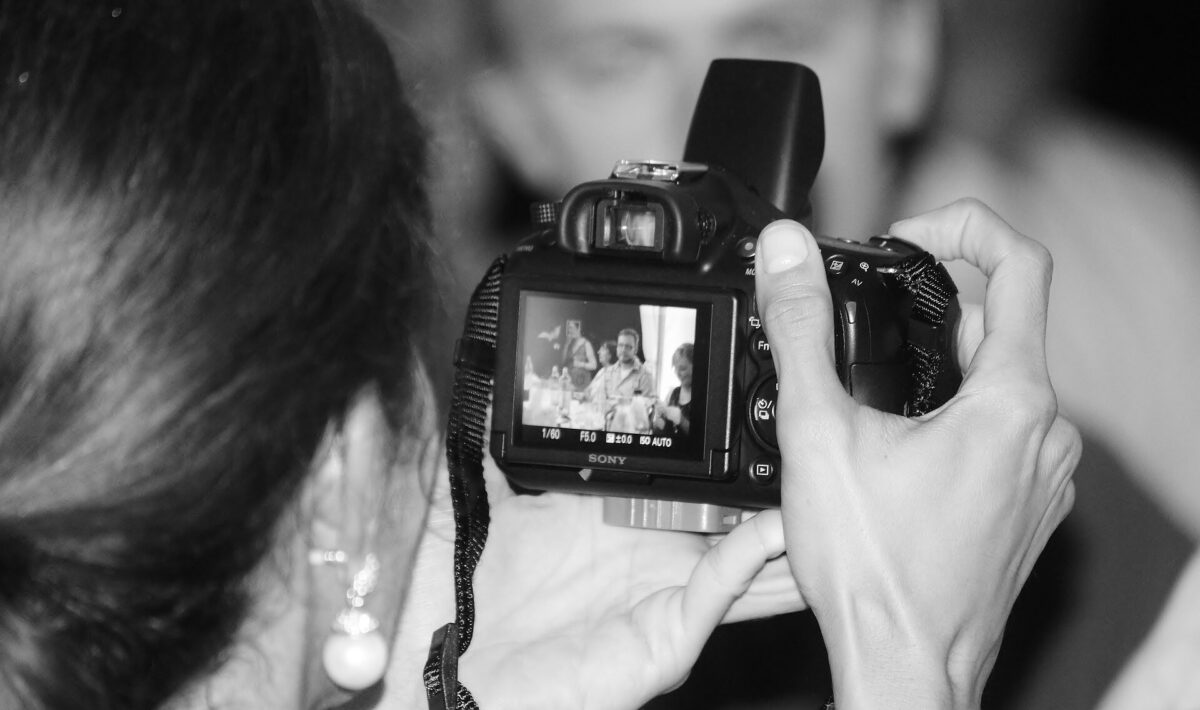
The camera doesn't always make people look bigger than they are. The camera's ability to see the issue is critical. The subject in the middle of the frame will look taller and wider in the hips if you use a wide-angle lens. Those who stand on the periphery of events often look like they are overshadowed by the main characters. It also matters how close or far away the camera is from the topic. Residents can look taller on surveillance footage if they are further than five feet from the camera. This can be seen in any mirror. Simply approach a mirror from six inches away, study your reflection intently, and then step back three feet. We'll start to noticeably feel like we're carrying more mass.
The use of lighting effects can also help provide the sense of greater weight. When using a flash or intelligent stage lighting, images often get warped and less sharp. In low light, it's the other way around. At Wild Romantic, we have the best wedding photographer in Mornington Peninsula to capture every single moment on your wedding day.
The Principal Contributor To The Overall Mass Of A Camera Is Its Focal Length.
Portraits taken using a fisheye lens distort the size of the subject's nose, eyes, and other close-up characteristics. The length of the lens's focal length is a significant contributor to the bulkiness. Focal length, not illumination, is the primary culprit in creating unflattering distortions of facial features.
The unit of measure for focal length is the millimetre (mm). Do not worry so much about the intricacies of the technical side, but rather concentrate on the quantitative aspects. Most professionals agree that a focal length between 85mm and 135mm is ideal for reproducing an image as faithfully as possible to the way the human eye sees it. Although this is not our eyes' natural focus length, it creates an effect that is quite comparable to what we're accustomed to (cameras and watches work with focal length differently).
Now, if you've ever seen a portrait taken with a fisheye lens—typically between 8 and 15mm in focal length—you'll be aware of the significant distortion that arises in the features. Everything up close appears larger, while everything farther away appear smaller. Although this is an extreme case, it demonstrates the dramatic difference that a change in focal length—from 15mm to 85mm, for instance—can make in a photograph.
Now, if you've ever seen a portrait taken with a fisheye lens—typically between 8 and 15mm in focal length—you'll be aware of the significant distortion that arises in the features. Everything up close appears larger, while everything farther away appear smaller. Although this is an extreme case, it demonstrates the dramatic difference that a change in focal length—from 15mm to 85mm, for instance—can make in a photograph. As a result, this affects how your subject is photographed. However, this is still another caveat to the solution. Whether or not the heftiness is apparent in an image is up to the artist's judgement. Every detail in a photo is a trick of the eye. But that outward appearance is malleable.
Light is by far the most important factor in making a person appear taller or wider in a photograph than any other aspect. The camera's flash should not be used as a result. Shadows are not there since the light source is pointed directly at the subject. The final product is a flat 2D plane with no depth or form. An effective way to give a scene more depth is to use light sources that are not directly behind the camera to cast shadows and highlight specific areas. Another optical illusion, this one violates the physical rules that govern the process by which binocular vision is reduced to a single image.
She struck a position, and the camera's perspective was key to capturing it. There are merits and drawbacks to be found in both a macro and micro view of the problem at hand. getting the subject to stare straight into the lens rather than away. She was seated instead of standing. Each of these considerations is important. Images can be distorted by seemingly insignificant motions, such as holding an arm too near to the torso. Planning your dream wedding and don’t want to miss out on the special moments on your big day? Worry no more, Wild Romantic Photography has you covered.
Binocular Vision Is How Most Of Us Have Grown Up Seeing The World.
Many things can affect how your site appears on a camera's sensor. Some people mistakenly believe that they just need one eye to see properly. This indicates that each of us has two eyes. In order to focus on a single item, our brains devise strategies to filter out one of the two incoming images. As a result of the distance between them, we can make out details beyond the object's surface. Commonplace cameras just have one lens. They capture images using only one lens. Therefore, whereas humans can see past obstacles with their peripheral vision, cameras often cannot. A false sense of completion could be created in the minds of the audience if this were to occur.
Selfie-Taking? Your Phone's Focal Length
In the world of selfies, consider your phone's focus length. Taking a portrait at that distance is tough, but with many phone lenses at 26mm, it's no wonder we dislike selfies. We've included common selfie camera brands and models with respective focal lengths. There's little difference after 85MM. 200mm won't help you lose 10 pounds. Variation is in the backdrop. The 70-200mm lens' bokeh (blurred backdrop) is better than the 85mm lens'.
So What Can You Do?
Simply told, you must know your subject thoroughly and contribute your own perspective and life experiences. For headshots from regular distances, a 105mm lens works nicely. Field testing is crucial. You should know when a claim is wrong. Many factors—including context, objects, dress, and lighting—affect how one looks in a photo, including physical size.
Here Are Some Suggestions For Looking Skinnier In Photographs

When we log on to our favourite social media platform, we are immediately bombarded with flawless photos of models and influencers showing off the latest trends. When we see a photograph that appears flawless, our first thought is that it must have been easy to capture. A photograph's subject is automatically assumed to be beautiful. But this is not even close to being true, and you won't believe it. Anyone who poses for photos frequently has likely experimented with different stances to find ones that work best. Famous people and models all around the world are big fans of the Barbie feet posture. There's no magic to taking a good outfit photo other than being aware of your camera's point of view.
While everyone has their own prefered shooting position, following these tips can help you snapshots of your clothing that will always make you look your best. Here are some tried-and-true tactics, such as poses and placement, for always looking your best in photographs. If you're looking for ways to boost your Instagram following, you've found the correct spot.
It is through these methods that amateurs and professionals alike diverge. It may take some time and practise to master all the techniques for slimming down photos. A person's self-perception of their own body size is strongly related to factors such as clothing colour, hairdo, and arm placement. It takes time and effort to perfect the art of getting a camera to show reality.
We have the best wedding photographer in Yarra Valley to capture your beautiful moments on your wedding day.
Optical illusions caused by cameras can be dealt with in a variety of ways. The most talented fashion photographers know how to use these peculiarities to great effect. Some suggestions are offered below.
Take Pictures From Above
Try holding the camera up a foot or so above the subject to reduce the lens's widening impact.
A Forward Position Of The Head Is Preferred.
The subject's perceived weight can be influenced by the angle at which the subject's head is held. Facing forwards produces the idea of a finer, thinner jawline.
Not Having The Subject Face The Camera Directly
Having the subject sit at an angle away from the camera and then turning around to face it yields more flattering results. The feeling of weightiness is dispelled by it.
Avoid A Low Angle
The smaller the angle, the easier it is to accomplish, yet higher angles are occasionally more desirable. Adjust the camera's lens so that it is roughly at eye level. The rule of thumb is that the higher the vantage point, the more striking the shot.
Rest Your Hand There.
A pose is more engaging if the arm is at a little angle to the torso.
Sit Up Or Stand Up Straight
To get the best shots, always stand or sit up straight. When you go around with rounded shoulders and a stooped posture, you make yourself look shorter than you actually are. Turn your shoulders back and stick out your tailbone. It may seem silly to put on a show about how great your posture is, but it will seem great on camera.
Do Not Dress In Excess Bulk.
It's nice to show your personality through your wardrobe in images, but remember that distractingly large items of clothing can take away from the real star of the show: you! Silk and other sheer textiles are ideal for displaying photographs.
Gently Twist Your Body To The Side.
Once again, striking a different pose will make the photo stand out. Either completely to one side or at an angle will do.
Do Not Bare Too Much Skin
Wearing a black sandals and a dark denim jumpsuit can make you stand out in photographs just as much as if you had worn brighter colours.
Incorporate A Filter
Adjust the exposure and lighting of your images, then use a darker Instagram filter like X-Pro II or Mayfair to enhance their aesthetic value.
Do Not Droop Your Chin Inward.
This method successfully lengthens the neck and diminishes the prominence of double chins.
Recline Your Shoulders
This will help you look more put-together and fashionable, and it will also highlight your collarbone.
Keep Your Arms Loose And At Your Sides.
When the arms are at a natural length from the body, it's easier to hit your target. Keep your elbow out, put it on your hip, or run your hand through your hair.
Find Your Perfect Selfie Perspective With A Little Practice
Discovering your optimal appearance is completely acceptable experimentation. You'll figure out the best way to pose for pictures after some training. If you’d like to work with professional photographers for your wedding, book with us at Wild Romantic Photography.
Essentials for a Photogenic Wardrobe
- Dressing for the occasion seriously increases your odds of success.
- The collarbones are highlighted by a square neckline.
- Try wearing a belted silhouette to draw attention to your waist and emphasise your curves.
- The popularity of a photo with vertical stripes is practically assured.
- Get yourself a few pairs of dark denim.
- Wrap dresses have been a wardrobe staple for generations since they look great on a wide range of body types.
- A cropped jacket is really versatile.
- You should wear shorts and sandals during the warmer months and a blazer during the cooler months.
Conclusion
There will be subtle changes to your appearance after taking a selfie in front of a mirror. The brightest lights and the centre of the camera aren't necessarily indicators of quality. However, high-quality cameras can vividly record even the smallest of details. If you gaze in the mirror and don't like what you see, you may immediately provide yourself with feedback and make adjustments. It's impossible to look beautiful in a static photograph; you're always more attractive when you're in motion.
You will benefit greatly from learning your finest strategies and the advantages and cons of your options. The human condition makes symmetrical facial features uncommon. Try switching your faces around and comparing the new perspectives to better appreciate the subtle but significant differences. With so many people looking at our photos, we can't help but feel obligated to present a specific image. Selfie cameras on smartphones are being used by a growing number of young women as a tool for mastering their makeup routines.
Taking a selfie is treated with the same seriousness as if it were taken in front of a mirror. Your ability to change the viewpoint of your photograph is greatly influenced by the lens and camera you use. Displaying your huge breasts with pride? A wide-angle lens may make your face look slimmer. Telephoto lenses have the unintended consequence of making their targets seem flatter, yet they are fantastic for catching action. A minority of people believe that taking photos in bright light will result in them looking older.
Why do we find our reflections more flattering than our photographs? Naturally, we all tend to strike stances that we hope will make us look better to others. You have to stare directly into the mirror to see yourself; turning your back on your defects won't help. Consider this: when you look at a photograph taken by a camera, what do you see? The subject in a self-taken photograph is not reflected in any way.
If we ignore other aspects like lenses and lighting, a camera will be able to record what you and your loved ones see every day. In looking at an image of yourself, you are presented with a different version of yourself. When it comes to seeing oneself, most individuals prefer mirrors to images. You may be comparing yourself to other people who look the same if your pals tell you that you look great in a picture. Sometimes you look better in your head than you do on camera, and vice versa. Mirror images and photographic representations of an individual require symmetry. Do not overanalyze; instead, get out there and shoot some pictures of yourself.
Content Summary
- You are attractive because of what you perceive when you look in the mirror.
- Selfies taken in front of a mirror, then, will cause subtle but noticeable changes to one's appearance.
- If you glance in the mirror and don't like what you see, you can immediately provide yourself with constructive criticism and make adjustments.
- Self-perception can be altered by the use of filters.
- As you spend more time on social media, you are more likely to begin to identify with the identity you've carefully cultivated there.
- Try switching your faces around and comparing the new perspectives to better appreciate the subtle but significant differences.
- Scientists have found that when people examine their reflections, they are usually in a secure setting, such as their own bedroom.
- If you can learn to loosen up in front of the camera, the results will be far more satisfying.
- Only a fraction of our total look is reflected in the mirror.
- When we examine our own faces in the mirror, our attention naturally wanders from one feature to the next: the nose, the eyes, the lips.
- We tend to ignore our own posture and facial expression as examples.
- Again, taking some time to reflect on your own life before appearing on camera may make you feel more at ease.
- It's human nature to puff up one's own opinion of their own beauty.
- It appears that many modern young women are using the selfie camera on their phones to help them get the perfect makeup look.
- Bear in mind that people have come to demand the same high quality from selfies as they do from images captured in front of a mirror.
- Because of the curve, your image will be distorted in a few different ways, each of which contributes to a new angle on your appearance.
- This results in performers with a total weight of over 10 pounds.
- You can take a picture without moving your head if the smartphone's camera sensor can see what you're seeing.
- Nonetheless, the lens is an integral component of the camera that significantly modifies the viewpoint.
- Let's use the wide-angle lens as an example.
- In addition, the camera's flash is crucial.
- It is widely held by some that being taken in direct sunlight makes one look seven years older.
- This is why, if possible, you should make use of natural light rather than artificial.
- When you look back at old selfies, you probably won't like what you see.
- Unfortunately, your options for striking a desirable pose in front of the mirror are somewhat restricted.
- You have to be looking into a mirror for it to work.
- One cannot run away from one's reflection; doing so would be suicidal.
- Compare the reflection in the mirror to the selfie you snapped, and you'll see which one looks better.
- However, the photographer and the lens of the camera cannot see this you.
- What you see in the mirror isn't what the camera sees, so moving your head won't help you hide your defects.
- Photos may not capture your true beauty, but your friends say otherwise.
- When we turn our backs to a mirror, we see a reflection that is vertically inverted in the horizontal plane but otherwise accurate to our appearance (meaning that you are looking at yourself in the correct orientation).
- You are well aware of the fact that your image in a mirror is flipped.
- It's human nature to believe that the image of yourself that you see in the mirror every day is the most true representation of the real you.
- However, your loved ones will be accustomed to seeing you in your authentic form, rather than how you choose to present yourself to the world.
- Pictures are how most people perceive you, therefore it's important that they're an accurate reflection of who you are.
- However, this does not address the question of why many people mistakenly believe that they appear less attractive in images than they actually do.
- The data shown above may explain why you don't like your appearance in photographs.
- A photograph can reveal a different side of your character than what you see when you look at yourself in the mirror.
- Unless they have had thousands of images taken of themselves and don't own any mirrors, most people are more accustomed to seeing themselves in mirrors than in photographs.
- However, if your friends have told you that you look great in a picture, it could be because they are comparing you to other pictures where you seem the same.
- To sum up, there will be instances when you feel that you don't appear as nice in a photograph as you do in your mind's eye. This is because your mental image of yourself is flawed.
- Consequently, what you see when you look in the mirror is no longer an accurate picture of who you really are.
- Mirror images and photographic representations of an individual require symmetry.
- Just go out and snap some pictures of yourself, assured that your loved ones think you look fantastic, and don't overthink it.
- In other words, you're really stunning.
- You and I both know that the majority of images posted to social media platforms look the same.
- Reading the same old news on Social Media is getting really boring.

Is Wedding Photography Hard?
Professional wedding photographers have the important responsibility of capturing the love and happiness of the newlyweds in breathtaking photographs.
A wedding photographer's work is unique. Having a positive outlook on life is commonplace in this industry. A wedding photographer's services are essential in many respects on the most important day of a person's life. The nicest aspect is that you can make a respectable living by recording people's joyful moments. Could you see yourself progressing in this industry? There's no denying that it's a wonderful notion, but there are a few things you need to consider first.
If you need advice on your wedding photography, check out our photography packages and services at Wild Romantic Photography.
There's no denying that hiring a professional photographer is an excellent choice for many couples. For several reasons, even for experienced photographers, capturing all the special moments of a wedding can be challenging. Even if you think you've taken a great sequence of photos, you may be disappointed when you get them home and open them on your computer. What makes wedding photography so difficult?
FAQs About Photography
Why Is It So Hard to Photograph a Wedding?
There are a number of contributing elements. Most of your work takes place indoors, your subjects frequently change positions, and you must carefully time the use of flash. Also, you'll have to carefully timing your actions to avoid drawing unnecessary attention to yourself. In this case, timing and experience are both crucial.
You're Indoors
Too often, churches suffer from inadequate illumination. Indoor photos shot without a flash are usually hazy because of the lack of light. Thus, it's nearly necessary to take a breather. Common issues with using the built-in flash on a point-and-shoot or beginner digital SLR camera include a lack of enough lighting.
Your proximity to the newlyweds increases as a result. You may now take a picture of them and they will look like a deer in the headlights. The central portion of the image is typically the only part illuminated by the flash on most built-in cameras.
The only practical thing to do would be to try reflecting the flash off of anything and see what happens. By doing so, the light in your images will be mellowed and more lifelike. Then, by pointing the flash upward, we were able to make use of the light that had bounced off the wall. We guarantee that this strategy will prove more effective than shooting straight.
Our exclusive range of Melbourne wedding photography will help you not miss a thing on your wedding day.
People Want to Be Captured
People at a wedding want to talk to everyone there. Despite the fact that you may feel this way, it is still your duty to make sure that all required shots are taken. As a photographer, that isn't always simple to achieve. It may seem strange to ask strangers to pose for a photo when they have no idea who you are.
You'll Need to Be a Little Sneaky
Limit the usage of flash to specific situations. It's fine to have your own thoughts and feelings on the matter. In order to achieve what you want out of the wedding vows, you will need strong negotiation skills. If you can't utilise your flash, you risk missing the perfect shot (unless the bride and groom are saying their vows outdoors).
To capture the range of images you need, you may have to move about at inconvenient moments. Many amateur photographers choose to sit still throughout the entire ceremony out of respect for the participants. A professional wedding photographer will be able to capture the event without being noticed.
There is a lot going on at the same time
Weddings are a common event for professional photographers to collaborate on with their peers. One of their number is a helper who provides them with assistance. So that you may focus on the bride and groom throughout the reception, your assistant can make sure that everyone is having a nice time. With so many people helping out, it's easy to lose sight of how challenging wedding photography can be.
Planning your dream wedding and don’t want to miss out on the special moments on your big day? Worry no more, Wild Romantic Photography has you covered.
Things to Consider Before Becoming a Wedding Photographer
Here are some things you need to know before beginning your career as a wedding photographer professionally:
It All Begins With the Right Equipment.
It's ridiculous to call yourself a wedding photographer if you don't know your way around your gear. Similarly like birds, photographers can't execute their jobs without the tools they've invested in. For this reason, random cameras cannot be purchased and pointed at the pair. If you want professional-quality wedding photos, you need to bring the right equipment and know how to use it.
Here are some pieces of gear you should familiarise yourself with:
- Digital Cameras and Other Photographic Equipment (main and one spare)
- A medium-range zoom lens, typically operating at an aperture of f/2.8, can be found in the 24-70mm range.
- A lens with a larger focal length range, such as a 70–200mm
- Two types of lenses, one wide-angle and one regular
- Photographed with the aid of supplemental lighting (Speedlight)
- The battery and the storage media
- Tripod- and light-stand-based lighting setup for steady illumination.
- Lighting-speed diffusion tube
- Having to lug around heavy camera gear
From the initial planning phases to the after-event celebration, lighting must be a top priority. When photographing a wedding, lighting is just as crucial as the camera itself.
Prepare for a long and exhausting day.
Wedlock typically lasts longer than people think it will. The majority of couples who hire a professional photographer for their wedding expect you to capture the entire event.
You'll need to be there from the wee hours of the morning onwards for the ceremony, which may last several hours. You may need to get up quite early in the morning in order to make it to the event on time.
The wedding party disperses and the guests arrive at the reception after several hours of preparation. They will party into the early hours of the morning, eating and drinking. As a result, you might be putting in some long hours at the office.
Prepare for a mental and physical drain as a result of this. You should obtain a good night's sleep and have all your equipment ready to go the night before. Keep yourself fueled and hydrated with some light snacks and drinks.
If you routinely photograph weddings, avoid letting that workload sap your inspiration by forcing yourself into a rut. Motivate yourself with a glance at these beautiful wedding pictures.
Wild Romantic Photography has the best range of services of wedding photography Yarra Valley. Check them out here.
Find out someone hired you especially for the wedding.
There would have been a lot more people interested in hiring you if you had been available to do wedding photography. It may be the bride or her parents who would like to have you in attendance at the wedding. It's important in every major situation to know who's in charge.
Why? Simply because it dictates what you must do and how you must go about doing it. Talk to them and find out what they require from you and what sort of pictures they want to see. Finding out who hired you is the first step towards pleasing that company.
The traditions and settings of each wedding have their own stories to tell. Find out their stories, and let them motivate you to capture moments at the wedding that are as significant as they are beautiful.
It's All About Developing Relationships.
The happy couple or their wedding coordinator can engage a photographer. Therefore, it is not always evident who your actual employer is. Although the planner does not employ you directly, you must nevertheless put their requirements first.
Maintaining a level of quality that is reflective of their standards is essential. They want to use your images for their website since it will make them look like professional event planners that hire only the best vendors. As a result, they will gain credibility, which will reflect favourably on you.
Develop trust and credibility with them so they are willing to spread the word about your business.
As a wedding photographer, you may find yourself juggling responsibilities with those of a wedding planner before, during, and after the big day. Don't give up or let that discourage you. Remember that you care about the group as a whole, but you care more about the well-being of the pair right now.
After the wedding is finished and they look at the beautiful album, they will be moved to write a great recommendation that will help you land more and more contracts.
You Have to Stand Out.
No one will employ you for wedding photography if it looks just like everyone else's. Distinguishing oneself is essential, and excellent photography can help you do that.
Try your hand at wedding photography by taking some practise images in your spare time. This sets your product apart from the competitors and increases demand for it.
Do not be scared to break out of your comfort zone and try some daring new postures for the wedding or engagement. An experienced wedding photographer will have the knowledge to capture the best possible shots.
It will consume a significant amount of your time.
A wedding photo shoot entails three distinct phases: preparation, execution, and post-production. Doing all this will, without a doubt, eat up a significant chunk of your life, possibly months.
When you book this service, the planning for your wedding will begin months before the big day. The bride and groom may continue to bother you with inquiries and requests for help even on the wedding day.
In the second enumerated item, production was analysed in depth. After production is complete, the post-production process begins with extensive editing and promotion. Photographing a wedding is not a hobby for the idle, since it demands a substantial time investment.
Work Usually Comes in Groups.
Your ability to make a living as a wedding photographer hinges on people actually tying the knot. How common are marriages in the dead of winter? No. Is summer the most popular time for weddings? No.
Weddings tend to peak throughout a brief period each year. The months of May through August are often included in this time frame. As a result, you might have trouble finding work during the off season.
Therefore, you may find yourself extremely busy during the wedding season. You should be prepared to hunt for other work outside of the wedding industry during the off season.
During the "off season" for weddings is when you should promote your services. Remember that you are representing the company as a wedding photographer.
Wedding photography may be demanding.
It's a common misconception that a wedding photographer's days are filled with exciting events. While this may be the case in theory, reality is very different.
It's possible to spend an entire day travelling to and from a wedding if you depart early and return late. Don't get your hopes up too high, because life isn't always a party.
Rejection is Natural
Listen, if you're hoping to make a name for yourself as a wedding photographer, you should be prepared to hear no. Everything about this day, the most important day of two people's life, must be perfect.
If your clients aren't happy with your previous work, they may not want to hire you to shoot their wedding. That's fantastic because your one-of-a-kind flair is bound to win over some followers.
Do not take criticism too seriously; even seasoned photographers have clients who reject their work. Do not feel discouraged or like you can never pick up a camera again because of this. If a customer rejects you, it's because you and the client aren't a good fit.
The Most Difficult Aspects of Working as a Wedding Photographer

There are benefits and drawbacks to being a wedding photographer, just as there are to any other job. As with any challenging endeavour, not everyone has what it takes to succeed at it.
Getting Started
Getting started as a wedding photographer is not easy. To work as a wedding photographer, you must have prior experience doing so.
Any photographer worth their salt will tell you there is no simple way to get around this.
Others may get lucky with a relative or close friend who is prepared to give them a go and find work as an assistant to a more experienced photographer.
You can't expect to learn what you need to know without putting in the work. The expenditures of getting married are high, and it might be tough to find gainful employment on top of those issues.
It takes a lot of equipment to capture and save the photographs from such events, including many lens, flash, backups gear, battery, sd cards, and hard disk drives. To spend that much money before your business is even up and running is crazy.
Renting equipment is a good way to cut costs for your first few weddings, but if you're serious about making a living as a wedding photographer, you'll need to make a significant investment. As with any challenging endeavour, not everyone has what it takes to succeed at it.
Business
The wedding photography procedure is complicated enough that points 2–5 would be helpful here. The initial step is to get everything operating. When you operate a business, you quickly learn that it is your responsibility to ensure everything functions well.
Because of this, you are:
- Bookkeeper, Marketing and Accounting
- Assistant to the Art Director, Customer Service Manager, Marketer, etc.
...or whatever else you can think of!
Simply you. That's an enormous burden, and there's a lot of training to be done before things function properly.
Do you have any idea how much it would cost? Photographers often find setting prices to be one of the most stressful and challenging parts of their work. Is it right that you're doing that? You will obtain that which you deserve if you work hard enough. Do you intend for your pricing to cause a loss so great that your business collapses? The increasing number of resources makes it more manageable, but the subject matter is still scary as hell.
Massive Amounts of Work
When you think about it, it's not surprising that maintaining a wedding photography business requires a lot of effort. Wedding photographers probably don't get much sleep because of all the work they have to do.
The false belief that they can get by with working only one day a week is putting their financial security at risk. Typically, photographers work Monday through Friday from 9 to 5, with evening meetings and engagement photos, and Saturdays devoted to weddings. That's an awful amount of work. Do you intend to begin your search for a wedding photographer soon?
Check out our range of Mornington Peninsula wedding photography here.
Balance
It is critical to strike a balance between job and personal life. Wedding preparations can easily consume a large portion of your time. Working as a wedding photographer leaves little room for anything else in one's life. You may discover that your personal connections suffer during wedding season because of the increased frequency with which you must make yourself inaccessible on weekends. There's a price to pay for having tunnel vision: isolation and fatigue.
Burnout is always a possibility. Lacking unity, it's simple to lose heart and motivation for the hard work that's required to succeed.
Seasonal
Nearly every culture has a designated wedding season. There is hardly no job to be had in the winter and summer due to the extreme temperatures. It's hardly shocking that this contributes to financial stress.
The money you generate during wedding season may or may not be enough to support you for the rest of the year, so your financial strategy should take this into account. This is a really challenging assignment.
Obtaining a Good Living
Making money as a wedding photographer is challenging. Both photography and business acumen are required. Business is in a constant state of change, thus adaptability is key to success.
Pricing that doesn't take seasonality into consideration could result in lost revenue. It's crucial to maintain low overhead while continuing to give superior service to clients. It's easy to make a living as a wedding photographer since there's always someone willing to spend a minimum of $1,000 for the photo session plus the digital files. Earning a decent living is an entirely different story.
Taking On Responsibility
At a wedding, there will be no do-overs or do-overs. There is only one chance to capture priceless wedding events like the bride's entrance, the exchange of vows, and the bouquet throw.
You need both the technical skill to make the shot and the creative ability to think on your feet when the pressure is on. Though it will be easier with experience and preparation, remember that the incident you are capturing may only happen once.
Carrying this weight is quite difficult.
Shoots that are both mentally and physically demanding
The average length of time needed to film a wedding is 14 hours, however it can sometimes run up to 21. Which was the longest day we've ever had. Staying on your toes and keeping your mind sharp will be a constant challenge as you shadow the bride and groom throughout the day to capture their precious wedding day memories. Even if you get through the day by scarfing granola bars and sipping energy drinks, you'll still suffer from the infamous "wedding hangover" in the evening.
On Sundays, you may do whatever you want without worrying about anyone judging you.
Your back and shoulders will suffer from constantly lifting heavy equipment, and you'll get dehydrated quickly if you don't take precautions. You get to face every challenge while being urged to keep a positive outlook on life.
Having a Wide Range of People Pleased
You can make a lot of connections with powerful people by spending the day with the bride and groom ( parents, bridal party, officiants, planners, etc.). Many of these folks will need to be photographed, which means you'll also need to direct them.
The success of the day and the quality of the images produced is important to many of them. You now have the unenviable responsibility of making everyone happy. It's possible, but you'll need to put in a lot of work and demonstrate expansiveness, empathy, and tolerance. When you perfect this, you won't just get the praise of the newlyweds.
Discovering Your Personal Taste
We've just highlighted nine problems, and that's only the tip of the iceberg when it comes to wedding photography. The most challenging aspect of photographing such a complex event is probably cultivating your own unique point of view.
About 75% of wedding blogs and 50% of wedding photographers all seem to adhere to the same style. Therefore, modern women are drawing inspiration from these and other similar sources to design a visually stunning wedding.
Rather than carving a route, it appears more practical to jump on the bandwagon and ride the success wave. However, style is a fickle mistress, and next year will undoubtedly see yet another transformation. We predict that in the future, ninjas will replace antiques. You're encountering it for the first time now.
It's amusing, but you shouldn't base your sense of style just on what's trendy right now. When the tide turns against you, you no longer have any value. Still, you need to develop your own unique style if you want to stand out and attract the kind of bride you want for yourself.
But that is precisely where the issue lies, because you are never done with this job. Your unique artistic taste will mature as you gain experience. The secret to having your voice heard is to tune out other shooters and concentrate on your own.
Don't go to the wedding industry for inspiration. Keep up with the most recent graphic design literature and schedule frequent visits to your prefered institutions. Developing a personal style that is both distinctive and innovative is essential for standing out from the crowd and avoiding being swept away by transient styles. We understand that reading about the technical aspects of wedding photography might be overwhelming. Despite our best efforts, we cannot pretend that it was easy.
The position, however, is not without its perks.
The most important thing to remember is that you need to go into this field knowing that you have a lot of work ahead of you. To devote oneself to photography as a profession, one must feel deeply about the images one may generate for clients.
After all, as a wedding photographer, you will have access to an endless supply of sweet treats.
Make the best of it.
Of course, some weddings are drawn-out slogs that leave you mentally and physically drained. Still, you must make the most of every opportunity. Think on how great of a job you are doing generally. The photos you take are ones that people will keep forever since they capture joyful moments. Because of how meaningful their wedding photos were to both parties, many people keep them long after their marriages have ended in divorce.
If you’d like to work with professional photographers for your wedding, book with us at Wild Romantic Photography.
Of course, some weddings are drawn-out slogs that leave you mentally and physically drained. Still, you must make the most of every opportunity. Think on how great of a job you are doing generally. The photos you take are ones that people will keep forever since they capture joyful moments. Because of how meaningful their wedding photos were to both parties, many people keep them long after their marriages have ended in divorce.
Conclusion
A wedding photographer's services are essential in many respects on the most important day of a person's life. Even for experienced photographers, capturing all the special moments of a wedding can be challenging. Most of your work takes place indoors, your subjects frequently change positions, and you must carefully time the use of flash. Is wedding photography hard? Here are some things you need to know before beginning a career as a wedding photographer.
Photographer needs to bring the right equipment and know how to use it if he/she wants professional-quality images. Like birds, photographers can't execute their jobs without the tools they've invested in. Lighting is just as crucial as the camera itself when photographing a wedding. The majority of couples who hire a professional photographer for their wedding expect you to capture the entire event. You'll need to be there from the wee hours of the morning onwards for the ceremony, which may last several hours.
Finding out who hired you is the first step towards pleasing that company. They want to use your images for their website since it will make them look like professional event planners that hire only the best vendors. Develop trust and credibility with them so they are willing to spread the word about your business. A wedding photo shoot entails three distinct phases: preparation, execution, and post-production. Photographing a wedding is not a hobby for the idle, since it demands a substantial time investment.
You should be prepared to hunt for other work outside of the wedding industry during the off season. There are benefits and drawbacks to being a wedding photographer, just as there are to any other job. As with any challenging endeavour, not everyone has what it takes to succeed at it. The expenditures of getting married are high, and it might be tough to find gainful employment. It's not surprising that maintaining a wedding photography business requires a lot of effort.
Photographers work Monday through Friday from 9 to 5, with evening meetings and engagement photos, and Saturdays devoted to weddings. Do you intend for your pricing to cause a loss so great that your business collapses? It's crucial to maintain low overhead while continuing to give superior service to clients. The average length of time needed to film a wedding is 14 hours, however it can sometimes run up to 21. You now have the unenviable responsibility of making everyone happy.
Your back and shoulders will suffer from constantly lifting heavy equipment. Most challenging aspect of photographing such a complex event is probably cultivating your own unique point of view. The secret to having your voice heard is to tune out other shooters and concentrate on your own. Don't go to the wedding industry for inspiration. Keep up with the most recent graphic design literature and schedule frequent visits to your prefered institutions.
To devote oneself to photography as a profession, one must feel deeply about the images one may generate for clients. Developing a personal style that is both distinctive and innovative is essential for standing out from the crowd. As a wedding photographer, you will have access to an endless supply of sweet treats.
Content Summary:
- Professional wedding photographers have the important responsibility of capturing the love and happiness of the newlyweds in breathtaking photographs.
- A wedding photographer's work is unique.
- Having a positive outlook on life is commonplace in this industry.
- A wedding photographer's services are essential in many respects on the most important day of a person's life.
- If you need advice on your wedding photography, check out our photography packages and services at Wild Romantic Photography.
- There's no denying that hiring a professional photographer is an excellent choice for many couples.
- For several reasons, even for experienced photographers, capturing all the special moments of a wedding can be challenging.
- What makes wedding photography so difficult?
- Most of your work takes place indoors, your subjects frequently change positions, and you must carefully time the use of flash.
- Indoor photos shot without a flash are usually hazy because of the lack of light.
- Common issues with using the built-in flash on a point-and-shoot or beginner digital SLR camera include a lack of enough lighting.
- Our exclusive range of Melbourne wedding photography will help you not miss a thing on your wedding day.
- Limit the usage of flash to specific situations.
- In order to achieve what you want out of the wedding vows, you will need strong negotiation skills.
- If you can't utilise your flash, you risk missing the perfect shot (unless the bride and groom are saying their vows outdoors).To capture the range of images you need, you may have to move about at inconvenient moments.
- A professional wedding photographer will be able to capture the event without being noticed.
- There is a lot going on at the same time. Is Wedding Photography Hard?
- One of their number is a helper who provides them with assistance.
- So that you may focus on the bride and groom throughout the reception, your assistant can make sure that everyone is having a nice time.
- With so many people helping out, it's easy to lose sight of how challenging wedding photography can be.
- Planning your dream wedding and don't want to miss out on the special moments on your big day?
- Worry no more, Wild Romantic Photography has you covered.
- Things to Consider Before Becoming a Wedding Photographer
- Here are some things you need to know before beginning your career as a wedding photographer professional
- It All Begins With the Right Equipment.
- It's ridiculous to call yourself a wedding photographer if you don't know your way around your gear.
- Here are some pieces of gear you should familiarise yourself with:Digital Cameras and Other Photographic Equipment (main and one spare) A medium-range zoom lens, typically operating at an aperture of f/2.8, can be found in the 24-70mm range.
- Lighting-speed diffusion tube Having to lug around heavy camera gear From the initial planning phases to the after-event celebration, lighting must be a top priority.
- When photographing a wedding, lighting is just as crucial as the camera itself.
- Prepare for a long and exhausting day.
- The majority of couples who hire a professional photographer for their wedding expect you to capture the entire event.
- You'll need to be there from the wee hours of the morning onwards for the ceremony, which may last several hours.
- You may need to get up quite early in the morning in order to make it to the event on time.
- Prepare for a mental and physical drain as a result of this.
- You should obtain a good night's sleep and have all your equipment ready to go the night before.
- Wild Romantic Photography has the best range of services of wedding photography Yarra Valley.
- Find out someone hired you especially for the wedding.
- Talk to them and find out what they require from you and what sort of pictures they want to see.
- Finding out who hired you is the first step towards pleasing that company.
- Find out their stories, and let them motivate you to capture moments at the wedding that are as significant as they are beautiful.
- The happy couple or their wedding coordinator can engage a photographer.
- Therefore, it is not always evident who your actual employer is.
- Maintaining a level of quality that is reflective of their standards is essential.
- They want to use your images for their website since it will make them look like professional event planners that hire only the best vendors.
- Develop trust and credibility with them so they are willing to spread the word about your business.
- As a wedding photographer, you may find yourself juggling responsibilities with those of a wedding planner before, during, and after the big day.
- Remember that you care about the group as a whole, but you care more about the well-being of the pair right now.
- No one will employ you for wedding photography if it looks just like everyone else's.
- Try your hand at wedding photography by taking some practise images in your spare time.
- Do not be scared to break out of your comfort zone and try some daring new postures for the wedding or engagement.
- An experienced wedding photographer will have the knowledge to capture the best possible shots.
- It will consume a significant amount of your time.
- A wedding photo shoot entails three distinct phases: preparation, execution, and post-production.
- When you book this service, the planning for your wedding will begin months before the big day.
- As a result, you might have trouble finding work during the off season.
- Therefore, you may find yourself extremely busy during the wedding season.
- You should be prepared to hunt for other work outside of the wedding industry during the off season.
- During the "off season" for weddings is when you should promote your services.
- Remember that you are representing the company as a wedding photographer.
- Don't get your hopes up too high, because life isn't always a party.
- Listen, if you're hoping to make a name for yourself as a wedding photographer, you should be prepared to hear no.
- Everything about this day, the most important day of two people's life, must be perfect.
- Do not take criticism too seriously; even seasoned photographers have clients who reject their work.
- As with any challenging endeavour, not everyone has what it takes to succeed at it.
- Getting started as a wedding photographer is not easy.
- To work as a wedding photographer, you must have prior experience doing so.
- You can't expect to learn what you need to know without putting in the work.
- To spend that much money before your business is even up and running is crazy.
- Renting equipment is a good way to cut costs for your first few weddings, but if you're serious about making a living as a wedding photographer, you'll need to make a significant investment.
- The initial step is to get everything operating.
- When you operate a business, you quickly learn that it is your responsibility to ensure everything functions well.
- Photographers often find setting prices to be one of the most stressful and challenging parts of their work.
- Do you intend for your pricing to cause a loss so great that your business collapses?
- When you think about it, it's not surprising that maintaining a wedding photography business requires a lot of effort.
- That's an awful amount of work.
- Balance It is critical to strike a balance between job and personal life.
- Wedding preparations can easily consume a large portion of your time.
- Working as a wedding photographer leaves little room for anything else in one's life.
- You may discover that your personal connections suffer during the wedding season because of the increased frequency with which you must make yourself inaccessible on weekends.
- There's a price to pay for having tunnel vision: isolation and fatigue.
- It's hardly shocking that this contributes to financial stress.
- The money you generate during the wedding season may or may not be enough to support you for the rest of the year, so your financial strategy should take this into account.
- This is a really challenging assignment.
- It's easy to make a living as a wedding photographer since there's always someone willing to spend a minimum of $1,000 for the photo session plus the digital files.
- Earning a decent living is an entirely different story.
- At a wedding, there will be no do-overs or do-overs.
- You need both the technical skill to make the shot and the creative ability to think on your feet when the pressure is on.
- Shoots that are both mentally and physically demanding The average length of time needed to film a wedding is 14 hours, however it can sometimes run up to 21.
- Staying on your toes and keeping your mind sharp will be a constant challenge as you shadow the bride and groom throughout the day to capture their precious wedding day memories.
- You can make a lot of connections with powerful people by spending the day with the bride and groom (parents, bridal party, officiants, planners, etc.).
- The success of the day and the quality of the images produced is important to many of them.
- We've just highlighted nine problems, and that's only the tip of the iceberg when it comes to wedding photography.
- The most challenging aspect of photographing such a complex event is probably cultivating your own unique point of view.
- About 75% of wedding blogs and 50% of wedding photographers all seem to adhere to the same style.
- It's amusing, but you shouldn't base your sense of style just on what's trendy right now.
- Still, you need to develop your own unique style if you want to stand out and attract the kind of bride you want for yourself.
- Your unique artistic taste will mature as you gain experience.
- The secret to having your voice heard is to tune out other shooters and concentrate on your own.
- Don't go to the wedding industry for inspiration.
- Keep up with the most recent graphic design literature and schedule frequent visits to your preferred institutions.
- Developing a personal style that is both distinctive and innovative is essential for standing out from the crowd and avoiding being swept away by transient styles.
- We understand that reading about the technical aspects of wedding photography might be overwhelming.
- The most important thing to remember is that you need to go into this field knowing that you have a lot of work ahead of you.
- To devote oneself to photography as a profession, one must feel deeply about the images one may generate for clients.
- After all, as a wedding photographer, you will have access to an endless supply of sweet treats.
- Make the best of it.
- Still, you must make the most of every opportunity.
- Think about how great of a job you are doing generally.
- The photos you take are ones that people will keep forever since they capture joyful moments.
What Are The Must-Have Wedding Photos?
You obviously spent a lot of time preparing for the wedding. The next thing to do is think about how to catch it. Even if you have complete faith in your photographer, it's still a good idea to compile a list of the shots you want.
Making a shot list and giving it to your photographer is beneficial for both of you, as they will obtain the photos you want and you will have less to worry about. If the military side of things runs smoothly, they may take it easy knowing they have a satisfied customer.
The day of the wedding will fly by just as quickly as everyone has told you it will. In this context, it is essential to plan carefully. The very first thing you should do when making a shot list is to hire a photographer (no more than 9-11 months in advance!). The best times to pose for photographs will be recommended by your photographer, but you should still come prepared.
To ensure these memories last a lifetime, invest in a high-quality photo album. Learn how to shine in front of the camera with these stunning suggestions for wedding portraits.
If you need advice on your wedding photography, check out our photography packages and services at Wild Romantic Photography.
Expert wedding photographers will utilise both science and art to capture stunning photographs of your special day, but there are still several more shots you should insist on having captured.
FAQs About Photography
How Should A Wedding Photo Shot List Be Used?
Prior to the shoot, you and the photographer should agree on a list of six absolute must-have photos. That way, they'll be able to keeping in mind your desires for certain images while also having the freedom to be creative and capture the fun moments as they happen.
Regardless of what you tell your photographer, they will get lots of images of you all day long. If you have any specific thoughts or goals in mind, it is essential that you communicate them. The sample shot list we've offered can act as a springboard for your own creativity.
Details
- Every detail, from either the invitations to the present,
- Rings and necklaces for the bride
- Wedding Gowns and Suits
- Accessorising with jewellery, cuff links, and shoes
- A wide variety of flowering plants (boutonnieres, bouquets, and corsages)
Getting Ready
- The bridal party and the bride will all get their hair and makeup done.
- Happily married couple
- Maternal images of the groom and bride.
- Pictures of the bride's and groom's dads
- Photo albums of the clan
Pre-Ceremony
- A private first glance between the both of them
- A wedding celebration with the bride and her attendants
- Group who pops the question: best man, groom, and ring bearer
Ceremony
- Pictures of the venue, the decorations, and the guests
- The bridal party is currently waiting it out inside the venue.
- Guests
- The Bride's Party Has Finally Made It!
- Procession of the Bride(s) into the Wedding
- A Remark from the Groom
- The event during which the bride is given away by her parents.
- Proposals and vows are made.
- The Trading of Rings
- After the couple signs the marriage licence, they share their first kiss as husband and wife.
- In this regard, the dwindling (couple walking back up in the aisle)
- A flurry of confetti is thrown.
Group Portraits
- Partying it up with the bridesmaids and groomsmen after the ceremony
- The entire bridal party should hold hands.
- There was a wedding party there, with the bride and her entourage.
- The groom, best man, and the groomsmen at the wedding
- To the Parents or Guardians of a Child
- Share a home with the both sets of parents.
- Involving both sets of parents, the family unit
- Family unit consisting of siblings
- Connectedness of a spouse to their immediate family
Reception
- Everything from place cards and place settings to party favours, centrepieces, and place card holders.
- Close-ups of the Wedding Cake
- This is quite the opening act.
- Talks and toasts
- cake-cutting ceremony
- The Initial Dance
- Dances between the bride and groom's parents
- It looks like the couple is having a good time mingling with the other partygoers.
- Dancing Guests
- Artists that use their voices or instruments for performance
- Profession of Farewell
Details

Whether it's your wedding dress, shoes, or jewellery, don't be bashful about showing them off. Even if each of these details seems inconsequential on its own, you should include them in your wedding images. Choosing the right wedding photographer in Melbourne to capture every moment on your wedding day.
Bouquet
Flowers are great; there, You said it. Don't forget to capture the full splendour of your bouquet. It fares exceptionally well at close and medium range, and may even be utilised to record ring shots and detailed costumes. The time has come to take a picture of your wedding flower arrangement so you can look back on its beauty forever.
Rings
Photographs of rings up close are some of our favourites. This stunning photo can also serve as a keepsake in your wedding album. Show off your dazzling engagement and wedding bands. The wedding rings are one of the many symbolic items that guests often remember long after the ceremony has ended.
Shoes
Though unnecessary, this could be a nice way to remember a pair of shoes.
Invitation Suite
We agree that the shot is worth it, even if it does lead to a few additional invitations. Photos first from invitation suite are great to include in wedding albums since they provide a personal touch and help convey the tale of the big day. Photograph the event with all of the wedding gear (including invitations) in one shot.
The Veil
This great addition has to be documented with photographs. Most brides opt to take it off for the receptions and the remainder of the evening, so if you intend to capture its beauty forever, do it before the bride does.
Gifts and Letters for the Bride and Groom
Hold off on giving your new spouse their wedding present until after your photographer has arrived that morning. You absolutely must have your photographer present as you tear open the touching note or enjoy the thoughtful gift.
Getting Ready
Since everyone is just being themselves in these shots, that's when the laughs really start to fly. Before you break out the clothes and jewellery, capture the day in some adorable matching pyjamas or robs and some candid shots. We have the best wedding photographer in Yarra Valley to capture your beautiful moments on your wedding day.
Photographs of Hair and Makeup
Beauty Shots: Hair and Cosmetics Don't let all your hard work on your hair and makeup melt away while you're out dancing. The vendors will be thrilled to add this to their portfolios. To avoid forgetting anything, write down the procedures you follow each morning. In all the excitement of planning a wedding, don't forget to capture some genuine moments between the newlyweds. The wedding pictures of you and your future husband looking attentive will always be among your most treasured possessions.
Hair Moment
It's possible that your wedding day hairstyle will be the most stunning you've ever seen.
Portrait of the Groom
While the bride is certainly the star of the show, the groom must not be forgotten. Invest on a photo of the groom to serve as a constant reminder of his handsomeness on your big day.
The Children
Weddings aren't complete without the traditional photo op with both the flowers girl and ring bearers. There is nothing more adorable than a flower girl looking up at the brides in her bridesmaid dress. Thanks to the photographer's skill, you'll be delighted you tried something different for your wedding photos. In the future, when that child is planning his their own nuptials, those will be the photos they look back on with the most fondness.
If you’d like to work with professional photographers for your wedding, book with us at Wild Romantic Photography.
Pre-Ceremony
What a happy moment when the bride and groom see one another for the very first time on their wedding day! Walking down the aisle hand-in-hand or standing back-to-back is one way to avoid catching a glimpse of each other's faces, while other couples like to give each other full, unabashed glances.
- Directions to the Wedding or Event Site
- The bride's family and friends are all there to celebrate the wedding.
- A wedding celebration with the bride and her attendants
- There was a wedding party, which included the groom(s), the best men, and the ring bearers.
- The wedding automobile, seen from the outside
First Look
Perhaps no other encounter will ever top the first. A box of Kleenex could come in helpful if you decide to employ this concept for your wedding photographs. Though it's not compulsory, many couples find that having a private moment to themselves before the ceremony helps ease their anxiety. This is why they hire a professional photographer to document the event.
- Time apart, just the two of them, for the newlyweds
- What the bridal party would say if the couple entered the ceremony together
Wedding Ceremony
Do not let the particular place of your "I dos" slip your mind. Be sure to ask your officiant in advance if photographs will be permitted during the ceremony.
- Scenes from inside a church with the altar, flowers, and other interior and external decorations visible despite its emptiness.
- The groom and his groomsmen enter the building or church to wait.
- Many people, both within and outside the church,
- As part of their duties, ushers are handing out programmes.
- The wedding party comes in a stretch limousine.
- One or more brides stepping out of the car
- Back of the venue or church with the bride and her attendants.
- The Bride's Party Has Finally Made It!
- Preparing to take the first step down the aisle
- A Remark from the Groom
- The event during which the bride is given away by her parents.
- Proposals and vows are made.
- They lit the Unity Candle.
- Herald of the way
- The Trading of Rings
- Participants in the ceremony, including readers, the minister or officiant, musicians, etc.
- First kisses and subsequent kisses after a wedding.
- The act of putting one's name in the book
- During the recessional, when the bride and groom go back down the aisle, the following words are spoken:
- Snapshot from the wedding
- A flurry of confetti is thrown.
- Meeting and greeting visitors at the door
- There is a picture of the newlywed in their wedding automobile.
Exchanging Vows
The most meaningful portion of the ceremony is when you commit to spending the remainder of your lives with your spouse. It is imperative that all of the photographers present are set and ready to go at this point in the ceremony.
The Kiss
The first kiss you share as a husband and wife is the best. If you only take one picture at your wedding, make it this one. This photo is so breathtaking, it will makes you gasp every time you glance at it.
Wedding After the Ceremony

A greater number of First Looks couples are choosing to take wedding pictures before the ceremony, whereas the vast majority of couples still do so. No of the circumstances, plan on spending anywhere between forty minutes to over two hours on your portrait session. In cases where promptness is crucial, make it clear to your photographer. A list of each individual who has to be in the photographs and the exact groupings you require should be made. In addition, think about asking a good friend who isn't part of the bridal group to assist direct visitors and coordinate with the photographer.
a couple of shots
- Photos of the pair together
- Separate pictures of the groom and bride
Bridal Party
- Partying it up with the bridesmaids and groomsmen after the ceremony
- All the bridesmaids and groomsmen should hold hands.
- Guests, including the bride and her attendants, during a wedding
- Groomsman, bridegroom, and best men make up the wedding party.
- Guests from all walks of life, including kids in the bridal party
Family
- Matchmaking involving both families
- Conventional nuclear family, consisting of both sets of parents
- Pairing of siblings
- The bond between such a marriage and their loved ones
Shots taken informally
- drinking with the gang
- Footage of the guests as they eat, drink, and mingle
- There are also smaller networks of friends, formed via common experiences like school or sports.
Private Moments
Take some time apart from your invited guests to focus on each other and on taking some beautiful photographs of your love for each other. Take advantage of the time after the ceremony when it's just the two of you, away from the guests and the celebration.
Photographs of People
Photographs from weddings often turn out looking stiff; make absolutely sure your own unique personality shines through. Try not to take yourself too seriously and instead capture the whole range of emotions that will be there on your engagement day by acting funny for the camera.
Shots of the Bridal Party Individually
It's essential to capture individual shots of every individual of the bridal party. Given that the bridesmaids and groomsmen often don't know one another, these images will hold particular meaning. On your wedding day, don't forget all the people that cared enough to be there for you and supported you. Here's a wedding photo idea that's sure to be a keepsake. The level of care they have for you is such that they will cherish even a photo of you standing alone on your wedding day. These would be perfect to print out and include in thank you cards.
Checklist for Wedding Reception Photos
Although you may be looking forwards to seeing your loved ones fill the function room, it is crucial to remember and appreciate the venue in its naked state.
Write down the names of everyone who contributed to the celebration in any way, from the friend who prepared the cake to the aunt who embroidered the bunting.
- At the entrance before it gets crowded
- Close-ups of several table decorations—including place mats, favours, centrepieces, and settings—are displayed.
- Image zooms in on the wedding cake
- Guests, a Couple, Have Arrived
- Meals and speeches in honour of the occasion
- Enjoying a piece of cake
- Initial Steps in a Dance
- Both sets of parents dance with the newlyweds and vice versa.
- The pair socialise with the partygoers.
- The Attendees Danced
- Artists that use their voices or instruments for performance
Cake
Before you dig in and ruin your perfectly good cake, be sure to snap a photo of it. Any efforts you make to preserve this treat will be futile. Get a group photo in before the meal begins. Document the moment you and your wife cut the cake by snapping some photos.
Centrepieces
Those stunning table decorations deserve to be photographed. They are, in a word, a masterpiece. You spent a lot of time and care picking out the details for your special day, too and have your photographers snap a picture of the setting so you can remember remember how hard you worked to make it perfect.
Welcome Bags or Favors
Choosing the wedding favours that you did probably took a lot of time and effort on your part (and perhaps expense). Take a photo of the newlyweds to cherish forever. If you plan on giving extremely unique or creative welcome gifts or party favours, you should document them. These custom can coolers are awesome.
Escort Cards
Beautiful escort tables like this one often include this one neglected detail, but it's crucial to remember. Those beautiful cards were the result of a lot of time and effort. Do not let this chance to honour them pass you by.
Signage and Decoration
It will be fascinating to observe how these trends have affected the wedding business over the years, and they are a significant reason that your weddings will be memorable. Document the breathtaking scenery by taking photographs during the ceremony and celebration.
You probably spent a great deal of time visualising the perfect wedding location and decorations, so it's only fitting that you document every last detail in your wedding album.
At Wild Romantic, we have the best wedding photographer in Mornington Peninsula to capture every single moment on your wedding day.
Seating Configurations
Those special placecards can even be the subject of a wedding photo op.
Table Setting
Before your guests come, take some photos around the reception hall.
First Dance
Either a slow, classic number or a speedier, more modern piece might serve as the basis for a memorable first dance. You're about to dance the first dance of your married life. Don't miss out on using this breathtaking scenery for your wedding photos.
Dancing Queen
Don't forget to document your dancing for posterity's sake. Gather your best buds or your grandma and bust a move to your favourite tunes. You'll be able to look at these wedding photos and grin for the rest of your lives.
The Food
Do you remember all the tastings we did? Don't forget to take pictures of all the tasty treats served at your wedding, from appetisers to main courses to desserts.
Conclusion
The day of the wedding will fly by just as quickly as everyone has told you it will. Even if you have complete faith in your photographer, it's still a good idea to compile a list of the shots you want. The sample shot list we've offered can act as a springboard for your own creativity. Pictures of the bride and groom's parents, bridesmaids and groomsmen, and guests at their wedding ceremony, reception, and post-wedding celebrations. Whether it's your wedding dress, shoes, or jewellery, don't be bashful about showing them off.
Choosing the right wedding photographer in Melbourne to capture every moment on your wedding day. Photos first from invitation suite are great to include in wedding albums since they provide a personal touch and help convey the tale of the big day.
The items in a "wedding shot list" are merely suggestions, not mandates, for the big day. Every bride's big day is unique, so expect the unexpected—and even greater than you bargained for—on your special day. Of course, that adds to the splendour of your wedding day!
You've put in a lot of time and effort to ensure that your wedding and reception will be wonderful. Taking a lot of images at your wedding will help you recall fond memories of that special day. You can relive the excitement of your wedding day in perpetuity if you let your photographer record some of these original perspectives.
Planning your dream wedding and don’t want to miss out on the special moments on your big day? Worry no more, Wild Romantic Photography has you covered.
Finding a professional photographer whose works and style you admire is, of course, equally necessary for acquiring the wedding images of your dreams, so it is important to put in the time and effort necessary to discover the ideal individual for the task!
Content Summary:
- You obviously spent a lot of time preparing for the wedding.
- The next thing to do is think about how to catch it.
- Even if you have complete faith in your photographer, it's still a good idea to compile a list of the shots you want.
- Making a shot list and giving it to your photographer is beneficial for both of you, as they will obtain the photos you want and you will have less to worry about.
- If the military side of things runs smoothly, they may take it easy knowing they have a satisfied customer.
- The day of the wedding will fly by just as quickly as everyone has told you it will.
- In this context, it is essential to plan carefully.
- The very first thing you should do when making a shot list is to hire a photographer (no more than 9-11 months in advance!).
- The best times to pose for photographs will be recommended by your photographer, but you should still come prepared.
- To ensure these memories last a lifetime, invest in a high-quality photo album.
- Learn how to shine in front of the camera with these stunning suggestions for wedding portraits.
- If you need advice on your wedding photography, check out our photography packages and services at Wild Romantic Photography.
- Expert wedding photographers will utilise both science and art to capture stunning photographs of your special day, but there are still several more shots you should insist on having captured.
- Prior to the shoot, you and the photographer should agree on a list of six absolute must-have photos.
- That way, they'll be able to keeping in mind your desires for certain images while also having the freedom to be creative and capture the fun moments as they happen.
- Regardless of what you tell your photographer, they will get lots of images of you all day long.
- If you have any specific thoughts or goals in mind, it is essential that you communicate them.
- The sample shot list we've offered can act as a springboard for your own creativity.
- Guests The Bride's Party Has Finally Made It!
- Procession of the Bride(s) into the Wedding A Remark from the Groom The event during which the bride is given away by her parents.
- After the couple signs the marriage licence, they share their first kiss as husband and wife.
- In this regard, the dwindling (couple walking back up in the aisle) A flurry of confetti is thrown.
- Partying it up with the bridesmaids and groomsmen after the ceremony The entire bridal party should hold hands.
- There was a wedding party there, with the bride and her entourage.
- The groom, best man, and the groomsmen at the wedding To the Parents or Share a home with the both sets of parents.
- Involving both sets of parents, the family unit Family unit consists of siblings Connectedness of a spouse to their immediate family Reception
- Everything from place cards and place settings to party favours, centrepieces, and place card holders.
- The Initial Dance Dances between the bride and groom's parents It looks like the couple is having a good time mingling with the other partygoers.
- Artists that use their voices or instruments for performance Profession of Farewell Details
- Whether it's your wedding dress, shoes, or jewellery, don't be bashful about showing them off.
- Even if each of these details seems inconsequential on its own, you should include them in your wedding images.
- Choosing the right wedding photographer in Melbourne to capture every moment on your wedding day.
- Don't forget to capture the full splendour of your bouquet.
- It fares exceptionally well at close and medium range, and may even be utilised to record ring shots and detailed costumes.
- The time has come to take a picture of your wedding flower arrangement so you can look back on its beauty forever.
- Photographs of rings up close are some of our favourites.
- This stunning photo can also serve as a keepsake in your wedding album.
- Show off your dazzling engagement and wedding bands.
- The wedding rings are one of the many symbolic items that guests often remember long after the ceremony has ended.
- Though unnecessary, this could be a nice way to remember a pair of shoes.
- Invitation Suite We agree that the shot is worth it, even if it does lead to a few additional invitations.
- Photos first from the invitation suite are great to include in wedding albums since they provide a personal touch and help convey the tale of the big day.
- Photograph the event with all of the wedding gear (including invitations) in one shot.
- This great addition has to be documented with photographs.
- Most brides opt to take it off for the receptions and the remainder of the evening, so if you intend to capture its beauty forever, do it before the bride does.
- Hold off on giving your new spouse their wedding present until after your photographer has arrived that morning.
- You absolutely must have your photographer present as you tear open the touching note or enjoy the thoughtful gift.
- Since everyone is just being themselves in these shots, that's when the laughs really start to fly.
- Before you break out the clothes and jewellery, capture the day in some adorable matching pyjamas or robs and some candid shots.

Why Should You Do a First Look?
Even if they aren't the latest thing, first-look wedding images are extremely common. As the big day nears, it's normal to have conflicting views about first-look wedding images.
For the past few years, the "first look" moment has been increasing in popularity at an exponential rate. The groom's emotional reaction to his beautiful wife is revealed as the bride gently approaches from behind and taps him on the shoulder. A very high number of people engage in this practise.
If you need advice on your wedding photography, check out our photography packages and services at Wild Romantic Photography.
While the trend of the first look among engaged couples continues to grow, there are still many who prefer to save their emotional exchange until the altar.
As so, it's unclear why you would bother. Why not give it a shot? Both the benefits and drawbacks will be outlined for you, and the decision is ultimately yours to make.
FAQs About Photography
What Is a First Look?
Instead of waiting until the ceremony to see each other for the first time on their wedding day, some couples opt for a "First Look," a special moment when the bride and groom see each other for the first time on their wedding day. The "first glance" occurs just before the ceremony begins, and it's the first time the bride and groom see one other. Photographers adore capturing heartwarming scenes like this.
Until the wedding day, the bride and groom typically have never met. However, more and more couples are meeting up one last time before the wedding for a variety of reasons.
The Pros of First-Look Wedding Photos

It's not enough for engaged couples to plan for their first look during the wedding planning process. The bride and groom should take some time to themselves before the wedding.
The First Look Will Increase the Number of Photographs Taken
During the cocktail reception photo shoot, a first glance is not essential. Allowing visitors to easily transition between the ceremony and reception. Since you're already late and people are waiting, this is very annoying. With a first look with your future hubby before the ceremony, you'll have plenty of time to get the perfect shots you've been dreaming of.
You'll Have More Time to Enjoy Your Wedding.
If you and your future husband decide to conduct a first look and take all of your wedding photos before the big day, you will have more time to mingle with guests during cocktail hour.
It Will Settles Your and Your Fiancé's Nerves Before the Ceremony
Knowing that you will have to deliver a major speech in front of a huge crowd, that you will be on camera, and that you will be the centre of attention can put a lot of stress on you in the days leading up to the ceremony. Therefore, your anxiety is quite normal. To ease nerves and remind each other that you're in this together, it's important to see your fiancé before the big event, if at all possible.
More Personal And Intimate Than The Ceremony Itself Will Be The First Look.
Because of the presence of the photographer and potentially other members of the wedding party, your first look will likely not be entirely private. There may not be as many witnesses as at a traditional wedding, but you and your betrothed can still have a special moment together.
Doesn't "ruin" Anything.
Even if there is no first look, the ceremony can still go on. You shouldn't put off seeing your partner because you're worried about feeling emotionally drained; you probably will.
A First Glance May Help You Get Over Your Fear of Tears
Makeup is easily replaced if you end up sobbing. The first look is a special moment shared by the bride and groom in the moments before the ceremony. Though you may feel a surge of emotion as you walk down the aisle towards your future husband, try to keep in mind that the photographs will not capture the moment when you are truly holding hands.
The Cons of First-Look Wedding Photos
It's safe to assume that a first glance isn't anything you're interested in. The good thing is that you can take your time thinking about it. You can always opt for a first glance with your spouse on the day of the wedding. Photographing fleeting moments demands agility, which is why professionals always come prepared.
You'll Have to Get Ready Earlier.
You'll need to get ready even earlier than you expected if your ceremony is in the morning and you want to conduct a first glance. You'll want to get an early start on the day if you want to have time to shoot photographs before the ceremony. Therefore, there will be less time to do things like apply makeup, do your hair, and get dressed with the bridal party.
Taking Pre-Wedding Photos Could Potentially Weary Your Wedding Party And Relatives.
Your wedding party and guests will have to wait around for a significant portion of the day if you decide to take photos for several hours beforehand. No one else can join you and your future husband as you sneak off to take "sweetheart" photos together; they'll have to wait.
Lighting May Not Be Ideal
First impressions are usually made during the day, when the sun's glare is particularly strong. You may wish to take more pictures when the ceremony is complete.
It Takes Away That "special Moment" at the Altar

Seeing your prospective spouse for the first time on your wedding day will be memorable no matter how many times you've already met. The aisle or altar would be a beautiful setting for this, but a first glance would destroy the emotion.
While you may long for the same heartfelt reaction from your guests as you received during the ceremony, they will not be the wiser. It is not necessary to let your guests know that you staged images in advance. It could be the first time you've ever seen each other, so even if they don't understand it, there will be an undeniable spark between you.
Our exclusive range of Melbourne wedding photography will help you not miss a thing on your wedding day.
Or, it Could Be Awkward.
In front of the cameras, even a natural moment can feel forced and unnatural. At the ceremony, you and your future spouse can focus on each other without thinking about how you will react or what words will come out of your mouth.
It's Possible That Your Dress Or Bouquet Could Be Damaged.
The flowers you've picked for the occasion may wilt and dry out if you take a lot of pictures of them in the sun. There is a risk that dirt and dust will accumulate in the hem of your wedding dress if you don't take special precautions. That means it needs to be visible immediately upon entering the building.
Making the Most of Your Very First Impression
Some couples choose to break with convention and have a private moment to greet one another before the wedding, with the groom not seeing the bride until she goes down the aisle.
Planning your dream wedding and don’t want to miss out on the special moments on your big day? Worry no more, Wild Romantic Photography has you covered.
You Should Narrow Your Target Market
The first picture or video may be interesting to both sets of moms. We aren't saying there's nothing you can do, just that you should keep things small. It's quite acceptable to include the parents and bridal party in the celebration (though you might want to give yourselves some time alone to enjoy the moment before inviting them). Meeting first-time grandparents, great-grandparents, aunts, uncles, and other relatives can be an overwhelming experience. When there are too many people present, the level of closeness in the scenario decreases.
Allow Yourself Some Time
Though the actual moment of first sight could only last a few seconds, the time spent together afterwards is priceless. If you and your spouse, along with the photographer, plan ahead, you'll have ample time to take in all the special moments of the day.
Schedule Your Formal Portrait Session Here
Since the bride and groom usually do not meet each other until the moment they exchange vows, it is standard practise to take ceremonial photos (including those of the bride and groom with their respective families, bridal party, grandparents, and other close relatives) immediately after the ceremony. The time before the ceremony is a great opportunity for a first look if that's something you're interested in doing. Please take 15–20 minutes after the ceremony to finish taking any remaining shots . If you want to spend as much time as possible mingling with guests during the Cocktail Hour, you should take as few shots as possible following the ceremony.
Ensure That You Have Some Extra Time For Final Touches
An emotional outburst, including possibly some tears, is to be expected when the bride first lays eyes on her future husband. Intense elation is a common reaction to one's first encounter with the great outdoors in the summer. Use this time to get ready for the ceremony by doing things like touching up your lipstick, adding another layer of makeup, or switching into a clean undershirt .
At Wild Romantic, we have the best wedding photographer in Mornington Peninsula to capture every single moment on your wedding day.
Reasons WHY You Should Do A First Look On Your Wedding Day
It Calms the Nerves
This is an excellent option if you are the sort that experiences social anxiety, prefers not to be the centre of attention, or has a low stress threshold. Even clients who say they won't be apprehensive during the ceremony usually start to become a little jittery as the big moment approaches. Let's face it: your wedding day is probably going to be a major milestone in your life.
Depending on how invested you are in the process and your own personality, meeting for the first time may be both thrilling and terrifying. Don't worry; you're stronger than you think. If you and your partner have decided to have a First Look, you can take comfort in the knowledge that they will be there to cheer you on and calm your nerves.
When the bride finally lays eyes on her future husband, her nerves typically go away. Like a great weight has been lifted off their shoulders, the remainder of the wedding day will be a breeze in comparison.
Way Less Risky
Do you think you'd accept the risk if you knew what would happen? Don't let your emotions get in the way of planning your wedding.
Your wedding day truly is one of a kind. Set a date and location, and we'll be prepared. Anything that can happen, will. Things may not go as planned on your wedding day. There are a lot of factors outside of your control. Things like bad weather, late guests, heavy traffic, misplaced rings, the sun setting, and so on. There is a wide range of potential catastrophes, and the list may go on indefinitely. Don't risk it by going against the odds; instead, plan for as little uncertainty as possible. If the day turns out to be better than predicted, you'll be glad you prepared for that eventuality. If you decide on a first glance, all of your images can be shot before the ceremony.
The portrait session with the wedding party and the newlyweds' families can be wrapped up after the bride and groom have had a chance to see each other before the ceremony. All your guests will want to do when the wedding is over is celebrate with a cocktail and offer their congratulations, so planning a cocktail hour is the least of your worries.
As a bonus, you'll have a second window of time to complete the portraits if you run into any delays during the day. We have the best wedding photographer in Yarra Valley to capture your beautiful moments on your wedding day.
The Feelings Don't Go Away.
You have had a constant mental picture of yourself as a married woman ever since you can remember. Right? You've given some serious thought to how priceless the initial few seconds of meeting each other will be. Right? However, what if it turns out to be far less than what was anticipated? Perhaps it was novel, but surely not THAT novel. We don't mean to be a downer, but we should probably warn you that the world may not live up to your expectations. We saw some amazing things happen when the bride and groom opted out of the traditional First Look. So enjoyable was everyone's company that we almost gave up on my efforts to organise a First Look.
The ceremony itself, once the couple has shared their First Look, was filled with some incredibly lovely moments. No matter how hard you attempt to bury your feelings, they will eventually emerge. Seeing each other privately before the ceremony is nothing like seeing each other in "Let's Do This" mood with all your best friends and closest family members watching. Right before the big day, the man steals a first glance at his future bride. As for the proof, we have more than enough.
If you're not the curious sort, you probably shouldn't bother with a First Look. On the other hand, if you are the inquisitive sort with an open mind, a First Look can be right up your alley.
More Opportunities for Pictures
This is our favourite because, well, we really hope you'll start taking some truly spectacular pictures. By this point, we can only recall the event through its photographs. Articles published on the Huffington Post and Shutterfly state that after the wedding, photography is the one area where the majority of brides (21%) wish they had spent more money.
No matter how much or little money you have, you should make better use of your time. Please don't take this as a mandate to hire a photographer for the next 12 hours. Any format that works for the happy couple is acceptable for a wedding day schedule. To have plenty of free time for photography and relaxation, it is not essential to spend a lot of money. The time spent taking wedding photos shouldn't consume the entire day. We can do all the photographs in under two hours, depending on the size of the wedding party and the close family. If you want to know how much time you'll need to arrange for the ceremony and reception pictures, you can look at this timeline. You will get some idea of how your wedding day might play out.
On the other hand, think about how much time you spent last year at work pinning pictures of well-lit weddings from Pinterest. The sun sets at precisely 6:30 p.m., providing only about 15 minutes of useable sunshine for outdoor shots, even if the ceremony is scheduled for 5 p.m. However, what if the ceremony doesn't begin until 5:30, even if that seems like plenty of time now? This is to say (in a very conventional manner). The average wedding ceremony lasts around 30 minutes, with another 30 minutes set aside for formal pictures of the wedding party, the bride, and the groom.
Now obviously there are times when this is not the case. If you want to have some breathing room to take care of family photographs and bride and groom portraits after the ceremony, consider having the wedding earlier in the day and taking bridal party portraits beforehand (bridesmaids with bride and groomsmen with groom). Even though you could miss cocktail hour and get only one photo with the newlyweds together, you should be okay with that. You want the sun to be shining and the clouds to part so you can make the most of that special time. This is the technique most couples choose, and it usually results in a stress-free wedding day, but if you're the cautious kind, you might want to have a first look.
Be Present at Your Wedding
The statement is not a stretch at all. The fact that you probably won't be able to take it all in on your wedding day is all the more incentive to hire a photographer. These are some novel approaches to wedding planning to think about. Every tradition, location, and activity that I want to include in my wedding will need me to put in a little extra time and energy. If you value the tradition of seeing each other at the ceremony, you'll need to rearrange some other details to accommodate it. We can't fit much more into the day. Assuming you don't have an unlimited bank account, let's get creative with your day's itinerary so you can experience the best of both worlds.
Conclusion
Some couples opt for a "First Look," a special moment when the bride and groom see each other for the first time on their wedding day. The trend of the first look among engaged couples continues to grow. Both the benefits and drawbacks will be outlined for you, and the decision is ultimately yours. It's not enough for engaged couples to plan for their first look during the wedding planning process. The First Look is a special moment shared by the bride and groom in the moments before the ceremony. There may not be as many witnesses as at a traditional wedding, but you and your betrothed can still have a private moment together.
Content Summary:
- Even if they aren't the latest thing, first-look wedding images are extremely common.
- As the big day nears, it's normal to have conflicting views about first-look wedding images.
- For the past few years, the "first look" moment has been increasing in popularity at an exponential rate.
- The groom's emotional reaction to his beautiful wife is revealed as the bride gently approaches from behind and taps him on the shoulder.
- A very high number of people engage in this practise.
- If you need advice on your wedding photography, check out our photography packages and services at Wild Romantic Photography.
- While the trend of the first look among engaged couples continues to grow, there are still many who prefer to save their emotional exchange until the altar.
- As such, it's unclear why you would bother.
- Why not give it a shot?
- Both the benefits and drawbacks will be outlined for you, and the decision is ultimately yours to make.
- Instead of waiting until the ceremony to see each other for the first time on their wedding day, some couples opt for a "First Look," a special moment when the bride and groom see each other for the first time on their wedding day.
- The "first glance" occurs just before the ceremony begins, and it's the first time the bride and groom see one other.
- Photographers adore capturing heartwarming scenes like this.
- Until the wedding day, the bride and groom typically have never met.
- However, more and more couples are meeting up one last time before the wedding for a variety of reasons.
- The Pros of First-Look Wedding Photos
- It's not enough for engaged couples to plan for their first look during the wedding planning process.
- The bride and groom should take some time to themselves before the wedding.
- During the cocktail reception photo shoot, a first glance is not essential.
- Allowing visitors to easily transition between the ceremony and reception.
- Since you're already late and people are waiting, this is very annoying.
- With a first look with your future hubby before the ceremony, you'll have plenty of time to get the perfect shots you've been dreaming of.
- If you and your future husband decide to conduct a first look and take all of your wedding photos before the big day, you will have more time to mingle with guests during cocktail hour.
- Knowing that you will have to deliver a major speech in front of a huge crowd, that you will be on camera, and that you will be the centre of attention can put a lot of stress on you in the days leading up to the ceremony.
- Therefore, your anxiety is quite normal.
- To ease nerves and remind each other that you're in this together, it's important to see your fiancé before the big event, if at all possible.
- More Personal And Intimate Than The Ceremony Itself Will Be The First Look.
- Because of the presence of the photographer and potentially other members of the wedding party, your first look will likely not be entirely private.
- There may not be as many witnesses as at a traditional wedding, but you and your betrothed can still have a special moment together.
- Even if there is no first look, the ceremony can still go on.
- You shouldn't put off seeing your partner because you're worried about feeling emotionally drained; you probably will.
- Makeup is easily replaced if you end up sobbing.
- The first look is a special moment shared by the bride and groom in the moments before the ceremony.

Is Doing A First Look Terrible Luck?
Although it is considered bad luck for the groom to view the bride before the wedding, more and more modern couples are choosing to forego convention in favour of a first glance. Simply put, it's magic. A first look is when the bride and groom have their first opportunity to view each other in their wedding attire before the ceremony begins. It's a special time for the bride and groom to be alone, without the eyes of the world on them.
An exquisite wedding tradition, first looks allow the bride and groom to share a private, emotional moment gazing down the aisle at one other before the ceremony begins. One of our favourite things to capture is the groom's reaction as he sees his wife for the first time as she walks down the aisle, but the first look is truly unforgettable.
To begin, attractiveness is not exclusive to the couple. Many brides find their first look with the bride's father to be equally meaningful as, if not more so than, their first look with the groom. One of the most heartwarming images in the world is the father of the bride getting emotional as he prepares to escort his daughter down the aisle.
How do you feel about making a good first impression? Many things will determine how realistic this option is for you. The "first look" trend has put many old wives' tales to rest, as the groom doesn't see his bride until she's already at the altar. Still, it provides the happy couple with some private time before the ceremony to calm their nerves and fully enjoy the moment.
If you need advice on your wedding photography, check out our photography packages and services at Wild Romantic Photography.
Doing a first look with your parents can make for some lovely photographs, but it is ultimately up to you and your spouse. Seeing your prospective spouse or parents for the first time will be a lovely and unforgettable moment for you and them.
FAQs About Photography
Is There a Reason the Groom Can't See the Bride Before the Big Day?

In spite of the fact that more and more couples are preferring to conduct first looks before the ceremony, either as a nod to modernity or as a means of streamlining their photography schedules, the age-old custom of the bride not seeing the husband until he goes down the aisle has not faded. Questions like, "Well, where does the practise come from?" are typical responses when considering incorporating a new tradition into your big day.
It is customary for the bride and groom to not meet each other before the wedding. This is because the bride and groom were not allowed to interact with each other prior to the altar.
Looking for wedding photography Melbourne? Look no further! Wild Romantic Photography has you covered.
Where the Tradition Began
Whether it's out of fear of bad luck or superstition, couples who aren't allowed to see one other before the ceremony report that their first glimpse down the aisle is more thrilling than they could have imagined. The origins of the ritual, however, are less than romantic. Historical marriages were often arranged for practical rather than romantic reasons. It was typical for the bride and groom to never have met prior to the wedding day.
Typically, the bride's father would make the deal in the hopes of bolstering his own financial condition through the marriage of his daughter to a well-to-do suitor. It's possible, though, that he's worried the Groom won't think the bride is lovely and call off the wedding before it's even scheduled to take place, which would be a terrible embarrassment for the bride and her family. What a terrible tragedy! The original intention of the rule that the bride and groom not see each other before the ceremony was to safeguard the family's reputation.
The veil is also significant in this context. When it comes time for the bride and groom to exchange kisses at the end of the ceremony, the groom will not be able to back out if he hasn't seen the bride's face beforehand. It was a superstition that the bride and groom shouldn't see each other before the ceremony that gave rise to the (far more romantic) belief that the groom shouldn't see the bride in her wedding dress until she goes down the aisle. The coming together of the couple to start their lives in the company of their friends and family who have loved and supported them throughout their journey is now symbolised by this ritual.
What Are the Consequences of Seeing Each Other?
Nothing at all. Some superstitious types would say that if the pair ever sees each other again, it will bring bad luck to their marriage, but we don't think so. If anything, it will take away from the thrill of a surprise.
For How Long Are We Supposed to Avoid Contact?
Depends. However, some couples may prefer to spend the morning together over breakfast before going their separate ways when it's time to get ready for the day on their first day as husband and wife.
Do We Have to Follow Tradition?
Not. It's up to the couple to decide whether or not they want to observe traditional rituals.
Recently, a rising trend has been for brides to meet their groom before the wedding. One's initial impressions are "The first time you meet each other as husband and wife is at the altar. Increasingly, it's a chance for the pair to slow down and appreciate one another." Your emotional range will remain the same even if no one is there to witness the event with you. In order to preserve the memory of the occasion for future generations, photographers and videographers are frequently on hand. The bridal party will then get together for photographs prior to the ceremony.
A number of couples have asked us if they should have a first look. We've noticed that some couples are concerned that if they meet each other before the ceremony, it may dampen the excitement they're hoping to feel at the altar. The length of time you spent apart the night before, the distance you walked down the aisle, or any other external factors should not define your first look; rather, what matters most is the look you give each other as you embark into a lifelong commitment.
Brides who prefer to wait until the ceremony to see their grooms have begun opting for "first looks" with their fathers instead. This can be just as devastating as it appears in the photographs.
We have the best wedding photographer in Yarra Valley to capture your beautiful moments on your wedding day.
Traditional First Look (Down the Aisle)
Because of the prevalence of arranged marriages, the tradition of the groom not seeing the bride until she goes down the aisle undoubtedly began there. The soon-to-weds were not allowed to see each other before the ceremony was over, out of fear that they would try to back out of the wedding.
As an independent practise, the "perceived bad luck" custom survives even though it is no longer common in planned marriages. Seeing the bride and groom before the wedding was frowned upon as bad luck.
Despite this, many couples still use the first look as an opportunity to express their feelings aloud in front of their guests. The following are some of the broad categories into which the reasons why fall:
Avoids Starting the Day Early
The first part of your wedding day is going to be the busiest and most relaxed. Once the opening ceremonies are through, the rest of the day can have a more relaxed pace. If you'd rather spend time getting ready for the ceremony, rather than at the modern first look, that's OK; you'll have less to do in the hours before it.
Perhaps you've daydreamed about the reaction he'll have the "first time he sees you walking down the aisle."
There is no harm in opting for the traditional first glimpse. If you enjoy the element of surprise, by all means, go ahead and do it. What you just said isn't a terrible thing at all!
The Disadvantages of a Traditional First Look
- More intense forms of peer pressure (for some)
- Tensions are sure to rise when the bridal party is split apart for too long.
- The ceremony will be followed by up to an hour of formals rather than a reception.
The New First Impression
There isn't much formally recorded history about the where, when, what, and why of the modern first look; nonetheless, it was likely designed to assist the wedding day schedule go more smoothly and to give the bride and husband an opportunity to meet each other in a low-key manner before the ceremony.
The following are some of the many reasons why more and more modern couples partake in this pastime:
It Can Be More Intimate and Personal
Do you and your partner fear embarrassing yourselves in front of a large crowd?
Creating a modern first impression could lead to meeting your future best friend.
Having a private first look at your future spouse on your wedding day gives you and your partner some time to relax and get to know each other before the rest of the wedding party arrives.
You may want your spouse to cry as they watch you go down the aisle. It is true, however, that some males (particularly men) struggle to express their feelings openly. For a contemporary first impression, a small group of very close relatives and friends is perfect.
To this day, it is not uncommon for the bride and groom to share a tear as she walks towards the altar, even with the advent of the contemporary first look.
You and your partner spend more time together during the day.
You will be unable to avoid one another, so you will have plenty of opportunities to spend time together beyond the wedding and celebration. You'll be able to spend a lot more time together as a group.
Your first chance to see the groom before the wedding means that everyone in the bridal party may begin prepping for the big day at the same time. The good news is that the wedding party can keep going for a while longer.
Starting to think about hiring a wedding photographer? Check out our range of Mornington Peninsula wedding photography here.
Ceremony, followed by more partying!
The bulk of the photo taking can be done before the wedding begins. If you choose, you can do the immediate family members in advance of the event. Take pictures with the elderly and the larger groups of people who are likely to be related and who either couldn't or didn't want to arrive early.
The time between the ceremony and the reception should be used productively, thus it is best to take the formal shots (first glance, etc.) beforehand if at all possible. Most guests don't get antsy as they watch one another leave for the party. Your photographer will have extra time to take shots of the reception area before the guests arrive.
Difficulties with a Contemporary First Look
- A wedding ceremony may need to begin a bit later than intended if a first look is to be held, and if formal photos of the wedding party and family are to be taken before the ceremony as well.
- In no way should you skip out on the customary first look with your potential spouse.
The Expert Opinion: First Look vs. Down the Aisle
Having fewer family formals right after the ceremony makes for a more pleasurable reception, thus most photographers propose a first look as a way to combine modernity with tradition. To us, it comes down to individual preference and what best fits into your daily routine to determine which schedule option will work best for you, but either way, you can have a fully functional schedule. Efficacy: First Glance vs. Walking Down the Center. If you’d like to work with professional photographers for your wedding, book with us at Wild Romantic Photography.
The "first look" refers to the moment on the wedding day when the bride and groom see each other for the first time. Some people think it's disrespectful to the bride to snap images of her getting ready to walk down the aisle before the ceremony.
While some older women might feel uneasy about it, many contemporary brides are seeing the benefits of seeing their prospective husband before the wedding thanks to this current photography trend.
It would be helpful to hear from photographers about the pros and cons of capturing first look photographs. Before you decide to take first look photos, consider the following pros and downsides.
PROS
In solitude, you can have one of the most romantic moments of your day.
In the quiet of your first glance photos, you may tell each other how much you care without disturbing the flow of your busy day. You can finally let loose your emotions and cry your eyes out before the big event in this quiet space.
When you first see one other at the altar, you should not touch or speak to each other. The first time my husband and I saw one other, he became emotional, but I don't think he would have felt that way if we had done it the traditional manner and everyone was there to witness it.
You're not going to miss the cocktail hour.
You can enjoy the reception you've planned so hard for for longer by scheduling a first look photo session before the ceremony. To make sure the bride and her family are ready to party with the rest of the wedding party and guests during cocktail hour, it is a good idea to take their portraits immediately after the first look.
CONS:
Seeing each other before the ceremony is unlucky.
In times past, when arranged weddings were more popular, the bride and groom would sometimes be kept separated before the wedding in case either of them disliked the other's appearance. The idea that it is unlucky to glimpse one's future spouse before the altar originated from this practise.
New Brunswick-based wedding photographer Kandice Brown is pleased to report that in her five years in the business, she has never seen a modern couple call off their nuptials because of an unanticipated ugly.
The final word on whether or not my couples should see each other before the wedding always goes to their emotions. Don't worry yourself silly, because today has enough stress in it already.
It can dampen the anticipation of making your way down the aisle.
For the sake of good luck or to preserve the magic of the bride's entrance down the aisle, many engaged couples forego a first look.
This is an unusual wedding practise.
For the more traditional bride who wants her wedding to look like her parents' or grandparents', this fresh take on wedding photography might be too out there. Older people may not understand the attractiveness of this type of photo shoot, and their opinions should be considered if they are paying for the session.
Planning your dream wedding and don’t want to miss out on the special moments on your big day? Worry no more, Wild Romantic Photography has you covered.
You and your spouse should do what feels natural to you and savour the first glimpse of one other on your wedding day.
Conclusion
It is traditionally bad luck for the groom to view the bride before the wedding, but more and more couples are opting for a 'first glance'. A first look is when the bride and groom have their first opportunity to view each other in their wedding attire before the ceremony begins. It is customary for the bride and groom to not meet each other before the wedding. The origins of the ritual are less than romantic. Historical marriages were often arranged for practical rather than romantic reasons.
Looking for wedding photography in Melbourne? Look no further! Wild Romantic Photography has you covered. The veil is also significant in this context. When it comes time for the bride and groom to kiss, the groom will not be able to back out if he hasn't seen the bride's face beforehand.
Some couples may prefer to spend the morning together over breakfast before getting ready for the day. Some couples are concerned that if they meet each other before the ceremony, it may dampen the excitement they're hoping to feel at the altar. If you enjoy the element of surprise, by all means, go ahead and opt for a 'first look' with your partner. Having a private first look at your future spouse on your wedding day gives you and your partner some time to relax and get to know each other before the rest of the wedding party arrives. Some men struggle to express their feelings openly in public, so a small group of very close relatives and friends is perfect.
The "first look" refers to the moment on the wedding day when the bride and groom see each other for the first time. Some people think it's disrespectful to the bride to snap images of her walking down the aisle before the ceremony. Most photographers propose a first look as a way to combine modernity with tradition. When you first see one other at the altar, you should not touch or speak to each other. To make sure the bride and her family are ready to party with the rest of the wedding party and guests, it is a good idea to take their portraits immediately after the first look.
For the sake of good luck or to preserve the magic of the bride's entrance down the aisle, many engaged couples forego a first look. New Brunswick-based wedding photographer Kandice Brown has never seen a modern couple call off their nuptials because of an unanticipated ugly.
Content Summary:
- Although it is considered bad luck for the groom to view the bride before the wedding, more and more modern couples are choosing to forego convention in favour of a first glance.
- Simply put, it's magic.
- A first look is when the bride and groom have their first opportunity to view each other in their wedding attire before the ceremony begins.
- It's a special time for the bride and groom to be alone, without the eyes of the world on them.
- An exquisite wedding tradition, first looks allow the bride and groom to share a private, emotional moment gazing down the aisle at one other before the ceremony begins.
- Many brides find their first look with the bride's father to be equally meaningful as, if not more so than, their first look with the groom.
- How do you feel about making a good first impression?
- Doing a first look with your parents can make for some lovely photographs, but it is ultimately up to you and your spouse.
- Seeing your prospective spouse or parents for the first time will be a lovely and unforgettable moment for you and them.
- In spite of the fact that more and more couples are preferring to conduct first looks before the ceremony, either as a nod to modernity or as a means of streamlining their photography schedules, the age-old custom of the bride not seeing the husband until he goes down the aisle has not faded.
- It is customary for the bride and groom to not meet each other before the wedding.
- This is because the bride and groom were not allowed to interact with each other prior to the altar.
- Where the Tradition Began Whether it's out of fear of bad luck or superstition, couples who aren't allowed to see one other before the ceremony report that their first glimpse down the aisle is more thrilling than they could have imagined.
- The origins of the ritual, however, are less than romantic.
- Historical marriages were often arranged for practical rather than romantic reasons.
- It was typical for the bride and groom to never have met prior to the wedding day.
- The original intention of the rule that the bride and groom not see each other before the ceremony was to safeguard the family's reputation.
- The veil is also significant in this context.
- When it comes time for the bride and groom to exchange kisses at the end of the ceremony, the groom will not be able to back out if he hasn't seen the bride's face beforehand.
- It was a superstition that the bride and groom shouldn't see each other before the ceremony that gave rise to the (far more romantic) belief that the groom shouldn't see the bride in her wedding dress until she goes down the aisle.
- However, some couples may prefer to spend the morning together over breakfast before going their separate ways when it's time to get ready for the day on their first day as husband and wife.
- Not.
- It's up to the couple to decide whether or not they want to observe traditional rituals.
- Recently, a rising trend has been for brides to meet their groom before the wedding.
- One's initial impressions are "The first time you meet each other as husband and wife is at the altar.
- The bridal party will then get together for photographs prior to the ceremony.
- A number of couples have asked us if they should have a first look.
- We've noticed that some couples are concerned that if they meet each other before the ceremony, it may dampen the excitement they're hoping to feel at the altar.
- The length of time you spent apart the night before, the distance you walked down the aisle, or any other external factors should not define your first look; rather, what matters most is the look you give each other as you embark into a lifelong commitment.
- Brides who prefer to wait until the ceremony to see their grooms have begun opting for "first looks" with their fathers instead.
- We have the best wedding photographer in Yarra Valley to capture your beautiful moments on your wedding day.
- Traditional First Look (Down the Aisle) Because of the prevalence of arranged marriages, the tradition of the groom not seeing the bride until she goes down the aisle undoubtedly began there.
- The soon-to-weds were not allowed to see each other before the ceremony was over, out of fear that they would try to back out of the wedding.
- Seeing the bride and groom before the wedding was frowned upon as bad luck.
- Despite this, many couples still use the first look as an opportunity to express their feelings aloud in front of their guests.
- If you'd rather spend time getting ready for the ceremony, rather than at the modern first look, that's OK; you'll have less to do in the hours before it.
- There is no harm in opting for the traditional first glimpse.
- The Disadvantages of a Traditional First Look More intense forms of peer pressure (for some) Tensions are sure to rise when the bridal party is split apart for too long.
- The New First Impression There isn't much formally recorded history about the where, when, what, and why of the modern first look; nonetheless, it was likely designed to assist the wedding day schedule go more smoothly and to give the bride and husband an opportunity to meet each other in a low-key manner before the ceremony.
- Having a private first look at your future spouse on your wedding day gives you and your partner some time to relax and get to know each other before the rest of the wedding party arrives.
- For a contemporary first impression, a small group of very close relatives and friends is perfect.
- To this day, it is not uncommon for the bride and groom to share a tear as she walks towards the altar, even with the advent of the contemporary first look.
- You and your partner spend more time together during the day.
- You'll be able to spend a lot more time together as a group.
- Your first chance to see the groom before the wedding means that everyone in the bridal party may begin prepping for the big day at the same time.
- Starting to think about hiring a wedding photographer?
- The bulk of the photo taking can be done before the wedding begins.
- If you choose, you can do the immediate family members in advance of the event.
- The time between the ceremony and the reception should be used productively, thus it is best to take the formal shots (first glance, etc.)
- Your photographer will have extra time to take shots of the reception area before the guests arrive.
- A wedding ceremony may need to begin a bit later than intended if a first look is to be held, and if formal photos of the wedding party and family are to be taken before the ceremony as well.
- In no way should you skip out on the customary first look with your potential spouse.
- If you'd like to work with professional photographers for your wedding, book with us at Wild Romantic Photography.
- The "first look" refers to the moment on the wedding day when the bride and groom see each other for the first time.
- In solitude, you can have one of the most romantic moments of your day.
- In the quiet of your first glance photos, you may tell each other how much you care without disturbing the flow of your busy day.
- You can finally let loose your emotions and cry your eyes out before the big event in this quiet space.
- When you first see one other at the altar, you should not touch or speak to each other.
- You're not going to miss the cocktail hour.
- You can enjoy the reception you've planned so hard for for longer by scheduling a first look photo session before the ceremony.
- To make sure the bride and her family are ready to party with the rest of the wedding party and guests during cocktail hour, it is a good idea to take their portraits immediately after the first look.
- Seeing each other before the ceremony is unlucky.
- The idea that it is unlucky to glimpse one's future spouse before the altar originated from this practise.
- New Brunswick-based wedding photographer Kandice Brown is pleased to report that in her five years in the business, she has never seen a modern couple call off their nuptials because of an unanticipated ugly.
- The final word on whether or not my couples should see each other before the wedding always goes to their emotions.
- Don't worry yourself silly, because today has enough stress in it already.
- It can dampen the anticipation of making your way down the aisle.
- For the sake of good luck or to preserve the magic of the bride's entrance down the aisle, many engaged couples forego a first look.
- This is an unusual wedding practise.
- For the more traditional bride who wants her wedding to look like her parents' or grandparents', this fresh take on wedding photography might be too out there.
- Older people may not understand the attractiveness of this type of photo shoot, and their opinions should be considered if they are paying for the session.
- Planning your dream wedding and don't want to miss out on the special moments on your big day?
- Worry no more, Wild Romantic Photography has you covered.
- You and your spouse should do what feels natural to you and savour the first glimpse of one other on your wedding day.

Is Auto ISO a good idea?
Exposure in a photograph is controlled by the combination of the aperture, shutter speed, and ISO. Film photographers were limited to utilising a fixed ISO, even if their aperture and shutter speed changed from shot to picture (and at 24 or 36 exposures that were usually a ways away).
Mid-shoot adjustments to ISO, along with shutter speed and aperture, are now possible with digital photography. This comes particularly handy when photographing in situations when the light level abruptly changes, such as when moving from indoors to outside, when the sky is partly clouded, or when moving from deep shadows to bright sunlight.
Setting your camera to automatically change the ISO will let you to concentrate more on your subject and less on the camera settings that affect the exposure.
For the purpose of argument, let's say you're filming a party that's taking place in both indoor and outdoor settings. It's possible to spend a considerable amount of time altering the light levels outside. By switching to Auto ISO, you won't need to fiddle with your camera's ISO, shutter speed, or aperture settings every time you go into a different light situation. The Auto ISO feature automatically adjusts the ISO to the best setting for the current shooting environment. In low light situations, you can tell the camera the highest ISO setting you're willing to use, and it will automatically increase the ISO until you reach that point.
If you need advice on your wedding photography, check out our photography packages and services at Wild Romantic Photography.
If you don't mind blurry handheld photos, you can adjust Auto ISO to "jump" to a higher ISO at 1/60 sec. shutter speed. That shutter speed setting should be considered lowest viable. You should set your shutter speed to at least 1/250 second if you want your photos to turn out clear and sharp without blurring from camera shake. Auto ISO tells the camera to automatically adjust the exposure in response to variations in ambient light. When lighting conditions deteriorate, a camera's shutter speed slows to let more light in and maintain the subject's sense of direction. When the'minimum' shutter speed is achieved, the ISO must be adjusted to keep the exposure proper.
FAQs About Photography
What is Auto ISO?
Almost all contemporary digital cameras offer a "Auto ISO" function that allows the camera to choose the ISO value automatically. Manual, Aperture, and Shutter Priority modes all support Auto ISO, but the latter is where it truly shines. By switching to Shutter Priority, you can choose a shutter speed and have the camera automatically choose both the aperture and ISO.
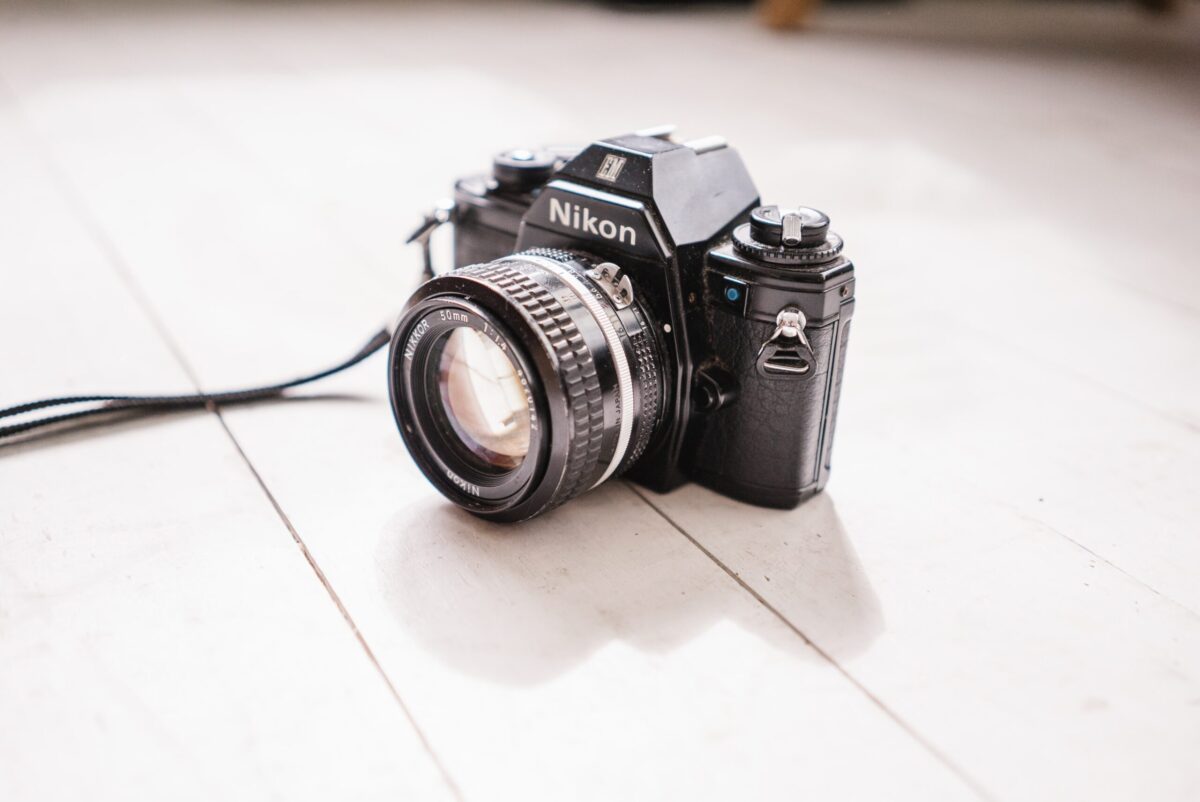
When shooting in Shutter Priority with Auto ISO, the camera will choose the best aperture and then, if necessary, boost the ISO to keep the shutter speed constant regardless of the lighting conditions. It is common practise to use a wide aperture when photographing subjects that are in motion, such as wildlife or people. However, if you need a smaller aperture to achieve a greater depth of field, you may want to switch to Manual mode, which gives you full control over shutter speed and aperture while leaving ISO up to the camera.
Choosing the right wedding photographer in Melbourne to capture every moment on your wedding day.
Where Auto Got Its Name
Despite popular belief, "Auto" does not stand for "Automatic" in this context. The company got its name from the corruption of the first name of Otto Barnack, the more discerning sibling of Oskar Barnack, the man generally credited with inventing the first Leica and popularising 35mm photography. For some reason, I just can't believe you were unaware of this.
This History of ISO
The name "ISO" originates from the days of film photography, when consumers would buy an entire roll of film from a camera store, labelled with an ASA rating like "100," "200," or "400." A film with an ASA of 200 is twice as sensitive as film with an ASA of 100, a film with an ASA of 400 is four times as sensitive as film with an ASA of 100, and so on. The ASA setting could not be changed midway through a roll of film; the full roll had to be used up first.
In bright conditions, ASA 100 film delivered results comparable to those of a digital camera set to ISO 100. Film having a greater sensitivity rating, such as ASA 400, was prefered while photographing indoors in low light. ASA 800 and 1000 film were available if one looked hard enough, but anything higher was about as frequent as a Polysepalous bos Taurus (two-headed cow).
We used my ancient D200 and ISO 400 to take this picture of a professional marksman posing. Close inspection of the trees reveals image noise, yet doing so will distract you from the scene's main subject: the forest.
This portrait of a world-class marksman was taken with my tried-and-true D200 using ISO 400. Looking closely at the trees, you can pick out some noise in the image, but doing so kind of ruins the idea of the photo.
Even my well-used Nikon D200 from the early days of digital photography didn't have much of an advantage over its film-based predecessors in dim conditions. If you wanted to capture images in low light before the last decade, you might as well grab a roll of high-ASA film because most digital cameras weren't particularly competent at their (about comparable) high ISO numbers. (ISO and ASA measures are not exactly the same, but they are close enough to be comparable.)
Instead, consumer cameras are now widely available that can shoot at ISO 3200 or even 6400 (a value inconceivable with analogue film) with minimal loss of detail in terms of colour and luminance noise thanks to the steady improvement of digital sensor technology over the years.
For the most part, current digital cameras can determine the correct ISO level on their own (thus the phrase "Auto ISO"), leaving you free to worry only about aperture and shutter speed.
How Auto ISO Became Cool
The two possible outcomes were both necessary and achieved. The first phase was an increase in the quality of both image sensors and in-camera image processing engines (including noise reduction algorithms), allowing for flawless shots to be obtained at ISO 1600 and ISO 3200. Second, you can often customise your camera by choosing a maximum ISO value for Auto ISO as well as a minimum ISO value for manual ISO.
By adjusting my camera's settings to a maximum ISO of 3200, a default ISO of 200, and a slowest shutter speed of 1/60 sec, I can assure that my camera uses a low ISO setting whenever possible and only increases the gain when absolutely necessary.
Looking for a Yarra Valley wedding photographer? Look no further! Wild Romantic Photography has you covered.
Automatic ISO - Exposure Management
When there's a lot going on and you don't have time to adjust to the changing light, auto ISO is a lifesaver.
Adjusting the ISO setting allows you to modify the sensitivity of the camera's light sensor. If you adjust the ISO, the picture will either lighter or darker.
If you use one of these shooting modes, Auto ISO will be used automatically:
- Primacy Aperture Mode
- Mode de Shutter Priorité
- Method: By Hand
- Operating Mode
In this section, we will examine the first three shooting settings and how to utilise auto ISO.
To What End Should One Employ Automatic ISO?
With auto ISO enabled, the camera may adjust the ISO value on its own, giving you finer-grained control over the exposure of your photos. More precise control over depth of field, motion blur, and action freezing is possible by focusing on all three at once.
PROS
You simply need to adjust the aperture, like you would in aperture priority, and the camera automatically chooses the shutter speed for you. When you use auto ISO, you won't have to worry about adjusting the ISO setting yourself.
Based on the parameters you choose, your camera will adjust the ISO and shutter speed to get the desired exposure. A camera's ISO will be set automatically if a minimum shutter speed has been set.
Priority mode settings that we propose for your camera are as follows:
- Aperture
- ISO
- Shutter
CON
In low-light situations, your camera will choose for a slower shutter speed when given the choice between that and increasing the ISO. The highest ISO setting you allow will be utilised.
Using auto ISO in shutter priority
PRO
In shutter priority mode, you set the shutter speed and the camera figures out the aperture to match it to produce the correct exposure. Once more, the camera will intelligently select an acceptable ISO value for you.
Some of the most crucial exposure settings on your camera are as follows:
Shutter\sISO\sAperture\sCON
Additional attention must be used while shooting in aperture priority or auto ISO to prevent either over- or underexposure.
Your lens's aperture stops down to a certain value. Underexposed photos occur when the ISO is higher than the lens' maximum aperture, like in the above example.
Using a slower shutter speed than your lens's maximum aperture allows for or an ISO lower than your camera's lowest ISO might cause an extremely bright shot.
We have an exclusive range of wedding photography Mornington Peninsula services. Check them out here.
Shooting in manual mode while using auto ISO
PRO
When shooting in manual mode or with the shutter speed priority option, you can choose a shutter speed as slow as you like, regardless of the minimum shutter speed you choose in the ISO sensitivity menu.
When shooting in aperture priority or programme mode, the camera will automatically utilise the slowest shutter speed possible.
CON
If you push the shutter speed or aperture past the minimum or maximum ISO you have set, you run the danger of overexposing or underexposing the image.
Instances when automatic ISO setting is most helpful
In the end, everything comes down to personal preference.
In fact, many established photographers rely on it exclusively. Although I prefer shooting in manual mode, I do acknowledge auto ISO's utility in some scenarios. We utilise automatic ISO when we need the best quality images.
Too busy to fiddle with settings like ISO, aperture, and shutter speed every time I want to take a picture.
If you're having trouble deciding between manual and auto ISO, here are a few scenarios in which the latter is preferable:
- Sports
- Any type of performance or event where the lighting changes is a rock concert.
- Photos of a family's everyday life taken in the midst of a forest filled with active youngsters.

What to consider when shooting in automatic ISO
High ISO performance has greatly enhanced in modern DSLR cameras, especially those at the higher price ranges. If you shoot with a high ISO level, the image quality will deteriorate regardless of how inexpensive your camera is.
A high ISO allows you to do a variety of tasks, including the following:
- The ambient noise is getting louder.
- Changes in dynamic range narrow
- Lower colour accuracy
Utilizing the auto ISO settings, you may prevent your camera from using excessively high ISO settings, which will reduce the amount of quality loss.
Implementing Automatic ISO Settings
Highest possible ISO setting
Do not let the camera decide on the maximum ISO possible; instead, select an ISO that you are comfortable with.
Slowest possible shutter rate
A very slow shutter speed is available for those who like it. When the shutter speed is chosen manually, blur from camera shake is eliminated.
Intensity of the Light in the Camera
The ISO sensitivity may be adjusted to suit your needs.
When using the aperture priority or shutter priority modes, the camera will automatically adjust the aperture and shutter speed to the ISO value you've selected.
If the combination of my aperture and shutter speed requires an ISO sensitivity change beyond what we have defined, "Auto ISO" will flash in the viewfinder regardless of whether I am shooting in aperture priority, shutter priority, or full manual mode. The ISO sensitivity has deviated from the setting we put it at, thus this is a warning.
Planning your dream wedding and don’t want to miss out on the special moments on your big day? Worry no more, Wild Romantic Photography has you covered.
Auto-Drawbacks ISO's
Difficult-to-meter situations
The exposure metre in your camera may get thrown off by the scene, causing you to take photos that are either too bright or too dark. To give only one illustration:
- Taking photos on a sunny beach, for instance, will result in your camera underexposing the backdrop.
- If you took a close-up of a black cat, for instance, the camera would try to overexpose the backdrop.
Altering the exposure setting will assist you shoot in low-light circumstances. There has to be a one or two stop exposure compensation added for scenes with lots of available light. Using a negative exposure compensation of one or more stops is recommended when shooting against a black background.
Constraints on auto-ISO functionality are possible.
Over or underexposed images might result from using auto ISO, which could affect any of the photography modes.
There is no apparent light-level indicator
Your camera's exposure indicator will not warn you of over or underexposure when using auto ISO in aperture or shutter priority.
Reasons to Avoid Using Auto ISO
If you're taking shots of landscapes, buildings, or anything where the aperture and depth of field are more important than the shutter speed, you shouldn't use auto ISO. Long exposures are required to capture even the smallest of details while photographing in low light, and a tripod is a must for maintaining camera stability throughout these exposures. In low light, auto ISO would choose a higher ISO than necessary, resulting in digital noise that would make photos appear blurrier than intended.
If you're working in really strong light and photographing things like animals or movement, your camera may automatically convert to a smaller aperture in order to retain your set shutter speed (where you need shallow depth of focus). When shooting with a larger aperture, you may need to either off Auto ISO entirely or increase the shutter speed.
If you’d like to work with professional photographers for your wedding, book with us at Wild Romantic Photography.
Conclusion
Auto ISO allows the camera to choose the ISO value automatically. By switching to Shutter Priority, you can choose a shutter speed and ISO. The name "ISO" comes from the days of film photography when consumers would buy rolls labelled with ratings like "100," "200," or "400". Digital cameras can determine the correct ISO level on their own leaving you free to worry only about aperture and shutter speed. You can often customise your camera by choosing a maximum ISO value for Auto ISO and a minimum ISO for manual ISO.
The result is stunning images with minimal loss of detail thanks to improved digital sensor technology. Adjusting the ISO setting allows you to modify the sensitivity of the camera's light sensor. A camera's ISO will be set automatically if a minimum shutter speed has been set. Additional attention must be used while using aperture priority or auto ISO to prevent over- or underexposure. Many established photographers rely on the auto ISO setting for all their photographic work.
If you're having trouble deciding between manual and auto ISO, here are a few scenarios in which the latter is preferable. High ISO performance greatly enhanced in modern DSLR cameras, especially those at the higher price ranges. If the combination of my aperture and shutter speed requires an ISO sensitivity change beyond what we have defined, "Auto ISO" will flash in the viewfinder regardless of whether I am shooting in aperture priority, shutter priority, or full manual mode. Using a negative exposure compensation of one or more stops is recommended when shooting against a black background. Over or underexposed images might result from using auto ISO, which could affect any of the photography modes.
Long exposures are required to capture even the smallest of details while photographing in low light. In low light, auto ISO would choose a higher ISO than necessary, resulting in digital noise.
Content Summary
- What is Auto ISO?Almost all contemporary digital cameras offer a "Auto ISO" function that allows the camera to choose the ISO value automatically.
- Manual, Aperture, and Shutter Priority modes all support Auto ISO, but the latter is where it truly shines.
- By switching to Shutter Priority, you can choose a shutter speed and have the camera automatically choose both the aperture and ISO.When shooting in Shutter Priority with Auto ISO, the camera will choose the best aperture and then, if necessary, boost the ISO to keep the shutter speed constant regardless of the lighting conditions.
- However, if you need a smaller aperture to achieve a greater depth of field, you may want to switch to Manual mode, which gives you full control over shutter speed and aperture while leaving ISO up to the camera.
- Where Auto Got Its NameDespite popular belief, "Auto" does not stand for "Automatic" in this context.
- The company got its name from the corruption of the first name of Otto Barnack, the more discerning sibling of Oskar Barnack, the man generally credited with inventing the first Leica and popularising 35mm photography.
- This History of ISOThe name "ISO" originates from the days of film photography, when consumers would buy an entire roll of film from a camera store, labelled with an ASA rating like "100," "200," or "400."
- In bright conditions, ASA 100 film delivered results comparable to those of a digital camera set to ISO 100.
- We used my ancient D200 and ISO 400 to take this picture of a professional marksman posing.
- Even my well-used Nikon D200 from the early days of digital photography didn't have much of an advantage over its film-based predecessors in dim conditions.
- If you wanted to capture images in low light before the last decade, you might as well grab a roll of high-ASA film because most digital cameras weren't particularly competent at their (about comparable) high ISO numbers. (
- For the most part, current digital cameras can determine the correct ISO level on their own (thus the phrase "Auto ISO"), leaving you free to worry only about aperture and shutter speed.
- The first phase was an increase in the quality of both image sensors and in-camera image processing engines (including noise reduction algorithms), allowing for flawless shots to be obtained at ISO 1600 and ISO 3200.
- Second, you can often customise your camera by choosing a maximum ISO value for Auto ISO as well as a minimum ISO value for manual ISO.By adjusting my camera's settings to a maximum ISO of 3200, a default ISO of 200, and a slowest shutter speed of 1/60 sec, I can assure that my camera uses a low ISO setting whenever possible and only increases the gain when absolutely necessary.
- Automatic ISO - Exposure ManagementWhen there's a lot going on and you don't have time to adjust to the changing light, auto ISO is a lifesaver.
- Adjusting the ISO setting allows you to modify the sensitivity of the camera's light sensor.
- If you use one of these shooting modes, Auto ISO will be used automatically:Primacy Aperture ModeMode de Shutter PrioritéMethod: By HandOperating ModeIn this section, we will examine the first three shooting settings and how to utilise auto ISO.To What End Should One Employ Automatic ISO?With auto ISO enabled, the camera may adjust the ISO value on its own, giving you finer-grained control over the exposure of your photos.
- More precise control over depth of field, motion blur, and action freezing is possible by focusing on all three at once.
- When you use auto ISO, you won't have to worry about adjusting the ISO setting yourself.
- Based on the parameters you choose, your camera will adjust the ISO and shutter speed to get the desired exposure.
- Using auto ISO in shutter priorityPROIn shutter priority mode, you set the shutter speed and the camera figures out the aperture to match it to produce the correct exposure.
- Some of the most crucial exposure settings on your camera are as follows:Shutter\sISO\sAperture\sCONAdditional attention must be used while shooting in aperture priority or auto ISO to prevent either over- or underexposure.
- When shooting in manual mode or with the shutter speed priority option, you can choose a shutter speed as slow as you like, regardless of the minimum shutter speed you choose in the ISO sensitivity menu.
- When shooting in aperture priority or programme mode, the camera will automatically utilise the slowest shutter speed possible.
- Instances when automatic ISO setting is most helpfulIn the end, everything comes down to personal preference.
- We utilise automatic ISO when we need the best quality images.
- What to consider when shooting in automatic ISOHigh ISO performance has greatly enhanced in modern DSLR cameras, especially those at the higher price ranges.
- If you shoot with a high ISO level, the image quality will deteriorate regardless of how inexpensive your camera is.
- Changes in dynamic range narrowLower colour accuracyUtilizing the auto ISO settings, you may prevent your camera from using excessively high ISO settings, which will reduce the amount of quality loss.
- Implementing Automatic ISO Settings Highest possible ISO settingDo not let the camera decide on the maximum ISO possible; instead, select an ISO that you are comfortable with.
- If the combination of my aperture and shutter speed requires an ISO sensitivity change beyond what we have defined, "Auto ISO" will flash in the viewfinder regardless of whether I am shooting in aperture priority, shutter priority, or full manual mode.
- The ISO sensitivity has deviated from the setting we put it at, thus this is a warning.
- Planning your dream wedding and don't want to miss out on the special moments on your big day?
- Worry no more, Wild Romantic Photography has you covered.
- Auto-Drawbacks ISO'sDifficult-to-meter situationsThe exposure metre in your camera may get thrown off by the scene, causing you to take photos that are either too bright or too dark.
- Altering the exposure setting will assist you shoot in low-light circumstances.
- Constraints on auto-ISO functionality are possible.
- Over or underexposed images might result from using auto ISO, which could affect any of the photography modes.
- There is no apparent light-level indicatorYour camera's exposure indicator will not warn you of over or underexposure when using auto ISO in aperture or shutter priority.
- Reasons to Avoid Using Auto ISOIf you're taking shots of landscapes, buildings, or anything where the aperture and depth of field are more important than the shutter speed, you shouldn't use auto ISO.
- Long exposures are required to capture even the smallest of details while photographing in low light, and a tripod is a must for maintaining camera stability throughout these exposures.
- When shooting with a larger aperture, you may need to either off Auto ISO entirely or increase the shutter speed.
How Do I Take Sharp Photos With Low Light?
Using a tripod and, maybe, a flash, you can take sharp pictures regardless of the lighting conditions. Of course, in practise, this isn't always practicable. But this doesn't rule out the possibility of getting sharp pictures without a steady hand or a flash.
Shooting at shutter speeds no slower than the numerical equivalent of the focal length of the lens being used was conventional wisdom before six-digit ISO ratings, four- and five-way image stabilisation, and sophisticated HDR technology.
The recommended shutter speed for a 15mm lens is 1/15th of a second, for a 50mm lens it's 1/50th of a second, and for a 500mm lens it's 1/500th of a second. A slow shutter speed shouldn't be used unless you have a really steady hand or are otherwise well-supported, so set it as high as it can go and hope for the best.
You can achieve sharp results hand-holding at slower speeds if you take some simple measures, such as bracing yourself against a sturdy structure like a pole, vehicle roof, or side of a building, and breathing calmly before gently pressing down on the shutter button. Exhaling has a calming effect on the body and the mind. However, if you forget to breathe before pressing the shutter button, your body will be tight, increasing your pulse and other physical movements, making it more difficult to capture a sharp image.
If you need advice on your wedding photography, check out our photography packages and services at Wild Romantic Photography.
You can increase the likelihood of capturing a clear image by taking multiple frames quickly in rapid succession, rather than relying on your camera's single-frame preview.
FAQs About Photography
Aspects of Low Lighting
Visible
These are the daytime shadows. Larger than average temperature differences can be expected between the shaded area and the surrounding area, and as much as two stops darker in the case of shade cast by large buildings or trees.
Low Light
There may be spots that can be seen after sunset but are too dark to photograph.
Dark
Only the brightest stars and planets will be visible at night.
How to Take Great Low-Light Photos
Taking good photos when there isn't a lot of light is a challenging art form. Using the camera in modes other than Auto will be necessary.
For low-light photography, use a slow shutter speed.
So, how do you go about photographing in low light? The slower the shutter speed, the less light will enter the camera. At lower sensitivity settings, more light will reach the sensor.
However, a slow shutter speed can also create motion blur without the need for a tripod. So, how does one go about taking a sharp photo when the light is low? For brief, blur-free shots when shooting handheld, setting the shutter speed to a fraction of the focal length is a decent rule of thumb.
A shutter speed of 1/30 of a second is optimal for taking pictures with a 30mm lens. Image blurring will occur at a slower speed. You should remember that this guideline is exclusive to full-frame cameras. With a crop sensor, the 30mm lens requires a shutter speed of 1/45 rather than 1/30.
Looking for wedding photography Melbourne? Look no further! Wild Romantic Photography has you covered.
You Can Lower Your Shutter Speed With Image Stabilisation
A shutter speed of 1/30 or 1/40 of a second might not be fast enough to get an adequately exposed image in low light. Both rapid and moderate speeds produce blurry images due to motion.
The challenge then becomes figuring out how to fix this while using a hand-held camera. This is due to the employment of a technique known as "image stabilisation," which is why it is the best choice. Sony, Nikon, and even third-party manufacturers all produce stabilisation lenses for your camera. Not all lenses have this function, however it comes standard on most modern lenses.
Image stabilisation is so efficient that it can make up to 4.5 stops of difference. As a result, shutter speeds as slow as 1/15 of a second will provide sharp images. This extraordinary skill shines best in natural light.
Discover Alternatives to Using a Tripod to Stabilise Your Camera
Figure Out How to Maintain Camera Steadiness Without a Tripod When shooting in low light, there are a few tricks you may use to avoid blurry or underexposed photos.
Two methods exist for stabilising a camera. Tightening the screws reduces camera shaking.
You can also use a wall as a leaning post. If you do this, the slightest movement will ruin your shot. However, if you set up your camera on a firm surface like a table or ledge, you may eliminate the shakiness that results from hand-holding.
In most cases, these strategies really shine under low-key conditions.
When your shutter speed is lower than 1/60, you should use a tripod.
However, the techniques we discussed cannot be used to totally minimise blur while shooting handheld. You only need the slightest shake in your hands to ruin our shot. Don't take any chances; use a tripod instead. Also, always remember to bring it along if you plan on taking photos in low light.
In low-light situations, use a fast lens
The lens you use will have a significant impact on your ability to obtain the maximum aperture.
Using the widest aperture feasible is your best chance if you need to snap images in low light. When using an aperture of f/1.4, four times as much light enters the camera as when using an aperture of f/2.8. Typically, a kit zoom lens will have a maximum aperture of f/3.5-f/5.6. Standard maximum apertures for professional zoom lenses are f/2.8 or wider. Most high-quality prime lenses don't come cheap. However, inexpensive options like the Canon EF 50mm f/1.8 II are available for novice photographers.
Many prime lenses are capable of an aperture of f/1.4, and even the most specialised can achieve an aperture of f/0.95. One can expect a larger aperture from a faster lens (and the smaller its f-number).
Choose a large aperture to allow more light in
The aperture of your lens is the size of that opening. More light is let in by an enlarged aperture. Remember that the smaller the f-number, the greater the aperture.
Skipping this step is not recommended if you are still using the normal kit lens, which probably has a maximum aperture of f/3.5. Insufficient light will enter due to that value's inefficiency. That inexpensive prime lens with an aperture of f/1.8 is a wise choice.
If your lens has an aperture of f/1.8, you'll be able to let in four times as much light as if it were f/3.5. That is to say, you can shoot quicker without as much concern about blurring caused by motion. Remember that a large aperture means less depth of field.
Avoid using an aperture of f/1.4 or f/1.8 when photographing people in low light. It would cause certain faces and the surroundings to blur. Use a larger aperture, like f/8, to guarantee sharpness instead. Create lasting memories through your Yarra Valley wedding photography that will be cherished forever.
Adjust Your ISO for Proper Exposure
Increase the ISO setting if tinkering with the shutter speed, aperture, and ISO settings does not yield satisfactory results.
How light-sensitive your camera's sensor is is controlled by the ISO setting. Increasing this amount will make it simpler to take photos in dim conditions.
Still, it's not easy to keep digital noise in check when shooting at high ISO settings. Don't bump my ISO any higher than 1600; after that, noise will make my photos worthless.
Use a Camera with a Large Sensor to Capture More Light
The sensor reads the world and builds an image for you. The correlation between sensor size and image quality and resolution is stronger than before.
In general, cellphones and compact cameras have the smallest sensors. Micro Four Thirds sensors are the next step up from full-frame models. An APS-C sensor, which is used in most consumer DSLRs and mirrorless choices, is the most common type. When it comes to cameras, the full-frame sensor found in professional models is the one to beat. Due to its 35mm focal length, it is quite similar in size to standard film 35mm SLRs.
Where can I get the greatest camera for taking images in low light? The quick response is a full-frame camera, such as the Canon 5D Mark IV. Because of its big sensor, taking pictures in quiet environments is a breeze. That means you can increase ISO without suffering from an overload of digital noise.
Use the RAW format to gain additional exposure latitude when shooting
Always shoot in RAW format for the most flexibility in post-production. Therefore, why is it crucial to photograph in RAW format when conditions are low-light? As an example, you can safely increase your exposure by two or three stops without any noticeable drop in image quality.
AF Assist Will Assist You in Using Auto-Focus in Low-Light Situations
If you're shooting in dim conditions, your camera might not be able to auto-focus effectively. When light levels are low, a camera may have trouble determining how far away an object actually is.
Recently, "AF assist" has become a standard feature on many digital cameras. On many occasions, the autofocus lamp will be visible. It will turn on to illuminate the space if it determines that it is too dim. Your camera's settings menu should provide this option. When the shutter button is depressed halfway, it turns on automatically in low light.
Planning your dream wedding and don’t want to miss out on the special moments on your big day? Worry no more, Wild Romantic Photography has you covered.
To focus in the dark, zoom in while in Live View
The "AF Assist" feature may be ineffective if the subject is too far away. A flashlight might help here by illuminating the area and making it easier to focus.
Turn on Live View and digitally zoom in on your topic to better examine the tiny details. Fine-tune the focus ring to bring your subject into focus by following the on-screen reticle's focusing position. From now on, all you have to do is push the shutter button.
Use Flashlights to Make Colorful Effects
Blur will occur whenever the subject moves, regardless of how steady you hold the camera. The term "light painting" is used to describe a specific type of photographic technique that involves the manipulation of various light sources.
Here's how to take pictures of lightning strikes:
- Taking pictures using a tripod and a slow shutter speed (between 2 to 30 seconds).
- Use the self-timer or remote to take a photo as you pose in front of the camera.
- Once you hear the click, begin making patterns with your flashlight movements.
Freeze Images Using Flash
Keep in mind that faster shutter speeds effectively freeze motion while slower ones result in blurring. What role, if any, does flash play in this?
With the strong beam of the flash, you can employ quick shutter speeds. With a shutter speed of only 1/250 of a second, you can snap sharp photographs even when the light is low. Using a flash prevents you from switching back to ISO 100, though. If you do that, the image will blur and the background will become less clear.
Your camera's pop-up flash may produce unflattering photos in some situations. However, it is still an effective means of halting activity. To get the most out of an external flash, reflect it against a wall or ceiling. However, a diffuser can reduce the intensity of the light, making it more tolerable.
Blurred Motion
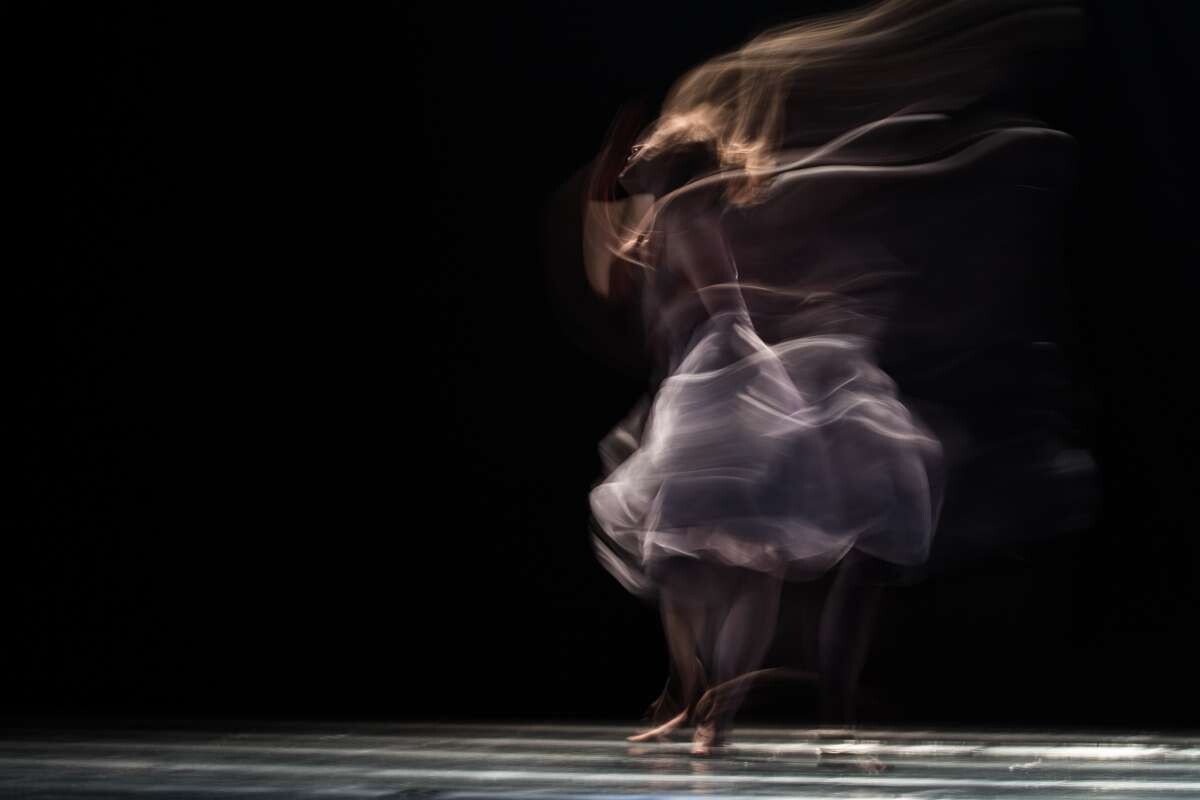
As a rule, motion blur is to blame for poorly exposed photographs taken in low light. If the shutter is left open for too long, motion, whether from the subject or the photographer, will be recorded by the sensor and result in fuzzy photographs. This can happen if either the subject moves too quickly or the camera shakes too much while the shutter is open.
The use of motion blur to emphasise speed, action, or motion is not always a bad thing, though. When trying to show the fluidity of playing the guitar, for example, a slightly out-of-focus photograph of the hand is more effective than a highly focused one. A fuzzy image is unsatisfactory and can't be fixed in post-processing when it's anticipated. Producing clear photographs in low light requires attaining best outcomes in-camera.
We have an exclusive range of wedding photography Mornington Peninsula services. Check them out here.
Here are some techniques that can be used to lessen the impact of low-light motion blur.
Set your camera to manual mode
When the camera is set to automatic, it will determine the optimal shutter speed, aperture, and ISO for the shot. The camera can't tell how the final image will turn out because of the movement and shaking. Therefore, it is crucial to learn how to operate the camera in order to take clear pictures.
Aperture and Shutter Priority options are available, but I have the greatest creative control when shooting in full manual mode. You'll see that playing about with your camera's aperture, shutter speed, and ISO settings is crucial for getting sharp photos when the light is dim.
For moving subjects, increase the shutter speed
To get a good exposure in low light, you need to ensure that enough light reaches your camera's sensor. To blur or freeze motion in a photograph, the shutter speed must be either too fast or too slow. To have complete control over the shutter speed, shoot in Shutter Priority or Manual mode.
In low light, what is the optimal shutter speed to use?
Keep in mind that the focal length of the lens and the specifics of the situation both play a role. Because of the need for greater caution when shooting with a longer focal length, I'll address this problem in the section below devoted to camera shake.
For semi-static situations like people sitting at a table or standing still for a portrait, a shutter speed of at least 1/60s is recommended when shooting handheld at focal lengths under 85mm. Within that range, sharp photos can be captured in almost all circumstances.
If your subjects are moving quickly, whether because they are sprinting, dancing, or even just laughing and swaying, you may need to increase the shutter speed from 1/200s to 1/400s.
Activate the aperture
By increasing the lens's aperture, the duration of the exposure time will be increased. For every stop that the aperture is opened, two stops more light will enter the camera. If you change the aperture to f/2.8 from f/4, for instance, twice as much light will enter the camera. As a result, we will typically employ a large aperture size in low-light conditions.
Since You nearly always need the largest aperture when shooting in low light, we always set the aperture to its widest possible setting before deciding on the shutter speed.
Raise the ISO
There may be a need to boost the ISO if you have tried shooting with the aperture wide open (or as wide as it can go without the depth of field being too shallow) and there is still a fuzzy part of the subject.
While it's true that a higher ISO results in a noisier picture, most current cameras still produce passable shots at ISO 1600 or higher. In addition, clouded vision caused by a too-slow shutter speed is worse than a little bit of noise in the image. If raising the ISO helps reduce motion blur, do so.
Practice is the key to success in any endeavour. Knowing the range of available light will help you choose your goals and assess your options. One of the most intriguing types of photography to explore is that of low-light circumstances.
If you’d like to work with professional photographers for your wedding, book with us at Wild Romantic Photography.
Conclusion
You may produce clear shots in either bright or low light by using a tripod and a flash. For low-light photography, use a slow shutter speed and basic hand-holding precautions. Using the camera in modes other than Auto will be necessary for best results. The slower the shutter speed, the less light will enter the camera. A shutter speed of 1/30 of a second is optimal for taking pictures with a 30mm lens.
Image stabilisation can make up to 4.5 stops of difference in shutter speed. Using the widest aperture feasible is your best chance if you need to snap images in low light. When using an aperture of f/1.8, you'll be able to let in four times as much light as if it were f/3.5 or f/2.8. How light-sensitive your camera's sensor is is controlled by the ISO setting. Increasing this amount will make it simpler to take photos in dim conditions.
Increase the ISO if tinkering with the shutter speed, aperture, and ISO settings does not yield satisfactory results. How to take pictures of lightning strikes using a tripod and a slow shutter speed. Faster shutter speeds effectively freeze motion; slower ones result in blurring. Using a flash prevents you from switching back to ISO 100, though. If you do, the image will blur and the background will become less clear.
Motion blur is to blame for poorly exposed photographs taken in low light. If the shutter is left open for too long, motion will be recorded by the sensor and result in fuzzy photographs. Here are some techniques that can be used to lessen the impact of motion blur. A shutter speed of 1/60s is recommended when shooting handheld at focal lengths under 85mm. For semi-static situations, you may need to increase the shutter speed from 1/200s to 1/400s. Activate the aperture by increasing the duration of the exposure time.
Content Summary
- You may produce clear shots in either bright or low light by using a tripod and, depending on the topic, a flash.
- This, however, does not rule out the potential of capturing clear images without the use of a tripod or flash.
- The shutter speed should be as fast as possible, although using a slow shutter speed is not recommended unless you have a very stable hand or are otherwise well-supported.
- If you need advice on your wedding photography, check out our photography packages and services at Wild Romantic Photography.
- You can increase the likelihood of capturing a clear image by taking multiple frames quickly in rapid succession, rather than relying on your camera's single-frame preview.
- DarkOnly the brightest stars and planets will be visible at night.
- How to Take Great Low-Light PhotosTaking good photos when there isn't a lot of light is a challenging art form.
- So, how do you go about photographing in low light?
- The slower the shutter speed, the less light will enter the camera.
- However, a slow shutter speed can also create motion blur without the need for a tripod.
- So, how does one go about taking a sharp photo when the light is low?
- For brief, blur-free shots when shooting handheld, setting the shutter speed to a fraction of the focal length is a decent rule of thumb.
- A shutter speed of 1/30 of a second is optimal for taking pictures with a 30mm lens.
- You Can Lower Your Shutter Speed With Image StabilisationA shutter speed of 1/30 or 1/40 of a second might not be fast enough to get an adequately exposed image in low light.
- The challenge then becomes figuring out how to fix this while using a hand-held camera.
- Sony, Nikon, and even third-party manufacturers all produce stabilisation lenses for your camera.
- Discover Alternatives to Using a Tripod to Stabilise Your CameraFigure Out How to Maintain Camera Steadiness Without a Tripod When shooting in low light, there are a few tricks you may use to avoid blurry or underexposed photos.
- When your shutter speed is lower than 1/60, you should use a tripod.
- Don't take any chances; use a tripod instead.
- Also, always remember to bring it along if you plan on taking photos in low light.
- In low-light situations, use a fast lensThe lens you use will have a significant impact on your ability to obtain the maximum aperture.
- Using the widest aperture feasible is your best chance if you need to snap images in low light.
- When using an aperture of f/1.4, four times as much light enters the camera as when using an aperture of f/2.8.
- Typically, a kit zoom lens will have a maximum aperture of f/3.5-f/5.6.
- Most high-quality prime lenses don't come cheap.
- One can expect a larger aperture from a faster lens (and the smaller its f-number).Choose a large aperture to allow more light inThe aperture of your lens is the size of that opening.
- More light is let in by an enlarged aperture.
- That inexpensive prime lens with an aperture of f/1.8 is a wise choice.
- If your lens has an aperture of f/1.8, you'll be able to let in four times as much light as if it were f/3.5.
- Increase the ISO setting if tinkering with the shutter speed, aperture, and ISO settings does not yield satisfactory results.
- How light-sensitive your camera's sensor is is controlled by the ISO setting.
- Increasing this amount will make it simpler to take photos in dim conditions.
- Still, it's not easy to keep digital noise in check when shooting at high ISO settings.
- Use a Camera with a Large Sensor to Capture More LightThe sensor reads the world and builds an image for you.
- Where can I get the greatest camera for taking images in low light?
- The quick response is a full-frame camera, such as the Canon 5D Mark IV.
- That means you can increase ISO without suffering from an overload of digital noise.
- Use the RAW format to gain additional exposure latitude when shootingAlways shoot in RAW format for the most flexibility in post-production.
- Therefore, why is it crucial to photograph in RAW format when conditions are low-light?
- AF Assist Will Assist You in Using Auto-Focus in Low-Light SituationsIf you're shooting in dim conditions, your camera might not be able to auto-focus effectively.
- Recently, "AF assist" has become a standard feature on many digital cameras.
- Planning your dream wedding and don't want to miss out on the special moments on your big day?
- Worry no more, Wild Romantic Photography has you covered.
- To focus in the dark, zoom in while in Live ViewThe "AF Assist" feature may be ineffective if the subject is too far away.
- Turn on Live View and digitally zoom in on your topic to better examine the tiny details.
- Fine-tune the focus ring to bring your subject into focus by following the on-screen reticle's focusing position.
- Use Flashlights to Make Colorful EffectsBlur will occur whenever the subject moves, regardless of how steady you hold the camera.
- The term "light painting" is used to describe a specific type of photographic technique that involves the manipulation of various light sources.
- Here's how to take pictures of lightning strikes:Taking pictures using a tripod and a slow shutter speed (between 2 to 30 seconds).Use the self-timer or remote to take a photo as you pose in front of the camera.
- With a shutter speed of only 1/250 of a second, you can snap sharp photographs even when the light is low.
- Using a flash prevents you from switching back to ISO 100, though.
- Your camera's pop-up flash may produce unflattering photos in some situations.
- To get the most out of an external flash, reflect it against a wall or ceiling.
- Blurred Motion
- As a rule, motion blur is to blame for poorly exposed photographs taken in low light.
- If the shutter is left open for too long, motion, whether from the subject or the photographer, will be recorded by the sensor and result in fuzzy photographs.
- The use of motion blur to emphasise speed, action, or motion is not always a bad thing, though.
- Producing clear photographs in low light requires attaining best outcomes in-camera.
- We have an exclusive range of wedding photography Mornington Peninsula services.
- Here are some techniques that can be used to lessen the impact of low-light motion blur.
- Set your camera to manual modeWhen the camera is set to automatic, it will determine the optimal shutter speed, aperture, and ISO for the shot.
- Therefore, it is crucial to learn how to operate the camera in order to take clear pictures.
- You'll see that playing about with your camera's aperture, shutter speed, and ISO settings is crucial for getting sharp photos when the light is dim.
- For moving subjects, increase the shutter speedTo get a good exposure in low light, you need to ensure that enough light reaches your camera's sensor.
- To blur or freeze motion in a photograph, the shutter speed must be either too fast or too slow.
- To have complete control over the shutter speed, shoot in Shutter Priority or Manual mode.
- Because of the need for greater caution when shooting with a longer focal length, I'll address this problem in the section below devoted to camera shake.
- For semi-static situations like people sitting at a table or standing still for a portrait, a shutter speed of at least 1/60s is recommended when shooting handheld at focal lengths under 85mm.
- If your subjects are moving quickly, whether because they are sprinting, dancing, or even just laughing and swaying, you may need to increase the shutter speed from 1/200s to 1/400s.
- Activate the apertureBy increasing the lens's aperture, the duration of the exposure time will be increased.
- As a result, we will typically employ a large aperture size in low-light conditions.
- Since You nearly always need the largest aperture when shooting in low light, we always set the aperture to its widest possible setting before deciding on the shutter speed.
- Raise the ISOThere may be a need to boost the ISO if you have tried shooting with the aperture wide open (or as wide as it can go without the depth of field being too shallow) and there is still a fuzzy part of the subject.
- In addition, clouded vision caused by a too-slow shutter speed is worse than a little bit of noise in the image.
- If raising the ISO helps reduce motion blur, do so.
- Knowing the range of available light will help you choose your goals and assess your options.
- One of the most intriguing types of photography to explore is that of low-light circumstances.
- If you'd like to work with professional photographers for your wedding, book with us at Wild Romantic Photography.
Is It Better To Use Autofocus Or Manual?
For anyone making the jump from a compact camera to a digital single lens reflex, learning when to switch from autofocus to manual focus is a major task (DSLR). The modern digital photographer can choose from a variety of Automatic and Semi-Automatic modes. Even more commonly than exposure adjustments, many cameras also provide a variety of focusing options (e.g., auto, single-point focusing, face recognition focusing, multiple points focusing, continuous focusing for moving subjects, etc. manual).
If you need advice on your wedding photography, check out our photography packages and services at Wild Romantic Photography.
That's why so few photographers actually make use of their camera's and lens' ability to focus manually. When would you choose manual focus over autofocus?
Manual Focus vs. DSLR Autofocus
An initial step:
How do you choose between autofocus and manual focus? To sum up, autofocus allows the camera to choose its own focal point. A manual guide, on the other hand, will direct your attention where it will do the most good because you will be in charge of determining the efficiency of your focus.
And We mean it literally
With autofocus, your camera will take care of focusing so that your photos always come out looking sharp. Manual focus is the way to go if you need to take a snap shot with complete creative control over both the direction and focus.
This may be oversimplifying things, though, as even with autofocus you'll have to make some effort. For instance, it's still up for grabs whether or not the AF point is set, if at all.
What You mean, are you following us?
Which Is Better, Manual Focus or Autofocus?
Think about the pros and cons of each focusing mode before settling on one for your photography.
Manual Focus
- Permits finer focus tweaking immediately before firing.
- Facilitates pinpoint accuracy in focusing.
Autofocus
- The camera decides on the best focus point.
- It's a lot faster than reading the manual step by step.
- Certain models of cameras produce better results than others.
It's worth noting that both autofocus and manual focus provide the identical results. To adjust the camera's perspective, you can utilise one of these. But with autofocus, the camera can figure out for itself where the focal point should be by using a number of specialised sensors. With autofocus, the burden of focusing is taken off the photographer's shoulders.
The photographer needs to focus the lens manually. Both can be effective in many situations, but there are instances when one is preferable.
Choosing the right wedding photographer in Melbourne to capture every moment on your wedding day.
Autofocus Pros and Cons
Advantages
Though autofocus is usually quite fast, it varies widely from camera to camera and lens to lens. When compared to cameras and lenses made for action photography, those made for landscape photography tend to focus more slowly.
In addition, tracking is a fascinating new feature to autofocus. Set the focus on the subject of your photo, and the camera will follow it as it moves across the frame. Fast-moving subjects, such as birds in flight, animals in chase, or athletes in activity, are perfect candidates for AF tracking.
Newer cameras have autofocus technologies that include Eye AF, which allows the camera to focus instantly on the subject's eyes (typically human, but occasionally animal).
- It is automatic, a mechanical process.
- This way of focusing is significantly faster than the manual one.
- For usage with active subjects.
- it's great for first-timers.
Disadvantages
In spite of autofocus' generally high degree of dependability, there are occasions when it fails to focus. Autofocus mechanisms, in particular, rely on subject contrast to detect subjects; when this contrast is diminished, the AF mechanism can no longer track a moving object.
In bright backlight, there isn't enough of a contrast for autofocus systems to work properly. To add insult to injury, autofocus (AF) systems suffer in low light since the camera needs light to focus. In spite of developments in autofocus technology, the day will come when every lens is blurry (though this can vary significantly from camera to camera).
Third, autofocus has trouble when there are many things to concentrate on, especially in the foreground, when you wish to focus on anything in the middle ground or background. Example: it's not easy to focus when it's snowing outside. The autofocus mechanism has problems keeping focus when shooting in snow since it is constantly being diverted by the snowflakes.
Fourthly, autofocus is unreliable when it comes to focusing precisely. Using autofocus, you can rapidly zoom in on a faraway item and focus on it. This is an issue in any photography where you need to constantly concentrate on the same distance (hyperfocal), such as landscape photography, or any portrait photography where you need to focus on the subject's nearest eye.
- Shutter latency can occur if prefocusing is neglected.
- It's possible you're fixating on the wrong part of your issue.
- Clearly inferior to the precision of manual focusing.
Finally, autofocus gets more and more finicky while working at a high magnification. Many photographers give up when attempting to use autofocus with a macro lens on a close subject.
When compared to manually adjusting the focus, autofocus is typically significantly more convenient. Furthermore, it can learn new subjects more quickly. That's why it's so great for filming things that are in motion. During street photography, your subject may only stay still for a short amount of time. Manual focus means that by the time you've gotten the shot lined up, your subject may have already moved.
The focusing is fast, but it takes a second or two to lock in. The focusing motor has a somewhat lengthy processing time. That's important to remember whenever you're behind the camera, but it's more crucial while capturing motion.
We're not saying you should give up on manual focus just because you're trying to capture a moving subject. When shooting in manual mode, prefocusing on the area where your subjects are likely to enter will yield the greatest results.
Autofocus modes available on DSLR cameras can include:
- AF-S (single-servo) is ideal for shooting stationary subjects because focus locks at the midway point of the shutter release.
- Continuous-servo (AF-C) autofocus is designed to automatically track a moving subject.
- By switching on auto-servo (AF-A), the camera can choose between two different AF modes.
- Autofocus has a tendency to malfunction when the subject and background are comparable when the problem is partially in strong sun and half in shadows. An obstruction blocks the camera's view of the topic. Then you should switch to manual focus.
When using autofocus, a camera will usually focus on whatever is in the centre of the frame. A majority of DSLR cameras, however, allow you to change where the camera focuses. Select the autofocus area menu item and then use the arrow keys to adjust the focus.
There should be a focus mode switch on your camera, as indicated by the M and A on the lens (auto). Some lenses feature an M/A mode that combines autofocus with a manual focus override.
To a large extent, shutter lag is not an issue while using a DSLR camera, though this can be affected by the quality of your autofocus system.
You can prevent shutter lag when shooting in autofocus and prefocusing on the scene. Autofocus can be activated by pressing and holding the shutter button until the camera focuses. To complete the photographing process, the shutter release button must be fully depressed. There needs to be a correction made to the lag time before the shutter is released.
Pros and Cons of Manual Focus
Advantages
Manual focus allows for pinpoint precision, even in high-stimulation situations.
In difficult lighting, manual focus is superior to autofocus. Focusing is done by using your eyes rather than the autofocus technology in your camera.
- All in all, it allows you to concentrate your sights with pinpoint precision.
- Perfect for portraits and other close-ups.
- That's a huge step forwards for taking pictures in dim conditions.
Disadvantages
It's true that there are exceptions to every rule, but on general, manual focus takes far longer than autofocus.
Therefore, shooting birds in flight or athletes in action requires a lot of luck with manual focus because it doesn't work well at all. Furthermore, the guide suggests that photographers decide where to focus themselves.
For example, it works great when firing from the hip, but it can be a problem if you need to fire but can't sight to focus manually (e.g., you have your camera hung around your neck or held at your waist while you fire off some shots).
If you like, you can prefocus manually. On the other hand, if you're going for a shallow depth of field, that might not be the greatest approach.
- Quite a bit more sluggish than autofocus.
- Photographing subjects in motion is challenging.
Most experts favour switching to manual mode. Because it permits more control over the degree to which the focus is adjusted before taking a picture. Manual focus is preferable when the subject is not moving around a lot. This is something to remember particularly when shooting in dim light, taking portraits, or getting up close and personal with macro photography. If your camera is set to autofocus, it could accidentally focus on the wrong section of your subject, destroying your photo.
Manual focus requires cupping the lens in the left palm of your hand. After that, with your left fingers, give the focus ring a little twist until the image is sharp. A steady hand is required for shooting in manual mode.
Using the manual focus ring without a steady camera is an uncomfortable proposition. Therefore, it may be difficult to take the picture without some blur due to camera shake.
We have the best wedding photographer in Yarra Valley to capture your beautiful moments on your wedding day.
When is it preferable to use manual focus over automatic?
Before we get into the specifics, let us just note that there is really no "wrong" time to utilise either manual or autofocusing; both may achieve great results in the vast majority of cases. To be sure, there are times when autofocus isn't the most practical option, and that's when you can switch to manual focus. They include, among others:
Macro Work
Any focusing mistake, or concentrating on the wrong section of the subject by accident, will completely spoil the shot because to the small depth of field (for better or for worse).
By putting control of focus into your own hands, you can make sure that only the subjects and backgrounds you want to see clearly are in focus.
In order to get finer details, macro photography requires getting in close to the subject. Macro photography is taking extremely close-up images, such as those of a bug's eye.
The auto-focus on many cameras struggles to lock onto a subject that is too near to the lens. This can lead to issues with the lens' lock-on mechanism, such as the focus point jumping around or the lens accidentally focusing on the wrong object.
Portraits
Focusing precisely is a must while taking portraits. For the most part, you'll want your subjects' gaze to be directed in the direction you intend.
Instead of having to push the shutter button halfway to prefocus on the eyes, going to manual focus will offer you complete control.
Attempting to shoot through glass or wire fences
A camera's autofocus system has a hard time determining what to focus on while looking through a window or a mesh/wire fence at a zoo or museum.
It's simple to lose concentration and start staring aimlessly at the barrier instead of where it ought to be. You can avoid this by going to manual focus and telling the camera exactly what you want in focus and what you want blurred.
Photography of Action
Using autofocus on fast-moving subjects can be a pain (such as racing cars, running, flying animals or planes, etc.).
Even continuous focusing modes can get confused or lost if you don't pan smoothly with your topic. An option for handling this is to switch to manual focus and take shots from the perspective from which you believe the issue will be fixed.
Low Light
Manual mode is preferable for photographing in dim conditions.
To put it bluntly, there are benefits to switching to manual focus. Think about using Live View on your DSLR camera. In most circumstances, the screen or viewfinder magnification will be high enough to let you make the notion as clear as you desire.
Due to its reliance on ambient light and contrast, autofocus might struggle in dim conditions.
In low light, some cameras and lenses have trouble focusing.
When your camera is having problems focusing in Auto mode, you may tell because the lens will repeatedly spin from one extreme to the other before settling on a focus point. This can make it harder to capture candid moments during shots and slow things down overall.
Planning your dream wedding and don’t want to miss out on the special moments on your big day? Worry no more, Wild Romantic Photography has you covered.
Landscape Photography
It may come as a surprise to learn that some photographers have trouble deciding whether to use manual or automatic settings when taking landscape photos. A consensus would seem to have formed by now.
Switching to manual focus is recommended while shooting landscapes because autofocus is often unreliable.
It's important to remember that you'll need to move at a considerably slower pace while shooting landscapes with a manual lens. However, there is one major benefit to being more meticulous when photographing landscapes, and that is being able to adjust the focus at the optimal distance to get the appropriate depth of field.
There is no need to worry about running out of battery life while taking shots of the outdoors. In contrast to capturing sports or action, landscape photography often necessitates spending days or even weeks camped out in one location. Taking your time to perfect your focus and composition is to your advantage, so don't rush.
When is autofocus preferable to manual focus?

Both autofocus and manual focus have their benefits and drawbacks when it comes to photography. The trick is to know when to employ various tactics.
It is a trademark of a skilled photographer that they know when to use a particular focus method over another. Having more years under your belt in the working world will make this feel more second nature to you.
At Wild Romantic, we have the best wedding photographer in Mornington Peninsula to capture every single moment on your wedding day.
Bird Photography
All you bird watchers and photographers out there would agree that autofocus is a godsend when it comes to getting sharp shots of birds in their natural habitat.
Moving Subjects
When photographing action or sports, when subjects frequently change direction, it is helpful to use focusing. Continuous autofocus setting allows you to keep your subject in focus even if it's moving in or out of the frame.
Still Photography
Photography, at its essence, comprises the development of static visual content. It's normal practise to utilise promotional photos to promote a new film or TV series. Still life photography differs from simply taking images of lifeless items (like a lamp!).
How Do I Determine Which Focus I'm Using?
If you press the "Info" button on a DSLR, you'll see what setting the camera is now in for focusing. In addition to the other settings, the focus mode must be displayed on the LCD screen of the camera. Sometimes, icons or the letters AF or MF are used to indicate the focus mode. Examine your knowledge of the notations and acronyms used. The handbook is your best resource for understanding how to use your digital single-lens reflex camera.
The ability to switch between autofocus and manual focus is a frequent feature on interchangeable lenses.
Which should I pick?
If you're just starting out as a photographer, autofocus mode can be a great help while you get the hang of your camera and work on things like composition and lighting. However, it is equally important to learn to use your firearm's trigger in its manual mode. Knowing the benefits and drawbacks of each will help you grow as a photographer and open you new avenues for expression.
An Interesting Option
You've reached the epiphanic realisation that successful photography is all about making the correct choices. It's possible to drastically alter the outcome of a project by switching between manual and autofocus for specific pictures. Like any endeavour, knowing when to put certain strategies into action is crucial.
If you’d like to work with professional photographers for your wedding, book with us at Wild Romantic Photography.
Autofocus won't work well in low light, and manual focus won't help you snap better shots of the race cars at the Indy 500. It goes without saying that every shot requires a different strategy, so just go with your gut.
Conclusion
Digital photographer can choose from a variety of Automatic and Semi-Automatic modes. Autofocus allows the camera to choose its own focal point. A manual guide will direct your attention where it will do the most good because you will be in charge of determining the efficiency of your focus. Autofocus systems suffer in low light since the camera needs light to focus. Using autofocus, you can rapidly zoom in on a faraway item and focus on it.
This means you don't have to constantly concentrate on the same distance for each image. Autofocus modes available on DSLR cameras can include. AF-S (single-servo) is ideal for shooting stationary subjects because focus locks at the midway point of the shutter release. Continuous-Servo (AF-C) autofocus is designed to automatically track a moving subject. Manual focus allows for pinpoint precision, even in high-stimulation situations.
Focusing is done by using your eyes rather than the autofocus technology in your camera. Autofocus can be activated by pressing and holding the shutter button until the camera focuses. Using the manual focus ring without a steady camera is an uncomfortable proposition. It may be difficult to take the picture without some blur due to camera shake. There are times when autofocus isn't the most practical option, and that's when you can switch to manual focus.
Manual mode is preferable for photographing in dim conditions. Autofocus might struggle in low light, some cameras and lenses have trouble focusing. Manual focus is recommended while shooting landscapes because autofocus is often unreliable. There is no need to worry about running out of battery life while taking outdoor photos. Autofocus is a godsend when it comes to getting sharp shots of birds in their natural habitat.
When photographing action or sports, it is helpful to use focusing. Continuous autofocus setting allows you to keep your subject in focus even if it's moving in or out of the frame. The ability to switch between autofocus and manual focus is a frequent feature on interchangeable lenses. Knowing the benefits and drawbacks of each will help you grow as a photographer. It's possible to drastically alter the outcome of a project by switching between modes for specific pictures.
Content Summary:
- For anyone making the jump from a compact camera to a digital single lens reflex, learning when to switch from autofocus to manual focus is a major task (DSLR).
- That's why so few photographers actually make use of their camera's and lens' ability to focus manually.
- When would you choose manual focus over autofocus?
- How do you choose between autofocus and manual focus?
- To sum up, autofocus allows the camera to choose its own focal point.
- A manual guide, on the other hand, will direct your attention where it will do the most good because you will be in charge of determining the efficiency of your focus.
- Manual focus is the way to go if you need to take a snap shot with complete creative control over both the direction and focus.
- Think about the pros and cons of each focusing mode before settling on one for your photography.
- The camera decides on the best focus point.
- It's a lot faster than reading the manual step by step.
- It's worth noting that both autofocus and manual focus provide the identical results.
- Choosing the right wedding photographer in Melbourne to capture every moment on your wedding day.
- Though autofocus is usually quite fast, it varies widely from camera to camera and lens to lens.
- When compared to cameras and lenses made for action photography, those made for landscape photography tend to focus more slowly.
- In addition, tracking is a fascinating new feature to autofocus.
- Set the focus on the subject of your photo, and the camera will follow it as it moves across the frame.
- Fast-moving subjects, such as birds in flight, animals in chase, or athletes in activity, are perfect candidates for AF tracking.
- Newer cameras have autofocus technologies that include Eye AF, which allows the camera to focus instantly on the subject's eyes (typically human, but occasionally animal).It is automatic, a mechanical process.
- This way of focusing is significantly faster than the manual one.
- For usage with active subjects.
- it's great for first-timers.
- In spite of autofocus' generally high degree of dependability, there are occasions when it fails to focus.
- To add insult to injury, autofocus (AF) systems suffer in low light since the camera needs light to focus.
- In spite of developments in autofocus technology, the day will come when every lens is blurry (though this can vary significantly from camera to camera).Third, autofocus has trouble when there are many things to concentrate on, especially in the foreground, when you wish to focus on anything in the middle ground or background.
- The autofocus mechanism has problems keeping focus when shooting in snow since it is constantly being diverted by the snowflakes.
- Fourthly, autofocus is unreliable when it comes to focusing precisely.
- Using autofocus, you can rapidly zoom in on a faraway item and focus on it.
- Shutter latency can occur if prefocusing is neglected.
- It's possible you're fixating on the wrong part of your issue.
- Clearly inferior to the precision of manual focusing.
- Finally, autofocus gets more and more finicky while working at a high magnification.
- Many photographers give up when attempting to use autofocus with a macro lens on a close subject.
- When compared to manually adjusting the focus, autofocus is typically significantly more convenient.
- We're not saying you should give up on manual focus just because you're trying to capture a moving subject.
- When shooting in manual mode, prefocusing on the area where your subjects are likely to enter will yield the greatest results.
- Continuous-servo (AF-C) autofocus is designed to automatically track a moving subject.
- Autofocus has a tendency to malfunction when the subject and background are comparable when the problem is partially in strong sun and half in shadows.
- An obstruction blocks the camera's view of the topic.
- Then you should switch to manual focus.
- When using autofocus, a camera will usually focus on whatever is in the centre of the frame.
- A majority of DSLR cameras, however, allow you to change where the camera focuses.
- You can prevent shutter lag when shooting in autofocus and prefocusing on the scene.
- Autofocus can be activated by pressing and holding the shutter button until the camera focuses.
- To complete the photographing process, the shutter release button must be fully depressed.
- Pros and Cons of Manual Focus Is It Better To Use Autofocus Or Manual?
- by Wild Romantic Photography MelbourneAdvantages Manual focus allows for pinpoint precision, even in high-stimulation situations.
- In difficult lighting, manual focus is superior to autofocus.
- Focusing is done by using your eyes rather than the autofocus technology in your camera.
- All in all, it allows you to concentrate your sights with pinpoint precision.
- Perfect for portraits and other close-ups.
- That's a huge step forwards for taking pictures in dim conditions.
- Disadvantages It's true that there are exceptions to every rule, but on general, manual focus takes far longer than autofocus.
- Furthermore, the guide suggests that photographers decide where to focus themselves.
- Photographing subjects in motion is challenging.
- Most experts favour switching to manual mode.
- Manual focus is preferable when the subject is not moving around a lot.
- Using the manual focus ring without a steady camera is an uncomfortable proposition.
- Therefore, it may be difficult to take the picture without some blur due to camera shake.
- We have the best wedding photographer in Yarra Valley to capture your beautiful moments on your wedding day.
- When is it preferable to use manual focus over automatic?
- Before we get into the specifics, let us just note that there is really no "wrong" time to utilise either manual or autofocusing; both may achieve great results in the vast majority of cases.
- To be sure, there are times when autofocus isn't the most practical option, and that's when you can switch to manual focus.
- In order to get finer details, macro photography requires getting in close to the subject.
- Macro photography is taking extremely close-up images, such as those of a bug's eye.
- The auto-focus on many cameras struggles to lock onto a subject that is too near to the lens.
- Instead of having to push the shutter button halfway to prefocus on the eyes, going to manual focus will offer you complete control.
- Attempting to shoot through glass or wire fences A camera's autofocus system has a hard time determining what to focus on while looking through a window or a mesh/wire fence at a zoo or museum.
- You can avoid this by going to manual focus and telling the camera exactly what you want in focus and what you want blurred.
- Even continuous focusing modes can get confused or lost if you don't pan smoothly with your topic.
- An option for handling this is to switch to manual focus and take shots from the perspective from which you believe the issue will be fixed.
- Low Light Manual mode is preferable for photographing in dim conditions.
- To put it bluntly, there are benefits to switching to manual focus.
- Think about using Live View on your DSLR camera.
- In low light, some cameras and lenses have trouble focusing.
- Worry no more, Wild Romantic Photography has you covered.
- Landscape Photography It may come as a surprise to learn that some photographers have trouble deciding whether to use manual or automatic settings when taking landscape photos.
- Switching to manual focus is recommended while shooting landscapes because autofocus is often unreliable.
- It's important to remember that you'll need to move at a considerably slower pace while shooting landscapes with a manual lens.
- However, there is one major benefit to being more meticulous when photographing landscapes, and that is being able to adjust the focus at the optimal distance to get the appropriate depth of field.
- Taking your time to perfect your focus and composition is to your advantage, so don't rush.
- When is autofocus preferable to manual focus?
- Is It Better To Use Autofocus Or Manual?
- It is a trademark of a skilled photographer that they know when to use a particular focus method over another.
- At Wild Romantic, we have the best wedding photographer in Mornington Peninsula to capture every single moment on your wedding day.
- Bird Photography All you bird watchers and photographers out there would agree that autofocus is a godsend when it comes to getting sharp shots of birds in their natural habitat.
- Moving Subjects When photographing action or sports, when subjects frequently change direction, it is helpful to use focusing.
- Continuous autofocus setting allows you to keep your subject in focus even if it's moving in or out of the frame.
- Still Photography Photography, at its essence, comprises the development of static visual content.
- It's normal practise to utilise promotional photos to promote a new film or TV series.
- If you press the "Info" button on a DSLR, you'll see what setting the camera is now in for focusing.
- In addition to the other settings, the focus mode must be displayed on the LCD screen of the camera.
- Sometimes, icons or the letters AF or MF are used to indicate the focus mode.
- Examine your knowledge of the notations and acronyms used.
- The handbook is your best resource for understanding how to use your digital single-lens reflex camera.
- The ability to switch between autofocus and manual focus is a frequent feature on interchangeable lenses.
- If you're just starting out as a photographer, autofocus mode can be a great help while you get the hang of your camera and work on things like composition and lighting.
- However, it is equally important to learn to use your firearm's trigger in its manual mode.
- Knowing the benefits and drawbacks of each will help you grow as a photographer and open you new avenues for expression.
- You've reached the epiphanic realisation that successful photography is all about making the correct choices.
- It's possible to drastically alter the outcome of a project by switching between manual and autofocus for specific pictures.
- Like any endeavour, knowing when to put certain strategies into action is crucial.
- If you'd like to work with professional photographers for your wedding, book with us at Wild Romantic Photography.
- Autofocus won't work well in low light, and manual focus won't help you snap better shots of the race cars at the Indy 500.
- It goes without saying that every shot requires a different strategy, so just go with your gut.
FAQs About Photography

Is Being Photogenic a Skill?
We all experience moments of camera reluctance, admit it. Because of this, our appearance in images is virtually always exaggerated. Even if you don't think they're photogenic, you might be surprised by what you find in their photos. So, how exactly are they accomplishing this feat? Natural beauty and the ability to photograph effectively are two different things, but the good news is that both can be sharpened and developed with practise. People who aren't naturally photogenic should not despair.
If you need advice on your wedding photography, check out our photography packages and services at Wild Romantic Photography.
FAQs About Photography
What Does It Mean To Be Photogenic?
This frequent expression simply refers to how a person appears in pictures. Photogenicity is not always a perfect predictor of attractiveness, but it is a strong one. How often do you meet a stunning woman whose online photos completely fail to capture her true beauty? Neither she nor her look is photogenic, but we believe that genuine charm is more important.
On the other hand, the second situation is the polar opposite. Even if they don't have good looks in real life, some people can capture stunning images. Just because you don't like how you look in pictures does not make you unattractive. No one likes to be labelled "ugly," and photographs can only ever portray a momentary glimpse of reality.
Due to the limited time frame in which a photograph may be taken, it doesn't always do credit to our genuine look. The aforementioned does not always hold true, although there are times when it does.
The aesthetic value of a person is greatly enhanced by symmetrical features. You are well aware that no two people or human bodies are same. Consider your arms as an illustration. It's likely that your left arm is shorter than your right. Nobody has a perfectly symmetrical face or body, thus some persons are more appealing when viewed from the right and others from the left. If you're not happy with your profile photo, try snapping several head-on selfies.
And some will still say that you’re photogenic. Technically, yes – until you take a shot from the side. Your photographs will be your most treasured wedding keepsake. Not sure where to start when it comes to looking for your wedding photographer of choice?
Is It Possible to Be Born Photogenic?
Is it possible to be photogenic without knowing how to pose? Yes, a person's photogenic appeal is a major factor in reaching the top of the entertainment industry. Even if you have a natural aptitude for photography, it takes a lot of practise and dedication to reach a high level of competence. It seems sense that a portrait would stick out more if the subject's features were more angular and crisp. characteristics of the face, particularly a prominent chin and a square jaw. As a result of the way the light is absorbed by these forms, even people who haven't practised their positions might appear more put together while wearing them. Light is reflected in all directions from spherical objects, therefore considering the spherical faces alters the picture significantly.
It's not impossible for folks with round faces to be photogenic as well, but those with square ones have the edge. Many famous models have round features, proving that even a round face can be attractive. Both male and female fashion models fall under this category. If you were to take pictures of them, how photogenic do you think they are? There's no use in speculating on our part. Having reached their present level of photogenicness is crucial because it shows that anyone can make themselves seem better in front of the camera with enough effort.
Being "Photogenic": A Master Class
When determining whether or not a person is considered "photogenic," confidence and charisma in front of the camera are more significant than their physical appeal. People who don't think they're photogenic often show their insecurities in how they look in photographs. The photographer's job is to put his subjects at ease, figure out what makes them special, and take their portraits in environments and with lighting that bring out the best in them. Nothing is more rewarding for a photographer than creating a stunning shot of someone who had doubts about their own beauty in front of the camera. Planning your dream wedding and don’t want to miss out on the special moments on your big day? Worry no more, Wild Romantic Photography has you covered.
Get in touch with your subject
When taking a photo of someone, making them feel comfortable and at ease is the key to bringing out their most "photogenic" traits. Talking to the customer further eases their mind. Before starting the shoot, it is important to learn as much as possible about the customer. You should know all there is to know about them, including their hobbies, food, family dynamics, etc. Look at them in great detail. I can guarantee you that it is popular, especially among the younger generation, and that knowing every detail of your life would not frighten them.
Find out what interests people to spark a conversation. Start a conversation by saying hello and talking about something you both enjoy. Now that we're friends, I can talk to her about anything.
Before you take any photos, make sure you have done some research on your subject.
You should carefully examine any further photos you find of them while exploring the internet. Do you all have your faces shot from the same angle? Do they have a hat on their head or on their face? Do they have spectacles on? A better understanding of the client's aims and preferences is possible thanks to these finer details.
Why take this photograph, exactly
Anxiety might spike when you have to strike a pose for a photo with the person who will shortly be taking your photograph. The atmosphere rapidly becomes uncomfortable when people's worries are made public. Because of their constant analysis, they are unable to unwind.
Take a break from filming and talk about a topic on which you can both agree to put them at ease. It's a terrific opportunity to get to know them and earn their trust if you show that you care as much as they do about how they come across in promotional materials.
And once that happens, they instantly become ‘photogenic’. We have the best wedding photographer in Yarra Valley to capture your beautiful moments on your wedding day.
How to Improve Your Photogenic Potential and Look More Attractive in Pictures
Below is some amazing information. Women take better pictures than males because their faces are naturally more rounded and gentle. Given that females outnumber males in the selfie-taking population, it seems to reason that they would be more interested in taking such photos. It would be difficult to overstate the importance of makeup. How, therefore, may people of any age or gender enhance their natural photogenic qualities? These items could help:
Put your best face and body forwards.
The part of the body nearest the camera will usually be the most prominent in the image. For example, women are more likely to pose with their heads (and occasionally other) near to the camera than males. Posing with the arms or chests near to the camera is a frequent approach for men to show off their body.
Whether they're on the outside or the inside, spotlights should be placed right in front of the camera. If your arms are very big, you have considerable wiggle room here. Feel free to cross your arms and stare vacantly into space if that's your thing; just remember to uncross your arms and bring them in front of you once you're done.
Expand Your Laughter Muscles
Simple things like smiling may make a huge difference in how you come across in images. We will not be promoting any forced grins, as they never appear genuine in images and can make individuals feel awkward. Have a good day and some amazing photos taken with the photographer. Despite the less-than-ideal conditions, the possibility of a positive outcome remains high. All of us may relate to the uplifted feeling that seeing these pictures gives us.
Smile; don't try to keep it in. When you grin, your looks will instantly improve, I promise.
Relax Your Legs Instead of Stomping Around
You should probably sit down instead of standing if you're not photogenic. Take a standing position with the most dangerous shooting posture you can manage. You are uncomfortable and unsure of your physical actions. But how do I know which of my limbs to cross? In what way do we now represent slouching? Taking too many photos while standing up is sure to draw unwanted attention, so if the constant inquiries are getting to you, consider stooping down to take more shots. Have a seat and take it easy for a while.
Using this strategy makes it easier to put one's hands and feet in the right places. Lean against the table or the edge of the chair and rest your hands there. If you become anxious in front of the camera, this is a great technique to try.
Perspective in Photography
Keep in mind that the camera is looking at everything from a different angle. Learning to locate the best angle with your camera is the first step to looking more natural in front of the lens, which in turn will produce better photos. You have certainly noticed that people snap photographs from a wide variety of angles, with many preferring to hold the camera at a somewhat high elevation. This means that people will be more interested in your face than the rest of you. Try this pose if you're worried about exposing too much flesh.
If you want people to focus on a certain part of your look, such as a new haircut, shooting from the side is the way to go. In my opinion, a bigger nose does not make one more photogenic in this context. You just have to try different things and see what sticks.
We have an exclusive range of wedding photography Mornington Peninsula services. Check them out here.
Make Sure You Pick the Right Context
It may seem counterintuitive, but I think you'll agree that a good background can make a huge difference in a photograph. You can try a different option if you don't like the way you seem in photographs with the one you're using. Many of us don't present our best selves when the lights are on in our own homes. The outdoors, however, are always stunning and provide for great photo ops. As the sun sets or rises, you may seem even more seductive against a vibrant backdrop, a stunning tree, or a vast field. All of humankind is your oyster, waiting to be discovered.
Collect Some Opinions
To find out whether your appearance is photogenic, perhaps. Don't be shy in asking for what you require. If you believe your photos are exceptionally strong, ask a buddy for their opinion. A professional photographer is the best person to tell you whether or not you have photogenic traits. Recognize the priceless worth of his candour. If you don't believe you're photogenic enough, taking more images will help.
What are the elements of a photogenic personality?

Attitude.
You have to trick yourself into thinking she's pretty. No need to make fun of us since we know you understand. Now you find yourself in the middle of a picture session. You put on your best fake grin, wait for the camera to go off, and then immediately regret it, thinking, "Our photographs always turn out bad; this one probably will, too." Thus, that's what ends up in the final product. Therefore, it is not advisable to place undue emphasis on improving your perception of your physical beauty. However, you should have a good reason for getting your photo taken at that time.
What do you need to do to get such confidence? Just like learning any other skill, getting used to being recorded is something that takes time and effort to perfect. Let the photographer snap your picture now. Collect a lot of it. The odds are good that you have a digital camera with you. Only preserve the photographs that you truly enjoy. Consider the reasons they interest or help you. Consider the perfect likeness you'd like captured of yourself.
Makeup.
Because so few men actually use cosmetics, there isn't a big demand for this product. Males account for the vast majority of musicians, and males make up the vast majority of the entertainment industry. The public has a more favourable reaction to males than women when they seem attractive. Actually, it was them who accidentally hurt themselves. Males are underrepresented in professional photography and television, both of which require the use of foundation. Test it out on yourself first, or you may become the intended victim!
The camera isn't actually capturing your likeness. To put it another way, the camera can't see your awesomeness or your fascinatingness. A photograph captures a whole scene, including all the surfaces, perspectives, and lighting conditions. You may change the way light reacts to your face from different angles and surfaces by wearing cosmetics.
If you're going to be killed regardless of how you look, why bother putting on makeup? Don't feel like you have to do what they say. However, we discovered that by employing this method, I can have greater influence on the final product of my photographs. Flatness and bleaching, hallmarks of traditional photography, are eliminated.
Angles.
You may get a better idea of your face's contours by comparing images taken from different perspectives. Your own face, and the faces of others, will seem differently in photographs depending on the viewer's perspective.
Lighting.
How light interacts with the subject of a photograph determines the quality of the resulting image. Lighting is quite important. Conventional author portraits are shot in the dreary hotel where the annual conference is held. The quality of the light may vary.
Use the light that is available. Figure out where it is, think about how the light will hit your face, then turn to take advantage of it. Again, the only way to be sure is to photograph oneself. Obviously, not all luminosity is created equal. If the lighting is too intense, your photographs will suffer. The question then becomes, "What should you do?" Instead of settling for less than exceptional if charming is out your reach, aim higher. The pursuit of the exceptional is one of my driving principles. the absence of intelligence despite physical attractiveness. Keeping one's calm calls for action and tangible outcomes. Be more laid back.
However, there are times when dressing up is required. In such a situation, it's best to use indirect illumination.
How To Improve Your Photogenic Potential
Being photogenic is not a hindrance to success, despite what others may tell you. There are no secret techniques or abilities needed to look well on camera. Put simply, it's comfortable and welcoming. I am well aware of your intense dislike of having your picture taken. Without a doubt! As with any other skill, it is something that can be learned.
Think about the poses you used when you look at your favourite old photos of yourself. Which side of your face would you rather have the camera focus on, and why? Knowing where the camera should be positioned can help you feel more comfortable while you're in front of it.
Consider some quality time in front of a mirror. It's normal to feel nervous while appearing on camera, but practising in front of a mirror will help you relax and enjoy yourself. A genuine smile is earned, so start with a neutral expression and work your way up to a wide grin. Maintain your focus on the ideal zone of camera happiness.
Take a deep breath. If you feel yourself tensing up, take a slow, deep breath in and out and release the tension in your lips and your shoulders. If you’d like to work with professional photographers for your wedding, book with us at Wild Romantic Photography.
Finally, if you're looking for high-quality images, choose a photographer who is also adept at posing models. If the person controlling the camera is giving you clear instructions and encouraging feedback, you may feel more at ease. Motivate other people to do the same, and focus your efforts on making them realise their own value and worth. Employ an enthusiastic supporter.
Conclusion
Photogenicity is not always a perfect predictor of attractiveness, but it is a strong one. Just because you don't like how you look in pictures does not make you unattractive. Some people can capture stunning images even if they don't have good looks in real life. A person's photogenic appeal is a major factor in reaching the top of the entertainment industry. Having reached their present level of photogenicness is crucial because it shows that anyone can make themselves seem better in front of the camera.
Confidence and charisma are more important than physical appeal for a photographer. When taking a photo of someone, making them feel comfortable and at ease is the key to bringing out their most "photogenic" traits. Talking to the customer further eases their mind. We have the best wedding photographer in Yarra Valley to capture your beautiful moments on your wedding day. People of any age or gender can enhance their natural photogenic qualities.
Women are more likely to pose with their heads (and occasionally other) near to the camera than males. Simple things like smiling may make a huge difference in how you come across in images. Take a standing position with the most dangerous shooting posture you can manage. Lean against the table or chair and rest your hands there. If you become anxious in front of the camera, this is a great technique to try.
A professional photographer is the best person to tell you whether or not you're photogenic. All of humankind is your oyster, waiting to be discovered. It is not advisable to place undue emphasis on improving your perception of your physical beauty. A photograph captures a whole scene, including all the surfaces, perspectives, and lighting conditions. You may change the way light reacts to your face from different angles and surfaces by wearing cosmetics.
How light interacts with the subject of a photograph determines the quality of the resulting image. You may get a better idea of your face's contours by comparing images taken from different perspectives. Being photogenic is not a hindrance to success, despite what others may tell you. It's normal to feel nervous while appearing on camera, but practising in front of a mirror will help you relax. Maintain your focus on the ideal zone of camera happiness. If you're looking for high-quality images, choose a photographer who is also adept at posing models.
Content Summary
- Photogenicity is not always a perfect predictor of attractiveness, but it is a strong one.
- Even if they don't have good looks in real life, some people can capture stunning images.
- Just because you don't like how you look in pictures does not make you unattractive.
- The aesthetic value of a person is greatly enhanced by symmetrical features.
- If you're not happy with your profile photo, try snapping several head-on selfies.
- And some will still say that you're photogenic.
- Your photographs will be your most treasured wedding keepsake.
- Not sure where to start when it comes to looking for your wedding photographer of choice?Is It Possible to Be Born Photogenic?
- Is it possible to be photogenic without knowing how to pose?
- Yes, a person's photogenic appeal is a major factor in reaching the top of the entertainment industry.
- Even if you have a natural aptitude for photography, it takes a lot of practise and dedication to reach a high level of competence.
- Many famous models have round features, proving that even a round face can be attractive.
- Being "Photogenic": A Master ClassWhen determining whether or not a person is considered "photogenic," confidence and charisma in front of the camera are more significant than their physical appeal.
- People who don't think they're photogenic often show their insecurities in how they look in photographs.
- Get in touch with your subject
- Talking to the customer further eases their mind.
- Before starting the shoot, it is important to learn as much as possible about the customer.
- Look at them in great detail.
- Find out what interests people to spark a conversation.
- Start a conversation by saying hello and talking about something you both enjoy.
- A better understanding of the client's aims and preferences is possible thanks to these finer details.
- Take a break from filming and talk about a topic on which you can both agree to put them at ease.
- We have the best wedding photographer in Yarra Valley to capture your beautiful moments on your wedding day.
- Women take better pictures than males because their faces are naturally more rounded and gentle.
- It would be difficult to overstate the importance of makeup.
- These items could help:Put your best face and body forwards.
- The part of the body nearest the camera will usually be the most prominent in the image.
- For example, women are more likely to pose with their heads (and occasionally other) near to the camera than males.
- Posing with the arms or chests near to the camera is a frequent approach for men to show off their body.
- Have a good day and some amazing photos taken with the photographer.
- Using this strategy makes it easier to put one's hands and feet in the right places.
- Lean against the table or the edge of the chair and rest your hands there.
- If you become anxious in front of the camera, this is a great technique to try.
- Perspective in PhotographyKeep in mind that the camera is looking at everything from a different angle.
- Learning to locate the best angle with your camera is the first step to looking more natural in front of the lens, which in turn will produce better photos.
- This means that people will be more interested in your face than the rest of you.
- Try this pose if you're worried about exposing too much flesh.
- Make Sure You Pick the Right ContextIt may seem counterintuitive, but I think you'll agree that a good background can make a huge difference in a photograph.
- Collect Some OpinionsTo find out whether your appearance is photogenic, perhaps.
- You have to trick yourself into thinking she's pretty.
- Therefore, it is not advisable to place undue emphasis on improving your perception of your physical beauty.
- However, you should have a good reason for getting your photo taken at that time.
- Let the photographer snap your picture now.
- Collect a lot of it.
- Consider the perfect likeness you'd like captured of yourself.
- You may get a better idea of your face's contours by comparing images taken from different perspectives.
- Your own face, and the faces of others, will seem differently in photographs depending on the viewer's perspective.
- How light interacts with the subject of a photograph determines the quality of the resulting image.
- The quality of the light may vary.
- Use the light that is available.
- Figure out where it is, think about how the light will hit your face, then turn to take advantage of it.
- If the lighting is too intense, your photographs will suffer.
- Be more laid back.
- There are no secret techniques or abilities needed to look well on camera.
- I am well aware of your intense dislike of having your picture taken.
- Think about the poses you used when you look at your favourite old photos of yourself.
- Which side of your face would you rather have the camera focus on, and why?
- Knowing where the camera should be positioned can help you feel more comfortable while you're in front of it.
- Consider some quality time in front of a mirror.
- Maintain your focus on the ideal zone of camera happiness.
- Take a deep breath.
- If you'd like to work with professional photographers for your wedding, book with us at Wild Romantic Photography.

How Do You Critique Your Photos?
It has been argued that the most difficult task is being able to give an honest assessment of one's own creative work. Simple honesty is all that is asked of you. Is it possible for you to identify when a necessary component is missing from your work? Perhaps more importantly, do you recognise the gaps? Using an exceedingly difficult standard is the only way to improve one's photography skills.
As artists, photographers are uniquely qualified to assess the merits of their peers' photographs. Since your first reaction to a shot is nearly always good or negative and seldom changes, this is not hard to do. Talking about your profession, though, makes everything more complicated.
A wonderful technique to learn how to improve your photography abilities is to look at your own images with a critical but constructive eye. By analysing your existing portfolio, you may lay the groundwork for your photographic persona.
Having a more seasoned expert go at your work is crucial if you want to develop as a photographer. You should only listen to the opinions of those who can improve your work through constructive criticism and recommendations. Keep a positive attitude when critiquing your photographs. Artists and writers often have a harsh internal critic. Look for avenues for development in your photographic subjects.
If you need advice on your wedding photography, check out our photography packages and services at Wild Romantic Photography.
Photographing is a task that requires both the left and right sides of the brain. What we mean is that when you put the two together, you get a complete idea.
The left brain, the more analytical and technical portion of us, should control the camera's settings. We need to be well-versed in and comfortable with our cameras if we want to capture pictures of a technical quality that meets our standards.
The right hemisphere of the human brain is responsible for our inborn creativity and unique perspective. It has to be given the freedom to try out novel concepts and convey our feelings about the world via the pictures we draw. If our images reveal something of how we feel about the world, we'll attract a wider audience and spark more creativity in its viewers.
Connecting these two sides of photography requires the following five elements:
- Light/Exposure\sComposition\sTone/Color\sTiming\sRelationship
While it may be difficult, our goal should be to create a single image that incorporates all five elements.
What an individual viewpoint! Especially (in comparison to other facets of photography.) Your photographic subjects can be whatever you choose. Nothing may be considered right or bad. It's up to you if you want to document your dog in photographic form. For what reason should we inform you that your dog is unsightly or not photogenic? If it's your dog, then it doesn't matter what it does or doesn't do, since you love it no matter what. If you're taking pictures of something that really moves you, it will show in the final product.
It's important to give some serious thought to the technical merits of certain themes because some may be more solid than others. The beauty of normally harmless items like flowers and fruit is diminished when their inhabitants are damaged. There is a possibility that the fact that the flowers are beyond their peak will not detract from the overall attractiveness of the shot. However, when confronted with unique roadblocks on the way to a given kind, a thoughtful decision is required.
FAQs About Photography
Qualities of a Professional Photographer
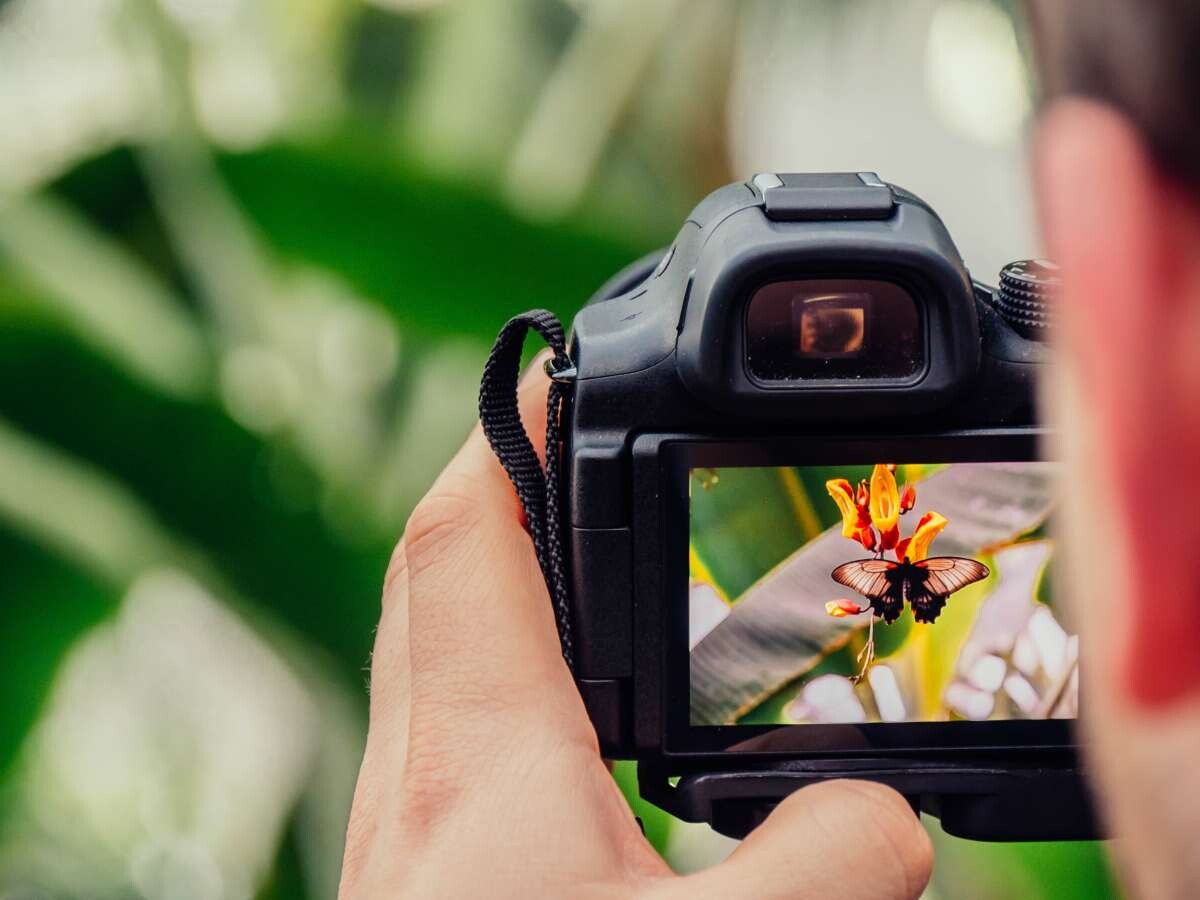
The driving force must be taken into account first. What would the photographer reply if you were to ask them why they took this particular picture? Has the photographer been successful in making viewers feel empathy for the subjects of their photographs, such as disaster victims?
Being technically proficient in the appropriate fields was a secondary factor. In what ways did the photographer show mastery of the visual arts of composition, lighting, exposure, and design as a whole?
The thing that swung the vote was consistency. Did the photographer just manage a few very great shots, or did they routinely produce work of exceptional quality? One or two exceptional photographs won't catapult a photographer to the next level.
Have you ever heard the adage, "You are your own worst critic?” Despite how negatively the word is typically interpreted, it really has the opposite meaning in practise. You can't grow as a photographer unless you can take an unbiased look at your own work and see the merits of both your successes and failures.
So, utilise this both-strong-and-weak checklist to evaluate your pictures. In my opinion, it is not a complicated idea. You need just assess your picture and provide it a "strong" or "weak" rating. Your brand image will either succeed or fail, and there is no between ground. Recognizing one's weaknesses is the first step in addressing such weaknesses.
At Wild Romantic Photography, we have the best Melbourne wedding photographer to take memorable photos on your wedding day.
First Things to Consider When Viewing Photographs for Critical Analysis
- What, therefore, distinguishes this image from others like it?
- Do you stare at this picture and think, "how'd they do that?"
- I'm curious as to what it is about this image that strikes your fancy.
- To what extent does one's eyes wander around the picture?
- Exactly what causes one to feel stressed?
Where the eye settles on something is where the emphasis is. The focus eventually shifts back to that spot. Having a focal point indicates a point of concentration.
Using Your Left Brain Hemisphere When Taking Photographs: The Details
When answering analytical questions about the photo, don't get bogged down in the specifics of photography. When it comes to the nuts and bolts of photography, much of what makes for a wonderful picture may be interpreted in several ways. Reducing critical photography evaluations to a set of technical concepts is not always possible.
In all proper cases of a picture review, the technical components must be included. A photograph might be ruined by using the incorrect camera settings. Photographs that meet all technical requirements but lack originality, artistic merit, or emotional impact seldom stand out.
Exposure
- How often do you grab the reins of lighting and direct it yourself, as opposed to following the camera's directional cues?
- Even at the darkest moments, you should be able to pick out individual hairs.
- Have you tried reflecting the flash off a wall or other surface rather than directing it directly at your subject?
- Is there too much or too little light in the image? Is it the case, and if so, why do you think that is?
- Assuming this doesn't arise again, what steps might you take?
In photography, exposure is a variable that may greatly affect the final product. Too much or too little light reaching the camera's sensor is considered an exposure issue. In the event where neither the highlights nor the shadows contain any discernible information, the shot may nonetheless be correctly exposed. Strictly technical photography reviews are likely to differ with me on this.
Focus
Do the most important parts of the tale stand out as much as they should?
- Focusing your camera on the focal point you've determined to be the most crucial element of your composition is standard practise.
- Is it necessary to focus so narrowly?
- Do people's eyes have to be drawn in a certain way by you?
It's incredibly unsettling to the eye when the foreground and backdrop are equally crisp. It's not always the case that whatever is in the frame at the moment needs to be in crisp focus. To get the finest shot of anything, just zoom in on the eyes. It's common practise to obscure the subject's face and focus on their hands while photographing a person. Choosing a focus point at random is not a good strategy.
The Focusing Distance (DOF)
- Just how shallow or deep is the depth of field (DOF)?
- Is the degree of blurring in the backdrop too much or just right for your liking?
- Is your image just sitting there on the page, or have you given it some life through frame, balance, and contrast?
You need to put some thought on the depth of field. In your shot, how much of the topic is clearly visible? Is the sharpness appropriate, or is there something wrong with it? When dealing with a tiny aperture and a shallow depth of focus, remember to account for the degree of blur.
Equilibrium in White
- How's the white balance, ya'll?
- Do you see a yellowish, blue, or greenish tint in the photo?
When the white balance is askew, pictures often take on a surreal appearance. When used properly, a change in white balance can result in aesthetically beautiful photographs. Using the "correct" camera setting can not lead to the most creative results. Perhaps by chance a very beautiful photograph was recorded.
Making Creative Photographs Using Your Right Brain
- Deep Feelings
- Can you find words to describe this picture that evoke emotions like pleasure, sadness, wrath, or rage? What kind of sentiments does your photo make others feel?
- What do you think of the snapshot I took?
Avoid referring to photographic terms at all in your critique. Please respond in a way that acknowledges the suffering. To provide informative criticism, you need have more than just a basic understanding of photographic vocabulary. When thinking about how you feel, ask yourself:
- Is there a particular feeling that jumps out at you from this picture?
You can read someone's emotions in their face. Those people's emotions have nothing to do with this. A photograph's ability to evoke a range of feelings depends on several factors, including the choice of subject, lighting, and colour palette.
- Have you planned this tone?
Learn your camera inside and out so you can ignore its motion and concentrate on your subject instead. Focusing your attention is essential if you want to strike a chord with your listeners. Photographers that are present and attentive are able to capture more of the subject's personality in their pictures.
- Can you say that you take pleasure from it? Sad? Angry? Scared?
- How effectively do you feel the image conveys your viewpoint? Please elaborate on your yes/no response.
Storytelling
- Do you feel like your image is moving, or does it just sit there?
- Do you see it as stating the obvious or does it have space for interpretation?
No one will glance twice at your picture if it doesn't say anything. When you want to look at your photos over and over again, you know they're great. Narratives that have some sort of significance to the photographer telling them always have the most impact. Unlike other stories, this one isn't a retelling. If you want to take better images, you should use what you know.
Method of dressing
When all planes are sharply focused, it looks like there's more space than there actually is. Vibrant colours; themes are kept as uncomplicated as possible; surroundings are natural. Everything has its time and place in this world.
- How would you describe your approach, and why?
- How much do you like this representation?
Please record your reactions to the photo, whether positive or negative. Take some time to think over your response without being too harsh on yourself. I think I'm not alone when I say that a lot of creative types are chronically dissatisfied with their own output. Before you make any judgments, consider what it is that makes the photo enjoyable to you.
Focus of attention
- To what extent are you able to focus a viewer's attention on a certain area of your images?
- Can they pick out your main point?
- So, the question is, what are your thoughts on this image?
- Could you picture this hanging on your wall? Please elaborate on your yes/no response.
One of the clearest markers of how much you enjoy photography in particular and visual art in general is how much time you spend looking at the details. No one could possibly ask a photographer a more ideal critical review question. Giving a photo a good response here needs more effort than clicking "Like" or "Heart" on social media. Feel free to print your shot, get it framed, and put it on display if you're pleased with the results.
Planning your dream wedding and don’t want to miss out on the special moments on your big day? Worry no more, Wild Romantic Photography has you covered.
Photography with Your Whole Brain: Objective, Helpful Criticism
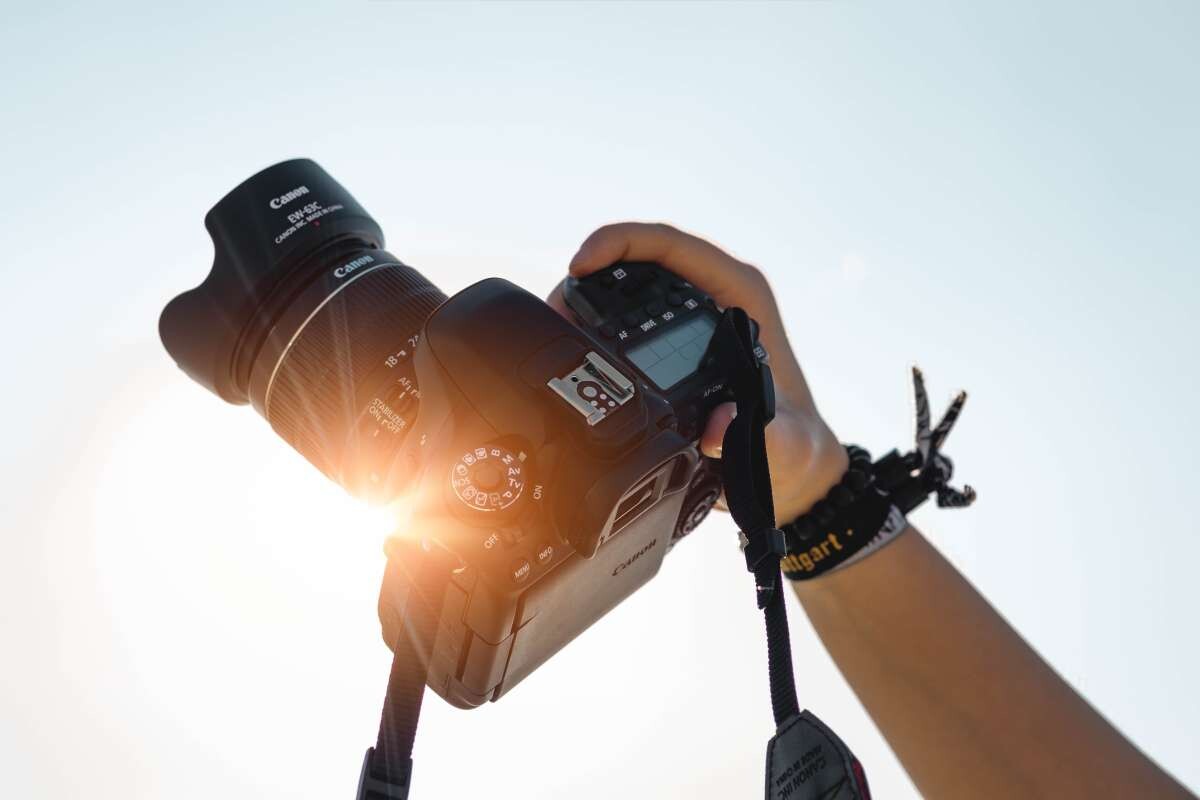
The mechanical aspects of photography as well as the more artistic ones have been covered. You can be confused and attempting to find a happy medium. The challenge is to do it in a way that improves upon existing critical approaches to photography.
There are five essential elements of a great photograph. A good combination of technical skill and creative ability should result from all of these factors. To wit:
- Color/Tone
- Relationship
- Light/Exposure
- Composition
- Timing
Light/Exposure
Light is what makes photos possible. Complete darkness makes photography impossible. Light is the raw material from which photographs are made.
The relationship between light and its topic is crucial. Some images benefit from strong lighting, but this is not always the case. Certain subjects can be captured just as effectively in harsh or diffused lighting. They provide drastically diverse visual effects.
Check the illumination while undertaking a constructive photography analysis. Hopefully, you did it before to snapping the shot. We strongly suggest you reconsider your stance.
- Can you say that you've been successful in your use of the light?
- Is there adequate lighting in your pictures?
- Is there more of a consistent feel to the photograph's illumination now?
The contrast between the brightest and darkest lights is really dramatic. Within this margin of error and acceptance, we must locate the most artistically attractive light from which to make our images. As a result, our exposure decisions and the resulting images' emotions can be greatly impacted by this fluctuation.
- If you used any artificial light (flash, LED panel, etc.), how much of it did you use and how much did you rely on natural light?
- Would it be okay if I asked for your stamp of approval?
- Is there a particular area of this photo where you feel the lighting or exposure might have been improved?
- Is your focus sharp?
- Can you tell me if it's just right, or if it's too soft or too hard
- Do you think a different lighting perspective might work better for your shot?
Looking for a Yarra Valley wedding photographer? Look no further! Wild Romantic Photography has you covered.
Composition
The term "composition" is used in photography to describe the way in which the elements of an image are arranged inside the frame. What's important is not the content we include or include ourselves in the frame. We have a lot of discretion in deciding how our final photographs will look in terms of composition because to the lens we employ and the angle at which we shoot. You may alter a layout simply by moving the objects in the picture.
When critiquing photographs, we may be very particular about how they are composed. We can use their recommendations as guidance when conducting in-depth studies of photography works. Applying these criteria while judging a photo might stifle your individuality and expression. There are guidelines that must be observed while creating an image. Those things could be helpful sometimes. Think carefully about the method you've chosen to offer the material.
- Does everything in your composition work together in harmony and have meaning?
- Is there everything that needs to be in your composition?
- Or perhaps your shot has too many aspects that compete with one another.
More so than the rule of thirds, solid diagonals, or leading lines, this is a fundamental principle of photography composition.
Finding a happy medium between technical constraints and compositional guidelines is essential. That way, you may be assured that you haven't forgotten to provide any relevant information. If you haven't included all the important visual features or if you've included unimportant ones, you can do better.
- Should you have approached with a little more urgency? Farther away?
- Did we really need that crowded backdrop?
- Do you think a shallower depth of field would work better with this subject?
- Is the horizon in its current position the best choice for this shot?
- Have you reached a state of equilibrium?
- How well do the picture's constituent elements fit together?
- Is the topic and background more integrated due to the perspective?
- Would the picture have been better if I had changed my angle?
- Do we get a distorted picture because of our perspective? Is it the case, how efficient is it?
Timing
The second most important factor in producing quality photographs is described in "The Decisive Moment."
As part of any self-critical evaluation of your photography, you should ask yourself if the time you picked to push the shutter release was optimal. The outcome of an image is strongly affected by the time of day it was taken. Depending on your topic, this might be a split-second decision or need months of planning.
Knowing when to utilise a certain shutter speed is more crucial than picking the perfect speed itself.
- Is there ever a time when you snap a shot that you afterwards regret you hadn't?
- Would it be accurate to argue that now is the best time?
- Were there any possibilities for a different outcome if we waited?
- Is there any way you could have gotten a better shot first thing in the morning?
- Can it be argued that a nighttime shoot would have yielded a more intriguing image?
Color/Tone
All the hues and shades we see in our viewfinders (or just the tones when we're shooting monochrome) are the consequence of the light our cameras have collected. If light is the flour, yeast, salt, sugar, and water of photography, then colour and tone are the finished product. When we look at an image, the first thing we notice is the colour and tone. We may not be able to see light directly, but we can see its aftereffects in the shape of colour and tone in images.
What constitutes a nice colour or tone in a picture is the subject of several standards and recommendations. As far as I'm concerned, any analysis is very biassed. Black and white photography purists will tell you that a good shot has a wide tonal range, with enough of information visible in both the darkest and brightest parts of the picture. They could even try to persuade you that you can't utilise a particular colour scheme in your paper.
Starting to think about hiring a wedding photographer? Check out our range of Mornington Peninsula wedding photography here.
While these scholarly methods may be interesting to consider, it is ultimately up to you to determine whether or not the intended aesthetic effect has been realised. Any colour scheme can be employed in a composition so long as it helps the artist achieve their goal. It is up to you if you want your photo to have a wide variety of tones, from black and white to sepia, or somewhere in between.
One of the most crucial aspects to take into account when evaluating your shot is whether or not you planned to employ a certain colour scheme or tone for the final output.
- Do the tones and hues in your shot communicate the feeling you were going for?
- Ask yourself if the colours go together or if they conflict.
- How much do you find the contrast to help you focus? And/or lessen its significance?
- How harmonious is the colour scheme?
- Do the colours help convey the emotions you wished to convey?
Relationship
Despite its technical inadmissibility, this element is present im all of the most appealing photos. Your photos will be one-of-a-kind keepsakes since no one else has your unique set of life events.
It's not enough for an image to simply look good; a great shot also makes the viewer feel something. I believe it is essential to consider our own investment in a problem's resolution.
It's suggested that novice photographers practise their craft by capturing things that truly excite them. (This may grow more difficult as we continue to add images of the same subject to our collection.) Practicing a skill by taking images of it may be a great way to hone that skill.
At first, you're quite interested in this topic. well-versed in your field of study Maybe you're really into this topic. You've established a strong bond already.
When photographing a new topic, it might be more challenging to capture its emotional depth. Sometimes it's simpler to capture the depth of feeling in a subject about which you know very little.
When analysing and criticising your photographs, try to think of phrases that express photography from a relational perspective.
- How exactly did you feel like you knew your subject on a deeper level?
- Did you lose out on any quality time together because you were too busy snapping photos?
- Is there another angle you might have used to get a more interesting shot?
- Can you feel pressure and worry in your image, or can you perceive serenity and peace?
- Can I get what you're saying without any effort?
- Does the image provide a straightforward narrative?
- Can I make my audience care about my topic?
Photographic analysis and self-criticism will lead to a wide variety of new issues and considerations. Shower your friends with affection. Spending time critiquing one another's photographs will help you both improve as photographers.
Conclusion
You should have an open and eager spirit when taking photographs. Let's think about the query, "What can I do to improve my photography?" Avoid being overly hard on yourself and focusing entirely on the flaws you see in your images. Take a minute to appreciate your accomplishments when they fill you with a sense of satisfaction and pride.
To gain insight, try writing down your self-criticisms. Keeping a diary to look back on is an excellent way to enhance your photography skills. One option is to include self-reflections on one's photographic work with external critiques. Another option is to share your photo collection with others and solicit comments.
It was not the intention of this article to cover every area of photography. Don't feel obligated to cover every single one of these points. If you need clarification, read this paper.
Taking a step back and looking at your photos objectively is the greatest way to get constructive criticism. Keep your standards extremely high; unless you're working for a photography website and using a bad photo to prove a point, you shouldn't show anyone bad photography.
The vast majority of your photos will have clear standards of evaluation, and you'll know roughly how excellent each one is as soon as you snap it. However, there will always be those exceptions where making a decision is more difficult. It's common for this to happen when a person has a powerful personal connection to an image, such as a fond memory or emotional response, making it hard to see the shot critically.
When this happens, the best option is to try waiting a while. The longer you wait, the easier it is to separate your memories from the photo itself. If that still doesn't work, try showing your image to other photographers or flipping it horizontally in post-processing. If you’d like to work with professional photographers for your wedding, book with us at Wild Romantic Photography.
It's not always simple to provide constructive criticism of photographs, but doing so is always rewarding. Don't bore your viewers with subpar shots, but don't hide away the occasional gem either. These suggestions may prove useful in helping you reach a conclusion.
Content Summary
- Qualities of a Professional PhotographerThe driving force must be taken into account first.
- You can't grow as a photographer unless you can take an unbiased look at your own work and see the merits of both your successes and failures.
- So, utilise this both-strong-and-weak checklist to evaluate your pictures.
- You need just assess your picture and provide it a "strong" or "weak" rating.
- Recognizing one's weaknesses is the first step in addressing such weaknesses.
- Having a focal point indicates a point of concentration.
- In all proper cases of a picture review, the technical components must be included.
- A photograph might be ruined by using the incorrect camera settings.
- Too much or too little light reaching the camera's sensor is considered an exposure issue.
- FocusDo the most important parts of the tale stand out as much as they should?Focusing your camera on the focal point you've determined to be the most crucial element of your composition is standard practise.
- Choosing a focus point at random is not a good strategy.
- You need to put some thought on the depth of field.
- In your shot, how much of the topic is clearly visible?
- When dealing with a tiny aperture and a shallow depth of focus, remember to account for the degree of blur.
- To provide informative criticism, you need have more than just a basic understanding of photographic vocabulary.
- When thinking about how you feel, ask yourself:Is there a particular feeling that jumps out at you from this picture?You can read someone's emotions in their face.
- Those people's emotions have nothing to do with this.
- A photograph's ability to evoke a range of feelings depends on several factors, including the choice of subject, lighting, and colour palette.
- Photographers that are present and attentive are able to capture more of the subject's personality in their pictures.
- Please elaborate on your yes/no response.
- When you want to look at your photos over and over again, you know they're great.
- If you want to take better images, you should use what you know.
- How would you describe your approach, and why?How much do you like this representation?Please record your reactions to the photo, whether positive or negative.
- Take some time to think over your response without being too harsh on yourself.
- Before you make any judgments, consider what it is that makes the photo enjoyable to you.
- Focus of attentionTo what extent are you able to focus a viewer's attention on a certain area of your images?Can they pick out your main point?So, the question is, what are your thoughts on this image?Could you picture this hanging on your wall?
- Please elaborate on your yes/no response.
- One of the clearest markers of how much you enjoy photography in particular and visual art in general is how much time you spend looking at the details.
- No one could possibly ask a photographer a more ideal critical review question.
- Feel free to print your shot, get it framed, and put it on display if you're pleased with the results.
- There are five essential elements of a great photograph.
- A good combination of technical skill and creative ability should result from all of these factors.
- Check the illumination while undertaking a constructive photography analysis.
- Can you say that you've been successful in your use of the light?
- Is there adequate lighting in your pictures?
- Is there more of a consistent feel to the photograph's illumination now?The contrast between the brightest and darkest lights is really dramatic.
- Is there a particular area of this photo where you feel the lighting or exposure might have been improved?
- There are guidelines that must be observed while creating an image.
- Think carefully about the method you've chosen to offer the material.
- Does everything in your composition work together in harmony and have meaning?
- Is there everything that needs to be in your composition?
- Finding a happy medium between technical constraints and compositional guidelines is essential.
- Is the topic and background more integrated due to the perspective?
- "As part of any self-critical evaluation of your photography, you should ask yourself if the time you picked to push the shutter release was optimal.
- The outcome of an image is strongly affected by the time of day it was taken.
- Is there ever a time when you snap a shot that you afterwards regret you hadn't?
- Would it be accurate to argue that now is the best time?
- When we look at an image, the first thing we notice is the colour and tone.
- We may not be able to see light directly, but we can see its aftereffects in the shape of colour and tone in images.
- What constitutes a nice colour or tone in a picture is the subject of several standards and recommendations.
- They could even try to persuade you that you can't utilise a particular colour scheme in your paper.
- Starting to think about hiring a wedding photographer?
- Check out our range of Mornington Peninsula wedding photography here.
- It is up to you if you want your photo to have a wide variety of tones, from black and white to sepia, or somewhere in between.
- One of the most crucial aspects to take into account when evaluating your shot is whether or not you planned to employ a certain colour scheme or tone for the final output.
- Do the tones and hues in your shot communicate the feeling you were going for?
- Ask yourself if the colours go together or if they conflict.
- How harmonious is the colour scheme?
- Do the colours help convey the emotions you wished to convey?
- I believe it is essential to consider our own investment in a problem's resolution.
- Practicing a skill by taking images of it may be a great way to hone that skill.
- When photographing a new topic, it might be more challenging to capture its emotional depth.
- Sometimes it's simpler to capture the depth of feeling in a subject about which you know very little.
- When analysing and criticising your photographs, try to think of phrases that express photography from a relational perspective.
- How exactly did you feel like you knew your subject on a deeper level?
- Can I make my audience care about my topic?Photographic analysis and self-criticism will lead to a wide variety of new issues and considerations.
- You should have an open and eager spirit when taking photographs.
- Avoid being overly hard on yourself and focusing entirely on the flaws you see in your images.
- Take a minute to appreciate your accomplishments when they fill you with a sense of satisfaction and pride.
- To gain insight, try writing down your self-criticisms.
- Keeping a diary to look back on is an excellent way to enhance your photography skills.
- Another option is to share your photo collection with others and solicit comments.
- Don't feel obligated to cover every single one of these points.
- Taking a step back and looking at your photos objectively is the greatest way to get constructive criticism.
- Keep your standards extremely high; unless you're working for a photography website and using a bad photo to prove a point, you shouldn't show anyone bad photography.
- The vast majority of your photos will have clear standards of evaluation, and you'll know roughly how excellent each one is as soon as you snap it.
- It's not always simple to provide constructive criticism of photographs, but doing so is always rewarding.
- Don't bore your viewers with subpar shots, but don't hide away the occasional gem either.
How Do I Take Flattering Photos?
As a photographer, you should always strive to make your subjects feel beautiful. Do not want your photos to end up in the trash can with a banana peel from a client's bathroom break. We've all been guilty of deleting photos of ourselves that we deemed unflattering, such as ones that showed us with a double chin or standing incorrectly. Lucky for you, there are steps you can do to ensure you receive images that highlight your best features and downplay any flaws. If you need advice on your wedding photography, check out our photography packages and services at Wild Romantic Photography.
A lot of us wish we could take selfies that actually look good. For the sake of getting the best shots possible, we photographers go out of our way to make our models feel comfortable and have fun. In order to take photos that are more complimentary to the subject, consider the following advice.
Count Down
It seems that the simple "1, 2, 3!" that used to be stated before taking a picture has fallen out of favour. This alerts the subject that their picture is about to be shot, giving them time to be ready if they so choose. Don't forget to count down, or you'll have one person looking away, another with their mouth open asking a question, and the camera-ready queen taking all the attention for herself. It's fun to catch a few unguarded moments on video, but if you don't count down, one camera-ready queen will inevitably end up stealing the show. You can help everyone focus by pausing for this customary amount of time.
Relax Yourself
You have to give yourself a little push to motivate you to go outside. To relax the muscles in the shoulders, try raising your arms above your head, a trick we learned from a fantastic buddy. Most women would baulk at such a request, but we can get moving and some of the best wedding images are taken just after the ceremony. Whatever motion you can muster will be helpful in breaking the habit of continuously shifting your arm. Simply put, any kind of action is better than none.
To get the subject's take on the session's objectives, you should ask them directly. You have a moral obligation as a photographer in addition to the more obvious practical one of taking good photos. Making your coworkers feel attractive, at ease, and like they are contributing should be your first concern. It is important to capture not only the subject's inherent allure, but also their genuine sense of humour and warmth. People who are uncomfortable with how they seem in photographs might use any number of techniques to improve their confidence.
An Introduction to Angles
Changing your shooting perspective can have a dramatic effect on the end outcome. If you tweak your approach just a little, you can turn a potentially offensive subject into something warm and inviting.
A good rule of thumb is to hold the camera at eye level or slightly above when taking pictures. Your beautiful eyes will be the centre of attention, while your less desirable features, such as a double chin, will be hidden.
Your angle options boil down to three: high, low, and eye level. Choosing the right wedding photographer in Melbourne to capture every moment on your wedding day.
High Angle
This is an excellent option that can be used to highlight portraits. The reason the camera is being raised above the subject's head is so that their features would appear more thin and defined. As you raise the camera, the person will have to raise their head more, drawing greater attention to their face. Extremely high angles add a sense of fragility and isolation since the subjects look directly into the camera, mimicking the way a kid looks up at their mother.
Low Angle
Your subject will seem more commanding and impressive when shot from a low vantage point. One of the reasons this perspective is so popular among executives is that it projects an air of importance and authority. Or, if used facetiously, it can provide an air of daring to whatever you're writing about. Just picture a group of hikers, all carrying their gear, making their way across some rock formations. The low cut is great for a figure-flattering costume or a photograph of your family's top basketball player in action, since it has the added benefit of lengthening the wearer's lines and silhouette.
Eye Level
Normal portraiture vantage point. While it may come naturally to many photographers, composing an interesting composition from eye level can be challenging. Different elements such as pose, clothing, lighting, background, and activity can all impact the final product of an eye-level portrait.
No longer do photographers insist on photographing their subjects at a dead-on 90-degree angle. Photographers are artists, and there is no limit to the number of unique perspectives from which they can capture captivating images. Regardless of whether your subject is overweight or not, there are certain camera angles that will not show them in the best light.
Make sure your subjects' legs aren't squashed or crushed in any way when capturing photos of them sitting cutely. To get a more pleasing shot, elevate the subject's legs approximately a quarter of an inch to make it look like they're sitting down completely. Tell your clients not to hug themselves or touch their faces.
Portrait photography requires a very serious commitment to an erect, camera-ready stance. Ensure that your seated subjects are sitting up straight. Further, a slight forwards lean is a wise approach. It's important to keep this from happening, because otherwise the rest of the body will start to overshadow the head. Encourage your clients to lean their heads forwards and down slightly. You won't be hunching over as much, so you won't age as quickly in the neck and face.
When snapping pictures of people, try to avoid having them glance up. You can get the most aesthetically pleasing shots by shooting down at your subject or by shooting them at eye level. There will definitely be times when taking a picture from below will result in a unique and interesting perspective. People in this setting may play a supporting role rather than the main attraction. The best outcomes can be achieved by trying out several viewpoints and integrating the best ideas from each.
When photographing static subjects, the most aesthetically attractive perspective is typically neither dead centre nor far to one side. A photograph taken at a 45-degree angle to the subject captures the subject at its most natural proportions. People appear more slender when viewed at an angle than when seen straight on.
If you want to take photographs of people that look good, it's recommended that you try out various shooting angles and take many shots. By choosing this approach, you'll have a lot of photos to sift through when compiling your picture book.
Think about framing
It's possible to form an impression of something's oddness simply by viewing it via a camera's viewfinder, without necessarily understanding why.
It's important to remember the close, medium, and wide shots that cinema offers. Then, connect them to how much you rely on that person. Despite the fact that this is an extremely close up, it is okay to crop off portion of the top of the subject's head if the subject's face or eyes are the primary focus of the shot. However, at a distance, it appears much stranger. On the other hand, if you can get a full body shot (not a large part of the torso, but the feet should be cut out), it will look the best.
Wild Romantic Photography has the best range of services of wedding photography Yarra Valley. Check them out here.
Wear the Proper Attire
Unflattering silhouettes result from ill-fitting clothing, regardless of size. You should encourage the people you're researching to dress in a way that makes them feel attractive. It appears simple because, in practise, it is. It will show in the photos if the models aren't comfortable and confident while being photographed. While everyone has their own sense of style, it's best to steer clear of extremes in garment fit. Overly form-fitting clothes, like a dress, can highlight unflattering curves, while overly baggy clothing can make a person feel like they're drowning.
Avoid taking pictures of people in horizontal stripes if you don't want to exaggerate the appearance of their width. Choose colours and patterns that not only compliment the subject of your shot, but also make them feel attractive. Photographically, people might make themselves look slimmer by donning dark colours. If you want to look slimmer, wear black. You may also try out some new hues, like mocha, burnt orange, navy blue, or any of a wide range of other possibilities. No of what they choose to wear, your customers should always leave feeling confident and lovely.
It's best to avoid wild patterns and colours that are too close to your skin tone while making your colour choices. You should pick something that will stand out against your skin and be a conversation starter.
Makeup Should Be More Bold

It's the camera's fault that our features look flat and uninteresting. Your eyebrows, lips, and eyelashes will all look more natural if you fill them in, use a brighter, more colourful lip colour, and curl and apply lots of mascara. I'm not suggesting you go overboard because it doesn't read the same in practise as it does in the instances. Try it out in the comfort of your own house a couple of times at minimum.
Two essential cosmetics when posing for a photo are mascara and lipstick (or lip gloss). You can easily go crazy with eyeshadow and blush, but if you want to retain the focus on your face, you should stick to a simple, light look. However, how you feel is the single most crucial factor in achieving a flawless cosmetic look: Makeup alone won't make you stand out, but knowing who you are and what makes you happy will.
Make a Beautiful Pose
Most people's natural inclination is to position themselves such that their faces are perpendicular to the camera's lens. The resulting image is taken at a straight angle, which is not necessarily the most flattering compositional choice. How do you make sure that the person you're portraying takes centre stage? Learn from their postures.
Planning your dream wedding and don’t want to miss out on the special moments on your big day? Worry no more, Wild Romantic Photography has you covered.
Body
Have your subject turn their body at a 45-degree angle away from the camera so that the middle third of their body is in the frame. Leaning on their back leg can help them relax out of this phoney stiffness, while leaning forwards can make them feel more present. Letting them lean against a wall or railing helps set a calmer tone for the situation.
You can modify your practise from the three-quarters stance, which is a good starting point. Here is the correct order of operations:
Arms
In order to maintain privacy, your subject should keep the arm that is behind their back hidden behind their body. It can be placed on the person's hip for support or pulled up to their face for use. They shouldn't just let it dangle at their side like a dead fish. Anything's the rule of thumb: if it can be bent, bend it.
Face
Tell your subject to look off to one side and lift their brow slightly upwards towards the camera. As a result of this process, there will be less flatness and more definition. You should start your defence of them by highlighting their best traits. What side do you think that is? Find out by giving target practise a go.
You are not obligated to stick to the three-quarters rule if you find that it does not work with the position or angle of your approach. The takeaway here is that revitalising your subjects and images often requires only subtle tweaks.
Locate an Excellent Light Source
Turn your back to the light source when using a selfie stick to take a picture of yourself. If you are inside, face the phone away from the window and face it towards you. If you happen to be outside (late at night or very early in the morning is best), turning your back to the sunset will give you a lovely glow. The most attractive lighting does not always coincide with the most crucial backdrop elements.
In the event that you'd prefer to be near water but the sun is setting in the wrong direction, for example, consider moving to a different location. Even though it's often cut out of the final shot, the background lighting is always given top importance in the photography work We do. When everything is in its place, the result is aesthetically pleasing.
The more available illumination, the better. Smartphones and point-and-shoot cameras still can't keep up with the capabilities of more advanced cameras in low light. You need to get closer to the light in order to get a good shot. This may be anything from a pane of glass or a doorway to a lighted candle or the bathroom mirror. In this case, you should follow the arrow. Keep the light source in front of you rather than to the side to avoid casting unattractive shadows on your face.
For human subjects, soft, even lighting is the best place to start. Light that has been diffused by clouds or shade will cast a softer glow on your subjects. No part of your subject's face will be under shade because the lighting is uniform. And while bright light might draw attention to flaws, soft lighting can make a face look smoother and more even.
As more and more light is shed on a situation, more and more possibilities become apparent. It really depends on what you want to accomplish. Light with the enigmatic aspect of dappled light is produced when sunlight filters through the canopy of a tree. Rembrandt comes to life as a powerful sidelight shines down on him. The vivid hues and dramatic shadows of a sunset are well-known. There is nothing more endearing than a little child staring carefully at their reflection in a window.
Is it impossible to avoid a bright, direct light? Your subject may benefit from being relocated so that they are lit from behind. This will shed some light on your predicament and may have a profound effect on how you deal with it.
If you're not recording in a studio, you should anticipate having less control than you'd like over the lighting. In particular, this is something to bear in mind if you enjoy creating new memories while enjoying nature. You shouldn't stress too much about finding the perfect light. Instead, you should be resourceful in making the most of the available light.
We have an exclusive range of wedding photography Mornington Peninsula services. Check them out here.
Genuinely Smiling
This is a tricky issue because everyone has a different ideal grin, but here are a few things to think about: Think of something or someone that makes you happy before posing for a photo; this will help you to achieve your best smile. Genuine happiness is the result of positive thinking. To make it appear as though you are grinning, press the tip of your tongue on the roof of your mouth. Your grin will look warmer and more sincere if you elevate your cheeks. If all else fails, try looking at photos of yourself where you are smiling and trying to recreate that expression.
Maintain a neutral chin position and a slightly forwards tilt of the torso and shoulders. It's functioning properly if it makes you feel off, weird, or whatever the case may be. Another tried-and-true method for keeping your grin from becoming too wide is to rest the tip of your tongue on the roof of your mouth before you grin. It really works!
Shoot from a lofty vantage point. Shooting from above (especially if the subject is seated) is more flattering than shooting straight on. It makes your face look like it has been slimmed down just a hair. Whenever we snap a self-portrait, the camera is held at an obtuse angle. While a full-body shot can make a person look shorter if used too often, it can be very effective when cropped tightly.
Group Shots

Are you still remembering what we said about how extreme angles make people feel vulnerable? And while that may be true, it may have a quite different impact on the group photo.
Getting on a higher vantage point will not only make it easier to include everyone in your images, but will also allow you to incorporate movement into your shots. Group members can choose to share a round of high-fives or a warm embrace in honour of the occasion. There's a considerable chance you'll miss someone in the crowd if you snap similar photos from eye level. (And, of course, watch your step as you make your ascent.)
If you want to take a more traditional group shot, it's best to do so in an area that isn't too busy, with diffused light or shadow, and with people standing in poses that seem and feel genuine.
The standard depiction of two parallel rows has its place, but occasionally stretching your imagination can pay off in spades. Images of family members touching each other tenderly might be common. Young children should avoid utilising brightly coloured playground equipment because they may become disoriented. And isn't it obvious that Brad is suspended upside down from a tree branch?
Keep an eye out for photobombers.
Make sure there aren't any distracting elements in the background before you strike a posture.
Make a creation with your hands.
Have some closure for them! Don't just let them dangle; tuck them in your pockets, rest them on your hips, or cross your arms.
Bottom Line
We can't count the number of times we've asked someone to snap my photo, handed them a phone, and then waited there motionless while they turned it towards me, only to have them stand there and do nothing. No matter how many times we try, we simply cannot recall a single instance where this has not happened to me. Is there a photographer nearby? Is anybody reading the emails we sent them? Exactly what is occuring there, if I may ask? It would appear that we have forgotten how to perfect the art of photographing other human beings.
Take many quick shots of the person while they pose and adjust their phone for the best shot when they ask you to do so. They can pick and choose, increasing their odds.
If you’d like to work with professional photographers for your wedding, book with us at Wild Romantic Photography.
We have become so distanced from the practise of photographing other people that even while this is humorous advise for capturing candid moments, it demonstrates how far we have come. By providing yourself with some direction and making a few simple adjustments, the quality of your images can be much enhanced. People who are terrible photographers would appreciate receiving this article. If it does not, the issue is most likely on your end.
Conclusion
As a photographer, you should strive to make your subjects feel beautiful. Count down before taking a photo alerts the subject that their picture is about to be shot. Relax yourself by raising your arms above your head or giving yourself a little push to motivate you to go outside. A good rule of thumb is to hold the camera at eye level or slightly above when taking pictures. Angle options boil down to three: high, low, and eye level.
Extremely high angles add a sense of fragility and isolation since the subjects look directly into the camera. Portrait photography requires a very serious commitment to an erect, camera-ready stance. People appear more slender when viewed at an angle than when seen straight on. You can get the most aesthetically pleasing shots by shooting down at your subject or by shooting them at eye level. If you want to take photographs of people that look good, it's recommended that you try out various shooting angles.
Unflattering silhouettes result from ill-fitting clothing, regardless of size. Choose colours and patterns that not only compliment the subject of your shot, but also make them feel attractive. How you feel is the single most crucial factor in achieving a flawless cosmetic look. Makeup alone won't make you stand out, but knowing who you are and what makes you happy will. Wild Romantic Photography has you covered on how to get the perfect photo.
In order to maintain privacy, your subject should keep the arm that is behind their back hidden behind their body. If you are inside, face the phone away from the window and face it towards you. Turn your back to the light source when using a selfie stick to take a picture of yourself. For human subjects, soft, even lighting is the best place to start. Light that has been diffused by clouds or shade will cast a softer glow on your subjects.
While bright light might draw attention to flaws, soft lighting can make a face look smoother and more even. Maintain a neutral chin position and a slightly forwards tilt of the torso and shoulders. Shooting from above (especially if the subject is seated) is more flattering than shooting straight on. Make sure there aren't any distracting elements in the background before you strike a posture. Take many quick shots of the person while they pose and adjust their phone for the best shot when they ask you to.
People who are terrible photographers would appreciate receiving this article. By providing yourself with some direction and making a few simple adjustments, the quality of your images can be much enhanced.
Content Summary
- As a photographer, you should always strive to make your subjects feel beautiful.
- Do not want your photos to end up in the trash can with a banana peel from a client's bathroom break.
- Lucky for you, there are steps you can do to ensure you receive images that highlight your best features and downplay any flaws.
- If you need advice on your wedding photography, check out our photography packages and services at Wild Romantic Photography.
- For the sake of getting the best shots possible, we photographers go out of our way to make our models feel comfortable and have fun.
- In order to take photos that are more complimentary to the subject, consider the following advice.
- Count DownIt seems that the simple "1, 2, 3!"
- This alerts the subject that their picture is about to be shot, giving them time to be ready if they so choose.
- Relax YourselfYou have to give yourself a little push to motivate you to go outside.
- To relax the muscles in the shoulders, try raising your arms above your head, a trick we learned from a fantastic buddy.
- To get the subject's take on the session's objectives, you should ask them directly.
- It is important to capture not only the subject's inherent allure, but also their genuine sense of humour and warmth.
- An Introduction to AnglesChanging your shooting perspective can have a dramatic effect on the end outcome.
- A good rule of thumb is to hold the camera at eye level or slightly above when taking pictures.
- Your angle options boil down to three: high, low, and eye level.
- Choosing the right wedding photographer in Melbourne to capture every moment on your wedding day.
- Low AngleYour subject will seem more commanding and impressive when shot from a low vantage point.
- While it may come naturally to many photographers, composing an interesting composition from eye level can be challenging.
- Different elements such as pose, clothing, lighting, background, and activity can all impact the final product of an eye-level portrait.
- Ensure that your seated subjects are sitting up straight.
- Encourage your clients to lean their heads forwards and down slightly.
- You can get the most aesthetically pleasing shots by shooting down at your subject or by shooting them at eye level.
- If you want to take photographs of people that look good, it's recommended that you try out various shooting angles and take many shots.
- By choosing this approach, you'll have a lot of photos to sift through when compiling your picture book.
- It's important to remember the close, medium, and wide shots that cinema offers.
- Wild Romantic Photography has the best range of services of wedding photography Yarra Valley.
- You should encourage the people you're researching to dress in a way that makes them feel attractive.
- It will show in the photos if the models aren't comfortable and confident while being photographed.
- Avoid taking pictures of people in horizontal stripes if you don't want to exaggerate the appearance of their width.
- Choose colours and patterns that not only compliment the subject of your shot, but also make them feel attractive.
- If you want to look slimmer, wear black.
- You may also try out some new hues, like mocha, burnt orange, navy blue, or any of a wide range of other possibilities.
- It's best to avoid wild patterns and colours that are too close to your skin tone while making your colour choices.
- You should pick something that will stand out against your skin and be a conversation starter.
- Makeup Should Be More BoldIt's the camera's fault that our features look flat and uninteresting.
- Your eyebrows, lips, and eyelashes will all look more natural if you fill them in, use a brighter, more colourful lip colour, and curl and apply lots of mascara.
- Two essential cosmetics when posing for a photo are mascara and lipstick (or lip gloss).
- You can easily go crazy with eyeshadow and blush, but if you want to retain the focus on your face, you should stick to a simple, light look.
- However, how you feel is the single most crucial factor in achieving a flawless cosmetic look: Makeup alone won't make you stand out, but knowing who you are and what makes you happy will.
- Learn from their postures.
- Here is the correct order of operations:Arms
- In order to maintain privacy, your subject should keep the arm that is behind their back hidden behind their body.
- FaceTell your subject to look off to one side and lift their brow slightly upwards towards the camera.
- You should start your defence of them by highlighting their best traits.
- Find out by giving target practise a go.
- You are not obligated to stick to the three-quarters rule if you find that it does not work with the position or angle of your approach.
- Locate an Excellent Light SourceTurn your back to the light source when using a selfie stick to take a picture of yourself.
- The most attractive lighting does not always coincide with the most crucial backdrop elements.
- Even though it's often cut out of the final shot, the background lighting is always given top importance in the photography work We do.
- Smartphones and point-and-shoot cameras still can't keep up with the capabilities of more advanced cameras in low light.
- You need to get closer to the light in order to get a good shot.
- For human subjects, soft, even lighting is the best place to start.
- Light that has been diffused by clouds or shade will cast a softer glow on your subjects.
- No part of your subject's face will be under shade because the lighting is uniform.
- And while bright light might draw attention to flaws, soft lighting can make a face look smoother and more even.
- Is it impossible to avoid a bright, direct light?
- If you're not recording in a studio, you should anticipate having less control than you'd like over the lighting.
- You shouldn't stress too much about finding the perfect light.
- Instead, you should be resourceful in making the most of the available light.
- Genuinely SmilingThis is a tricky issue because everyone has a different ideal grin, but here are a few things to think about: Think of something or someone that makes you happy before posing for a photo; this will help you to achieve your best smile.
- Genuine happiness is the result of positive thinking.
- It really works!Shoot from a lofty vantage point.
- Shooting from above (especially if the subject is seated) is more flattering than shooting straight on.
- Whenever we snap a self-portrait, the camera is held at an obtuse angle.
- Group ShotsAre you still remembering what we said about how extreme angles make people feel vulnerable?
- And while that may be true, it may have a quite different impact on the group photo.
- Getting on a higher vantage point will not only make it easier to include everyone in your images, but will also allow you to incorporate movement into your shots.
- There's a considerable chance you'll miss someone in the crowd if you snap similar photos from eye level. (
- Make sure there aren't any distracting elements in the background before you strike a posture.
- We can't count the number of times we've asked someone to snap my photo, handed them a phone, and then waited there motionless while they turned it towards me, only to have them stand there and do nothing.
- No matter how many times we try, we simply cannot recall a single instance where this has not happened to me.
- Is there a photographer nearby?
- It would appear that we have forgotten how to perfect the art of photographing other human beings.
- Take many quick shots of the person while they pose and adjust their phone for the best shot when they ask you to do so.
- If you'd like to work with professional photographers for your wedding, book with us at Wild Romantic Photography.
- We have become so distanced from the practise of photographing other people that even while this is humorous advise for capturing candid moments, it demonstrates how far we have come.
- By providing yourself with some direction and making a few simple adjustments, the quality of your images can be much enhanced.
- If it does not, the issue is most likely on your end.
FAQs About Photography

Why Do You Look Better in the Mirror Than in Photos?
If you frequently use a mirror and take pictures, you've probably noticed an odd phenomenon. The image you see in the mirror "tells" you that you're attractive. Then you pull out your phone, snap a selfie for your social network, and discover that you've transformed into someone else entirely! I can't explain why this keeps happening. So, is it true that we shouldn't believe what we see when we look in the mirror? The information you receive from your smartphone could also be inaccurate. Let's put that concern aside for the time being. So, what if we told you that everything you see—including in your eyes, on your phone, and in your reflection—is a lie? Check out the wedding photography packages and services we provide at Wild Romantic Photography if you need some help planning your big day. Since this is the case, taking a selfie in front of a mirror will alter your appearance in ways that are not immediately apparent. In this article, we will compare the camera's mirror to its lens and examine a strange phenomenon that occurs in everyone's life. In a nutshell, here are the first seven items:
- You can't even assume a basic stance.
- You are not well-versed in the art of body-positive fashion.
- You don't know what colours would look best on you.
- You have not yet figured out which positions of your face and body give you the most flattering results.
- The lighting isn't quite right.
- Both the lens and camera placement were flawed, resulting in blurry, unfocused shots. The resultant shot will be drastically different from the original. Because of this, a 50 millimetre lens is typically used for portrait photography because it enhances the beauty of the subject.
- It doesn't matter who makes the camera, and no, the greatest quality is not always the best. As a result, we love the graininess that low-quality cameras may provide, which helps to hide imperfections. The opposite is true with high-quality cameras, which vividly capture even the smallest of details.
After that, we discuss the emotional repercussions of body dissatisfaction. In addition, you won't believe this:
- According to the principle of "simple exposure effect," people's responses improve with repeated encounters.
- You have never had anything put in perspective like this before.
- You are not used to seeing yourself in the mirror in this way since the reflection is reversed from how you actually seem.
- If you don't like how your face looks in the mirror, you can instantly give yourself feedback and change it to make you happier. You can never appear good in a still photo; you always seem better on the move.
- Filters have an effect on how we see ourselves. More time spent on social media increases the likelihood that you will start to identify more with your curated online persona than your actual one. When you use filters and then look at your stories, you start to miss the details of the original photo, which makes things even worse.
- Scientific studies have shown that the vast majority of people have an inflated opinion of their own attractiveness.
FAQs About Photography
Reality Is Reflected Backwards in the Mirror.
When we examine our reflection in a mirror, we see a false image since it is the polar opposite of how we really seem. Furthermore, we are used to seeing ourselves in this inverted shape because we check our reflections on a daily basis. The term "mere effect" describes this situation. It's normal to be taken aback by a photo of yourself if you rarely see such images of yourself since you just have no idea what you look like. Choosing the right wedding photographer in Melbourne to capture every moment on your wedding day.
Direct Management
Seeing our reflections in the mirror is a surefire way to get our bearings again. If the viewpoint is unflattering, we rapidly shift our body language and the angle at which we present our faces to provide a more pleasing first impression. Seeing oneself in a photograph is usually something that happens after the fact. There may be times when using a posing trick might be useful. Knowing your best approaches and your advantages and disadvantages will only help you.
Important Role of Lighting
When we look at ourselves in a mirror, our brains rapidly adjust the lighting to make us look as normal as possible. This means that even when there are subtle changes in the lighting, we are oblivious to them. Contrary to popular belief, cameras do not function in this way, but rather serve a crucial role in the process of objectively recording all of the object's tones and shadows. Somewhat paraphrasing an old adage, photographers often say, "The light can make it or break it!"
We Have Dissimilarly Shaped Faces.
Faces are rarely symmetrical because of the human condition. To see how your facial characteristics differ from one another, try flipping them over and comparing them. We often make the mistake of thinking that our two faces are identical since we are only used to seeing ourselves from one or a handful of different angles. This makes it seem as though we're staring at a different person when we see the final product, which likely makes us less fond of the subject.
There is an external force exerting pressure on you.
Researchers have shown that when people look at themselves in the mirror, they are typically in a safe environment like their own home. It's natural for us to look more tense and stiff than usual in photographs. In order to prevent ourselves from blinking, we pull our lips into an amusing smile or a duck face and enlarge our eyes. There is a lot of pressure to display ourselves in a certain way in online images because they are so widely shared. Try to feel more relaxed on camera; it always looks better in the end. We have the best wedding photographer in Yarra Valley to capture your beautiful moments on your wedding day.
The mirror only reflects certain aspects of our appearance.
Every time we look at ourselves in the mirror, we tend to focus on a different part of our face, such our nose, eyes, lips, etc., and miss the big picture. On the other hand, when we look at a photograph, we take everything in at once and build an overall impression of the performance. Included in this category are things like our posture and facial expression that we generally overlook. Again, doing some sort of self-reflection before going in front of the camera could help you relax.
We Have an Exaggerated Opinion of Our Own Physical Beauty.
People have an ingrained tendency to overestimate their own attractiveness. Researchers chose images of participants and altered them to make high-quality and low-quality variations. After that, they were entrusted with locating the original photos, which the vast majority of participants were unable to do since they prefered other images.
We Hope for a Reflective Result
There was no such thing as a smartphone back when we were youngsters. We didn't even know what a selfie was, and the camera quality on those phones was horrible in bright sunlight due to being only VGA resolution. Once upon a time, we would always check our reflection in a mirror before leaving the house, but these days, we often use other methods. Many young ladies, it would seem, are now using the selfie camera on their phones to assist them perfect their cosmetics application. People expect the same level of quality from their selfies as they do from those taken in front of a mirror, so it's important to keep that in mind. There is no better way to disappoint yourself.
The Lens and the Camera Play a Crucial Role
Do you know the old wives' tale about how carrying a camera around makes you 10 pounds heavier? If this is so, we can confirm that it's not entirely off the mark. This happened back when we were still watching curved-screen televisions. This curvature causes a number of distortion effects, each of which plays a role in creating a slightly novel perspective on your appearance. So, we see performers who weigh more than 10 pounds combined. It's unfortunate that this pattern can be seen in both still and moving images.
The camera's image sensors may provide the impression of capturing the picture in much the same manner that the human eye does. If the smartphone's camera sensor can see what you're seeing, you can snap a picture without moving your head. But the lens is a crucial part of the camera that greatly affects the perspective. There is a wide variety of lenses, and each one alters the image in its own special way. All cameras, from the smallest point-and-shoots to the largest full-frame digital single-lens reflexes, allow photographers to alter the perspective of their photographs. Since we have access to ultra-wide lenses, zoom lenses, and telephoto lenses, your appearance can vary greatly depending on the setting in which the photograph is taken.
To illustrate, let's use the example of the wide-angle lens. As its name implies, this lens is used to take pictures from a broader vantage point. Because of its broad field of view, this lens is perfect for landscape photography because it captures a far larger scene than the naked eye allows. A wide lens, which exploits the fisheye effect to make the subjects appear stretched, is necessary to get the desired image. Although it is not readily apparent in this case, it may give the impression that you look a little bit different. Similar effects are seen with ultra-wide lenses, which amplify nearby subjects while greatly diminishing the size of objects further away.
Isn't there something about the telephoto lens that bothers you? This lens has the effect of making subjects appear flatter, yet it excels in capturing subjects in motion, such as animals and other interesting subjects. Possessing a wide nose might create the appearance that your face is more narrow, which is an attractive quality. However, if you have enormous breasts and like to display them, that may be disappointing news. Since the mirror lacks these qualities, it offers a fresh perspective. Though zoom mirrors can be found in stores, using one is not advised. You can see more details, some of which may not be appealing, if you zoom in.
The camera's flash also plays a major role. You never know how a single moment will affect the outcome of a situation; sometimes it will help you immensely, and sometimes it will make you look much worse. Some people think that being photographed in bright light makes them look seven years older. This is why it is best to use natural light instead of artificial light whenever possible. The reason we're discussing these lenses rather of, say, smartphone cameras, is because most modern smartphones use interchangeable lenses. Planning your dream wedding and don’t want to miss out on the special moments on your big day? Worry no more, Wild Romantic Photography has you covered.
The Focus Is On You.
It's likely that when you look back at your selfies, you'll feel disgusted by your appearance. We're confident that you, like us, hate the sound of your own voice on the phone. If we're incorrect, we'd love to hear your explanation. When it comes to the mirror, you are rather limited in your ability to strike an attractive position. To see oneself in a mirror, you must be facing it. In order to avoid seeing oneself in the mirror, you must face it. You also have a habit of looking down at yourself from above, which gives the appearance that your shoulders are wider and rounder than they actually are and that your body is more plump than it actually is. The image in the mirror is far more flattering than the one you took of yourself with your phone.
Why Do I Seem More Attractive in the Mirror Than in Photographs?
In the presence of a mirror, our bodies automatically adopt poses designed to enhance our physical attractiveness. It is possible that you will not even realise this is happening. Your phone's camera doesn't allow you to tilt your head as ours does, so it can't get a good shot of your whole face at once. In a matter of seconds, you can hide that zit on your face or those puffy eyes by merely tilting your head slightly. As was previously mentioned, however, the photographer and the camera's lens do not see this you. You can't just hide your flaws by turning your head when you look in the mirror because what you see is not what the camera sees. The results of that might not be negative. A camera lens might have a positive effect, too, but only if your photographer is in the ideal spot to capture the scene. It can make you thinner and prettier than you are now, which is a quality worth emulating.
Then why is that the case? You may notice that you don't look your best in photographs, but your friends insist that you do. How come we can seem terrific when we catch our reflection in the mirror yet notice something is amiss when we see our likeness in a photograph? To begin understanding this, please tell us what you see when you look in the mirror.
Looking in a mirror, what do we see?
When we gaze at our reflection in a mirror, we are actually looking at a pattern of light rays that has been bounced off of the mirror and into our eyes. We just state it without getting into the physics or any other technical language.
By standing with the mirror's back to ourselves, we can see a reflection that is upside down in the horizontal plane but otherwise identical to the original (meaning that you are looking at yourself in the correct orientation). Given the horizontal inversion, if you move your left hand to the left side of your body, your reflection will mirror that action with a corresponding movement of its right hand to the right side of its body.
Because of this, you can't read a book in front of a mirror without having the words seem backwards. Please note that we are ignoring the fact that there are many other types of surfaces, such as the curved surface of a spoon. We are merely thinking about the conventional flat mirrors that are present in homes and can be fastened to doors, cupboards, walls, and other surfaces. At Wild Romantic, we have the best wedding photographer in Mornington Peninsula to capture every single moment on your wedding day.
Ask Yourself This Question: What Do You See When You Look at a Camera's Picture?
There is no reflected image in a self-taken photograph. A camera will be able to record what you and your loved ones see every day if we disregard other factors like lenses and lighting and focus only on the image size and proportions. Your scar on your right cheek should be represented in the photograph by a dark area on that side of your face. You already know that your reflection in a mirror is upside down. Which version is more accurate? The responses you get will vary depending on who you ask. It's natural to think that the reflection you see every day in the mirror is the most accurate depiction of who you are. Except in the case where you recognise yourself more clearly in photographs than in mirrors, of course.
When it comes to your friends and family, though, they will be used to seeing you as you truly are, not as a reflection of yourself. Since this is how people primarily view you, what they see of you in pictures is the most accurate perception. What this doesn't explain, though, is why people often think that they look worse in photographs than they actually do.
Why Does My Face Look Fatter in Pictures?
If you think you don't look as well on camera, the data shown above may have something to do with that. When you look at yourself in the mirror, you see one persona, whereas when you examine a photograph of yourself, you see another. The so-called "mere exposure effect," which claims that we tend to prefer things that we have been accustomed to, provides an explanation for this behaviour. This phenomenon, also known as the familiarity principle, states that repeated exposure to an object or experience increases one's fondness for it.
Your introspection serves as an excellent example of the aforementioned considerations. Most people are more used to seeing themselves in mirrors than in photographs, unless they have thousands of photos taken of themselves and don't own any mirrors.
On the other hand, if your friends have told you that you look excellent in a picture, it may be because they are comparing you to other pictures in which you appear the same. If they did peek in a mirror, though, they might get the sense that you aren't quite glowing (though we really hope they wouldn't say that!) For one thing, they'd get a rare glimpse of a mirrored reflection of you.
To sum up, there are times when you don't think you look as good on camera as you do in your mind's eye, and the reason for this is because something isn't right in your mind's eye. The fact that something isn't right, however, is what's causing this uneasy sensation. As a result, the reflection in the mirror no longer looks like you.
How Do I Maintain a Consistent Appearance in Both Reflective Media?
To appear the same in both a mirror and a photograph, you must be perfectly symmetrical. Regrettably, no two people are identical in every way. It's best not to overthink it; just go out and take some photos of yourself, safe in the knowledge that your loved ones think you look great. In other words, you look great! Addressed to the General Public. If you’d like to work with professional photographers for your wedding, book with us at Wild Romantic Photography.
To sum up, we're all unique in our own special ways because of how we were created. Most of the photos uploaded on social media sites seem the same, and I'm sure you'll agree that this is a bit boring. It's getting incredibly dull to read the same things over and over again on Social Media. to have faith in oneself and to adore one's unique beauty and one's work so much that, when done with assurance, it causes people to pause in their tracks; essentially the same thing as "having confidence in oneself and doing one's best."
Conclusion
There will be subtle changes to your appearance after taking a selfie in front of a mirror. The brightest lights and the centre of the camera aren't necessarily indicators of quality. However, high-quality cameras can vividly record even the smallest of details. If you gaze in the mirror and don't like what you see, you may immediately provide yourself with feedback and make adjustments. It's impossible to look beautiful in a static photograph; you're always more attractive when you're in motion.
You will benefit greatly from learning your finest strategies and the advantages and cons of your options. The human condition makes symmetrical facial features uncommon. Try switching your faces around and comparing the new perspectives to better appreciate the subtle but significant differences. With so many people looking at our photos, we can't help but feel obligated to present a specific image. Selfie cameras on smartphones are being used by a growing number of young women as a tool for mastering their makeup routines.
Taking a selfie is treated with the same seriousness as if it were taken in front of a mirror. Your ability to change the viewpoint of your photograph is greatly influenced by the lens and camera you use. Displaying your huge breasts with pride? A wide-angle lens may make your face look slimmer. Telephoto lenses have the unintended consequence of making their targets seem flatter, yet they are fantastic for catching action. A minority of people believe that taking photos in bright light will result in them looking older.
Why do we find our reflections more flattering than our photographs? Naturally, we all tend to strike stances that we hope will make us look better to others. You have to stare directly into the mirror to see yourself; turning your back on your defects won't help. Consider this: when you look at a photograph taken by a camera, what do you see? The subject in a self-taken photograph is not reflected in any way.
If we ignore other aspects like lenses and lighting, a camera will be able to record what you and your loved ones see every day. In looking at an image of yourself, you are presented with a different version of yourself. When it comes to seeing oneself, most individuals prefer mirrors to images. You may be comparing yourself to other people who look the same if your pals tell you that you look great in a picture. Sometimes you look better in your head than you do on camera, and vice versa. Mirror images and photographic representations of an individual require symmetry. Do not overanalyze; instead, get out there and shoot some pictures of yourself.
Content Summary
- You are attractive because of what you perceive when you look in the mirror.
- Selfies taken in front of a mirror, then, will cause subtle but noticeable changes to one's appearance.
- Here we'll look at a peculiar phenomenon that affects everyone, like a camera's mirror compared to the camera's lens.
- If you glance in the mirror and don't like what you see, you can immediately provide yourself with constructive criticism and make adjustments.
- Self-perception can be altered by the use of filters.
- As you spend more time on social media, you are more likely to begin to identify with the identity you've carefully cultivated there.
- Try switching your faces around and comparing the new perspectives to better appreciate the subtle but significant differences.
- Scientists have found that when people examine their reflections, they are usually in a secure setting, such as their own bedroom.
- If you can learn to loosen up in front of the camera, the results will be far more satisfying.
- Only a fraction of our total look is reflected in the mirror.
- When we examine our own faces in the mirror, our attention naturally wanders from one feature to the next: the nose, the eyes, the lips.
- We tend to ignore our own posture and facial expression as examples.
- Again, taking some time to reflect on your own life before appearing on camera may make you feel more at ease.
- It's human nature to puff up one's own opinion of their own beauty.
- It appears that many modern young women are using the selfie camera on their phones to help them get the perfect makeup look.
- Bear in mind that people have come to demand the same high quality from selfies as they do from images captured in front of a mirror.
- Because of the curve, your image will be distorted in a few different ways, each of which contributes to a new angle on your appearance.
- This results in performers with a total weight of over 10 pounds.
- You can take a picture without moving your head if the smartphone's camera sensor can see what you're seeing.
- Nonetheless, the lens is an integral component of the camera that significantly modifies the viewpoint.
- Let's use the wide-angle lens as an example.
- In addition, the camera's flash is crucial.
- It is widely held by some that being taken in direct sunlight makes one look seven years older.
- This is why, if possible, you should make use of natural light rather than artificial.
- When you look back at old selfies, you probably won't like what you see.
- Unfortunately, your options for striking a desirable pose in front of the mirror are somewhat restricted.
- You have to be looking into a mirror for it to work.
- One cannot run away from one's reflection; doing so would be suicidal.
- Compare the reflection in the mirror to the selfie you snapped, and you'll see which one looks better.
- However, the photographer and the lens of the camera cannot see this you.
- What you see in the mirror isn't what the camera sees, so moving your head won't help you hide your defects.
- Photos may not capture your true beauty, but your friends say otherwise.
- When we turn our backs to a mirror, we see a reflection that is vertically inverted in the horizontal plane but otherwise accurate to our appearance (meaning that you are looking at yourself in the correct orientation).
- You are well aware of the fact that your image in a mirror is flipped.
- It's human nature to believe that the image of yourself that you see in the mirror every day is the most true representation of the real you.
- However, your loved ones will be accustomed to seeing you in your authentic form, rather than how you choose to present yourself to the world.
- Pictures are how most people perceive you, therefore it's important that they're an accurate reflection of who you are.
- A photograph can reveal a different side of your character than what you see when you look at yourself in the mirror.
- Unless they have had thousands of images taken of themselves and don't own any mirrors, most people are more accustomed to seeing themselves in mirrors than in photographs.
- However, if your friends have told you that you look great in a picture, it could be because they are comparing you to other pictures where you seem the same.
- To sum up, there will be instances when you feel that you don't appear as nice in a photograph as you do in your mind's eye. This is because your mental image of yourself is flawed.
- Consequently, what you see when you look in the mirror is no longer an accurate picture of who you really are.
- Mirror images and photographic representations of an individual require symmetry.
- Just go out and snap some pictures of yourself, assured that your loved ones think you look fantastic, and don't overthink it.
- You and I both know that the majority of images posted to social media platforms look the same.
- Reading the same old news on Social Media is getting really boring.
- faith in oneself and adoration of one's particular beauty and one's work to the point where, when done with surety, it causes people to pause in their tracks; essentially the same as "having confidence in oneself and doing one's best."

Why Do I Look Bad in Photos?
Why do pictures never capture how we really look? Selfies are fueling a strange phenomena in which people tend to distrust their reflections. To what extent do you see a reflection of yourself when you examine photographs, or do you see the "real" you? Have our own reflections in the mirrors been deceiving us this whole time?
It's a bit of a convoluted answer to that question. The good news is that the Quasimodo-like figure staring back at you in your selfies is probably not a true reflection of the real you. However, your mirror image isn't always reliable, either. If you need advice on your wedding photography, check out our photography packages and services at Wild Romantic Photography.
FAQs About Photography
Myth: “The Image I Used Is Quite True To My Appearance.”
Have you been fooled? It's a well-known adage that a camera will never deceive you. These pictures really really show you as you are (at least according to the urban tale). (False) Those pictures prove everything. These awful images are sometimes cited as the most "authentic," when in reality this is a complete fabrication. (Myth.) There is a wide range of acceptable body types, from that of a fitness model to that of a garbage can. However, most of us prefer to cluster around the average. And the difference between a blurry image and an excellent one can have a huge effect on our professional and personal lives.
Your Dimensions Will Be Distorted Due To The Camera's Lens.
Have you ever looked at an image and wondered if it was exaggerating features like your nose or forehead? You're probably correct in thinking so. Selfies in particular are notorious for their pronounced camera tilt. When taking a picture, the most common cause of distortion is when the subject is too close to the lens. The majority of photographers agree that the lens makes a big difference, with most pointing out the issues caused by wide-angle lenses like those found on most modern cameras and cell phones.
Converting A 3d Scene Into A 2d One Causes Visual Distortions.
As a matter of fact, the real world is three dimensional. Obviously, this is a flat, two-dimensional picture. There may be serious ramifications from this divergence. For instance, when confronted face-to-face, a mental image of a person's three-dimensional proportions can be formed. In a two-dimensional image, a human arm can look considerably shorter or longer than it actually is. That's why it's important for models to know how to manipulate their silhouette by bringing certain parts of their bodies closer to or further away from the camera. By doing so, the model might give the impression of having several distinct physiques.
Also, sharp features tend to be viewed as more appealing than rounded ones. This is because an angular face's sharp bone structure loses definition less readily throughout the flattening process. Having a basic comprehension that attractiveness and natural photogenicity are related but not the same is helpful. In the grand scheme of things, this is a crucial idea to grasp. Just because a person is gorgeous in real life does not automatically make them photogenic. Even if a person is naturally photogenic, that doesn't guarantee they are stunning in person.
Photographers routinely analyse the in-camera and out-of-camera appearances of well-known models and draw inferences about who they are as people. The images you take of your wedding will become some of your most cherished memories. Not sure where to start when it comes to looking for your wedding photographer of choice?
Because Your Mind Is Like Photoshop, Most Of Your Pictures Will Turn Up Disappointing.

The brain helps our eyes adapt to different light and dark conditions naturally. Unfortunately, our camera quality isn't quite as impressive. You can adjust them to emphasise either the shadows or highlights, but not both at once. This results in many blurry, dark, or washed-out photos being sent our way, leaving us to question, "Was that how we looked at the party?" No, as in "it is not," is the right answer.
The way we focus our attention is an example of the peculiarities of real-world vision. We "cut out" less important peripheral aspects as we concentrate on one or two extremely small portions of the visual field at once. We found the graphics to be more chaotic, unclear, and badly done when compared to what we observed with our own eyes. And if we aren't careful to distinguish between the two, we may end up employing pictures of ourselves that feature details that aren't really flattering.
The Importance Of Motion In Real Life Cannot Be Captured By A Photograph.
Pictures freeze time while individuals are constantly in motion. Many things, including your voice, attitude, and, yes, even your facial expressions and body language, contribute to how beautiful you seem to other people. But there is no indication of this in the photographs. How many of us have met someone for the first time after only seeing them in a picture and thought, "That is nothing like we anticipated at all"? And even when their outward appearance was accurately portrayed, what about? What did it was the lack of action overall.
Not only that, but it's not uncommon for people's facial expressions to look strange in photographs even when no one would have noticed otherwise. The reason behind this is that our memory tends to focus on the overall expression of a face rather than its individual movements. Because of this, we frequently receive pictures of ourselves that don't do justice to how we really seem.
Each Image Exaggerates A Different Narrative.
Even more, ways we humans are not visually static:
- We don't just sit around in one spot all day.
- We don't constantly dress the same; we switch things up when the event requires it.
- We act differently depending on the moment and place we find ourselves in.
- Our thoughts and feelings change all the time, right here, right now.
This makes it challenging to capture the essence of a person in a photograph, even if we limit our focus to outward appearance. Some people can only be "really" pictured in your mind after you've had a lengthy talk with them in person.
You should put yourself in the shoes of a total stranger when deciding which photo to use for your profile, and think about what clues the setting, poses, and expressions in the photo would give to that person about who you are, given that they know nothing else about you. Wild Romantic Photography has the best range of services of wedding photography Yarra Valley. Check them out here
The Camera Lens Also Plays A Part.
If the reflection you see in the mirror isn't you, does that make the person you see in those cringeworthy selfies your "true self"? The urban notion that "pictures never lie" is not true, despite the fact that looking at one's reflection in a mirror can help to minimise the effects of physical disproportions. After all, most people take multiple selfies before they discover the best one, and it usually takes a few tries with different duck lips, camera angles, and lighting to get one that looks good enough to share online.
However, the problem may not be the angles you're taking pictures at all, but rather lens distortion. Because of how close your face is to the camera's lens, certain of your features may appear exaggerated. Photos can only capture a two-dimensional image of our true self. If your face is naturally round and soft, the flattening effect of photographs may confuse people about who you really are.
For example, by changing the camera's focal length, you can alter the apparent size of your head in photographs. The higher the quality of the camera, the more attractive you will appear in photographs:
"When using a telephoto lens, your nose and breasts will appear much smaller because of the compression of the image. Most people agree that telephoto lenses produce more attractive results than wide-angle ones. A visitor with a pocket camera, not the annoying journalists with their fancy zoom lenses, is the one most likely to post photos of you online that make you look overweight. You should probably stop and consider before you try to escape from them."
Because cameras don't show the full three-dimensional you, it's easy to "trick" them into creating a false picture of reality. Because this method has been fine-tuned by experts working with professional models, regular people can achieve stunning results simply by altering the angle at which they snap their pictures. Planning your dream wedding and don’t want to miss out on the special moments on your big day? Worry no more, Wild Romantic Photography has you covered.
The Camera's Flash Is To Blame As Well.
If you take a photo of yourself in a dark environment with your IOS or Android phone, the harsh flash may make you look much worse than you actually are. While good lighting is necessary for stunning photographs, a bright flash from your phone can improve your appearance. It has been scientifically shown that a powerful camera flash can add seven years to your appearance. Not only can cameras make you look greasy and slick, but they also can't react to changes in lighting conditions the way our eyes can. A camera can only record an image in one of two lighting conditions, either the highlights or the shadows, and both are not necessarily ideal for a given subject. If you have access to natural or outdoor illumination, use it instead of artificial sources.
It's Possible That Your Charming Grin Is To Blame.
Anyone needing identification documentation like a driver's licence or passport has probably had to strike an unflattering pose for a photo. Rarely do the pictures turn out well, and even less often do they capture our genuine grins. Staring at one's reflection has been shown to have a calming effect, boost confidence, and lead to more genuine smiles and behaviours. If you aren't particularly photogenic and someone is shouting, "Say cheese!" at you, you can feel awkward and ashamed. You will tighten up, and the resulting photograph will depict a person who is different from the one you see in the mirror. It's best to keep one's cool and focus on anything else when snapping photos. If the subject of the shot looks tense and uncomfortable for no reason, the photo will not turn out properly.
It's Possible You're Not As Attractive As You Imagine.
There may be a number of factors at play, but in the end, it's always your own mental state that's to blame for your lacklustre photo results. One theory as to why pictures of you never seem quite like you is that the you you like best is a figment of your own imagination. The results of a 2008 study showed that people exhibit a bias towards overestimating their own attractiveness. For the study, the researchers used picture editing software to make the individuals look better in their photographs than they actually were. After that, the participants were given a variety of prints from which to choose. Researchers concluded that "attractiveness" was the most prefered self-portrait because participants were more likely to select photos in which they looked well.
While this may be true for some, many experts agree that most people tend to underestimate their own attractiveness. A lot of the self-criticism you're giving yourself because you see something different in pictures and mirrors is probably unfounded. You can't change this truth despite the fact that you are doing it. This is analogous to the way in which some people dislike the sound of their own voices. Taking as many selfies as possible is probably the trick to looking better in pictures. You may improve your photogenic potential by being more at ease in front of the mirror and behind the lens.
Selfie takers tend to be more confident in their appearance because they have a growing collection of photographs that they have taken themselves and because they are able to exert greater creative control over their images. People who worry excessively about how they look will appreciate this point the most. Whether they are flipped or not, they will feel more comfortable if they are able to perceive themselves in these other contexts.
How To Stop Looking Terrible In Pictures?

Is there anything you wish you could change about your appearance in photographs, or your ability to take them? Common causes of bad portraiture and solutions are discussed below. We have an exclusive range of wedding photography Mornington Peninsula services. Check them out here.
Poor Viewing Perspective When Aiming.
To get the most flattering shots of yourself, hold the camera up higher than eye level. You can even the odds by having a friend who is taller than you snap the photo for you, asking someone else to do so, holding the camera a bit higher (if it's a selfie), asking the photographer to have the camera a little higher, or bending your knees ever-so-slightly. In addition, tilt your chin slightly downward (but not too much! ), as no one wants to view the contents of your nose.
Either You're Too Close Or Too Far.
Facial features take on different looks when viewed through a lens from close up to far out. As a result, some people may think they look great when they glance in the mirror, but horrendous when they view photographs of themselves. Pose for several photos where your face fills the frame by having a close friend capture them with a zooming camera while you look directly into the lens. The next step is to revisit the gallery and select your favourite image. Using this information, you may zero down on the best distance from which to fire. One of three distance categories applies most of the time: very close, considerably further away, or quite a distance. If you know the ideal distance between you and the topic, you can direct the photographer to either get further away and zoom in, or get closer to the subject and zoom out, to get the shot.
It's Hard To Read A Smile In Your Eyes.
If you can't help but grin for the camera, just keep in mind that your eyes are just as important as your mouth. You can use a method called "squinching" to give the impression of a confident "eye smile." The lower lid is drawn together tightly, while the upper lid is permitted to droop very slightly. Try it out in the mirror right now. Can you believe how much sexier and more assured you look now?
You're Laying Back Incorrectly.
A mugshot is a snapshot of a person's head and shoulders taken at a right angle to the camera, giving the subject the appearance of being in custody. Remove yourself from the awkward situation by slightly moving one shoulder towards the camera. If you want to get the best results from your camera, your shoulders should be angled at about a 30 degree angle from the lens. This is a win-win situation if you are a touch on the heavy side because it will help you appear leaner. To add the illusion of height to your upper body and lengthen your neck, try pressing your shoulders back and down slightly. Your shoulders shouldn't be hunched over.
Your Excessive Grin Caused Strange Results.
A forced smile can be difficult to keep up for long periods of time. When taking a group photo, the longer the subjects fumble around getting ready, the more forced their smiles will look. Simply have the person taking your photo countdown from three to one so that you can spend the last second or two smiling and posing for the camera.
You Either Didn't Notice Or Were Unprepared.
Don't allow the person snapping your picture catch you with your mouth open or your eyes rolling by giving them your undivided focus. Don't take your eyes off the camera at any point. Don't let this chance to respond to someone who is chatting to you or initiate a discussion pass you by. Try not to close your eyes too often. Keep acting naturally and create a pose for the camera for these brief seconds.
You Pulled A Face
Please don't get the wrong idea; we have nothing against taking photos in which you look completely unconcerned with your physical appearance. But in general, expressions like sticking out your tongue, pulling a face, pouting, and so on look ridiculous, and they could be the difference between a photo you're proud of and one you look at once, laugh at, and never want to see again. You should try to resist the urge, but if you can't, have the photographer take two photos, one serious and one humorous. The two can be stored separately until you and your pals are ready to compare them and decide which one is best.
You Only Took One Photo And Didn’t Check It.
Because you never know when you'll be put in a situation like that again, it's important to make the most of every opportunity and to ask for a do-over if you feel like you blew it. After the shot has been taken, you can request to examine it and have another attempt made if you're unhappy with the results. Take an interest in making a good impression and actively engage in its creation.
For The Most Part, You're Just "Not Into It."
Uncomfortable with the idea of being captured on camera? You're not alone. If you find yourself in a position where you must participate in one, however, accept the reality of the circumstance. You might as well put forth your best effort since you're going to be forced to deal with it anyway. People with low confidence or low self-esteem often avoid having their photo taken because they are convinced they always look bad. As common sense would dictate, if you don't put any work into something, the end outcome is probably going to be subpar. That seems to be the way most things operate in the real world. If you read this advice and take it to heart, the next time you have your photo taken, you'll have a far better result.
A Bonus Compliment: You Look Great In Your Own Style.
Don't be shy about having your photo taken; being different is what makes everyone of us so remarkable. Take part in it and show up as your best self by coming armed with information and optimism. You don't look nearly as horrible as you think you do.
The Photograph Represents A Memory, Not A Person.
How come photographs never quite capture how things seem in reality? How do other people rate one's physical attractiveness? Why do pictures of me always come out blurry? Whenever I am depicted in art, why do I look so bad? No single photograph can do justice to the complexity of your personality or the range of your physical features. There is a difference between your overall appearance and how you look in a particular snapshot.
It's understandable for an average-looking person to wish he were more handsome after posting a selfie online and receiving less likes than he had hoped for. But the truth is that he already has a considerably more appealing appearance than the score indicates. To put it bluntly, his photography skills are abysmal. If you’d like to work with professional photographers for your wedding, book with us at Wild Romantic Photography. It turns out that when someone swipes right or left on your Dating profile, they are reacting to the impression of you they acquired from your photos. A new batch of photos can easily result in 10 times as many matches, so it's not even close to a substitute for real-life judgement.
Conclusion
A peculiar phenomenon is being fueled by selfies: people are starting to fear their own reflections. The silver lining is that your selfie's Quasimodo reflection is probably not an accurate depiction of who you really are. Reflections in the mirror aren't always accurate, either. Most of the images you create in your head will be disappointing, just as in Photoshop. A person's photogenicity is not determined solely by their natural beauty.
An angular face is more attractive than a round one because its sharp bone structure retains its shape better. A photograph cannot capture the significance of motion in the real world. The way you sound, the way you carry yourself, and the expressions on your face all have a role in how attractive you come across to others. In recalling a face, we are more likely to recall its overall expression than its individual motions. More attractive you will look in images taken with a higher grade camera.
The proximity of your face to the camera's lens will amplify the appearance of some of your facial characteristics. Pictures can only ever be a flat representation of who we really are in three dimensions. Beautiful photos require good lighting, but the flash on your phone may help you look your best. Photos taken with a camera can make you appear oily and shiny, and they aren't as sensitive to changes in lighting as human eyes are. Perhaps you are not as attractive as you think you are.
Selfie takers have more self-esteem than non-selfie takers because they have more images of themselves that they have taken. The most common reasons for poor portraiture are explained below, along with tips for taking better selfies. A person's head and shoulders are shown in a mugshot taken at a 90-degree angle to the camera. Changing the distance at which you're looking at a person's face will result in a very different impression of their features. You can tell the photographer to zoom in or move closer if you know how far you should be from the topic.
Those posing for the photo will appear more awkward the longer they take to get ready. Do not miss out on the opportunity to reply to someone who is now conversing with you. You can ask to review the previous attempt and get another one taken after it has already been made. People who struggle with self-doubt or poor self-esteem may avoid getting their picture taken for fear of how they'll seem. Neither your physical nor mental complexity can be captured adequately in a single image. You'll look fantastic in your next professional portrait session.
Content Summary
- The silver lining is that your selfie's Quasimodo reflection is probably not an accurate depiction of who you really are.
- However, the reflection in the mirror isn't always accurate either.
- The old adage that a camera can't lie is universally accepted.
- The lens of the camera will cause a distortion of your physical proportions.
- The camera tilts noticeably in many selfies.
- Most distortion occurs in photographs when the subject is too close to the lens.
- The world we live in actually has three dimensions.
- As is readily apparent, this is merely a flat, two-dimensional image.
- When you meet someone face to face, you immediately build a mental image of their three-dimensional proportions.
- That's why it's crucial that models learn to control their silhouette by bringing different sections of their body in or out of focus.
- The ability to grasp the concept that attractiveness and natural photogenicity are interconnected yet distinct is useful.
- A person's photogenicity is not determined solely by their natural beauty.
- A person's photogenic qualities are no assurance that they are also physically attractive.
- Some of your most treasured memories will be captured in the photographs you snap at your wedding.
- A prime illustration of the uniqueness of real-world vision is the way we direct our attention.
- How attractive you come across to others depends on several factors, including your voice, attitude, and yes, even your facial expressions and body language.
- Furthermore, it is normal for people's facial expressions to appear odd in photographs, even if this is not the case in real life.
- This is why we often receive photos of ourselves that don't do us justice.
- This means that even if we only consider the subject's external features, it can be difficult to produce an accurate portrait.
- When choosing a profile picture, try to imagine what a person who knows nothing about you would infer about you based on the context, the stances you strike, and the expressions you wear.
- Even if observing one's reflection in a mirror can help to mitigate the consequences of physical disproportions, the urban myth that "pictures never lie" is not true.
- The proximity of your face to the camera's lens will amplify the appearance of some of your facial characteristics.
- The flattering effect of images might lead to confusion about who you actually are, especially if your face is naturally round and soft.
- It's also because of the camera's flash.
- When taking a self-portrait in low light with an iPhone or Android phone, the flash can sometimes make you look much more tired or dishevelled than you actually are.
- To capture truly amazing photos, you'll want to make sure you have adequate lighting, although a phone's flash can help you seem better in candid shots.
- Research has found that using a strong camera flash can make you look seven years younger.
- While external conditions certainly do play a role, ultimately it is always your own mental state that is to blame for your lacklustre photo outcomes.
- Humans have been shown in a study conducted in 2008 to have an inherent predisposition towards overestimating their own beauty.
- While this may be true for some, most people tend to underrate their own beauty, according to several experts.
- You'll look better in images if you take as many selfies as possible, it's likely.
- Being more at ease in front of the mirror and behind the lens can do wonders for your photogenic potential.
- The most typical reasons for a terrible portrait and how to fix them are outlined below.
- Have a close friend take many images of you as you look squarely into the camera's lens, and you may then choose from the best of the bunch.
- If you know the perfect distance to the subject, you can tell the photographer to move back and zoom in or move forwards and zoom out.
- Reading a grin from your eyes is tricky.
- Remember that your eyes are equally as essential as your mouth when you're trying to force a grin for the camera.
- Give it a shot right now in front of a mirror.
- A person's mugshot is a photograph of their head and shoulders taken at a 90-degree angle to the camera, giving the impression that the individual is in police custody.
- Your shoulders should be at a 30 degree angle from the camera's lens for optimal results.
- By squeezing your shoulders back and down, you can provide the impression that you are taller by creating the impression of a longer neck.
- It might be exhausting to maintain a fake grin for extended periods of time.
- The more the people in a group photo fumble around, the more phoney their smiles will appear.
- Having the photographer count down from three to one will give you time to put on your best smile and strike a pose in the final fraction of a second.
- Give the person taking your photo your full attention so they don't catch you with your mouth agape or your eyes rolled.
- Keep your attention locked on the camera at all times.
- Maintain minimal eye closure.
- Don't try to force an artificial attitude for the camera; just act normally.
- If you can't help yourself, have the photographer snap two pictures: one serious and one funny.
- Since you can never predict when a similar opportunity may present itself again, you should always make the most of it and, if necessary, ask for a redo.
- Show enthusiasm for the process of creating a positive first impression.
- Feeling uneasy about being photographed or filmed?
- Don't be bashful about having your picture taken; it's our uniqueness that makes us all special.
- Join in, but do it as your most informed and upbeat self.
- Neither your physical nor mental complexity can be captured adequately in a single image.
- The way you seem in a single photograph may not be representative of your entire appearance.
How Can I Look Naturally Pretty?
Do you spend a lot of time in front of the mirror daily in an effort to maintain your stunning appearance? Makeup is a wonderful tool for self-expression and emphasising your best characteristics, but it should never replace your confidence in your inherent attractiveness. The most valuable thing you can provide is an unpolished and natural appearance, since this will allow your authentic self-expression to show through. Does anybody know if it's feasible to occasionally skip getting ready in the morning and yet look really stunning? Alright, then, let's find out.
The first step is to clarify a few key things. When it comes to our skin, we don't skimp on the maintenance. The usage of aloe vera- and herb-infused oils and serums makes our skin seem radiant from the inside out. We're really happy with how we look and feel after setting our makeup using mineral powder. If you need advice on your wedding photography, check out our photography packages and services at Wild Romantic Photography.
But when we look at ourselves in the morning, we want to feel beautiful and refreshed. Are we to conclude that this renders us ineffective?
FAQs About Photography
What's Going on Under the Surface of Your Skin.
The inward care you give yourself will radiate outward. Ultimately, this is good for everyone involved. When we talk about someone's health, we're talking about their entire state of being, from their mental health to their stress tolerance. They are readily apparent to the unaided eye on human flesh.
How to Get a Natural Beauty Result
How you treat yourself on the inside and how you treat yourself is what really matters. Yes! Paying great attention to your nutrition, routines, way of life, and skin care regimen will serve you well. The method may help you get better results.
Are you interested in learning how to apply makeup such that it looks natural and beautiful? We may predict the current trend to extend further as Spring approaches. How do you suggest we get there? You should prioritise attaining beautiful skin. These are some tips for you if you like your makeup to seem really natural.
There are a lot of natural techniques to make yourself appear great, even if we will always want to treat ourselves to expensive oils and natural minerals. To name a few of my favourites:
The Secret to Healthy, Glowing Skin Is in Your Diet
You truly are what you eat, as the old saying goes. Eating a diet rich in the appropriate nutrients has been shown to improve skin health. You should eat a wide range of fruits and vegetables every day. Vitamin-rich foods, such as oranges, sweet potatoes, and pumpkin, are needed, as are omega-3 fatty acid-rich meals, such as flax seeds and walnuts.
Among the many items that fit this category are eggs, chicken, beans, lentils, chickpeas, and cottage cheese. Because it provides the body with everything it needs to perform at its best, a healthy, balanced diet is all that's required to keep that radiant, healthy glow going strong.
Drink Water

To avoid my ire, please refrain from giving me that glare. You probably saw this coming, but I'll bring it up nonetheless. Wrinkles deepen and the body's capacity to function normally are both impaired by dehydration.
Regular water intake throughout the day is recommended. There's no use in chugging a gallon of water after dinner because it won't assist your body process any of the extra calories or fluids. You won't be able to compensate by drinking a gallon of water before supper since your body can't handle it.
Water's significance can't be overstated. The human body relies on water for every single one of its systems and functions. Keep a bottle of water on you throughout the day so you may drink whenever you need to. You can help your skin seem healthier and more vibrant by consuming at least 8 glasses of water every day to wash out harmful toxins. Moreover, it aids in preventing the onset of wrinkles.
Taking a bottle of detox water you've made at home with vegetables like cucumbers, lemons, zucchinis, mint leaves, and other similar vegetables is the best way to drink water while on the road. As a result, your body will be better able to use the water you consume and store it. At Wild Romantic Photography, we have the best Melbourne wedding photographer to take memorable photos on your wedding day.
Pay attention to your physical sensations.
Caffeine and alcohol intake, both of which can cause dehydration, highlight the importance of drinking water before and after indulging in these activities. It is not my aim to discourage you from drinking coffee if it is part of your morning routine. You brew you, and I brew me! The first thing in the morning should be water, and if you're successful, you may celebrate with coffee.
Everyone knows that water may be used as a cleaning agent. They will begin to accumulate in other locations, including on our skin, if we don't eliminate them this way.
Working Up a Sweat
Perspiration removes 20% of the waste products from the body. Sweating helps keep blood pumping. You can choose to unwind in the sauna or work out at the gym.
Doing activities such as Bikram yoga, riding a bike, or going for a run will help you break a decent sweat. You should pursue your own passions. Women who normally use makeup should wipe it all off and give their faces a thorough cleansing before hitting the gym.
Perspiration opens your pores, allowing whatever is in the air to settle on your skin. Whatever is still on your face after a long day, whether it be makeup or dirt. Less of the nutrients you sweated out while exercise will be reabsorbed into your body if you wash immediately thereafter. Endorphins are also released during exercise, and it's often agreed that a happy person is more attractive. Raising your heart rate has dual benefits: it helps keep your heart healthy and it makes your cheeks blush.
Maintaining good physical and mental health requires a commitment to an exercise routine. You should take some time to perform something physical, like weightlifting, running, yoga, or swimming, in order to boost your self-esteem. Extensive studies suggest that exercise improves not only physical but also mental health and beauty.
The health advantages of exercise can be maximised by exercising for at least three hours each week. Your skin, as well as the rest of your body, benefits from the relaxing endorphins that are released and the increased oxygen flow to your heart and lungs that results from exercise. If you want to go for a run in the park, you really must wear sunscreen.
Prepare a Hot Tub Brew
An abundance of seaside similes are employed. But that's how we humans do things here on Earth! Taking a warm bath is a great method to relax and relieve the physical manifestations of stress, such as tense muscles and a dull appearance in the skin.
If you want to take your soaking experience to the next level, try making a large pot of tea and then pouring the cooled liquid into the tub. (I'm okay with the direction this is taking.) You should, obviously, check the water's temperature before getting in.
These teas are great for a relaxing soak:
Then you may experience the positive effects of herbs all over your body!
- Chamomile\sEchinacea\sFennel\sYarrow\sCoffee
Minerals for Beauty
There is evidence that a diet high in certain nutrients can improve not just overall health and appearance, but also the visibility of those nutrients.
However, despite being the fourth most prevalent mineral in the body, sulphur is rarely recognised on nutrition labels. It's used in a lot of different processes and is essential to their functioning. Sulphur is essential for maintaining healthy hair and skin. Sulfur may be found in cruciferous vegetables (like broccoli and cabbage) and radishes, and eggs are also a good source.
Zinc is another mineral that will make you glow. Get your zinc from seeds such as pumpkin, poppy, sunflower seeds, spirulina, or mussels. We have the best wedding photographer in Yarra Valley to capture your beautiful moments on your wedding day.
Strip Down
Your pores will thank you if you remove your makeup at least once a week. If going makeup-free isn't an option for you, mineral foundation is a good second choice because it won't allow your skin to absorb any harmful chemicals.
Orange Were You Pleased to Read This?
Foods that are high in the antioxidant beta carotene have a dark orange colour and may assist the body produce heat and make the skin feel warmer. The fall and winter seasons are prime times for enjoying sweet potatoes and butternut squash. Carrots, peaches, and apricots are just a few examples of healthy fruits and vegetables.
Being fat-soluble, vitamin A is more readily absorbed by the body when consumed with a healthy fat. After chugging your carrot juice, try munching on an avocado or drizzling some olive oil over some roasted sweet potatoes.
Planning your dream wedding and don’t want to miss out on the special moments on your big day? Worry no more, Wild Romantic Photography has you covered
Charcoal for Teeth Whitening?
It is up to the individual to decide whether or not to utilise this black powder as a teeth whitening method. You can use it in place of or in addition to your normal toothpaste (do this over the sink to avoid a mess). Teeth may be whitened by using this treatment many times each week; it works by drawing away stains and impurities from the mouth.
Work on Your Tresses
When you go outside, do you ever think about how much your hair's natural shine is being diminished by the perspiration, pollution, and dirt? Your hair's health may be easily determined by its smoothness and lustre. If you want your hair to look good and stay healthy, you need to take care of it regularly. You can get the desired results with a weekly oil treatment with coconut oil, olive oil, or almond oil.
Unfortunately, a trip to the hair salon for a treatment is still necessary because oiling alone does not supply adequate nutrients. To avoid potential damage, select hair care products that do not include sulphates. Keeping your hair in its natural form and avoiding heating equipment can help you avoid the need to use hair styling treatments that may cause longterm harm while giving you the appearance of having healthy hair briefly. Instead, try a high-quality leave-in conditioner or serum infused with healing Moroccan argan oil. When your hair is shining, it complements your overall attractiveness.
To nourish the scalp, soften the hair, and even add a little colour, a hair rinse is all you need, and it's easy enough to create that you may use it every day. A rinse is a great option if you're looking for a non-chemical means of bleaching or colouring your hair. After you've washed your hair with shampoo, you may give it a refreshing rinse with tea water.
After 20 minutes, continue using as usual. Follow these steps:
- Deeper colour and somewhat more crimson undertones can be achieved by using coffee or black tea.
- The calming effects of camomile on the scalp are an added bonus to its ability to lighten hair.
- The rosemary aids in the deconvolution of the hair.
Adding a new step to your shower regimen might not seem appealing, and that's perfectly normal. One such choice is to try a new shampoo that includes a different component. If you have brown hair, you may make it darker by mixing cocoa powder and cinnamon into your shampoo.
Honey may be used to lighten hair if mixed with shampoo, but it must be rinsed out completely after usage.
Alternate Locks
While we may take good care of our hair on a daily basis, our eyelashes are often neglected. Please explain what seems to be the problem. This is something we're doing to ensure that people of different hair types and colours are treated equally.
If you want your eyelashes and eyebrows to appear perfect when you wake up in the morning, try running a little layer of oil or organic eye cream down the ends of your eyelashes and over your eyebrows before bed. It's imperative that you know this if you haven't already made the move to a natural mascara.
Keep your brows in a form that complements your features. If you want to avoid the hassle of plucking your hair, you may try waxing or threading instead.
Female Bulging
French ladies have been using hydrotherapy to increase breast size for decades. When you're done with your long shower, stop for a bit and splash yourself with cold water. Those who desire firm, non-sagging breasts may benefit from increasing blood flow to the breasts. As an added bonus, you may improve blood flow by alternating between hot and cold treatments, each lasting 30 seconds, with the cold treatment coming to a close.
Theorize a Lovely Thought
Create a serene environment by filling it with lovely items. Decorate your house with things that offer you joy, such a vase of flowers besides your bed, a diffuser filled with neroli or other relaxing essential oils, and things that you love. You can feel freer to move around in loose, at ease clothing, and more in control of your emotions by maintaining order in your physical environment.
Sleep In Peace

The quality of your appearance and mood during the day mirrors the amount of sleep you get each night. Getting adequate sleep is essential since that's when your body will do its maintenance and repair work. Resetting your body and trying to get through the day on half a charge is a surefire formula for exhaustion and ineffectiveness. Your body is a lot like a smartphone in that it needs juice to function properly. Six to eight hours of high-quality sleep nightly is ideal for feeling and looking your best upon waking.
To put off the signs of ageing and get a radiant skin and fewer puffy eyes, follow these methods. Collagen, the skin's structural protein, regenerates as you sleep. Don't allow anything distract you from obtaining the rest you need to preserve your stunning good looks.
Pay Attention to the Ingredients
In recent years, there has been a rise in the popularity of using purely natural components in cosmetics. Yes! What you put on your skin may have as much of an impact on your health as what you put in your body. Your skin absorbs up to 60% of the items you put on it, so it's crucial to know what's in your cosmetics, hair care, and skin care. Parabens, petrochemicals, and sulphates are all compounds to avoid while caring for your skin and hair since they can cause irritation and dry, frizzy hair. All-natural products should be given preference.
Maintain a regular skin care routine.
Before deciding on a skincare programme, it's important to identify your skin type. Cleansing, toning, and moisturising (the C.T.M. routine) are essential steps towards healthy, glowing skin. Using this strategy, the items you use are chosen purely on the basis of your skin type.
If you commit to a programme that involves both the morning and the evening, your skin will improve considerably, we promise. In addition, you should always empty it before retiring for the night.
Doing so can lead to a wide variety of skin issues. Use hand cream and body lotion to soften and moisturise your hands and legs.
It's Crucial to Exfoliate
Exfoliation should be a regular element of any skincare routine. True, this is the most important thing you can do for beautiful, glowing skin. In order to stay healthy, your skin is continually shedding its top layer of dead cells and making room for the younger, more robust cells that will eventually replace them. You may help this process along by applying a gentle exfoliator.
Clogged pores, blackheads, acne, and pimples can all result from insufficient clearance of dead skin cells from the skin's surface. When you exfoliate, your skin will be more receptive to the serums and moisturisers you use to treat it. Decide on a scrub that won't cause skin irritation, or make your own with grame flour and coffee grounds.
Keep exfoliation to a maximum of twice a week. You will see visible improvement in the health of your skin – it will look fresher and smoother. We have an exclusive range of wedding photography Mornington Peninsula services. Check them out here.
We must require the use of sunscreen.
It would be pointless to apply sunscreen. Exposure to the sun's ultraviolet (UV) radiation, specifically UVA, UVB, and UVC, accelerates skin ageing (UVC). I really want you to do this one thing right now because you will be so relieved that you did it afterwards. This reduces dark spots and prevents further pigmentation problems. Sunscreens vary in their SPF (sun protection factor), which measures how well they shield you from the sun. To protect themselves from the sun, dermatologists advise their patients to always use a sunscreen with at least a 30 SPF rating before going outside.
End Your Stress
Now more than ever, everyone's time is booked solid, and with that comes unavoidable stress. Unfortunately, if blood pressure isn't controlled, complications including hypertension and headaches might arise. In addition, it can cause your hair to thin, turn grey too soon, and give you zits. Just a few of the worst effects of stress are listed above. So, it's important to find ways to deal with the pressures of bills, work, and life in general. You may try some meditation, some hot tea, some music, or anything else makes you happy. If you have access to one, try taking a tranquillizer sometimes.
Green Tea, Please
There is logic to green tea's widespread acceptance among health nuts. This beverage may very well be the best choice for your health due to the abundance of vital minerals and antioxidants it provides. Catechins are powerful antioxidants that protect cells from damage. This set comes with them already affixed. The flexibility of your skin, your cholesterol, and your blood pressure will all see improvements as a result. This tea's content of the catechin EGCG helps with weight reduction by limiting the amount of fat absorbed by the body. You should make a habit of drinking green tea every morning.
Give Yourself A Facial Massage
Experts in the field of skin care endorse this tried-and-true DIY method. Once every other day, massage your face to decrease the appearance of wrinkles, tighten your skin, and improve your complexion. For centuries, the Chinese have relied on acupressure to treat stress and increase vitality by applying pressure to precise places on the face. Lotion and coconut oil massages have the dual effect of softening the skin and rehydrating it.
Don't be afraid to accept yourself as you are.
You must be so in love with yourself that the sheer thought of being in the same room with you is enough to put off anyone who doesn't share your enthusiasm for oneself. It is possible to love oneself without being self-centered, and this love is just as vital as the love one gives to others. We all have our shortcomings, but if you try to hide them, you're also hiding a significant part of who you are. We're not here to lecture you; we just want to share some sound advise with you: fully embrace yourself.
If you’d like to work with professional photographers for your wedding, book with us at Wild Romantic Photography.
Conclusion
Makeup is a wonderful tool for emphasising your best characteristics, but it should never replace your confidence. Most valuable thing you can provide is an unpolished and natural appearance. Paying great attention to your nutrition, routines, way of life, and skin care regimen will serve you well. Regular water intake throughout the day is recommended. Eating a diet rich in the appropriate nutrients has been shown to improve skin health.
Vitamin-rich foods, such as oranges, sweet potatoes, and pumpkin, are needed, as are omega-3 fatty acid-rich meals like flax seeds and walnuts. Caffeine and alcohol intake can cause dehydration, so drink plenty of water before and after exercise. Women who use makeup should wipe it all off and give their faces a thorough cleansing before hitting the gym. Perspiration opens your pores, allowing whatever is in the air to settle on your skin. Taking a warm bath is a great way to relieve physical manifestations of stress, such as tense muscles and a dull appearance in the skin.
There is evidence that a diet high in certain nutrients can improve overall health and appearance. Sulphur, zinc and vitamin A are some of the minerals that will make you glow. Charcoal can be used as a teeth whitener. It works by drawing away stains and impurities from the mouth. A hair rinse is a great option if you're looking for a non-chemical means of bleaching or colouring your hair.
The calming effects of camomile on the scalp are an added bonus to its ability to lighten hair. If you have brown hair, you may make it darker by mixing cocoa powder and cinnamon into your shampoo. If you want to avoid the hassle of plucking your hair, try waxing or threading instead. French ladies have been using hydrotherapy to increase breast size for decades. The quality of your appearance and mood during the day mirrors the amount of sleep you get each night.
Six to eight hours of high-quality sleep nightly is ideal for feeling and looking your best upon waking. To put off the signs of ageing and get a radiant skin, follow these methods. Exfoliation should be a regular element of any skincare routine. Exposure to the sun's ultraviolet (UV) radiation, specifically UVA, UVB, and UVC, accelerates skin ageing (UVC). Try some meditation, some hot tea, some music, or anything else that makes you happy.
You should make a habit of drinking green tea every morning. Lotion and coconut oil massages have the dual effect of softening the skin and rehydrating it. It is possible to love oneself without being self-centered, and this love is just as vital as the love one gives to others.
Content Summary
- Do you spend a lot of time in front of the mirror daily in an effort to maintain your stunning appearance?
- Makeup is a wonderful tool for self-expression and emphasising your best characteristics, but it should never replace your confidence in your inherent attractiveness.
- The most valuable thing you can provide is an unpolished and natural appearance, since this will allow your authentic self-expression to show through.
- When it comes to our skin, we don't skimp on the maintenance.
- How to Get a Natural Beauty ResultHow you treat yourself on the inside and how you treat yourself is what really matters.
- Are you interested in learning how to apply makeup such that it looks natural and beautiful?
- You should prioritise attaining beautiful skin.
- Eating a diet rich in the appropriate nutrients has been shown to improve skin health.
- You should eat a wide range of fruits and vegetables every day.
- Regular water intake throughout the day is recommended.
- Keep a bottle of water on you throughout the day so you may drink whenever you need to.
- You can help your skin seem healthier and more vibrant by consuming at least 8 glasses of water every day to wash out harmful toxins.
- Taking a bottle of detox water you've made at home with vegetables like cucumbers, lemons, zucchinis, mint leaves, and other similar vegetables is the best way to drink water while on the road.
- Pay attention to your physical sensations.
- Caffeine and alcohol intake, both of which can cause dehydration, highlight the importance of drinking water before and after indulging in these activities.
- It is not my aim to discourage you from drinking coffee if it is part of your morning routine.
- The first thing in the morning should be water, and if you're successful, you may celebrate with coffee.
- You can choose to unwind in the sauna or work out at the gym.
- You should pursue your own passions.
- Maintaining good physical and mental health requires a commitment to an exercise routine.
- The health advantages of exercise can be maximised by exercising for at least three hours each week.
- Taking a warm bath is a great method to relax and relieve the physical manifestations of stress, such as tense muscles and a dull appearance in the skin.
- Sulphur is essential for maintaining healthy hair and skin.
- We have the best wedding photographer in Yarra Valley to capture your beautiful moments on your wedding day.
- Strip DownYour pores will thank you if you remove your makeup at least once a week.
- If going makeup-free isn't an option for you, mineral foundation is a good second choice because it won't allow your skin to absorb any harmful chemicals.
- Charcoal for Teeth Whitening?It is up to the individual to decide whether or not to utilise this black powder as a teeth whitening method.
- If you want your hair to look good and stay healthy, you need to take care of it regularly.
- When your hair is shining, it complements your overall attractiveness.
- To nourish the scalp, soften the hair, and even add a little colour, a hair rinse is all you need, and it's easy enough to create that you may use it every day.
- A rinse is a great option if you're looking for a non-chemical means of bleaching or colouring your hair.
- After you've washed your hair with shampoo, you may give it a refreshing rinse with tea water.
- Follow these steps:Deeper colour and somewhat more crimson undertones can be achieved by using coffee or black tea.
- Adding a new step to your shower regimen might not seem appealing, and that's perfectly normal.
- One such choice is to try a new shampoo that includes a different component.
- Alternate LocksWhile we may take good care of our hair on a daily basis, our eyelashes are often neglected.
- If you want your eyelashes and eyebrows to appear perfect when you wake up in the morning, try running a little layer of oil or organic eye cream down the ends of your eyelashes and over your eyebrows before bed.
- Keep your brows in a form that complements your features.
- If you want to avoid the hassle of plucking your hair, you may try waxing or threading instead.
- When you're done with your long shower, stop for a bit and splash yourself with cold water.
- Theorize a Lovely ThoughtCreate a serene environment by filling it with lovely items.
- Decorate your house with things that offer you joy, such a vase of flowers besides your bed, a diffuser filled with neroli or other relaxing essential oils, and things that you love.
- You can feel freer to move around in loose, at ease clothing, and more in control of your emotions by maintaining order in your physical environment.
- Sleep In Peace
- The quality of your appearance and mood during the day mirrors the amount of sleep you get each night.
- Getting adequate sleep is essential since that's when your body will do its maintenance and repair work.
- Six to eight hours of high-quality sleep nightly is ideal for feeling and looking your best upon waking.
- What you put on your skin may have as much of an impact on your health as what you put in your body.
- Your skin absorbs up to 60% of the items you put on it, so it's crucial to know what's in your cosmetics, hair care, and skin care.
- Maintain a regular skin care routine.
- Before deciding on a skincare programme, it's important to identify your skin type.
- Using this strategy, the items you use are chosen purely on the basis of your skin type.
- Use hand cream and body lotion to soften and moisturise your hands and legs.
- Exfoliation should be a regular element of any skincare routine.
- You may help this process along by applying a gentle exfoliator.
- When you exfoliate, your skin will be more receptive to the serums and moisturisers you use to treat it.
- Keep exfoliation to a maximum of twice a week.
- You will see visible improvement in the health of your skin – it will look fresher and smoother.
- We have an exclusive range of wedding photography Mornington Peninsula services.
- We must require the use of sunscreen.
- It would be pointless to apply sunscreen.
- Sunscreens vary in their SPF (sun protection factor), which measures how well they shield you from the sun.
- To protect themselves from the sun, dermatologists advise their patients to always use a sunscreen with at least a 30 SPF rating before going outside.
- Just a few of the worst effects of stress are listed above.
- So, it's important to find ways to deal with the pressures of bills, work, and life in general.
- There is logic to green tea's widespread acceptance among health nuts.
- This beverage may very well be the best choice for your health due to the abundance of vital minerals and antioxidants it provides.
- This tea's content of the catechin EGCG helps with weight reduction by limiting the amount of fat absorbed by the body.
- You should make a habit of drinking green tea every morning.
- Give Yourself A Facial MassageExperts in the field of skin care endorse this tried-and-true DIY method.
- Once every other day, massage your face to decrease the appearance of wrinkles, tighten your skin, and improve your complexion.
- Don't be afraid to accept yourself as you are.
- You must be so in love with yourself that the sheer thought of being in the same room with you is enough to put off anyone who doesn't share your enthusiasm for oneself.
- It is possible to love oneself without being self-centered, and this love is just as vital as the love one gives to others.

How Should a Woman Pose for a Picture?
If you're having trouble coming up with ideas for photos to take of women, or if you just need some pointers, the "posing cheat sheet" below might help. In preparation for, and during, a picture shoot, this technique is used by many professional photographers.
To facilitate future research, the poses described in this article have been selected. You should go over the postures with your model to locate the greatest ones, and this is especially vital if she lacks expertise.
Don't hesitate to discuss which poses are or aren't working in any particular situation during a photoshoot. It's usually very productive, and you both will feel more confident in what you are doing. If you need advice on your wedding photography, check out our photography packages and services at Wild Romantic Photography.
Basic principles of appealing female postures are universal, whether you're dealing with a model or a nervous client on their first portrait photography. As the photographer, it is your job to put your subject at ease and guide her into poses that will make her look and feel her best.
Female Poses
- Simple portrait poses will serve as our starting point. To check up on a model, just peek over her shoulder. Keep in mind how dramatically altering the viewpoint can transform a photograph.
- Rarely do we see or focus on the subject's hands in a portrait. However, you can put your imagination to work by proposing that the model try out various hand placements in relation to her head or face. However, keep in mind that you shouldn't show any palms and that only your fingers and thumbs should protrude.
- The rule of thirds, for example, is a common compositional principle that you might be familiar with. Similarly, the use of diagonals can have a very attractive visual effect. You shouldn't feel like your camera has to be held at a perfect 90 degree angle all the time. Don't be scared to slant your view; doing so could open up new and exciting perspectives.
- A model seated in a friendly, approachable position, smiling. Both knees must touch each other. Try shooting from a little bit of a height.
- A second floor stance that is both open and friendly. You should get down on your knees and take the shot as low to the earth as you can.
- New variation on a classic ground position. In the same way, it doesn't make much sense to have both hands on the floor. Useful primarily in unaltered environments, such as on grass or in a meadow of wildflowers.
- A easy and uncomplicated position that nonetheless looks great. Kneel down so that your body is almost perpendicular to the ground, and take aim from there. Take your time and move around the model slowly as you snap pictures. Furthermore, have your model alternate the position of their head and hands.
- Here we have another great position that takes very little effort but makes its subject appear very stunning. Try out various hand and leg placements.
- And remember to give special attention to the model's eyes!
- Cute as a button, right here. Very effective in a wide range of surface arrangements: The model could be lying on a bed, the floor, the grass, or even a sandy beach while she strikes her poses. Focus on the subject's eyes and snap the photo from a low vantage point.
- Another friendly and no-frills model pose, this one taken while seated on the floor. Try venturing in different courses and at different angles.
- A technique that brilliantly emphasises the model's physical appeal. For striking silhouettes, try taking pictures against a bright background.
- Easy-going and casual-looking stance. Plenty of variety is welcome. Pose the model in different ways by having her move her head, hands, and torso in different ways.
- Another graceful and succinct stance. The model turns her body slightly to the side and clasps her hands behind her back. Leaning forwards ever-so-slightly is a beautiful gesture. It's a subtle technique to draw attention to the contours of your upper body.
- A seductive stance. By raising the hands over the head, the shape of the body is accentuated. Appropriate for those who are already in good shape.
- There is an unlimited amount of poses one can strike when standing at full height. Just holding this stance is the first step in a long process of training. Request that the model slightly turn her body, modify the position of her hands, shift the direction of her head and gaze, etc.
- Casual and at ease, the model is standing tall with her back against the wall. Take into account that the model may rest her back, hands, or legs on a wall for stability.
- It's worth noting that full height settings are extremely taxing and are best suited for slim to athletic bodies. Simple rules apply to posing: The body should be curled like the letter S, the hands should be relaxed, and the weight should be carried by just one leg.
- This is a fantastic posture for models with slender frames and some athleticism. There is a great deal of leeway for change. Advise the model to carefully and consistently change her hands and body position until you've found the most flattering one for her. When you've settled on a good variation, have your model hold still so you can snap some pictures. It's necessary to do this again in order to complete the set.
- A stance that is both tender and passionate. Even a curtain will do the trick, so long as it's not too sheer. Remember that a totally uncovered back is not required. Sometimes all it takes to make an impression is a bare shoulder.
Ways for Creating Beautiful, Authentic Female Poses
OK, let's start, one by one.
1. Do Not Pose a Woman Squarely for a Photograph
Trying to pose a female model calls for nuance and the intention of conveying a thin figure. This quality emerges when the right attitude is taken. There are, alas, those whose behaviour is the exact reverse.
Size is less important than placement when it comes to this model. When a model is posed with her shoulders perpendicular towards the camera, it gives the appearance that her body is wider than it actually is.
She should turn her torso so that her upper body is looking away from camera while keeping her gaze directed at the lens for the most flattering results. Ask the model to take a backwards stride with their right foot if you want them to turn their right side away from the camera. Easy.
If you feel that that's too radical of a shift, try shifting simply one shoulder towards the camera instead. Take a look at our posing people guide for more instances of how even a minor adjustment can have a dramatic impact. Browse through our collection of wedding photography.
2. Use a Slightly Above-HEAD Angle
Taking shots of a woman from above helps to highlight the definition of her jaw and chin. When shooting, make sure the camera is over her head at all times.
This angle is particularly helpful for people whose bodies naturally have a bit more curve to them. The body seems more ephemeral when viewed from above and far away.
3. Develop firm Jawline
One of the most important things to look for when painting a female portrait is a firm jawline that is devoid of a double chin. It's important to use strategies like shooting from above the target's head, but there are others that are just as vital.
First, instruct the model to lower their chin. The next step is to instruct them to smile while pressing the tip of their tongue against their upper teeth. Even though it feels strange at first, this actually helps prevent double chins, draws attention to your jawline, and makes your neck appear longer. Make sure their tongue is resting on the roof of their mouth rather than rubbing on their teeth when they grin so it doesn't show.
The model can be asked to pop its head forwards, like a turtle, if you are facing it head-on. It's most effective when you're looking straight at the model. As a result, the chin will likely project outward and downward, creating a masculine and alluring jawline.
Keep in mind that a powerful jawline isn't just a man thing to flaunt.
4. A Slight Gap In The Mouth
The success or failure of a portrayal of a female mouth is important. The tightening of the jaw conveys hostility, boredom, and even fury. However, an open mouth with the lips slightly parted conveys openness, acceptance, readiness, or sensitivity.
Regarding the Specifics, when you don't smile, your jawline tightens, which makes your face look heavier on the sides. The jawline will look longer and the portrait will have more positive energy if the subject has their mouth slightly open.
Wild Romantic Photography has the best range of services of wedding photography Yarra Valley. Check them out here.
5. Mind Your Hands
Photographers often struggle to capture the perfect shot because they don't know how to pose the model's hands. The average human hand is around the size of a human face. Keep your hands covered at all times, especially when they are close to your body, especially the palms and the backs of your hands.
Don't fiddle with your hands like that; instead, consider resting them on your side, tucking one under your chin, another in your hair, or draping the other over your shoulder.
The hands must never be pressed against anything against their will. Spread your fingers, curl them, and bring them up to touch your hair or face very lightly.
It's important to remember this when brainstorming poses for senior pictures, as most teenagers lack the self-awareness to know what to do with their hands in images.
6. Put Space Between Your Arms and Your Body
For a portrait, the sitter should maintain a firm stance with their arms at their sides.
Unfortunately, this isn't the most endearing posture. Arms that are pressed unnaturally close to the body give the impression that the person is much larger than they are.
It can be easily fixed by telling the model to spread her arms apart from her body. You can get them to put a hand on a hip or bend their elbows to give you space quickly and easily. No matter what you do, be sure there is space between each arm and the body.
7. Create Figures
Curves are one of the most crucial features to capture in an image of a woman. They are the cornerstones of femininity for the vast majority of women. A model's waist will look more defined if the focus is placed on her curves.
Models can achieve this by putting their weight on their back foot during standing poses. Just make sure the knee bend is facing away from the camera. The curvature of your hip and lower leg is quite attractive. After that, you should bend your elbows just a little to highlight your waist turn.
This is only one possible strategy to taking. The most important thing to remember is that it's not always a bad idea to emphasise female anatomy in photos of models. This is especially crucial when it comes to boudoir postures, which call for the model to expose as much skin as possible while still looking attractive.
8. You should focus on your model's "Favourite Side”
Most models in today's selfie-obsessed culture will have discovered that there is a more flattering angle from which to present themselves.
First, you should check with the model to see if there is a prefered angle from which you can take their image. Sometimes one side will stand out more than the other. Generally speaking, it will have a better experience and feel more at ease with that particular model.
Tips for Photographing Women
Photographers that specialises in female subjects pose them for portraits with the intention of saying something beyond just making them seem good. And that's a lot more interesting than just having a gorgeous figure would have been.
Planning your dream wedding and don’t want to miss out on the special moments on your big day? Worry no more, Wild Romantic Photography has you covered.
Let's talk about how to make women seem their best in photographs now.
1. Figure-enhancing and figure-minimising poses
One of the most important things to remember when taking pictures of women is that whatever is in the front will end up being the main point.
To make a woman's hips appear narrower in photographs, the photographer can instruct her to shift her weight to her back foot. With her back to the camera and her feet slightly apart, her entire body weight will be carried by the leg that is not facing the camera. Because of this compositional choice, her hips appear narrower than they actually are.
2. I say bend it if you can!
In fact, this is a fundamental principle of female modelling. Female bodies are naturally curvy,
and this effect is heightened when limbs are bent.
In order to emphasise the curve, bend the arms:
- located at the base of her back, at the middle of her waist
By putting weight on her other leg, she can achieve the following by bending the leg she is standing on.
- When she is facing the camera, gently press on her hip over one side to produce a curve.
When she turns her side to the camera, her curves are highlighted because:
- emphasises both the inside and outward curves of her butt and bottom of her back.
The section's flow is maintained by placing one's hand on the hip of the bowed leg. Her arm looks longer because it follows the line of her leg, which in turn draws attention to the sway of her back or waist. This is accomplished in part by the line of her leg.
3. Leave some space between your body and arm

This goes hand in hand with the previous recommendation of how ladies should pose. You can make yourself look bigger by adding the breadth of both your arms to the width of your body. So, make sure your privates aren't contacting your sides in any photos you take.
This explains why female models are so fond of striking hip-hugging positions. However, a huge room is not necessary. There are two other methods that can be used to discreetly separate the arm from the body. I implore her to:
- She needs to put her hand on her outer thigh and bring it up her leg while bending her elbow. Make her arm as free as possible from her body by doing this.
- Allow her arm to sag slightly behind her and her shoulders to lean backwards a fraction of an inch for the camera shot.
The narrow sliver of space between her waist and her elbow will accomplish two things, depending on whether she is facing the camera head-on or from the side:
- Width will decreased
- Develop a curve
Since the goal of posing these women isn't to make them appear thinner, it's an approach that can be used successfully for women of varying body types. It's possible that the intent is to make a petite woman appear more voluptuous. Posing a subject for a portrait calls for the ability to adapt a concept so that it complements the individual's physical attributes.
4. The 45-degree angle is a feminine posing enchantment.
Keeping with the theme of slimming angles, it is recommended that women not face the camera straight on but rather at an angle of 45 degrees. When viewed at a 45-degree angle, her width is dramatically reduced in appearance.
5. Feminine pose in the shape of a S
The feminine form is enhanced by the presence of natural curves. Since this is the case, it is crucial that a woman's curves be highlighted in any shot, whether she is standing, seated, or lying on the ground.
To do this, imagine your body as a S and take up a stance that highlights the S's curves. Anyone doing a S position will appear great in a snapshot snapped from any direction.
6. Body-shaping poses for women
Others can utilise one of various tactics to hide their midsections, while those who are fuller can use these techniques to highlight their waist and attain an hourglass appearance.
This may appear counter to the first instruction, since we are not disentangling her arm from the rest of her body. Having her arm hang close to her torso would make it look like she's bigger, but we've opted against it. Instead, you should instruct her to cross her arm across her chest. For this reason, her broad shoulders draw attention to her little waist.
7. Cross the arm across the body to highlight the waist in female poses
Although the waist is less noticeable in seated postures, this style works equally well in standing ones, making it a very versatile choice.
She can make her waist look smaller and add a S curve by standing at a 45-degree angle to the camera, which makes her appear more voluptuous overall. Planning to start looking for a wedding photographer?
Check out our range of Mornington Peninsula wedding photography here.
8. Pose variations for women that exude confidence
Pictures of ladies looking directly at the camera are thus uncommon. By doing so, the viewer is given a sense of agency, while the subject is relegated to a more submissive role. Photos of women have traditionally been taken from a more elevated vantage point than those of men. Yet there has been a shift in how we view the art of filmmaking.
Continue reading if you're curious in a more efficient method for eliminating double chins.
Taking up a lot of room requires confidence, therefore assuming imposing poses gives the impression that the person doing so is sure of himself or herself. As high as you can, even above her head, and out to the sides, raise her arms.
It's not always necessary to comply with every request to keep up appearances. We made a public statement about it. Women should always pose with as many bent joints as feasible. The question you've posed can be answered affirmatively: sure, curvy women can be slim and formidable. How to do it...
When someone of any sex stands firmly on both feet, it sends a message of expertise and confidence. Verify this by recalling every superhero picture you've ever seen.
A woman shouldn't stand equidistant from the camera, as this would make her appear wider than she already is. Though it may be misunderstood as confrontational, striking a position of confidence in which you stare directly into the camera doesn't require a belligerent demeanour. To appear more confident, adopt an aggressive stance. Taking a more self-assured approach can improve your situation.
9. Pose-related female head angles
We're about to get into the meatiest portion of portrait photography: the posing. Small adjustments to her head position can have dramatic effects. You may achieve a wide variety of appearances while keeping the same stance by tilting your head in various ways.
10. The prominence of feminine jawlines in artistic portraits
Having a certain posture of the head does not always indicate a certain demeanour. The angle of the head makes a huge effect, even for women who were born with strong jawlines. To those of us who could stand to lose a few pounds below the chin, a simple forwards tilt of the head has the same slimming effect as a rigid diet for several weeks. This is a terrific technique for people of both sexes, although it may seem strange and seem strange from the side. Wild Romantic Photography is the place to go if you want expert wedding photographers.
Conclusion
If you're having trouble coming up with ideas for photos of women, or if you just need some pointers, the "posing cheat sheet" below might help. Basic principles of appealing female postures are universal, whether you're dealing with a model or a nervous client on their first portrait photography. It doesn't make much sense to have both hands on the floor. Useful primarily in unaltered environments, such as on grass or in a meadow of wildflowers. Try out various hand and leg placements.
Just holding this stance is the first step in a long process of training. Advise the model to carefully and consistently change her hands and body position until you've found the most flattering one for her. Take a look at our posing people guide for more instances of how even a minor adjustment can have a dramatic impact. Photographers often struggle to capture the perfect shot because they don't know how to pose the model's hands. One of the most important things to look for in a female portrait is a firm jawline.
An open mouth with the lips slightly parted conveys openness, acceptance, readiness, or sensitivity. Make sure there is space between your model's arms and your body when taking a photo of her. Curves are one of the most crucial features to capture in an image of a woman. It's not always a bad idea to emphasise female anatomy in photos of models, especially in boudoir poses. Photography is all about the front - whatever is in the front will end up being the main point.
To make a woman's hips appear narrower in photographs, the photographer can instruct her to shift her weight to her back foot. When she is facing the camera, gently press on her hip over one side to produce a curve. The 45-degree angle is a feminine posing enchantment. When viewed at a 45 degree angle, her width is dramatically reduced in appearance. She needs to put her hand on her outer thigh and bring it up her leg while bending her elbow.
It's possible that the intent is to make a petite woman appear more voluptuous. A woman can make her waist look smaller and add a S curve by standing at a 45-degree angle to the camera, which makes her appear more voluptuous overall. Photos of women have traditionally been taken from a more elevated vantage point than those of men. A woman shouldn't stand equidistant from the camera, as this would make her appear wider than she already is. You may achieve a wide variety of appearances by tilting your head in various ways. A simple forwards tilt of the head has the same slimming effect as a rigid diet for several weeks.
Content Summary
- If you're having trouble coming up with ideas for photos to take of women, or if you just need some pointers, the "posing cheat sheet" below might help.
- In preparation for, and during, a picture shoot, this technique is used by many professional photographers.
- You should go over the postures with your model to locate the greatest ones, and this is especially vital if she lacks expertise.
- As the photographer, it is your job to put your subject at ease and guide her into poses that will make her look and feel her best.
- Female Poses Simple portrait poses will serve as our starting point.
- Focus on the subject's eyes and snap the photo from a low vantage point.
- It's a subtle technique to draw attention to the contours of your upper body.
- Advise the model to carefully and consistently change her hands and body position until you've found the most flattering one for her.
- One of the most important things to look for when painting a female portrait is a firm jawline that is devoid of a double chin.
- The jawline will look longer and the portrait will have more positive energy if the subject has their mouth slightly open.
- Mind Your Hands Photographers often struggle to capture the perfect shot because they don't know how to pose the model's hands.
- Put Space Between Your Arms and Your Body For a portrait, the sitter should maintain a firm stance with their arms at their sides.
- Create Figures Curves are one of the most crucial features to capture in an image of a woman.
- You should focus on your model's "Favourite Side" Most models in today's selfie-obsessed culture will have discovered that there is a more flattering angle from which to present themselves.
- Figure-enhancing and figure-minimising poses One of the most important things to remember when taking pictures of women is that whatever is in the front will end up being the main point.
- The 45-degree angle is a feminine posing enchantment.
- She can make her waist look smaller and add a S curve by standing at a 45-degree angle to the camera, which makes her appear more voluptuous overall.
- Wild Romantic Photography is the place to go if you want expert wedding photographers.
FAQs About Photography

How Can I Make My Pictures Look Professional for Free?
If you want people to really spend time on your website, the photos you use ought to match the quality of the rest of the site. A common mistake made by newbie web designers is to undervalue visual content. If you need advice on your wedding photography, check out our photography packages and services at Wild Romantic Photography.
Reasons Why You Should Invest in High-Quality Photographs
Perhaps you're wondering why it's so crucial to have expertly shot images for your website. Given this, it's probable that this isn't even the primary focus of your site. However, it's undeniable that most individuals are highly visual and easily influenced by what they see. For a more professional appearance and feel in your photographs, consider the following.
Aesthetics
No matter how hard your site visitors try to ignore the visual material in favour of the written information, they will be unsuccessful. The visual appeal of your website will increase if you use high-quality images.
Credibility
Visitors to your website will instinctively treat low-quality photographs with suspicion, whether or not that suspicion is merited. If a firm's photographs are well-lit and professionally taken, clients will have more faith that the company is serious about doing business.
Consistency
It's tempting to brush this off as unimportant, but visitors do notice things like this. Images of varying quality, resolution, and tone will only serve to confuse site visitors and bring down the site's visual appeal.
Put forth your best sales pitch, or sell us something.
The fact that we process information largely via sight means that we are quickly drawn to things that are visually appealing. It's common known that having high-quality, informative product pictures has a direct impact on sales. Visitors to your site are more likely to do business with you if you present professional images of yourself.
Your website will see an increase in traffic.
Those searching on Google are more likely to select an option that includes a picture if that image is of excellent quality.
A Guide to Creating Professional-Looking Photographs
There is more to taking a professional photograph than pressing a button. While being an expert photographer often takes years of practise, there are several quick fixes you can do to instantly improve your work. You can enhance your photography skills by reading this page, but keep in mind that beyond a certain point, it will require more effort to increase your skills by 1% or 2%.
But here are the simplest things you can do to see an improvement in your pictures quickly. At Wild Romantic Photography, we have the best Melbourne wedding photographer to take memorable photos on your wedding day.
Photographic Evidence of a Unique Light Source
For good reason, lighting is first on the list. This is the one area where novice photographers scrimp the most, while professionals spend countless hours stressing about. Lighting is the single most important aspect in creating professional-looking photographs.
Why, though, does this room's illumination have me so intrigued? To put it simply, we have never seen anything like it before. For a second, it succeeds admirably in drawing attention to the problem while also presenting it plainly.
There are a variety of methods for giving a portrait photograph a more engaging lighting effect. When photographing a person's face, it's best to have them face the shadow or turn their back to the sun to provide a balanced lighting effect. It's crucial not to cast unflattering shadows across their features.
Taking landscape photographs at dawn, noon, or dusk can provide strikingly diverse results. Almost all of my favourite landscape shots were captured either before or just after dawn or sunset. This percentage accounts for ninety-five percent of the landscape photographs in my portfolio. Amateur photographers typically ignore this piece of advice and instead choose to take pictures in the middle of the day. Certainly not; that's not how you achieve anything.
There were no Disruptions
An aberration occurs when anything is left in an image that does not belong there. It gives the impression that there are several distracting aspects in the picture.
It's common to spot irregularities at the picture's edges. Photographers often crop off unsightly elements, such a distant telephone tower or a random piece of trash, in order to focus on the main subject.
Pick an Easily Visible Focus by Closing in on It
You're definitely attempting to cover too much area in one piece of writing, and that's why nothing makes sense. Selecting a single focal point enhances the aesthetic appeal of a shot.
Having the subject remain in-frame for too long is an unusual occurrence while taking photographs. The advise given to beginning photographers to centre their attention on a certain part of the frame is simple sense. After a year of studying with me, most of my pupils in photography work up the courage to attempt a super-close-up image. How long do you anticipate this holding you back?
Redesigning Your Look With Technology
When a photograph is digitally styled, the photographer uses image editing programmes like Photoshop and Lightroom to make subjective tweaks to the image's colour, saturation, and brightness.
Every individual here has seen a photo that, after being processed via a certain filter, seems significantly more cool and artistic. To get the most out of your photography education, it is highly recommended that you purchase Lightroom and take a Lightroom course. Both of these can be used to jumpstart your effort.
When you know the fundamentals of picture retouching and then outsource the task to a freelance marketplace like Fiverr, you can get any photo enhancement done at a low cost.
It's a Fascinating Topic
The simplest aspect of photography is to take a picture of anything interesting. The aesthetic worth of an image may be evaluated even by someone who have never picked up a camera.
What I propose here is the exact opposite of what you may expect me to propose in this situation. Not to the extent that you should go out of your way to find photogenic subjects (though you certainly should). We caution you to tread lightly on the topic should you become too immersed in it. If you're really into the topic at hand, you might not give the remainder of this page a second look. Take in the whole scene from above, and don't let your emphasis on the issue cause you to miss anything.
Exceptional Clarity
Due to the large number of elements that might affect sharpness, isolating the cause of diminished sensitivity in your images can be tricky. However, our research has shown that the most prevalent source of the issue is the photographer's failure to focus the camera properly. When taking a portrait of someone, the camera's focus should be set directly on the subject's eye.
Unique Perspective
Sometimes you'll find yourself in the company of an interesting subject, but with no striking picture ops to speak of. It's clear that professional photographers like shooting in less apparent settings. Photographers often stand underneath their subjects and gaze upward while shooting portraits of powerful people like CEOs. When taking pictures of a metropolis, it's customary to first go to a high perch, from where one may shoot down on the city to get a bird's-eye view.
Authorship of an Original Work
The composition is the most time-consuming and labor-intensive item on this list to teach, but it has the most far-reaching consequences.
If you have an actual shoot coming up, the rule of thirds is an excellent place to start learning about composition. Photographers can utilise the rule of thirds to place the image's focus point effectively by imagining a tic-tac-toe board overlaid over the frame.
Create lasting memories through your Yarra Valley wedding photography that will be cherished forever.
Mood
Ignoring distractions and honing in on the topic is a great way to improve your photography skills. Think about the overall tone of the shots you're about to take.
Before taking a picture of someone, ask yourself this question so you don't end up with a blank expression on your subject's face. Recognizing that a person's expression is misaligned with their internal state will prompt you to take action. It's a natural part of the terrain, just like that. If you look closely, you'll notice that the bird against the sunset was overexposed, ruining the photo's attempt to evoke serenity.
Correct depth of field
The use of depth-of-field is a photographic technique that is exclusive to professional portraiture. Shallow depth of field photography features a sharp foreground and a fuzzy backdrop. After using this method, your images will instantly have a higher level of professionalism.
Create photos with a narrow depth of field by following these steps:
- Get out your longest pair of binoculars.
- Adjusting the camera's focus settings is necessary if you wish to zero in on the aperture first.
- Close the aperture to its lowest setting.
- You should go as near to the subject as possible while yet maintaining safety and focusing the lens.
- Arrange the topic such that it is not distracted by anything in the immediate area.
- Bring everyone back up to speed on the conversation at hand.
- Read the case study down below.
The image on the left was captured with the camera's factory settings. It gets the job done, but there is nothing really engaging about it. The dark exposure of the image on the right brings out the vivid colours in the landscape. The picture on the right is far more arresting.
The Right Amount of Light
The level of brightness or darkness in an image is referred to as its "exposure." Beginning photographers typically prioritise this skill.
It is possible to vary the exposure of an image by adjusting the aperture, the ISO, and the shutter speed. Please go to my free series on photography basics if you need help understanding the interaction of these variables or figuring out how to alter them.
Digital cameras are excellent at achieving a neutral exposure, even if it isn't always the best option. Here's an example: supposing you want to take a picture of a person outside on a bright sunny day. It's likely that the camera overexposed the background and underexposed the subject's face. The "neutral" exposure is midway between the face exposure and the ambient exposure.
If you're the photographer, you'll know that the subject's face is more significant than the background and should be exposed higher. Use the exposure menu to choose the proper setting.
Looking at the Image in High Resolution
You should expect a much different reaction from those who view your snapshot depending on how you choose to display it after you've followed the other tips on this page. A picture that can only fit on an 8-by-10-inch piece of paper is not worth your attention. When shown in a huge scale, your photo will have a profound effect on the viewer.
Do you like checking out photography exhibitions in galleries and museums? Keep in mind the sheer size of the images. This is due to the fact that the majority of visual content benefits from being seen in its whole or printed at a larger size.
Develop Your Credible Image
Even with the best smartphone or digital camera, even the best photos might need some editing. Cropping and colour adjustments, for example, may make a world of difference between a snapshot and a stunning image. Planning your dream wedding and don’t want to miss out on the special moments on your big day? Worry no more, Wild Romantic Photography has you covered.
Even with the best smartphone or digital camera, even the best photos might need some editing. Cropping and colour adjustments, for example, may make a world of difference between a snapshot and a stunning image.
How exactly would using a photo editor benefit you?
You don't need to be a Photoshop expert to utilise an editor to make the photos on your site seem better. In many cases, all you need is a good camera and some practise to pull off these effects. However, the following responsibilities will be easier with the help of a photo editor:
- Although it is suggested that you use code or a website builder to crop your photos, you should be aware that the results may not be optimal and the tools may be limited. Image resizing should instead be accomplished using code or a website builder. Using a tool to assist you get ready for a task often results in better results and makes the process simpler.
- When problems are resolved in different ways, customers might grow frustrated. Resolution Your page's load time may suffer from an excess of photos. You may change the image resolution to whatever you like using certain photo editing tools.
- Images may require retouching to adjust contrast, saturation, and/or hue to ensure they are consistent with the rest of your design or brand's visual identity.
Free Photo Editors
Paint.NET
It strikes a balance between the advanced features of programmes like Photoshop and the simplicity that new users would appreciate in GIMP. That is to say, we have achieved tremendous success. Curves, masks, layers, and filters are just some of the sophisticated tools at your disposal for image editing.
Pixlr
Without a doubt, Pixlr's collection of tools is impressive for a free photo editor. Its user interface is reminiscent of more well-known programmes like GIMP and Photoshop owing to the extensive array of settings and options available to the user. This might make it tough for newbies to get their feet wet, but remember: with great power comes great responsibility.
You'll have the option to edit photos in more ways than ever before, such as erasing red eye, applying complex effects, building on top of images with layers and masks, and so on. A more user-friendly interface and professional-grade fonts, images, and themes are just some of the benefits of upgrading to a premium account.
GIMP
Since its inception in 1996, GIMP has been one of the most popular options for digital image editing. After more than 20 years in development, it's no surprise that GIMP offers some of the most cutting-edge features available in a free photo-editing programme today.
It's possible to edit several layers at once, make use of masks, adjust curves and levels, and use the healing tools to quickly and painlessly get rid of blemishes. You may adjust the parameters of the stamps and the brushes so that they work the way you want them to. This does make things slightly more complex, though, so it may take some time to become used to the new approach.
Canva
Canva's many features and straightforward UI are two of the program's best qualities. What makes your go-to text editor so comfortable is fully intact. An abundance of resources are available to aid first-time users in getting started.
Icons, photos, and templates created by other members of the Canva community may be purchased through the platform's market, which is both a neat feature and a time-saver. Cropping, resizing, applying filters, and rotating your photographs are all simple but helpful options.
Fotor
The two most important aspects of Fotor are its speed and its simplicity. As a result, it lacks a few of the more advanced functions included in editors such as GIMP. The "1-TAP ENHANCE" function is only one example of the many advanced options at your disposal.
Only by paying for access to the premium features are you able to remove the watermark from your photos, while the free, ad-supported version is missing essential features. It's not meant to take the place of a full-fledged editor, but rather to serve as a supplementary retouching tool to help improve your photos. It's great that it can be used online, and even better that it's compatible with so many different devices.
Mobile applications that significantly enhance photo quality
Snapseed
This programme, developed by Google, provides users with nearly all of the options they may want for modifying photographs. Snapseed makes it simple to fix the perspective, brightness, and colour of your photos. You may also apply special effects to your images with the app's filters. We have an exclusive range of wedding photography Mornington Peninsula services. Check them out here.
VSCO
Shortly after Instagram's first breakthrough, VSCO became the gold standard for film-inspired filters, and it continues to be a favourite among Instagram users to this day. With VSCO, the user has the option of applying a wide variety of filters and making other adjustments to their images. If you have a particular set of settings that you like to use on your photographs, you may copy and paste those settings to use on a large number of other photos in a short amount of time.
Over
Photos on social media with artistically-worded captions are quite common. Allows for excessively simple image-text superimposition. As you write your message, the computer will provide you a selection of fonts from which to choose.
Price
The filters in Priime, like those in VSCO, are inspired by the work of well-known photographers. Moreover, it has an algorithm that evaluates your photo and recommends filters based on what it believes you'll enjoy most.
Feel Free to Retouch That!
Have you ever been pleased with a photograph you took, only to discover that a smudge or piece of trash marred the otherwise perfect shot? The process of elimination is easy with Touch Retouch. What's done is done; the agreement is final.
The Blender for Images
Are you stuck between two possible revisions? Two filters can be combined into one with the help of Image Blender. Simply by visualising anything, you might provide the impression of a double-exposed photograph.
Squaready
Squaready will become your closest friend if you've ever been constrained by Instagram's square proportions or searched for the ideal crop. It gets the job done with little fuss and complexity.
Frontview
Do you want to capture an ideal image of a building? If buildings seem deformed owing to lens distortion, use Frontview to correct for parallax.
Layout
The new Instagram app dubbed "the layout" makes it more simpler to create picture collages than before. Try your hand at a straightforward collage, or let your imagination run wild by splicing together photos in whole new ways. There is a vast landscape of possibilities to explore.
Instagram's initial square style and filters helped the app gain massive popularity. Popularity of Instagram's initial filters has waned, but the service still often introduces interesting new capabilities. The social networking app's editing tools now include the ability to rotate, crop, straighten, colour correct, sharpen, and add a few effects. Instagram's picture editing features aren't really ground-breaking, but they're excellent for beginners.If you’d like to work with professional photographers for your wedding, book with us at Wild Romantic Photography.
Conclusion
If you want people to spend time on your website, the photos you use ought to match the quality of the rest of the site. Having high-quality, informative product pictures has a direct impact on sales. Images of varying quality, resolution, and tone will confuse site visitors and bring down the site's visual appeal. Lighting is the single most important aspect in creating professional-looking photographs. Almost all of my favourite landscape shots were captured either before or just after dawn or sunset.
Photographers often crop off unsightly elements, such a distant telephone tower or random piece of trash, to focus on the main subject. When a photograph is digitally styled, the photographer uses image editing programmes like Photoshop and Lightroom to make subjective tweaks to the image's colour, saturation, and brightness. The aesthetic worth of an image may be evaluated even by someone who has never picked up a camera. The rule of thirds is an excellent place to start learning about composition. Depth-of-field is a photographic technique that is exclusive to professional portraiture.
Before taking a picture of someone, ask yourself this question so you don't end up with a blank expression. Digital cameras are excellent at achieving a neutral exposure, even if it isn't always the best option. A photograph that can only fit on an 8-by-10-inch piece of paper is not worth your attention. Develop Your Credible Image - Even the best photos might need some editing. You don't need to be a Photoshop expert to utilise an editor.
Curves, masks, layers, and filters are just some of the sophisticated tools at your disposal. Pixlr's user interface is reminiscent of more well-known programmes like GIMP and Photoshop. Canva's many features and straightforward UI are two of the program's best qualities. Fotor lacks a few of the more advanced functions included in editors such as GIMP. Snapseed makes it simple to fix the perspective, brightness, and colour of your photos.
VSCO became the gold standard for film-inspired filters, and it continues to be a favourite among Instagram users. OverPhotos allows for excessively simple image-text superimposition. Instagram's editing tools now include the ability to rotate, crop, straighten, colour correct, sharpen, and add a few effects. New layout mode makes it easier to create picture collages. If you're looking for a professional photographer, book with us at Wild Romantic Photography.
Content Summary
- If you want people to really spend time on your website, the photos you use ought to match the quality of the rest of the site.
- A common mistake made by newbie web designers is to undervalue visual content.
- For a more professional appearance and feel in your photographs, consider the following.
- The visual appeal of your website will increase if you use high-quality images.
- CredibilityVisitors to your website will instinctively treat low-quality photographs with suspicion, whether or not that suspicion is merited.
- Visitors to your site are more likely to do business with you if you present professional images of yourself.
- While being an expert photographer often takes years of practise, there are several quick fixes you can do to instantly improve your work.
- But here are the simplest things you can do to see an improvement in your pictures quickly.
- At Wild Romantic Photography, we have the best Melbourne wedding photographer to take memorable photos on your wedding day.
- Photographic Evidence of a Unique Light SourceFor good reason, lighting is first on the list.
- Lighting is the single most important aspect in creating professional-looking photographs.
- There are a variety of methods for giving a portrait photograph a more engaging lighting effect.
- Amateur photographers typically ignore this piece of advice and instead choose to take pictures in the middle of the day.
- It gives the impression that there are several distracting aspects in the picture.
- It's common to spot irregularities at the picture's edges.
- Photographers often crop off unsightly elements, such a distant telephone tower or a random piece of trash, in order to focus on the main subject.
- Selecting a single focal point enhances the aesthetic appeal of a shot.
- Having the subject remain in-frame for too long is an unusual occurrence while taking photographs.
- The advise given to beginning photographers to centre their attention on a certain part of the frame is simple sense.
- To get the most out of your photography education, it is highly recommended that you purchase Lightroom and take a Lightroom course.
- It's a Fascinating TopicThe simplest aspect of photography is to take a picture of anything interesting.
- Not to the extent that you should go out of your way to find photogenic subjects (though you certainly should).
- We caution you to tread lightly on the topic should you become too immersed in it.
- Take in the whole scene from above, and don't let your emphasis on the issue cause you to miss anything.
- However, our research has shown that the most prevalent source of the issue is the photographer's failure to focus the camera properly.
- When taking a portrait of someone, the camera's focus should be set directly on the subject's eye.
- If you have an actual shoot coming up, the rule of thirds is an excellent place to start learning about composition.
- Think about the overall tone of the shots you're about to take.
- Correct depth of fieldThe use of depth-of-field is a photographic technique that is exclusive to professional portraiture.
- Shallow depth of field photography features a sharp foreground and a fuzzy backdrop.
- Create photos with a narrow depth of field by following these steps:Get out your longest pair of binoculars.
- The Right Amount of LightThe level of brightness or darkness in an image is referred to as its "exposure."
- It is possible to vary the exposure of an image by adjusting the aperture, the ISO, and the shutter speed.
- Digital cameras are excellent at achieving a neutral exposure, even if it isn't always the best option.
- It's likely that the camera overexposed the background and underexposed the subject's face.
- Use the exposure menu to choose the proper setting.
- When shown in a huge scale, your photo will have a profound effect on the viewer.
- Keep in mind the sheer size of the images.
- Develop Your Credible ImageEven with the best smartphone or digital camera, even the best photos might need some editing.
- How exactly would using a photo editor benefit you?You don't need to be a Photoshop expert to utilise an editor to make the photos on your site seem better.
- However, the following responsibilities will be easier with the help of a photo editor:Although it is suggested that you use code or a website builder to crop your photos, you should be aware that the results may not be optimal and the tools may be limited.
- Image resizing should instead be accomplished using code or a website builder.
- You may change the image resolution to whatever you like using certain photo editing tools.
- Curves, masks, layers, and filters are just some of the sophisticated tools at your disposal for image editing.
- PixlrWithout a doubt, Pixlr's collection of tools is impressive for a free photo editor.
- Since its inception in 1996, GIMP has been one of the most popular options for digital image editing.
- After more than 20 years in development, it's no surprise that GIMP offers some of the most cutting-edge features available in a free photo-editing programme today.
- It's possible to edit several layers at once, make use of masks, adjust curves and levels, and use the healing tools to quickly and painlessly get rid of blemishes.
- CanvaCanva's many features and straightforward UI are two of the program's best qualities.
- What makes your go-to text editor so comfortable is fully intact.
- FotorThe two most important aspects of Fotor are its speed and its simplicity.
- As a result, it lacks a few of the more advanced functions included in editors such as GIMP.
- It's not meant to take the place of a full-fledged editor, but rather to serve as a supplementary retouching tool to help improve your photos.
- Mobile applications that significantly enhance photo qualitySnapseedThis programme, developed by Google, provides users with nearly all of the options they may want for modifying photographs.
- Snapseed makes it simple to fix the perspective, brightness, and colour of your photos.
- Shortly after Instagram's first breakthrough, VSCO became the gold standard for film-inspired filters, and it continues to be a favourite among Instagram users to this day.
- With VSCO, the user has the option of applying a wide variety of filters and making other adjustments to their images.
- If you have a particular set of settings that you like to use on your photographs, you may copy and paste those settings to use on a large number of other photos in a short amount of time.
- OverPhotos on social media with artistically-worded captions are quite common.
- Allows for excessively simple image-text superimposition.
- PriceThe filters in Priime, like those in VSCO, are inspired by the work of well-known photographers.
- Moreover, it has an algorithm that evaluates your photo and recommends filters based on what it believes you'll enjoy most.
- The process of elimination is easy with Touch Retouch.
- The Blender for Images
- Two filters can be combined into one with the help of Image Blender.
- Simply by visualising anything, you might provide the impression of a double-exposed photograph.
- SquareadySquaready will become your closest friend if you've ever been constrained by Instagram's square proportions or searched for the ideal crop.
- FrontviewDo you want to capture an ideal image of a building?
- LayoutThe new Instagram app dubbed "the layout" makes it more simpler to create picture collages than before.
- InstagramInstagram's initial square style and filters helped the app gain massive popularity.
- Popularity of Instagram's initial filters has waned, but the service still often introduces interesting new capabilities.
- The social networking app's editing tools now include the ability to rotate, crop, straighten, colour correct, sharpen, and add a few effects.
- Instagram's picture editing features aren't really ground-breaking, but they're excellent for beginners.
- If you'd like to work with professional photographers for your wedding, book with us at Wild Romantic Photography.
FAQs About Photography

Is a Retainer Fee a Deposit?
As a photographer, one of the finest things you can do is to outline your deposit and retainer policies. A contract strategy that addresses deposits and retainers is essential to the success of any photographic business.
Have you ever had a customer request additional time to deliver money or cancel an appointment? If you're in a similar position as we were when I first started my photography company, you might find this blog post helpful.
An agreed upon deposit or retainer is essential to the smooth operation of any photographic business. You, of course, know how precious both time and money are. Almost every photographer has experienced the frustration of waiting for or chasing down customers who either don't show up for their scheduled shoot or arrive late. Almost every photographer has a tale of woe about a client who either didn't show up for their shoot at all or cancelled at the last minute. They wanted to attend the meeting you just "ghosted," but you couldn't make it.
Including a policy for deposits and/or retainers in your contracts is one of the most critical things your photography business can do to protect you as a photographer. A good return policy is one that fits your needs. The customer will understand the value of your time and have financial motivation to be on time for the shoot. I have not had a single customer cancel or reschedule on me due to illness since instituting this policy. Sure. Isn't there a risk of losing their retainer if they have to cancel?
Nope. If you need advice on your wedding photography, check out our photography packages and services at Wild Romantic Photography.
How therefore can one distinguish between a retainer and a deposit? A retainer is money a customer agrees to pay in advance to guarantee that they can call on your services when they are needed. This fee is to be covered by the customer. A retainer is a nonrefundable payment made to a lawyer or other service provider. If you don't use them before they expire, you won't be able to use them again. Deposit refers to an initial payment made by your client as an expression of good faith that he wants to complete his part of the bargain, with the remaining amount to be paid at a later period. The key distinction is whether or not a deposit may be refunded. Any upfront costs paid may be subject to a return policy.
FAQs About Photography
A Retainer and Deposit Are Not the Same.

When products or services are put on hold for a predetermined amount of time, the owner may want an upfront payment known as a retainer. A deposit is a down payment on an item or service, which is usually refunded after the full payment is paid. Understanding the difference is crucial; if the fee is not refundable, the payment is a retainer.
What is a Retainer Fee?
A retainer fee is the upfront payment made by a client to retain the services of a professional advisor, consultant, lawyer, or freelancer. It is standard practise for lawyers to request payment before beginning representation for a client. Although this payment is used to secure the service provider's dedication, it is usually not representative of the full cost of the project.
Furthermore, there is no assurance that the final product will be successful even after paying a retainer charge. After an agreement has been reached between a payer and a receiver, the price may be deposited into an account distinct from the receiver's performance to ensure that it will not be used for any other purposes.
The Retainer vs. Deposit
Always keep in mind that a retainer is not the same as a deposit. However, the two are frequently interchanged and their names are frequently misunderstood. There is a common misunderstanding that a retainer is the same as a deposit, but they are two very different things.
Retainer
The client agrees to pay the service provider a retainer in advance so that they can continue to use the service provider on an as-needed basis. It's called a "engagement fee" when used in this context. Retainers are payments made in advance to attorneys in exchange for their representation of their clients for a specified length of time or until the client exhausts the funds in the retainer.
A retainer is a nonrefundable payment made to a lawyer or other service provider. If you don't use them before they expire, you won't be able to use them again. Since the term "retainer" has a narrow legal definition that is irrelevant to the photography profession, it is best to avoid using it in contracts. The term "retainer" has historically been used to describe an advance payment made to an attorney.
The term "retainer" has legal overtones that may not apply to contracts for photography services. Deposit could be a better word to use instead.
Our exclusive range of Melbourne wedding photography will help you not miss a thing on your wedding day.
Deposit
The buyer's good faith in keeping their half of the contract is demonstrated by this payment. This is a partial payment for services or items to be provided at a future date and location; the remaining balance will be paid at a later time. There are two common types of deposits: refundable and non-refundable. It's meant for a certain position opening at a particular firm on a particular day in the future. In the absence of a generally accepted norm, it is up to you, the photographic studio owner, to establish your own refund policy.
In the case of a breach of contract between the photographer and the client, the distinction between a "deposit" and a "retainer" might be crucial.
A retainer is an upfront payment made to a photographer to guarantee their services for a future date. The photographer agrees not to take on any other clients who may potentially cause a conflict with the future shooting with the retained client.
In the event of cancellation by the client, the retainer will be retained by the photographer as payment in full for services rendered and expenses incurred (for example, hair and makeup fees already paid). If the contract specifies that the retainer would be retained in the event of cancellation, then the firm is entitled to the money as compensation for any potential bookings that were missed.
A deposit is a payment made to a photographer in order to guarantee their services on a specific date and time. Once a deposit is received, the photographer commits to the customer exclusively for the time and date specified. As long as the written agreement specifies payment for any work the photographer may have done in advance of the planned session, the photographer is allowed to keep the deposit if the customer cancels the photo shoot before it takes place. Photographers often deduct cancellation fees from deposits if they are unable to locate a new client to assume terminated contracts.
Know your Stuff to Protect Yourself
We recommend consulting a local attorney for advice on state, local, and federal laws, but here are a few points to keep in mind:
- So, let's assume you've settled on a policy where the initial down payment is non-negotiable. If this is the case, you must specify that the retainer is "non-refundable," and you may not call it a "deposit" (which is subject to return) because deposits are not non-refundable. If this is not the case and the client has breached the contract, the client can sue you to recover the funds or you can return them to the customer.
- In the event that the wedding planner breaches the agreement, the retainer could be returned to the customer even though it is stated in the agreement that it is non-refundable. Again, familiarise yourself with the law.
- Don't forget to include your desired method of payment (a fee schedule or plan) for your services. Is it customary to pay a retainer when making an initial reservation, and the balance upon finishing off a consultation? Should she pay a 50% deposit, another 25% three months before the wedding, and the remaining 25% on the day of the wedding? The payment amount and due date must be stated explicitly and accurately. If she is late with her payment, there should be consequences.
- Write a refund policy within your agreement. Make it clear that the XXX (25 percent, $500, or whatever the amount may be) retainer payment is non-refundable, and explain how the remainder of the client's payment will be handled (if at all) in the event of a contract termination.
- Consistently, you should have a customer sign an agreement. Also, make sure to negotiate a retainer so that you can get paid for your time and effort even if she decides to back out of the contract.
- In the event of a breach of contract action made by the professional, the courts are more likely to rule in my favour if the bride has more "skin in the game" in terms of the agreement. As an added bonus, a well-written contract is helpful. Another point of view is that if the bride is only spending a small amount of money and is considering using the services of another supplier, she will have an easier time terminating the arrangement she has with you. With a sizable sum on the line, she will think twice about breaching your commitment in order to avoid losing it.
- Last but not least, when it comes to contracts, it's always best to get the bride's signature on paper rather than via digital means. He said that an electronic signature might not be recognised in court if there is ever a disagreement that needs to be settled by a judge.
It is up to you to decide if the deposit/retainer will be refunded. You should put your decision, whichever one it is, into writing and have it signed by both parties.
Although non-refundability is a necessary component of a contract, it is preferable to refer to the payment as a "retainer" or a "fee" when it is wanted to have non-refundability. On the whole. While the phrase "retainer" may seem like a natural fit for a photographic contract, it's important to give it some thought before using it. Many legal authorities have ascribed a special meaning to this term, one that cannot be directly transferred to the photographic industry.
Having learned our own lessons the hard way, we advise you to seek the advice of a contract attorney to determine how best to protect yourself and your business through the use of non-refundable retainers or deposits. In the future, we shall refuse to attend any sessions or weddings that have not been paid for in full before we arrive.
In the end, you have to do what's best for your business, so just keep in mind to use common sense and respect to show your clients how much you appreciate their choosing you as their photographer. Accidents and sickness are a fact of life, and so are emergencies.
Wild Romantic Photography has the best range of services of wedding photography Yarra Valley. Check them out here.
So How Should Your Deposit/Retainer Policy Be Worded?
Customers must know that a deposit is required to hold a time slot with your studio, and this must be stated clearly in the contract. If your client is forced to meet this criterion, they will have a financial incentive to arrive at the shoot on time, which will help to create an understanding on their part that your time is valuable.
Note: You can decide to have a refundable or non-refundable deposit/retainer. Whichever you choose, make sure it is included in the signed contract.
How Retainer Agreements Work
In order for an attorney to begin working on a case after being retained by a client, the client may be required to pay an upfront retainer fee. A retainer agreement for an attorney should be supplied, including the retainer fee and what happens once the retainer is spent. If an attorney charges $200 per hour and the parties estimate that the matter would take at least 30 hours to resolve, the client may be asked to put down a $6,000 retainer.
The attorney will then issue an invoice to the client at the end of the month and receive payment into his own bank account for the special account charge. The client will be responsible for paying the attorney for any time spent on the case that exceeds the amount of the retainer. But if the patient ends up needing far less time than anticipated, the lawyer will give back the extra money.
Most bar organisations ban attorneys from requesting retainer payments equal to more time spent on a case than is reasonable. A client has the right to cancel legal services at any moment without incurring any fees if they are unhappy with their counsel.
After paying the attorney for the number of hours performed, the client is entitled to any remaining retainer funds. If a client sees a "non-refundable" condition in the agreement pertaining to retainer costs, they should discuss this with their attorney.
Starting to think about hiring a wedding photographer? Check out our range of Mornington Peninsula wedding photography here.
Example of a Retainer Agreement
In most cases, the client is required to deposit the retainer money into a designated account after signing a representation agreement with their attorney. Once the client signs the agreement, they are obligated to do this. The attorney maintains track of the time he spends on the case and provides a detailed bill at the end of each month.
If the attorney thinks he'll need 10 hours to finish the case at his hourly rate of $100, the retainer cost will be $1,000. After deducting $400 from the $1,000 retainer fee for time spent on the case in the first month, the remaining amount would be $600. If the matter is resolved in the second month, after the attorney has spent a total of three additional hours on it, he will take $300 from the remaining charge, leaving the client with a $300 credit.
Billable hours include time spent on administrative tasks like recordkeeping and communication (by phone and fax). If there are no new charges after all previous issues have been addressed, the remaining $300 will be reimbursed to the consumer.
When the initial retainer is used up, the attorney can start sending bills in a variety of formats. One possibility is to work on a contingency basis, whereby the price is dependent on the final outcome for the customer. Lawyers who work on a contingency basis agree to forego payment unless and until they secure a favourable outcome for their client. In the event of a successful outcome, the attorney will receive a portion of the money granted by the court.
Planning your dream wedding and don’t want to miss out on the special moments on your big day? Worry no more, Wild Romantic Photography has you covered.
This option is most often employed when the client is seeking compensation from the other party in a legal dispute involving torts and personal injuries. An advance written agreement outlining the payment schedule is necessary between the client and the attorney.
A client has the option of hiring an attorney on a retainer basis if they anticipate needing the attorney's services for a lengthy period of time. When hiring an attorney, it is common practise for the client to agree to pay a monthly retainer to the attorney in exchange for his services in the event of future legal issues.
All businesses, including those in the technology sector, the hospitality industry, and the medical field, run the danger of having a consumer sue them unless they have a comprehensive risk management plan in place. If you need legal counsel but don't want to pay for full-time legal counsel, retainer work is a good option.
Earned Retainer vs. Unearned Retainer Fee
Unearned retainer fees are the total amount that is paid into a retainer account before work has begun. The money is supposed to be a promise that the client will pay the lawyer once the work is done. The attorney is not entitled to the retainer until the work is completed and the client is billed for it. After the hourly legal fees have been deducted from the client's retainer, any remaining funds should be refunded to the client.
When a retainer agreement is fulfilled, the corresponding portion of the retainer money is transferred from the designated account to the general account. The retainer fee agreement normally outlines the agreed-upon amount of money to be paid to the attorney on an hourly basis prior to the start of the job.
At the conclusion of the case, you will receive the monthly retainer payment that was earned. The attorney may be entitled to compensation based on the case's progress. In some cases, the attorney may be paid in instalments: 25% after discovery, 60% after the hearing, and the remaining 100% once the case has been resolved.
Importance of a Retainer Fee
A retainer fee is paid to the attorney in exchange for his services, knowledge, and reputation. Clients often seek out attorneys with stellar reputations in the legal profession when hiring representation to help them win a case. If the client is represented by a competent lawyer, the case may be settled without going to court.
The retainer is also there to protect the lawyer from clients who don't pay up because of something unforeseen that came up after the contract was signed. The attorney can deduct any costs from the retainer fee rather than having to ask the client for more payments after the case has commenced.
What if something happens in court that stops the client from making additional payments? If the attorney has already been paid a retainer fee, then that money might be used to partially cover the costs of the job done.
If you’d like to work with professional photographers for your wedding, book with us at Wild Romantic Photography.
Conclusion
Including a policy for deposits and/or retainers in your contracts is one of the most critical things your photography business can do to protect you as a photographer. Almost every photographer has experienced frustration of waiting for or chasing down customers who either don't show up for their scheduled shoot or arrive late. A retainer is a nonrefundable payment made to a lawyer or other service provider. A retainer fee is the upfront payment made by a client to retain the services of a professional advisor, consultant, lawyer, or freelancer. The key distinction is whether or not a deposit may be refunded.
The term "retainer" has legal overtones that may not apply to contracts for photography services. Retainer is an upfront payment made to a photographer to guarantee their services for a future date. The photographer agrees not to take on any other clients who may potentially cause a conflict with the retained client. A deposit is a payment made to a photographer in order to guarantee their services on a specific date and time. In the event of cancellation by the client, the retainer will be retained by the photographer.
The firm is entitled to the money as compensation for any potential bookings that were missed. Make it clear that the XXX (25 percent, $500, or whatever the amount may be) retainer payment is non-refundable. Write a refund policy within your agreement. In the event of a breach of contract action made by the professional, the courts are more likely to rule in favour if the bride has more "skin in the game". A deposit is required to hold a time slot with your studio, and this must be stated clearly in the contract.
A retainer agreement for an attorney should be supplied, including the retainer fee. If an attorney charges $200 per hour and the parties estimate that the matter would take at least 30 hours to resolve, the client may be asked to put down $6,000. Most bar organisations ban attorneys from requesting retainer payments equal to more time spent on a case than is reasonable. A client has the right to cancel legal services at any moment without incurring any fees if they are unhappy with their counsel. The attorney maintains track of the time he spends on the case and provides a detailed bill at the end of each month.
A client has the option of hiring an attorney on a retainer basis if they anticipate needing the attorney's services for a lengthy period of time. This option is most often employed when the client is seeking compensation from the other party in a legal dispute involving torts and personal injuries. When a retainer agreement is fulfilled, the corresponding portion of the retainer money is transferred from the designated account to the general account. Retainer fee agreement normally outlines the agreed-upon amount of money to be paid to the attorney on an hourly basis prior to the start of the job.
Content Summary
- As a photographer, one of the finest things you can do is to outline your deposit and retainer policies.
- A contract strategy that addresses deposits and retainers is essential to the success of any photographic business.
- An agreed upon deposit or retainer is essential to the smooth operation of any photographic business.
- You, of course, know how precious both time and money are.
- Including a policy for deposits and/or retainers in your contracts is one of the most critical things your photography business can do to protect you as a photographer.
- A good return policy is one that fits your needs.
- The customer will understand the value of your time and have financial motivation to be on time for the shoot.
- How therefore can one distinguish between a retainer and a deposit?
- This fee is to be covered by the customer.
- The key distinction is whether or not a deposit may be refunded.
- A Retainer and Deposit Are Not the Same.
- Understanding the difference is crucial; if the fee is not refundable, the payment is a retainer.
- What is a Retainer Fee?A retainer fee is the upfront payment made by a client to retain the services of a professional advisor, consultant, lawyer, or freelancer.
- Clarity is the Key: The Retainer vs. Deposit: What's the Difference?Always keep in mind that a retainer is not the same as a deposit.
- The client agrees to pay the service provider a retainer in advance so that they can continue to use the service provider on an as-needed basis.
- A retainer is a nonrefundable payment made to a lawyer or other service provider.
- Since the term "retainer" has a narrow legal definition that is irrelevant to the photography profession, it is best to avoid using it in contracts.
- The term "retainer" has historically been used to describe an advance payment made to an attorney.
- The term "retainer" has legal overtones that may not apply to contracts for photography services.
- In the case of a breach of contract between the photographer and the client, the distinction between a "deposit" and a "retainer" might be crucial.
- A retainer is an upfront payment made to a photographer to guarantee their services for a future date.
- If the contract specifies that the retainer would be retained in the event of cancellation, then the firm is entitled to the money as compensation for any potential bookings that were missed.
- In the event that the wedding planner breaches the agreement, the retainer could be returned to the customer even though it is stated in the agreement that it is non-refundable.
- Again, familiarise yourself with the law.
- Don't forget to include your desired method of payment (a fee schedule or plan) for your services.
- Write a refund policy within your agreement.
- Make it clear that the XXX (25 percent, $500, or whatever the amount may be) retainer payment is non-refundable, and explain how the remainder of the client's payment will be handled (if at all) in the event of a contract termination.
- Consistently, you should have a customer sign an agreement.
- Also, make sure to negotiate a retainer so that you can get paid for your time and effort even if she decides to back out of the contract.
- In the event of a breach of contract action made by the professional, the courts are more likely to rule in my favour if the bride has more "skin in the game" in terms of the agreement.
- As an added bonus, a well-written contract is helpful.
- Last but not least, when it comes to contracts, it's always best to get the bride's signature on paper rather than via digital means.
- It is up to you to decide if the deposit/retainer will be refunded.
- Although non-refundability is a necessary component of a contract, it is preferable to refer to the payment as a "retainer" or a "fee" when it is wanted to have non-refundability.
- On the whole.
- Having learned our own lessons the hard way, we advise you to seek the advice of a contract attorney to determine how best to protect yourself and your business through the use of non-refundable retainers or deposits.
- In the end, you have to do what's best for your business, so just keep in mind to use common sense and respect to show your clients how much you appreciate their choosing you as their photographer.
- Wild Romantic Photography has the best range of services of wedding photography Yarra Valley.
- So How Should Your Deposit/Retainer Policy Be Worded?Customers must know that a deposit is required to hold a time slot with your studio, and this must be stated clearly in the contract.
- If your client is forced to meet this criterion, they will have a financial incentive to arrive at the shoot on time, which will help to create an understanding on their part that your time is valuable.
- Note: You can decide to have a refundable or non-refundable deposit/retainer.
- Whichever you choose, make sure it is included in the signed contract.
- How Retainer Agreements WorkIn order for an attorney to begin working on a case after being retained by a client, the client may be required to pay an upfront retainer fee.
- A retainer agreement for an attorney should be supplied, including the retainer fee and what happens once the retainer is spent.
- The client will be responsible for paying the attorney for any time spent on the case that exceeds the amount of the retainer.
- Most bar organisations ban attorneys from requesting retainer payments equal to more time spent on a case than is reasonable.
- After paying the attorney for the number of hours performed, the client is entitled to any remaining retainer funds.
- If a client sees a "non-refundable" condition in the agreement pertaining to retainer costs, they should discuss this with their attorney.
- Starting to think about hiring a wedding photographer?
- Example of a Retainer AgreementIn most cases, the client is required to deposit the retainer money into a designated account after signing a representation agreement with their attorney.
- The attorney maintains track of the time he spends on the case and provides a detailed bill at the end of each month.
- After deducting $400 from the $1,000 retainer fee for time spent on the case in the first month, the remaining amount would be $600.
- Planning your dream wedding and don't want to miss out on the special moments on your big day?
- A client has the option of hiring an attorney on a retainer basis if they anticipate needing the attorney's services for a lengthy period of time.
- When hiring an attorney, it is common practise for the client to agree to pay a monthly retainer to the attorney in exchange for his services in the event of future legal issues.
- If you need legal counsel but don't want to pay for full-time legal counsel, retainer work is a good option.
- Earned Retainer vs. Unearned Retainer FeeUnearned retainer fees are the total amount that is paid into a retainer account before work has begun.
- The attorney is not entitled to the retainer until the work is completed and the client is billed for it.
- After the hourly legal fees have been deducted from the client's retainer, any remaining funds should be refunded to the client.
- When a retainer agreement is fulfilled, the corresponding portion of the retainer money is transferred from the designated account to the general account.
- The retainer fee agreement normally outlines the agreed-upon amount of money to be paid to the attorney on an hourly basis prior to the start of the job.
- The attorney may be entitled to compensation based on the case's progress.
- Importance of a Retainer FeeA retainer fee is paid to the attorney in exchange for his services, knowledge, and reputation.
- If the client is represented by a competent lawyer, the case may be settled without going to court.
- The attorney can deduct any costs from the retainer fee rather than having to ask the client for more payments after the case has commenced.
- If the attorney has already been paid a retainer fee, then that money might be used to partially cover the costs of the job done.
- If you'd like to work with professional photographers for your wedding, book with us at Wild Romantic Photography.

Should Deposits Be Refundable?
When you make a deposit, you're putting down a portion of the whole price of the item or service you're buying. You're entering into a binding contract with the corporation when you put down a deposit since that money shows you're serious about buying the product. When you make a down payment, you and the business are agreeing to the following terms:
product/service details, down payment amount, due date for balance, and delivery date
It's crucial that you and the business share the same understanding of the finer points. Insist on receiving written confirmation that completely covers all of the points outlined above.
Ascertain the nature of the product and the date it will be delivered or made available to you to ensure that you have a thorough knowledge of the company's responsibilities to you. This is a crucial factor to think about when purchasing a costly item that may need to be customised to your specifications, such as a piece of furniture.
Make sure you and the store can agree on the specifics, including the colour and design, and have the company confirm your order in writing on the receipt.
If you need advice on your wedding photography, check out our photography packages and services at Wild Romantic Photography.
As soon as the company informs you of a delivery delay, you should try to negotiate a new delivery date that works better for both of you. If you get an incorrect item after placing an order, contact the company as soon as possible to arrange for a replacement. In cases like this, you'll want to have written confirmation to show as proof of what you ordered.
FAQs About Photography
When Can I Allowed to Refund of My Deposit?
If any of the following apply to you, you are entitled to a refund of your security deposit:
- A new delivery date has not been agreed upon.
- A new delivery date has been proposed, and it's a long way off from when you originally promised to deliver. Unfortunately, the company will be late with the revised delivery date. The company regretfully informs you that it is now out of stock of the product(s) you wish to purchase.
You may have to take legal action to get your deposit returned from the company if they refuse to return it.
Can I get my deposit back if I decide not to purchase the item or service?
The contract is binding for both parties, so the business can keep your deposit even if you change your mind. If you place a deposit at a business and the owner agrees to hold an item for you, but you later decide you don't want it, the store might not have to return your money. If you have signed a contract, you should be able to find details regarding any deposits you made and whether or not you are entitled to a return there.
What Happens If the Shop Declares Bankruptcy?
If the retailer you purchased an item from goes out of business before you are able to collect it or your deposit, you may lose both. Now, let's pretend for a second that the company has been placed under receivership or liquidation. Your status as a creditor will change in this case; however, other suppliers, such as workers, the IRS, banks, and so on, will likely be paid before you.
Always try to make a sizable down payment with a credit or debit card. If you used a credit card to make a purchase and the store has since closed, you should contact your card company immediately with details of the transaction and request a chargeback.
Check out our range of wedding photography for your wedding day.
Deposits that are refundable
Definition
In the context of consumer credit, "refundable deposits" refers to money that a corporation holds on behalf of a client and promises to return after a predetermined period of time or upon fulfilment of a predetermined set of conditions. Companies that go through the trouble of collecting these funds typically plan to return them to their customers within a reasonable period of time. The refundable deposit will be recorded as a current liability after the payment has been collected by the business.
Explanation
Current liabilities are debts that must be repaid within a year or within one economic cycle, whichever comes first. Liabilities from advanced collections, of which refundable deposits are a subset, fall under the category of determinable liabilities because the corporation is aware of their existence and they can be quantified with precision. This category of the company's obligations is quantifiable.
Usually, a refundable deposit is required before a company will provide credit to a consumer when they don't know anything about the customer's credit history. It is normal practise, for instance, for utilities to begin service before obtaining payment. So, after using the supplied energy, the consumer of an electric or gas company pays the associated payment. As a result of this agreement, the electric company will begin providing the consumer with credit.
If the utility does not have enough information to determine the customer's credit risk, they may request a refundable deposit. The utility will either refund the deposit or credit the customer's account once it is determined that the customer does not pose a risk of not paying their bills. The company reserves the right to apply the deposit towards the outstanding amount of the account in the case of nonpayment by the customer.
When a company gets this kind of payment from a customer, not only does its cash balance grow, but so does its current responsibility for refundable deposits.
Is it possible for a deposit to be non-refundable?
A contract's written word may not always have the same weight as its oral counterpart. Even if they are included in a written contract, unjust terms are often not enforceable against corporations. Cancellation fees and deposits are only permissible under specific circumstances. In the event of cancellation, the corporation is usually only entitled to keep or recover an amount sufficient to cover their actual losses resulting from the cancellation. This may result in a loss of profits in addition to already-incurred costs.
What Is the Definition of a Non-Refundable Deposit?

A deposit is a down payment or advance payment made at the time of booking a service or good. Some companies even go so far as to include a clause in their contracts stating that if you cancel your order, you will not be entitled to a refund. Nonetheless, this can only happen if the terms of the contract are fair to the company.
In some cases, a buyer will have to pay a one-time charge (sometimes known as a "non-refundable deposit") to a service provider before the provider will begin providing the ordered services. When a customer pays this fee and then cancels the service, they often do not get their money back. If you hire a photography business and their base rate is $3000, they may ask for a $600 deposit. This pricing structure safeguards the business in case it experiences a reversal of heart.
Companies employ nonrefundable deposits as an extra safety nett in case customers abruptly stop using their services. Non-refundable deposits must be fair and necessary to safeguard a valid business interest, so bear that in mind. Keep in mind that a "no refund" sign at a store is not the same thing as a non-refundable deposit. This practise, in contrast to a nonrefundable deposit, is illegal since it undermines consumer safeguards established by the Australian Consumer Law.
Planning your dream wedding and don’t want to miss out on the special moments on your big day? Worry no more, Wild Romantic Photography has you covered.
When is a non-refundable deposit considered a 'unfair' contract term?
A seller may receive a nonrefundable deposit from a buyer if the buyer is informed of the cost before signing the contract. In addition, the terms of the contract under which the payment is made must not be "unfair." A non-refundable deposit should be reasonable in light of the time and resources invested by the company, but it should not be used to unfairly punish the buyer. When one party is unfairly favoured by the terms of a contract between two parties, the deal is termed unfair.
For a contract to be unfair, it is not essential for every single one of its conditions to be unfavourable. Even if all other terms are in order, one clause could be deemed "unfair" under the ACL (Australian Consumer Law). If a provision is found to be against the agreement's spirit, it will be struck from the contract and the remaining provisions will be respected as before.
When does a nonrefundable deposit cross the line into fraud?
If a buyer engages in a business transaction with a seller without first being notified of the availability of a non-refundable deposit, the seller may be accused of engaging in fraudulent or deceptive conduct. Therefore, the pricing shouldn't generate the idea that the normal buyer shouldn't buy it. The Federal Court has thrown out a lawsuit filed by the Australian Competition and Consumer Commission ('ACCC') against TPG Internet Pty Ltd ('TPG'). In December of 2018, the Australian Competition and Consumer Commission (ACCC) launched a lawsuit against TPG for allegedly engaging in misleading and deceptive business practises and having unfair contract terms regarding 'prepayments' for conditions as defined in TPG's telecommunications services.
It's important for firms to consider these key issues:
- Is the purchaser aware that a non-refundable fee will be charged for the deposit?
- Does the nonrefundable advance payment serve to safeguard a legitimate business interest? (that is, in a fashion that is in keeping with the amount of effort and resources put into the venture)
When Can a Deposit Be Returned?
Most of the time, a business has no right to keep any of the money it saves by signing on a new customer or cutting ties with an existing vendor. That provision of the contract is probably going to be deemed unfair under the principles of the Consumer Rights Act.
If you paid a deposit for a vacation and then found someone else to take your spot because the trip sold out, the company would likely be limited to keeping only the amount necessary to cover its administrative costs. However, if you cancel with very little notice and the company is unable to fill your seat with another customer, you may count on having most or all of your deposit retained.
We have the best wedding photographer in Yarra Valley to capture your beautiful moments on your wedding day.
Was it an actual reservation fee?
If the reservation cost you paid was a valid and fair reservation fee rather than a payment terms, the company may keep the deposit you provided as payment for that reservation. Note that in no event will a down payment amount to more than a minuscule fraction of the overall price.
Do I Need to Pay a Cancellation Fee?
A cancellation charge is similar to a deposit in that it requires you to commit to paying a fee in the event of a cancellation, but it is paid after the contract has been terminated. This does not make it right, though, just because it is in the contract you signed. In the event that you are charged a cost for cancelling your reservation, the amount must be reasonable and fair.
The cancellation charge should reflect the true costs to the business. It is in your best interest to learn about the cancellation fee and the conditions under which it would be applied before agreeing to the terms of a contract and making a financial commitment.
When Is a Deposit Not Refundable?
Commonly used by business owners, the term "non-refundable deposit" does not always mean that the deposit is truly non-refundable. However, after certain criteria are met, the consumer may no longer be eligible for a refund of their deposit.
Completion of the Non-Refundable Conditions
It is the duty of business owners to use caution when applying the practise of collecting a non-refundable deposit and to ensure that the conditions of the arrangement comply with all applicable regulations. Non-refundable deposits are normal practise to protect businesses and compensate them for the time and resources invested prior to the cancellation date.
Therefore, a firm must make sure that the reasonable and sufficient non-refundable deposit it takes from a client or customer in these situations adequately protects the company's legal rights and interests. Further, the deposit cannot be excessive or utilised as a "penalty" against the customer or client at issue. What makes a reasonable and proportional reaction is situationally dependent, so the responses will vary depending on the specifics of the case at hand.
Making Sure the Deposit Is Properly Receipted
Whenever a company requests a non-refundable deposit from a customer or client, it must make sure that the payment is fair and acceptable given the circumstances. Without clear communication regarding the nature of the non-refundable deposit, customers may assume that the company is engaging in illegally deceptive or misleading practises.
Non-refundable deposits must have explicit terms spelt out in a document titled "Terms and Conditions" (or something similar) that is delivered to the customer or client at the time of engagement or before engaging the company.
The business must also ensure that the client or customer acknowledges that the non-refundable deposit is reasonable and sufficient to protect the company's rights and interests. Ultimately, this would be a win-win situation for all parties involved. Once again, this information might be added to the company's Terms and Conditions agreement. If at all possible, mention this to the client or customer again when you ask for the deposit. Free exchange of ideas is mandatory.
At Wild Romantic, we have the best wedding photographer in Mornington Peninsula to capture every single moment on your wedding day.
But, how does it work in reality?
A business is obligated not only to communicate all relevant information to its consumers or clients about any non-refundable deposits it may require, but also to ensure that any such deposits are reasonable and proportionate under the circumstances. A business must be transparent about the terms of the non-refundable deposit; otherwise, it could be seen to be participating in illegally misleading or deceptive practises.
The terms of a non-refundable deposit must be made explicit to the customer or client in a document named "Terms and Conditions" (or something similar) that is supplied to them at the time of engagement or before they engage the company.
Companies would do well to persuade their clients to agree that the non-refundable deposit is a fair and proportionate measure to take in order to safeguard the company's legal rights and interests. Everyone would come out ahead in this scenario. Again, the company's Terms and Conditions agreement can be revised to contain this new information.
- How much the deposit's non-refundable nature is spelt out in the fine print;
- Have you obtained your client's or customer's agreement (by delivering a copy of the T&Cs and confirming their acceptance);
- Consider the time spent arranging the reservation, the potential loss of profit if you are unable to re-book the sessions, any other costs that have been incurred, etc., to determine if the non-refundable deposit is justified.
- You should check to see if the non-refundable deposit is reasonable in relation to the total cost of the service or item.
All of the required paperwork has been turned in, thus it is safe to assume that the deposit is non-refundable; a deposit of $100 seems like a fair and reasonable amount to put down in this situation. There are no fresh data, yet this still holds.
Resulting Effects
What are the implications for a company that conceals the terms of a non-refundable deposit or doesn't take the time to make sure the amount they're charging is fair and reasonable? It's possible that the client or customer has a legal right to a return of the deposit, and that the company has no recourse to recover the costs it incurred in pursuing the deposit.
Complain Unfair Terms
Businesses should think about the following points, as recommended by the Authority for Competition and Markets (CMA), in order to minimise customer complaints of unfair terms:
- To secure your reservation, a small (and usually non-refundable) deposit is typically requested.
- Customers still owe a reasonable sum after the deal is finalised, though, because the corporation recoups some of its costs through the upfront payments.
- Businesses should always recommend that customers cancel on a sliding scale to offset their expected losses immediately from the cancellation, and customers should never lose big upfront payments if they cancel. In the event of a subscription cancellation, the customer will not be out any significant upfront costs.
What Every Company Should Do
To illustrate, supposing you run a business and want to institute a policy of non-refundable deposits. If that's the case, you might want to talk to a lawyer who specialises in business law about drafting your Terms and Conditions and deciding whether or not the price you're setting is fair. It's unfortunate that there is yet another situation where you can't utilise Google-sourced phrases since they aren't tailored to your organisation, reducing the possibility that the requirements will be enforced. You can't use these because they aren't tailored to your company's needs.
If you’d like to work with professional photographers for your wedding, book with us at Wild Romantic Photography.
With proper notice to the buyer before the transaction begins, businesses can employ non-refundable deposits. There should also be a true financial stake in the outcome of the matter. Therefore, the deposit fee must not "penalise" customers and must not be dramatically out of proportion to the business's actual expenditures and the amount of time spent providing the services. Constant attention and continued conformity with consumer regulation are essential for firms to avoid disputes and the threat of incurring heavy penalties. We advise companies to consult with one of the Consumer Lawyers for advice and support tailored to their unique needs.
Conclusion
When you make a deposit, you're putting down a portion of the whole price of the item or service you're buying. You're entering into a binding contract with the corporation when you put down a deposit. It's crucial that you and the business share the same understanding of the finer points. Insist on receiving written confirmation that completely covers all of the points outlined above. If you get an incorrect item after placing an order, contact the company as soon as possible to arrange for a replacement. If you place a deposit at a business and the owner agrees to hold an item for you, but you later decide you don't want it, the store might not have to return your money.
Content Summary:
- When you make a deposit, you're putting down a portion of the whole price of the item or service you're buying.
- You're entering into a binding contract with the corporation when you put down a deposit since that money shows you're serious about buying the product.
- When you make a down payment, you and the business are agreeing to the following terms:product/service details, down payment amount, due date for balance, and delivery dateIt's crucial that you and the business share the same understanding of the finer points.
- Insist on receiving written confirmation that completely covers all of the points outlined above.
- Ascertain the nature of the product and the date it will be delivered or made available to you to ensure that you have a thorough knowledge of the company's responsibilities to you.
- This is a crucial factor to think about when purchasing a costly item that may need to be customised to your specifications, such as a piece of furniture.
- Make sure you and the store can agree on the specifics, including the colour and design, and have the company confirm your order in writing on the receipt.
- If you need advice on your wedding photography, check out our photography packages and services at Wild Romantic Photography.
- As soon as the company informs you of a delivery delay, you should try to negotiate a new delivery date that works better for both of you.
- If you get an incorrect item after placing an order, contact the company as soon as possible to arrange for a replacement.
- In cases like this, you'll want to have written confirmation to show as proof of what you ordered.
- When Can I Be Allowed to Refund My Deposit?
- If any of the following apply to you, you are entitled to a refund of your security deposit: A new delivery date has not been agreed upon.
- A new delivery date has been proposed, and it's a long way off from when you originally promised to deliver.
- Unfortunately, the company will be late with the revised delivery date.
- The company regretfully informs you that it is now out of stock of the product(s) you wish to purchase.
- You may have to take legal action to get your deposit returned from the company if they refuse to return it.
- Can I get my deposit back if I decide not to purchase the item or service?
- The contract is binding for both parties, so the business can keep your deposit even if you change your mind.
- If you place a deposit at a business and the owner agrees to hold an item for you, but you later decide you don't want it, the store might not have to return your money.
- If you have signed a contract, you should be able to find details regarding any deposits you made and whether or not you are entitled to a return there.
- What Happens If the Shop Declares Bankruptcy?
- If the retailer you purchased an item from goes out of business before you are able to collect it or your deposit, you may lose both.
- Now, let's pretend for a second that the company has been placed under receivership or liquidation.
- Your status as a creditor will change in this case; however, other suppliers, such as workers, the IRS, banks, and so on, will likely be paid before you.
- Always try to make a sizable down payment with a credit or debit card.
- If you used a credit card to make a purchase and the store has since closed, you should contact your card company immediately with details of the transaction and request a chargeback.
How Do Photographers Stand Out?
Do you find that it seems like everyone you meet these days has a camera on them at all times? Photography, even not too long ago, was seen as an incredibly aristocratic pastime.
Despite the widespread adoption of point-and-shoot cameras, only a minority of users were able to consistently produce high-quality results. It is for this reason that photography has always been and will always be a highly sought after profession. However, if you want to make money off of your photos, the topic of how to gain "followers" (people who would buy your photos) becomes more pressing.
It's hard to imagine that happening now that 2.6 billion people have access to cellphones around the world. Almost everyone has a smartphone with a camera and uses it to document everything from their meals to their hobbies to their moods. While some people hoard it for themselves and their loved ones, others freely share it with the world.
Facebook has 1.86 billion monthly active users, Instagram has 600 million, and Flickr has 122 million. Just pretend for a second that you're showcasing your photography to a large crowd on a stage. No idea how to set oneself apart from all of those people. No matter how hard you try or how determined you are, it seems like failure is inevitable.
Even if you don't aspire to make a living as a photographer, you probably still want to stand out from the crowd for your own ego's sake, and this is why everyone argues that only 0.001 percent of artists can make a living off of their art.
If you need advice on your wedding photography, check out our photography packages and services at Wild Romantic Photography.
Has there been any discernible change in personality as a result of increasing the number of pictures taken? No. It's true that the more pictures you take, the more you learn and the better you grow at capturing the world around you, but it doesn't mean that your pictures will automatically stand out. As a result, many of the most-viewed images on sites like Flickr and 500px are very identical to one another. All of them are expertly made, yet it's unusual to see a glaring difference between them.
Every prospective photographer in the modern world, including yourself, faces a big barrier due to the rapid development of technology: competition. It used to be that in order to become a skilled and, in some circumstances, a professional photographer, one needed to spend years developing one's talents and even invest in a high-priced camera. Whether you want to make a living as a photographer or are just getting started with the pastime, the following are five ways you may challenge yourself and set yourself apart in today's competitive industry.
FAQs About Photography
Continue to Improve Your Craft.
First, the good news: not everyone who has access to a camera is also a poor photographer. It's not surprising that the automatic programming setting is the default on most cameras since so few people actually use it.
Determine to master every area of photography and make it your life's work. If you're only familiar with fully automatic shooting, you should familiarise yourself with the Aperture Priority mode, the Shutter Priority mode, and the Manual mode. Once you've mastered shooting in natural light, you can go on to additional lighting methods like off-camera flash. If you keep moving forwards and challenge yourself to master new areas of photography, you'll always be ahead of the pack.
Give Your Full Attention to One Thing
There is currently a saturation point in both the photography equipment market and the photography education sector. Websites like Digital Photo School (DPS) and in-person courses make it possible to gain knowledge in every area of photography. To avoid becoming overwhelmed by the large quantity of material currently available on photography, it is best to begin by focusing your research on a specific aspect of the art form. Limiting the total amount of resources used will ensure uniformity.
If you want to launch a photography business, you should follow the same advice and focus on a narrow niche. If you pick a certain niche, you can rapidly improve your talents and start working with the kind of clientele you'd like to have.
Choosing the right wedding photographer in Melbourne to capture every moment on your wedding day.
Only use new technology if it is useful to you.
Regardless of how many features a camera has, the quality of the images you take is the most crucial component of your job. Having the latest and greatest camera model, along with all of the latest and greatest high-tech capabilities, might make your task more challenging at times. We still remember the first time We tried shooting tethered for a corporate customer. For me, trying to use technology at a time when I was already feeling overwhelmed merely added to the stress.
If you're going to put money into a shiny new piece of hardware, be sure it speeds things up instead of bogging you down. Invest the time into repeated use so that it becomes second nature. There is a great likelihood that technology will fail at some time, thus it's important to always have a backup plan ready.
Increase your social competence.
Improving your technical skills alone won't get you very far if you want to become a professional photographer. You also need to have excellent people skills. Oftentimes as a professional photographer, You be given praise or hired for a project before the customer has even seen the final images. As a group, we've come to the conclusion that, before giving any sort of service, it's all about having good people skills and putting people at ease.
In order to promote your services and schedule photoshoots, you must engage in conversation with potential clients, regardless of whether or not you actually photograph them. Train your social skills and learn to make others happy even when they're not in the frame of your camera.
Maintain your social connections and promote your work.
Another positive outcome of photography's rising popularity is the explosion of online photography communities. You can find a community of like-minded photographers through any number of online or offline resources, from Instagram and Facebook Groups to conventions and workshops. Join organisations such as the Digital Photography School Group and others like it. Consider the inquiries being posed and the debates being argued. The best way to learn how to improve your work is to expose it to criticism and then act on the feedback you receive. Don't be shy about adding your two cents and suggesting changes that would make a positive difference.
Methods for Making Your Photography Stand Out
When was the last time you googled both your city's photographer and your prefered photographic subgenre? We tried this out the other day using the search terms "travel photographer" and "Chicago lifestyle." The query returned almost eighteen and a half thousand items. The "K" certainly represents thousands, as its name implies.
Since there are so many photographers out there, it might be difficult to create images that stand out. The entrance hurdle is low in terms of the equipment required, there are free online lessons, and there is a pool of clients that want everything for "free" or "low budget," so there is plenty of work to go around. No question, some musical genres are more challenging to appreciate than others. The reality, though, is that if you are going to get compensated to shoot images for someone else, you probably can do so in a decent length of time.
Numerous costs must be covered as a photographer, including:
- Expenses that must be borne in order to keep a business afloat; these include things like insurance for company machinery, paperwork fees, tax payments, office rent, internet service, gas money, etc.
You need to set yourself apart from the competition in terms of your photography abilities, your business methods, and your online and offline presence if you want to have a sustainable career as a professional photographer. Your wedding photos from the Yarra Valley will be treasured for years to come.
The truth is that no one is interested in your photos.
At the outset, you should accept the fact that no one cares one iota about your photographic works. Everyone is so preoccupied with their own photos that they don't give a hoot about yours.
Moreover, photography is not nearly as valuable in the current era as it was in the past. People used to pay photographers a lot more money since taking images needed a high level of technical talent. With the widespread availability of the iPhone, amateur photographers may now compete with the pros.
The smartphone in particular is a marvel of modern technology that we can't get enough of because it has democratised photography. To take part in photography is open to everybody. Everyone should view themselves through the lens of a photographer, as we are all photographers. However, we confront the daunting task of differentiating our photographic works from the countless other images that currently populate this vast digital sea, which amount to many petabytes.
In today's visually overwhelming social media landscape, we have some suggestions for making your images stand out:
Maintain Consistency
Try not to rest on your laurels there. Keep up a consistent and rapid pace of creative output. Even if you're the only one who will see the results of your efforts, whether they're solo endeavours or group efforts. If you're being forced to undertake "free" or "low budget" shoots, it's important to have a strategy for when, how, and what you'll obtain and give from them.
Building your portfolio over the course of a year by taking part in free or low-cost photo shoots for a period of six months is appropriate, but doing so over the course of two years is excessive. Keep in mind that clients prepared to spend at least $1,000 on a family photo shoot will seem very different from those who are looking for free or low-cost solutions. So, aim for realism in your expectations.
Beginning photographers often make the fatal mistake of producing inconsistent results. Moving a plant too often prevents it from settling in one place, which is necessary for sustained growth.
It's best to try out a variety of approaches when you're first getting started in photography. Analyze the pros and cons of utilising a smartphone against traditional film and investigate the capabilities of various cameras, film and digital formats, and lenses. Find something that makes you happy at least 80% of the time, and stick with it.
Photographers have no shot at breaking out of the pack unless they have a distinct "look" or unique style. If you want to become known for the high calibre of your photography, you must be consistent in your approach.
- For the duration of his career, Henri Cartier-Bresson used a 50mm lens exclusively to shoot black and white images, focusing on capturing the "decisive moment" in his street photography. He was noticeable because of this distinction.
- Like Henri Cartier-Bresson, Alex Webb began his career as a photographer shooting in black and white, but he quickly set himself apart by switching to colour and producing photographs with intricate, multi-layered compositions. He was able to set himself apart from the other black-and-white photographers thanks to this.
- In contrast to the sharp, in-focus, low-contrast photographs of his contemporaries, the grainy, out-of-focus, high-contrast, hazy photographs taken by Japanese photographer with his affordable point-and-shoot film camera set it apart. His colleagues used Leica cameras to take low-grain, high-definition photographs. When he initially started using it, everyone thought his choice to film in high-contrast black and white was terrible. It has become the norm in terms of style. inspiration for this look from the work of William Klein, who popularised the style of photographing these edgy, wide-angle, fuzzy, and grainy black and white street images.
Choose Authenticity
There are several photographers who also provide portfolio-building photoshoots in addition to fashion shots. As a result, many photographers take advantage of the opportunity to pose in a simulated setting and capture images that can be used in their portfolios. There is no harm in doing this if your goal is to learn more and improve your skills.
By editing customers of varying skin tones, for instance, you gain experience taking photographs in low light and posing and interacting with subjects. These images are not yours to steal and pass off as your own. If you are going to include someone else's work or styling, please note that these images are from a styled shoot.
Consider investing in a styled shoot of your own instead of spending time actively seeking out opportunities to add to your collection. It doesn't have to be difficult or fancy. Ask around to different suppliers to see if anyone has an idea that will benefit both of your company' names. Everyone wins in this scenario. Unique photographs will be your reward, and you can expect to establish some useful contacts as well.
In this area, work well with others
It follows on from the one preceding it. Establish rapport with professionals in the field. We belong to a few different photography and art-related Whatsapp and Facebook groups. At these get-togethers, we talk shop, share insights on current business challenges, and help one another out as needed.
In addition, we are a part of a larger group of business owners from other industries who are collaborating to form a network of like-minded experts and entrepreneurs. Not only have we made some wonderful new friends and been shown the ropes by some knowledgeable locals, but we have also made a substantial financial gain. Friends and family who will always be there for me, since they know I would do the same for them.
Friendship, a shared interest in photography, and a sense of camaraderie are timeless human needs, and the world is full of people who share these desires. This holds true whether you're a seasoned professional or simply starting out as a hobbyist. Do as much good as you can for other people, and cheer on your fellow travellers. It's been said that the cosmos rewards those who give generously.
Patience is important
The photographic business is notorious for its cutthroat atmosphere. In any one time, there will always be someone who is more skilled than you are at a particular task. In fact, that's quite OK. Identify your best qualities and focus your efforts on developing those areas. Long-term commitment is preferable to taking temporary jobs. Create lasting bonds with your clientele so they feel comfortable referring you to others and returning to you time and time again for reliable service.
It takes time to achieve your goals. Things will work out perfectly when they are supposed to if you are trustworthy and patient.
Your path to success
Whether you go into the arts or the commercial world, always be true to your craft. Learn from the photographs of others and from life itself to spark your own creativity. There are a lot of amazing things right around us at any one time. While it's true that no one else seems interested in taking photos there, that doesn't imply it isn't unique and worth capturing. Just like that, try something new and unconventional. If you feel pressured to shoot pictures in a specific way just because that's how everyone else does it, remember that you are not obligated to do the same.
You shouldn't worry too much about clients, jobs, or money while you're just starting out. Of course they're important, but you still have to put in work to get better (to the point where you are confident charging money for your photography). You can then expect success, fortune, and recognition to follow.
Planning your dream wedding and don’t want to miss out on the special moments on your big day? Worry no more, Wild Romantic Photography has you covered.
Take the opposite path
Photographs that are taken in a backwards direction have a greater chance of being noticed.
Photographer William Eggleston stands out for working in colour when most photographers at the time were just dabbling. Furthermore, Eggleston was pleased to capture shots of ordinary, daily objects like the food in his refrigerator while everyone else was photographing breathtaking works of "high art."
Being yourself and not following the herd is one way to stand out.
- Shoot in black and white if everyone else in your photographic club is using colour.
- You shouldn't bother snapping shots with more than one subject, even if everyone else seems to be doing so.
- Consider switching to a wide-angle lens if you see that everyone else in the shot is using a telephoto one.
- You shouldn't bother with a DSLR if everyone else is using a point-and-shoot.
- Rather than shooting with an aperture of f/2.8 or larger, when everyone else is shooting "wide open" try f/8 or f/16.
Put yourself out there.
If you want to be known as a photographer, you need to put yourself out there.
Different strategies exist for achieving this objective. Use social media, make a website or blog, spread the word, exhibit locally, and publish books, periodicals, or "zines" to promote your photography business (self-printed xerox copies of your work).
Many photographers feel awkward when they have to engage in self-promotion. To avoid the label of "shameless," they insist that their work speak for itself.
Actually though, if you want to stand out as a photographer, you'll need to know how to promote and advertise yourself effectively. Even Apple, which presumably produces some of the highest-quality items available, spends a lot of money on promotion and advertising.
Truth be told, this photography blog is the only place where people have heard of me. A large number of photographers with an interest in street photography have contacted me (usually via Google searches on YouTube). Thanks to this tactic, I've become well-known in the field of street photography (even though there are many street photographers far more talented than myself).
But if you mustered the bravery to put yourself out there, you would benefit. This is due to the fact that taking risks is inherently risky. There's a chance that people will ignore you, criticise you, or be disappointed in you.
You should think of the worst that could happen before putting yourself out there. Consider the possibility that if you put yourself out there, you will receive nothing but negative feedback from those who choose to ignore you. Can you tell me how you'd feel about it? If you try to foresee the worst-case scenario, you'll be pleasantly surprised to find that it's not as horrible as you feared.
Our opinion: it is worse to be ignored than criticised. At Wild Romantic, we have the best wedding photographer in Mornington Peninsula to capture every single moment on your wedding day.
Develop Your Own Idea
To further set yourself apart as a photographer, it's recommended that you not just focus on creating good individual shots. Try focusing on something for yourself instead.
How do you settle on the specifics of a hobby or side project? Take pictures of things that are special to you. Make photographic memories with the people you care about, document your everyday life, or capture the sights and sounds of your hometown or favourite place.
"Personal" photography requires an expression of one's individuality. That intimate touch is what you're going for in your photographic portraits. You seek unique pictures that no one, not even your closest friends, can replicate. Numerous well-known photographers have established themselves by releasing their own unique projects.
Never Stop Inventing
To stand out as a photographer in the current market, perseverance is essential. Always be on the lookout for new ways to improve things. that you should never maintain a constant course parallel to the ball's. Keep moving forwards if you want to separate yourself from the pack. It's impossible for you to sit motionless. To win, you must keep firing. You can't help but flaunt your accomplishments. One cannot avoid constant exposure.
The truth is that you have zero say over whether or not your photos will gain attention. To put it another way, you could be the greatest gifted photographer on the planet, but if your timing is bad or you run out of luck, you will never be "found."
On the other hand, you have the potential to exert yourself and reach your objectives via hard work and determination. You can manage how hard you work on your photographs, but you can't influence how they turn out.
Why do you want to be noticed?
Wonder to yourself, 'Why do I want to stand out?' If you’d like to work with professional photographers for your wedding, book with us at Wild Romantic Photography.
Do you want to feel better about yourself if you made a positive splash in the spotlight? Do you hope to make a living from photography, and if so, would you like to set yourself apart from the competition? Do you believe you have to set yourself apart in the photography world to boost your own self-esteem?
Don't lie to yourself and try to fool yourself. You should ask yourself "why?" as often as possible. Discover your true motivations. Following that, you will gain insight into your own identity and find the truth behind your photographs.
Conclusion
Photography has always been and will always be a highly sought after profession. Facebook has 1.86 billion monthly active users, Instagram has 600 million, and Flickr has 122 million. Even if you don't aspire to make a living as a photographer, you probably still want to stand out from the crowd. Every prospective photographer faces a big barrier due to the rapid development of technology. Here are five ways you may challenge yourself and set yourself apart in today's competitive industry.
Digital Photo School (DPS) and in-person courses make it possible to gain knowledge in every area of photography. Having the latest and greatest camera model might make your task more challenging at times. We still remember the first time We tried shooting tethered for a corporate customer. There is a great likelihood that technology will fail at some time, so it's important to always have a backup plan. You need to set yourself apart from the competition if you want a sustainable career as a professional photographer.
Photography is not nearly as valuable in the current era as it was in the past. With the widespread availability of the iPhone, amateur photographers may now compete with the pros. Every photographer faces the daunting task of differentiating their photographic works from the countless other images that currently populate this vast digital sea, which amount to many petabytes. Here are some suggestions for making your images stand out in today's visually overwhelming social media landscape. To take part in photography is open to everybody.
There are several photographers who provide portfolio-building photoshoots in addition to fashion shots. Consider investing in a styled shoot of your own instead of actively seeking out opportunities. Establish rapport with professionals in the field and look out for opportunities to add to your collection. Patience is important, and long-term commitment is preferable to temporary jobs. Photographs that are taken in a backwards direction have a greater chance of being noticed.
William Eggleston stands out for working in colour when most photographers were just dabbling. If you want to be known as a photographer, you need to put yourself out there. If you want to stand out as a photographer, it's important to take risks. There's a chance that people will ignore you or criticise you, or be disappointed in you. To separate yourself from the pack, develop an original idea for a hobby or side project.
You have no control over whether or not your photographs gain attention. You can manage how hard you work on them, but you can't influence how they turn out. Wonder to yourself, 'Why do I want to stand out?', and find the truth behind your photographs.
Content Summary
- It is for this reason that photography has always been and will always be a highly sought after profession.
- However, if you want to make money off of your photos, the topic of how to gain "followers" (people who would buy your photos) becomes more pressing.
- Almost everyone has a smartphone with a camera and uses it to document everything from their meals to their hobbies to their moods.
- Even if you don't aspire to make a living as a photographer, you probably still want to stand out from the crowd for your own ego's sake, and this is why everyone argues that only 0.001 percent of artists can make a living off of their art.
- It's true that the more pictures you take, the more you learn and the better you grow at capturing the world around you, but it doesn't mean that your pictures will automatically stand out.
- As a result, many of the most-viewed images on sites like Flickr and 500px are very identical to one another.
- Whether you want to make a living as a photographer or are just getting started with the pastime, the following are five ways you may challenge yourself and set yourself apart in today's competitive industry.
- Continue to Improve Your Craft.
- Determine to master every area of photography and make it your life's work.
- If you keep moving forwards and challenge yourself to master new areas of photography, you'll always be ahead of the pack.
- If you want to launch a photography business, you should follow the same advice and focus on a narrow niche.
- Choosing the right wedding photographer in Melbourne to capture every moment on your wedding day.
- Only use new technology if it is useful to you.
- Regardless of how many features a camera has, the quality of the images you take is the most crucial component of your job.
- Increase your social competence.
- Improving your technical skills alone won't get you very far if you want to become a professional photographer.
- You also need to have excellent people skills.
- Train your social skills and learn to make others happy even when they're not in the frame of your camera.
- Maintain your social connections and promote your work.
- When was the last time you googled both your city's photographer and your prefered photographic subgenre?
- We tried this out the other day using the search terms "travel photographer" and "Chicago lifestyle."
- Since there are so many photographers out there, it might be difficult to create images that stand out.
- The entrance hurdle is low in terms of the equipment required, there are free online lessons, and there is a pool of clients that want everything for "free" or "low budget," so there is plenty of work to go around.
- The reality, though, is that if you are going to get compensated to shoot images for someone else, you probably can do so in a decent length of time.
- Numerous costs must be covered as a photographer, including:Expenses that must be borne in order to keep a business afloat; these include things like insurance for company machinery, paperwork fees, tax payments, office rent, internet service, gas money, etc.
- You need to set yourself apart from the competition in terms of your photography abilities, your business methods, and your online and offline presence if you want to have a sustainable career as a professional photographer.
- The truth is that no one is interested in your photos.
- At the outset, you should accept the fact that no one cares one iota about your photographic works.
- Moreover, photography is not nearly as valuable in the current era as it was in the past.
- To take part in photography is open to everybody.
- Keep up a consistent and rapid pace of creative output.
- Building your portfolio over the course of a year by taking part in free or low-cost photo shoots for a period of six months is appropriate, but doing so over the course of two years is excessive.
- So, aim for realism in your expectations.
- If you want to become known for the high calibre of your photography, you must be consistent in your approach.
- Like Henri Cartier-Bresson, Alex Webb began his career as a photographer shooting in black and white, but he quickly set himself apart by switching to colour and producing photographs with intricate, multi-layered compositions.
- He was able to set himself apart from the other black-and-white photographers thanks to this.
- In contrast to the sharp, in-focus, low-contrast photographs of his contemporaries, the grainy, out-of-focus, high-contrast, hazy photographs taken by Japanese photographer with his affordable point-and-shoot film camera set it apart.
- His colleagues used Leica cameras to take low-grain, high-definition photographs.
- It has become the norm in terms of style.
- Choose AuthenticityThere are several photographers who also provide portfolio-building photoshoots in addition to fashion shots.
- There is no harm in doing this if your goal is to learn more and improve your skills.
- Consider investing in a styled shoot of your own instead of spending time actively seeking out opportunities to add to your collection.
- In this area, work well with othersIt follows on from the one preceding it.
- In addition, we are a part of a larger group of business owners from other industries who are collaborating to form a network of like-minded experts and entrepreneurs.
- Friendship, a shared interest in photography, and a sense of camaraderie are timeless human needs, and the world is full of people who share these desires.
- This holds true whether you're a seasoned professional or simply starting out as a hobbyist.
- Do as much good as you can for other people, and cheer on your fellow travellers.
- Patience is importantThe photographic business is notorious for its cutthroat atmosphere.
- It takes time to achieve your goals.
- Your path to successWhether you go into the arts or the commercial world, always be true to your craft.
- Learn from the photographs of others and from life itself to spark your own creativity.
- Just like that, try something new and unconventional.
- "Being yourself and not following the herd is one way to stand out.
- Shoot in black and white if everyone else in your photographic club is using colour.
- If you want to be known as a photographer, you need to put yourself out there.
- Actually though, if you want to stand out as a photographer, you'll need to know how to promote and advertise yourself effectively.
- Truth be told, this photography blog is the only place where people have heard of me.
- A large number of photographers with an interest in street photography have contacted me (usually via Google searches on YouTube).
- Thanks to this tactic, I've become well-known in the field of street photography (even though there are many street photographers far more talented than myself).But if you mustered the bravery to put yourself out there, you would benefit.
- This is due to the fact that taking risks is inherently risky.
- You should think of the worst that could happen before putting yourself out there.
- Consider the possibility that if you put yourself out there, you will receive nothing but negative feedback from those who choose to ignore you.
- At Wild Romantic, we have the best wedding photographer in Mornington Peninsula to capture every single moment on your wedding day.
- Develop Your Own IdeaTo further set yourself apart as a photographer, it's recommended that you not just focus on creating good individual shots.
- Try focusing on something for yourself instead.
- Take pictures of things that are special to you.
- Never Stop InventingTo stand out as a photographer in the current market, perseverance is essential.
- Always be on the lookout for new ways to improve things.
- The truth is that you have zero say over whether or not your photos will gain attention.
- "On the other hand, you have the potential to exert yourself and reach your objectives via hard work and determination.
- You can manage how hard you work on your photographs, but you can't influence how they turn out.
- Why do you want to be noticed?Wonder to yourself, 'Why do I want to stand out?'
- Do you want to feel better about yourself if you made a positive splash in the spotlight?
- Do you believe you have to set yourself apart in the photography world to boost your own self-esteem?Don't lie to yourself and try to fool yourself.
- You should ask yourself "why?"
- as often as possible.
- Discover your true motivations.
- Following that, you will gain insight into your own identity and find the truth behind your photographs.

Is Photography A Dying Profession?
Consequences of progress are inevitable. Examples include the decline in employment rates at traditional banks and investment firms due to the growth of online banking and investing. As a result of the same factors, traditional newspaper publishers have been slashing their staff sizes at an alarming rate as print journalism has declined.
So, what is the state of the photography industry?
Amazing innovations in imaging technology have made it possible for even laypeople to capture noteworthy occurrences and submit them to media outlets, and friends are increasingly being engaged to photograph and film weddings. A majority of them do not have a professional-grade DSLR camera with a 70-200mm lens. Everyone seemed to be engrossed on their mobile devices. If you need advice on your wedding photography, check out our photography packages and services at Wild Romantic Photography.
What are your plans if the final product does not look how you envisioned it? Not to worry, though; the amateur snapped ten photographs in the exact same spot, so at least one of them will be usable.
On the surface, and without much reflection, it could appear that the photography industry is under attack and, like so many other industries before it, is destined to become a victim of technological advancement. This forecast requires little in the way of additional thought. Some of the results of this "progress" include the following.
- The number of professional photographers employed by news organisations has been cut while they actively encourage amateur photographers and videographers to submit their work. As reported by the Pew Research Center's
- As a result of employee cuts in newsrooms, photojournalists have felt the pinch the most.
- Some professional photographers are unable to make a living because of the intense level of competition in their field.
Many people worry that professional photography is in danger, and doubt that it can weather the storm and continue to thrive.
Around ten years ago, professional photographers would have laughed so loudly in camera shops and studios around the world if someone had stated that professional photography would go out as a result of powerful smartphone cameras and ultra-affordable equipment. With the advent of smartphones like the iPhone and the Samsung Galaxy series, however, anyone with even a basic understanding of photography can take pictures of stunning quality.
It's easy to see why some people worry that professional photographers are becoming obsolete when you consider that affordable yet powerful DSLR and Mirrorless camera packages marketed at big-box shops all seem to come with a Facebook page entitled "insert name here" photography. Please join us again after the break, when we will go through this material in greater depth.
In December of the year before, we came across an article on the website Medium Business that attracted our curiosity. This article is entitled, "The End of Professional Photography? The article's central thesis is that the success of any technological endeavour is always preceded by a small group of early adopters who go on to make enormous sums of money, followed by a large group of people who buy the same technology because they want a piece of the pie, followed by the early adopters offering to teach the newcomers everything they know in exchange for a sum of money, and finally followed by the industry collapsing due to an excitable glut.
The author compares the professional photography industry's decline to that of other industries, such as desktop publishing and web development. If everyone starts providing services to help others learn, he says, competition will be obsolete. Do you smell what We smell? Who or what is responsible for that noxious odour? It's total rubbish in my opinion.
You can hardly check Facebook or watch a movie on YouTube without seeing an ad for "X" photography school at an unbelievable price, with "100 free presets" for the first 100 people who sign up right now. Oh, boy!"
Our group believes that professional photography is far from being extinct. However, we find that professional photography is thriving. There has never been a more dedicated team to their task. Never before have we seen professional photographers so excited about the possibilities opened up by advancements in camera and lens technology.
Pro photography is changing, but it's not going away anytime soon. To put it mildly, no. Your photographs will be your most treasured wedding keepsake. Not sure where to start when it comes to looking for your wedding photographer of choice?
A drop in sales or a lack of customers may cause you to question your business' viability
Can we really watch photography as a profession fade away before our eyes? We was curious whether you ever had days where you wondered why you kept attempting to earn a living as a photographer.
Seeing so many photographers struggling to make ends meet can make it hard to imagine there's any other option, but there is. Can They ask if you've recently been active in any of the many internet photography communities?
In such case, you might wish to investigate the heated debates currently taking place in the photography community. You can count on finding a heated debate on how "photography as a business is on its deathbed" somewhere in there.
If you have trouble sleeping at night worrying about how much your photography business will have changed by the time you wake up the next day, or if you worry that your customers won't pay you as much as they used to because they have been conditioned to expect low prices for photographs, then this article is for you.
If you think photography as a profession is dying out, you have to answer the obvious question of why.
What Chance Do You Have of Revitalising a Failed Photography Company?

It makes sad to see so many photographers buy into the concept that the photography industry is dying. Searches on Google like "how can we save my failing photography business?" bring in a steady stream of visitors who are looking for advice on how to improve their own businesses.
Though it seems pointless to ask because their business appears to have failed already, we can't help but wonder what, if anything, they did to try to avert disaster before things got so bad that there was no going back.
We'd like to know the answer to one question: "How much did they care about the success of their firm and how determined they were to avoid failure at all costs?" It's sad enough that so many great people have tried and failed to become professional photographers, but it's even more disappointing to know that so many of them are exceptional artists with little chance of success.
They can make beautiful images and are skilled with a camera, but they lack the business and marketing savvy to make an impact in their field. To the untrained eye, this may not seem fair, but in the commercial world, fairness is rarely a consideration. No one is ever out of luck for a second opportunity, and everyone is entitled to at least one. When considering all of this, we conclude that the answer to the question "can a failed photography business be saved?" is an unequivocal "yes!"
However, this is debatable depending on your perspective.
After perusing countless posts, rants, flame battles, and other lively responses on various forum and group threads about this topic, two camps have emerged.
These are some broad categories that describe them:
- "All of us are destined to perish... Economies have completely collapsed."
- Let's not waste time; this is not anyone's day to die. Let's hurry up and finish this sentence.
A fence so thin that no one would dare sit on it separates the two sides on this divisive issue.
Is There Hope for Us?
Now, here's the deal with expert photographers: In addition to being highly skilled in a variety of areas, these experts also excel at being creative.
- In other words, they understand the value of having their images tell a story.
- Things like composition, angles, and distance are all easily understood by them.
- They can white balance, have an eye for aesthetics, and recognise patterns and consistency in visual presentation.
- They have an understanding of lighting, shadows, and colour theory.
- They have also taken use of the myriad channels for self-expression that the digital age has opened up.
Any random spectator can snap a hundred pictures of the same thing. Also, this is now a possibility for experts in the photography industry because of digital technology. The term "democratisation" is often used to describe this shift in the photographic industry. Professionals will be selective and edit their work until they have conveyed the tale in a way that is inventive and compelling, whereas novices will upload or email a big number of them without any discrimination.
Planning your dream wedding and don’t want to miss out on the special moments on your big day? Worry no more, Wild Romantic Photography has you covered.
The Photographer's Role
There's no denying that photography's most fundamental role, the photographer, has changed dramatically. Photographers in the past didn't stress too much over issues like marketing, criticism, social media following, or direct connection with audience members because photography was more of an aesthetic passion than a business. Photographers have historically been expected to have a firm grasp on promoting their work to both clients and advertising agencies.
Nonetheless, something has undergone a major transformation as a result of the social media tsunami. We have moved on from the days when a photographer's sole job was to operate the camera as part of a larger creative team. But the advertising agency and creative director put in a lot of work to bring the client's artistic vision to life.
Photographers are being sought after for their creative acumen, technical proficiency with the camera, online following, and ability to organise a huge crew with the finesse of a ringmaster. The weight of these considerations is growing.
It's getting more and more unrealistic for photographers to claim that "we merely want to create images" without also taking on the roles of other traditionally separate creative professionals. To some extent, this is to blame for the rising level of competition in the field. It would appear that having a big social media following is more important than ever if you want to make it as a photographer in the modern world.
Such a move could be essential in the business sector, as media buyers seek to reach a reconstructed channel (the photographer's original audience). If there are more and more professional photographers in any given area, the wedding photographer may need a significant fan base to survive. Without a doubt, the rules of the game have changed, and the stakes are bigger than they've ever been before in any subfield of photography you choose to explore. The big question that we need to ask ourselves is: "is this change any different than the changes photographers' faced 30 years ago?"
A Photographer's Technical Skill Set
Have photographers generally become less skilled technically? This is a question We frequently often ask other people. There's no denying that the best photographers of the golden age of photography had to be experts in a wide range of technical disciplines. The ability to load film, fully grasp the interplay between aperture, shutter speed, and film speed in creating exposure, develop film, take pictures in the dark using flash without looking at the screen, master manual focus, and know which film stock to shoot on are all necessary skills for a photographer.
The thought of going to the darkroom or imagining how numerous film frames were combined before Photoshop is too horrible to ponder. From its inception, photography has been a highly technical art form, even for those photographers who had no interest in the mechanical components of the medium.
Because of digital photography, everything has changed. That said, you can still get as technical as you'd like to be. Despite this, my anecdotal experiences accumulated over the course of more than 15 years of working in the profession today suggest that a growing percentage of photographers are becoming less informed than ever before about the actual mechanics of photography.
Completely fabricated images in post-processing are rapidly becoming the norm. This suggests that the quality of the original image acquired by the camera was probably low. One of our favourite parts of the creative process is the editing phase, and we make liberal use of Photoshop's many features in this regard.
Still, we appear to have reached a tipping point, where the majority of visuals we encounter are more digital art than photography. Wild Romantic Photography has the best range of services of wedding photography Yarra Valley. Check them out here.
Will Technology Have a Negative Impact on the Gear We Use?
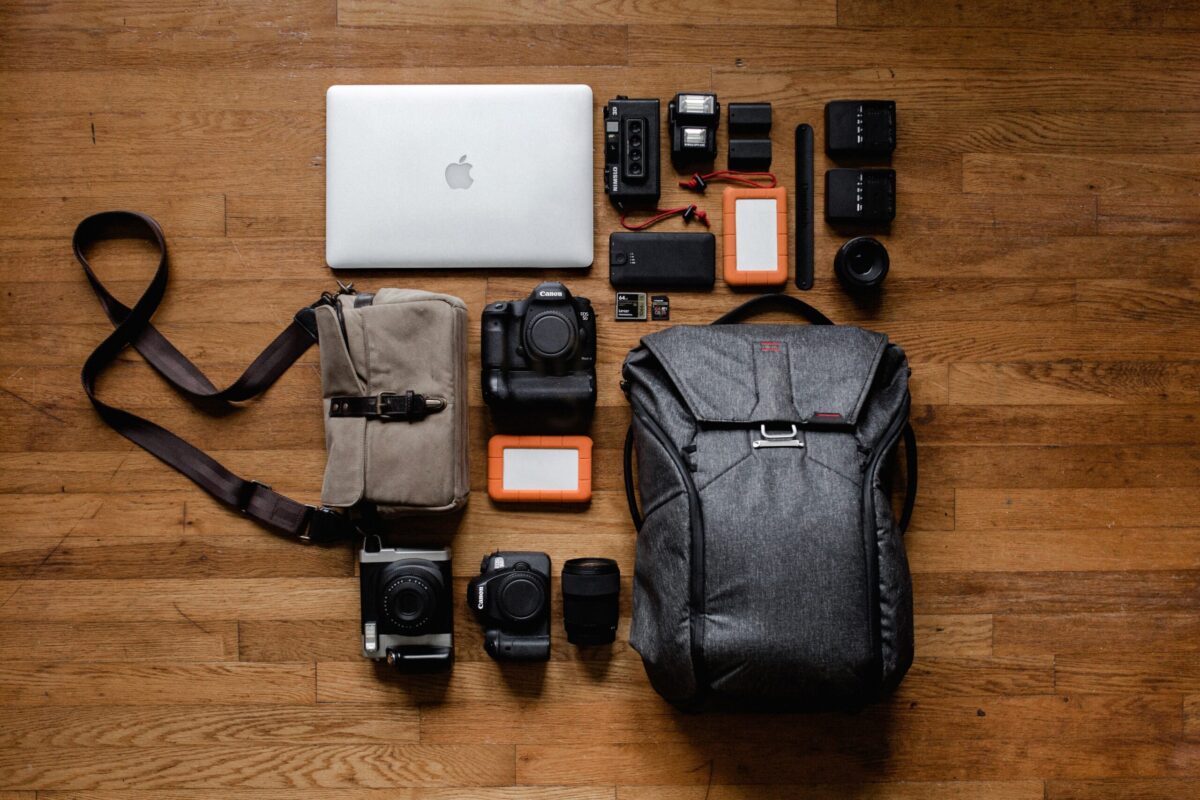
The equipment, which many of us adore and treasure, is the final factor to think about. The tools used by artists across all fields of expression are always developing and improving as a result of technological progress. Few people nowadays are starting enterprises in the darkroom. Radio waves are being used instead of cables for synchronisation.
Light-emitting diode (LED) bulbs have nearly fully replaced incandescent ones. There is a trend towards eliminating mirrors in DSLR cameras, and we expect the shutter to be the next part of our camera to go the way of the dodo. Meanwhile, the technology we use to process our photographs is evolving at a rapid pace to keep up with the changes to our actual tools of the trade.
Every three months, a new article pops up lamenting the dwindling demand for DSLR cameras from major manufacturers like Canon, Nikon, and even Sony. One possible explanation is that mirrorless cameras are stealing sales away from more established technologies like SLRs, but we think there's something more fundamental going on here. Our research suggests that overall camera sales are in jeopardy as more and more individuals start utilising the camera on their smartphones instead.
The Bright Light at the End of the Tunnel
The fact that more people may find enjoyment in photography today than ever before is probably the biggest silver lining to this cloudy picture. An increasing number of people can now pursue photography as a viable profession. As a result, more conventional forms of advertising are publishing online and printing off better and more imaginative pictures than ever before. The sheer amount of top-rated photos that would never have been made if everyone was forced to follow the traditional photography guidelines is mind-boggling when you consider the community's ranking system.
It is the nature of norms to be broken, and innovations will continue to pose a threat to the established order from one generation to the next. Perhaps it is possible to respect the history of photography and also appreciate the fresh perspectives offered by modern practises.
So, what do you think? In order to compete for professions that were once held by photographers who came before us, is it necessary for today's photographers to have a large number of followers? Is it getting harder to "get it right in camera?" If so, does it matter if this talent is lost? Is the convenience of creating stunning photographs with a mobile device and some software going to hurt the traditional photography industry, which includes companies that make cameras, lenses, and lighting equipment?
Transfer this line of reasoning to the world of commercial photography, but with some minor adjustments to the boundaries of the study. If you show someone how to use a camera and explain the "rule of thirds," that person will undoubtedly be able to shoot photographs that are well-composed and technically sound. Only a highly skilled professional photographer with a strong sense of purpose and vision can create an image, capture the subject's emotions, and convey the subject's story through a single photograph.
Professional photography will continue to exist because the ability to express a story or message with an idea is not something that can be taught but rather is something that must originate from inside. Although everybody with a camera can capture an image, not everyone has the ability to create an image that compels viewers to pause and reflect. If you’d like to work with professional photographers for your wedding, book with us at Wild Romantic Photography.
Bottom Line
The number of professional photographers employed by news organisations has been cut while they actively encourage amateur photographers and videographers to submit their work. Some professional photographers are unable to make a living because of the intense level of competition in their field. Anyone with even a basic understanding of photography can take pictures of stunning quality using smartphones. Digital photography is changing, but it's not going away anytime soon. Our group believes that professional photography is far from being extinct.
Never before have we seen professional photographers so excited about the possibilities opened up by advances in camera technology. Your photographs will be your most treasured wedding keepsake. If you think photography as a profession is dying out, you have to answer the obvious question of why. A drop in sales or a lack of customers may cause you to question your business' viability. You can count on finding a heated debate on how "photography as a business is on its deathbed" somewhere in there.
Is there hope for photography in a digital-dominated industry? Photographers in the past didn't stress too much over issues like marketing, criticism, social media following, or direct connection with audience members because photography was more of an aesthetic passion than a business. We have moved on from the days when a photographer's sole job was to operate the camera as part of a larger creative team. Photography has always been a highly technical art form, even for those photographers who had no interest in the mechanical components of the medium. Few people nowadays are starting enterprises in the darkroom.
We appear to have reached a tipping point, where the majority of visuals we encounter are more digital art than photography. An increasing number of people can now pursue photography as a viable profession. The sheer amount of top-rated photos would never have been made if everyone was forced to follow the traditional photography guidelines. Is it necessary for today's photographers to have a large number of followers? If you show someone how to use a camera and explain the "rule of thirds," that person will undoubtedly be able to shoot photographs that are well-composed and technically sound. Although everybody with a camera can capture an image, not everyone has the ability to create an image that compels viewers to pause and reflect.
Instead of assuming that professional photography is dead, you should focus on being genuine, knowing your worth, keeping your creative juices flowing, effectively marketing yourself, and selling your images. Despite the fact that several competitors in the neighbourhood offer picture shoots at ridiculously low prices, your business will succeed.
Professional photography is not on its last legs anywhere in the globe, unlike what is said in a Medium Business post. As with any battle, if you give up the fight, the enemy will feast on your corpse, but if you keep up the good fight, professional photography will treat you fairly. We can assure you that if you stop fighting, it will come after you.
Content Summary:
- Consequences of progress are inevitable.
- Examples include the decline in employment rates at traditional banks and investment firms due to the growth of online banking and investing.
- As a result of the same factors, traditional newspaper publishers have been slashing their staff sizes at an alarming rate as print journalism has declined.
- So, what is the state of the photography industry?
- Amazing innovations in imaging technology have made it possible for even laypeople to capture noteworthy occurrences and submit them to media outlets, and friends are increasingly being engaged to photograph and film weddings.
- A majority of them do not have a professional-grade DSLR camera with a 70-200mm lens.
- If you need advice on your wedding photography, check out our photography packages and services at Wild Romantic Photography.
- On the surface, and without much reflection, it could appear that the photography industry is under attack and, like so many other industries before it, is destined to become a victim of technological advancement.
- Some of the results of this "progress" include the following.
- The number of professional photographers employed by news organisations has been cut while they actively encourage amateur photographers and videographers to submit their work.
- As a result of employee cuts in newsrooms, photojournalists have felt the pinch the most.
- Some professional photographers are unable to make a living because of the intense level of competition in their field.
- Many people worry that professional photography is in danger, and doubt that it can weather the storm and continue to thrive.
- With the advent of smartphones like the iPhone and the Samsung Galaxy series, however, anyone with even a basic understanding of photography can take pictures of stunning quality.
- It's easy to see why some people worry that professional photographers are becoming obsolete when you consider that affordable yet powerful DSLR and Mirrorless camera packages marketed at big-box shops all seem to come with a Facebook page entitled "insert name here" photography.
- In December of the year before, we came across an article on the website Medium Business that attracted our curiosity.
- The article's central thesis is that the success of any technological endeavour is always preceded by a small group of early adopters who go on to make enormous sums of money, followed by a large group of people who buy the same technology because they want a piece of the pie, followed by the early adopters offering to teach the newcomers everything they know in exchange for a sum of money, and finally followed by the industry collapsing due to an excitable glut.
- The author compares the professional photography industry's decline to that of other industries, such as desktop publishing and web development.
- If everyone starts providing services to help others learn, he says, competition will be obsolete.
- You can hardly check Facebook or watch a movie on YouTube without seeing an ad for "X" photography school at an unbelievable price, with "100 free presets" for the first 100 people who sign up right now.
- However, we find that professional photography is thriving.
- There has never been a more dedicated team to their task.
- Never before have we seen professional photographers so excited about the possibilities opened up by advancements in camera and lens technology.
- Pro photography is changing, but it's not going away anytime soon.
- Your photographs will be your most treasured wedding keepsake.
- Not sure where to start when it comes to looking for your wedding photographer of choice?
- A drop in sales or a lack of customers may cause you to question your business' viability. Can we really watch photography as a profession fade away before our eyes?
- We was curious whether you ever had days where you wondered why you kept attempting to earn a living as a photographer.
- Seeing so many photographers struggling to make ends meet can make it hard to imagine there's any other option, but there is.
- Can They ask if you've recently been active in any of the many internet photography communities?In such a case, you might wish to investigate the heated debates currently taking place in the photography community.
- You can count on finding a heated debate on how "photography as a business is on its deathbed" somewhere in there.
- If you have trouble sleeping at night worrying about how much your photography business will have changed by the time you wake up the next day, or if you worry that your customers won't pay you as much as they used to because they have been conditioned to expect low prices for photographs, then this article is for you.
- If you think photography as a profession is dying out, you have to answer the obvious question of why.
- It makes me sad to see so many photographers buy into the concept that the photography industry is dying.
- Searches on Google like "how can we save my failing photography business?"
- bring in a steady stream of visitors who are looking for advice on how to improve their own businesses.
- We'd like to know the answer to one question: "How much did they care about the success of their firm and how determined they were to avoid failure at all costs?"
- It's sad enough that so many great people have tried and failed to become professional photographers, but it's even more disappointing to know that so many of them are exceptional artists with little chance of success.
- They can make beautiful images and are skilled with a camera, but they lack the business and marketing savvy to make an impact in their field.
- No one is ever out of luck for a second opportunity, and everyone is entitled to at least one.
- When considering all of this, we conclude that the answer to the question "can a failed photography business be saved?"
- After perusing countless posts, rants, flame battles, and other lively responses on various forum and group threads about this topic, two camps have emerged.
- Now, here's the deal with expert photographers: In addition to being highly skilled in a variety of areas, these experts also excel at being creative.
- In other words, they understand the value of having their images tell a story.
- They have an understanding of lighting, shadows, and colour theory.
- They have also taken use of the myriad channels for self-expression that the digital age has opened up.
- Also, this is now a possibility for experts in the photography industry because of digital technology.
- The term "democratisation" is often used to describe this shift in the photographic industry.
- There's no denying that photography's most fundamental role, the photographer, has changed dramatically.
- Photographers in the past didn't stress too much over issues like marketing, criticism, social media following, or direct connection with audience members because photography was more of an aesthetic passion than a business.
- Photographers have historically been expected to have a firm grasp on promoting their work to both clients and advertising agencies.
- Nonetheless, something has undergone a major transformation as a result of the social media tsunami.
- We have moved on from the days when a photographer's sole job was to operate the camera as part of a larger creative team.
- But the advertising agency and creative director put in a lot of work to bring the client's artistic vision to life.
- Photographers are being sought after for their creative acumen, technical proficiency with the camera, online following, and ability to organise a huge crew with the finesse of a ringmaster.
- It's getting more and more unrealistic for photographers to claim that "we merely want to create images" without also taking on the roles of other traditionally separate creative professionals.
- To some extent, this is to blame for the rising level of competition in the field.
- It would appear that having a big social media following is more important than ever if you want to make it as a photographer in the modern world.
- Such a move could be essential in the business sector, as media buyers seek to reach a reconstructed channel (the photographer's original audience).
- If there are more and more professional photographers in any given area, the wedding photographer may need a significant fan base to survive.
- Without a doubt, the rules of the game have changed, and the stakes are bigger than they've ever been before in any subfield of photography you choose to explore.
- The big question that we need to ask ourselves is: "is this change any different than the changes photographers' faced 30 years ago?"
- There's no denying that the best photographers of the golden age of photography had to be experts in a wide range of technical disciplines.
- The ability to load film, fully grasp the interplay between aperture, shutter speed, and film speed in creating exposure, develop film, take pictures in the dark using flash without looking at the screen, master manual focus, and know which film stock to shoot on are all necessary skills for a photographer.
- From its inception, photography has been a highly technical art form, even for those photographers who had no interest in the mechanical components of the medium.
- Because of digital photography, everything has changed.
- That said, you can still get as technical as you'd like to be.
- Despite this, my anecdotal experiences accumulated over the course of more than 15 years of working in the profession today suggest that a growing percentage of photographers are becoming less informed than ever before about the actual mechanics of photography.
- Still, we appear to have reached a tipping point, where the majority of visuals we encounter are more digital art than photography.
- Wild Romantic Photography has the best range of services of wedding photography Yarra Valley.
- The equipment, which many of us adore and treasure, is the final factor to think about.
- The tools used by artists across all fields of expression are always developing and improving as a result of technological progress.
- Light-emitting diode (LED) bulbs have nearly fully replaced incandescent ones.
- There is a trend towards eliminating mirrors in DSLR cameras, and we expect the shutter to be the next part of our camera to go the way of the dodo.
- Meanwhile, the technology we use to process our photographs is evolving at a rapid pace to keep up with the changes to our actual tools of the trade.
- Every three months, a new article pops up lamenting the dwindling demand for DSLR cameras from major manufacturers like Canon, Nikon, and even Sony.
- One possible explanation is that mirrorless cameras are stealing sales away from more established technologies like SLRs, but we think there's something more fundamental going on here.
- Our research suggests that overall camera sales are in jeopardy as more and more individuals start utilising the camera on their smartphones instead.
- The fact that more people may find enjoyment in photography today than ever before is probably the biggest silver lining to this cloudy picture.
- An increasing number of people can now pursue photography as a viable profession.
- It is the nature of norms to be broken, and innovations will continue to pose a threat to the established order from one generation to the next.
- Perhaps it is possible to respect the history of photography and also appreciate the fresh perspectives offered by modern practises.
- In order to compete for professions that were once held by photographers who came before us, is it necessary for today's photographers to have a large number of followers?
- Is it getting harder to "get it right in camera?"
- If so, does it matter if this talent is lost?
- Is the convenience of creating stunning photographs with a mobile device and some software going to hurt the traditional photography industry, which includes companies that make cameras, lenses, and lighting equipment?
- Transfer this line of reasoning to the world of commercial photography, but with some minor adjustments to the boundaries of the study.
- If you show someone how to use a camera and explain the "rule of thirds," that person will undoubtedly be able to shoot photographs that are well-composed and technically sound.
- Only a highly skilled professional photographer with a strong sense of purpose and vision can create an image, capture the subject's emotions, and convey the subject's story through a single photograph.
- Professional photography will continue to exist because the ability to express a story or message with an idea is not something that can be taught but rather is something that must originate from inside.
- Although everybody with a camera can capture an image, not everyone has the ability to create an image that compels viewers to pause and reflect.
- If you'd like to work with professional photographers for your wedding, book with us at Wild Romantic Photography.
FAQs About Photography
Is Photography A Hard Job?
If you're a photographer, you undoubtedly spend the weekends thinking about personal projects and methods to hone your craft, even if you don't have any paid photographic employment. Those who are accustomed to having their cameras on them at all times have trouble turning off the region of their brain that processes images. Please share more details about your accomplishments; we're impressed. Photography has always been one of my favourite past times. When We made photography a full-time job, our loved ones had to gently persuade us to put the camera aside so to be able to spend more time with them.
Where exactly is the miscommunication happening, then? What is it about photography that the general public doesn't understand? Why is it more difficult than it seems to do this work? If you need advice on your wedding photography, check out our photography packages and services at Wild Romantic Photography.
Every day, it puts your courage to the test.
This is true in virtually all forms of artistic expression. We have no doubt that those of you who are not professional photographers have strong feelings, either positive or negative, about the work you do. Professional photographers have a middle ground. It's possible you'll love it, but there's also a chance you'll hate it. You can choose either option. You probably fall between the two extremes, though.
Your position along the continuum that separates the two extremes can and will shift on any given day. It's possible, though, that even if your job is your passion, it won't give you true fulfilment. It's likely that your former profession served as a defining factor in your identity, but now that you're a photographer, you have opportunities to define yourself that weren't there before.
For those whose livelihood depends on their creative efforts, it seems there is far more at stake. We are not trying to downplay the importance of anyone's job or the sacrifices they make to provide for their families. Each of the photos That share online, though, represents a unique facet of our personality.
One feels both exposed and under strain in precarious situations like this one. The pressure to come up with something to show for your efforts. The stress of knowing you have to improve on yesterday's performance if you want to achieve your goals. The anxiety that comes from knowing that the world may not appreciate your passion, despite the fact that you feel compelled to share it with them anyhow. It's a never-ending struggle, and it's not always simple to rise to the occasion and make the most of the opportunity.
It Eats Up All of Your Spare Time.
Prime time. The "blue" time of day. Sunrise. Sunset. Nights. WEEKENDS.
If you're a photographer, you undoubtedly spend the weekends thinking about personal projects and methods to hone your craft, even if you don't have any paid photographic employment. Those who are accustomed to having their cameras on them at all times have trouble turning off the region of their brain that processes images. Please share more details about your accomplishments; we're impressed. Photography has always been one of my favourite past times. When We made photography a career, We had to be convinced to put the camera down from time to time so to be able to spend time with friends and family.
Three words: Equipment Cost.
Doesn't need to be explained.
Advantages? What Advantages?
Unless you're working as a photographer for a rather large corporation, I'm going to bet that you're the one footing the cost for your own insurance, whether it's health, life, or disability coverage, and don't forget about the gear. Equipment insurance premiums are usually not too pricey, but purchasing quality health insurance on your own can be highly taxing on your finances. Ready for a break? You may forget about it. As of right now, son, you are on your own. The key to making this work is to have a constant flow of work coming in. In particular if it makes you anxious, this might be a bitter pill to chew.
At Wild Romantic Photography, we have the best Melbourne wedding photographer to take memorable photos on your wedding day.
Unbelievable working conditions.

Places where fighting is taking place. Hurricanes. The art directors. Bridezillas. Getting "The Shot" despite our apparent disregard for safety and common sense is another problem that needs fixing. It would appear that there are no more novel concepts being developed in a world where seeing and capitalising on such possibilities and imagery is neither a walk in the park nor a simple challenge.
Your prefered method of photography will have a great deal to do with this, but I'm sure you've got some wacky stories to relate about shooting in less than ideal settings. Most notably, freelance photojournalists who work on their own. It can't be easy to be on call 24/7 with a portable police scanner as your constant friend.
There are more photographers than there are jobs.
Digital photography's arrival levelled the playing field. It's as if, suddenly, everyone is a master photographer. While the reduced costs of entry have facilitated greater participation in photography, they have also made it more challenging for established photographers to make a living. The same tools are used by both experts and novices.
The learning curve's steepness has diminished dramatically. It is possible to capture some beautiful images straight out of the box, however familiarity with exposure and technique is still highly recommended. The fact that there is a limited supply of work opportunities and viable enterprises is also crucial. Economics 101, if you will. Distributing a fixed number of photography gigs across an ever-growing pool of photographers would eventually leave some openings unfilled.
Do you want to make sure you don't miss a thing at your dream wedding but still feel like you got away with something special? Have no fear, you are in good hands with Wild Romantic Photography.
It's all business!
Time spent in front of the camera is negligible compared to our overall schedule. You may start to wonder why you ever thought this would be a smart idea when you consider the marketing, client meetings, research, location scouting, social media, blogging, and all the other things that have nothing to do with actually holding a camera in your hands. It's a big commitment to start a photographic business.
Passionate work? Check out Labor of Love.
When something is described as a labour of love, the word "love" is usually the focal point of the description. However, photography needs at least as much effort as enthusiasm. Bags that can hold more than 25 kilogrammes each are what we mean when we say "equipment suitcases." Leaving equipment in a car, like lights, reflectors, or apple boxes, is not only inconvenient but also prohibitively expensive. As soon as we find out that someone else is a photographer, the first thing we ask them is, "How's your back?"
Don't Take the Blame; the Camera Does
You eventually give up battling it and realise that it's not your skill but the quality of your equipment that's responsible for the professional-looking results you're seeing in your photographs. Amazingly stunning photo; you must have a top-notch camera if people are complimenting you on it. Trying to fight back will accomplish nothing. Tell everyone that the amazing photo you spent all day attempting to capture was merely a fluke if you truly want to get even with them.
The Sensor Dust Will Get You!
Every photographer will have this happen to them at some point: the shoot goes off without a hitch, they sneak a few peaks at the images, and they turned out great. When you get back to your house and start downloading them to watch on your TV, you discover... nothing. My otherwise perfect sky is covered in stains. In every single picture! Why?
You've entered the world of sensor dust and tedious photo editing. All of us are susceptible to this fate. We clean it and decide never to go shooting outside again. If the sensor needs cleaning, have someone else do it. Expert help is required here. Unfortunately, the closer you are to someone's heart, the further you probably are from a camera shop. Create lasting memories through your Yarra Valley wedding photography that will be cherished forever.
There is no such thing as calling in sick.
Once the filming day has arrived, there will be no turning back. Unless it's a casual shoot, there are usually too many people counting on you to just call it a day. A shoot if this is the case. Fever? Symptoms of a stuffy nose? Headache? Finally, there's nothing you can do but bear it. The good news for photographers who are prone to illness is that most shoots only require a few hours of actual time. Most of the time, you can get through it with the help of a proper medicine regimen.
Having a backup photographer on standby can rescue the day if you ever find yourself in a circumstance when time is of the utmost, such as when you need to rush to the hospital. Keep in touch with reliable people and give them a call as soon as you realise you might need their help.
Working for Free
One of the most hotly debated topics in online forums is the sheer magnitude of the audience for free photographs. Photographers constantly have to overcome this difficulty. Then there are the test shoots, the ones you come up with on your own, the ones you do for friends and family, the ones you do for free, the ones you do for charities, and the ones you do for yourself. Checking that every node has a corresponding value is something We do routinely. In the absence of monetary compensation, it must guarantee professional advancement. You will not settle for second best.
Be sure to keep track of every dollar spent, including on things like test runs and other corporate growth initiatives. In addition to helping with tax preparation, it also lends credibility to your professional endeavours.
Your work has been stolen
It may be hard to believe, but occasionally bad things happen over the internet. And the same holds true for photography. Browsers have made it incredibly easy to steal and misuse the personal data of others, including photographs. Your photo may have been used by someone else without your knowledge or consent.
It's usually a good idea to give people the benefit of the doubt at the outset of a dialogue about the violation of their rights. If you approach them in a way that shows them respect and discretion, they may end up being your next client. And nobody has ever said no when They requested them to take down a photo. However, there are tools available to help you if you discover you need legal representation.
You shoot but do not always appear.
You'll get paid for shoots that aren't included in the anthology. Most photographers we know consistently create excellent work that they never share publicly. To the point where they never even notice! Clients who are too big to wait for you to finish editing your photos will likely take them right away.
As your career develops, you begin to crave more and more of this type of employment. It's consistent, it's predictable, and it may help you keep your life under control. Even if it doesn't result in hero images for the website, it still deserves special consideration.
FAQs About Photography
You'll be Using Two Lenses

When it comes down to it, most photographers rely primarily on the 24-70mm and the 70-200mm for a substantial percentage, if not all, of their projects, despite having a wide variety of lenses at their disposal. This is due to the fact that these two lenses provide excellent image quality over the whole zoom range and cover a wide variety of focal lengths. Considering that the vast majority of nodes do not live for very long, it is impossible to test out various focal lengths. High-stakes scenarios like these force you to rely on tried-and-true methods. Your camera's other lenses are housed in a protective casing.
To get the most of your extra funds, it is recommended that you buy two distinct bodies. To save time, it's ideal to have a second camera on hand that can be swiftly grabbed and fitted with your second lens.
You Are One of a Kind
No, there are a lot of photographers out there, and it's like trying to stand out in a sea of squirming sardines. One million photographers can't possibly cover every possible photographic subject. You have entered a new and exciting era in which amazing technological advancements and chances for public recognition are readily available to anybody.
Does that make you cringe? It's not that horrible, to be honest. Think about it this way: there are a lot of us who understand what you're going through, and there are gatherings happening all over the world! In our country, there is no shortage of demand for engineers, doctors, or lawyers (okay, they complain about the lawyers).
The need is already high, and it's only going up from here. This is now a major concern for virtually every company on the planet because to the rise of social media and the branded content sector. You're in an expanding field, which bodes well for your career prospects.
You End Up Being an Accountant/Photographer
Want to goof off for a while? Ask a photographer whether they have a book-keeper. There is a lot on your plate as the CEO of your own firm and a photographer. There is also the need to advertise, bid, estimate, investigate, and plan. It's not easy running a business, but managing the money is the hardest part. After spoken to a number of photographers, We can say with confidence that nobody in the business studied accounting or finance in college.
Whether it's QuickBooks, FreshBooks, or anything else, you should set up some form of accounting software as soon as feasible. The best ones provide everything you need in one convenient spot, including cost tracking, cost estimation, invoice generation, asset creation, and payment collection.
If you're serious about doing business legally, you should form an LLC and open a commercial bank account. At the time of year when taxes must be filed, this will be a huge time-saver.
Only the Images are Credited To You
Although knowing how to "metre," "aim," and "shoot" is essential, these actions merely scratch the surface of a photographer's responsibilities. Scouting locations, finding actors, developing a script, assembling a team, and keeping the mood light and positive on set are just a few of the numerous things that must be done before and after a shoot. And that's enough to keep you going throughout the day of filming. After that, it's on you to edit, crop, retouch, and send off the photos for distribution. Size options may be made available on occasion! What's the current state of video?
No matter how hard you work, your final worth will be determined almost completely by the strength of your photographs and portfolio. Simply put, people just care about the result and ignore the process because they believe it must be simple. Do not let this discourage you from providing accurate estimates to clients. Everything you do can be charged for.
We have an exclusive range of wedding photography Mornington Peninsula services. Check them out here.
You Experience Frequent Burnout
Few photographers can afford to hire assistants, so most handle everything themselves, from advertising to post-processing. You're under a tremendous amount of pressure, and dealing with it may leave you feeling worn out on a regular basis. Photographing can be a full-time job in and of itself when you're just starting out, but after you make it big, you'll have the support of a representative and production firms. But until then, you should get used to having occasional mental breakdowns.
Consult with other photographers, especially those who are professionals and/or have more expertise than you have. They are some of the few people who will ever really comprehend what you're going through and hence will be able to provide invaluable guidance as you navigate difficult moments.
The Beauty Wears Off
After working in the field for a while, most photographers develop a cynical, "been-there-done-that" outlook. They might say something like, "Photography? Meh, it ain't what it used to be," or anything similar. Due to this, it is easy to lose some of the camera's romantic allure after having shot so many times. Just the result of having fired so many shots. You will start to take golden sunshine and bright street corners for granted. We're excited to get out and shoot, but soon we'll be saying, "I can't wait to leave my camera at home and just go have fun." There will be less of a sense of "we can't wait to get out and shoot!" as a result of this shift.
Then you realise you're not that unique
It doesn't matter what you're aiming towards, this rule always applies. Regardless of how amazing the situation may be at the time. no matter how spectacular the setting. It doesn't matter how fresh and novel that crop of architecture is. how ever wackily you place your models. despite the fact that you may only have a shallow depth of field. Perhaps someone else has tried it out and succeeded better than you did.
However, it turns out that this uneasy emotion is a prerequisite to an even more wonderful experience of community. Because becoming a skilled photographer takes a lot of hard work. You'll feel a sense of accomplishment and relief when you reach the pinnacle of your job and your work is finally on par with that of your peers.
You discover that there is no career path available to you
There are probably other photographers you know who have more high-profile clients, more hard jobs, and longer track records than you do. Yet none of them can be regarded as "higher" than you. To put it another way, we're all in the same boat right now because we're all photographers. In contrast to other fields, where advancement is typically marked by a rise in one's salary and the addition of new, more impressive titles, this one lacks such tangible indicators of success.
To look on the bright side, you are free from the oppressive corporate structure that put you through regular evaluation, kept you on edge, and treated you like a slave.
Video, animation overlays, cinemagraphs, and social media marketing are all areas that photographers are beginning to dabble in. Even though photography looks like a simple hobby, there are numerous paths to success in the industry.
So, Is Photography a Good Profession?
There are several options available to you if you want to make a living as a photographer. Photography, in our opinion, can be a very rewarding profession for those who are dedicated to making it their life's job.
- Those with a passion for photography will be pleased to learn that numerous options are available to them.
- Unfortunately, it may be challenging to identify those that are actually worthwhile.
Considering this, the answer to the issue of whether or not a career in photography would be fruitful is, well, up for grabs.
Is It Worth It?
The quick answer is that the answer is yes. Earning a living doing what you love is one of life's few true pleasures.
We come from different places and have worked in many fields, including the commercial and public sectors, but this is the best job we've ever had. When everything goes right, capturing images does not feel like effort at all. When we have fantastic clients, it feels like we're just hanging out with some friends and snapping pictures along the way.
If you’d like to work with professional photographers for your wedding, book with us at Wild Romantic Photography.
The invention of photography has afforded us possibilities we never would have imagined. Likewise, it has served as a major inspiration for vacationing. When we consider our accomplishments, it's tough not to feel a sense of pride.
Conclusion
Photography has always been one of my favourite past times. When We made photography a full-time job, our loved ones had to gently persuade us to put the camera aside. It's likely that your former profession served as a defining factor in your identity, but now that you're a photographer, you have opportunities to define yourself. If you're a photographer, you undoubtedly spend the weekends thinking about personal projects and methods to hone your craft. Photography has always been one of my favourite past times.
When We made photography a career, We had to be convinced to put the camera down from time to time so to be able to spend time with friends and family. Getting "The Shot" despite our apparent disregard for safety and common sense is another problem that needs fixing. It can't be easy to be on call 24/7 with a portable police scanner as your constant friend. The fact that there is a limited supply of work opportunities and viable enterprises is also crucial. Photography needs at least as much effort as enthusiasm.
Leaving equipment in a car, like lights, reflectors, or apple boxes, is not only inconvenient but also prohibitively expensive. The closer you are to someone's heart, the further you probably are from a camera shop. Having a backup photographer on standby can rescue the day if you ever find yourself in a circumstance when time is of the utmost, such as when you need to rush to the hospital. Be sure to keep track of every dollar spent, including on things like test runs and other corporate growth initiatives. It's usually a good idea to give people the benefit of the doubt at the outset of a dialogue about the violation of their rights.
There are tools available to help you if you discover you need legal representation. Most photographers rely primarily on the 24-70mm and the 70-200mm for a substantial percentage, if not all, of their projects. Photography is an expanding field, which bodes well for your career prospects. There is no shortage of demand for engineers, doctors, or lawyers (okay, they complain about the lawyers) If you're serious about doing business legally, you should form an LLC and open a commercial bank account. Photographing can be a full-time job in and of itself when you're just starting out.
After you make it big, you'll have the support of a representative and production firms. But until then, you should get used to having occasional mental breakdowns. Everything you do can be charged for. When you reach the pinnacle of your career, you'll feel a sense of accomplishment and relief. Then you realise that you're not that unique.
Becoming a skilled photographer takes a lot of hard work. In contrast to other fields, where advancement is typically marked by a rise in one's salary, this one lacks such indicators of success. Even though photography looks like a simple hobby, there are numerous paths to success in the industry. Earning a living doing what you love is one of life's few true pleasures. If you'd like to work with professional photographers for your wedding, book with us at Wild Romantic Photography.
Content Summary:
- If you're a photographer, you undoubtedly spend the weekends thinking about personal projects and methods to hone your craft, even if you don't have any paid photographic employment.
- Please share more details about your accomplishments; we're impressed.
- Photography has always been one of my favourite pastimes.
- When We made photography a full-time job, our loved ones had to gently persuade us to put the camera aside so as to be able to spend more time with them.
- What is it about photography that the general public doesn't understand?
- Why is it more difficult than it seems to do this work?
- If you need advice on your wedding photography, check out our photography packages and services at Wild Romantic Photography.
- Every day, it puts your courage to the test.
- This is true in virtually all forms of artistic expression.
- We have no doubt that those of you who are not professional photographers have strong feelings, either positive or negative, about the work you do.
- Professional photographers have a middle ground.
- It's possible you'll love it, but there's also a chance you'll hate it.
- It's possible, though, that even if your job is your passion, it won't give you true fulfilment.
- It's likely that your former profession served as a defining factor in your identity, but now that you're a photographer, you have opportunities to define yourself that weren't there before.
- We are not trying to downplay the importance of anyone's job or the sacrifices they make to provide for their families.
- Each of the photos That share online, though, represents a unique facet of our personality.
- The pressure to come up with something to show for your efforts.
- The stress of knowing you have to improve on yesterday's performance if you want to achieve your goals.
- The anxiety that comes from knowing that the world may not appreciate your passion, despite the fact that you feel compelled to share it with them anyhow.
- It's a never-ending struggle, and it's not always simple to rise to the occasion and make the most of the opportunity.
- If you're a photographer, you undoubtedly spend the weekends thinking about personal projects and methods to hone your craft, even if you don't have any paid photographic employment.
- Please share more details about your accomplishments; we're impressed.
- When We made photography a career, We had to be convinced to put the camera down from time to time so as to be able to spend time with friends and family.
- Unless you're working as a photographer for a rather large corporation, I'm going to bet that you're the one footing the cost for your own insurance, whether it's health, life, or disability coverage, and don't forget about the gear.
- Equipment insurance premiums are usually not too pricey, but purchasing quality health insurance on your own can be highly taxing on your finances.
- The key to making this work is to have a constant flow of work coming in.
- In particular if it makes you anxious, this might be a bitter pill to chew.
- Getting "The Shot" despite our apparent disregard for safety and common sense is another problem that needs fixing.
- It would appear that there are no more novel concepts being developed in a world where seeing and capitalising on such possibilities and imagery is neither a walk in the park nor a simple challenge.
- Your prefered method of photography will have a great deal to do with this, but I'm sure you've got some wacky stories to relate about shooting in less than ideal settings.
- Most notably, freelance photojournalists who work on their own.
- It can't be easy to be on call 24/7 with a portable police scanner as your constant friend.
- There are more photographers than there are jobs.
- Digital photography's arrival levelled the playing field.
- It's as if, suddenly, everyone is a master photographer.
- While the reduced costs of entry have facilitated greater participation in photography, they have also made it more challenging for established photographers to make a living.
- It is possible to capture some beautiful images straight out of the box, however familiarity with exposure and technique is still highly recommended.
- The fact that there is a limited supply of work opportunities and viable enterprises is also crucial.
- Distributing a fixed number of photography gigs across an ever-growing pool of photographers would eventually leave some openings unfilled.
- Do you want to make sure you don't miss a thing at your dream wedding but still feel like you got away with something special?
- Time spent in front of the camera is negligible compared to our overall schedule.
- You may start to wonder why you ever thought this would be a smart idea when you consider the marketing, client meetings, research, location scouting, social media, blogging, and all the other things that have nothing to do with actually holding a camera in your hands.
- When something is described as a labour of love, the word "love" is usually the focal point of the description.
- However, photography needs at least as much effort as enthusiasm.
- Bags that can hold more than 25 kilogrammes each are what we mean when we say "equipment suitcases."
- Leaving equipment in a car, like lights, reflectors, or apple boxes, is not only inconvenient but also prohibitively expensive.
- As soon as we find out that someone else is a photographer, the first thing we ask them is, "How's your back?"Don't Take the Blame; the Camera Does You eventually give up battling it and realise that it's not your skill but the quality of your equipment that's responsible for the professional-looking results you're seeing in your photographs.
- Amazingly stunning photo; you must have a top-notch camera if people are complimenting you on it.
- Trying to fight back will accomplish nothing.
- Tell everyone that the amazing photo you spent all day attempting to capture was merely a fluke if you truly want to get even with them.
- Every photographer will have this happen to them at some point: the shoot goes off without a hitch, they sneak a few peaks at the images, and they turned out great.
- When you get back to your house and start downloading them to watch on your TV, you discover... nothing.
- Why? You've entered the world of sensor dust and tedious photo editing.
- All of us are susceptible to this fate.
- We clean it and decide never to go shooting outside again.
- If the sensor needs cleaning, have someone else do it.
- Unfortunately, the closer you are to someone's heart, the further you probably are from a camera shop.
- Create lasting memories through your Yarra Valley wedding photography that will be cherished forever.
- There is no such thing as calling in sick.
- Once the filming day has arrived, there will be no turning back.
- Unless it's a casual shoot, there are usually too many people counting on you to just call it a day.
- Finally, there's nothing you can do but bear it.
- The good news for photographers who are prone to illness is that most shoots only require a few hours of actual time.
- Most of the time, you can get through it with the help of a proper medicine regimen.
- Having a backup photographer on standby can rescue the day if you ever find yourself in a circumstance when time is of the utmost, such as when you need to rush to the hospital.
- Keep in touch with reliable people and give them a call as soon as you realise you might need their help.
- Working for Free One of the most hotly debated topics in online forums is the sheer magnitude of the audience for free photographs.
- Then there are the test shoots, the ones you come up with on your own, the ones you do for friends and family, the ones you do for free, the ones you do for charities, and the ones you do for yourself.
- In the absence of monetary compensation, it must guarantee professional advancement.
- You will not settle for second best.
- Be sure to keep track of every dollar spent, including on things like test runs and other corporate growth initiatives.
- In addition to helping with tax preparation, it also lends credibility to your professional endeavours.
- Your work has been stolen. It may be hard to believe, but occasionally bad things happen over the internet.
- And the same holds true for photography.
- Browsers have made it incredibly easy to steal and misuse the personal data of others, including photographs.
- Your photo may have been used by someone else without your knowledge or consent.
- It's usually a good idea to give people the benefit of the doubt at the outset of a dialogue about the violation of their rights.
- If you approach them in a way that shows them respect and discretion, they may end up being your next client.
- And nobody has ever said no when They requested them to take a photo.
- However, there are tools available to help you if you discover you need legal representation.
- You shoot but do not always appear.
- You'll get paid for shoots that aren't included in the anthology.
- Clients who are too big to wait for you to finish editing your photos will likely take them right away.
- As your career develops, you begin to crave more and more of this type of employment.
- It's consistent, it's predictable, and it may help you keep your life under control.
- Even if it doesn't result in hero images for the website, it still deserves special consideration.
- When it comes down to it, most photographers rely primarily on the 24-70mm and the 70-200mm for a substantial percentage, if not all, of their projects, despite having a wide variety of lenses at their disposal.
- This is due to the fact that these two lenses provide excellent image quality over the whole zoom range and cover a wide variety of focal lengths.
- High-stakes scenarios like these force you to rely on tried-and-true methods.
- Your camera's other lenses are housed in a protective casing.
- To get the most of your extra funds, it is recommended that you buy two distinct bodies.
- To save time, it's ideal to have a second camera on hand that can be swiftly grabbed and fitted with your second lens.
- You are one of a kind. No, there are a lot of photographers out there, and it's like trying to stand out in a sea of squirming sardines.
- It's not that horrible, to be honest.
- You're in an expanding field, which bodes well for your career prospects.
- There is a lot on your plate as the CEO of your own firm and a photographer.
- There is also the need to advertise, bid, estimate, investigate, and plan.
- It's not easy running a business, but managing the money is the hardest part.
- After speaking to a number of photographers, We can say with confidence that nobody in the business studied accounting or finance in college.
- Whether it's QuickBooks, FreshBooks, or anything else, you should set up some form of accounting software as soon as feasible.
- If you're serious about doing business legally, you should form an LLC and open a commercial bank account.
- Only the images are credited to you. Although knowing how to "metre," "aim," and "shoot" is essential, these actions merely scratch the surface of a photographer's responsibilities.
- Scouting locations, finding actors, developing a script, assembling a team, and keeping the mood light and positive on set are just a few of the numerous things that must be done before and after a shoot.
- And that's enough to keep you going throughout the day of filming.
- No matter how hard you work, your final worth will be determined almost completely by the strength of your photographs and portfolio.
- Simply put, people just care about the result and ignore the process because they believe it must be simple.
- Do not let this discourage you from providing accurate estimates to clients.
- Everything you do can be charged for.
- We have an exclusive range of wedding photography Mornington Peninsula services.
- Few photographers can afford to hire assistants, so most handle everything themselves, from advertising to post-processing.
- You're under a tremendous amount of pressure, and dealing with it may leave you feeling worn out on a regular basis.
- Photography can be a full-time job in and of itself when you're just starting out, but after you make it big, you'll have the support of a representative and production firms.
- But until then, you should get used to having occasional mental breakdowns.
- Consult with other photographers, especially those who are professionals and/or have more expertise than you have.
- They are some of the few people who will ever really comprehend what you're going through and hence will be able to provide invaluable guidance as you navigate difficult moments.
- Due to this, it is easy to lose some of the camera's romantic allure after having shot so many times.
- Just the result of having fired so many shots.
- You will start to take golden sunshine and bright street corners for granted.
- We're excited to get out and shoot, but soon we'll be saying, "I can't wait to leave my camera at home and just go have fun."
- There will be less of a sense of "we can't wait to get out and shoot!"
- as a result of this shift.
- Then you realise you're not that unique. It doesn't matter what you're aiming towards, this rule always applies.
- Regardless of how amazing the situation may be at the time.
- It doesn't matter how fresh and novel that crop of architecture is.
- despite the fact that you may only have a shallow depth of field.
- Perhaps someone else has tried it out and succeeded better than you did.
- However, it turns out that this uneasy emotion is a prerequisite to an even more wonderful experience of community.
- Because becoming a skilled photographer takes a lot of hard work.
- You'll feel a sense of accomplishment and relief when you reach the pinnacle of your job and your work is finally on par with that of your peers.
- You discover that there is no career path available to you. There are probably other photographers you know who have more high-profile clients, more hard jobs, and longer track records than you do.
- Yet none of them can be regarded as "higher" than you.
- To put it another way, we're all in the same boat right now because we're all photographers.
- In contrast to other fields, where advancement is typically marked by a rise in one's salary and the addition of new, more impressive titles, this one lacks such tangible indicators of success.
- To look on the bright side, you are free from the oppressive corporate structure that put you through regular evaluation, kept you on edge, and treated you like a slave.
- Video, animation overlays, cinemagraphs, and social media marketing are all areas that photographers are beginning to dabble in.
- Even though photography looks like a simple hobby, there are numerous paths to success in the industry.
- So, Is Photography a Good Profession?
- There are several options available to you if you want to make a living as a photographer.
- Photography, in our opinion, can be a very rewarding profession for those who are dedicated to making it their life's job.
- Those with a passion for photography will be pleased to learn that numerous options are available to them.
- Considering this, the answer to the issue of whether or not a career in photography would be fruitful is, well, up for grabs.
- Is It Worth It?
- The quick answer is that the answer is yes.
- Earning a living doing what you love is one of life's few true pleasures.
- If you'd like to work with professional photographers for your wedding, book with us at Wild Romantic Photography.
- Likewise, it has served as a major inspiration for vacationing.
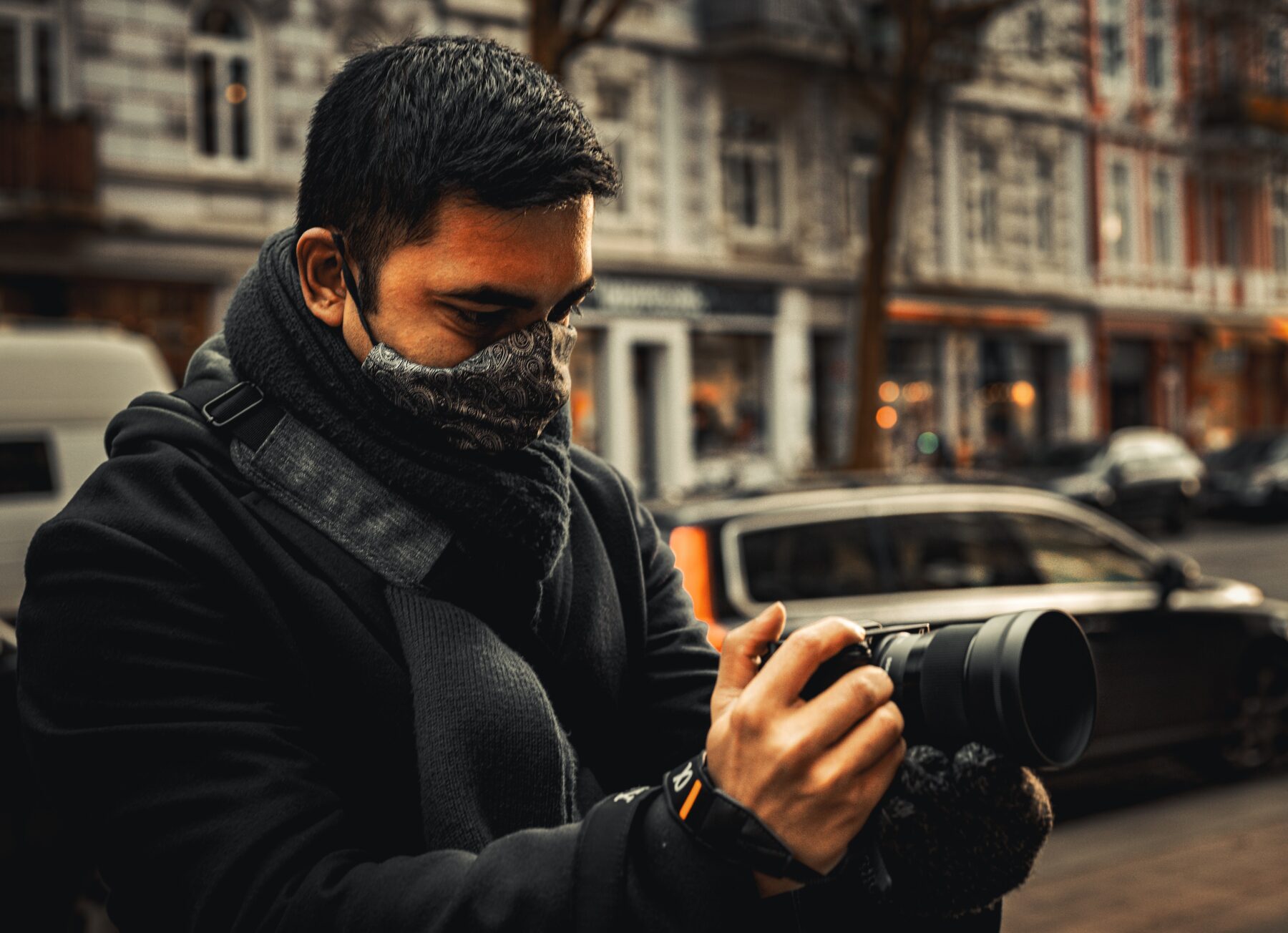
Why Do Photographers Wear Black?
Guests who have attended weddings before will have no trouble telling the wedding videography crew apart from the rest of the wedding party. All clothed in black, they are the people hurrying about. Is there a deeper significance to their wearing only black? To assume that they all wear the same thing would be reasonable, but you'll notice that most wedding videographers dress the same way, and almost always in black. It won't escape your attention that this is the case. Why is this the case? Let's investigate more. If you need advice on your wedding photography, check out our photography packages and services at Wild Romantic Photography.
FAQs About Photography
Why Do Photographers Who Shoot Weddings Choose To Wear All Black?
Why are the videographers wearing all black clothing? This is the most critical question that has to have an answer provided for it. The answer to this question is not going to offer you the earth-shattering insight that you were hoping to gain from it. Sorry about that. They do this in order to present themselves in a professional manner, to have a dress code that allows them to stand out from the other attendees, and to prevent any focus from being diverted away from the primary topic that is being discussed. Always bear in mind that maintaining a professional demeanour is one of the most effective methods to promote yourself to potential employers.
Which begs the question: why do they wear only black? We've learned that all-black attire is the norm for photographers. This is done so that photographers blend into the background as much as possible during shootings. This manner, they don't interfere with the focus of the shot or their effectiveness. Dressing in all black is also a sign of professionalism if they are asked to perform at a formal event like a wedding. This makes them seem more like a full-fledged member of the team than just another extra.
Some photographers have a strict dress code that includes wearing all black to every shoot, but it's not the only guideline they follow. It may seem that your photographer hasn't put much thought into their outfit when they show up to your photo session, but be assured that they have.
Common Items Of Photographer Attire
The vast majority of photographers already have an image of their ideal professional appearance established in their minds, and some even have entire wardrobes put together in advance that feature items that are invariably part of their daily uniform. While it's not necessary for a photographer to wear a uniform, they should still choose shoes that are suitable for standing on your feet all day, such sneakers or clogs. Equally, photographers ought to do the same. The photography industry is just one more that has strict dress codes its professionals must follow. While photographers don't often have a uniform, they do seem to go for the same items every time they get dressed. The items in question are as follows:
- Clothing with neutral or muted colour schemes. Assuming they don't wear black, photographers typically dress in neutral tones like white, grey, and beige. They might make an effort to dress up by donning a pair of fashionable shoes or a blazer, but they still won't stand out.
- Pants with a plethora of pockets sewn into several seams. Photography gear, such as batteries and memory cards, should be easily accessible in case of an emergency. As a result, photographers can be ready for everything.
- Depending on the weather, the photoshoot might have to go indoors or be held in the pouring rain.
- Photographers must always be prepared for any kind of weather, both in terms of their photography equipment and the wardrobe they wear. If they aren't already wearing one, they'll almost certainly have one stored away with their kit in case they need it.
- Comfortable and durable footwear. As a result of the nature of their employment, photographers are frequently on their feet for long periods of time. Their work also requires them to be physically active. Because they don't want to be in any discomfort or become tired during filming, the cast and crew always wears shoes that are ideal for them.
- Clothing that can withstand wet conditions while still being relatively light in weight. Photographers, once again, put in a lot of time and energy during the day, and while the weather (such as rain) can interrupt their shoot, they are also vulnerable to the effects of other extremes because they are working in the open. They can focus on the job at hand without being distracted by the fact that they are sweating excessively because their gear is made to repel water.
Our exclusive range of Melbourne wedding photography will help you not miss a thing on your wedding day.
What Typical Clothing Would A Photographer Wear?
Photographers should always be prepared for work by having an outfit ready to go or at least a few key pieces of clothing readily available. This will free them from a potential source of stress during preparations, allowing them to put more attention on making sure they have everything they need. There are a lot of photographers out there who only wear the following tried and tested pieces to work:
- Dark or black jeans
- Black Slacks
- A black belt
- Black shirts with buttons down the front or black polo shirts.
- A black blazer or a lightweight jacket, preferably black
- Tennis shoes that are black or a dark colour
- A hat with a brim that is either floppy or flat, one that does not impede their ability to take photographs.
The objective is to appear well-put-together and professional without drawing undue attention to oneself. There is no uniform dress code. Photographers, however, are expected to strike a balance between fashion and function in their attire.
In Deciding What To Wear, What Considerations Do Photographers Make?

A photographer's clothing is often seen as an opportunity to convey personal flair and promote the photographer's business. Every photographer has their own unique brand and style, but there are some universal considerations they should keep in mind when making those choices.
- The weather report is checked before any clothing is chosen. A photographer's heightened sense of awareness extends to the shoot's location and the time of day. This manner, they can pack appropriately for the weather, don strong shoes, and don a cap to protect their eyes from the sun.
- If something out of the ordinary happens, they'll be prepared for it. It's not uncommon for photographers to be put in peculiar situations (they end up lying directly on the ground or leaning out of a window to get that perfect shot). They make sure they're ready for anything that comes their way, and they wear clothes that they don't mind being dirty or ruined in some other way.
- To be a successful photographer, you need to be comfortable getting your clothing dirty.
- They wear clothing that allows them to move freely. Photographers, no of the task, always make absolutely sure they have sufficient space to move around. They dress in clothes that are comfortable even while they're in an unnatural position, such as crouching, lying down, or hiking.
- They avoid saying or doing things that could be seen as too revealing. Because they often have to kneel or bend down to acquire a nice shot, photographers try and avoid wearing something that could be seen as exposing. All belts should be worn with pants, and any self-respecting photographer will always wear a shirt when shooting.
Here is where having a good look while still being practical and professional is important. Photographers should dress comfortably without appearing sloppy. Unpreparedness is the surest way to make a photographer look like a hack, thus pros always come ready for anything. Wild Romantic Photography has the best range of services of wedding photography Yarra Valley. Check them out here.
The Logical Justifications For Always Dressing In Black
Photographers often choose to dress in black or at least darker colours for a variety of practical reasons beyond simple decency and comfort. Among the technological considerations, blocking their reflection is the most crucial. Wearing all black has practical benefits, like reducing the likelihood of being spotted or mistaken for a local.
The availability of light is the primary consideration. Most of the light that falls on a subject during a photo or video shoot comes from the photographer or videographer themselves. It's not desirable to see one's own reflection in the subject's eyes, nor to have the bright yellow hue of one's own shirt stand out. A major part of the picture could be lost if something like that happened. Dark-colored clothing helps prevent this from occuring as much. They can stand calmly in front of the topic and shoot numerous photographs without fear.
Guests in black help photographers stand out in case of an emergency. Assume the photographer wants to snap a photo of a guest but is hampered by harsh or otherwise problematic backlight. They would willingly make this sacrifice in order to achieve the best possible photo, since they could use a member of their team who was wearing a black shirt as a backdrop. The viewers won't be able to see it after you cover it up with black in Photoshop or another colour correcting programme.
It's an added bonus that photographers and filmmakers spend their days shooting in difficult conditions and under intense lighting, which, let's be honest, can make anyone sweat. They don't want to have to deal with sweat stains all day because it would ruin the beauty of their wedding attire. Their messes are less likely to be seen because the colour black is good at hiding dirt and grime.
No matter what it is that the photographer is photographing—a human face or an object that could capture their figure—if the photographer is wearing a white or otherwise light-colored shirt, their reflection will be much more likely to be seen in the photograph (windows, shiny cars). This holds true whether they are capturing a person's face or any inanimate item that could potentially convey their likeness (windows, shiny cars). Just think about this example: It looks like someone is photographing their pet puppy. In the event that the individual is wearing a particularly bright yellow shirt, their reflection may be visible in the dog's eyes. The photographer should wear a dark shirt (preferably black) so that they don't look like a reflection in their pet's eyes.
Reflections from vehicles, even those painted in dark colours, can sneak up on photographers. Photographers often wear dark clothes so that they blend into the backdrop when taking pictures with a dark subject, like an automobile.
Is There A Dress Code For Wedding Photographers?
Among the most popular reasons people hire photographers is for their wedding. A photographer needs to seem professional and not draw attention to themselves in order to succeed in this setting. While a photographer can get away with showing up to an everyday shooting in jeans, a bucket hat, and sneakers, they should dress up for a wedding by donning a button-down black shirt, trousers, or dress shoes. Planning your dream wedding and don’t want to miss out on the special moments on your big day? Worry no more, Wild Romantic Photography has you covered.
Exactly What Should The Photographer Wear To A Wedding?
There are two major reasons why you should look like a professional photographer. First of all, if you dress the part, you'll feel the part. Your clients will appreciate how confident you are as a wedding photographer because it will make them feel comfortable during the session.
To add to that, and hopefully most crucially, this is not the last wedding you will photograph. Many individuals are also seeking a wedding photographer, and they will form an opinion of you based on your presentation. If you are professionally dressed, you will receive more requests for photo shoots. That's a surefire way to get you the shoot. You should know basic standards while choosing an outfit for a wedding photo session. Some examples of such customs are listed below.
Please Do Not Come Dressed As A Guest.
Dressing like the photographer is a big departure from guest attire. Do not wear jewellery or any other accessories that could cause you to stand out. If you want to fit in with your environment, you should dress that manner instead. Wearing dark, modest clothing is a safe bet in most social situations. You can also choose to dress in black if you want. Don't wear anything too bright or busy.
Always Opt For Shoes That Provide Maximum Comfort.
Wear footwear that won't hold you back when you're on the go. Predicting the exact actions required to get the shot is impossible. You may have to walk on some water or step on a ledge. Sneakers and closed-toe flats are two terrific footwear choices. It would be inappropriate to wear heels or sandals to a casual seaside ceremony.
Keep Your Apparent Perfection
Subtle and well-tailored clothes is a great way to project an image of polish and competence in the workplace. You should not wear denim, shorts, or anything else that is too casual. Even so, there's no need to go all dolled up. Your outfit should always be practical so that you may swiftly move about the environment. While a tuxedo may seem good at first, it may become uncomfortable to wear as the night progresses.
Try To Keep Your Pride In Check
The venue is not appropriate for skintight outfits, plunging necklines, or miniskirts. Again, you need to be able to move around freely without drawing unnecessary attention to yourself.
Have The Happy Couple Weighed In On The Matter.
The best technique to figure out what to wear to a client's wedding is to directly ask them. Find out if it will be a semi-formal or informal event. In your client's case, how do these concepts apply? Is there a certain palette you should avoid? For example, some cultures view the colour white as a symbol of death and grief, making it inappropriate for a wedding. Now that you know the ground rules for how wedding photographers should dress, let's have a look at some examples of what men and women could wear for the occasion.
Photographer For A Wedding Outfit: Male Photographer
Gents, please wear a dress shirt with casual pants so that you have freedom of movement to set up your photography gear and to sit on the floor if necessary. Wearing a tie, pants, a button-up shirt, a dress, or a jacket to a formal wedding is expected. Never, ever, wear shorts or loose attire to a wedding as a photographer. You may put your best foot forwards by ensuring that the clothes you wear are well-fitted to your body. Use of deeper colours is recommended, as was just mentioned. Here are some suggestions for what men who shoot weddings should wear; use them as a jumping off point to develop your own unique style!
Bridal Photography Attire For Women
Female wedding photographers enjoy a little more sartorial freedom than their male counterparts. Although it's encouraged that you wear something that reflects your individuality, please keep in mind that you will need to be free to walk around without any restrictions for the length of the shoot.
Women, like males, should wear subdued tones in public to avoid drawing unwanted attention to themselves. Don't forget that you don't want to overshadow the bride and groom or distract the guests. If you must wear a skirt, choose one that is sufficiently long that it will not limit your range of motion when shooting. These suggestions for what to wear as a woman shooting a wedding will have you thinking about what to wear and where to shop for it. Starting to think about hiring a wedding photographer? Check out our range of Mornington Peninsula wedding photography here.
Photography Equipment
The bridal party's dress is just one of many considerations for photographers and videographers before beginning work on a wedding session. The more you remember this, the better. Their footwear and headwear, for example, aren't simply there to make a fashion statement; they're also meant to increase efficiency.
Shoes
Shoes can be chosen at will, but employees should bear in mind that they may be on their feet for the full eight hours of their shift. Accordingly, ease of being is crucial. They take off the heels and put on their worn out sneakers, ignoring the fact that the two pairs of shoes don't match. They may have to run around, stand in mud or puddles, lie down in awkward positions, and do other things their shoes can't handle in order to obtain the right photo, thus they can't wear those shoes.
Hats/Caps
It's a common misconception that photographers and filmmakers just wear caps and hats to look the part. There is actually a lot more to it than that. The hats certainly have a useful function, especially for outdoor ceremonies. Don't want your photographer to squint his eyes and miss the shot due of bright sunlight shining in, do you? Picture yourself walking down the aisle of your wedding as the sun is directly above the photographer's head. Without their caps, they would be less likely to do their jobs.
Photographers can choose from a wide array of hats, but only a few provide appropriate shade from the heat without interfering with their work. The following caps are included in this set:
- Batting helmets. Despite the fact that these caps are more usually seen at athletic events, many photographers choose to wear them on the job. Wonderfully protecting against the sun's rays and complementing a wide range of styles, these are a must-have accessory. However, these won't shield the neck or ears, and a curved brim will make the photographer's camera repeatedly push the cap higher, causing it to fly off.
- Narrow-brim Fedoras. Photographers frequently don fedoras because of their ability to subtly alter their overall appearance and public persona. Depending on the event's theme or purpose, it might also be a terrific piece of costumery to have on hand. This hat style shields its wearer from the sun, wind, and rain, and if the brim is thin enough, it won't get in the way as much as a baseball cap.
- Tweed drivers' headwear are the norm. These hats are stylish, but they also exude an image of unwavering professionalism.
- Their large brims ensure that cameras won't be blocked. However, they do not offer much in the way of UV protection, and may only be appropriate for select picture assignments.
- Caps shaped like buckets. This style of cap is common among anglers and outdoor enthusiasts. On the other hand, this form of hat is commonly seen on photographers because it is an ideal choice for the task at hand. The brim is highly accommodating and covers all of your bases. The wide hat provides protection from the elements for the head, neck, and face, and it also stays out of the way of the camera. Many photographers choose to wear baseball caps despite the fact that some people think they look unprofessional and aren't particularly stylish.
- Loose-fitting sun hats. This style of hat is popular among female photographers due of its wide brim and current trendiness. These are the perfect sun protection gear for a photographer to wear on the beach or in a field of wildflowers without interfering with the camera.
These caps are a standard and practical part of a photographer's uniform. They are an age-old method of protecting sensitive camera equipment from the sun and preventing the photographer from squinting. If you’d like to work with professional photographers for your wedding, book with us at Wild Romantic Photography.
The Proper Attire
Even while the hired photographers and videographers are usually exempt from the wedding's dress code, some couples nevertheless like it if the professionals dressed appropriately for the occasion. A man in that situation should dress smartly, but with some room to move around in his suit. To capture every moment, they need to be able to move freely across the whole spectrum.
Women, meanwhile, are free to wear whatever they feel most comfortable in, though it's important to keep in mind that the neckline of their dress should be cut low enough so that they don't have any difficulties shooting from a variety of angles (they may have to get down on the ground or even climb a ladder).
Conclusion
In general, wedding videographers wear black and follow a standard uniform. They are moved out of the way like this so that they don't detract from the clarity of the photograph. If they are asked to play at a formal event like a wedding, they would be well-advised to dress the part by donning all black attire. Photographers, both in terms of their gear and the clothes they wear, need to be ready for anything. Some people even construct their whole closets around the few staples that compose their daily garb.
When getting dressed, photographers frequently reach for the same staples. The clothing of photographers should be practical while still being stylish. Photographers frequently use the subjects' wardrobes as a way to showcase their own unique style and market themselves to potential clients. While every photographer's brand and style is distinct, there are some basics they should all remember. In addition to basic decency and comfort, there are a number of practical reasons why photographers favour dark clothing.
There are practical reasons to dress in complete black, such as blending in less easily. Wearing dark colours can reduce this effect. Photographers and filmmakers often have to work in hot, humid environments with harsh lighting. Sweat stains would be an eyesore on their wedding day, and they'd rather avoid it at all costs. More photo session requests will come your way if you look professionally.
If you want to play it safe in most social situations, wear dark, modest apparel. When you're on the go, your footwear should support your feet but not slow you down. Always dress in a style that allows you to move quickly around your environment. White is associated with mourning and death in several cultures, making it an undesirable wedding colour in some traditions. Generally speaking, female photographers have greater leeway in terms of what they wear than their male counterparts.
Photographers' shoes and caps aren't just for show; they're designed to improve performance. There is a plethora of headwear available to photographers, but only a select few will keep them cool without getting in the way. Drivers' hats made of tweed are fashionable but also convey an air of unyielding professionalism. Despite the fact that some may view it as unprofessional, many photographers still opt to wear baseball caps. Female photographers tend to favour loose-fitting sun hats with a wide brim since they are both stylish and functional.
Content Summary
- They're the people you see dashing around; they're all dressed in black.
- One could reasonably presume that they all wear black business attire, and indeed, that's what the vast majority of wedding videographers do.
- In doing so, they want to make a good impression, set themselves out from the crowd, and keep the conversation focused on the issues at hand.
- We already know that photographers typically dress in all black.
- If they are asked to play at a formal event like a wedding, they would be well-advised to dress the part by donning all black attire.
- Although it's not the only rule they observe, some photographers have a stringent dress code that requires them to wear all black to every shoot.
- Photographers don't have to wear uniforms, but they should wear comfortable shoes that will allow them to stand for long periods of time, like sneakers or clogs.
- In the same way that many other professions have uniform dress standards, the photography industry is no exception.
- Though photographers rarely wear a set uniform, many of them consistently choose the same pieces of clothing.
- Photographers, like any other profession, need to be ready for anything, and that includes being dressed and equipped for all kinds of weather conditions.
- Shoes that are both dependable and cosy.
- Everyone on set wears shoes perfectly suited to their feet and their roles since nobody wants to be in pain or get fatigued while shooting.
- If you're getting married in Melbourne, you won't want to miss a moment of the big day thanks to our extensive collection of wedding photography options.
- Photographers should always be dressed and ready to work, with at least an emergency outfit or a few staple items of clothes readily available.
- There is no mandated consistent policy.
- Photographers, on the other hand, are expected to dress in a way that strikes a balance between form and function.
- As a form of self-expression and brand promotion, a photographer's wardrobe is frequently given special attention.
- Before deciding what to wear, people typically check the weather forecast.
- During a session, a photographer must be acutely aware of their surroundings, including the time of day and the weather.
- They have contingency plans in place for when the unexpected occurs.
- They prepare themselves for anything may come and wear clothes they don't mind getting soiled or damaged.
- The best photographers don't mind getting their clothes soiled while shooting.
- They're dressed in comfortable clothes that don't restrict their movement.
- Whatever the assignment, photographers will always make sure they have enough of room to work in.
- The garments they wear are designed to keep them at ease even when they are in an awkward posture.
- Justifications That Can Be Given For Wearing Black At All Times
- In addition to basic decency and comfort, there are a number of practical reasons why photographers favour dark clothing.
- There are practical reasons to dress in complete black, such as blending in less easily.
- The presence of light is the most important factor.
- The majority of the light that hits a subject during a photo or video shoot comes from the camera's flash or the flash of the photographer or videographer.
- By dressing all in black, guests help photographers stand out in the event of an evacuation.
- If the photographer is wearing a white or similarly light-colored shirt, their reflection will be more easily seen in the photo, regardless of whether they are shooting a human face or an item that could capture their figure (windows, shiny cars).
- Wearing a dark shirt (ideally black) will prevent the photographer from being reflected in their pet's eyes.
- A photographer can get away with wearing jeans, a bucket hat, and sneakers to an average session, but for a wedding they should dress up and wear a button-down black shirt, dress pants, or dress shoes.
- You should dress like a professional photographer for two main reasons.
- To begin, you'll act more if you wear the part.
- More photo opportunities will be presented to you if you dress professionally.
- That'll guarantee you some camera time.
- Choosing an attire for a wedding photo session requires knowledge of fundamental principles.
- Guests are not expected to dress like photographers.
- You should dress like the people around you if you want to be accepted by them.
- If you're always on the move, your footwear should reflect that.
- The most reliable method for learning what to dress to a client's wedding is to simply ask them.
- Learn if the event is semi-formal or casual.
- Now that we've covered the basics of what wedding photographers should wear, let's take a look at some actual attire that men and women have worn in the past.
- This advice will get you thinking about what to wear and where to shop for a wedding as a female photographer.
- Photographers and videographers have a lot to think about before commencing work on a wedding session, including the attire of the bridal party.
- Their shoes and hats, for example, aren't just for show; they're designed to boost performance.
- Therefore, comfort is essential.
- People sometimes assume that photographers and filmmakers wear hats and caps solely to fit the stereotype.
- Image the light shining squarely in the photographer's eyes as you make your way down the aisle on your wedding day.
- The standard driver's hat is made of tweed.
- Bucket-style caps.
- The large hat shields the wearer's head, neck, and face from the weather while remaining out of frame.
- Even while some may view the practise as unprofessional and unstylish, many photographers nevertheless opt to wear baseball caps.
- sun hats with a bit of give in the sizing.
- The wide brim and modern shape of this hat make it a favourite among female photographers.
- These sun protection items are ideal for a photographer to wear on a beach or in a field of wildflowers because they do not obstruct the view through the lens.
- Photographers commonly wear and benefit from these caps as part of their attire.
- Correct Garb
- While photographers and videographers hired for a wedding are often free from the dress code, some couples would like it if their hired professionals dressed for the event.

How Do I Make A Wedding Photography Contract?
Attention, wedding photographer! You've built up an impressive web portfolio as a wedding photographer and invested much in state-of-the-art gear in anticipation of an impending wedding photography gig. If you need advice on your wedding photography, check out our photography packages and services at Wild Romantic Photography.
The last remaining detail is finalising the wedding photography contract.
They are eager to move on to the more fun parts of planning the wedding, such as choosing the backdrops for the bride's pictures and the couple's engagement photos, once they have picked their wedding photographer. The following step, however, is to review and execute a contract for wedding photography services.
When a couple signs a contract for photography services, the photographer may be assured that they will be paid for their work. As with contracts for any service provider, signing a contract for wedding photography without first reading it thoroughly is a bad idea.
You shouldn't worry unduly because this may be the most nerve-wracking part of the process. There are a number of different types of wedding photography contracts, and we will present you with several examples to choose from as well as some good advice from our professional wedding photographers no matter where you are located. We've got some great advice for you regarding your wedding photographer's contract.
FAQs About Photography
What Is the Definition of a Wedding Photography Contract?
A wedding photography contract is a legally binding agreement between a couple and their photographer that specifies the duties, deliverables, and policies of the photographer (such as those pertaining to rescheduling or payments). Both the couple and the photographer have signed the agreement.
This is the agreement between the photographer and the couple who has hired them to shoot images at their wedding. It is common practise for a member of the bridal party or a close relative to act as the event's "vendor coordinator."
Everything that needs to be done by either side on the day of the event is covered in this agreement. The bridal party and you sit down to talk about the kinds of photos they want and how much money you'll need to spend on them.
In addition, the contract will include the final price, payment terms, cancellation policies, insurance requirements, and other relevant information.
Writing a wedding photography contract is an important component of the business, but unfortunately, few schools teach this skill as part of their curriculum. Due to this, it is up to individual photographers to educate themselves on the topic, reading through a seemingly endless supply of websites with tips and trying to sort the wheat from the chaff.
Given the complexity of the subject matter, it's wise to use a wedding photography contract sample as a starting point. To save you the time and energy of sifting through information that may or may not lead to a definitive solution, we have compiled a number of potential contract possibilities for your consideration. Check out our range of wedding photography for your wedding day.
Why Is a Wedding Photographer Service Contract So Important?
These contracts detail every aspect of the event photography, and when both sides sign them, it shows that they are in complete agreement with the terms. In addition to protecting the interests of both the client and the photographer, a well-written primary wedding photography contract protects the interests of all parties involved.
Contracts and legalese aren't exactly the most enjoyable parts of wedding planning. Because of this, we tend to put things off in favour of more exciting conversations, such as organising engagement photo shoots.
When the time comes to hire a photographer for your wedding, it's easy to get caught up in the whirlwind of last-minute preparations and forget the significance of having a legally binding contract in place. Having a record of the terms of the agreement to reference if things go south is a huge assistance. This safeguard is for the protection of both the photographers and the couples.
A customer's reluctance to sign a contract may be allayed by a thorough explanation of the various ways in which they would benefit from the arrangement. Convince them that the wedding photography contract will serve as a reference for you to refer to in order to ensure that you give everything they want in the images you shoot of their special day at the meeting.
Allow them this opportunity to not only give you any further instructions they may have at this time, but also to explain in depth the precise types of images they wish to commision. It's as if there's a playbook that can be followed to make sure everything goes smoothly. In the case that you have any doubt about the quality of the service you are delivering, you can refer to the guidelines at any time and use them as a check list.
A standard contract for a wedding photographer should also include provisions for instances like damaged equipment, last-minute cancellations, and so on to ensure the photographic crew is treated fairly.
This agreement serves to protect both parties. In the extremely unlikely event that you are obliged to resolve a financial disagreement in court, you can resort to the aforementioned authoritative reference guide. In fact, you need to be prepared to list everything that you offered as part of your defence if they allege that a wedding photographer breached the contract.
And it gives them a lot of confidence that their money will be well spent. Due to the high cost of wedding photography, clients who are concerned about the entire cost of their photo package will benefit greatly from having all of their photo needs spelt out in writing.
Theoretically, contracts' importance is obvious; nevertheless, how frequently do couples and photographers actually use them? In a nutshell, sure. In many cases, newlyweds are interested in suing the photographers who shot their nuptials, according to Wedding Industry Law, an online contract platform. Three common sources of friction are as follows:
- Breach of contract occurs when the photographer fails to deliver the contracted services.
- When a photographer falsely advertises that they can provide a certain sort of shot when they cannot, this is called misrepresentation.
- Misappropriation refers to when a photographer uses someone else's photo without their consent.
Without a detailed agreement, it may be difficult to prove that the photographer did not deliver the promised work. This may leave newlyweds high and dry if they can't get the wedding photos they've been dreaming of. Legal disputes aren't the only reason to have a contract. Contracts help photographers avoid misunderstandings by outlining their responsibilities in advance of the wedding.
If the couple does not have a deep familiarity with the photography business, the contract will explain what to expect. For the sake of convenience, it is crucial that the partners have everything documented in writing.
Planning your dream wedding and don’t want to miss out on the special moments on your big day? Worry no more, Wild Romantic Photography has you covered.
What Should Be Included in a Wedding Photography Contract
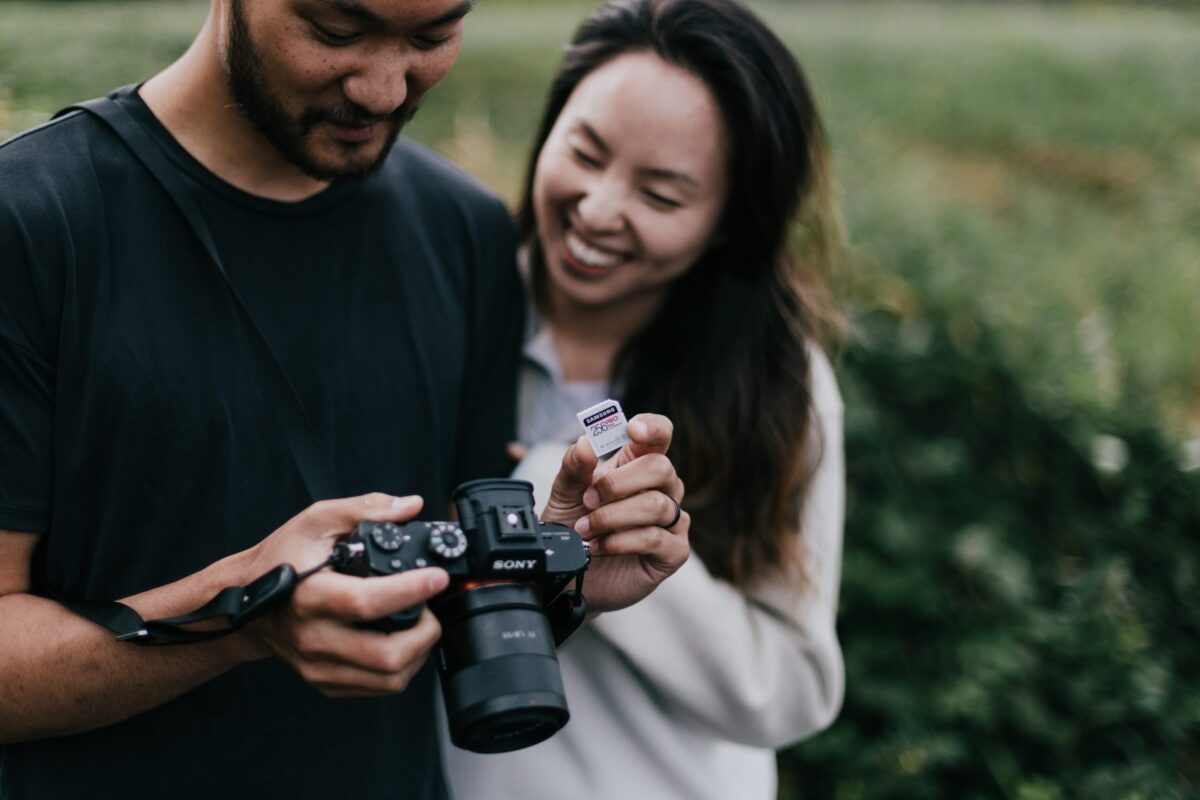
Most wedding photography contracts seem the same, despite the fact that photographic approaches, packages, and positions all differ greatly. The following information belongs in every wedding photographer's contract:
- Don't forget to include the names, addresses, and other contact information for the happy couple, as well as any pertinent details about their lives that pertain to the wedding. Do not stop there, though. Location details, such as the ceremony site, reception venue, and the actual date (month, day, and year), are also extremely helpful.
- Specs on the package you've decided on; it's not enough to just say it's a "highlights bundle." For there to be no room for confusion, the contract must be quite detailed. Everything that is included in the selected package, down to the number of hours of coverage, should be detailed here "rather than "all day coverage"
- Included in the package details should be important financial information such as the agreed upon payment plan, late fees, and deposits. If there is a retainer fee, specify that it is nonrefundable and the amount. Many photographers request a 50% deposit upon signing a contract, with the remaining balance required thirty days prior to the wedding. The disjointedness is only exacerbated by some. The photographer must do what comes most easily to them.
- Timeline for delivery: a wedding photographer's job is only about half done by the end of the wedding day. The completion of the product is delayed until a later time, which may be weeks or months later. For the sake of patient couples, it's crucial that the expected delivery date be made explicit. Questions like, "When will I receive the album?" and "By what method of delivery?" must have satisfactory explanations. It's not uncommon for the happy couple to be so wrapped up in their wedding and honeymoon that they forget about the supplementary deliverables.
- Method of Payment: Although credit card payments are often accepted, the vast majority of photographers do not accept them. This is because the cumulative effect of the added costs means less money for the wedding photographer. Not only should the agreed upon sum of money be spelt clearly, but so should the terms under which that sum is to be paid. Can I only pay at the photographic studio with a check? Do they accept credit card payments from customers if the customer is responsible for the payment?
- As a result of the COVID-19 pandemic, many wedding photographers have revised their cancellation and rescheduling policies to better serve their clients." Since no one saw this coming, many clients are wondering if they may reschedule or even call off their marriages.
- The photographer's cancellation and rescheduling policies should be spelt out in the contract. In the case of an unanticipated event up to 90 days before the wedding, the contract may allow the photographer to reschedule the event at their discretion.
- It's very uncommon for contracts between engaged couples and photographers to be signed months or even years before the wedding. Precise times are hard to determine because the bride and groom have no idea what the wedding day itinerary will look like. For this reason, "full-day coverage" is not typically included in the contracts of wedding photographers (unless it is specifically stated with a phrase such as "up to 12 hours"). Make sure the contract clearly states the photographer's shift duration and their hourly fee, including compensation for overtime.
- Copyright requirements: When newlyweds get their hands on the digital copies of their wedding images, they can't wait to share them around. Although many photographers agree that newspaper announcements and magazine submissions are ineffective forms of advertising, they often accept postings on social media platforms like Instagram and Facebook. Many photographers are reasonable and presume you plan to print and display your images. Many photographers assume this because it is legal for heterosexual couples to do so under a personal licence. It's vital to examine if there's a condition in the contract that says the team can't submit images to a magazine without the photographer's approval before releasing them to the public at large.
- However, there are some engaged couples who do not want their photos used in the photographer's portfolio or other promotional materials and require a model release. However, there are certain squads that would like their pictures not be posted online, especially if there are kids in them. A model release is something that the photographer and the couple should talk about. So that there are no misunderstandings between the couple and the photographer about the usage of the photos after the wedding, it should be specified in the contract.
- Some of the most popular spots for professional portraits require permits that must be authorised in advance; however, it is unclear who is responsible for initiating contact with these spots and securing the necessary permissions. Get in touch with the contract's rightful holder. Avoid being kicked out in the middle of taking bridal photographs by getting a head start on this topic as soon as possible.
- Wedding contracts sometimes include a "meal clause," which states that the couple is responsible for paying for and providing food for the event's photographers, videographer, caterer, and other suppliers for as long as they are contracted to cover the reception. The contract for the wedding photos should include details such as the expected duration and the estimated number of guests.
What Should a Wedding Photography Contract Include?
Extremely so. For this reason, many photographers experience severe anxiety when tasked with drafting one of these agreements. We have the best wedding photographer in Yarra Valley to capture your beautiful moments on your wedding day.
Let's take a look at the things that should be covered and what they actually signify in the world of contracts.
Expenses
On the contract for your wedding photography services, your fees should be specified first and foremost. This will not only present an overview of the numerous wedding photography package selections and their associated prices, but also break down and explain each individual cost.
You'll also lay out the rules for booking and paying for a reservation here. You spell out in detail how much of a down payment is needed to reserve X hours of your time on a certain day, and how the rest of the fee—whether in full on the day of the event, in instalments, or at any other time—will be paid. Be specific about what has to be paid by when, who is accountable for making payments, and what the penalties will be if payments are late.
Things are going to get more tricky if you've been paid to attend a destination wedding. Some experts advise having a unique photography contract for your destination wedding.
Include the cost of airfare and a disclaimer for any unexpected charges if you are, for instance, going to the Caribbean or another location specifically to take their photographs. The bottom line is determining whether or not the pair will be accountable for costs like duty fees, a daily allowance for a rental car, and gas.
Deliverables
This one is rather self-explanatory; it specifies the deliverables you'll provide to the client before, during, and after the wedding. The best way to avoid misunderstandings on the big day is to have everything agreed upon in writing.
If you haven't drafted a wedding photography contract before, you should know that negotiating the terms of the deliverables section will involve the greatest negotiation.
Your clients should be prepared to provide you a precise figure when discussing the desired quantity of images during your initial consultation. They should also specify whether the photos will be raw or post-processed in Photoshop (or similar).
If any editing is done, do you take care of it yourself? Or only the ones they want to draw attention to? Will there be additional costs if you require a great deal of body retouching and background cleanup? Is it appropriate to fulfil their print orders if they ask for them? Or is it merely a digital download or USB drive?
There shouldn't be any space for confusion here. You may feel awkward asking them to revise the wedding photo contract many times, but it's preferable to avoid any potential confusion.
Privacy/Cooperation
As part of the wedding photography contract negotiation process, the couple can stipulate the parts of the reception where photography is permitted and is not permitted to protect their privacy. For instance, some cultures and religions have very strict laws about who may and can't be seen by members of the opposite sex when the couple is preparing for the ceremony. The rules here determine who can and cannot be seen while getting ready.
Cooperation, in a similar vein, refers to event attendees, vendors, and other participants who may or may not be helpful while filming. The celebrant, priest, rabbi, or honoree may have specific requests for when and where they are taken. If the location is a place of worship, such as a church, you may not be authorised to snap photographs there.
This highlights the need of planning an effective face-to-face meeting with the client in advance. It's possible that some of the visitors won't want to pose for photos. The clients may try to downplay the significance of their hesitation by arguing that asking forgiveness is easier than asking permission. Don't forget that it's your name on the line, and that it's also important to give others their own space and time.
Include a language in your wedding photography contract that indicates you are not required to take images of anyone who expressly declines or in any areas where photography is prohibited. You should specify in this section that you are not required to obtain consent before photographing subjects.
Cancellation
Cancellation by either party, not only the wedding party, is addressed in a wedding photography contract's cancellation provision. In the case that a guest cancels at the last minute or a natural disaster prevents the wedding from taking place, it may be necessary to reschedule or even call off the ceremony completely. You could still get sick or have some other kind of personal emergency that needs your immediate attention.
Therefore, a cancellation policy should be included in even the most basic wedding photography contract. Most clients will agree to this condition without hesitation because it protects their interests as well as yours in the event of a dispute.
For wedding photography, a mutual cancellation provision is sufficient to avoid the requirement for a separate cancellation contract. You can get a sense of the kind of provision that appears acceptable to you by reviewing a few of the example wedding photography contracts that are accessible online.
As an example, many photography studios ask for a 30% retainer of the overall cost to hold the event date. If you need to cancel your reservation, this can also serve as the charge. In the highly unlikely case that the client needs to cancel, the retainer will be kept by the photographer and applied to any unpaid balance.
However, if you need to cancel the wedding photography contract due to illness, injury, or other significant emergency, you can state that you will return the retainer cost to the client but that you will not be responsible for any extra damages in the contract.
Please don't feel bad about paying this as it is required by the terms of your wedding photography contract. Don't forget that this is how you pay the bills, so it's on you to make sure you're getting paid fairly for the work you put in. Because of the financial consequences of cancellation without a kill charge, it is crucial that you take measures to safeguard your interests.
Protected by Law (Copyright Protection, etc.)
Yet again, this is what establishes the bounds of each party's security. With regards to copyright, the following three items are often included in a conventional contract for wedding photographs:
Prohibiting the reproduction of photos without the authorisation of the photographer Granting the client permission to publish images for their own personal use guaranteeing that the customer has total access to all of their shots and that the photographer does so
This not only guarantees that the customer will receive all of the requested images, but it also specifies the scope of the customer's permitted and prohibited uses of the images.
The photographer usually has complete creative control over the wedding photos they capture and can do whatever they choose with them, including selling, publishing, or making copies. However, the decision ultimately rests with you. If you're comfortable doing so, you can offer the client a copyright release or a licence to print and disseminate the images. This will allow the customer to do whatever they want with their images.
Do some study on the copyright laws that apply in your nation, and then include the permits that offer you with the most piece of mind in the contract that you sign to provide wedding photography services.
Many guests in the wedding party are proud to flaunt their good looks in public, especially on social media. This is normally acceptable, but things may get unpleasant if your photographs were used to promote the work of another individual. Take the case when the person who made the bridal bouquet posts your images to the website of their floristry business without your permission.
Some photographers are also comfortable with the concept of providing consumers with digital negatives or high-resolution images, but they explicitly state that the customers are not authorised to make any digital changes to the photos.
Having a client ruin your name by publicly attributing a terrible Photoshop work they did on one of your photos and claiming it as their own is one of the worst possible outcomes of a photoshoot. Don't expose yourself to that nightmare. We have an exclusive range of wedding photography Mornington Peninsula services. Check them out here.
Exclusivity and Interference
The "privacy and permissions" provision in your wedding photography contract may be merged with this one, or you may choose to have this as a separate section.
There will almost always be a family member or close friend present at the wedding who is also a passionate amateur photographer. An uncle or aunt is a possible relative. In the opinion of some working photographers, this is fine so long as Uncle Shutterbug doesn't get in the way.
In contrast, the opinions of some photographers are that the wedding images should not be combined with those of other weddings in any public display. A hobbyist's photos are exactly that: a hobbyist's. It would be bad to your business if their work was placed alongside yours, where it could be easily mistaken for your own.
Others, such as the wedding coordinator, the bride's parents, or the more dominant members of the wedding party, may try to direct or influence your images and so constitute an interference. Photographing a wedding is an example of interference. It provides you the right to politely ask them to leave you alone so you can get your work done.
If they think it would save them money, they may also try to limit the amount of time you have to snap photographs by sending you home during the reception or steering you away from particular areas.
It would be ideal for everyone involved if the newlyweds weren't upset because you weren't able to stay and take as many pictures as they'd hoped, or because one of the parents got furious and sent you home too soon. This highlights the significance of establishing clear expectations for deliveries at the outset of the wedding photography contract. In addition, it's important to make it clear that only your employer can "relieve" you of your responsibilities.
Compensation and Insurance
Although most weddings proceed without a hitch, it is nevertheless prudent to add a clause in your contract that safeguards you and your equipment in case of accident.
Think of the worst case scenario: a youngster accidentally breaks a lens, or a drunken groomsman knocks you and your camera into a pond, and you have to pay to get it fixed.
Likewise, if you're the one causing trouble, you need to be covered by liability insurance. Consider the possibility that someone will break an ankle from tripping over one of your tripods, or that you will accidently cause damage to an expensive piece of property at the venue. Learn as much as you can about the General Liability insurance available in your area; you might need to supplement it with Property Insurance.
The addition of errors and omissions insurance is also a possibility. In case any guest thinks the wedding is ruined because you forgot to include pictures of Aunt Helga and her corgi, you'll be prepared. Or anything else that might come up that might make them think you didn't do what you said you would.
Investigate your insurance options for wedding photography and factor the cost into your budget. If you’d like to work with professional photographers for your wedding, book with us at Wild Romantic Photography.
Why Do You Need a Wedding Photography Agreement?
To make a long story short, commitments made verbally are not binding in court. Obviously, no one on either side would ever want this to happen, but it is possible and every photographer should be prepared for it. Whether or whether you can keep working as a wedding photographer depends on the parameters to which you and your customer have agreed in writing (or even careers).
To safeguard both parties and make sure that expectations are clear on both sides, it is wise to have a written contract outlining the terms of your wedding photography services.
Customers will see you as more of a serious businessperson who understands the value of things running as smoothly as possible if you have them sign a contract. All parties benefit greatly from the assurance that comes with a warranty.
Conclusion
When a couple signs a contract for photography services, the photographer may be assured they will be paid for their work. A wedding photography contract is a legally binding agreement between a couple and their photographer. It includes the final price, payment terms, cancellation policies, insurance requirements, and other relevant information. A wedding photography contract protects the interests of all parties involved. Having a record of the terms of the agreement to reference if things go south is a huge assistance.
These contracts detail every aspect of the event photography, and when both sides sign them, it shows that they are in complete agreement. A standard contract for a wedding photographer should also include provisions for instances like damaged equipment, last-minute cancellations, and so on. Newlyweds are interested in suing the photographers who shot their nuptials. Contracts help photographers avoid misunderstandings by outlining their responsibilities in advance. What should be included in a wedding photographer's contract?
For there to be no room for confusion, the contract must be quite detailed. Location details, such as the ceremony site, reception venue, and the actual date (month, day, and year) are also extremely helpful. Photographer's cancellation and rescheduling policies should be spelt out in the contract. "Full-day coverage" is not typically included in the contracts of wedding photographers. Contract should clearly state the photographer's shift duration and their hourly fee, including compensation for overtime.
What should a wedding photographer's contract include? Fees, length of the shoot and the number of guests are just some of the things that should be covered. Certain squads of couples do not want their photos used in a photographer's portfolio or promotional materials after the wedding. You spell out in detail how much of a down payment is needed to reserve X hours of your time. Include the cost of airfare and a disclaimer for any unexpected charges.
Be specific about what has to be paid by when, who is accountable for making payments. Some cultures and religions have very strict laws about who may and can't be seen by members of the opposite sex when the couple is preparing for the ceremony. If the location is a place of worship, such as a church, you may not be authorised to snap photographs there. Many photography studios ask for a 30% retainer of the overall cost to hold the event date. If you need to cancel your reservation, this can also serve as the charge.
In the highly unlikely case that the client needs to cancel, the retainer will be kept by the photographer. Some photographers are comfortable with the concept of providing consumers with digital negatives or high-resolution images, but they explicitly state that the customers are not authorised to make any digital changes to the photos. Others, such as the wedding coordinator, the bride's parents, or the more dominant members of the wedding party, may try to direct or influence your images. The parents of newlyweds may try to limit the amount of time you have to spend photographing them. If they think it would save them money, they may send you home during the reception or steer you away from areas where they don't want photos taken.
Whether or not you can keep working as a wedding photographer depends on what you and your customer have agreed in writing. All parties benefit greatly from the assurance that comes with a warranty. If you'd like to work with professional photographers for your wedding, book with us at Wild Romantic Photography.
Content Summary
- The last remaining detail is finalising the wedding photography contract.
- The following step, however, is to review and execute a contract for wedding photography services.
- When a couple signs a contract for photography services, the photographer may be assured that they will be paid for their work.
- As with contracts for any service provider, signing a contract for wedding photography without first reading it thoroughly is a bad idea.
- We've got some great advice for you regarding your wedding photographer's contract.
- Both the couple and the photographer have signed the agreement.
- Writing a wedding photography contract is an important component of the business, but unfortunately, few schools teach this skill as part of their curriculum.
- Given the complexity of the subject matter, it's wise to use a wedding photography contract sample as a starting point.
- To save you the time and energy of sifting through information that may or may not lead to a definitive solution, we have compiled a number of potential contract possibilities for your consideration.
- Check out our range of wedding photography for your wedding day.
- In addition to protecting the interests of both the client and the photographer, a well-written primary wedding photography contract protects the interests of all parties involved.
- Having a record of the terms of the agreement to reference if things go south is a huge assistance.
- This safeguard is for the protection of both the photographers and the couples.
- Convince them that the wedding photography contract will serve as a reference for you to refer to in order to ensure that you give everything they want in the images you shoot of their special day at the meeting.
- In the case that you have any doubt about the quality of the service you are delivering, you can refer to the guidelines at any time and use them as a check list.
- In fact, you need to be prepared to list everything that you offered as part of your defence if they allege that a wedding photographer breached the contract.
- In many cases, newlyweds are interested in suing the photographers who shot their nuptials, according to Wedding Industry Law, an online contract platform.
- Three common sources of friction are as follows:Breach of contract occurs when the photographer fails to deliver the contracted services.
- Without a detailed agreement, it may be difficult to prove that the photographer did not deliver the promised work.
- Legal disputes aren't the only reason to have a contract.
- If the couple does not have a deep familiarity with the photography business, the contract will explain what to expect.
- The following information belongs in every wedding photographer's contract:Don't forget to include the names, addresses, and other contact information for the happy couple, as well as any pertinent details about their lives that pertain to the wedding.
- Specs on the package you've decided on; it's not enough to just say it's a "highlights bundle."
- For there to be no room for confusion, the contract must be quite detailed.
- Timeline for delivery: a wedding photographer's job is only about half done by the end of the wedding day.
- For the sake of patient couples, it's crucial that the expected delivery date be made explicit.
- This is because the cumulative effect of the added costs means less money for the wedding photographer.
- Do they accept credit card payments from customers if the customer is responsible for the payment?As a result of the COVID-19 pandemic, many wedding photographers have revised their cancellation and rescheduling policies to better serve their clients."
- The photographer's cancellation and rescheduling policies should be spelt out in the contract.
- In the case of an unanticipated event up to 90 days before the wedding, the contract may allow the photographer to reschedule the event at their discretion.
- It's very uncommon for contracts between engaged couples and photographers to be signed months or even years before the wedding.
- It's vital to examine if there's a condition in the contract that says the team can't submit images to a magazine without the photographer's approval before releasing them to the public at large.
- However, there are some engaged couples who do not want their photos used in the photographer's portfolio or other promotional materials and require a model release.
- A model release is something that the photographer and the couple should talk about.
- So that there are no misunderstandings between the couple and the photographer about the usage of the photos after the wedding, it should be specified in the contract.
- Get in touch with the contract's rightful holder.
- Wedding contracts sometimes include a "meal clause," which states that the couple is responsible for paying for and providing food for the event's photographers, videographer, caterer, and other suppliers for as long as they are contracted to cover the reception.
- The contract for the wedding photos should include details such as the expected duration and the estimated number of guests.
- What Should a Wedding Photography Contract Include?Extremely so.
- Let's take a look at the things that should be covered and what they actually signify in the world of contracts.
- ExpensesOn the contract for your wedding photography services, your fees should be specified first and foremost.
- You'll also lay out the rules for booking and paying for a reservation here.
- You spell out in detail how much of a down payment is needed to reserve X hours of your time on a certain day, and how the rest of the fee—whether in full on the day of the event, in instalments, or at any other time—will be paid.
- Some experts advise having a unique photography contract for your destination wedding.
- Include the cost of airfare and a disclaimer for any unexpected charges if you are, for instance, going to the Caribbean or another location specifically to take their photographs.
- DeliverablesThis one is rather self-explanatory; it specifies the deliverables you'll provide to the client before, during, and after the wedding.
- If you haven't drafted a wedding photography contract before, you should know that negotiating the terms of the deliverables section will involve the greatest negotiation.
- As part of the wedding photography contract negotiation process, the couple can stipulate the parts of the reception where photography is permitted and is not permitted to protect their privacy.
- For instance, some cultures and religions have very strict laws about who may and can't be seen by members of the opposite sex when the couple is preparing for the ceremony.
- Include a language in your wedding photography contract that indicates you are not required to take images of anyone who expressly declines or in any areas where photography is prohibited.
- CancellationCancellation by either party, not only the wedding party, is addressed in a wedding photography contract's cancellation provision.
- Therefore, a cancellation policy should be included in even the most basic wedding photography contract.
- For wedding photography, a mutual cancellation provision is sufficient to avoid the requirement for a separate cancellation contract.
- Please don't feel bad about paying this as it is required by the terms of your wedding photography contract.
- Do some study on the copyright laws that apply in your nation, and then include the permits that offer you with the most piece of mind in the contract that you sign to provide wedding photography services.
- Many guests in the wedding party are proud to flaunt their good looks in public, especially on social media.
- Don't expose yourself to that nightmare.
- We have an exclusive range of wedding photography Mornington Peninsula services.
- Exclusivity and InterferenceThe "privacy and permissions" provision in your wedding photography contract may be merged with this one, or you may choose to have this as a separate section.
- In contrast, the opinions of some photographers are that the wedding images should not be combined with those of other weddings in any public display.
- Photographing a wedding is an example of interference.
- If they think it would save them money, they may also try to limit the amount of time you have to snap photographs by sending you home during the reception or steering you away from particular areas.
- It would be ideal for everyone involved if the newlyweds weren't upset because you weren't able to stay and take as many pictures as they'd hoped, or because one of the parents got furious and sent you home too soon.
- This highlights the significance of establishing clear expectations for deliveries at the outset of the wedding photography contract.
- In addition, it's important to make it clear that only your employer can "relieve" you of your responsibilities.
- Compensation and InsuranceAlthough most weddings proceed without a hitch, it is nevertheless prudent to add a clause in your contract that safeguards you and your equipment in case of accident.
- Think of the worst case scenario: a youngster accidentally breaks a lens, or a drunken groomsman knocks you and your camera into a pond, and you have to pay to get it fixed.
- Likewise, if you're the one causing trouble, you need to be covered by liability insurance.
- Consider the possibility that someone will break an ankle from tripping over one of your tripods, or that you will accidently cause damage to an expensive piece of property at the venue.
- Learn as much as you can about the General Liability insurance available in your area; you might need to supplement it with Property Insurance.
- The addition of errors and omissions insurance is also a possibility.
- Investigate your insurance options for wedding photography and factor the cost into your budget.
- Why Do You Need a Wedding Photography Agreement?To make a long story short, commitments made verbally are not binding in court.
- Whether or whether you can keep working as a wedding photographer depends on the parameters to which you and your customer have agreed in writing (or even careers).To safeguard both parties and make sure that expectations are clear on both sides, it is wise to have a written contract outlining the terms of your wedding photography services.

How long should it take a photographer to edit photos?
Imagine a commonplace scenario in which you have just completed preparing the family camera for use. You made sure everyone looked great, the shoot went off without a hitch, and now you can't wait to see the final cut!
You can't help but feel let down when you contact a photographer about turnaround times and are told it will be many weeks before you receive your photographs. You might be asking why it takes such a long time to complete. Can I expect a photographer to spend a few weeks editing my gallery if they do it themselves?
What exactly is editing, and why does it take so long before I can see my finished photos? This is a common query, and it is a great one! If you hire a professional photographer, chances are strong that they make all or nearly all of their living from photography.
To keep a business operating efficiently and entice customers to return on a regular basis, certain tasks need to be completed on a daily, weekly, monthly, and yearly basis, just like any other kind of enterprise. Visit Wild Romantic Photography to learn more about our wedding photography packages and services.
If the photographer was just in charge of "your wedding," you shouldn't have to wait longer than a week, and ideally no more than a few days, to get the photos back. In the vast majority of cases, this is not something a photographer would typically undertake. They have to think about the needs of their business and the many other people for whom they are making images and other items in addition to your beautiful wedding.
Each of you has been informed of this, I'm sure, by your photographer. I'll get those pictures back to you as soon as I'm done with the editing. You've heard this statement before and maybe even nodded your head in agreement, but do you know what it means? Most people's knowledge of picture editing stops with adding an Instagram filter on a mobile camera snap. A photographer will likely do more than this to your images before they are ready for you to view, but it's technically an edit (and if they are, you should run in the other direction).
Even though everyone knows this to be true, it rarely comes up in everyday discussion. To set the stage, let me clarify something. There are numerous open-ended questions that might be interpreted in a positive light, and the extent to which photographers post-process their images is no exception.
In Other Words, It's No Big Deal
I'm not saying someone is intentionally being dishonest; usually, it's just that there are some details that haven't been filled in. So, what's the big deal, anyway? As a matter of fact, there isn't even a major problem here.
When I was initially getting into photography, you can find it very difficult to isolate the effects of the photographer's skill from those of the equipment, the processing, or the falling. It takes time, effort, and practise to become a skilled photographer, so it makes sense that established professionals would wish to guard their methods.
What the Heck Happens After a Session?
Modern photography's reliance on post-processing techniques
In the viewpoint of the public, post-production only became a thing following the launch of digital photography. Yes, this is true to a certain extent; nonetheless, it is important to not generalise all image editing techniques. It was still able to make substantial changes to the final image by adjusting the aperture, the shutter speed, the ISO, the white balance, and the image's overall aesthetic, despite the film's age.
It's true that making these sorts of changes was more inconvenient in the past (you had to physically swap out your film, etc.), but we shouldn't equate the ease with which modern technology makes these sorts of changes with dishonesty. It is still required to "tune" the final image in order to get something closer to reality, even with the capabilities of modern cameras and other technology. This has been the case ever since photography was invented. The truth is that even the most proficient photographers make adjustments to their photos.
In need of wedding photography Melbourne? Stop right there! The problem is solved by Wild Romantic Photography.
Standard Procedures
The single most crucial piece of advise I can give is to use as little post-processing as possible while still achieving the desired result. If you have a solid concept in mind and set out to produce an image that is faithful to your surroundings, you should have little trouble doing it. It's probable that additional time and effort will be required if you're aiming for a more aesthetic end product.
My fundamental post-processing technique is relatively uncomplicated as a result of the fact that the majority of the images are either travel-related or portraits. For the most part, you should follow the five processes below when taking photographs, though there are times when I employ other methods to get desired results. Please note that I always shoot in RAW and use Lightroom as my primary processing programme.
- Modify by Cropping and Straightening: For the purpose of perfecting and correcting the compositional errors.
- Uniformity in White: To eliminate colour distortion and enhance colour accuracy in the image.
- Visibility: To enhance the image's tonal range and contrast.
- Precision & Transparency: For significant emphasis, by highlighting previously hidden details and restoring lost intensity.
- Enhancing: The final step is to use selective sharpening to highlight any content that needs to stand out.
Your Yarra Valley wedding photography will be a treasured keepsake for years to come.
The Two Minute Limit
When you are initially beginning, it is vitally necessary to commit part of your time to honing your processing skills. Conversely, as you get the hang of things, you must start improving your efficiency. Not only will this keep you from wasting time in front of the computer, but it is also the most efficient method for minimising the risk of over-processing. The "Two Minute Rule" is, without a question, the single most useful piece of professional advise I've ever received, and it has completely revolutionised the way I approach photography.
The idea behind this suggestion is that no one image should require more than two minutes to process. Suppose you only needed two minutes to do everything required to make a concept look exactly how you intended it to. If you need to spend more than two minutes editing an image, you might want to reconsider whether it's worth your time.
Not a second of your time is going to be wasted on me trying to convince you that I strictly adhere to this regulation. Despite this, it's a great method to focus your post-processing work, and you should give it some serious thought as a possible addition to your routine. Setting a limit on the amount of time spent in post-processing can keep you from wasting time trying to salvage poor photographs and will give you an idea of when you've gone overboard.
The "So Now what?" for Newbies
It's safe to assume that the vast majority of the pictures you view have been altered in some way after they were taken. Most photographers will edit their photos in some fashion, either to improve upon the results naturally or to achieve a specific aesthetic.
It's counterproductive to dwell on the actions of others when your focus should be on perfecting your own methods of producing the desired results. In order to improve as a photographer, you should prioritise learning the techniques that will help you create the image you have in mind. If you are successful, you will soon be able to modify other aspects of your images.
We at Wild Romantic Photography would love to be your wedding photographers.
How Long Should it Take to Edit My Pictures?
Use presets
One of the various presets I've made for Lightroom will be applied to any image that is imported into the programme. File naming conventions, metadata, and the option for automated file development are all part of the default configuration. If you notice that you are repeatedly editing the same photo of mine to include the same information, I would appreciate it if you could just tell me once and then I could add it to all of my images.
However, having it applied immediately during import is a huge time saver. It is best practise to return to the development settings and make fine-tuned adjustments after every import. Still, with the preset in place from the get-go, the initial point of departure is often a lot closer to the ultimate destination than it would otherwise be.
Synchronise settings
Lightroom makes it possible to synchronise numerous editing parameters for multiple images simultaneously. After adjusting the settings to your liking, you can examine the next few images to see if they were captured in the same or similar lighting. If that's the case, you can synchronise the development settings so I can bring those photos far closer to appearing their finest in less time. The results are hit-or-miss, but the time saved by not having to repeatedly click the same things is significant.
Stage One: Editing process is the culling of unwanted images
This is a concern that may sometimes be difficult to solve. Photographers frequently take multiple shots of the same or slightly different poses in order to achieve the desired results (in terms of angle, focus, etc.). When there is a great degree of similarity between several potential shots, the photographer must decide which one is the best.
Keep in mind that not every picture taken of you will be a masterpiece, that the camera's shutter can catch you in the middle of a blink or a sentence, and that it's simple to delete blurry, funny-looking, or blinking shots.
Stage Two: Adjusting the RAW files to produce the best colour, contrast, sharpness and exposure
Most photographers, though not all, shoot in RAW to have the most flexibility in post-production and better realise their vision. Then, what, precisely, is a RAW file? The term "RAW file" refers to a file that contains raw, unprocessed data.
This means that the file has not been compressed or otherwise altered in any manner, either by the camera or the computer. The vast majority of digital camera users take pictures in JPEG format, which reduces file size and improves colour accuracy and contrast. This means that the majority of the time, the photograph looks great just after it has been captured. A RAW file, on the other hand, keeps everything intact so that it can be edited in the future to bring out the best in the photo.
In order to accomplish this, it would be beneficial for you to have access to photo editing software such as Photoshop or Lightroom. After your photographer has finished the RAW conversion process for the images they plan to edit, the following step is to style those photographs.
We offer a specialised selection of wedding photography Mornington Peninsula options. Look at them here!
Stage Three: Adding the magic
Over time, every photographer develops a style that is uniquely their own when it comes to both taking pictures and editing them. It is the reason why you are interested in their line of work. The consistency of the photographer's editing is often their calling card, but the definition of "consistency" can be subjective.
So, why a few weeks?
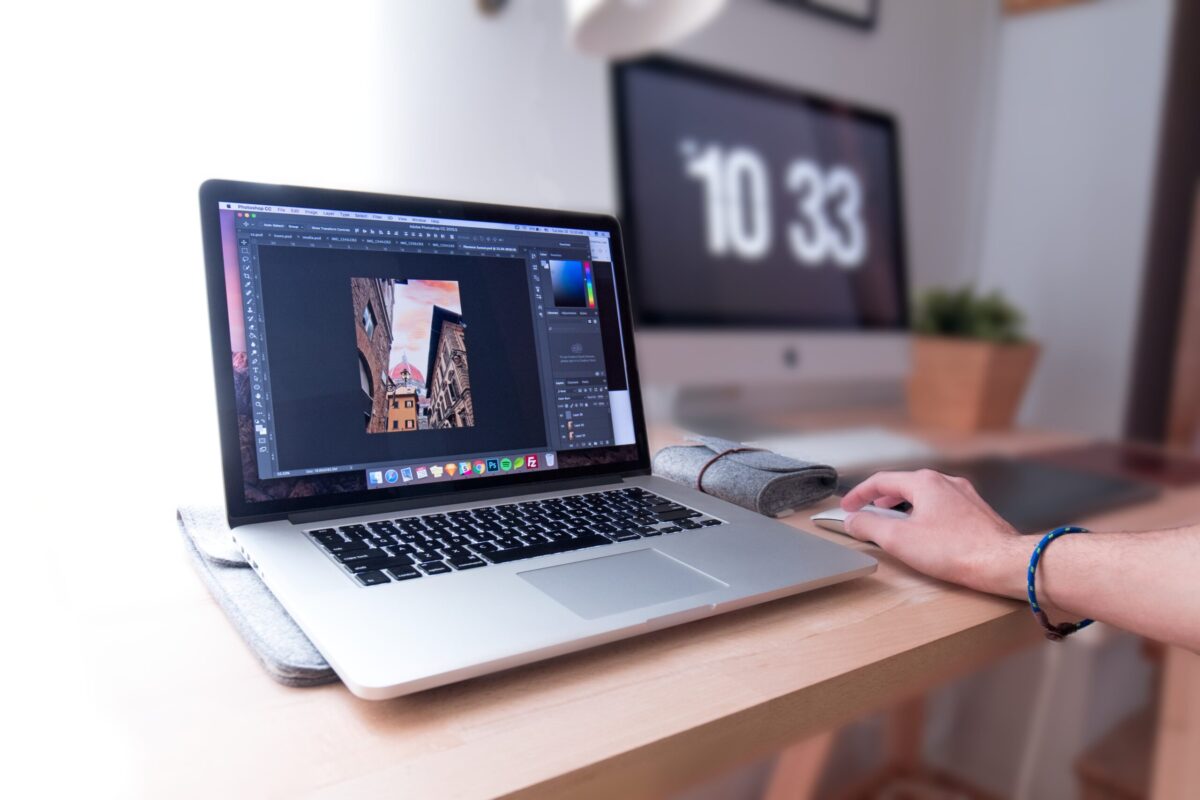
What an ingenious query! All photographers maintain an editing queue, or a list of sessions that still need to be edited. Your photographer's turnaround time for your images will change based on a number of factors, including his or her workload, the number of photoshoots scheduled per week, and the time of year. We see a spike in business in the autumn due to the high volume of weddings and other social events. You can rarely get two consecutive weeks in the fall that are alike.
The days before and after a day or two of small sessions are always scheduled. At some point in the future, If you would like to photograph both the sunrise and the sunset.
Do you want to make sure you don't miss a thing at your dream wedding? Don't stress, Wild Romantic Photography has you covered.
How long is it reasonable to expect before I get my images back?
It's very uncommon to see posts in Facebook groups for brides like "It's been eight months, and If you still have not received my wedding images, is this normal?" Despite what most people think, I'm going to hazard a guess and suggest that's not the case. If your photographer hasn't been seriously ill or otherwise incapacitated and hence unable to work, there's no good reason for the delay.
Your images will likely arrive anywhere from one week to three months after placing your order. However, your photographer should be in touch with you and able to easily react to any issues you may have about deadlines. Please note that during the peak season (May–October), you may have to wait substantially longer to obtain your images. The end of summer and beginning of fall are consistently my busiest times of year. Since It also takes portraits of families and hosts fall mini sessions, If you spend a lot of time frantically editing my photographs.
In the end, it's crucial to be able to communicate with your photographer, so if they don't answer your queries or return your emails, you might want to be wary. However, it is not a good idea to constantly bug your photographer with questions about the progress of your photos or whether or not they have talked with you.
Keep in mind that most of the effort will be put in after the wedding day, not on that day. This is a time-consuming process because it requires you to refine your photos and send them to you. We know that the anticipation of receiving your wedding photos is killing you; you can't wait to relive the happiness and splendour of that special day again and again. However, like with many things in life, perfection is worth waiting for, so it's well worth the effort to ensure that the memories you create are as wonderful as they can be.
Conclusion
When you hire a professional photographer, chances are strong that they make all or nearly all of their living from photography. A photographer will likely do more than this to your images before they are ready for you to view, but it's technically an edit. Visit Wild Romantic Photography to learn more about our wedding photography packages and services. Photographers post-process their images, and the extent to which they do so is no exception. As a matter of fact, there isn't even a major problem here.
The single most crucial piece of advise I can give is to use as little post-processing as possible while still achieving the desired result. The "Two Minute Rule" is the single most useful piece of professional advise I've ever received. The idea behind this suggestion is that no one image should require more than two minutes to process. Setting a limit on the amount of time spent in post-processing can keep you from wasting time trying to salvage poor photographs. Photographers will edit their photos in some fashion to improve upon the results naturally or to achieve a specific aesthetic.
Lightroom makes it possible to synchronise numerous editing parameters for multiple images simultaneously. Photographers frequently take multiple shots of the same or slightly different poses in order to achieve the desired results. Most photographers shoot in RAW to have the most flexibility in post-production and better realise their vision. The term "RAW file" refers to a file that contains raw, unprocessed data. A RAW file keeps everything intact so that it can be edited in the future to bring out the best in the photo.
Images will likely arrive anywhere from one week to three months after placing your order. During the peak season (May–October), you may have to wait substantially longer to obtain your images. Most of the effort will be put in after the wedding day, not on that day. This is because it requires you to refine your photos and send them to you.
Content Summary
- If the photographer was just in charge of "your wedding," you shouldn't have to wait longer than a week, and ideally no more than a few days, to get the photos back.
- Most people's knowledge of picture editing stops with adding an Instagram filter on a mobile camera snap.
- A photographer will likely do more than this to your images before they are ready for you to view, but it's technically an edit (and if they are, you should run in the other direction).
- Modern photography's reliance on post-processing techniques In the viewpoint of the public, post-production only became a thing following the launch of digital photography.
- The truth is that even the most proficient photographers make adjustments to their photos.
- The Two Minute Limit When you are initially beginning, it is vitally necessary to commit part of your time to honing your processing skills.
- The idea behind this suggestion is that no one image should require more than two minutes to process.
- Setting a limit on the amount of time spent in post-processing can keep you from wasting time trying to salvage poor photographs and will give you an idea of when you've gone overboard.
- After your photographer has finished the RAW conversion process for the images they plan to edit, the following step is to style those photographs.
- Your images will likely arrive anywhere from one week to three months after placing your order.
- Please note that during the peak season (May–October), you may have to wait substantially longer to obtain your images
- In the end, it's crucial to be able to communicate with your photographer, so if they don't answer your queries or return your emails, you might want to be wary.
- This is a time-consuming process because it requires you to refine your photos and send them to you.
FAQs About Photography

How Do You Tell a Photographer You Don’t Like the Photos?
Not many wedding photographers even admit it. This is true, but unfortunately it often occurs. The newlyweds aren't always happy with the end result of their wedding album. It doesn't matter whose fault it was (and believe me, it might have been yours) or what could have been done in the moment to avoid it; you still don't like the wedding photos that were returned to you. Where do we go from here? We provide wedding photography packages and consultations at Wild Romantic Photography if you're looking for some help planning your big day.
Consult with your photographer
The most important piece of guidance was to keep in close contact with your photographers. Discuss the situation with them while maintaining as much composure as you can. Prepare a thorough justification for the specific complaints you have about your wedding album.
Do you recall me mentioning the lengthy editing processes that photographers must undergo? During the editing process, photographers have a few opportunities to make adjustments—both major and minor—that might make the final product more satisfying to the client. A competent photographer may be able to pull it off, but don't count on it.
Take it from industry insiders: arrange to see the photographer in person as soon as feasible. People are often very good at keeping their true identity under wraps online. Whether the client decides the images are so awful that they don't need to be used, he or she may ask the photographer if they can be sent somewhere to be edited.
Allow them to make things right
If a photographer is aware that their work has caused you distress, they will want to fix the situation. Give them an opportunity to make amends and do all they can to help you find a solution. Try to make yourself as comfortable as possible so that it is acceptable.
No one is a magician, so they can't guarantee that everything will be just right or that they'll be able to retake your wedding images if they botch the job. However, they will do their best to make up for any errors they make. Aside from trying to correct the photos, refunding some or all of your money, crediting your album, or scheduling a new photo shoot, you have some options.
You need to get really detailed
If you're unhappy with your wedding images, that's not good enough. The photographer isn't given any information about how to fix the issue. You may express your disappointment by stating, "I really want there were more B & W photographs" or "I really want there were more close - up shots of the design" or "I really wished I had taken a picture of my uni girlfriends." Everyone will benefit from you being as specific as possible.
Word from the experts:
- Tell the truth.
- Describe in detail what it was that you disliked.
- Provide specific feedback to your photographer so they can better serve your needs.
Inquire to view all of the pictures
The images from a wedding are normally handed to the bride and groom, but only a handful. Many hundreds, if not thousands, of photographs may have been taken at a single wedding. In other words, they just take the greatest images and make them even better before sharing them with the public. There may be hidden photos that could solve any issues you're having with your current set of images if you can identify and fix the ones that are making you unhappy.
Have another session
If your wedding photographer makes a mistake, they should compensate you monetarily or provide a free shoot. Get in touch with your photographer the day following the shoot for a consultation, or start looking for a new one. The day after the ceremony is sometimes referred to as "trash the frock”, and it's a chance for the bride and groom to have another go at their fancy dresses.
You will have the opportunity to take pictures while wearing your wedding attire, and if you're lucky, you'll get some great shots that you otherwise wouldn't have had time for on your wedding day. Finding the best wedding photographer in Melbourne to document your special day.
Prevent issues before they even arise
Doing research is the greatest way to head off any photography-related issues in the future, as suggested by nearly all the photographers we spoke with. An engaged couple can prevent a lot of stress after their wedding if they take the time to interview and hire a photographer who makes them feel at ease. In addition, be sure the photographer you end up hiring has an excellent reputation. It's crucial to find a wedding photographer whose previous work inspires you and with whom you click.
Word from the experts:
Nearly all the photographers we talked to recommended conducting research as the best method to avoid any potential future photography-related problems. Many issues that come after a wedding can be avoided if the couple takes the time to investigate photographers and picks one who puts them at ease beforehand.
In addition, be sure the photographer you end up hiring has a good record. It's crucial to find a wedding photographer whose previous work inspires you and with whom you vibe.
The day you hired your photographer can be one you never forget, but there are steps you can do to minimise your regret.
Like your photographer
Your photographer should take pictures that you like, but that's not all: you should also feel at ease around them. Verify that the photographer you meet with is the one who will be capturing your wedding. You can find some truly remarkable photographers with a distinct flair right here.
Because they do exist, wedding photography mills warrant your utmost caution. You'll talk to a salesperson, see some of their greatest work, and then get to work with a photographer who makes minimal salary and has little experience.
To keep from being scorched:
- Inquire to view a full wedding ceremony.
- Is the photographer's aesthetic a good fit for your big day, in addition to their character?
- A good way to "test drive" your photographer before the big day is to schedule an engagement session if you're still undecided.
Choose a professional wedding photographer
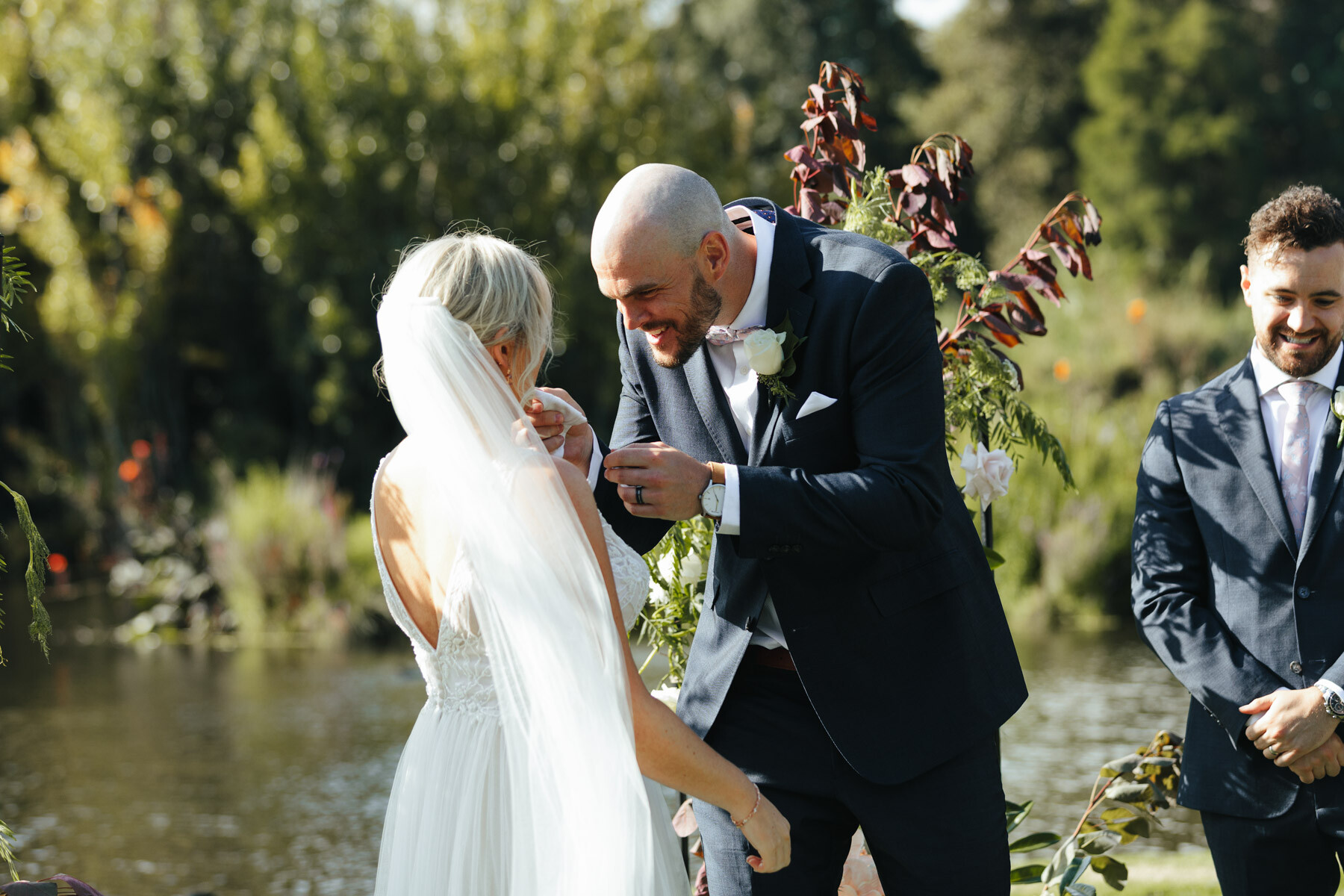
You should hire a wedding photographer who has covered a large number of weddings, as this is the greatest way to learn the ins and outs of the job. The greatest photographers for weddings have a sixth sense for anticipating the most memorable moments. Even if your cousin is a talented photographer, you shouldn't assume you can hire him to capture your wedding because of his culinary photography skills.
We at Wild Romantic Photography would be honoured to be your wedding photographers.
Tread cautiously when hiring friends or family
Invite those you care about to share your special day with you. Some of your photography friends may offer to shoot pictures for you; if they do, thank them for their offer but politely decline. I have a secret to share with you: they probably won't care if they are rejected.
Photographers at a wedding are not permitted to sit with the guests. It's nice to finally attend a wedding where we don't have to worry about taking pictures and can instead go directly to the libations and perhaps even break into a Wobble. In any case, wouldn't it be prudent to maintain a wall between one's private and professional lives?
Delete your wedding Pinterest boards
Let's say you spotted some pictures you really liked on Pinterest and you want your photographer to recreate them. The images shot during your wedding will not (and should not) look like the photographs taken at other weddings. You're just setting yourself up to feel let down.
That's why, a week before the wedding, you should clear out your Pinterest boards. Even though it's sacrilegious to say, you should erase your boards and stop holding on so tightly. Planning has reached its conclusion. Your wedding day has finally arrived. Congratulations! In this, you're completely committed to one another. You two are really in love with one other.
Avoid time warp
Getting about on the wedding day will take twice as long as you think it will, so schedule appropriately. Forgetting to factor in highway traffic on the route to the location of your reception may cut the time available for snapping photographs in half.
Find out how much time your photographer will need, and work it into a practical timeline. Photographers may be magicians, but we can't stop time from passing. A wedding planner or coordinator should be consulted in order to create a comprehensive plan for the event. If you try to pack too much into an already hectic day, the results will be disastrous for your wedding photos.
No laser lights ever
Do you think the green spots on your face make you look attractive? No? Then thank your DJ for their time and politely request that they turn off the laser display. You might as well blind your guests with laser lights because they make it look like they have a skin ailment that has given them a mutant green skin mutation. Oh, and high-end cameras are completely vulnerable to the costly lasers used in EDM. Hulk out and smash the laser lights!
Put down the vodka cranberry
Andrew W.K., I'd like to ask you to hold off on going completely until after the ceremony and images have been taken. Keep drinking mimosas, but take it easy and drink lots of water too. You're not a fan of how inebriated you seem. I can't change that in Photoshop. Vodka cranberry is also notorious for staining wedding gowns.
Unplug during your wedding ceremony
There has been a great deal of talk on this issue already. On the other hand, I'm going to add my two cents. An rising number of hotel visitors are utilising iPads for covert surveillance, which is a growing concern. It's not uncommon for visitors at weddings to hold iPads in front of elderly relatives, causing them to stoop down in order to see what's happening. Request that guests refrain from taking photos with their iPads until after the first kiss has been exchanged.
Feed your photographer
Under the pretence of "hide the photographer," your caterer is planning something wicked. They lead the photographer into a dark hallway that is about a hundred yards from the lobby after their sugar levels have hit rock bottom. The DJ will announce the start of the parent dances at that exact moment. I don't know where this nasty practise originated, but there is a straightforward way to put an end to it:
If you want wedding photos to turn out, have the caterer prepare meals for the photographer at the same time the bride and groom eat. In this way, you can rest assured that they will be prepared to snap photos whenever you are. If at all feasible, have them take a seat in the main lobby. That way, if something truly remarkable happens, they'll be there to record it.
When it comes to wedding photography Yarra Valley, Wild Romantic Photography is your best bet. Look at them right here!
Turn crappy into happy with uplighting
I once witnessed a DJ using uplighting to turn a square room into a club reminiscent of those in Las Vegas. Most professional DJs will include uplighting in their services. Have you thought of handling it on your own?
Find the photos you DO like and get them on your wall and in an album.
Don't waste the money you spent on wedding photos by deleting them or having them scattered around the internet once the big day is over. Vintage hard drives containing wedding images will be useless to historians (or relatives, cough) digging through your attic.
Even if the vast majority of your wedding photographs leave you feeling unsatisfied, it is still worthwhile to track down the handful that you do like and have them reproduced. You should treasure the images, have copies made, and proudly display them even if there are only a handful.
Put together an album if you can find any more. Selecting images to print may help you relive the joy of your wedding day. Even if you have a thousand photos on your hard drive, only a fraction of them are worth keeping. However, the photos you truly love will be displayed in albums and on walls for decades to come.
Essential Things You Need To Tell Your Photographer
The photographer will be one of the vendors you spend the most time with, as they will be present for many of the most intimate and personal moments of your wedding day, will assist you in making a timeline (if you don't have a planner), and will create the heirlooms you will cherish for years to come. The fact that they are both one of the first vendors you will need to book and one of the vendors you will spend the most time with gives them a place towards the top of the list.
If you have a photographer but haven't been in touch with them recently, you need to start doing so immediately. If you think that simply telling people when and when to show up is enough, you're off base. You probably only know a small fraction of what's important for photographers to know.
Details, details, details
You should tell the photographer if you plan to use any priceless heirlooms in your ceremony and reception, as well as if you want those objects captured in photographs. A beautiful piece of fabric to wrap your bouquet in, a jewellery that previously belonged to a famous person, or a one-of-a-kind charm are all examples of this.
If you want your photographer to capture a certain detail because of its significance to you, be sure to let them know. This also holds true for a wide range of additional specifics. If there is something you particularly value and would like captured in a photograph, but which is not an heirloom, make sure to bring it up.
Any special or unique moments of your day
Your photographer will appreciate knowing about any extra touches you've added to the ceremony or reception. That way, your photographer will get the greatest possible shot of the event. For instance, the Hora, a ceremony in which the sands of the ritual are mixed, or, if a guest's birthday and the wedding date coincide, a happy birthday wish.
He was ready for it because you had warned him beforehand. Some couples choose to not wait until the end of a church wedding service to share their first kiss as husband and wife; if this is the case for you, please inform your photographer in advance.
Who your family members are
It's also a good idea to let your photographer know ahead of time which members of your immediate family you'd want to have portraits taken with. This may seem absurd at first, but stay with me here. While your photographer knows you and your parents, he has no idea who your cousins, aunts, uncles, grandparents, or anybody else in your family is.
In order to ensure that the photographer captures everyone who matters in your family, it is imperative that you supply them with a list of names. They won't need to know what they look like to pose for photos; instead, they'll call out the people they want to pose with. However, if your grandma is there and no one recognises her or asks if you want a photo with her, you may come to regret taking advantage of that photo opportunity.
Venue restrictions
Maybe you didn't know this, but there are regulations about when and where certain items can be photographed in specific places. Usually, a photographer is not allowed to take pictures of certain parts of a service or other events within a church. You should ask the officiant if there is anything special your photographer should know about the ceremony. Some churches prohibit photography from the balcony because of the sacred nature of the location.
Knowing in advance that you cannot go up to the terrace for a photo you want from your photographer is preferable to being disappointed later. In light of what was just discussed, this is something you should definitely find out from the location you've chosen. Although it's likely that some people will volunteer this information, if they don't you should definitely enquire.
Searching for a Mornington Peninsula wedding photographer? Stop right there! There is no need to worry, since Wild Romantic Photography has you covered.
Officiant restrictions
You may also consider inquiring with the individual who will be performing the ceremony whether there are any specific rules or guidelines that everyone should adhere to. The ceremony you decide to have is a major part of your wedding day, and this is widely acknowledged. Therefore, your officiant may impose restrictions on the ceremony, such as a ban on flash photography.
A wedding photographer should know almost as much as you do about the event. Keeping people in the loop may seem like a joke, but it will help make your day go as smoothly as possible.
Questions You Should Ask Before You Take a Photograph
Let's pretend for a second that you want to broaden your photographic horizons. The following list of questions may be just what you need to get your head, feet, or camera in the right place to help make a good photograph great, or a great picture iconic; some of the questions deal with the physical act of taking the photograph, while others deal with the inner thoughts that led to the creation of the image.
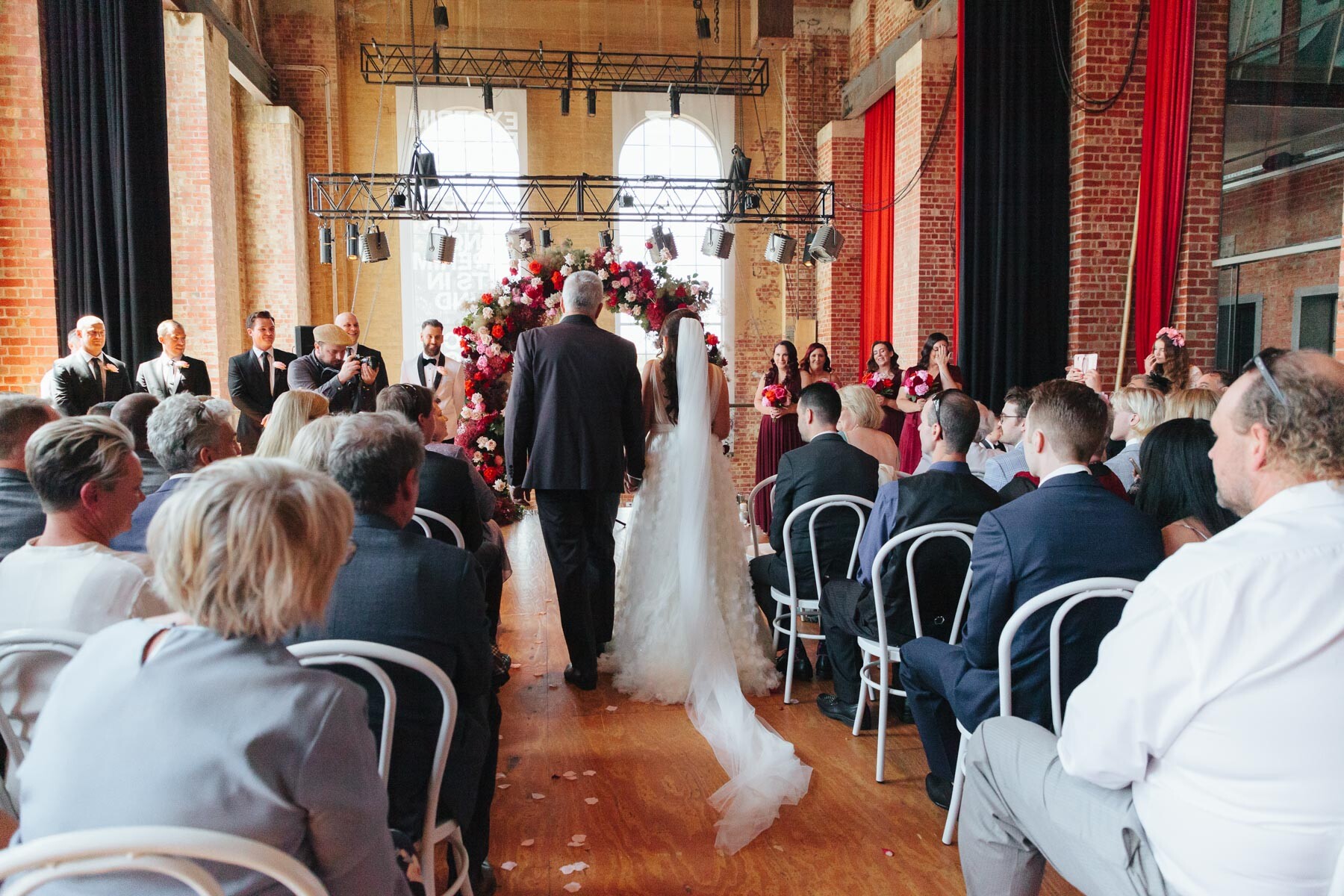
What is my subject?
A camera's LCD screen and putting it up to your eye serve a purpose in photography. Consider what it is that you are trying to take hold of. Furthermore, bear it in mind as you use the camera. The view via the viewfinder or on the screen may be distracting or make you feel more removed from the subject than you actually are. If the scenery is too much to take in while you're talking, your listeners will have a hard time focusing on what you're saying.
How do I best highlight the subject?
You know what your piece is about, but will other people be able to tell? Will the events depicted in the photo still make sense to you when you look at them in a year or two? A multitude of techniques, including composition, lighting, angles, and lines, can be used to draw attention to your topic. Think about what you want to know more about, and keep reading; the upcoming questions will go into more depth on this issue.
Where is the subject in the frame?
Where in the middle is the emphasis placed on the topic being discussed? Sometimes such an approach works. Divide the image into thirds, both vertically and horizontally. Is it preferable to place the problem at the composition's junction or along one of the lines? What happens to the composition if the subject is pushed into a corner or positioned extremely high or low in the frame?
Am I close enough to my subject to emphasise it?
In order to avoid having your subject get lost in the background noise, it's important to be close to it. You weren't close enough to the topic when you took the photo, or you didn't use other techniques to emphasise the subject, if you had to inform the viewer where the subject is placed in the frame. Well-known photographer and Magnum Photos founder Robert Capa once quipped, "If your photographs aren't excellent enough, you're not close enough."
Am I far enough from my subject to allow the viewer to have a sense of the photograph's time and place?
Unlike the first query, this one allows for a subject to occupy such a huge percentage of the frame that the setting and location of the photo are obscured. If you want to take a picture of a friend or loved one in front of a famous landmark or a scenic view as a souvenir of a special time you shared, it would be nice to capture at least a small portion of the landmark or scene in the photo. Of course, there will be situations in which you want the topic to fill the frame.
Is there something in front of or behind the subject that distracts me?
Sometimes things in the foreground can detract from a snapshot, but it's usually the stuff in the background that either destroys the shot or provides some much-needed comic relief. Only if your subject is a Martian should you include the antennae protruding from the back of their head in the photo. The depth of field could be lowered, the background could be removed, the problem could be moved, you and the camera could move, etc.
Is there something else in the picture that's distracting me from the main subject?
If the subject is the focus of the photograph, that's great! Distracting objects, like that yellow Porsche in the corner or that incredibly bright fluorescent lighting in the backdrop, are easy to include in a shot. If there is a lot happening in the scene, your camera may have trouble focusing on a single element.
Henri Cartier Bresson, a photographic master, once said that isolating your subject could include moving the camera, increasing the lens, or waiting for the "crucial moment." The late architect Ludwig Mies van de Rohe is sometimes credited with coining the slogan "simple is best," which is true in some situations.
Is there something beyond the borders of the frame that would work to improve the photograph?
It's important to remember that what you see via the lens or on the display isn't always to be trusted. Is there something that, with a little tweaking, may better frame the shot or draw attention to the area you want highlighted? Recompose. Do not rush anything right now. Do away with the magnifying glass!
Where’s the source of the light?
Daytime, you are at the mercy of the Earth's axial tilt and the planet's revolution around the sun. But as the sun sinks below the horizon, its rays will become more concentrated. Shadows are created by directional lighting. Don't let your guard down, whether it's day or night. Multiple techniques exist for creating, reflecting, and redirecting illumination. Moving about in relation to the light source might sometimes maximise its benefits.
How does my gaze shift as it wanders across the room?
The human eye has a natural propensity to take in a snapshot in its entirety at first sight. However, within a split second, it begins to restrict its focus and proceed through the scene, scanning from one area to another till something attracts its attention and causes it to stop.If you study composition carefully, you'll see that there are times when you can guide the viewer's eye down a specific path or push it into a different one. How do you shift your eye when gazing via the viewfinder? Keep that thought in mind at all times.
Am I situated properly to capture this photo?
If they say yes, you're in luck. You shouldn't, however, always assume that where you're standing is optimal. It's incredible how a change of scenery can do wonders for one's perspective. Feel free to wander about if you see anything you want to photograph but can't find a good angle. You may do yourself a world of good by getting out and seeing the sights. Just out of curiosity, what's going on behind you? Try going in the opposite direction to see the effect.
Should I take this picture while standing up straight and level with my eyes, or is there a better vantage point from which to take it?
After shifting your position to the left, try out kneeling, stepping on a stool, holding the camera over your head, and holding it below your waist to see if you can improve your photo. You'll get a fresh perspective on the action from each of these positions. Photographs almost always use a face angle. Perhaps a shift in viewpoint is all that is needed to give your photos an original edge.
Which time of day would you say is ideal for taking this picture?
The angle of the sun varies throughout the day as the Earth revolves around the sun, and the timing of when man-made lights are turned on and off also contributes to these shifts. In the calmer hours before or after twilight, a vista that is dull during the day can take on an entirely new character. During the time that the sun is directly on the meridian, shadows may be less of a problem.
Time is a luxury not to be wasted, therefore spend it towards bettering the photo if you have it. In the dwindling light of the day, when everyone else has already packed up their gear and departed the area, a little bit of patience can go a long way towards acquiring a great photo.
Could this be the perfect time to snap this shot?
No matter the time of morning or nighttime, you should think about whether or not you may gain anything by delaying your photograph. You should try to anticipate the movements of your subjects if they are moving around the frame, and then position yourself accordingly.
Will the lights be changing colours? Is there a chance you'll still be able to reach the vehicle after 1 minute and 15 seconds? Will someone walking by the entryway pause to read the sign? Hopes are high that the photo wasn't taken ten seconds too soon.
It's safe to take a quick photo now that high-quality photographs can be obtained for a small fraction of the cost, owing to digital technology. The first shot is often the best one, and if that's the case, there's nothing left to do but smile and go on if the composition was successful.
Can you tell me if the weather is ideal for taking this picture here?
What I don't understand is why there are clouds. Calm down, pack your camera, and double-check the weather before venturing outside. Everything could shift in the next thirty minutes or the next few days. Depending on what exactly the problem is, you might have all the time in the world to find the right moment to bring it up.
Missing the Moment?
Any or all of these questions could be asked about a specific photograph, although not all of them would have good answers. Depending on the situation, time may be of the biggest significance. You could be placed in an infinite variety of different settings, but the subject matter would remain the same. When the lighting isn't ideal, it's not always easy to see details. At other instances, one fails to completely recognise the significance of the instant. Yet, what do you think? That doesn't need to be taken into account. Keep searching for the next fantastic photograph and making sure you live to take more pictures another day.
Want to make sure you don't miss a thing at your dream wedding but yet feel like you can relax and enjoy yourself? You may relax now because Wild Romantic Photography has you covered.
Conclusion
Newlyweds aren't always happy with the end result of their wedding album. Discuss the situation with your photographers while maintaining as much composure as you can. If a photographer is aware that their work has caused you distress, they will want to fix it for you. The images from a wedding are normally handed to the bride and groom, but only a handful. There may be hidden photos that could solve any issues with your current set of images.
Get in touch with your photographer the day following the shoot for a consultation, or start looking for a new one. The day you hire a wedding photographer can be one you'll never forget, but there are steps you can take to minimise your regret. Hire a professional photographer who has covered a large number of weddings - this is the greatest way to learn the ins and outs of the job. A week before the wedding, you should clear out your Pinterest boards. A wedding planner or coordinator should be consulted to create a comprehensive plan.
Don't pack too much into an already hectic day, the results will be disastrous for your wedding photos. The time available for snapping photographs may be cut in half. An rising number of hotel guests are using iPads for covert surveillance, which is a growing concern. Request that guests refrain from taking photos with their iPads until after the first kiss. Have the caterer prepare meals for the photographer at the same time as the bride and groom eat.
Selecting images to print may help you relive the joy of your wedding day. The photographer will be one of the vendors you spend the most time with. They will assist you in making a timeline (if you don't have a planner) and create heirlooms for years to come. Knowing in advance that you cannot go up to the balcony for a photo you want from your photographer is preferable to being disappointed later. Usually, a photographer is not allowed to take pictures of certain parts of a service or events within a church.
Some churches prohibit photography from the balcony because of the sacred nature of the location. Wedding photographers should know as much about the event as they do about their subjects. The following list of questions may be just what you need to get your head, feet, or camera in the right place to help make a good photograph great, or a great picture iconic. If the subject is the focus of the photograph, that's great! If it's something else in the picture that's distracting you, consider removing it.
The depth of field could be lowered, the background removed, the problem could be moved, you and the camera could move, etc. Isolating your subject could include moving the camera, increasing the lens, or waiting for the "crucial moment". Multiple techniques exist for creating, reflecting, and redirecting illumination. Feel free to wander about if you see anything you want to photograph but can't find a good angle. The angle of the sun varies throughout the day as the Earth revolves around the sun.
In the calmer hours before or after twilight, a vista that is dull during the day can take on an entirely new character. Perhaps a shift in viewpoint is all that is needed to give your photos an original edge. When the lighting isn't ideal, it's not always easy to see details. At other instances, one fails to completely recognise the significance of the instant. Keep searching for the next fantastic photograph and making sure you live to take more pictures.
Content Summary
- The newlyweds aren't always happy with the end result of their wedding album.
- We provide wedding photography packages and consultations at Wild Romantic Photography if you're looking for some help planning your big day.
- Allow them to make things right If a photographer is aware that their work has caused you distress, they will want to fix the situation.
- Provide specific feedback to your photographer so they can better serve your needs.
- It's crucial to find a wedding photographer whose previous work inspires you and with whom you vibe.
- A good way to "test drive" your photographer before the big day is to schedule an engagement session if you're still undecided.
- Choose a professional wedding photographer You should hire a wedding photographer who has covered a large number of weddings, as this is the greatest way to learn
- Unplug during your wedding ceremony There has been a great deal of talk on this issue already.
- Essential Things You Need To Tell Your Photographer The photographer will be one of the vendors you spend the most time with, as they will be present for many of the most intimate and personal moments of your wedding day, will assist you in making a timeline (if you don't have a planner), and will create the heirlooms you will cherish for years to come.
- In order to avoid having your subject get lost in the background noise, it's important to be close to it.
You weren't close enough to the topic when you took the photo, or you didn't use other techniques to emphasise the subject, if you had to inform the viewer where the subject is placed in the frame. - No matter the time of morning or nighttime, you should think about whether or not you may gain anything by delaying your photograph.
The first shot is often the best one, and if that's the case, there's nothing left to do but smile and go on if the composition was successful. - Want to make sure you don't miss a thing at your dream wedding but yet feel like you can relax and enjoy yourself? You may relax now because Wild Romantic Photography has you covered.
FAQs About Photography

How Important Are Wedding Photos?
There are many factors to weigh, considerations to make, and expenses to budget for while organising a wedding. Even though the list will appear to be limitless and you may not even know where to begin, there are undoubtedly a few things that should be your beginning point and priority when it comes to preparing your wedding. Take a look at what Wild Romantic Photography has to offer in terms of wedding photography packages and services if you're in need of some guidance.
When you've spent so much time, energy, and money planning and executing the perfect wedding for you and your loved one in front of your friends and family, you deserve to have memories captured that you'll want to hold onto forever. This is crucial if you plan on staring at the photographs for an extended period of time.
Why is hiring a professional wedding photographer so important?
Is the wedding photography you have booked going to be the most significant thing at your wedding? Absolutely not; yet, when it comes to the planning of your big day, it should be near the top of the list of items to consider, include in your budget, and make reservations for.
Photography for a wedding is vital since it will document the events of the day, preserve your memories, and tell a story on a deeper level than any other media. It will mean a wonderful story of your special day, a day that you will never forget because of the significance of the story. A tale that you can tell with your close friends and family, as well as your children and grandkids; something that you will always have and be able to love.
The flowers will die, the cake will be devoured, the invitations will be trashed after the event, your dress will get worn only once, and your shoes will go back in the box. this is not me trying to be glum and miserable; this is about perspective; this is about helping you focus your spending on areas that you may not put significance on, such as wedding photos.
One Day, And A Lot Of Memories
As I noted before when discussing couples who don't place a high value on wedding photography, this is because, on the actual day of the wedding, you don't have anything to take pictures of. This is what you may expect to see on that day; these are the things that will be present. The point is that these are things and stuff that will be there on your day, whether you choose to have a florist create exquisite bouquets for you or a cake maker construct the most delectable and visually stunning dessert for your event. Wedding photography, on the other hand, is an investment in results that won't be visible until after the ceremony. Your guests won't even notice the professional photographers because they won't be able to tell they're there.
What Are You Paying For?

Weddings are about more than just one day; they're about making memories that will last a lifetime, which is why so much time and effort goes into preparing them. Having a narrative to cherish for the rest of your life is about being able to look back and smile at happy times you missed at the time, and seeing the joy on the faces of the people closest to you. It is about capturing moments; it is about capturing feelings. It's all about having a visual record of the event so you can relive it again and over again. The goal is to freeze time for posterity. Emotions need to be captured for this.
Photographing a wedding involves more than just taking gorgeous photographs of the bride and groom; it's also about telling the story of the day, from the morning of the ceremony as the bride and her attendants get dressed to the teary, proud look of the groom's father in the audience. If you are in the midst of wedding preparation and trying to cut costs, you should prioritise spending as little as possible on wedding photos.
Ensure you capture your day and your story; don't regret not hiring a professional wedding photographer. Your photographs will be your most treasured wedding keepsake. Not sure where to start when it comes to looking for your wedding photographer of choice?
Things To Consider
Maximise your budget
Do you really think your guests would notice if you don't have a five-tier cake or if you don't get the most expensive flowers? Your photography budget is all that will be left once all the expenses are paid for, so stretch it as far as possible.
Find your style
There are literally hundreds of photographers out there that specialise in weddings, and the vast majority of them will travel to your location, domestically or abroad. This is why it's crucial to first determine the aesthetic direction you want to take in your photographs before looking for a photographer that can effectively capture that direction. You don't want just one or two great images; you want a beautiful tale that is excellent quality from beginning to end, so be sure to check out more of their work and whole albums.
Book quickly
Given that the most sought-after wedding photographers can be booked up to two years in advance, it's important to begin your search for the perfect photographer as soon as you know the wedding date.
The importance of wedding photography
The significance of wedding photography lies in the following questions. A wedding photographer is a crucial hire. Your wedding photographer's primary objective should be to document more than simply the ceremony and reception.
Taking beautiful images is of utmost importance. It's important to us here at 37 Frames. If you include every little item you wish to have happen on your wedding day or elopement, you are likely to go over your given budget. While the planning, the dress, the venue, the details, and the choice of wonderful food and drink are all important, they can sometimes overwhelm the photographs.
We know that the best part of your special day is sharing in the joy of the occasion with the people who mean the most to you. You live in the now, savouring each and every one of its precious moments. However, it is always important to keep a record of the day and save it for future generations. We place a lot of faith in the ability of words to precisely see and report a location.
There is no way that the cost of photography will decrease over time. You are remembering your day, passing along your experiences to the next generation, and honouring the memory of loved ones who have passed away. After the bride and groom have said their vows and the sun has fallen on their wedding day, a skilled wedding photographer will take them on an unforgettable trip through their feelings. And don't lose sight of what's truly precious to you—the people and the times that matter.
Budgeting for a wedding might be difficult. After the dress has been put away, the food and drink have been consumed, and the happy tears and lovely laughter of loved ones have faded into distant memory, all that is left to treasure are the photographs. One tangible and doable lesson you learned from a significant experience. Everyone often says they'll be the first to get their hands on the photos if something unforeseen happens, but is that really the case? Because what stays in people's minds is priceless.
Many people view hiring a professional photographer to capture their wedding day as an extravagant extravagance. When one contemplates the extraordinary circumstances that led to a specific group of individuals being there in the same location at the same time in order to honour one's accomplishments, photography is no longer seen as a luxury but rather a need. Much like the costs of other services, the rates that photographers charge for weddings might range widely. Varying degrees of quality, knowledge, and experience can be expected practically anywhere.
If preserving your memories is a priority of yours, our only piece of advice is to work with a professional photographer who has been verified as competent by a recognised organisation in the field. Invest in the services of a professional photographer if you value the quality of your photographs and the preservation of your memories. Using a camera to tell a tale is only the beginning. Experiencing it is an intimate and moving process. It's important to locate a photographer whose work you connect with who is adept at working in a wide range of lighting circumstances and time restrictions.
Someone who understands how light works in the natural world and can make their own when there is none to be found. Time passes quickly on your wedding day. Always. a photographer for your wedding that is quick on their feet, has good judgement under pressure, and, most importantly, gets you as a person.
Planning your dream wedding and don’t want to miss out on the special moments on your big day? Worry no more, Wild Romantic Photography has you covered.
Please take the time to view all of the photos from the wedding, not just the highlights. It's not hard to acquire one or two breathtaking shots on the wedding day, but it takes a trained expert to put together a compelling narrative spanning six, eight, twelve, or even twenty-four hours. We believe that every minute is crucial and will remain so for the foreseeable future.
We know that a lot of hard work went into arranging your big day. Ultimately, our job is to make plans. But after twenty years of experience, we know that the most important thing is to tell your narrative. Even though time passes, the memories will last a lifetime.
What is the cost of wedding photography?
Budgeting for a wedding might be difficult. On the other side, the event's location becomes less significant with time, the dress is kept but never worn again, and the food, drink, and cake are gone in a single day. In any event, you must pay for the expenses you incurred.
Photos captured during the day, however, will prove to be the most useful. A professional photographer for your wedding is an extravagance, but the photos you receive will only increase in value over time. They help you recollect the other stuff, but to me the most crucial thing is that they let you remember the love.
In the same way that there is more than one way to provide an item or service, there is more than one way to shoot a wedding. Your money will be well spent on account of our high standards of quality, creativity, professionalism, and dependability. Consider this to be one of the largest investments you will ever make. Your wedding photos will become heirlooms for future generations. Some photographers spend only a few hours behind the lens, while others spend entire days.
Is your wedding photographer the most important element?
How is it that the added cost of a professional photographer at a wedding is so much more easily justified? There is no limit to the number of happy memories you may make on your wedding day, and you can capture them in images that will last for generations. These are images that will be treasured not just by you and your spouse, but by future generations as well. If you're looking for a top-notch Yarra Valley wedding photographer, your search ends here.
They are wedding specialists
It is still in your best advantage to engage a wedding photographer who specialises in the industry, as professional images will be of higher quality than those taken by an amateur. It's not a good idea to have Uncle Joe Bloggs photograph your wedding since he can get carried away with the festivities (especially if he's had a few champagne toasts) and forget his primary responsibility. A wedding photographer's primary responsibility is to take photographs, not to mingle with guests.
On your wedding day, a skilled expert will be on hand to advise you as the undisputed authority on how to capture the images you envision. Professional wedding photographers are available for those who want posed, formal portraits of their special day.
Photographers who specialise in capturing their subjects "off guard" or in a humorous position are readily accessible. Even more so, they will be able to make even the most camera-shy guests look like grinnin' Cheshire cats whenever the situation calls for it.
They don't just capture people
You know how people always used to exclaim, "Did that really happen?" when the day went by too fast for them to process it? And all the little things you've been sweating over for months, your guests won't even notice? Not only will a professional photographer capture the moments that prove "yes, that happened," but they will also make sure to capture the little things that make your big day so special.
You want the movie to reflect the closeness between the two of you and the affection your visitors feel for one another when they are at their most joyful. The wedding's table plan, wedding favours, and photo booth are just a few examples of decorative elements to consider. After putting in so much time and energy into organising your wedding, you'll want to make sure the special moments are remembered for years to come.
They understand timings
Many newlyweds are unprepared for how little time they will actually have to spend with each other or with their loved ones on their wedding day. If you ask your photographer, they should be able to offer you a ballpark figure for how long the photo shoot will take.
Your photographer can capture the best possible pictures for you if you tell them what you want, where you want it, and who should be in it. They'll also be aware that it's not always easy to get everyone in the same place at the same time for a group photo, but that's why they're there!
They don't stop at the wedding
A wedding photographer will not put away their equipment and say their goodbyes until after the last of your guests has left the reception. After the wedding, you won't have five minutes to spare on photo editing, and you'll need a trained eye to assess each shot. Your photographer can make any required edits to the pictures so that your wedding album is a perfect reflection of the day.
The majority of wedding photographers will discuss the presentation of your images with you at your initial consultation. You can choose to keep them in a photo album, a personalised storage box, or even on a USB drive to view on your computer.
How Not To Choose Your Wedding Photographer
What about the things you should NOT do when looking for, meeting, and ultimately choosing the perfect wedding photographer? There are several articles on our site that will assist guide you through these processes.
THEY ARE CHEAP
Photographers shouldn't be chosen based only on price and package inclusions. You shouldn't choose a photographer based on the perks they give, such as a free engagement shoot, album, online gallery, USB pen, photo frames, and printed t-shirts. It is crucial that you look for and choose a photographer whose work you admire.
Their style aligns with yours, you have faith in them, and it's easy to talk to them about anything. All of these things will help you relax and take better, more genuine photos throughout the day. Though price and package included are important considerations, you shouldn't base your photographer selection on those factors alone.
Engagement shoots, which typically include several of the aforementioned components, are one popular type of package offered by many photographers. This is excellent if their style meshes with your own, you enjoy working with them, and you sense a genuine rapport with them.
THEY 'WILL DO'

A wedding involves a seemingly infinite number of details to consider. Therefore, "will do" may occasionally cross your mind. You may be looking into a big number of photographers, but finding it challenging to set up a time to meet with them, check their portfolios, and talk about how you stack up against them. Find a wedding photographer whose work you adore, and whose personality you connect with, by taking your time with the search.
If you're considering hiring a photographer but are worried about the time and effort required, don't. Once you identify them, you may notice a drastic improvement in how you feel and appear on camera, and you may even feel as though you've made a close friend.
Photographers that focus on weddings do so out of a genuine enthusiasm for both the industry and the happy couples they picture. You may be under a great deal of pressure, and the vast majority of photographers will be empathetic and able to sympathise.
It's important to choose a photographer who shares your aesthetic sensibilities and with whom you feel at ease, so trust your gut and book that appointment if you have a positive feeling about them. Don't only say "these will do," though. When it comes to wedding photography Mornington Peninsula, we provide a selection that no one else does. Take a look at them here.
THEY HAVE 'SOME' STUNNING PHOTOS
No matter where you choose a wedding photographer, be it on our site or another, you can expect to see many amazing photographs that will make you gasp in awe. This is fantastic, and you should actively seek out a photographer whose pictures routinely elicit awe and wonderment from you. Still, it's important to have in mind that it's great to have those pictures that make you go "wow." On the other hand, if you're looking for a wedding tale to blow your mind, remember that consistency is key.
Complete albums, either digital or physical, should be viewed while considering a photographer. Make sure that all of the photographs are of equally excellent quality and that not just one or two stand out as particularly impressive. Any competent photographer may get stunning shots, but only a true master of the genre can weave a narrative from the moments they capture at a wedding.
THE VENUE RECOMMENDS THEM
You've chosen and booked your wedding venue; now what? Some websites provide a list of suggested providers such as caterers, florists, planners, and photographers to help make your big day go smoothly. Congratulations! This is a good starting point, but you shouldn't limit yourself to the items on this list. Find out the pros and cons of becoming a "prefered" wedding photographer at a specific location by reading the article.
You might discover that you're more drawn to the work of photographers who aren't included on their recommended list, such as those whose work you've seen on our site. It's also possible that you've met one of the photographers on their recommended list but were ultimately dissatisfied with the results. You shouldn't try to save money by solely considering photographers who are recommended by the venue; instead, you should pick the best photographer you can afford who also fits your aesthetic preferences.
MY UNCLE HAS A NEW CAMERA
Even if your uncle or a buddy from down the block offers to shoot your wedding, they'll need more than a camera. An inexperienced individual, even if they have a high-end camera, will not be able to take adequate wedding photos. They may be enthusiastic amateur photographers who spend their weekends exploring new locations and capturing priceless moments, such as their kids playing in the park.
What really matters in wedding photography are the photographer's skill, education, and experience, while the camera is merely a tool and a means to capture the moment. You only get one chance to get married, so you should make the most of it by making sure you're in the right place at the right time, that the moment is captured beautifully, that you can revisit the joy and love you felt on your wedding day, and that you can revisit the joy and love you felt on your wedding day.
You should choose us, Wild Romantic Photography, if you want high-quality wedding photos taken by experts.
Conclusion
Photography for a wedding is vital since it will document the events of the day, preserve your memories, and tell a story on a deeper level than any other media. Take a look at what Wild Romantic Photography has to offer in terms of wedding photography packages and services. Photography is an investment in results that won't be visible until after the ceremony. Your guests won't even notice if you don't have a five-tier cake or flowers on your wedding day. If you are trying to cut costs, prioritise spending as little as possible on wedding photos.
There are hundreds of photographers out there that specialise in weddings. The most sought-after photographers can be booked up to two years in advance. A skilled wedding photographer will take you on an unforgettable trip through the emotions of the ceremony, reception and post-ceremony. What stays in people's minds is priceless. Invest in the services of a professional photographer if you value the quality of your photographs.
It takes a trained expert to put together a compelling narrative spanning six, eight, twelve, or even twenty-four hours. Wild Romantic Photography has you covered. Yarra Valley Wedding Photography offers expert advice on how to budget for a top-notch wedding photographer. Cost of hiring a professional is an extravagance, but the photos you get will increase in value over time. Your money will be well spent on account of our high standards of quality, creativity, professionalism, and dependability.
It's not a good idea to have Uncle Joe Bloggs photograph your wedding. Professional wedding photographers are available for those who want posed, formal portraits of their special day. They understand timings and will be able to offer you a ballpark figure for how long the photo shoot will take. A wedding photographer will not put away their equipment until after the last of your guests have left the reception. After the wedding, you won't have five minutes to spare on photo editing, and you'll need a trained eye to assess each shot.
The majority of wedding photographers will discuss the presentation of your images with you at your initial consultation. Mornington Peninsula offers a selection of photographers that no one else does. It's important to choose a photographer who shares your aesthetic sensibilities and with whom you feel at ease. Find out the pros and cons of becoming a "prefered" wedding photographer at a specific location. You should choose the best photographer who also fits your aesthetic preferences. An inexperienced individual, even if they have a high-end camera, will not be able to take adequate wedding photos.
Content Summary
- Take a look at what Wild Romantic Photography has to offer in terms of wedding photography packages and services if you're in need of some guidance.
- Photography for a wedding is vital since it will document the events of the day, preserve your memories, and tell a story on a deeper level than any other media.
- One Day, And A Lot Of Memories As I noted before when discussing couples who don't place a high value on wedding photography, this is because, on the actual day of the wedding, you don't have anything to take pictures of.
- Wedding photography, on the other hand, is an investment in results that won't be visible until after the ceremony.
- Photographing a wedding involves more than just taking gorgeous photographs of the bride and groom; it's also about telling the story of the day, from the morning of the ceremony as the bride and her attendants get dressed to the teary, proud look of the groom's father in the audience.
- If you are in the midst of wedding preparation and trying to cut costs, you should prioritise spending as little as possible on wedding photos.
- Ensure you capture your day and your story; don't regret not hiring a professional wedding photographer.
- Your photographs will be your most treasured wedding keepsake.
- Book quickly Given that the most sought-after wedding photographers can be booked up to two years in advance, it's important to begin your search for the perfect photographer as soon as you know the wedding date.
- Invest in the services of a professional photographer if you value the quality of your photographs and the preservation of your memories.
- There is no limit to the number of happy memories you may make on your wedding day, and you can capture them in images that will last for generations.
- After putting in so much time and energy into organising your wedding, you'll want to make sure the special moments are remembered for years to come.
- What really matters in wedding photography are the photographer's skill, education, and experience, while the camera is merely a tool and a means to capture the moment.
You only get one chance to get married, so you should make the most of it by making sure you're in the right place at the right time, that the moment is captured beautifully, that you can revisit the joy and love you felt on your wedding day, and that you can revisit the joy and love you felt on your wedding day. - You should choose us, Wild Romantic Photography, if you want high-quality wedding photos taken by experts.

How Much Time Should Be Between the Wedding Ceremony and Reception?
When the wedding and reception are held in the same location, the guests don't have to wait around between the service and the reception to start celebrating. There will be no disruption in service as you go from one to the other. If, however, this is not the case, read on for some tips on how to accommodate guests throughout lengthier periods of time away. Check out our wedding photography packages and services here at Wild Romantic Photography if you're in need of professional guidance.
Putting together a timeline for the big day may seem like a hassle, but remember that every second counts. A piece of paper has more of an effect than your suppliers knowing when and where they need to be. Now is your time to plan the big day in such a way that all of the ideas you've been tossing around can come to fruition without dampening the spirit of celebration.
Time between the wedding rite and the party is a wonderful opportunity, yet it appears to fall around one of the busiest times of the day. Too much time passing between the matrimonial and the reception dinner can diminish the impact of the celebration. If the pauses are too brief, attendees may feel hurried as they try to find the reception or sample your signature drink during happy hour, but if they are too lengthy, they may become bored.
As an example, if the wedding is in the late afternoon and the celebration is in the evening, the time between the two events should be kept to a minimum. While everyone else is at the next location or snacking on passed hors d'oeuvres, you can take advantage of the photo op. It is expected that you and your new spouse will have time to have a quiet dinner together before making the rounds at the party.
The wedding rite timing may not be entirely up to you, though, if you opt to have your wedding at a religious institution. Even if your service will be held during the day, you can still celebrate with your loved ones later that day by throwing a party. There should be plenty of warning given to guests if the delay is expected to last more than a few hours. Be sure to include a reception card with your invitation to let guests know they're encouraged to stay for the duration of the event.
To help your guests kill time before the wedding rite begins, provide a list of area eateries and activities either in a welcome letter or on your contact page. Assuming they have plenty of time to prepare, your guests will have a better chance of being able to attend your Big Day.
A break of 60 to 90 minutes is fine
If the banquet is being held in a different area of the city, it is traditional to give guests at least one hour between the conclusion of the wedding rite and the commencement of the reception. It's fine if everyone takes their time travelling to the new location; they can utilise the break to relax at home or in their hotel. The longer the party goes on, the more restless the guests will become, yet there are occasions when it simply cannot be avoided (such as when you are hosting a church ceremony that can only take place at noon).
Provide ideas and activities if a long break is inevitable
Consider what your clients might do if they experience a lengthy delay. Perhaps it was during a friend's wedding that the inspiration struck. It was a three-hour drive from your house to the location of the wedding rite. At three o'clock, you made it there in the nick of time. When it ended, you pulled out your watch and noticed that it was 3:25. You looked at the invitation and realised that the happy hour wouldn't begin until 7:00.
If you have several hours to kill in a strange city, what should you do? Consider hiring a bus to show your guests around the city (or even to a nearby town). Alternative: make a list of fun things to do in costume to entertain others (visiting an aquarium rather than renting dirt bikes).
Wild Romantic Photography is home to Melbourne wedding photographer, here to capture all the joy and beauty of your big day.
Ask local loved ones for help
To accommodate guests that travelled from out of town, you may want to enquire with any local invitees whether they would be prepared to throw an informal get-together following the wedding rite and preceding the reception. Light refreshments and snacks would be appreciated; anything heavier would detract from the reception.
Things To Consider When It Comes To The Gap Between Wedding Events

A wedding takes a lot of time and energy to prepare, and it takes even more time and energy to design a schedule that will ensure everything goes smoothly on the big day. For your guests, the two most crucial occasions are the beginning of the wedding rite and the celebration. These cornerstone commitments will likely serve as the organising principle for the rest of your week. Is there a recommended length of time between the wedding rite and the reception? There are a few details to remember during the downtime between wedding festivities.
Location
Let's imagine the two of you have decided that the same location will serve for both the wedding rite and the celebration. They often schedule the happy hour's activities in the middle of the two events so that their visitors won't have to waste time going back and forth. Happy hours typically last for 60 minutes, while some establishments allow them to go on for up to 90.
This will give the wedding party and guests plenty of time to take pictures and to restock on refreshments. Think of some more things that guests can do during the happy hour to keep them entertained and pumped up for the celebration.
On the other hand, religious ceremonies often take place during the day, on fewer accessible dates. You'll need to put in a little additional time in advance to make sure that your evening wedding reception goes off without a hitch. If this is you and you're thinking about having the reception somewhere else in the area, there are a few things to keep in mind.
Location's Proximity to Both the Wedding Rite and Party
To begin, you must ensure that there is sufficient time for guests to go between locations. If the wedding rite is scheduled to take place at a church in your hometown but the location of the wedding party is 45 minutes outside of town, you'll need to factor in plenty of time for guests to drive between the two locations. Too little time between the wedding rite and the celebration could make them feel rushed, while too much time could leave them feeling bored and unfocused.
The ideal time for guests to travel from the wedding rite location to the celebration is one to two hours. Your guests will not have more than an hour to spare between the wedding rite and the celebration if the happy hour begins at 5 p.m. and the wedding rite concludes at 3:30 p.m., and it takes 30 minutes to drive to the celebration venue.
Unfortunately, not all wedding locations are amenable to such a tight schedule, so you may need to get resourceful if your wedding rite and celebration must be separated by many hours.On your special day, we will send the best wedding photographer in Yarra Valley has to offer.
Keeping Guests Entertained
If there will be several hours between the wedding rite and the happy hour that kicks off the party, it is in your best interest to offer a list of things to do, especially if your guests are travelling from out of town. What time does the wedding rite end if it lasts until 2pm? If, for instance, people arrive at 4:00 pm but the celebration doesn't start until 6:00 pm, they'll need something to do until the party starts. We regret to inform you that the happy hour will not begin until 6:00 p.m.
It's a nice gesture to give your guests a map or guide of the area, complete with recommendations for places to eat and shop (as long as they won't ruin their wedding attire), and perhaps even to arrange a quick tour if there's time. For your guests to begin making preparations now, be sure to include information about the wedding's festivities and activities on the webpage.
It is traditional to allow guests time in between events at a destination wedding to return to their hotels and change. Include a map and suggestions for local attractions and activities in the wedding welcome packages.
Keep in mind that you don't want your guests to be so bored that they leave your wedding party early to get a drink or a full dinner at a neighbouring pub. You'd prefer that this not occur. If you don't want people to get too drunk before the celebration starts, you should minimise the time between the wedding rite and the celebration.
Arrange a Get-Together Before the Reception
Let's say you're worrying a bit too much about the length of time between the wedding and the celebration. A small pre-celebration party could be hosted by a close family member or acquaintance. A "pre-party party" in the hotel's lobby bar or outdoor garden is a fun way to get everyone conversing and enthusiastic about the wedding. This is especially convenient for those whose guests are all staying at the same hotel.
The choice serves to guarantee that guests will have adequate room to assemble at the wedding rite location. There should be someplace for guests to chat and eat before approaching the celebration area. Your wedding photog should capture some truly memorable shots of the bridal party while everyone is still in one spot and in a celebratory mood.
You want the flow from the wedding rite to the celebration to feel effortless and natural on your wedding day. Keep in mind that people will be excited to celebrate with you for the entire night regardless of how much time there is between events, so long as you have a good plan, activities for your guests, and a positive attitude.
How to Make the Gap Between Your Ceremony and Reception Work for You
The date of your wedding is crucial, and you know this. With everyone on the same page, the energy level stays high, and you get to experience as much as possible, planning is essential. You will need to be adaptable, especially when it comes to the time of your ceremony, even if you have a firm plan for when you want everything to happen.
If you've decided to tie the knot in a church or other house of worship, you may be restricted to a small window of time during which you can make your grand entrance. This means that the hour before your cocktail hour starts may not be the most convenient. In any case, don't worry if you end yourself with some spare time between the ceremony and the reception. We hope that the following recommendations will help you better utilise the time at your disposal.
Inform Your Guests
Give your guests plenty of notice if they will need to find their own way about town for a while before your reception begins. Provide recommendations for things to do and places to go (such your go-to lunch spot and watering hole) in the area. on your wedding website, in the welcome packet, and on the presents you provide to your guests to keep them occupied while you're busy.
As a nod to custom, you may include a reception card with your invitation. Guests would appreciate knowing ahead of time if the event will last longer than expected.
Schedule Photos
How can you and your bridal party pass the time? Take pictures! Shoot advantage of this opportunity to get to know the wedding venue and take images that are truly reflective of the locale. Are you in need of a Mornington Peninsula wedding photographer? Stop right there! The problem is solved by Wild Romantic Photography.
Do Touch-Ups
If you're being married in the summer, it's especially crucial that you take advantage of the time before the reception to have your hair and makeup done up. After you've finished going down the aisle, it's time to head into the cocktail hour, and you'll want to look as stunning as you did then.
Have Some Alone Time
Here's even another great option for doing so: Make an effort to get to know your new flame by spending some time together in a private, sensual environment. Order a delicious meal (with champagne, of course) to be delivered to your honeymoon suite and bask in the light of newlywed bliss.
Even better? You can eat your first meal as a married couple in comfort by having your maid of honour or wedding planner help you get out of your dress and into some leggings and a button-down shirt (without spoiling your hair or makeup).
Feed Your Loved Ones
Before the ceremony, you and your spouse should get away for some quiet time together and to have a meal with the rest of the wedding party. The last thing you need is for them to be ravenous when the cocktail hour begins; it will make your life a living nightmare.
Provide Transportation
If the venue of the reception is far away, make use of the downtime by assisting your guests in finding their way there. Make sure the cocktail hour is ready to go as soon as they arrive through the door, and let them know when the shuttles will be leaving or how to acquire a designated car service like Uber.
Greet Your Guests

Another perk is that if you set the reception for a few hours after the ceremony, you'll be able to make it to the cocktail hour before the majority of the guests. A reception line, if one is to be held, should be arranged along the route guests will take to reach the cocktail hour area.
As you approach the room, you and your guests can greet one another and chat while enjoying a beverage. Make sure you leave yourself plenty of time to take photos and touch up before the reception begins so that you can enjoy most of your cocktail hour and chat with anybody you like. Even if you just want to hang around, this is something to consider.
Arranging the Nuptials and Party
You've offered invitations, and those who have accepted them have delivered. You'll put in a lot of time over the next weeks and months making preparations. Decisions about what to do in the period between the wedding and the celebration are among the most important you'll have to make. You're paying close attention to every aspect of your wedding preparations because you don't want to miss a single unforgettable moment on your big day. Ditch your stress.Wild Romantic Photography is the answer to your dilemma.
Depending on the organisation, having the wedding and reception in two different locations might be a brilliant idea or a disastrous disaster. Due to the high level of danger, very few married couples actually choose to have this done. You don't have to hold the reception right after the ceremony, but that's not a hard and fast law either.
The key to a successful wedding reception, as with any other party, is making sure everyone has a good time. Avoid dwelling on the next unpleasant days and instead think about happy marriages and amazing possibilities.
The First Crisis: The Right Celebration at the Wrong Time
With the exception of brief interludes for handshakes and photo ops, guests anticipate a seamless transition from the ceremony to the reception. Without an event start time being listed on the invitation card, your attendees may show up unprepared. People will likely rush over to the venue for the party, only to find the doors locked or to hear someone cry, "No, that wedding isn't till six!" Achieving success in such a way is never acceptable.
Individual reception cards are an unnecessary luxury, but I think it's worth it in this case. The second card has more room for time and place details, and its physical separation from the wedding card emphasises the ceremony's distinctness from the reception. Instead of saying "Reception follows," it is more appropriate to write "Reception at six in the evening" on the invitation to the ceremony. If anything else has to be addressed, you'll have more area to do so.
The Second Crisis: Feeling Dull and Confused
It would be the worst case scenario for every guest to be stuck in a rural area for 6 hours on a day when the temperature reaches one hundred degrees, while wearing one's best clothes, with no lunch options other than Dairy Queen or the nearby truck stop, and with nothing to do after lunch other than stare into space and swot flies.
Even though the ceremony is finished, your guests will still want to be fed, comfortable, and entertained at the reception. Doing so in a big metropolis is more simpler and quicker than in a remote village.
Make sure out-of-town guests have what they need to keep themselves occupied during the period between the ceremony and the reception. You'll find a neighbourhood map, recommendations for restaurants in a variety of price levels, plus details on attractions and shopping opportunities in the region.
Get your hands on one of these free, useful packets from the local Chamber of Commerce or Tourism Bureau. These packages are typically very small. Send the box to your out-of-town visitors who have accepted your invitation in a separate package to save on postal costs. You can stop worrying about spending too much money thanks to this.
The Third Crisis: The Bride Is Restrained
The removal of a wedding gown isn't always a walk in the park, especially if it has a veil or calls for a complicated updo that can't be undone without destroying the hairstyle. How should the bride proceed if she is unable to remove her dress after the last of the formal photographs have been taken (it is impossible to fill 6 hours with photos!) Why don't you take a breath and think about that? What a dull show!
If the reception is later in the day, the bride needs to plan for how she will change into and out of her dress, as well as how her hair will feel and look throughout the day. It is not unusual for bridesmaids and groomsmen to require instructions on how to stay wrinkle-free and presentable in their formal clothing 1⁄2 a day before the wedding. Plan a reception with a casual theme so that guests don't have to dress up.
The Fourth Crisis: Grrr!
The standards for men's formal dress in the morning and at night tend to diverge. Tuxedos or "white tie and tails" are generally worn for nighttime gatherings, whereas "morning suits" are used for early morning functions (those beginning before six o'clock in the morning). The groomsmen probably won't approve of you renting two suits, so which custom are you going to subvert? Your wedding will go off without a hitch if all of your guests show up in tuxedos, as is the norm these days. However, if the old customs are still followed, a less formal reception might not be the best idea.
The Fifth Crisis: Get Tired of Photos
It would cost an unfathomably big sum to have a photographer on call from 10:30 (to capture the bride getting ready) until 12 a.m. (when the dance ends). If you send the photographer home between the hours of 1 and 6 p.m., don't expect a discount. In the time allotted for your ceremony, your photographer may cover two more weddings. Do you want to save money by not having professional photographs taken during the reception events, or are you willing to pay a lot to make sure that everything is recorded?
The Sixth Crisis: The Party's Over
After waiting for six hours, the ceremony's initial excitement has faded... Due to the high volume of guests, the afternoon has already passed quickly... The party can start in only a few seconds... In addition, it's merely a nice supper that would have been fine at midday as well. The guests snooze, drink, and leave earlier than planned because they are exhausted, bored, and depleted of energy.
There needs to be a compelling cause, like dancing, if the reception is going to be held much later in the day than the ceremony.
The First Victory: Dance Frenzy
A later reception hour is prefered by many since it will allow for more active dancing. While it is certainly possible to have dancing at an afternoon reception, it will be more challenging to generate enough excitement to keep the dance floor filled.
You might want to add a note to the invitation letting guests know that most women's fancy daytime gowns are not designed to sustain strenuous dancing. A statement like:
- Characterizations of Hosts
- invitation for your firm
- partying (with) food and dance
- six o'clock tonight
- site of the party venue
The Second Victory: Making it Big
Is it feasible, even if you can't physically be there, to send along some sort of surprise for the visitors to enjoy while they wait for the next event to begin? It is feasible to find affordable luxury hotels with services like swimming pools, spas, and shuttles to local attractions in areas that are frequented by business travellers but not as many tourists.
It helps to have a terrific plan of action that your visitors are likely to love, such as a foreign film festival for your artsy pals from college. Group discounts are available, and sometimes you may even score free seats.
Option 1: A Classy Luncheon
It's possible to squeeze in a dance class during lunch if you're not too hungry. After the ceremony, it's in everyone's best interest to hurry on to the reception so that everyone can take full advantage of the festive mood that has settled over your guests. Even if the wedding is at 11 in the morning, everyone will be able to get home and have lunch before the ceremony ends.
Having a midday reception can help in two important ways. As a first point, lunch is often more affordable than dinner. Secondly, you'll be able to spend more quality time with your now spouse on your first night as a newly married couple because the wedding reception won't last as long as it would if you and your new husband were too exhausted to enjoy the rest of the evening.
Taking pictures all day long without appearing to overlook your guests is a valid worry. You should get as many images as possible of each other before the wedding rite begins, but if you don't want to "see" each other, you should take the pictures in other locations. After the ceremony, you should only pose for a limited number of pictures together as a married couple. Taking photos after the wedding should take no more than twenty minutes if you've planned well.
Second Option: Ceremony in the Evening
The ceremony would be more suited for the afternoon than the morning. Although many churches avoid Saturday afternoons for ceremonies due to scheduling conflicts, you should still confirm this with your own. Not all Roman Catholic ceremonies must take place in the morning, contrary to popular belief. However, our church is only available for weddings between the hours of 1:00 and 5:00 p.m.
Wedding ceremonies held at the same location as the reception are a popular and convenient option for couples who do not prefer to wed in a religious facility. The vast majority of locations that are sought after for wedding receptions also offer easy ceremony setup.
If your ceremony is later in the day, you won't need to rush around in the small hours of the morning. You can still get good lighting for your formal shots at a park just before ceremony begins.
The skilled photographers at Wild Romantic Photography are available for booking if you'd like to have them document your wedding.
It is our sincere desire that you are able to identify some excellent "set" weddings and celebrations to utilise as models for your own. Very few married couples really go down this road, which may serve as a warning about the dangers of doing so.
Conclusion
When the wedding and reception are held in the same location, the guests don't have to wait around. Too much time passing between the matrimonial and the reception dinner can diminish the impact of the celebration. There should be plenty of warning given to guests if the delay is expected to last more than a few hours. If a wedding rite is being held in a different area of Melbourne, it is traditional to give guests at least one hour between the conclusion of the wedding rite and the reception. Be sure to include a reception card with your invitation to let guests know they're encouraged to stay for the duration of the event.
The ideal time for guests to travel from the wedding rite location to the celebration is one to two hours. Religious ceremonies often take place during the day, on fewer accessible dates. You'll need to put in a little extra time in advance to ensure that your evening wedding reception goes off without a hitch. If the happy hour begins at 5pm and the wedding rite ends at 3:30pm, you have less than an hour to spare. Not all wedding locations are amenable to such a tight schedule so you may need to get resourceful.
Include a map and suggestions for local attractions and activities in the wedding welcome packages. A "pre-party party" in the hotel's lobby bar or outdoor garden is a fun way to get everyone conversing. You want the flow from the wedding rite to the celebration to feel effortless and natural. Don't worry if you end up with some spare time between the ceremony and the reception. If you're getting married in the summer, it's especially crucial that you take advantage of the time before the reception to have your hair and makeup done up.
Take advantage of this opportunity to get to know the wedding venue and take images that are truly reflective of the locale. Wild Romantic Photography is the answer to your dilemma. Decisions about what to do in the period between the wedding and the celebration are among the most important you'll have to make. The key to a successful wedding reception, as with any other party, is making sure everyone has a good time. Make sure out-of-town guests have what they need to keep themselves occupied during the period between the ceremony and the reception.
Plan a reception with a casual theme so that guests don't have to dress up. It is not unusual for bridesmaids and groomsmen to require instructions on how to stay wrinkle-free in formal clothing. Tuxedos or "white tie and tails" are generally worn for nighttime gatherings. "Morning suits" are used for early morning functions. It would cost an unfathomably big sum to have a photographer on call from 10:30 (to capture the bride getting ready) until 12 a.m.
(when the dance ends). It's possible to find affordable luxury hotels with services like swimming pools, spas, and shuttles to local attractions in areas frequented by business travellers but not as many tourists. Even if the wedding is at 11 in the morning, everyone will be able to get home and have lunch before the ceremony ends.
Content Summary
- When the wedding and reception are held in the same location, the guests don't have to wait around between the service and the reception to start celebrating.
- Putting together a timeline for the big day may seem like a hassle, but remember that every second counts.
- Time between the wedding rite and the party is a wonderful opportunity, yet it appears to fall around one of the busiest times of the day.
- Too much time passing between the matrimonial and the reception dinner can diminish the impact of the celebration.
- To help your guests kill time before the wedding rite begins, provide a list of area eateries and activities either in a welcome letter or on your contact page.
- A break of 60 to 90 minutes is fine If the banquet is being held in a different area of the city, it is traditional to give guests at least one hour between the conclusion of the wedding rite and the commencement of the reception.
- Ask local loved ones for help To accommodate guests that travelled from out of town, you may want to enquire with any local invitees whether they would be prepared to throw an informal get-together following the wedding rite and preceding the reception.
- Think of some more things that guests can do during the happy hour to keep them entertained and pumped up for the celebration.
- The ideal time for guests to travel from the wedding rite location to the celebration is one to two hours.
- Keeping Guests Entertained If there will be several hours between the wedding rite and the happy hour that kicks off the party, it is in your best interest to offer a list of things to do, especially if your guests are travelling from out of town.
- Keep in mind that people will be excited to celebrate with you for the entire night regardless of how much time there is between events, so long as you have a good plan, activities for your guests, and a positive attitude.
- Greet Your Guests Another perk is that if you set the reception for a few hours after the ceremony, you'll be able to make it to the cocktail hour before the majority of the guests.
FAQs About Photography
How Many Hours Before the Ceremony Should the Bride Be Ready?
How can you make sure that your wedding day is totally free of tension? Budget enough time to do your makeup and hair, as well as the hair and cosmetics of your bridesmaids. You'll be more relaxed and ready to start the ceremony on your wedding day if you give yourself plenty of time to get ready before you need to be there. If the makeup and hair section of the day runs behind schedule, it is crucial to stick to a specified timeline and corral your wedding team together to avoid falling behind schedule for the remainder of the day.
One thing every bride hopes for on her wedding morning is a relaxed and stress-free morning spent getting ready. The best approach to avoid the awkward feeling of being rushed into their wedding dress or pushed out the door a second too early is to make a timeline for the wedding day that is both realistic and generous. This is because nobody likes to feel rushed while getting dressed for their wedding or being hurried out the door.
Browse the wedding photography packages and services we provide at Wild Romantic Photography if you're in need of expert guidance.
To help you make it to the ceremony on time, we've put together a getting-ready guide and sample timeline for you to follow.
How Much Time to Allot
In an effort to cut costs, some women choose to have only one hairstylist and one makeup artist take care of the entire bridal party, including the bride. In order to save money, you should prepare ahead of time by factoring in the required length of time, which is something we fully encourage. There is a risk of derailing your own timeline if you wait until the last minute, but a wedding planner can help you get back on track if you find yourself behind.
In the event that your wedding preparations turn chaotic, having a person who is not in the bridal party present might be a huge relief. Keep the following in mind when you create the schedule for your event day:
Makeup
30–45 minutes per bridesmaid and the Bride's Mother
60–90 minutes for the bride
Hair
30–45 minutes per bridesmaid and the Bride's Mother
60–90 minutes for the bride
Getting-Ready Timeline Tips
When it doubt, follow this simple advice:
- Makeup should be done first on the bride, then on the bridesmaids.
- To ensure that you get the best shots possible, have the photographer arrive at the venue at least one hour before the bride plans to leave. With this setup, the photographer can record the bride's final preparations, such as when she's having a flower pinned to her hair or putting on her last bit of lipstick.
- With so much time on their hands, your photographer can capture exquisite close-ups of your wedding attire, accessories, and more.
- If you and your four attendants will be having your hair and cosmetics done, plan on spending at least four hours on the process. It looks like a lot, yet it's perfect.
- If your wedding party is on the bigger side, it may be worthwhile to ask the stylist to send a helper. Put on your makeup the same way. Make sure any additional fees are understood in advance.
- If you're planning on stopping by a salon on the way, add two hours to your trip.
Find out who will be getting their hair and cosmetics done by a pro

The mothers of the bride and groom, as well as any bridesmaids or flower girls, should be invited. Remember that you are in no way obligated to foot the bill for your complete wedding party's pro makeup and hair, but doing so would be a lovely gesture that would pull your bridesmaids even closer. Finding the perfect wedding photographer in Melbourne for your big day.
Get your beauty squad in place
Talk to your stylist as soon as you know how many individuals will be coming in to see if they recommend scheduling extra time to get ready. It's possible that your stylist may need help getting ready if you have more than five people attending.
Plan out when you'll need to be wearing your wedding gown
After donning their wedding gowns, most brides spend 30 to 45 minutes getting ready to leave the house. Don't be too hard on yourself; you still have to shower, get dressed, choose your accessories, and pose for pictures. Packing up your belongings before leaving for the wedding will also take some time.
Prepare a reversed timeline
Planning your time to get ready is best done by starting with the time you need to leave the house and working backwards. Your stylist may give you more information, but generally speaking, most professionals recommend budgeting 30 minutes for each bridesmaid's hair and another 30 minutes for makeup. There will be one hour for the bride to get ready. For younger bridesmaids and attendants, 15 minutes is enough time to apply lip gloss and touch up hair, resulting in a sensation of feeling like a million bucks. You can take care of them even as you get ready for the day.
A sample schedule for a modest wedding with a single stylist is as follows:
- 5:20 p.m.- The wedding party leaves for the ceremony
- 4:30 p.m.- The bride puts on her dress
- 3:45 p.m.- The bride relaxes while her hair and makeup are prepared
- 1:30 p.m.- Second bridesmaid preparing for her makeup
- 1:00 p.m.- First bridesmaid preparing for her makeup
- 12:30 p.m.- First Bridesmaid Relaxes While Getting Her Hair Done
- 12:00 p.m.- Second Bridesmaid Relaxes While Getting Her Hair Done
A backwards timetable should be made with your professional makeup artist using the time allotted for getting ready as a guide. It may take more time or effort if there are more people at the bridal party. An experienced stylist, on the other hand, will know when it's time to call in the big guns in order that everyone is on schedule.
The more time you give yourself, the better
There's no need to rush through the steps leading up to the big day. The pressure of being late can be avoided if everyone is given the time they need to have their individual problems addressed. Creating a sensible schedule for the morning of the wedding will put your mind at ease.
What You Should Know Before Booking Your Wedding Day Hair and Makeup Artist
As the ceremony's start time approaches, you and your attendees can mingle and have a great time. In favour of selfies and champagne, the bride shouldn't skip getting her makeup and hair done on her wedding day.
The services of a professional makeup artist or hairstylist are often recommended because of their expertise in the field. The day of your wedding is not the time to experiment with a new hairstyle or cosmetics routine.
It'll take a lot of time and effort to engage with an expert and get everyone in the bridal party ready. We hope that this thorough guide on getting your makeup and hair done for your wedding day will alleviate any stress you may be experiencing in the lead up to the big day.
Time to Get Up and Moving
Particularly if there are many individuals in the bridal party, you should rise early on the wedding day. As the number of guests in the bridal party grows, so does the time required to complete the process (and inversely with the number of stylists). A reasonable estimate for the time required to complete the bride's makeup and hair is sixty to ninety minutes, with the bridesmaids and the mother of the bride taking between thirty and forty-five minutes apiece.
Make sure to schedule in plenty of time if only a single photographer will be capturing the groom and bride's preparations. The day may feel lengthy now, but trust us, it will go fairly quickly. The time before the ceremony begins is a precious gift; use it to your advantage by taking pictures, eating, and drinking a bellini.
Your special day deserves to be documented by the most talented wedding photographer in Yarra Valley has to offer, and we can provide that for you.
Some Sort of Primping Pattern Exists
The maid of honour typically prefers to get her makeup and hair done first so that she can look as close to her ultimate vision as possible, while the bride prefers to wait until the morning to get hers done so that she can start the day feeling refreshed. Even if the wedding itself doesn't begin until 3 p.m., a bridesmaid's day could start as early as 7 a.m. And don't stress too much; if something gets smeared or shuffled around, there's probably still time to make the required adjustments.
It's Possible that Determining Who Pays for What Will Cause Some Controversy
Let me lay out the provisions: beauty treatment costs for the bridal party and the bride will be split according to custom and tradition. Some future Mrs. prefer that her attendants have their makeup and hair done by a professional on the big day. It would be polite for the attendants to pay for the services if this is the case.
However, the bride should not be forced to foot the money if the bridal party is keen about employing specialists despite the fact that the bride does not express a preference for doing so, either because she has the resources to do so or because she is agnostic.Having this discussion as to who covers for what as soon as feasible in the planning process will help keep the wedding day as stress-free as possible.
Almost Everyone Needs a Place to Recharge Their Devices
In the hours before the ceremony, you and your bridal party will want to take pictures, contact loved ones (and suppliers), and otherwise keep busy, so it's a good idea to have plenty of phone charging ports in the getting ready area. If the venue doesn't have enough outlets, you should carry power strips. Following this approach will ensure that everyone's electrical devices have enough power to last till the afterparty.
Get Dressed When it is Done

The bridal party would benefit from wearing matching button-down pyjamas or robes to the wedding, and not just because they make both cute and useful wedding favours. They'll pick up any loose makeup or hairspray that might land on your face or hair, saving your wedding dress (and the dresses of your attendants) from harm. They may be removed quickly and effortlessly without damaging your hair.
It's Possible that the Bride Will Want to get her Hair and Makeup Done First
The bride's hair and makeup are traditionally done last so they can be done when she is feeling her best, but there are always exceptions to every rule. If your hair and/or cosmetics will take a considerable amount of time and careful application, you should probably go first. Consult a beauty expert about establishing a routine that fits into your busy life.
Be Sure to Leave Gratuities for Your Pros
Getting your makeup and hair done by a professional isn't cheap, but it's for the best. There is a good reason why your hairdressers charge the prices they do; they are skilled experts.
The makeup and hair profession is no exception to the rule that ideas for improving service are warmly received. Just as you would at a regular hair salon, you should be prepared to leave a 15 percent to 25 percent tip for your beauty professional at the conclusion of their service. If you have an emergency and need a touch-up, you may want to leave a bit more.
It's Okay to Try on a New Look
Makeup artists and hairstylists enjoy satisfying their customers, so don't worry if you ask for a few changes or, at the very least, a new do (time permitting, of course). While the bride may have had a few dress rehearsals before the big day, the rest of the bridal party usually doesn't. If you're not happy with the service or feel like you weren't given your money's worth, you have every right to speak out (politely and within reason).
It Affected You in Ways You Didn't Expect
Touch-ups, if we're talking about them, might be in order after a few tears of joy. Both you and your loved ones may experience a range of feelings as you prepare to take the first steps as husband and wife down the aisle. Make sure you have tissues and, if feasible, waterproof mascara on hand, whether you're the bride, the mother of the bride, or a bridesmaid.
Do you want to make sure you don't miss a thing at your fairytale wedding? Don't fret, becauseWild Romantic Photography has got you covered.
Why You Need a Place to Get Ready
What I remember most about the day of my wedding is the overwhelming commotion that pervaded the house. There is a wide variety of pre-wedding night accommodations for brides, from staying at home with mum and dad to checking into a hotel. Any available accommodations are probably occupied by out-of-town visitors.
Maybe you'll feel the same as Kevin McAllister in "Home Alone" on the day of your wedding and wish you could make everyone disappear. You don't mean it this way, but there is a lot of background noise and, on top of that, emotion, and it can be rather stressful.
Salon vs. Hotel vs. Home
Hiring a beauty expert to do your makeup and hair might take up a significant chunk of time. That's why it's so important to have a quiet spot where you can go and take a deep breath and relax. When deciding between getting ready at home, a hotel room, and a salon, where can one find the greatest peace and quiet?
Having a professional do your hair and makeup where the event is taking place is a surefire way to relax before it begins. The makeup artists will make house calls.
Intricate travel strategies allow you to set up a "headquarter" close to your place of employment, cutting down on transit times. Everyone from the bride and her attendants to the bride and groom's mothers and any other guests can relax and have a good time in the same spot.
Preparing at Home
What follows is a short list of suggestions for the essentials of your personal prep area.
ADVANTAGES
- It's a good idea to create a calm space at home. You can ask for some quiet if the volume is too high. One helpful hint is to avoid the kitchen altogether, as there is where people tend to congregate.
- The ease of your own home is more soothing than a salon chair.
- Clothing, shoes, and other personal items are not required to be carried along. After everyone has finished their hair and makeup, they all head to the same place to get dressed.
- Your shooter will spend most of their time with the wedding party so that they can get group shots of everyone getting ready in the morning.
DISADVANTAGES
- The crew's trip to you will cost more overall due to additional travel expenses.
- Your home will probably only host 1 hairstylist and 1 cosmetics artist. Keep in mind that doing the makeup for five or more bridal party could take a while, especially if they all have different requests.
Doing Preparations at a Hotel or Dedicated Bridal Suite
In addition to the previously mentioned amenities, a bridal suite may also provide the following:
ADVANTAGES
- The decor in hotel or bridal suites is usually exquisite, so grab your camera and start snapping away in your luxurious silk robe.
- The order of the day is room service. It's always a plus when you don't have to prepare any of the food yourself.
DISADVANTAGES
- There will be no hair washing or scalp massages. You and your attendants will probably be instructed to arrive with freshly washed and dried hair.
A Prep Session at the Salon
If you have a large wedding party, you may find that it is more convenient to have everyone get their makeup and hair done at a salon. There will be more stylists to choose from, and you can expect to spend less time there overall.
ADVANTAGES
- Instead of just having one hairstylist come to your home, you can pick from a variety of stylists to work with.
DISADVANTAGES
- The majority of hair salons do not provide a suitable environment for photographing the bride's dress, shoes, jewellery, and other accessories on the wedding day.
- A salon is a company, therefore unless you have special arrangements, you will probably need to stick to regular business hours.
Picking Out Attire For Prep
Have you ever been scrolling through Pinterest and stumbled onto some breathtaking photographs of brides and their attendants lounging in lovely matching robes and sipping mimosas?
It's not true that all of those shots were taken in a studio. They were created for a bride who was extremely well-prepared and had a strategy in place to achieve a similar look. You know how Pinterest is filled with images of robes and button-down shirts? More than just a pretty addition to your Instagram feed, they serve an important function. Have any idea why that is.
Even though it may seem like common sense, it's not a good idea to wear a shirt that requires you to pull it over your head just after getting your hair done. To protect your privacy, always wear a robe or button-down shirt when visiting a salon for a professional hair or makeup service. This is a great guideline to keep in mind.
Because of this, you won't have to worry about pulling a piece of clothing over your face, which could potentially ruin all of the excellent work that you've done. Wild Romantic employs only the finest wedding photographer in Mornington Peninsula to record your special day in all its splendour.
Some Advice for a Stress-Free Wedding Morning
Accessories Should be set out the Night Before
If you have not already done so, now is the time to put out your wedding shoes, dress, and other bridal accessories. If you need to get up early for a salon appointment, this is something to consider. You cannot take the chance of showing up to the event without the proper veil.
Get Some Sleep
Getting enough rest the night before your wedding is essential.
- Prepare some hot milk
- Get cosy with some lavender oil and a good book or just count sheep
Hopefully, you can now see what I mean.
The night before the wedding, you should figure out a plan to get more sleep if you know your mind doesn't ever shut out. Don't toss and turn worrying about tomorrow's tasks. Is there anything more annoying than having a million things running through your head at once and worrying that you forgot to tell your Aunt to do something first thing in the morning? You can keep a notepad by your bed if you need to.
A great overnight with all of your friends the night before the wedding, with everyone wearing matching pyjamas, sounds like a lot of fun to me. It's a great idea, but if you want to sleep well, you should probably go to your own room.
You wouldn't want to spend the night awake because your old friend suddenly started snoring. Wild Romantic Photography is the place to go if you want high-quality photographs from your wedding taken by experts.
To Not Forget Your Meals
All that tense energy, emotion, and uncertainty may make you lose your appetite. Make sure you refuel with some food and fluids before you head off to the wedding. Why not get the wedding party and yourself off to a good start by providing morning snacks and mimosas?
Mood-Soothing Scent
Start your favourite fragrance wafting through the air while you get ready by lighting a scented candle or using a room diffuser. In the future, it will still smell wonderfully fragrant, transporting you back to that morning.
Conclusion
Brides-to-be should budget enough time to do their makeup and hair, as well as the hair and cosmetics of your bridesmaids. There is a risk of derailing your own timeline if you wait until the last minute. A wedding planner can help you get back on track if you find yourself behind. Most professionals recommend budgeting 30 minutes for each bridesmaid's hair and cosmetics. If you're planning on stopping by a salon on the way, add two hours to your trip.
15 minutes is enough time to apply lip gloss and touch up hair for younger bridesmaids and attendants. An experienced stylist will know when it's time to call in the big guns. Creating a sensible schedule for the morning of the wedding will put your mind at ease. The maid of honour typically prefers to get her makeup and hair done first so that she can look as close to her ultimate vision as possible. The bride prefers to wait until the morning to get hers done.
Beauty costs for the bridal party and the bride will be split according to custom and tradition. It's a good idea to have plenty of phone charging ports in the getting ready area. The bridal party would benefit from wearing matching button-down pyjamas or robes to the wedding. Make sure to leave a 15 percent to 25 percent tip for your beauty professional at the conclusion of their service. Brides and grooms may experience a range of feelings as they prepare to take the first steps down the aisle.
There is a wide variety of pre-wedding night accommodations for brides, from staying at home with mum and dad to checking into a hotel. Having a professional do your hair and makeup where the event is taking place is a surefire way to relax. The ease of your own home is more soothing than a salon chair. The crew's trip to you will cost more overall due to additional travel expenses. Do the makeup for five or more bridal party could take a while, especially if they all have different requests.
A bridal suite may also provide the luxury of room service and extra privacy. You can get your make-up and hair done at a salon instead of having it done at home. You can pick from a variety of stylists to choose from and spend less time there overall. Hair salons do not provide a suitable environment for photographing the bride's dress, shoes, jewellery, and other accessories on the wedding day.
Content Summary
- Budget enough time to do your makeup and hair, as well as the hair and cosmetics of your bridesmaids.
- You'll be more relaxed and ready to start the ceremony on your wedding day if you give yourself plenty of time to get ready before you need to be there.
- If the makeup and hair section of the day runs behind schedule, it is crucial to stick to a specified timeline and corral your wedding team together to avoid falling behind schedule for the remainder of the day.
- The best approach to avoid the awkward feeling of being rushed into their wedding dress or pushed out the door a second too early is to make a timeline for the wedding day that is both realistic and generous.
- There is a risk of derailing your own timeline if you wait until the last minute, but a wedding planner can help you get back on track if you find yourself behind.
- Prepare a reversed timeline Planning your time to get ready is best done by starting with the time you need to leave the house and working backwards.
- We hope that this thorough guide on getting your makeup and hair done for your wedding day will alleviate any stress you may be experiencing in the lead up to the big day.
- A reasonable estimate for the time required to complete the bride's makeup and hair is sixty to ninety minutes, with the bridesmaids and the mother of the bride taking between thirty and forty-five minutes apiece.
- Make sure to schedule in plenty of time if only a single photographer will be capturing the groom and bride's preparations.
- It's Possible that the Bride Will Want to get her Hair and Makeup Done First The bride's hair and makeup are traditionally done last so they can be done when she is feeling her best, but there are always exceptions to every rule.
FAQs About Photography
How Long Does It Take To Be a Good Photographer?
How lengthy is it to become proficient at photography? During the course of the last five years, in various guises. Those who are discouraged because they have studied for months but still don't feel prepared to do what needs to be done often ask this question.
It's easy to give up on photography altogether or to wish you could skip the learning curve and immediately start taking the kind of pictures you want for yourself.
How long do you think it would take you to become good enough to capture photographs that are at least passable?
In any case, I can offer you an idea based on my personal views, the views of my students, and the perspectives of those who have viewed and posted on this particular site during the previous five years. First, I'll talk about what I've gone through.. Take a look at what Wild Romantic Photography has to offer in terms of wedding photography packages and services if you're in need of some guidance.
The reality is that everyone has their own distinct rate of learning, whether they want to formally study something or just "do it." As a result, I can't give you a firm deadline, just a ballpark one.
Here is the key element:
Individuals trying to go it alone often take roughly three years to succeed, though I have met a few who took only two. People who take the plunge to go out on their own usually start seeing returns within that time frame.
Still, there are many who got there in as little as 3 or 6 months. If that's so, I'd like to know what sets them apart from myself and how they were able to get through the "starting" phase before I achieved it.
They, unlike me, started putting money towards their school long before they were stuck and needed help.
This allowed them to jump straight to the "practise" phase, where they would inevitably achieve enormous advances in a much shorter time, bypassing the "collecting relevant information" and "putting it together" phases in the process.
Accept the fact that you will never stop learning
Once you've mastered the fundamentals, you'll be free to explore new avenues of thought and take calculated risks. You can use it as a stepping stone to advance in your work. To be expected is a rise in the number of "WOW" photographs, now that we are free to try out our own ideas and, more significantly, adjust the technical aspects to achieve the desired effect.
We're the type of people who are always up for an experiment:
- Innovative approaches to photography, such as macro,
- Attempting to film in an unexplored environment, such as the depths of the ocean,
- Using more sophisticated methods of music composing
The excitement of photography comes in part from the opportunity to experiment with different approaches. Your photographs are sure to become some of the most treasured keepsakes from the wedding.Not sure where to start when it comes to looking for your wedding photographer of choice?
The time it takes you to master photography is entirely up to you
Enroll in a course and commit to spending a predetermined amount of time each week studying and honing your newfound expertise. You'll get much further along than someone who picks up a camera for a few hours on the weekend or tries to put it all together through internet research.
It's not feasible to fairly compare your development to someone else's because you and they may have followed different pathways. It's not fair, because it only leads to stressful comparisons that accomplish nothing. Focus your attention on the road ahead and the actions that must be taken to reach your destination.
To develop one's photographic skills, how long does it take?
To become an expert photographer, we estimate that 10-12 years of practise, averaging between 3 and 7 hours a day, practically every day of the week, will be necessary. Of course, you could be thinking, "But I'm doing so much better after six months!" Well… There's a chance you'll take a look at this.
Even if it takes you ten years to perfect your photographic skills, you can start making money in the field right away. Not many photographers I know have spent ten years learning their trade before making it their living. It's more about reaching a new, exceptionally high level of expertise in your field.
It should be clear to you now where you lack knowledge. Now that you know what areas need the most attention, you may work to enhance them. It's also helpful to think back on the last time you did something out of the ordinary and picked up some new knowledge. Education and training should be the ultimate goal of everyone's life, not just those of us who are already adults.
Has it gotten to the point where you are nearly content with what you have accomplished? For how long have you been working on becoming a better photographer?
At what time frame can one expect to become proficient in photography?
In other words, this is the question that keeps us up at night. Sadly, nobody knows with any level of certainty how long it takes to become a photography expert. Anyone who tries to tell you otherwise is being dishonest. Everyone gains knowledge and understanding at their own rate and with their own unique perspective on the world.
In the time it takes one individual to master photography, another may have already spent decades practising the craft.
Learning Strategies for Photography
It's also worth noting that there's no single way to become a photography expert. This is something that has to be carefully considered. Perhaps your innate capacity for remembering what you read stems from your love of reading. You could possibly benefit from watching instructional videos on YouTube. Do you think it's better to take a photography course in a physical classroom or online, where the latter offers a free credential?
Finding your own personal best learning approach is of utmost importance. Instead than merely reading about photography, try it out for yourself.
If you are looking for wedding photography Yarra Valley, go no further than Wild Romantic Photography. Take a look at them here.
Possessing Prior Relevant Work Experience is Important
Having worked in several environments will shorten your learning curve. One such activity is the common practise of taking photographs at weddings. You can't become a professional wedding photographer by reading a book and then getting out there and taking pictures.
Although there are camera settings to think about, maybe more crucial is knowing precisely where to stand to capture the best shots. Excellent wedding photography requires not only a creative eye but also the ability to connect with the couple and keep them relaxed and happy throughout the day. As you photograph more and more weddings, you'll quickly internalise these methods. But you can't expect a change of this magnitude to occur overnight.
Whether you're interested in photographing humans or animals, it will take practise to become proficient at either. Even after that, there will still be new information to absorb.
Cameras Cannot Capture Images
One must always keep in mind that no matter how advanced a camera's technology, it is no match for a skilled photographer's eye. Even a low-end point-and-shoot may produce professional-looking photos in the hands of a skilled photographer. However, a beginner photographer can use state-of-the-art equipment and still produce subpar results.
One widespread misconception about photography is that all you need is a quality camera and an interesting subject. If this were the case, everyone would be spending their life savings on the best instruments money can buy and writing songs in John Lennon's manner. This is far from the truth.
You'd be foolish to expect that dropping a tonne of cash on a fancy camera or lens will speed things up. There are ways to increase your camera's ISO, though. You can use a lens to let in more light, and faster shutter speeds thanks to other camera features.
However, making use of what you already have is the best place to start in terms of education. You will also improve your ability to find creative solutions to photographic challenges, a crucial ability for any aspiring professional photographer.
When it comes to wedding photography Mornington Peninsula, we provide a selection that no one else does. Take a look at them here.
You Can't Take Better Photos Depending On How Much You Know About Photography
You will never "fully learn photography," unfortunately. The problem is that there is simply too much data to absorb in one sitting. Let's pretend for a second that you make your living as a sports photographer. You have a firm grasp on the optimum location from which to take images, as well as the utmost and minimum values for shutter speed and aperture. You excel at your chosen career as a photographer because you have a lot of natural talent for it.
That still doesn't make you qualified to work as a fashion photographer, though. Technically speaking, you may be able to capture images with your camera, but do you know how to organise a model for a photo shoot? Do you have any ideas for poses for the model? To make use of studio lighting? And to let them in on your innermost contemplations and most private observations? This is most likely not the case.
There is a Distinction Between Studying Photography and Studying Creativity
It can be difficult to train someone to think creatively. Producing high-quality images requires the capacity to make split-second judgments that have an impact.
Seeing it this way makes learning photography's technical features like aperture, shutter speed, and ISO a little less daunting. Without knowing the complete context, it's hard to give someone advice on how to improve their future reputation. Conversely, there is some good news. A solid grasp of photography's technical components might be useful. If you can reliably get the shots you want with your camera, you'll have greater freedom to explore.
The more you experiment with different lighting, overall compositions, and scene settings, the more creative you will become. This is true because it is only via trial and error that you may learn and grow. This is something you will hear a lot about in photography classes. To succeed, you must inspire others to take risks and grow from their setbacks.
The only thing we highlight is how vital it is to evaluate and critique your own work on a regular basis. In doing so, you will notice patterns between what works and what doesn't. After a while, you'll start to develop a natural ability to think creatively and find solutions to issues even when time is tight.
Do you want to make sure you don't miss a thing at your ideal wedding? Stop stressing, because Wild Romantic Photography has you covered.
All Depends On You
The pace at which you acquire photographic knowledge is ultimately up to you.
Think about who is likely to learn anything new initially. Who is that person who takes their family out for a stroll once a month and always has their camera ready to snap pictures? Or, take the example of the photographer who sets ambitious goals for themselves in order to grow as an artist and achieve them. Could it be that someone who always seems satisfied with their photography is actually generating subpar work?
Or, does a person who constantly assesses and refines their method have a far greater level of photographic ability? Your career as a photographer is completely in your hands. A precise estimation of the time required to become excellent at photography is impossible to make because the skill cannot be picked up in a single sitting.
If you keep working to get better at photography, your learning curve will shorten without a doubt. Not nearly as successful as committing to going out into the world and putting what you've learned into practise is simply taking in the material and thinking, "sure, I will put that into action one day."
The Three Phases of Photographic Success
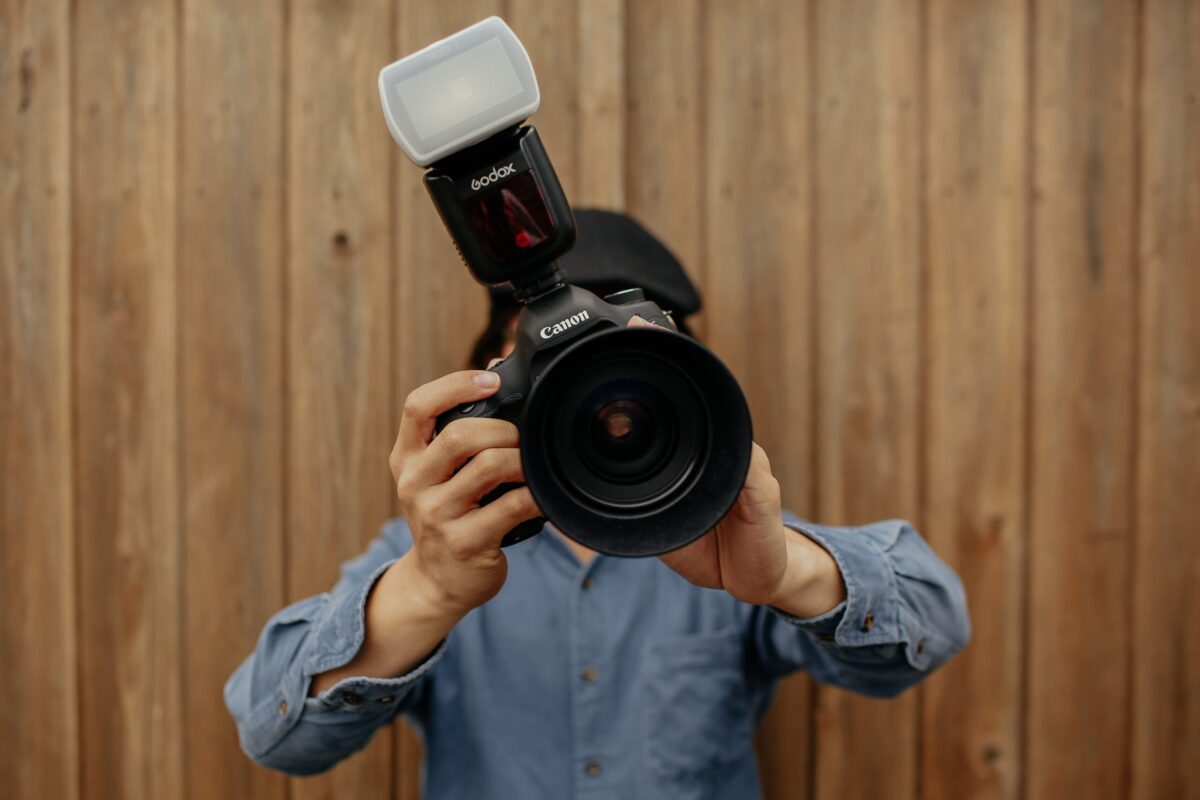
The First Phase: Studying
Approximate duration: five years
Your aesthetic will change like the bipolar moods of a teenager, but you'll grow as an artist and begin to settle on a niche to call your own sometime over those five years.
In this context, it is normal to question one's own abilities. Indeed, it is essential that you do so. Considering the expertise and experience of others is not a sign of weakness. They are, and that's why it's fine to play the role of second shooter; you'll gain valuable experience regardless of your role.
Putting pride aside, realising that you have a lot to learn through observation, experimentation, and trial and error throughout the first five years of your trip will help you prepare for the next stage, which is the stage of building.
The Second Phase: Establish
Estimated time: Five years
Assuming that you have spent the past approximately five years developing your trade and locating your spot in the market, it is now time to begin step two, which is the building stage. In the manner of a king who has spent years nurturing a legion of loyal people, you should now begin building the proverbial castle and the wall around it to protect all of your hard work.
You can expect to put in some work at this phase. A lot. The next five years will be spent promoting like crazy, working as much as possible, substituting time spent with friends for time spent with clients, and putting all of that hard-earned knowledge and experience into action. The next five years will be spent doing all of these things because establishing a profitable photography business is challenging. This is how a castle is built. You get to decide how big that castle is, after all.
The Third Phase: Celebrate
Estimated time: Remainder of your career.
You've put in a lot of work to establish yourself as a respected photographer since you first began. In human terms, that's an extremely long period. You have spent a great deal of time and energy perfecting your trade (which doesn't finish at stage one) and building a thriving business in which you take pride. Congratulations! It's time to celebrate your success by treating yourself to a new studio, office, or perhaps a house.
To emphasise this message, remember that becoming proficient in this area requires a lot of hard work and time. It's a sad reality that most people never get here. Even now, I'm making a concerted effort to pursue this on my own time.
Conclusion
How long does it take to become proficient at photography? I've been asking this question for the last five years. Take a look at what Wild Romantic Photography has to offer in terms of wedding photography packages and services if you're in need of some guidance. The time it takes to become an expert photographer is entirely up to you. 10-12 years of practise, averaging between 3-7 hours a day, practically every day, will be necessary.
Even if it takes ten years to perfect your photographic skills, you can start making money in the field right away. Whether you're interested in photographing humans or animals, it will take time to become proficient at either. You can't become a professional wedding photographer by reading a book and then getting out there and taking pictures. Excellent wedding photography requires not only a creative eye but also the ability to connect with the couple. A low-end point-and-shoot may produce professional-looking photos in the hands of a skilled photographer.
A beginner photographer can use state-of-the-art equipment and still produce subpar results. Making use of what you already have is the best place to start in terms of education. The more you experiment with different lighting, overall compositions, and scene settings, the more creative you will become. Your career as a photographer is completely in your hands. A precise estimation of the time required to become excellent at photography is impossible to make because the skill cannot be picked up in a single sitting.
You've worked hard to establish yourself as a respected photographer for the last five years. It's time to celebrate your success by treating yourself to a new studio, office, or perhaps a house. The next five years will be spent doing all of these things because establishing a profitable business is challenging.
Content Summary
- It's easy to give up on photography altogether or to wish you could skip the learning curve and immediately start taking the kind of pictures you want for yourself.
- The reality is that everyone has their own distinct rate of learning, whether they want to formally study something or just "do it.
- Accept the fact that you will never stop learning Once you've mastered the fundamentals, you'll be free to explore new avenues of thought and take calculated risks.
- The time it takes you to master photography is entirely up to you Enroll in a course and commit to spending a predetermined amount of time each week studying and honing your newfound expertise.
- Sadly, nobody knows with any level of certainty how long it takes to become a photography expert.
- Learning Strategies for Photography It's also worth noting that there's no single way to become a photography expert.
- Possessing prior relevant work experience is important Having worked in several environments will shorten your learning curve.
- One widespread misconception about photography is that all you need is a quality camera and an interesting subject.
- All Depends On You The pace at which you acquire photographic knowledge is ultimately up to you.
- A precise estimation of the time required to become excellent at photography is impossible to make because the skill cannot be picked up in a single sitting.
- To emphasise this message, remember that becoming proficient in this area requires a lot of hard work and time.
FAQs About Photography

How Long Is It Reasonable to Wait for Wedding Photos?
Now that the big day has come and gone, the honeymoon is done, and the wedding dress is safely stashed away, all that remains are the photographs that you can't wait to look at so that you can relive the day and see the bits that you missed. Exactly where are those photographic prints hidden?! Take a look at what Wild Romantic Photography has to offer in terms of wedding photography packages and services if you're in need of some guidance.
It's true that patience is a virtue, but it's hard to practise when you're anticipating something as thrilling as a wedding photographer's images. The good news is that your wedding photographer is probably spending the time it takes to send your thousands of images back to you making sure that each one is perfect.
Unfortunately, the length of time it takes to receive your wedding images is directly proportional to the amount of effort put in by your photographer. Keep your expectations realistic about when you'll get your wedding images by reading this. This will help you keep your sanity as you eagerly await their arrival.
How Long Does It Take To Get Wedding Photos Back From Photographers?
To help you plan ahead, your photographer should be able to give you a ballpark estimate of when you can expect to receive your photos. Experienced photographers will already be aware of this based on the body of work they have produced in the past and the time of year your wedding will take place, therefore they are compelled to disclose this disclosure to you before you employ them. If it is their peak season, they will be photographing a lot of weddings and won't have time to use the computer all day. This will prevent them from coming into work.
What's the Typical Turnaround Time?
The time it takes to obtain your wedding images might range from three to twelve weeks. Guests often assume that the photographer's workload would lighten up significantly after the wedding day is over. This, however, is not the situation. Depending on the photographer's schedule, you could be waiting anywhere from three to twelve weeks to get your photos. In reality, your photographer has only scratched the surface of their potential.
Average Wait Time For Wedding Photos
The photographer will have a lot of photos to edit and go through if they were there from the minute you started getting dressed until the first dance at eight o'clock at night. If the photographer wasn't there, there probably aren't too many shots to sift through. The time it takes to receive your wedding images depends on numerous variables, such as the photographer, the photographer's availability, and the total quantity of photographs shot on the wedding day.
Depending on the specifics, the time frame could be anything from two weeks to six weeks on average. Photographers will, without a doubt, work promptly to get your photos to you. In fact, many photographers will give you a preview of some of the altered photos they've taken before sending you the final product. Still, it could be a while before the entire record is completed. It is important to remember that their work takes time, but the wait is usually well worth it.
Why Do Wedding Photos Take So Long To Get Back?
It's only natural that we'd lose our cool if we realised we were keeping you from seeing your breathtaking wedding photos after waiting so long. We've got a detailed piece on wedding photography and an infographic to show you what a photographer does, but the truth is that most wedding photographers spend more time in Photoshop than they do behind the camera.
The short version of the situation is that you are waiting for your photographer to cull through hundreds, if not thousands, of images to get rid of the outtakes, bad shots, and people who aren't looking. Time may be required for this. The final step is editing, which involves fixing elements like lighting, composition, and colour balance to give the photos the final look you were hoping for when you engaged a professional.
After the photographs have been taken, there is a substantial amount of extra work that needs to be done. Here at Wild Romantic Photography, we pride ourselves on having the most talented Melbourne wedding photographer.
What's the Holdup?

It will largely depend on the expert you choose to work with, in addition to a few other criteria including the volume of images they are sifting through, the size of their crew, and whether or not they outsource the editing.
If the editing is done properly and by a third party, the whole gallery might be ready for viewing again in around four weeks. Conversely, this time may be drastically reduced if the photographer had a large crew. But there are still some photographers who like to handle everything themselves, even if it means spending a little extra time on the process.
See? Whoever attacked you has no intention of tormenting you, I can guarantee you of that. The ultimate goal of any professional photographer is to provide you with a final product of the greatest possible quality. It has come to our attention that some couples have waited too long in between having their photos edited and receiving them.
Depending on the number of photos and the type of editing software a professional photographer employs, the actual uploading procedure could take anywhere from a few hours to several days. Not only does meticulous editing take a considerable amount of time, but so does the actual editing procedure. Keep in mind that if your wedding falls during the peak wedding season, the album they are working so hard to produce may not be the only one they are working on. Consider this carefully if your nuptials will fall during the most popular wedding season.
Beginning with the ceremony and continuing through the reception, my work on the behind-the-scenes components of each wedding takes around thirty hours. After multiplying that by the average annual number of weddings, it's easy to see that you'll be swamped with work.
Be Patient; it Will Be Worth The Wait
Please rest assured that the time spent waiting will be well worth it when you look back on your wedding images and are overcome with sentiments of joy, happiness, and perhaps even happy tears. Hiring that photographer for your wedding was a fantastic idea.
Get a Sense of Timing on the Front End
Ask plenty of questions before making a final decision on the wedding photographer, or any other service provider. This can be done in person or over the phone. Make sure you enquire about their standard turnaround time for photo turnaround. In fact, this is one of the crucial inquiries you must make.
Any potential surprises in the future can be mitigated or avoided altogether if we take this step. Do a careful read of the contract to see if this is addressed. As a matter of fact, doing this is the single most crucial step. If the document does not already include a line that states the expected turnaround time, you should add one.
Ask for a Little Preview
Many professional photographers are pleased to provide you with some edited wedding photos within a week of the big day. Within a week of the wedding, It always shows the newlyweds a preview of their images. This will hold them over until either the entire gallery is sent to them or my blog is released.
You will be so excited to see a sneak peek that you may decide to broadcast the news on your favourite social media platform. But before you do that, you should verify with your photographer to make sure that such a provision is not included in your agreement with them.
How Is Long Too Long?
After a week has passed since your wedding, it is totally normal for you to have gotten no mail whatsoever in reference to the event. If, however, the deadline you agreed upon in your contract has come and gone and you have heard nothing from your photographer, you should approach them about the delay. Talk to the photographer about the deliverables and the schedule before proceeding.
Don't stress too much unless your photographer contacts you and says the images won't be available until a specific day. If that date comes and goes and the photos are still not ready, then you need to take action. If your photographer contacts you and specifies a date by which you can expect to receive the images, you shouldn't have to worry about it. In the event that you experience issues in the future, having a contract on hand that has previously been signed will be an extremely beneficial resource for you to have.
Why does it take so long to get my wedding pictures?
A skilled wedding photographer knows that documenting a wedding is no small task, especially given the gravity of the occasion. Preventing future disappointment by managing your expectations is a tried and true method. If this is the case, then why does it take so long to acquire the finished images from your wedding?
Due to the wide variety of businesses out there, this is meant more as an introduction to the business world in general than to the workings of any one company in particular. Please continue on if you are curious about the factors that prevent us from calling this a speedy turnaround.
Do you want to make sure you don't miss a thing at your dream wedding? Stop stressing, because Wild Romantic Photography has you covered.
We Have A Lot Of Other Weddings
Despite the importance of editing to our job, it must be carefully planned so as not to conflict with other deadlines. Because of this, in addition to the regular duties of running a business, I also have to photograph a large number of weddings.
Presently, we invest between sixty and eighty hours weekly into running our business. Yikes! The vast majority of my time is spent working at or very close to my absolute maximum capacity, despite the fact that we occasionally take breaks from our work or take days off for no apparent reason.
We Have Businesses To Run
When we have a lot of editing to do, we try to free up as much time as possible in order to edit for as long as possible without interruption. Our time spent editing is now more efficient than before. The day-to-day tasks, such as accounting, emailing back and forth, meeting with potential customers, visiting new venues, marketing, blogging, scheduling Instagram posts, branding, networking, customer service, and so on, remain unchanged.
It's interesting to think that a hobbyist photographer could be able to get you the photos even faster. This is an interesting possibility to consider. It's probable that the few shots they took will be uploaded to Dropbox the following day after being downloaded to a computer, edited with a hasty preset or filter. Voila! (In all likelihood, your uncle Bob is the one behind the camera.)
Do not confuse the time your wedding photographer has told you it will take—which may be four weeks, six weeks, three months, or something altogether different—with the time it takes a guest to post the images she took with her "fine camera" to an album on Facebook. Don't make the same mistake I did. Although it may be tempting to draw parallels between the two timespans, this is not a valid comparison.
New Client Procurement (Marketing) Always Has To Come First
Those in charge of a business must accept the fact that marketing occupies a sizable chunk of their time each day. If a potential new client contacts us with inquiries, we must answer them as soon as possible. Despite the fact that we value each and every one of our customers equally, it's crucial to note that our companies' bottom lines would take a hit if we didn't pay special attention to new consumers.
If a mail with a question or comment arrives in our inbox, we'd like to be able to answer it within five minutes. This may be a distraction from the work I'm attempting to focus on, depending on the volume of daily leads, but it's necessary for the company's success, so I'll have to put up with it.
Once a customer has initiated contact with our business, the same technique should be used in all subsequent phone calls and in-person encounters with the customer. They have to come first in every situation. The loss of their patronage is a real possibility if we don't address their issues; they may search elsewhere for a service provider who will pay more close attention to their needs.
We employ only the most talented wedding photographer in Yarra Valley area to guarantee that your special day is documented in all its glory.
We're Doing Non-photography Stuff And Can't Edit Around The Clock
On the other hand, a different photographer could have a full-time job that runs from 9 am to 5 pm, young children, or other caring responsibilities; they could also have plans for a vacation, or they could feel the need to limit the amount of time they spend working or editing for the sake of their own mental health.
Many people decide to establish their own photography enterprises after purchasing their first camera in an effort to supplement their income. There is not the tiniest bit of a problem with that at all! You might not be aware of the fact that many incredibly skilled and well-known individuals working in other fields also practise photography as a side hustle, but there are plenty of them.
They won't even recognise that they have another profession other than photography weddings, and they won't put any information about it anywhere online. They are so focused on their wedding photography business that they won't even tell you what else they do.
Backlogs Are Baked Into Reality Of Photographing Weddings
When the busiest period of the wedding season arrives, there is a significant probability that we will be swamped. Why?
According to our estimates, the editing procedure for a wedding takes about 14 hours. It's a pretty effective method of conducting business (I know photographers that take two hours, and we know one who takes one hundred and fifty hours).
Consider the fact that a wedding took place just two days before the big bash. We won't have even begun filming yours by the time you've finished editing ours. We won't have even started editing yours by the time it's done. What if there was another one five days ago, and yet another one the weekend before the one that just happened?
Finding a window of 14 hours in between weddings to begin editing before the following wedding is not always feasible. Whenever possible, we will provide you advance notice if this is the case. After we return from filming your wedding, we'll immediately begin working on the videos of the preceding weddings.
If we want to maintain a good standard of service and be fair to all of our clients, we can't afford to rush through editing the submissions we consider to be our favourites. Rather, we deal with everything in the order in which it actually happened, or the chronological order.
You should always make sure to provide a detailed breakdown of the turnaround time as well as precise timelines in your agreement with the wedding photographer. Photographers should be fair in the turnaround time frames they guarantee their customers by factoring in the inherent variability of the amount of work they have to do and the reality that life can throw a curveball now and then, but once the agreement has been signed, it should not be changed.
We Need To Allow A Contingency
Now that we've established that I won't have to work my thin butt off for the next eight weeks to finish the edits for your wedding, we can move on. We spend a lot of time on stuff other than the things that are now in the queue. That's why we have to budget way more time than is strictly necessary.
We want to do better than simply meet our clients' expectations on a regular basis. We believe in under promising and over delivering.
Nonetheless, we don't want to tell you that your photographs would take only four weeks to complete the editing process because, at that time, I was anticipating quietly editing your wedding and getting booked for a bunch of last-minute weddings. Some of them necessitate staying the night somewhere other than your regular abode.
We hope we won't have to contact you and tell you that the time estimate we gave you is off by a factor of two. You should be finishing up the last touches on your thank-you notes and addressing inquiries from friends and family about the progress of the photo shoot.
We will both sign and agree to my current turnaround time for most weddings, which is within two months.
Have we ever been this late with the delivery of a gallery? No. Sometimes, we manage to finish it in under two weeks. However, I do urge that my customers be informed that the planned completion date is set for the end of the two-month period. At least, we haven't had anything even remotely like the scenario mentioned in the previous paragraph.
We All Approach Editing Differently

The vast majority of photographers choose photography as a profession because they enjoy going to weddings, shooting pictures, and meeting a wide range of interesting individuals.
No one ever went into wedding photography so they could hunker down in a dark room all day and edit images in Lightroom. Nothing about this makes any kind of sense.
If you aren't highly motivated, you'll probably put off doing what needs to be done until later. You may find it challenging to sort through the three hundred photos you took in Santorini that are currently stored on your phone. Just try processing a RAW file set that's 200 GB or more!
Outsourcing Vs In-house Editing?
After a certain number of bookings, it's usually not feasible for a photographer to sift through and edit all of their own work. The photographer might be better served by hiring an assistant to handle such duties. They have chosen to replace it with an assistant. They can efficiently snap images of various events taking place on the same day if they employ other photographers to work for them in the capacity of associate photographers.
A day would be far too short to complete the quantity of work that needs to be done. For both high-end and high-volume photographers, post-production is a necessary evil that often necessitates outsourcing. Some people decide to hire an employee or contract out the work to a third party. Either the culling (the process of selecting the best images) or the editing (the process of importing the photos into Lightroom and making alterations) can be done by the editor, or both can be done. Culling refers to the procedure of removing unwanted photos.
What does this imply for you in the future? Although it may not have any actual significance, this places the photographer in an awkward situation with the editing firm or freelancer. It is the photographer's responsibility to make any necessary edits if the editor goes out of business, makes a mistake, or transfers files that are too large.
This causes a setback that must be accommodated for. There is always some level of risk and a need to make some sort of trade-off when work is imposed upon a contractor or outsourced to other organisations. Conversely, this isn't typically a cause for alarm for the customer.
When it comes to wedding photography Mornington Peninsula, we provide a selection that no one else does. Take a look at them here.
Rest Assured, It Isn't You! And It Isn't Because The Photographer Lost The Photos!
They began showing signs of worry and ask what may happen if our photographs were deemed useless. Worse yet, what if the photographer is unable to utilise any of the photos they have because we did such a poor job of posing? Maybe it was just too dark in there. What if our photographer accidentally erased all of the photos?
Working with a skilled professional eliminates the possibility of problems like these. It brings us great joy to help all sorts of diverse couples attain their greatest potential.
All the different arrangements of the lights have the same result. We try to think like Boy Scouts and always be ready for everything.
Several safeguards are in place to prevent data corruption, deletion, and loss. With these safeguards in place, your recordings will be safe from being misplaced or deleted by mistake. In addition to this, there are numerous other reasons why you should engage a professional rather than your "relative who owns a Nikon."
Conclusion
The length of time it takes to receive your wedding images is directly proportional to the amount of effort put in by your photographer. Depending on the photographer's schedule, you could be waiting anywhere from three to twelve weeks to get your photos. Take a look at what Wild Romantic Photography has to offer in terms of wedding photography packages and services. The time it takes to receive your wedding images depends on numerous variables, such as the photographer's availability, and the total quantity of photographs shot on the wedding day. It could be a while before the entire record is completed.
Photographers will, without doubt, work promptly to get your photos to you. Some couples have waited too long in between having their photos edited and receiving them. If the editing is done properly and by a third party, the whole gallery might be ready for viewing again in around four weeks. Some photographers like to handle everything themselves, even if it means spending a little extra time on the process. Many professional photographers are pleased to provide you with some edited wedding photos within a week of the big day.
It is totally normal for you to have gotten no mail whatsoever in reference to the event. If your photographer contacts you and specifies a date by which you can expect to receive the images, you shouldn't have to worry about it. If you have a question or comment, we'd like to be able to answer it within five minutes. A different photographer could have a full-time job that runs from 9 am to 5 pm, young children, or other caring responsibilities. Many incredibly skilled and well-known individuals working in other fields also practise photography as a side hustle.
We can't afford to rush through editing the submissions we consider favourites. We deal with everything in the order in which it actually happened, or the chronological order. Photographers should be fair in the turnaround time frames they guarantee their customers by factoring in the inherent variability of the amount of work they have to do. Post-production is a necessary evil that often necessitates outsourcing. Some people decide to hire an employee or contract out the work to a third party.
Culling is the process of selecting and removing unwanted photos from a collection. This can be done by the photographer or by an editing firm or freelancer. It is the photographer's responsibility to make necessary edits if the editor goes out of business, makes a mistake, or transfers files that are too large.
Content Summary
- The good news is that your wedding photographer is probably spending the time it takes to send your thousands of images back to you making sure that each one is perfect.
- Unfortunately, the length of time it takes to receive your wedding images is directly proportional to the amount of effort put in by your photographer.
- To help you plan ahead, your photographer should be able to give you a ballpark estimate of when you can expect to receive your photos.
- Depending on the photographer's schedule, you could be waiting anywhere from three to twelve weeks to get your photos.
- The time it takes to receive your wedding images depends on numerous variables, such as the photographer, the photographer's availability, and the total quantity of photographs shot on the wedding day.
- We've got a detailed piece on wedding photography and an infographic to show you what a photographer does, but the truth is that most wedding photographers spend more time in Photoshop than they do behind the camera.
- Depending on the number of photos and the type of editing software a professional photographer employs, the actual uploading procedure could take anywhere from a few hours to several days.
- Not only does meticulous editing take a considerable amount of time, but so does the actual editing procedure.
- Keep in mind that if your wedding falls during the peak wedding season, the album they are working so hard to produce may not be the only one they are working on.
- Make sure you enquire about their standard turnaround time for photo turnaround.
- Talk to the photographer about the deliverables and the schedule before proceeding.
- If we want to maintain a good standard of service and be fair to all of our clients, we can't afford to rush through editing the submissions we consider to be our favourites.
- You should always make sure to provide a detailed breakdown of the turnaround time as well as precise timelines in your agreement with the wedding photographer.
- We will both sign and agree to my current turnaround time for most weddings, which is within two months.
FAQs About Photography

How Do I Start My Photography Career?
The switch to digital technology has had the greatest impact in photography. With the widespread availability of high-quality digital cameras and other imaging tools, nowadays anyone can take stunning photographs. Despite this, the need for skilled photographers has not diminished. If you have a knack for photography and want to know how to launch a career in the industry, this article will be great help to you.
The photography profession is so varied and ever-changing that anyone without experience or training will have a hard time breaking in. Getting your foot in the door might be challenging in the photography profession because of how competitive it is. To achieve success, you need to have characteristics like originality, creativity, and dedication. In addition, you should study up on the more niche facets of photography.
If you need advice on your wedding photography, check out our photography packages and services at Wild Romantic Photography.
In order to get the most of your time and effort, you should train yourself to master the art of manipulating items and learning how to adjust lighting and location.
Do you want to turn your hobby of photography into a career?
If you've been enjoying photography as a pastime and are considering making it your full-time occupation, there are many considerations you should give careful thought to first. If you want to succeed, you need to know everything there is to know before you go in.
There is a lot more involved than taking images as a hobby and selling them here and there if you want to turn your photography into a full-time company without the safety nett of another employment in the background. Still, amateur photography can be a fantastic way to supplement your income.
If you're looking for a method to escape the 9-to-5 grind and start generating money doing what you love on the regular, then learning the basics of how to transform your hobby into a career that can support your family could be the key. While the thought of making such a drastic change may be daunting, it is possible to turn your passion project into a full-time income source and live the life of your dreams.
Our exclusive range of Melbourne wedding photography will help you not miss a thing on your wedding day.
Discover Your Specialty
Whether you're a landscape photographer, a wedding photographer, a portrait specialist, or a newborn photographer, make it crystal clear to potential clients what you offer and what style of photography you specialise in. Establishing your brand with the aid of a certain genre will allow you to focus on honing your unique sound and reaching your target demographic.
Consider using some aspect of your photography niche in your business name as well. You may call your company "Jane Smith - Landscape Photography" or something like. This will let potential customers quickly and easily learn who you are and what you provide.
Create a Portfolio
No one can evaluate your skills without seeing your portfolio. That's why it's crucial to start working on photographs that reflect the sort of shoots you want to do often in your portfolio before you try to transform your photography passion into a company. To achieve this goal, practise taking images in the same aesthetic vein as the sessions you intend to undertake on a regular basis.
In order to attract clients, you should showcase your best work in your portfolio and highlight the photographic genre in which you have demonstrated expertise.
If you don't have any subjects who are willing to help you set up photos for your portfolio, get some! Also, make sure you have all the equipment you need to build a portfolio of images that properly highlights your talent. It is recommended that you make them if you do not already have them in your portfolio.
Include Your Costs
One of the worst signs of an unprofessional photographer is the absence of a price list. The very idea is unbecoming of a professional. In conclusion, if you want to turn your photography passion into a profitable business, you need to publish your rates and detail exactly what comes with each of the many packages you provide. Invest some time in calculating the rates for your services and comparing them to those of similar photographers in your area and speciality.
Produce Marketing and Branding Materials
If you haven't already, you'll need to give your company a name and create some promotional materials. It's possible to launch a business with nothing more than a catchy logo, some business cards, and a digital flyer.
In addition to setting up a Facebook profile, a website is a crucial part of marketing your photographic services. Customers will appreciate the convenience of being able to peruse your work samples and offerings whenever they please. If you want to create your own website, Wix or a platform like it is a good place to start. Potential customers might take advantage of this great opportunity to see some of your graphic advertising prior to contacting you.
Find a way to generate leads and think about freelancing

Do not expect work to appear at your door step without any effort on your part. You may put up ads on Google and Facebook, or you could check via online employment forums to find folks who need a photographer.
Waiting around for jobs to come in is tolerable if photography is merely a pastime for you. But if you want to do this full-time, you need to make sure you always have new enquiries and projects lined up. You could run into serious money issues if you don't.
Clubs, universities, museums, event planners, wedding expos, and other local happenings are all good places to start. When first starting out as a photographer, it's crucial to put your hand up for as much work as possible and establish a wide range of lead generation choices and prospects.
It is crucial to volunteer for as much labour as possible. While you may have busy weeks where the phone never stops ringing, it's still important to have a backup plan for when business slows down so that you can continue to meet your financial obligations.
Obtain Recommendations and Testimonials
Photographer testimonies are regularly consulted by potential clients prior to making a hiring decision. You should make it a point to ask any and all happy past clients to write a quick recommendation that you can include on your website, social media, and portfolio.
Using Survey Monkey or simply sending an email with a questionnaire attached, you may make and use these in your marketing efforts.
Calculate the Numbers
When photography is a side gig that helps pay for a few extras here and there, that's one thing; when it's your sole source of income and you have to utilise it to cover all of your bills, that's a whole different ballgame. Don't forget to do the arithmetic and determine the monthly income required to cover your living expenses and tax obligations.
Make sure all legal issues are ironed out before making a final decision on your business. Is it better to operate as a sole proprietorship or an S-corporation? Do you employ written agreements with your clients? If you need help, you should talk to a professional such as an attorney, accountant, or financial advisor.
How to Get Started in Photography and Launch a Career
Getting your photographic portfolio seen by industry professionals can feel like an uphill battle. The plethora of tools, courses, and information currently available on this artistic path, however, can make starting a career in photography a pretty uncomplicated procedure. Focusing on these aspects of the photography industry might help you decide whether or not this line of work is right for you.
Planning your dream wedding and don’t want to miss out on the special moments on your big day? Worry no more, Wild Romantic Photography has you covered.
Which Camera Should I Buy First?
When looking for the best camera for your professional photography, you should think about the camera's quality, features, and price. It's best to buy a cheap camera that's easy to operate when you're just starting out.
If you are just getting started with photography and would want to shoot digital images, a digital single-lens reflex camera (DSLR) with a primary lens kit is a suitable option.
Digital single-lens reflex cameras (DSLRs) from Canon, Nikon, or Sony are suitable for professional photography because to their high megapixel counts and high-quality lens glass. Maybe you'd want to have a digital single-lens reflex camera, like the Canon EOS Rebel line or the Nikon D series.
However, if you are interested in photography but are on a tight budget, film is a great way to get your feet wet. If you're looking for your first camera, you can pick one up on eBay, at a thrift store, or through a local online vendor.
Photographers on a restricted budget will appreciate this medium's huge cost savings compared to digital photography. Learning ISO, aperture, and shutter speed on film is also a great way to have a solid grasp on their mechanics and fundamental principles, making it a great tool for any artist. This is due to the fact that the filmmaker can immediately see the results of his or her work while he or she is making it. Many people say the Canon AE-1 Program is the best film camera for beginners.
What Else should I Study in Photography?
It's normal to feel overwhelmed by all the photographic resources out there when you're just starting out. How-to guides and tutorials covering every area of photography, from the nuts and bolts to the art of making beautiful pictures, abound on the internet.
There are a number of educational and professional resources available for those interested in learning more about the medium. It is possible to:
- If you're interested in photography as a career, you should enrol in a college of the arts.
- Sign up for a number of photography courses, including "Creating Stunning Landscape Images" and "Portraits for Beginners."
- To save time and money, skip college and just teach yourself.
- Check out photography-focused blogs, online tutorials, and educational websites. Skillshare, for instance, is an excellent website for learning new skills.
- Find a photographer in your neighbourhood and ask if there are any ways you can lend a hand. You will learn about the ins and outs of the photography business.
- Consider getting a part-time job in a photography studio to gain experience with studio lighting, cameras, and other photographic gear.
Participate as a second photographer on a local wedding photography team. - Recruit members of your immediate and extended social circles, as well as passers-by, to be in your photographs. Practice your skills every day.
- Get lots of shots. If you want to get better as a photographer, you need to constantly practise and hone your skills.
These are just a few options for breaking into the photography industry and gaining hands-on experience in picture production. Whether you opt for a formal education in photography or want to teach yourself, you will eventually acquire the principles of the craft.
If you want to develop into a serious photographer, you need learn via practise and error. Thanks to the advent of digital photography, we can easily make adjustments to fix mistakes. With the advent of the digital camera, you can learn how the fundamentals of photography function on your own time.
The exposure triangle, or the interplay of ISO, shutter speed, and aperture, is fundamental to good photography and should be understood by everyone who wants to take good pictures. Capturing photographs in a variety of lighting setups as interconnected components is the best technique to develop your shape. Figure out how to make the necessary modifications to your camera's settings so that you can capture clear images in a variety of lighting conditions, from dim indoors to dazzling outside.
After grasping the concept of the Exposure Triangle, creating photographs will be a breeze. Do your best to take pictures on a daily basis if you want to build up a substantial portfolio and inject your own personality and originality into your photography.
We have the best wedding photographer in Yarra Valley to capture your beautiful moments on your wedding day.
What Photography Career Path Should I Take?
The last thing you need to do before beginning a photography career is to decide what kind of job you want to find in the field. Considerations such as marketing expertise, personal preference, financial stability, and the specifics of one's photography niche all play a role in making this choice.
Photography has never been a normal profession because few photography jobs require a Monday-Friday schedule.
Nonetheless, if you're willing to put in the time and effort, you can still find contracting possibilities. Yet, most photographers opt to work on their own as contractors. The choice of direction is entirely up to you. Explore the many outcomes listed below.
Contracted
A contracted photographer is one who works under contract with a single customer, studio, or agency to create photos for them. A hired photographer, for instance, might take pictures for:
- At the headquarters of an e-commerce company, the primary task is the production of photographs for the company's online store and product distribution.
- A portrait photography company in their town specialised in capturing the likenesses of its clientele.
- a company whose photographers are hired to record excursions or other activities
- a company whose main focus is to provide professional photographs for weddings.
- working together with a modelling agency to shoot all of their fresh faces at their studio.
All of these are examples of freelance photography for clients that paid the photographer. The vast majority of contractual photography work is salaried and designed to fully support you financially, and these positions can be either temporary or permanent.
If you are a photographer who places a premium on reliability and job satisfaction, you may want to consider taking on contractual employment.
Self-Employed / Freelance
Also, many contemporary photographers opt to work independently. Your business will thrive if you can confidently accept contracts from a wide range of clients.
Freelancing as a photographer provides many opportunities for those interested in the field. Working with fashion companies, magazines, news outlets, online publications, bookstores, agencies, and studios can be done on a retainer basis or on a project per project basis.
While this freedom is amazing, it's important to keep in mind that working independently is often both stressful and unpredictable. It takes a lot of time, effort, and persistence to build a client base, and the process can be nerve-wracking for some. One of the most important things to remember as a freelance photographer is that you are effectively running your own business.
A reliable revenue stream, such as a list of future clients or emergency funds, is essential if you're thinking about starting a career as a photographer. Although there are difficulties in working as a freelance artist, the potential benefits make it a worthwhile endeavour. Every artist's ultimate goal is to be their own boss and select their own clientele and projects to work on.
At Wild Romantic, we have the best wedding photographer in Mornington Peninsula to capture every single moment on your wedding day.
Home Studio
The quickest way to achieve success as a photographer is to run your entire operation out of your very own house. This is in keeping with the idea of being one's own boss, although it does necessitate a dedication to creating solely studio pieces. Photographers who focus on portraits or products and always shoot against a flat background may find this to be a convenient solution.
In terms of startup costs, a home studio is more affordable than other studio options, making it a viable option for budding businesses. One of the first things to do if you want to start a home studio is to figure out who your target audience will be.
You wish to specialise on portraits of single people, but your city is too small. Or do you live in a large city where you have access to models, actors, and politicians for picture ops? Setting up a home studio allows you to do your job whenever and wherever you like, as well as to find your ideal clients and promote your work on a regular basis, regardless of which route you take.
A Beginner's Guide to Photography as a Profession
Begin by questioning yourself
If you have the appropriate mix of creative zeal and financial smarts, starting a career in photography could be a great move. Just as you would if you were starting a business, you should make a list of questions you need to ask yourself before beginning a career in photography and thinking about how to become a professional. It's the same as if you were launching a brand new company.
Get the Proper Education
Professional photography is one field in which a four-year degree is not always necessary. If you want to hone your abilities and expand your creative horizons, you don't have to join a specialised organisation. But it could help you become a better professional photographer, which in turn could boost the worth of your career.
Begin Taking Photographs
The process of photography is one that requires both knowledge and practise. It's recommended that aspiring photographers take a substantial number of practise shots before starting their employment hunt. You can get started with something as basic as a snapshot camera and progress to more sophisticated tools as you see fit. Try to snap as many pictures as you can from various vantage points.
You should try to find compelling settings, put in some extra work to ensure the photos appear good, experiment with different lighting, and so on. However, bear in mind that your talent and ability, rather than the equipment you use, will determine whether or not you succeed as a professional photographer.
Work as an apprentice for a professional photographer
It's a great idea for photographers to work with and learn from other professionals in the field. Internships can be a great way to gain real-world experience that can't be gained in a classroom setting. It is possible to learn from and improve your photography skills by assisting professional photographers on various projects.
Photographers occasionally have interns fill in for them on assignments if they have other pressing commitments. Taking advantage of this chance could teach you a lot about communicating with clients.
Participate in Photography Workshops and Seminars
Take part in photography-related gatherings like shows, workshops, and exhibitions. You might meet a wide variety of photographers and pick their brains for information at these gatherings. You can join as many or as few online photography communities as you choose. With the help of these few items, you will get a lot of attention and you will also be up-to-date on the latest trends.
Make an Online Presence
Building a profile on a website is the most efficient option right now. The best option at the moment is to create a website where your work may be shown and accessed by people all over the world. The best feature, without a question, is that you can target folks anywhere in the world. Since this is the case, you may expect to encounter further openings as you pursue a career as a professional photographer.
Promote Your Photography Company
After you've finished your portfolio's website, you'll want to spend some time marketing yourself. Thanks to the advent of the internet, making introductions to people all over the world is a much easier task than it was in the past. You might promote your services by joining relevant social media groups, posting relevant examples of your work, and emailing potential clients.
Keeping a visible profile on various social media platforms and online discussion forums is another great way to meet new people and expand your professional network. One can also attend photography-related events like conferences and exhibitions. If you’d like to work with professional photographers for your wedding, book with us at Wild Romantic Photography.
Conclusion
Digital technology has made it easy for anyone to take stunning photographs. If you're considering turning your hobby into a career, there are many considerations you need to consider. Discover your niche and master the art of manipulating items and learning how to adjust lighting and location. Establishing your brand with the aid of a certain genre will allow you to focus on honing your unique sound and reaching your target demographic. Include your rates and detail exactly what comes with each of the many packages you provide.
If you haven't already, you'll need to give your company a name and create some promotional materials. A website is a crucial part of marketing your photographic services. Customers will appreciate the convenience of being able to peruse your work samples and offerings whenever they please. When first starting out as a photographer, it's crucial to put your hand up for as much work as possible. How to Get Started in Photography and Launch a Career.
Digital single-lens reflex cameras from Canon, Nikon, or Sony are suitable for professional photography. If you are interested in photography but are on a tight budget, film is a great way to get your feet wet. If you're interested in photography as a career, you should enrol in a college of the arts. Consider getting a part-time job in a photography studio to gain experience. If you want to develop into a serious photographer, you need to constantly practise and hone your skills.
The exposure triangle, or the interplay of ISO, shutter speed, and aperture, is fundamental to good photography. Figure out how to make the necessary modifications to your camera's settings so that you can capture clear images in a variety of lighting conditions. Most photographers opt to work on their own as contractors. If you are a photographer who places a premium on reliability and job satisfaction, you may want to consider taking on contractual employment. Freelancing as a photographer provides many opportunities for those interested in the field.
Your business will thrive if you can confidently accept contracts from a wide range of clients. A Beginner's Guide to Photography as a Profession. Questions you need to ask yourself before embarking on a career in photography. Internships can be a great way to gain real-world experience that can't be gained in a classroom setting. It is possible to learn from and improve your photography skills by assisting professional photographers.
There are a variety of entry points into the photography profession that you might explore. The best option at the moment is to create a website where your work may be shown and accessed by people all over the world. Promote your services by joining relevant social media groups and posting examples of your work.
Content Summary
- Despite this, the need for skilled photographers has not diminished.
- If you have a knack for photography and want to know how to launch a career in the industry, this article will be great help to you.
- In addition, you should study up on the more niche facets of photography.
- If you need advice on your wedding photography, check out our photography packages and services at Wild Romantic Photography.
- Do you want to turn your hobby of photography into a career?If you've been enjoying photography as a pastime and are considering making it your full-time occupation, there are many considerations you should give careful thought to first.
- If you're looking for a method to escape the 9-to-5 grind and start generating money doing what you love on the regular, then learning the basics of how to transform your hobby into a career that can support your family could be the key.
- Our exclusive range of Melbourne wedding photography will help you not miss a thing on your wedding day.
- Discover Your Specialty
- Whether you're a landscape photographer, a wedding photographer, a portrait specialist, or a newborn photographer, make it crystal clear to potential clients what you offer and what style of photography you specialise in.
- Establishing your brand with the aid of a certain genre will allow you to focus on honing your unique sound and reaching your target demographic.
- Consider using some aspect of your photography niche in your business name as well.
- You may call your company "Jane Smith - Landscape Photography" or something like.
- Create a PortfolioNo one can evaluate your skills without seeing your portfolio.
- That's why it's crucial to start working on photographs that reflect the sort of shoots you want to do often in your portfolio before you try to transform your photography passion into a company.
- In order to attract clients, you should showcase your best work in your portfolio and highlight the photographic genre in which you have demonstrated expertise.
- Also, make sure you have all the equipment you need to build a portfolio of images that properly highlights your talent.
- Include Your CostsOne of the worst signs of an unprofessional photographer is the absence of a price list.
- In conclusion, if you want to turn your photography passion into a profitable business, you need to publish your rates and detail exactly what comes with each of the many packages you provide.
- Invest some time in calculating the rates for your services and comparing them to those of similar photographers in your area and speciality.
- Produce Marketing and Branding MaterialsIf you haven't already, you'll need to give your company a name and create some promotional materials.
- In addition to setting up a Facebook profile, a website is a crucial part of marketing your photographic services.
- If you want to create your own website, Wix or a platform like it is a good place to start.
- When first starting out as a photographer, it's crucial to put your hand up for as much work as possible and establish a wide range of lead generation choices and prospects.
- It is crucial to volunteer for as much labour as possible.
- Obtain Recommendations and TestimonialsPhotographer testimonies are regularly consulted by potential clients prior to making a hiring decision.
- You should make it a point to ask any and all happy past clients to write a quick recommendation that you can include on your website, social media, and portfolio.
- Calculate the NumbersWhen photography is a side gig that helps pay for a few extras here and there, that's one thing; when it's your sole source of income and you have to utilise it to cover all of your bills, that's a whole different ballgame.
- Make sure all legal issues are ironed out before making a final decision on your business.
- Is it better to operate as a sole proprietorship or an S-corporation?
- Focusing on these aspects of the photography industry might help you decide whether or not this line of work is right for you.
- Which Camera Should I Buy First?When looking for the best camera for your professional photography, you should think about the camera's quality, features, and price.
- Maybe you'd want to have a digital single-lens reflex camera, like the Canon EOS Rebel line or the Nikon D series.
- However, if you are interested in photography but are on a tight budget, film is a great way to get your feet wet.
- If you're looking for your first camera, you can pick one up on eBay, at a thrift store, or through a local online vendor.
- There are a number of educational and professional resources available for those interested in learning more about the medium.
- It is possible to:If you're interested in photography as a career, you should enrol in a college of the arts.
- Check out photography-focused blogs, online tutorials, and educational websites.
- Skillshare, for instance, is an excellent website for learning new skills.
- You will learn about the ins and outs of the photography business.
- Practice your skills every day.
- Get lots of shots.
- If you want to get better as a photographer, you need to constantly practise and hone your skills.
- Whether you opt for a formal education in photography or want to teach yourself, you will eventually acquire the principles of the craft.
- If you want to develop into a serious photographer, you need learn via practise and error.
- With the advent of the digital camera, you can learn how the fundamentals of photography function on your own time.
- The exposure triangle, or the interplay of ISO, shutter speed, and aperture, is fundamental to good photography and should be understood by everyone who wants to take good pictures.
- Capturing photographs in a variety of lighting setups as interconnected components is the best technique to develop your shape.
- Figure out how to make the necessary modifications to your camera's settings so that you can capture clear images in a variety of lighting conditions, from dim indoors to dazzling outside.
- After grasping the concept of the Exposure Triangle, creating photographs will be a breeze.
- Do your best to take pictures on a daily basis if you want to build up a substantial portfolio and inject your own personality and originality into your photography.
- What Photography Career Path Should I Take?The last thing you need to do before beginning a photography career is to decide what kind of job you want to find in the field.
- Yet, most photographers opt to work on their own as contractors.
- The choice of direction is entirely up to you.
- ContractedA contracted photographer is one who works under contract with a single customer, studio, or agency to create photos for them.
- If you are a photographer who places a premium on reliability and job satisfaction, you may want to consider taking on contractual employment.
- Self-Employed / FreelanceAlso, many contemporary photographers opt to work independently.
- One of the most important things to remember as a freelance photographer is that you are effectively running your own business.
- Although there are difficulties in working as a freelance artist, the potential benefits make it a worthwhile endeavour.
- Home StudioThe quickest way to achieve success as a photographer is to run your entire operation out of your very own house.
- In terms of startup costs, a home studio is more affordable than other studio options, making it a viable option for budding businesses.
- One of the first things to do if you want to start a home studio is to figure out who your target audience will be.
- Setting up a home studio allows you to do your job whenever and wherever you like, as well as to find your ideal clients and promote your work on a regular basis, regardless of which route you take.
- A Beginner's Guide to Photography as a Profession Begin by questioning yourselfIf you have the appropriate mix of creative zeal and financial smarts, starting a career in photography could be a great move.
- Just as you would if you were starting a business, you should make a list of questions you need to ask yourself before beginning a career in photography and thinking about how to become a professional.
- Get the Proper EducationProfessional photography is one field in which a four-year degree is not always necessary.
- If you want to hone your abilities and expand your creative horizons, you don't have to join a specialised organisation.
- However, bear in mind that your talent and ability, rather than the equipment you use, will determine whether or not you succeed as a professional photographer.
- Work as an apprentice for a professional photographerIt's a great idea for photographers to work with and learn from other professionals in the field.
- It is possible to learn from and improve your photography skills by assisting professional photographers on various projects.
- Participate in Photography Workshops and SeminarsTake part in photography-related gatherings like shows, workshops, and exhibitions.
- You can join as many or as few online photography communities as you choose.
- Make an Online PresenceBuilding a profile on a website is the most efficient option right now.
- Promote Your Photography CompanyAfter you've finished your portfolio's website, you'll want to spend some time marketing yourself.
- You might promote your services by joining relevant social media groups, posting relevant examples of your work, and emailing potential clients.
- Keeping a visible profile on various social media platforms and online discussion forums is another great way to meet new people and expand your professional network.
- If you'd like to work with professional photographers for your wedding, book with us at Wild Romantic Photography.
- ConclusionThere are a variety of entry points into the photography profession that you might explore.
- Start your profession quickly by picking out an inexpensive entry-level camera, reading up on the basics, and figuring out how much work you can handle.
FAQs About Photography

What Is A Retainer Fee For Photographers?
A lot of people spend their free time photographing the world around them, but what sets hobbyists apart from professional photographers? Money. Keeping a business afloat in the absence of cash flow would be next to impossible. In today's piece, we'll talk about retainers and other forms of payment for wedding photographers.
This is the main factor that turns wedding photography from a pastime into a profitable profession. To kick things off, We discuss why retainers are necessary for booking almost all wedding photographers and why they are non-refundable and why this is the right thing to do.
Then, We will discuss the various methods for arranging payments, including details such as when the remaining balance is required and how to account for overtime worked. In addition, we discuss the choices you have. If you need advice on your wedding photography, check out our photography packages and services at Wild Romantic Photography.
Two people have reached out to a wedding photographer and had a consultation with her. They couldn't be happier with her portfolio and reviews, and they want to book her as their wedding photographer immediately. In what ways should we proceed? They must first agree to the terms of a written document (the contract) outlining the services they've chosen and the associated costs, and they must then actually pay for those services.
What Exactly Is a Retainer Fee?
Whether you're booking a session or a wedding, you'll need to pay a retainer charge up front, which is a deposit that isn't refundable. This fee is negotiable and might vary in price based on whether it is for just a wedding or even a photo session. Portrait sessions that include travel may demand a deposit of up to $100, depending just on photographer you engage. The same might be said of marriages. Photographers usually request either $500 or half of the total cost of a photography services before they agree to shoot a wedding.
Some customers are confused by the circulating remarks and inquiries on this topic and may not understand its significance. This type of payment is technically known as a "retainer fee," albeit it goes by other names such as "deposit" or "booking charge." It is the sum of money which is agreed upon in order to retain the help of a reputable for a set period of time.
There are legal repercussions to the discrepancy between these two phrases, and it implies that a retainer charge is nonrefundable. Deposits and fees may be recoverable by legal action; however, the costs of litigation and legal representation are likely to surpass any savings realised as a result of the action. Avoid putting yourself in that precarious spot.
The great majority of the time when unexpected circumstances occur, retainer costs are reimbursed, or they should be refunded just for compassion and charity. That's why it's so important for you, D.O., to be a caring and considerate person.
A number of things are included in the retainer fee:
- A vendor that reserves a specific date and time for you will not be able to take on any other customers for that time period. If you don't show up or cancel at the last minute, it causes us to lose money. Early on, They learned that if a client paid a retainer money, no matter how small, they would show up for their scheduled session.
- The service of your photography is also covered by the retainer charge. We have come to our work and want to be compensated for our time regardless of whether or not you pay for the session or the resulting photographs.
When Do I Have to Pay the Retainer Fee?
Wonderful enquiry! as soon as possible under the circumstances. The worst possible scenario is scheduling your session or function for the same day that your photographer has another commitment.
Even if it most often takes the shape of a postponed event, it is still important to be aware of the potential of not being compensated for finished labour. You can significantly lessen the amount of risk you are subject to if you plan the payment of balance in a sensible manner.
Whether the wedding is a month, two weeks, and seven days away, the remaining balance should be collected before the big day. It's not good idea to have guests go through their pockets for checks or cash on the wedding day, as this could produce uncomfortable circumstances and make visitors angry.
It is highly discouraged to take payments after the event already has taken place except in the case where the client requested extra the day of the event. If there is a lingering debt or overtime compensation owing after the wedding, that must be settled before the photos are released.
Though the possibility of clients defaulting upon payments is smaller than likelihood of customers cancelling well before date, the entire economic hazard is larger in the former situation due to opportunity costs including uncompensated labour.
Clients face dangers too, such the photographer not showing up for their scheduled session. A wedding photographer's financial risk is decreased when the client's financial risk is increased, however this is an inverse relationship.
You should keep this in mind while writing up policies for your company. The most effective approach is one that finds a happy medium between various concerns. In spite of this, you should be ready to lose at least one client because of a dispute about when payment is due.
There is no one right answer. (It's important to remember that the risk is always greatest for the business owner; unlike their clients, wedding photographers don't have the benefit of referrals, evaluations, or samples of their work to use in determining if they can trust a prospective customer.) Credit card users also have the option of disputing fraudulent charges if they so want.
Check out our range of wedding photography for your wedding day.
How Will I Pay the Retainer Fee?
Photographers' retainer fees can be paid in a variety of ways, depending on the photographer. Some people still choose to use traditional payment methods like cash or checks rather than digital ones like Ebay, Square, Stripe, or Paypal. You may be charged a three percent convenience fee if you choose to use a credit card to pay. This cost is subject to change based on the photographer you end up hiring.
Photographers who accept payments using services like PayPal or Square have three percent of their earnings withheld to cover transaction fees charged by such companies.
I'll illustrate with an example. Let's pretend your retainer charge is $100. After an automated fee of three percent, meaning three dollars, was removed from of the sale price of a hundred dollars to pay for the cost of using internet services like Square, the photographer would receive $97 rather than $100. As a result, photographers may tack on a service charge (say, 3 percent) to the final total to cover administrative expenses.
So, what's the deal with the retainer fee?
What a fantastic enquiry! Simply put, a retainer fee guarantees that the photographer will be available to shoot your session or function on the specified date and time. When first started out as a photographer, We had to deal with a large number of clients who flaked at the last minute. Clients were regularly late or couldn't be reached when I drove an hour or more out of my way to meet with them. We wasted a lot of petrol and a lot of time that could have spent doing more productive things, like editing, but never got paid for it.
Retainers and payments Work together
Most wedding photography contracts outline a payment schedule for the photography services in detail. The number of instalments and their due dates are specified below.
Assuming she is a conscientious businessperson, our wedding photographer will demand a retainer payment from the couple soon after they sign the contract. The wedding photographer's fee will be partially covered by this donation. The great majority of situations call for the initial retainers fee to be the first payment.
Wedding photographers usually charge a retainer fee.
The idea of a retainer fee could be unfamiliar to you when you first begin your search for a wedding photographer, but it is common practise inside the best wedding industry.
Other Professions Using Retainers
The term "retainer fee" certainly brings up images of lawyers, so you may be familiar with it already. This is the outcome of ingrained societal beliefs and practises that originated with media portrayals of lawyers in prominent roles.
There are several different types of retainer fees to choose from when working with lawyers, such as "security," "advanced fee," as well as "evergreen." However, We would like to include a few more types of professions which collect retainer fees for the purpose of discussion. The following is a condensed version of the list:
- Learn more about the usage of retainers by doctors who practise "Boutique Medicine" here.
- Bankers charge retainers, which are up-front payments from customers regardless of the outcome of a business.
- Retainers are used by freelancers in a variety of fields, including software development, web design, copywriting, and consulting, to help them make ends meet between projects.
Wild Romantic Photography has the best range of services of wedding photography Yarra Valley. Check them out here.
Why are wedding photography retainers non-refundable?

It is important to clarify a wedding photography retainers and explain why most wedding photographers view retainers as non-refundable at this time. As part of the wedding photography contract, the couple will ante up a retainer to secure the photographer's services for a specified time frame.
A retainer is sometimes wrongly referred to as a "deposit," while the proper term is "retainer." In exchange again for retainer fee, the wedding photographer promises to focus solely on the customers at hand within the agreed upon time frame. This is true even if a more lucrative opportunity arises during that time.
The purpose of the retainer fee in wedding photography is to mitigate financial losses incurred as a result of lost revenue in the case that the marriage is postponed and cancelled. Simply explained, an opportunity cost is "what a person gives up by picking one choice over another."
Marriages might be financially supported for a variety of reasons. The reality remains, however, that the photographer has given up her most valuable resource—her time—to photograph the wedding of one couple at the price of all other potential income.
If a wedding photographer does not require a retainer, turns down other possible clients, and then finds out that her contractual clients had cancelled the big day, her opportunity cost seems to be the cost of getting married. The loss of this opportunity prevents her from generating any further income. This is a classic example of a flawed method commonly used in corporate settings. They're taking a chunk out of her potential earnings with a retainer for wedding photography (and making it clear that this payment is non-refundable and giving their reasoning for the policy).
What Does it Mean to be Retained?
Once you have retained a service expert, you are deemed BOOKED (which typically involves paying the fee and signing a contract). They will then "take yourselves off the market," or stop actively seeking employment for a set period of time, during which they would not contact or otherwise interact with possible employers.
Once we received your retainer and signed contract, We will not be able to discuss your wedding date with anyone else that contacts me. If your wedding date is the same as theirs, they will not be able to accommodate any other customers who might have wanted to book an even larger (or smaller) package from the one you picked. Planning your dream wedding and don’t want to miss out on the special moments on your big day? Worry no more, Wild Romantic Photography has you covered.
Why is it non-refundable?
Think about it: if the customer decided "at the last minute" to get their money back from the retainer because something came up and the wedding was called off, the professional photographer had no income for the agreed upon date. You can bet that professional photographer will go out of business if this happens a number of times.
If you've ever hired a professional photographer, they probably gave you a contract and asked for a retainer before starting the job. Different businesses may require different retainer amounts, but mine is $100 for standard sessions & $750 for weddings. Almost every agreement includes the phrase "retainer payment is non-refundable."
The situation seems a tad lopsided, no? For my part as a client, I can see why. There is nevertheless a solid reason why photographers, and many other appointment-based businesses, require retainers to secure your scheduled time.
It will be deducted from your final bill, but if you back out, I'll keep the cost. When you schedule a photo shoot, the photographer will dedicate that time and day solely to you. Therefore, it's possible that they're turning down work from other clients and missing out on time with their own family in order do photograph own. Being a photographer may appear glamorous, but it necessitates a significant amount of time away from one's home, especially because many sessions take place just on weekends despite the reality that this is a prerequisite of the work.
Most couples book me 12-18 months in advance for weddings.
If a photographer's main source of revenue is weddings, the cancelation of a wedding would likely come as disappointing news. In the event of a wedding annulment, regardless of the reason, you are responsible for compensating your photographer for any costs incurred as a result of cancelling the ceremony. Remember that they've ceased saying that this date is open, thus they've probably turned down other couples who wanted to go on it.
Wedding photographers have two distinct seasons: "wedding season" (or "busy season"), and "booking season" (the slow season). They probably won't be able to reschedule for another time, and the other couples who were informed they couldn't attend have probably already made other plans (you know, since we said we were unavailable).
Photographers put a lot of time with your date before the wedding.
E-mails, in-person meetings, schedule assistance, engagement photo sessions, client gifting, and working with the wedding planner are just a few of the items that keep us busy. We won't be the ones who show up to the wedding day unprepared, just hanging around with a camera. Even if a woman chooses at the very minute to postpone their event, we will still have to pay for the investment we have made in your experience.
It's less likely that a couple will cancel their wedding plans after signing a retainer, even if they find a cheaper choice or decide to hire a buddy who is only starting her new business and is prepared to complete the task for $200 less. Oh, trust us; seen it with my own eyes.
Wedding Photographers Have Different Retainer Payment Schedules
A maximum number of instalments is left unstated, but the minimum is one (which, whether she's smart, will be the complete sum paid up front). Most wedding photographers We know require two, three, or more evenly spaced payments before the big day. Depending on the specific needs of each business, this could occur anywhere from 3 months apart.
Payments made in addition to the initial retainer will be treated in the same way (i.e., they will not be refunded). The idea behind this tactic is that the nearer the wedding day gets, the higher the opportunity cost will be. Cancelling a wedding a month before the big day makes it considerably less likely that the photographer will be able to rebook the event than if the cancellation had occurred six months beforehand.
A wedding photographer's decision on how to divide and schedule payments is usually informed by their professional background. For this reason, they must strike a compromise between limiting their vulnerability and maximising their consumers' ease of use.
Looking for a Mornington Peninsula wedding photographer? Look no further! Wild Romantic Photography has you covered.
A private conversation on wedding photography retainer payment schedule
A year ago, We had an email exchange with a potential client concerning wedding photography retainers, but included a screenshot of that exchange at the end of this piece. They put off hiring me for two months and now there are only two weeks till their wedding day; when they found out that Was require full payment before signing the contract, they were taken aback. Unfortunately, We must tell you that you did not select me.
Potential Customers: "[I] Needed to Ask About the Fees Once Again. We wouldn't feel totally comfortable paying the entire sum in advance, even though it is what is required. And the same holds true for getting those pictures. It was hoping you could provide me more background on the pricing you're offering.
The day before the wedding is the most difficult moment to collect any payment, as P.K. explained. When people get all hurried, nervous, etc., they often forget important details. Before Having made this policy standard, Often often found myself in bind where You needed to write a check on the spot or rewrite one that had been forgotten. All of this resulted in our being required to stay later than had planned, as the folks signing the cheques didn't would like to spoil their evening by worrying about how they going to pay me.
"The vast majority of my clients are honest people who wouldn't do anything careless, and We know that they wouldn't. However, after a string of unfortunate events, They changed approach to business entirely in order to minimise my vulnerability. Similarly, if the couple asks for extra time on the wedding day, the photographer may hold off on releasing any images until they are paid in full. was relieved to say that my system works well; ever since it was established, We have never had a problem with a payment being late or not being made at all.
To avoid the embarrassment and uncertainty of being asked for payment on the wedding day or, worse still, after the photographs have been released, We have already paid all of the costs [in advance of a wedding day]. You and your loved ones can enjoy the celebrations without worrying about interrupting us in my work, and vice versa. If you’d like to work with professional photographers for your wedding, book with us at Wild Romantic Photography.
This is, however, one of the few areas in which I am not willing to budge.
To Summarise
The Retainer Fee Serves to:
- You're paying us to keep our word and show up to photograph the wedding (plus any pre-wedding engagement session or post-wedding after-session).
- The date of your wedding is so important to us that we willing to sacrifice other opportunities.
- You acknowledge that the retainer is nonrefundable in the event that the wedding is postponed or cancelled.
A professional will only issue a refund if they are truly unable to complete the contracted service due to circumstances beyond their control.
Conclusion
We discuss why retainers are necessary for booking wedding photographers and why they are non-refundable. We also discuss the various methods for arranging payments, including details such as when the remaining balance is required and how to account for overtime worked. If you need advice on your wedding photography, check out our photography packages and services at Wild Romantic Photography. A vendor that reserves a specific date and time for you will not be able to take on any other customers for that time period. If you don't show up or cancel at the last minute, it causes us to lose money.
It's not good idea to have guests go through their pockets for checks or cash on the wedding day. It is highly discouraged to take payments after the event already has taken place. If there is a lingering debt or overtime compensation owing after the wedding, that must be settled before the photos are released. Some people still choose to use traditional payment methods like cash or checks rather than digital ones like Ebay, Square, Stripe, or Paypal. A retainer fee guarantees that the photographer will be available to shoot your session or function on the specified date and time.
Photographers may tack on a service charge (say, 3 percent) to the final total to cover administrative expenses. The great majority of situations call for the initial retainers fee to be the first payment. Most wedding photographers view retainers as non-refundable. A retainer is sometimes wrongly referred to as a "deposit," while the proper term is "retainer". In exchange for retainer fee, the wedding photographer promises to focus solely on the customers at hand within the agreed upon time frame.
Photography retainer payment is non-refundable. Being a photographer may appear glamorous, but it necessitates a significant amount of time away from one's home. It's possible that they're turning down work from other clients and missing out on time with their own family. Photographers put a lot of time with your date before the wedding. Cancelling a wedding a month before the big day makes it considerably less likely that the photographer will be able to rebook the event.
The idea behind this tactic is that the nearer the wedding day gets, the higher the opportunity cost will be. Photographer's decision on how much to charge is informed by their professional background. Photographers must strike a compromise between limiting their vulnerability and maximising their consumers' ease of use. The day before the wedding is the most difficult moment to collect any payment, as P.K. explained.
Wild Romantic Photography was relieved to say that my system works well; ever since it was established, We have never had a problem with a payment being late or not being made at all. However, after a string of unfortunate events, They changed approach to business entirely in order to minimise my vulnerability.
Content Summary:
- A lot of people spend their free time photographing the world around them, but what sets hobbyists apart from professional photographers?
- Money.
- Keeping a business afloat in the absence of cash flow would be next to impossible.
- In today's piece, we'll talk about retainers and other forms of payment for wedding photographers.
- This is the main factor that turns wedding photography from a pastime into a profitable profession.
- To kick things off, We discuss why retainers are necessary for booking almost all wedding photographers and why they are non-refundable and why this is the right thing to do.
- Then, We will discuss the various methods for arranging payments, including details such as when the remaining balance is required and how to account for overtime worked.
- In addition, we discuss the choices you have.
- If you need advice on your wedding photography, check out our photography packages and services at Wild Romantic Photography.
- Two people have reached out to a wedding photographer and had a consultation with her.
- They couldn't be happier with her portfolio and reviews, and they want to book her as their wedding photographer immediately.
- They must first agree to the terms of a written document (the contract) outlining the services they've chosen and the associated costs, and they must then actually pay for those services.
- Whether you're booking a session or a wedding, you'll need to pay a retainer charge up front, which is a deposit that isn't refundable.
- This fee is negotiable and might vary in price based on whether it is for just a wedding or even a photo session.
- Portrait sessions that include travel may demand a deposit of up to $100, depending just on the photographer you engage.
- The same might be said of marriages.
- Photographers usually request either $500 or half of the total cost of a photography service before they agree to shoot a wedding.
- Some customers are confused by the circulating remarks and inquiries on this topic and may not understand its significance.
- This type of payment is technically known as a "retainer fee," albeit it goes by other names such as "deposit" or "booking charge."
- There are legal repercussions to the discrepancy between these two phrases, and it implies that a retainer charge is nonrefundable.
- Deposits and fees may be recoverable by legal action; however, the costs of litigation and legal representation are likely to surpass any savings realised as a result of the action.
- Avoid putting yourself in that precarious spot.
- The great majority of the time when unexpected circumstances occur, retainer costs are reimbursed, or they should be refunded just for compassion and charity.
- That's why it's so important for you, D.O., to be a caring and considerate person.
- A number of things are included in the retainer fee:A vendor that reserves a specific date and time for you will not be able to take on any other customers for that time period.
- If you don't show up or cancel at the last minute, it causes us to lose money.
- Early on, They learned that if a client paid retainer money, no matter how small, they would show up for their scheduled session.
- The service of your photography is also covered by the retainer charge.
- We have come to our work and want to be compensated for our time regardless of whether or not you pay for the session or the resulting photographs.
- The worst possible scenario is scheduling your session or function for the same day that your photographer has another commitment.
- Even if it most often takes the shape of a postponed event, it is still important to be aware of the potential of not being compensated for finished labour.
- You can significantly lessen the amount of risk you are subject to if you plan the payment of balance in a sensible manner.
- Whether the wedding is a month, two weeks, and seven days away, the remaining balance should be collected before the big day.
- It's not a good idea to have guests go through their pockets for checks or cash on the wedding day, as this could produce uncomfortable circumstances and make visitors angry.
- It is highly discouraged to take payments after the event has already taken place except in the case where the client requested extra the day of the event.
- If there is a lingering debt or overtime compensation owing after the wedding, that must be settled before the photos are released.
- Though the possibility of clients defaulting upon payments is smaller than likelihood of customers cancelling well before date, the entire economic hazard is larger in the former situation due to opportunity costs including uncompensated labour.
- Clients face dangers too, such the photographer not showing up for their scheduled session.
- A wedding photographer's financial risk is decreased when the client's financial risk is increased, however this is an inverse relationship.
- You should keep this in mind while writing up policies for your company.
- The most effective approach is one that finds a happy medium between various concerns.
- In spite of this, you should be ready to lose at least one client because of a dispute about when payment is due.
- It's important to remember that the risk is always greatest for the business owner; unlike their clients, wedding photographers don't have the benefit of referrals, evaluations, or samples of their work to use in determining if they can trust a prospective customer.
- Credit card users also have the option of disputing fraudulent charges if they so want.
- Photographers' retainer fees can be paid in a variety of ways, depending on the photographer.
- Some people still choose to use traditional payment methods like cash or checks rather than digital ones like Ebay, Square, Stripe, or Paypal.
- You may be charged a three percent convenience fee if you choose to use a credit card to pay.
- This cost is subject to change based on the photographer you end up hiring.
- Photographers who accept payments using services like PayPal or Square have three percent of their earnings withheld to cover transaction fees charged by such companies.
- After an automated fee of three percent, meaning three dollars, was removed from the sale price of a hundred dollars to pay for the cost of using internet services like Square, the photographer would receive $97 rather than $100.
- As a result, photographers may tack on a service charge (say, 3 percent) to the final total to cover administrative expenses.
- Simply put, a retainer fee guarantees that the photographer will be available to shoot your session or function on the specified date and time.
- When we first started out as a photographer, We had to deal with a large number of clients who flaked at the last minute.
- Retainers and payments Work together Most wedding photography contracts outline a payment schedule for the photography services in detail.
- The number of instalments and their due dates are specified below.
- Assuming she is a conscientious businessperson, our wedding photographer will demand a retainer payment from the couple soon after they sign the contract.
- The wedding photographer's fee will be partially covered by this donation.
- The great majority of situations call for the initial retainers fee to be the first payment.
- Wedding photographers usually charge a retainer fee.
- The idea of a retainer fee could be unfamiliar to you when you first begin your search for a wedding photographer, but it is common practise inside the best wedding industry.
- The term "retainer fee" certainly brings up images of lawyers, so you may be familiar with it already.
- This is the outcome of ingrained societal beliefs and practises that originated with media portrayals of lawyers in prominent roles.
- There are several different types of retainer fees to choose from when working with lawyers, such as "security," "advanced fee," as well as "evergreen."
- Bankers charge retainers, which are up-front payments from customers regardless of the outcome of a business.
- Retainers are used by freelancers in a variety of fields, including software development, web design, copywriting, and consulting, to help them make ends meet between projects.
- Wild Romantic Photography has the best range of services of wedding photography Yarra Valley.
- It is important to clarify wedding photography retainers and explain why most wedding photographers view retainers as non-refundable at this time.
- As part of the wedding photography contract, the couple will ante up a retainer to secure the photographer's services for a specified time frame.
- A retainer is sometimes wrongly referred to as a "deposit," while the proper term is "retainer."
- In exchange again for retainer fee, the wedding photographer promises to focus solely on the customers at hand within the agreed upon time frame.
- This is true even if a more lucrative opportunity arises during that time.
- The purpose of the retainer fee in wedding photography is to mitigate financial losses incurred as a result of lost revenue in the case that the marriage is postponed and cancelled.
- Simply explained, an opportunity cost is "what a person gives up by picking one choice over another.
- "Marriages might be financially supported for a variety of reasons.
- The reality remains, however, that the photographer has given up her most valuable resource—her time—to photograph the wedding of one couple at the price of all other potential income.
- If a wedding photographer does not require a retainer, turns down other possible clients, and then finds out that her contractual clients had cancelled the big day, her opportunity cost seems to be the cost of getting married.
- The loss of this opportunity prevents her from generating any further income.
- This is a classic example of a flawed method commonly used in corporate settings.
- They're taking a chunk out of her potential earnings with a retainer for wedding photography (and making it clear that this payment is non-refundable and giving their reasoning for the policy).
- Once you have retained a service expert, you are deemed BOOKED (which typically involves paying the fee and signing a contract).
- They will then "take yourselves off the market," or stop actively seeking employment for a set period of time, during which they would not contact or otherwise interact with possible employers.
- Once we received your retainer and signed the contract, We will not be able to discuss your wedding date with anyone else that contacts me.
- If your wedding date is the same as theirs, they will not be able to accommodate any other customers who might have wanted to book an even larger (or smaller) package from the one you picked.
- Think about it: if the customer decided "at the last minute" to get their money back from the retainer because something came up and the wedding was called off, the professional photographer had no income for the agreed upon date.
- You can bet that professional photographers will go out of business if this happens a number of times.
- If you've ever hired a professional photographer, they probably gave you a contract and asked for a retainer before starting the job.
- Different businesses may require different retainer amounts, but mine is $100 for standard sessions & $750 for weddings.
- Almost every agreement includes the phrase "retainer payment is non-refundable.
- There is nevertheless a solid reason why photographers, and many other appointment-based businesses, require retainers to secure your scheduled time.
- It will be deducted from your final bill, but if you back out, I'll keep the cost.
- When you schedule a photo shoot, the photographer will dedicate that time and day solely to you.
- Therefore, it's possible that they're turning down work from other clients and missing out on time with their own family in order to take photographs.
- If a photographer's main source of revenue is weddings, the cancellation of a wedding would likely come as disappointing news.
- In the event of a wedding annulment, regardless of the reason, you are responsible for compensating your photographer for any costs incurred as a result of cancelling the ceremony.
- Remember that they've ceased saying that this date is open, thus they've probably turned down other couples who wanted to go on it.
- Wedding photographers have two distinct seasons: "wedding season" (or "busy season"), and "booking season" (the slow season).
- They probably won't be able to reschedule for another time, and the other couples who were informed they couldn't attend have probably already made other plans (you know, since we said we were unavailable).Photographers put a lot of time with your date before the wedding.
- E-mails, in-person meetings, schedule assistance, engagement photo sessions, client gifting, and working with the wedding planner are just a few of the items that keep us busy.
- We won't be the ones who show up to the wedding day unprepared, just hanging around with a camera.
- Even if a woman chooses at the very minute to postpone their event, we will still have to pay for the investment we have made in your experience.
- It's less likely that a couple will cancel their wedding plans after signing a retainer, even if they find a cheaper choice or decide to hire a buddy who is only starting her new business and is prepared to complete the task for $200 less.
- A maximum number of instalments is left unstated, but the minimum is one (which, whether she's smart, will be the complete sum paid up front).
- Most wedding photographers We know require two, three, or more evenly spaced payments before the big day.
- Depending on the specific needs of each business, this could occur anywhere from 3 months apart.
- Payments made in addition to the initial retainer will be treated in the same way (i.e., they will not be refunded).
- The idea behind this tactic is that the nearer the wedding day gets, the higher the opportunity cost will be.
- A wedding photographer's decision on how to divide and schedule payments is usually informed by their professional background.
- For this reason, they must strike a compromise between limiting their vulnerability and maximising their consumers' ease of use.
- A private conversation on wedding photography retainer payment schedule A year ago, We had an email exchange with a potential client concerning wedding photography retainers, but included a screenshot of that exchange at the end of this piece.
- They put off hiring me for two months and now there are only two weeks till their wedding day; when they found out that it required full payment before signing the contract, they were taken aback.
- We wouldn't feel totally comfortable paying the entire sum in advance, even though it is what is required.
- And the same holds true for getting those pictures.
- It was hoping you could provide me more background on the pricing you're offering.
- The day before the wedding is the most difficult moment to collect any payment, as P.K. explained.
- All of this resulted in our being required to stay later than had planned, as the folks signing the cheques didn't want to spoil their evening by worrying about how they were going to pay me.
- However, after a string of unfortunate events, They changed their approach to business entirely in order to minimise my vulnerability.
- Similarly, if the couple asks for extra time on the wedding day, the photographer may hold off on releasing any images until they are paid in full.
- was relieved to say that my system works well; ever since it was established, We have never had a problem with a payment being late or not being made at all.
- To avoid the embarrassment and uncertainty of being asked for payment on the wedding day or, worse still, after the photographs have been released, We have already paid all of the costs [in advance of a wedding day].
- You and your loved ones can enjoy the celebrations without worrying about interrupting us in my work, and vice versa.
- If you'd like to work with professional photographers for your wedding, book with us at Wild Romantic Photography.
- The date of your wedding is so important to us that we are willing to sacrifice other opportunities.
- You acknowledge that the retainer is nonrefundable in the event that the wedding is postponed or cancelled.
- A professional will only issue a refund if they are truly unable to complete the contracted service due to circumstances beyond their control.
FAQs About Photography
What Are The Qualities Of A Good Photographer?
Professional photographers can be found in many different sectors, such as reportage, advertising, and even fashion. Photographers may have a wide range of individual traits, yet they all share commonalities that allow them to be very effective and productive.
Photography has become a highly lucrative career thanks to the help of advertisement, the press, and the fashionable sector, and as a result, it has attracted a great number of individuals, especially young people. Many people would like to enter the photography industry, but they lack the necessary skills.
If you need advice on your wedding photography, check out our photography packages and services at Wild Romantic Photography.
A good photographer requires more than simply technical proficiency with their chosen camera and access to top-tier photographic gear. Instead, you need the sort of personality that can appreciate aesthetic value even in the unlikeliest of settings.
Just what, therefore, makes a photographer good? It all depends on the specific area of photography that you're involved in. Photographers in each discipline need to have unique competencies; pet photographers, for instance, must know how to communicate effectively with pets; sports photographers must be swift, healthy, and nimble; and so on.
Having the most cutting-edge equipment, becoming a camera expert, and dedicating significant time and energy to photography every day are not enough to make you a skilled photographer. To perceive beauty where others don't and preserve it in a photograph requires a certain set of skills and a unique perspective.
To what extent do technical proficiency and artistic vision contribute to a photographer's success? In order to succeed in any particular subfield of photography, you'll need to develop unique abilities. Photographers that specialise in pet portraiture, for example, regularly engage with animals. Photographers covering sports must be quick on their feet. These traits are desirable in every professional photographer.
Imagination and creativity
Photography stands on its own as a form of artistic expression. Therefore, in additional to a creative intellect, an inventive frame of mind is required. If you want to be a great photographer, you must be able to take a picture of something commonplace and come up with a thousand different stories to tell about it. You must then be able to show those interpretations through stunningly gorgeous and profound images.
You've certainly heard this before, but the arrangement of your photo is crucial. Good photography can be made even if you give little thought to the creative side of things; the design is that important. The best guidance for composing stellar works, in the end, are one's own ingenuity and imagination. Some basic compositional rules can help, but your own inspiration and ingenuity will take you much further.
Photographers need a great deal of creative potential to take absolutely beautiful images. Photographers working in advertising, for instance, must create photos that stand out among the thousands that consumers see every day. Professional editorial photographers understand how photographs are laid together on the page of periodicals.
Imagination and creativity are complementary talents for each skilled photographer. As a result, imagination and creativity are inextricably linked. The capacity for imaginative activity is a key component of creativity, while the uniqueness and originality that result from creative photo processing elevates the photograph's aesthetic worth. The ability to see is essential. A talented photographer may readily see his subject in many ways, making it seem fresh and original in the process.
If you want to succeed as a professional photographer, you need to have a creative and imaginative mind. If a professional and an amateur historian were both tasked with photographing its same model, the latter would produce inferior results due to a lack of experience and training. Possibly he will finish the shoot by copying numerous poses and arrangements from another photographer. However, a trained photographer will have little trouble visualising additional parts and vehicles.
Photography, for all intended purposes, is an art form, hence a high level of creative aptitude and imagination capacity is essential. To be a successful photographer, you must be able to discern several meaning in the same everyday (or spectacular) event you observe, and to convey those meaning through to the medium of an image that is both attractive and meaningful.
Developing your creative and innovative faculties is essential to making it as a professional photographer.
Looking for wedding photography Melbourne? Look no further! Wild Romantic Photography has you covered.
A good sense of detail
A competent photographer needs to have a exceptionally sharp eye for detail to guarantee that the various elements of the shot (lighting, composition, subject, and everything in between) all work together to convey the intended idea or message.
Components essential to any photograph:
- Lighting
- Composition
- Storytelling
- Emotion
The smallest adjustments can have a huge impact on how a shot turns out. Having a great eye for detail and being exceedingly attentive in analysing each component is essential for constructing the optimal picture and ensuring coherence.
A professional photographer's ability to scrutinise every last element of a shot depends on their honed powers of observation. He needs to take in all the details of the scene before snapping a photo. In photography, the quality of the lighting, the subject matter, and the composition are the three most important factors in determining the final outcome. This means they need to be looked at in great detail while analysing the picture.
All of these parts work together to make a picture convey its message accurately. This means that the process of creating a perfect image requires a keen attention to detail and a lot of careful examination of each component to guarantee uniformity.
Photographers that achieve great success do so because they have developed a strong sense for details and the skill to record every relevant aspect of their subjects. Photographic post-production is another area where they can lend a hand, specifically in the form of cropping out unwanted elements.
Possessing a keen eye for detail allows the photographer to create photographs in which the many elements—composition, mood, lighting, subject, etc.—contribute to the overall message. It's true that people's impressions of you can be strongly influenced by the smallest of details.
Planning your dream wedding and don’t want to miss out on the special moments on your big day? Worry no more, Wild Romantic Photography has you covered.
Patience and adaptability
There are moments when things would not go as planned, even if you do all in your power to ensure they do. There will be moments when the lighting is bad, your subject is being particularly tough, or your camera is not performing as you'd like it to.
Furthermore, there will always be situations when you need to shoot a million photos before you capture a single good one.
Possessing a great deal of patience is an invaluable trait in photography. Being patient enough to wait for optimal lighting conditions might be helpful. Possessing the sort of calm that allow you to manage with demanding customers, wailing babies, and hyperactive animals might be useful. In addition, the most vital trait you'll require is the persistence to keep trying new things until you achieve the desired result and capture the image you've been envisioning.
Photography as a discipline has a lot going for it. However, being a professional photographer requires a tremendous degree of patience. You could be trying to photograph a building at sunrise to obtain the best possible lighting, or you could be trying to persuade a group of people to pose for a wedding shot. There is consequently a great deal of effort required. It takes time and practise to obtain the photo you want.
As a photographer, you must accept that no matter how well you plan ahead and try to account for every possible outcome, sometimes things just don't work out. There is no way to get by without knowing this. Sometimes, maybe your camera will start acting up or your clients may be unreasonable to work with. It's possible that a million photographs will need to be taken before you get that one ideal one. You'll need to practise extreme patience as you go through each of these challenges.
Even if you try to regulate every aspect of the shooting process, there will be occasions when you don't get the shot you were hoping for. Using the camera would not produce satisfactory results. There's always the chance that the customer will be difficult to deal with, or that the lighting will be subpar. Taking many images until you get the best one is doable; being patient and adaptable is the best approach to deal with any problems that may arise.
The ability to be patient is a must for any photographer, no matter their area of expertise or the scope of their project. This trait is crucial, thus making sure you have it is important. Possessing the patience to wait for the ideal lighting conditions, converse calmly with fractious clients, or corral rambunctious pets is essential.
Having patience is a great quality to have. The ability to wait and try again and again until you achieve the desired result is essential. You should also have the adaptability of a professional photographer, who can produce quality work in even the most trying of circumstances.
It's important to have both patience and flexibility. Together, these traits allow you to weather any storm and thrive under less-than-ideal circumstances.
We have the best wedding photographer in Yarra Valley to capture your beautiful moments on your wedding day.
Good Interpersonal Skills
Professional photography requires constant interaction with others, whether in the form of a prospective client, a posed model, or even a different photographer. Therefore, one of the most crucial qualities of a photographer is the ability to establish and maintain positive relationships with clients. You'll also have to network to find new customers and business associates, so people skills and clear speech will be crucial.
Possessing strong interpersonal skills is crucial for any aspiring photographers. Their ability to put those in their care at rest and gain their cooperation is crucial to their success. Photographers closely work with editor, architects, and graphic artists when commissioned by journals, magazines, and advertising agencies. Photojournalists work alongside reporters and editors to generate news articles with accompanying photographs of the highest quality.
Taking pictures of people requires more than just technical proficiency with a camera. You also need to know how to communicate with your subjects so that you may make them feel comfortable, gain their cooperation, or get an authentic response from them.
Excellent Communication Skills
For a photographer to succeed, they must be able to share not only their subject matter but also their aesthetic intentions with the viewer. Photographs must evoke an emotional response from viewers and effectively communicate the photographer's intended message or purpose.
Professional photographers need to be able to communicate effectively with their clients. They're essential since a good professional photographer has to interact with a wide range of people, including clients, models, and colleagues.
There is more and more competition in the market, therefore it is crucial that you talk to a wide range of people to expand your network and strengthen your standing in the industry. The other person may be awkward or bashful in your presence, making it difficult for them to act on your suggestion even if they grasp its logic.
By talking to them, you could possibly put them at ease. If you put in the time and effort to communicate with them properly and make them feel at ease, you will get a far better photoshoot. Interacting with the subject appropriately and explaining your idea to them will surely improve the outcomes, even if they are unable to grasp what it is you want to express and how you want to achieve it.
As improper communication can compound your problems, it is essential to have open lines of dialogue. So, it's crucial to be socially competent and able to connect with others. Are you just now beginning to consider the option of hiring a professional photographer to document your wedding?
Check out our range of Mornington Peninsula wedding photography here.
Passion
Is there anything that sets a great photographer apart from the rest? Passion.
Putting one's whole self into an endeavour makes for a product that reflects that person's genuine excitement in the undertaking. The photographers that build a reputation for themselves after the industry are the individuals who really are deeply committed to their work.
It takes a lot of time and work to become a professional photographer. To truly distinguish out, a photographer needs to have this trait above all others. A common adage states, "passion is what creates the photographer." Because of this quality, photographers may take pride in their work and always look for ways to improve.
If you truly love being a photographer, the task must always feel hard, you will push yourself more, and you will strive to be greater than what you were the day before. The ability to feel love for photography is crucial to success. You'll want to push yourself a little harder at work, and you'll have the determination to get better at what you do every day. It's a constant reminder that you need to keep working on bettering yourself so that you can succeed in your chosen area.
Tell Your Story
Photography, like narrative, is an art that calls for the use of one's creative faculties to the fullest extent. A image with context is always more interesting than a picture without it. Constructing an account requires thinking about the topic from many different perspectives.
You'll want to give the image context so that it stands out from the crowd and causes people to react emotionally. Storytelling elements include but are not limited to: wardrobe, cosmetics, poses, setting, and others. Pictured in her ballet costume and striking an expressive position, for example, a dancer always will look more alluring than in an ordinary portrait.
Since telling tales is fundamental to the profession of photography, the ability to do it effectively is an indispensable skill for a good photographer to have.
Technical abilities
The ability to master complex technical aspects is crucial for photographers. They need to be proficient with cameras and have an in-depth knowledge of lighting for both studio and location shoots. They need to be experts in picture editing software in order to finish post-production tasks efficiently. One method photographers can improve their technical abilities and master their profession is by enrolling in skills training at art colleges and institutes that offer photography courses.
Ambition
An accomplished photographer has boundless enthusiasm and is constantly on the search for fresh work. He watches the market closely and jumps at any chance he gets.
Business skills
When it comes to the nuts and bolts of running a business, a photographer's skill sets are no different than those of any other freelancer.
Subject expertise
This is a must-have for photographers that dabble in many different genres. Photographers who focus on animals, for instance, need to be familiar with animal behaviour if they want to get the best shots. Medical photographers need an in-depth knowledge of the human body in order to isolate and highlight key features. Sports photographers should know the ins and outs of the games they document.
The term "camera" is commonly used to refer to the extraordinary instrument that has been invented by humans to enhance their vision and to capture scenes. What you're looking at was shot on a DSLR and is impossible to see with the naked eye. The vast selection of lenses for DSLR cameras allows for an even more expansive perspective. Varied lens, including such micro, telephoto, and wide-angle, render wildly different perspectives on the same image.
The best way to learn what equipment and materials are required and how to use them is through trial and error. One's capacity to view and record the scene will improve as they experiment more with using the equipment.
Hand-eye synergy
Taking professional-quality images requires a number of different pieces of equipment, all of which can only be used by someone with extraordinary hand-eye coordination. Therefore, the lens replacement procedure cannot involve any form of back-and-forth or delay.
Networking abilities
Professional photographers have strong networking abilities and can accurately identify the industry's important players. They can reach out to influential people and keep them updated on their progress.
In photography, the subject matter is of paramount importance. A group of five persons who are all very conversant with the same environment will nonetheless have very different takes on the situation. Consider the case when only a select few are aware of the pool's whereabouts.
Different persons there may see different things: the people, the cups of beverage and food maintained on the sides, the clear waters and the reflection of a water all around, the granular details known only to one, and the grand image grasped by others.
It is the job of a photographer to capture the world as they view it so that others may share in that experience through the image. As a result, there is no thing as a "bad" photographer, but rather only "good" or "bad" photographers.
To take great photographs, one must have excellent eyesight and be able to observe the world from a wide range of vantage points and scales, from the microscopic to the cosmic.
Each photograph you take tells a story about your character and the worldview you've developed.
There is a great desire to share the experience of taking a photograph with others, therefore when a photographers uses his lens and other equipment to capture a picture of what he sees, and then reprints that image, he wants everyone to be able to appreciate it as much as he did. To make a living and to relieve the pressure of his overflowing love for spreading his universe of awe and wonder with others, a photographer must reach out to people and show them his work.
With the help of modern technology, interacting with others is now lot less of a hassle. If one so wishes, their work can be showcased across numerous online platforms, such as websites, blogs, and online photo albums. This is a strategy for personal growth in which information is gained by imparting that information to others.
If you’d like to work with professional photographers for your wedding, book with us at Wild Romantic Photography.
Everyone starts from a different place and develops skills like sight, handling tools, and social interaction over time. We consider photography as an eternal adventure, wherein one can always do something different, better, and more wonderful than before. Because God made the world so big and full of variety, a photographer cannot become bored of following his or her dream of seeing the world and documenting its wonders.
Conclusion
In order to succeed in any particular subfield of photography, you'll need to develop unique abilities. Professional photographers understand how photographs are laid together on the page of periodicals. Good photography can be made even if you give little thought to the creative side of things. Developing your creative and innovative faculties is essential to making it as a professional photographer. Having a great eye for detail and being attentive in analysing each component is essential for constructing the optimal picture.
A professional photographer's ability to scrutinise every last element of a shot depends on their honed powers of observation. Possessing a keen eye for detail allows the photographer to create photographs in which the many elements—composition, mood, lighting, subject, etc. contribute to the overall message. Being patient and adaptable are essential traits of a good photographer. As a photographer, you must accept that sometimes things just don't work out. It's possible that a million photographs will need to be taken before you get that one ideal one.
Being patient and adaptable is the best approach to deal with any problems that may arise. Possessing strong interpersonal skills is crucial for any aspiring photographer. Photographers must be able to communicate effectively with their subjects and make them feel comfortable. Photographs must evoke an emotional response from viewers and effectively communicate the photographer's intended message or purpose. They must also share their subject matter and aesthetic intentions with the viewer.
Photography is an art that calls for the use of one's creative faculties to the fullest extent. A photographer needs to have this trait above all others. They need to be proficient with cameras and have an in-depth knowledge of lighting for both studio and location shoots. In photography, the subject matter is of paramount importance. Professional photographers have strong networking abilities and can accurately identify the industry's important players.
Taking professional-quality images requires a number of different pieces of equipment, all of which can only be used by someone with extraordinary hand-eye coordination. Photography is the art of seeing the world through the eyes of a photographer. To take great photographs, one must have excellent eyesight and be able to observe the world from a wide range of vantage points and scales. There is no such thing as a 'good' or 'bad' photographer, just good or bad'.
Content Summary:
- Having the most cutting-edge equipment, becoming a camera expert, and dedicating significant time and energy to photography every day are not enough to make you a skilled photographer.
- To perceive beauty where others don't and preserve it in a photograph requires a certain set of skills and a unique perspective.
- To what extent do technical proficiency and artistic vision contribute to a photographer's success?
- In order to succeed in any particular subfield of photography, you'll need to develop unique abilities.
- These traits are desirable in every professional photographer.
- Imagination and creativity Photography stands on its own as a form of artistic expression.
- Therefore, in addition to a creative intellect, an inventive frame of mind is required.
- If you want to be a great photographer, you must be able to take a picture of something commonplace and come up with a thousand different stories to tell about it.
- You've certainly heard this before, but the arrangement of your photo is crucial.
- Photographers need a great deal of creative potential to take absolutely beautiful images.
- Imagination and creativity are complementary talents for each skilled photographer.
- As a result, imagination and creativity are inextricably linked.
- The capacity for imaginative activity is a key component of creativity, while the uniqueness and originality that result from creative photo processing elevates the photographer's aesthetic worth.
- If you want to succeed as a professional photographer, you need to have a creative and imaginative mind.
- If a professional and an amateur historian were both tasked with photographing its same model, the latter would produce inferior results due to a lack of experience and training.
- However, a trained photographer will have little trouble visualising additional parts and vehicles.
- Photography, for all intended purposes, is an art form, hence a high level of creative aptitude and imagination capacity is essential.
- To be a successful photographer, you must be able to discern several meaning in the same everyday (or spectacular) event you observe, and to convey those meaning through to the medium of an image that is both attractive and meaningful.
- Developing your creative and innovative faculties is essential to making it as a professional photographer.
- A competent photographer needs to have a exceptionally sharp eye for detail to guarantee that the various elements of the shot (lighting, composition, subject, and everything in between) all work together to convey the intended idea or message.
- Having a great eye for detail and being exceedingly attentive in analysing each component is essential for constructing the optimal picture and ensuring coherence.
- A professional photographer's ability to scrutinise every last element of a shot depends on their honed powers of observation.
- He needs to take in all the details of the scene before snapping a photo.
- In photography, the quality of the lighting, the subject matter, and the composition are the three most important factors in determining the final outcome.
- This means they need to be looked at in great detail while analysing the picture.
- This means that the process of creating a perfect image requires a keen attention to detail and a lot of careful examination of each component to guarantee uniformity.
- Photographers that achieve great success do so because they have developed a strong sense for details and the skill to record every relevant aspect of their subjects.
- Possessing a keen eye for detail allows the photographer to create photographs in which the many elements—composition, mood, lighting, subject, etc.—contribute to the overall message.
- It's true that people's impressions of you can be strongly influenced by the smallest of details.
- Planning your dream wedding and don't want to miss out on the special moments on your big day?
- Worry no more, Wild Romantic Photography has you covered.
- What Are The Qualities Of A Good Photographer?
- There are moments when things would not go as planned, even if you do all in your power to ensure they do.
- There will be moments when the lighting is bad, your subject is being particularly tough, or your camera is not performing as you'd like it to.
- Possessing a great deal of patience is an invaluable trait in photography.
- Being patient enough to wait for optimal lighting conditions might be helpful.
- Photography as a discipline has a lot going for it.
- However, being a professional photographer requires a tremendous degree of patience.
- There is consequently a great deal of effort required.
- It takes time and practise to obtain the photo you want.
- As a photographer, you must accept that no matter how well you plan ahead and try to account for every possible outcome, sometimes things just don't work out.
- Sometimes, maybe your camera will start acting up or your clients may be unreasonable to work with.
- You'll need to practise extreme patience as you go through each of these challenges.
- Even if you try to regulate every aspect of the shooting process, there will be occasions when you don't get the shot you were hoping for.
- Using the camera would not produce satisfactory results.
- There's always the chance that the customer will be difficult to deal with, or that the lighting will be subpar.
- Taking many images until you get the best one is doable; being patient and adaptable is the best approach to deal with any problems that may arise.
- The ability to be patient is a must for any photographer, no matter their area of expertise or the scope of their project.
- Possessing the patience to wait for the ideal lighting conditions, converse calmly with fractious clients, or corral rambunctious pets is essential.
- Having patience is a great quality to have.
- You should also have the adaptability of a professional photographer, who can produce quality work in even the most trying of circumstances.
- It's important to have both patience and flexibility.
- We have the best wedding photographer in Yarra Valley to capture your beautiful moments on your wedding day.
- Therefore, one of the most crucial qualities of a photographer is the ability to establish and maintain positive relationships with clients.
- You'll also have to network to find new customers and business associates, so people skills and clear speech will be crucial.
- Possessing strong interpersonal skills is crucial for any aspiring photographers.
- Taking pictures of people requires more than just technical proficiency with a camera.
- You also need to know how to communicate with your subjects so that you may make them feel comfortable, gain their cooperation, or get an authentic response from them.
- For a photographer to succeed, they must be able to share not only their subject matter but also their aesthetic intentions with the viewer.
- Professional photographers need to be able to communicate effectively with their clients.
- They're essential since a good professional photographer has to interact with a wide range of people, including clients, models, and colleagues.
- There is more and more competition in the market, therefore it is crucial that you talk to a wide range of people to expand your network and strengthen your standing in the industry.
- By talking to them, you could possibly put them at ease.
- If you put in the time and effort to communicate with them properly and make them feel at ease, you will get a far better photoshoot.
- As improper communication can compound your problems, it is essential to have open lines of dialogue.
- So, it's crucial to be socially competent and able to connect with others.
- Are you just now beginning to consider the option of hiring a professional photographer to document your wedding?Check out our range of Mornington Peninsula wedding photography here.
- Is there anything that sets a great photographer apart from the rest?
- The photographers that build a reputation for themselves after the industry are the individuals who really are deeply committed to their work.
- It takes a lot of time and work to become a professional photographer.
- A common adage states, "passion is what creates the photographer."
- Because of this quality, photographers may take pride in their work and always look for ways to improve.
- If you truly love being a photographer, the task must always feel hard, you will push yourself more, and you will strive to be greater than what you were the day before.
- The ability to feel love for photography is crucial to success.
- You'll want to push yourself a little harder at work, and you'll have the determination to get better at what you do every day.
- It's a constant reminder that you need to keep working on bettering yourself so that you can succeed in your chosen area.
- Photography, like narrative, is an art that calls for the use of one's creative faculties to the fullest extent.
- A image with context is always more interesting than a picture without it.
- Since telling tales is fundamental to the profession of photography, the ability to do it effectively is an indispensable skill for a good photographer to have.
- What Are The Qualities Of A Good Photographer?
- The ability to master complex technical aspects is crucial for photographers.
- They need to be proficient with cameras and have an in-depth knowledge of lighting for both studio and location shoots.
- An accomplished photographer has boundless enthusiasm and is constantly on the search for fresh work.
- Business skills When it comes to the nuts and bolts of running a business, a photographer's skill sets are no different than those of any other freelancer.
- This is a must-have for photographers that dabble in many different genres.
- Photographers who focus on animals, for instance, need to be familiar with animal behaviour if they want to get the best shots.
- Medical photographers need an in-depth knowledge of the human body in order to isolate and highlight key features.
- Sports photographers should know the ins and outs of the games they document.
- The best way to learn what equipment and materials are required and how to use them is through trial and error.
- Taking professional-quality images requires a number of different pieces of equipment, all of which can only be used by someone with extraordinary hand-eye coordination.
- Therefore, the lens replacement procedure cannot involve any form of back-and-forth or delay.
- Networking abilities Professional photographers have strong networking abilities and can accurately identify the industry's important players.
- In photography, the subject matter is of paramount importance.
- A group of five persons who are all very conversant with the same environment will nonetheless have very different takes on the situation.
- Consider the case when only a select few are aware of the pool's whereabouts.
- It is the job of a photographer to capture the world as they view it so that others may share in that experience through the image.
- As a result, there is no such thing as a "bad" photographer, but rather only "good" or "bad" photographers.
- To take great photographs, one must have excellent eyesight and be able to observe the world from a wide range of vantage points and scales, from the microscopic to the cosmic.
- Each photograph you take tells a story about your character and the worldview you've developed.
- There is a great desire to share the experience of taking a photograph with others, therefore when a photographer uses his lens and other equipment to capture a picture of what he sees, and then reprints that image, he wants everyone to be able to appreciate it as much as he did.
- To make a living and to relieve the pressure of his overflowing love for spreading his universe of awe and wonder with others, a photographer must reach out to people and show them his work.
- With the help of modern technology, interacting with others is now lot less of a hassle.
- If one so wishes, their work can be showcased across numerous online platforms, such as websites, blogs, and online photo albums.
- This is a strategy for personal growth in which information is gained by imparting that information to others.
- If you'd like to work with professional photographers for your wedding, book with us at Wild Romantic Photography.
- We consider photography as an eternal adventure, wherein one can always do something different, better, and more wonderful than before.
- Because God made the world so big and full of variety, a photographer cannot become bored of following his or her dream of seeing the world and documenting its wonders.
FAQs About Photography

How many photos should a wedding photographer deliver?
The number of images you may expect to receive from the wedding photographer is a common concern for every couple that is currently in the midst of wedding planning. While the wedding photographer may take hundreds of raw images, only a fraction of them will make it into the final delivery. A professional photographer will only use 200 of the 1,000 to 2,000 raw photos they take since they are the highest quality. Check out our wedding photography packages and services here at Wild Romantic Photography if you're in need of professional guidance.
A photographer's focus should always be on capturing the perfect moment rather than taking a large number of mediocre images. We'll cover all you need to know about the wedding photography session here, from how many photos you can anticipate receiving to what to look for in a wedding photographer.
When you hire a professional photographer for your wedding, how many pictures do you get? If you hire a professional photographer to document your wedding for eight hours, you may expect to receive between 400 and 800 final images. The perfect number of guests for a wedding is between these ranges. The average wedding photographer will be able to capture at least fifty and up to one hundred high-quality, usable images in just one hour. Costs associated with weddings with fewer guests are assumed in this calculation.
The final number of shots you receive from your wedding photographer is dependent on a number of things, including the photographer's skill, the size of the event, the length of time spent on the wedding photoshoot, and other elements.
When organising a wedding photoshoot, it is more crucial to concentrate on getting high-quality shots than on getting lots of them. You can give the photographer specific directions and let them know how many shots you want before the wedding day.
Talk about the following things with your photographer:
- Make sure you enquire about wedding packages and costs.
- Wedding photo shoots on any date that works for you.
- For best results, plan ahead of time to involve a photographer in the event planning process.
- How many pictures do you anticipate taking?
- Explain to the photographer what kind of shots you're hoping to get and what aesthetic you're going for.
Things to Consider
The number of pictures to include in the wedding album is a regular source of stress. All the more so for novice wedding photographers or clients who are simply nosy about the industry standard.
This means that a photographer covering a wedding for a standard 8-hr day should expect to deliver anywhere from 400 to 800 photographs to their clients. About fifty to a hundred pictures should be possible in that period.
Value Over Quantity
It's understandable to think that having a sizable photo collection would be useful. There is, however, a tipping point beyond which the sheer volume of images becomes overwhelming, especially if many of them are superficially similar.
In general, we took almost four thousand pictures at a wedding. Most customers won't have any use for or interest in all of these 2,000 to 4,000 pictures. It's gotten entirely out of hand! Keep your distance from anyone you know might try to get their hands on the Unedited photos or comparable data. We'll get into the specifics of this situation in the following section. In the event that the images you do provide are of extraordinary quality, you may be able to get away with providing a smaller number of wedding pictures than is customary while still receiving glowing reviews from your clients.
Images Are Selected By Photographers
You may recall that we mentioned taking 4,000 shots on the big day. As soon as we come back to the house, we transfer the pictures to the computer and then choose which ones to save.
There are many compelling arguments for reducing the number of photographs we have already shot. In this category are items such as:
- Taking out the unflattering pictures (i.e.: Unusual expressions, dim lighting, etc.)
- Deleting Similar Pictures (i.e.: too many pictures of the bride and groom coming down the aisle and dancing at the reception etc.)
- Editing blurry or dark photos
Any modern wedding photographer worth their salt will incorporate some sort of editing technique into their workflow. It's possible to go overboard with photos, therefore it's for the best to keep the end product to a minimum of visuals. It goes without saying that a photograph of your wedding will become your most cherished keepsake. Need help finding the perfect wedding photographer but have no idea where to look?
Images Selected for a Wedding Photo Album
As you go through the pictures, keep asking yourself, "What is this picture supposed to convey?" Each picture must be selected for a certain reason. Among the many thoughts and emotions that must be conveyed convincingly are love, love, passion, elegance, and happiness. Aside from official family portraits, photographs of specific details, and photographs of the actual site, none of these other categories are permitted.
When shooting a family photo, it is essential that everyone be in the same shot. It is customary to photograph the reception meal for the newlyweds so that they can look back on it fondly in the years to come. But (particularly) when capturing people and unplanned occurrences, every shot needs to have a function. Stay your gaze away from the expressionless crowd, the face-crammer, and the dancers' rear ends.
Is this photograph, by itself, an inadequate depiction of the usual quality of our work? You can't expect every photo you take to be stunningly gorgeous or worthy of an award. However, the "knockout" response should immediately activate whenever there is any kind of amateur mistake, such as an inadvertent blur, missing focus, improperly mixed lighting, etc.
If it's the only image a client or guest sees of your work, you want to make sure it's a polished one that will reflect well on your business. But there are always exceptions to the norm, and we'll go through those in the next section.
Guidelines for Selecting Pictures
Keep in mind that there is considerable leeway within these restrictions and that you will need to use caution while posting images.
Refrain from Choosing Already Taken Pictures
A pair of identical photographs is said to be "duplicated shots." Modifying a work in post-production to achieve a different aesthetic or adopt a slightly different camera angle does not qualify as a diverse approach. It is important to look at the participants' facial expressions when determining whether or not two sets of images are copies; if they are different, then the sets should be kept even if the rest of the images are identical.
If the issues, however, look identical, the photographs are repetitions (assuming that everything else remains the same). If the two photos tell the same message about the same event, but are composed differently, they should be considered duplication from which one should be selected.
If you're looking for professional wedding photography Yarra Valley, go no further than Wild Romantic Photography. You can check them out in this link.
Don't Toss Away Too Many Sequences
Shots in a sequences are sometimes very identical to one another with respect to framing, lighting, and the action they depict, but they nonetheless show progression. It is customary to capture line shots of the bride arriving, the bride and groom walking back along the aisle, the bride and groom's grand entrance, the cutting of the cake, and the bouquet and garter tossing at a wedding. Walking setups, humorous events among the bridal party, and the bride's entrance down the aisle are all standard features of weddings.
Of the dozens of photos shot during these times, only three to seven will do for each scene. You shouldn't write them off as copies, but you also shouldn't analyse the paintings' face expressions or focal points too closely.
Exemption: It's not a good idea to preserve a tonne of consecutive pictures that aren't really vital to the story. Just a handful of the best shots of the bridesmaids walking down the aisle and the guests arriving at the reception will do. The full sequences are not necessary right now. However, we'd want to have a closer look at the bride's bouquet as she makes her way down the aisle, and the groom's undressing for the garter toss.
Avoid Using Unattractive Photos of the Client
Each one of our photos should focus on one primary topic or a small number of topics that are each given their own unique feel through composition, lighting, and/or point of focus. The main subject should appear great and not be blinking or making a strange face at any point in the photo. Photos taken from an unflattering position or that zoom in on your flaws should be avoided.
Exemption: Make use of your creativity to locate images that present each issue in a positive light if there are multiple options. No need to worry if not every single face in a photo series (like the ones up top) is completely expressionless.
Select ONE photo from each set of formal attire
If we're going to choose a formal portrait, it has to be the best one. The primary reason for this is that we receive many image orders over the phone from proofs, and our customers often cannot zoom in as far as we can to see all of the facial expressions and focal regions. We must therefore determine which image is most deserving of being chosen.
This may sound straightforward at first glance, but it quickly becomes more challenging when there are multiple "excellent images" or when there are issues with some of the embodiments (e.g., a subject winking or being covered). Use Lightroom's comparison feature to your advantage and zoom in for a closer look at each option before making a final decision. You can prioritise among the following choices if you find yourself struggling to pick between multiple good possibilities:
- Visibility – select the photo that clearly displays everyone's face.
- Focus – the image with the sharpest focus should be selected.
- Winking – Select the picture without any winkers.
- Emotions – Pick the picture with the most favourable caption, giving the wedding couple and their immediate family the most importance.
Exemption: If both sets of photos meet the aforementioned requirements, you may provide the client a choice by sending both sets of photos to them at the same time. It's best to send two photos just in case one has an aunt who isn't in the other, or if Grandma is winking in one but not the other.
In order to avoid confusion, only display two photographs of the same group at a time, unless it is obvious that they are involved in two different activities. If the photographer gives the subjects instructions to be goofy or alters their poses, you can provide the client with two distinct sets of photographs.
Pick and choose which candid photos of guests to use
Candid pictures are those that aren't staged and instead focus on the subject's natural emotion during a mundane situation. These are matters that call for the utmost prudence on our part. A collection of these shots is necessary to capture the joy and love of the event.
Conversely, if a candid photo were to be withheld, it would likely be missed by few people. Keeping too many of them could dilute the overall quality of the work by drawing attention away from the many other fantastic images that are still present. This allows us to pick and choose which of these photos to provide, ensuring that only the finest of the best make it to the client.
Be More Lenient with Major Moments
If you're working with pivotal moments, you can afford to be more selective with your photo choices. The majority of the wedding ceremony is significant, including the first glance, the couples session, the grand entrance, the key dances, the toasts, and the garter and bouquet tosses. For example, we require numerous photographs of the first dance, and ideally, a few photographs of the first kiss, even if they aren't the most picturesque of the day's events.
Guests of Honour should be treated with more leniency
The wedding party and their families are treated like royalty. You'll be a little more forgiving when it comes to these people's pictures than you would be with the rest of the visitors. Be extra kind and gentle with the wedding's senior attendees, such as the grandparents.
The most senior crown may go overlooked on rare occasions because the camera would naturally focus on the most lively attendees at the wedding. They also tend to get an early start on their journeys, so we have less opportunity to capture beautiful images of them. When a good photo of Grandma and Grandpa is available, it should be maintained.
Don't Rule Out Shots Because of "Easily Fixed" Flaws
Most image faults can be easily fixed in post-production when working with high-quality raw files shot with modern professional cameras and edited in a programme like Lightroom. Select photographs based on the characteristics that cannot be converted, and don't sweat the small stuff like minor underexposures or overexposures, inaccurate colour temperatures, and other aspects of the photograph that can be fixed in post-production. As you become accustomed to Lightroom's functions and use it more frequently, this should become automatic.
Pick Your Details/Location Shots Very Carefully
Details, as used here, include the bouquet, the location, the favours, the rings, and everything else that is not a living, breathing person on the wedding day. For a great wedding album, we'd have a few shots of the minor things (wedding favours, earrings, wine bottles, etc.) and three shots of the major ones (rings, bouquets, venue, etc.). Since these images of the venue have been prepared and are under control, there are no good excuses for bad lighting, inappropriate cropping, or erratic photography. The standard for these should be extremely high, and only near-perfect examples should be kept.
Do you want to make sure you don't miss a thing at your dream wedding? Have no fear, you are in good hands with Wild Romantic Photography.
Photo Storage
With so many photos being taken, any professional wedding photographer worth their salt would know the importance of having a backup.
So we can get a good start on this while we are still shooting, we do some preliminary work. Here, we employ cameras that can record video and take stills to two separate SD cards at once. This ensures that no pictures are lost between when we take them at the wedding and when we get them onto our home computer.
When we get control of them, the first thing we do is back them up on one of our many external hard drives. No exceptions can be made for professional wedding photographers who do this. Can't seem to find the external hard disc that's right for you and your needs?
Get the Images the Client(s) Want!
Only a portion of the tale can be told by knowing that you are expected to give 400-800 photographs for a typical wedding day. Knowing a realistic photo count is helpful, but it only provides partial information.
Most customers actually want a balanced photo coverage of their entire wedding weekend. Someone may suspect something is amiss if they only see five images of the bride and groom getting dressed but two hundred from the reception. It's important to remember this when snapping photos at the wedding.
In addition, it's a good idea to get in touch with your client(s) before the wedding day to find out what they value most.
The amount of photographs that a couple receives from a wedding does not matter as much as whether or not those photographs capture the most meaningful and memorable parts of the day.
Showcase the Photos Beautifully
The presentation of the wedding photos you send to your customer is just as crucial as the photos themselves. Some amateur wedding photographers we know of have been seen putting their portfolios on Dropbox, a platform that is both complex and aesthetically ugly. This cloud storage facility is useful for storing a wide variety of data, but it doesn't exactly leave a wonderful first impression.
It's only natural that some photographers would rather not send clients their digital photos over email; for these people, selling picture albums, prints, and USB flash drives is a great option.
Define Your Image Count in a Contract
The single most significant thing that can be done with respect to the amount of photos delivered is to define the expectation in writing.
Customers are more likely to feel confused or even angry when they aren't given this information up front. In the beginning, especially, it's easy to make mistakes. Defining what is anticipated from the outset is the simplest method to reduce this dissatisfaction.
For our 8-hour photography package, we inform our clients in advance that they may expect to receive between 300 and 400 final photographs. We are constantly surprised by how far we go beyond even our most modest expectations. Some photographers will take extra shots at a wedding and then try to resell them for a profit. Possibilities can go on forever, but writing everything out will remove any initial worries.
If you're a photographer who wants to keep your clients happy but still providing 50 outstanding highlight photos, be transparent about your intentions from the start.
What Should You Expect When You Hire a Wedding Photographer?
If the photographer plans on taking a lot of shots, this is something to keep in mind. Not all of them need to be acquired. To generate the final result, a professional photographer will snap more than 3,000 RAW photographs during a wedding and then edit just the best ones. We can always talk things out and come to an agreement. If you are interested in purchasing more wedding photographs, you should discuss this with your photographer before the wedding.
About 400 photographs can be expected from an 8-hour wedding picture shoot (out of the approximately 2000 photos that were taken). There's the possibility of having multiple photographers present during a wedding. Looking through the many wedding pictures that were shot is not a good idea.
A wedding with fewer, higher-quality images is preferable to one with many more, lower-quality ones. A professional wedding photographer will capture many shots of the same scene to make sure nothing is missed. Only the very finest of these raw photographs are picked to be altered and delivered to the client.
Distracting aspects are carefully evaluated and edited out of each shot. Wedding photographers often give the newlyweds their edited photos two to three weeks after the photo session. However, the delivery time may shift depending on how your wedding photographer schedules their time. As an alternative, you can discuss it in advance. Providing the photographer with extra time for post-production is in everyone's best interest.
Tips on How to Hire a Good Wedding Photographer

It might be difficult to locate and get the services of a competent photographer for a wedding or a wedding session. There is a great deal of forethought and investigation that must precede the process. For the stunning wedding photos you've always dreamed of, take a look at these helpful hints for finding a professional wedding photographer. Are you in need of a Mornington Peninsula wedding photographer? Stop right there! The problem is solved by Wild Romantic Photography.
Look at the Style and Portfolio of the Photographers
Viewing the photographer's online portfolio and website is essential while searching for a wedding photographer. It's up to you to decide if the photographer's style and the comments left by other customers will meet your expectations. When they're behind the lens, photographers always have a certain aura. Based on your prefered method of interaction, you can select the optimal option.
You should also verify the event's scheduled start and end times, as well as the venue, and the qualifications of the photographer you intend to engage. The user can choose whether or not to use the platform in an enclosed space. We recommend that you work with a photographer who has an impressive portfolio and a style that is comparable to the requirements you have outlined.
Create a Budget
Before you begin your search for a wedding photographer, it is advisable to set a budget for the photo shoot. Keep in mind that securing a photographer several months in advance is necessary to ensure that he will not be overly booked to cover the event. Getting a professional wedding photographer may be challenging if you wait until the last minute to start looking.
A wedding photoshoot's price tag can fluctuate widely depending on variables like the photographer's level of experience and the total number of hours needed to capture the event. Before the big day, you can ask the wedding photographer how much his services will cost and how long it will take to receive the photos.
Find out from the photographer if he charges a mileage fee and what his cancellation/refund procedure is like. Knowing whether or not they do retouching or "Photoshop" services would be beneficial.
Arrange a Meeting Before Hiring the Wedding Photographer
This will help you form an opinion about the photographer's skills and personality. To top it all off, having a great relationship with your provider is crucial for success. A video call is a reliable substitute for meeting with the photographer in person if you are unable to do so. Get informed and ask questions about their experience and clientele. Find out what you can.
Specify Your Priorities
It's important to meet with a wedding photographer beforehand so that you can go through your vision for the images and make sure they capture all you want. The time, place, and nature of the captured images can also be communicated.
Find out if the photographer has any reservations about the wedding's setting, theme, or aesthetic. You should also find out what sort of packages, discounts, and publication rights are offered for your wedding pictures.
Conclusion
A professional wedding photographer may take hundreds of raw images, but only a fraction of them will make it into the final delivery. A professional photographer will only use 200 of the 1,000 to 2,000 raw photos they take. The average wedding photographer will be able to capture at least fifty and up to one hundred high-quality, usable images in just one hour. Most customers won't have any use for or interest in all of these 2,000 to 4,000 pictures. There are many compelling arguments for reducing the number of photographs we have already shot.
It's possible to go overboard with photos, therefore it's for the best to keep the end product to a minimum of visuals. Among the many thoughts and emotions that must be conveyed convincingly are love, love, passion, elegance, and happiness. A pair of identical photographs is said to be "duplicated shots." Modifying a work in post-production to achieve a different aesthetic or adopt a slightly different camera angle does not qualify as a diverse approach. It is customary to capture line shots of the bride arriving, the bride and groom's grand entrance, and the bouquet and garter tossing at a wedding. Each one of our photos should focus on one primary topic or a small number of topics that are each given their own unique feel through composition, lighting, and/or point of focus.
This can be difficult when there are multiple "excellent images" or if a subject is winking or covered up. Use Lightroom's comparison feature to your advantage and zoom in for a closer look at each option. Most image faults can be easily fixed in post-production when working with high-quality raw files shot with modern professional cameras and edited in a programme like Lightroom. Details, as used here, include the bouquet, the location, the favours, the rings, and everything else that is not a living, breathing person on the wedding day. A typical wedding photographer is expected to give 400-800 photographs for a typical day.
Knowing a realistic photo count is helpful, but it only provides partial information. Most customers actually want a balanced photo coverage of their entire wedding weekend. Defining the expectation in writing is the single most significant thing that can be done with respect to the amount of photos delivered. About 400 photographs can be expected from an 8-hour wedding picture shoot (out of the approximately 2000 photos that were taken). Some photographers will take extra shots at a wedding and then try to resell them for a profit.
To generate the final result, a professional photographer snaps more than 3,000 RAW photographs during a wedding. It might be difficult to locate and get the services of a competent photographer. There is a great deal of forethought and investigation that must precede the process. For the stunning wedding photos you've always dreamed of, take a look at these helpful hints for finding a professional wedding photographer. A wedding photoshoot's price tag can fluctuate widely depending on variables like the photographer's level of experience and the total number of hours needed to capture the event. You should also find out what sort of packages, discounts, and publication rights are offered for your wedding pictures.
Content Summary
- The number of images you may expect to receive from the wedding photographer is a common concern for every couple that is currently in the midst of wedding planning.
- The final number of shots you receive from your wedding photographer is dependent on a number of things, including the photographer's skill, the size of the event, the length of time spent on the wedding photoshoot, and other elements.
- When organising a wedding photoshoot, it is more crucial to concentrate on getting high-quality shots than on getting lots of them.
- This means that a photographer covering a wedding for a standard 8-hr day should expect to deliver anywhere from 400 to 800 photographs to their clients.
- It's possible to go overboard with photos, therefore it's for the best to keep the end product to a minimum of visuals.
- You can't expect every photo you take to be stunningly gorgeous or worthy of an award.
- Refrain from Choosing Already Taken Pictures A pair of identical photographs is said to be "duplicated shots."
- Select photographs based on the characteristics that cannot be converted, and don't sweat the small stuff like minor underexposures or overexposures, inaccurate colour temperatures, and other aspects of the photograph that can be fixed in post-production.
- For our 8-hour photography package, we inform our clients in advance that they may expect to receive between 300 and 400 final photographs.
- Before the big day, you can ask the wedding photographer how much his services will cost and how long it will take to receive the photos.
- Arrange a Meeting Before Hiring the Wedding Photographer This will help you form an opinion about the photographer's skills and personality.
- Specify Your Priorities It's important to meet with a wedding photographer beforehand so that you can go through your vision for the images and make sure they capture all you want.
FAQs About Photography

What Do Wedding Photography Packages Include?
Wedding photography packages provide photographers with a straightforward method of pricing their services, and giving couples the option to select a pre-defined container makes the process simpler for them. There are a great number of photographers operating in the world, and each of them provides something unique to their clients. On the other hand, wedding photography packages can typically be altered to meet the requirements of the client.
Do you want to know what to add to the photography package you purchased for your wedding? As a photographer, you owe it to your client to provide a comprehensive service that takes into account events, timings, albums, and other elements.
Wedding Photography Package For Your Clients
Have you ever wondered where to begin when putting together a wedding photography package? You might be aware of the precise amount that you are able to charge each of your customers. However, the couple will have a much better understanding of what they are paying to you if you break down the cost for them. If you need advice on your wedding photography, check out our photography packages and services at Wild Romantic Photography.
Number of Events to be Photographed
The number of occurrences that need to be documented is the first thing that needs to be discussed between you and your client. You may also break it up into several days if you like. The client asks you to cover all of the events, despite the fact that the wedding ceremonies don't last very long. Before agreeing to the terms of the contract, it is advisable to have a comprehensive conversation about the upcoming events.
Number of Photographers Shooting the Wedding
The majority of wedding photographers work with a team of second shooters to capture all of the important details of the day. It is also considered to be a value-added service to charge the customer a reasonable price for delivering more in a shorter amount of time.
Number of Photographers
The contract for the wedding photography should include a number of additional photographers who will be working alongside you during the wedding shoot. Depending on the requirements of the customer, you have the option of including or excluding second shooters.
Number of Hours for the Shoot
It is important that you discuss the number of hours required for each event that you agreed to photograph. The vast majority of your clients will anticipate that you will be reachable at all times throughout the day. However, in order to prevent people from abusing your services for an extended period of time, you ought to charge on an hourly basis.
Number of Hours
Make sure everyone is aware of your availability for all of the events, and adjust your rates accordingly.
Number of Prints and Soft Copies to be Delivered
In the photography package, you will need to decide whether or not you want printed photos as well as digital copies of the wedding ceremony. You need to have a conversation with your customer about the total number of prints that will be delivered. You have the option of including these particulars in the contract to ensure that there are no misunderstandings and that the process is simplified for both parties.
Travelling and Accommodation for Destination Wedding

The wedding ceremonies that require travel are by far the most exciting ones to attend. Your client must pay for all your expenses. It is highly recommended to have a pre-meeting conversation with each other about the flights and accommodations. At Wild Romantic Photography, we have the best Melbourne wedding photographer to take memorable photos on your wedding day.
Destination Wedding
You should also discuss things like meals and other fundamentals. The contract for the wedding ought to include this expense in its total price.
Photography coverage on the day
The amount of time that a single photographer will be present at your wedding to take photographs. The package will typically specify "up to 6 hours" or "up to 8 hours" of coverage, or it will say "from the ceremony until the speeches." The price of the package is determined, in part, by the amount of time that the photographer spends taking pictures.
A second photographer
The option to hire a second photographer is one that is provided by some wedding photographers. The majority of photographers who specialise in weddings work under the assumption that the second photographer will be present throughout the entire event.
A pre-wedding photo session
It is possible that it will involve a pre-wedding photo session. This session will take place several months before the actual wedding. There are also those who refer to it as a "engagement photoshoot." It's more like a play session where you and the photographer can get to know each other better.
A USB stick
There is a possibility that the package will come with a USB memory stick containing the edited photographs in high resolution (this means you can use the images to make your prints or albums online, using the suppliers you choose).
A certain number of digital photographs
The package that you purchase should specify the number of photographs that you can anticipate receiving after the wedding.
A certain number of prints
In the past, photographers would typically include a number of different prints in their albums (6 "x4", or 7 "x5", or a large one for the wall, but not many photographers do that these days).
An online Gallery
The vast majority of photographers will provide you with access to a password-protected online gallery of your photos so that you can show them to your loved ones and acquaintances. Quite frequently, this gallery will give you and your relatives the opportunity to buy individual prints at prices that have been determined by the photographer.
A wedding album
It could include a photo album of the wedding. The fact that there are so many different album suppliers in the market makes this aspect of the comparison even more challenging.
A large frame or canvas
It could include a single framed wedding photo as well as a canvas print for you to hang on the wall. It ought to specify the size of the frame or the canvas (or whatever other product it is), as well as the anticipated delivery date.
A preview album
It could include a preview album, which is essentially a photo book that displays all of the edited photographs printed in a low-cost book. This is not an album of wedding photos.
A video with the best photos
It's possible that the photographer will put together a short video set to music that showcases the most memorable photos from the wedding.
The price/deposits
The package should provide specific information on each component that constitutes the photographer's service. It ought to display a price, indicating whether or not the VAT is included. It should also make it very clear how much of a deposit is necessary to secure the booking, as well as when the remaining balance on the package must be paid in full. The answer to this question varies from nation to nation.
What's included in wedding photography packages?
The style of photos
Will the photographer primarily focus on taking formal posed shots, or will they use a reportage style to capture candid moments during the photoshoot? Will there also be other types of photographs, such as those in sepia or black and white, in addition to coloured ones?
When choosing a wedding photography package, it is important to be aware of the types of photographs that are included in the package. A good number of the packages even include a list of the particular pictures that are included, such as a certain number of group pictures, a picture of the exchanging of rings, a picture of the cutting of the cake, and so on. Planning your dream wedding and don’t want to miss out on the special moments on your big day? Worry no more, Wild Romantic Photography has you covered.
Time spent at the wedding
Your wedding package ought to come with a predetermined amount of time that your photographer will spend at the location of your ceremony and reception. It ought to specify whether the duration will be spent in the preparations leading up to the ceremony, the ceremony itself, or the reception that follows. The number of people who will be attending the wedding should also be determined by the package; some packages include the services of two photographers or one photographer and an assistant.
The lighting and equipment
Imagine that you are in charge of organising an evening event or a reception that will take place outside. In that case, your photographer might need to provide superior lighting or shades, and the specifics of your photographer package should make note of this possibility. Your wedding package should include specific information regarding the types of cameras that were utilised on the big day.
Even if you don't know much about photography yourself, you should ask a friend who is more knowledgeable than you are if these are the most recent models, or you could do some research online. Check to see if they will be bringing backup equipment in the event that one of the cameras stops working while the event is going on.
Details of editing
The details of the photography package should include information about how the pictures will be edited and whether or not they will be digitally altered or enhanced to add more vibrant colours or a higher quality image. In addition to this, your package should provide a rough estimate of the number of images that will need editing and the amount of time this will take.
The overall costs and extras
When choosing your wedding photography package, make sure to ask for a list of possible additional costs, such as travel to the venue, as this can often tell you more than knowing what is included in the package itself. Find out how much your photographer will charge you for additional prints or albums, as well as a second photographer, if these services are not included in the package that you have purchased.
Included products
Would you be more interested in a product that is formatted like a magazine, and do you want parent or guest books to give away as gifts? Do you want your printed photographs to be displayed in a mounted album or a book designed to be placed on a coffee table? It is important to pay attention to the details; for example, what kind of covers and edges will your albums have? Because there is such a large selection of wedding photography products currently available, you need to check to see that the package you choose includes everything you need.
Your photographer may offer a variety of print styles to choose from, such as prints on canvas or prints that have been digitally altered to look like paintings. Some of the packages include a predetermined number of professionally taken photographs, which, if you so choose, can also be mounted and framed.
There are now a variety of photography packages that include all of your photographs in digital format, allowing you to have additional prints made whenever and wherever you like. Last but not least, quite a few of the packages come with a DVD that contains a slideshow of the best photos taken during your special day, set to an appropriate soundtrack.
Steps for Setting Your Wedding Photography Prices

Fears that are common among wedding photographers include being late for the kiss or falling down in the middle of the ceremony. On the other hand, a common worry shared by many wedding photographers is one that has nothing to do with photography. Asking for money and determining appropriate pricing for wedding photography are essential steps in transitioning a hobby into a profitable business.
However, wedding photography is a lucrative business, and you should determine an appropriate price for your services. If you don't have the intestinal fortitude to sell your photographs for a price, you won't be able to make a living as a professional photographer. Create lasting memories through your Yarra Valley wedding photography that will be cherished forever.
Set Your Goals
It is easier to make the best decision for your company if you have a clear understanding of your purpose and what you wish to accomplish. In addition, it enables you to evaluate how well you are doing in relation to reaching that objective.
Determine the objectives of your business before beginning to price your wedding photography services. It's possible that you have no plans to leave your current job anytime soon. However, you realise the importance of establishing a secondary source of income doing work that interests you. Maybe you want to spend all of your time photographing weddings. Or perhaps you are interested in photographing weddings in addition to portraits and other types of events.
The more specific your goals are, the simpler it will be to measure your progress towards achieving them. There is no sensation quite like the one you get when you realise you've achieved a goal, or even better, surpassed it. These objectives are subject to change as well over time.
For instance, during my first year as a wedding photographer, one of my primary objectives was to amass sufficient funds to purchase an entire gear kit. I still had a 9-5 job paying my bills. When setting your prices, it is helpful to have concrete goals to keep in mind so that you can keep the bigger picture in mind.
Know Your Value
Let's say you're in the market for a new smartphone. One choice costs $500, while the other one costs $800. Which mobile device is the most impressive? The majority of people will respond that the more expensive option is superior. When you determine the prices for your wedding photography services, you are simultaneously determining your value.
In most cases, the bride and groom will operate under the assumption that the more expensive the photographer is, the better they are. There are definitely some married couples who are operating on a limited budget and are looking for good value. However, charging prices that are too low will give your brand an identity that is comparable to that of budget smartphone manufacturers.
However, this does not imply that you should set your prices at an absurdly high level and consider the matter closed. You need to strike a balance between the quality of the work in your portfolio, your geographic location, and your brand in order to maximise your value. Before you even attempt to put a price on your work, you have to have a firm grasp on what it is that makes it valuable.
Your brand will be reflected in the price list that you decide to set. If you charge low prices, people will associate your brand with being inexpensive. Expensive prices and a prestigious brand.
Estimate the Time Involved
It can be difficult to determine the value of a wedding photographer. The wedding pictures will remain on display on the walls of the family home for many years to come. Their emotional value cannot be measured in monetary terms. However, you will need to find a way to charge your customers.
Estimate the amount of time you'll spend on each wedding so that you can make more informed choices. You will, in fact, devote a good portion of your day to photographing the wedding. However, many new photographers aren't aware that there is a great deal more time involved than simply photographing the wedding itself.
When estimating the amount of work, in addition to the hours spent shooting, don't forget to include:
- Meeting with the bride and groom before the wedding;
- Creating and filing contracts and other paperwork;
- Shooting engagement photos, if included in the price;
- Travelling to the location;
- Uploading and sorting images;
- Editing images;
- Creating any deliverables such as prints or digital copies along with album design.
When everything is considered, photographing a wedding does not end up being a task that can be completed in a single day. The response shifts somewhat from one photographer to the next in this regard. The ten hours spent on the wedding day itself are only a fraction of the total 30–40 hours of labour that go into producing a full wedding package for a client.
Understand the Area
Photographers who are based in New York City do not charge their clients the same rates as photographers who are based in smaller towns. To get an idea of how much money couples in your area spend on weddings, you can use a wedding cost calculator to get an estimate.
My place of employment is in a more rural area, and the typical cost of a wedding there is between $15,000 and $20,000 dollars. In my region, the going rate for a wedding photographer is approximately ten percent of that amount. Because the typical cost of a wedding in a large city like New York is roughly twice as much as that, the price lists of photographers will differ depending on the locations in which they work.
Keeping this in mind, the cost of the photographer is typically the fourth highest of all the items at the wedding. According to Value Penguin, the most significant portion of the budget is consumed by the reception, which is then followed by the rings, the reception band, and the photographer.
We are not suggesting that you should base your price on the average cost of the goods or services you provide. After all, being in the middle means that some people pay more and some pay less than others. However, you ought to be aware of the regional average. When determining the price, you should take into account all of the relevant factors, including the amount of time and effort put in, your level of expertise, and the reputation of your company.
Budget for Equipment and Marketing
Not only do wedding photographers invest their time, but they also invest other resources. Make sure that your pricing leaves enough room for photo gear and any other expenses that may arise. Even if you already have a great camera and lenses for weddings, camera bodies degrade over time. In a few years, the body of that camera won't be quite as cutting-edge as it is right now.
You might decide that you want a better lens, you might accidentally break a lens, or you might need to get your gear serviced simply for maintenance.
Along with budgeting for gear updates and repairs, consider the other costs of running a business, such as:
- Photo editing software, or hiring a photo editor;
- Other software, like for budgeting and client management;
- A computer and printer;
- Website hosting costs for an online portfolio;
- Marketing costs such as online ads and bridal shows;
- Saving for retirements and vacations;
- Paying an assistant or second shooter, if you use one;
- Covering taxes;
- Paying for an office space or studio if you opt not to work out of your home.
Choose Your Services
Photographers at weddings need to figure out not only how to charge, but also how they'll get paid. In most cases, you can pick between two options. Both comprehensive bundles and a la carte options are available to customers.
Package agreements are convenient for the groom and bride in addition to the photographer. When making a choice, couples typically consider only a single viable alternative before settling on a course of action.
Photographers can streamline the wedding photography contracts and any other necessary documentation by just indicating a single bundle. Avoiding the hassle of digging out a price list makes it much easier to remember package rates and potential add-ons. The convenience of using containers can't be denied, but there are benefits to buying individual meals instead.
A couple may feel duped into thinking they are paying with something they do not desire if they receive a shipment containing an item they do not plan to use. A la carte wedding photography pricing gives the couple more freedom to customise their package. We have an exclusive range of wedding photography Mornington Peninsula services. Check them out here.
Explain in detail what is included
Do they know exactly what they're getting and how much it will cost them? A photographer's reputation was recently ruined by a couple who claimed their photos were being "held hostage" until we paid a $150 album charge. Because the fee was written into the photographer's initial agreement, her legal challenge was upheld.
What should we learn from this? Be sure to specify all of the fees that will be assessed in the contract. In any case, it's imperative that you take the time to analyse each expense separately. It is crucial to highlight the fact that there could be multiple package fees in case the couple just skimmed the legalese inside the wedding contract. Don't leave anything out, no matter how seemingly small, if it falls under the scope of the agreement. Specify whether or not digital files and reprint rights are included in the asking price.
Decide on a Deposit Amount
You should decide on a down payment amount and a payment due date when you set the rates for your goods and services. Couples that don't make a deposit run the risk of cancelling the wedding at the very minute, leaving you with an empty date that could have been used for another ceremony. A warranty may be stated as a fixed financial sum or as a proportion of the total amount due.
Calculate a sum that will reimburse you again for time that you spent talking with the customer and putting together the required papers. Strive towards a middle ground. Choose a deposit amount that is large enough to discourage cancellations but low enough that you won't be out a lot of money if the couple doesn't turn up for the wedding.
Set Multiple Prices
All weddings are special in their own ways. Thus, there is no justification for the uniformity of wedding packages. If couples are presented with a number of options, they have a better chance of selecting one that works for them. Further, it keeps the playing field level for the wedding photographer.
If you provide multiple options, the couple who wants a little ceremony in the backyard can choose something different from the pair who wants a major ceremony as well as a large afterwards. Think about how much time and money each option will take and how much you value each outcome while you do so.
Maintain Simplicity
An engaged couple has somewhere around a billion or a half options to consider while planning a wedding. Among all the other decisions you'll have to make for your wedding, choosing a photographer shouldn't be one of them. Attempt to maintain things as simple as possible with regards to cost. The key is to find a middle ground so that you can provide different choices to different couples. It's crucial to keep teams from having to make too many decisions at once.
Consider Incorporating Engagements
Engagement photos, albeit not shot on the wedding day itself, can prove useful in many ways. Shooting their engagement will allow you to really get to know the happy couple before the big day. Knowing the optimal poses for each and how they interact each other is greatly facilitated by this knowledge.
The engagement session is a great opportunity for the couple to get comfortable in front of camera and to get to know you and your style of shooting couples.
Some photographers will add engagement sessions as part of a bundle because of how useful they are. If engagement shots are part of the package, more couples may make use of the chance to shoot with you in advance of the wedding day.
Most photographers will benefit from prior experience assisting the same couple. Also, the extra shooting is incredibly helpful for rookie wedding photographers who might require more experience with posing or lighting.
Choose Your Words Wisely
A free engagement is the same as an included one. In spite of this, the words elicit a wide range of reactions from prospective buyers.
What associations do you make with the term "free"? Sure, it's a steal, but it's also shockingly cheap. When potential clients hear you characterise your job using words like "free," they immediately discount its value.
You must avoid using "free" and any similar phrases on your price sheet. Keep your tone low at all times. Customers had probably already developed impressions of the products or services you offer based on their perusal of your photo galleries before even looking at your price list. An overabundance of adjectives on the price list detracts from the value perception rather than contributing to it.
Continue to Examine Pricing
There is no final answer to the pricing puzzle. As your firm grows, you will need to reevaluate its price structure. Where are the wins, and where are the losses? We was wondering, which of your offerings do most of your wedding couples choose? How often do couples want for an option that they cannot now take advantage of?
As your business grows, your wedding photography rates should reflect that. As you develop expertise, you should refine your approach, add additional value, and reevaluate your pricing.
You shouldn't charge amateur pricing if you've made a name for yourself as a professional photographer. It's a good idea to take stock of your spending thrice a year during slow season. After receiving a particular amount of wedding bookings, you have the option of raising your prices.
Conclusion
Calculating a fair price for wedding photos is difficult. Photographers must find a middle ground between charging too little and having their work undervalued and charging too much and not getting any work. If you’d like to work with professional photographers for your wedding, book with us at Wild Romantic Photography.
FAQs About Photography

What Do You Do If You Don’t Like Your Wedding Photos?
It can seems like an age from the time of your wedding until you receive your images. You may find yourself fantasising about how you may utilise the photographs to adorn your home, send thanking you notes, or create Christmas cards as the anticipation increases. What if, though, you do receive them and are ultimately underwhelmed by them, and even actively despise them?
Wedding photographs are the one keepsake you will treasure for the remainder of your lives. You and your partner, in a perfect world, would be among the many couples who are thrilled with the result and want to show it off at home. However, not every couple ends up with picture-perfect wedding images. Despite the weight of importance attached to them, the results may differ from what you expected after the surface evidence is unveiled.
In spite of your best efforts to prepare and select a photographer in whom you have full confidence, mishaps like this are always possible. If you need advice on your wedding photography, check out our photography packages and services at Wild Romantic Photography.
In a world where beautiful pictures are so easy to come by, it might be disheartening to receive your wedding album only to find that the pictures don't do justice to your expectations. When wedding photo expectations are too high, it's even more disappointing when the actual photos fall short. You can't go back in time and fix the problems that plagued your wedding day, but you can take a big breath and think things through. How to deal if you hate your wedding pictures.
Our images are not what we expected.

When faced with unappealing wedding snapshots, the first step is to pinpoint just what it is that you find objectionable about them. If you can narrow down the aspect of the images that needs fixing, you may be ready to save them. This isn't always the case, however.
- Have you seen the photographer's website on social media and found that the photographs there don't match the ones you received? If that's the case, you should talk to the photographer about making some adjustments to the editing and lighting.
- Do you feel unhappy because the photos don't look like the ones from your engagement session? Engagement sessions are a sort of trial run for the wedding photographer and the couple. You probably thought that if you liked your engagement photos, you'd also like your wedding photos. In this case, being truthful with your photographer is essential. Just be honest, show how the works are different, and investigate what happened. In some cases, you may be eligible for a refund, rebate, or other kind of compensation.
- Feeling down and not sure why? Editing wedding images requires a lot of work, including adjusting the lighting, colours, and cropping. It's important to step back and evaluate if you're being overly critical on the quality of your photos. If not, contact your photographer as soon as possible to set up a session. You may work with this person, who is likely a professional photographer, to achieve a look that is closer to your ideal. Paying them for their extra effort and time should be considered.
You shouldn't discount the impact of a black and white version of a colour shot, though. Like flipping a light switch, a colour switch can turn on and off devices or indicate whether or not they are receiving power. Check out our range of wedding photography for your wedding day.
Our photographer did not take quite enough photographs.
It necessitates at least a hundred tries to get everyone in a group photo to look at the camera, smile, and be in focus. Wedding photographers have extensive familiarity with this fact. Most photographers will spend extra time on a wedding shoot to compensate for the reason that so many couples will be dissatisfied with a large chunk of the final output for a wide range of reasons.
On the other hand, if you feel like your photographer didn't capture enough of the event, you should have a conversation with them as soon as possible. It's possible that you were only shown a small subset of the photos, or that the final number selected photos that were refined for your viewing pleasure was already set. They might have done their best to pick the pictures they thought you'd like, but chances are they have a lot more they can show you if you ask!
They should ask the public for help if they didn't garner enough images. Get in touch with everyone who attended your wedding and ask them to send you the photos they shot with their phones. You can still make a second album out of your favourite shots even though their quality isn't quite as high as that of professional photographers. Moreover, you may think they are even more remarkable because they are genuine and were captured by your dearest friends.
Take note that if your shooter fails to live up to the requirements for your contract, you may be entitled to a refund or discount. Keep your agreement safe and read it well so you know what your vendor is expecting from you.
Our photographer dropped off of the shot list.
Guests can give the newlyweds and the photographer the gift of a wedding photo shoot list. A shot list is the most direct and straightforward approach to tell the photographer exactly what you need them to capture. They give wedding photographers a foolproof blueprint for the big day, so it's no surprise that many couples want (and even require) them. All well, but yours was illegal. And suddenly you find yourself here.
In this case, the first thing to do is to ask the photographer whether there are any outtakes or alternate takes that didn't make the cut. If you look hard enough, you can even unearth a previously unseen photo of yourself and your cousins dancing, and you might end up liking it better than the posed one you asked for.
If you can't take all photographs you have planned to, then you should give your full attention to the ones you currently have. After some time has gone, you may realise that the photographer took the pictures they did because the light was better suited to your location or because they were forced to make do with the space they had available.
However, you could be eligible for just a reduction from the firm that hires your photographer if your picture list was part of your contract or otherwise defined as a responsibility for the role.
I'm not happy with how I look.
Especially on your wedding day, when everything around you seems to have been filtered, it might be difficult to take an objective look at oneself. Truthfully, comparison is the thief of pleasure, and that you are your harshest critic critic.
Look at the photos objectively and ask yourself if you're being too hard on yourself if you're not happy with how they look in them. Unless absolutely essential, put the pictures away and don't look for them for at for a week. Perhaps in the future, when you have more distance, you will see how hard you were.
If you don't like how you seem in the images, you might always ask for a friend's opinion and then let them know the real truth. They may be able to provide some insight and guidance while you search for and select images that you enjoy. We are aware that photographs can offer the idea of permanence, and that one's perception of oneself might change quickly.
What to Do If You Are Dissatisfied With Your Wedding Photos
Instead of stressing out and stuffing your internal conflict, try these important things if you're not satisfied with your final photography results: And before you get too worked up over it, know that it's highly improbable that anything like this would ever happen.
Even while you can't use a time machine to change the past and start over with a new photographer, there are still steps you may take to improve the situation as much as possible.
Consider whether this is something that can be fixed.
You should start by isolating the source of your distress and asking yourself if it has the potential to be altered. Look at the photos in their whole. You may be considering reconsidering about the remaining photographs because of your dissatisfaction with a select few, or because of a flaw that is only apparent in few of them. If this is case, having the photographer make the change for you should not take too much time. If there is an easy solution to the problem, you should discuss it openly with your photographer.
Discuss it.
If you're not a skilled picture editor, it might be challenging to explain precisely what it is you do and do not do. Your wedding photographer, as well as your friends and family, can provide valuable comments if you take the time to talk to them about the photos. You may dislike the pictures because you think them unattractive, inconsistent, or boring. Perhaps this is the case. You can approach the matter more tactfully if you've pinpointed exactly that it is you really do not like by talking about it with the people closest to you.
Examine your photographic contract.
The next step is to look at the contract with your photographer. It's possible that he or she will feature:
The following is information on the editing process.
- Count of photographic examples.
- The clarity of the images used in the legal language of their agreement.
You should review the terms of your contract with your photographer before bringing up any concerns, as this will help you determine the best course of action.
Make a plan based on what you believe is the best option.
Now that you know where the problem is coming from, it's time to contact your photographer. Instead of calling the photographer to complain about the images, it is better to suggest ways to improve the situation so that the photographer can address your concerns. Consider the possibility that photographer has just not provided enough options. If any outtakes are still around, you can put in a request for them.
Your photographer likely had good reason for narrowing the options, but you might find some gems among the rejected images. After discussing it with the person, you'll have a better idea of how to move forwards and achieve your goal.
Prepare yourself
It's true that hindsight is 20/20, but planning ahead for your wedding photographer is still the greatest way to guarantee satisfaction with the results. This can aid in your search for a photographer that can take pictures of your wedding that you will treasure forever. Because you're trusting this person to capture the most significant day of their life expertly and to a high standard, it's crucial that you research their prior work, check references, and be confident that you've picked the proper decision.
Perspective is Key.
Every bride should be thrilled with her wedding photographs, but if you aren't at first, you may want to reevaluate your opinion. Try not to be too hard on yourself about the way you look. It's one thing to wish you had gone with a different hairstyle or attire and another to actually dislike the way your hairstyle ended out. It's too bad there aren't more options for entertainment or recreation.
But if the images are nothing like what you imagined based on the photographer's past work, and if the photos you've shown on Instagram by guests are of greater quality than that of the one your expert took, there could be an issue. Before you decide you really hate the photographs, make sure you're n't only having a lousy day.
Take them again.
As a result, you won't be able to have a second wedding, and you can dress up like you did on your big day for another photo shoot. It would be an opportunity to experiment with a different photographer, fashion or beauty appearance, etc., but it wouldn't possess the same emotional value or be free of extra charges.
Maybe you've thought about holding your wedding somewhere else, or maybe you'd like to go back to the site where it was initially held. In the worst case, you get another go at preserving some memories in images.
Conduct your research
Reread the contract and make sure all of your questions about printing, quality, and customer satisfaction have been answered. Most of the time, you'll just have to make use of what you're given, but if there are serious issues with the level of professionalism or the editing, you may have some leeway. Try communicating with the photographer first; perhaps some of the problems can be fixed in post-production using Photoshop or another professional editing programme.
Try it in black and white.
All right, take it into consideration. No one can make you relive you wedding day, but you can make your images more memorable. If the photos you took had bad lighting or the colours were odd, try using a filter that converts them into black and white and sepia.
It fixes some of the problems, creating a more polished final product, and let's admit it: black and white images have a timeless quality. There is no harm in trying out the various photo-editing programmes and applications that are available only with a few mouse clicks. You might walk away with a couple of potential framers.
No matter what you decide to do, keep in mind that no matter how disappointing it is that you are unsatisfied with their wedding photos, but still have many wonderful memories and experiences to look back on and love. The value of the an event and a happy life far surpasses that of an snapshot, even though the saying goes that a picture is worth 1,000 words.
Planning your dream wedding and don’t want to miss out on the special moments on your big day? Worry no more, Wild Romantic Photography has you covered.
How to Avoid a Photography Disaster

The recommendation
Pick a photographer whose previous work you respect (they should have plenty of examples on their websites) and whose style meshes with your own and your partner's vision for the big day. Every photographer will have their own distinct style that shows who they are as an individual; no two photographers create identical work.
Meeting a potential photographer in person or having a talk with them via Skype is a great way to find out if you click with them before you commit to hiring them for your photography needs. (Keep in mind that they are gonna to be just like any other guest during your wedding—right there by your side the whole time.) The vast majority many photographers are fine with doing this, and some may even propose it on their own accord to make sure they're a better match for you.
Don't let the hype of the internet and social media go to your head. Remember that they are just a taste of a much bigger story and also that five Instagram pictures aren't the same as hundred photos. If you're interested in hiring them to photograph your wedding, we advise you to ask to see a whole album taken from one of the weddings they've already covered.
Get everything on paper. It's equally important to get all of your questions answered before you book a reservation. We went to the venue in person and examined the contract, trying to make sure to pay close attention to the finer points before making our final decision to book.
If you're on a tight budget
It can be incredibly tricky to decide how your cash should be split when planning a wedding on a tight budget. Yet, it's crucial to gain some perspective:
We are cognisant of the fact that even some married couples can face financial hardships. However, we advise that they give careful thought to the areas wherein the they plan to invest their money and the things what they regard to be of the highest importance. At the end of the night, when the delicious food has been eaten and also the wine has indeed been drunk, all that is left are your recollections of the evening and the images you took of it. Your wedding images are the keepsakes you will pass over the years, the physical manifestations of your indelible memories. View them as a long-term investment in your success. You couldn't possibly shorten the process, right?
What about sales and price cuts, by the way? Shouldn't you enquire? You should always ask your photographer for what you want, but if they say no, you shouldn't hold it against them. In accordance with this proverb.
Keep in mind that photographers, like everybody else, have bills to pay and expenses to cover. The monthly costs and mortgage payment are not a "bargain" for them. Do you think it's fair to ask if they can "give you a deal" on the price of your wedding? What would you do if your employer approached you and asked you to "strike a bargain" on your salary because the company's profits were somewhat lower than projected this month?
Booking a photographer at the a "budget" fee guarantees that they won't be booked at full speed by another couple on your wedding day. Keep this in mind. Since accepting would be bad for business and harmful to their objectives, they are within their rights to say no.
Like so many other things, wedding photography is one area where you truly do get what you pay for. If photography is vital to you and you want a wonderful photographer to capture gorgeous photographs of your day, you will need to spend the market amount for a photographer.
If this causes a financial hardship, think about where you may make sacrifices; for instance, are Jimmy Choos essential for your big day? Alternatively, you may choose a more budget-friendly route by putting that money towards a hobby like photography. Wild Romantic Photography has the best range of services of wedding photography Yarra Valley. Check them out here.
What to tell your photographer
The best way to ensure that your wedding photographer does an outstanding job for you on the big day is to keep them updated on all the details leading up to the ceremony. Thus, you should be sure to tell them this following, at the most least:
- The place where you get ready.
- You can take a peek if you're interested.
- Would you propose an offline event as a way to celebrate? This is what EVERY photographer wants, by far! Numerous heartfelt and moving ceremony photos are destroyed by an inattentive guest with an iPad out snapping a photo that will never be shared.
- Is there a window of time that day set up for couple portraits? The ideal time is half hour before dusk.
- Does your first dance have special lighting?
Seek help from your photographer!
They've shot a lot of weddings before, so they can give you solid recommendations for both the best and worst ways to go about planning your big day. They will want to wow you with their work and provide you with breathtaking photographs, and there are things you can do in your preparation to make that happen. With these tools in hand, they should have no trouble carrying out your request.
Continue to consult with your photographer as you plan.
They will be overjoyed to have a hand in it, and they'll be happy to lend advice at any point. Our images, we feel, reflect the fact that we show up to weddings not as "the photographers" but as friends of the couple.
Due to this, the squad is able to relax and enjoy our company, knowing that on game day, they won't have to worry about a thing. Planning to start looking for a wedding photographer soon? Check out our range of Mornington Peninsula wedding photography here.
If you dislike your photographs,
But what if you look at your photos and realise you hate them? When should I file a formal complaint?
Every photographer hopes that the couple will be thrilled with the final product. When trying to take great photos, most photographers eventually try everything. This can be problematic for the photographer if, for example, the wedding venue isn't particularly photogenic or the lighting isn't ideal, or if couple hasn't scheduled enough time during the day to take couples pictures.
You have a right to file a complaint with the photographer if the photos you obtain are significantly different in style and processing from those on the photographer's website. Keep in mind, though, that this is a showcase of their best work.
No two weddings will be alike in any way, shape, or form. You have all right to be unsatisfied if the photos are technically poor or if many of the shots don't make you seem good. The photographer must direct the pair into an aesthetically pleasing stance. (Shooting a woman from under the chin, for example, will not provide a flattering photograph.)
If you're dissatisfied with your photographs, DO NOT do the following.
- Just pretend to be pleased for the camera since you do not want to upset the photographer, or convey some subtle hints so they can figure out you're actually not enjoying yourself.
- Feel bad and furious over something.
- After a restless night, express your feelings to your photographer in a note.
Instead, you should give it a thought, talk it over with a few trusted pals, and then try your best to keep your cool. One crucial piece of advice is to talk to your photographer and calmly express how you feel. If you’d like to work with professional photographers for your wedding, book with us at Wild Romantic Photography.
Conclusion
Wedding photographs are the one keepsake you will treasure for the rest of your lives. Not every couple ends up with picture-perfect wedding images. When expectations are too high, it's even more disappointing when photos fall short. How to deal if you hate your wedding pictures. If you're unhappy with your engagement photos, talk to your photographer about making some adjustments.
You may be eligible for a refund, rebate, or other kind of compensation. Some photographers will spend extra time on a wedding shoot to compensate for the reason that so many couples will be dissatisfied. Guests can give the newlyweds and the photographer the gift of a wedding photo shoot list. A shot list is the most direct and straightforward approach to tell the photographer exactly what you need them to capture. If your photographer fails to live up to the requirements for your contract, you may be entitled to a refund or discount.
What to do if you're unhappy with your wedding photos and don't know what to do about it. If you can't take all the photographs you planned to, then focus on the ones you currently have. You may dislike some of your wedding photographs because they are unattractive, inconsistent, or boring. If this is the case, you should discuss it openly with your photographer and friends and family. You should also examine the terms of your photographer's contract to determine the best course of action.
Plan ahead for your wedding photographer is still the greatest way to guarantee satisfaction with the results. It's crucial that you research their prior work, check references, and be confident that you've picked the right person. Most of the time, you'll just have to make use of what you're given, but if there are serious issues with the quality or editing, you may have some leeway. If the photos you took had bad lighting or the colours were odd, try using a filter that converts them into black and white and sepia. Black and white images have a timeless quality.
There is no harm in trying out the various photo-editing programmes and applications. It can be incredibly tricky to decide how your cash should be split when planning a wedding on a tight budget. Your wedding images are the keepsakes you will pass over the years, the physical manifestations of your indelible memories. View them as a long-term investment in your success. Booking a photographer at the a "budget" fee guarantees that they won't be booked at full speed by another couple on your wedding day.
Wild Romantic Photography has the best range of services of wedding photography Yarra Valley. Every photographer hopes that the couple will be thrilled with the final product. You have all right to be unsatisfied if the photos are technically poor or if many of the shots don't make you seem good. If you'd like to work with professional photographers for your wedding, book with us.
Content Summary:
- It can seems like an age from the time of your wedding until you receive your images.
- You may find yourself fantasising about how you may utilise the photographs to adorn your home, send thanking you notes, or create Christmas cards as the anticipation increases.
- What if, though, you do receive them and are ultimately underwhelmed by them, and even actively despise them?Wedding photographs are the one keepsake you will treasure for the remainder of your lives.
- You and your partner, in a perfect world, would be among the many couples who are thrilled with the result and want to show it off at home.
- However, not every couple ends up with picture-perfect wedding images.
- Despite the weight of importance attached to them, the results may differ from what you expected after the surface evidence is unveiled.
- In spite of your best efforts to prepare and select a photographer in whom you have full confidence, mishaps like this are always possible.
- If you need advice on your wedding photography, check out our photography packages and services at Wild Romantic Photography.
- In a world where beautiful pictures are so easy to come by, it might be disheartening to receive your wedding album only to find that the pictures don't do justice to your expectations.
- When wedding photo expectations are too high, it's even more disappointing when the actual photos fall short.
- You can't go back in time and fix the problems that plagued your wedding day, but you can take a big breath and think things through.
- How to deal if you hate your wedding pictures.
- Our images are not what we expected.
- What Do You Do If You Don't Like Your Wedding Photos?
- When faced with unappealing wedding snapshots, the first step is to pinpoint just what it is that you find objectionable about them.
- If you can narrow down the aspect of the images that needs fixing, you may be ready to save them.
- This isn't always the case, however.
- Have you seen the photographer's website on social media and found that the photographs there don't match the ones you received?
- If that's the case, you should talk to the photographer about making some adjustments to the editing and lighting.
- Do you feel unhappy because the photos don't look like the ones from your engagement session?
- Engagement sessions are a sort of trial run for the wedding photographer and the couple.
- You probably thought that if you liked your engagement photos, you'd also like your wedding photos.
- In this case, being truthful with your photographer is essential.
- In some cases, you may be eligible for a refund, rebate, or other kind of compensation.
- Editing wedding images requires a lot of work, including adjusting the lighting, colours, and cropping.
- It's important to step back and evaluate if you're being overly critical on the quality of your photos.
- If not, contact your photographer as soon as possible to set up a session.
- Paying them for their extra effort and time should be considered.
- You shouldn't discount the impact of a black and white version of a colour shot, though.
- Check out our range of wedding photography for your wedding day.
- Our photographer did not take quite enough photographs.
- Most photographers will spend extra time on a wedding shoot to compensate for the reason that so many couples will be dissatisfied with a large chunk of the final output for a wide range of reasons.
- On the other hand, if you feel like your photographer didn't capture enough of the event, you should have a conversation with them as soon as possible.
- It's possible that you were only shown a small subset of the photos, or that the final number selected photos that were refined for your viewing pleasure was already set.
- They might have done their best to pick the pictures they thought you'd like, but chances are they have a lot more they can show you if you ask!They should ask the public for help if they didn't garner enough images.
- Get in touch with everyone who attended your wedding and ask them to send you the photos they shot with their phones.
- You can still make a second album out of your favourite shots even though their quality isn't quite as high as that of professional photographers.
- Take note that if your shooter fails to live up to the requirements for your contract, you may be entitled to a refund or discount.
- Keep your agreement safe and read it well so you know what your vendor is expecting from you.
- Our photographer dropped off of the shot list.
- Guests can give the newlyweds and the photographer the gift of a wedding photo shoot list.
- A shot list is the most direct and straightforward approach to tell the photographer exactly what you need them to capture.
- In this case, the first thing to do is to ask the photographer whether there are any outtakes or alternate takes that didn't make the cut.
- If you look hard enough, you can even unearth a previously unseen photo of yourself and your cousins dancing, and you might end up liking it better than the posed one you asked for.
- If you can't take all photographs you have planned to, then you should give your full attention to the ones you currently have.
- After some time has gone, you may realise that the photographer took the pictures they did because the light was better suited to your location or because they were forced to make do with the space they had available.
- However, you could be eligible for just a reduction from the firm that hires your photographer if your picture list was part of your contract or otherwise defined as a responsibility for the role.
- Especially on your wedding day, when everything around you seems to have been filtered, it might be difficult to take an objective look at oneself.
- Truthfully, comparison is the thief of pleasure, and that you are your harshest critic critic.
- Look at the photos objectively and ask yourself if you're being too hard on yourself if you're not happy with how they look in them.
- Unless absolutely essential, put the pictures away and don't look for them for at for a week.
- Perhaps in the future, when you have more distance, you will see how hard you were.
- If you don't like how you seem in the images, you might always ask for a friend's opinion and then let them know the real truth.
- They may be able to provide some insight and guidance while you search for and select images that you enjoy.
- We are aware that photographs can offer the idea of permanence, and that one's perception of oneself might change quickly.
- Instead of stressing out and stuffing your internal conflict, try these important things if you're not satisfied with your final photography results: And before you get too worked up over it, know that it's highly improbable that anything like this would ever happen.
- Even while you can't use a time machine to change the past and start over with a new photographer, there are still steps you may take to improve the situation as much as possible.
- Consider whether this is something that can be fixed.
- You should start by isolating the source of your distress and asking yourself if it has the potential to be altered.
- If this is case, having the photographer make the change for you should not take too much time.
- If there is an easy solution to the problem, you should discuss it openly with your photographer.
- If you're not a skilled picture editor, it might be challenging to explain precisely what it is you do and do not do.
- Your wedding photographer, as well as your friends and family, can provide valuable comments if you take the time to talk to them about the photos.
- You may dislike the pictures because you think them unattractive, inconsistent, or boring.
- You can approach the matter more tactfully if you've pinpointed exactly that it is you really do not like by talking about it with the people closest to you.
- Examine your photographic contract.
- The next step is to look at the contract with your photographer.
- It's possible that he or she will feature:The following is information on the editing process.
- The clarity of the images used in the legal language of their agreement.
- You should review the terms of your contract with your photographer before bringing up any concerns, as this will help you determine the best course of action.
- Make a plan based on what you believe is the best option.
- Now that you know where the problem is coming from, it's time to contact your photographer.
- Instead of calling the photographer to complain about the images, it is better to suggest ways to improve the situation so that the photographer can address your concerns.
- Consider the possibility that the photographer has just not provided enough options.
- Your photographer likely had good reason for narrowing the options, but you might find some gems among the rejected images.
- Prepare yourself It's true that hindsight is 20/20, but planning ahead for your wedding photographer is still the greatest way to guarantee satisfaction with the results.
- This can aid in your search for a photographer that can take pictures of your wedding that you will treasure forever.
- Because you're trusting this person to capture the most significant day of their life expertly and to a high standard, it's crucial that you research their prior work, check references, and be confident that you've picked the proper decision.
- Every bride should be thrilled with her wedding photographs, but if you aren't at first, you may want to reevaluate your opinion.
- Try not to be too hard on yourself about the way you look.
- It's one thing to wish you had gone with a different hairstyle or attire and another to actually dislike the way your hairstyle ended out.
- It's too bad there aren't more options for entertainment or recreation.
- But if the images are nothing like what you imagined based on the photographer's past work, and if the photos you've shown on Instagram by guests are of greater quality than that of the one your expert took, there could be an issue.
- Before you decide you really hate the photographs, make sure you're n't only having a lousy day.
- As a result, you won't be able to have a second wedding, and you can dress up like you did on your big day for another photo shoot.
- It would be an opportunity to experiment with a different photographer, fashion or beauty appearance, etc.,
- Maybe you've thought about holding your wedding somewhere else, or maybe you'd like to go back to the site where it was initially held.
- In the worst case, you get another go at preserving some memories in images.
- Conduct your research Reread the contract and make sure all of your questions about printing, quality, and customer satisfaction have been answered.
- Most of the time, you'll just have to make use of what you're given, but if there are serious issues with the level of professionalism or the editing, you may have some leeway.
- No one can make you relive you wedding day, but you can make your images more memorable.
- If the photos you took had bad lighting or the colours were odd, try using a filter that converts them into black and white and sepia.
- It fixes some of the problems, creating a more polished final product, and let's admit it: black and white images have a timeless quality.
- There is no harm in trying out the various photo-editing programmes and applications that are available only with a few mouse clicks.
- You might walk away with a couple of potential framers.
- No matter what you decide to do, keep in mind that no matter how disappointing it is that you are unsatisfied with their wedding photos, but still have many wonderful memories and experiences to look back on and love.
- The value of the an event and a happy life far surpasses that of an snapshot, even though the saying goes that a picture is worth 1,000 words.
- Planning your dream wedding and don't want to miss out on the special moments on your big day?
- Pick a photographer whose previous work you respect (they should have plenty of examples on their websites) and whose style meshes with your own and your partner's vision for the big day.
- Every photographer will have their own distinct style that shows who they are as an individual; no two photographers create identical work.
- Meeting a potential photographer in person or having a talk with them via Skype is a great way to find out if you click with them before you commit to hiring them for your photography needs.
- Keep in mind that they are gonna to be just like any other guest during your wedding—right there by your side the whole time.
- The vast majority of photographers are fine with doing this, and some may even propose it on their own accord to make sure they're a better match for you.
- Don't let the hype of the internet and social media go to your head.
- Remember that they are just a taste of a much bigger story and also that five Instagram pictures aren't the same as a hundred photos.
- If you're interested in hiring them to photograph your wedding, we advise you to ask to see a whole album taken from one of the weddings they've already covered.
- Get everything on paper.
- It's equally important to get all of your questions answered before you book a reservation.
- We went to the venue in person and examined the contract, trying to make sure to pay close attention to the finer points before making our final decision to book.
- If you're on a tight budget It can be incredibly tricky to decide how your cash should be split when planning a wedding on a tight budget.
- Yet, it's crucial to gain some perspective:We are cognisant of the fact that even some married couples can face financial hardships.
- However, we advise that they give careful thought to the areas wherein they plan to invest their money and the things that they regard to be of the highest importance.
- At the end of the night, when the delicious food has been eaten and also the wine has indeed been drunk, all that is left are your recollections of the evening and the images you took of it.
- Your wedding images are the keepsakes you will pass over the years, the physical manifestations of your indelible memories.
- View them as a long-term investment in your success.
- You couldn't possibly shorten the process, right?What about sales and price cuts, by the way?
- You should always ask your photographer for what you want, but if they say no, you shouldn't hold it against them.
- Keep in mind that photographers, like everybody else, have bills to pay and expenses to cover.
- The monthly costs and mortgage payment are not a "bargain" for them.
- Do you think it's fair to ask if they can "give you a deal" on the price of your wedding?
- What would you do if your employer approached you and asked you to "strike a bargain" on your salary because the company's profits were somewhat lower than projected this month?
- Booking a photographer at a "budget" fee guarantees that they won't be booked at full speed by another couple on your wedding day.
- Keep this in mind.
- Since accepting would be bad for business and harmful to their objectives, they are within their rights to say no.
- Like so many other things, wedding photography is one area where you truly do get what you pay for.
- If photography is vital to you and you want a wonderful photographer to capture gorgeous photographs of your day, you will need to spend the market amount for a photographer.
- If this causes a financial hardship, think about where you may make sacrifices; for instance, are Jimmy Choos essential for your big day?
- Alternatively, you may choose a more budget-friendly route by putting that money towards a hobby like photography.
- Wild Romantic Photography has the best range of services of wedding photography Yarra Valley.
- Check them out here.
- What to tell your photographer The best way to ensure that your wedding photographer does an outstanding job for you on the big day is to keep them updated on all the details leading up to the ceremony.
- Thus, you should be sure to tell them this following, at the most least:The place where you get ready.
- Would you propose an offline event as a way to celebrate?
- This is what EVERY photographer wants, by far!
- Is there a window of time that day set up for couple portraits?
- Does your first dance have special lighting?
- Seek help from your photographer!
- They've shot a lot of weddings before, so they can give you solid recommendations for both the best and worst ways to go about planning your big day.
- They will want to wow you with their work and provide you with breathtaking photographs, and there are things you can do in your preparation to make that happen.
- With these tools in hand, they should have no trouble carrying out your request.
- Continue to consult with your photographer as you plan.
- Our images, we feel, reflect the fact that we show up to weddings not as "the photographers" but as friends of the couple.
- Planning to start looking for a wedding photographer soon?
- Check out our range of Mornington Peninsula wedding photography here.
- If you dislike your photographs, But what if you look at your photos and realise you hate them?
- When should I file a formal complaint?Every photographer hopes that the couple will be thrilled with the final product.
- When trying to take great photos, most photographers eventually try everything.
- This can be problematic for the photographer if, for example, the wedding venue isn't particularly photogenic or the lighting isn't ideal, or if the couple hasn't scheduled enough time during the day to take couples pictures.
- You have a right to file a complaint with the photographer if the photos you obtain are significantly different in style and processing from those on the photographer's website.
- Keep in mind, though, that this is a showcase of their best work.
- No two weddings will be alike in any way, shape, or form.
- You have all right to be unsatisfied if the photos are technically poor or if many of the shots don't make you seem good.
- Shooting a woman from under the chin, for example, will not provide a flattering photograph. If you're dissatisfied with your photographs, DO NOT do the following.
- Just pretend to be pleased with the camera since you do not want to upset the photographer, or convey some subtle hints so they can figure out you're actually not enjoying yourself.
- After a restless night, express your feelings to your photographer in a note.
- Instead, you should give it a thought, talk it over with a few trusted pals, and then try your best to keep your cool.
FAQs About Photography

How Long Should Wedding Photos Take?
Cultural differences make it difficult to standardise on a set schedule for taking wedding photos. Explore our photography packages and services at Wild Romantic Photography if you're in need of wedding photography advice. Even yet, there are optimum periods of time to factor into your daily schedule. A lot of time can pass what seems like nothing at all, but take into account that:
- Day will go by quickly.
- The average wedding is about an hour or two behind schedule.
- We're going to keep these photoshoots lighthearted so the time goes by quickly.
When Should the Wedding Photo Session Be Held?
The most stunning wedding images often look as though they required minimal effort on the part of the photographer, but this is far from the truth. Consequently, it is crucial to create a photography timeline for the wedding. However, how much lead time do you need to take your photographs? And how precisely does one plan for taking wedding photos?
Find out how to plan your wedding photography timeline in this article:
Figure out the portraits you want
During your wedding photograph session, not only should you and your future husband pose for numerous photos, but so should the rest of your family and wedding party. You might expect a "suggested formals list" of photo groups from your hired photographer if you go with their services.
Remember that the time you spend complying with your parents' demands that you pose for formal photos with your extended family is time that could otherwise be spent enjoying the event to its fullest. Keep the number of formal shots to a reasonable number (Jasmine recommends 15 distinct groupings for family portraits) by including only the members of your bridal party, your immediate family, and any other special relatives you like to honour.
Decide on locations
Now that you've decided who will be in your wedding shots and how they will turn out, it's time to start thinking about where you want to take them. The ceremony and reception sites you've selected are naturally the most ideal spots, but your hotel room (where you'll be getting ready) can also do the trick.
So, you've always dreamed of having your wedding photos taken in a particular location (a local beach or park, a neighbourhood in your city, etc.). If this is the case, you'll want to guarantee that all of your VIP guests make it to the wedding on time and without incident by factoring in travel time while planning the photography coverage.
End the "1st look" controversy
Having a "1st glance" with your spouse before the wedding allows you to have more time at the reception with your family and friends.
If you're going to wait until the ceremony to meet your future husband, then you should plan on spending the entire cocktail hour (and maybe even longer) snapping photos of the two of you. Make sure you've decided on a style for your wedding photography before you start planning the timeline.
Know how long wedding photos will take
Before the big day, you and your photographer should discuss how much time you'll need to capture the perfect wedding photographs. Photographers agree that half an hour is about right for capturing wedding party portraits. Taking photos of an intimate family group like immediate family members will take about half an hour, while a couple's portrait session would take about 45 minutes to an hour.
All of this can be taken care of before the ceremony if you and your spouse-to-be engage in the practise of having a "1st look," but even if you don't, there will be plenty of time to take individual photos of the family and wedding party. The cocktail hour, however, is when any photos of the pair will be taken.
Write it out and spread the word
It's highly advised that you and your wedding planner collaborate on a detailed written timeline for the big day. Remember to include in travel time if you need to get from one location to another, and add five minutes to your schedule at various times of the day as a "buffer" in case of delays.
Make sure all of your VIP guests are aware of the itinerary and know when and where they need to be. If you want your wedding to go off without a hitch, advise your guests to stick to a regular schedule. This is the case even if you are the punctual type.
What time of day is ideal for starting wedding photography?
Prepare your dress 30 minutes to 1 hour before you plan to wear it
The time you spend with your mum and closest relatives and friends on your wedding morning will have a special feel. In the same breath, it manages to be humorous and relaxed. The photographs here serve as a nice preface to the full tale of your big day that will be captured in your album.
The photography for your wedding should begin around an hour before you are scheduled to get into your dress. If time is of the essence, the photo shoot could begin as early as 15 to 20 minutes before you change into your bridal gown. There is plenty of time for you to get ready.
The other side of the coin is that we have customers who would rather not have their "getting ready" images shot. If nothing else, that will do! In some cases, the photographer may wait until the "first look" or even up to 30 min before the ceremony to begin taking pictures. It is entirely up to you and whatever is most important to you to have photographed and captured on your wedding day.
Planning your dream wedding and don’t want to miss out on the special moments on your big day? Worry no more, Wild Romantic Photography has you covered.
How Do You Make the Call to Have a "First Look" Before the Ceremony or Wait Until After?
How crucial is it for you to have him see you for the very first time as you walk down the aisle, or to be on time for the cocktail hour?

These two photographic alternatives are both so striking and so plausible that we just cannot pick a favourite.
When we talk about making a good first impression, what do we mean? After the bride is ready but before the groom sees her for the first time on the wedding day, they have a "first peek" session to shoot photos of them together. The "first glance" is typically taken before the wedding, rather than during the ceremony itself.
If you don't want to miss any of the cocktail hour at your reception because you were taking photos, conduct a "first peek" with your future spouse before the ceremony. You should do the same if you don't want to miss any of the dancing during the reception.
It's sweet to have thought ahead and chosen a picturesque location for the first look, and it's even more thoughtful to have friends or members of the bridal party help with the arrangements. Get in touch with your wedding photographer for advice on the specifics, and they'll ensure that this element of your big day turns out beautifully.
However, many guests want to witness the bride's arrival for the first time as she goes down the aisle. As the ceremony nears its peak, the mood of the groom and guests is bound to become intense.
Waiting to see each other after the ceremony is an option if you want to have time for a portrait shoot after the ceremony. In need of wedding photography Melbourne? Stop right there! The problem is solved by Wild Romantic Photography.
When planning a wedding, how much time should I allot for taking pictures of the bridal party and the family?
- Small Family Portrait Sessions: About 15-20 Min
- Big Family Portrait Sessions: About 45 Min
- Little Wedding Party Portrait Sessions: About 10-15 Min
- Big Wedding Party Portrait Sessions: About 25-30 Min
To capture everyone's genuine emotions during a family portrait session, it's best to work swiftly. Forcing someone to stand in one place with the same expression on their face for more than a few seconds at a time can make it difficult to remain calm. That's why it's useful to have a photographer who is skilled at corralling families for portrait sessions and who can keep things lively, fast-paced, and entertaining despite the potential chaos. Indeed, this holds truest if you are the one footing the bill for the photographer.
To illustrate the time commitment necessary in shooting images of extended families, let's use the example of a bride and groom who each have two parents and two siblings, but no additional members of their immediate family. This should take no more than 20 minutes under typical circumstances.
For brides and grooms from prominent families, the portrait session will typically last around 45 minutes (possibly including grandparents, stepparents, married siblings with children, and so on).
A modest wedding party consisting of the bride and groom and perhaps one or two bridesmaids and groomsmen would require about 10 minutes to finish a portrait session. A full wedding party portrait session, which may include more than seven or eight bridesmaids and groomsmen on each side, would take around 25 minutes to complete.
On the other hand, you can spend more time on these portrait sessions and even be more outrageous and silly than usual if having portraits taken with your wedding party is very important to you and you want to have a great time with them.
Your photographer will be able to give you a more precise estimate of how long the family and wedding party photographs will take if you tell them what details are most essential to you and how many individuals will be in attendance.
Is It Necessary To Have A Shot List For The Portrait Session?
A shot list is useful if the portrait session is crucial to you. You won't need a shot list if capturing candid moments is your top priority.
The answer depends entirely on your individual taste and character. Some of our clients place a high value on getting the best possible shots of the wedding party and their families, so they want to take extra care to ensure that everything runs well. Our client form includes space for the bride and groom to specify their desired number of portraits, as well as any special requests they may have.
For some clients, posed images aren't as important as they are to others, who place a larger value on candid shots. There are occasions where we receive no shot list at all. In the same vein, this is likewise completely fine.
Imagine that your parents haven't been able to get along since they separated, or that there are personality clashes within the family. If this is the case, it's best to plan ahead for how you'll insert and remove people from the photos so that no one feels uncomfortable.
We advise you to enlist the help of a trusted friend or relative who can function as a "portrait session traffic officer" and help steer individuals into and out of the photos. You won't have to lift a finger, and instead can rest assured that your needs will be met by highly qualified specialists.
How long should we set aside for only the bride and groom's portrait?
20-30 Minutes Per Location, Up To An Hour Or More Total
Aside from the ceremony itself, the portrait session is the only time you and your spouse will get on your wedding day to spend some quality time together without any other guests present. Some of the couples we work with dedicate an entire hour or more to taking bride and groom portraits, and they always express their gratitude for the opportunity to relax, enjoy each other's company, and have those precious memories captured in photographs.
The length of your portrait session will depend mostly on how many various locations you want to visit for your photos, as well as how much time and how much traffic you'll spend travelling between each of those locations.
We offer the full range of wedding photography Yarra Valley, and we do it better than anybody else. Look at them here!
When setting up a receiving line, how long does it typically take?
25-45 minutes
Tell your photographer ahead of time whether there will be a reception line after the ceremony. This is because waiting in a receiving line might consume a lot of time. After all, everyone in attendance at the event will want to express their individual congratulations to you.
The length of the reception queue can range from 25 to 45 minutes, depending on the number of guests. If you decide to set up a receiving line, make sure to provide plenty of time in your schedule for it to move along smoothly.
How Long Should Your Photographer Remain At The Reception?
Until the very end, if at all possible!
We love candid images, and there will be plenty of them as the mood at your wedding reception lightens up and guests start dancing, drinking, and generally having a fantastic time. As such, our number one piece of advice for you is to have your photographer stick around for the full duration of the party.
Sometimes, however, you have to make difficult choices because of your financial situation. If you are unable to have your photographer stay until the conclusion of the reception, you can ask them to merely photograph the beginning, which includes the first dance and any toasts that are delivered. It's possible to work together with both the venue and the caterer for your event. They can help you organise the day's events, so you can have some fun with the cake cutting and get some great photos of it before your photographer has to depart.
Ideal Times For Your Photography

RINGS, DRESS, SHOES, AND OTHER DETAILS
- Schedule That Works Best– 30 min
- Suitable Time– Morning
- The Perfect Setting – Bridal Suite, Hotel Suite
There are times when we have to take the dress all the way down to the lobby or even outside because the hotel room is too crowded or unsightly. As can be seen from the results, the extra time and work put into this is well worth it.
PREPARATION
- Schedule That Works Best– 60 min
- Suitable Time – Morning/Early Afternoon
- The Perfect Setting – Bridal Suite, Hotel Suite
This includes snapping images up close of the cosmetics and hair being done, as well as capturing the natural reactions of the bridesmaids and groomsmen as they get ready for the wedding. Remember that you don't want to miss the day's most exciting and delightful moments just because they fall in the middle of the day.
INDIVIDUAL PICTURE
- Schedule That Works Best– 30 min
- Suitable Time – Morning/Early Afternoon
- The Perfect Setting – Venue, Garden, Lobby, Bridal Suite and Hotel Suite
Portraits of the wedding couple should be taken as soon as they have finished getting dressed for the ceremony (separately). It's early in the day, so the subject's hair and makeup will still be in good condition, and you won't have to rush to get any good shots.
Remember that almost all hotel rooms have windows, and that the natural lighting provided by these openings creates an atmosphere that cannot be replicated, no matter what time of day it is. Starting to think about hiring a wedding photographer? View our collection of Mornington Peninsula wedding photography here.
1ST LOOK AND ENGAGEMENT SESSION
- Schedule That Works Best – 45-60 min
- Suitable Time– Morning/Early Afternoon
- The Perfect Setting – Venue Hallway or Venue Garden
The first visit to the doctor should take 45-60 min. The happy occasion of the wedding also serves as the happy occasion of the wedding couple's first meeting. Real first looks usually last no more than 10 minutes, but that's plenty of time to get some candid shots of the bride and groom.
Most of the couples counselling session can be put off if necessary. If we can't find any other time during the day, though, we'll need an extra half an hour to an hour to make sure we obtain enough shots of the two of you together.
BRIDAL PARTY PHOTOS
- Schedule That Works Best – 45-60 min
- Suitable Time – Morning/Afternoon
- The Perfect Setting - Beach, Any Distant Location, Venue Garden or Venue Lobby
The time needed to take bridal party shots is estimated to be 45-60 min. These days, it's easy to capture photographs from all directions. Sometimes the most memorable photographs are the candid ones that caught the moment just so.
Enter into a sequence of clever and engaging images. Finally, don't forget to take individual shots of the bride and groom, as well as their attendants.
CLOSE RELATIVES
- Schedule That Works Best – 30-45 min
- Suitable Time – Morning/Afternoon
- The Perfect Setting - Park, Distant Location, Garden, Lobby, Beach
The photographs of the immediate family will take an additional 45 min. Even if you already have formal photos of the newlyweds, it's important to take some more with their families.
You should expect to spend roughly three minutes with each set. If you had ten separate groups, for instance, it would be most efficient to arrange them all into the same thirty-minute slot.
DETAILS AND LOCATION OF THE CEREMONY
- Schedule That Works Best – 30 min
- Suitable Time – Morning/Afternoon
- The Perfect Setting – Ceremony Site
The minimum time required for guests and suppliers to be permitted back into the ceremony site to take photos is thirty minutes. You need to get to the ceremony location well before the guests are seated if you want to capture photographs of the entire ceremony scene being set up. To get the greatest photos possible of the event, do as such.
FORMALS (IMMEDIATE AND EXTENDED FAMILY, INCLUDING FRIENDS)
- Schedule That Works Best – 45-60 min
- Suitable Time – Morning/Afternoon (After Ceremony)
- The Perfect Setting – Ceremony Site
Based on the number of guests and the size of your family, a formal celebration should last between 45 min and an hour. Each set should take about three minutes of your time. For instance, if you had ten different groups, it would be most effective to schedule them all into the same thirty-minute time.
Some newlyweds choose to request pictures with only the most notable guests in order to expedite the process, while others want to get pictures with everyone who came to the wedding. In this case, we think it's best if both sides can compromise a bit.
COUPLES SESSION
- Schedule That Works Best – 1 hour
- Suitable Time – Late Afternoon
- The Perfect Setting – Beach, Venue Lobby, Park, Venue Garden
The ideal time for a couple's therapy session is between 30 and 45 min before dusk, and it should last for around an hour. We've arrived at the perfect time of day for photography. As a result, stunning images of landscapes beneath a rainbow sky have been captured. If the event is going to be held in a city or other region with towering structures, it is not necessary to precisely stick to this time limit.
However, if the beach or vineyard views were a major factor in choosing the venue, you should definitely take this timeline suggestion into consideration.
DETAILS AND LOCATION OF THE RECEPTION
- Schedule That Works Best – 30 min
- Suitable Time – Early Evening
- The Perfect Setting – Reception Site
In order to get the best shots possible of the reception, the second photographer will need thirty minutes to work after the room has been set up but before any guests or vendors arrive. In the same vein as the ceremony, this is our one and only opportunity to photograph the reception site before the people come and ruin the mood.
FIRST LOOK AT RECEPTION
- Schedule That Works Best – 10-15 min
- Suitable Time – At the close of the cocktail hour, just before the doors open to the guests
- The Perfect Setting – Reception Site
When this time comes, the happy couple will have their first look at the venue where their reception will take place. Pictures of people's honest reactions are priceless, and getting some one-on-one time with the main stage to practise your opening dance can help you look your best in the photos you snap of it.
COUPLES SESSION – QUICK EXIT AT THE RECEPTION
- Schedule That Works Best – 30 min or less
- Suitable Time – From Dusk/Night Time
- The Perfect Setting – Areas with attractive lights, fountains, cityscapes and mirrors
I was wondering if you could sneak away for a few night photos perhaps during the reception. We simply need twenty to thirty minutes since we know how important it is to be a kind host. If you want to get the most out of the nighttime photography we offer, though, you'll need to devote this much time.
You should do this either after you've eaten or when there's a break in the unrestricted dancing and you have a chance to rest. These shots should be taken near the end of the evening, after most people have gone home.
Added Information Regarding the Big Day
During a table shot, the camera pans from one table to another as the cameraperson pays each table a visit. At the moment, two distinct methods of photographing are possible. We have two alternatives here: (1) Posing formally with each table is possible or (2) If you want us to adopt a photojournalistic approach, we shall capture the unscripted moments of joy and affection as you interact. In (1), each of these tables is suitable for use in a posed photograph.
Remember that if you want to shoot formal table pictures, it will take about three to five min per table. To finish 20 tables, for instance, you'd need between 60 and 100 minutes. We at Wild Romantic Photography would love to be your wedding photographers.
Cultural Weddings: Taking pictures of the many rituals and ceremonies that occur at a cultural wedding, such as an Indian wedding, may be a lengthy process because of the importance of capturing special moments like the Baraat.
Conclusion
Cultural differences make it difficult to standardise on a set schedule for taking wedding photos. There are optimum periods of time to factor into your daily schedule. It is crucial to create a photography timeline for the wedding. Find out how to plan your wedding photography timeline in this article. Having a "1st glance" with your spouse before the wedding allows you to have more time at the reception with your family and friends.
Take photos of an intimate family group like immediate family members will take about half an hour, while a couple's portrait session would take about 45 minutes to an hour. Photography for your wedding should begin around an hour before you are scheduled to get into your dress. In some cases, the photographer may wait until the "first look" or even up to 30 min before the ceremony to begin taking pictures. It is entirely up to you and whatever is most important to you to have photographed and captured on your wedding day. When planning a wedding, how much time should I allot for taking pictures of the bridal party and the family?
Small Family Portrait Sessions: About 15-20 Minutes. Big Wedding Party Portraits: About 25-30 Minutes. Bride and grooms from prominent families typically have a 45-minute portrait session. The photographer will be able to give you a more precise estimate of how long the family and wedding party photographs will take if you tell them what details are most essential to you. Our client form includes space for the bride and groom to specify their desired number of portraits.
The length of your portrait session will depend mostly on how many various locations you want to visit for your photos. If you are unable to have your photographer stay until the conclusion of the reception, you can ask them to merely photograph the first dance and any toasts that are delivered. Brides and groomsmen should be snapped up close and personal as they get ready for their nuptials. View our collection of Mornington Peninsula wedding photography here. Get to the ceremony site well before the guests are seated if you want to capture photographs of the entire scene.
Some newlyweds choose to request pictures with only the most notable guests, while others want to get pictures with everyone who came to the wedding. Schedule That Works Best – At the close of cocktail hour, just before the doors open to the guests. The Perfect Setting – Areas with attractive lights, fountains, cityscapes and mirrors. First Look at Reception Site – This is our one and only opportunity to photograph the reception site before the people come. Wild Romantic Photography would love to be your wedding photographers.
To finish 20 tables, for instance, you'd need between 60 and 100 minutes. Taking pictures of the many rituals and ceremonies at a cultural wedding may be a lengthy process because of the importance of capturing special moments like the Baraat.
Content Summary
- Find out how to plan your wedding photography timeline in this article: Figure out the portraits you want During your wedding photograph session, not only should you and your future husband pose for numerous photos, but so should the rest of your family and wedding party.
- End the "1st look" controversy Having a "1st glance" with your spouse before the wedding allows you to have more time at the reception with your family and friends.
- Make sure you've decided on a style for your wedding photography before you start planning the timeline.
- Know how long wedding photos will take Before the big day, you and your photographer should discuss how much time you'll need to capture the perfect wedding photographs.
- It is entirely up to you and whatever is most important to you to have photographed and captured on your wedding day.
- After the bride is ready but before the groom sees her for the first time on the wedding day, they have a "first peek" session to shoot photos of them together.
- Get in touch with your wedding photographer for advice on the specifics, and they'll ensure that this element of your big day turns out beautifully.
- That's why it's useful to have a photographer who is skilled at corralling families for portrait sessions and who can keep things lively, fast-paced, and entertaining despite the potential chaos.
- On the other hand, you can spend more time on these portrait sessions and even be more outrageous and silly than usual if having portraits taken with your wedding party is very important to you and you want to have a great time with them.
- We advise you to enlist the help of a trusted friend or relative who can function as a "portrait session traffic officer" and help steer individuals into and out of the photos.
- The length of your portrait session will depend mostly on how many various locations you want to visit for your photos, as well as how much time and how much traffic you'll spend travelling between each of those locations.
- If you are unable to have your photographer stay until the conclusion of the reception, you can ask them to merely photograph the beginning, which includes the first dance and any toasts that are delivered.
- You need to get to the ceremony location well before the guests are seated if you want to capture photographs of the entire ceremony scene being set up.
- Pictures of people's honest reactions are priceless, and getting some one-on-one time with the main stage to practise your opening dance can help you look your best in the photos you snap of it.
- We at Wild Romantic Photography would love to be your wedding photographers.
FAQs About Photography

How Many Photos Do You Get in a Mini Session?
Mini photo shoots can be a thrilling experience. Mini-sessions, or shorter photographic sessions, are lauded for their ability to attract new customers and familiarise people with having their pictures taken in an unusual setting. Offering shorter sessions is one way to attract new customers. Our photography packages and services at Wild Romantic Photography can help you capture your special day in beautiful and unique ways.
Despite this, most photographers will agree that planning such shoots can be a major hassle.
Explain the concept of a "short session”
Short sessions are quick photoshoots. In the course of a normal photo shoot, which may span several hours and take place in a number of various places, well over a hundred photographs could be taken. Mini sessions often run between 15 and 30 minutes, have a smaller session fee, and include fewer edited photos for clients to pick from. One more benefit of minis is that they demand less of your attention.
They are highly appreciated among photographers. Mini sessions are a wonderful introduction to a business and can result in a boost in demand for full-length services in the future. Customers typically include satisfied parents and their young children. This makes it easy to make invites, holiday cards, or just to show off to friends and family with high-quality photographs without spending a lot of time or money.
Short picture sessions are called "little photoshoots." A photographer would often take dozens of pictures in different locations over the course of an hour to two during a photoshoot.
However, the Mini photoshoots last for only thirty minutes and come with a smaller collection of edited images from which to choose. Their lower costs make professional photography more accessible to people of all income levels, contributing to their widespread popularity.
How many photos do you get in a mini photoshoot session?

The question you just asked is one we frequently get. Strangely, this is the first time I've contemplated writing about this. The problem is not simple to resolve. Although our photographers may complete anywhere from 20-60 images every hour, we only care about the quality of the photos, not the quantity. This haziness may be irritating to some, but I'll explain why we've opted not to make any guarantees in this respect.
You'll have more alternatives to choose from and more time to decide which images to download from a photoshoot that lasts an hour, as opposed to a shorter session that lasts only thirty minutes. Twenty or so decent shots are possible after thirty minutes of photographing, but after an hour, you can expect to have between forty and fifty shots from which to make your selections.
Do some warm-up stretches before the game, too! In the first ten minutes of a photo shoot, it is normal practise to snap a few "warm-up" shots to get comfortable with the lighting and the subject. By the end of the 30-minute shooting, your muscles will be relaxed and your mind will be at its most creative, resulting in the best shots.
It's possible that thirty minutes will only give you one great shot, but the more time you book for your photoshoot, the more chances you'll have to get those EPIC shots. Find the perfect shot for your wedding day among our wide selection of wedding photography services.
It depends on the context
To a large extent, the number of usable images depends on the specifics of the shoot's environment.
Shooting on a cloudy day, for example, will normally yield fewer images than shooting on a sunny day. Generally speaking, on a day with clear sky, a projection will provide fewer images than a node would, but the converse is also true. Similarly, if your photographer is restricted from making any sudden movements that would disrupt the experience of another participant, your session will result in fewer images than if they were allowed to do as they pleased.
To illustrate, think of a wedding. A photographer who is unable to wander about the area throughout the wedding will likely miss important moments. Your photographer will do their best to capture as many interesting and original shots as they can under the circumstances.
It depends on the control
How much creative leeway you allow your photographer is related to this background mystery. When working with a photographer, it's normal for the quantity of photos you get to be inversely proportional to the amount of control you give them.
A general rule of thumb is that the more say you give a photographer, the less photos they'll deliver. A photographer's services are not like buying a roll of toilet paper, so bear that in mind. We can only pray that the function is different, too. Not everything improves with an increase in quantity.
The truth is that if you want your photographer to take more bad photos, they need to operate under conditions over which they have little say. Inevitably, this means you'll get less-than-perfect photos.
Instead, if you give your photographer complete creative freedom, they will likely spend far more time and energy on a much smaller sample of images that are truly exceptional. Our personal style is an equilibrium between the wabi-sabi charm of the imperfect and the laborious pursuit of perfection.
It depends on the people
Never lose sight of the fact that human beings are inherently autonomous actors while discussing issues of control. You can't just show up for your session, get some narcotics, and wake up with perfect photos because your photographer twisted your body into place while you were out. It's unsettling to contemplate something like that. Human error is inevitable no matter how much direction you give the photographer.
What people do during the shoot will have a significant impact on how many shots are taken. When sitting for photos, a good photographer will be able to direct you into a flattering stance. They can't, however, fake a cheerful expression on an unhappy infant. They haven't figured out how to manufacture a bean bag chair that makes the person sitting in it look hotter. They won't be able to bottle happiness if there's only sadness to go around.
Next, we'll evaluate the similarities and differences between these two events: First, a cocktail party where guests dress to impress, mingle happily, and drink cocktails; second, a baby shower where guests spend the entire event donning ridiculous party hats. The two occasions couldn't be more dissimilar. Given that participants at a cocktail party are more inclined to pose for the photographer than they would be at a regular event, it's possible that more images will be taken as a result of the party.
There will be many hilarious photos taken at the baby shower. How many pictures of you that aren't attractive but funny anyway? The right response is "some, but not too many" almost often. As a result, there is a large disparity in the number of pictures generated by two events of similar duration.
There's a reasonable ballpark though
We can't promise a specific amount of photographs because there's a large range of fluctuation in the total. However, you may find that several decent ballparks are of assistance to you. Give us more information about the shoot you're planning so we can give you a more precise quote.
- Weddings: In the event that the wedding takes place at a single location throughout the entirety of the day, we will produce approximately 50 finished photographs for each photographer, on average, per hour. That number is typically closer to 40 images for a wedding that takes place in a number of different locations.
- Engagement Sessions & Couples Portraits: Between sixty and one hundred finished photographs are typically returned from the majority of outdoor engagement sessions.
- Family Portraits: The ages of the people who are the youngest to be involved will be a major factor in determining this. When photographing children younger than five years old, a typical family of four can expect to receive between 35 and 60 finished photographs.
- Business Portraits & Headshots: It would generally be safe to expect to see around 15 finished images per hour.
- Indoor portraits of any kind: Taking pictures inside almost always requires bringing our light sources, which will cause the pace of the session to slow down significantly. When we are shooting portraits indoors, we are able to produce anywhere from 10 to 20 finished images in a single hour.
It ultimately does not matter that much
Your iPhone can take thousands of photos in a single second. You might as well just pull out your phone, point it in whatever direction, and cross your fingers if all you care about is accumulating a bunch of photos. More likely than not, though, what you need is something that pays closer attention to detail, something that was made by someone with an imaginative spirit and who put some serious consideration into how to best help you get the photos you desire.
Our modern culture has conditioned us to believe that more is better, and if you approach your photography needs with this mentality, you are setting yourself up to be disappointed. Instead, trust your photographer to capture not just a large but also the right number of moments by having an open dialogue with them about your goals and expectations.
Why book mini session photography?
- It is affordable, so you can get one done every year with no regrets.
- They're short, so they're easy on you and your busy schedule.
- They are just plain fun.
What is the size of your group?
Mini photoshoots are great for solo travellers or couples that only need a few pictures to remember their trip by. If there are going to be more than three people in your group shots, you should probably schedule a lengthier shooting session. This will ensure that all participants in the shooting have access to a large number of high-quality shots.
A one-hour photo session could be fine for a group of four individuals, but it wouldn't be quite long enough for a group of eight or ten. Long photo sessions with multiple subjects present unique challenges for a single photographer.
Therefore, it is highly recommended that you schedule a longer mini session to provide your photographer enough time to guide everyone and get the required group photographs, as well as the separate individual and couple shots. We also suggest leaving some extra time in your schedule so that you and your special someone can both have your own photos taken together.
As far as wedding photography Yarra Valley goes, Wild Romantic Photography offers the best packages and options. Look at them here!
Family Portraits
When shooting a family of three, a short session is usually sufficient; however, when photographing a family with a significant number of generations or very young children, packages ranging from one hour to ninety minutes are recommended.
That seems to be the sweet spot, when families get a great selection of pictures and everyone has a great time over the entire photo session. Young children are susceptible to fatigue, fussiness, irritability, and hunger, all of which may find expression in the final photographs. Adults are not immune to this phenomenon.
As a result, you should assess your group to decide if the 1-hour or 1.5-hour picture session is better suited for the family portraits. We recommend setting aside at least 1.5 hours if your group size is greater than 6.
Couple Photoshoot
It's a common fallacy that couples only need a photographer's services on special occasions like an engagement, wedding, or anniversary. Mini photoshoots are great for capturing all of life's in-between moments, and their pricing are low enough that you can say, "Why not?!!"
Solo Photoshoot
Do you wish you had the selfie-taking skills of a professional? Have no dread! You can obtain some fantastic images if you organise a small session with a photographer when you are travelling alone.
A thirty minute photography session should be plenty for taking solo portraits, unless you have a huge number of suitable settings in mind for photos. Even with only an hour to shoot, you can still score numerous marks if you stick to using only one or two walking spots. The success of any picture shoot is totally contingent on the objectives you set for it.
30-Minute Photo Session Price
Everyone enjoys a good bargain as much as the next person. If you're trying to fit a photoshoot into a tight budget, the best bet could be to spring for one of the packages that includes a 30-minute photo session. However, if you have some wiggle room in your schedule, a one-hour photoshoot is recommended since it will provide you more time to take images and more options for places. If you're on a tight budget, consider booking a short picture session instead. For an additional $50–$75, you'll get twice as many digital images and have extra time to pose.
What's the occasion?
What are you celebrating, if anything? Do a longer photo shoot than normal, and don't be shy about spicing up your look a little bit! Is there no special reason you want to take pictures? What the doctor ordered could very well be a quick photo shoot. Interested in making sure you don't miss a thing at the wedding of your dreams? Never fear, because you can put your trust in Wild Romantic Photography.
Think about tailoring the particulars of your photo session to the characteristics of the occasion you're capturing on film. Do justice to a momentous occasion! Our normal advise is to schedule aside at least an hour for the event due to the difficulty of preparing a surprise marriage proposal and the element of surprise itself. Some of our favourite gatherings are as follows:
- Fall mini sessions
- Christmas mini sessions
- Valentine's Day mini sessions
- Easter mini photoshoot
When is the most ideal time of the year to promote minis?

The timing of an event is crucial. Are you willing to forego a Saturday or Sunday during your peak months to take sessions that may not pay off instead of doing a few more comprehensive sessions on those days? If so, that's terrific news. The time commitment of editing can feel daunting when you already have a lot on your plate.
If possible, try to plan them during times when you have less going on. Plan a photo shoot for one of the winter holidays (such as Easter or Valentine's Day) to attract customers during the dormant season. Alternately, schedule your small session during the summertime when there will be a large number of families at the beaches.
Methods of Setting Prices
Some shooters would rather not charge for tiny sessions at all, or they would rather donate the money they would have made to charity. You may build your reputation, contribute to a cause that matters to you, and generate some truly spectacular photographs using this approach.
Determining a Pricing Structure
There are a lot of variables to consider when setting prices for your short session. Leah Remillét, a seasoned marketing consultant and industry specialist, provides the following pricing advice.
- Initially, decide how many sessions you'll be providing.
- Also, are you willing to open more slots if the initial spots fill?
- Plan how long you'll need to spend upon every session, as well as on post-session tasks like filtering, retouching, designing, purchasing, and distribution.
- How many short sessions do you think you can fairly book without going crazy, given the foregoing?
- Now think about how much money you hope to make from the small sessions.
- Divide your desired profit by the anticipated number of sessions. Example: ($5,000 / 14 sessions) $357.14 You may use this to estimate the cost relatively accurately.
- Expenses like merchandise and an assistant's salary should also be calculated.
Don't forget to factor in how the short-session fee may affect your typical pricing. Sessions should be priced substantially lower than usual. One of my favourite things about this type of products is how a single session can inspire both client loyalty and new avenues of exploration among existing patrons.
Organising a method of digital payment
Since accepting payments online saves time, many photographers prefer to do so instead of accepting cash, cheques, or any other form of payment. When scheduling an appointment, many professionals will ask for payment in full or a deposit to hold the time slot. In this way, you can rest assured that everyone who plans on attending will be there. Now that everyone's payments have been paid in full, you can focus solely on taking breathtaking images.
Why Your Short Sessions Aren't Working (and What You Can Do About It)!
Your Short Sessions aren't being promoted enough
Numerous photographers just utilise Social media to promote their little sessions, which results in fewer bookings than they would like.
There's no harm in using Facebook, but it shouldn't be your exclusive method of reaching out to clients.
Social media platforms like Facebook are useful for this, but you should also email your client list (or create one immediately) and take advantage of your network to help spread the word (better yet, team up with a nearby company to host these sessions).
You aren't getting the right kind of customers to engage from you
Short sessions are a fantastic way to attract new clients, but it's important to screen out those who are just looking for a good deal because they won't be profitable long-term.
Those that are only looking to cut costs hire people based on their income and then expect free food, housing, and healthcare. Customers will constantly complain that your prices are too high (even if they're not), and they'll quickly defect to a competitor offering a lower rate, regardless of the quality of the service they're now receiving from you.
They are not what you need
Short sessions are a fantastic opportunity for photographers to compete on pricing, but they won't be profitable unless they're marketed to the right people. Avoid generalisations and zero in on specifics that will entice your target audience.
Short sessions, while typically less expensive than full sessions, should nevertheless be priced competitively so that you feel like you got your money's worth. You may immediately discover how much money you can make from your time by downloading our free price guide. We've moved on to our next gaffe now...
Your short sessions are not unique other than their cheaper cost
Because of how crowded the mini-session market is, it's crucial that you find ways to differentiate yourself from the competition. One effective strategy for increasing bookings is to provide limited-time, themed mini sessions. Limiting the total number of sessions will encourage consumers to schedule their appointments as soon as possible to avoid having to wait. The alternative is to provide individuals who buy a full session with a special, mini-session-only offering.
In order to attract the ideal clientele, you need to sell them on the mini-session for more than just its low price and reduced service. Our wedding photography Mornington Peninsula are second to none. Look at them here!
You aren't providing them with enough value to commit to a complete session
My motto is "over-deliver." A good business practise is to go above and beyond the initial promise made to the customer and to delight them with the additional services you will be offering. Short-sessions are a great way to introduce yourself to a client, but you don't want to overpromise or they may not return for a full session.
If a client books a little session expecting to see ten photographs and instead leaves with 25, they have no incentive to book the complete session, which promises to show 25 images. They will realise after seeing the results of a short session that there is no need to schedule a full session with you.
They might not realise that you provide more than the agreed upon quantity of photographs throughout your complete session, and as a result, they might only book short sessions from here on out.
They are not permitted to enhance in any way
Someone who calls to schedule a short session has likely already made up their mind to hire you and is just attempting to ease you into the process. Awesome! Naturally, that's just scratching the surface. Why not offer an instant upgrade to your existing consumers if you want to increase your customer base and convert short-session buyers into regular, full-session buyers? It's important to not overschedule your short sessions if you want to get the most out of this strategy.
As a result of your marketing, you can't sell as much
Including all digital photographs in the price of the short-session will leave the client with no reason to make any additional purchases and will leave you with no profit beyond the amount you charged for the mini-session.
After they view their images, you can upsell them on further services by giving them a small token of your appreciation. If they are in love with their photographs and want more than you offered during the session, the total amount they order may surprise you.
Not having any face-to-face interactions with customers
At the time they book their short session, give them an opportunity to stop by to view the images and place an order in person. Then there won't be any misunderstandings about how the second visit is where they'll be seeing the images for the first time and where they should be placing their order. And they'll know all this before even arriving for their scheduled consultation.
Because of your lack of preparation, your clients are arriving unprepared to their sessions
Short sessions are often held consecutively throughout the day, making it simple to have your schedule thrown off if a participant is late to the first one.
If you have an appointment with a client, you should make sure they know when to show up, remind them, and explain the consequences for being late. Make sure they know where to locate you, and if at all feasible, have an assistant there to greet them and reassure them that they have come to the right spot so that you can focus on shooting and your current clients.
You're keeping your other services a hidden from these new mini-session clients
Specifically, it's divided into two halves.
To begin, you aren't letting them know about the perks of purchasing a complete session rather than a little session or what they'll get in addition to your regular services.
Book with us, Wild Romantic Photography, if you'd like to have experienced photographers capture your wedding day.
Second, you've chosen to pull all support for them from your advertising efforts. Adding clients to a client mailing list and consistently marketing to them is the finest technique for turning one-time buys into recurring customers. Email is your most potent marketing tool since you can nearly guarantee that people will receive it, whereas you have no idea if they will ever read your social media posts or look at your website again if you don't send them an emails first.
Conclusion
Photography packages and services at Wild Romantic Photography can help you capture your special day in beautiful and unique ways. Short photoshoots are lauded for their ability to attract new customers and familiarise people with having their pictures taken in an unusual setting. Their lower costs make professional photography more accessible to people of all income levels. The more time you give a photographer, the more chances you'll have to get those EPIC shots. A photoshoot that lasts an hour is likely to yield more images than one that lasts thirty minutes.
The quantity of photos you get is inversely proportional to the amount of control you give them. If you want your photographer to take more bad photos, they need to operate under conditions over which they have little say. Inevitably, this means you'll get less-than-perfect photos. A good photographer will be able to direct you into a flattering stance but can't fake a cheerful expression on an unhappy infant. We can't promise a specific amount of photographs because there's a large range of fluctuation in the total.
A typical family of four can expect to receive between 35 and 60 finished photographs. Taking pictures inside almost always requires bringing our light sources, which will cause the pace of the session to slow down significantly. Having an open dialogue with your photographer is the best way to ensure you get the perfect shot. A one-hour photo session could be fine for four individuals, but it wouldn't be long enough for a group of eight or ten. Long photo sessions with multiple subjects present unique challenges for a single photographer.
Content Summary
- Mini-sessions, or shorter photographic sessions, are lauded for their ability to attract new customers and familiarise people with having their pictures taken in an unusual setting.
- Offering shorter sessions is one way to attract new customers.
- Despite this, most photographers will agree that planning such shoots can be a major hassle.
- Mini sessions often run between 15 and 30 minutes, have a smaller session fee, and include fewer edited photos for clients to pick from.
- Mini sessions are a wonderful introduction to a business and can result in a boost in demand for full-length services in the future.
- Their lower costs make professional photography more accessible to people of all income levels, contributing to their widespread popularity.
- You'll have more alternatives to choose from and more time to decide which images to download from a photoshoot that lasts an hour, as opposed to a shorter session that lasts only thirty minutes.
- Instead, if you give your photographer complete creative freedom, they will likely spend far more time and energy on a much smaller sample of images that are truly exceptional.
- When sitting for photos, a good photographer will be able to direct you into a flattering stance.
- When photographing children younger than five years old, a typical family of four can expect to receive between 35 and 60 finished photographs.
- Business Portraits & Headshots: It would generally be safe to expect to see around 15 finished images per hour.
- Indoor portraits of any kind: Taking pictures inside almost always requires bringing our light sources, which will cause the pace of the session to slow down significantly.
- Instead, trust your photographer to capture not just a large but also the right number of moments by having an open dialogue with them about your goals and expectations.
- Therefore, it is highly recommended that you schedule a longer mini session to provide your photographer enough time to guide everyone and get the required group photographs, as well as the separate individual and couple shots.
FAQs About Photography

How Far in Advance Should I Book a Wedding Photographer?
Recently, engaged couples have been leaving the hiring of their wedding photographer until much later in the planning process. Until a few months before the big day, some people don't even begin thinking about wedding preparations.
However, we have no solid theories about what could be triggering this. However, we considered it necessary to clarify a few aspects of wedding photography to prevent couples from being unsatisfied with their wedding images because they were not taken by the photographer of their choice. Wedding photography is a big deal, so if you're looking for help, Wild Romantic Photography has you covered.
Now, some advice for the soon-to-be-weds as they plan their weddings. Prioritise the planning of your wedding based on what is most essential to you.
If you and your significant other do not have an unlimited budget, it makes the most sense to talk about what parts of your day are most important to each of you so that you can allocate more of your resources there. Since the proliferation of social media, there has been a shift towards putting a premium on outward appearances.
It goes without saying that we like photographing stunning weddings with Pinterest-worthy elements, but it's also important to remember that weddings are a stepping stone on the path to marriage. Who knows if we'll still be able to access photos from a USB drive in the future? We like to think that in twenty years, when printed images from this era are rare and valuable presents, our couples will be gazing over their wedding album with their families.
It makes perfect sense to book your photographer as long in advance as possible if having high-quality images shot at your wedding is a top priority for you and if you have a specific photography style in mind.
After you become engaged, well-intentioned friends, relatives, and acquaintances will flood you with suggestions about when to book your vendors and other details of the wedding. Sometimes it's hard to keep your bearings when you're given advice that contradicts itself. When planning a wedding, how far in advance should you book a professional photographer?
However, this timeline might change based on the region and local traditions, with the average engagement lasting roughly 14 months and the average engaged couple booking their Photographer nine months before the date of their wedding. Depending on the specifics, a meeting's duration can be drastically decreased or extended.
Finding a photographer is something you should get started on as soon as possible if your wedding is happening in less than a year. Assuming less than nine months remain until the big day, this should be your number one wedding preparation priority.
What's the big deal about planning ahead for your photographer? In contrast to florists, tuxedo rental services, caterers, and so on, photographers often only take on one wedding per day. When the Photographer reserves a popular date, it is no longer available to other couples. Naturally, the most reputable and accomplished photographers are the first to be booked, so if you have a particular photographer in mind, you should not procrastinate in making your reservation.
The photographer is one of the few pros who are typically hired months in advance. To be safe, hold off on making a reservation just yet. In this article, we will explain in detail how to book a professional wedding photographer and provide you with all the information you'll need.
When to Schedule a Wedding Photographer

Although a seasoned wedding photographer should be one of the first providers you book, now is not the time to rush. Among all of the mementoes from your wedding, the photographs will be the ones you cherish the most.. Not sure where to start when it comes to looking for your wedding photographer of choice?
Do not put your signature on the dashed line until you have made sure of the following:
Plan the wedding's general schedule and location in advance
Establishing a schedule for your engagement with your future spouse is the first and most important step. Do you want to get married and walk down the aisle as quickly as possible, or would you rather take your time? Just try to picture the exact date, month, and location it will take place in.
Next, have a chat with your parents or anybody else who will be attending your wedding as a very important person. You have high hopes for the survival of these individuals since you need them for your "I Do" to come true. Identifying any major disagreements between the couple is necessary prior to setting a perfect date.
Learn How to Manage Your Money
The inevitable conversation about the wedding costs has arrived. It's inevitable, even if it's unpleasant. Without sufficient resources, it will be impossible to select a first-rate location for your special event. Before making any major decisions, find out who is footing the bill and how much money they are willing to contribute.
Make Reservations with Key Suppliers
Once you have a handle on the wedding budget and a rough date in mind, you can start looking for vendors. If you haven't already and are thinking about hiring a professional photographer but weren't sure until you found a boyfriend, it's a good idea to get in touch with a few different options before making any final decisions.
Wedding Location:
Even though it may seem obvious, the first step in organising your wedding is to choose a location. You can't move forwards with the rest of the planning until you choose a wedding date, which is entirely under the control of the website you're using. It would be a huge letdown if the venue insisted that you only engage the providers on their favoured wedding supplier after you had already contracted with your prefered specialists.
Wedding photographers should be contacted well in advance of finalising a venue to ensure their services are still accessible on the desired date(s) and/or year(s). Before finalising a reservation, double-check that your prefered platform is available during your prefered time slot.
Wedding Coordinator:
Before making any major choices, it's best to consult with a wedding coordinator. A wedding planner's wealth of knowledge can be put to good use in helping you limit down your choices by making recommendations for photographers that are both aesthetically pleasing and affordable. It's possible that they've worked together in the past, and that this gives him or her more leverage when bargaining for favourable terms or preferential treatment.
In what timeline should a wedding photographer be scheduled?
Make sure to book your photographer and videographer at least nine months in advance to ensure availability for your big day.
Here are some of the reasons why we share that opinion:
If you're planning a wedding, you should already know where it will take place, what colours will be used, how many people you're expecting, and what time the ceremony and reception will begin and end. This will be useful for your photographer because...
- Photographers typically do extensive research before a shoot to find the ideal locations for taking images, so after you've decided on a location or locations, you can relax and let them do the legwork for you.
- You'll be able to identify the friends and family members, both near and far, whom you wish to include in your photographs. (Add to your reloading plan!)
- If your wedding is a blend of traditional and nontraditional elements, having a rough timeline to guide the photographer is useful to ensure that he or she doesn't miss any of the action.
Do you want to make sure you don't miss a thing at your perfect wedding? Wild Romantic Photography will take care of all your needs, so relax.
Prime Dates
In most parts of the world, weddings take place on Saturdays, though this varies widely depending on the season. As a rule, though, Saturday is the most popular wedding day. Typically, summer and fall are the most sought after months for weddings among newly engaged couples. Determine the "busy season" for wedding photographers in your area so that you know which dates to avoid.
Holidays
Dates around major holidays, especially those that land on a Friday or Monday and allow for a longer weekend, tend to book up quickly. As with New Year's Eve, you should be aware that lodgings around certain times may command a premium rate and fill up quickly because of the high demand they attract.
Vanity Dates
These are dates that have a memorable sequence of numbers because of their rhythm or rhyme. If you're dead determined on having your wedding on February 20, 2020, for example, you've picked a vanity date that may fill up quickly. These dates are in high demand since they fall during the busy season and because they tend to sell out quickly.
Guests are notified with "Save the Date" cards
Your wedding date is likely set if you have previously booked a location. But before you get too excited, you should probably send out some save the date notes. You'll have time for engagement photos if you hire a photographer before you send off invitations. Once you get your images taken, you can utilise them for a variety of wedding-related purposes.
An engagement session is a great opportunity to practise being photographed and build rapport with your photographer. On your big day, you'll be eternally grateful to have these two things.
When Should You Hire Your Wedding Photographer?
As was mentioned before, photographers regularly run into scheduling conflicts. You will need to plan ahead and schedule a meeting several months in advance with a professional whose services are in great demand (maybe because their work has been featured on various forms of media). At the very least, a year will have to pass. Even if you don't have much of it, it's not a waste to find out if any photographers are available for your event. Keep your expectations low, and don't pin them on any one person.
You shouldn't worry about not having a photographer if your engagement is on the shorter side because there are so many to choose from. Plan on booking your photographer at least nine months in advance, but sooner if you can.
In need of a Yarra Valley wedding photographer? Stop right there! Luckily, you can rely on Wild Romantic Photography to have your bases covered.
Before You Make That Booking
Since you now know when it is suitable to hire a photographer for your wedding, you can move on to the next steps.
Check the References
Jot down the names of photographers whose individual styles you admire. You may learn more about the services they offer, their prices, and their general attitude by visiting their webpages. Check their availability if you think they could be a suitable fit, given your current location and financial situation.
The photographer will play a significant role in ensuring that you feel relaxed in front of the camera on your wedding day. Constantly keeping that in mind while you communicate with them is crucial; you cannot learn this information any other way than through face-to-face or remote video conferencing.
Before making any long-term commitments, it's a good idea to meet with them first and get to know them better. It's important that you and your wedding photographer click because you'll be spending a lot of time together that day. In addition to boosting your day-to-day spirits, this will also give you access to better lighting for your photography.
Take a Look at All Albums
We hope it goes without saying, but in case it doesn't: Insta is a highlight reel. If you've fallen in love after perusing a Photographer's profile, that's wonderful news. The best images from each wedding are selected and posted to Insta.
It's important to request full portfolios even if they don't appear on the wedding website. Look at the pictures, detailed information, and spontaneous photos in addition to the sweeping sunset photos to fully appreciate their talent.
Choosing a photographer for a wedding is a huge deal because the photos will be cherished mementoes forever. Although it may take some time to find the right wedding photographer, you will be able to put your feet up and enjoy the planning process after you have secured the services of a professional.
How can I tell if I've chosen a popular date?
There is no way to find out for sure unless you could perhaps interview every engaged couple in Perth. In the spring, summer, and fall, Saturdays tend to be the most popular day for weddings. Sundays aren't as well-liked as they once were, although Fridays are still a popular day of the week.
Shouldn't I book my venue first?
The vast majority of newly engaged couples do, in fact, reserve their location before looking at any other providers. Having the date set in stone is a major benefit, so this makes great sense. However, several of our former couples have found it helpful to verify our availability once they have narrowed down their potential wedding date options at the venue.
What do I do if the Photographer I want is already booked for my date?
Since we are a team of two, we are able to book two ceremonies for the same day. For this reason, we may not be as busy as some solo photographers. If you need a photographer for a special occasion and we're already booked, we encourage you to contact another member of the AIPP (that's the Australian Institute of Professional Photographers) in your area.
In the event that your prefered photographer is booked, you should enquire as to who they would recommend in their stead, as they will likely have a decent notion of who can deliver services that are on par with what you had envisioned.
Here at Wild Romantic, we pride ourselves on having the most talented wedding photographer in Mornington Peninsula.
How far in advance should I book your wedding photographer?

We usually say, "as soon as your venue is confirmed," when asked how long before the event to start organising. Commonly, this takes place between six and twelve months before the wedding. You shouldn't panic if your wedding is sooner; there's a chance we still have availability or that we've had a cancellation. In our twelve years as wedding photographers, we've taken reservations anywhere from eighteen months to two weeks before the big day.
Common Mistakes All Brides Make With Their Wedding Plans
You may have heard the phrase, "time is money." This is excellent advice if you're organising a wedding. When should wedding invites be sent out the earliest? What is the latest date that hotel reservations must be made in order to secure a block of rooms? We'll explain everything in detail so you can plan your wedding without stress and avoid the most typical mishaps.
Getting in Touch with Suppliers Too Soon
Actually, such sort of thing does occur. Pre-engagement phone calls from the "brides" are not uncommon. or the future spouses who contact us two or three years in advance of their wedding. Although we appreciate the compliment, at this time we must prioritise the requirements of other clients who have come to us for help.
Reserving the Venue and Hiring Other Important Vendors Before Choosing Your Coordinator
You should always talk to the wedding planner you're thinking about hiring before making any big decisions like reserving the venue, arranging the rentals, or selecting the florist. Rather than buying flowers, she says it's more efficient to rent them, as "many event design businesses also generate in-house floral and advocate renting things as one of the conditions of their employment agreement." Professional event organisers often offer floral decoration services.
Putting Off Hiring Essential Suppliers
She claims that if you wait even months to engage a caterer for your destination wedding, you will not be able to get their services.
More high-volume services, like cake makers, florists, and caterers, can be booked closer to the big day.. Disc jockeys, photographers, event coordinators, and even some florists fall into this category. Good suppliers need to be booked quickly.
Last-Minute Videographer Booking
The bride-to-be often neglects to secure the services of a videographer for the wedding because she is preoccupied with other matters. Since she is pressed for time, she starts hunting for assistance anyplace she can find it. She believes the most common regret she hears from brides is that they didn't hire a videographer, so if you want to avoid that feeling yourself, you should do it immediately.
Invitations to the destination wedding have been sent out too late
The timelines for invites (and RSVPs) are significantly different for nuptials that take place away from the bride's home than for nuptials that take place at the bride's home, as stated by Sandy Malone, creator of Wedding in Vieques and a destination wedding coordinator. Guests will need plenty of time to plan and secure transportation to the ceremony location, so be sure to send out invitations and save-the-date cards at least 18 months in advance.
Even if it's been more than a year after the first invitation was sent, the RSVP deadline should still be no later than eight weeks after the invitation was mailed. She cautions that if you put off sending invitations until the last minute, you may not have enough time to plan and allocate funds for all the activities planned for the wedding site.
Failure to Immediately Reserve Hotel Space
Don't procrastinate if you require a large block of hotel rooms for a conference or convention in a metropolitan area. Your wedding venue may be booked solid six months in advance if it falls on the same weekend as a major conference or sporting event being held in the same city.
Soon after settling on a date and venue for the event, she suggests booking multiple hotel blocks. Your guests will have more time and alternatives to find a suitable place to stay if you give them advance notice.
If you’d like to work with professional photographers for your wedding, book with us at Wild Romantic Photography.
Giving Primacy to Attention to Detail
Some brides-to-be start off by worrying about the "small things," postponing decisions on the "big things" until it's too late. For instance, you shouldn't reserve the reception hall and order the food until you've selected the wedding colours, linens, and napkin rings.
Conclusion
Some engaged couples delay booking a wedding photographer until months before the big day. How far in advance should you book a professional photographer? We have some advice for the soon-to-be-weds on how to choose the best photographer for your nuptials. Finding a photographer is something you should get started on as soon as possible if your wedding is happening in less than a year. Photographer is one of the few pros who are typically hired months in advance.
The most reputable and accomplished photographers are the first to be booked. Make sure to book photographers and videographers at least nine months in advance to ensure availability. Consult a wedding coordinator before making any major decisions about vendors. Having a rough timeline to guide the photographer is useful to ensure he or she doesn't miss any of the action. Summer and fall are the most sought after months for weddings among newly engaged couples.
Major holidays, especially those that land on a Friday or Monday, tend to book up quickly. You will need to book a photographer for your wedding at least nine months in advance. It's important that you and your photographer click because you'll be spending a lot of time together that day. The photographer will play a significant role in ensuring that you feel relaxed in front of the camera. Choosing a photographer for a wedding is a huge deal because the photos will be cherished mementoes forever.
It may take some time to find the right wedding photographer but you will be able to put your feet up and enjoy the planning process after you have secured the services of a professional. Brides-to-be often neglect to secure the services of a videographer for the wedding. Disc jockeys, photographers, event coordinators, and florists fall into this category. If you wait even months to engage a caterer, you will not be able to get their services. The timelines for invites and RSVPs are significantly different for nuptials away from the bride's home.
Guests will need plenty of time to plan and secure transportation to the ceremony location. Don't procrastinate if you require a large block of hotel rooms for a conference or convention in a metropolitan area.
Content Summary
- Wedding photography is a big deal, so if you're looking for help, Wild Romantic Photography has you covered.
- Prioritise the planning of your wedding based on what is most essential to you.
- It makes perfect sense to book your photographer as long in advance as possible if having high-quality images shot at your wedding is a top priority for you and if you have a specific photography style in mind.
- Make Reservations with Key Suppliers Once you have a handle on the wedding budget and a rough date in mind, you can start looking for vendors.
- Make sure to book your photographer and videographer at least nine months in advance to ensure availability for your big day.
- An engagement session is a great opportunity to practise being photographed and build rapport with your photographer.
- Choosing a photographer for a wedding is a huge deal because the photos will be cherished mementoes forever.
- Reserving the Venue and Hiring Other Important Vendors Before Choosing Your Coordinator You should always talk to the wedding planner you're thinking about hiring before making any big decisions like reserving the venue, arranging the rentals, or selecting the florist.
- She cautions that if you put off sending invitations until the last minute, you may not have enough time to plan and allocate funds for all the activities planned for the wedding site.
- If you'd like to work with professional photographers for your wedding, book with us at Wild Romantic Photography.
FAQs About Photography
What Are The Qualities Of A Good Photograph?
Imagine you had already solicited opinions on your photographic efforts. If that is the situation, whether you're judging an image in a design competition or on a site for sharing pictures, you'll quickly learn that the results are highly subjective.
Whenever someone looks at your photograph, they will do it through the lens of their own preconceptions, prejudices, and aesthetic preferences. Additionally, the terrain of modern fashion is always altering. It's also worth mentioning how far cameras have come in recent years. Images captured by modern cameras are incredibly detailed, and viewers typically examine photos at original size.
The question this raises is whether or not it is possible to take the ideal photograph.
If you need advice on your wedding photography, check out our photography packages and services at Wild Romantic Photography.
Many photographers find it challenging to reply. The correct topic is not always necessary for a great photo. No decent camera does either. Professional photographers usually end up with very high-quality photos from their cameras. Yet, what qualities does a professional photographer need to have?
A skilled photographer is understands what makes a shot exceptional, and can replicate such qualities in their own work.
Though it's a fascinating subject, your argument falls flat. No matter how fancy or new your camera is, it will not help. Having only these components will not result in images that successfully relay information, generate emotion, and inspire action. Let alone sustaining a viewer's interest. There are several factors besides the topic and the camera employed that determine the quality of a photograph.
Photos that are actually helpful to people need to have a few distinguishing traits in order to generate a response from viewers. You should put the greatest effort into choosing a good subject to photograph. However, your photos will be ignored if they lack any of the additional required features. No matter how interesting you think the topic is.
Don't Depend on Likes on Social Media
The amount of "likes" your Instagram images get is not necessarily indicative of how highly they are regarded by the Instagram community. Modern ways of viewing photos, especially on social media platforms, have impaired our capacity to appreciate superb photography. People pay attention primarily to the content of the posts they see when they scroll through Instagram. It's not nearly as enjoyable to look at images on a mobile phone as it could be.
Images posted on social media sites are often too small, of low quality, and not curated in any way. In a matter of seconds, Instagram users can like any of the photos they see on the app. You can do these things without attracting too much notice. This is not the right technique to figure out just what makes a nice photograph.
What you decide to photograph is entirely up to you. You can expect a direct correlation between your level of photographic expertise and the responses you receive to your images. No matter the subject matter of your conversation. Rarely do people allow themselves to be stirred emotionally by pictures of a particular topic. The clarity of a photograph depends on more than just the subject itself. There are specific qualities that a good photograph must have.
A Photographer's Qualities
Some people have a more curious nature and are more likely to ask "why," while others prefer likely to be method-driven in their enquiry and will instead ask "how." Every photographer, from amateurs to professionals, shares a common desire: to improve their skills and capture more striking pictures. We want to improve upon our previous photography efforts by taking photographs that are even more amazing.
If you are reading this, It may presume that you are among the people who are thinking of taking up photography. So, we need to ask, "What makes a good photograph?" As in, "What are a few ways that we may enhance our photographs?" Can you let me in on some of photography's best-kept secrets? How do you define a talented photographer? "What makes a photographer good?" You've asked some excellent follow-up questions that will help you enhance both the technical and artistic aspects of your photography.
At Wild Romantic Photography, we have the best Melbourne wedding photographer to take memorable photos on your wedding day.
Timelessness
Great art transcends both time and location. The power of a superb photograph can be felt even if its date, location, and method of capture are unknown. It isn't that the issues of when and where don't matter; photojournalism relies on them. However, an image from of the Iraq War can still express the war's horrors without any specific place identification.
It doesn't need to be explained
If the viewer needs context to grasp the image's meaning, then the image fails to convey its intended message effectively. One of the hallmarks of a well-crafted photograph is the impression of depth and complexity it evokes in the spectator. Your copy is not doing its job if you have to explain the framework to the reader.
Always be mindful that a caption's role is to enhance the image's value to the viewer, not to prove the image's veracity.
Tell us a story

While it's true that not every great photo is meant to remark on society, it's also true that the vast majority of them are. Anything from a mother bird carrying food to her brood in the nests to a wedding party photo fits this category.
The best movies have a clear plot that allows viewers to follow along and empathise with the characters and the story being told. Similar to portraiture, landscape photography may tell a story. The data could demonstrate the effects of human intervention on the ecosystem or it could detail the seasonal growth of a single tree.
Many iconic photographs have a backstory that adds to their overall impact. Instead of focusing on superb composition or highlighting other particular traits, they prioritise story telling. Find compelling photographs to accompany narratives in the news and other sources of photojournalism.
From the triumphant yell of a newly crowned sports winner to the protest standing in front of a tank during the Tiananmen Square massacre, these photos capture and freeze events in time so that we may all become witnesses to them. Here are a few examples from weddings we've shot.
A competent photographer is one who can tell a story through a series of images rather than just a series of snapshots.
The format is appropriate for the material.
Perhaps you're confused about what exactly we have in mind. All this suggests is that it matters how you position your subject, how you exposes it, and whether or not you choose to make something long or blurry. These should all have some bearing on your main point.
Be selective about just what you allow into the picture
Many photographers have probably told you that the parts of the picture that you leave out are just as crucial as the parts that you put in.
Professional photographers follow this advise to heart and check the outer boundaries of their frame before snapping a photo to make sure there are no distracting features or undesired backgrounds.
To make this a normal part of your practise, all you need to do is get through into habit of pausing for a second and showing interest to the four edges of the frame before taking a photo.
Attention To Detail
Images that focus on minute, often-overlooked elements can be especially effective in today's fast-paced world, where it's easy to forget to stop and appreciate the little things. Shooting merely the minute details of normal life might elicit the same emotional response from the viewer. It's the same sensation you'd get from looking at a picture of a famous landmark, even though the view is from a completely new and previously unseen angle. We have the best wedding photographer in Yarra Valley to capture your beautiful moments on your wedding day.
Unusual Point of View
Most of us carry a very stable worldview through life. Different perspectives are offered, which piques the interest of the reader. Why not instead of shooting the kid as an adult, you get down on the level and see things from the perspective of view? Pairing shots taken from the ground up with those taken from above can sometimes result in a more striking and original photograph.
They create emotion
Another hallmark of a truly excellent photograph is its capacity to stir up strong feelings in the beholder. There is no distinction between the types of emotions. You might feel sympathy, rage, or lust. An effective picture, however, is one that makes the viewer feel something.
Because the our biological make-up, we are naturally drawn to situations that evoke strong feelings. No matter the emotion, laughter or tears, we can all agree that it unites us. Photos that capture real human emotion tend to stand the test of time; the effect of these moments will never be forgotten by the camera's subject.
In no way does this imply that scientific visualisations can be dismissed. Although ideally, a brilliant concept would include all six of all these qualities, it's not necessary. But generally speaking, they do.
Technical Requirements for a Good Photograph
When working with a fascinating topic, it is feasible to apply all the aspects with what is called "technical accuracy." Images made using this method will serve as examples of what makes a good photograph. Still, there's something more crucial to bear in mind while contemplating what sets apart outstanding photographs. That's something I'll discuss in greater detail below. Let's start by looking at these four subtopics.
These four characteristics of a great photograph can be evaluated using the following technical criteria:
- Superior Illumination & Meticulous Exposure
- Construction with Care.
- Be Precise with Your Timing.
- An attractive spectrum of hues and shades.
Trying to fit all you want to show into one image might be challenging. If you invest the time to study and value these aspects, you will grow as a photographer. Although there are many other factors involved, the following five are the most important to me when it comes to creating images that people will enjoy.
Planning your dream wedding and don’t want to miss out on the special moments on your big day? Worry no more, Wild Romantic Photography has you covered.
Excellent lighting and careful exposure
Light is what photography is made of; the images captured by a camera are merely the end result. One of most crucial elements of any great shot. Where there is not enough light, photography is impossible. In photography, light is the main attraction. Light is a concept that all people are intimately familiar with and have known about since the moment they were born.
Most people have only a hazy, subconcious awareness of light. They don't even bother to consider it. Spending the morning in silence and reflection is a good idea if we want to develop into original photographers.
Using Light to Write
"photography" is a term that was borrowed from the Greeks. The combination of phtós (which means light) and gráph (which means writing or drawing) conveys the idea of working with visible light. Photography is fundamentally about communicating stories. We utilise light in our images to tell a story.
It's a popular fallacy that midday light is useless for photography, but you shouldn't believe that. Take your cameras out on a summertime day when the sunlight is high up in the air and brightly shining; you can still get some fantastic shots! Photos can be taken anywhere there is enough light to see the subject. One of the variables that helps define the quality of a good image is the ability to adjust your exposures and the morning light.
Certain settings and subjects lend themselves more naturally to photography. In light of this, we must learn to anticipate the lighting circumstances. The next step is to schedule photo-taking for a period of day that will provide the best lighting for the shots we would like to take.
There are two types of light
To better understand how light is involved in photography and the way it affects the final output, we can classify it as either "hard" light or "soft" light. A small but powerful centre of light is responsible for the intense brightness. It produces a rather bright shadow with clear contours because of its relative luminosity. For the most part, a huge light fixture is what's needed to create a gentle glow. Depending on the circumstances, it either casts shadows with soft edges or no shadows at all.
The word "presumably" is used when discussing light sources because their size is relative. When taking a shot, it is essential to think both about the closeness of the light source and the strength of the light.
The sun, on a clear day, is an example of a harsh light source. The sun's intensity makes for clear silhouettes. The sun is an enormous light source, but from Earth, it looks rather little. The cloudy sky will cause the shadows to be very minimal, if not nonexistent. This is because clouds scatter and filter the sun's light, making it appear softer. The clouds blocking the sun's brightness are minuscule in comparison to the magnitude of the star. But despite this, they succeed in creating a light that is both expansive and hazy.
When there's more only one source of illumination or when light is reflected, the purity of the lighting will change. It will modify how harsh or gentle the light seems. In addition to the brightness of each light source, its location and the degree to which it contrasts with its surrounds are crucial. These elements influence both how we see the subject and how the image is captured by the camera.
Hard Light
Setting your camera's exposure metre to "spot metre" mode will help you get a better exposure when shooting in bright light. Were you to take your readings from the brightest portion of our composition, you could find that you need 1/250 of a second at f/16 and ISO 100. If you were to take your cue from the darkest part of the same design, you might wind up with 1/60 of a second at f/2.8 and ISO 100.
Seven periods are the equal of that difference. Most cameras lack the capability to record adequately defined detail both in the scene's highlights and shadows. You'll have to show off some serious ingenuity to make up for the limited resources at your disposal. Both the exposures and the composition can be optimised by the photographer to make the most of the available light.
Soft Light
As a general rule, photographers like to shoot in diffused light. Camera sensors and films have a limited ability to record details at extremes of tone, therefore this is the case. Since the dark and brightest tones cannot be caught in a single shot, the range of tones created by hard light is unrepresentable.
The contrast range of an exposures reading taken with much the same composition would be lower on the day with more fluffy clouds. You might be able to learn something from the highlights of a design shot at 1/60th of a second, f/8, and ISO 100. Taking a reading at the darkest part of a similar composition usually results in 1/60 sec, f/2.8, and ISO 100. That's three periods of separation. When faced with such conditions, the majority of today's film cameras are well capable of producing an image with acceptable exposure. All values inside the composition, from brightest to darkest, will have detail.
Shooting in low-key settings with less contrast will give you more room to experiment with your compositions. It's usually easier on the subject and yields better results when capturing finer points. While you probably don't want to know everything you need to know about this, sometimes the simplest solutions are the best. The highest-quality photographs are the result of careful consideration given to the choice of lighting for each subject. How you choose to approach photography will determine the type of light you use.
Interesting composition.

Compositional basics, such as the rule of thirds and symmetrical design, are typically covered first in photography courses. But what additional strategies can be utilised to generate interesting compositions? Some strategies that are rarely employed include empty space, dynamic path, low depth-of- field, and framing.
We want to start with this first rule because it is the most important and universal: every image should be thoughtfully composed. The composition shouldn't always take precedence over getting the shot, but there will be moments when that's the case.
Compositional Guidelines
You could study the guidelines for composition and then use them religiously. Think that they are suggestions to follow. However, following these rules may not necessarily produce the most intriguing writing. Each part of your design should serve a purpose and add something to the final product. Ask yourself if you've incorporated everything pertinent to the story in the shot, and if so, if it adds anything to the final product.
Does your layout feel balanced? Whether or not you adhere to the laws of composition, your images will be more interesting if the primary components of your concept are properly balanced. Even if you disregard conventional standards of composition, this holds true. Please tell us you don't think this is too philosophical.
First, let us explain:
The "rule of thirds" can be applied. Your subject will receive more attention from the audience if you use leading lines to direct their gaze. If you'd like, you can frame your shots symmetrically, although that's not required. Photographs with a beautiful composition can be achieved by following these "rules." Do not adhere to any compositional norm because you feel you must.
Usually this doesn't lead to a good visual result. A creative work is not produced by blindly following a set of guidelines. Have you started looking for a wedding photographer?
Check out our range of Mornington Peninsula wedding photography here.
Timing is everything
Most people will agree that Henri Cartier-Bresson was the first person to truly pioneer photojournalism and portrait photography. When asked what he thought photography was, he replied, "To us, photography is indeed the simultaneous identification, in a short amount of time of the importance of an event and of a precise combination of shapes which provide that event its right representation." To put it another way, photography entails both the perception of an event's significance and the careful arrangement of its forms. This is an excerpt from his book "The Decisive Moment"
Cartier-landscape Bresson's photography is scarce. Because his area of photographic expertise demands him to pay attention to very small increments of time, he made the comment. However, this in no way diminishes the relevance of timing in any form of photography.
Color and Tone Range Resonant
In order to develop into an art form, "the ability to appreciate the clarity of colours and its many interactions is a talent that needs to be continually exercised," Nevada Wier is a travel writer and photographer.
In photography, light is everything. Color and tone describe the nuances of light reflected that are recorded by our cameras. Think of light as the raw materials used to create images. Baked bread takes its hue and texture from its original batch of raw components, which include wheat, wheat, salts, sugars, and water.
Color and composition are the first things we notice in an image. The truth is that we can't see the sun. The material that the light is bouncing off of is not hidden from us. Colour and tone play an important role in conveying this in our visual representations.
Clichés and Beyond
Generally speaking, there is more to what makes a good shot than just avoiding cliches. Anyone witnessing them is guaranteed to have some sort of emotional response. To take images of this calibre, you need to develop a close rapport with your subject. You won't be as in-the-moment to solve any issue at hand if you're too busy trying to figure out how to tweak the camera's settings.
You won't have as much in common with the people in the photos, or the people you want to snap photos of. Understanding how to use your camera's features will put you in a better position to enquire into your own point of view as it pertains to the subjects you picture. The images you take will serve as your initial means of conveying your emotions.
If you’d like to work with professional photographers for your wedding, book with us at Wild Romantic Photography.
Conclusion
A skilled photographer understands what makes a shot exceptional, and can replicate such qualities in their own work. No matter how fancy or new your camera is, it will not help if you lack the additional features required for a great photograph. Instagram users can like any of the photos they see on the app. What you decide to photograph is entirely up to you. Clarity of a photograph depends on more than just the subject itself.
There are specific qualities that a good photograph must have. These questions and answers will help you enhance both the technical and artistic aspects of your photography. If a caption needs to be explained, then the image fails to convey its intended message effectively. Always be mindful that a caption's role is to enhance the image's value to the viewer, not to prove the veracity of an image. A competent photographer can tell a story through a series of images rather than just snapshots.
Images that focus on minute, often-overlooked elements can be especially effective in today's fast-paced world. A truly excellent photograph has the capacity to stir up strong feelings in the beholder. An effective picture, however, is one that makes the viewer feel something. Where there is not enough of it, photography is impossible; in photography, light is the main attraction. A great photograph can be evaluated using the following technical criteria: Superior Illumination & Meticulous Exposure, Construction with Care, and Precise Timing.
It's a popular fallacy that midday light is useless for photography, but you shouldn't believe that. Certain settings and subjects lend themselves more naturally to photography than others. There are two types of light - hard and soft - and we must anticipate the lighting circumstances. The purity of the lighting will change. It will modify how harsh or gentle the light seems.
The location and degree to which it contrasts with its surrounds are crucial. Most cameras lack the capability to record adequately defined detail both in the scene's highlights and shadows, so you'll have to show off some serious ingenuity. How you choose to approach photography will determine the type of light you use. Low-key settings with less contrast will give you more room to experiment with your compositions. Some strategies that are rarely employed include empty space, dynamic path, low depth-of-field, and framing.
Photography entails both the perception of an event's significance and the careful arrangement of its forms. Henri Cartier-Bresson was the first person to truly pioneer photojournalism and portrait photography. The ability to appreciate the clarity of colours and its many interactions is a talent that needs to be continually exercised. There is more to what makes a good photo than just avoiding cliches. To take images of this calibre, you need to develop a close rapport with your subject. Understanding how to use your camera's features will put you in a better position to enquire into your own point of view.
Content Summary:
- Imagine you had already solicited opinions on your photographic efforts.
- If that is the situation, whether you're judging an image in a design competition or on a site for sharing pictures, you'll quickly learn that the results are highly subjective.
- The question this raises is whether or not it is possible to take the ideal photograph.
- The correct topic is not always necessary for a great photo.
- There are several factors besides the topic and the camera employed that determine the quality of a photograph.
- You should put the greatest effort into choosing a good subject to photograph.
- The amount of "likes" your Instagram images get is not necessarily indicative of how highly they are regarded by the Instagram community.
- Modern ways of viewing photos, especially on social media platforms, have impaired our capacity to appreciate superb photography.
- Images posted on social media sites are often too small, of low quality, and not curated in any way.
- This is not the right technique to figure out just what makes a nice photograph.
- What you decide to photograph is entirely up to you.
- You can expect a direct correlation between your level of photographic expertise and the responses you receive to your images.
- No matter the subject matter of your conversation.
- The clarity of a photograph depends on more than just the subject itself.
- There are specific qualities that a good photograph must have.
- So, we need to ask, "What makes a good photograph?"
- Can you let me in on some of photography's best-kept secrets?
- What makes a photographer good?"
- You've asked some excellent follow-up questions that will help you enhance both the technical and artistic aspects of your photography.
- It isn't that the issues of when and where don't matter; photojournalism relies on them.
- It doesn't need to be explained If the viewer needs context to grasp the image's meaning, then the image fails to convey its intended message effectively.
- One of the hallmarks of a well-crafted photograph is the impression of depth and complexity it evokes in the spectator.
- Your copy is not doing its job if you have to explain the framework to the reader.
- Always be mindful that a captain's role is to enhance the image's value to the viewer, not to prove the image's veracity.
- What Are The Qualities Of A Good Photograph?
- The best movies have a clear plot that allows viewers to follow along and empathise with the characters and the story being told.
- Similar to portraiture, landscape photography may tell a story.
- Many iconic photographs have a backstory that adds to their overall impact.
- Find compelling photographs to accompany narratives in the news and other sources of photojournalism.
- A competent photographer is one who can tell a story through a series of images rather than just a series of snapshots.
- The format is appropriate for the material.
- To make this a normal part of your practice, all you need to do is get into the habit of pausing for a second and showing interest to the four edges of the frame before taking a photo.
- Images that focus on minute, often-overlooked elements can be especially effective in today's fast-paced world, where it's easy to forget to stop and appreciate the little things.
- Shooting merely the minute details of normal life might elicit the same emotional response from the viewer.
- We have the best wedding photographer in Yarra Valley to capture your beautiful moments on your wedding day.
- Why not instead of shooting the kid as an adult, you get down on the level and see things from the perspective of view?
- They create emotion Another hallmark of a truly excellent photograph is its capacity to stir up strong feelings in the beholder.
- There is no distinction between the types of emotions.
- An effective picture, however, is one that makes the viewer feel something.
- Because of our biological make-up, we are naturally drawn to situations that evoke strong feelings.
- Photos that capture real human emotion tend to stand the test of time; the effect of these moments will never be forgotten by the camera's subject.
- When working with a fascinating topic, it is feasible to apply all the aspects with what is called "technical accuracy."
- Images made using this method will serve as examples of what makes a good photograph.
- These four characteristics of a great photograph can be evaluated using the following technical criteria:Superior Illumination & Meticulous Exposure Construction with Care.
- If you invest the time to study and value these aspects, you will grow as a photographer.
- Excellent lighting and careful exposure Light is what photography is made of; the images captured by a camera are merely the end result.
- Where there is not enough light, photography is impossible.
- In photography, light is the main attraction.
- It's a popular fallacy that midday light is useless for photography, but you shouldn't believe that.
- Take your cameras out on a summertime day when the sunlight is high up in the air and brightly shining; you can still get some fantastic shots!
- Photos can be taken anywhere there is enough light to see the subject.
- One of the variables that helps define the quality of a good image is the ability to adjust your exposures and the morning light.
- In light of this, we must learn to anticipate the lighting circumstances.
- The next step is to schedule photo-taking for a period of day that will provide the best lighting for the shots we would like to take.
- There are two types of light To better understand how light is involved in photography and the way it affects the final output, we can classify it as either "hard" light or "soft" light.
- When taking a shot, it is essential to think both about the closeness of the light source and the strength of the light.
- The sun, on a clear day, is an example of a harsh light source.
- The sun's intensity makes for clear silhouettes.
- This is because clouds scatter and filter the sun's light, making it appear softer.
- When there's more than one source of illumination or when light is reflected, the purity of the lighting will change.
- In addition to the brightness of each light source, its location and the degree to which it contrasts with its surroundings are crucial.
- Setting your camera's exposure metre to "spot metre" mode will help you get a better exposure when shooting in bright light.
- Most cameras lack the capability to record adequately defined detail both in the scene's highlights and shadows.
- Both the exposures and the composition can be optimised by the photographer to make the most of the available light.
- As a general rule, photographers like to shoot in diffused light.
- Since the dark and brightest tones cannot be caught in a single shot, the range of tones created by hard light is unrepresentable.
- You might be able to learn something from the highlights of a design shot at 1/60th of a second, f/8, and ISO 100.
- All values inside the composition, from brightest to darkest, will have detail.
- Shooting in low-key settings with less contrast will give you more room to experiment with your compositions.
- The highest-quality photographs are the result of careful consideration given to the choice of lighting for each subject.
- How you choose to approach photography will determine the type of light you use.
- You could study the guidelines for composition and then use them religiously.
- Each part of your design should serve a purpose and add something to the final product.
- Whether or not you adhere to the laws of composition, your images will be more interesting if the primary components of your concept are properly balanced.
- Check out our range of Mornington Peninsula wedding photography here.
- Most people will agree that Henri Cartier-Bresson was the first person to truly pioneer photojournalism and portrait photography.
- To put it another way, photography entails both the perception of an event's significance and the careful arrangement of its forms.
- This is an excerpt from his book "The Decisive Moment"Cartier-landscape Bresson's photography is scarce.
- Because his area of photographic expertise demands him to pay attention to very small increments of time, he made the comment.
- However, this in no way diminishes the relevance of timing in any form of photography.
- In photography, light is everything.
- Colour and tone describe the nuances of light reflected that are recorded by our cameras.
- Think of light as the raw materials used to create images.
- Colour and composition are the first things we notice in an image.
- The truth is that we can't see the sun.
- Colour and tone play an important role in conveying this in our visual representations.
- Generally speaking, there is more to what makes a good shot than just avoiding cliches.
- To take images of this calibre, you need to develop a close rapport with your subject.
- You won't be as in-the-moment to solve any issue at hand if you're too busy trying to figure out how to tweak the camera's settings.
- You won't have as much in common with the people in the photos, or the people you want to snap photos of.
- Understanding how to use your camera's features will put you in a better position to enquire into your own point of view as it pertains to the subjects you picture.
- The images you take will serve as your initial means of conveying your emotions.
- If you'd like to work with professional photographers for your wedding, book with us at Wild Romantic Photography.
FAQs About Photography

How Can I Teach Myself Photography?
As practically everyone now has access to a camera, and as professional-quality editing software has become more accessible, photography has emerged as the dominant art form of the modern day.
All of these things have contributed to the rise of an unprecedented number of amateur photographers. Is it necessary to attend photography school if one aspires to progress above the levels of novice photographers?
If you need advice on your wedding photography, check out our photography packages and services at Wild Romantic Photography.
Teaching any form of creative activity can be fraught with danger when it comes to people's morals and wallets. Is formal education necessary to compete with the millions of photographs posted to sites like Instagram and Flickr? At present, many skilled photographers are having trouble securing steady employment, prompting this enquiry. The first step is to think about why you want to learn these things.
This is the book for you if you're interested in taking pictures of anything from weddings and families to seniors and landscapes. It is irrelevant what genre of photography you intend to practise. Photographing anything requires an awareness of how a camera works and perceives light, and novices should have this knowledge down pat. This holds true no matter the topic at hand. That's why I put together this manual, by the way. To help you learn the ropes, so you may improve your photography skills!
If you've ever wanted to know how to learn photography on your own online and become adept with your camera, this is the perfect beginner's companion for you.
Why learn photography?
Because of the internet and social media, there is a growing demand for photo content. Taking pictures of life's most memorable moments not only allows us to look back on them and share them with others, but also increases their demand. In general, people want to see more images, and they especially want to see your photographs.
But not any old snapshots will do! Successful people put in the time and effort to hone their "scene perception" skills via regular practise. Do you think it will be an easy procedure? Yes, but you're here because you want to learn the basics of photography so you can make your camera a better storyteller.
What's the purpose of your photography?
Of course, not everyone has the ability or the desire to turn their hobby into a full-time income source. It's important to weigh the cost of attending school against the potential benefits before making a final decision. Anyone with a college education can confirm for you that they are not cheap. If you want to take high-quality images but can't afford to invest too much time and money into training, don't worry; there are plenty of options.
The pros and cons of photography school
You're already aware of the financial commitment required, but you're curious in the programme overall, so let's go over the primary benefits and drawbacks.
Pros:
- having a more complete understanding of the evolution, background, and significance of the art form.
- Develop your natural abilities and learn from experts in your field.
- Light and composition are two skills you should master.
- Make connections with people in your degree programme who you never know when they can come in handy in your career.
Cons:
- It could take you decades to pay off your student loans if you go to college in the United States because of the high cost of tuition and the low average annual salary.
- Due to the prohibitive expense of lenses, cameras, and accessories, it can be difficult to find a happy medium between the costs of education and equipment.
- Although art and photography degrees are highly sought after, they do not guarantee employment.
- If your career in photography doesn't take off, you may need to go back to school.
Can you learn photography on your own?
Absolutely! The best ideas and most skilled photographers from around the world have come together in one place: the internet. If you have a query about photography, no matter how specific, you can get the solution by doing an internet search. Do you find yourself curious about the inverse-square law and why mastering flash photography is crucial? The answer can be found by searching online. Do you want to find out everything you need to know to take great images of a newborn? Find the answer by searching online. Anyone can pick up the skills necessary to take great photos.
Passion, Patience and hustle
Is it feasible to succeed without the framework of a classroom if you follow your interests and strive to make a life doing what you love? Is it feasible to succeed in life by relying just on one's ambition, fortitude, and tenacity to earn success, wealth, and influence? Sure, for some people at least.
Chris Ozer, for instance, opted to leave his 9-to-5 job and pursue a career in photography in 2010. The photographer, who self-taught for seven years, has amassed over 600,000 Instagram followers and worked with notable brands like Apple, Target, and The New York Times.
Regardless of what you want to achieve with your photography, here are some sure-fire ways to improve your skills without a degree. Our exclusive range of Melbourne wedding photography will help you not miss a thing on your wedding day.
Where to start with photography
Get familiar with your camera.
I know what you're thinking, and no, I will not be reading the instruction manual for the camera. In any case, it's a great resource to have when trying to learn your prefered model inside and out. You don't have to give the entire 300 pages of the camera's handbook your undivided attention; by all means, skip over the parts you already understand or set them aside for reference at a later time. There are several reasons why it's crucial to spend time getting to know your equipment:
You need to be an expert on your camera in every way possible. The camera's creators have the most in-depth understanding of their creation.
Maybe you don't think you need to refer to the handbook any longer. But let me tell you that there are several reasons why you must read the manual that arrived with your gadget:
- You need to become familiar with every aspect of your camera.
- The more familiar you are with your camera, the sooner it will get out of your way.
It's counterproductive to mess around with the camera settings when you should be focusing on framing your shot or analysing your topic. You'll look ridiculous, and the photo will be ruined before you ever snap it.
Watch online tutorials
Even if most people today consider books to be relics from the past due to the rise of the internet, you can still get knowledge from the web. In case you find reading to be too difficult or uninspiring, don't worry; there are innumerable videos and blogs that explain how to utilise the model you've chosen.
This is a fantastic tool to have at your disposal when searching for feedback from long-time users of the equipment. Photographers' comments, advise, and warnings abound on video-sharing website YouTube in particular. Remember to try out some of the ideas presented in the video!
Hit the books (and online portfolios)
If you want to learn more about a topic in a way that's more vivid, colourful, and engaging, then pick up a good book or browse some online portfolios. They will inspire you and help you zero in on areas of interest where you might wish to conduct some exploratory research.
In contrast, your learning portfolios have the potential to be a major source of stress when you compare your own progress with that of your peers and realise you are falling well short of their achievements. Don't let that discourage you, though; like every excellent art form, it requires practise to master.
Find something to shoot.
There is no use in having a camera if you don't have anything to photograph. Without something to picture, learning how to use your expensive camera will be a fruitless endeavour.
Photography's appeal rests in the fact that it is intrinsically related to a feeling of urgency. Taking a picture is seldom done without a good reason. You have the chance to hit the shutter release button on your camera, and you decide to seize it. With photography, things are always changing. If there is a need, we will supply the photo.
You are actively generating the conditions in which images need to be taken even if you create the necessity (by staging fashion shoots, shooting cuisine, or actively going out into the environment to take photographs). You are responsible for those circumstances. This is a conscious decision on the part of the photographer.
Choosing a topic to write about is a crucial first step. Choosing this topic says more about you than you might realise.
Your subject lets viewers know that you were there, that you saw that, and that you focused on that particular aspect of the scene. To be a photographer is to be charged with the dual tasks of documenting events for the purposes of story and memoir. You become the topic of your own work since your images place you in a specific moment and location.
Planning your dream wedding and don’t want to miss out on the special moments on your big day? Worry no more, Wild Romantic Photography has you covered.
Practice, practice and practice!
Nothing beats firsthand knowledge, so always have a camera on hand and snap photos of everything that piques your attention. Taking images is the only way to develop your own personal style and innate competence in photography, regardless of how many classes you take, how many books you read, or how much time you spend talking about it.
As you continue to shoot and save photos to your memory card, you'll get insight into your strengths and weaknesses as a photographer. The best way to appreciate how far you've gone is to look back at your early trials and failures, so save some documentation of those too!
The camera is just a camera.
To build it, they used state-of-the-art materials like magnesium, glass, and even plastic. It comes with a profusion of controls, including buttons, dials, and other gadgets. Your camera may look like some sort of space-ready super-gadget capable of accomplishing wonderful and incomprehensible things, but all it really is is a dark box with a hole cut in the front of it. However sophisticated the camera's technology may be, a shot cannot be taken without a human photographer operating the controls.
The Voyager 1 and 2 spacecraft were launched by NASA, and they both had cameras. They were advanced enough in technology to be sent into play, but they still required guidance from Earthlings.
What this saying means is that the skill of the photographer is far more crucial than the equipment they employ. Whether you use a cheap plastic toy camera from the dollar bin or a high-end, nuclear-powered DSLR that doubles as a navigational signal for your mothership, the results will be the same.
The truth is that while evaluating a photograph, viewers are not evaluating the camera or lens used to capture the image. Obviously, they'll be considering the photographer who snapped the shot.
The underlying principles of photography have changed little since its inception in the 1860s. It is still necessary to regulate the amount of light that enters a lens and is captured by a medium. Many people, however, continue to think that high-end photography can only be achieved through the use of cutting-edge equipment. It was primarily driven by factors other than technological advancements. The torch must be kept burning by the photographer.
Expand your network
Reading, studying, and Googling the works and words of photographers is essential, but so is getting out there and networking. Making money requires two things: the development of marketable abilities and the identification of paying customers; these goals are best accomplished through networking. Understanding who you should connect with and how to keep in touch with them over time is the essence of networking. To be an effective networker, you must first identify the people you should be connected to.
- Getting to know people is essential in photography, which is why networking is so important.
- Because you are your business's brand, it is important to establish yourself as more than just a photographer.
- As far as promotional activities go, networking is relatively inexpensive.
- Any company will fail if its leaders don't have solid personal connections.
Get a mentor or apprenticeship.
It's astonishing how few people think to seek out a mentor or an apprenticeship before starting out in photography. Many highly accomplished individuals who did not go to college for their training will tell you that an internship was crucial to their development.
One bit of advise, though, is to look into your prospective employer thoroughly before signing on the dotted line. The company of someone who is upbeat and willing to share their knowledge would be beneficial. The improper training might lead to a life of doing nothing but sitting at a desk, answering phones, and filing documents.
We have the best wedding photographer in Yarra Valley to capture your beautiful moments on your wedding day.
Learn About Exposure
Simply said, exposure is the balancing act between the three key factors that determine how much light reaches your camera's sensor or film. These are:
- Shutter speed
- Aperture
- Film speed (or ISO)
Every single shot was the result of careful adjustment of a small number of factors. The concept of exposure may seem simple at first glance, yet it is actually infinitely nuanced. Many books have been written about disclosure; in fact, a whole library's worth of literature has been written on the subject, and more are being registered as you read this.
For the most part, any photographer with even a little bit of expertise will have their own opinions and thoughts on the subject, and they will all be right (or wrong, depending on whom you ask).
Explore your options for learning the basics of good exposure and absorbing that knowledge on your own time and terms until you can apply it to your own photography.
Read a book, sign up for a course, or practise with a pal to pick it up. At the very least, you'll need to learn how to expose data accurately before you can figure out which rules to breach and how to do it most effectively given your goals.
Photography is a multifaceted art form, with its "artistry" and aesthetics existing in a vacuum apart from its technical parts, which are a massive body of knowledge replete with numbers, metres, measures, science, and regulations. The "science" of photography refers to these methodical considerations. And although it's true that all of that data has some use, that doesn't mean it's all relevant to the photography you'll be doing.
Learn Composition
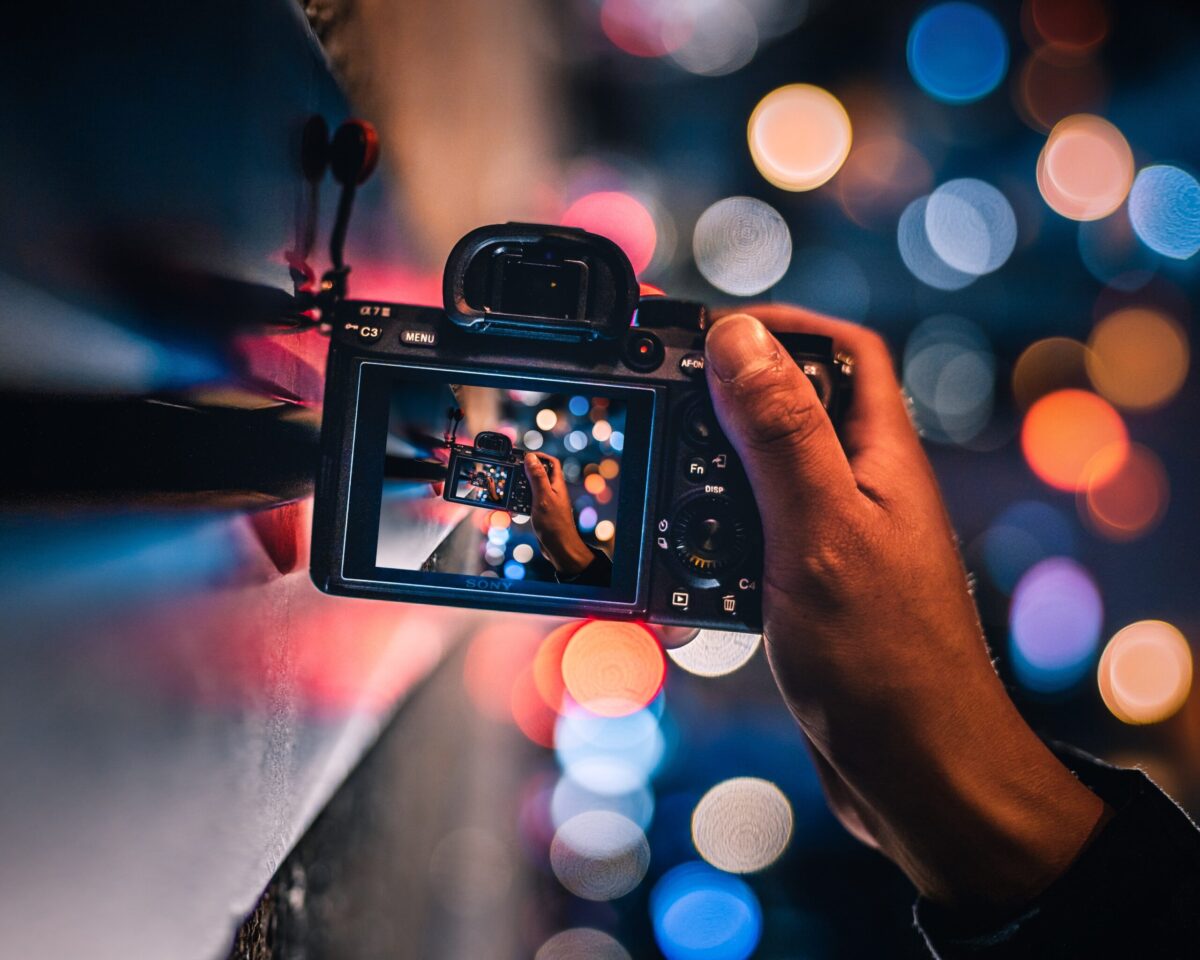
Composing a picture is more than merely lining up your subject with one of the corners of your viewfinder (although it is that also). In my perspective, composition relies heavily on a wide range of elements, including emotion, motion, feel, colour, and others.
Classes in photography are available all over the world, and you can join in on any of them that interest you. You have the ability to fulfil any task successfully. By following the rules, you can shoot photographs. Conversely, if you don't look right, something is surely wrong. We can assume that things will go swimmingly if the photo comes out properly. It's clear that the snapshot doesn't add anything to the reality.
Learn the rules of composition, such as the "thirds" rule, and how to implement them into your own work. Find out as much as you can about it, make sure you fully understand it, and then apply whatever you can to improve your work.
Attend a workshop
In keeping with the preceding statement, another useful means of education is to participate in a workshop. Workshops are great for anyone who are interested in photography but don't want to commit to studying the subject full-time for at least three years or spend a lot of money. But this doesn't imply workshops are cheap; in fact, some of them might cost as much as a car payment!
In contrast to the expense of a university education, workshops are a bargain. Attending workshops is a great opportunity to meet like-minded people, locate internship opportunities, and explore new creative avenues. They are related to many of the things we have discussed before.
Turn around
A limitation (or endearing feature, depending on your point of view) of photography is that it forces its practitioners to see the infinite, three-dimensional universe in which we live through the lens of a relatively small, two-dimensional box. There are moments when, due to the complexity of this endeavour, we are so preoccupied with getting it done that we forget about everything else.
Stop staring through the lens and trying to capture the perfect moment in one shot. Instead, step back and take in your surroundings. There's no telling what kind of riches you might find.
Smile
If you really give it some thought, a camera might seem like a very scary piece of technology. This is because cameras can sometimes feel like an intrusion into one's privacy.
Things that people do, honest moments they don't necessarily want documented, and so on are frequently caught on video. Those are all items that can be seen in the photographs. In front of or in a photograph, many people have a heightened sense of vulnerability and exposure. Everyone is equal in front of the lens. The organisation does not impose any kind of self-censorship. You can put anything in front of its lens, and it will photograph anything. In light of this, it is the photographer's duty to make his or her subjects and any bystanders feel comfortable while being photographed.
Genuinely smiling at the individuals you're talking to and those around you is one way to achieve this goal.
A pleasant demeanour is often all that is required to succeed. It shows that you care about the folks you are photographing and won't abuse the opportunity. Even when working with professional models whose job it is to pose for photographs, it is always nice to put a grin on everyone's face and make sure they are comfortable.
Join a photography forum
When asked where they may talk freely about photography, photographers are often at a loss. Forums. Forums are great places to discover answers to camera-related questions, to get constructive criticism on your photos, or to learn more about a particular photographic genre. A person's words on a platform should not be taken as gospel, and more investigation should be conducted to buttress any assertions made.
Each of us has a different perspective on photography, and sharing those perspectives with one another can be a really enlightening and fulfilling experience. Often, we learn more through talking to others and sharing our own experiences than we would from reading or watching lectures alone.
Starting to think about hiring a wedding photographer? Check out our range of Mornington Peninsula wedding photography here.
Set yourself a photography bucket list
Can anything equal to the feeling of crossing each challenge off a list, one by one, until there are none left? For some reason, I just don't see that happening. On the other side, this can help you along your photographic path. By writing down your photographic aspirations, or "bucket list," you may discover that you are more inspired to get out and capture pictures.
Nothing can replace first-hand experience. You are welcome to take as many photography courses, peruse as many photography books, engage in as many discussions, and peruse as many elongated articles as you wish. However, the best way to improve your photography skills is to get out there and shoot lots of practise shots. Taking more photos will help you become a better photographer since you will learn more about what works and what doesn't.
Make an online photography portfolio.
When you have accumulated a body of work, it is time to share it with the world.
Here's why:
- Use it as a resume: show off your expertise and past clients as a way to lock down more work
- Use it as a marketing tool: gain visibility of your brand by giving your social media posts a call to action
- Use it to look back on your work: it's a great way to see how far you've come with each photography project
Here's how:
- Create a theme-based organisation system for your portfolio; this will help visitors rapidly assess whether or not you're the kind of photographer they'd like to hire.
- Instead of making people sift through hundreds of mediocre images, focus on the best of your work.
- Learn the ins and outs of SEO (search engine optimisation), as traffic to your site will suffer otherwise.
- Use a website builder, such as WordPress or Squarespace, rather than paying for a custom design.
Find your style.
One of the most important rules to follow when learning photography is this: get ideas from other photographers, but don't plagiarise their work. While you may admire another photographer's work and think, "That is the kind of photo I want to capture," it's important to remember that no two photographs will ever be identical. Don't stop taking pictures; fire away whenever you get the chance until you find your own photographic voice. In this approach, we can ensure the greatest possible outcome.
Experiment and make mistakes
This piece of advise may be out of your budget range if you want to get into film photography, but if you use a digital camera with a memory card, you can snap hundreds of photographs that don't turn out and it won't matter. Try photographing your topic from every angle possible, experimenting with different lighting setups, and being open to improvising with the shot. If you're just starting out, it's possible that only one of dozens of photos turns out to be usable. However, it's vital to go back and see what you did right and what you could have done better.
Put your heart into it.
Use the passion you've got and apply it to every photo you take, every book you read, every video you watch and every program you learn. Photography is art, and the best art comes from a place of passion. If you’d like to work with professional photographers for your wedding, book with us at Wild Romantic Photography.
Indeed, there are cornerstones to the art of photography. There are rules and guidelines that must be followed if you want to make a name for yourself as a photographer of note. However, only by regularly engaging in shooting practise will you ever be able to properly master them. And once you have those basics in hand and have a firm grasp on them, you'll be better able to break them or bend them when you need to make something truly original and valuable.
Conclusion
Photography has emerged as the dominant art form of the modern day. Is formal education necessary to compete with the millions of photographs posted to Instagram and Flickr? Novices should have an awareness of how a camera works and perceives light, and this holds true no matter the topic at hand. Not everyone has the ability or desire to turn their hobby into a full-time income source. It could take decades to pay off your student loans if you go to college in the United States.
The best ideas and most skilled photographers from around the world can be found online. Can you succeed in life without the framework of a classroom? Here are some sure-fire ways to improve your skills without a degree. Chris Ozer left his 9-to-5 job to pursue a career in photography in 2010 and has amassed over 600,000 Instagram followers. If you want to learn more about photography, then pick up a good book or browse some online portfolios.
There are innumerable videos and blogs that explain how to utilise the model you've chosen. Photographers' comments, advise, and warnings abound on video-sharing website YouTube. Always have a camera on hand and snap photos of everything that piques your attention. Your subject lets viewers know that you were there, that you saw that, and that you focused on that aspect of the scene. Making money requires two things: the development of marketable abilities and the identification of paying customers.
Understanding who you should connect with and how to keep in touch over time is the essence of networking. Getting out there and networking is so important for a successful photographic career. Photography is a multifaceted art form, with its "artistry" and aesthetics existing in a vacuum apart from its technical parts. The "science" of photography refers to these methodical considerations. By following the rules, you can shoot photographs that achieve their intended effect.
Another useful means of learning about photography is to take part in a workshop. Workshops are great for anyone who doesn't want to commit to studying the subject full-time. Some workshops cost as little as a car payment, and are a bargain compared to university education. A pleasant demeanour is often all that is required to succeed. Forums are great places to discover answers to camera-related questions.
By writing down your photographic aspirations, or "bucket list," you may discover that you are more inspired to get out and capture pictures. If you use a digital camera with a memory card, you can snap hundreds of photographs that don't turn out and it won't matter. There are rules and guidelines that must be followed if you want to make a name for yourself. Only by regularly engaging in shooting practise will you ever be able to properly master them.
Content Summary
- Is it necessary to attend photography school if one aspires to progress above the levels of novice photographers?If you need advice on your wedding photography, check out our photography packages and services at Wild Romantic Photography.
- The first step is to think about why you want to learn these things.
- This is the book for you if you're interested in taking pictures of anything from weddings and families to seniors and landscapes.
- It is irrelevant what genre of photography you intend to practise.
- To help you learn the ropes, so you may improve your photography skills!If you've ever wanted to know how to learn photography on your own online and become adept with your camera, this is the perfect beginner's companion for you.
- Why learn photography?
- Because of the internet and social media, there is a growing demand for photo content.
- Yes, but you're here because you want to learn the basics of photography so you can make your camera a better storyteller.
- It's important to weigh the cost of attending school against the potential benefits before making a final decision.
- The pros and cons of photography schoolYou're already aware of the financial commitment required, but you're curious in the programme overall, so let's go over the primary benefits and drawbacks.
- Cons: It could take you decades to pay off your student loans if you go to college in the United States because of the high cost of tuition and the low average annual salary.
- If your career in photography doesn't take off, you may need to go back to school.
- Can you learn photography on your own?Absolutely!
- Find the answer by searching online.
- Anyone can pick up the skills necessary to take great photos.
- Is it feasible to succeed without the framework of a classroom if you follow your interests and strive to make a life doing what you love?
- Regardless of what you want to achieve with your photography, here are some sure-fire ways to improve your skills without a degree.
- Where to start with photography Get familiar with your camera.
- There are several reasons why it's crucial to spend time getting to know your equipment:You need to be an expert on your camera in every way possible.
- Remember to try out some of the ideas presented in the video!Hit the books (and online portfolios)If you want to learn more about a topic in a way that's more vivid, colourful, and engaging, then pick up a good book or browse some online portfolios.
- Find something to shoot.
- There is no use in having a camera if you don't have anything to photograph.
- Without something to picture, learning how to use your expensive camera will be a fruitless endeavour.
- Choosing a topic to write about is a crucial first step.
- To be a photographer is to be charged with the dual tasks of documenting events for the purposes of story and memoir.
- You become the topic of your own work since your images place you in a specific moment and location.
- Worry no more, Wild Romantic Photography has you covered.
- Practice, practice and practice!Nothing beats firsthand knowledge, so always have a camera on hand and snap photos of everything that piques your attention.
- Taking images is the only way to develop your own personal style and innate competence in photography, regardless of how many classes you take, how many books you read, or how much time you spend talking about it.
- As you continue to shoot and save photos to your memory card, you'll get insight into your strengths and weaknesses as a photographer.
- However sophisticated the camera's technology may be, a shot cannot be taken without a human photographer operating the controls.
- What this saying means is that the skill of the photographer is far more crucial than the equipment they employ.
- Whether you use a cheap plastic toy camera from the dollar bin or a high-end, nuclear-powered DSLR that doubles as a navigational signal for your mothership, the results will be the same.
- Many people, however, continue to think that high-end photography can only be achieved through the use of cutting-edge equipment.
- Getting to know people is essential in photography, which is why networking is so important.
- Because you are your business's brand, it is important to establish yourself as more than just a photographer.
- Get a mentor or apprenticeship.
- It's astonishing how few people think to seek out a mentor or an apprenticeship before starting out in photography.
- Learn About ExposureSimply said, exposure is the balancing act between the three key factors that determine how much light reaches your camera's sensor or film.
- Read a book, sign up for a course, or practise with a pal to pick it up.
- At the very least, you'll need to learn how to expose data accurately before you can figure out which rules to breach and how to do it most effectively given your goals.
- Learn CompositionComposing a picture is more than merely lining up your subject with one of the corners of your viewfinder (although it is that also).
- By following the rules, you can shoot photographs.
- Learn the rules of composition, such as the "thirds" rule, and how to implement them into your own work.
- In keeping with the preceding statement, another useful means of education is to participate in a workshop.
- Instead, step back and take in your surroundings.
- Those are all items that can be seen in the photographs.
- In front of or in a photograph, many people have a heightened sense of vulnerability and exposure.
- Everyone is equal in front of the lens.
- Join a photography forumWhen asked where they may talk freely about photography, photographers are often at a loss.
- Forums.
- Starting to think about hiring a wedding photographer?
- Set yourself a photography bucket listCan anything equal to the feeling of crossing each challenge off a list, one by one, until there are none left?
- By writing down your photographic aspirations, or "bucket list," you may discover that you are more inspired to get out and capture pictures.
- However, the best way to improve your photography skills is to get out there and shoot lots of practise shots.
- Taking more photos will help you become a better photographer since you will learn more about what works and what doesn't.
- Make an online photography portfolio.
- When you have accumulated a body of work, it is time to share it with the world.
- Here's why: Use it as a resume: show off your expertise and past clients as a way to lock down more work Use it as a marketing tool: gain visibility of your brand by giving your social media posts a call to action Use it to look back on your work: it's a great way to see how far you've come with each photography project Here's how: Create a theme-based organisation system for your portfolio; this will help visitors rapidly assess whether or not you're the kind of photographer they'd like to hire.
- Instead of making people sift through hundreds of mediocre images, focus on the best of your work.
- Learn the ins and outs of SEO (search engine optimisation), as traffic to your site will suffer otherwise.
- Use a website builder, such as WordPress or Squarespace, rather than paying for a custom design.
- Find your style.
- One of the most important rules to follow when learning photography is this: get ideas from other photographers, but don't plagiarise their work.
- Don't stop taking pictures; fire away whenever you get the chance until you find your own photographic voice.
- Experiment and make mistakes
- This piece of advise may be out of your budget range if you want to get into film photography, but if you use a digital camera with a memory card, you can snap hundreds of photographs that don't turn out and it won't matter.
- Try photographing your topic from every angle possible, experimenting with different lighting setups, and being open to improvising with the shot.
- Put your heart into it.
- Use the passion you've got and apply it to every photo you take, every book you read, every video you watch and every program you learn.
- Photography is art, and the best art comes from a place of passion.
- If you'd like to work with professional photographers for your wedding, book with us at Wild Romantic Photography.
- Indeed, there are cornerstones to the art of photography.
- There are rules and guidelines that must be followed if you want to make a name for yourself as a photographer of note.
FAQs About Photography

How Can I Find My Lens’s Sweet Spot?
A lens is of little use to a photographer if it cannot create sharp photographs. Professional photographers often become unhealthy in their preoccupation with the optical qualities of their lenses and the image quality they generate. But what many don't realise is that a lens' sharpness varies not just with the distance it is focused at, but also with the aperture setting.
When using a zoom lens, the image quality will shift as you move the zoom slider in either direction. Too much time would be needed to describe the optimal shooting parameters for each lens on the market, but the following suggestions should help you focus in on the best settings for your specific lens.
If you need advice on your wedding photography, check out our photography packages and services at Wild Romantic Photography.
So, What Is The Sweet Spot?
The "sweet spot" refers to the aperture value where your lens will deliver the most sharpness. Finding your lens's focal point sweet spot is easy. You should set your lens' aperture to be between two and three full stops smaller than its widest possible aperture. Getting here is like hitting the "sweet spot." For my Canon 50mm f/1.4 lens, the sweet spot is between f/2 and f/4. Lenses with a maximum aperture of f2.8 will have an aperture range of f4 to f5.6.
When trying to pin down exactly what it is that we mean when we say "picture quality," we have to draw on a wide variety of criteria. Some examples include tonality, contrast, brightness, and dynamic range. The dynamic range of a photograph is measured by how much information is present in both the deepest blacks and the brightest whites. Then there is sharpness, which is arguably the most elusive trait to pin down.
Probably more than anything else, "Is it sharp?" is the question people ask before buying a lens. After all, you want to be sure that the lens you're considering acquiring will function as claimed and take photographs that you'll be glad to show other people if you're going to be using the camera that cost you a lot of time and effort to obtain.
Many shooters, both novices and veterans alike, fail to appreciate the fact that lenses are not uniformly sharp across the entire aperture range or throughout the entire focusing range. Additionally, zoom lenses' image quality degrades as you zoom in and out. As an illustration of this phenomena, consider the fact that macro lenses, in general, have better performance at longer focus distances than non-macro lenses but have higher resolving power at shorter focus distances.
Sharpness vs. Focus
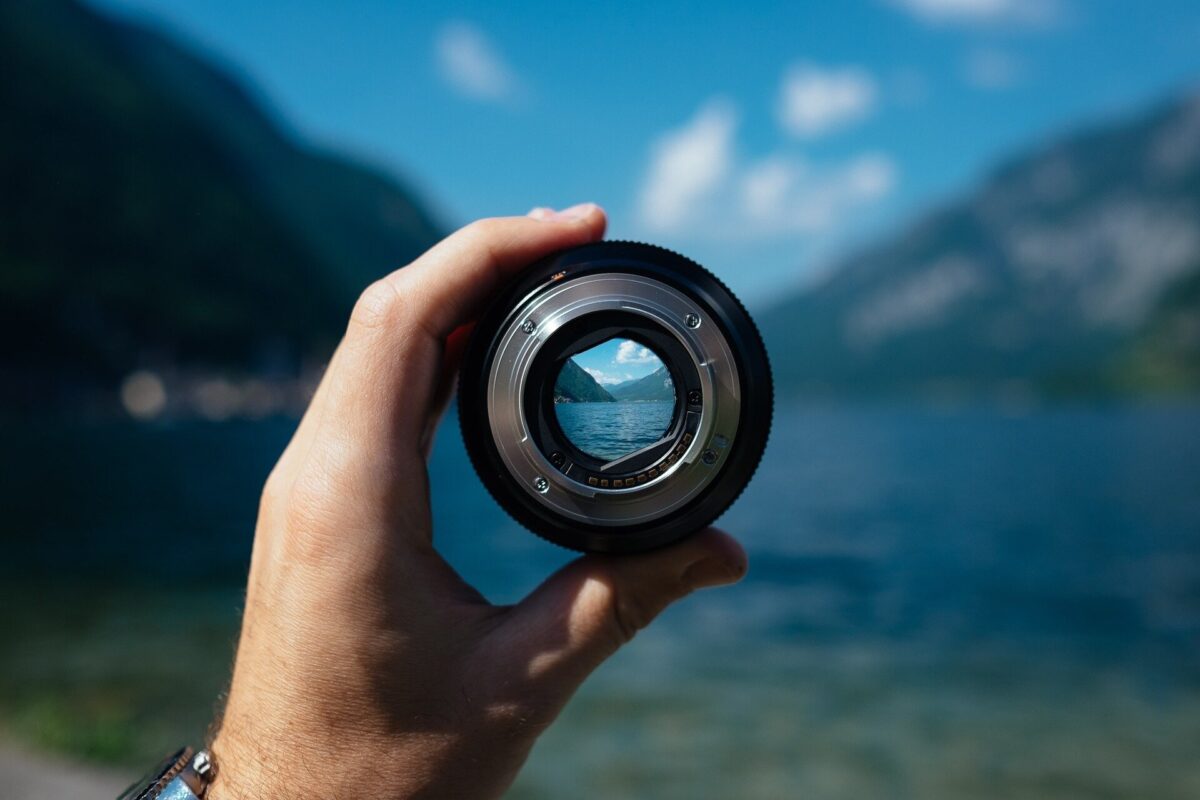
We can't possibly go into detail on the precise settings your camera needs to achieve the greatest results with every lens on the market, but we can offer some general pointers that might change the way you approach photography.
The first step is to define the difference between sharpest possible and sharpest possible in focus. When shooting at full aperture, the sharpest results can be achieved by decreasing the aperture by 2.5 to 3 stops. Doing so will maximise the sharpness of your lens' captured images. For example, if your lens's maximum aperture is f/2.8, you'll get the greatest results by shooting with an aperture size somewhere between f/5.6 and f/8.
If your lens has a maximum aperture of f/3.5, its optimal shooting aperture is between f/8 and f/11. As another example, if your lens's maximum aperture is f/1.4, the sweet spot for your lens's aperture setting will be between f/2.8 and f/4. You can safely apply this rule of thumb to the vast majority of lenses you'll ever use.
Some readers may have been lost in the last paragraph if they were confusing depth-of-field, which is a measure of focus, with sharpness, which is a measure of a camera's ability to resolve detail in an image. A smaller aperture allows you to focus on a larger area of the image without blurring the rest. To read this, imagine holding a newspaper article about two fingers' width from your eye.
If you close one eye, or squint, at the text, it will be much simpler to read. Similar to how images captured at narrower apertures (f/11, f/16, etc.) appear sharper than those captured at larger apertures (f/2.8, f/2, f/1.4, etc.), this effect is also inversely proportional to the focal length of the lens. The'sweet spot' of your lens is where the most amount of your image will be in focus regardless of your aperture setting. However, the overall image quality of a shot taken with a narrower aperture will likely suffer.
Before heading out to snap images, you'll need to settle on whether you're more concerned with getting a sharp image overall or getting every detail in sharp focus. Keep in mind that when comparing these photographs side by side on a computer screen or in the form of mid-sized printouts, the changes in sharpness may not be all that significant (or even discernible), but they are there none the less.
Keep in mind that the gain in focus caused by stopping down a lens is not uniformly distributed in front and behind the subject, but rather is split one-third in front and two-thirds in behind. In other words, the depth of field between your subject and the background expands at a rate twice as quickly as the focus between your subject and the lens expands when you stop down your lens.
It is also important to note that just as the aperture of your lens at its widest setting does not represent the actual resolving power of your lens, the aperture of your lens at its smallest setting, despite the fact that it enables a larger portion of the image to appear in focus, is typically just as lacking in sharpness as the larger setting. Check out our range of wedding photography for your wedding day.
Sharpness vs. Depth Of Field
As counter-intuitive as it may seem, sharpness is often confused with depth of field, a measurement of focus. Smaller aperture settings allow more of the image to be in focus, resulting in a more pleasing final product. Images captured at narrower apertures, like f/16 or f/22, appear sharper than those shot at wider apertures, like f/2 or f/2.8.
Because of the higher field depth afforded by narrower apertures, more of the image will be sharp while shooting in low light.
While a larger portion of the image may be crisp, this is at the expense of overall image quality compared to when the subject was in the centre of the frame and the photo was taken at the optimal focus distance. This is due to the fact that a greater percentage of the picture will be fuzzy. Keep in mind that, just as the lens's widest aperture setting won't yield the sharpest image, the lens's most narrow aperture setting won't yield the sharpest image, either.
How To Find That Sweet Spot
The sweet spot test is a simple way to find out for yourself which lens has the most precise aperture. Shoot in Aperture Priority mode for the simplest results. As a result, the aperture will be under your command, but the shutter speed and ISO will be set automatically.
You should also use a tripod to keep your camera steady for each shot. Snap seven or eight photographs across the lens' whole aperture range, giving priority to the smallest and largest slits you think will give you the best chance of achieving the desired look. Immediately after, upload the images to a computer and increase the magnification to one hundred percent.
You should be able to immediately identify the aperture that yields the sharpest overall picture. An easy way to tell how sharp an image is by simply looking at it is to include some text in the frame.
Planning your dream wedding and don’t want to miss out on the special moments on your big day? Worry no more, Wild Romantic Photography has you covered.
First, take a look at your lens.
Sharpest images are often captured using the kit lens that comes with a digital single-lens reflex camera at an aperture setting roughly in the middle of its range. Knowing the lens' "widest" aperture setting is necessary for determining its "medium" aperture. This will be labelled as 1:3.5-5.6 on the side or end of the lens.
This means that at 18mm, the widest aperture my lens will go is f/3.5. At a focal length of 55mm, its maximum aperture is f/5.6. If you start at the widest aperture and count up two full f-stops, you'll find the sweet spot in the middle of the range. A camera's aperture is measured in f-stops.
Since there's some wiggle room in deciding what counts as "middle," a picture can be sharply focused with an aperture of between 7.1 and 10. Finding the aperture setting in the middle of your lens's range allows for a simple test to be carried out in order to establish which of your ideas is the most ingenious. The mission can only be completed if the images are taken in Aperture Priority mode.
Look at the End of Your Lens
Besides locating the lens's focal point, you must also ascertain the largest aperture it can manage. If you are unclear of your lens's maximum aperture, look at the lens's very end. It's written right next to the focal length. For example, if your kit lens has an 18–55 millimetre focal length and a maximum aperture of f/3.5–5.6, the last set of numbers on your lens will look like this: 1:3.5–5.6. This means that your lens's widest aperture is f/3.5 when you're at the widest setting of your zoom range, and f/5.6 when you're at the narrowest setting.
Then, to find the optimal setting, count up to the next two or three stops from the maximum. Get closer to the perfect spot by doing this. A two-stop increase from the current aperture setting of f/3.5 would result in an aperture of roughly f/7, using the numbers given above. There is some wiggle room in choosing an aperture because a wide variety of values are all within the sweet spot. The aperture may be set to f/11 and still produce the degree of sharpness indicative of a middle-of-the-road alternative.
Take control with Aperture Priority mode.
When compared to the Auto shooting mode, the Aperture Priority option allows you more freedom to express your artistic vision by allowing you to manually adjust the aperture.
Having control over the aperture makes it much easier to capture a sharp image. Because the ISO (if set to Auto ISO) and shutter speed (if set to Auto) are still selected automatically by the camera, this mode is also very user-friendly. You may have heard that wide apertures (f/16 and f/22) are ideal for achieving consistent sharpness throughout the frame.
While this may be true at times, it is not always the case that stress equals mental acuity. If you choose an aperture that is somewhere in the middle of the range, you will get images that are sharper overall. You may make your images look even more professional by utilising a tripod and a remote shutter release (or the self-timer on your camera).
Switching from Auto to Aperture Priority mode
Turning the camera's main mode dial to the Aperture Priority setting is as easy as rotating it from the Auto position.
Canon cameras' Av button stands for Aperture Priority mode, and the green rectangle denotes Auto mode. When using the Aperture Priority mode, the smaller primary dial allows you to choose your f-stop.
Using the Aperture Priority
Shooting in aperture priority mode gives you full control over the aperture while leaving the shutter speed and ISO up to the camera. You can manage the depth of field and the sharpness of your images by adjusting the aperture.
Of course, you probably already know that increasing the aperture value also increases the depth of field. Landscape photographers, for instance, frequently utilise apertures of f/16 or f/22 to get sharp images throughout the frame, from foreground to background.
The graphic above serves to explain this point. Unfortunately, your lens's mid-range sweet spot is somewhere between f/16 and f/22, so even though everything may be in focus, it won't be sharp. This is due to the lens not being designed to work well at certain apertures.
Select the middle aperture setting, place the camera on a tripod, and utilise a remote shutter release if you want a sharp, clear image. You'll be able to keep your lens at its most advantageous angle and give your camera the stable basis it needs to eliminate blur from hand-shake. The combination of these factors should produce a very crisp final product.
We have the best wedding photographer in Yarra Valley to capture your beautiful moments on your wedding day.
Perform a lens sweet spot test
Taking a few practise photos at this stage is all that's left to do in order to find your lens's sweet spot for focusing. Set up your composition, put your camera on aperture priority, then steady it with a tripod. Take a series of pictures of the scene using a remote shutter release, starting with the lowest aperture setting (f/3.5 in this case). Take another shot after that, but this time with an aperture value that is one step wider. Repeat this process until you have used every conceivable aperture setting on your lens.
After accumulating a number of shots, you can review them on your computer and pick the best ones. Zooming in on the same spot in each image will allow you to compare how clear the details are. There will be a simple method for determining the optimum aperture setting for maximum image sharpness.
At Wild Romantic, we have the best wedding photographer in Mornington Peninsula to capture every single moment on your wedding day.
Whether you're shooting landscapes, portraits, architecture, or something else, you should now be able to achieve sharper focus in your photos. Using the centre aperture value and the aperture priority shooting mode will guarantee sharp shots every time.
After you have your camera set up on a tripod, a sweet spot test should only take a few minutes to complete. Making sure your camera is in Aperture Priority mode is the first step. Afterward, decide on a composition, and shoot many photographs using different depths of field. Start by snapping a photo with the aperture open all the way.
Then, seal the aperture by rotating the main dial a few times, and try again. Continue doing this until you have seven or eight images. After you upload your images to your computer, you can view them at a greater magnification. Identifying the aperture settings that produced the finest images is a breeze.
Now that you know where to focus your lens for the best results, you can put that knowledge into practise.
Tips for capturing the sharpest images
- Use the Aperture Priority setting.
- Pick an aperture in the middle of the range (often f/7.1 and f/10).
- Reduce camera shake with a tripod and a remote shutter release (or the self-timer on your camera).
- When getting a clear photo is crucial, shoot a sequence of images between f/7.1 and f/10.
But don't stop there. Keep playing with settings in Aperture Priority mode. It's fantastic to get sharp images throughout, but there's a lot more to aperture than that.
Conclusion
"Sweet spot" is the aperture value where your lens will deliver the most sharpness. For my Canon 50mm f/1.4 lens, the sweet spot is between f/2 and f/4. Lenses with a maximum aperture of f2.8 will have an aperture range of f4 to f5.6. If your lens's maximum aperture is f/2.8, you'll get the greatest results by shooting with an aperture size somewhere between f/5.6 and f/8. A smaller aperture allows you to focus on a larger area of the image without blurring the rest.
The'sweet spot' of your lens is where the most amount of your image will be in focus. Images captured at narrower apertures, like f/16 or f/22, appear sharper. The gain in focus caused by stopping down a lens is split one-third in front and two-thirds behind. Knowing the lens' "widest" aperture setting is necessary for determining its "medium" aperture. If you start at the widest aperture and count up two full f-stops, you'll find the sweet spot.
Sharpest images are often captured using the kit lens on a digital single-lens reflex camera. If your kit lens has an 18–55 millimetre focal length and a maximum aperture of f/3.5–5.6, you must ascertain the largest aperture it can manage. There is some wiggle room in choosing an aperture because a wide variety of values are within the sweet spot. Canon's Aperture Priority mode gives you full control over the aperture while leaving the shutter speed and ISO up to the camera. Increasing the aperture value also increases the depth of field.
Landscape photographers frequently utilise apertures of f/16 or f/22 to get sharp images. Once you know how to find the sweet spot for sharp focus, you should now be able to achieve sharp images. There is a simple method for determining the optimum aperture setting for maximum image sharpness. At Wild Romantic, we have the best wedding photographer in the country to capture every moment on your wedding day. If you're looking for the sharpest images possible, then you'll have to know where to focus your lens.
Identifying the aperture settings that produced the finest images is a breeze. Aperture Priority mode is the best place to start, but there's a lot more to aperture than that.
Content Summary
- A lens is of little use to a photographer if it cannot create sharp photographs.
- But what many don't realise is that a lens' sharpness varies not just with the distance it is focused at, but also with the aperture setting.
- Too much time would be needed to describe the optimal shooting parameters for each lens on the market, but the following suggestions should help you focus in on the best settings for your specific lens.
- So, What Is The Sweet Spot?
- The "sweet spot" refers to the aperture value where your lens will deliver the most sharpness.
- Finding your lens's focal point sweet spot is easy.
- Many shooters, both novices and veterans alike, fail to appreciate the fact that lenses are not uniformly sharp across the entire aperture range or throughout the entire focusing range.
- Sharpness vs. FocusWe can't possibly go into detail on the precise settings your camera needs to achieve the greatest results with every lens on the market, but we can offer some general pointers that might change the way you approach photography.
- The first step is to define the difference between sharpest possible and sharpest possible in focus.
- When shooting at full aperture, the sharpest results can be achieved by decreasing the aperture by 2.5 to 3 stops.
- Doing so will maximise the sharpness of your lens' captured images.
- For example, if your lens's maximum aperture is f/2.8, you'll get the greatest results by shooting with an aperture size somewhere between f/5.6 and f/8.If your lens has a maximum aperture of f/3.5, its optimal shooting aperture is between f/8 and f/11.
- As another example, if your lens's maximum aperture is f/1.4, the sweet spot for your lens's aperture setting will be between f/2.8 and f/4.
- Some readers may have been lost in the last paragraph if they were confusing depth-of-field, which is a measure of focus, with sharpness, which is a measure of a camera's ability to resolve detail in an image.
- this effect is also inversely proportional to the focal length of the lens.
- The'sweet spot' of your lens is where the most amount of your image will be in focus regardless of your aperture setting.
- However, the overall image quality of a shot taken with a narrower aperture will likely suffer.
- Before heading out to snap images, you'll need to settle on whether you're more concerned with getting a sharp image overall or getting every detail in sharp focus.
- In other words, the depth of field between your subject and the background expands at a rate twice as quickly as the focus between your subject and the lens expands when you stop down your lens.
- It is also important to note that just as the aperture of your lens at its widest setting does not represent the actual resolving power of your lens, the aperture of your lens at its smallest setting, despite the fact that it enables a larger portion of the image to appear in focus, is typically just as lacking in sharpness as the larger setting.
- Check out our range of wedding photography for your wedding day.
- Sharpness vs. Depth Of FieldAs counter-intuitive as it may seem, sharpness is often confused with depth of field, a measurement of focus.
- Images captured at narrower apertures, like f/16 or f/22, appear sharper than those shot at wider apertures, like f/2 or f/2.8.Because of the higher field depth afforded by narrower apertures, more of the image will be sharp while shooting in low light.
- Keep in mind that, just as the lens's widest aperture setting won't yield the sharpest image, the lens's most narrow aperture setting won't yield the sharpest image, either.
- How To Find That Sweet SpotThe sweet spot test is a simple way to find out for yourself which lens has the most precise aperture.
- Shoot in Aperture Priority mode for the simplest results.
- You should be able to immediately identify the aperture that yields the sharpest overall picture.
- An easy way to tell how sharp an image is by simply looking at it is to include some text in the frame.
- First, take a look at your lens.
- Knowing the lens' "widest" aperture setting is necessary for determining its "medium" aperture.
- Finding the aperture setting in the middle of your lens's range allows for a simple test to be carried out in order to establish which of your ideas is the most ingenious.
- The mission can only be completed if the images are taken in Aperture Priority mode.
- Look at the End of Your LensBesides locating the lens's focal point, you must also ascertain the largest aperture it can manage.
- If you are unclear of your lens's maximum aperture, look at the lens's very end.
- It's written right next to the focal length.
- This means that your lens's widest aperture is f/3.5 when you're at the widest setting of your zoom range, and f/5.6 when you're at the narrowest setting.
- Take control with Aperture Priority mode.
- If you choose an aperture that is somewhere in the middle of the range, you will get images that are sharper overall.
- Using the Aperture PriorityShooting in aperture priority mode gives you full control over the aperture while leaving the shutter speed and ISO up to the camera.
- You can manage the depth of field and the sharpness of your images by adjusting the aperture.
- Of course, you probably already know that increasing the aperture value also increases the depth of field.
- Unfortunately, your lens's mid-range sweet spot is somewhere between f/16 and f/22, so even though everything may be in focus, it won't be sharp.
- Select the middle aperture setting, place the camera on a tripod, and utilise a remote shutter release if you want a sharp, clear image.
- We have the best wedding photographer in Yarra Valley to capture your beautiful moments on your wedding day.
- Perform a lens sweet spot test
- Taking a few practise photos at this stage is all that's left to do in order to find your lens's sweet spot for focusing.
- Set up your composition, put your camera on aperture priority, then steady it with a tripod.
- Take a series of pictures of the scene using a remote shutter release, starting with the lowest aperture setting (f/3.5 in this case).
- Repeat this process until you have used every conceivable aperture setting on your lens.
- After accumulating a number of shots, you can review them on your computer and pick the best ones.
- There will be a simple method for determining the optimum aperture setting for maximum image sharpness.
- At Wild Romantic, we have the best wedding photographer in Mornington Peninsula to capture every single moment on your wedding day.
- Using the centre aperture value and the aperture priority shooting mode will guarantee sharp shots every time.
- After you have your camera set up on a tripod, a sweet spot test should only take a few minutes to complete.
- Making sure your camera is in Aperture Priority mode is the first step.
- Start by snapping a photo with the aperture open all the way.
- After you upload your images to your computer, you can view them at a greater magnification.
- Identifying the aperture settings that produced the finest images is a breeze.
- Now that you know where to focus your lens for the best results, you can put that knowledge into practise.
- Tips for capturing the sharpest images Use the Aperture Priority setting.
- Pick an aperture in the middle of the range (often f/7.1 and f/10).
- Keep playing with settings in Aperture Priority mode.
FAQs About Photography

How Can I Be Photogenic?
In today's social media-obsessed culture, it's safe to assume that learning how to pose for photos is crucial. Having an Instagram account is kind of pointless if you don't think you look attractive in photos.
Having a bad photo taken of you can be embarrassing, and it makes you wonder how models maintain their flawless appearances. Photos might be a little stressful if you end up looking terrible in them. Making sure your natural attractiveness is viewed by the camera the same way it is seen in real life is considerably harder than it may seem.
Check out the photographic packages and services we provide at Wild Romantic Photograph if you're in need of some wedding photography guidance.
Learning how to look better in photographs is something everyone is curious about. It doesn't matter if you want to learn how to look nice in pictures with your friends or if you want to raise the number of followers on your Instagram account; there are particular tips and tactics you can apply to make sure you always look your best. Photography has evolved to the point that establishing a stance is an art form, and not only for supermodels and actresses.
To enhance your visual presentation in images, consider the following tips.
How to Look Good in Pictures: The Basics
Study Yourself
Think about the reasons behind your appearance in different images of yourself, both the good and the bad ones. Can you tell the difference? Maybe you've found that particular outfits or hairstyles bring out your best features. Find the common threads or patterns. Do you like the way you look from a certain angle? For a specific type of grin? Try to remember some of your most photogenic positions for your next shoot.
If you seem better in images when you smile, or if the camera catches you at an awkward angle, adjust your pose or facial expression accordingly. These two things may put you on edge. A double chin can be prevented by elongating the neck and projecting the face slightly forwards. Visualize yourself with your eyebrows arched high, your chin jutting out, and your nose pointing skyward. I can't promise how it will feel, but I know it will look fantastic. Keep track of what you like and don't like about your appearance so you can make changes for the better in future photos.
Practice Makes Perfect
It's not just models who should practise striking the most attractive stances and expressions. If you want to learn how to improve your image in photographs, you must practise. You should practise in front of a mirror or even a camera to learn which facial expressions, body postures, and camera angles work best for you. If you want to look your best in front of the camera, you should practise striking different postures and getting used to positioning your body in different ways.
Wear Flattering Outfits
An individual's choice of attire can have a dramatic effect on how they are portrayed in a photograph. Clothing that does not fit properly increases the likelihood that an image will not turn out nicely. Select cuts and colours that accentuate your best features and that work well with your hair and skin. The most crucial aspect of your outfit is how you feel in it; if you're comfortable, it will shine through.
Trying to find wedding photography Melbourne? Not any further! You can rely on Wild Romantic Photography to have all your bases covered.
Perfect Match Makeup
In order to achieve the most natural look, your makeup must be a great match for your skin. If your foundation is too light for your skin tone, it will be more noticeable under a flash. Raise your neck so that it is as dark as your chest, or, if it is lighter, apply a small coating of makeup on it (as is the case for most people).
Whether or not a photograph turns out well is frequently determined by the cosmetics applied. The compatibility of your base is crucial. How overexposed or underexposed a photograph is will be immediately apparent. Conceal imperfections and under-eye bags with a concealer that is a good colour match, and use a translucent powder to absorb excess oil in your t-zone (the area that includes your forehead, nose, cheeks, and chin).
Fill out your brows with a bold shade. Not only do your eyebrows reveal a lot about your character and the way you're feeling, but they also have a big impact on whether or not you look alert in images. Knowing that you will be photographed calls for a little darker brow pencil, as facial features tend to look less pronounced in images.
Open up Your Eyes
If you want your images to really stand out, it's crucial that people focus on your eyes. Luckily, there are some easy steps you can do to make this happen. Curling your lashes and applying mascara are musts. You can obtain that gleam in your eye from doing either of these activities since they widen your pupils and let in more light. If you tend to blink in photos, try closing your eyes briefly before the photo is taken and then slowly opening them again. You shouldn't have to navigate the world with only one eye. Focus your eyes on a point of light before having your photo taken. This will cause your pupils to constrict, which will help you avoid getting red eyes.
Give Life to Your Hair
Never let your hair look flat and uninteresting in a snapshot of yourself. In order to prevent seeming moist and crunchy, you should keep the frizz under control, as the camera's flash will highlight any stray hairs. Additionally, flip your head over just before the photo is taken to add some volume (if your hairstyle allows it).
Want to make sure you don't miss a thing at your dream wedding but yet feel like you can relax and enjoy yourself? Stop stressing, because Wild Romantic Photography has you covered.
How to Pose for Pictures
Lift Your Arm(s)
We tend to keep our arms at our sides when we pose for shots, but this can make us look uneasy and can also make our arms look much larger than they actually are. You can alleviate these problems by striking a stance in which one hand rests on the other.
Angle Your Shoulders

Head-on poses for photographs nearly always exaggerate the subject's size. If you rotate your shoulders in this way, you'll give the impression that you have slimmer shoulders. You will look slimmer, and the overall effect will be more positive.
Occupy Your Hands
Trying to figure out what to do with your hands and arms can be humiliating, especially if they make you look uneasy in images. You can use a prop like a coffee cup or a purse to take your hand's attention away from its awkwardness. In addition, you are free to use your hands to play with your hair or face. Although this is an advanced motion, with practise you can make it seem beautiful!
Roll Your Shoulders Back
For the best photo results, try to appear relaxed and at peace by taking a deep breath, letting your shoulders fall, and rolling them back. You will not only seem but also feel more confident.
Pose Your Hair
The way you're holding your hair is an integral component of the position you're adopting. When deciding how to wear your long hair down, you may want to think about whether you want it to fall in front of or behind your shoulders, or whether you want to wear it all to one side. In case your hair is quite long, you can let it down. Maybe you should have it working, too.
How to Smile in Pictures
Be Natural, Don't Force It
If you force a smile for the camera, it won't turn out very well. Make sure your grin is as natural and sincere as it can be. Put your concentration on the space in between your eyes, let your jaw and face relax, and think of something or someone that makes you happy. Remember that repetition is the key to mastery. Be sure to perfect your camera smile in front of a mirror before your big debut.
Organising the wedding of your dreams but concerned that you might miss some of the action? You may relax now because Wild Romantic Photography has you covered.
Put Your Tongue Behind Your Teeth
Tucking your tongue behind your teeth as you smile for a photo might make your grin look more genuine. Seeing a child's happy face is the best example of this. A broad grin can make you look ridiculous, so this will help you avoid that.
Ask the Photographer to Tell a Joke
If you're having difficulties cracking a natural smile, have the photographer tell you a joke or make you laugh. In turn, this will help you unwind and feel more comfortable in front of the camera, where it will be much simpler to crack a genuine grin.
Wear Bright Lipstick
Another trick to make your smile pop in photos is to wear a contrasting lip colour. It can make your lips look thinner and older if you use a dark lipstick. A bold lip colour, though, can highlight your greatest features. It's a great option for enhancing the visual appeal of your grin. When it comes to wedding photography Yarra Valley , no one does it better than Wild Romantic Photography. Look at them here!
Practice Smiling with Teeth and Without Teeth
Some people look better when they smile showing all their teeth, while others look better when they show none. Try both out in front of the mirror and see which one you prefer. If you want your grin to look natural when you don't have any teeth, practise is essential. Otherwise, it might not even look like a smile.
How to Look Good in Selfies
Learn Your Angles
Put your phone in different positions and try capturing shots of your face from those perspectives. You may favour one side of your face over the other, or you may prefer to stand with your head cocked to one side or the other. It's best to try out several strategies to see what works for you, as everyone has their own sweet spot.
Good Lighting
Good lighting is crucial, and natural light is often the most pleasant and effective option. The blinds should be opened to let in natural light if you are inside. Have a go at taking a selfie in the best possible lighting by just spinning around. Make sure the sun isn't directly overhead before venturing outdoors. You should never squint in images, as it will ruin the effect.
Extend Your Head Away from Your Neck
If you tilt your head back, it gives the illusion of a longer neck and a more defined jaw. Keep your eyes up where the camera is. You may come out as uneasy if you look up while keeping your chin tucked in.
Secrets of Photogenic Women
Can you think of somebody whose photographs consistently come out beautifully? How could they possibly be so taken away and yet so beautiful and at ease? Our envy is making us green with disgust. Rather to let our envy of these stunning ladies cloud our judgement, we'll put these tips to use in our own photography.
They Know Their Angles
When having your picture taken while seated, make sure the camera is never lower than your chin. Instead, you should capture the picture from directly above or straight on.
They're Comfortable and Confident
Despite the temptation, don't tuck in your stomach when you pose for pictures (or feel like you need to). If you are feeling uncomfortable, it will show in your posture and facial expression. Instead, act and appear confident to give the impression of confidence. Making it (here meaning becoming comfortable with and even enjoying being videotaped)
They Don't Smile—they Squinch
One's toothy grin may make them appear as though they are trying too hard to smile. Photogenic women often squint to improve their appearance for the camera. By doing this, you can give the impression that you are squinting while actually allowing your lower lids to do the most of the work and your upper lids to relax subtly (where the "pinching," of sorts, comes into play). This video instruction was created with the hope that those who learn best via seeing can benefit from it.
They Know Lots of Eye Tricks
How often have you seen a great photo of yourself where you were closed or half-closed with your eyes (and not in that excellent way)? It's not a fun thing to go through. Rather than:
- Tell the person taking the picture to begin counting from the top.
- Close your eyes; you won't be allowed to open them until three minutes and two seconds have passed.
- Just open the doors already.
- Keep your appearance bright and lively, never looking tired or sleepy.
They Don't Say Cheese
I hate to be the one to break it to you, but the "Say cheese!" phenomenon was debunked. And it makes you look like you're trying too hard to grin. We suggest using the term "money" if you must speak. You can keep your mouth slightly open and seem considerably more sincere just by saying this one word.
They Learn from Their Mistakes
Looking at photos of yourself where you don't feel great can teach you a lot, even if you'd rather not. If something about the photo disturbs you (maybe your grin isn't quite right), analyse it to find out where you might make improvements for future shots (say, by saying "money" instead of "cheese").
The Practice in the Mirror
It's recommended to test out several poses multiple times before settling on one that you feel comfortable with and that you think would look nice in any photograph. To avoid feeling awkward when striking a stance, it's helpful to practise doing so in front of a mirror first.
They Know Where to Stand in Group Shots
Group photographs are fantastic if you don't want to be the centre of attention, but only if you blend in and don't draw too much attention to yourself. Don't stand directly in front of the camera if you don't want to look too imposing in group shots. Thus, you should either recede from the front of the shot or have everyone pose on a level surface.
Wild Romantic Photography is the place to go if you want high-quality wedding photos taken by experts.
Additional Tips
- You can prevent yourself from flashing an embarrassing grin by tucking your tongue between your teeth whenever you smile. Such an action is par for the course on the red carpet.
- So, are you ready to snap some shots? Please give this five seconds of your attention: To begin, dab your face with a tissue or single-ply cocktail napkin to remove shine. A healthy flush can be achieved by pinching your cheeks (yes, this is an old school beauty hack, but it works).
- To make yourself appear more alert and awake, put a few drops of Visine in each eye.
- Blush is an absolute necessity right now. To avoid having your face appear flat and uninteresting in photographs, blush is a must. Applying a medium pink tone to the apples of your cheeks can highlight your features and make you look more attractive.
- Get out of your comfort zone and try to examine the situation from several angles. Try posing with your head at a three-quarters angle rather than dead on to give the impression that your features have greater depth.
- The traditional "red carpet pose" involves a hand on the hip, a small side bend, and a turn of the head towards the camera. This has been done before, but it bears repeating: a waist cincher makes your waist look smaller.
- Avoid getting any significant glitter on your skin. Shimmer from cosmetics or body oils can look more pronounced in photographs. It's fantastic to shine, but if your skin is oily, no amount of glitter can help you. If you can't quit shimmer (a velvety finish), try sticking to a matte or semi-matte face finish (a velvety finish). In order to draw attention to your cheekbones and the bridge of your nose, use a small amount of powder highlighter with a very delicate sheen and dab it on those areas.
- Instead, a touch of glitter at the base of your neck will highlight your natural beauty and make you shine. With some shimmering powder on your collarbone and shoulders, you'll look really stunning.
- Place yourself parallel to the empty wall. Against a lighter background, your skin will appear healthier and more young. Using a white background can help the camera's automated settings find the best colour balance, preventing your skin from coming out looking too pink or yellow in the final image.
- Align yourself with the blank wall. Your skin will glow and look younger and healthier against the lighter background. If you want to avoid having your skin look excessively pink or yellow in the final shot, using a white background can assist the camera's automated settings to determine the ideal colour balance.
- Increase the number of photos in which you appear. While people who are self-conscious about their appearance in photographs may pose for fewer photographs overall, photography is ultimately a numbers game. Kate Moss isn't perfect, and neither are her outfits. You can enhance the likelihood that at least one great photo will result from a shoot if you allow your photographer carte blanche to take as many shots as they like.
- A head-on, above shot is the most flattering angle since it highlights your best features. If you're taller than the guy holding the camera, you should probably sit down.
- Avoid standing in front of a strong light if you don't want your shadow to distort your features. Instead, stand where light can enter from the side and fall softly on your face, such as near a window or the sun.
- Make do with a different prop in place of the red Solo cup. Holding an object, such as a flower or piece of decor, can help you relax your posture and express your individuality in a photo. I've never heard anything more accurate.
- Staring closely into a light will cause your eyes to sparkle. Example: a lamp can make your eyes look more alluring by causing your pupils to widen.
- Say something witty instead of "cheese" in that photo. It'll go over better if you joke around with the photographer. A genuine smile is usually more attractive than a fake one.
Considering booking a wedding photographer now? View our selection on Mornington Peninsula wedding photography.
Conclusion
If you're having trouble cracking a natural smile, have the photographer tell you a joke or make you laugh. This will help you unwind and feel more comfortable in front of the camera. Good lighting is crucial, and natural light is often the most pleasant and effective option. Photogenic women often squinch to improve their appearance for the camera, giving the impression that they are squinting while actually allowing your lower lids to do the most of the work. From posing in front of a mirror, to pinching your cheeks and applying eye make-up, we've put you through your paces.
Shimmer from cosmetics or body oils can look more pronounced in photographs. If you can't quit shimmer (a velvety finish), try sticking to a matte or semi-matte face finish. Using a white background can help the camera's automated settings find the best colour balance. People who are self-conscious about their appearance in photographs may pose for fewer photographs overall. Head-on, above shot is the most flattering angle since it highlights your best features. Hold an object, such as a flower or piece of decor, to help you relax your posture and express your individuality.
Content Summary
- If you're having difficulties cracking a natural smile, have the photographer tell you a joke or make you laugh.
- Wear Bright Lipstick Another trick to make your smile pop in photos is to wear a contrasting lip colour.
- When it comes to wedding photography Yarra Valley , no one does it better than Wild Romantic Photography.
- If you want your grin to look natural when you don't have any teeth, practise is essential.
- Photogenic women often squint to improve their appearance for the camera.
- The Practice in the Mirror It's recommended to test out several poses multiple times before settling on one that you feel comfortable with and that you think would look nice in any photograph.
- To avoid feeling awkward when striking a stance, it's helpful to practise doing so in front of a mirror first.
- Don't stand directly in front of the camera if you don't want to look too imposing in group shots.
- To avoid having your face appear flat and uninteresting in photographs, blush is a must.
- With some shimmering powder on your collarbone and shoulders, you'll look really stunning.
- Avoid standing in front of a strong light if you don't want your shadow to distort your features.
- Staring closely into a light will cause your eyes to sparkle.
- View our selection on Mornington Peninsula wedding photography.
FAQs About Photography
Does Videography Include Editing?
It may come as a surprise, but these are in fact two separate fields of study. Despite the fact that most videographers can also edit video and most editors can also shoot video, these are still two distinct areas of expertise. It's not always the case that if you employ a terrific filmmaker, you've also hired a fantastic editor.
The high-quality video cameras built into the large percentage of today's mobile phones, the provision of excellent microphones that can be linked back to the phones, and the availability of simple lighting that can be purchased and delivered to the user's door have made it easier than ever to record videos. Thoughtful preparation and familiarity with every step of the video production process, from brainstorming to editing, are still necessary for creating a polished end result.
Visit Wild Romantic Photography to learn more about our wedding photography packages and services.
What is a Videographer? What Does a Videographer Do?
A videographer is a person who is talented in the art of recording video or moving images. Videographers have traditionally been cameramen, but the term "videographer" has come to encompass a wider range of talents related to the production of moving images. Staging, lighting, audio pickup methods, video equipment, and other video capture effects could all play a role in creating a tale.
The results achieved are typically dependent on the tools available to the videographer. It's possible, for instance, that they'd use a handheld camera to achieve an effect that's free of editing or alterations. They could also use a camera-equipped drone to do a flyby. Videographers can manipulate the audience's emotions, the story's pacing, and the transition from one scene to another by physically moving the camera or setting up a staged situation.
What Does a Video Editor Do?
Someone who is proficient in making videos is called a video editor. They take the raw footage supplied by the cameraman or the client and edit it into a story, a promotional video, an advertising, or a film. Video editors combine technical knowledge of the technologies needed to make videos with a strong storytelling background. They can adjust things like the music and sound, the colours and lighting, the special effects and animation, and more. A video editor's knowledge usually extends to all aspects of making videos for various platforms. The video editor often also has expertise in data administration, distribution formats, and social media marketing.
Having a video editor handle the post-production work and then releasing the final output is a common practise for many videographers. It is also standard practise for video editors to commision the shooting of footage specifically for use in their projects.
What's the Difference Between a Video Editor and Videographer?
You can consider it in terms of authors, but that's really all there is to it.
A journalist, for instance, must investigate the topic at hand, conduct interviews, and then write up his findings. In addition to fixing typos, an editor may also rearrange sections, make minor grammatical and style changes, and add or remove elements like subheadings, titles, photos, and graphs to enhance the overall quality of the work.
In most cases, the connection between a cameraman and an editor is identical. Relationships like these are beneficial for everyone involved. Videographers are creative professionals that are in charge of recording moving images. Storytellers in the form of video editors, they craft final products from raw footage.
How Do I Know Who to Hire?
What matters is that you have some sort of purpose in mind. If you want to shoot high-quality video for an event like your wedding, for example, you should hire a videographer instead of a video editor. The videographer will have the expertise to capture the moment in the most compelling and lasting way possible. Most wedding videographers offer additional services, such as editing the footage into a story or highlight reel, for their clientele. However, the bulk of your budget will go towards covering the videographer's time while recording your wedding and evaluating the footage.
But let's say you've decided to use your films to advertise your business, and you've decided to record a few of them. Therefore, before releasing it to the public, it should undergo professional editing. A third option is to have both at the same time (and recommended).
Finding the perfect wedding photographer in Melbourne for your big day.
Responsibilities of Videographers vs.
Video Editors
Videographers and editors, like many creative professionals, can choose between working for production companies and going it alone. As another example, they could post their finished works on video-sharing sites like YouTube or online portfolios to attract more customers. A videographer's duties include not only filming, but also operating, maintaining, and repairing their equipment. Video editors, on the other hand, are primarily concerned with the orderly arrangement of raw audio and video footage.
Videographers
Videographers record important events like weddings and sporting competitions, as well as more mundane scenes for commercial and news broadcasts. The videographer will select what equipment and materials are needed after discussing the project's specifications with the client, which may include schedules, budgets, and the subject matter that will be covered in the film. These experts use a wide variety of cameras, lenses, and lighting setups. They need to plan out the ideal filters, camera angles, and framing strategies for the subject matter before they start shooting. They may also have to put in some time during pre-production reading scripts and making a list of necessary shots.
The responsibilities of a videographer include the following:
- A videographer's job is to get everything set up for filming, including the cameras and lights, and any ancillary equipment like sliders, dollies, and tripods.
- Checking the live feed to make sure the camera is in focus and that it shows the project's development appropriately.
- Collecting extra footage to utilise as filler in a larger project.
- Maintaining equipment safety and doing basic upkeep in between shots
Video Editors
Video editors are responsible for any post-production work that needs to be done. Databases are used to save every frame of a film, which is very useful when shooting with more than one camera. If they work for a video production company, these imaginative thinkers may be tasked with mentoring junior editors. Additionally, most of their work is done in an office setting; however, some companies and projects may allow workers to carry out their responsibilities from a home office. After principal photography is complete, the filmmakers have the option of editing the raw video into a story by removing or combining scenes.
A video editor's responsibilities often include the following:
- Using photo- and video-editing programmes like Adobe's Creative Suite and Photoshop
- Post-production editing is making changes to the finished film, such as adjusting the colour and contrast, to make a better video.
- complete with the necessary music and sound effects
- Maintaining communication with the film crew and cinematographers to fix any issues as they arise.
- Related Occupations
- You should look at both filmmaking and videography before settling on a career path because both need evoking strong feelings in the audience. The audio files in a film may also be used by video editors and sound engineers, thus learning about these fields could be helpful.
Do you want to make sure you don't miss a thing at your dream wedding? Stop worrying, because Wild Romantic Photography has you covered.
Video Production Process: The Building Blocks
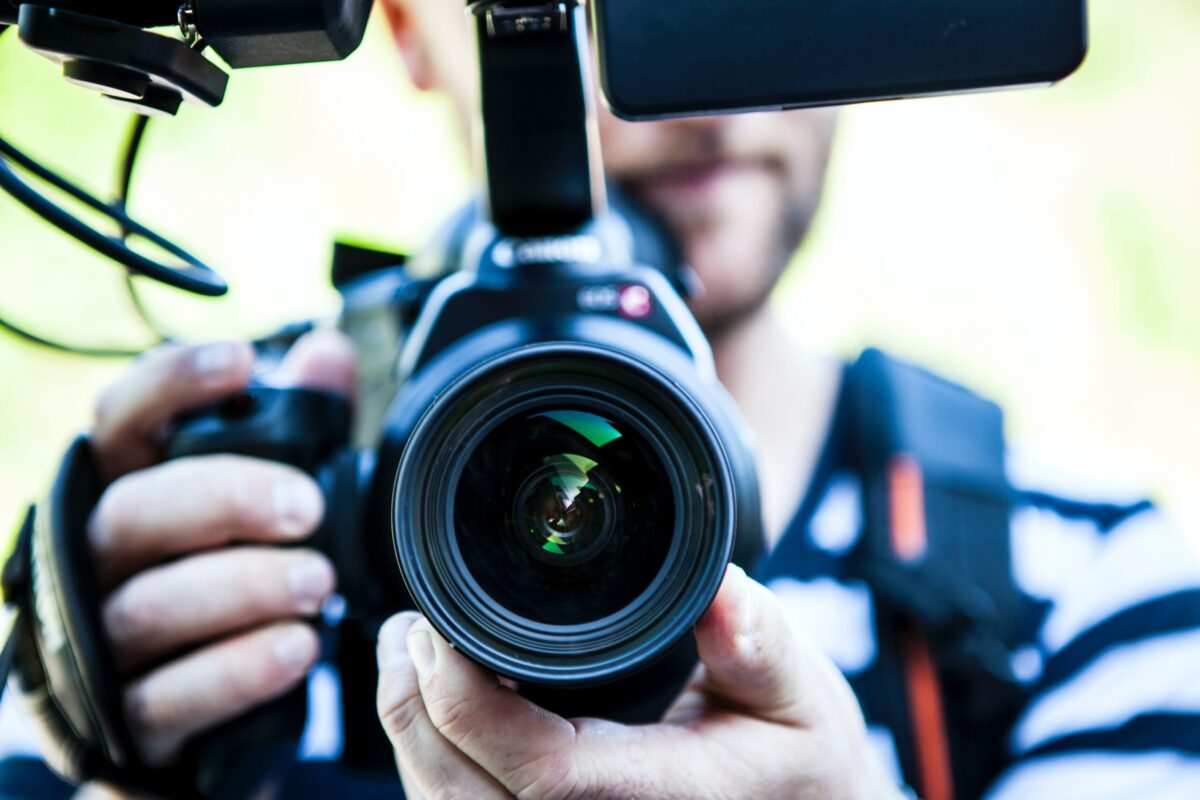
There are a few fundamental building blocks that remain the same for effective video producers even though the method of video production will alter based on the style, content, timetable, amount of effort, and money.
- The planning and organisation for a film project occurs during pre-production.
- All of the footage that will end up in the final product is recorded during the production phase.
- The final step in the making of a video is called "post-production," and it entails putting the finished output together from its component parts.
Phase One: Pre-Production
In the initial phase of making a video, you will be mostly concerned with preparation and groundwork. Setting up a video project successfully requires careful preparation at this point, including research, problem resolution, and organisation.
The preliminary stages of production consist of the following:
- Strategies and goals for making videos
- Budget/scope
- An Assortment of Tales
- Scheduling a Project
- Scripting is the process of writing scripts.
- Talent/characters
- The necessary personnel and tools for manufacturing
- Taking Stock of the Situation
The identification of all of these parts may need multiple encounters. The following suggestions will get you moving in the right direction, although the particulars will vary based on the composition of your team and the scale of your project.
When it comes to wedding photography Yarra Valley, no one does it better than Wild Romantic Photography. Have a look at them here.
Fact Finding:
Get the people that matter in your company and on the video production team together for a discussion about the video's purpose, strategy, goals, and post-production use. If you're working with an outside video production business, this is the moment to discuss the project's branding, target demographic, and desired tone and ambience.
Pre-Production Meeting:
Your video producer and the main person responsible for the project will usually go through the current status of the project at this meeting. Set the scene, name the characters, and flesh out the setting completely. This conference call/meeting can happen in person if preferred.
Site Visit (Optional):
Depending on the complexity of the production, it may be helpful to do a site visit to your venue, especially if neither the producer nor the cameraman has seen it previously.
Shoot Preparation:
Your video producer should make sure the scripts have been read and approved, the interview questions have been reviewed, the characters have been vetted, the schedule has been finalised, and the locations have been confirmed before they head out to the set. All of this information will be crucial to the effective running of the manufacturing phase.
Phase Two: Production
The planning meetings are done, and everything is ready to go. Let your hair down and have some fun now! Gathering the interviews and footage to be used in the final video is an integral part of the production process. More detail is being provided about the story's happenings now.
During production, we'll gather all the elements that will go into making your video. You should make sure that you have shared any unique concepts, ideas, or images with your producer well before the production period concludes so that they can be incorporated into the final result. To ensure that they make it into the final product, this is crucial.
The following are elements involved in manufacturing:
- Setting up the microphones, lights, and cameras
- Establishing and Conducting Interviews
- Putting in place voice-overs (if they are needed for your project)
- Using establishing shots (extra footage that is used to support your story)
To ensure a smooth flow of information between the video producer and your company, it's best to have your main point of contact there in person. If you're collaborating with an outside video production crew, this is crucial information to have.
Phase Three: Post-Production
When production is done, the producer and editor can get to work. In the post-production phase, your video production team will begin the process of organising, planning, and editing the final video.
The footage will be analysed, and your producer will transcribe the interviews. After that, the video editor will do his or her magic to make the whole thing make sense as a whole.
The following are elements involved in manufacturing:
- Documenting the interview process
- The final stages of story assembly
- Tones from a wide range of genres
- Synchronising audio and video
- Reviews/approvals
- The Final Handoff
The video production crew you hire will be in charge of making sure that your project comes to fruition. For the time being, you may sit back and enjoy the show. Given the time and work required, expecting instant results is impractical.
Unless you and your production team have worked out an alternative timeline, you should budget six to eight weeks for post-production. Every production business will have slightly different post-production schedules, but you should still prepare ahead of time.
Remember to inform your video team of your interest in a fast-turnaround project if that's what you're looking for. Many companies will be able to operate within your timeframe if you make it clear from the start that you have a hard deadline in mind.
Once the initial draught of the video has been completed, the project manager and other key players can dive back in.
Initial approval and revisions:
Following the completion of the rough cut of the video, it is time to assess the progress made so far. The process of editing the paper can now begin, presuming there is opportunity for improvement. A video production business can have a strict policy about the number of revisions you can request or the amount of time you have to make adjustments.
Final Delivery:
Once the video is finished and approved, it must be exported to the final, permanent format. Before beginning the editing process, you should inform your video team of your intended platform(s) of distribution. Even though YouTube and Facebook are two of the most popular video sharing sites, they each have their own specific technical requirements for the best possible viewing experience.
Why is a video production process necessary?
Trustworthiness: Whether you're shooting on location, in a studio, at your office, or at a friend's house, there are a number of factors that need to mesh well for a successful production. Will all members of the team be available to meet when and where it's planned? So what about famous people like politicians and actors? Obtaining all of these specifics is crucial, thus doing it in a thorough and reasonable fashion is a must.
Predictable Timeline:
Videos are time-consuming to make. For anything more complex than an iPhone video, it is not as easy as picking up a camera one day and having a video in your hands the next. As a result, how much time do you need to plan before the shoot, and how much time do you need to edit after? In the absence of a natural process, all that can be done is conjecture. With the use of a proven and true video procedure, you can go from hazarding an educated guess to producing an exact prediction.
Accurate Pricing:
To a large extent, the time invested is what ultimately determines the cost of a product. More time is needed for pre production, production, and postproduction, which means a higher final cost. When more time is spent on the project, whether by adding more crew members or more days, the total time required grows (and price).
Fewer Revisions:
If you set reasonable expectations for the project, discuss the finer points with your team during pre-production, and execute the work in a way that matches your vision, you shouldn't have to make many adjustments once the project is complete. On the other hand, you may run into problems that require more editing and time to handle if you try to finish the job without following a natural process.
The bottom line is that it allows video teams to have a regular pace, consistent outcomes, and ensures quality and accountability, albeit different production companies and videographers may utilise different techniques.
Check out the above-described, relatively standard procedure:
- Get informed by reading up on the various storylines and aims.
- Pre-production meetings to set essential messages, target demographics, and release dates.
- The strategic strategy includes steps like finding stories, outlining them, and building a backdrop.
- If you need to gather information, you should film both interviewees and background scenes.
- Content production encompasses a wide range of processes, including logging, scripting, creating, and editing.
- Editing, rewriting, and approving the content are all part of this process.
Things You Need to Know About Video Post-Production
Post-production is the third and last phase of the video production process. You've undoubtedly just wrapped up a fantastic day of production, during which you filmed original material to use in your big brand video. By now, you've undoubtedly wrapped up the day and completed all of the necessary pre-production steps.
Post-production is best described as "the putting together phase," which is a rather generic term. The information has been planned and recorded, and now it must be assembled in its final form. There are a lot of moving components in post-production, and they all have to be just right for your video to be a hit.
Have you started looking for a wedding photographer? View our selection on Mornington Peninsula wedding photography.
The 7 Key Elements of Post-Production
The Rough Cut
You should begin by putting together the many visuals into a preliminary cut of your video. The next step is to review all of your film, sort it into relevant categories, and start picking out the clips you'll utilise in the final product. In order to find the best editing software for your needs, you need to learn more about the various options available. In order to edit a video, you must first select the clips you want to utilise, then use editing software to chop them up and reassemble them.
You can have a professional company, like Lemonlight, edit your video, or you can employ a freelance editor or have someone edit it in-house.
When you first start piecing together your video, this preliminary cut is called the assembly edit. While it is not essential at this stage, you may want to consider editing to a temporary track if your video does not have any dialogue or voiceover. In a moment, we'll go into all of that.
If you choose us to handle the post-production of your video, we will usually have an internal discussion about the rough cut and collect feedback from the team. It's a great opportunity to share thoughts and suggestions as we work to make the most polished rough cut possible. Prepare yourself for a conversation about it, since that's what comes next.
If you're handling the video editing on your own, it's best to show an early cut to your internal team for feedback before declaring victory.
The Picture Lock
After you have completed your rough cut of the video, the next step is to get a picture lock. When we reach the image lock stage of post-production, the sequence of shots has been finalised and "locked in." This is the "picture-lock" phase.
In the more traditional manner of filmmaking, this means that the film can be edited by the teams in charge of the sound and visual effects. If you're the one making the video, though, you probably won't be satisfied until you've tweaked a few things, especially the timing of the music and narration. Before you finalise the picture lock, make sure to watch your movie with the music and narration you intend to use to ensure a smooth edit.
If you plan on using visual effects in your video, you should give a rough mock-up of the shots. This is especially useful if the final product of an image will be visual effects, as it will show you where such effects will be added. This is a must if you want to use any kind of special effects in your video. If you don't consider the timing of your picture lock in relation to the music and sound effects you've added to your video, the film's narrative may become disjointed.
The Sound Mix
The sound mix can now begin, which comprises assembling your video with multiple audio files and then editing them together. This can also be done with video editing or audio mixing software. Voiceover is when someone who is not in the video speaks over the images in the video; music is played in the background; sound effects, such as a doorbell or dog barking, are added after filming is complete; dialogue is when featured actors or interviewees speak directly into the camera; and so on.
There are some sounds, like voiceovers or sound effects, that will need to be recorded independently from the rest of the audio in your production. This is because a noise-free environment is necessary for recording high-quality sound. It's likely that you might need to re-record some of the audio, such as dialogue, that you captured throughout the production day due to the presence of honking cars, dogs barking, or any number of other distracting sounds.
Poor sound is the single most essential component in determining the overall quality of a video, and its quality has a direct correlation to that of the video itself. Collaboration with an expert is essential if you lack knowledge in a particular area. We're not exaggerating when we suggest that the amount of people who watch your videos will drop substantially if you don't fix this.
If you're going to be working with music, it's vital that you only utilise music that you have permission to use; otherwise, you could run into copyright concerns after uploading the music to the internet.
Visual Effects
The next stage is to add in the visual effects. By this point in production, you should have a solid plan for how you want your VFX to develop. In this article, you can get more information regarding the pre-production stage. If you did your job well during production, you would have drawn up a storyboard before shooting and mapped out what would happen with the footage afterwards. If this isn't the case, you can always retroactively add effects, however doing so often proves difficult and constrictive.
To add some visual flair to your video, animation is probably what you'll use most. Envision yourself confident in your abilities or working with a partner who is capable of creating cutting-edge special effects. Computer-generated imagery (CGI) modelling is another possibility here; this means adding custom-made 3D rendered items, models, objects, or characters to the footage you have already filmed by use of specialised visual effects software.
There will be instances when a basic filter or fade in/out is the only thing your video needs visually. Sometimes, though, a little complexity is all that's required. The video editing programme you use will most likely come with these effects preinstalled. In other cases, you can get away with only including text in the lowest third.
Lower Third
So, you've read the paper, watched a documentary, or done an interview. If so, you're probably already familiar with the lower third, which is the text that appears over a snap or image in the bottom third of the screen. These lower third titles are used to introduce new locations, introduce characters' professions, or provide any other contextually relevant information that may be needed. The lower third of the screen is commonly used to display the interviewee's name and the appropriate job title when conducting an interview.
Because their only function is to inform, lower thirds should be as unobtrusive as feasible. Using bottom third headlines that are entirely made up of text is a great option if you want to get to the point quickly. However, a lower third can benefit from some motion or design if you're attempting to get your message through. In order to get the viewer to take any action or pay attention to any specific element, you need to be able to convince them. Bear in mind that "less is more" is the golden rule to live by.
Colour Correction
It's time to fix the colours after you've added in all the effects and lower third titles. Colour correction is the technique of adjusting the hue of the light in each photograph using digital filters to get a uniform effect across all of the final images. For instance, you may need to adjust the exposure if there is too much or too little light, or the white balance if the morning light is a different colour than what you expected.
It's important that your video is cohesive from beginning to conclusion. The same holds true for the audio: you want everything to be at a consistent volume, and you want the shots to look as close to one another as possible so that no one shot sticks out as being obviously inferior to the others. No one should be able to tell that the work has been edited if it has been done properly.
Title and End Cards
Last but not least, insert any necessary title or end cards. At the very end of a video, you'll often see a title card or end card with the film's name shown. End credits are utilised at the end of every film to properly thank the many people who contributed to its creation, so you should be familiar with the notion. Directors use them to express their gratitude to the cast and crew of a film. Digital videos often include end cards that serve the same promotional function as traditional end credits. A call-to-action button isn't necessary, but it may be a powerful technique to get people thinking about your company again.
Include your company's name and emblem on the end card, as well as any other links you'd like to promote, such as your website, a special offer, or a newsletter signup page. A CTA, such as "Shop Now," "Visit Us," or "Get Started!", should be included on the end card to encourage users to take some form of action.
If you've applied all seven of those aspects correctly, you may consider your post-production work done and your film ready to be shared. This may seem like a difficult part of making a video, and that's because it usually is. If you feel you are lacking the knowledge or personnel to complete the task at hand, do not be reluctant to seek assistance from other places. Instead of cranking out a low-quality, low-cost product because of a lack of funds, it is better to engage a professional.
Remember that it's better to fix issues early on rather than fix them later on. Having a well-documented video marketing strategy in place before beginning is highly recommended.
Conclusion
What is a videographer? What does a video editor do? Both are skilled in the art of making videos and moving images. Videographers can manipulate the audience's emotions, the story's pacing, and the transition from one scene to another by physically moving the camera or setting up a staged situation. Having a video editor handle the post-production work and then releasing the final output is a common practise for many videographers.
Videographers are creative professionals that are in charge of recording moving images. A videographer's duties include not only filming, but also operating, maintaining, and repairing. A videographer's job is to get everything set up for filming, including the cameras and lights, and any ancillary equipment like sliders, dollies, and tripods. Video editors are responsible for any post-production work that needs to be done. There are a few fundamental building blocks that remain the same for effective video producers.
The method of video production will alter based on the style, content, timetable, amount of effort, and money. These suggestions will get you moving in the right direction, although the particulars will vary depending on the composition of your team. During production, we'll gather all the elements that will go into making your video. Gathering interviews and footage to be used in the final video is an integral part of the production process. In the post-production phase, your video production team will begin planning, planning, and editing the final product.
You should inform your video team of your interest in a fast-turnaround project if that's what you're looking for. Many companies will be able to operate within your timeframe if you make it clear from the start that you have a hard deadline in mind. The time invested is what ultimately determines the cost of a product. More time is needed for pre production, production, and postproduction, which means a higher final cost. When more time is spent on the project, whether by adding more crew members or more days, the total time required grows.
In order to edit a video, you must first select the clips you want to utilise, then use editing software to chop them up and reassemble them. You can have a professional company, like Lemonlight, or hire a freelance editor or do it in-house. It comprises assembling your video with multiple audio files and then editing them together. Some sounds, like voiceovers or sound effects, will need to be recorded independently from the rest of the audio in your production. Lower Third titles are used to introduce new locations, characters, or contextually relevant information.
Using bottom third headlines entirely made up of text is a great option if you want to get to the point quickly. It's important that your video is cohesive from beginning to conclusion. No one should be able to tell that the work has been edited if it has been done properly. Include your company's name and emblem on the end card, as well as any other links you'd like to promote.
Content Summary
- Despite the fact that most videographers can also edit video and most editors can also shoot video, these are still two distinct areas of expertise.
- Visit Wild Romantic Photography to learn more about our wedding photography packages and services.
- A videographer is a person who is talented in the art of recording video or moving images.
- Video editors combine technical knowledge of the technologies needed to make videos with a strong storytelling background.
- Having a video editor handle the post-production work and then releasing the final output is a common practise for many videographers.
- If you want to shoot high-quality video for an event like your wedding, for example, you should hire a videographer instead of a video editor.
- The responsibilities of a videographer include the following: A videographer's job is to get everything set up for filming, including the cameras and lights, and any ancillary equipment like sliders, dollies, and tripods.
- A video editor's responsibilities often include the following: Using photo- and video-editing programmes like Adobe's Creative Suite and Photoshop Post-production editing is making changes to the finished film, such as adjusting the colour and contrast, to make a better video.
- When it comes to wedding photography Yarra Valley, no one does it better than Wild Romantic Photography.
- Remember to inform your video team of your interest in a fast-turnaround project if that's what you're looking for.
- Phase One: Pre-Production In the initial phase of making a video, you will be mostly concerned with preparation and groundwork.
- Fact Finding: Get the people that matter in your company and on the video production team together for a discussion about the video's purpose, strategy, goals, and post-production use.
- Pre-Production Meeting: Your video producer and the main person responsible for the project will usually go through the current status of the project at this meeting
- Phase Three: Post-Production When production is done, the producer and editor can get to work.
- In the post-production phase, your video production team will begin the process of organising, planning, and editing the final video.
- To add some visual flair to your video, animation is probably what you'll use most.
- It's important that your video is cohesive from beginning to conclusion.
- Include your company's name and emblem on the end card, as well as any other links you'd like to promote, such as your website, a special offer, or a newsletter signup page.
FAQs About Photography

Do You Tip Your Wedding Photographer?
Tipping is never easy, but it can be particularly difficult when it comes to paying wedding photographers. While there are established procedures for identifying some wedding providers, proper etiquette differs depending on the photographer. Visit Wild Romantic Photography to learn more about our wedding photography packages and services. Here is a rundown of the available choices to help make things easier.
Should You Tip Your Wedding Photographer?
When it comes to deciding how much to tip, it's all subjective. In the field of wedding photography, tipping is never expected but always welcome. A wedding photographer will never be angry about not being paid. This is largely a matter of taste and whether or not you're the grateful type.
Tips are not typically expected or expected to be left. According to our estimates, only about 20% of wedding guests provide feedback.
There is a wide variety of ways to show appreciation. It is not expected that you will compensate your photographer for their services. After the cost of a wedding, many newlywed couples find themselves in a position where they cannot afford to make a gesture like leaving a gratuity. That's it; we can relate.
Modern weddings, like many other traditional practises, have blurred the lines around tipping. There is no longer any validity to the old "you must" and "you must not" wedding regulations.
If the vendor is the sole proprietor of the company, it is customary to not leave a gratuity. When serving others, tipping is increasingly common (but still not required).
A tip, as usual, is (or should be) a gesture of appreciation. Tip jars are unnecessary even with these guidelines. The careful seller may even expect it in a tiny fraction of all possible cases. Services where gratuities are expected include catering, bartending, beauty and cosmetics, and transportation. Therefore, it is common practise to incorporate gratuity into the final cost. Otherwise, you might want to consider taking on the task yourself.
Under What Circumstances Should You Tip And Not Tip?
There is no need to include a gratuity for the photographer unless you feel very strongly about doing so. Photographers, in contrast to many service industry professionals, typically receive adequate wages to cover their expenses without relying on gratuities.
However, if you feel like your photographer went above and above the call of duty, a gratuity is a great way to show your appreciation.
What if, for example, your wedding photographer offered to stay for an extra 30 minutes without charging you the usual overage price of $250? This is recognised, as are the extra hours of work connected to the 30-minute shooting window.
A photographer may go above and above the terms of their agreement by providing you with equipment and setting it up so that you can livestream your wedding. For all the money they've helped you save, they deserve a bonus.
When compared to the standard level of service (which photographers do not generally charge for), you asked for an increase in the number of phone calls, site visits, and meetings. They helped you out for free, therefore it's only fair that you repay them for their time.
However, we are not trying to trick you into thinking that every and every circumstance is worthy of a gratuity.
They Were Amazing
Think about tipping service providers who went above and beyond for you, even if it's not required. To those who have helped you in the months leading up to the wedding, such as the wedding planner, a heartfelt thank you is in order.
That is not limited to the realm of planners. If their cake artist, photographer, videographer, or florist truly exceeded your expectations, now is the time to tell them how much you care.
Before You Tip
Consider how much money you've already spent on the wedding before deciding how much to tip the photographers or any other wedding vendors:
Did They Provide Exceptional Service?
Don't start giving out tips before the job is done. Wedding vendors that rely on word-of-mouth referrals and those who don't should be prepared to justify the premium price they charge. While it is reasonable to anticipate that all of your vendors will offer their absolute best effort, the promise of a tip can be a powerful incentive for them to go above and beyond. Professionals who fail to meet your expectations or deliver on their promises should never be expected to get gratuities.
Do you want to make sure you don't miss a thing at your dream wedding? Relax, since you can count on Wild Romantic Photography to manage everything for you.
Do They Own Their Own Business?
Merchants that are in business for themselves should not be eligible for tips. These experts have already determined what they consider to be a reasonable charge for their services. In this category, you'll find the vast majority of photographers, since they are also the business owners. However, if they go above and above, a gratuity may be warranted.
What's in The Contract?
Whether you're working with a sole photographer or a group, it's important to read the contract before deciding how much to tip. Some businesses already factor in gratuities so there's no need to stress about it. Others may provide you more leeway in determining the amount and mode of payment. Once you and your wedding photographer have examined your contract and determined whether or not gratuity is included, you can move on to figuring out who to tip, when to tip them, and how much to give them.
Who Gives Them Out?
If you are planning to pay a tip and have allocated funds for it, choose a single individual to handle award distribution.
That person is typically a wedding coordinator. As part of their job, they are responsible for handling frequent tipping of the suppliers. However, since not many couples can afford wedding planners, a parent or close friend of the bride could be the best person to offer suggestions. The trick is to make sure they are all handed out shortly before the vendors are due to leave. The merchant will never return the tip if you give it to them.
Delegate someone else to be in charge of collecting wedding day tips. Money tips should be given in sealed envelopes with clear instructions for how and when they should be distributed. The wedding coordinator is usually in charge of making sure that all guests are directed to the correct venue. It could also be a member of the groom's immediate family or a trusted friend.
Who to Tip
Although there is no such thing as an absolute law, we do recommend the following:
The Photographer
Since most photographers are self-employed, as we've already mentioned, tips are not required. If your photographer goes above and beyond the call of duty, a tip is a great way to show your appreciation even if they are the owner of the business. If the photographer isn't working for themselves, they should be tipped. A photograph will be the most meaningful keepsake from your wedding.Not sure where to start when it comes to looking for your wedding photographer of choice?
The Second Shooter
Sometimes, your photographer will have an assistant. A second photographer or assistant is usually used. Tipping any of these auxiliary workers is justified if and when they contribute.
How Much to Tip
It's appropriate to tip your photographer 10% of the total charge, or at least $100. Between $50 and $75 per person is a fantastic and appropriate tip for second shooters and photography assistants.
When to Tip
If the gratuity wasn't included in the total price of the vendor's services, it is customary to give it to them on the wedding day once everything is wrapped up. Take out the cash you'll be tipping and separate it into individual envelopes. Incorporate suggestions into the plan ahead of time. Delegate the task of giving advice to a reliable member of your family, a close friend, or your wedding coordinator.
On occasion, couples will include a gratuity in their pre-wedding payments made online. It's acceptable to ask your photographer what they would want as a gratuity.
You should wait to tip the photographer until after the wedding, when you will be in touch with them to receive the photographs. You can either give the details or a tip when you return from your honeymoon, or you can wait until you have your photos to send a heartfelt expression of gratitude for their hard work.
Unlike other forms of exchange, tips are typically given more for the sake of the interaction than the outcome. However, their efforts may go unnoticed for a few weeks or months, in contrast to photography. The purpose of the trip is to show your appreciation to your photographer for all of their hard work and dedication leading up to, and on, the big day. That doesn't mean you have to like the end product.
Other Vendors to Tip
There are a few wedding professionals, though, that you really must tip. You can find information about them in this article. When considering how much of a tip to leave at a store where it is not required, you should take the quality of service received into account.
Hair and Makeup Artist
In exchange for a tip, they help you appear your best. When considering how much to tip a beauty professional, 15% to 25% is the standard range. Leave the entire money or have your attendants chip in separately. After the service has been completed.
Catering Staff
The caterer and their personnel, including the wait staff and bartenders, deserve the largest tips. If the contract is ambiguous regarding whether or not tips are included ("service charge" does not imply payment), make sure to clarify the situation with the caterer or the management. If and when the party is over.
Musicians
You should also tip the DJ, violinist, and band members if they are not the owner of the company. Ultimately, they were a part of what made the environment what it was. When? The musicians at a wedding usually leave before the ceremony begins.
Valet
To spare your guests the hassle, prepay the valet parking tips if they are offered at your venue. When you use your own valet service, tips are typically expected. It's acceptable to leave a single gratuity that will be distributed across the venue's employees or the parking garage's workers.
Wedding Videographers
If you hire a wedding videographer and photographer, it is not required that you tip them, but a cash tip of $100-$200 is appropriate in recognition of outstanding service. Given that firm owners are rarely publicised, standards cannot be established. Instead of money, donate a present if that's what you feel is appropriate. It's also appropriate to consider rewarding exceptional service with a gratuity or a gift if the recipient has gone above and beyond what was expected. They are similar to your wedding planner in that they stay at your side the entire day and often spend a lot of time with you beforehand. When? either in the mail after the honeymoon or immediately following the end of the reception.
Count on us to provide you with the services of the finest wedding photographer in Yarra Valley around.
Wedding Coordinator
Tipping your wedding planner is optional, but if you were delighted with their service, a gratuity of 10 to 20 percent is a great way to show your appreciation. Your gratuity can be as much as 15% of the total or $500, whichever is greater. Given that a gratuity is not required, any sum will be gratefully received. You may still want to consider providing details or a gift of appreciation in this particular case, though. When? either in the mail after the honeymoon or immediately following the end of the reception.
Delivery and Set-Up Team
Optional. Payouts will range from $5 to $10 per worker. When? sometime after installation or shipment. Give the envelopes to the person who will be delivering them to employees.
Officiant
Optional. Consider making a donation to their place of worship instead of paying them for premarital counselling or other services if they provided it for free. When? The rehearsal dinner is the perfect time to leave a special tip. In the event that, upon returning from your honeymoon, you were ushered straight into a house of worship, you might feel a bit out of place.
Florist/Cake Artist
Optional. How much is it? This is not a regular occurrence, hence there is no standard cost associated with it. A tip of $50 to $100 is very appreciated if you were delighted with their work or service. When? There's a chance they'll only be in town for a short while, so if you didn't get a chance to pick any up on the big day, you can always have them mailed to you after the honeymoon.
DJ/Band
Optional Twenty-five to twenty-five dollars for each musician, or one hundred and fifty dollars for a DJ. If and when the party is over.
Transportation
Expected. Examine the final bill and the contract to see if gratuity has already figured in. Anywhere from $25 to $50 (15%) is the sum. When? immediately following the last scheduled evening departure.
No, You Don't Have to Tip
You should not let the topic of proper tipping keep you up at night because there are more pressing matters to consider in planning your wedding. Keep in mind that vendors already know that tipping is at the discretion of the customer. It is always up to you to decide who sees what and how much of your data is shared. And let's be honest, there are occasions when that's just not possible within the wedding budget. Don't forget to show your appreciation in other ways if you can't afford to tip some or all of the people who helped make your wedding day so special.
Showing Appreciation Doesn't Always Have To Be Cash
Tipping isn't always the most appropriate way to show appreciation. Referrals are the "tip" that keep on coming. If you know of any friends or family planning a wedding in the near future, be sure to recommend them to your photographer. If you don't have the financial means to directly tip your favourite shop owners, you can still show your appreciation in other ways.
Other Ways to Thank Your Photographer
Even though tips for your photographer are often appreciated, they are not required. Better ways to show appreciation exist.
A Thank-You Note
You should never underestimate the power of a handwritten note of gratitude. Mailing a thank-you note to someone is still one of the most thoughtful things you can do. While you're busy thanking your guests, don't forget to include the photographer's name on the list. Even if you have previously thanked them and tipped them, it won't hurt to say it again. Describe the ways in which they have helped you and how much you appreciate them being there for your wedding. This will put a smile on their face.
In need of a Mornington Peninsula wedding photographer? If you're looking, you can stop right here. You can rely on Wild Romantic Photography to have your bases covered.
Online Reviews
Writing a review is a great way to express your gratitude to your photographer. Signing up only takes 15 minutes but has long-lasting benefits for their business' online presence, credibility, and social proof. That surpasses the quality of anything you could buy! Positive feedback from satisfied customers is priceless to the businesses that serve them.
Is it your goal to break new ground? Your photographer can use a video testimonial you provide them with for advertising purposes, so be sure to ask for one. A simple phone video with genuine gratitude from a real customer is helpful.
Your photographer's professional status and number of bookings will both increase with positive reviews and recommendations from satisfied clients. A glowing review on the wedding website of your photographer's pick is yet another great way to show your appreciation.
You could also agree to be a reference or testimonial for future partnerships by providing a positive review for their website. Your photographer may be able to snag new customers by sharing anecdotes about your team's success with their network of potential clients.
Praises
After spending so much time taking and editing your photos, your photographer deserves to hear your feedback. Don't be bashful about letting them know that you're thrilled with the final product. Your compliments will undeniably increase their self-esteem. But don't stop there!
When posting photos to social media, be sure to acknowledge the photographer so they get the credit they deserve for the amazing shots they took. They will feel good about the positive attention, and it may even bring in more business.
A Small, Inexpensive Gift
It's not the dollar amount of a gift but the intention that counts. As opposed to just leaving a monetary tip, giving a thoughtful gift allows you to show your appreciation in a more personal way. If you know anything about them, you can find a gift that reflects their interests. They enjoy going places, drinking coffee, and making food. Check out their blog or Instagram for some ideas. An eatery or local store gift card is a safe bet if you're at a loss.
Thank you notes accompanied by flowers, candy, or other small tokens of appreciation are always appreciated. Imagine you know the photographer's favourite flower and candy by heart. Giving someone a gift they can actually use or appreciate shows you put in some thought and time into their happiness.
Email Of Thanks Or A Greetings Card
The number of times we email a client's gallery and never receive a response is shocking. Our team spends countless hours and days taking images, yet we have no idea if they were favourably received. Did I give them a chance? Is that dreaded "we need more pictures!" request in your future?
Sending us an honest email of gratitude for the work we've done for you is the best way to seal the deal without having to physically hand over any cash.
A card can be presented to guests at the wedding, or it can be mailed to them after the event, along with your thank-you messages. As a token of appreciation, many photographers retain all snail mail they receive from customers. We can take solace in these mementoes in times of adversity. Therefore, you should never discount the power of a handwritten letter, postcard, or thank-you note.
Referrals – tell your friends!
If you were a wedding expert, this would be the best advice you could provide! Many marriages begin with the recommendations of former brides, grooms, and members of the bridal party. If you were pleased with your vendor's services, please spread the word. If you're more detailed in explaining your experience with that vendor, other colleagues will have an easier time visualising themselves collaborating with them.
Submit Your Photos to a Wedding Publication
A feature is a great way to show appreciation for your photographer's work and help them succeed professionally. Make sure to get in touch with the publication first before sending in your wedding announcement.
The photographer takes beautiful, detailed photos of your big day. Don't be bashful about expressing your appreciation for all they've done; after all, their photos will be displayed on your wall for generations and used as wallpaper for years to come. A sincere thank you can mean a lot, whether it's in the form of a large tip, heartfelt words, or a thoughtful present. Maintaining a cordial relationship with your photographer might ensure their continued presence in your life. Who knows, maybe one day they'll record your family reunion or a close friend's wedding.
A Few Last Tips (no pun intended!)
- See if each vendor's contract already has gratuity provisions (or enquire). Gratuities for the caterers, bartenders, and drivers are typically included in the final price.
- The actual quantity of your donation is less important than the thought behind it. The exact amount of proposals varies slightly depending on whom you ask. I wouldn't stress too much over whether or not 20% of the total invoice is correct. Take a look at the typically recommended amount, choose an amount that works for your finances, and don't forget to say "thank you" for your contribution.
- If you want to leave a gratuity for the bartender, valet, or coat check employees, you may want to let your guests know with a modest sign. Your guests may be trying to leave a gratuity for you, unaware that you've already done so.
As tipping customs may be unclear, we hope this sheds some light on the subject. Tipping is not expected or required, even if the store owner or employee suggests it. You have the authority to choose for yourself.
Wild Romantic Photography is the place to go if you want high-quality wedding photos taken by experts.
You can hand these to vendors before and after an event to show your appreciation for their help. If you want to avoid being rude but aren't sure what certain service providers (such as your caterers and your hair and makeup artist) expect, you can always ask them.
Conclusion
Tips are not typically expected or expected to be left. A tip, as usual, is (or should be) a gesture of appreciation. Modern weddings have blurred the lines around tipping. If you feel like your photographer went above and above the call of duty, a gratuity is a great way to show your appreciation. Consider how much money you've already spent on the wedding before deciding how much to tip the photographers or any other wedding vendors.
Tipping can be a powerful incentive for them to go above and beyond for you, even if it's not required. Wedding vendors that rely on word-of-mouth referrals should be prepared to justify their premium prices. Whether you're working with a sole photographer or a group, it's important to read the contract before deciding how much to tip. Some businesses already factor in gratuities so there's no need to stress about it. If your photographer goes above and beyond the call of duty, a tip is a great way to show your appreciation.
Tips are given more for the sake of the interaction than the outcome. It's appropriate to tip your photographer 10% of the total charge, or at least $100. Between $50 and $75 per person is a fantastic and appropriate tip for second shooters. Tipping other auxiliary workers is justified if and when they contribute. If you hire a wedding videographer and photographer, it is not required that you tip them, but a cash tip of $100-$200 is appropriate in recognition of outstanding service.
It's also appropriate to consider rewarding exceptional service with a gratuity or a gift if the recipient has gone above and beyond what was expected. Whether it's a florist, cake artist, DJ or caterer, there is no standard cost associated with having a wedding rehearsal dinner. A tip of $50 to $100 is very appreciated if you were delighted with their work or service. Consider making a donation to their place of worship instead of paying them for premarital counselling. Tips for your photographer are often appreciated, but they are not required.
If you don't have the financial means to directly tip your favourite shop owners, you can still show your appreciation in other ways. Tipping is at the discretion of the customer - it's up to you who sees what and how much of your data is shared. A card can be presented to guests at the wedding, or it can be mailed to them after. Maintaining a cordial relationship with your photographer might ensure their continued presence in your life. Who knows, maybe one day they'll record your family reunion or a close friend's wedding.
Tipping customs may be unclear, so we hope this sheds some light on the subject. Gratuities for the caterers, bartenders, and drivers are typically included in the final price. Tipping is not expected or required, even if the store owner or employee suggests it.
Content Summary
- While there are established procedures for identifying some wedding providers, proper etiquette differs depending on the photographer.
- When it comes to deciding how much to tip, it's all subjective.
- In the field of wedding photography, tipping is never expected but always welcome.
- Tips are not typically expected or expected to be left.
- There is a wide variety of ways to show appreciation.
- It is not expected that you will compensate your photographer for their services.
- After the cost of a wedding, many newlywed couples find themselves in a position where they cannot afford to make a gesture like leaving a gratuity.
- If the vendor is the sole proprietor of the company, it is customary to not leave a gratuity.
- A tip, as usual, is (or should be) a gesture of appreciation.
- What if, for example, your wedding photographer offered to stay for an extra 30 minutes without charging you the usual overage price of $250?
- For all the money they've helped you save, they deserve a bonus.
- They helped you out for free, therefore it's only fair that you repay them for their time.
- Think about tipping service providers who went above and beyond for you, even if it's not required.
- To those who have helped you in the months leading up to the wedding, such as the wedding planner, a heartfelt thank you is in order.
- Don't start giving out tips before the job is done.
- While it is reasonable to anticipate that all of your vendors will offer their absolute best effort, the promise of a tip can be a powerful incentive for them to go above and beyond.
- However, if they go above and above, a gratuity may be warranted.
- Whether you're working with a sole photographer or a group, it's important to read the contract before deciding how much to tip.
- Once you and your wedding photographer have examined your contract and determined whether or not gratuity is included, you can move on to figuring out who to tip, when to tip them, and how much to give them.
- That person is typically a wedding coordinator.
- Delegate someone else to be in charge of collecting wedding day tips.
- If your photographer goes above and beyond the call of duty, a tip is a great way to show your appreciation even if they are the owner of the business.
- It's appropriate to tip your photographer 10% of the total charge, or at least $100.
- If the gratuity wasn't included in the total price of the vendor's services, it is customary to give it to them on the wedding day once everything is wrapped up.
- Incorporate suggestions into the plan ahead of time.
- It's acceptable to ask your photographer what they would want as a gratuity.
- You should wait to tip the photographer until after the wedding, when you will be in touch with them to receive the photographs.
- The purpose of the trip is to show your appreciation to your photographer for all of their hard work and dedication leading up to, and on, the big day.
- There are a few wedding professionals, though, that you really must tip.
- When considering how much of a tip to leave at a store where it is not required, you should take the quality of service received into account.
- When considering how much to tip a beauty professional, 15% to 25% is the standard range.
- If the contract is ambiguous regarding whether or not tips are included ("service charge" does not imply payment), make sure to clarify the situation with the caterer or the management. If and when the party is over.
- You should also tip the DJ, violinist, and band members if they are not the owner of the company.
- The musicians at a wedding usually leave before the ceremony begins.
- To spare your guests the hassle, prepay the valet parking tips if they are offered at your venue.
- When you use your own valet service, tips are typically expected.
- If you hire a wedding videographer and photographer, it is not required that you tip them, but a cash tip of $100-$200 is appropriate in recognition of outstanding service.
- It's also appropriate to consider rewarding exceptional service with a gratuity or a gift if the recipient has gone above and beyond what was expected.
either in the mail after the honeymoon or immediately following the end of the reception. - Tipping your wedding planner is optional, but if you were delighted with their service, a gratuity of 10 to 20 percent is a great way to show your appreciation.
- The rehearsal dinner is the perfect time to leave a special tip.
- A tip of $50 to $100 is very appreciated if you were delighted with their work or service.
- There's a chance they'll only be in town for a short while, so if you didn't get a chance to pick any up on the big day, you can always have them mailed to you after the honeymoon.
- Twenty-five to twenty-five dollars for each musician, or one hundred and fifty dollars for a DJ.
- Examine the final bill and the contract to see if gratuity has already figured in.
- Anywhere from $25 to $50 (15%) is the sum.
- Keep in mind that vendors already know that tipping is at the discretion of the customer.
- Don't forget to show your appreciation in other ways if you can't afford to tip some or all of the people who helped make your wedding day so special.
- Better ways to show appreciation exist.
- You should never underestimate the power of a handwritten note of gratitude.
- Mailing a thank-you note to someone is still one of the most thoughtful things you can do.
- Writing a review is a great way to express your gratitude to your photographer.
- Your photographer can use a video testimonial you provide them with for advertising purposes, so be sure to ask for one.
- Your photographer's professional status and number of bookings will both increase with positive reviews and recommendations from satisfied clients.
- A glowing review on the wedding website of your photographer's pick is yet another great way to show your appreciation.
- You could also agree to be a reference or testimonial for future partnerships by providing a positive review for their website.
- After spending so much time taking and editing your photos, your photographer deserves to hear your feedback.
- When posting photos to social media, be sure to acknowledge the photographer so they get the credit they deserve for the amazing shots they took.
- As opposed to just leaving a monetary tip, giving a thoughtful gift allows you to show your appreciation in a more personal way.
- If you know anything about them, you can find a gift that reflects their interests.
- Thank you notes accompanied by flowers, candy, or other small tokens of appreciation are always appreciated.
- Imagine you know the photographer's favourite flower and candy by heart.
- Sending us an honest email of gratitude for the work we've done for you is the best way to seal the deal without having to physically hand over any cash.
- A card can be presented to guests at the wedding, or it can be mailed to them after the event, along with your thank-you messages.
- As a token of appreciation, many photographers retain all snail mail they receive from customers.
- Therefore, you should never discount the power of a handwritten letter, postcard, or thank-you note.
- If you were pleased with your vendor's services, please spread the word.
- A feature is a great way to show appreciation for your photographer's work and help them succeed professionally.
- Make sure to get in touch with the publication first before sending in your wedding announcement.
- Maintaining a cordial relationship with your photographer might ensure their continued presence in your life.
- See if each vendor's contract already has gratuity provisions (or enquire).
- Gratuities for the caterers, bartenders, and drivers are typically included in the final price.
- The actual quantity of your donation is less important than the thought behind it.
- The exact amount of proposals varies slightly depending on whom you ask.
- Take a look at the typically recommended amount, choose an amount that works for your finances, and don't forget to say "thank you" for your contribution.
- If you want to leave a gratuity for the bartender, valet, or coat check employees, you may want to let your guests know with a modest sign.
- Your guests may be trying to leave a gratuity for you, unaware that you've already done so.
- As tipping customs may be unclear, we hope this sheds some light on the subject.
- Tipping is not expected or required, even if the store owner or employee suggests it.
- You have the authority to choose for yourself.
- You can hand these to vendors before and after an event to show your appreciation for their help.
- If you want to avoid being rude but aren't sure what certain service providers (such as your caterers and your hair and makeup artist) expect, you can always ask them.
FAQs About Photography

Do You Need a Photographer and Videographer for a Wedding?
Since a wedding videographer's duties are distinct from those of a wedding photographer's, how do you decide between the two? Here's what to anticipate from each option so you can make an informed decision about which one best suits your needs. Check out the wedding photography packages and services we provide at Wild Romantic Photography if you need some help planning your big day.
Having a collection of wedding images and video recordings from the ceremony and reception is considered invaluable by many couples. Wedding videographers and photographers, like any other service provider, can be quite expensive, leading some to doubt whether or not their services are truly necessary.
Does that mean you need both? If you could only choose one candidate, which would you hire? Wedding photographers and videographers perform separate yet complementary services. We lay out all the options for wedding photography and videography packages so you can pick the one that works best for you and your partner.
Almost every couple who gets engaged will spend some money on a professional photographer for their wedding (including everyone from "Uncle Bob" with an iPhone to the top professionals). Some guests may question the usefulness of hiring a videographer for a wedding, despite the fact that this service is becoming increasingly popular.
There is a great deal of overlap between the job that photographers and videographers undertake, but you'll likely find that they both have their own unique approaches and are fine collaborating on the most important day of your life. Avoid looking back and wishing you had more coverage of your wedding by hiring both a photographer and a videographer.
Comparing Photographers and Videographers
Wedding photographers and videographers serve different purposes, and the happy couple and event planner should be aware of this. They don't compete with one another because they're in such different fields.
It's a question we hear a lot, and one we find to be ridiculously silly: "Does the photographer also take video?" (and vice versa). This is because it's commonly believed that if you can take nice photos, you can also make good videos.
The Significance of Wedding Photography
Photographers have been documenting weddings for decades, long before our grandparents were born. The primary reason for photography's rise to prominence was the need to capture important occasions in history through visual documentation.
The fundamental idea behind photography hasn't changed despite the fact that technology and photographer technique have allowed for increasingly crisp images. All of your guests will appreciate the time and skill it took to capture the beautiful moments of your wedding day in photographs.
Wild Romantic Photography is home to the finest Melbourne wedding photographer, who will capture beautiful images of your special day.
The Significance of Wedding Videos
If photographs can capture the majority of the event, why do we need Melbourne wedding videography services? To sum up, wedding videography is an art form that tries to create emotions, present a story, and appeal to the viewer's other senses.
Advances in filmmaking equipment have made wedding videos as popular as other, more expensive films, reversing a longstanding trend. It is now easy and inexpensive to have a film or video made of a special day in your life. Videos have quickly surpassed images as the preferred form of media, and this is true across the board from weddings and birthdays to home and travel videos.
Despite the obvious advantages of video, many people still don't appreciate how much effort videographers put in to documenting events and editing films to ensure client satisfaction.
A videographer's contributions, which might include various underappreciated strengths, are sometimes overlooked. Examples include the use of a drone or gimbal, as well as the simultaneous use of audio, lighting, and video systems.
The making of a video is more than just the finished output. The sound is a huge plus for videos. Having many inputs and storage options is crucial for creating a high-quality, professional recording.
One frequent method involves attaching a lapel mic to the grooms and minister and using an on-camera mic (couples tend to avoid speaking into microphones). Post-production audio and video sync requires specialised editing software.
You can get stunning shots and make sure you don't miss any action by using many cameras in strategic setups. Wedding moments are so singular that videographers often edit together footage from many cameras to create a highlight reel.
It is an art to anticipate these visitors' arrival and have a variety of images available, since they will inevitably stand in front of the cameras at critical milestones, especially during the ceremony's pivotal moments.
Skillful use of a stabiliser or drone requires a unique combination of abilities that can be honed only via repeated practise. Making a video requires an entirely new set of skills and knowledge. Typically, a videographer will shoot at least 400Gigabytes of footage at a wedding, which is four times as much as a photographer will take.
Videographers have to spend a lot of time sorting through footage, identifying cameras, and matching sounds inputs. Clips are collected and then placed in a narrative order that relies on the listener's or reader's own creativity. Cinematographers at weddings have an important role in conveying the event's story to the audience through the film's audio and visual presentation.
Where Photographers Can Showcase Their Skills?

Although videographers make use of their skills to record hours of footage, the contributions of the photographic crew should not be overlooked. Professional wedding photographers have honed their ability to shoot strategically through years of experience and many hours of practise.
The objective is to capture the couple at the perfect time so that they may proudly display it on media platforms or at home. A beautiful scene is constructed from a series of brief snapshots.
The wedding photographer's photos are a quick and easy method to relive the best moments of the big day. Flipping quickly through 500 photos may be done in one sitting, but watching a film properly takes a quiet place, plenty of time, and a steady stream of distraction-free conversation.
Many of us are constantly on the lookout for new pictures to post online, print out, and flaunt to our friends and family. Perhaps a DVD with the couple's speeches and vows would be the greatest way to preserve the day's emotions and the story of their love for one another and for each other.
On your special day, we will send the best wedding photographer in Yarra Valley has to offer.
What Comes With a Wedding Photography Package
Most engaged couples quickly start looking for a wedding photographer after they've made the decision to get married. It's easy to fall in love with a photographer because of his or her style, but what other services does he or she provide? These are the staples of any photography package:
An Engagement Session
Having an engagement session is a great way to get to know your photographer and also to have photos to use on your website and in your guest book. To add, it helps you feel at ease when being filmed. Photographers frequently include engagement sessions in even the most fundamental packages. However, if you change your mind about having an engagement session, you can usually trade it in for another service, like as longer coverage or images from a different part of the wedding day.
8 hours of Wedding Day Coverage
Your photographer should have enough of time to record all of the important moments of the reception, from the first dance to the cutting of the cake. If you want your photographer to be there from the time you get up until you leave, however, you may need to pay for several more hours of coverage.
The Second Photographer
Wedding photographers typically have a second photographer on hand to capture the special day for the bride and her entourage. This single photographer will record the entire event from every conceivable vantage point. A second photographer is sometimes included in the base price of a photography package, while it could alternatively be an additional paid service.
In addition, we offer:
- Coverage of the rehearsal dinner, including photographs, for an additional fee.
- Photograph and guestbook prints for the big day
- Trips
Your event's photographer is a wonderful resource for finding a videographer. Assuming you like working with your photographer, they should be able to recommend a videographer whose work you would also enjoy. It is also essential that your wedding photographer and videographer get along well if you plan on having both there. Check out our comprehensive guide if you need some inspiration for your wedding photo session.
Do you want to make sure you don't miss a thing at your dream wedding? Have no fear, you are in good hands with Wild Romantic Photography.
What's Included in a Wedding Video Package
You need to do your homework and ask plenty of questions to choose the ideal videographer for you if you want a wedding film that you will love and that fits your budget. There is a huge difference in both price and total footage hours included in wedding videography packages. The cost increases as more features, coverage hours, editors, and crew members are added to the package. Included in all mainstream videography packages are:
Amount of Time Covered: Between l6 and 8 Hours
A videographer will follow the lead of the photographer and arrive early on the wedding day to begin capturing the first look and remain through the toasts. The ceremony and reception can be covered separately if desired.
Reel of Best Moments
The filmmaker will review all of the footage and pick the best clips to include in the trailer. Anytime you like, whenever you want, you can get to this. The typical length of this type of film is about 10 minutes, making it perfect for sharing on social media.
Movie in Its Entire Form
You should expect to receive two distinct cuts of the film if you hire a videographer: a shortened version focusing on the highlights and a longer one including every last detail of the event. This can take anywhere from five minutes to an hour. Don't forget to check into how the video will be sent before moving further.
Added Services:
- Images and videos marked with a calendar icon
- Videos that are several minutes long
- Complete and uncensored video
- Drone-captured video
- There is now availability for a larger number of service hours.
- A lot of people don't know that you need to buy the copyrights to utilise specific songs in your videos before you can use them in your videos. This may be factored into the initial quote you receive from the videographer; but, if you have specific songs in mind, you should expect to pay more. Ask about the music during your consultation if it's something you're really concerned about.
Having a professional videographer capture your special day is important if...

Now that you know what to anticipate from a wedding photographer or videographer, you can make an informed decision about who to choose for your big day. If you're on the hesitant about hiring a videographer for your wedding, here are a few reasons why you should take the plunge:
One Takes Vows in Writing
Whether you write your own or utilise more traditional vows, they will have a profound impact on your wedding day. A video recording of a conversation is the best way to recall the words and feelings exchanged between you and your companion. Even when your recollection of the incident blurs with the passage of time, the film will always look fresh and have the same impact.
You Enjoy Authentic Emotions
Without a question, your photographer will capture beautiful shots of your loved ones, the venue, and anything else you ask for; but, they may be more concerned with getting "the shot" than they are with giving you a flawless family book. The photographer can focus on taking stunning shots of the ceremony and reception, while the videographer can document the moments before and after the main events. They won't miss any of the action, no matter how frightening or heartbreaking it may be, because the cameras are constantly recording. Hiring a videographer is a great idea if you are the kind that enjoys seeing the emotions on other people's faces and if you are expecting a lot of happy and sad tears and laughing at your wedding.
That Killer Dance Party You're Hoping For
So, are you in the mood to get down and boogie? Each time you think about that unforgettable dance party you went to many years ago, you just had to smile. Hiring a cinematographer to watch the show from the audience is a great way to capture all of your favourite songs and moves for memory. If it means you got to see your quirky aunt do the limbo while being lifted up on chairs by your friends, you won't regret it. Both of those moments will remain engraved in your mind forever.
When important individuals in your life give speeches, you want to remember every word they say.
It's not often that the people who matter to you the most let you in on their most private thoughts and memories. You can expect your parents, maid of honour, and best man to spend some time pondering memorable and humorous things to say about the two of you during the wedding. If you care about not forgetting what was said and providing proper credit to the speakers, you should employ a cameraman to record the remarks.
You Have Unique Surprises Prepared
To what extent will my attendance at your wedding be rewarded with firework displays? Is there a choreographer behind your first dance? Is there a special gesture you and your fiance have planned to surprise one another with? You should always have a camera handy to film moments like these so you may experience the thrill whenever you like.
Your Sentimentality Shows
When you've been married for 10, 20, or 50 years, will you still appreciate watching your wedding video? Is this a tradition you hope to carry on to your children and maybe even your grandchildren? If the answer to this question is yes, then you should invest in a professional videographer to document your wedding.
To Put It Simply, You Can Afford It
With a larger pool of suppliers to negotiate with, additional costs are to be anticipated. When deciding whether or not to hire a videographer, it is important to examine your financial situation. nonetheless, this should not be your sole consideration. After you've calculated the costs and determined that you have enough money to hire a videographer, you can finally put pen to paper. If cost is your primary issue, it is possible to get the square footage you need by shopping about and possibly haggling for less service. It's important to remember that the rates of a videographer in a major city will likely be more than those in a smaller town. Younger videographers may be more cost-effective than more seasoned pros, and their talent may make up for their inexperience.
If capturing the sights, sounds, and motion of your wedding day is incredibly important to you, you should hire a videographer in addition to a photographer. When weighed against the priceless moments you are about to make, a significant sum of money may seem like a fraction.
Do you need to hire a wedding photographer? Check our collection of wedding pictures from the Mornington Peninsula wedding photography.
Wedding Photography vs. Videography: Pros and Cons
Let's say you're a professional photographer and someone has hired you to document their wedding. That's amazing, because it gives you the unique opportunity to share in one of the most profound, beautiful, and intimate ways that people can show their love for one another. Which, however, between photography and videography is better at producing the intended outcome?
Comfort and Experience
Though your consumers should factor into your final decision, you should put yourself first and see what puts you at peace. Just as you wouldn't expect a chef who is also a professional painter to make you a meal fit for a five-star review, you shouldn't assume that someone who was born with a camera in their hands will make movies.
Though still photographers and filmmakers each have distinct artistic visions, the two mediums' approaches to capturing motion are radically different (or lack thereof). Taking pictures at a wedding requires a lot of movement and reliance on the newlyweds and their guests to posture.
Videographing a wedding may need some ingenuity in terms of camera placement and movement to capture all of the necessary moments. You are there to record the couple's promises at the altar, but you are also well aware that you cannot attend the ceremony as a guest of the happy couple. To make sure you have everything you need without interrupting the ceremony, you will have to get creative with where you stand and how you place things.
Communication
Photographers and videographers need to be great communicators to connect with their clients and their clients' loved ones. Whether you're a natural born talker or someone who'd rather stay to themselves, the ease of communication is a crucial issue to think about while deciding between photo and video.
Due of the high amount of images that need to be taken of a married couple and their family and friends, it can be beneficial for a photographer to be more extroverted. When it comes to taking the perfect photo, they are always on the go, at ease coordinating group shots, and exuding a commanding presence.
With all the mingling and rearranging that goes into arranging attendees for group shots, the photographer has a lot of work on his or her hands. Taking into account how actively the photographer engages with guests in arranging them for group shots.
A cameraman might benefit from an individual who is more restrained. The documentary format is one of the most popular choices for wedding videos, however other approaches are sometimes used. If you want proof that your guests are having a wonderful time, you need look no further than their beaming grins. Additionally, the cameraman can remain relatively still during the recording, making their presence less noticeable.
Style
Whether you're an employee of a corporation or a freelance artist, your personal sense of style will play a significant role in the process of creating a one-of-a-kind and unforgettable story about a client's wedding. It's the thing that makes one creator's work distinct from another's, and the thing that ties everything together in the end. Wedding photographers and videographers may have different opinions on how crucial it is to stay true to their own unique styles.
There is more room for artistic expression with wedding photography because the photographer will capture a wide range of moments, from candids during the ceremony to formal portraits afterwards. Taking photos is more fun when you relax your approach and try new things.
But videographers must maintain a consistent aesthetic throughout. If the filmmakers really took their time, there wouldn't be a cut from a scene with muted colours to one with solar flares. Apply this philosophy to your wedding videography services. Customers will value your work more if it is polished and reliable.
Equipment, Editing and Post
Although many of the foundations of photography may be easily transferred to videography, it is crucial to understand the considerable distinctions between the two in terms of equipment required and the way that footage is processed.
You probably keep your favourite cameras, cleaning supplies, flash, and a few lenses in your trusty camera bag. As a photographer, you probably never leave home without these items. Less bulky equipment means more mobility than if you were a videographer.
Some of the lightness and spontaneity of being a photographer is preserved in the editing process. For example, Adobe Lightroom and Photoshop are two examples of the industry-standard software used by professional photographers for image editing.
Considering that the majority of these programmes may be bought for next to nothing, they are a substantial bargain when put up against professional video editing services. Photographers are able to have a far quicker turnaround time than their videography counterparts because it simply takes a few minutes to tidy up a photo.
Videographers can often handle more of the grunt work. You may get away with using just one camera for everything, but there is a lot of supplementary gear that can considerably enhance your camera's capabilities. Tripods, supplementary lighting, and microphones are all examples of this gear. You can add drones and other fancy equipment to your list of alternatives if you want to add more pizazz to your film style, but be prepared to carry even more.
Finding video editing services that are both reasonably priced and of sufficient quality to meet a videographer's requirements can be challenging. Using high-end services like Final Cut and Premiere can get pricey, but the end result is well worth it.
Finding favourite footage, editing them down, setting them to music, and making sure the video is well-lit, has great colours, and is consistent in style adds more effort for videographers. Having said that, the turnaround time can range anywhere from a few days to several weeks.
Marketing
Wedding photography and wedding videography both have their advantages and disadvantages, but marketing should be a primary consideration when making your choice. How will you promote yourself and your offerings? What sets you apart from the other applicants?
Especially in densely populated locations like Los Angeles, it might be challenging for photographers to obtain paying clients due to the abundance of similar businesses. Considering how fierce the competition is, you'll need to be ready to put in some extra time and work to establish your brand.
Use the internet to your advantage by keeping a portfolio of your greatest work, building relationships with customers (so they will tag you on social media and suggest you to friends), bragging about your accomplishments, and promoting yourself. These are only a few of the means by which you can reach your objective. Social media may make it simpler to grab someone's attention, but don't underestimate the effort required.
Contrarily, videographers are a type of nameless competition, which makes it much easier to obtain clients from the get-go. Additionally, you can exhibit your creations on even more popular websites like Vimeo and YouTube. However, you may want to think about incorporating the above suggestions into your overall marketing plan.
Conclusion
A wedding videographer's duties are distinct from those of a wedding photographer. Some guests may question the usefulness of hiring a videographer for a wedding. We lay out all the options for wedding photography and videography packages so you can pick the one that works best for you. Wedding videography is an art form that tries to create emotions, present a story, and appeal to the viewer's other senses. Advances in filmmaking equipment have made wedding videos as popular as other, more expensive films.
A video recording of a conversation is the best way to recall the words and feelings exchanged between you and your companion. They won't miss any of the action, no matter how frightening or heartbreaking it may be, because the cameras are constantly recording. Hiring a cinematographer is a great way to capture all of your favourite songs and moves for memory. If you care about not forgetting what was said and providing proper credit to the speakers, you should employ a cameraman to record the remarks made by important people in your life. If capturing the sights, sounds, and motion of your wedding day is important to you, you should hire a videographer.
Younger videographers may be more cost-effective than more seasoned pros. Taking pictures at a wedding requires a lot of movement and reliance on the newlyweds and their guests to posture. Whether you're a natural born talker or someone who'd rather stay to themselves, the ease of communication is a crucial issue to think about while choosing a videographer for your wedding shoot. The cameraman can remain relatively still during the recording, making their presence less noticeable. Photographers are able to have a far quicker turnaround time than videographers because it simply takes a few minutes to tidy up a photo.
High-end video editing services can get pricey, but the end result is well worth it. Wedding photography and videography are two different art forms, but marketing should be a primary consideration when choosing between the two. In densely populated areas like Los Angeles, it might be challenging for photographers to obtain paying clients due to the abundance of similar businesses.
Content Summary
- Since a wedding videographer's duties are distinct from those of a wedding photographer's, how do you decide between the two?
- Here's what to anticipate from each option so you can make an informed decision about which one best suits your needs.
- We lay out all the options for wedding photography and videography packages so you can pick the one that works best for you and your partner.
- Some guests may question the usefulness of hiring a videographer for a wedding, despite the fact that this service is becoming increasingly popular.
- Avoid looking back and wishing you had more coverage of your wedding by hiring both a photographer and a videographer.
- Wedding photographers and videographers serve different purposes, and the happy couple and event planner should be aware of this.
- All of your guests will appreciate the time and skill it took to capture the beautiful moments of your wedding day in photographs.
- If photographs can capture the majority of the event, why do we need Melbourne wedding videography services?
- Advances in filmmaking equipment have made wedding videos as popular as other, more expensive films, reversing a longstanding trend.
- It is now easy and inexpensive to have a film or video made of a special day in your life.
- Videos have quickly surpassed images as the preferred form of media, and this is true across the board from weddings and birthdays to home and travel videos.
- Examples include the use of a drone or gimbal, as well as the simultaneous use of audio, lighting, and video systems.
- The making of a video is more than just the finished output.
- Skillful use of a stabiliser or drone requires a unique combination of abilities that can be honed only via repeated practise.
- Typically, a videographer will shoot at least 400Gigabytes of footage at a wedding, which is four times as much as a photographer will take.
- Cinematographers at weddings have an important role in conveying the event's story to the audience through the film's audio and visual presentation.
- Although videographers make use of their skills to record hours of footage, the contributions of the photographic crew should not be overlooked.
- The wedding photographer's photos are a quick and easy method to relive the best moments of the big day.
- Most engaged couples quickly start looking for a wedding photographer after they've made the decision to get married.
- Having an engagement session is a great way to get to know your photographer and also to have photos to use on your website and in your guest book.
- However, if you change your mind about having an engagement session, you can usually trade it in for another service, like as longer coverage or images from a different part of the wedding day.
- Your photographer should have enough of time to record all of the important moments of the reception, from the first dance to the cutting of the cake.
- If you want your photographer to be there from the time you get up until you leave, however, you may need to pay for several more hours of coverage.
- Wedding photographers typically have a second photographer on hand to capture the special day for the bride and her entourage.
- A second photographer is sometimes included in the base price of a photography package, while it could alternatively be an additional paid service.
- Your event's photographer is a wonderful resource for finding a videographer.
- It is also essential that your wedding photographer and videographer get along well if you plan on having both there.
- Check out our comprehensive guide if you need some inspiration for your wedding photo session.
- You need to do your homework and ask plenty of questions to choose the ideal videographer for you if you want a wedding film that you will love and that fits your budget.
- The filmmaker will review all of the footage and pick the best clips to include in the trailer.
- The typical length of this type of film is about 10 minutes, making it perfect for sharing on social media.
- You should expect to receive two distinct cuts of the film if you hire a videographer: a shortened version focusing on the highlights and a longer one including every last detail of the event.
- A lot of people don't know that you need to buy the copyrights to utilise specific songs in your videos before you can use them in your videos.
- This may be factored into the initial quote you receive from the videographer; but, if you have specific songs in mind, you should expect to pay more.
- Ask about the music during your consultation if it's something you're really concerned about.
- Now that you know what to anticipate from a wedding photographer or videographer, you can make an informed decision about who to choose for your big day.
- If you're on the hesitant about hiring a videographer for your wedding, here are a few reasons why you should take the plunge:
- Whether you write your own or utilise more traditional vows, they will have a profound impact on your wedding day.
- A video recording of a conversation is the best way to recall the words and feelings exchanged between you and your companion.
- The photographer can focus on taking stunning shots of the ceremony and reception, while the videographer can document the moments before and after the main events.
- Hiring a videographer is a great idea if you are the kind that enjoys seeing the emotions on other people's faces and if you are expecting a lot of happy and sad tears and laughing at your wedding.
- Hiring a cinematographer to watch the show from the audience is a great way to capture all of your favourite songs and moves for memory.
- When you've been married for 10, 20, or 50 years, will you still appreciate watching your wedding video?
- If the answer to this question is yes, then you should invest in a professional videographer to document your wedding.
- When deciding whether or not to hire a videographer, it is important to examine your financial situation.
- After you've calculated the costs and determined that you have enough money to hire a videographer, you can finally put pen to paper.
- If cost is your primary issue, it is possible to get the square footage you need by shopping about and possibly haggling for less service.
- It's important to remember that the rates of a videographer in a major city will likely be more than those in a smaller town.
- If capturing the sights, sounds, and motion of your wedding day is incredibly important to you, you should hire a videographer in addition to a photographer.
- Taking pictures at a wedding requires a lot of movement and reliance on the newlyweds and their guests to posture.
- To make sure you have everything you need without interrupting the ceremony, you will have to get creative with where you stand and how you place things.
- Whether you're a natural born talker or someone who'd rather stay to themselves, the ease of communication is a crucial issue to think about while deciding between photo and video.
- Due of the high amount of images that need to be taken of a married couple and their family and friends, it can be beneficial for a photographer to be more extroverted.
- Taking into account how actively the photographer engages with guests in arranging them for group shots.
- Whether you're an employee of a corporation or a freelance artist, your personal sense of style will play a significant role in the process of creating a one-of-a-kind and unforgettable story about a client's wedding.
- Wedding photographers and videographers may have different opinions on how crucial it is to stay true to their own unique styles.
- Taking photos is more fun when you relax your approach and try new things.
- But videographers must maintain a consistent aesthetic throughout.
- Apply this philosophy to your wedding videography services.
- You probably keep your favourite cameras, cleaning supplies, flash, and a few lenses in your trusty camera bag.
- Less bulky equipment means more mobility than if you were a videographer.
- Some of the lightness and spontaneity of being a photographer is preserved in the editing process.
- Considering that the majority of these programmes may be bought for next to nothing, they are a substantial bargain when put up against professional video editing services.
- You may get away with using just one camera for everything, but there is a lot of supplementary gear that can considerably enhance your camera's capabilities.
- Tripods, supplementary lighting, and microphones are all examples of this gear.
- You can add drones and other fancy equipment to your list of alternatives if you want to add more pizazz to your film style, but be prepared to carry even more.
- Finding video editing services that are both reasonably priced and of sufficient quality to meet a videographer's requirements can be challenging.
- Finding favourite footage, editing them down, setting them to music, and making sure the video is well-lit, has great colours, and is consistent in style adds more effort for videographers.
- Wedding photography and wedding videography both have their advantages and disadvantages, but marketing should be a primary consideration when making your choice.
- Considering how fierce the competition is, you'll need to be ready to put in some extra time and work to establish your brand.
- Use the internet to your advantage by keeping a portfolio of your greatest work, building relationships with customers (so they will tag you on social media and suggest you to friends), bragging about your accomplishments, and promoting yourself.
- These are only a few of the means by which you can reach your objective.
- However, you may want to think about incorporating the above suggestions into your overall marketing plan.
FAQs About Photography

Do Wedding Photographers Get Paid Upfront?
Deposits are typically required when hiring a videographer or photographer for a special event like a wedding. Due to high demand during the wedding season, deposits are typically requested to secure a vendor's services. It protects the provider from financial loss in the event that the couple decides at the last minute to cancel their reservation and the provider is unable to fill the void with another booking. A deposit might be anywhere from 20 percent to 50 percent of the overall price, depending on the terms agreed upon by the parties. If you're making a payment, you should always verify its receipt in writing.
If you need advice on your wedding photography, check out our photography packages and services at Wild Romantic Photography.
The remaining balance for the wedding photography and videography could be payable a week before the wedding, or it might be required on the wedding day itself. A third and final payment may be necessary after the wedding film or images have been provided, as well as a second payment given right before the wedding. You should be familiar with the vendor's policies and payment terms before committing to working with them. Though it's not expected, a thank-you note to the wedding photographer and videographer might be a nice touch if you decide to provide one as a memento of the big day.
When Do Photographers Usually Get Paid?
As with many other aspects of photography, this one can be debated.
You should elaborate on the nature of your business and the types of clients you generally serve as part of your response to this question about the photography you perform. The usual rule is to demand as much of the whole cost up advance as is comfortable for you.
We suggest requesting 50 percent of the total cost before the session begins (for example, with family photos or senior pictures) and the remaining 50 percent upon completion of the project. Yet, even if you're a high-end photographer, you shouldn't expect to make quite that much money off of a single wedding.
This is a good starting point, but in order to successfully manage your business, you will need to investigate the reasons for the strategy's viability and modify it to fit your organization's needs. Now that we've gotten that out of the way, let's look at a few more details, starting with a common yet costly mistake made by photographers.
Payment in advance vs. Per-Hour rate
In my experience, this is the single most common and unforeseen mistake made by photographers. To secure a shoot date, it is customary to obtain payment in full before production begins.
Since a deposit is often nonrefundable, this is NOT a deposit.
On the other hand, they have to pay a fee to secure the date they choose. For your agreement to keep this date a secret, you will be compensated monetarily. When you sacrifice that time, you risk missing out on potentially lucrative opportunities. Because of the worth of your time and effort, you should be compensated for it.
In accordance with the principles of contract law, this is a voluntarily agreed into trade that benefits both parties. There's more to a deposit than just money sent ahead of time. You should see an attorney or take the time to research the relevant legislation in your country or state if you need assistance finding this data.
This must be specified in the terms and conditions of your customer's relationship with you. You can make it clear that, barring exceptional circumstances, there will be no returns on the original outlay of money, regardless of any laws or policies now in place regarding deposits (perhaps all of them). It was discussed, and agreed upon, that you would refrain from advertising your company once a month.
If you believe that changing the terms to be more customer-friendly will help your business, you are free to do so. If a customer cancels their reservation within a given window of time, some services may return (or prorate) the payment (usually specified in the contract as a specific date or a particular amount of time before the shoot date). Allow yourself ample time to schedule another session for that day if you want to keep your business going well.
Event and Wedding Photographers
Professional photographers are compensated for their work photographing events and weddings (and frequently do some on-site portrait photography). This fact about your company's operations needs to be reflected in your payment strategy. You've spent a lot of time and effort preparing for this wedding of your dreams, and you don't want to miss a thing!
Wild Romantic Photography will take care of all your needs, so relax. Whether a wedding or another event, you will undoubtedly need to collect money in advance. There are a number of factors at play here.
Keepin' The Date
The planning process for weddings and other major life events sometimes begins years in advance.
When deciding how to organise your booking fee, it is useful to bear this in mind. When planning a wedding, do you typically reserve the location more than five or six months in advance? It's unlikely that you'll be able to fill that time slot with a last-minute wedding, therefore you shouldn't refund deposits for cancellations more than a month in advance. You can afford to be more lenient with the grace period if you shoot a wide variety of events and are confident in finding another work in as little as 15 days.
We suggest breaking it up into three equal payments. The whole price of your wedding package should be divided into thirds.
- Payment in full is expected at the time of booking.
- A few months before the party, the second instalment is due.
- After the event, but before any prints or albums are ordered, the full payment is payable.
After the first two payments, you should have more than enough money to pay your bills and make a nice profit to keep the studio running. Once that's done, you have the option of requesting a third payment before proceeding with album printing or ordering. The custom in this case is to send a reminder bill after the wedding, with the assumption that payment will be made once the newlyweds get back from their honeymoon (or sooner if a family member has paid for the wedding).
Accepting cash on the big day is frowned upon. They don't need you to surprise them with a payment demand; that would just add more stress to an already difficult day. You can't guarantee low ratings and few referrals any other way. You should try to make their day less stressful and more enjoyable.
Even though corporate events are handled slightly differently because the client expects to pass out checks to all of the suppliers on the day of the event, you should still carry out your commitments in a way that creates a pleasant experience for the consumer.
You shouldn't have to be overly persistent with the third payment beyond nice reminders if you've budgeted the payments thus far. If you have set aside money in advance to cover the costs. Happy customers are more likely to recommend your business to others.
Costs Being Met
When covering a wedding or other expensive event, it's important to keep track of all the cash that's being spent.
If this is your first wedding, and the business's resources are running low, you should avoid taking on any more debt or using credit cards to pay for the ceremony and reception. Instead, get the money you need to make the purchase and use it. Enhancing your employability is possible here.
As soon as you know you'll be taking photographs on site that day, it's time to start making preparations for things like extra cameras, assistants, permits, and any other specialised equipment you'll need. You should have a general idea of how much you'll need to charge the client for these things before you meet with them, and you should include them in your standard pricing.
We provide a variety of wedding photography services, so be sure to check them out.
Customer Dedication
It's shocking how often this crucial part of the prepayment process is skipped. You can't schedule a shoot unless you have the funds to do so.
If they agree to pay at a later date but then back out, you can take them to small claims court to recover the money. The time and energy involved, the potential for unwanted publicity, and the prospect of further legal bills make this approach unfavourable.
To demonstrate their commitment to employing you as their photographer, they provide you with payment in advance. If they can just get this far, they'll be finished for the day. As a result, spectators' emotional investment in the game's outcome grows. The number of individuals who really give over cash for your photography services is significantly lower than the number of people who will sign a piece of paper claiming they want you to capture their wedding, even if they're uncertain.
Professional Photographers Specializing in Portraits
Since a portrait shoot typically doesn't require a huge time or expense investment, you have a lot of leeway in terms of how you run your business and how you market yourself to potential clients. This explains the rise in popularity of portrait photography (there are exceptions, of course).
Establishing a "session fee" and collecting payment in full at the time of booking a portrait session is recommended. How you manage things will determine both the overall size and nature of the initial investment. Don't let worries about making a profit get in the way of providing outstanding service to your customers.
Business Design for Digital Distribution
When you deliver over the final products to the client, what else do you give them other the digital files you created from the image? Though you may be passing up a significant financial opportunity if you don't seize this moment, that's not what we're going to discuss.
Photographers who give their clients digital copies of all the images captured during a session should charge far more than those who offer only printed copies (more on that below). You have two options for collecting payment: either all at once, or with a booking fee and a balance due before delivery.
Find out how much money you need to make per session to pay for all the time you spent filming and editing. That will probably be all the time you spend together today.
Guideline for Profitable Print Advertising
You can put your own spin on the session fee because you make money off of print sales. You might lower your rates or even provide certain sessions for free if you were confident that clients would come back for more of your exceptional service. Ask for the whole session money up front, and set your pricing so that a percentage of the fee can be used to purchase prints. This approach is preferable for not one but two reasons, as it turns out.
The session fee should be sufficient to satisfy the client's requirements in the outset. The print credit that is included of the session fee is worth somewhat more than two 8x10s. Therefore, all the client has to do to feel like they got the whole product is pay for the session and use the credit they were given. They don't want my clients to feel that they were scammed into spending more money than the session cost in order to see results.
They will immediately be tempted to purchase prints due to the design. Our first discussion topic will be how to market and sell prints. The client is kept apprised of how the price structure will contribute to the larger goal of growing print sales at each stage.
Photographers for Commercial Use, Portraits, Fashion, and Real Estate
Since digital images are the primary focus and printed photographs are not mentioned, both categories should be combined. Photographers are typically compensated in one of three ways: by the hour, the job, or the impression.
Since the parameters of these shoots can vary widely depending on the client's ability to negotiate, you shouldn't devote too much effort to them. A small business is more likely to be willing to work out favourable terms with you than a large organisation. However, the past lessons are still useful. Make sure you will be compensated fairly for your time and expenses.
When And How To Collect Payment For A Session Or Wedding
ACCEPTING MONEY FOR SERVICES AFTER SESSIONS
Payments from clients should be delayed until after you've shown them their gallery, at least when you're getting started as a photographer. The reason for this is that I am not yet completely confident in pricing because the commercial side of things all felt quite novel to me. It was uncomfortable to ask for payment after the item had already been delivered. Do not wait until you have to deal with an excessive number of last-minute cancellations to find out that clients can easily back out of session obligations without expense. I found that asking for payment up front was the only way to attract clients that truly appreciated my efforts.
Wild Romantic Photography has the best range of services of wedding photography Yarra Valley. Check them out here.
COLLECTING PAYMENT DAY OF THE SESSION
Paying on the day of the session is an option, but you'll still have to deal with clients who cancel at the last minute. In my experience, the timing of "doing business" with clients and collecting payment immediately prior to sessions felt awkward. Neither business conversation nor payment collection is desirable when working with my clients. Maybe you should try your hand at some creative endeavours with them. Make it apparent that you value them remembering the good times we had working together. Surely you wouldn't want people to keep remembering that they owe me money and keep bringing it up in conversation.
HOW TO AVOID LAST-MINUTE CANCELLATION OR POSTPONED PAYMENTS?
It's possible that you'd want complete payment two weeks before the appointment ever takes place. My typical client will pay in full when they decide to retain my services. Weddings demand complete payment one month before the ceremony.
READY TO REQUIRE PAYMENT UPFRONT
The quickest and easiest method to achieve this is to alter the way bookings are handled. Basically, this is what could be said about it.
"Please note that a deposit of $_ is due at the time of booking to secure your desired session date and time for your studio photographs. Two weeks before the appointment, the remaining payment is due in full ".
It doesn't have to be hard to understand or take a lot of time to read; in fact, the opposite is true. First and foremost, you must make it very obvious to your consumers what you want from them.
Taking prepayment for a session or setting a minimum purchase amount before allowing the client to choose their prints, albums, or canvases are also viable options for businesses that offer in-person sales. If you're a photographer who offers a variety of session lengths and bundles, this technique will help you better serve your clients.
Don't forget that you're a photographer, which means you put in a lot of hours working on not just taking photos, but on every part of your business. It is reasonable to request money in advance when you factor in the value of your time and efforts.
At Wild Romantic, we have the best wedding photographer in Mornington Peninsula to capture every single moment on your wedding day.
Questions to Ask a Wedding Photographer
Logistics
- What are the odds of you taking pictures at my wedding? If so, will you be working with any associates or a second shooter on that day?
- How well equipped are you, exactly? Have you considered getting backup gear?
- If for any reason you are unable to shoot my wedding, do you have a backup plan?
- Do you have any other commitments to photograph on the same day as mine?
- Can you tell me what you and your helpers will be wearing?
- Make sure the photographer and any helpers they bring along look appropriate for the event and present themselves professionally. Do you too think it's inappropriate to wear jeans to a black-tie event?
- I was wondering whether there was a limit on the number of simultaneous photo takers.
- Do you have any experience working at the venue where my wedding will be held? If not, do you intend to undertake some preliminary research?
- I need to know when you expect to arrive at the venue.
- Will you stay if my event goes on for longer than expected? Is there an added fee to the price you gave me?
- To what extent is your company covered by liability insurance?
Pricing + Packages
- How much of a down payment is required, and when is it due?
- Can I make a payment in instalments, if necessary?
- I was hoping you might tell me more about your refund and cancellation policies.
- Is there a surcharge for travel, and what does it include?
- Are you able to create slideshows that can be shown during the reception's cocktail hour?
- Do you provide corrective services like retouching, colour adjusting, and anything else that may be required?
- How long will it be until I receive the proof after the wedding? Can we expect to see them on the internet?
- I was wondering how many final pictures I could expect to receive and when I could expect to receive them.
- Do you help out when it comes to recording an album? I was wondering if you could show me some album cover artwork.
- When I order photos and an album, how long will it take to receive them and how do I go about doing so?
- To make my own prints, can I get access to the digital negatives or an unlimited number of downloads?
- process?
- Will you provide me with the digital negatives or an unlimited number of downloads so that I can create my own prints?
Key points
Accept advance payment. You should demand payment for not only the time you spend on someone else but also the sacrifice you make in order to do so. It's very reasonable to expect payment in exchange for agreeing to dedicate time to someone else. The skilled photographers at Wild Romantic Photography are available for booking if you'd like to have them document your wedding.
Conclusion
Deposits are typically required when hiring a videographer or photographer for a special event like a wedding. A deposit might be anywhere from 20 percent to 50 percent of the overall price, depending on the terms agreed upon by the parties. You should be familiar with the vendor's policies and payment terms before committing to working with them. Since a deposit is often nonrefundable, this is NOT a deposit. Instead, they have to pay a fee to secure the date they choose.
For your agreement to keep this date a secret, you will be compensated monetarily. If a customer cancels their reservation within a given window of time, some services may return (or prorate) the payment. Allow yourself ample time to schedule another session for that day. If you believe that changing the terms to be more customer-friendly will help your business, you are free to do so. The whole price of your wedding package should be divided into thirds.
We suggest breaking it up into three equal payments. After the event, but before any prints or albums are ordered, the full payment is payable. Once that's done, you have the option of requesting a third payment. Happy customers are more likely to recommend your business to others. If this is your first wedding, avoid taking on any more debt or using credit cards to pay for the ceremony and reception.
Establishing a "session fee" and collecting payment in full at the time of booking a portrait session is recommended. Photographers who give their clients digital copies of all images captured during a session should charge far more than those who offer only printed copies. The session fee should be sufficient to satisfy the client's requirements in the outset. Photographers are typically compensated in one of three ways: by the hour, the job, or the impression. A small business is more likely to be willing to work out favourable terms with you than a large organisation.
Wild Romantic Photography has the best range of services of wedding photography Yarra Valley. I found that asking for payment up front was the only way to attract clients that truly appreciated my efforts. Paying on the day of the session is an option, but you'll still have to deal with clients who cancel at the last minute. It is reasonable to request money in advance when you factor in the value of your time and efforts. At Wild Romantic, we have the best wedding photographer in Mornington Peninsula to capture every single moment on your wedding day.
Questions to ask a wedding photographer include: What are the odds of you taking pictures at my wedding? Read on to find out more about their services, including how much of a down payment is required and when you can expect to receive your photographs.
Content Summary
- Deposits are typically required when hiring a videographer or photographer for a special event like a wedding.
- Due to high demand during the wedding season, deposits are typically requested to secure a vendor's services.
- The remaining balance for the wedding photography and videography could be payable a week before the wedding, or it might be required on the wedding day itself.
- You should be familiar with the vendor's policies and payment terms before committing to working with them.
- Though it's not expected, a thank-you note to the wedding photographer and videographer might be a nice touch if you decide to provide one as a memento of the big day.
- Now that we've gotten that out of the way, let's look at a few more details, starting with a common yet costly mistake made by photographers.
- In my experience, this is the single most common and unforeseen mistake made by photographers.
- To secure a shoot date, it is customary to obtain payment in full before production begins.
- Since a deposit is often nonrefundable, this is NOT a deposit.
- On the other hand, they have to pay a fee to secure the date they choose.
- For your agreement to keep this date a secret, you will be compensated monetarily.
- Because of the worth of your time and effort, you should be compensated for it.
- There's more to a deposit than just money sent ahead of time.
- This must be specified in the terms and conditions of your customer's relationship with you.
- It was discussed, and agreed upon, that you would refrain from advertising your company once a month.
- If you believe that changing the terms to be more customer-friendly will help your business, you are free to do so.
- Allow yourself ample time to schedule another session for that day if you want to keep your business going well.
- This fact about your company's operations needs to be reflected in your payment strategy.
- Whether a wedding or another event, you will undoubtedly need to collect money in advance.
- The Date The planning process for weddings and other major life events sometimes begins years in advance.
- It's unlikely that you'll be able to fill that time slot with a last-minute wedding, therefore you shouldn't refund deposits for cancellations more than a month in advance.
- You can afford to be more lenient with the grace period if you shoot a wide variety of events and are confident in finding another work in as little as 15 days.
- We suggest breaking it up into three equal payments.
- The whole price of your wedding package should be divided into thirds.
- Payment in full is expected at the time of booking.
- After the event, but before any prints or albums are ordered, the full payment is payable.
- Even though corporate events are handled slightly differently because the client expects to pass out checks to all of the suppliers on the day of the event, you should still carry out your commitments in a way that creates a pleasant experience for the consumer.
- Happy customers are more likely to recommend your business to others.
- When covering a wedding or other expensive event, it's important to keep track of all the cash that's being spent.
- If this is your first wedding, and the business's resources are running low, you should avoid taking on any more debt or using credit cards to pay for the ceremony and reception.
- Instead, get the money you need to make the purchase and use it.
- You should have a general idea of how much you'll need to charge the client for these things before you meet with them, and you should include them in your standard pricing.
- You can't schedule a shoot unless you have the funds to do so.
- If they agree to pay at a later date but then back out, you can take them to small claims court to recover the money.
- The number of individuals who really give over cash for your photography services is significantly lower than the number of people who will sign a piece of paper claiming they want you to capture their wedding, even if they're uncertain.
- Since a portrait shoot typically doesn't require a huge time or expense investment, you have a lot of leeway in terms of how you run your business and how you market yourself to potential clients.
- Establishing a "session fee" and collecting payment in full at the time of booking a portrait session is recommended.
- Photographers who give their clients digital copies of all the images captured during a session should charge far more than those who offer only printed copies (more on that below).
- You have two options for collecting payment: either all at once, or with a booking fee and a balance due before delivery.
- Ask for the whole session money up front, and set your pricing so that a percentage of the fee can be used to purchase prints.
- The session fee should be sufficient to satisfy the client's requirements in the outset.
- Do not wait until you have to deal with an excessive number of last-minute cancellations to find out that clients can easily back out of session obligations without expense.
- I found that asking for payment up front was the only way to attract clients that truly appreciated my efforts.
- Paying on the day of the session is an option, but you'll still have to deal with clients who cancel at the last minute.
- In my experience, the timing of "doing business" with clients and collecting payment immediately prior to sessions felt awkward.
- It's possible that you'd want complete payment two weeks before the appointment ever takes place.
- Weddings demand complete payment one month before the ceremony.
- Two weeks before the appointment, the remaining payment is due in full ".
- First and foremost, you must make it very obvious to your consumers what you want from them.
- Taking prepayment for a session or setting a minimum purchase amount before allowing the client to choose their prints, albums, or canvases are also viable options for businesses that offer in-person sales.
- Don't forget that you're a photographer, which means you put in a lot of hours working on not just taking photos, but on every part of your business.
- It is reasonable to request money in advance when you factor in the value of your time and efforts.
- Make sure the photographer and any helpers they bring along look appropriate for the event and present themselves professionally.
- You should demand payment for not only the time you spend on someone else but also the sacrifice you make in order to do so.
- It's very reasonable to expect payment in exchange for agreeing to dedicate time to someone else.
FAQs About Photography
Do Photographers Edit Their Photos?
Photos taken in the early days of the medium were very basic. When one considers the limited resources of early photographers, the rough quality becomes understandable.
Rapid innovation in photographic techniques was spurred on by photographers. After a few decades of printing whatever they could manage, they moved on to refining their images to ensure they were perfect before printing.
A photo of Abraham Lincoln that had been digitally manipulated was not found until 1860. At any rate, it was Abraham Lincoln's head, with the body of John C. Calhoun superimposed on top.
Post-production editing has come to be an accepted and essential step in the photographic workflow since then.
Some people may doubt the photographer's abilities and the sincerity of the shots they take if they know the photographer has used photo editing software like Photoshop or Lightroom to modify the photos after they were taken. This is especially true now, when digitally altered pictures are so easily accessible online. When referring to the process of altering images, the words "post-processing" and "image manipulation" are often used interchangeably. There must be no misunderstanding between these two terms.
Picture manipulation is the practise of modifying an image to deceive the observer into thinking it displays something other than what it actually does.
By adjusting and correcting the vision in an image, raw images acquired by your digital camera can be processed to produce shots with a higher sense of reality. It does not inevitably lead to photo tampering.
If you need advice on your wedding photography, check out our photography packages and services at Wild Romantic Photography.
Is Photo Editing Common Among Photographers?
Unquestionably, they do. Plus, it's a need if you want to improve your photographic skills. In order to get a good image, pressing the shutter button is only half of the procedure. To enhance photos, you can edit them in many ways. From subtle adjustments to tones and colours, such as clipping out unwanted elements, to extreme special effects and extensive editing, there is a wide range of possibilities for manipulating an image. As a photographer, you will most likely spend the most of your time refining the initial selection. There are, however, times when more drastic adjustments are necessary.
Photo Editing
In addition, photographers often use outside companies to retouch their work when they are too swamped to do it themselves.
The reality is that altering digital images is not a novel concept. It existed even before the advent of photographic film. Photographers back then used a wide range of darkroom processes to adjust the final result from the unfinished film negatives. From the time it takes to develop the photos to the more complex techniques used to achieve specific effects like using coloured gels or prisms in the space between the camera's lens and the photo paper.
To some extent, even deciding which film to shoot on can be thought of as a type of photo editing. The film stock used makes a big difference in the overall image quality. There are filters that boost colour saturation, those that convert to monochrome, and those that alter the contrast of the image. Your final product's visual style is entirely up to the stock film you employ.
Why Edit Photos?

The ideal practise for creating images is to do as much as you can "in-camera." Before bringing an image into Photoshop, you should get it as close to your ideal as feasible. You need to take the picture before you can edit it in Photoshop. After all, you'll get back a considerable amount of time that you'd have spent in front of the computer if you didn't. As an added bonus, the final product is a pristine and high-quality representation of your brand.
Poor lighting, for example, can drive a photographer to make mistakes that they know they'll have to remedy in post-production, but which are nonetheless impossible to perform in-camera.
Some creative and artistic changes may be impossible to implement until the final stage of post-production. It goes without saying that you should be well-versed in photography fundamentals like depth of field, composition, framing, and focus. However, some effects, such as producing an artificially high level of saturation or seamlessly blending two objects, require more advanced post-shoot editing techniques. Apart from aesthetic concerns, there are a few more reasons why a photographer might want to alter their photos.
Looking for wedding photography Melbourne? Look no further! Wild Romantic Photography has you covered.
The Advantage of Using RAW Format
Most modern photographers prefer to work with RAW files, the digital equivalent of film negatives. All of a photograph's original data is preserved in the RAW file format. In comparison to the other, it has a lot more information on colour and texture. A RAW file cannot be utilised as an image in the same way that a negative cannot. It can't be posted online or printed until it's been post-processed or edited. Thereafter, it will be converted to a more widely-supported format before being printed or posted online.
Despite the fact that the vast majority of modern digital cameras can shoot in JPG rather than RAW, there is a serious problem with doing so. The sensor will still record a lot of information when you snap a picture, but the processing you perform to the picture thereafter is permanent.
Your camera will throw away roughly 90 percent of the information contained inside the image it has acquired due to the limitations imposed by the JPG file format. The difference between preserving the identical shot as a RAW file, which would have a file size of over twenty-five megabytes, and a JPG, which would have a file size of only four to six megabytes, is enormous.
The RAW format, on the other hand, can save a lot more information about the available light than the JPG format can. Overexposed or underexposed photos can be taken without significant loss of detail. In contrast, altering JPG photographs results in additional detail loss and noise introduction, limiting your ability to make creative changes to exposure and other photo components.
However, RAW photographs won't appear attractive straight away, but the file will still include everything in it that's needed to make an image. Because RAW files cannot be read by default by any photo editing software, they are not instantly useable. To extract all the information acquired by your camera and transform the image into something useful, a dedicated photo editing tool that can process RAW files, like Adobe Lightroom or Photoshop, would be helpful.
Dynamic Range
A greater dynamic range is available to the photographer when shooting in RAW format. A photograph's dynamic range is the range of tonalities from darkest shadows to brightest highlights. In the middle of the day, when the sun is at its brightest, the dynamic range of the scene is usually too great for our cameras to handle. Nevertheless, we can see every detail (or nearly all of them) with our own eyes. No camera can capture as much information or as wide a range of light as the human eye.
Photos Need to Be Optimised for the Channel They Are to Appear On
Does anyone here ever shop on Amazon? If so, you've probably seen your fair share of digitally altered photographs. Photographers are expected to follow the standards set forth by eCommerce sites like Amazon and others for what constitutes an acceptable product shot. Many photographers in this predicament rely on picture editing services to ensure that their final products are as bright, appealing, and legally acceptable as possible.
Want to be sure you don't miss any of the action at your dream wedding? Stop stressing, since you can rely on Wild Romantic Photography to take care of all your photography needs.
The Photographer Ran Into Bad Conditions at the Shoot
A positive first impression requires that you take charge of the situation as much as possible. But there are some things in life over which you have no say; in such cases, you must learn to adjust.
Photoshop and similar programmes can be a lifesaver when shooting in less-than-ideal conditions, such as when the lighting is poor, when you rush through setting up the shot, or when you don't have the best equipment. You can't take your time perfecting the set if the lighting isn't great.
How Much of Product Photography Is Editing?
You may be wondering how much of an image is "fixed" in Photoshop after the fact, as opposed to how much the photographer actually gets right in the camera.
Like so many other questions in life, this one has no clear cut answer. Fine art and portraits of attractive people are often subject to extensive post-production editing and retouching. A primary product photo, on the other hand, is likely to be a raw image with few, if any, adjustments made. No one wants to buy anything that looks nothing like the photo online.
How Do Photographers Edit Photos?
Once you understand what's feasible, you could ask, "But how?" because you'll want to implement it as soon as possible. Why do they seem to be able to make such dramatic alterations with so little effort? Contemporary photographers use a plethora of gadgets and software to get their shots just so, as opposed to their darkroom-bound predecessors.
Wild Romantic Photography has the best range of services of wedding photography Yarra Valley. Check them out here.
Essential Considerations in Choosing a Software Editing Tool
Now that you know why it's so crucial to edit your photos, you can get started doing so. Some photo editing programmes are more intuitive to use than others, but there is no shortage of options. It's important to choose a programme that meets your specific needs, but there are some basics to keep in mind when doing so.
Crop tool
It's not necessary to elaborate on this tool because its purpose is self-evident, but there are situations when employing it can greatly improve your pictures. You can recompose the shot after you've already taken it to highlight different aspects of the scene. For better focus on the issue, it lets you eliminate distractions from the background.
Exposure control
The exposure of a photo, or how bright the photo is, is the most prevalent aesthetic concern that necessitates post-production work. As was mentioned in the preceding paragraph on dynamic range, by altering an image's exposure, one can reveal extra elements that were before hidden by the highlights and the shadows.
Contrast
Your photographs' tonal range, from black to white, is represented here. An imbalance in contrast is one of the most common problems that can be solved by using software. An effective photo editor will allow you to increase the contrast of a RAW image by selectively adjusting the exposure of the highlights and/or the shadows.
Colour correction
Even though altering the contrast can often help, there are still times when you'll need to resort to more drastic measures like colour correcting. Keeping this in mind is crucial in case you accidentally adjust the camera's white balance to the wrong level. Colors in the image deviate from what the human eye sees, even though the subject's colouring seems stable.
With colour correction, you can adjust the saturation of an image's colours or make a specific colour pop.
Retouching using clone stamp and healing brushes
To become an expert at retouching might take years of practise, and this is especially true for portrait photographers. The great majority of photographers won't do anything more than remove dust from your photos or crop out unwanted objects. Photos taken with a dirty sensor can still be edited to remove the dust specks that were caught in them.
If you didn't catch a stain on your model's shirt or an imperfection on their face during shooting, you can use these tools to fix it. If any unsightly power lines or phone cables happen to be in one of your photos, feel free to crop them off.
The following are some of the most important features to look for in a good photo editing programme for your photographs. This is not the case with most modern image editors, however. In any case, the aforementioned resources are the absolute minimum for the image post-processing tasks you will be tasked with completing.
What Edits Do Product Photographers Make to Their Images?

Although the aforementioned alternatives each have their own advantages, photographers usually adhere to a standard procedure before snapping a photo.
The following are some examples of often made changes:
- Cropping is the practice of modifying a photograph's aspect ratio to highlight a certain area of interest.
- Adjustments made such that the formerly curved horizon of the image is now straight. When an image is skewed, the subject seems and seems unbalanced. (We'll crop and straighten your photographs at no extra charge with any purchase.)
- Adopting a new exposure setting that works better for you. A lack of clarity in areas of strong contrast occurs in images that are either excessively bright or too black.
- Removal of dust and scratches, as well as retouching of photos to fix imperfections such as blemishes and wrinkles.
- Subtracting undesirable particulars from one's foreground or backdrop.
- optimisation for several channels of distribution Whether your images are destined for print, Amazon, social media, or a catalogue, they must meet a unique set of standards.
These are just the most basic adjustments. You can make photographs that are minimalist in design but nonetheless beautiful and evocative by using the editing capabilities at your disposal.
How Much Editing Is Too Much?
There is a downside to Photoshop's amazing features: it's simple to go overboard when editing photos.
Staring at a screen for too long can cause you to lose touch with your aesthetic sense, leading you to give your image too much contrast or saturation. The resulting photo could end up being too harsh or "crunchy." Overly smoothed skin, missing features (such as areas with too much brightness or too much black), and extreme vignetting are a few more telltale signs that too much editing has been done. If it's slightly excessive, the viewer could suspect something is wrong with the photo, but if it's very excessive, it could be distracting. There's a chance it won't work at all.
When it comes to wedding photography Mornington Peninsula we provide a selection that no one else does. Look at them right here!
“Can We Have All the Photos from the Shoot?”
No, and here’s why:
Clients do not want your unedited RAW pictures
Without exception (photojournalists being an obvious exception), all commercial and professional photographers store their images as RAW files (uncompressed versions of the originals) directly from the camera. You could transform them and make them appear good with the right software. To have this information available would be useful. They look flat and desaturated with subdued colours and little contrast. Professionals prioritise these files over any others since they contain all the information needed to alter an image's visual style.
In the same way that a painter requires a palette of colours from which to choose, so too must the artist have access to a wide range of tools and resources in order to realize his vision. Consider how film photography used to be done: you had to visit a photographic studio or lab to have your film developed. Nothing can be done with the film itself if you only have it. So you've decided to pay someone else to process your film or RAW data for you.
Today, this is exactly what happens: Photographers typically capture images in RAW format, which doesn't look great but has all the data needed to render an image with flawless visuals. JPEG is a compressed picture format that is commonly used to send the final photos to the client. Because of this, you, the consumer, can quickly save the image or upload it to a cloud service.
Clients don’t want ALL your images
It's nerve-wracking because you don't want to disappoint or anger your customer, which is the whole point of having them in the first place. That's why it strikes such fear in people: because of this. On the other hand, every amateur or even some professionals should answer "no" to the question. A debate then ensues, with the client demanding to know why they aren't receiving all of your images.
No one likes relinquishing command, yet it can be necessary at times. Trusting a stranger, especially with financial matters at stake, can be challenging. As a result, they will stop at nothing to acquire the greatest photos imaginable. Understandable!
Customer typically does not know, and so does not understand, the following unless you explain it to them:
Therefore, we believe there is still ample room for them to select the favourite moments of the day that they wish to share with their friends and family if you present them with 400-500 edited photographs of a wedding. This is an attempt to mediate the gap in understanding of the creative process that exists between the hired expert and the (often uninformed) client. Hopefully, the two groups will be able to communicate more effectively with the help of this bridge.
Moving forward with your photo edits
Having learned the ins and outs of photo editing, you may start to see things differently. While some may be disturbed by the perfection of the images we see every day, others find motivation in their beauty and accuracy. Only one thing is certain: editing is the key to achieving your vision for a perfect photo.
Book with us, Wild Romantic Photography, if you'd like to have experienced photographers capture your wedding day.
Conclusion
From subtle adjustments to tones and colours, to extreme special effects and extensive editing, there is a wide range of possibilities for altering images. Photography can be thought of as a type of photo editing. Deciding which film to shoot on can make a big difference in the overall image quality. Some effects, such as producing an artificially high level of saturation or seamlessly blending two objects, require more advanced post-shoot editing techniques. The RAW format can save a lot more information about the available light than the JPG format can.
Overexposed or underexposed photos can be taken without significant loss of detail. Editing software that can process RAW files, like Adobe Lightroom or Photoshop, would be helpful. Photoshop and similar programmes can be a lifesaver when shooting in less-than-ideal conditions. Fine art and portraits of attractive people are often subject to extensive post-production editing and retouching. A primary product photo is likely to be a raw image with few, if any, adjustments made.
An effective photo editor will allow you to increase the contrast of a RAW image by selectively adjusting the exposure of the highlights and/or the shadows. These resources are the absolute minimum for the image post-processing tasks you will be tasked with completing. Photographers typically capture images in RAW format, which doesn't look great but has all the data needed to render an image with flawless visuals. Professionals prioritize these files over any others since they contain all the information needed to alter an image's visual style. You could transform them and make them appear good with the right software.
Every amateur or even some professionals should answer "no" to the question. A debate then ensues, with the client demanding to know why they aren't receiving all of your images. This is an attempt to mediate the gap in understanding between the hired expert and the (often uninformed) client.
Content Summary
- Photos taken in the early days of the medium were very basic.
- A photo of Abraham Lincoln that had been digitally manipulated was not found until 1860.
- Post-production editing has come to be an accepted and essential step in the photographic workflow since then.
- Some people may doubt the photographer's abilities and the sincerity of the shots they take if they know the photographer has used photo editing software like Photoshop or Lightroom to modify the photos after they were taken.
- This is especially true now, when digitally altered pictures are so easily accessible online.
- When referring to the process of altering images, the words "post-processing" and "image manipulation" are often used interchangeably.
- Picture manipulation is the practise of modifying an image to deceive the observer into thinking it displays something other than what it actually does.
- By adjusting and correcting the vision in an image, raw images acquired by your digital camera can be processed to produce shots with a higher sense of reality.
- Plus, it's a need if you want to improve your photographic skills.
- To enhance photos, you can edit them in many ways.
- As a photographer, you will most likely spend the most of your time refining the initial selection.
- To some extent, even deciding which film to shoot on can be thought of as a type of photo editing.
- The film stock used makes a big difference in the overall image quality.
- Your final product's visual style is entirely up to the stock film you employ.
- The ideal practise for creating images is to do as much as you can "in-camera."
- You need to take the picture before you can edit it in Photoshop.
- Some creative and artistic changes may be impossible to implement until the final stage of post-production.
- However, some effects, such as producing an artificially high level of saturation or seamlessly blending two objects, require more advanced post-shoot editing techniques.
- Apart from aesthetic concerns, there are a few more reasons why a photographer might want to alter their photos.
- It can't be posted online or printed until it's been post-processed or edited.
- Thereafter, it will be converted to a more widely-supported format before being printed or posted online.
- Despite the fact that the vast majority of modern digital cameras can shoot in JPG rather than RAW, there is a serious problem with doing so.
- Your camera will throw away roughly 90 percent of the information contained inside the image it has acquired due to the limitations imposed by the JPG file format.
- The RAW format, on the other hand, can save a lot more information about the available light than the JPG format can.
- Overexposed or underexposed photos can be taken without significant loss of detail.Because RAW files cannot be read by default by any photo editing software, they are not instantly useable.
- To extract all the information acquired by your camera and transform the image into something useful, a dedicated photo editing tool that can process RAW files, like Adobe Lightroom or Photoshop, would be helpful.
- A greater dynamic range is available to the photographer when shooting in RAW format.
- A photograph's dynamic range is the range of tonalities from darkest shadows to brightest highlights.
- Many photographers in this predicament rely on picture editing services to ensure that their final products are as bright, appealing, and legally acceptable as possible.
- Photoshop and similar programmes can be a lifesaver when shooting in less-than-ideal conditions, such as when the lighting is poor, when you rush through setting up the shot, or when you don't have the best equipment.
- You may be wondering how much of an image is "fixed" in Photoshop after the fact, as opposed to how much the photographer actually gets right in the camera.
- It's important to choose a programme that meets your specific needs, but there are some basics to keep in mind when doing so.
- It's not necessary to elaborate on this tool because its purpose is self-evident, but there are situations when employing it can greatly improve your pictures.
- An imbalance in contrast is one of the most common problems that can be solved by using software.
- An effective photo editor will allow you to increase the contrast of a RAW image by selectively adjusting the exposure of the highlights and/or the shadows.
- With colour correction, you can adjust the saturation of an image's colours or make a specific colour pop.
- The great majority of photographers won't do anything more than remove dust from your photos or crop out unwanted objects.
- If any unsightly power lines or phone cables happen to be in one of your photos, feel free to crop them off.
- Adopting a new exposure setting that works better for you.
- Whether your images are destined for print, Amazon, social media, or a catalogue, they must meet a unique set of standards.
- You can make photographs that are minimalist in design but nonetheless beautiful and evocative by using the editing capabilities at your disposal.
- There is a downside to Photoshop's amazing features: it's simple to go overboard when editing photos.
- Staring at a screen for too long can cause you to lose touch with your aesthetic sense, leading you to give your image too much contrast or saturation.
- Without exception (photojournalists being an obvious exception), all commercial and professional photographers store their images as RAW files (uncompressed versions of the originals) directly from the camera.
- You could transform them and make them appear good with the right software.
- Professionals prioritise these files over any others since they contain all the information needed to alter an image's visual style.
- Consider how film photography used to be done: you had to visit a photographic studio or lab to have your film developed.
- Photographers typically capture images in RAW format, which doesn't look great but has all the data needed to render an image with flawless visuals.
- JPEG is a compressed picture format that is commonly used to send the final photos to the client.
- Because of this, you, the consumer, can quickly save the image or upload it to a cloud service.
- Clients don't want ALL your images.
- It's nerve-wracking because you don't want to disappoint or anger your customer, which is the whole point of having them in the first place.
- A debate then ensues, with the client demanding to know why they aren't receiving all of your images.
- As a result, they will stop at nothing to acquire the greatest photos imaginable.
- Customer typically does not know, and so does not understand, the following unless you explain it to them: Therefore, we believe there is still ample room for them to select the favourite moments of the day that they wish to share with their friends and family if you present them with 400-500 edited photographs of a wedding.
- This is an attempt to mediate the gap in understanding of the creative process that exists between the hired expert and the (often uninformed) client.
- Having learned the ins and outs of photo editing, you may start to see things differently.
- Only one thing is certain: editing is the key to achieving your vision for a perfect photo.
FAQs About Photography

Do Photographers Eat at Weddings?
After much searching, you've finally found the best person to document your wedding. After determining how many people will be attending, you may wonder, "Do I need to feed my wedding photographer?" when you get to the food section of the wedding planning checklist. Is the wedding photographer expected to bring their own food and drink, or will you be catering for them? These are some prevalent questions that people seem to have, and the solutions to them can vary widely. Many various Facebook group discussions centre around this contentious issue. is a lot of passion and energy being shared between the two sides. This post will make an effort to clarify all sides of the argument before leaving the final verdict up to the readers.
Visit Wild Romantic Photography to learn more about our wedding photography packages and services.
It's not hard to imagine the following sequence of events taking place at a wedding reception:
- Photographers capture both the cocktail hour and the reception's intricate nuances at once.
- When the cocktail hour is over, the wedding party lines up outside while the guests file into the reception hall (photographers capturing guests candidly)
- The opening ceremonies have begun, and the guests have been seated.
- They see a newlywed couple and welcome them.
- The newlyweds are served dinner, and it looks like everyone is happy.
- Now that everyone has finished dining, the couple is mingling with the other guests.
- After most of the guests have completed dining, or even slightly earlier, there may be additional speeches, parent dances, an anniversary dance, or simply an open dance floor.
- Dancing and other reception activities
While the couple is being served and eating their meal, the photographer will refrain from shooting any further images of them.
Should I Feed My Photographer?
In any case, you're free to ignore the question if you don't feel like responding. This is something that many couples do, either by having a complete meal at their table or by making sure that another meal is given in a separate place. It's possible that your photographer may be on the job all day; if so, they'll be there to snap photos while you and your guests have breakfast, lunch, and dinner. When exactly would they take a break from what they were doing to go grab something to eat?
In most cases, a photographer who is merely shooting the ceremony and reception won't need any sustenance. But if they plan on spending the entire day there, from the time they arrive in the morning until they leave in the evening, that's a long time to go without food.
A member of our photography crew joined us for every meal and sat at the table with us. Why I fed him something "lesser" beyond me. He joined us at the table and captured some beautiful images in between courses before getting up to photograph the meal in progress.
You may have spent a lot of time getting to know your wedding photographer before the big day, and as a result, you may feel very comfortable working with them. You can choose to treat them as guests at your event even though they are there in their capacity as professionals performing a task. Your visitors and the photographers will feel more comfortable with one another, leading to more natural and fun images.
It can be more convenient for some couples to have the photographer there throughout their romantic meal together. They can take pictures at their seats rather of having to go to different tables.
Conversely, the photographer may need a break from the action in order to refuel with some food and rest their weary body. They might feel awkward sitting among the visitors if they don't already know any of them, or they might just prefer a moment of solitude. It's possible that this will be more practical for them.
The photographer will have been busier and on the go for longer than anybody else, beginning with shooting the bride getting ready and continuing through the ceremony, reception, cake cutting, and first dance to ensure that no important moment is missed. This is due to the fact that it is the photographer's job to ensure that nothing important is missed.
For the sake of getting the perfect images of the bride and groom against a picturesque location, they may have to lug about bulky equipment on the grounds of a mansion or a faraway barn. This may be required, depending on the setting and the photos. It's conceivable your photographer may be working a long and tiring day, so it's not only a good gesture to provide them with food, but it could also increase the quality of their work.
You should consult with your photographer and give them the alternative; they may like to eat their sandwiches in the car or they may want to eat with the rest of the group, so it's better to find out what's most convenient for them.
Do you want to make sure you don't miss a thing at your dream wedding? Stop stressing, since you can rely on Wild Romantic Photography to take care of all your photography needs.
Why You Should Feed Your Wedding Photographer At A Wedding?

The photographer(s) at your wedding will be present throughout most of the day in order to record all of the memorable events. To the best of your suppliers. You can bet that they'll be spending the most of their free time with them. They are only human, and after such a hard day, they have reached their limit.
They'll be able to continue taking the best wedding images they can after recharging their batteries with a delicious supper. After all, nobody can be productive on a rumbling stomach.
In many cases, you'll need an invitation to enter the location. Because of this, your photographer will have to bring their own lunch if they want to keep working throughout the day. If you don't feed them, they won't be able to stay at your wedding, no matter how much they may want to. They would be elsewhere at the moment, so they would miss whatever happened. Nobody will be there to record the event visually.
Some eateries even have a strict policy against having mobile food trucks on their premises. It's possible that your photographer won't even have time to eat a homemade lunch.
On many occasions, toasts are made during the wedding breakfast meal. The photographer assigned to your shoot will not be taking a break any time soon. Right now is when we should make a copy of the pictures and change the batteries. Browse our collection and let us know if there are any specific images you were hoping to obtain that we do not currently possess.
It's understandable that you can't wait to share your photos online. The majority of wedding photographers will start editing a few preview shots during the wedding so that they can be ready the following day. Your photos should not take weeks to arrive. Put your trust in them. Those weeks will drag on and on and on.
Don’t Worry If You Can’t Feed Them, Though!
Your wedding photography costs will make a huge dent in your savings. It's likely that your wedding expenses have far outpaced your original budget. To add insult to injury, you'll probably need to feed your photographer(s) and videographer(s), which will increase your already astronomical meal costs.
Your wedding photographer is one of the vendors you work with. Not to mention, a fully formed adult. Some of us are fortunate enough to have our employers pay for our lunches every day, but we are not all in that group. It is not part of the agreement to provide a builder with lunch money when you engage him.
A counterargument to the idea that you should feed the photographer during your wedding is that they are an independent contractor and an adult who is responsible for providing for himself. One of the counterarguments goes like this. Please don't worry unduly about how much money you've already spent on your wedding. Or if the venue does not provide any food for the vendors, the costs will add up rapidly.
In which case, make sure your wedding photographer is aware that he/she needs to make their arrangements. Choosing the right wedding photographer in Melbourne to capture every moment on your wedding day.
Where Should The Wedding Photographer Sit During The Meal?
Again, we find ourselves in the classic catch-22. When planning a wedding, where should the photographer sit to capture the greatest shots? Do you put them up with the visitors? For the simple reason that they might not have any other friends. Should you instead find a place for them to sit at the bar? On the other hand, you don't want them to feel unappreciated.
It's safe to conclude that photographers for weddings would like not mingle with guests and instead sit in one designated area of the reception hall. Your generosity in providing them with a home goes without saying. Contrarily, it was already mentioned that. When we have downtime, we don't always relax and take it easy.
When we're alone ourselves, we can relax deeply if that's what we want to do, or we can stretch out if that's what we need to do. This means that the rest of the day is open for us to take a walk and set up for our photo session.
That being said. Let's pretend the toasts at your wedding are set to follow the course of the dinner. It is standard practise to recommend waiting to start lessons until after the wedding photographer has confirmed availability. It's not lost on them that this may seem obvious, but the thought has never occurred to them. The photographer was in another area of the building when the talks started, so we only know what we've heard.
Do You Pay For Photographer’s Meals At A Wedding?
The answer is most likely yes if you are planning on preparing any sort of meal. But when you book your venue, make sure to find out if they include a "supplier's supper." It usually means the main course is less expensive. On occasion, there will also be dessert!
A separate bar area at the venue (such as a hotel) is another option to consider if you want to leave the photographer some money to put towards the purchase of their dinner (i.e. a tab). This means you can relax, knowing you've covered all the bases in terms of their food.
“It’s In My Contract That I Need To Provide A Hot Meal”
This is a topic that regularly arises in online discussions about the topic at hand. Especially from professional wedding photographers who casually remark, "Oh. My contract specifies that my customers must feed me.
Contracts are legally binding contracts that spell out the responsibilities of each party in an agreement. A breach of contract will occur if the conditions are not met.
Picture yourself in the role of a highly busy bride or groom. You forgot about the part of the contract where it says you have to feed the photographer a hot supper because you signed it 18 months ago. They sit down and wait for their food to arrive, but nothing ever does. Are legal proceedings against you something you expect? In the end, you have violated the conditions of your agreement. As a matter of fact, technically speaking, your photographer is capable of doing so.
This is obviously ridiculous, and they would never sue you for it. In the worst case, they might whine about it on Facebook. Consequently, this provision of the contract doesn't make any sense. It defies logic! This can only mean that they are too scared to directly ask you if preparations have been made, and that is the only conclusion that can be formed.
When we read the couples' answers, the photographers often nod their heads enthusiastically. They would have prepared food in an organised fashion as a matter of routine. They would prefer not to give the appearance that they are obligated to, though. Is there any sense to that? Something other than the meal itself appears to be upsetting them.
Looking for a Yarra Valley wedding photographer? Look no further! Wild Romantic Photography has you covered.
If In Doubt, Discuss It With Your Photographer

If you aren't sure what your photographer is looking for, I suggest asking them directly. The alternative is to simply inform them that you cannot meet their dietary needs and that it is their responsibility to do so. Your photographer may have special dietary needs or simply prefer to eat somewhere else. Regardless, they will need it, and you will have to provide it to them.
Professional photographers will always check in on the progress of the food service at the pre-wedding meeting. After all, everyone needs to take time out of their day to eat. What makes this such a taboo subject to discuss? This is merely administrative work, such informing them of the ceremony's start time.
Please serve champagne with my three-course dinner. Of course I'm joking! If you are one of my significant others and you are reading this, I mean you no ill will. That being said, you need not worry. I promise I won't hold it against you if you make a different decision.
Photographers won't be upset if you ask them to leave them alone and leave them to it if you'd rather have me take care of the arrangements than them. I need to know this information very early on so that I can schedule the photographers for your wedding. Put your mind at ease; I'll support any decision you choose. With us, you can rely on consistent, high-caliber expert assistance.
Why Aren’t You Shooting Anything While They’re Eating?
Nobody likes having their meal photographed, and nobody likes it much less when they are eating with friends or family. A wedding photographer's first goal is to make their subjects feel at ease. Indeed, this is the very foundation upon which the profession rests. They want the visitors to feel like they were cared for and that they got wonderful service from me.
Taking images of individuals at this hour would make them uncomfortable and would reflect poorly on me if they were roaming the area with a camera. Furthermore, now is not the moment to shoot the kind of pictures that the couple will cherish forever. Before the guests arrive, I need to document the finer points of the reception area, so I have nothing else to picture save their candid expressions. They can either eat or sit there and waste the money my partner's family has spent on us by being our guests.
Starting to think about hiring a wedding photographer? Check out our range of Mornington Peninsula wedding photography here.
Why Couldn’t You Eat With the Rest of the Guests?
The married couple is fed first, and even if they are starving, they usually only eat a small amount before getting up to mingle with the other guests. They hop from table to table, engaging in conversation with those who have come to congratulate them, taking selfies with their pals, and generally making the rounds. As the guests mingle, photographers make an effort to stick close by, as it is common known that the couple will ask the photographer to capture an intimate moment between them and a visitor. In addition to being a good reflection of myself, my presence at that moment will satisfy a desire that has been often voiced by my clientele. "pictures of us with our guests" is always one of the top requests on their surveys.
But What Do You Do If Your Caterer Says No?
- Please let them know you understand that this is not at all typical of them. Maintain decorum while remaining firm in your position. The only time you will all be in the same spot at the same time is when you are eating, so make sure to let your caterer know how important it is that your photographer not miss any of the action.
- Find out what you, as the client, can do to make sure the photography crew eats after you but before the visitors. Express your gratitude for the caterer's willingness to go above and above by letting them know that you expect them to fulfil this request.
- Just a plate and some cutlery is all the camera crew needs, so there's no need to make any particular accommodations for them. They eat secretly and rapidly.
- The caterer and you should talk about that clause in the contract if it becomes essential. It is imperative that this meal be served to the photographers at the same time that it is served to the customer, should the language in your contract permit this. The photographers will be able to document everything as it happens.
- After the Client and their immediate family have been served, the item must go back through the buffet line if it is a buffet.
- Contact your photographer if you're still having problems getting your caterer to adhere to your demands.
Final Thoughts
If you were wondering whether or not you should feed your wedding photographer, we hope this article helped answer that question for you. It is necessary for everyone to eat, and your photographer will be present for at least ten hours, possibly longer. They are going to have to stop at some point for some food and rest. If you’d like to work with professional photographers for your wedding, book with us at Wild Romantic Photography. In addition, many people believe that it is a standard form of politeness to provide the photographer with a meal. On the other hand, you shouldn't put any pressure on yourself to do so.
Conclusion
Photographers capture both the cocktail hour and the reception's intricate nuances at once. Do they need to bring their own food and drink, or will you be catering for them? This post will make an effort to clarify all sides of the argument before leaving the final verdict up to the readers. It's conceivable your photographer may be working a long and tiring day, so it's not only a good gesture to provide them with food. Treat them as guests at your event even though they are there in their capacity as professionals.
This could increase the quality of their work and make them feel more comfortable with you and your guests. If you don't feed your wedding photographer, they won't be able to stay at your wedding. Nobody will be there to record the event visually. It's possible that your photographer won't even have time to eat a homemade lunch. Some eateries even have a strict policy against having mobile food trucks on their premises.
It's likely that your wedding expenses have far outpaced your original budget. To add insult to injury, you'll probably need to feed your photographer and videographer. Don't worry unduly about how much money you've already spent on your wedding. The costs will add up rapidly if the venue does not provide any food for the vendors. Do you pay for photographer's meals at a wedding?
If not, you may have violated the conditions of your agreement. A breach of contract will occur if the conditions are not met - but they would never sue you. Photographer's first goal is to make their subjects feel at ease. Nobody likes having their meal photographed, and nobody likes it much less when they are eating with friends or family. Your photographer may have special dietary needs or simply prefer to eat somewhere else.
The alternative is to simply tell them that you cannot meet their dietary needs. It is necessary for everyone to eat, and your photographer will be present for at least ten hours. They are going to have to stop at some point for some food and rest. Many people believe that it is a standard form of politeness to provide the photographer with a meal.
Content Summary
- After much searching, you've finally found the best person to document your wedding.
- After determining how many people will be attending, you may wonder, "Do I need to feed my wedding photographer?"
- Is the wedding photographer expected to bring their own food and drink, or will you be catering for them?
- This post will make an effort to clarify all sides of the argument before leaving the final verdict up to the readers.
- In any case, you're free to ignore the question if you don't feel like responding.
- It's possible that your photographer may be on the job all day; if so, they'll be there to snap photos while you and your guests have breakfast, lunch, and dinner.
- But if they plan on spending the entire day there, from the time they arrive in the morning until they leave in the evening, that's a long time to go without food.
- You may have spent a lot of time getting to know your wedding photographer before the big day, and as a result, you may feel very comfortable working with them.
- You can choose to treat them as guests at your event even though they are there in their capacity as professionals performing a task.
- Your visitors and the photographers will feel more comfortable with one another, leading to more natural and fun images.
- It can be more convenient for some couples to have the photographer there throughout their romantic meal together.
- Conversely, the photographer may need a break from the action in order to refuel with some food and rest their weary body.
- They might feel awkward sitting among the visitors if they don't already know any of them, or they might just prefer a moment of solitude.
- This is due to the fact that it is the photographer's job to ensure that nothing important is missed.
- For the sake of getting the perfect images of the bride and groom against a picturesque location, they may have to lug about bulky equipment on the grounds of a mansion or a faraway barn.
- This may be required, depending on the setting and the photos.
- It's conceivable your photographer may be working a long and tiring day, so it's not only a good gesture to provide them with food, but it could also increase the quality of their work.
- You should consult with your photographer and give them the alternative; they may like to eat their sandwiches in the car or they may want to eat with the rest of the group, so it's better to find out what's most convenient for them.
- The photographer(s) at your wedding will be present throughout most of the day in order to record all of the memorable events.
- Because of this, your photographer will have to bring their own lunch if they want to keep working throughout the day.
- If you don't feed them, they won't be able to stay at your wedding, no matter how much they may want to.
- Nobody will be there to record the event visually.
- It's possible that your photographer won't even have time to eat a homemade lunch.
- To add insult to injury, you'll probably need to feed your photographer(s) and videographer(s), which will increase your already astronomical meal costs.
- Your wedding photographer is one of the vendors you work with.
- A counterargument to the idea that you should feed the photographer during your wedding is that they are an independent contractor and an adult who is responsible for providing for himself.
- Or if the venue does not provide any food for the vendors, the costs will add up rapidly.
- In which case, make sure your wedding photographer is aware that he/she needs to make their arrangements.
- But when you book your venue, make sure to find out if they include a "supplier's supper."
- It usually means the main course is less expensive.
- A separate bar area at the venue (such as a hotel) is another option to consider if you want to leave the photographer some money to put towards the purchase of their dinner (i.e. a tab).
- This means you can relax, knowing you've covered all the bases in terms of their food. "
- You forgot about the part of the contract where it says you have to feed the photographer a hot supper because you signed it 18 months ago.
- In the end, you have violated the conditions of your agreement.
- If you aren't sure what your photographer is looking for, I suggest asking them directly.
- Express your gratitude for the caterer's willingness to go above and above by letting them know that you expect them to fulfill this request.
- The caterer and you should talk about that clause in the contract if it becomes essential.
- It is imperative that this meal be served to the photographers at the same time that it is served to the customer, should the language in your contract permit this.
- Contact your photographer if you're still having problems getting your caterer to adhere to your demands.
- It is necessary for everyone to eat, and your photographer will be present for at least ten hours, possibly longer.
- They are going to have to stop at some point for some food and rest
- In addition, many people believe that it is a standard form of politeness to provide the photographer with a meal.
- On the other hand, you shouldn't put any pressure on yourself to do so.
FAQs About Photography

Can You Negotiate With Wedding Photographers?
The prospect of haggling with suppliers is likely to leave you feeling anxious. A skill that is crucial in wedding planning is the ability to negotiate pricing and services with others, even if doing so isn't everyone's cup of tea. The basic line is that you will never know your possibilities unless you enquire about them. Don't forget that the mutual success of your business is in everyone's best interest. Even if they say no, which is highly improbable, you still have a lot of power in the situation (they want to make a sale).
What follows are some fundamental guidelines that can help you feel at ease and confident when negotiating the money that wedding vendors owe you.
Check out our wedding photography packages and services here at Wild Romantic Photography if you're looking for some advice.
Tips for Negotiating With Wedding Vendors
Know the Market
You should first invest some time into researching the current state of the industry for the service you intend to offer. This can help put things in perspective and get you thinking about what is realistic given your budget, what a fair price would be, and how much room for negotiation you might have.
Make sure you are comparing like items when shopping around for the best price (a Michelin-starred restaurant and a local, family-owned catering company are just different). Knowing the market might provide you negotiation power when booking a space or speaking with a respected specialist. It allows you to remark (politely), "In every way, this area would be ideal for us, but unfortunately, our budget won't allow us to move here.
We are also considering an alternative location that is X times more expensive, but this one is still in the lead. Would you be able to meet the same sum, or even a somewhat lesser one, if I offered it to you? " The firm of your choosing is so eager to earn your patronage that they may be amenable to lowering their prices in other areas as a means of ensuring your satisfaction.
Ask for an Itemised Quote
A more colloquial way of putting this is that before you buy anything, you should ask to view a list of what is included in the box. First and foremost, this will make it very apparent to you what it is you'd be paying for and what other fees might be involved.
From that vantage position, you can see clearly which items, services, and extras you actually need, as well as which ones you may have overlooked. Learn about the costs of any optional add-ons before you commit. Do your research beforehand so you aren't caught off guard by fees you weren't expecting.
Stick to Your Limit
If you're willing to make some concessions to the merchant's original request, you may be able to strike a bargain. For instance, a potential photographer might give you an extra hour of shooting time if you hire them to capture your engagement photos as well. Yet, if you accept mediocrity, that is exactly what you will get in return. If they keep pushing for concessions beyond what you're willing to make, it might be time to search elsewhere for a solution that better suits your needs. Forget it if this wasn't supposed to happen; I'm good either way.
After the big day, the images from the wedding will be the most precious memento you have. Confused about how to begin your search for the perfect wedding photographer?
Strike a Good Balance
Asking politely for a reduction or freebie carries no danger. (Your transportation service may not bring up the fact that they provide free champagne for weddings at first, but you should definitely ask.) There's a better chance of getting creative ideas from your vendors if they're excited to collaborate with you.
One of the most crucial rules of etiquette is to find a happy medium between being aggressive and being submissive. Trust us when we say that experts are not unaware of or upset by people asking if there is any wiggle room or standing up for themselves if something looks unfair. Avoid coming out as rude, confrontational, or unreasonable. You're not haggling with a street seller, but rather with the proprietor of a business over a momentous occasion and a substantial chunk of money.
Should We Negotiate With Our Wedding Photographer?
Weddings tend to be very pricey. It is only natural to try to cut costs wherever you can when you are organising a wedding, so it is important to do everything in your power to do so.
Consequently, you may be wondering, "Should we negotiate with our wedding photographer?" Organizing the wedding of your dreams but worried you'll be unable to take it all in? No need to fret; we at Wild Romantic Photography have you covered.
So, What's the Long Answer?
In order to drum up business, some photographers would gladly lower their rates if you offer to negotiate with them. Others have methodically evaluated their prices according to the time and money it takes to conduct business, yet they still choose for the standard model.
Now the difficulty becomes how to identify the photographer's style. We recommend getting these questions answered before making a price-reduction offer.
- How long has the photographer been taking pictures professionally? In comparison to other photographers charging a similar rate, how does the quality of this one's work fare?
- I was curious as to the total number of weddings they have covered. What is the annual kill rate?
- Do they employ professional-grade camera bodies, lenses, and lights? Is there anything you need in terms of supplemental tools?
- Have they thought about the possibility of accidents and insured both their equipment and themselves?
- How dedicated are they to satisfying their clients? Do they seem open to hearing you out? Do they help you figure out how to fix issues?
- Is this a reputable business, or not? When they come there, will they have a good attitude and be ready to work?
- How well-respected are they locally? Are they in high demand by many other engaged couples? And what type of information do their past relationships provide them?
A good estimate of your bargaining power can be made if you have a firm understanding of all this facts. Maybe you're wondering if it's worth your time to try to negotiate.
How to negotiate with a wedding photographer?
Learn the ins and outs of haggling with your photographer from a pro who has shot hundreds of weddings. If you were to ask any wedding photographer, "clients asking for discounts" would likely be one of the most irritating aspects of the job. A negotiation is a sensitive topic that needs to be addressed with caution.
Due to the sensitive nature of the topic, many wedding photographers would rather not discuss payment. But as small company owners, we need to be more open about how we approach discounts and negotiations. Now that we've established that, let's get into the nitty-gritty of whether or not you should negotiate with your wedding photographer and, if so, how to do it successfully.
One must know the distinction between asking for a discount and engaging in negotiations
In order to enter into a negotiation, one must be prepared to make compromises or accept a less ideal outcome.
When two people can't agree on how to handle a certain circumstance, they may try to negotiate a solution that works for everyone involved. In a negotiation, each side will attempt to convince the other that their position is the more reasonable one. In order to establish a compromise, negotiators from both sides seek to avoid direct confrontation.
Okay, so let's get this out of the way first. When you're "cash-strapped" and still demand a discount, that's not a negotiation. The vast majority of the time when working with a local, family-owned company that focuses on service. Whether one has $1,000 or $100,000 at their disposal, how that money is spent is entirely up to the individual.
Rather than trying to unload a glut of widgets or used cars, we are just selling our time at the rate that the market has established. Haggling with the person you've hired to take photographs at your wedding is absolutely inappropriate. Though it hasn't happened to me directly, the wonderful people I work with have assured me that it does happen.
What's the Deal? Negotiating or Not?
If you ask me whether it's acceptable to negotiate the price of a wedding photographer, the honest response is a resounding "no," because that's just the way it is.
First things first: hardly every engaged couple has anything to offer the negotiations beyond a willingness to compromise on a lower wedding budget. With this mindset, you'll be in a great position to bargain for a fair price for your services.
Your wedding photographer relies on payments like yours to stay in business and provide for their family. That rate was determined by emulating the tactics used by a competing service provider.
A wedding photographer is asked to take a pay decrease when the client expects them to remain working the same number of hours for less money. It's easy to see why this might annoy photogs. It would also be unjust if your boss said, "Hey, I'm going to cut your pay this week, but I still want you to work the same hours." if you were paid by the hour. Daily payments would be more equitable.
We have the best wedding photographer in Yarra Valley to capture your beautiful moments on your wedding day.
Why is it that photographers are so frequently the target of brides' and grooms' haggling?
Think of this as a big point of disagreement! When it comes to wedding providers, my most fruitful negotiations have been with the photographers. In all likelihood, this is because our fixed costs are not very noticeable. Since there is no rent to pay, we can save money by purchasing our flowers and cake materials in bulk.
These are just a few of the many price-related internet memes available today. Professionals in the field are incredibly enthused by this.
- Your company has requested a monetary sum from you.
- Assume you order a steak but only consume half of it; the bill will reflect this proportionately.
- You are on the lookout for a sale because of your insatiable desire for luxury brand purses. After all, there will be "plenty of chances" to spot the satchel.
Some people think wedding photography is not worth much on its own, so they assume it's easy to be overcharged for. In the end, it's just snapping a few photos.
Instead, what you're paying for is the photographer's investment of time and energy in honing their craft. We regret to inform you that we do not sell steak or luxury handbags. That would be the machinery that we own and are always updating. Plus, we spend a tremendous amount of time on each client.
Why Wedding Photographers Do Not *LOVE* Being Asked for a Discount
To kick things off, you should know that photographers are a special breed. No wedding photographer ever entered the industry with the goal of getting rich. They did it to spread their enthusiasm and make everlasting works of art that their clients would treasure.
We hope our primary clients much appreciate our efforts. We want to make sure that the right person learns from the countless hours, months, and years we spent practising our skill, then working for free, perfecting a style, teaching ourselves, and working so hard to become expert business owners.
We want patrons who see the value in the work we've produced and understand the sacrifices we made to get here.
It's insulting to ask people to labour for less money, and many individuals will refuse to do it. Our pride is hurt when people tell us our work is adequate but not worth the price we're asking. Photography has importance, and if you agree, you should be willing to prove it by supporting photographers.
We Can Find Clients Who Will Pay Full Price
When you're in charge of your own business finances, you have to look out for yourself. Unfortunately, this is the truth for any financially astute small business owner. One that is planning to stay for a very long time. Our interests must be safeguarded notwithstanding the complexity of the situation. Then there won't be any more companies to save!
We regret that we cannot offer our services at no cost or make frequent adjustments to the rates we have set. For this reason, we'll sell our time to the highest bidder because it's a scarce commodity and we need the money. Please pardon my use of hyperbole to emphasise my argument.
After all, no one wants an amateur to photograph the most memorable day of their lives. Due to the impossibility of faking experience, you will need to be truthful until you build up a solid clientele who are willing to pay you. It will be some time before this is finished.
As an accomplished wedding photographer, they have little trouble finding enough clients to keep them busy. In any case, they don't seem to care if they do or not. Instead of taking a pay cut to work for less money, they would rather take a day off that they have earned.
Asking for Discounts Puts Out a Serious Red Flag to Your Photographer
Customers who repeatedly seek for discounts are more likely to be demanding and difficult to please overall. Those that enquire first about price cuts are often the most demanding and ambitious.
Those who are dead set on finding the cheapest option are often completely concerned with prices. Even while they don't want to speak ill of the photographer in front of their guests, it's probable that many people treat the photographer as if they were any other service provider, a mere "item" to check off the list. Despite their reluctance to interrupt, this occurs. There's nothing wrong in principle with that, but those aren't the clients I'd seek out. Additionally, self-employed photographers get to pick their own clients.
There is just too much room for error when a potential client asks for a discount on my services from the get-go. Photographers usually don't bother since they've had too many bad experiences and seen far worse happen to other photographers for it to be worthwhile. Dealing with dissatisfied clients can lead to burnout and disenchantment with one's work.
The following is a checklist to help you negotiate with your wedding photographer:
- Set up many shoots and print orders with the same photographer to save money. The process is equivalent to buying a product. One-off purchases prevent you from getting the best possible deal.
- You should make a reservation as soon as possible in advance (1 year to 6 months in advance). We, like many other photographers, offer special discounts for booking in advance. After you've done your homework, reserve your room as soon as possible. At the same time, you can lock in the photographer's going rate.
Since they had previously planned to meet with you, they had no reason to tell you about these matters. If you haven't done so previously, though, consider the following:
- Set the date of your wedding for a less hectic period. It all depends on where you call home. Northern California experiences it's wet season from the end of November to the beginning of April. Booking your wedding at that time of year gives you more negotiating power with the photographers who will be documenting the day.
- Having a wedding on a weekend is expensive, so try to have it during the week. Even if you don't want an off-season wedding because of the weather, the flowers, or anything else, having it during the week can save you a tonne of money.
The costs of photography, as well as those of the venue, catering, and even your makeup, may be reduced by doing the aforementioned two things.
At Wild Romantic, we have the best wedding photographer in Mornington Peninsula to capture every single moment on your wedding day. So, do research and see how much it can keep in your particular area.
What You Shouldn’t Do:
Don't compare photographers by saying things like, "The other photographer provides me the same coverage for the same price." It's reasonable to expect the same thing to be sold at the same price as it is at retail, provided the two are comparable. However, it can be very discouraging to try to negotiate with a wedding photographer because there is no direct comparison in this industry.
Remember:
- Even if it is not a financial concern for you, you should still find out more. If you can cut costs in other areas, you may be able to use the money you save to buy a more substantial album for your parents, hire a live band for the reception, or give your bridal party more substantial gifts.
- Even though cost is a major factor, a discount shouldn't be the deciding factor in your decision. You reach out to a photographer because you like his or her style, not because you're hoping to score a deal. Try to save up some cash for other purposes and see if you can actually pull it off. This is a one-time expense, but the images you take on your wedding day will be the only physical reminders of what your big day was like when you were a young bride.
The takeaway from this anecdote is that if you are planning a wedding on a shoestring budget but have your heart set on a photographer whose rates are outside of your budget range, you should not be afraid to enquire as to whether or not the photographer would be willing to meet you halfway. If you’d like to work with professional photographers for your wedding, book with us at Wild Romantic Photography.
But please be nice about it. Professional wedding photographers are always on the lookout for fun, interesting people to photograph. If you maintain a businesslike demeanour over the phone or in a meeting, you and your guests will have a wonderful time on your wedding day.
CONCLUSION
Negotiating with suppliers is a skill that is crucial in wedding planning. Here are some fundamental guidelines that can help you feel at ease and confident when negotiating the money that wedding vendors owe you. Check out our wedding photography packages and services here at Wild Romantic Photography for more information. Asking politely for a reduction or freebie carries no danger. Avoid coming out as rude, confrontational, or unreasonable.
Learn about the costs of any optional add-ons before you commit. There's a better chance of getting creative ideas from your vendors if they're excited to collaborate with you. Some photographers would gladly lower their rates if you offer to negotiate with them. We recommend getting these questions answered before making a price-reduction offer. A good estimate of your bargaining power can be made if you have a firm understanding of all this facts about the photographer.
When two people can't agree on how to handle a certain circumstance, they may try to negotiate a solution. Negotiators from both sides seek to avoid direct confrontation. Haggling with the person you've hired to take photographs at your wedding is absolutely inappropriate. Wedding photographers are often the target of price haggling from brides and grooms. Some people think wedding photography is not worth much on its own, so they assume it's easy to be overcharged.
Photographers spend a tremendous amount of time and effort on each client. Photography has importance, and if you agree, you should be willing to support photographers. As a self-employed photographer, they get to pick their own clients. Customers who repeatedly seek for discounts are more likely to be demanding and difficult to please overall. Those that ask first about price cuts are often the most demanding and ambitious.
It can be very discouraging to try to negotiate with a wedding photographer because there is no direct comparison in this industry. The costs of photography, as well as those of the venue, catering, and even your makeup, may be reduced by doing the aforementioned two things. If you are planning a wedding on a shoestring budget, you should not be afraid to enquire as to whether or not the photographer would be willing to meet you halfway. If you'd like to work with professional photographers for your wedding, book with us at Wild Romantic Photography.
CONTENT SUMMARY
- The prospect of haggling with suppliers is likely to leave you feeling anxious.
- A skill that is crucial in wedding planning is the ability to negotiate pricing and services with others, even if doing so isn't everyone's cup of tea.
- The basic line is that you will never know your possibilities unless you enquire about them.
- Don't forget that the mutual success of your business is in everyone's best interest.
- Even if they say no, which is highly improbable, you still have a lot of power in the situation (they want to make a sale).
- What follows are some fundamental guidelines that can help you feel at ease and confident when negotiating the money that wedding vendors owe you.
- Know the Market You should first invest some time into researching the current state of the industry for the service you intend to offer.
- This can help put things in perspective and get you thinking about what is realistic given your budget, what a fair price would be, and how much room for negotiation you might have.
- Knowing the market might provide you negotiation power when booking a space or speaking with a respected specialist.
- A more colloquial way of putting this is that before you buy anything, you should ask to view a list of what is included in the box.
- Learn about the costs of any optional add-ons before you commit.
- Do your research beforehand so you aren't caught off guard by fees you weren't expecting.
- If you're willing to make some concessions to the merchant's original request, you may be able to strike a bargain.
- If they keep pushing for concessions beyond what you're willing to make, it might be time to search elsewhere for a solution that better suits your needs.
- After the big day, the images from the wedding will be the most precious memento you have.
- Asking politely for a reduction or freebie carries no danger.
- There's a better chance of getting creative ideas from your vendors if they're excited to collaborate with you.
- One of the most crucial rules of etiquette is to find a happy medium between being aggressive and being submissive.
- Weddings tend to be very pricey.
- It is only natural to try to cut costs wherever you can when you are organising a wedding, so it is important to do everything in your power to do so.
- In order to drum up business, some photographers would gladly lower their rates if you offer to negotiate with them.
- Now the difficulty becomes how to identify the photographer's style.
- We recommend getting these questions answered before making a price-reduction offer.
- A good estimate of your bargaining power can be made if you have a firm understanding of all this facts.
- Maybe you're wondering if it's worth your time to try to negotiate.
- Learn the ins and outs of haggling with your photographer from a pro who has shot hundreds of weddings.
- In order to enter into a negotiation, one must be prepared to make compromises or accept a less ideal outcome.
- In a negotiation, each side will attempt to convince the other that their position is the more reasonable one.
- In order to establish a compromise, negotiators from both sides seek to avoid direct confrontation.
- When you're "cash-strapped" and still demand a discount, that's not a negotiation.
- Haggling with the person you've hired to take photographs at your wedding is absolutely inappropriate.
- If you ask me whether it's acceptable to negotiate the price of a wedding photographer, the honest response is a resounding "no," because that's just the way it is.
- First things first: hardly every engaged couple has anything to offer the negotiations beyond a willingness to compromise on a lower wedding budget.
- With this mindset, you'll be in a great position to bargain for a fair price for your services.
- That rate was determined by emulating the tactics used by a competing service provider.
- When it comes to wedding providers, my most fruitful negotiations have been with the photographers.
- In all likelihood, this is because our fixed costs are not very noticeable.
- Since there is no rent to pay, we can save money by purchasing our flowers and cake materials in bulk.
- Some people think wedding photography is not worth much on its own, so they assume it's easy to be overcharged for.
Instead, what you're paying for is the photographer's investment of time and energy in honing their craft. - To kick things off, you should know that photographers are a special breed.
- No wedding photographer ever entered the industry with the goal of getting rich.
- We want patrons who see the value in the work we've produced and understand the sacrifices we made to get here.
- Photography has importance, and if you agree, you should be willing to prove it by supporting photographers.
- When you're in charge of your own business finances, you have to look out for yourself.
- For this reason, we'll sell our time to the highest bidder because it's a scarce commodity and we need the money.
- Due to the impossibility of faking experience, you will need to be truthful until you build up a solid clientele who are willing to pay you.
- As an accomplished wedding photographer, they have little trouble finding enough clients to keep them busy.
- Instead of taking a pay cut to work for less money, they would rather take a day off that they have earned.
- Customers who repeatedly seek for discounts are more likely to be demanding and difficult to please overall.
- Those that enquire first about price cuts are often the most demanding and ambitious.
- Those who are dead set on finding the cheapest option are often completely concerned with prices.
- Even while they don't want to speak ill of the photographer in front of their guests, it's probable that many people treat the photographer as if they were any other service provider, a mere "item" to check off the list.
- Set up many shoots and print orders with the same photographer to save money.
- One-off purchases prevent you from getting the best possible deal.
- You should make a reservation as soon as possible in advance (1 year to 6 months in advance).
- We, like many other photographers, offer special discounts for booking in advance.
- After you've done your homework, reserve your room as soon as possible.
- At the same time, you can lock in the photographer's going rate.
- Set the date of your wedding for a less hectic period.
- Booking your wedding at that time of year gives you more negotiating power with the photographers who will be documenting the day.
- Having a wedding on a weekend is expensive, so try to have it during the week.
- Even if you don't want an off-season wedding because of the weather, the flowers, or anything else, having it during the week can save you a tonne of money.
- The costs of photography, as well as those of the venue, catering, and even your makeup, may be reduced by doing the aforementioned two things.
- It's reasonable to expect the same thing to be sold at the same price as it is at retail, provided the two are comparable.
- Remember: Even if it is not a financial concern for you, you should still find out more.
- If you can cut costs in other areas, you may be able to use the money you save to buy a more substantial album for your parents, hire a live band for the reception, or give your bridal party more substantial gifts.
- Even though cost is a major factor, a discount shouldn't be the deciding factor in your decision.
- You reach out to a photographer because you like his or her style, not because you're hoping to score a deal.
- Try to save up some cash for other purposes and see if you can actually pull it off.
- This is a one-time expense, but the images you take on your wedding day will be the only physical reminders of what your big day was like when you were a young bride.
- The takeaway from this anecdote is that if you are planning a wedding on a shoestring budget but have your heart set on a photographer whose rates are outside of your budget range, you should not be afraid to enquire as to whether or not the photographer would be willing to meet you halfway. But please be nice about it.
- Professional wedding photographers are always on the lookout for fun, interesting people to photograph.
- If you maintain a businesslike demeanour over the phone or in a meeting, you and your guests will have a wonderful time on your wedding day.
FAQs About Photography

How Do You Price Wedding Photographers?
We're going to bet that you've followed several wedding photographers on Instagram. It is customary for the bride to pay for the services of a professional photographer in order to ensure that her wedding album contains a few "WOW" shots.
However, let's pause for a moment and put things in context on our home planet.
I was wondering if you'd be interested in looking into how much wedding photography packages often cost. We know you don't want to skimp on other parts of the wedding — like the flowers, the venue design, and the dress of your dreams — because photography is too expensive. You probably also don't want to see your loved one's horrified face when he or she reads the quote, which is much greater than your planned budget for the wedding.
See what Wild Romantic Photography has to offer in terms of wedding photography packages and services if you're in need of some expert guidance.
In this detailed guide to wedding photography costs, we'll show you how to find the best wedding photography package at a price that fits your budget. To do this, we will conduct a general cost comparison of the several wedding photography packages offered by professionals.
Let's not waste any more time, then, and get going.
How Much Does a Photographer Cost?
Photographers are artists because of their ability to capture subjects in their most attractive settings, at the most optimal times, and with the most optimal lighting. Through this image, the experience can be shared with future generations. Whether it's your wedding day, your 50th birthday, or you just want to capture a particular relationship you have with a loved one, a professional photographer will assure that true feelings may be represented in a still image. Apparently, in Australia, photographers can ask for as much as $5,000 to take pictures of your special event.
Portrait and group photographs, wedding and event shoots, and event-based photo sessions are the most prevalent types of photoshoots.
How Much Does Wedding Photography Cost?
As of this year, the average cost of wedding photography in Australia was $2963, according to the Easy Wedding industry survey.
As 2020 has a relatively high number of days relative to other years, it will likely be a popular wedding year. As a direct result of the COVID-19 pandemic, many marriages have been postponed until late 2020 or early 2021 as well. Given the anticipated surge in demand for wedding photography next year, prices are likely to rise across the board. Our newfound knowledge allows us to confidently budget for a wedding photographer in Melbourne. Wedding spending expectations vary widely from couple to couple, so it's important to allocate funds for photography in a fair and equitable manner.
For the different photoshoots we have requested, the following costs have been estimated for us:
- Sydney $400 – $1,850
- Melbourne $350 – $1,600
- Brisbane $350 – $1,700
- Canberra $300 – $1,750
- Perth $350 – $1,650
- Darwin $450 – $2,000
- Hobart $550 – $2,200
- Adelaide $300 – $1,500
What Do Wedding Photographers Usually Charge for a Wedding?
Typically, the final price of your wedding photography would depend heavily on the unique requirements of your big day. For example, supposing you have to be ready (with hair and makeup) by 2:00 p.m. but the event doesn't begin until 6:00 p.m. The photographer's actual time spent at the venue will be cheaper in that situation than it would be for a wedding that begins at 8:00 a.m. and lasts until 8:00 a.m. the following day.
Prices and availability may change greatly based on the day of the week and the number of guests invited to the wedding and celebration.
Boxing Day sales and the Black Friday discount craze are uncommon in the wedding photography industry because of the differences between the two, but there are times when you can lock in a lower pricing. Some examples of such events include a competition for still photographers and a competition for video photographers, both of which offer attendees the chance to earn attractive package discounts.
Finding the best wedding photographer in Melbourne for you and your partner.
What Does a Wedding Photography Quote Include?

Time must be allotted for the photographers to be present at your wedding to shoot it, and then there's the matter of editing the thousands of photos you'll have shot.
Additional variations include the cost of travel and any deliverables (such as designing, editing, and printing a physical photo album). Most photographers advertise their "service" areas, although many are ready to travel for weddings regardless. So, if your dream photographer lives in Sydney but your wedding is in Noosa, be aware that they will likely want more money to cover the expense of transporting their camera gear to and from the venue.
A photographer's rates are based mostly on the amount of time spent on a shoot. They consume more of my time at each wedding than the bulk of the attendees likely realise. The goal of any wedding photographer is to capture the joy and excitement of the big day so that you can relive it every time you look at the images years from now. They hope you have a wonderful, memorable wedding day filled with happiness and celebration. To do this, your photographer will want to spend time getting to know you both separately and as a couple so that the resulting images truly reflect who you are. Your wedding photographer will have a chance to get to know you and the venue ahead of time. Your wedding photographer should discuss with you in advance any photographs or themes you have in mind, visit the venue to get a feel for the ideal locations for taking pictures, and then come up with a shot list and run sheet for the big day.
There are a few glaring details that must be handled on the actual wedding day, such as getting guests from one location to another. Within a few days following the wedding, the photographer would deliver a small selection of high-quality photos to the happy couple, perfect for posting on social media; the rest of the photos would be processed within a month. And of course, the length of time spent filming on the wedding day itself. In addition to one's time, running a business requires a number of other investments and expenses, including as a camera, computer, vehicle, website, printing, insurance, rent, and the fees connected with attending wedding expos.
You can expect the following to be included in your wedding photography quote:
- Conversation starter with the pair.
- Determine who needs the most time in front of the camera and what types of images you want to take before creating your own personalised shot list.
- The Audience's Visit to the Location
- Concluding the shot list and creating the photography run sheet
- The couple will look over the above details and give their final consent.
- Get yourselves to the wedding venue.
- Proceed from the site of the ceremony to the site of the reception.
- Accommodations for the night before or after the wedding
- The amount of time invested in taking wedding photos on the big day
- Image editing
- Currently working on finalising the first round of photos to deliver to the happy couple in the coming days.
- Currently editing the remaining images to ensure delivery before the end of the month.
- Price tag of making a tangible copy of the photo album (if that is in your package)
- Firm overhead includes expenditures like buying cameras and computers, insuring your business, and paying for website hosting and printing.
And when you add in the epic collection of memories from the finest day of your life, you're getting quite a lot for your money when you look at it all in a big giant list like this. Which, when viewed in a comprehensive list such as this.
What Should an Affordable Wedding Photography Package Include?
Half-day wedding photography packages are available from numerous professionals, with prices ranging from $1600 to $2400. The time frame is sufficient for the wedding ceremony, the site, and the first two hours of the celebration.
If you hire a professional wedding photographer, they will be able to record all of the key rituals of your big day. A wedding photography package with 8-10 hours of coverage is recommended if you want to get images of the bride and groom getting ready for the big day.
Do you need a Yarra Valley wedding photographer? Don't bother looking any further! We've got you covered with our wild and romantic photos.
How Many Hours Does a Wedding Photographer Spend on One Wedding?
What remains to be seen, however, is how all of this effort will be reflected on a timesheet. Not because photographers often accept pay-by-the-hour proposals, but simply because we're intrigued as to how long it takes to take, edit, and produce such great images.
For a wedding photographer, even one wedding can take a significant amount of time and energy. Eight hours of photography (the amount of time included in our Full Day Package, for example) implies that a couple will likely spend between thirty and forty hours planning the shoot to ensure they receive the photographs and experience they want.
30–40 hours of work each week, per couple? As compared to the average Australian workweek, that's an increase of 3.5 hours. Because they put their hearts and souls into their work, these photographers deserve praise and financial rewards.
How Much Should You Pay for a Wedding Photography Package for a Big Wedding?
Some civilizations, such as the Lebanese, Greeks, Italians, and Asians, combine numerous cultural practises into their wedding ceremonies. In most cases, the wedding photography coverage must be prolonged in order to capture the entirety of the ceremonies' traditional customs. As an added note, it is not uncommon for a wedding to have multiple photographers present, either at the ceremony itself or at the homes of the bride and groom as they prepare for the big day. The photographic package for the wedding should be affordable and within the bride's budget, regardless of the size of the wedding she is planning.
Setting a Budget for your Photography
The desired photographic aesthetic is typically the driving force behind project pricing. Typically, a photographer will focus on one subset of the industry's many offerings.
Do you want to make sure you don't miss out on any of the unforgettable moments that will occur at your dream wedding? Not to worry, because you can count on Wild Romantic Photography to take care of things.
Wedding – $600 – $3,500 Average Reported Cost
One of the happiest days of our life, a wedding is one that most of us would like to remember for as long as possible. With the help of a wedding photographer, the happy couple can look back on the most special and intimate moments shared by their loved ones even after many years have passed. The price of hiring a wedding photographer may go up dramatically if you also want film footage of the ceremony and reception. If you need a team and want to edit the footage on the same day, the cost of hiring a videographer can easily exceed $10,000.
Price Estimates Based on Experience Level
- Amateur $35 – $80
- Student $70 – $120
- Beginner-Professional $80 – $175
- Intermediate-Professional $80 – $250
- Experienced-Professional $250 – $550
Other Factors Affecting the Cost of the Job

Your photographer's fee will depend on a number of criteria, like the fashion, event, or setting in which the photographic work will take place. For example, you may specify how you hope to acquire the final images, or you may enquire as to the cost of the company's services.
How Long Do You Need to Hire a Photographer For?
The total cost of your photo shoot may vary widely depending on how long you hire the photographer for. Your photographer's prices will go up in direct proportion to the length of time you need them to work for you. The total cost may also be affected by the quantity of photographers needed. Wedding photography, for example, is notoriously pricey since it sometimes requires a team of photographers to produce the best shots.
How Do You Want to Receive the Photos?
Photographs are typically obtained in digital format on a CD, DVD, or USB device. Each photographer will determine a price for their services in a way that works best for them. The final cost of a professional's services may depend on a variety of factors, including the quality of the images provided, the photographer's level of experience, and the cost of the equipment and supplies brought to the session. In order to compete with other businesses in the industry, some photography studios may even provide discounts on their services. Nonetheless, it's wise to remember that going with the cheapest photographer isn't always the greatest option. It's imperative that you hire a photographer who can nail the shot on the first try.
The Pricing Model of the Business
Each photographer will determine a price for their services in a way that works best for them. The final cost of a professional's services may depend on a variety of factors, including the quality of the images provided, the photographer's level of experience, and the cost of the equipment and supplies brought to the session. In order to compete with other businesses in the industry, some photography studios may even provide discounts on their services. Nonetheless, it's wise to remember that going with the cheapest photographer isn't always the greatest option. It's imperative that you hire a photographer who can nail the shot on the first try.
Do You Wish to Get a Quote for a Package?
Weddings, for example, may necessitate the services of many experts, such as the cinematographer, makeup artist, and DJ. It's possible to acquire an all-inclusive quote for the services you need by consolidating the data into a single area. As a result, the price quoted to you for photographing your special event, such a wedding, may be considerably greater than the average cost of wedding photography outlined in this resource. You could expect to pay several thousand dollars if you want your wedding photographer to also perform your hair and makeup.
A variety of our wedding photography Mornington Peninsula offerings are completely unique. Come take a look at them at this link.
The Format of Your Final Images
The final cost estimate will increase if you require hard copies of your photographs. Some customers prefer digital copies because they give them more options for printing their images and videos whenever they like.
5 Effective Ways Managing Your Wedding Photography Budget
There are helpful tips available to manage the costs of your wedding photography within a range that is reasonable.
- Explore the typical expenditures of other couples by viewing the national average of $2941 for a 2019 wedding photography package that includes 8 hours of coverage.
- Get an idea of how much you should budget for wedding photography; traditionally, this cost has ranged from 4% to 8% of the total wedding budget.
- Photographers working in Melbourne's CBD tend to provide more affordable packages: Photographers located in Melbourne's CBD or inner suburbs are more likely to provide packages at a more reasonable pricing for wedding photography.
- Find out more about the best place to look into wedding photography costs: The wedding photography packages advertised on Google Ads are more reasonably priced than those advertised on Instagram.
- The savings from combining services is substantial. By hiring both the videographer and photographer for your wedding from the same business, you can potentially save between 6 and 10 percent.
How to Hire a Photographer
Past Work
One photographer's work may look very different from others because of differences in aesthetic choices and approach. You should check at the company's portfolio before hiring them to make sure their style fits with your project's needs. Oneflare profiles for businesses typically feature samples of the firm's previous work, simplifying the process of selecting a provider even further.
Specialty
It's helpful to discover the photographic firm's specialisations before deciding to hire them. Perhaps the company's main concentration is on wedding photography, or it may specialise in shooting images of things for use in advertising. They are more likely to succeed in their chosen field of photography if they have prior experience in that field. Look for a photographer who is not only skilled but also easy to talk to.
Reviews
Customer feedback is another useful tool for determining whether a company is suitable for your needs. You can tell if a company cares about its clients by reading their Oneflare profile and the reviews and ratings left by those clients. Reading the testimonials will also tell you if the company's work met or exceeded the expectations of its customers.
The Common Misconception About Wedding Photographers
The most common misconception about being a wedding photographer has to do with the abilities needed to regularly produce high-quality work, in addition to the quantity of labour that goes into each wedding. Even while they know that capturing stunning shots is a crucial part of their profession, they want their couples to feel like it's their day and not their session. One of their key roles is to secure the happiness of the couple and themselves.
Some couples may overestimate or grossly misunderestimate the role that their wedding photographer will play in their celebration. Beginning with morning preparations and ending with a sparkler exit from the reception, they are by your side every step of the way. This highlights the significance of finding a photographer with whom you click. To your good fortune, today's wedding photographers are highly sociable pros who make it their mission to put their clients at ease so they may fully enjoy their special day. Now you may make full use of their offerings.
Wild Romantic Photography is the place to go if you want high-quality wedding photos taken by experts.
Photographers take their jobs seriously because they know they are being trusted with an important part of someone else's special day.
Conclusion
In Australia, photographers can ask for as much as $5,000 to take pictures of your special event. As of this year, the average cost of wedding photography in Australia was $2963, according to the Easy Wedding industry survey. Wild Romantic Photography will show you how to find the best wedding photography package at a price that fits your budget. Wedding spending expectations vary widely from couple to couple, so it's important to allocate funds for photography in a fair and equitable manner. Prices and availability may change greatly based on the day of the week and the number of guests invited to the wedding and celebration.
Any wedding photographer will have a chance to get to know you and the venue ahead of time. They should discuss with you in advance any photographs or themes you have in mind. Running a business requires a number of other investments and expenses, including a camera, computer, vehicle, website, printing, insurance, rent, and fees connected with attending wedding expos. A package should include 8-10 hours of coverage for the bride and groom getting ready for the big day. Prices range from $1600 to $2400 for a half-day package, depending on the professional.
The cost of hiring a wedding photographer may go up dramatically if you also want film footage of the ceremony and reception. It is not uncommon for a wedding to have multiple photographers present, either at the ceremony itself or at the homes of the bride and groom as they prepare for the big day. Photographs are typically obtained in digital format on a CD, DVD, or USB device. Final cost of a professional's services may depend on a variety of factors, including the quality of images provided. It's imperative that you hire a photographer who can nail the shot on the first try.
Some customers prefer digital copies because they give them more options for printing their images and videos whenever they like. Photographers working in Melbourne's CBD tend to provide more affordable packages. By combining services, you can potentially save between 6-10 percent by hiring the videographer and photographer from the same company. Some couples may overestimate or grossly misunderestimate the role that their wedding photographer will play in their celebration. Today's wedding photographers are highly sociable pros who make it their mission to put their clients at ease so they may fully enjoy their special day.
Content Summary
- It is customary for the bride to pay for the services of a professional photographer in order to ensure that her wedding album contains a few "WOW" shots.
- To do this, we will conduct a general cost comparison of the several wedding photography packages offered by professionals.
- Apparently, in Australia, photographers can ask for as much as $5,000 to take pictures of your special event.
- As of this year, the average cost of wedding photography in Australia was $2963, according to the Easy Wedding industry survey.
- Wedding spending expectations vary widely from couple to couple, so it's important to allocate funds for photography in a fair and equitable manner.
- Prices and availability may change greatly based on the day of the week and the number of guests invited to the wedding and celebration.
- Time must be allotted for the photographers to be present at your wedding to shoot it, and then there's the matter of editing the thousands of photos you'll have shot.
- Additional variations include the cost of travel and any deliverables (such as designing, editing, and printing a physical photo album).
- To do this, your photographer will want to spend time getting to know you both separately and as a couple so that the resulting images truly reflect who you are.
- Price tag of making a tangible copy of the photo album (if that is in your package) Firm overhead includes expenditures like buying cameras and computers, insuring your business, and paying for website hosting and printing.
- Half-day wedding photography packages are available from numerous professionals, with prices ranging from $1600 to $2400.
- A wedding photography package with 8-10 hours of coverage is recommended if you want to get images of the bride and groom getting ready for the big day.
- Setting a Budget for your Photography The desired photographic aesthetic is typically the driving force behind project pricing.
- The final cost of a professional's services may depend on a variety of factors, including the quality of the images provided, the photographer's level of experience, and the cost of the equipment and supplies brought to the session.
- Wild Romantic Photography is the place to go if you want high-quality wedding photos taken by experts.
FAQs About Photography

How Can I Become a Better Wedding Photographer?
Photography as an art form is very wonderful. There is such a wide variety of options, and it is now so easy to use that practically everyone may take use of them. Although I've shot a wide variety of subjects, weddings are my favourite to document with film. It seems to be one of the most frequented spots in town. Almost weekly, a new wedding photographer opens for business. Just last week, a random camera-toting guy mentioned that he was considering getting into wedding photography. It seemed as if he'd decided on this strategy on a whim. As far as I can tell, the vast majority of individuals feel that way.
We completely see why many people are thinking about working in the wedding industry. To begin, it would appear that the general consensus that there is sufficient funding is right. There is a wide range of potential earnings for a photographer, from $1,000 to $10,000 for capturing a single wedding. For another, there's nothing more enjoyable than a wedding. There's a lot of drinking, dancing, costume-wearing, booze use, and gaudy decorations going on.
Check out the photographic packages and services we provide at Wild Romantic Photography if you're in need of some wedding photography guidance.
Contrary to many other fields, there is no set formula for success in wedding photography. There are no formal apprenticeships or educational programmes for wedding photographers; instead, they learn the trade via their own experiences and stories. Nonetheless, without a trustworthy career guide, you may quickly find yourself on a difficult route, experience burnout, and wonder where things went wrong.
Our team has put together a list of steps one should take to establish themselves as a wedding photographer professional, and we'll go over them below.
WEDDING PHOTOGRAPHY EDUCATION
The first steps of your photography career require that you invest in your own education. Local photographers frequently host classes, and there are many internet resources available as well. There is no better time than the present to devote resources to your photographic education, as both the state of the art and your own personal abilities in the field are always open to improvement.
Educate Yourself
Before introducing oneself to the market as a wedding photographer and starting business, you must have adequate information. A wedding is one of those events that is famously tough to arrange and that ultimately turns out to be remarkably unique for each couple. What goes over well at one wedding might not at another.
Picking up a new skill is a difficult task. It was either through reading books or finding a teacher that you learned the ropes. Education and training are widely available in today's society, and oftentimes at no cost to the recipient. You can get help from a variety of websites. If you're interested in becoming a wedding photographer, you may find several instructional videos covering all the necessary topics on YouTube. If you learn better with visuals, these videos are for you. Some people like to get their hands dirty from beginning to end. I have heard that there are wedding photographers available for private lessons, and that there are also classes available.
Use the many resources available to you to further your education and lay a solid groundwork. Some of the topics that should be researched are how to pose, how to use off-camera light, the many kinds of equipment that will be needed, what to expect during the day, and business techniques. Those are just a few examples, but they should get you started in the right direction.
Network with Other Photographers
Maintaining contact with other photographers is essential. Going to events is a great way to meet individuals who share a passion for photography and broaden your professional circle.
Invite a local artist whose work you appreciate to coffee if you feel like chatting. Many other photographers will likely come to your aid, which may come as a pleasant surprise to you. After you've built up your clientele and reputation, they may also ask you to second-shoot for them or refer business your way.
WEDDING PHOTOGRAPHY EXPERIENCE
Getting some hands-on experience is the next step after getting the appropriate training and understanding. While it's true that practise makes perfect, it's also true that no one will hire you to photograph their wedding if you haven't already done it for a good number of other people.
Practice All the Time
With digital cameras, you can take as many images as you like without spending a dime more. Each photograph cost money to take when film was still in use. Go out and put in as much time as possible practising. Indoors, outdoors, with people, with objects, with natural light, with flash, and in any other imaginable setting is where you should put in the most time practising. By forcing oneself into novel circumstances, you exponentially boost your potential for personal growth through learning and development. Finally, I would advise against trying out any radical new ideas at the wedding. You should first try it out at home, get the hang of it, and only then should you attempt to use it at a wedding.
Here at Wild Romantic Photography, we pride ourselves on having the most talented Melbourne wedding photographer.
Be A Second Shooter
Having a second shooting is a great way to get things moving. As the second shooter, you will accompany the main one here. Perhaps you've been assigned some certain subjects to photograph, or maybe you're just out there to experiment with some new angles. You can hire a second photographer to get better images of the reception and, in some situations, to follow the groom as he gets ready.
Serving as a second shooter is an excellent way to swiftly build your resume. Working with someone well-known in the wedding industry can help you book many more events of this type. None of the onus for tracking them down will fall on your shoulders. The best part is that you can sit back and learn from the lead photographer while also getting your own photography chops tested.
Every shot is meant to do something slightly different, so it's important to talk to the photographer about your goals. There has been a lot of back-and-forth about the photos. Do all the photos belong to the main photographer, or can I use some of mine in my portfolio as well? Contracts may contain a non-compete clause at the request of one party or another. If you were to stop working with them, you'd be limiting the number of potential employers you could approach. Nothing you do will prevent you from learning and growing as a person and as a professional. Most people just need to try again after a year or two at most.
You should reach out to local photographers and enquire about second shooting at weddings. They might let you help them out and even watch what they do if they don't want you to shoot. The approach you'll need to take if you want to photograph a wedding on your own will become clearer after reading this.
Assisting at weddings and engagement shoots is a great opportunity to break into the competitive business of wedding photography. This way, you can test the waters without spending money on expensive equipment, schooling, memberships, or starting a business until you know for sure that you enjoy the process overall.
Now that you've got some credits under your belt and a reel to show off, you should look for work as a second shooter so you can start making some real money. Your greatest shot for landing your first gig as a second shooter is to network with photographers you've previously assisted and those you've never met before through email, social media, and in-person events.
Before taking on your first second shooting job, make sure you have a thorough understanding of your obligations and roles on the wedding day. Photographs of the groom and his party getting ready, the groomsmen, the wedding decor, and photojournalistic moments from the day are what most lead photographers ask their second photographers to focus on.
WEDDING PHOTOGRAPHY EQUIPMENT
The price of a good DSLR camera has dropped to where most people can afford one (about $500). A surprising number of would-be wedding photographers actually believe this to be true. Please don't do that! More than you have now would help you accomplish a better job.
Want to make sure you don't miss a thing at your dream wedding but yet feel like you can relax and enjoy yourself? Stop stressing, because Wild Romantic Photography has you covered.
Two camera bodies, a wide-angle and a telephoto lens, a flash, several SD cards, and a selection of batteries are recommended. All that is needed is the bare minimum, and that is what we have here. Everything needs backups since things constantly fail and get lost. Because every wedding is different, it's important to bring a selection of lenses in addition to a flash. Battery life is limited, and once it's gone, it's game over.
Get Your Basic Gear
Once you've assisted at multiple weddings, it's time to build a portfolio. Purchase a basic toolkit to get you up and running. When available, you may want to consider acquiring a used camera or one from an earlier generation. Third-party lenses, such as those made by Sigma and Tamron, can help you save money. Restrain your spending on enhancements until your competence and wealth have increased.
At this point, the full price tag for all of that gear might be anything from $2,000 to $10,000, depending on its quality. Most individuals will probably spend around $4,000, though. You can do a lot of different things with that sum of money. One option is to rent the necessary tools. You can either rent everything, buy some things, and then rent the rest, or any combination of the two. Some folks are interested in this, but you'd rather just buy all of my gear. This is a great way to keep yourself occupied while you put together each component of your apparatus. Take photos during a wedding, and then use the money you made to buy some new equipment. As soon as you've finished photographing a wedding, go out and get something new. Everything you need will be in your possession at some point. It is possible to buy gifts for multiple persons at once. Be careful not to put yourself in a position where you have to borrow too much money, though.
This just takes into account the most fundamental pieces of gear. New equipment, including upgrades to existing machinery and the acquisition of brand-new tools, is now being researched. Many different lenses, flashes, light stands, and other accessories will come in handy during the course of your time spent working as a wedding photographer.
REFINE YOUR PORTFOLIO
One of the most common mistakes photographers make is including old, outmoded, or lower-quality work in their portfolio. Better your portfolio as a whole by increasing your number of test pictures and the number of people you practise with. You should have advanced greatly since you took those first practise shots; your portfolio should reflect this.
The maxim "less is more" applies here; don't show off with subpar work. If your best ideas result in ordinary or below-average images, it will reflect poorly on your business.
In the Yarra Valley, you can take wedding photos that will be treasured for years to come.
REACH OUT TO ENGAGED FRIENDS AND ACQUAINTANCES
For a new wedding photographer, booking your first wedding as soon as possible is crucial. Once you've honed your skills as a second shooter and are confident in your abilities as a solo adventurer, it's time to get the word out.
Do you still talk to any of your newly engaged college roommates or friends? Before asking the couple if you may take their engagement photos, be sure to mention that you have been working with other photographers to expand your portfolio. Maybe they'd rather have someone with more experience, but you can always send them to your reel so they can see for themselves if you've ever worked as a second shooter.
Booking the engagement session is a big step towards obtaining the wedding photography project, since most clients want a consistent look throughout. Furthermore, think about putting the engagement session in one of the wedding packages you provide.
Getting Your First Wedding

With your newfound knowledge and experience, you may confidently start searching for weddings. How to secure the first few wedding bookings is the actual problem. Most future clients will want to know how many weddings you've shot on your own before they commit to employing you. It can be difficult to get those first few shots off on your own because this is your first time doing so. For this reason, we advise that you spend no money on the first few steps of the process.
Weddings that don't cost anything are a great way to get things going. To begin, the offer has a higher chance of being accepted because people adore free stuff. Requesting payment up front makes it less likely that you will be employed as a solo shooter, especially if you lack the essential expertise. A wedding that is paid for by the couple causes a lot less stress, for two reasons. In order to keep your backers happy after you start asking for money, you must succeed. It's certain that you'll make some mistakes if you're officiating your first few weddings on your own. It's a far more ideal circumstance when you're not investing any cash into it.
There are a few things to keep in mind while considering providing free weddings. Don't just give them out to random people. Identify a helpful individual and ask for help from them. Do they look nice? Can we expect a good wedding, or will they have to skimp? Do they know anyone in the business who could be of service to you down the line? Keep in mind that you're not being paid for your time here, and that you're actually helping your business grow. We realise some of what we just said may come across as judgemental, but please bear in mind that you are, in fact, making those assessments. Put an end to these once you've finished three or four, have developed confidence, and have a strong portfolio. After this, you can move on to the next phase, which is financial success.
If you want the greatest wedding photographer in Mornington Peninsula, go no further than Wild Romantic.
Getting Leads
Because there are so many photographers out there who focus on weddings, it can be difficult to stand out and get booked as a wedding photographer. When you're ready to start charging, use any of these time-tested methods instead.
Create a Website to Showcase Your Best Work
Possessing an efficient website and a basic understanding of search engine optimisation (SEO) are necessities for any professional photographer looking to attract clients. You should hire an experienced professional photographer if you want to present your best work. Consult with them to find out what has worked for them and what hasn't. Involvement and attachment to one's profession might cloud one's ability to make objective decisions.
You should prioritise search engine optimisation (SEO) of your website (SEO). Since SEO takes time to bear fruit, if you have the means to do so you may wish to try your luck with paid advertising on Google and Facebook first. However, be wary, as spending too much on advertising might soon wipe out your profit margins. You should learn about the most efficient advertising strategies before implementing them.
Having a firm grasp of search engine optimisation is crucial for photographers nowadays. Having a wonderful website is almost pointless if nobody can find it. Use keyword-rich wording in your blog post titles and page headers so that people may easily locate your site in online searches. To achieve this goal, there is a plethora of knowledge that can be found by searching online.
You could create a Facebook page, but a website would serve you far better. A website gives you far more leeway in terms of customization, has a consistent visual style throughout all of your brand's communications, doesn't require consumers to have a Facebook account, and can be easily found through Google searches.
Vendor Relationships
There are several professions, including photography, where connections are more valuable than skill. After an engagement, friends and family members often offer suggestions for a photographer; however, most brides end up following the advice of paid experts. Considering the two options, who do you think has a better grasp on the wedding industry: your sister, who has worked with only one photographer, or a vendor who works with photographers on a weekly basis? That's why it's crucial to have solid partnerships with other companies that cater to the wedding industry. They can either be a consistent source of new business or the downfall of your company's standing.
Relationship building with event organisers and locations can be accomplished in several ways. Prioritize doing your best work. Act in a way that makes it easy for others to work with you, results in high-caliber output, and is consistently pleasant. If people have a good time working with you, they will tell their friends and coworkers about you. Second, be as helpful as you can to them. This involves answering their questions and helping them out as needed, as well as giving them referrals and wedding photos.
Covering a large number of weddings or extensive travel can help you build rapport with these people. Thematic photo shoots are a fun way to get to know someone better and may even spark romance. You will gather a number of suppliers to help you set up a staged shoot when the time comes. As a next step, the pictures are used in advertisements. You may expand your network by joining in on these styled shoots, where you can meet new vendors who will likely respond positively to your efforts to reach out to them and work with them.
Book and Shoot your first set of weddings
As potential clients start to arrive as a result of your web marketing efforts, it's time to start working on your sales and booking process. Flexibility in areas like communication and comprehension will be highlighted. Gaining a client's trust and getting the ball rolling on booking weddings is a lot simpler when you have a firm grasp of who they are and what they envision for their big day.
If you want to give a consistently excellent service from the outset, avoid taking on more work than you can handle. In order to succeed, you need each and every one of your customers to feel like they are your only priority. Your proficiency will rise as you gain experience, and your business will grow as you smooth out its operations and accept more bookings.
After you've successfully photographed a few weddings, it's time to take a step back and assess where you may use some improvement. Then, when you're ready, you may ramp up your marketing to bring in more prospects.
Exceed expectations & use those to market
You should aim to generate images that are significant to your clients and visually striking for marketing objectives, in addition to offering outstanding customer service that far surpasses their expectations. If you want to wow potential new clients with the same high-quality work that won over your existing clientele, just reuse the images that already have a track record of success.
Conclusion
It can be difficult to secure the first few wedding bookings on your own. Don't just give them out to random people - ask for help from friends and industry professionals. You should hire an experienced professional photographer if you want to present your best work. A website gives you far more leeway in terms of customization and has a consistent visual style throughout all of your brand's communications. Use keyword-rich wording in your blog post titles so that people may easily locate your site in online searches.
Second, be as helpful as you can to them - this involves answering their questions and helping them out as needed. If you want to give a consistently excellent service from the outset, avoid taking on more work than you can handle. Your proficiency will rise as you gain experience, and your business will grow as you smooth out operations. You should aim to generate images that are significant to your clients and visually striking for marketing objectives.
Content Summary
- How to secure the first few wedding bookings is the actual problem.
- Most future clients will want to know how many weddings you've shot on your own before they commit to employing you. For this reason, we advise that you spend no money on the first few steps of the process.
- Keep in mind that you're not being paid for your time here, and that you're actually helping your business grow.
If you want the greatest wedding photographer in Mornington Peninsula, go no further than Wild Romantic. - Search engine optimisation (SEO) are necessities for any professional photographer looking to attract clients.
You should hire an experienced professional photographer if you want to present your best work. - Since SEO takes time to bear fruit, if you have the means to do so you may wish to try your luck with paid advertising on Google and Facebook first.
- If people have a good time working with you, they will tell their friends and coworkers about you.
- Thematic photo shoots are a fun way to get to know someone better and may even spark romance.
- You may expand your network by joining in on these styled shoots, where you can meet new vendors who will likely respond positively to your efforts to reach out to them and work with them.
- Book and Shoot your first set of weddings As potential clients start to arrive as a result of your web marketing efforts, it's time to start working on your sales and booking process.
- Gaining a client's trust and getting the ball rolling on booking weddings is a lot simpler when you have a firm grasp of who they are and what they envision for their big day.
- In order to succeed, you need each and every one of your customers to feel like they are your only priority.
- Exceed expectations & use those to market You should aim to generate images that are significant to your clients and visually striking for marketing objectives, in addition to offering outstanding customer service that far surpasses their expectations.
- If you want to wow potential new clients with the same high-quality work that won over your existing clientele, just reuse the images that already have a track record of success.
FAQs About Photography

What Equipment Does A Wedding Photographer Need?
Weddings are so colourful and overflowing of emotion that it is easy to imagine a solely romantic vision of the day. That's true not only for the couple, but also for their visitors. However, if you are the supplier at the time of the occasion, you may have a quite different experience. In particular if you're the wedding photographer! You're in a tough spot because of the weight of expectation placed on your shoulders. If you need advice on your wedding photography, check out our photography packages and services at Wild Romantic Photography.
Starting out as wedding photographer requires a deep personal interest in and familiarity with weddings. If you have a serious distaste to weddings, as some individuals do, you really shouldn't be a wedding photographer. Having an artistic eye is also a major asset in this industry. It will show in your photos if you are missing one of these things.
It is to be expected that, while starting out as wedding photographer, we will not have recourse to the whole array of cameras, lens, flashes, and other camera equipment. Usually, the only thing we have outside the necessities is a full tank of inspiration (and for some, a healthy dose of confidence).
Picture yourself as a novice in the world of wedding photography who has no idea how to begin filling their camera bag with necessary tools. In that case, we're here to brief you on the numerous tools you'll need to launch and maintain a successful photography business.
While the skills of the photographer are undoubtedly more significant than the quality of their equipment, the latter is essential for providing superior work for paying customers and for being prepared for a wide range of shooting scenarios. Using this checklist, you won't have to lug about unnecessary heavy gear in order to get the job done. This list of essential items for beginning wedding photographers is meant to serve as a starting point and point you in the correct way.
The Most Important Equipment for Wedding Photographers to Have
Camera
Although a camera body may seem like a no-brainer when establishing a business, the choice you make in this area can have a significant impact on your development as an art and a business owner. Investing in a camera with a fast shutter and the ability to capture clear images in low light will put you in the best possible position to succeed.
If you don't have access to a good camera with just a full-frame sensor, a camera with the a crop sensor will do just fine for taking wedding photos. This would have a significant impact on the lenses. Since a crop-sensor only makes use of a portion of lens, it has a smaller effective field of view and captures less light.
Newer cameras, especially those designed to function in low-light conditions, feature much more refined noise reduction technology. Every wedding, no matter what time of year, takes place in a dimly lit venue, making this technology absolutely necessary. It's not uncommon for there to be almost no daylight. Pictures captured by modern cameras often have greater pixel sizes, allowing for more flexibility in post-processing techniques like cropping. Additionally, high-quality enlargements of your images are now possible. Compared to the average of around 12 megapixels just a few years ago, the average resolution of the a rangefinder camera is currently 24 megapixels.
If your primary camera ever stops working, having a backup is crucial. Having a backup plan is crucial since so many things may go wrong.
Our exclusive range of Melbourne wedding photography will help you not miss a thing on your wedding day.
Lenses
It is possible to find a wide range of quality in camera lenses, with regards to the construction, glass quality, and aperture range. Images can be made sharper with better glass and mechanics, and the amount if bokeh and focus created by an image can be adjusted by changing the aperture. The performance consistency of cheaper lens brands like Sigma is inconsistent.
You absolutely need lenses. A prime lenses with a telephoto lens of 50mm and 35mm is a bare minimum for shooting weddings. In comparison to the kit lenses, their apertures are significantly wider (the ones that come with the camera body). You can get away with an aperture of f/1.8, but f/1.4 or f/1.2 are much better. But the price of these glasses can be prohibitive for some people. If you rarely use a flash unit, you may not realise how helpful these lenses are.
The zoom lens is indeed an essential piece of equipment for capturing all the action on a wedding day. Unlike with a prime lens, a zoom lens allows you to zoom out and in without having to physically move the camera. Spending a lot of money on a professional-grade f/2.8 zoom lens right away is not necessary when you're just starting out in photography. In its place, you need only employ the zoom that comes with your camera. If you are willing to do so, it's indeed highly advised that you choose one of these f/2.8 optical zoom because they are each glass objects and well worth the money.
Protect your lens from drops and cracks by using a lens cover or ultraviolet (UV) filter. Many claim that using a filter lessens the image quality. Perhaps, but if the choice were between a picture that was just 99 percent in focus and one in which the lens was completely intact, the intact lens would win out every time. It takes careful examination of individual pixels to spot the difference.
Prime Lenses
The focal length of prime lenses is always known in advance. With prime lenses, you can't zoom in or out, so you're stuck shooting from a fixed distance.
The way a 43mm lens on a camera captures the world is comparable to how your unaided eye sees things. This means that lenses with a focal length of less about 43 millimetres, like a 35mm lens, will make distant objects look more distant and possibly twisted, while lenses with a focal length of more than 43 millimetres, like a 50mm or 85mm lens, would make distant objects look closer.
Prime lenses feature a fixed focal length, which allows for an expansive f-stop range. The amount of light that enters the camera is controlled by the f-stop. With a smaller f-stop, the lens's aperture is widened, allowing more light to enter the camera. Moreover, what causes the background to appear milky and hazy? This is because to the lens's compression, which becomes more noticeable when the focal point is increased.
Okay, there is a lot of data to take in. Do you understand what we're trying to convey?
If there's any thing you recall about acute lenses, make absolutely sure it's that they're wonderful for portrait photography! You can't rely on a macro lens to bring you any closer to your subject, and learning this the hard way is one of the main benefits of utilising prime lenses. As a result, you'll need to explore the area to capture a range of photographic angles. Although zoom lenses serve a purpose (which we will get to in a moment), relying too much on them might lead to creative stagnation for a photographer.
Zoom Lenses
Zoom lenses, which may be twisted either left or right to bring the issue closer or farther away, perform precisely what you'd expect them to do. Zoom lenses are essential for taking photos of large wedding ceremonies, weddings conducted in churches with tight photography rules, and parties.
Camera Stands And Flashes
If you are currently a "natural light" photographer who aspires to improve your wedding photography, you will need to master the usage of flash. This kind of opportunity is crucial for taking stunning wedding photos all day long, but especially at the reception. You can't just rely on your camera's capacity to photograph in low - light conditions (by raising the ISO), because eventually, even the great camera body will output a bunch of grain in poor light and dark conditions. You can't rely exclusively on your camera's low-light performance.
A wedding may be photographed indoors or outdoors, both of which present challenges in terms of lighting. Rather than taking grainy, blurry photos with just your camera, consider investing in flashes and lighting stands to give you more creative control over the lighting in your shots.
If you employ flashes with a wireless signal, your beats would be able to "speak" to one another. When you take a picture while standing on the floor and photographing the newlyweds doing the Cupid's Waddle, the flashes which are fixed on stands will also go off. This is because your camera's moment communicates with the moments of the other cameras, causing them to all go off at the same time.
Increased illumination eliminates the risk of capturing images that are unsalvageable due to excessive grit, blur, or lack of clarity.
Flash Gun
Many photographers today prefer to work exclusively with daylight. That can certainly be arranged. If, on the other hand, you're set on shooting weddings, you should have an open mind and look into the potential of getting to know flash photography. Keeping a flashgun on board will indeed be useful at weddings because of the dim lighting, especially at evening celebrations.
Make use of a diffuser or bouncing card, as these are excellent suggestions. Planning your dream wedding and don’t want to miss out on the special moments on your big day? Worry no more, Wild Romantic Photography has you covered.
Speedlights
Just use an external light can save the day if you have to take a picture in low light conditions. The employment of speedlight photography methods is ideal for weddings that take place late at night or in dimly lit churches. Images that are too dark or too grainy are the alternative.
Tripods and light stands
The good tripod will save the day when you're in a bind and need some extra support but don't have much available light. It is particularly helpful for this tool when working with limited lighting or when blending many images into one. The light stands are helpful for setting up the speedlights in a variety of different positions. A shoot-through umbrella and a light air or speedlight are both helpful pieces of gear to have on hand when taking photos.
Flash Diffuser
If you want to put a diffuser on top of my flash, feel free to bring it along. It helps soften the light and provides for better photographs that you can snap on the fly when you will not have time to install lights.
Studio Umbrellas and Strobes
For more serious portraiture, you'll want to use strobes, which have a far stronger light output than pace lights. To add some serious drama to your photographic output, do this. If the weather doesn't cooperate, your formal photos may have to be taken in a dark church. Strobes are ideal in this situation because of their speed and power, which are both necessary for effectively lighting a huge gathering of people.
Spare Batteries, Memory Cards, Remote Triggers, or Transceivers (If You Use Off-Camera Flash)
These can be understood without more comment. Always have backups and backups of backups on hand. Bring twice as many batteries and memory cards as you think you'll need. Before you get started, make sure the battery is fully charged. Looking for a Yarra Valley wedding photographer? Look no further! Wild Romantic Photography has you covered.
Memory Cards
Having the right memory cards is highly important, even though they aren't the first thing that springs to mind when one think about wedding camera equipment for beginners.
Each memory card has its own unique level of quality. Let's reread the section you just finished. Although it could save you money in the short term, choosing the cheapest card could end up costing your more in the long run.
Images can be copied more quickly from memory cards with a greater number of megabytes (mb/s) rate. What does that involve, specifically? You'll need to be ready to fire the trigger at any time now, whether you're documenting the couple's first kisses or even the father of the bride's emotional speech. It's conceivable that the memory card in your camera is malfunctioning, which is why taking pictures is taking longer than usual and not all of your "clicks" are being recorded.
The memories you're collecting will be treasured forever, therefore it's important to use only the best memory card in your camera. It's more painful to lose or not have access to images of someone's precious wedding day than to pay extra for more expensive card that will catch pace without you.
A useful piece of advice is to replace your memory cards every year and to date them. You'll have an easier time distinguishing rare cards from those that can be safely filed away for good.
Chargers and Batteries
Batteries make everything even simpler to grasp. To power certain devices like your flashes and receivers, you can purchase batteries. Invest in high-quality camera batteries from a trusted manufacturer. That being said, it's a good idea to stock up. Unfortunately, batteries can easily die from exposure to heat or cold or other environmental variables.
You definitely don't want to have a dead camera battery at a wedding. Instead than relying on luck, you should stock up on spare batteries and chargers to ensure you never fall behind. Having a lot of chargers on hand will make getting ready for weddings go more quickly (more chargers means quicker battery charging times), but you may also carry a charger along to the wedding & charge a cell there if you need to.
Backup Tools
For safety's sake, you should surely borrow additional tools from a friend or colleague. There's always the chance that anything will fail suddenly. The knowledge that it exists even if you can't use it can provide some solace.
Lens Cleaning Kit as well as Lens Hoods
In order to avoid ruining your photos with streaks, always have a clean kit and lens wipe on hand in case your lens gets dirty or damp when photographing a high-energy event. Protecting the lens from dust and debris is just one of the many benefits of using a lens hood, along with lowering the amount of scattered light by sun.
Other Useful But Non-Essential Equipment
Here are some things that could come in handy for you, but which aren't really necessary:
Grey card
Wedding photography requires rapid-fire shooting under a wide range of conditions, including inside, outdoors, under tungsten lights, under LED lights, under natural light, and so on. To make all your moves with a grey card would be ridiculous. You can use the Kelvin temperature scale or even the automatic white balance setting. If you want to adjust the white balance in post-production, you must shoot in Raw format.
Reflector
Having a reflector available can be really helpful.
Monopod
Tripods can be awkward to work with because of their size and weight. Those who want to take photos at weddings can also use a monopod. Because they're easier to move around, they're a great option for long distance travel!
Non-Essentials That Increase the Value of Your Service
The bride will certainly show her appreciation if you mysteriously conjure goods like bobby pins, hair clamps, scissors, or tissues that she did not expect you to have. Remember that "it's the small things" that count if you help in any manner, shape, or form, whether it's by putting on the buttonholes, helping with the jewellery, or anything else. At Wild Romantic, we have the best wedding photographer in Mornington Peninsula to capture every single moment on your wedding day.
Copper piping, prisms, suncatchers, and other artistic accents
Luckily, these are among of the more affordable products on our list of must-haves for wedding photography, so they can truly make your pictures stand out. Golden-hour photographs taken with copper piping can have a "Ring of Fire" look. Exciting pops of colour can be added with the help of prisms and suncatchers, the uses for which are virtually endless. To get the most out of your wedding day photography, spend some time in advance determining what techniques and settings work best for you.
Camera Bag
Purchase a well-padded, hard-sided camera bag. Now that you do have the best gear for starting out in wedding photography, it's time to pick a bag that is robust and versatile enough to hold everything you need. You're going to need a place to keep all of your tools and supplies. You will be toting it around with you all day, so it needs to be spacious and easy to wear.
You'll need some kind of bag to carry your photography equipment, and whether that's a backpacks or a messenger bag will vary with your personal tastes, the needs of your equipment, and the setting of your shoot.
Conclusion
Starting out as wedding photographer requires a deep personal interest in and familiarity with weddings. Having an artistic eye is also a major asset in this industry. This list of essential items for beginning wedding photographers is meant to serve as a starting point and point you in the correct way. The choice of camera body and lens can have a significant impact on your development as a photographer. Investing in a camera with a fast shutter and ability to capture clear images in low light will put you in the best possible position to succeed.
Having a backup plan is crucial if your primary camera ever stops working. The zoom lens is indeed an essential piece of equipment for capturing all the action on a wedding day. Unlike with a prime lens, a zoom lens allows you to zoom out and in without having to physically move the camera. Spending a lot of money on a professional-grade f/2.8 zoom lens right away is not necessary. Prime lenses feature a fixed focal length, which allows for an expansive f-stop range.
Zoom lenses, on the other hand, may be twisted either left or right to bring the issue closer or farther away. Consider investing in flashes and lighting stands to give you more creative control over the lighting in your shots. If you take a picture while standing on the floor and photographing the newlyweds doing the Cupid's Waddle, the flashes which are fixed on stands will also go off. If you employ flashes with a wireless signal, your beats would be able to "speak" to one another. Increased illumination eliminates the risk of images that are unsalvageable due to excessive grit, blur, or lack of clarity.
For more serious portraiture, you'll want to use strobes, which have a far stronger light output than pace lights. If the weather doesn't cooperate, your formal photos may have to be taken in a dark church. Always have backups and backups of backups on hand. It's conceivable that the memory card in your camera is malfunctioning. Wedding photography requires rapid-fire shooting under a wide range of conditions, including inside, outdoors and under tungsten lights.
Batteries can easily die from exposure to heat or cold or other environmental variables. Always have a clean kit and lens wipe on hand in case your lens gets dirty or damp when photographing high-energy events. Photography during a wedding may be a lot more fun, but it does have its fair share of obstacles. Bringing the right gear to a project is a surefire method to ensure you get the shots you need (and need) as well as the shots that couple you're working for desires. It can seem like an uphill struggle to amass all the photo equipment you need.
Unless you're one of the fortunate few with endless supply of cash, you'll need to prioritise your purchases. When you have the necessary equipment, you can devote all of your time and energy to perfecting your craft.
Photography during a wedding may be a lot more fun, but it does have its fair share of obstacles. Bringing the right gear to a project is a surefire method to ensure you get the shots you need (and need), as well as the shots that couple you're working for desires.
It can seem like an uphill struggle to amass all the photo equipment you need to generate the greatest quality artwork to your clients when you're a wedding photographer. Unless you're one of the fortunate few with an endless supply of cash, you'll need to prioritise your purchases and make tough choices between necessities, conveniences, and entertainment. We use a wide range of tools, some of which are used on a daily basis and others that are brought out only when necessary.
The most vital items for a wedding photographer are those that allow them to capture the required images for the wedding book.
If you’d like to work with professional photographers for your wedding, book with us at Wild Romantic Photography.
Although there will be many expenses involved in starting a photography business, when you have the necessary equipment, you can devote all of your time and energy to perfecting your craft and learning to make the most out of quality gear, rather than wasting energy struggling with inferior equipment. We are not rich, but our fortunes have improved since we invested in professional-grade equipment. Based on our prior purchases, we were already aware of this.
Sincerely, we wish this post had been of some use to you.
Content Summary:
- Weddings are so colourful and overflowing of emotion that it is easy to imagine a solely romantic vision of the day.
- That's true not only for the couple, but also for their visitors.
- However, if you are the supplier at the time of the occasion, you may have a quite different experience.
- In particular if you're the wedding photographer!
- You're in a tough spot because of the weight of expectation placed on your shoulders.
- If you need advice on your wedding photography, check out our photography packages and services at Wild Romantic Photography.
- Starting out as a wedding photographer requires a deep personal interest in and familiarity with weddings.
- If you have a serious distaste for weddings, as some individuals do, you really shouldn't be a wedding photographer.
- Having an artistic eye is also a major asset in this industry.
- It will show in your photos if you are missing one of these things.
- It is to be expected that, while starting out as a wedding photographer, we will not have recourse to the whole array of cameras, lens, flashes, and other camera equipment.
- Usually, the only thing we have outside the necessities is a full tank of inspiration (and for some, a healthy dose of confidence).Picture yourself as a novice in the world of wedding photography who has no idea how to begin filling their camera bag with necessary tools.
- In that case, we're here to brief you on the numerous tools you'll need to launch and maintain a successful photography business.
- While the skills of the photographer are undoubtedly more significant than the quality of their equipment, the latter is essential for providing superior work for paying customers and for being prepared for a wide range of shooting scenarios.
- Using this checklist, you won't have to lug about unnecessary heavy gear in order to get the job done.
- This list of essential items for beginning wedding photographers is meant to serve as a starting point and point you in the correct way.
- Although a camera body may seem like a no-brainer when establishing a business, the choice you make in this area can have a significant impact on your development as an art and a business owner.
- Investing in a camera with a fast shutter and the ability to capture clear images in low light will put you in the best possible position to succeed.
- If you don't have access to a good camera with just a full-frame sensor, a camera with a crop sensor will do just fine for taking wedding photos.
- This would have a significant impact on the lenses.
- Since a crop-sensor only makes use of a portion of lens, it has a smaller effective field of view and captures less light.
- Newer cameras, especially those designed to function in low-light conditions, feature much more refined noise reduction technology.
- Every wedding, no matter what time of year, takes place in a dimly lit venue, making this technology absolutely necessary.
- It's not uncommon for there to be almost no daylight.
- Pictures captured by modern cameras often have greater pixel sizes, allowing for more flexibility in post-processing techniques like cropping.
- Additionally, high-quality enlargements of your images are now possible.
- Compared to the average of around 12 megapixels just a few years ago, the average resolution of a rangefinder camera is currently 24 megapixels.
- If your primary camera ever stops working, having a backup is crucial.
- Having a backup plan is crucial since so many things may go wrong.
- Our exclusive range of Melbourne wedding photography will help you not miss a thing on your wedding day.
- Lenses It is possible to find a wide range of quality in camera lenses, with regards to the construction, glass quality, and aperture range.
- Images can be made sharper with better glass and mechanics, and the amount if bokeh and focus created by an image can be adjusted by changing the aperture.
- The performance consistency of cheaper lens brands like Sigma is inconsistent.
- A prime lenses with a telephoto lens of 50mm and 35mm is a bare minimum for shooting weddings.
- In comparison to the kit lenses, their apertures are significantly wider (the ones that come with the camera body).
- You can get away with an aperture of f/1.8, but f/1.4 or f/1.2 are much better.
- But the price of these glasses can be prohibitive for some people.
- If you rarely use a flash unit, you may not realise how helpful these lenses are.
- The zoom lens is indeed an essential piece of equipment for capturing all the action on a wedding day.
- Unlike with a prime lens, a zoom lens allows you to zoom out and in without having to physically move the camera.
- Spending a lot of money on a professional-grade f/2.8 zoom lens right away is not necessary when you're just starting out in photography.
- In its place, you need only employ the zoom that comes with your camera.
- If you are willing to do so, it's indeed highly advised that you choose one of these f/2.8 optical zooms because they are each glass object and well worth the money.
- Protect your lens from drops and cracks by using a lens cover or ultraviolet (UV) filter.
- Many claim that using a filter lessens the image quality.
- Perhaps, but if the choice were between a picture that was just 99 percent in focus and one in which the lens was completely intact, the intact lens would win out every time.
- It takes careful examination of individual pixels to spot the difference.
- The focal length of prime lenses is always known in advance.
- With prime lenses, you can't zoom in or out, so you're stuck shooting from a fixed distance.
- The way a 43mm lens on a camera captures the world is comparable to how your unaided eye sees things.
- This means that lenses with a focal length of less about 43 millimetres, like a 35mm lens, will make distant objects look more distant and possibly twisted, while lenses with a focal length of more than 43 millimetres, like a 50mm or 85mm lens, would make distant objects look closer.
- Prime lenses feature a fixed focal length, which allows for an expansive f-stop range.
- The amount of light that enters the camera is controlled by the f-stop.
- With a smaller f-stop, the lens's aperture is widened, allowing more light to enter the camera.
- Moreover, what causes the background to appear milky and hazy?
- This is because of the lens's compression, which becomes more noticeable when the focal point is increased.
- Do you understand what we're trying to convey?If there's anything you recall about acute lenses, make absolutely sure it's that they're wonderful for portrait photography!
- You can't rely on a macro lens to bring you any closer to your subject, and learning this the hard way is one of the main benefits of utilising prime lenses.
- As a result, you'll need to explore the area to capture a range of photographic angles.
- Although zoom lenses serve a purpose (which we will get to in a moment), relying too much on them might lead to creative stagnation for a photographer.
- Zoom lenses, which may be twisted either left or right to bring the issue closer or farther away, perform precisely what you'd expect them to do.
- Zoom lenses are essential for taking photos of large wedding ceremonies, weddings conducted in churches with tight photography rules, and parties.
- If you are currently a "natural light" photographer who aspires to improve your wedding photography, you will need to master the usage of flash.
- This kind of opportunity is crucial for taking stunning wedding photos all day long, but especially at the reception.
- You can't just rely on your camera's capacity to photograph in low - light conditions (by raising the ISO), because eventually, even the great camera body will output a bunch of grain in poor light and dark conditions.
- You can't rely exclusively on your camera's low-light performance.
- A wedding may be photographed indoors or outdoors, both of which present challenges in terms of lighting.
- Rather than taking grainy, blurry photos with just your camera, consider investing in flashes and lighting stands to give you more creative control over the lighting in your shots.
- If you employ flashes with a wireless signal, your beats would be able to "speak" to one another.
- When you take a picture while standing on the floor and photographing the newlyweds doing the Cupid's Waddle, the flashes which are fixed on stands will also go off.
- This is because your camera's moment communicates with the moments of the other cameras, causing them to all go off at the same time.
- Increased illumination eliminates the risk of capturing images that are unsalvageable due to excessive grit, blur, or lack of clarity.
- Many photographers today prefer to work exclusively with daylight.
- That can certainly be arranged.
- If, on the other hand, you're set on shooting weddings, you should have an open mind and look into the potential of getting to know flash photography.
- Keeping a flashgun on board will indeed be useful at weddings because of the dim lighting, especially at evening celebrations.
- Make use of a diffuser or bouncing card, as these are excellent suggestions.
- Planning your dream wedding and don't want to miss out on the special moments on your big day?
- Just use an external light can save the day if you have to take a picture in low light conditions.
- The employment of speedlight photography methods is ideal for weddings that take place late at night or in dimly lit churches.
- Images that are too dark or too grainy are the alternative.
- The good tripod will save the day when you're in a bind and need some extra support but don't have much available light.
- It is particularly helpful for this tool when working with limited lighting or when blending many images into one.
- The light stands are helpful for setting up the speedlights in a variety of different positions.
- A shoot-through umbrella and a light air or speedlight are both helpful pieces of gear to have on hand when taking photos.
- If you want to put a diffuser on top of my flash, feel free to bring it along.
- It helps soften the light and provides for better photographs that you can snap on the fly when you will not have time to install lights.
- For more serious portraiture, you'll want to use strobes, which have a far stronger light output than pace lights.
- To add some serious drama to your photographic output, do this.
- If the weather doesn't cooperate, your formal photos may have to be taken in a dark church.
- Strobes are ideal in this situation because of their speed and power, which are both necessary for effectively lighting a huge gathering of people.
- Always have backups and backups of backups on hand.
- Bring twice as many batteries and memory cards as you think you'll need.
- Before you get started, make sure the battery is fully charged.
- Having the right memory cards is highly important, even though they aren't the first thing that springs to mind when one think about wedding camera equipment for beginners.
- Each memory card has its own unique level of quality.
- Let's reread the section you just finished.
- Although it could save you money in the short term, choosing the cheapest card could end up costing you more in the long run.
- Images can be copied more quickly from memory cards with a greater number of megabytes (mb/s) rate.
- You'll need to be ready to fire the trigger at any time now, whether you're documenting the couple's first kisses or even the father of the bride's emotional speech.
- It's conceivable that the memory card in your camera is malfunctioning, which is why taking pictures is taking longer than usual and not all of your "clicks" are being recorded.
- The memories you're collecting will be treasured forever, therefore it's important to use only the best memory card in your camera.
- It's more painful to lose or not have access to images of someone's precious wedding day than to pay extra for a more expensive card that will catch up without you.
- Batteries make everything even simpler to grasp.
- To power certain devices like your flashes and receivers, you can purchase batteries.
- Invest in high-quality camera batteries from a trusted manufacturer.
- That being said, it's a good idea to stock up.
- Unfortunately, batteries can easily die from exposure to heat or cold or other environmental variables.
- You definitely don't want to have a dead camera battery at a wedding.
- Instead of relying on luck, you should stock up on spare batteries and chargers to ensure you never fall behind.
- Having a lot of chargers on hand will make getting ready for weddings go more quickly (more chargers means quicker battery charging times), but you may also carry a charger along to the wedding & charge a cell there if you need to.
- For safety's sake, you should surely borrow additional tools from a friend or colleague.
- There's always the chance that anything will fail suddenly.
- The knowledge that it exists even if you can't use it can provide some solace.
- In order to avoid ruining your photos with streaks, always have a clean kit and lens wipe on hand in case your lens gets dirty or damp when photographing a high-energy event.
- Protecting the lens from dust and debris is just one of the many benefits of using a lens hood, along with lowering the amount of scattered light by sun.
- Here are some things that could come in handy for you, but which aren't really necessary:Grey card Wedding photography requires rapid-fire shooting under a wide range of conditions, including inside, outdoors, under tungsten lights, under LED lights, under natural light, and so on.
- To make all your moves with a grey card would be ridiculous.
- You can use the Kelvin temperature scale or even the automatic white balance setting.
- If you want to adjust the white balance in post-production, you must shoot in Raw format.
- Having a reflector available can be really helpful.
- Tripods can be awkward to work with because of their size and weight.
- That Increase the Value of Your Service The bride will certainly show her appreciation if you mysteriously conjure goods like bobby pins, hair clamps, scissors, or tissues that she did not expect you to have.
- Remember that "it's the small things" that count if you help in any manner, shape, or form, whether it's by putting on the buttonholes, helping with the jewellery, or anything else.
- At Wild Romantic, we have the best wedding photographer in Mornington Peninsula to capture every single moment on your wedding day.
- Copper piping, prisms, suncatchers, and other artistic accents Luckily, these are among the more affordable products on our list of must-haves for wedding photography, so they can truly make your pictures stand out.
- Golden-hour photographs taken with copper piping can have a "Ring of Fire" look.
- Exciting pops of colour can be added with the help of prisms and suncatchers, the uses for which are virtually endless.
- To get the most out of your wedding day photography, spend some time in advance determining what techniques and settings work best for you.
- Purchase a well-padded, hard-sided camera bag.
- Now that you do have the best gear for starting out in wedding photography, it's time to pick a bag that is robust and versatile enough to hold everything you need.
- You're going to need a place to keep all of your tools and supplies.
- You will be toting it around with you all day, so it needs to be spacious and easy to wear.
- You'll need some kind of bag to carry your photography equipment, and whether that's a backpacks or a messenger bag will vary with your personal tastes, the needs of your equipment, and the setting of your shoot.
- Photography during a wedding may be a lot more fun, but it does have its fair share of obstacles.
- Bringing the right gear to a project is a surefire method to ensure you get the shots you need (and need), as well as the shots that couple you're working for desires.
- It can seem like an uphill struggle to amass all the photo equipment you need to generate the greatest quality artwork to your clients when you're a wedding photographer.
- Unless you're one of the fortunate few with an endless supply of cash, you'll need to prioritise your purchases and make tough choices between necessities, conveniences, and entertainment.
- We use a wide range of tools, some of which are used on a daily basis and others that are brought out only when necessary.
- The most vital items for a wedding photographer are those that allow them to capture the required images for the wedding book.
- If you'd like to work with professional photographers for your wedding, book with us at Wild Romantic Photography.
- Although there will be many expenses involved in starting a photography business, when you have the necessary equipment, you can devote all of your time and energy to perfecting your craft and learning to make the most out of quality gear, rather than wasting energy struggling with inferior equipment.
- We are not rich, but our fortunes have improved since we invested in professional-grade equipment.
- Based on our prior purchases, we were already aware of this.
- Sincerely, we wish this post had been of some use to you.
FAQs About Photography

Do Professional Photographers Shoot in Auto Mode?
You may have heard that the only safe setting for your camera is "manual." If you said "yes," then you may want to keep reading. Photographers may get the most out of their equipment by switching to the optimal photography mode for the subject and setting. This essay will look into why photographers typically use aperture priority as their primary shooting setting.
If you need advice on your wedding photography, check out our photography packages and services at Wild Romantic Photography.
By switching to manual mode, you can manage every facet of your photographs as you see fit. However, the other modes come into play when you need to act quickly so that you don't miss a shot.
Different photographers have different ways of taking pictures. While some people love using flash, others can't stand it, and others still are fascinated by field depth and motion blur and freeze motion effects. Spend some time getting to know the functions of the top dial on your cameras (you will see the letters M A S P or M Av Tv P on this dial). All of these knobs and dials help you adjust your camera's most important settings. The primary meaning of these phrases is the range of possible aperture and shutter speeds. Each of us has our own prefered shooting mode, just as with any other technical feature of the camera's setup.
Photographers are always searching for new, improved ways to take pictures while making sure the final products are of the highest quality possible. Among the different configurations and other approaches that must be managed, exposure is a critical consideration. Picking the right shooting mode for the conditions of each every shot is essential for producing consistently good exposure.
For those who are just starting out in photography and find the manual mode too complicated, there are additional options. At least until they're comfortable with the basics and have the proficiency to switch to manual mode.
When you're first getting started in photography, there's a lot to learn. Some of the nuances aren't obvious even to people who have been at it for a while. The meaning of "exposure" is not immediately obvious. One more thing that helps is training your imagination. Taking your first steps with a camera can be intimidating due to the sheer number of controls at your disposal.
Although the new characters and symbols can seem daunting, the automated mode is represented by a small green box that can be your saviour. We'll be the first to tell you that expanding your shooting repertoire to include manual, programme, aperture priority, and shutter priority settings is essential.
Each of these settings allows you to exert more influence on the way your camera operates, and hence, the final results of your photographic endeavours. For novice photographers who are still trying to make sense of the murky seas of photography, however, auto mode is a perfectly fine place to begin.
Why Shooting in Full Auto Isn't a Bad Thing
Like most things in life, the truth can be seen as shades of grey. Auto mode is not the bane of contemporary photography, despite the widespread derision it receives from internet commentators and celebrity photographers who post their work on YouTube. There is no shame in using Auto mode, even if it isn't the best way to get the shot you want and learning how to shoot in manual mode is a great way to improve your photography skills.
Our exclusive range of Melbourne wedding photography will help you not miss a thing on your wedding day.
Auto-focus shooting's many advantages
It's like magic, really; it always seems to work
It's safe to assume that in your head, the finished product seems much more polished than the one your camera is currently capable of capturing. It's also be that you just don't give a hoot about photography enough to figure out how to get your camera to take the shot you want. These are some of the terms you'll hear a lot of talk about among photographers:
Henri Cartier-Bresson popularised the term "the decisive moment" to describe that split second when all the elements of a photograph come together flawlessly. the "decisive moment" is a term used by photographers to describe the split second just before the shot is taken. Because they were preoccupied with adjusting the camera's settings, many inexperienced photographers would fail to capture the decisive moment.
Here's the deal
The in-camera Auto mode has seen a steady stream of improvements over the years, and modern cameras in general are packed with a far greater number and range of technological advances than their predecessors. Photos taken in automated mode are guaranteed to be properly exposed and meet your requirements. In low light, your camera might pick an inappropriate aperture, shutter speed, or ISO setting, or the pop-up flash might go off unnecessarily.
You should start thinking about investigating the additional shooting settings of your camera if you want to get the most out of it. Use Auto Mud if you don't want your camera to make any creative choices and you don't want to learn the Exposure Triangle. The finished product is what important, so use it as much as you like.
Auto mode frees your mind for other pursuits
There is typically a lot going on in the immediate vicinity of the small black box you are holding in your hand when you pull it out to capture a moment, memory, or memorable occasion. People, kids, music, animals, wind, rain, and so forth are all also in the realm of possibility.
Proficient photographers have a good grip on the technical features of their chosen camera and know how to modify the settings to attain the desired results. Photographers of all skill levels face difficulties in capturing the whole breadth of an event when many elements are in motion at once, but beginners have it the hardest. In challenging situations like these, the "Auto" setting on your camera or phone could prove invaluable. Don't be bashful about making use of the charming little garden; in fact, I encourage you to thoroughly immerse yourself in the calming atmosphere it provides.
Inability to take the picture because of unfamiliarity with the controls
To a photographer, nothing is worse than that moment of realisation that they have failed to capture a truly memorable moment. Even seasoned photographers often forget to replace the lens cap. Let's imagine you want to get into photography or improve your existing talents.
You may feel like throwing your camera out the nearest window in a fit of aroused rage after a particularly painful experience adjusting the aperture or metering controls. Too many photographers have failed to get the perfect shot because they were too busy adjusting the settings on their cameras.
Auto mode allows you to take pictures without worrying about missing a moment. Using the camera's Auto mode relieves you of the responsibility of determining whether or not to use the flash, adjusting the ISO, or choosing the shutter speed.
You may have somewhat less than ideal outcomes in exchange for this benefit (maybe you were going for a shallower depth of field or would have prefered not to use the flash). You can still meet new people, learn interesting things, and have a great time without worrying about documenting every moment. Unless, of course, you're the kind to regularly forget to re-cap the lens!
We will have the top wedding photographer in Yarra Valley capture your big day.
You Can Focus on Composition
The same way it takes time to get used to working in auto mode since it removes the need to make decisions about what camera settings to use, so too does it take time to develop your creative eye and grasp of how your camera works. To focus on the shot's composition, you no longer need to worry about focusing on the subject. Working in auto mode also lets you escape the stress of having to make these sorts of choices, which is a major benefit.
In auto mode, you'll be able to concentrate on the finer points of composition, like framing, including foreground interest, watching your corners, applying the rule of thirds, and so on. You may now focus on the finer points of composition thanks to this. It's true that editing the exposure is possible after the fact even if you can't alter the composition.
However, if the composition of the photo suffers because you were too busy fiddling with the manual controls to get the exposure just perfect, there's not much you can do about it. Conversely, if you shoot in full Auto, nail the composition, but discover that you need to lighten or darken the image, you may do so without much trouble in post-processing. When you're just starting out in photography, it can be beneficial to focus on the medium's creative qualities before diving into the craft's more technical considerations. You might come out ahead in the long term if you do this.
Auto Mode Is A Great Way To Learn About Your Camera
There is a lot of information out there about photography, which can be overwhelming for beginners. It might be a head spinner to try to wrap your head around the fundamentals of exposure. There are other factors to think about, such the white balance, focal length, megapixels, and so on. The seemingly infinite list often comes across as severe and unforgiving, making it seem less welcoming and more alienating than it actually is.
If you're willing to put in a little bit of extra effort, shooting in Auto mode is a great opportunity to test the waters of more complex photographic techniques. You're in luck, as this mode makes for a great introduction.
In time, you'll feel more at ease behind the lens
Even though you can't adjust any of the settings when shooting on auto, the mode nevertheless lets you get to know your camera better.
Similar to driving a brand-new car, a new camera requires some hands-on time before you can gauge its responsiveness, learn its peculiarities, and get a feel for how it handles.
By doing so, you will not only become used to the way your camera operates and how it feels in your hands, but you will also become acquainted with its control layout. You'll learn how the lens works and how it responds to different light sources. Discover what kinds of settings your camera allows you to alter by digging into its menus.
The concept here is that auto mode is a lot like kindergarten in that it teaches you the basics of the system and builds the framework for more advanced skills. Part of what makes learning possible is the confidence gained by starting off in automatic mode. This suggests that starting out shooting in automatic is the best option.
Do you want to make sure you don't miss a thing at your dream wedding? Have no fear, you are in good hands with Wild Romantic Photography.
You Can Learn About Technical Stuff
When you're ready to start tinkering with aperture, shutter speed, and ISO, the auto mode is a great place to do it until you've accumulated enough expertise behind the camera to make informed decisions. When shooting in auto mode, you won't be able to adjust any of the settings, but you will be able to see how the camera was set up for each individual photo.
The image's EXIF data stores this information for future reference. It can also be viewed in Photoshop and Lightroom, as well as on online photo sharing sites like our own galleries, Flickr, and Google Photos.
The lens' focal length, aperture, and white balance settings may all be determined by glancing at those figures. Examining a photo's EXIF data can give you an idea of how different camera settings affect the look of an image, even if you aren't familiar with all of those terminology. You don't need to have a deep understanding of all those words to accomplish this.
Consider the woman in the top image; she doesn't appear to be moving a muscle. Then, suppose you check out the picture below and see that both women in it are out of focus and that their limbs appear to be in constant motion. Looking at the EXIF data, you can determine that one of the reasons for these variations is the shutter speed. EXIF data refers to the various pieces of information found in the metadata of every photograph ever taken, whether it was shot with an iPhone or a professional-grade DSLR. Simply opening an image in Apple Photos or an online service like Flickr or Google Photos will allow you to view the EXIF data and gain some understanding of how the programme works.
When Is Aperture Priority The Most Preferred Shooting Mode?
It's obvious that switching to Shutter Priority does not always result in the optimal exposure while shooting in low light, in contrast to Aperture Priority. Moreover, it gives you access to a wide range of camera techniques that are normally unavailable in Program mode. Another benefit is that it allows you to fire off shots more quickly than in Manual mode.
Many photographers have figured out how to employ depth of field to tell a story through their pictures. Shallow depth of field allows the photographer to focus the viewer's eyes on the central subject of the shot. Portraiture, macrophotography, still life, and other photographic genres can all benefit greatly from this. On the other hand, when photographing landscapes, seascapes, architecture, and other subjects, a larger depth of focus allows viewers to explore all parts of the frame.
When shooting in Aperture Priority, the fastest shutter speed and best exposure are achieved by setting the aperture to its widest setting. You can proceed with these measures even if you haven't checked the configuration options. Don't forget that a bigger hole lets more light through. Kit lenses often have their apertures adjusted at f/3.5, which allows them to capture the most light possible. Even though an f/3.5 aperture may seem limiting, it actually provides a huge advantage in Aperture Priority compared to Shutter Priority.
Remember that increasing exposure can be accomplished in three ways: by increasing the aperture, switching to a more sensitive sensor, or slowing the shutter speed.
- The camera's picture sensor receives a greater amount of light when the aperture is widened.
- Image noise will rise if the sensor is sensitive, necessitating a higher ISO level or number.
- Having a slow shutter speed might cause a lot of motion blur, which is not ideal for photographing for general purposes. Therefore, if you aren't going to be taking images with a lengthy exposure, you should utilise a bigger aperture.
Once you've achieved the maximum aperture allowed when using Aperture Priority, the camera will freeze at that setting. The camera seems to be saying, "This is the best I can do; this is as far as I can go." A faster shutter speed is still possible, but the camera limits your creative options because the aperture can't be opened wider. You'll appreciate this restriction more and more as we contrast it with Shutter Priority.
Check out our range of Mornington Peninsula wedding photography here.
When Should You Use Aperture Priority Mode?
To get the best results from your photographs, switch to Aperture Priority mode anytime the lighting at your subject's location is unpredictable. Once you've found the optimal settings, you can take images without further tweaking the camera's settings to get the right exposure. You'll find this to be extremely helpful when capturing things like weddings, wildlife, sports, and other events.
Aperture Priority Compared With Manual Mode
The advantages of shooting in Manual mode are obvious: you get to decide exactly how your camera will function. When shooting in full manual, you'll need to give some serious consideration to your exposure, camera technique, shutter speed, aperture, and metering settings. There may be a delay in filming if time is spent thinking about possible adjustments. When the scene or lighting is not fast changing, manual mode is the way to go. As with using a tripod, it's most useful when you have some breathing room in which to play with with your camera's settings. In the vast majority of instances, this is correct.
Using Aperture Priority mode requires you to focus on just two aspects of your shot. To begin, the camera's metering technology will automatically pair the shutter speed with the aperture combination, so you don't have to worry about getting the right exposure. You can ignore everything else and only concentrate on the metre controls and your prefered method.
Contrast this with Aperture Priority mode, which prioritises shooting speed, and you'll see why manual mode is ideal for taking photographs with flash. Conversely, there are situations in which Manual mode may be quicker than Aperture mode, Shutter mode, or Program mode. This is because the metering becomes somewhat off when the lighting is too inconsistent. To compensate, a manual photographer with a solid grasp of exposure theory need simply make minor adjustments to either shutter speed or aperture settings to get the shot. To do this with a semi-automatic camera, the shooter must change either the exposure correction or the metering mode.
A Look at What the Automatic Mode Can Present
Your camera's model, the flash's firing state, the metering mode, and, if your camera supports it, the actual location where the photo was taken are all included in the EXIF data in addition to the usual exposure information (aperture, shutter speed, and ISO). The camera remembers the settings and other information about each photograph you take. Taking the time to look at the EXIF data of your own photos and those you find online is a fantastic way to learn more about photography and the thought process that went into creating a particular shot. A good starting point for this is to look at pictures on the internet. It's not unlike buying a movie on DVD or Blu-ray and then going through the bonus features or listening to the director's commentary to find out where the idea came from.
Take a picture in Auto, then use the EXIF data to recreate the shot in Manual if you've ever contemplated but been too hesitant to try Manual or semi-automatic shooting modes. Do you use fully manual or semi-automatic shooting modes? Here's a taste of what to anticipate. Then, you can experiment with the end result by changing settings like aperture and shutter speed. However, proceed with caution, as this may reveal previously unknown facets of photography and grant you unprecedented power over your camera's creative potential.
Conclusion
Photographers may get the most out of their equipment by switching to the optimal photography mode for the subject and setting. Each of us has our own prefered shooting mode, just as with any other technical feature of the camera's setup. Picking the right shooting mode for each every shot is essential for producing consistently good exposure. There is no shame in using Auto mode, even if it isn't the best way to get the shot you want. Learning how to shoot in manual mode is a great way to improve your photography skills.
Our exclusive range of Melbourne wedding photography will help you not miss a thing on your wedding day. Photographers of all skill levels face difficulties in capturing the whole breadth of an event when many elements are in motion at once. In challenging situations like these, the "Auto" setting on your camera or phone could prove invaluable. Auto mode relieves you of the responsibility of determining whether or not to use the flash, adjust the ISO, or choose the shutter speed. It takes time to get used to working in auto mode since it removes the need to make decisions about what camera settings to use.
In auto mode, you'll be able to concentrate on the finer points of composition, like framing and applying the rule of thirds. Editing the exposure is possible after the fact even if you can't alter the composition. When shooting in auto mode, you won't be able to adjust any settings, but you can see how the camera was set up for each photo. Auto mode is a lot like kindergarten in that it teaches you the basics of the system and builds the framework for more advanced skills. Examining a photo's EXIF data can give you an idea of how different camera settings affect the look of an image.
Opening an image in Apple Photos or an online service like Flickr or Google Photos will allow you to view the data. The fastest shutter speed and best exposure are achieved by setting the aperture to its widest setting. Increase exposure can be achieved by increasing the aperture, switching to a more sensitive sensor, or slowing down the shutter speed. A faster shutter speed is still possible, but the camera limits your creative options because the aperture can't be opened wider. Using Aperture Priority mode requires you to focus on just two aspects of your shot - the subject and the lighting.
With a semi-automatic camera, you only need to know the model, aperture, shutter speed and metering mode of your camera. You can ignore everything else and only concentrate on the metre controls and your prefered method. There are situations in which Manual mode may be quicker than Aperture mode, Shutter mode, or Program mode. Using Auto Mode can give you unprecedented power over your camera's creative potential. Take a picture in Auto, then use the EXIF data to recreate the shot in Manual if you've ever contemplated but been too hesitant to try Manual or semi-automatic shooting modes. If you're happy with the results you're getting from Auto Mode, by all means keep using it!
Content Summary
- You may have heard that the only safe setting for your camera is "manual."
- Photographers may get the most out of their equipment by switching to the optimal photography mode for the subject and setting.
- This essay will look into why photographers typically use aperture priority as their primary shooting setting.
- By switching to manual mode, you can manage every facet of your photographs as you see fit.
- Different photographers have different ways of taking pictures.
- All of these knobs and dials help you adjust your camera's most important settings.
- Picking the right shooting mode for the conditions of each every shot is essential for producing consistently good exposure.
- At least until they're comfortable with the basics and have the proficiency to switch to manual mode.
- One more thing that helps is training your imagination.
- We'll be the first to tell you that expanding your shooting repertoire to include manual, programme, aperture priority, and shutter priority settings is essential.
- Each of these settings allows you to exert more influence on the way your camera operates, and hence, the final results of your photographic endeavours.
- There is no shame in using Auto mode, even if it isn't the best way to get the shot you want and learning how to shoot in manual mode is a great way to improve your photography skills.
- The in-camera Auto mode has seen a steady stream of improvements over the years, and modern cameras in general are packed with a far greater number and range of technological advances than their predecessors.
- You should start thinking about investigating the additional shooting settings of your camera if you want to get the most out of it.
- Use Auto Mode if you don't want your camera to make any creative choices and you don't want to learn the Exposure Triangle.
- Too many photographers have failed to get the perfect shot because they were too busy adjusting the settings on their cameras.
- Auto mode allows you to take pictures without worrying about missing a moment.
- Using the camera's Auto mode relieves you of the responsibility of determining whether or not to use the flash, adjusting the ISO, or choosing the shutter speed.
- The same way it takes time to get used to working in auto mode since it removes the need to make decisions about what camera settings to use, so too does it take time to develop your creative eye and grasp of how your camera works.
- To focus on the shot's composition, you no longer need to worry about focusing on the subject.
- However, if the composition of the photo suffers because you were too busy fiddling with the manual controls to get the exposure just perfect, there's not much you can do about it.
- There is a lot of information out there about photography, which can be overwhelming for beginners.
- If you're willing to put in a little bit of extra effort, shooting in Auto mode is a great opportunity to test the waters of more complex photographic techniques.
- In time, you'll feel more at ease behind the lens Even though you can't adjust any of the settings when shooting on auto, the mode nevertheless lets you get to know your camera better.
- Similar to driving a brand-new car, a new camera requires some hands-on time before you can gauge its responsiveness, learn its peculiarities, and get a feel for how it handles.
- You'll learn how the lens works and how it responds to different light sources.
- Discover what kinds of settings your camera allows you to alter by digging into its menus.
- The concept here is that auto mode is a lot like kindergarten in that it teaches you the basics of the system and builds the framework for more advanced skills.
- Part of what makes learning possible is the confidence gained by starting off in automatic mode.
- This suggests that starting out shooting in automatic is the best option.
- When shooting in auto mode, you won't be able to adjust any of the settings, but you will be able to see how the camera was set up for each individual photo.
- Examining a photo's EXIF data can give you an idea of how different camera settings affect the look of an image, even if you aren't familiar with all of those terminology.
- Looking at the EXIF data, you can determine that one of the reasons for these variations is the shutter speed.
- When shooting in Aperture Priority, the fastest shutter speed and best exposure are achieved by setting the aperture to its widest setting.
- Remember that increasing exposure can be accomplished in three ways: by increasing the aperture, switching to a more sensitive sensor, or slowing the shutter speed.
- Therefore, if you aren't going to be taking images with a lengthy exposure, you should utilise a bigger aperture.
- Once you've achieved the maximum aperture allowed when using Aperture Priority, the camera will freeze at that setting.
- To get the best results from your photographs, switch to Aperture Priority mode anytime the lighting at your subject's location is unpredictable.
- Once you've found the optimal settings, you can take images without further tweaking the camera's settings to get the right exposure.
- The advantages of shooting in Manual mode are obvious: you get to decide exactly how your camera will function.
- When shooting in full manual, you'll need to give some serious consideration to your exposure, camera technique, shutter speed, aperture, and metering settings.
- When the scene or lighting is not fast changing, manual mode is the way to go.
- As with using a tripod, it's most useful when you have some breathing room in which to play with with your camera's settings.
- Contrast this with Aperture Priority mode, which prioritises shooting speed, and you'll see why manual mode is ideal for taking photographs with flash.
- Conversely, there are situations in which Manual mode may be quicker than Aperture mode, Shutter mode, or Program mode.
- To compensate, a manual photographer with a solid grasp of exposure theory need simply make minor adjustments to either shutter speed or aperture settings to get the shot.
- Take a picture in Auto, then use the EXIF data to recreate the shot in Manual if you've ever contemplated but been too hesitant to try Manual or semi-automatic shooting modes.
FAQs About Photography

Can You Make Money From Photos?
If you are a photographer looking to supplement your income, stock photography has certainly crossed your mind at some point. Having hundreds of brand-new photos on several hard discs certainly raised your hopes that you could finally put them to good use. Or perhaps the idea of having someone else market your photos appealed to you. If you've ever looked at stock photographs and thought, "I could do better than that!" you're not alone.
Planning your dream wedding and don’t want to miss out on the special moments on your big day? Worry no more, Wild Romantic Photography has you covered.
In spite of what certain websites and veteran stock photographers may have you believe, it's not an insurmountable challenge, but neither is it a picnic in the park (at least for most people).
How realistic is it to rely on stock photography sales for financial support? Possibly.
Is there any way to monetize the countless images collecting digital dust on your hard drives? Unless the images in question are exceptionally magnificent and meet the needs that stock photography buyers currently have, this is exceedingly improbable.
What is Stock Photography?
The phrase "stock photography" is used to describe pictures that are available for purchase and can be used in a range of contexts, from online media like blogs and websites to printed items like brochures and posters. Stock photography is widely used by consumers for all kinds of visual material. In most cases, this type of product is offered for sale via a website devoted to maintaining a large database of similar photographs, giving potential customers a wide range of possibilities. The cost of hiring a photographer far outweighs the cost of buying one of these stock photos.
Stock photography is the antithesis of commissioned photography, which is licenced to a customer directly and features unique artwork generated for that client. A wide variety of stock images can be found on the web. For instance, it would be quite costly for me to engage a photographer to find all of the models, prepare the food, props, and lighting, and then photograph the scenario if I desired a high-quality image of a joyful family eating together.
One might easily find one on a stock photography website and spend anything from a few cents to a few dollars for it, making this a much more convenient and economical option. There is a plethora of options when browsing stock images online.
Check out our range of wedding photography for your wedding day.
Types of Stock Photography
Most consumers only care about the two smallest types of stock photography: macrostock and microstock.
Macro stock
Companies that sell rare and expensive images are sometimes referred to as "macro stock photography," which is identical with "classic stock photography." These companies charge between $30 to $3,000 annually for a licence to use an image, which they then sell to the client directly. After that point, the photographer receives a royalty payment. Although Getty Photos is the most well-known macrostock agency at the moment, the term can be applied to any company that provides "rights-managed" (RM) images.
Microstock
In contrast, microstock photos can be acquired for much less money (usually between 20 cents and ten dollars) and without any associated royalties. Photographers are paid a flat rate per download rather than royalties, usually at the end of the month. Shutterstock, iStock, Depositphotos, and Dreamstime are just a few of the many microstock firms that have been operating for a long.
Just what are your personal benefits?
Many amazing things can come from taking part in stock photography:
- If you have photos that are high enough quality, you can submit them.
- One need not maintain a sizable portfolio to achieve financial success (see: how many photographs should you have in a portfolio). Depending on your availability, you can treat it like a hobby or dive headfirst into it as a profession.
- When you're working on something, it's up to you to determine how imaginatively you want to approach it.
- While you won't be able to live off of the money you make from submitting images alone, you can earn a nice side income from them.
- Taking stock photos can help you build a portfolio that can be used to apply for freelance photography jobs in the traditional sense.
Selling stock photos is a great side hustle for photographers who want to make art their living. Continue reading if you're interested in learning more about this subject.
Is There a Way to Earn Money From Stock Photography?
Yes, but with some effort on your part. Even if some stock photographers make enough money to live off of, the vast majority do not.
The microstock market has changed drastically since it originally opened at least 15 years ago. Making ends meet was a lot less of a struggle when we were just getting started. It was easier to break into the photography industry and there weren't nearly as many photographers competing for jobs.
There is a huge surplus of available images compared to the demand at the moment. Shutterstock's overall number of impressions has increased by over a million in the past week, reaching over 225 million. This means that nowadays, more than 15 years after the inception of microstock, contributors need to work harder and smarter than ever before.
If you need advice on your wedding photography, check out our photography packages and services at Wild Romantic Photography.
Even if you can't make enough money to live on on your own, it's not too hard to get to a point where you're making several hundred dollars a month. You can make between $200 and $500 monthly selling your photographs online if you have the time (unless you are extremely lucky) and the dedication.
Best Places to Sell Your Photos Online

It is feasible to make a career from stock photography, despite the high level of competition and the substantial amount of effort required. But it's definitely an art form in its own right. Of course you want to sell your images online and make some money! If you think you have images that people would pay for, you should research the internet markets that provide the best returns on investment.
Selling your photos online may be a great way to supplement your income or even make a living on your own terms, and there are reputable services that can help you do just that. Below are some of the greatest internet markets to sell your photographs if you think others would be interested in purchasing them.
Looking for a Yarra Valley wedding photographer? Look no further! Wild Romantic Photography has you covered.
WordPress or Your Website
If you're a photographer who plans to publish your work online and wants to keep full creative and legal control over your photographs and your brand, WordPress is a great option. The official WordPress repository contains around 55,500 plugins, making it easier than ever to set up an online store to sell stock photographs. Because of this, you won't have to risk your brand's reputation by selling on other platforms.
While some may complain that WordPress's setup process is excessively lengthy, the vast majority of users will find that it's simple and quick to get going, and even those who struggle with it will discover that it's worth it in the long run. Selling images online through your website can be difficult if you are not already somewhat well-known and have not developed a community around your work. Most organisations and consumers will only buy stock photos from websites they know they can trust to provide them with a secure and risk-free transaction.
However, the following are some of the advantages of selling your work on your website:
- You're free to charge whatever you think is fair.
- No one else gets a cut of the money you make from selling your work.
- In terms of how your work is presented on your website, you have complete creative freedom.
- Your terms and conditions are up to you to determine.
- Once again, you have total control over the situation.
Adobe Stock
Adobe Stock is now the most popular photo-editing programme on the market, cementing the company's position as a leader in the field. Additionally, any images you post on the market can be accessed from other Adobe applications with a simple click.
This will increase the number of people who encounter your work. They can get to it instantly from within Adobe Lightroom, Photoshop, or Illustrator. You gain an enormous degree of independence as an artist once you begin selling stock images on Adobe Stock.
When uploading photos to Adobe Stock, you can choose whether or not to provide Adobe Stock exclusive selling rights. Most notably, the average profit margin is 33%. If you think you have what it takes to be a famous photographer, then you shouldn't be shy about saying so. Time to turn your passions into a source of income.
Contributing to Adobe Stock is as simple as logging in with an existing Adobe ID or creating a new one. It's even simpler than that, in fact.
The only negative of contributing to the Adobe Stock network is that you will be competing with some of the most creative photographers in the world. In other words, if you want people to notice the creative work you've made, you'll have to put in a lot of effort.
Adobe Stock Advantages
- You may trust in Adobe's abilities as a media company due to their excellent reputation.
- If you ever need help, you can count on receiving excellent service from their crew.
- The plugin is well trusted and used by professionals in the field.
Adobe Stock Disadvantages
- Competing for people's attention is challenging in situations where there is a lot going on.
- Submissions that consist just of sound will not be accepted.
Shutterstock
Over the course of its more than 15 years in business, Shutterstock has become the go-to place for high-quality stock photography online. They have not only amassed millions of images, but also thousands of videos, hundreds of songs, and, most importantly, millions of customers.
According to the data presented on their site, they have distributed over $500 million to donors. If you're a photographer, this means that selling your work on the Shutterstock marketplace could bring in a substantial income for you down the road.
Shutterstock allows you to keep the rights to your images so you still have some creative control over them. They give credit where credit is due, which is a major matter if you're trying to build a name for yourself as an artist.
As a contributor, you can earn 15%-40% of the revenue generated each month from the number of times your content was downloaded by paying consumers.
Shutterstock could really suffer from widespread recognition in its field. It's common knowledge that it's nearly impossible for amateur and aspiring photographers to make a life on stock photography websites. You should give the Shutterstock marketplace a try because you can publish and sell your work there without being limited to sales through the Shutterstock network.
Shutterstock Advantages
- If your work is of a high enough quality, there is a considerable probability that people will locate it on this site, the most popular paid stock photography site.
- It's easy to start selling your photos online.
- It is relied on and used by professionals.
Shutterstock Disadvantages
- No one will ever "find" you as a photographer if you don't manage your own brand and the dissemination of your images.
500px
It doesn't matter if you use a professional-grade DSLR or the latest and greatest smartphone, you should look into 500px.
Their network of more than 13 million users is always expanding, and even if you merely sign up for the free subscription, you'll be able to licence and sell your images within it. Among the benefits of upgrading to a paid membership is the ability to promote your services and learn about new money-making options, as well as access to an Adobe CC subscription.
500px gives its users the option of using either an Android or an iPhone app to snap and share photos on the go. The process of using 500px is as simple as accessing one's inbox in Gmail. Once you create an account with them, you can immediately begin uploading and sharing your work in order to begin making money!
At Wild Romantic, we have the best wedding photographer in Mornington Peninsula to capture every single moment on your wedding day.
500px Advantages
- 500px is not just popular among the general public, but also has a stellar reputation among professionals in the media industry.
- The quality of your job will determine the reputation you earn.
- It's easy to get started selling your images online.
- It is relied on and used by professionals.
500px Disadvantages
- The free account only allows you to upload 20 photographs per week, which may not be sufficient for certain people.
Foap
Royalties from Foap sales are split 50/50 with the original photographer. A recent article on ABC News praised Foap for its potential as a money-making image-selling platform. Even when huge firms like Sony and MasterCard acquire users' photographs, users still keep 50% of the earnings.
When compared to the more common stock photo websites discussed later in this article, its mechanism of operation is fascinating. Powered by creatives and designed specifically for creatives, this website bills itself as a specialised visual-content platform. The question is, what does that entail then?
This is not your typical stock photo site, despite what you may have heard. Any business in need of an appropriate stock photo, for instance, would do well to start their search on Foap. A brief defining the company's prefered tone, visual aesthetic, and intended audience would then be provided to Foap. The next step is for photographers to enter contests organised by Foap and dubbed "Missions."
The greatest way to increase your earnings from selling creative work is to submit a photo or video in response to a task posted on Foap. Taking a picture that responds to the company's mission brief is all that's needed to fulfil the requirements and get the intended results. A Mission's payout might be several hundred dollars, and you only need one attempt to earn it. Foap has a customer service team that is available 24/7/365, so whether you're a photographer or a business looking to licence an image for marketing purposes, you can always get in touch with someone.
Advantages
- Unique in its operation, the platform affords photographers more participation options than competing services.
Several prominent companies, such as Nivea, Volvo, and Heineken, are said to use and trust it.
Disadvantages
- Success on the Foap platform is more challenging because it is not as well-known or as popular as alternative stock picture services.
Alamy
Alamy is another fantastic source for immediately beginning to sell stock images online, with no cumbersome rules to worry about. It's true that Alamy may not be as well-known as its competitors, Shutterstock and Adobe Stock, and so may not draw as many customers.
At the time this was published, Alamy had paid out up to $180 million to its contributing photographers. It is a popular marketplace for selling photographs because to the shockingly high percentage of profits you keep from each sale.
Alamy also allows users to buy individual photographs without needing to subscribe or use credits. They only accept U.S. dollars, Euros, or British pounds as payment since they think users can buy stock photos from Alamy instead of earning credits. Therefore, both the upfront cost of direct purchases and the ongoing licencing fee are completely transparent, and clients can make purchases whenever they're needed.
Alamy Advantages
- As a result of the reduced commision, photographers stand to make an incredible fifty percent of the sale price.
- As far as stock photography sites go, it isn't quite as popular as others. Instead, it has paid out over $100,000,000 to photographers who have shared their work.
Alamy Disadvantages
- While Alamy may be useful for finding stock photos, it lacks a sense of community.
- After completing your profile, you cannot share it with others.
- Photographers on Alamy don't see much of a return on their efforts.
iStock Photo (by Getty Images)
iStock Photo is another fantastic choice if you want to make money off of your photography online. In addition, they provide photographers with resources that facilitate their entry into the industry. Getty Images owns and manages the service.
The percentage you make from each download of your photo could rise to 45% if it becomes wildly popular. But it depends totally on how well-known you are among the site's users. You'll only make 15% of the sale if a subscriber buys one of your photographs every month (or every year).
iStock Photo Advantages
- Because of its stellar reputation and extensive appeal, iStock Photo is a popular stop for businesses and people in search of high-quality stock photography.
- Since Getty Images owns it, you know you'll get the support you need to grow as a photographer if your work is featured there. You'll be in capable hands as well.
iStock Photo Disadvantages
- Due to Getty Images' ownership and operation of the business, creating an account is more complicated than it is on some of the other stock photography websites mentioned above.
- iStockPhoto's standards on things like using model releases and photographing private property without permission are strict, as they should be.
Getty Images
When people think about stock photography, Getty Images is often mentioned as a top contender. Their 1.5 million users in over 200 countries ensures that your photos will be seen by many people across the world.
Download the Getty Images app on your mobile device and complete the membership application there to become a member. You'll also need to submit three to six photographs as examples of your work. You will be notified after an application evaluation has been completed. Getty Images will take a 15-20% commision on the sale of any photos that do not require a licence.
To participate as a contributor, you must be 18 or older, and you may only upload original content such as photos, videos, charts, or graphics. After your work has been reviewed and accepted, it can be licenced or contributed. Those who manage to get their hands on rare images can make a tidy sum by selling them. In addition, you will be able to track the earnings you've made from clients who have paid to use your work. If a client chooses your work, Getty Images will pay you a fee.
If Getty chooses to use your application, you can usually count on receiving $300-$500. The actual amount you owe Getty each month will depend on the total value of your sales, but you may expect to pay anything from $20 to $30. No data is provided on the regularity of image sales. Customers must pay a variety of fees depending on the licences and content usage they require.
If you’d like to work with professional photographers for your wedding, book with us at Wild Romantic Photography.
Getty Images Advantages
- Its brand name is hip and widely recognised within its industry.
- Since there is a sizable target demographic, you can expect significant exposure.
Getty Images Disadvantages
- Compared to some of the other sites on this list, you may expect payout rates to be lower.
Sell Photos Online to Earn Some Extra Cash
Photography as a pastime is enjoyable, and the ability to generate money while doing so is even better. Thanks to online photo sharing and selling platforms, you can finally get the recognition your photography deserves. Making money by selling photographs online is straightforward and simple. To keep complete control over your earnings, selling images on your own website is the most practical and cost-effective option.
CONCLUSION
If you are a photographer looking to supplement your income, stock photography has certainly crossed your mind. Stock photography is used to describe pictures that are available for purchase and can be used in a range of contexts. The antithesis of commissioned photography, which is licenced to a customer directly and features unique artwork generated for that client. Taking stock photos can help you build a portfolio that can be used to apply for freelance photography jobs. Photographers are paid a flat rate per download rather than royalties, usually at the end of the month.
Some companies charge between $30 to $3,000 annually for a licence to use an image. Selling your photos online may be a great way to supplement your income or even make a living on your own terms. Below are some of the greatest internet markets to sell your photographs if you think others would be interested in purchasing them. It is feasible to make a career from stock photography despite the high level of competition and the substantial amount of effort required.
CONTENT SUMMARY
- If you are a photographer looking to supplement your income, stock photography has certainly crossed your mind at some point.
- Or perhaps the idea of having someone else market your photos appealed to you.
- If you've ever looked at stock photographs and thought, "I could do better than that!" you're not alone.
- In spite of what certain websites and veteran stock photographers may have you believe, it's not an insurmountable challenge, but neither is it a picnic in the park (at least for most people).
- Unless the images in question are exceptionally magnificent and meet the needs that stock photography buyers currently have, this is exceedingly improbable.
- The phrase "stock photography" is used to describe pictures that are available for purchase and can be used in a range of contexts, from online media like blogs and websites to printed items like brochures and posters.
- Stock photography is widely used by consumers for all kinds of visual material.
- The cost of hiring a photographer far outweighs the cost of buying one of these stock photos.
- A wide variety of stock images can be found on the web.
- One might easily find one on a stock photography website and spend anything from a few cents to a few dollars for it, making this a much more convenient and economical option.
- Most consumers only care about the two smallest types of stock photography: macrostock and microstock.
- Companies that sell rare and expensive images are sometimes referred to as "macro stock photography," which is identical with "classic stock photography."
- Although Getty Photos is the most well-known macrostock agency at the moment, the term can be applied to any company that provides "rights-managed" (RM) images.
- Microstock photos can be acquired for much less money (usually between 20 cents and ten dollars) and without any associated royalties.
- Shutterstock, iStock, Depositphotos, and Dreamstime are just a few of the many microstock firms that have been operating for a long.
- Many amazing things can come from taking part in stock photography:If you have photos that are high enough quality, you can submit them.
- One need not maintain a sizable portfolio to achieve financial success (see: how many photographs should you have in a portfolio).
- Depending on your availability, you can treat it like a hobby or dive headfirst into it as a profession.
- Taking stock photos can help you build a portfolio that can be used to apply for freelance photography jobs in the traditional sense.
- Selling stock photos is a great side hustle for photographers who want to make art their living.
- Even if some stock photographers make enough money to live off of, the vast majority do not.
- Even if you can't make enough money to live on on your own, it's not too hard to get to a point where you're making several hundred dollars a month.
- You can make between $200 and $500 monthly selling your photographs online if you have the time (unless you are extremely lucky) and the dedication.
- It is feasible to make a career from stock photography, despite the high level of competition and the substantial amount of effort required.
- But it's definitely an art form in its own right.
- Of course you want to sell your images online and make some money!
- Selling your photos online may be a great way to supplement your income or even make a living on your own terms, and there are reputable services that can help you do just that.
FAQs About Photography

How Do You Photograph a Dark Wedding Reception?
One of the most frustrating moments for us when we first started out as photographers was when we were in the middle of capturing a once-in-a-lifetime moment at a wedding ceremony or reception and our cameras suddenly wouldn't focus because the room was too dark. The lens kept popping out and sliding back in, refusing to stay in place. Since our photographs were blurry, we were dangerously close to missing it. It was because of this that our hands started to sweat. In case you're feeling alone because of this, realise that you're not. Whether or not the lights are on and whether or not the subject is standing where we want them to be, it is our responsibility as professionals to get the shot. That's why we're giving you our finest advice for concentrating effectively even in low light. Never miss a moment and keep your hands as dry as this joke if you want clear shots no matter how low the light (no pun intended).
See what Wild Romantic Photography has to offer in terms of wedding photography packages and services if you're in need of some expert supervision.
Night Photos at a Wedding
They're lightning fast, easy, and amazing. It never fails to amaze me. Additionally, you can do them as your last task on the wedding day. It's a fantastic way to round out the day, separate the couple from the throng, and leave them with a positive impression of you that will last with them for a long time. You've earned a moment of peace and quiet, during which you're free to go if you so choose.
It's going to take a certain quantity of gear on your part. In particular, you'll need an off-camera flash and a radio trigger, but these are both widely available and cheap.
There should be an option for nighttime shots available for all wedding packages. It's quick, easy, and effective without requiring a lot of technical know-how.
Let's start with the basics: what exactly is a "night shot"?
During the wedding reception, the bride and groom may pose for a night shot, or a series of night shots. Usually, it's just the pair, but occasionally, their pals may pop in for a photo. This typically necessitates the use of an external flash unit. Even though backlighting is the most typical method of presentation, there are a wide variety of additional lighting setups to choose from.
Why Should You Include a Night Shot in Your Wedding Photography?

There are many good reasons to take this step, and there have been for quite some time. To start, it provides tremendous value to your clients. Considering the time and effort involved, you will really astound them.
How to find the perfect wedding photographer in Melbourne for your big day.
Before We Get Into the Tools, Are There Any More Reasons Why We Want to Do This?
Then, after you've separated the couple and suggested they take a break from the music and dancing to decompress, you can leave the party. In terms of photography, it's a perfect ending to a fantastic evening. Ask them if it's acceptable to take a short break after the next couple of songs; you may do this later in the night or even earlier in the day. Time in the evening or morning doesn't matter for this. When the chance arises, they virtually always take a moment to step outside and enjoy the cool night air.
You may see if other photographers have found any cool spots to shoot at night by Googling the wedding's location. Here's a quick yet useful piece of advice. Even more striking is the fact that these shots were captured in the twilight. Even if the reception is held at night or the images are taken at night, the effects will be stunning. Looking at the work of other photographers can help you find new and exciting places to shoot. this does not mean you should simply replicate a shot that someone else took. You don't even have to question a member of the staff whether they have any idea where the photo could have been taken if it seems to be very well hidden. After that, you need to use your imagination to choose what kind of lens, lighting, pose, and other factors would improve the final product.
So What Do I Use to Light It?
Having some background with off-camera flash should make this step relatively easy for you to implement. You'll need some time to figure this out.
Back to the Lighting Set Up
When taking photos of a couple, it is best to position yourself such that they are backlit and the background is evenly lit. There are a variety of options for supporting the flash, including the use of a lighting stand, the placement of the flash on the ground or a stump, or the use of your camera bag. Since everything behind the flash is almost likely going to be in absolute darkness, anything will do. Because light will be bounced off the walls and ceiling, this location will not be pitch black. Even so, the pair in front of it has a fair chance of blocking it out. Putting the beam at a broad angle and then tilting it upwards just a hair can get you going.
Set up the Light, and Choose a Medium to Low Power
Since you are currently in the dark and by yourself, you will have plenty of opportunity to experiment with different approaches as you go along. Lighting is important, so think about where the couple will be standing and shine the light there. To get the best shot, maintain a safe distance. Bring along a source of light, like a flashlight, just in case.
Frame the Shot
Most cameras won't be able to autofocus in this situation, so switching to manual focus is your best bet. Focus manually for the distance at which you expect the couple to be standing. And take a single stab at it to see if it works. Things will probably get exaggerated here. It's not a big deal; just make sure the flash is working and look at the border of the frame. Is it all starting to come clear now? Should I make any changes to the configuration? Is it possible to increase the brightness of the flash? Raise the film's ISO? It's also possible to modify the flash's beam width.
One of the most difficult things to do, depending on the circumstances, is to keep your attention on the pair. Manual focus and a trial-and-error method may be necessary, but there are also some quicker ways to get the job done.
Wedding Reception Photography Tips
Shooting with a high-quality prime lens and an open aperture is the most fun you can have behind the camera. Especially when paired with a full-frame camera, this can provide a sense of great freedom. Thanks to this, you'll have nearly perfect vision even in total darkness. Subtle adjustments to lighting can produce striking photographs, and by using a shallow depth of field, you can simultaneously bring attention to the subject of your shot while hiding any unsavoury elements. It's a great device to have on hand during a wedding, but taking only shots in this way might get old fast. Thus, what is the answer to this problem?
Want to make sure you don't miss a thing at your dream wedding yet still have fun? Not to worry, because you can count on Wild Romantic Photography to take care of things.
There may come a time when you need to get that flash out of your pocket and utilise it. Think of it less as a reliable backup light source for when the power goes out and more as a versatile lighting instrument that can be used in inventive ways to add to the existing illumination in almost any circumstance. Behind or in front of the camera, you have access to a fantastic resource ready to help you succeed. The one caveat, of course, is that you'll have to learn how to use it.
Simply attaching it to the hot shoe and counting on its automatic features is insufficient. The moment you decide to use it, though, the door to a whole new universe swings open before you, and with it, a world of infinite potential. After you start regarding it as a companion, you'll be astounded by its capabilities, even while it's physically attached to the camera, which is probably the least imaginative location for it to be. A small amount of flash, expertly placed, may have a dramatic effect on a photo, even if it's just being used as a catchlight. This holds true even when shooting with a modern f/1.2 aperture wide open.
The next thing to do is take the flash off the camera and use a remote trigger to set it off. Numerous alternatives exist; nonetheless, understanding the limitations of your equipment is crucial no matter which path you take. It is possible to shoot the flash wirelessly with a simple wireless trigger, and some high-end headphones even have this feature built in.
The Photos of the Grand Entrance Should Include Both the Guests' Reactions and the Decorations.
Keep in mind that there is more to the procedure than merely taking pictures of the newlyweds' grand entrance. Photos taken at the engagement party should include the couple's loved ones. After all, you want to impress upon everyone how crucial this issue is. When friends and family of the couple are included, and their emotions are photographed, the wedding party photographs beautifully.
Watch the First Dance and the Family Dance from Different Perspectives

Take pictures of the newlyweds giving each other a warm hug at the reception from different vantage points to capture the atmosphere of the party and the couple's real emotions. Try photographing through various objects to create unique effects. Products like this are useful for editing out distractions.. You can trust your special day to be in the hands of the best wedding photographer in Yarra Valley.
Snap Some Pics of the Newlyweds' Expressions while Toasts are made
The speeches and toasts at a wedding are guaranteed to be touching, though not always amusing (due to the abundance of clichéd stories). Photograph the happy couple's reaction and the guests' faces as they listen to the speeches by finding a spot where the wedding reception lighting provides you the best results. A lens with a focal length between 70 and 200 millimetres is suggested to achieve the required depth of field.
Pick Your Spot at the Cake Cutting Table in Advance
Pictures of the cake-cutting, first dance, and speeches can all benefit by including the wedding party. You should discuss your preferred method of shooting with the coordinator if given the chance to do so.
Have the pair stand between you and any visitors in the backdrop if you're the single planner of this event..
It's customary for the groom to stand behind the bride as they approach the cake, in case he happens to be taller than his future wife. The cake-cutting ceremony could go on for hours, yet it's probably done in a flash.
Focus on the Bride During the Bouquet Toss
First, focus on the bride and groom at the beginning of the toss; this will allow you to capture the reactions of the guests as they rush to grab the bouquet and garter. There is only one chance to make an impression on the group, and you better make it count since things happen at the speed of light.
It's time to get involved- Join the Party on the Dance Floor
Make your way to the dance floor, and while you're there, why not join the rest of the party? For this reason, a 24-70mm or comparable zoom lens is the best option. You can shoot the crowd from close up or far out, with greater space between you and your subjects, because it performs well over a range of focal lengths. What's more, having access to a prime wide-angle lens virtually ensures that your final product will be completely unique. If you want pictures of the wedding reception that will make you feel all warm and fuzzy inside, you should spend most of your time in the middle of the dance floor and take lots of pictures. The newlyweds and their guests will always remember the joyous atmosphere depicted in these photos.
Take Some Time to Plan a Sneaky Nighttime Portrait
Spend some time exploring the venue before the festivities begin. The pair has many fond memories here, making it their go-to location. The site is one of a kind, so take use of it by going above and above for the customer and arranging a private "slip away" session for the newlyweds. Perhaps it's the architecture, the landscape, or the artwork. Even though this portion of the wedding photography won't happen until much later in the day, it's still vital to prepare ahead so that you can pick the ideal time and adjust the lighting to create a stunning composition.
Prepare yourself adequately for the Cultural Differences
You should be prepared to encounter and photograph rituals that are unique to various countries, even though modern weddings have many traditions in common across the globe. We advise you to prepare for this possibility. The arrival of the bride and husband, the first dance, the toasts, and the cutting of the cake are all traditional parts of many ceremonies. Some Jewish wedding reception customs are universal, while others are specific to Jews. The hora dance and the blessing over the challah bread are two such traditions that are sure to stand out in any photo album. Both the professional dancers who perform at Hindu wedding banquets and the traditional Chinese Lion Dance are frequently photographed by guests.
Team Up with the Wedding Coordinator to Take Pictures of the Bride and Groom Leaving the Ceremony
The "grand exit" routine is very difficult despite its seeming simplicity. This activity can lead to a variety of outcomes, so you and the organiser will need to decide which one will be most beneficial in advance. If the happy couple and their guests are to have the best possible wedding and reception, they must meet with the planner in plenty of time in advance to go through the celebration's arrangements. Both a grand exit with confetti and rose petals and a more private, romantic time when the couple can simply walk away together are acceptable.
When there are hundreds of guests at a wedding reception, taking photos may be a huge hassle. For this reason, the level of attention and assistance provided by the wedding coordinator is crucial to the fulfilment of its goals.
Wild Romantic employs only the most talented photographers, including the finest wedding photographer in Mornington Peninsula, who will make sure that your special day is remembered forever.
Make sure you Photograph the Entire Setting before the Guests Arrive
You probably won't have more than a few minutes to capture the venue's setup before the guests are allowed in and the commotion begins, even if the reception's vendors have done a spectacular job. There is a solution that will allow you to take images of the entire region in a short amount of time.
To begin, if there is even a single table set up in the reception area, you should photograph the small touches, such as place cards, flatware, bonbonnieres, and so on. You'll have a greater chance to get wide-angle photographs and include the full reception hall once the vendors are done setting up. If everything is already in place when you arrive, look at the big picture before worrying about the details of setting up the tables. Once your guests enter the room, they won't be able to reach you to bother you thanks to this safety measure.
Enable AF Assist Beam
Finally, activate the AF Assist Beam if your camera has a flash. A red burst of light called the AF Assist Beam will shoot out of the front of your camera whenever you push the focus button. In this situation, there is an ideal ratio of light to time, allowing your camera to achieve a pin-sharp focus. Particularly helpful for shooting subjects that are near to the camera. For example, if you want to take a picture of someone across the room, you won't be able to. There will be some light, but it won't be a rapid laser beam.
There are problems that can arise from using flash. Because of the increased complexity and potential for error introduced by the new hardware, your ability to think creatively may be suffering as a result. There's also the problem of striking a good balance between the two; your flash probably won't blend in with the ambient lighting, so you need to be careful. While gels are a great technique to get the desired effect, they aren't always practical in the hectic setting of a wedding.
Wild Romantic Photography is the place to go if you want high-quality wedding photos taken by experts.
In reality, if you have a firm grasp of the physics and basic principles, there is nothing stopping you from trying out a variety of light mods. Umbrellas, reflectors, and snoots can help you control the light and expand your creative options.
Conclusion
Wild Romantic Photography shares their top tips on how to get the perfect night-time photo at a wedding. You may see if other photographers have found any cool spots to shoot at night by Googling the wedding's location. Even if the reception is held at night or the images are taken at night, the effects will be stunning. Having some background with off-camera flash should make this step relatively easy for you to implement. Lighting is important, so think about where the couple will be standing and shine the light there.
Most cameras won't be able to autofocus in this situation, so switching to manual focus is your best bet. Focus manually for the distance at which you expect the couple to be standing. It's a great device to have on hand during a wedding, but taking only shots in this way might get old fast. A small amount of flash, expertly placed, may have a dramatic effect on a photo, even if it's just being used as a catchlight. This holds true even when shooting with a modern f/1.2 aperture wide open.
Photos taken at the engagement party should include the couple's loved ones. When friends and family of the couple are included, and their emotions are photographed, the wedding party photographs beautifully. A lens with a focal length between 70 and 200 millimetres is suggested to achieve the required depth of field. If you want pictures of the wedding reception that will make you feel all warm and fuzzy inside, you should spend most of your time in the middle of the dance floor and take lots of pictures. Having access to a prime wide-angle lens virtually ensures that your final product will be completely unique.
Meet with the wedding planner in plenty of time in advance to go through the celebration's arrangements. This can lead to a grand exit with confetti and rose petals or a more private, romantic time when the couple can simply walk away together. Wild Romantic employs only the most talented photographers, including the finest wedding photographer in Mornington Peninsula. If your camera has a built-in flash, activate the AF Assist Beam. This will shoot a beam of light out of the front of the camera at an ideal ratio of light to time. Umbrellas, reflectors and snoots can help you control the light and expand your creative options.
Content Summary
- One of the most frustrating moments for us when we first started out as photographers was when we were in the middle of capturing a once-in-a-lifetime moment at a wedding ceremony or reception and our cameras suddenly wouldn't focus because the room was too dark.
- Whether or not the lights are on and whether or not the subject is standing where we want them to be, it is our responsibility as professionals to get the shot.
- See what Wild Romantic Photography has to offer in terms of wedding photography packages and services if you're in need of some expert supervision.
- Even if the reception is held at night or the images are taken at night, the effects will be stunning.
- There are a variety of options for supporting the flash, including the use of a lighting stand, the placement of the flash on the ground or a stump, or the use of your camera bag.
- One of the most difficult things to do, depending on the circumstances, is to keep your attention on the pair.
Wedding Reception Photography Tips Shooting with a high-quality prime lens and an open aperture is the most fun you can have behind the camera. - It is possible to shoot the flash wirelessly with a simple wireless trigger, and some high-end headphones even have this feature built in.
- The Photos of the Grand Entrance Should Include Both the Guests' Reactions and the Decorations.
- Watch the First Dance and the Family Dance from Different Perspectives Take pictures of the newlyweds giving each other a warm hug at the reception from different vantage points to capture the atmosphere of the party and the couple's real emotions.
- Photograph the happy couple's reaction and the guests' faces as they listen to the speeches by finding a spot where the wedding reception lighting provides you the best results.
- Pick Your Spot at the Cake Cutting Table in Advance Pictures of the cake-cutting, first dance, and speeches can all benefit by including the wedding party.
- Focus on the Bride During the Bouquet Toss First, focus on the bride and groom at the beginning of the toss; this will allow you to capture the reactions of the guests as they rush to grab the bouquet and garter.
- It's time to get involved- Join the Party on the Dance FloorMake your way to the dance floor, and while you're there, why not join the rest of the party?
- Take Some Time to Plan a Sneaky Nighttime Portrait Spend some time exploring the venue before the festivities begin.
- Prepare yourself adequately for the Cultural Differences You should be prepared to encounter and photograph rituals that are unique to various countries, even though modern weddings have many traditions in common across the globe.
- Wild Romantic employs only the most talented photographers, including the finest wedding photographer in Mornington Peninsula, who will make sure that your special day is remembered forever.
- Make sure you Photograph the Entire Setting before the Guests Arrive You probably won't have more than a few minutes to capture the venue's setup before the guests are allowed in and the commotion begins, even if the reception's vendors have done a spectacular job.
- Wild Romantic Photography is the place to go if you want high-quality wedding photos taken by experts.
FAQs About Photography

How Do You Shoot a Wedding in Low Light?
So, you're a newly minted wedding photographer, right? Have you been told not to take pictures with a flash at the current event? Do you feel like having a nervous breakdown because your wedding will be held in a building with poor lighting?
It is traditional to ask photographers not to use flash photography during the service itself. The guests, including the bride and groom, are trying to soak in the moment, but a flash goes off every five or ten seconds. The light from the flash could be very annoying. However, without it, things can turn bleak very rapidly.
If you need advice on your wedding photography, check out our photography packages and services at Wild Romantic Photography.
Taking beautiful wedding photos when the lighting is less than optimal is a formidable challenge. Too little light or too much bright, dominant light both fall into this category. This article offers advice on how to capture beautiful low-light wedding photos, from individual portraits to large group shots to detailed shots of flowers and bands.
Wedding Photos in Low Light Conditions
In order to capture quality images in low light, please review the following information. Photographers hired for weddings are expected to get beautiful images no matter the conditions. Nonetheless, even the brightest performers may struggle in the low light typical of churches and other darkened venues. One of the most challenging obstacles you'll encounter if you're arranging your wedding on your own and without hiring a professional photographer is taking pictures in dim conditions. However, it also allows you to capture weddings in a softer, more lovely, and more original light than you would be able to using a flash.
Use Wide Aperture Lenses
The shallowest depth of field, most gorgeous bokeh, and largest apertures may all be achieved with prime lenses. A lens with an f/2.8 aperture is desirable, but being able to stop it down to f/1.8 or f/1.4 will greatly improve your chances of success in low-light situations. The need to constantly reposition the camera is a disadvantage of using a prime lens. Using only a primary lens means you'll have to rely on your legs as a makeshift zoom.
To keep up with the fast pace of wedding photography, a zoom lens is the ideal choice if you can only bring one. A Canon 50mm f/1.8ii lens, on the other hand, will prove invaluable if you frequently find yourself photographing in low-light settings.
In particular, we'd want to get our hands on a Canon 17-55mm f/2.8 IS USM lens, a Canon 70-200mm f/2.8L IS USM lens, and a Canon 10-20 f/3.5 USM lens for our wedding photography needs. Excellent prime lenses, like the Canon 200mm f/2.8L USM, Canon 85mm f/1.2L USM, and Canon 50mm f/1.2L USM, can be used for wedding photography.
Find the Best Light
This piece of advice for low-light wedding photography may seem unnecessary, but remember that there's a good reason why your client is paying you so much money to document their special day. Explore areas with stunning lighting, and put out all effort to place your subjects where they will be best lit by the available light. Though there are several advantages to using a high-quality lens, it is still important to ensure that the lighting is pleasing.
One of the more obvious choices for better (but still not ideal) lighting is to be within a foot or two of a window. Bigger windows let more light in, so they're great if you're trying to brighten up a dark room. Underexpose or overexpose the background to bring focus to the foreground elements you wish to emphasise. After the big day, your wedding images will be your most treasured memento.
Not sure where to start when it comes to looking for your wedding photographer of choice?
Use a Tripod
As an additional piece of advise for wedding photographers, using a tripod is frequently the only choice when trying to bring in additional light when shooting in poor light.
Use a tripod and digital single-lens reflex camera to improve your photographs in low light. During the actual ceremony is when you should capture these pictures. Using a tripod allows you to shoot clear wedding photos despite the low lighting conditions, as it eliminates the camera shake that causes blurry images. If you want to snap portraits of the couple after the ceremony, you should also use the tripod.
Unless you have very steady hands, a fuzzy image will occur from using a shutter speed slower than 1/40 of a second. While there are benefits to using an image stabilisation lens, it is not a magic bullet. Use a tripod when an exposure of one second or longer is required. However, lugging about a tripod might be a major nuisance.
You might as well utilise the tripod now that your camera is on it. Capturing some images with action would be ideal at this time. You may have captured the bride going down the aisle while her dress swished in the breeze thanks to your choice of a slow shutter speed.
The participants in the event will be standing still for extended periods of time, so take advantage of this fact. Here's a chance to use a long exposure time—two or three seconds—to prevent blurring from motion.
Longer Shutter Speeds Are Your Friends
Keeping the shutter open for a longer time than usual can allow you to shoot images despite the poor light. However, grainy images are a problem. When taking a photograph, any motion causes blurring. Seek out photo ops during the wedding ceremony in which the bride and groom can remain motionless for a moment. You should also utilise the tripod if you intend to carry this out.
Know Your Camera’s ISO Performance
Increasing the ISO is a common initial step to take when working to improve a camera's ability to record low-light scenes. Before cranking up the ISO to 12,000, you should know your camera inside and out. Learning how well the ISO setting on your camera works will take some time and experimentation. Shoot some practise rounds. Take care of them by eliminating them. After that, take a few more practise swings.
Look closely at the details. Get up close and personal with the pixels by zooming way in. You'll know not to shoot at an ISO greater than that when capturing individuals getting married when you reach a point when you can no longer accept the image's deterioration as the ISO is increased.
High-end DSLRs typically have superior ISO performance compared to their entry-level competitors. In spite of this, technology is developing at a dizzying rate, and even mid-level or amateur cameras can provide cute pictures at ever-increasing ISO levels. When photographers are not allowed to use flash during a wedding ceremony, this one attribute, excellent ISO performance, may be more significant than lens choice. The perspective you take is crucial, so keep it in mind at all times.
The Canon 6D is a fantastic full-frame camera because of its high quality and reasonable pricing.
You can trust your special day to the hands of the most talented wedding photographer in Yarra Valley has to offer.
Your Smartphone Is Also Your Friend
In low light, the camera on your smartphone might be more capable than your point-and-shoot or digital single-lens reflex camera. The statement is true. While it is feasible to shoot a full wedding using a smartphone and has been done previously, you shouldn't put all of your eggs in that basket because you won't be able to acquire all of the wedding images you need with only that (even though it has been done before). It's important to remember that this lens does not have a zoom feature, thus close-up photographs will be impossible. Avoid using the zoom function on your phone, as doing so will severely degrade the quality of your photos. After all other editing steps are complete, cropping the image is what you should do next. Don't forget that there are programmes made expressly for editing photos that can crop, clean up, and improve many different types of images!
Low Light Photos: Edit Lightly
No need to utilise HDR effects or over sharpen the photo now. Don't be too harsh on the editing, and make sure it doesn't steal the show from the photo's topic.
Don't go crazy with the vignetting and blurring in the backdrop. Even though I have no idea how you edit your photos, here's some advice: make things as light as possible. It's important to maintain a healthy contrast when editing, but you don't want it to become too jarring. Overall, it's better to play it cool.
Churches that Allow No Flash Pictures
It's not uncommon for wedding venues to have subpar lighting. Church services are usually held in low-key settings, and most religious institutions prohibit the use of flash photography. Even if you have permission to use a flash during the ceremony, you probably shouldn't. It could be too distracting and steal the show.
Avoid Backlight
Making the most of the light source is crucial while taking images. When taking a shot, be aware of the light behind the subject. They'll look even darker as a result of this. If, during the vows, there is any source of light shining from behind the pair, the resulting images will be less than ideal. Maybe you need to move around a bit to get the best out of the available light. Begin looking for spots with nice lighting to snap portraits in after the ceremony has concluded.
When taking Wedding Photos in low light, look For Alternate Light Sources
Ambient illumination, such as candlelight or light from a window, can help you take stunning images. You'll have to get close to obtain a good shot, but playing around with different types of lighting can help you develop some very novel ideas for wedding photography. It's possible to shoot images of the couple using only candlelight, or to position the bride so that she is illuminated by the light from the church's stained glass window. You must use a tripod and ensure the subject is entirely still for these shots to turn out properly.
Do you want to be sure that you don't miss out on any of the unforgettable moments that will occur at your dream wedding? You may relax now because Wild Romantic Photography has you covered.
Shooting Silhouettes
Wedding photography in low light is a special creative challenge. The one and only time you should be happy about the bothersome backlighting is when you're trying to capture a silhouette. You will need to turn your subject so that they are facing the camera's flash. If you want your subject to be absolutely black, you'll need to fool your camera's metre. First, you need to aim it at your light source, and then press and hold the shutter button halfway down to lock the exposure. Position your subject appropriately, then snap away!
Take advantage of the available light by making do with less than ideal circumstances. There will always be a chance for you to be creative, regardless of the type of camera you have or the situation in which you find yourself. The more photos you take, the more likely you are to acquire one or more "Wow" shots that the happy couple will go crazy over.
Lighting Tips For Wedding Receptions

It's probable that the wedding reception will be the most challenging part of the wedding because there are so many variables that cannot be predicted or managed. You have little choice but to adapt to the dim lighting and the DJ's lighting setup.
Here at Wild Romantic, we pride ourselves on having the most talented wedding photographer in Mornington Peninsula. The following are some suggestions that will assist you in overcoming any potential lighting obstacles that prevent you from providing your customers with exceptional photographs:
Assess The Situation & Place Your Lights
Preparing for what's to come before you enter the scene and addressing the areas that are giving you difficulties puts you in a position to succeed. Most photographers' lighting woes stem from failing to adequately plan for the conditions in which they work.
Place flashes where you anticipate needing an extra boost of light, such as in the room's far corners, and wherever you'll want to use a backlight to make your subjects stand out against dark backdrops. Raising them up to a height of about 6 feet will keep them from casting shadows on any of the seated guests, and focusing in on them will keep the light from spilling out of the room.
Match the Colour of Light
Adding more illumination that isn't high enough quality is pointless. Both the camera's built-in flash and any external flashes should be set to an intensity that is proportional to the ambient lighting. Adjusting your camera's Custom Colour Temperature to a level that matches the temperature of the ambient light will help you capture photos with uniform lighting (Tungsten, Daylight, etc.).
Light Modifiers
It's likely that you'll be using the camera's built-in flash as your major source of supplementary lighting; therefore, you may want to consider employing some form of diffusion to soften the light falling on your subjects. Meanwhile, you've placed your off-camera flashes on the room's outside edges and turned down their intensity. You did this so you could direct the light more precisely and avoid any unwanted splash. If you want to have more control over the direction of the light coming from your off-camera flashes, you can do so by gridding them.
Dial-In Your Camera Settings
This is a discretionary step that depends on factors like the strength of your camera and how much natural light is present. When working with low light, our go-to shutter speed is around 1/200 of a second and our ISO is set anywhere from 800 to 3200. Aperture settings will vary from lens to lens, but in general, you want a bigger opening so that more light can enter the camera.
Bounce Your On-Camera-Flash Off of Ceilings and Walls
Most people think they are getting the most out of their camera's flash by bouncing it off the ceiling. This is shown to be true for almost all venues with white low ceilings. The ceilings of some buildings, though, may be constructed of dark wood or painted, in which case you'll need to make the most of your surroundings by seeking out walls or other items to bounce your light off of. The basics of using bounce cards and adjusting your camera's built-in flash will be covered in this Lighting 101 seminar.
Overpowering DJ Lights
After choosing the songs you want played, discuss with the DJ which lights will remain on the entire night and which will be introduced at different points. The goal here is to keep everyone on the same page for the big moments like the first dance, parent dances, and grand entrances. You should make sure that everything is taken care of so that you may focus on your creative work without being interrupted by any unanticipated problems.
Where Are You About Your Subject?
First, assess the room's lighting and place your lights where you want them. It takes a lot of trial and error to create multi-point light setups, and one of the difficulties is finding the optimal position to either take advantage of or avoid poor lighting.
Flash Control
Control is restored through the use of both in-camera and remote flashes. Although the DJ and the venue have final say over the lighting setup, you are free to include any additional light sources you see necessary to improve your final output. If you have a fully-featured flash or a flash trigger that can act as a master and govern your off-camera moments, you'll be able to choose when it's important to bring light to your scene.
Foreground Lights for Creative Effects
It might get boring to take pictures of the same things at every wedding, especially if they all take place in the same place. Beautiful bokeh in the foreground of an image can be created with the help of artistic effects, lending the picture an appearance of sophistication. If this isn't your thing, try looking around for objects that you can shoot through to create more engaging and unique compositions in your images.
Direct Flash
Don't groan all at once! Because of how useful it can be in dire circumstances, "direct flash" has earned a slot on our list of pointers. Use a slow shutter speed and direct flash to freeze the subjects in motion while simultaneously forcing the background to blur into a frenzy as the number of people on the dance floor dwindles.
Conclusion
Most photographers' lighting woes stem from failing to adequately plan for the conditions in which they work. Adjusting your camera's Custom Colour Temperature to match the temperature of the ambient light will help you capture uniform lighting. If you want more control over the direction of the light coming from your off-camera flashes, you can do so by gridding them. When shooting in low light, our go-to shutter speed is around 1/200 of a second and our ISO is set anywhere from 800 to 3200. Aperture settings will vary from lens to lens, but in general, you want a bigger opening so that more light can enter the camera.
The basics of using bounce cards and adjusting your camera's built-in flash will be covered in Lighting 101 seminar. You are free to include any additional light sources you see necessary to improve your final output. Use a slow shutter speed and direct flash to freeze the subjects in motion while simultaneously forcing the background to blur. Beautiful bokeh in the foreground of an image can be created with the help of artistic effects, lending the picture an appearance of sophistication.
Content Summary
- It's probable that the wedding reception will be the most challenging part of the wedding because there are so many variables that cannot be predicted or managed.
- Assess The Situation & Place Your Lights Preparing for what's to come before you enter the scene and addressing the areas that are giving you difficulties puts you in a position to succeed.
- Place flashes where you anticipate needing an extra boost of light, such as in the room's far corners, and wherever you'll want to use a backlight to make your subjects stand out against dark backdrops.
- Both the camera's built-in flash and any external flashes should be set to an intensity that is proportional to the ambient lighting.
- Adjusting your camera's Custom Colour Temperature to a level that matches the temperature of the ambient light will help you capture photos with uniform lighting (Tungsten, Daylight, etc.).
- The ceilings of some buildings, though, may be constructed of dark wood or painted, in which case you'll need to make the most of your surroundings by seeking out walls or other items to bounce your light off of.
- It takes a lot of trial and error to create multi-point light setups, and one of the difficulties is finding the optimal position to either take advantage of or avoid poor lighting.
- Beautiful bokeh in the foreground of an image can be created with the help of artistic effects, lending the picture an appearance of sophistication.
- If this isn't your thing, try looking around for objects that you can shoot through to create more engaging and unique compositions in your images.
FAQs About Photography

Do Wedding Photographers Use Flash?
Online shopping has revolutionised the retail industry, especially for those who like to compare different products before making a final decision. Spending a few hours of your time on research before spending ten dollars nearly always results in a better quality purchase. Services associated with wedding photography fall under this same category. The typical bride will spend weeks online investigating potential wedding photographers, learning about their practises and philosophies, and making a final decision.
One source of anxiety at the wedding was the overuse of flash photography. We wish the answer to the question of whether or not wedding moments should be used was as simple as "Hell no, never!" or "yes, I do." However, unlike many other areas of wedding preparation, the answer is not quite as simple.
To see if a photographer is truly exceptional, you should look at their ability to generate high-quality work in a variety of settings. Without a question, this may be difficult; even for seasoned photographers, getting the exact shot that the client would value might require a great deal of technical know-how and hard work.
Take a look at what Wild Romantic Photography has to offer in terms of wedding photography packages and services if you're in need of some advice.
Some photographers who are experts at working with natural light may feel threatened when they are forced to utilise the mysterious and intimidating Speedlight accessory they keep in their camera bags for usage in low-light settings. Many photographers are thrilled to capture a wedding, but many lose interest once the reception begins. As a result of being unhappy with how they look in their reception photographs, they rarely use them.
Before you can master off-camera flash, you must become an expert with the flash that comes standard with your camera. To confidently construct upon it, you must first have a firm grasp of the basics, the underlying structure.
Should Photographers Use Flash at the Wedding?
There are several situations in which the use of a flash would be detrimental to a photograph, rendering it false to the subject's actual surroundings. In contrast to the journalistic pieces in magazines, most of us prefer to capture a more natural feel during the daytime hours when photographing weddings.
A professional wedding photographer will know when and how to use an external flash to enhance the available light. Having a flash unit permanently attached to your camera means you can handle any low-light situation with ease. What separates those who get the shot from those who don't is often how they choose to use a single moment. Thus, there is no need to be so emphatic that you use just ambient light in your photojournalistic wedding shoots as is currently fashionable. The use of both types of illumination, together, can produce excellent outcomes.
Indoor Shoots

Because of the potential for unexpected weather conditions to arise during an outdoor solemnisation ceremony, some couples prefer to have their rituals performed indoors, such as in a hotel ballroom or clubhouse. It's becoming increasingly common for couples to hold their solemnisation ceremonies in a casual outdoor setting, while some still prefer having their customs performed indoors. It is impractical to assume to be able to rely exclusively on the natural light that is present when filming indoors. Making use of an external flash would guarantee well-exposed shots of your subjects in this scenario.
Never aim the flash straight at your subjects if you want to prevent harsh shadows in the background. As a result, harsh shadows will be avoided. You might try using a bounce card or an Omni-bounce to diffuse the light and lessen the impact of the flash on your targets. Incorporating this into your setup can aid in developing a more relaxed atmosphere. You can use the available reflective surfaces, such as the ceiling, walls, a guest's white shirt, or the bride's white dress, to multiply the flash's illumination.
By expanding the size of the original light source and diffusing it in all directions, bouncing softens the light and prevents the formation of harsh shadows. A light source that is bounced laterally off of a wall can be used to create side lighting in spaces with relatively flat illumination and a directional effect for straightforward portraiture.
We provide a variety of wedding photography services, so be sure to check them out.
Fill-in Flash For Outdoor Shoots
When there is a lot of light behind the subject, the camera will underexpose the foreground to balance things out. Using a fill-in flash to brighten the subject in this case helps avoid underexposure. It may also be useful for reducing the intensity of shadows and bright highlights in bright sunshine, which can cause the eye sockets to become too dark. For optimal results, use your external flash with its high-speed sync function engaged—a feature available on most TTL flashes—and shoot in A mode. This creates a well-exposed foreground and background. When the issue is close and the sky is clear or partially overcast, you may also take use of high-speed sync and utilise a fast shutter in conjunction with negative exposure compensation to darken the backdrop, intensify the blue in the sky, and add some drama to the clouds that are above you. You can make your topic stand out more clearly against the background by decreasing the ground's brightness. Ultimately, this will add more dimension to the shot.
The requirements for using direct flash outside are as follows: no diffusers, no modifiers, and no bounce, in contrast to the previously outlined use of bounce flash indoors. Here, it's employed either as a touch of fill to smooth out shadows or as an overall boost to bring the subject into harmony with the surrounding environment. Whenever there is a lot of light coming from behind, you should do this. Try strobing with your flash set between -1 and -2 power to achieve fill-in effects.
Freezing Action
The nonstop nature of a wedding means there will be times when you need to pause the festivities. Dancing newlyweds and a wedding procession entering the reception hall are two such examples. Blurred movements are captured in photos taken in low light or without a flash. On the other hand, a faster shutter speed afforded by a camera's flash allows you to record events as they unfold.
Flash Basics For Wedding Photographers
The flash must be mounted in the top of the camera. Therefore, it must be directed vertically upward. Put the diffuser in an elevated position. Get the camera charged up and strap the battery pack to your belt. Try to achieve ETTL by turning on all the lights. If your camera's light metre indicates that you're about to take an underexposed shot, try taking one in dim light. Remember that the flash will only fire if it detects a need for more light. If the scene was correctly exposed, that could be useful. Yes, I do realise how elementary this is, but I'm hoping you'll bear with me anyhow.
Now that we have that out of the way, we can discuss how the shutter speed shifts when the flash is the dominant light source. If you want to believe what I'm about to tell you, you only need to grasp this one claim: In contrast to popular belief, the shutter speed has zero bearing on the intensity of a flash.
If you're taking photos in low light with the flash as your leading light, as is the case at most receptions, the shutter speed won't have any effect on the exposure of whatever is hit by the flash (the subject). This is because the time it takes your flash to fire (less than 1/1000 of a second) is shorter than your shutter speed. If there is no additional light hitting the subject save the flash, then the exposure will be the same even if the shutter is only extended for 1/100 of a second. For this reason, it makes no difference how long you leave the shutter open—a second or a minute—with regard to the exposure duration of the problem. My previous comments could have gone over your head.
Do you want to make sure you don't miss a thing at your dream wedding but still have fun? Wild Romantic Photography will take care of all your needs, so relax.
Remember that all of these things combine to make it seem as though your flash freezes anything it hits (*as long as no other light is landing on your target). Shutter speeds can be decreased down when the flash is the only source of illumination. When photographing in dim conditions, such as a reception hall or outside after sunset, a shutter speed of 1/15 of a sec can be adjusted in the camera.
I leave the shutter open longer, letting in more artificial light, to create photographs with more depth (such as the twinkling lights in the backdrop or the lights on the ballroom walls). By making this one modification, you can prevent a typical photography faux pas in which the foreground subject is well-lit while the backdrop is totally dark (the black hole effect). The shutter speed can affect the distribution of artificial light, but has no effect on flash exposure.
For the best results when using a flash, experiment with shutter speeds ranging from very fast to very slow. The difficulty lies in remembering to speed it up again in the event that the lights in the room or on the subject are suddenly switched on, or if the cameraman unexpectedly turns on the lights. If you insist on using a slow shutter speed, blurring or blurring will occur even when there is an additional light source on your subject.
The "Natural Light Photographer" Problem
In "natural light photography," only ambient light (that is, light from the scene's surroundings) is used to highlight the subject and the background. although this is a prefered method for many photographers, there is no need to avoid using natural light if it is available. The question is, what happens when the quality of the available natural light is less than ideal? Or, what could be even more depressing, if there is hardly any daylight at all?
If you really give it some thought, you'll see that these are some very significant inquiries.
While it's exciting to use whatever available natural light there is, photographing some aspects of a wedding without knowing how to use flash photography is often impossible. Even though most professional cameras can handle high ISOs or employ low apertures to improve the amount of light recorded by the image, after a certain point you will be greeted with excessive grain that will leave an image worthless.
Is It Possible to Shoot a Wedding Without Flash?
To answer your question directly: sure, a wedding can be photographed without the use of flash.
However, you should consider the image quality that will be captured, and more importantly, you should consider the wedding site (or venues). If you're planning on using flash photography, some settings, such as an outdoor ceremony or a reception venue with a predominantly white colour scheme, give you more leeway than others. Locations like these are ideal for shooting photographs utilising solely natural light.

Unfortunately, some reception venues don't have white walls and brilliant lighting, and some ceremony sites don't allow for outdoor nuptials. The darker the environment you're shooting in, the more likely it is that you'll want to use flash to enhance your photos. While it is possible to shoot photographs in this space without the use of a flash, and possibly even some of these photographs would be usable, the question remains as to why you would.
What kind of photographer wouldn't use their flash at a wedding? In our view, that is the most crucial enquiry.
Always keeping our customers' desired degree of convenience in mind is of the utmost importance. Taking pictures with a flash might be intimidating for some people. Weblink Our flashes have just gone off, I've observed. Customers who get nervous around cameras or during picture shoots may react negatively to the addition of a second camera and all the trimmings. This is why it is so crucial to make use of natural light whenever possible.
You shouldn't use the flash until absolutely necessary, or if you don't want to deal with the graininess that comes from increasing the ISO. The flashes we carry about are more of an accessory than an essential part of our photography arsenal.
They add a lot of value to our photographs, and our clients have noticed that this shifts our perspective on photography as a technical profession. They also help explain why our customers take notice.
When it comes to wedding photography Yarra Valley, no one does it better than Wild Romantic Photography. Look at them right here!
Use Your Flash to Balance the Exposure of Your Photos
Midday photography of the happy couple or their guests may be needed of you at some weddings. This could be the situation if changing the times of the ceremony and reception is not an option.
There's a chance that using your flash now will help you fill in the darkness. If you do it this way, your exposures will be more consistent. This will come in helpful when you are taking pictures of individuals in the outdoors.
If the light in the backdrop is stronger than the light in the foreground of your photo, a flash might help bounce some of that background light onto your subjects. You won't have to worry about showing too much dirt. Pictures taken in the middle of the day in direct sunshine will turn out much better if the pair is facing away from the light source. The sun's rays are strong, so you'll need to supplement them with the flash.
In ETTL mode, the light rather than the flash itself is measured in terms of exposure time. This device will generate as much light as it thinks is necessary to adequately illuminate the area. You should start off by setting the flash's power to 1/4 power if you plan on using it in manual mode for your photography. Then, modify it as required by the context of the situation. Additionally, double-check the instructions to make sure the high sync setting is active. As a result, you can now shoot photos of the performance with a shutter speed of 1/200 of a second or higher.
Try using a diffuser or bounce if you have one. Customers won't be bothered by the flash's strong light or the shadows it casts on their faces. Certainly, there's no need for it. This, however, will have the effect of evening out the lighting and producing a more uniform exposure.
Use Flash for Drama or Lighting Effects
The flash's function extends beyond that of a mere finishing light. To make your images seem more creative and unique, try using a flash. You can take pictures of the bride and groom getting ready without having to worry about whether or not the camera is pointed towards the ceiling or the subject. As a bonus, you'll get something beautiful and creative.
The addition of shadows like this will make your portrait look more three dimensional. Adding the illusion of more clouds in the sky will increase the sense of drama.
If you position the flash behind the couple in a daytime shot, you can get some fascinating sunbursts and imaginative lighting effects. If you're trying to take a picture of the couple at night or in low light, try having them kiss in the background. You may get a lot of powerful light behind the couple this way. It will pour forwards, creating a halo of light that hangs heavily behind the lovers.
If you're using multiple lights, put them in the top left and bottom right corners of the frame. There will be many sunbursts in the same picture as a result of this.
Flash photography can also be utilised to provide dramatic effect to scenes shot indoors. A second can be a lifesaver while making your way through poorly lit venues or buildings. It will shed light on the scene in a certain manner, letting you create one-of-a-kind images for your clients.
In the area of wedding photography Mornington Peninsula, we provide a variety of options that no one else does. Check at them right here!
Use Flash for Better Group Photos
Mounting the flash on a flash pole is recommended for photographing a large gathering. In a group shot, you can arrange the lighting such that everyone is well illuminated.
You can relax if you don't have a flash pole. The camera's flash can still be used to shed light on your party.
By angling the flash and employing a bounce card, light may be dispersed around the frame. If you want to take a group photo with more than five individuals, you'll need this. In addition to the built-in flash, you can attach an external flash to your camera. The resulting group shot should have consistent illumination.
If there isn't enough light where you are, this technique will allow you to use just one flash to illuminate everyone and everything in the frame.
Conclusion
The typical bride will spend weeks online investigating potential wedding photographers, learning about their practises and philosophies, and making a final decision. To see if a photographer is truly exceptional, you should look at their ability to generate high-quality work in a variety of settings. Even for seasoned photographers, getting the exact shot that the client would value might require technical know-how and hard work. Having a flash unit permanently attached to your camera means you can handle any low-light situation with ease. It's becoming increasingly common for couples to hold their solemnisation ceremonies in an outdoor setting, while some still prefer having their customs performed indoors.
Making use of an external flash would guarantee well-exposed shots of your subjects in this scenario. Use external flash with its high-speed sync function engaged and shoot in A mode to create a well-exposed foreground and background. A light source that is bounced laterally off of a wall can be used to create side lighting in spaces with relatively flat illumination and a directional effect for straightforward portraiture. You can make your topic stand out more clearly against the background by decreasing the ground's brightness, which will add more dimension to the shot. A faster shutter speed afforded by a camera's flash allows you to record events as they unfold.
If your camera's light metre indicates that you're about to take an underexposed shot, try taking one in dim light. Remember that the flash will only fire if it detects a need for more light. Shutter speeds can be decreased down when the flash is the only source of illumination. When photographing in dim conditions, such as a reception hall or outside after sunset, a shutter speed of 1/15 of a sec can be adjusted in the camera. The shutter speed can affect the distribution of artificial light, but has no effect on flash exposure.
A wedding can be photographed without the use of flash. Some settings, such as an outdoor ceremony or reception venue with a predominantly white colour scheme, give you more leeway than others. The darker the environment you're shooting in, the more likely it is that you'll want to use flash to enhance your photos. In ETTL mode, the light rather than the flash itself is measured in terms of exposure time. Pictures taken in the middle of the day in direct sunshine will turn out much better if the pair is facing away from the light source.
Customers won't be bothered by the flash's strong light or the shadows it casts on their faces. Flash photography can also be utilised to provide dramatic effect to scenes shot indoors. A second can be a lifesaver while making your way through poorly lit venues or buildings. Mounting the flash on a flash pole is recommended for photographing a large gathering. In a group shot, you can arrange the lighting such that everyone is well illuminated.
Content Summary
- Online shopping has revolutionised the retail industry, especially for those who like to compare different products before making a final decision.
- Services associated with wedding photography fall under this same category.
- The typical bride will spend weeks online investigating potential wedding photographers, learning about their practises and philosophies, and making a final decision.
- One source of anxiety at the wedding was the overuse of flash photography.
- To see if a photographer is truly exceptional, you should look at their ability to generate high-quality work in a variety of settings.
- Many photographers are thrilled to capture a wedding, but many lose interest once the reception begins.
- Before you can master off-camera flash, you must become an expert with the flash that comes standard with your camera.
- To confidently construct upon it, you must first have a firm grasp of the basics, the underlying structure.
- There are several situations in which the use of a flash would be detrimental to a photograph, rendering it false to the subject's actual surroundings.
- A professional wedding photographer will know when and how to use an external flash to enhance the available light.
- Having a flash unit permanently attached to your camera means you can handle any low-light situation with ease.
- The use of both types of illumination, together, can produce excellent outcomes.
- Because of the potential for unexpected weather conditions to arise during an outdoor solemnisation ceremony, some couples prefer to have their rituals performed indoors, such as in a hotel ballroom or clubhouse.
- It is impractical to assume to be able to rely exclusively on the natural light that is present when filming indoors.
- Making use of an external flash would guarantee well-exposed shots of your subjects in this scenario.
- Never aim the flash straight at your subjects if you want to prevent harsh shadows in the background.
- You might try using a bounce card or an Omni-bounce to diffuse the light and lessen the impact of the flash on your targets.
- You can use the available reflective surfaces, such as the ceiling, walls, a guest's white shirt, or the bride's white dress, to multiply the flash's illumination.
- A light source that is bounced laterally off of a wall can be used to create side lighting in spaces with relatively flat illumination and a directional effect for straightforward portraiture.
- When there is a lot of light behind the subject, the camera will underexpose the foreground to balance things out.
- Using a fill-in flash to brighten the subject in this case helps avoid underexposure.
- For optimal results, use your external flash with its high-speed sync function engaged—a feature available on most TTL flashes—and shoot in A mode.
- When the issue is close and the sky is clear or partially overcast, you may also take use of high-speed sync and utilise a fast shutter in conjunction with negative exposure compensation to darken the backdrop, intensify the blue in the sky, and add some drama to the clouds that are above you.
- The requirements for using direct flash outside are as follows: no diffusers, no modifiers, and no bounce, in contrast to the previously outlined use of bounce flash indoors.
- Try strobing with your flash set between -1 and -2 power to achieve fill-in effects.
- On the other hand, a faster shutter speed afforded by a camera's flash allows you to record events as they unfold.
- Try to achieve ETTL by turning on all the lights.
- Remember that the flash will only fire if it detects a need for more light.
- If you want to believe what I'm about to tell you, you only need to grasp this one claim: In contrast to popular belief, the shutter speed has zero bearing on the intensity of a flash.
- If you're taking photos in low light with the flash as your leading light, as is the case at most receptions, the shutter speed won't have any effect on the exposure of whatever is hit by the flash (the subject).
- This is because the time it takes your flash to fire (less than 1/1000 of a second) is shorter than your shutter speed.
- If there is no additional light hitting the subject save the flash, then the exposure will be the same even if the shutter is only extended for 1/100 of a second.
- For this reason, it makes no difference how long you leave the shutter open—a second or a minute—with regard to the exposure duration of the problem.
- Shutter speeds can be decreased down when the flash is the only source of illumination.
- When photographing in dim conditions, such as a reception hall or outside after sunset, a shutter speed of 1/15 of a sec can be adjusted in the camera.
- I leave the shutter open longer, letting in more artificial light, to create photographs with more depth (such as the twinkling lights in the backdrop or the lights on the ballroom walls).
- The shutter speed can affect the distribution of artificial light, but has no effect on flash exposure.
- For the best results when using a flash, experiment with shutter speeds ranging from very fast to very slow.
- The difficulty lies in remembering to speed it up again in the event that the lights in the room or on the subject are suddenly switched on, or if the cameraman unexpectedly turns on the lights.
- If you insist on using a slow shutter speed, blurring or blurring will occur even when there is an additional light source on your subject.
- Problem In "natural light photography," only ambient light (that is, light from the scene's surroundings) is used to highlight the subject and the background.
- While it's exciting to use whatever available natural light there is, photographing some aspects of a wedding without knowing how to use flash photography is often impossible.
- Even though most professional cameras can handle high ISOs or employ low apertures to improve the amount of light recorded by the image, after a certain point you will be greeted with excessive grain that will leave an image worthless.
- To answer your question directly: sure, a wedding can be photographed without the use of flash.
- However, you should consider the image quality that will be captured, and more importantly, you should consider the wedding site (or venues).
- If you're planning on using flash photography, some settings, such as an outdoor ceremony or a reception venue with a predominantly white colour scheme, give you more leeway than others.
- Locations like these are ideal for shooting photographs utilising solely natural light.
- The darker the environment you're shooting in, the more likely it is that you'll want to use flash to enhance your photos.
- While it is possible to shoot photographs in this space without the use of a flash, and possibly even some of these photographs would be usable, the question remains as to why you would.
- Always keeping our customers' desired degree of convenience in mind is of the utmost importance.
- Taking pictures with a flash might be intimidating for some people.
- This is why it is so crucial to make use of natural light whenever possible.
- You shouldn't use the flash until absolutely necessary, or if you don't want to deal with the graininess that comes from increasing the ISO.
- If the light in the backdrop is stronger than the light in the foreground of your photo, a flash might help bounce some of that background light onto your subjects.
- Pictures taken in the middle of the day in direct sunshine will turn out much better if the pair is facing away from the light source.
- The sun's rays are strong, so you'll need to supplement them with the flash.
- In ETTL mode, the light rather than the flash itself is measured in terms of exposure time.
- You should start off by setting the flash's power to 1/4 power if you plan on using it in manual mode for your photography.
- As a result, you can now shoot photos of the performance with a shutter speed of 1/200 of a second or higher.
- Try using a diffuser or bounce if you have one.
- Customers won't be bothered by the flash's strong light or the shadows it casts on their faces.
- This, however, will have the effect of evening out the lighting and producing a more uniform exposure.
- The flash's function extends beyond that of a mere finishing light.
- To make your images seem more creative and unique, try using a flash.
- You can take pictures of the bride and groom getting ready without having to worry about whether or not the camera is pointed towards the ceiling or the subject.
- Adding the illusion of more clouds in the sky will increase the sense of drama.
- If you position the flash behind the couple in a daytime shot, you can get some fascinating sunbursts and imaginative lighting effects.
- If you're trying to take a picture of the couple at night or in low light, try having them kiss in the background.
- You may get a lot of powerful light behind the couple this way.
- Flash photography can also be utilised to provide dramatic effect to scenes shot indoors.
- It will shed light on the scene in a certain manner, letting you create one-of-a-kind images for your clients.
- Mounting the flash on a flash pole is recommended for photographing a large gathering.
- In a group shot, you can arrange the lighting such that everyone is well illuminated.
- You can relax if you don't have a flash pole.
- The camera's flash can still be used to shed light on your party.
- By angling the flash and employing a bounce card, light may be dispersed around the frame.
- If you want to take a group photo with more than five individuals, you'll need this.
FAQs About Photography

Why Are Wedding Photographers So Expensive?
Every couple hopes that their wedding day will always be remembered as one of the most special days of their lives. Therefore, home movies and cell phone snapshots just won't cut it, and the vast majority of newlyweds will opt to employ a professional photographer to capture their big day. Although, many people wonder "Why is Wedding Photography so Expensive?"
Depending on the chosen venue, the number of guests, the menu, the number of courses, the number of attendants in formal costume, the number of attendants in casual attire, the number of decorations, the number of songs performed, and so on, wedding costs can quickly escalate. Adding the photographer's charge to the total can be stressful, and it'll make you wonder why wedding photography is so expensive in general. The following explanation will be given from the perspective of a photographer to help you better comprehend the processes involved.
If you need advice on your wedding photography, check out our photography packages and services at Wild Romantic Photography. Do wedding photographers, as rumoured, have steep pricing structures? Only if you think they are, but let's try to understand why they're worth the money, how they're reasonably priced, and what all goes into the process.
Cost Of Hiring A Photographer For A Wedding
Having a wedding photographer there is vital, despite the fact that their pricing can range widely (and that some photographers charge thousands of dollars for a complete day of shooting). Wedding days are often the most memorable days of people's lives, and if you don't have a trained expert take care of your photography, you may not get the shots you've always dreamed of.
Many wedding photographers provide an all-day coverage package that includes not only the traditional posed photos of the wedding party and guests, but also the preparations for the big day itself, from the bride getting her hair and makeup done to the last guests departing the reception. In addition to the traditional, staged shots, wedding photographers will also capture these candid moments. Photographers also have the additional responsibility of selecting the best shots from the day and editing those that need it once they get home.
To some extent, the exorbitant costs incurred by wedding photographers can be rationalised by the extensive gear they are required to employ. With such high stakes, it's little wonder pros strive for perfection in every shot they attempt. A camera for this, a camera for that, batteries, tripods, lenses, memory cards, and so on are all essential. It's not easy to get your hands on professional photography gear, with many wedding photographers' kits costing several thousand pounds. This expensive gear is useless without public liability insurance, which is required by the vast majority of venues before they will allow you set up shop there. This is going to be a huge additional cost for you.
However, the camera is only half of the equation; what about editing the shots after they've been taken? The expense of purchasing a sturdy laptop or desktop computer, image editing software, backup hard drives to ensure that no data is lost, USB pens, and cloud storage to store your shots, among other things, can soon add up.
Photographers typically spend a significant amount of time after a wedding importing photographs, storing them up, editing them, and putting together albums that couples absolutely adore. The services of a wedding photographer are not limited to being present during the ceremony and reception (which typically last between six and twelve hours) and then leaving afterwards. You're paying for the time they spend getting ready for your wedding, from checking that their gear is in working order to scoping the area to figure out the best placement for their equipment.
Furthermore, wedding photographers are under a great deal of stress since one inappropriate click or one malfunctioning piece of gear could indeed result in the loss of hundreds of wedding photographs that the couple has been waiting for. Since you are paying for the experience, the responsibility for this loss rests squarely on the shoulders of the wedding photographer.
Why Do Photographers Demand Such High Prices?
It's crucial to understand precisely what you're investing in before making any payments. More goes into photography than the average person realises; it's not as easy as showing up, hitting a button, and turning over the results. There is a lot of behind-the-scenes work that needs to be done after a shoot wraps. After the ceremony and reception, the images you took will likely be the most cherished memento you have. Not sure where to start when it comes to looking for your wedding photographer of choice?
There Is More To Photography Than Just A Slick Camera
It's clear that a lot of time and effort goes into identifying and acquiring the best equipment for the job. In spite of these expenditures, the camera and other equipment are only tools, and they cannot guarantee a picture-perfect wedding album. It takes years of practise for a photographer to master the craft they've dedicated their life to. There is an ability and an art that has been honed over the number of years, yet you can give all the same technology to someone with little professional expertise and they may shoot one or two great images. Yet, a professional photographer with years of experience will be able to capture a complete album's worth of stunning photographs, each with its own story to tell. Your contribution will be used for this precise purpose. Someone who has been in the business for a while and has proven themselves worthy of trust.
In the same way that you only get one use out of your wedding dress, your wedding flowers only last for a few days before they die and that's that. On the other hand, investing in a professional photographer for your wedding is more than just a purchase. On the other hand, wedding photography is an expense that pays for itself. Your wedding album is a timeless keepsake that can be shown to future generations and reminisced over with loved ones. Pictures from your wedding will tell the tale of your special day, including the joyous atmosphere, the lovely bridal gown, and the fresh flowers.
Time
The amount of time a photographer spends filming a wedding is a major factor in the high cost of wedding photography. Time is broken down into four primary buckets: client meetings, pre-wedding day preparations, the wedding day itself, and post-wedding edits.
Meetings With Clients
The primary goal of the first visit with a client is not just to see if the couple and photographer are a good fit for one another. The photographer will be updated on the wedding day's schedule and any other relevant details during subsequent meetings. A professional wedding photographer will keep in touch with the couple frequently to see how the planning is going and to answer any questions or address any issues they may have. Video chat makes it possible for photographers to meet with couples without ever leaving their homes, but in-person sessions are always prefered. It will take some time to finish this procedure.
Getting Ready For The Big Day
Another contributor to wedding photography's hefty price tag is all the forethought and organisation that goes into the big day before it even arrives. The photographer will need to account for travel time, time spent photographing the couple, and time spent editing the photos if the engagement session is part of the wedding package. Locating a picture-perfect spot for bridal party photos on the wedding day may be a stressful ordeal. This is especially important if the photographer does not know the area where the reception or ceremony will take place. It is possible that the photographer will be asked to the dress rehearsal. The photographer you hire may even be scouring the web for inspiration. This might be anything from new angles from which to shoot to fresh takes on classic photos. They should prepare for the shots they plan to shoot by setting up and packing their gear carefully. Last but not least, they need to get some actual practise in. Depending on the length of time you've allotted for the engagement shot, your photographer will need an additional seven to ten hours to do this.
Wedding Day
Between 8 to 13 hours will pass on the wedding day, and that doesn't include the photographer's travel time to and from the ceremony and reception locations. In order to photograph some weddings, the photographer may have to travel quite a distance. Photographers often have to travel 3 - 4 hours in one way to get to a wedding from their homes. If a photographer has to fly across the country or even internationally for a wedding, the trip and the ceremony itself will take up at least two days of their schedule. Including travel time in the cost of conducting business is essential for photographers. Another photographer's services must be covered if one is present. For the price of a standard eight-hour wedding package, you may get sixteen hours of coverage with two photographers. Planning your dream wedding and don’t want to miss out on the special moments on your big day? Worry no more, Wild Romantic Photography has you covered.
Editing
In conclusion, the time-consuming editing procedure is likely the single largest time sink at a wedding. Editing is a significant part of the reason why wedding photography is so expensive. Depending on their style, your photographer may take hundreds of shots at regular intervals of a few seconds to make sure they capture every memorable moment, or they may take fewer photos but be more selective in the final edit. So, a wedding photographer can pick from 50-300 images per hour; if the event is 8 hours long, that's 2400 photos. Your photographer must cull these images, selecting the best from the collection while discarding the rest. Photographers work at their own pace, but if you give them eight hours to cover a wedding, it will likely take them three or four hours to cull the best shots.
Another major contributor to wedding photography's high cost is the time and effort required to edit the finished product. Photographers sometimes have the option of applying the same editor preset to a group of images. Then, they'll go through each image individually to tweak it by hand until it's perfect. There is still an additional 8-24 hours of processing time expected. Additionally, your photographer will typically wait a few days before returning to your shots with fresh eyes to make any necessary edits to any flaws that may have been missed.
Your wedding photographer has probably spent at least twenty-four hours on various components of a single wedding, at the very least. The time spent assembling a wedding album is not factored in here. You may be scratching your head at the moment, wondering what takes your photographer so long to deliver the wedding images.
Consider the fact that your photographer has to capture other weddings, as well as other sorts of photoshoots to attend, more meetings with clients, additional client photographs to edit, and their own family life. Wild Romantic Photography has the best range of services of wedding photography Yarra Valley. Check them out here.
Responsibility
Wedding photographers have the heavy burden of capturing among the most meaningful days of their clients' lives.
Education
Photographers must devote considerable time and resources to their education and continued training. Numerous photographers keep up with the latest techniques, equipment, and trends in the industry by participating in one of the many accessible courses, conferences, or workshops. Keeping up with the latest developments in the ever-expanding software that aids photographers in their processes demands a significant investment of time, effort, and trial and error. Artistically compelling photographs are the goal of any photographer, who hopes to have satisfied customers who are eager to share their work with their social circles. The pricing reflects the fact that this involves extensive training and practise over many years, as well as the time spent in post-production.
Backing Up
Storage cards are bought after the wedding to hold the money spent on the nuptials. Most photographers will cover this expense for at minimum seven years, allowing you to relax in case the worst should happen during that time.
Time
Photographers often spend around 40 hours documenting a wedding. Since the time-consuming process of editing the images and movies typically occurs several weeks or months after the wedding has already taken place, most of the time the payment is made after the wedding has already taken place.
Travel
Photographers typically need to travel to the ceremony and reception sites (usually 2-5 spots per wedding, depending on your plans). Think about the consequences. Your photo locations should include the places where you and your partner will be, as well as the ceremony and reception sites, and perhaps either one two other backdrops. Photographers typically operate within a sizable radius, and those that work inside that radius do not charge extra for travel time, even though they may have to commute for several hours each way. Some projects need an initial site inspection to rule out undesirable areas.
Designing
Designing promotional materials, logos, websites, and branding, albums, choosing which photographs to print for you, and creating an online gallery are all tasks that require time and skill.
Meetings
We have no doubt that you are a wonderful human being and that spending time with you is always a pleasure, but a photographer, like anyone else, likes being reimbursed for their time whenever they attend meetings. Our current activities include meetings, phone conversations, and email responses to customers. Throughout addition to the numerous meetings, phone calls, messages, and other forms of communication that take place in the course of wedding preparation, it's not uncommon for there to be hundreds of emails sent in total. The average wedding photography client connection lasts about two years, from the time an enquiry is first answered to the time the wedding album is delivered.
Venue Visits
Before the big day, a photographer will usually visit the wedding venue to scope out the best spots for taking pictures of the happy couple and their bridal party. They won't know what to do or see unless they've been there previously and are familiar with all the hot spots.
Insurance
Most wedding providers will set aside a large amount of their budget to cover the cost of insurance in case their equipment is broken or something else unforeseen happens on the day of your wedding.
Making A Living As A Wedding Photographer Is Really Challenging.
Full-time success as a wedding photographer calls for a substantial financial and time commitment, in addition to entrepreneurial zeal and a little bit of luck (or even as a viable side hustle). Making a living as a wedding photographer is challenging. We have an exclusive range of wedding photography Mornington Peninsula services. Check them out here.
It's Not True That Increasing Production Volumes Automatically Boosts Profits.
Expansion is a strategy that some photographic studios employ to increase their bottom line. However, there is a great danger involved with doing this. Trusting a freelancer with the documentation of the most significant day of your life is fraught with danger because few photography businesses can afford to employ photographers full-time. If they don't turn up, what will happen? Make a better deal? Is it possible to have them sign up as a customer? In addition, the business owner (and perhaps a small administrative staff) is solely responsible for handling all operational and client management responsibilities. This means that the company's owner is also bound to:
- To be available around the clock, you need to have a human, non-automated answer ready to send out to consumers as soon as their enquiries are received.
- Communication with clients through telephone during nonbusiness hours (such as after work hours or on weekends).
- Having to find a last-minute substitute for a bridesmaid or groomsman who decides not to show up for a wedding while managing the constant churn of independent contractors and overseeing their training and image assessment.
There is a lot on the line and a lot at stake in both scenarios. But we'll have to give up a lot to take on these responsibilities: the entire summer, every Saturday during the busy season, and our evenings and weekends talking to clients.
If you can cut costs elsewhere in preparation for your wedding, such as with the flowers, the cake, or the clothing, you'll have more money to go towards the even more worthwhile investment of professional wedding photography. If you’d like to work with professional photographers for your wedding, book with us at Wild Romantic Photography. Considering that, as with most things, you get what you pay for, it's crucial that you hire a professional wedding photographer that you have high regard for and trust to accurately record your most special day.
Conclusion
A wedding photographer is a must, despite the vast price range that they fall within. A full day of shooting with certain photographers might cost several thousand dollars. After a long day of shooting, photographers still have to go through their files and pick out the best shots and edit the rest. After a wedding, photographers often spend many hours uploading images, archiving them, editing them, and assembling albums. Photographers experience high levels of stress because the loss of hundreds of wedding images is very possible with a single mistimed click or faulty piece of equipment.
For a photographer to truly excel at their chosen profession, they must put in countless hours of dedicated practise. A skilled professional photographer will be able to take enough breathtaking shots for an entire photo album. The time and effort put in by the photographer to capture the special day is a big contributor to the hefty price tag attached to wedding photography. Expert wedding photographers usually maintain regular contact with the happy couple to check in on their progress with the wedding preparations. If the engagement session is included in the wedding package, the photographer will need to factor in time for travelling to the location, taking pictures, and processing the photos.
There will be a minimum of eight and a maximum of thirteen hours of actual shooting time on the wedding day, not counting the time it takes the photographer to get there and back. It's possible to receive 16 hours of coverage for the same price as an eight-hour wedding package. It's not uncommon for photographers to spend three to four hours on the road to get to a wedding and back. Wedding photographers typically spend roughly 40 hours covering all the important moments. Photographers need to invest a lot of time and money into their training.
Assuming the worst happens within that time frame, you can rest easy knowing that the majority of photographers will cover this cost for you. As a rule, photographers will not charge extra for travel time if the shoot location is within a reasonable distance from their base. There is a need for a preliminary site examination on some projects in order to eliminate potential problem spots. When planning a wedding, most vendors will set aside a sizeable sum specifically for insurance.
It's risky to hire an independent photographer to capture your wedding day. The cost of maintaining a full-time photography staff is prohibitive for most small firms. You may save money for this even more important purchase if you cut back on less essential wedding expenses.
Content Summary
- The price of a wedding can rise quickly depending on many factors, including the location, the number of guests, the menu, the number of courses, the number of attendants in formal costume, the number of attendants in casual attire, the number of decorations, the number of songs performed, and so on.
- Adding the photographer's fee can be a source of worry, and it may leave you wondering why wedding photography is so expensive in general.
- To assist you better understand the procedures involved, the following explanation will be presented from the viewpoint of a photographer.
- Despite the vast price range, it is essential to have a wedding photographer there (and that some photographers charge thousands of dollars for a complete day of shooting).
- If you don't have a professional photographer handling your wedding, you might not end up with the pictures you've always imagined.
- In addition to the standard staged shots of the wedding party and guests, many photographers offer full-day coverage, documenting everything from the bride getting her hair and cosmetics done to the final guests leaving the reception.
- In part, wedding photographers' astronomical rates can be explained by the high quality of the equipment they must use.
- Many wedding photographers' kits cost several thousand pounds, making it difficult for amateurs to afford the services of a professional photographer.
- You should expect this to add substantial expenses to your budget.
- You're on the hook for the time they spend getting ready for your wedding, such as testing equipment and scouting the venue to determine the optimal setup.
- Given that you are the one footing the bill for the services, the wedding photographer should be held accountable for any damages.
- After a filming session concludes, there is a great deal of post-production work to be done.
- The photographs you shot will likely become the most treasured keepsake after the wedding and reception themselves.
- You can see that a lot of research and money is spent on finding and buying the right tools for the job.
- Despite these investments, the camera and other gear are just tools and will not ensure a flawless wedding album.
- For a photographer to truly excel at their chosen profession, they must put in countless hours of dedicated practise.
- A professional photographer with years of skill, however, will be able to take an entire album's worth of breathtaking images, each with its own tale to tell.
- Nonetheless, hiring a professional photographer is more than just an expense.
- Contrarily, hiring a professional photographer to document your wedding is an investment that will eventually pay for itself.
- The time and effort put in by the photographer to capture the special day is a big contributor to the hefty price tag attached to wedding photography.
- Meeting a client for the first time isn't only about making sure the couple and photographer get along.
- At following meetings, the wedding photographer will be informed of any changes to the wedding day schedule or other pertinent information.
- A professional wedding photographer will maintain regular contact with the couple to check in on their progress, answer any concerns they may have, and resolve any problems that may arise.
- If the engagement session is included in the wedding package, the photographer will need to factor in time for travelling to the location, taking pictures, and processing the photos.
- Finding a picturesque location for wedding-day group photos can be a stressful experience for the bride and her attendants.
- When the photographer is unfamiliar with the venue, this becomes extremely crucial.
- A dress rehearsal invitation might be extended to the photographer.
- The photographer will need an extra seven to ten hours on top of the time provided for the engagement shoot to complete this.
- It is estimated that the wedding day will last anywhere from 8 to 13 hours, and that doesn't even account for the time it takes for the photographer to travel to and from the ceremony and reception sites.
- The photographer may have to travel a considerable distance to reach some weddings.
- For photographers, it is crucial to factor in time spent travelling as part of their operational expenses.
- Last but not least, the lengthy editing process is the most significant time drain there will be during the wedding.
- The time and energy invested in editing the final product is another key factor in the high price of wedding photography.
- In all likelihood, your wedding photographer has spent at least twenty-four hours on various aspects of a single wedding.
- Think about the other weddings your photographer has to cover, the other types of photoshoots they have to attend, the additional client meetings they have to attend, the additional client shots they have to edit, and the time they need to spend with their own family.
- Photographers need to invest a lot of time and money into their training.
- After the wedding, guests can store their cash on storage cards.
- Payment is often made after the wedding has already taken place because the time-consuming process of editing the photos and films occurs several weeks or months after the wedding has already taken place.
- Photographers are often required to travel to different locations for the ceremony and celebration (usually 2-5 spots per wedding, depending on your plans).
- It takes effort and expertise to design promotional materials like logos, websites, and branding, albums, and to select which of your images to publish and to create an online gallery.
- We have no doubt that you are an amazing person and that being in your company is always a delight, but a photographer, like everyone else, appreciates getting compensated for time spent in meetings.
- Our present work entails communicating with clients via phone calls, in-person chats, and electronic mail.
- A wedding usually involves hundreds of emails in addition to the many meetings, phone conversations, texts, and other forms of communication.
- A sizable portion of most wedding vendors' budgets will go towards insurance in case their gear breaks down or something else unexpected occurs on the big day.
- It's not easy to make a living as a wedding photographer.
- To make a living as a professional wedding photographer requires a significant investment of time and money, as well as entrepreneurial spirit, creativity, and a pinch of luck (or even as a viable side hustle).
- The wedding photography industry is highly competitive.
- Due to the low profitability of the photography industry, only a select few studios can afford to hire photographers on a full-time basis, making it risky to hire a freelancer to chronicle the most important day of your life.
- Everything from day-to-day operations to managing clients falls squarely on the shoulders of the business owner (and possibly a small administrative team).
- If you can save money on less important aspects of the wedding, like the flowers, cake, or apparel, you can put that money towards the far more beneficial investment of professional wedding photography.
- You get what you pay for, therefore it's important to invest in a wedding photographer who has earned your respect and trust in order to capture every precious moment of your big day.
FAQs About Photography
Do I Need Two Photographers for My Wedding?
Your wedding photographer is one of the many essential decisions you'll have to make when it comes to arranging your big day. One of the most often inquiries from soon-to-be weds is, "Do I need a second photographer during my wedding?" And the answer to that enquiry is, "Perhaps!"
We understand that just finding, arranging, and paying a single photographer is a significant time commitment. Before you write off the idea of hiring more than one photographer to record your big day, though, you should know that there are very compelling arguments in favour of doing so.
If you need advice on your wedding photography, check out our photography packages and services at Wild Romantic Photography.
Many newlyweds have expressed regret that they didn't invest more in photography for their big day, and we tend to agree with them. Many situations benefit from having a second shooter on hand, thus it's best to always have one on hand. One such challenge is working out the best approach to taking ceremonial photos. Having several emotional moments captured throughout the story is a unique and powerful achievement. You should remember your first look at your future spouse, their reaction to your vows, and how your parents felt as they watched you exchange rings and rings. You get the idea; from the pre-ceremony preparations to the ceremony itself to the cocktail hour and the reception, there is a lot to keep track of on the big day.
Why Have Two Wedding Photographers?
To kick things off, could you please define "second shooter" and "second photographer" for me? A "double wedding photographer" is an additional photographer who assists the main wedding photographer by taking photos from other vantage points and in different locations, as well as helping with the day-of logistics.
A single photographer, no matter how fast or experienced they are, will not be able to cover every corner of the venue to get the best shots of your wedding if it is going to be on the larger side. We think it's always a good idea to hire a second shooter, even if you're only expecting a small number of visitors. For instance, following the ceremony, you and your guests can pose for photos with one photographer, while the other captures candid shots of the cocktail hour.
Hiring two photographers to record your wedding preparations at the same time is a lifesaver if you and your partner are both enthused about the notion of being photographed while you and your spouse get ready for the wedding but are getting ready in different locations.
Of course, some changes can be made to the day-of schedule, which will make the need for a second shooter less pressing. For the sake of efficiency, the bride and groom should arrange their preparation time so that one of the bridal parties can get ready first, and then the other. This allows one photographer to catch both scenes. Whether you choose to get ready first thing in the morning or last thing at night, stacking your sessions will add waiting time to your already crowded day.
We entirely comprehend if the cost of hiring a second photographer is prohibitive and you choose to forego this option. One useful piece of advice is to try to limit the amount of time you spend with the photographer. Many photographers are sensitive to this concern and are prepared to work with you to do all of the required photo-taking early in the reception.
At Wild Romantic Photography, we have the best Melbourne wedding photographer to take memorable photos on your wedding day.
Pros
Coverage

It's common knowledge that having two photographers at your wedding will give you more photos to choose from than if you only had one. There are numerous scenarios in which having a second set of eyes on your work would be beneficial, if not essential. There are a number of things happening all at once at a wedding, and visitors should make every effort not to miss any of them.
Variety
If you have more ground to cover, you have more photography opportunities to choose from. What two photographers can do is:
- As events unfold in real time, remember both the specifics and the big picture.
- The main shooter can focus on acquiring the essential pictures, while the backup shooter can be given greater leeway to experiment and capture more candid, interesting moments.
- To capture the most photos possible, they should arrange themselves in a way that allows them to shoot from a variety of angles.
Efficiency
If you hire a team of two photographers, you may get your family photographs done in half the time and with twice as many different poses. This will provide for more time to take intimate, dramatic photos of you and your significant other. If you have a second photographer on hand, your main shooter won't have to leave the action to get the close-up images, ensuring that no priceless moments will be missed.
Storytelling
Your wedding day story can be delivered in real time from the perspectives of the bride and groom, with supplemental details for both.
Less Wear & Tear
There is both a mental and physical strain on the photographer during the process of photographing a wedding. The tension and weariness of the day diminish when it is spent with someone who can help carry some of the load. Making sure your photographers are content and healthy can yield positive results.
Cons
Cost
More money will need to be spent if you hire a second photography crew for your wedding.
One too many
It could be argued that two photographers at a small wedding would be too much of an intrusion on the happiness of the couple.
Too many chefs?
When photographers aren't used to working together, they can get in the way of each other's creativity. Worse worse, they may have imaginative differences on who should do what. On your wedding day, the last thing you need is for your photographers to be fighting with each other. That's never funny, ever.
Reasons Why You May Need A Second Photographer At Your Wedding
Some of the strongest justifications for hiring a second photographer for the wedding are as follows: The act of compiling lists is fundamental to organising the details of any wedding, therefore I'll do so first, before delving into a more in-depth explanation of each root problem.
- Acquire photographs taken from various angles.
- The wedding party, including the bride and groom, were all captured by the photographer as they prepared for the big day.
- This function permits simultaneous coverage of two separate regions, which is useful in venues that are very big or dispersed.
- Since the family formals don't take as long as expected, the couple will be able to make it to the reception on time.
- There are many more candid images of the party's dancing.
- In case of trouble, there is a backup photographer on hand.
- The main photographer should focus on photographing the couple's portraits, while the second should photograph the cocktail hour and reception.
- The second shooter is there to help with tricky shots and to carry extra equipment like lights and ladders.
- If you cooperate with more than one photographer, you may take advantage of their unique points of view to create a more compelling final portfolio.
- The production of a team of two photographers is far higher than that of a single photographer.
Two Photographers Provide Coverage From Different Angles
Possessing images captured with a number of different cameras can prove to be quite useful in many circumstances. The groom's reaction to the ceremony and the first look might be captured by one photographer while the bride is the focus of the other. One can take sweeping, panoramic shots of the ceremony from the back of the church, or one can get up close and personal by shooting from the altar. One photographer at your reception may concentrate on snapping shots of guests dancing, while another would photograph engaging group dynamics and spontaneous hilarity.
A Second Wedding Photographer Is Helpful When the Couple Is Getting Ready in Two Separate Locations
With two photographers, one can focus on the groom while the other is with the bride in the hours leading up to the ceremony. It is extremely advised to have a second photographer on standby to cover the occasion if the bride and groom are getting ready in separate locations.
A Second Shooter Is a Good Idea if Your Venue Is Huge or Spread Out
Neither time travel nor the ability to be in two places at once are available to the main photographer. If the venue is huge, it's best to have two photographers on hand.
The Second Shooter Can Help Get You to Your Reception Sooner
When there are a lot of people to capture in frame, such during a wedding or a large family reunion, it's best to have a second photographer on hand. Since you have two photographers working together, you can get your family photographs done quickly and be on your way to the reception. The availability of a second photographer during this time of day would be very appreciated. If you have a big family or plan on taking a lot of images, it's probably advisable to employ a second photographer.
They can help organise the family for the next photo and keep track of which ones have been taken and which ones have yet to be taken. The second photographer is helpful for coordinating the positioning of and posing for large gatherings.
The second photographer can help me make sure that everyone in the family formals is looking their best by checking for things like hairbands on the women' wrists, removing sunglasses, and double-checking that zippers are up and collars are down. This allows me to focus on getting the greatest possible photo composition and on posing each member of the family.
Two Wedding Photographers Provide More Coverage During the Dancing to Capture All the Candid Fun
A camera can have a bird's eye view from atop a chair, while another can focus in on the dance routines of any guests who stand out. It's ideal to have two photographers at a party so that one can capture the excitement on the dance floor and the other can take romantic sunset photos or amusing candids of the group of college pals gathered around the fire pit.
Having a second photographer on hand at the wedding is a good safety measure
If you have two cameras, you can snap images all day without having to remove them from your harness. That way, you'll always have a spare camera on hand just in case. However, having a backup shooter is like having a safety nett. If I get up to get a sip of water, switch out the camera's batteries, or switch out the memory cards, you won't miss a thing.
While the main photographer takes care of the portraits, the second shooter can enjoy the cocktail hour and reception
Once the official family photos are done, the newlyweds typically hang around for some "just married" shots. If there will be a significant number of visitors, a second photographer can come along to the party and start taking pictures right away. This is especially helpful if your ceremony and reception will be held in separate locations. In need of Yarra Valley wedding photographer? You need not look any further. We've got you covered with our wild and romantic photos.
The Second Shooter Can Physically Help Me Get Shots That the Main Photographer Has Difficulty Getting on His Own

Photographs by well-known photographers tend to improve when they receive help from an assistant. The second photographer can help the main photographers hang the bridal gown in hard-to-reach places and hold the lights at the right angles. They brace the stool or stepladder in order to take close-up photographs of each subject.
A Second Photographer Brings Their Unique Vision
One of the many compelling arguments for hiring a second wedding photographer is that each photographer brings a unique point of view to the table. As a result, you'll have more options when selecting an image. Photographers are original thinkers who value their capacity to observe the world in a way that is distinct from the norm. Also, they each bring their own special viewpoint to the table.
Choose photographers whose portfolios complement one another, rather than competing with one another. One photographer's pictures will probably be more romantic, while the other's will be more dramatic. As a result, there will be more chances to take pictures that the couple will cherish forever.
Two Photographers Give You More Images Than One Would
This one makes sense even without context. A wedding with two photographers is like a wedding with twice as many images as a wedding with just one photographer.
When To Hire Only One Wedding Photographer
Your future plans involve either an elopement or a modest, private ceremony. Due to the close quarters, photographers would inevitably end up in each other's photos.
Do you want to make sure you don't miss a thing at your dream wedding? Never fear, because you can put your trust in Wild Romantic Photography.
Everything is taking place in a single location. The spot where the bride and groom are getting ready is also the site of the ceremony and the reception. The typical examples of such locations are beaches, vineyards, and plantation houses.
Is One Wedding Photographer Enough?
Pros
Need vs. Want
Should I send two photographers your way? The simplest answer, in my opinion, is "No." While it's certainly more convenient to have two photographers on hand for a wedding, there are plenty of skilled professionals out there who can capture beautiful images on their own.
Need Is a Strong Word
Your wedding's tale can be beautifully captured by an experienced, trained professional photographer. Good photographers gain an intuitive sense of where they should be and what is going to happen next as they gain experience shooting weddings. The ability to capture natural reactions during the ceremony and reception is another skill gained through experience. Photographers aren't necessary if the bride and groom are getting ready at different times but are still within close enough proximity to each other for the same shot.
Expense
The cost of hiring a single, highly-competent photographer will be far cheaper than that of hiring two average photographers. For those on a tight budget, this alone could prove decisive.
Quality vs. Quantity
If you have the choice between one great photographer and two mediocre ones, choose the former. Taking more photos isn't necessarily better, especially if the quality suffers. The hiring of students or inexperienced photographers as second shooters is a common way for photography studios to minimise costs. This is due to the high cost associated with hiring two professional photographers. If this is the case, it would make more sense to make an investment in just one good photographer. All of our wedding photography Mornington Peninsula services are unique. Look at them right here!
Cons
Less Coverage
Since it is impossible for a single photographer to be in two places at once, a solo exhibition is at a disadvantage compared to a collaborative effort.
Less Variety
While a photographer with two cameras will have a greater range of photos to choose from than a pair of photographers with four cameras, the latter will still have the upper hand in terms of quantity and variety.
Less Efficiency
One photographer cannot do the family photographs as quickly as two, assuming all other conditions stay constant. Also, they won't be able to give you their undivided attention while shooting such intricate shots.
Superman vs. Batman & Robin
Professional wedding photographers are often on their feet and running at full steam for long stretches of the day. The only person who could keep going after that would be Superman.
Can I Afford a Second Photographer?
We left out mention of fiscal constraints for a reason. While photographers are no strangers to the concept of a budget, putting photography at the top of your list of expenditures is a choice you won't come to regret. In a survey performed by The Knot, it was found that underspending on wedding photography was one of the top five things that newlyweds regret. As a result of spending so much on other aspects of the wedding, such as invitations and clothes, many respondents to our study expressed disappointment that they had not been able to devote a bigger portion of their budget to photography. It's important to remember that the photos and films you capture at the wedding will be among the few items you get to keep after the big day.
Book with us,Wild Romantic Photography, if you'd like to have experienced photographers capture your wedding day.
Conclusion
Many situations benefit from having a second photographer on hand, so it's best to always have one on hand. Having several emotional moments captured throughout the story is a unique and powerful achievement. A double wedding photographer is an additional photographer who assists the main wedding photographer by taking photos from other vantage points and in different locations. Having two photographers at your wedding will give you more photos to choose from than if you only had one. For the sake of efficiency, the bride and groom should arrange their preparation time so that one of the bridal parties can get ready first, and then the other.
Why should you hire a second photographer for your wedding? Here are some of the strongest justifications why you may need one, as well as why they might not be too much of an intrusion on the happiness of the couple. The main photographer should focus on photographing the couple's portraits, while the second should photograph the cocktail hour. Photographic production of a team of two photographers is far higher than that of a single photographer. With two photographers, one can focus on the groom while the other is with the bride in the hours leading up to the ceremony.
When there are a lot of people to capture in frame, it's probably advisable to employ a second photographer. Having a second photographer on hand at the wedding is a good safety measure. A second photographer can help the main photographers hang the bridal gown in hard-to-reach places and hold the lights at the right angles. They brace the stool or stepladder in order to take close-up photographs of each subject. A wedding with two photographers is like a wedding with twice as many images as one with just one.
Photographers are original thinkers who value their capacity to observe the world in a way that is distinct from the norm. There are plenty of skilled professionals out there who can capture beautiful images on their own. Taking more photos isn't necessarily better, especially if the quality suffers. Hiring students or inexperienced photographers as second shooters is a common way for studios to minimise costs. A photographer with two cameras will have a greater range of photos to choose from than a pair of photographers with four cameras.
Content Summary
- Your wedding photographer is one of the many essential decisions you'll have to make when it comes to arranging your big day.
- One of the most often inquiries from soon-to-be weds is, "Do I need a second photographer during my wedding?"
- We understand that just finding, arranging, and paying a single photographer is a significant time commitment.
- Before you write off the idea of hiring more than one photographer to record your big day, though, you should know that there are very compelling arguments in favour of doing so.
- Many situations benefit from having a second shooter on hand, thus it's best to always have one on hand.
- A "double wedding photographer" is an additional photographer who assists the main wedding photographer by taking photos from other vantage points and in different locations, as well as helping with the day-of logistics.
- A single photographer, no matter how fast or experienced they are, will not be able to cover every corner of the venue to get the best shots of your wedding if it is going to be on the larger side.
- We think it's always a good idea to hire a second shooter, even if you're only expecting a small number of visitors.
- Hiring two photographers to record your wedding preparations at the same time is a lifesaver if you and your partner are both enthused about the notion of being photographed while you and your spouse get ready for the wedding but are getting ready in different locations.
- Of course, some changes can be made to the day-of schedule, which will make the need for a second shooter less pressing.
- For the sake of efficiency, the bride and groom should arrange their preparation time so that one of the bridal parties can get ready first, and then the other.
- We entirely comprehend if the cost of hiring a second photographer is prohibitive and you choose to forego this option.
- One useful piece of advice is to try to limit the amount of time you spend with the photographer.
- Many photographers are sensitive to this concern and are prepared to work with you to do all of the required photo-taking early in the reception.
- It's common knowledge that having two photographers at your wedding will give you more photos to choose from than if you only had one.
- There are numerous scenarios in which having a second set of eyes on your work would be beneficial, if not essential.
- If you have more ground to cover, you have more photography opportunities to choose from.
- If you hire a team of two photographers, you may get your family photographs done in half the time and with twice as many different poses.
- This will provide for more time to take intimate, dramatic photos of you and your significant other.
- If you have a second photographer on hand, your main shooter won't have to leave the action to get the close-up images, ensuring that no priceless moments will be missed.
- Your wedding day story can be delivered in real time from the perspectives of the bride and groom, with supplemental details for both.
- There is both a mental and physical strain on the photographer during the process of photographing a wedding.
- Making sure your photographers are content and healthy can yield positive results.
- More money will need to be spent if you hire a second photography crew for your wedding.
- It could be argued that two photographers at a small wedding would be too much of an intrusion on the happiness of the couple.
- When photographers aren't used to working together, they can get in the way of each other's creativity.
- On your wedding day, the last thing you need is for your photographers to be fighting with each other.
- Some of the strongest justifications for hiring a second photographer for the wedding are as follows:
- The act of compiling lists is fundamental to organising the details of any wedding, therefore I'll do so first, before delving into a more in-depth explanation of each root problem.
- Acquire photographs taken from various angles.
- The wedding party, including the bride and groom, were all captured by the photographer as they prepared for the big day.
- Since the family formals don't take as long as expected, the couple will be able to make it to the reception on time.
- If you cooperate with more than one photographer, you may take advantage of their unique points of view to create a more compelling final portfolio.
- The production of a team of two photographers is far higher than that of a single photographer.
- Possessing images captured with a number of different cameras can prove to be quite useful in many circumstances.
- The groom's reaction to the ceremony and the first look might be captured by one photographer while the bride is the focus of the other.
- With two photographers, one can focus on the groom while the other is with the bride in the hours leading up to the ceremony.
- It is extremely advised to have a second photographer on standby to cover the occasion if the bride and groom are getting ready in separate locations.
- If the venue is huge, it's best to have two photographers on hand.
- When there are a lot of people to capture in frame, such during a wedding or a large family reunion, it's best to have a second photographer on hand.
- Since you have two photographers working together, you can get your family photographs done quickly and be on your way to the reception.
- If you have a big family or plan on taking a lot of images, it's probably advisable to employ a second photographer.
- The second photographer is helpful for coordinating the positioning of and posing for large gatherings.
- It's ideal to have two photographers at a party so that one can capture the excitement on the dance floor and the other can take romantic sunset photos or amusing candids of the group of college pals gathered around the fire pit.
- Having a second photographer on hand at the wedding is a good safety measure If you have two cameras, you can snap images all day without having to remove them from your harness.
- While the main photographer takes care of the portraits, the second shooter can enjoy the cocktail hour and reception.
- Photographs by well-known photographers tend to improve when they receive help from an assistant.
- The second photographer can help the main photographers hang the bridal gown in hard-to-reach places and hold the lights at the right angles.
- One of the many compelling arguments for hiring a second wedding photographer is that each photographer brings a unique point of view to the table.
- Also, they each bring their own special viewpoint to the table.
- Choose photographers whose portfolios complement one another, rather than competing with one another.
- A wedding with two photographers is like a wedding with twice as many images as a wedding with just one photographer.
- While it's certainly more convenient to have two photographers on hand for a wedding, there are plenty of skilled professionals out there who can capture beautiful images on their own.
- Your wedding's tale can be beautifully captured by an experienced, trained professional photographer.
- If you have the choice between one great photographer and two mediocre ones, choose the former.
- Taking more photos isn't necessarily better, especially if the quality suffers.
- The hiring of students or inexperienced photographers as second shooters is a common way for photography studios to minimise costs.
- This is due to the high cost associated with hiring two professional photographers.
- If this is the case, it would make more sense to make an investment in just one good photographer.
- While a photographer with two cameras will have a greater range of photos to choose from than a pair of photographers with four cameras, the latter will still have the upper hand in terms of quantity and variety.
- Professional wedding photographers are often on their feet and running at full steam for long stretches of the day.
- While photographers are no strangers to the concept of a budget, putting photography at the top of your list of expenditures is a choice you won't come to regret.
- In a survey performed by The Knot, it was found that underspending on wedding photography was one of the top five things that newlyweds regret.
- It's important to remember that the photos and films you capture at the wedding will be among the few items you get to keep after the big day.
FAQs About Photography

How Much Should I Charge as a Beginner Photographer?
Many people in the arts avoid talking about money and numbers because of the inherent awkwardness they bring up. We don't always feel comfortable talking about our rates, and even when we do, we often lack the expertise to accurately assess the market and set appropriate prices.
For those who run their own photography businesses, however, knowing your price is crucial. When asked for a quote for a work, rather than always guessing a number at random, consider the following guidelines to help you determine a fair price to charge for your expertise.
Check out our wedding photography packages and services here at Wild Romantic Photography if you're in need of professional guidance.
If you're thinking about making photography your job, you've probably thought, "How much does a photographer make?" or "What should I charge for my photography?" This comprehensive photography pricing guide was created with the specific intent of answering issues like these. With this manual as your backbone, you'll be able to set rates for your photography services that are both profitable and competitive.
There is a common struggle among entrepreneurs of all stripes, and photographers and other creatives are no exception. It is already challenging to develop a suitable pricing model for photography in general, let alone for niche areas like wedding photography rates, where the number of possible services to provide is practically infinite.
When starting out, it might be tough to know how much to charge for photography services. You could lose money or give the impression that you deliver a low-quality product or service if you price your offering too cheap. Customers will go elsewhere if your photographic services are priced too high, since they will shop around to find the best deal.
Standard rates for professional photography services have evolved over time, just like those in any other business. Contrarily, the advent of social media platforms, new software, and digital photography has triggered a period of fast change in the photographic industry. Once reserved for paid professionals, photography services are now commonly provided by amateurs or hobbyists at far reduced costs. Since this phenomena has caused photographic services to become more affordable, established photographers must rethink their pricing strategies and focus on providing more value to their clients.
When you're just getting started as a photographer, it's important to offer services that set you apart from the competition and to charge costs that are fair given the quality of your final products.
What To Do First
As a professional photographer, you should ensure that the rates you set for your services are commensurate with your reputation, specialisation, level of expertise, and experience. One good place to begin is with a model that considers your expected expenses alongside your expected returns. As your reputation and client base expand, you'll be able to charge more for your photographic services to compensate for the value you add to the market and the quality of your work. Our specialised Melbourne wedding photography ensure that you will remember every precious moment of your special day.
Consider Your Target Audience:
The nature of the photographs you take, or the types of people who commissioned them, will have a significant impact on your pricing. For example, a photographer who focuses on family photos will charge far less than a photographer who focuses on fashion. An important consideration when arriving at this figure is the final use to which the photographs will be put. If a high-end fashion photo is used to advertise a product, for instance, it will be seen by many people because it will be featured in various media outlets (billboards, magazines, and the internet). Of course, this justifies a higher price tag than, say, a family portrait that will be displayed on the refrigerator of a suburban housewife. An advertising firm's photography budget is likely to be quite a bit bigger than that of a newlywed couple. Think about who you're making these photographs for, what they'll be utilised for, and what accounts they use to share them.
Calculate Your Minimum Viable Income:
If photography is your major source of revenue, your rates should reflect that; if it's only a passion for you, set your prices accordingly. This is because your income should be sufficient to cover all of your basic needs. Your necessary income can be calculated by adding your daily living costs to your expected business profits. This entails determining how much money must be earned to pay for necessities including housing, transportation, insurance, food, clothing, and entertainment. Add your "salary" to your desired earnings after you've calculated them. You may generate a ballpark estimate of your financial requirements by dividing this sum by the number of jobs you hope to secure or the amount of hours per week you hope to work. If photography isn't your major source of income, of course, some things will change.
The skilled photographers at Wild Romantic Photography are available for booking if you'd like to have them document your wedding.
Scout Out the Competition:
Get an idea of what other photographers in your area charge for similar services. As a result, you'll have a firmer grasp of the market's standard prices and the level of competition within it. Knowing the going rate in your photographic niche will help you better define your own products, even if you choose not to match the prices of your competitors.
Photographers who don't publish their pricing information on the web can still be investigated by calling them up and acting like they're interested in hiring them.
On your special day, we will send the best wedding photographer in Yarra Valley has to offer.
Pricing Schemes For Costing
Payable By An Hour:
When there isn't a predetermined number of photographs required to properly document an event, photographers will often charge by the hour. Remember that editing and grading might take as much as twice as long as principal photography.
Provide a Packaged Deal:
Photographers who focus on weddings and portraits often offer premade packages to their clients, outlining the services they will provide for a fixed fee. The practise of adding on fees to package deals is common among businesses.
Full-Days and Half-Days:
Photographers often like to keep things straightforward by charging a flat rate based on the amount of hrs they will be working. The average workday lasts five hours, with a half day lasting up to four. Post-production services may or may not be included in the quoted fee.
A Few Things to Think About
Amount of Time Committed to Work:
Photography is not a typical 9 to 5 job unless you work for a high-volume studio or have a set schedule. Photographers' fees typically exceed the "average working pay" because of the transient nature of their profession and the limited demand for their services. Particularly when first starting out, photographers may find that they can only shoot for short periods of time each day or week.
If you plan on charging by the hour, please take this into account. Your entire day might consist of nothing except a two-hour event. If you charge the market rate of $25 per hour, then your daily take-home salary, minus tips, is only $50. A greater percentage, such as $150, represents a more reasonable expectation of financial gain.
Keep in mind that photography gigs typically come in waves, so you'll need to work much less frequently to create a sustainable income.
Determine Your Level of Experience:
A professional photographer will, of course, charge more than an amateur. Your abilities, strategies, workflow, and client communication will all improve as you acquire experience. It's safe to assume that a professional photographer with ten years' experience will charge more than a trainee or an amateur photographer with less expertise for the same work.
How Long It Takes To Edit And Process:
Unless you have someone else handle the processing and retouching, the time you spend capturing photos will likely be a small fraction of the overall time you put in post-production The time you spend taking pictures will likely be insignificant in comparison to the time you spend editing and processing them, unless you hire someone to do that for you. Importing, sorting, processing, retouching, naming, and creating are all activities that might add time to the overall timeline. Think of the time you put into providing your services as an investment when setting your prices. While filming an event itself might only take an hour, editing and evaluating the footage might easily add another two hours to the total time spent on the job.
Expenses:
This will change from job to job, but you should always factor in the total cost. Some photographers opt to charge a flat fee and cover all costs themselves, while others prefer to quote an initial figure and then add on any necessary charges. Everything from the cost of goods (printing paper, USB drives, postage, etc.) to labour is considered an expense. Printing paper is one example of a substance (studio hire, the fee of a makeup artist, travel time, or equipment hire).
Factors to Consider When Developing Your Photography Pricing Model
The income of a photographer is dependent on a variety of variables. The number of sessions needed, the complexity of the task, and the number of prints and alterations are all examples. Pricing photography can be determined in a number of ways, some of which are more or less transparent to the buyer. However, be sure to factor in the very minimum in terms of costs and expenses, and adopt a pricing structure that will leave you with a healthy profit after expenses have been deducted.
What follows are the underlying assumptions that form the basis of your photography pricing:
What you charge for your photographic services should cover your overhead, the cost of the goods you sell, the cost of your time and labour, any additional services you provide, a reasonable profit, and any applicable taxes.
What follows is a list of expenses you can expect to incur as a photographer:
Count up how much everything you put in has cost you. Prior to attempting to answer the question, "How much should I charge for photographic services?" it is important to have a cost plan in place. Keeping detailed records of all of your money flows is essential.
Planning to start looking for a photographer for your wedding? View our selection of Mornington Peninsula wedding photography area.
The Cost of Running Your Photography Business Will Include:
- Cameras, lenses, and lights are all examples of expensive equipment. Think about the price of maintenance and repairs, as well as the potential for early replacement.
- A site to set up shop, whether it be an office or a studio, can be a significant financial commitment depending on the location of your business. If you're going to be renting out part of your house to run a business, you should charge enough rent to cover your overhead.
- Expenses related to advertising - Exhibiting your work, meeting potential clients face to face, entering photography contests, running advertisements, designing and maintaining a fantastic website to showcase your work, and engaging in digital marketing activities all require financial investment but are necessary for the development of your businesses.
- The fees charged by experts like accountants, secretaries, and lawyers.
- Expenses not specifically listed above that arise from maintaining your photographic company
Calculate Your Cost-of-Goods-Sold (COGS)
A product's total production expenses, including labour and materials, are known as its cost of goods sold (COGS). The COGS does not consist solely of the price of the image when offering an 8x10 print to the buyer. The final pricing should also include post-production expenses like packaging and shipping.
If you offer photo retouching and picture modification services to your clients, be sure to account for the fees associated with them on your pricing sheet for photography. Similarly, both high-quality photo retouching and mass photo editing share this same limitation. Intricate factors such as the required length of time, the quality of the image retouching, and the prototype can greatly alter the pricing structure. At present, many companies offer photo editing services to photographers.
Don't forget to factor in everything that might not be immediately obvious when pricing the final products you'll be offering to clients. Examples of services that incur costs are client proofing, file storage, and digital file delivery.
Cost of Your Time and Labour
Benjamin Franklin once stated, "Time is money!" so keep that in mind. There are not enough photographers making a living wage because they do not charge enough for the time and effort they put into each project. For your wedding photography services, for instance, you'll need to factor in the time you'll spend on pre-production tasks like travelling to the event site and meeting with the client, as well as the time you'll spend preparing for and shooting the event, and editing the resulting photographs. Think realistically and account for obstacles like delays and cost increases.
Review Your Competition
Before you put the finishing touches on your photography pricing:
- Do some research on the photographers who work locally in your area, paying particular attention to those who work in your specialty niche (weddings, portraits, commercials).
- You need to make sure that the prices you charge are competitive because customers will shop around in the area and compare prices before deciding on a photographer.
- Avoid dropping your prices too much in an effort to bring in more customers.
Underpricing your product or service can cause you to skimp on quality, while overcharging could keep you from getting in front of the right kind of customers. One effective pricing method is to keep a price range in mind at all times. This technique offers flexibility to clients while allowing you to keep a good margin of profit for your organisation.
Evaluate your perceived value
Learn the ins and outs of your product or service through analysis. Don't accept lowball offers, even if you're just starting out; you deserve a fair compensation regardless of your level of expertise. Consumers' perceptions of the worth of your goods and services may suffer if you introduce them at a price that is too low.
Beware of the pitfalls of advertising your services for free. Keep your prices low and think about extending a discount to customers who are just starting out with their investment portfolios. It is possible to offer discounts of up to 100% in exceptional cases where doing so will significantly increase your portfolio's worth.
How Much Does a Wedding Photographer Cost?
Photographers for weddings usually charge between $800 and $4,500, with the actual cost depending on factors such as the client's desired services and the photographer's travel time and expense. When comparing the prices of various photography services for businesses, events, and corporations, the rates that wedding photographers charge can be used as a valuable point of reference.
Prices for student and freshly trained wedding photographers tend to start inexpensive because they are still building their portfolios and aren't used to shooting weddings with all the craziness that entails (like the bride's mother who loves to direct the action). This is because they provide more affordable prices. Daylong action! For the sake of the wedding picture shoot, it takes a photographer with a lot of confidence and strength to firmly bring such individuals back into line.
Prices for eight hours of coverage from a professional wedding photographer range from $3,000 to $3,500, with established artists charging substantially more.
Budget photography packages for weddings start at roughly $800, but they're only really appropriate for smaller, more private ceremonies located in a hall or other such setting.
These rates are very fair and commensurate with the amount of work and professional photography knowledge that is expected from them, especially when compared to the rates charged for photography at an awards night or other event.
Product Photography Pricing
Photographers who specialise in taking pictures of products have their own unique rates. They often propose a charge per photo that ranges from $35 to $250 for an image that is finished for businesses or usage that is normal. At the upper end of the pricing spectrum for photography, product photography for lifestyle advertising or luxury items can cost up to about $1,000 per image. Note that the creative charge and other costs are not included in this estimate.
Usage fees for this type of photography are common, and licences may have limitations on how long the image may be used, where it can be published, and what mediums it can be used in.
Event Photography Pricing
Eight to ten hours is the normal length of a full day of events, and the going charge for an event photographer can range from $200 to $350 per hour, depending on the client, the location, and the amount of work that is necessary. Offering the photographer a free buffet lunch is usually enough to get them to lower their asking price.
Price per hour for event photography in Melbourne ranges from $400 to $700, with the minimum cost covering a span of 2 hours. For a full day of photography at a business event, you can expect to pay between $1800 and $2500 (GST not included).
Event Photography
You can see that the cost of event photography is highly contextual, encompassing factors such as the type of event, the customer, the intended use of the photographs, and more. Your photographer needs as much information as possible to produce an accurate quotation for your event and to avoid any misunderstandings down the road, so be sure to give them enough of it.
To attain the desired level of professionalism, your event or conference photographer may need to bring additional equipment like light stands, reflectors, and softboxes to shoot business headshots of your team during the lunch break. It's imperative in this instance that you inform them of this.
Even while it's possible that they'll offer a discount since they'll already be there for the event, event photographers will often provide separate bids for extra services like business headshots.
Do you want to make sure you don't miss a thing at your fantasy wedding? Have no fear, you are in good hands with, Wild Romantic Photography.
Work Quality and Professionalism
The value you bring to the table as a seasoned professional, the quality of the equipment you utilise, and the necessary pre-production and post-production work you perform should all go into the pricing of your photographic services. With your training under your belt, you can give your customers the peace of mind they deserve, which is especially useful when you have only one shot at getting the task done well. As a professional photographer, you know how to make the most of once-in-a-lifetime opportunities to capture special moments. Furthermore, your abilities allow you to make memories that will endure a lifetime for others as well.
To some extent, clients may place more importance on the work of photographers who use high-end professional equipment, such as cameras, lights, computers, and software. Professionalism and dedication to one's craft are conveyed by photographers who not only have their own studios but also a well-designed website to showcase their work. This piles up to a case for pricing photography at a premium.
The single most critical step in increasing your market value is having a portfolio website that is well-made and presents your work professionally. A customer's impression of your business might be shaped by the quality of your website. Maintaining a regularly updated online portfolio conveys the image of a hard-working, successful professional.
Conclusion
Knowing your price is crucial to knowing how much you should charge for your photography services. With this guide, you'll be able to set rates that are both profitable and competitive. Customers will go elsewhere if your services are priced too high, since they will shop around for the best deal. If you're just getting started as a photographer, it's important to offer services that set you apart from the competition. As your reputation and client base expand, you'll be able to charge more for your photographic services.
The nature of the photographs you take and who uses them will have a significant impact on your pricing. Photography is not a typical 9 to 5 job unless you work for a high-volume studio or have a set schedule. Knowing the going rate in your photographic niche will help you better define your own products, even if you choose not to match the prices of your competitors. How much time you spend on a job is an investment, so consider the total cost when setting your prices. Some photographers opt to charge a flat fee and cover all costs themselves, while others prefer to quote an initial figure and then add on any necessary charges.
What you charge for your photographic services should cover your overhead, the cost of the goods you sell, and any additional services you provide. Keeping detailed records of all of your money flows is essential to a successful photography business. The final pricing should also include post-production expenses like packaging and shipping. Underpricing your product or service could cause you to skimp on quality, while overcharging could keep you from getting in front of the right kind of customers. Photographers for weddings usually charge between $800 and $4,500 for eight hours of coverage.
Student and freshly trained wedding photographers tend to start inexpensive because they are still building their portfolios. It is possible to offer discounts of up to 100% in exceptional cases. The cost of event photography in Melbourne is highly contextual, encompassing factors such as the type of event, the location, and the amount of work that is necessary. Offering the photographer a free buffet lunch is usually enough to get them to lower their asking price. With your training under your belt, you can give your customers the peace of mind they deserve.
As a professional photographer, you know how to make the most of once-in-a-lifetime opportunities. Professionalism and dedication to one's craft are conveyed by photographers who have their own studios and a well-designed website.
Content Summary
- Many people in the arts avoid talking about money and numbers because of the inherent awkwardness they bring up.
- We don't always feel comfortable talking about our rates, and even when we do, we often lack the expertise to accurately assess the market and set appropriate prices.
- For those who run their own photography businesses, however, knowing your price is crucial.
- It is already challenging to develop a suitable pricing model for photography in general, let alone for niche areas like wedding photography rates, where the number of possible services to provide is practically infinite.
- When you're just getting started as a photographer, it's important to offer services that set you apart from the competition and to charge costs that are fair given the quality of your final products.
- What To Do First As a professional photographer, you should ensure that the rates you set for your services are commensurate with your reputation, specialisation, level of expertise, and experience.
- As your reputation and client base expand, you'll be able to charge more for your photographic services to compensate for the value you add to the market and the quality of your work.
- Calculate Your Minimum Viable Income: If photography is your major source of revenue, your rates should reflect that; if it's only a passion for you, set your prices accordingly.
- The practise of adding on fees to package deals is common among businesses.
- Photographers' fees typically exceed the "average working pay" because of the transient nature of their profession and the limited demand for their services.
- It's safe to assume that a professional photographer with ten years' experience will charge more than a trainee or an amateur photographer with less expertise for the same work.
- Intricate factors such as the required length of time, the quality of the image retouching, and the prototype can greatly alter the pricing structure.
- You need to make sure that the prices you charge are competitive because customers will shop around in the area and compare prices before deciding on a photographer.
- Underpricing your product or service can cause you to skimp on quality, while overcharging could keep you from getting in front of the right kind of customers.
- The single most critical step in increasing your market value is having a portfolio website that is well-made and presents your work professionally.
- A customer's impression of your business might be shaped by the quality of your website.
- Maintaining a regularly updated online portfolio conveys the image of a hard-working, successful professional.
FAQs About Photography
What Are The Skills A Wedding Photographer Needs?
One of the primary goals of any photographer should be to reliably create work of exceptional quality. But there are a few must-have abilities you'll need to master before you can call yourself a professional photographer. There are two broad categories for these competencies: hard skills or soft skills. The technical abilities are those you get via innovative use of equipment, original thought, and the knowledge to locate and produce a lighting, post-processing, etc. Creativity and finding novel applications for existing tools are two examples of the kinds of "soft talents" that employers value most.
One form of a soft skill is the capability of effectively communicating with and understanding the needs and wants of one's consumers.
Check out our photography packages and services at if you require some guidance regarding the photography for your wedding at Wild Romantic Photography.
Even if they aren't the most gifted artists, a number of the most accomplished photographers you encounter may have exceptional technical skills. You may also come across persons who are not as technically and artistically skilled but who have achieved great success due to their mastery of "soft skills," such as client connections and communication.
To succeed as a photographer, you need to have these core abilities and strike a good balance between them.
25% Ability to Work Hard
Hard skills are frequently called "internal skills" since they can be developed independently via study and practise. These are crucial, and they're not the only contributors to success. About a quarter of a photographer's success can be attributed to hard skills, which consist of both the technical and artistic components of photography.
Soft Skills: 75%
They are called "external skills" because they are developed mostly via interaction with others. These soft skills are more crucial to the process, and so they should be given greater weight in the formula that defines what it needs to be a good photographer.
Technical Hard Skill
Hard skills are easy to teach and easy to learn, as was just said. Technical aspects include the camera, the way the picture is put together, and how the exposure is set. You will need skills through post-production, as well as in posing and directing, which are each a mix of hard and soft skills.
Artistic Ability
Arrangement and exposure control are examples of aesthetic concerns that are addressed in each of the aforementioned programmes. The creative camera is hidden from view as well. Creative and technical abilities are poles apart. Take a moment to consider the photographers that know, or perhaps even yourself, if you identify as one. Do you see yourself as more of a creative photographer or even a technical one? When it comes to the technical components of photography, some of the most gifted photographers in the world are woefully unprepared.
But do you know any photographers who are also incredibly tech-savvy? They know all about lighting ratios, aperture, dynamic range, shutter speed, and so on but their photos are still lacking. Technological photographers are the ones who specialise in taking photographs of technical aspects. Most of us probably have a mix of these two qualities, albeit this could lean more firmly towards one.
A skilled photographer is one who is equally proficient with the technical aspects of photography as they are with the creative aspects of photography. Success as a photographer requires more than just technical skill with the camera. The portion relating to intangible qualities is overwhelmingly dominant.
Check out our range of wedding photography for your wedding day.
Communication is a soft skill.
Relationship building is all about talking to one another. Having the "soft skills" to speak with others and engage them in conversation about things other than photography is crucial. Putting on a good show, being truthful in one's dealings, and listening attentively to others are all necessary. To think of all the good this could do for you is mind-boggling. Positivity is the use of reassuring language and the provision of constructive responses to the often capricious demands of customers.
While there is certainly an art to posing (as was just said), a great deal of success hinges on your ability to effectively communicate with and guide your customers. Though knowing what defines an appropriate posture is essential, so is being able to effectively communicate with clients and help them thru the process.
Understanding is a soft skill
Not only is asking questions an important part of communication, but it also makes up a sizeable chunk of a "soft skill" category for comprehension. How you say things and how you communicate your vision to customers were as crucial as the words you use while communicating. If you really want to pick up some new information, shut up, listen up, and ask some questions to help you better grasp their point of view.
If you put in the effort to understand the customer's wants, needs, and concerns, and if you can respond to those fears and find an answer to them, you will demonstrate that you're present in the moment. To effectively share our idea while also respecting the vision of others, it helps to have a firm grasp on human nature and strong communication skills.
External Soft Skills vs. Internal Hard Skills

Photographers need to have strong communication skills and technical proficiency if they want to succeed.
At nearly every stage of the process, you'll need to rely on your own personal soft skills. From defining a shared vision and setting reasonable expectations to developing a workable strategy and executing it successfully, good communication and understanding are crucial at every step. Even during the day of filming, both soft and hard talents are put to use. Hard skills learned elsewhere are only used during the actual shoot.
The method of developing consistently amazing photos with each client, as well as the great bulk of your service encounter, depends on your personal qualities, notably your ability to interact and comprehend what the customer wants. However, this stands in stark contrast to your creative and technical prowess. Having both perspectives and all four sets of gifts at your disposal will only help your chances of success.
How to Get a Job as a Wedding Photographer
Wedding photographers are experts in documenting one of the most memorable days of their clients' lives—the wedding—in photographs that will be treasured always. To be successful as a photographer, one needs to know their way around both outdoor and indoor photography, and be able to come up with innovative solutions on the fly. Photographers at weddings should work closely together with the couple, the event organisers, the guests, and the hosts.
Learn the Fundamentals of Wedding Photography
A magical air surrounds weddings. Every joyful moment of a wedding, first from bride's walk along the aisle to the dance at the reception and even to the tears shed mostly by mother of the bride, is captured by a professional wedding photographer. Even though wedding photography can be a lucrative profession (along with more than one free glass of champagne), it's important to dedicate yourself to improving your skills if you want to succeed. It's quite unlikely the newlyweds may forgive you if a photos end out poorly or inaccurately. If you wish to make it as a professional in this field, you should focus on developing the best possible set of abilities.
Planning your dream wedding and don’t want to miss out on the special moments on your big day? Worry no more, Wild Romantic Photography has you covered.
Like most types of photography, this one requires a diverse set of abilities if you want to make a name for yourself. That means you need to be familiar with your camera and any lens(es) you use. You should be able to quickly and easily switch between different shooting modes, set the white balance, start creating a shallow depth of focus (giving you the "blurriness background" effect), figure out the proper DSLR exposure, the guideline of thirds, make sure that your horizon is level, and that all of your subjects are in focus. The versatility of your camera should extend beyond taking pictures.
There are many different ways to acquire photographic knowledge, such as through formal university programmes, continuing education programmes at local community colleges, photography textbooks, and online photographic tutorials. But when that one shot has to count, there's nothing like a solid education to ensure success. Many other types of photographic processes, as well as design and composition, are often covered in photography classes. You'll need an artistic eye and a dose of creativity to do well in this role, since you'll be responsible for picking out photo frames.
You need great communication and people skills, as well as the ability to consistently fulfil deadlines, to make it as a wedding photographer. Before the event, during it, and after everyone has gone home, you will have talks with customers. Freelance photographers are expected to do more than just snap great pictures, therefore it's important for them to have relevant knowledge and expertise as well.
Master Several Photography Styles
You need to master several different photographing techniques and styles if you want to make a living as a wedding photographer. A wedding photographer, for instance, will photograph mostly moving subjects, unlike a still photographer, and everyone and everything in the frame will need to be perfectly placed and ready. However, unlike a sub-genre like sports photography, where the majority of subjects are in motion, you are still expected to be skilled in portraits and group photography. The photographer needs to be very comfortable behind the camera in order to switch back and forth between posed photographs of the bridal party and guests and more candid shots of the dancing and bouquet throw without missing a beat.
In order to get photos of the wedding party and the venue that are sharp and well-defined, the photographer needs to switch between a wide range of lens lengths and camera angles. This is an essential action to take when recording someone's wedding day. For instance, as the newlyweds are cutting the cake, the photographer will make sure to capture shots of the couple and also the sweet treat. The photographer will pay attention to the wedding party members, as well as the gazebo in the background, when snapping images at the reception. A good photographer will be aware of the link between aperture and shutter, what aperture gap impacts field depth when employing flash, and how light impacts the face of the bride.
On top of that, you'll need to be a master organiser. To get beautiful images at the a wedding, you should be well-versed in the schedule, have the wedding ceremony and family members prepared for a series of shots, and keep the event flowing so that you don't have to reposition everyone too often. It's not uncommon for rookie photographers to have trouble getting their feet wet due to the organisational complexity of photographing weddings, in addition to an inability to capture attractive images.
Building Your Company
In order to succeed, you must learn to promote yourself effectively and win over new clients. Once you've mastered the basics and are comfortable with such a camera, lens, tripod, light metre, and other tools, along with the organisational obstacles that come to covering large events, it's time to begin putting something together stellar portfolio that outlines both your work as well as your professionalism.
One of the best methods to accomplish this is to collaborate with a well-known expert who might potentially introduce you to other possibilities to work independently. This is not to suggest that helping out with friends' weddings is not a great way to get started in the industry. If you're having problems attracting customers, attending weddings of notable people or in beautiful locations is a great next step.
On top of that, if you impress others professionals in your field who are swamped with job, they may start sending you referrals. It's a great plan for launching a company from scratch. It's a good idea to practise your photography skills in a number of settings that are similar to one another. These could include weddings, baby showers, business events, and other large-scale celebrations. Reason being, once you've photographed one event for these people, they may want you to document all of their special occasions.
Promoting oneself like a wedding photographer is crucial, and you can't do so without a website or a portfolio. If you want to promote yourself as a professional photographer, it's a good idea to have business cards on hand to hand out at parties, weddings, and other gatherings. You'll also need to be able to sell your services effectively, have contracts in place that spell out the responsibilities of both you and the bridesmaids and the terms on which you'll be paid, have accurate financial records for tax and accounting purposes, and have a reliable vehicle.
Wild Romantic Photography has the best range of services of wedding photography Yarra Valley. Check them out here.
Tips for Better Wedding Photography
Visualize yourself as either a complete amateur yet to photograph their first wedding ever or as a seasoned professional photographer who has the option of picking up extra work evaluating the amount of moistness in wedding cakes by hundreds of bakeries. In other words, you can execute the work even if you lack specific skills or knowledge. In that scenario, you can always improve your skillset and add some impressive new works to your portfolio.
Scouting
Scouting was a common piece of guidance that was mentioned multiple times. In almost every case, the wedding photographers We spoke with stressed the importance of this particular facet of their profession. Take a close look at it! Learn the lay of the land, including the optimal times of day and where the shade falls.
You should have talked about the ideal backdrops and settings for the couple's wedding photographs during your meeting with them. It would have been nice to ask them where they wanted to take wedding photos. Your clients are eager to give you a fair wage because of your vast store of information, experience, and competence. Make an effort to do some research before the big day and go over the options that, based on their opinion, you think will be best for them.
Prepare for the worst by having a backup plan, or two, or three, in the event of delays due to things like inclement weather. In addition, you should investigate the requirements for obtaining a licence. Clients are usually on the hook for footing the bill for these types of services, especially if they are optional, but you can give yourself a leg up on the competition by understanding the pros and cons of obtaining one ahead of time.
Understand Your Equipment
Another common belief among the profession's photographers has been that photographers needed a deep understanding of their gear. You shouldn't be learning how to use wireless trigger or trying out a new lens on the day of wedding.
If you want satisfied customers, you can't practise on them. Are there any new hints? Get them in order a week before they're needed. Make sure they are working properly, and if not, have a backup strategy prepared. Before attempting any new postures or taking your first photograph at night or at sunset, you should make sure that camera is in good working order and at least perform few practise shots at home.
Realize that having access to high-quality equipment is very different from knowing how to put it to good use. A better lens or camera won't make up for a lack of knowledge or skill. It's important to know your gear better than you know yourself on the wedding day so that you can easily adapt to the many unexpected situations that may arise.
You need to know the ins and outs of photography before taking on a wedding. The basics of the camera, as well as composition, lighting, and photographing people of different sizes and shapes, are all part of this. In the long run, your customers will benefit from your increased credibility as a result of your higher starting level of expertise.
Lighting
A crucial part of any picture-taking endeavour. Images, and by extension, life, are impossible without it. You can't do either of those things. There are an unlimited amount of techniques to manage and modify the light in a subject, some of which is provided by nature, and each photographer has their own unique style of approaching lighting. Learn how to use flash that is not directly attached to the camera (like yesterday). Make use of a variety of lights. Be familiar with and at ease in the prevailing illumination, and know how to achieve a balance among natural and artificial sources.
Exercise your ability to be in the spotlight. Always have a camera on you, and hone your ability to ask for directions quickly. It will help you avoid capturing irretrievable footage of pivotal moments and save you a tonne of time in post-production.
Framing
There are those people who were just born with an eye for framing and composition. It's a talent that needs to be cultivated over time for some people. Some factors should be remembered about framing every time you push the shutter button on your camera. Wedding days can be very hectic, so make sure to take your time and be especially careful while posing your subjects.
Take a time to inspect the surrounding area of the camera's viewfinder before pressing the shutter button to make sure there are no unwanted elements in the shot. When you've finally gotten the shot you've been dreaming of, it can be really disheartening to see that your subject's vision is being blocked by things like tree branches or the horizon. Leave enough room to crop for either an 8 by 10 while shooting images of your family for special events.
File backup
As practically every photographer will tell you, always keep a backup of your files and make copies of your images. There needs to be more than one attempt. You should have three backups total: one local, one offsite, and a backup of your backup.
Set up a system to keep track of your documents. The two-day window comprises the wedding day and the following day. When you get home, double-check that your files are backed up in more than a location using a redundant backup strategy. While the cloud is a great option, it may not be the greatest for people who shoot a lot of photos (your uploads will never catch up). The Lightroom catalogues you've created should likewise be backed up. Having all of the files yet none of your changes is a very irritating situation to find yourself in.
Multiple experts have advocated beginning the card backup procedure as soon as possible, even during the time in between the ceremony as well as the reception.
Looking for a Mornington Peninsula wedding photographer? Look no further! Wild Romantic Photography has you covered.
Backup: Equipment
To put it simply, cameras are mechanical devices. Most of them are in electronic form. The useful life of mechanical and electrical parts is finite. The Rule of Murphy states that if something is going to break, it won't break when you're out taking photographs; rather, it will break when you need it the most. The experts will need to be ready.
There are usually a few people who have high-quality cameras, but it would be impolite to ask to borrow their gear. Finally, you need to know how everything in your setup works. Instead of worrying about if anything may break, practise troubleshooting common problems and making backup plans.
Style
It's widely accepted that any photography you take, even if it isn't of oneself, is a self-portrait. The visual representation of your company is a direct result of your photographic approach. While it's great to be able to adapt to different situations, diversifying too much could hinder your wedding photography business. Don't let the editing process throw your coherence off. Could you identify the things that bring you delight and hold on to those? If your website has a wide array of formatting styles, couples may become lost when perusing it.
Maintain uniformity. It covers a lot of ground but is still critically significant. Even though you're providing highly customised service, your customers still regard you as a business and want to understand what to expect from you. It's important to convey the same message about who yourself are and what you do whether you're meeting someone online or in person. It is crucial that your image processing stays consistent as you go. It is critical that your on-going communications remain consistent. Customers have more faith in a company's offerings and have an easier time working with them when they know what to expect from that company.
Whether you're using a professional, documentary, classic, or another style, it's important to remember that the goal at hand should always come first. Keep to the tried-and-true even as you show off your originality and flair. At the very least, you need one photo with the happy couple staring straight into the lens. That's the kind of simple photo every mum and grandma wants to see.
Presence
Your presence is the subject of our final piece of advise. Act like a ninja. When someone says, “We didn't recall you were there,” they are being praised to the highest degree. Sometimes the best images can be taken when you're not even there. If you’d like to work with professional photographers for your wedding, book with us at Wild Romantic Photography.
Conclusion
There are two broad categories for these competencies: hard skills or soft skills. Technical aspects include the camera, way the picture is put together, and how the exposure is set. About a quarter of a photographer's success can be attributed to hard skills, which consist of both technical and artistic components. Even the most talented photographers often lack a firm grasp of photography's technical aspects. A skilled photographer is equally proficient with the technical aspects of photography as they are with the creative aspects.
Success as a photographer requires more than just technical skill with the camera, it also requires communication skills. Wedding photographers are experts in documenting one of the most memorable days of their clients' lives. From defining a shared vision and setting reasonable expectations to developing a workable strategy and executing it successfully, good communication and understanding are crucial at every step. Even during the day of filming, both soft and hard talents are put to use. Wedding photography requires a diverse set of abilities.
You need to be familiar with your camera and any lens(es) you use. You'll need an artistic eye and a dose of creativity to do well in this role, since you'll be responsible for picking out photo frames. Photographer needs to be very comfortable behind the camera in order to capture beautiful images. A good photographer will be aware of the link between aperture and shutter, and how light impacts the face of the bride. They must also be well-versed in the schedule and keep the wedding ceremony and bridal party flowing.
It's a good idea to practise your photography skills in a number of settings that are similar to one another. These could include weddings, baby showers, business events, and other large-scale celebrations. You'll also need to be able to sell your services effectively and have contracts in place. You need to know the ins and outs of photography before taking on a wedding. Having access to high-quality equipment is very different from knowing how to put it to good use.
A better lens or camera won't make up for a lack of knowledge or skill. Always have a camera on you, and hone your ability to ask for directions quickly. Give yourself ample room to crop for either an 8 by 10 or a larger print. Always keep a backup of your files and make copies of your images. Set up a system to keep track of your documents.
Cameras are mechanical devices and the useful life of mechanical and electrical parts is finite. If something is going to break, it won't break when you're out taking photographs. Instead of worrying about if anything may break, practise troubleshooting common problems and making backup plans. Keep to the tried-and-true even as you show off your originality and flair. Maintaining a constant standard in your image processing is essential.
Your presence is the subject of our final piece of advise. Sometimes the best images can be taken when you're not even there.
Content Summary:
- One of the primary goals of any photographer should be to reliably create work of exceptional quality.
- But there are a few must-have abilities you'll need to master before you can call yourself a professional photographer.
- There are two broad categories for these competencies: hard skills or soft skills.
- To succeed as a photographer, you need to have these core abilities and strike a good balance between them.
- These are crucial, and they're not the only contributors to success.
- About a quarter of a photographer's success can be attributed to hard skills, which consist of both the technical and artistic components of photography.
- These soft skills are more crucial to the process, and so they should be given greater weight in the formula that defines what it needs to be a good photographer.
- You will need skills through post-production, as well as in posing and directing, which are each a mix of hard and soft skills.
- Take a moment to consider the photographers that know, or perhaps even yourself, if you identify as one.
- Do you see yourself as more of a creative photographer or even a technical one?
- Even the most talented photographers often lack a firm grasp of photography's technical aspects.
- But do you know any photographers who are also incredibly tech-savvy?
- Technological photographers are the ones who specialise in taking photographs of technical aspects.
- A skilled photographer is one who is equally proficient with the technical aspects of photography as they are with the creative aspects of photography.
- Success as a photographer requires more than just technical skill with the camera.
- Communication is a soft skill.
- Having the "soft skills" to speak with others and engage them in conversation about things other than photography is crucial.
- While there is certainly an art to posing (as was just said), a great deal of success hinges on your ability to effectively communicate with and guide your customers.
- Not only is asking questions an important part of communication, but it also makes up a sizable chunk of a "soft skill" category for comprehension.
- If you put in the effort to understand the customer's wants, needs, and concerns, and if you can respond to those fears and find an answer to them, you will demonstrate that you're present in the moment.
- To effectively share our idea while also respecting the vision of others, it helps to have a firm grasp on human nature and strong communication skills.
- Photographers need to have strong communication skills and technical proficiency if they want to succeed.
- At nearly every stage of the process, you'll need to rely on your own personal soft skills.
- From defining a shared vision and setting reasonable expectations to developing a workable strategy and executing it successfully, good communication and understanding are crucial at every step.
- Even during the day of filming, both soft and hard talents are put to use.
- The method of developing consistently amazing photos with each client, as well as the great bulk of your service encounter, depends on your personal qualities, notably your ability to interact and comprehend what the customer wants.
- However, this stands in stark contrast to your creative and technical prowess.
- Wedding photographers are experts in documenting one of the most memorable days of their clients' lives—the wedding—in photographs that will be treasured always.
- Photographers at weddings should work closely together with the couple, the event organisers, the guests, and the hosts.
- A magical air surrounds weddings.
- Every joyful moment of a wedding, first from the bride's walk along the aisle to the dance at the reception and even to the tears shed mostly by mother of the bride, is captured by a professional wedding photographer.
- Even though wedding photography can be a lucrative profession (along with more than one free glass of champagne), it's important to dedicate yourself to improving your skills if you want to succeed.
- It's quite unlikely the newlyweds may forgive you if a photos end out poorly or inaccurately.
- If you wish to make it as a professional in this field, you should focus on developing the best possible set of abilities.
- Like most types of photography, this one requires a diverse set of abilities if you want to make a name for yourself.
- That means you need to be familiar with your camera and any lens(es) you use.
- Many other types of photographic processes, as well as design and composition, are often covered in photography classes.
- You'll need an artistic eye and a dose of creativity to do well in this role, since you'll be responsible for picking out photo frames.
- You need great communication and people skills, as well as the ability to consistently fulfil deadlines, to make it as a wedding photographer.
- Freelance photographers are expected to do more than just snap great pictures, therefore it's important for them to have relevant knowledge and expertise as well.
- You need to master several different photographing techniques and styles if you want to make a living as a wedding photographer.
- In order to get photos of the wedding party and the venue that are sharp and well-defined, the photographer needs to switch between a wide range of lens lengths and camera angles.
- The photographer will pay attention to the wedding party members, as well as the gazebo in the background, when snapping images at the reception.
- On top of that, you'll need to be a master organiser.
- To get beautiful images at a wedding, you should be well-versed in the schedule, have the wedding ceremony and family members prepared for a series of shots, and keep the event flowing so that you don't have to reposition everyone too often.
- It's not uncommon for rookie photographers to have trouble getting their feet wet due to the organisational complexity of photographing weddings, in addition to an inability to capture attractive images.
- In order to succeed, you must learn to promote yourself effectively and win over new clients.
- Once you've mastered the basics and are comfortable with such a camera, lens, tripod, light metre, and other tools, along with the organisational obstacles that come to covering large events, it's time to begin putting together a stellar portfolio that outlines both your work as well as your professionalism.
- This is not to suggest that helping out with friends' weddings is not a great way to get started in the industry.
- If you're having problems attracting customers, attending weddings of notable people or in beautiful locations is a great next step.
- On top of that, if you impress other professionals in your field who are swamped with job, they may start sending you referrals.
- It's a great plan for launching a company from scratch.
- It's a good idea to practise your photography skills in a number of settings that are similar to one another.
- Promoting oneself like a wedding photographer is crucial, and you can't do so without a website or a portfolio.
- If you want to promote yourself as a professional photographer, it's a good idea to have business cards on hand to hand out at parties, weddings, and other gatherings.
- Visualise yourself as either a complete amateur yet to photograph their first wedding ever or as a seasoned professional photographer who has the option of picking up extra work evaluating the amount of moistness in wedding cakes by hundreds of bakeries.
- In other words, you can execute the work even if you lack specific skills or knowledge.
- In that scenario, you can always improve your skill set and add some impressive new works to your portfolio.
- Learn the lay of the land, including the optimal times of day and where the shade falls.
- You should have talked about the ideal backdrops and settings for the couple's wedding photographs during your meeting with them.
- It would have been nice to ask them where they wanted to take wedding photos.
- Prepare for the worst by having a backup plan, or two, or three, in the event of delays due to things like inclement weather.
- In addition, you should investigate the requirements for obtaining a licence.
- Another common belief among the profession's photographers has been that photographers needed a deep understanding of their gear.
- If you want satisfied customers, you can't practise on them.
- Get them in order a week before they're needed.
- Make sure they are working properly, and if not, have a backup strategy prepared.
- Make sure your camera is in good working order and take a few practise photos at home before attempting any new poses or taking your first snapshot at night or at sunset.
- Realise that having access to high-quality equipment is very different from knowing how to put it to good use.
- A better lens or camera won't make up for a lack of knowledge or skill.
- It's important to know your gear better than you know yourself on the wedding day so that you can easily adapt to the many unexpected situations that may arise.
- You need to know the ins and outs of photography before taking on a wedding.
- Make use of a variety of lights.
- Exercise your ability to be in the spotlight.
- Always have a camera on you, and hone your ability to ask for directions quickly.
- There are those people who were just born with an eye for framing and composition.
- Some factors should be remembered about framing every time you push the shutter button on your camera.
- As practically every photographer will tell you, always keep a backup of your files and make copies of your images.
- You should have three backups total: one local, one offsite, and a backup of your backup.
- Set up a system to keep track of your documents.
- The two-day window comprises the wedding day and the following day.
- When you get home, double-check that your files are backed up in more than a location using a redundant backup strategy.
- Multiple experts have advocated beginning the card backup procedure as soon as possible, even during the time in between the ceremony as well as the reception.
- To put it simply, cameras are mechanical devices.
- Most of them are in electronic form.
- The useful life of mechanical and electrical parts is finite.
- The Rule of Murphy states that if something is going to break, it won't break when you're out taking photographs; rather, it will break when you need it the most.
- The experts will need to be ready.
- Finally, you need to know how everything in your setup works.
- Instead of worrying about if anything may break, practise troubleshooting common problems and making backup plans.
- It's widely accepted that any photography you take, even if it isn't of oneself, is a self-portrait.
- The visual representation of your company is a direct result of your photographic approach.
- While it's great to be able to adapt to different situations, diversifying too much could hinder your wedding photography business.
- Don't let the editing process throw your coherence off.
- If your website has a wide array of formatting styles, couples may become lost when perusing it.
- Maintain uniformity.
- Even though you're providing highly customised service, your customers still regard you as a business and want to understand what to expect from you.
- It's vital that, whether you're seeing somebody online or in person, you give off the same impression of who you are and what you do.
- Maintaining a constant standard in your image processing is essential.
- It's crucial that there is continuity in your ongoing communications.
- Customers have more faith in a company's offerings and have an easier time working with them when they know what to expect from that company.
- Whether you're using a professional, documentary, classic, or another style, it's important to remember that the goal at hand should always come first.
- Keep to the tried-and-true even as you show off your originality and flair.
- At the very least, you need one photo with the happy couple staring straight into the lens.
- Your presence is the subject of our final piece of advice.
- Act like a ninja.
- Sometimes the best images can be taken when you're not even there.
FAQs About Photography
Do Wedding Photographers Shoot in Auto Mode?
Both point-and-shoots and SLRs typically provide completely automatic shooting modes in addition to other options like Manual, Aperture Priority, and Shutter Priority. I've met many new DSLR camera owners at the photography courses I've attended over the past few years. Users who were having trouble learning how to use their new cameras said that "professional photographers" advised them to start taking pictures in Manual mode, where they could control the shutter speed and aperture independently for each shot, and that they should never use the automatic modes. Also, I've met a few folks who said they were advised by "professional photographers" that they needed to
They were warned that they would "give up all creative control" of their images if they didn't use the Manual setting.
Browse the wedding photography packages and services we provide at Wild Romantic Photography if you're in need of professional guidance.
The new photographers felt even more frightened by their DSLRs when they were told that the only way to take photos that could compete with those taken by "professionals" was to turn off the camera's automatic settings and shoot only in the manual mode.
I find fault with this line of thinking. Giving up manual control of the camera's shutter speed and aperture doesn't necessary mean you can't get good shots. That will never, ever happen. That's why! To begin, there is a large variety of cameras available that do not allow the user to change the shutter speed or aperture. Despite this limitation, some of the most beautiful photographs ever taken were created with these devices.
Do most working photographers shoot with the camera set to automatic? Indeed, many seasoned photographers occasionally resort to the convenience of the auto setting. These days, many photographers use semi-automatic photography modes like shutter priority and aperture priority. They might employ it in a wide variety of situations. It may take a long time to fine-tune the settings in the manual mode to get them just right for circumstances where there is a lot of natural illumination, for example, therefore the auto mode may be preferable.
Why Professional Photographers Use the Manual Mode?
We need to first comprehend why experienced photographers would often shoot in the manual mode before we can understand why they will sometimes switch to the automatic option. As the name implies, shooting in manual mode gives you total control over the final image. Modifying the white balance, ISO, and exposure are just a few of the many options available.
Experienced photographers understand the significance of this setting. After all, this is the defining characteristic of "real" photographers as opposed to those who merely point and shoot whatever appears in the viewfinder. In any case, there are advantages and disadvantages to using the manual mode as well.
All right, let's start with the good stuff. One advantage is that there is more room for individualisation in the statics sceneries. Place props, alter the lighting, add people, animals, or whatever else you desire to create the atmosphere you want. Now that your subject is sharp, you may fine-tune it by eye using the lens' controls for ISO, exposure, shutter speed, and aperture.
Boom! Knowing how to use the camera properly can provide for stunning results. Get outside, look up, and snap a picture of a soaring bird in manual mode. Just do it already.
Most certainly, the results will be extremely disheartening. Why? Due to the fact that shooting in manual mode is not optimal for capturing moving subjects. If we are talking about cutting to a different scene, then the scenario is the same as previously.
Now that we've reached this point, let's talk about the disadvantages of going the manual route. By adjusting the camera's settings manually, you can tailor it to a particular scenario. Thinking about this problem in terms of a bird in flight makes it easy to see how this approach would work. As it falls from above, you juggle your position in the air to try to grab it.
By adjusting the light, the colours and white balance are also modified. So, if you aren't sure how to use it, don't go to manual mode. You can also utilise the manual option to achieve artistic effects in your images, such as milky waterfalls.
Finding the best wedding photographer in Melbourne to record your special day.
Why Do Professional Photographers Use Auto Mode?
It's finally time to get to the juicy parts of the articles. For what reason do so many serious photographers favour this setting? The justifications are as follows:
Shooting in Auto Mode Works… In Most Cases
Many photographers choose shooting in auto mode since it works well in the vast majority of situations. You probably took a lot of photos where the outcome was less than ideal. Switching to manual mode is one possible approach. Changing the camera's settings can be a tedious process if it's your first time doing so and you're unfamiliar with the device's features.
However, if you're not a top-tier professional photographer, you'll probably like the results you receive from this setting.
If we take cellphones as an example, you'll have a much clearer idea of what we're talking about. Just how many individuals take photos and record movies on their cellphones when in manual mode? How about anyone else? Simply put, nobody does.
Despite this, Instagram is full of beautiful photos taken on cellphones. Therefore, if the lighting is good, photographers would often employ an auto mode to snap the picture so as to permanently record the event. There's a chance that only the most experienced photographers will notice the difference, but that doesn't mean you'll be able to.
That said, it's not guaranteed that they exclusively use manual settings. However, this is far from the case, especially when trying to photograph people in motion.
It Lets the Photographer Capture Perfect Opportunities
Making the most of a fleeting opportunity is paramount in photography. Many photographers will refer to "the decisive moment" as the ideal time to capture an image.
In the beginning, it was only described by Henri Cartier-Bresson. Simply said, it's a term for referring to the precise moment when lighting, composition, and other factors come together to provide the "perfect opportunity" for an image to be taken.
Imagine staring at it while adjusting your camera's exposure settings like aperture and shutter speed. There isn't enough time in either the few seconds or the whole minute that such a moment can last to properly set things up. Raw format photography eliminates the need to do anything beyond selecting an appropriate shooting mode, taking the shot, and returning home to process the raw data in any way you see fit.
The expert photographers at Wild Romantic Photography are available for booking if you'd like to have them document your wedding.
It Makes Learning the Camera Much Easier
Beginner photographers can get acquainted with their cameras by shooting on auto mode. You might be thinking, "But isn't it the exact opposite?" I'll assume that you are.
Certainly not all the time. In order to become comfortable with the camera's settings, it is recommended to take pictures in the automated mode. Focal length, white balance, ISO, and megapixels are just some of the topics covered.
Following this procedure is standard practice for photographers. To begin, every photograph ever taken by any camera (including the one on your phone) has information about the photograph stored in its metadata. EXIF data is the collective name for all of this information.
Almost all picture editing programmes allow you to view hidden details about your image.
In some cases, a photographer can get away with using the camera's automatic settings and still get a stunning snapshot. Now that he's seen the shot, he wants to know what kind of settings were used to take it, so he opens it in Flickr, Apple Photos, or another photo editor to find out.
With the EXIF data now active, he can examine its configuration options. Example settings would include ISO 100, f/2.8, and so on.
Now that he knows what he did to get that photo of, say, a snowy environment, he can do it again with the same settings or with something similar.
It Allows the Photographer to Focus on Other Things
It's easier to become sidetracked and make mistakes when there's a lot going on all around you. Professional photographers might not often do it, but remember that they, too, are made of flesh and bone. However, we might all fall prey to making mistakes at times.
However, he is not even near the level of a professional photographer if we are talking about an amateur photographer. A large gathering of people, animals, music, or children will cause him to feel overwhelmed and disoriented.
Now he must take pictures of whatever is hanging from the ceiling, whether it be humans or animals. Is he going to make the camera and use the settings we suggested? Probably not at all. Most people care just about getting their photo taken.
Thus, using an automatic mode at this time is highly recommended. To snap a picture, the photographer needs just to grab his camera, point it at the subjects, and hit the shutter button. As an alternative, he can switch to manual mode, which will require him to anticipate the weather and adjust the settings accordingly. This, however, is easier said than done in terms of actual application.
In need of a Yarra Valley wedding photographer? No need to keep looking! Our company, Wild Romantic Photography, has you covered.
Does Camera Auto Mode Have Downsides?
Auto mode on a camera certainly has certain drawbacks. As a camera ages, the reliability of its auto mode functions decreases. The modern automatic mode builds on the simpler predecessors.
It might scuff some pictures here and there, but that's about it. In contrast, today's state-of-the-art cameras from Canon, Sony, and Nikon are light years ahead of their predecessors. These cameras' automated mode is quite dependable.
However, getting stuck on the automatic mode too often can lead to subpar outcomes. There is a computer preconfigured to handle all of the camera's controls after all. It does not operate on the basis of reasoning or knowledge, but rather on sophisticated algorithms.
In most cases, you should expect to be pleased with the results of your camera's automatic settings. But what if the camera decides on an ISO, aperture, or shutter speed that you don't like?
If the light is low and your camera's flash goes off, it's either one of these situations. That's why you need to learn as much as you can about the manual setting as soon as possible.
It might look like rocket science, but it's actually quite simple when put into practise. In order to get going, it's best to learn the basics of the exposure triangle.
The exposure triangle is comprised of ISO, aperture, and shutter speed. These three factors greatly influence the photograph's exposure.
The Benefits for Using Auto Modes on Your Digital Camera
Part of the excitement stems from the rise in popularity of photography workshops that teach and emphasise shooting in manual mode. Workshop slogans like "Reaching your full potential as a photographer," "Truly have control over the outcome of your shots," "Taking your photography to the next level," "Go manual or go home," and "Capture more creative images" are used to inspire and educate attendees. There is a wide range of options for learning manual photography, from day trips to intensive eight-week courses. There are several classes that are made especially for newcomers.
I've found that the most difficult part of teaching pupils the basics of digital single-lens reflex (DSLR) photography is getting them to understand how to use the camera's buttons to take control of the shutter speed or aperture. In the classroom, adding manual control can be daunting for pupils who have been using point-and-shoot cameras or smartphones for years. However, using a DSLR camera for photography is a simple process. Combine that with the reality that there are actual numbers involved (f-stops, shutter speeds, and exposure settings), and you have a formula for perplexity.
The advocates of "manual" photography have taken it upon themselves to inform these novices that every time they touch the shutter release, they must first determine the desired shutter speed and aperture. They will not have any success taking pictures unless they do this. Be sure to double-check your camera's autofocus modes, exposure metering areas, ISO, and any other variable settings before your youngster runs out of the frame or the sun disappears behind the next cloud. Oh, and double-check your settings, please!
I instruct my students in the Manual mode as well as the semi-automatic modes of Aperture and Shutter Priority. However, I usually stress that there is no harm in switching back to automatic mode if the beginner photographer feels like their "hair is on fire," as they say in naval aviation. This would be the case, for example, if the student is having problems achieving the desired effect in either of the semi-manual or manual shooting modes. Photographers who would rather concentrate on framing their photographs and the moment they are recording than arguing with their camera's controls may find the so-called "picture modes" (Portrait, Landscape, Sports, etc.) to be useful tools.
In the early days of photography, photographers could only alter the exposure period of their photographs because lenses and cameras were constructed with fixed apertures. Over time, photographers have become increasingly adept at manipulating both the lens aperture and the camera's shutter speed. Even yet, the most skilled photographers of the time came up with catchphrases and techniques that allowed them to psychologically disconnect from the stress of selecting the shutter speed and aperture, allowing them to focus instead on the composition and the moment they were photographing. "f/8 and be there" has become a credo among documentary photographers. One photography rule, known as the "Sunny f/16 rule," allows photographers to achieve their desired results without having to fiddle with the camera's aperture or shutter speed settings for each shot.
There was more progress made in camera technology before the digital revolution took hold. While digital sensors did not play a role in this revolution, the incorporation of computers into camera bodies did, allowing photographers to electronically determine factors like scene brightness and subject distance. The use of digital sensors wasn't new. Multi-purpose command dials and buttons were replacing the traditional aperture rings and shutter speed dials. Using automatic aperture control required photographers to lock the aperture rings on their lens into a specific position. Only lenses with manual aperture rings need this. Previously, light metres were read off the needles inside the viewfinders, but this was being upgraded to a more informative liquid crystal display (LCD).
When light metres became available, photographers no longer had to rely on guesswork when setting their shutter speed and aperture (or Mark I Eyeball guesses). Instead, the camera's little computer was performing all we needed. In order to calculate the best exposure, modern cameras use computational systems that are exponentially more sophisticated than their analogue predecessors. These systems assess a three-dimensional colour model of the viewfinder image.
To sum up, cameras may now produce images with great exposure even when set to Automatic mode. If you want to simulate motion blur or complete freeze-frame, switching to the Shutter Priority setting is a no-brainer. Aperture Priority is the most versatile shooting option for manipulating depth of focus to soften or emphasise certain elements of a scene.
The vast majority of working professional photographers use their cameras in either the Aperture Priority or Shutter Priority semi-automatic shooting modes, in which the camera's internal computer assists with exposure decisions. They do this so they don't have to take their attention away from their subjects and compositions to fiddle with the camera's command dials or aperture rings.
It's not awful to tell novice photographers to use Manual mode because it will help them get better results, but it's not a good teaching method to warn them their images will be bad if they do. In certain cases, the disadvantages of manual adjustments far outweigh their benefits because of how steep the learning curve is. Photographers just starting out would do well to remember that the vast majority of today's most impressive professional shots are created with the help of some kind of on-board computer in the camera.
It's been said that all across the world, there are a great many very experienced professional photographers who shoot their images with the assistance of the camera's built-in computer.
When you're still learning how to use your camera and the intricacies of DSLR photography, it can be helpful to let the camera's intelligent system take the reins and take advantage of its full potential rather than attempting to fine-tune the settings manually. Manual controls have the potential to teach novice photographers to take their time and think critically about their work.
For a long time, I just left both my SLR and DSLR cameras set to Automatic. The Aperture Priority option has become my go-to for everyday shooting, while the Manual setting is my go-to for nighttime shots. Because of how much time I spent shooting in Automatic Mode, I now have years' worth of photos that are slowly but surely filling up my portfolio.
If you're just getting started in photography and reading this, remember that there's no one "right" technique to achieve any given goal. A wide variety of approaches can be taken to get the same result. You should keep your upbeat disposition, keep taking images, and keep enjoying photography if the fully automated or semi-automatic modes of your camera are helping you achieve the results you seek.
Among our many offerings is a specialised selection of wedding photography Mornington Peninsula services. Have a look at them here.
When Full Manual Can Do More Harm than Good
Shooting in totally manual mode on a camera is preferred by those who feel they require more creative control over their photographs than their digital cameras provide. It is possible to take overexposed or underexposed photos by "tricking" the camera's light metre.
However, we need to ask: Are we actually getting wiser as a species as time goes on?
Inquiring minds want to know, before I offer my thoughts and findings: what qualities make for a truly remarkable photograph?
- Is it because of how you feel?
- What do you think? Is this the perfect amount of publicity?
- Composition?
- Maybe it's the fleeting moment that can never be recaptured.
The combination of these techniques, as well as their individual application, can yield remarkable photographic results. Isn't it what we're all supposed to work towards?
No One Size Fits All Approach
Given that there are those who will only shoot in manual mode, others who prefer aperture or shutter priority, and one famous celebrity wedding photographer who shoots in programmed auto, it's clear that there isn't and shouldn't be a single correct answer.
Want to be sure you don't miss a thing at your dream wedding? You may put your trust in, Wild Romantic Photography and they will see to your every need.
Understanding when to switch between camera modes and what each setting does will simplify the technical aspects of taking pictures so you can concentrate on capturing the moments themselves. Photographers are artists because they rely on their own keen vision to compose each shot. The camera is merely a means to an end.
Conclusion
Digital SLRs and point-and-shoot digital SLRs typically provide completely automatic shooting modes in addition to other options like Manual, Aperture Priority, and Shutter Priority. Many photographers use semi-automatic photography modes like shutter priority and aperture priority. It may take a long time to fine-tune the settings in the manual mode to get them just right for circumstances where there is a lot of natural illumination, therefore the auto mode may be preferable. There are advantages and disadvantages to using the manual mode as well. Knowing how to use the camera properly can provide for stunning results.
By adjusting the camera's settings manually, you can tailor it to a particular scenario. Auto mode works in most cases since it works well in the vast majority of situations. Raw format photography eliminates the need to do anything beyond selecting an appropriate shooting mode, taking the shot, and returning home to process the raw data in any way you see fit. Every photograph taken by a camera has information about the photograph stored in its metadata. A photographer can examine the EXIF data to see what kind of settings were used to take it.
Example settings would include ISO 100, f/2.8, and so on. In some cases, a photographer can get away with using the camera's automatic settings. Getting stuck on the automatic mode too often can lead to subpar outcomes. That's why you need to learn as much as you can about the manual setting as soon as possible. The exposure triangle is comprised of ISO, aperture, and shutter speed.
These three factors greatly influence the photograph's exposure. "f/8 and be there" has become a credo among documentary photographers. One photography rule, known as the "Sunny f/16 rule," allows photographers to achieve desired results without having to fiddle with camera's aperture or shutter speed settings. Photographers who would rather concentrate on framing their photographs than arguing with their camera's controls may find the so-called "picture modes" useful tools. The advent of digital sensors allowed photographers to electronically determine factors like scene brightness and subject distance.
Photographers no longer had to rely on guesswork when setting their shutter speed and aperture. Modern cameras use computational systems that are exponentially more sophisticated than their analogue predecessors. If you want to simulate motion blur or freeze-frame, switching to the Shutter Priority setting is a no-brainer.
Content Summary
- Both point-and-shoots and SLRs typically provide completely automatic shooting modes in addition to other options like Manual, Aperture Priority, and Shutter Priority.
- Users who were having trouble learning how to use their new cameras said that "professional photographers" advised them to start taking pictures in Manual mode, where they could control the shutter speed and aperture independently for each shot, and that they should never use the automatic modes.
- The new photographers felt even more frightened by their DSLRs when they were told that the only way to take photos that could compete with those taken by "professionals" was to turn off the camera's automatic settings and shoot only in the manual mode.
- Giving up manual control of the camera's shutter speed and aperture doesn't necessary mean you can't get good shots.
- To begin, there is a large variety of cameras available that do not allow the user to change the shutter speed or aperture.
- These days, many photographers use semi-automatic photography modes like shutter priority and aperture priority.
- We need to first comprehend why experienced photographers would often shoot in the manual mode before we can understand why they will sometimes switch to the automatic option.
- Modifying the white balance, ISO, and exposure are just a few of the many options available.
- In any case, there are advantages and disadvantages to using the manual mode as well.
- One advantage is that there is more room for individualisation in the statics sceneries.
- Knowing how to use the camera properly can provide for stunning results.
- Due to the fact that shooting in manual mode is not optimal for capturing moving subjects.
- Now that we've reached this point, let's talk about the disadvantages of going the manual route.
- By adjusting the camera's settings manually, you can tailor it to a particular scenario.
- By adjusting the light, the colours and white balance are also modified.
- So, if you aren't sure how to use it, don't go to manual mode.
- You can also utilise the manual option to achieve artistic effects in your images, such as milky waterfalls.
- Changing the camera's settings can be a tedious process if it's your first time doing so and you're unfamiliar with the device's features.
- Just how many individuals take photos and record movies on their cellphones when in manual mode?
- Despite this, Instagram is full of beautiful photos taken on cellphones.
- Therefore, if the lighting is good, photographers would often employ an auto mode to snap the picture so as to permanently record the event.
- That said, it's not guaranteed that they exclusively use manual settings.
- Making the most of a fleeting opportunity is paramount in photography.
- Many photographers will refer to "the decisive moment" as the ideal time to capture an image.
- Raw format photography eliminates the need to do anything beyond selecting an appropriate shooting mode, taking the shot, and returning home to process the raw data in any way you see fit.
- Beginner photographers can get acquainted with their cameras by shooting on auto mode.
- EXIF data is the collective name for all of this information.
- Almost all picture editing programmes allow you to view hidden details about your image.
- In some cases, a photographer can get away with using the camera's automatic settings and still get a stunning snapshot.
- Now that he's seen the shot, he wants to know what kind of settings were used to take it, so he opens it in Flickr, Apple Photos, or another photo editor to find out.
- With the EXIF data now active, he can examine its configuration options.
- In contrast, today's state-of-the-art cameras from Canon, Sony, and Nikon are light years ahead of their predecessors.
- These cameras' automated mode is quite dependable.
- However, getting stuck on the automatic mode too often can lead to subpar outcomes.
- In most cases, you should expect to be pleased with the results of your camera's automatic settings.
- That's why you need to learn as much as you can about the manual setting as soon as possible.
- In order to get going, it's best to learn the basics of the exposure triangle.
- The exposure triangle is comprised of ISO, aperture, and shutter speed.
- There is a wide range of options for learning manual photography, from day trips to intensive eight-week courses.
- I've found that the most difficult part of teaching pupils the basics of digital single-lens reflex (DSLR) photography is getting them to understand how to use the camera's buttons to take control of the shutter speed or aperture.
- The advocates of "manual" photography have taken it upon themselves to inform these novices that every time they touch the shutter release, they must first determine the desired shutter speed and aperture.
- Be sure to double-check your camera's autofocus modes, exposure metering areas, ISO, and any other variable settings before your youngster runs out of the frame or the sun disappears behind the next cloud.
- I instruct my students in the Manual mode as well as the semi-automatic modes of Aperture and Shutter Priority.
- However, I usually stress that there is no harm in switching back to automatic mode if the beginner photographer feels like their "hair is on fire," as they say in naval aviation.
- This would be the case, for example, if the student is having problems achieving the desired effect in either of the semi-manual or manual shooting modes.
- Photographers who would rather concentrate on framing their photographs and the moment they are recording than arguing with their camera's controls may find the so-called "picture modes" (Portrait, Landscape, Sports, etc.) to be useful tools.
- Over time, photographers have become increasingly adept at manipulating both the lens aperture and the camera's shutter speed.
- Even yet, the most skilled photographers of the time came up with catchphrases and techniques that allowed them to psychologically disconnect from the stress of selecting the shutter speed and aperture, allowing them to focus instead on the composition and the moment they were photographing. "
- One photography rule, known as the "Sunny f/16 rule," allows photographers to achieve their desired results without having to fiddle with the camera's aperture or shutter speed settings for each shot.
- There was more progress made in camera technology before the digital revolution took hold.
- While digital sensors did not play a role in this revolution, the incorporation of computers into camera bodies did, allowing photographers to electronically determine factors like scene brightness and subject distance.
- The use of digital sensors wasn't new.
- Multi-purpose command dials and buttons were replacing the traditional aperture rings and shutter speed dials.
- Using automatic aperture control required photographers to lock the aperture rings on their lens into a specific position.
- Only lenses with manual aperture rings need this.
- When light metres became available, photographers no longer had to rely on guesswork when setting their shutter speed and aperture (or Mark I Eyeball guesses).
- In order to calculate the best exposure, modern cameras use computational systems that are exponentially more sophisticated than their analogue predecessors.
- To sum up, cameras may now produce images with great exposure even when set to Automatic mode.
- If you want to simulate motion blur or complete freeze-frame, switching to the Shutter Priority setting is a no-brainer.
- The vast majority of working professional photographers use their cameras in either the Aperture Priority or Shutter Priority semi-automatic shooting modes, in which the camera's internal computer assists with exposure decisions.
- They do this so they don't have to take their attention away from their subjects and compositions to fiddle with the camera's command dials or aperture rings.
- Photographers just starting out would do well to remember that the vast majority of today's most impressive professional shots are created with the help of some kind of on-board computer in the camera.
FAQs About Photography
How to Take Good Wedding Photos?
Weddings have a number of important roles in society. Legally uniting two people, it also provides an excuse to celebrate with close friends and family members who couldn't otherwise be present. They can share and show off the things that mean the most to them as a pair.
Charleton Churchill, a wedding photographer based in Northern California, has a TEDxCSUS Talk titled Exploring Adventure Wedding Photography, which may be of interest to anyone with a love of the great outdoors. He'll go the additional mile in terms of distance, dive into the caverns with the lowest temperatures, and climb the highest peaks (thinking of Everest here) to find the most stunning natural scene, and then bring the pair along so that everything can be documented on film.
Churchill's varied interests—including photography, travel, the outdoors (especially rock climbing), and people—have all shaped his dynamic professional life as a wedding photographer. Even though he still snaps the occasional classic shot, his speciality lies in arranging his couples in poses that put the groom in the spotlight more than the bride. He claims, "Adventure is now a vital element of my life and my enterprise." [Citation required]
A photographer's profession is one of the most demanding in the world.
If you lose the memory card or accidentally delete the photos, you'll be in serious trouble.
Put another way, if you can take stunning images, you are a superhero. After that, especially if you have a lot of experience, you can charge a fortune for this service.
Having expertise in several fields, such as wedding photography, is highly advantageous. You can use what you learn here to further your photography career in various contexts.
It will be especially useful if you manage your own independent firm. During your free time, you can practise your photography skills by shooting portraits or events.
That is not an easy or relaxing part of photography at all. Time is invested extensively in sourcing and engaging prospective clients. After that, you should enquire about the couple's objectives and plans for the wedding.
If you need advice on your wedding photography, check out our photography packages and services at Wild Romantic Photography.
Camera Equipment

Access to cutting-edge photography equipment is crucial for every professional wedding photographer.
If you want to capture all the details of an event like this, you'll need a digital single-lens reflex camera or a mirrorless system.
You'll get practise shooting in a wide range of conditions and applying various photographic approaches. It's probable that you'll have to make a last-minute switch in cameras.
The photographer's ability to shoot with a high ISO and fast shutter speed is crucial in this situation. It will help to have strong focal points as well.
Shooting in Raw format is mandatory, as it will provide you greater editing flexibility. In addition, different lens types should work with your system.
Having a backup camera, or perhaps two, will provide you peace of mind in case something goes wrong.
Having three cameras is not unusual because two of them can work simultaneously while the third one serves as a backup.
One of the many benefits of using two cameras is that you can switch to a prime lens specifically designed for portraiture. The others can organise a zoom whenever they like. After the ceremony and reception, the images you took will be the most precious mementoes you have.
Not sure where to start when it comes to looking for your wedding photographer of choice?
Check out the location in advance
If you want to get a feel for the location's lighting and backdrop scenery, it's a good idea to bring a friend along for some test shots. As a result, you'll be able to zero in on the optimal spots for your photo shoot. You should walk all around the venue and look for walls, doors, staircases, and benches that the couple can use to lean against or stand on.
If you're taking pictures outside, there should be a mix of close-up shots and shots with the whole church or building in the background. Photograph outside, but get as close to the temple or structure as possible. Watch the source of the illumination! Since you'll want to make sure the sun isn't in the guests' eyes, it's crucial to scope out the location during the same time of day as the wedding. Find some open shade if you need to snap pictures during the middle of the day when the sun is at its highest and brightest.
Before the actual event, it is a good idea to take a big number of test photographs in different places and lighting conditions to figure out what will and will not work with your photography setup. (As a word of warning, if you have never shot a wedding before, it is best to keep the camera in automatic mode and capture many of shots rather than trying to shoot in manual mode and risking getting the settings wrong.
We have the best wedding photographer in Yarra Valley to capture your beautiful moments on your wedding day.
Get there ready
First and foremost, ensure that you bring a sufficient amount of memory cards, camera batteries, and flash batteries. We have the best wedding photographer in Yarra Valley to capture your beautiful moments on your wedding day.
Shoot early
Get pictures of the rings and jewellery worn by the bride and groom before the bridal outfit is placed on. It's imperative that steps be taken immediately. When the flowers are fresh and vibrant and there are no stains, spills, or wrinkles to be discovered. The couple is asked to gather their belongings in one location so that you may take photographs without interfering with their preparations. That implies we'll get more done in the time we have together.
With the ceremony starting at eleven in the morning on a very beautiful summer day, you knew outside shooting chances would be limited. I took these pictures indoors so that the couple wouldn't have to awkwardly avoid making eye contact with the camera. Photos in front of the temple the night before the ceremony are a must. To my delight, they shared my opinion. For two reasons, this turned out to be an excellent plan.
The relatively small number of attendees plus the fact that the photographs had been shot in advance allowed us to move things about a little. Last but not least, the dusk light was ideal for capturing a diverse set of shots that would have been difficult during the day. They won't remember that these pictures were shot the night before the wedding rather than just after the ceremony when they look back on them years from now.
Include loved ones in interesting ways
Both the newlyweds and their loved ones will cherish these images for years to come. If the celebrant's parents or grandparents will be present at the party site, it would be nice to have a picture of the topic with them. For example, much as the bridesmaids would help the bride fasten her dress or put on her jewellery, the groomsmen might help the groom with his boutonniere, tie, and/or suit jacket.
Planning your dream wedding and don’t want to miss out on the special moments on your big day? Worry no more, Wild Romantic Photography has you covered.
Bring inspiration photos for reference
It is customary to have the bride and groom put together a photo album of special memories from their relationship. Instruct them to search online for images they find appealing, copy and paste them into a new, blank document, and finally, print out the document so they can present it to you. You might also have a collection of items that motivate you, such as different positions and details you want to remember to photograph. You should bring the printed pages with you to the photo shoot to ensure that everyone is on the same page. When you're in the thick of taking images, it's easy to lose track of your strategy, and if you're not used to photography weddings, it can be tough to recall a wide variety of postures. I wouldn't have thought to take the photograph displayed below if the bride hadn't brought another photo for me to analyse as a source of inspiration.
Maintain covert visibility
Keep an eye on the groom as the bride makes her way down the aisle to catch any endearing expressions he may make. If you want everyone else to be able to enjoy the event, you should keep quiet and try to fit in. If I'm in the centre aisle, I'll probably kneel; otherwise, I'll find a seat in one of the "wings" on the side.
Proper illumination is essential.
Cloudy sky lighting is my go-to for outdoor couple and bridal party photos. With this, we may increase the level of intensity. The diffused, flattering light of a studio softbox is emulated in this fitting. It does this without casting any unattractive or distracting shadows on the persons in the photographs. In any case, you need to be ready to adapt to less-than-ideal situations, since you will encounter them. In fact, that's your best shot of success. If it isn't possible, try to find a shady spot nearby, whether it's behind a tree, a building, or an overhang.
In the absence of any shade, have your subjects turn their backs to the sun and look towards the direction of their shadow. By taking up this position, they will "eclipse" the sunlight behind them and create a uniformly lighted space behind them. If you want to get a good shot of their faces, you shouldn't rely on the automatic settings of your camera. Shooting with RAW allows for greater flexibility in post-capture editing and the addition of metadata.
We have an exclusive range of wedding photography Mornington Peninsula services. Check them out here.
Get a list of must-have group photos
You should ask the bride and groom to compile a list of all the different photo opportunities they want to take advantage of. There are many possible wedding guest combinations, including the bride and groom's parents, the bride and groom's parents, the bride's parents solely, the bride's sisters, the groom's father and grandfather, etc. It's important to remember that the couple may be disappointed if they don't have a particular snapshot among the many group shots you'll be taking during the wedding if a lot of their relatives couldn't make it. The couple may think they'll remember all the images they want to have taken on the wedding day, but it's likely that they'll be preoccupied with other things as the celebration unfolds.
Have a helper.
The assistance of another person is invaluable whether you're only capturing the bride and groom or the entire wedding party. You should offer your assistant the list of required images and ask her to keep track of whether or not you've taken all of them. You can stay in one position and shoot shots if you ask her to keep track of the next people in line and help you organise the groups. In addition, she should double-check that the bride's dress, train, hair, and other accessories are presentable in every picture. She can help transport everything from a tripod to a step stool, allowing you to snap images from any angle.
Keep shooting for the stars.
Just because you want your wedding photos to contain natural beauties doesn't mean you have to hike five miles in the dark to an ice cave. Given their short timeline, the couple opted to tie the knot on the night of the Perseid meteor shower in 2017 rather than during an adventurous wedding shoot. The couple had planned to get married in a field outside Auburn, California, where they could watch the meteor shower.
Commemorate the weather
Don't try to avoid the weather by staying indoors on the wedding day if it's raining, snowing, or otherwise out of the ordinary. Having a plan B ready to go in case the clouds bring bad weather is vital since you can never be sure of the outcome. Photographing the wedding party in the rain or snow is possible with the aid of an awning, an overhang, or clear umbrellas.
Capture family portraits

Taking pictures with the family might not be the most exciting part of the day, but having some nice pictures of everyone together is priceless. The only time the entire family will be together in one place (and dressed to the nines!) is at a wedding, making it the ideal occasion to get a family photo taken. Nowadays, it's unusual for relatives to all reside in the same area, so weddings are sometimes the only chance they have to see one other in person.
After we're done with the serious, formal portraits, I have an idea for something fun and silly to do. These photos are favourites of my clients because they capture their family as they truly are: vibrant and interesting individuals. People in the culture respect them much.
Make sure the camera is set up properly by checking the settings. Since I prefer to shoot with prime lenses (24mm f/1.8 wide-angle, 50mm f/1.4 normal, 85mm f/1.8 fairly long, 135mm f/2 telephoto, and 60mm macro), I find it helpful to have two camera bodies with varying focal lengths. Having this as a backup in case one of the cameras stops working is an added bonus.
If you can only bring one lens, though, the 50mm f/1.4 is the one to get. It may be used in a variety of situations, performs admirably even in dim light, and produces pleasing, beautiful photographs.
Check out our in-depth guides on every lens produced by Canon and Nikon if you're in the market for new lenses for your camera system.
Make sure that your camera is set to record in RAW format. You may use this to recover some of the features lost in really deep blacks, such as a tuxedo, or in extremely dazzling whites, such as a sky or a wedding dress, without completely overexposing them. This will also provide you the most leeway to express your individuality in the end outcome of your picture editing (here are some of our favourite photo editing apps).
Take lots of photos.
Taking a huge number of images is the best technique for someone who is not a professional photographer to increase the likelihood of getting a good one. Try to get at least 15 shots of each stance, slightly changing the background or your emotion between shots. Capture some intimate shots by prompting the pair to look at you, then at each other, to kiss, to put his cheek on her head, to giggle, and so on. Then, step back for a shot that encompasses the entire body, and then zoom out for additional shots that cover half the body. Explore the space and capture images from different vantage points, such as above, below, and to the side, and of varying subjects (sometimes the bride, sometimes the groom, etc.). By holding the same stance for multiple images, you can achieve a wide range of unique results (see photos below). Put the camera down and give them a few minutes to talk before snapping some candid shots of their relationship. Don't slow down in making minute tweaks to the shot while keeping up your rapid fire with the shutter. Some of your photographs will turn out better than others; you can discard the unsuccessful ones and preserve the successful ones.
It's time to chill out at last. When taking photos, pretend you're not nervous even if you really are. The couple will pick up on your anxiety and it will show in their faces and yours in the photos if you don't keep it in check. Engage them in conversation, asking them about their plans and offering compliments on their beauty and how glad you are for them. Help them relax so that their excitement comes through in the photos. Though they may not be museum-worthy, this is how your images will continue to be treasured.
If you’d like to work with professional photographers for your wedding, book with us at Wild Romantic Photography.
This is a fantastic photo opportunity to have at the end of the night (and it looks amazing as the last page of a wedding album) whether the newlyweds are planning a sparkler exit or some other magnificent send-off! Due to the lack of available light, I had to shoot with a high ISO (at least 800), a wide aperture (anything from f/1.4 to f/2), and a slower shutter speed (anywhere from 1/100 to 1/125). This allowed me to capture the natural illumination of the space. I utilise the fill light feature of my camera's flash, which has a diffuser, to illuminate my subject and freeze any motion in the foreground.
Conclusion
Wedding photography is one of the most demanding professions in the world. Expertise in several fields, such as wedding photography, is highly advantageous. During your free time, you can practise your skills by shooting portraits or events. Access to cutting-edge equipment is crucial for every professional wedding photographer. Having a backup camera, or perhaps two, will provide you peace of mind in case something goes wrong.
Having three cameras is not unusual because two of them can work simultaneously. After the ceremony and reception, the images you took will be the most precious mementoes. Before a wedding, it is a good idea to take a big number of test photographs in different places and lighting conditions. I took these pictures indoors so that the couple wouldn't have to awkwardly avoid making eye contact with the camera. The relatively small number of attendees plus the fact that the photographs had been shot in advance allowed us to move things about a little.
Brides and groomsmen are expected to assist the bride and groom as they make their way down the aisle. Cloudy sky lighting is my go-to for outdoor couple and bridal party photos. Shooting with RAW allows for greater flexibility in post-capture editing and the addition of metadata. Ask the bride and groom to compile a list of all the different photo opportunities they want to take advantage of. An assistant can help you get the perfect shot of the bride and groom or the entire wedding party.
Don't try to avoid the weather by staying indoors if it's raining, snowing or otherwise out of the ordinary. Having a plan B ready to go in case clouds bring bad weather is vital. Make sure that your camera is set to record in RAW format. This will allow you to express your individuality in the end outcome of your picture editing. If you can only bring one lens, though, the 50mm f/1.4 is the one to get.
If you're not a professional photographer, try to get at least 15 shots of each stance. By holding the same stance for multiple images, you can achieve a wide range of unique results. Explore the space and capture images from different vantage points, such as above, below and to the side. When taking photos, pretend you're not nervous even if you really are. Help them relax so that their excitement comes through in the photos. Due to the lack of available light, I had to shoot with a high ISO (at least 800) and a wide aperture (f/1.4 to f/2).
Content Summary
- Charleton Churchill, a wedding photographer based in Northern California, has a TEDxCSUS Talk titled Exploring Adventure Wedding Photography, which may be of interest to anyone with a love of the great outdoors.
- Churchill's varied interests—including photography, travel, the outdoors (especially rock climbing), and people—have all shaped his dynamic professional life as a wedding photographer.
- Having expertise in several fields, such as wedding photography, is highly advantageous.
- You can use what you learn here to further your photography career in various contexts.
- During your free time, you can practise your photography skills by shooting portraits or events.
- After that, you should enquire about the couple's objectives and plans for the wedding.
- If you need advice on your wedding photography, check out our photography packages and services at Wild Romantic Photography.
- The photographer's ability to shoot with a high ISO and fast shutter speed is crucial in this situation.
- Shooting in Raw format is mandatory, as it will provide you greater editing flexibility.
- In addition, different lens types should work with your system.
- Having a backup camera, or perhaps two, will provide you peace of mind in case something goes wrong.
- One of the many benefits of using two cameras is that you can switch to a prime lens specifically designed for portraiture.
- After the ceremony and reception, the images you took will be the most precious mementoes you have.
- Not sure where to start when it comes to looking for your wedding photographer of choice?Check out the location in advanceIf you want to get a feel for the location's lighting and backdrop scenery, it's a good idea to bring a friend along for some test shots.
- As a result, you'll be able to zero in on the optimal spots for your photo shoot.
- Watch the source of the illumination!
- Since you'll want to make sure the sun isn't in the guests' eyes, it's crucial to scope out the location during the same time of day as the wedding.
- Find some open shade if you need to snap pictures during the middle of the day when the sun is at its highest and brightest.
- Before the actual event, it is a good idea to take a big number of test photographs in different places and lighting conditions to figure out what will and will not work with your photography setup. (
- As a word of warning, if you have never shot a wedding before, it is best to keep the camera in automatic mode and capture many of shots rather than trying to shoot in manual mode and risking getting the settings wrong.
- We have the best wedding photographer in Yarra Valley to capture your beautiful moments on your wedding day.
- Get there readyFirst and foremost, ensure that you bring a sufficient amount of memory cards, camera batteries, and flash batteries.
- Shoot earlyGet pictures of the rings and jewellery worn by the bride and groom before the bridal outfit is placed on.
- The couple is asked to gather their belongings in one location so that you may take photographs without interfering with their preparations.
- With the ceremony starting at eleven in the morning on a very beautiful summer day, you knew outside shooting chances would be limited.
- Photos in front of the temple the night before the ceremony are a must.
- They won't remember that these pictures were shot the night before the wedding rather than just after the ceremony when they look back on them years from now.
- Include loved ones in interesting ways
- If the celebrant's parents or grandparents will be present at the party site, it would be nice to have a picture of the topic with them.
- Planning your dream wedding and don't want to miss out on the special moments on your big day?
- Worry no more, Wild Romantic Photography has you covered.
- Bring inspiration photos for referenceIt is customary to have the bride and groom put together a photo album of special memories from their relationship.
- You might also have a collection of items that motivate you, such as different positions and details you want to remember to photograph.
- You should bring the printed pages with you to the photo shoot to ensure that everyone is on the same page.
- Cloudy sky lighting is my go-to for outdoor couple and bridal party photos.
- In the absence of any shade, have your subjects turn their backs to the sun and look towards the direction of their shadow.
- If you want to get a good shot of their faces, you shouldn't rely on the automatic settings of your camera.
- Shooting with RAW allows for greater flexibility in post-capture editing and the addition of metadata.
- We have an exclusive range of wedding photography Mornington Peninsula services.
- Get a list of must-have group photos You should ask the bride and groom to compile a list of all the different photo opportunities they want to take advantage of.
- Have a helper.
- The assistance of another person is invaluable whether you're only capturing the bride and groom or the entire wedding party.
- You should offer your assistant the list of required images and ask her to keep track of whether or not you've taken all of them.
- You can stay in one position and shoot shots if you ask her to keep track of the next people in line and help you organise the groups.
- Keep shooting for the stars.
- Given their short timeline, the couple opted to tie the knot on the night of the Perseid meteor shower in 2017 rather than during an adventurous wedding shoot.
- Commemorate the weatherDon't try to avoid the weather by staying indoors on the wedding day if it's raining, snowing, or otherwise out of the ordinary.
- Photographing the wedding party in the rain or snow is possible with the aid of an awning, an overhang, or clear umbrellas.
- Capture family portraitsTaking pictures with the family might not be the most exciting part of the day, but having some nice pictures of everyone together is priceless.
- is at a wedding, making it the ideal occasion to get a family photo taken.
- Make sure the camera is set up properly by checking the settings.
- Having this as a backup in case one of the cameras stops working is an added bonus.
- If you can only bring one lens, though, the 50mm f/1.4 is the one to get.
- Check out our in-depth guides on every lens produced by Canon and Nikon if you're in the market for new lenses for your camera system.
- Make sure that your camera is set to record in RAW format.
- Taking a huge number of images is the best technique for someone who is not a professional photographer to increase the likelihood of getting a good one.
- Try to get at least 15 shots of each stance, slightly changing the background or your emotion between shots.
- Capture some intimate shots by prompting the pair to look at you, then at each other, to kiss, to put his cheek on her head, to giggle, and so on.
- Explore the space and capture images from different vantage points, such as above, below, and to the side, and of varying subjects (sometimes the bride, sometimes the groom, etc.).
- By holding the same stance for multiple images, you can achieve a wide range of unique results (see photos below).
- Put the camera down and give them a few minutes to talk before snapping some candid shots of their relationship.
- Don't slow down in making minute tweaks to the shot while keeping up your rapid fire with the shutter.
- Some of your photographs will turn out better than others; you can discard the unsuccessful ones and preserve the successful ones.
- It's time to chill out at last.
- When taking photos, pretend you're not nervous even if you really are.
- The couple will pick up on your anxiety and it will show in their faces and yours in the photos if you don't keep it in check.
- Engage them in conversation, asking them about their plans and offering compliments on their beauty and how glad you are for them.
- Help them relax so that their excitement comes through in the photos.
- If you'd like to work with professional photographers for your wedding, book with us at Wild Romantic Photography.
- This is a fantastic photo opportunity to have at the end of the night (and it looks amazing as the last page of a wedding album) whether the newlyweds are planning a sparkler exit or some other magnificent send-off!
- Due to the lack of available light, I had to shoot with a high ISO (at least 800), a wide aperture (anything from f/1.4 to f/2), and a slower shutter speed (anywhere from 1/100 to 1/125).
- This allowed me to capture the natural illumination of the space.
FAQs About Photography

Is One Photographer Enough For A Wedding?
The subject of whether or not to hire a second photographer for a wedding comes up regularly. We understand that just finding, arranging, and paying for one shooter may be a significant burden. Before you write off the idea of hiring more than one photographer to record your big day, though, you should know that there are very compelling arguments in favour of doing so. If you need advice on your wedding photography, check out our photography packages and services at Wild Romantic Photography.
Many newlyweds have expressed regret that they didn't invest more on professional photos for their big day, and we tend to agree. There are a number of practical benefits to always having a second shooter on hand, therefore you should do so whenever possible. One such challenge is working out how to capture your ceremony in photographs. It's a rare and wonderful thing when a story succeeds in making the reader feel a range of emotions during the course of its telling.
You should remember your first look at your future spouse, their reaction to your vows, and how your parents and siblings felt as they watched you exchange rings and rings. Everything from getting ready to the ceremony to the cocktail hour to the reception happens quickly and it's vital to recall everything that happens throughout each stage.
It is ridiculous to think that a single photographer, no matter how fast or skilful they are, would be able to catch every meaningful moment that takes place in every corner of the room if your wedding is going to be on the larger side. We feel that hiring a second shooter is always a good idea, even if you are just expecting a small number of guests.
For instance, if you hire two photographers, one can focus on taking pictures of the happy couple after the ceremony, while the other takes pictures of the guests enjoying cocktails. Also, if you and your future spouse are both looking forwards to having photos taken of you while you prepare for the wedding, but you happen to be getting ready in separate locations, hiring two photographers to capture your wedding preparations at the same time will save you a lot of stress.
Even if a photographer has done their homework and asked for precise scheduling information from the client, it is impossible for them to be in two places at once. Although every effort is made, there are always unforeseen circumstances that prevent a photographer from getting the perfect shot. It's a significant setback when a lone photographer has to wait behind a tractor on a narrow country road instead of capturing the beautiful scenes before them. As an example, consider the issue of traffic.
It is not always practical for a photographer to be present for both of your morning preparations, what with you and your future spouse maybe getting ready in different towns. If there is only one photographer there, "she's more important," so the reasoning goes, so naturally the photographer would concentrate on the bride. What, though, if the happy couple consists of two brides or two grooms? Who has the upper hand in that circumstance? For what reason, then, should the groom play second fiddle to the bride? In addition to the bride, the groom also deserves attention.
These problems will be resolved automatically if there are two photographers present. With two photographers, you won't have to worry about one being stuck in traffic or fighting over who gets to take most of the photos of the bride and groom getting ready, and you won't have to worry about them having to make any of the other tough decisions that a single photographer would have to make.
There are probably hundreds of brilliant photographers who work alone and do a fantastic job every day, so it goes without saying that we are in no way arguing that such an approach is insufficient. However, having two can greatly improve your experience, as well as the images you receive after the event.
Naturally, there are alterations that may be made to the day-of schedule that will lessen the urgency of finding a second shooter. For the sake of efficiency, the bride and groom should arrange their preparation time so that one of the bridal parties can get ready first, and then the other. One photographer can take pictures of both scenes at once. Whether you stack your preparation sessions at the beginning or the end of your day, you'll wind yourself waiting more of the time.
We totally get it if the cost of hiring a second photographer is keeping you from making use of their services. Planning ahead to reduce the length of time you require a photographer is one useful piece of advice. Many professional photographers are sensitive to this concern and are prepared to work with you to complete the photo shoot as quickly as possible during the reception.
What exactly is the role of a second shooter?
All as a wedding photographer and as a second shooter for other photographers, We have experienced both sides of this profession. The second photographer's role in documenting a wedding depends on the principal photographer's prefered approach to working the event. You can only speak to the duties that We give our second photographers, but will say that there are two essential functions that any second photographer at a wedding must perform:
- Get yourself into shots the main photographer can't get.
- Assist the lead photographer in their endeavours. Though seemingly uncomplicated, there are actually several benefits to achieving this. If I'm taking photos of you both getting ready, for instance, my assistant can tag along to wherever your significant other is getting ready. The reason for this is that my sidekick doubles as a shooter.
The bride usually doesn't get to view the groom's preparations for the wedding photos, but this is easily fixed by hiring a second photographer.
Similarly, while I'm documenting the anxious anticipation of the bride or groom at the altar, my second photographer can be there to capture the initial moments of the happy couple's arrival at the church. One more time, while the formal portraits and group shots are being done, another photographer can be stationed elsewhere to capture the amazing, unplanned moments shared by the wedding's guests. Without this, I'm sure I'd have missed out on these precious times. Finally, a photographer cannot be in two locations at once. Unfortunately, this is the truth. After the ceremony and reception, your wedding images will be your most treasured memento.
Not sure where to start when it comes to looking for your wedding photographer of choice?
Having a second photographer at a wedding increases the amount of coverage you receive. A second photographer is like having an extra set of eyes at the wedding; You can't be the only one who wishes they could divide oneself in two and be in different places at once. At the end of the wedding day, the second photographer will hand over their memory cards to the main photographer so that the main photographer can keep documenting the event. After that, they'll go away to finish editing, at which time they'll make sure the final output is consistent everywhere.
How can you ensure that you have a decent second photographer at your wedding?
The second person that shows up to take shots is essential, and they must be a professional photographer. You put in a lot of time and effort to discover the appropriate photographer for you; now it's the photographer's turn to select the other person they'll be working with. Planning your dream wedding and don’t want to miss out on the special moments on your big day? Worry no more, Wild Romantic Photography has you covered.

Consequently, if you and your wedding photographer have decided that you would like to have a second person present on your special day, you will want to make sure that you have the following information before moving forward: Can you direct us to a website? (Most definitely a sign that they have worked before and can showcase their skills) If they only photograph weddings, how long have they been in business for that niche?
How can the main photographer already know so much about them? - What times do you anticipate them being available to provide assistance? (This is usually a modest discount from what the main photographer charges, although not always the case.) What is their photographic style like and how does it compare to that of the main photographer? So, that's it; the discussion is over. The quantity of weddings a photographer has covered is not always proportional to the quality of their work, thus questions like "how many weddings have they shot?" might be deceptive.
(They may have previously worked in commercial or events photography and now wish to branch out into wedding photography.) The main photographer is the one who should be asking the majority of these questions. A professional wedding photographer will have already thought of answers to the problems you've mentioned above, and they should be able to find and recruit a second photographer who matches the standards in terms of aesthetic and professional experience. We retain a roster of thoroughly vetted seconds that I've worked with before, like to collaborate with, and feel have a similar aesthetic to mine. Usually, You just have to send out an email to a select group of folks to see if anyone is free, and then everything falls into place. We now have access to the services of a second photographer:)
Dependability
Your photographer travelled to the wedding and now needs to drive to the reception, but you want some photographs of everyone on the antique bus. You don't need us to justify the value of hiring a second photographer for your wedding anymore, do you!?
It's worth it to hire two photographers so you can rest easy knowing they'll get all the shots you need. With two photographers, this is the norm. Many photographers who operate independently boast that they have a "second shooter" available to help them capture any and all unforeseen events.
But it's still a good idea to find out who their second shooter is, how much experience they have, and if they're more than just a bag carrier. Partners in a photographic partnership often take it in turns to serve as the "primary photographer." It's clear that any one of these photographers is more than qualified to serve as the primary shooter at your wedding, thanks to their impressive portfolios and wealth of expertise.
The photography duos provided by these businesses may represent the best bang for your buck if you need the services of two photographers. This is because having two photographers present is not an extra, but rather a standard feature. The fact that they all shoot in the same fashion is an added bonus (as opposed to a "hired in" the second shooter who may just have a similar style). If you're considering employing a second shooter, this is a major benefit over that option.
The beauty of hiring a duo is that no matter what occurs, you can be assured that you will get the same quality of images that made you fall in love with them in the first place. This is a huge plus if you're worried about what would happen if your wedding's sole photographer got sick or couldn't make it.
If your ceremony and reception are short, hiring just one photographer is OK. Of course, you should go with your gut and hire a solo photographer if that's what you've always imagined for your wedding day. Rare are the circumstances in which the cost of the extra security will be offset by the benefits you receive.
We have the best wedding photographer in Yarra Valley to capture your beautiful moments on your wedding day.
In terms of wedding photography, what are your ideals?
You probably wouldn't suggest that having a hundred pictures taken of each of your guests is the most important part of your wedding day. When you were talking, you'd reference certain times! Would you feel more at ease with a single wedding photographer from This is a Feeling if you knew they would talk to you about your big day and prepare a list of the most crucial moments to capture?
Certainly not!
At the top of our list of priorities for your wedding is making sure that we are well-prepared. We are all well aware that no two couples or weddings are identical. You may be shocked to learn that one photographer is all you need to capture all the special moments of your wedding if you tell us about the specifics of your big day. If you came to us and said, "I absolutely must have images of you two as you go down the aisle and see each other for the first time," We tell you that it won't be a problem at all. You don't have any plans to make a frenzied sprint down the centre aisle, do you? We have plenty of time in the schedule to snap pictures of you two. It takes me 5 milliseconds to spin around and capture both of your expressions.
Starting to think about hiring a wedding photographer? Check out our range of Mornington Peninsula wedding photography here.
With the proverbial adage that "a picture is worth a thousand words," We wrap up this essay with presenting many snapshots from a recent wedding. Should we hire two photographers, or just one? Just one photographer is to blame for all of them, so we won't keep you guessing.
It's all about the setting, especially in life. We'd rather not give you generic recommendations that don't address your specific needs.
The usefulness of a second shooter depends on the specific circumstances in which it is deployed. It's true that second photographers are crucial in situations when it would be impossible for a single photographer to get the shot. Are you both preparing for the day simultaneously? A single photographer would be unable to keep up with such a lightning-fast ceremony. If that's the case, it might make sense to hire an extra photographer to help with logistics.
If that's not the case, then answer this: if you had to pick between 1,000 average photos and 200 amazing, heartfelt shots that perfectly capture the spirit of your wedding day, which would you pick? I'm well aware that "more, more, more" is the current mantra of the commercial world, but also know that more is not always better. be the first to say that as a newly-minted wedding photographer, We struggled mightily to figure out how to handle a full wedding. However, We saw an alarming number of coworkers rely on second shooters for covering instead of focusing on what was truly most important.
Our documentary-style photography stands out from the rest of the pack because we focus on quality rather than quantity. As such, we make it a point to ask about the specifics of our work that you'd like us to highlight and adjust our approach accordingly.
If you’d like to work with professional photographers for your wedding, book with us at Wild Romantic Photography.
Last but not least, suggest (and have your visitors download) The Guest, a private photo-sharing software that instantly combines all iPhone and Android photos taken at the event. The app may be downloaded from both Apple's App Store and Google Play for no cost (think: no uploading, tagging and no separate camera apps). This means you'll get to see the amusing images shot by random people on the dance floor that your photographers missed.
Conclusion
Many newlyweds regret that they didn't invest more on professional photos for their big day. Hiring a second photographer is always a good idea, even if you are expecting a small number of guests. If you and your future spouse are getting ready in separate locations, hiring two photographers will save you a lot of stress. Even if a photographer has done their homework and asked for precise scheduling information, it is impossible for them to be in two places at once. With two photographers present, you won't have to worry about one being stuck in traffic or fighting over who gets to take most of the photos.
The second photographer's role in documenting a wedding depends on the principal photographer's prefered approach to working the event. There are two essential functions that any second photographer at a wedding must perform. Get yourself into shots the main photographer can't get. Assist the lead photographer in their endeavours. Having a second photographer at a wedding increases the amount of coverage you receive.
At the end of the wedding day, the second photographer will hand over their memory cards to the main photographer. After that, they'll go away to finish editing, at which time they'll make sure the final output is consistent everywhere. A professional wedding photographer will be able to find and recruit a second photographer who matches the standards in terms of aesthetic and professional experience. Having two photographers present is not an extra, but rather a standard feature. Partners in a photographic partnership often take it in turns to serve as the "primary photographer".
If your ceremony and reception is short, hiring just one photographer is OK. Of course, you should go with your gut and hire a solo photographer if that's what you've always imagined for your wedding day. Rare are the circumstances in which the cost of the extra security will be offset by the benefits you receive. Second photographers are crucial in situations when it would be impossible for a single photographer to get the shot. A single photographer would be unable to keep up with such a lightning-fast ceremony. Wild Romantic Photography's documentary-style photography stands out from the pack because we focus on quality rather than quantity.
Content Summary:
- The subject of whether or not to hire a second photographer for a wedding comes up regularly.
- We understand that just finding, arranging, and paying for one shooter may be a significant burden.
- Before you write off the idea of hiring more than one photographer to record your big day, though, you should know that there are very compelling arguments in favour of doing so.
- If you need advice on your wedding photography, check out our photography packages and services at Wild Romantic Photography.
- There are a number of practical benefits to always having a second shooter on hand, therefore you should do so whenever possible.
- One such challenge is working out how to capture your ceremony in photographs.
- Everything from getting ready to the ceremony to the cocktail hour to the reception happens quickly and it's vital to recall everything that happens throughout each stage.
- We feel that hiring a second shooter is always a good idea, even if you are just expecting a small number of guests.
- For instance, if you hire two photographers, one can focus on taking pictures of the happy couple after the ceremony, while the other takes pictures of the guests enjoying cocktails.
- Also, if you and your future spouse are both looking forwards to having photos taken of you while you prepare for the wedding, but you happen to be getting ready in separate locations, hiring two photographers to capture your wedding preparations at the same time will save you a lot of stress.
- Even if a photographer has done their homework and asked for precise scheduling information from the client, it is impossible for them to be in two places at once.
- Although every effort is made, there are always unforeseen circumstances that prevent a photographer from getting the perfect shot.
- It is not always practical for a photographer to be present for both of your morning preparations, what with you and your future spouse maybe getting ready in different towns.
- If there is only one photographer there, "she's more important," so the reasoning goes, so naturally the photographer would concentrate on the bride.
- What, though, if the happy couple consists of two brides or two grooms?
- Who has the upper hand in that circumstance?
- For what reason, then, should the groom play second fiddle to the bride?
- In addition to the bride, the groom also deserves attention.
- These problems will be resolved automatically if there are two photographers present.
- With two photographers, you won't have to worry about one being stuck in traffic or fighting over who gets to take most of the photos of the bride and groom getting ready, and you won't have to worry about them having to make any of the other tough decisions that a single photographer would have to make.
- However, having two can greatly improve your experience, as well as the images you receive after the event.
- Naturally, there are alterations that may be made to the day-of schedule that will lessen the urgency of finding a second shooter.
- For the sake of efficiency, the bride and groom should arrange their preparation time so that one of the bridal parties can get ready first, and then the other.
- One photographer can take pictures of both scenes at once.
- Whether you stack your preparation sessions at the beginning or the end of your day, you'll wind yourself waiting more of the time.
- We totally get it if the cost of hiring a second photographer is keeping you from making use of their services.
- Planning ahead to reduce the length of time you require a photographer is one useful piece of advice.
- Many professional photographers are sensitive to this concern and are prepared to work with you to complete the photo shoot as quickly as possible during the reception.
- What exactly is the role of a second shooter?
- All as a wedding photographer and as a second shooter for other photographers, We have experienced both sides of this profession.
- The second photographer's role in documenting a wedding depends on the principal photographer's prefered approach to working the event.
- You can only speak to the duties that We give our second photographers, but will say that there are two essential functions that any second photographer at a wedding must perform:Get yourself into shots the main photographer can't get.
- Assist the lead photographer in their endeavours.
- If I'm taking photos of you both getting ready, for instance, my assistant can tag along to wherever your significant other is getting ready.
- The reason for this is that my sidekick doubles as a shooter.
- The bride usually doesn't get to view the groom's preparations for the wedding photos, but this is easily fixed by hiring a second photographer.
- Similarly, while I'm documenting the anxious anticipation of the bride or groom at the altar, my second photographer can be there to capture the initial moments of the happy couple's arrival at the church.
- Finally, a photographer cannot be in two locations at once.
- Unfortunately, this is the truth.
- After the ceremony and reception, your wedding images will be your most treasured memento.
- Not sure where to start when it comes to looking for your wedding photographer of choice?
- Having a second photographer at a wedding increases the amount of coverage you receive.
- A second photographer is like having an extra set of eyes at the wedding; You can't be the only one who wishes they could divide oneself in two and be in different places at once.
- At the end of the wedding day, the second photographer will hand over their memory cards to the main photographer so that the main photographer can keep documenting the event.
- How can you ensure that you have a decent second photographer at your wedding?
- The second person that shows up to take shots is essential, and they must be a professional photographer.
- You put in a lot of time and effort to discover the appropriate photographer for you; now it's the photographer's turn to select the other person they'll be working with.
- Planning your dream wedding and don't want to miss out on the special moments on your big day? Worry no more, Wild Romantic Photography has you covered.
- Is One Photographer Enough For A Wedding?
- Consequently, if you and your wedding photographer have decided that you would like to have a second person present on your special day, you will want to make sure that you have the following information before moving forward: Can you direct us to a website?
- Most definitely a sign that they have worked before and can showcase their skills) If they only photograph weddings, how long have they been in business for that niche?How can the main photographer already know so much about them? -
- This is usually a modest discount from what the main photographer charges, although not always the case.)
- What is their photographic style like and how does it compare to that of the main photographer?
- So, that's it; the discussion is over.
- The quantity of weddings a photographer has covered is not always proportional to the quality of their work, thus questions like "how many weddings have they shot?"
- (They may have previously worked in commercial or events photography and now wish to branch out into wedding photography.)
- The main photographer is the one who should be asking the majority of these questions.
- A professional wedding photographer will have already thought of answers to the problems you've mentioned above, and they should be able to find and recruit a second photographer who matches the standards in terms of aesthetic and professional experience.
- We now have access to the services of a second photographer:)Dependability Your photographer travelled to the wedding and now needs to drive to the reception, but you want some photographs of everyone on the antique bus.
- You don't need us to justify the value of hiring a second photographer for your wedding anymore, do you!?It's worth it to hire two photographers so you can rest easy knowing they'll get all the shots you need.
- With two photographers, this is the norm.
- Many photographers who operate independently boast that they have a "second shooter" available to help them capture any and all unforeseen events.
- But it's still a good idea to find out who their second shooter is, how much experience they have, and if they're more than just a bag carrier.
- Partners in a photographic partnership often take it in turns to serve as the "primary photographer."
- It's clear that any one of these photographers is more than qualified to serve as the primary shooter at your wedding, thanks to their impressive portfolios and wealth of expertise.
- The photography duos provided by these businesses may represent the best bang for your buck if you need the services of two photographers.
- This is because having two photographers present is not an extra, but rather a standard feature.
- The fact that they all shoot in the same fashion is an added bonus (as opposed to a "hired in" second shooter who may just have a similar style).
- If you're considering employing a second shooter, this is a major benefit over that option.
- The beauty of hiring a duo is that no matter what occurs, you can be assured that you will get the same quality of images that made you fall in love with them in the first place.
- This is a huge plus if you're worried about what would happen if your wedding's sole photographer got sick or couldn't make it.
- If your ceremony and reception are short, hiring just one photographer is OK.
- Of course, you should go with your gut and hire a solo photographer if that's what you've always imagined for your wedding day.
- Rare are the circumstances in which the cost of the extra security will be offset by the benefits you receive.
- We have the best wedding photographer in Yarra Valley to capture your beautiful moments on your wedding day.
- In terms of wedding photography, what are your ideals?
- You probably wouldn't suggest that having a hundred pictures taken of each of your guests is the most important part of your wedding day.
- Would you feel more at ease with a single wedding photographer from This is a Feeling if you knew they would talk to you about your big day and prepare a list of the most crucial moments to capture?Certainly not!At the top of our list of priorities for your wedding is making sure that we are well-prepared.
- We are all well aware that no two couples or weddings are identical.
- You may be shocked to learn that one photographer is all you need to capture all the special moments of your wedding if you tell us about the specifics of your big day.
- If you came to us and said, "I absolutely must have images of you two as you go down the aisle and see each other for the first time," We tell you that it won't be a problem at all.
- You don't have any plans to make a frenzied sprint down the centre aisle, do you?
- We have plenty of time in the schedule to snap pictures of you two.
- Starting to think about hiring a wedding photographer?
- Check out our range of Mornington Peninsula wedding photography here.
- With the proverbial adage that "a picture is worth a thousand words," We wrap up this essay with presenting many snapshots from a recent wedding.
- Should we hire two photographers, or just one?
- Just one photographer is to blame for all of them, so we won't keep you guessing.
- It's all about the setting, especially in life.
- We'd rather not give you generic recommendations that don't address your specific needs.
- The usefulness of a second shooter depends on the specific circumstances in which it is deployed.
- It's true that second photographers are crucial in situations when it would be impossible for a single photographer to get the shot.
- Are you both preparing for the day simultaneously?
- A single photographer would be unable to keep up with such a lightning-fast ceremony.
- If that's the case, it might make sense to hire an extra photographer to help with logistics.
- If that's not the case, then answer this: if you had to pick between 1,000 average photos and 200 amazing, heartfelt shots that perfectly capture the spirit of your wedding day, which would you pick?
- However, We saw an alarming number of coworkers rely on second shooters for covering instead of focusing on what was truly most important.
- Our documentary-style photography stands out from the rest of the pack because we focus on quality rather than quantity.
- As such, we make it a point to ask about the specifics of our work that you'd like us to highlight and adjust our approach accordingly.
- If you'd like to work with professional photographers for your wedding, book with us at Wild Romantic Photography.
- Last but not least, suggest (and have your visitors download) The Guest, a private photo-sharing software that instantly combines all iPhone and Android photos taken at the event.
FAQs About Photography

What Are The Different Styles Of Wedding Photography?
Hiring a professional photographer is not just recommended, but also comes with a wide range of fascinating opportunities. When else can you go all out on some absolutely remarkable pictures? In order to help you obtain the information you need, let's review the basics of this subject. Reportage photography, classical wedding photography, and photojournalistic wedding photography are the three main subgenres of wedding photography.
One of the few physical reminders of your wedding day will be the photographs, so you'll want them to be spectacular. Your wedding images will be a significant part of your big day whether you opt for cheap or expensive photography. If you’d like to work with professional photographers for your wedding, book with us at Wild Romantic Photography.
Each photographer has their own distinct style, and the perfect location to see examples of this is in their portfolio. Think about the photographer's prefered photographic style before making a final choice. Once you've settled on a particular aesthetic, it's time to start looking for photographers whose work fits that mould.
Styles of Wedding Photography
Consider these ten diverse wedding photography styles if you're thinking about making a career change into this exciting and rewarding field. As you advance through them, you'll not only improve your abilities, but also develop your own personal flair.
Photography for Traditional Weddings
Before the advent of digital photography, the majority of wedding photographs were examples of traditional wedding photography, often known as staged, conventional, or classic wedding photography. Traditional wedding and standard wedding photography are two other terms for traditional wedding photography. In the classic style, the bride and groom pose for pictures alongside their wedding party and other guests. The wedding party and the photographer will need to invest a lot of time and effort into this approach. Even if it fails to fully convey the day's feelings, you're sure to get some lovely classic photographs to treasure.
Photographically, most weddings adhere to the tried-and-true poses seen in many photo books. The most of these are the typical, staged wedding photos of the happy couple with their friends and family, the cake cutting and champagne toasting, and the newlyweds' first kiss. Despite the fact that photographers have been using this technique for decades, it nevertheless remains popular since it allows for the most optimal "key images" of the day and classic photos of the couple's loved ones.
In this style of wedding photography, the photographer takes an active role in arranging, leading, and guiding the bridal party to achieve the best possible photographic results. Therefore, it is essential that the photographer has expertise and is confident in their ability to direct the shoot. However, if you want to shoot more precious photographs, it helps to capture genuine and unguarded expressions.
Choosing the right wedding photographer in Melbourne to capture every moment on your wedding day.
Photographic Reportage
Reportage photography, often known as filmmaking or journalism photography, is not a totally new method. Despite this, it has recently seen a surge in popularity within the realm of wedding photography. This type of photographer works to discreetly tell a narrative via your wedding's photos. This style of wedding photographer is usually more than delighted to also capture some formal images, as the end result will be breathtaking photos and authentic expressions brought to life by the photographer's artistic vision. However, before hiring a photographer, it's a good idea to find out their thoughts on more conventional shots.
Documentary wedding photography is one approach to wedding photography that seeks to capture the subjects' honest reactions. The lack of posturing separates it from many other forms. In this setting, the photographer wants to be as discrete as possible even while keeping an eye on all the action. When they do it this way, they obtain photos that are both vibrant and full of feeling.
Having strong skills and a plethora of relevant experience is crucial for success in this industry. Capturing the transient feelings of the most pivotal moments requires a skilled photographer to hone in on the most crucial aspects in a fraction of a second. A true professional should also be able to swiftly modify the camera settings to properly place the required accents.
Wedding Photography at Night

Professionalism is best displayed in photographs taken around twilight. Nighttime photography involves numerous lighting challenges, making it a formidable obstacle for many photographers. To take decent photos of a wedding under these conditions, you must have access to expert equipment. Using a wireless trigger and an off-camera flash is one option.
Presently, consumers may choose from a wide variety of the most advanced and powerful devices ever produced. Therefore, finding such tools shouldn't be difficult at all. And on top of all that, you'll need specific skills and knowledge. First, you'll need to learn how to control the available light, locate interesting viewpoints, and set your camera to the correct exposure. But once you've learned these methods, you'll be able to take pictures that will blow others away.
Wedding Photography that is Photojournalistic
As a subgenre of wedding photography, "wedding photojournalism" (or "wedding photojournalism") is gaining traction among professionals at all stages of the industry. It is not uncommon for photographers to combine this approach with more conventional wedding photography. The photographer takes a more relaxed approach to narrating the day's tale, evoking the spirit of reporting and documentation photography.
This approach to wedding photography requires not just a creative eye, but also the ability to think on one's feet, quickly aim and adjust the camera, compose shots, and fire as the action unfolds. Photographers will also need to be able to hide in plain sight, making it easier to catch candid situations from a distance.
The finished product seems real and genuine, evoking strong emotions.
Photography of Currently
Contemporary fashion photography, editorial photography, and creative photography can all look to the history of fashion photography for inspiration. Modern wedding photography does feature some planned images, but the vibe is much more casual because the photographer is out to capture unique lighting and perspectives. These images are stunning, but they may not be whatever you're looking for because they focus more on the photographer's vision and aesthetic position than on the day's environment or the couple as individuals.
Wedding Film Photography
It's hard to imagine, but there are still many highly successful film photographers out there. The direction of a film's camera may ideally be focused on wedding photography. Stunning shots are often the result of using a film camera in natural daylight. In contrast to digital photography, film images are characterised by muted tones that help to create a one-of-a-kind melancholy ambience.
Pictures captured in their natural environments are always breathtaking. It's impossible to take a stale or irrelevant photo with one of them. While such a photo shoot can be time-consuming and costly, it is undoubtedly worthwhile.
Wedding Editorial Photography
If you like to follow the trends in contemporary art as they are presented in glossy magazines, you will appreciate this style. The goal of these types of wedding photoshoots is to create fashion-forward shots, so both the bride and groom have a variety of beautiful backdrops and exciting positions from which to choose. To be abreast of the most recent developments in the realm of ideas, it is recommended that you subscribe to and read a number of popular periodicals on a regular basis.
Wedding Photographer Illustration
The layout, light, and backdrop of a wedding photos are all crucial elements of an illustrative shot. This is a popular method of taking pictures for the bride and groom before the big day. This kind of wedding photography offers a unique fusion of historical and photojournalistic methods to the subject, as the couple is requested to pose "candidly" in an atmosphere that is often picturesque.
This modern approach to wedding photography blends elements of both the classic and photojournalistic styles. A lot of people choose this location to document their engagements in pictures. Composition, setting, and lighting are given a lot of thought in works of this kind. This kind of filmmaking is great for conveying a sense of spontaneity and genuine emotion.
Features of landscape photography include a strong emphasis on the background. As the aesthetic backbone of the portrait, it should capture the pure joy of the newlyweds. To excel in landscape photography, you must have a solid understanding of the field's principles.
Expertise in landscape photography, wide-angle lenses, and even aerial photography are sometimes necessary for illustrative wedding photographs. Most of the time, this is accurate. Next, you'll need to learn how to put your subjects at ease and direct them so that the moments you capture on camera look more natural once you've mastered the aforementioned techniques.
Wild Romantic Photography has the best range of services of wedding photography Yarra Valley. Check them out here.
Wedding Portrait Photography
During this wedding photography style, the bride and groom pose for a series of formal pictures. Many stunning photographs, all with genuine expressions and a buoyant, exciting vibe, define this photography trend. They can be staged or let to occur organically. It's safe to assume that the couple would treasure most the professional quality wedding portraits taken of them.
Taking pictures of people, especially a beautiful bride or a happy newlywed couple, nearly always produces in some of the most striking shots. As the subjects are usually arranged and coached to appear their best for the camera, this style of wedding photographers is also referred to as formal wedding photography. Although it is not normally recommended for solo photographers due to the limitations it can impose on your photography, it is a necessary part of the equation when filming a complete wedding feature. These pictures usually wind up being the ones that the couples decides to have framed and put in their house since they show the greatest emotion.
Moments after the bride has finished applying her cosmetics, after the couple has changed into their wedding attire, and after they have had a chance to quietly pose for photos with their parents are all crucial to the portrait wedding photographer. You understand now.
Photographing a Natural Wedding
When shooting weddings, many photographers choose for natural light over flash. This is a fantastic option for any outdoor wedding ceremony. Today, most wedding photos are shot during the daylight hours known as the "Golden Hour," when the lighting is most favourable for creating stunning images with a colour palette dominated by warm tones. The fundamentals of light, shadow, and white balance must be mastered before beginning work in this field.
Planning your dream wedding and don’t want to miss out on the special moments on your big day? Worry no more, Wild Romantic Photography has you covered.
While natural wedding photography can encompass a wide variety of approaches, at its foundation, it simply means taking pictures without using the flash or any other artificial light sources. While an outdoor ceremony will produce unquestionably more natural results, it is advised that weddings take place around the hours of sunset and sunrise or during other hours of the day during which the sun isn't as intense, to avoid casting unattractive shadows on the face of the persons being photographed. A skilled photographer, however, will be able to work around shadows and other tricky lighting conditions.
As with any other type of photography that makes use of this technique, it is best to employ a lens which is both strong and has a particularly impressive. A greater quantity of light will be collected, resulting in better-exposed images. To capture the sun's natural warmth and flattering skin tones in your photographs, just make sure your camera's white balance is set properly.
Wedding Photography as Fine Art
The genre of fine art wedding photographers also regularly coexists with traditional wedding photography. As such, it usually necessitates the use of post-production techniques, such as artistic frame, light, arrangement, and editing. Wedding photographers with an eye for the arts seek out creative ways to apply a wide range of fine art practises in order to create truly unique photographs for their clients.
There isn't much in the way of posing, but it's become usual practise for photographers to gently adjust the stance of their subjects and the arrangement of items, especially wedding paraphernalia such rings, bouquet, and the outfits, to obtain the desired composition in their images.
Like the portraits wedding photography technique, this one is best utilised in conjunction with other methods to get the most out of a wedding shoot. However, if you're going to be the secondary or tertiary shooter at a wedding, you may pull off this style knowing that other people will be taking care of getting the other, more traditional and photojournalistic photos. You'll be free to concentrate on taking pictures of the wedding in a style that is truly you.
Wedding Photography on Location
The term "destination wedding photography" is a technique to wedding photography in which the primary goal is to capture the couple in a setting that is significantly different from their everyday lives. These photoshoots are typically done in a different country. The techniques used along this route are eclectic. To begin, this image's background has been given a considerable deal of attention, suggesting that nature photography techniques were used in its construction.
There are also many elements typical of the photojournalism genre, including a wealth of aesthetic nuance. The features of editorial photography are also discussed here. The pictures, for instance, have been edited in a fashion resembling magazine photography; specific architectural and cultural features are highlighted.
Dramatic Wedding Photography
Such wedding photography is among the most ostentatious, dramatic, and posed varieties. The lighting plays a crucial role in this scene. Only by learning its ins and outs will you be able to make beautiful shadows and silhouettes. Pictures in this style often have strong backlighting. The two of you can collaborate to produce one-of-a-kind portraits. Keep in mind that using off-camera flashes in addition to your main on-camera unit will necessitate a substantial amount of practise before you can get professional results.
Wedding Photography for Business
This is a specific type of wedding photography in which various elements, like the cake, decorations, or flowers, take centre stage. For commercial purposes, wedding photography often takes on a more solemn air. The best photographers in the industry are capable of creating photographs worthy of publication in glossy magazines.
Wedding Photography in Fashion
Do you like to snap images of well-dressed people? Use a style that emphasises the gowns the bridesmaids are wearing. This photographic genre is commonly referred to as "wedding high fashion." It allows you to create shots that are beautiful and elegant, while highlighting the clothes the bride and groom are wearing on their wedding day, making it ideal for wedding and engagement photos. A photographer with this style of work needs to be very meticulous. Moreover, this fashion is quite posed.

This subgenre of wedding photographers is distinguished from others by its focus on commercially exploiting bridal fashion. However, in recent years, many real-life wedding and engagement images have taken on similar aesthetic. Photographers are encouraged to experiment with different lighting schemes, chic stances and emotions, and eye-catching backdrops when shooting in this style. Couples can participate and enjoy the experience of being "models" for one day.
Beginning a career in commercial photography requires nothing in the way of experience or training. Look at fashion magazines for inspiration, and consider methods to ramp up the tension in the story through the use of dramatic clothing and settings. The happy couple would appreciate it if you take extra care to ensure they look their best on their wedding day.
Wedding Photography in Black and White
Black-and-white photography during weddings is a great option for capturing timeless photographs. Some customers just want black-and-white shots, while others are drawn to the way the lack of colour can amplify the intensity of a scene. Some customers want their photos coloured, while others don't care either way. Monochrome imagery may not be to everyone's taste, but it can result in much more interesting images by bringing more focus to the subject material and the composition.
It's a terrific technique that any photographer should learn, but it's especially helpful for rescue shots made in less-than-ideal lighting. Despite the fact that this is a fantastic technique, all photographers should try to master it. Sometimes the photos even turn out better than the originals did. Take a look at the picture up there as an illustration. The removal of colour from the shot reduces the amount of visual clutter, allowing the viewer's attention to be focused squarely on the couple.
Some people prefer the vivid tones of colour photography, while others prefer the classic simplicity of black and white images. Many photographers switch from shooting in colour to black and white in order to hide lighting issues. One approach to wedding photography centres on the details captured within the frame.
Photographing a Vintage Wedding
Recently, there has been a surge in demand for wedding photographs that are taken in a retro style. Looking at these kinds of images makes people nostalgic, which is a feeling they appreciate. Further, modern retouchers can use a broad array of photo filters to make any shot look like it was taken decades ago. The fact that more and more couples are opting for outdoor ceremonies is indicative of the significance of this development.
Vintage photo filters are partly responsible for the booming industry for retro wedding photographs. Many individuals are attracted to timeless images, perhaps because they evoke pleasant memories of simpler times. The instantaneous transformation of ordinary photographs into artistic works of art is why colour distortion filters are still used for everyday snapshots.
The growing popularity of rustic wedding themes is more proof that there is a huge audience of consumers who value a classic style. The other best wedding photography styles on our list are great, but this one is also worth your time to master.
Wedding Photography that is Light and Airy
As opposed to the previous example, this style favours pastels and other warm tones. A significant number of professional photographers utilise it regularly. Using pastels, you may easily make the space feel light and airy. If you want subtle, elegant wedding photos, you should attempt this technique. In this case, the surrounding circumstances are crucial. It should be pristine white, completely free of imperfections and noticeable shading. When shooting, a small aperture value creates a fuzzy look.
Wedding Photography in Artistic
Creative wedding photography stands out from the crowd by emphasising those little extras. In addition, its main purpose is to keep track of important happenings. A professional photographer in this genre aspires to create an image with the aesthetic quality of a work of art. In order to get this look, you must pay serious thought to both the lighting and the composition. Also, such photographs require extensive time and attention when being prepared and edited. The effort is well worth it, as unique images like these will never go out of style. Are you just now beginning to consider hiring a photographer for your wedding? Check out our range of Mornington Peninsula wedding photography here.
Wedding Photography that is Dark and Moody
Among the most cutting-edge trends in wedding photography is this. Its striking contrast and richness of dark colours make it immediately noticeable. Understandably, not everyone is going to love this particular photographic approach. In spite of this, it has a distinct and alluring presence. Using dark hues and contrasting sources of light and shadow, you may create a dramatic ambience. You won't find any people who are actually white here. Lighter shades go well with darker shades of other colours. This modern aesthetic has something fresh and substantial to offer.
Wedding Photography from Above
If you want to keep up with the latest trends in photography and create original wedding images, you must master the aerial photography technique. It's worth noting that experts in the industry always rely on high-quality, specialised tools. You should get started with a top-notch drone equipped with a high-definition camera. Take advantage of this opportunity to picture the stunning landscape below from a vantage point high above it all. The arrangement is not crucial in this technique because any shot can be created to appear excellent when seen from a lofty viewpoint. Even if the bulk of the wedding celebration takes place inside, there are still plenty of great opportunities for aerial photos.
Keeping up with the recent wedding photography trends is crucial if you want to establish yourself as a professional wedding photographer nowadays. You should learn more about the photographic genre of aerial wedding photography. More gear than usual will be needed for this one, especially an aerial drone with a decent high-definition camera.
Aerial photography is perfect for presenting outdoor wedding venues and the newlyweds in their own private paradise surrounded by magnificent nature. Bird's-eye views are almost always quite engaging, proving that composition is less crucial than it may first appear, provided distracting components are removed.
Wedding Photography in the Water
This is not the standard method of photographing a wedding. Despite this, it continues to attract a sizable number of adherents from all corners of the globe. Many married people have the odd notion that they would like to take strange photographs of themselves while submerged in an aquatic environment. Images like this are full of mystery and romanticism due to the way the ocean appears. Mastering this kind of shooting presents a number of obstacles. Furthermore, specialised tools are essential. The results, however, will be highly imaginative and interesting by themselves. right.
If you need advice on your wedding photography, check out our photography packages and services at Wild Romantic Photography.
Whatever option you choose, you will end up with amazing images that you will want to treasure for a lifetime, so get some thoughts from the website and start making bookings!
Conclusion
Hiring a professional photographer comes with a wide range of fascinating opportunities. Reportage photography, classical wedding photography, and photojournalistic wedding photography are the three main subgenres of wedding photography. Each photographer has their own distinct style, and the perfect location to see examples is in their portfolio. Documentary wedding photography is one approach to wedding photography that seeks to capture the subjects' honest reactions. This type of photographer works to discreetly tell a narrative via your wedding's photos.
Nighttime photography involves numerous lighting challenges, making it a formidable obstacle for many photographers. "Wedding photojournalism" is gaining traction among professionals at all stages of the industry. Photographer takes a more relaxed approach to narrating the day's tale, evoking spirit of reporting and documentation photography. Photographers will also need to be able to hide in plain sight, making it easier to catch candid situations from a distance. Wedding Portrait Photography offers a unique fusion of historical and photojournalistic methods to the subject.
This kind of photography is great for conveying a sense of spontaneity and genuine emotion. Wild Romantic Photography has the best range of services of wedding photography Yarra Valley. Portrait wedding photographers are also known as formal wedding photographers. At its foundation, natural wedding photography simply means taking pictures without using the flash or any other artificial light sources. Most wedding photos are shot during the daylight hours known as the "Golden Hour," when the lighting is most favourable for creating stunning images.
Wedding photographers with an eye for the arts seek out creative ways to apply a wide range of fine art practises to their clients' weddings. Fine art wedding photography coexists with traditional wedding photography and requires the use of post-production techniques such as artistic frame, light, arrangement, and editing. Dramatic Wedding Photography is among the most ostentatious, dramatic, and posed varieties of wedding photography. For commercial purposes, wedding photography often takes on a more solemn air. Photographers are encouraged to experiment with different lighting schemes, stances and emotions when shooting in this style.
Black-and-white photography during weddings is a great option for capturing timeless photographs. Monochrome imagery may not be to everyone's taste, but it can result in much more interesting images. Modern retouchers can use a broad array of photo filters to make any shot look like it was taken decades ago. Wedding Photography that is Light and Airy favours pastels and other warm tones. A significant number of professional photographers utilise this style regularly.
Creative wedding photography stands out from the crowd by emphasising those little extras. Check out our range of Mornington Peninsula wedding photography here. Aerial photography is perfect for presenting outdoor wedding venues and the newlyweds in their own private paradise surrounded by magnificent nature. Experts in the industry always rely on high-quality, specialised tools. More gear than usual will be needed for this one, especially an aerial drone with a decent high-definition camera.
Content Summary:
- Hiring a professional photographer is not just recommended, but also comes with a wide range of fascinating opportunities.
- Reportage photography, classical wedding photography, and photojournalistic wedding photography are the three main subgenres of wedding photography.
- One of the few physical reminders of your wedding day will be the photographs, so you'll want them to be spectacular.
- Your wedding images will be a significant part of your big day whether you opt for cheap or expensive photography.
- If you'd like to work with professional photographers for your wedding, book with us at Wild Romantic Photography.
- Think about the photographer's preferred photographic style before making a final choice.
- Consider these ten diverse wedding photography styles if you're thinking about making a career change into this exciting and rewarding field.
- Before the advent of digital photography, the majority of wedding photographs were examples of traditional wedding photography, often known as staged, conventional, or classic wedding photography.
- Traditional wedding and standard wedding photography are two other terms for traditional wedding photography.
- In the classic style, the bride and groom pose for pictures alongside their wedding party and other guests.
- In this style of wedding photography, the photographer takes an active role in arranging, leading, and guiding the bridal party to achieve the best possible photographic results.
- Therefore, it is essential that the photographer has expertise and is confident in their ability to direct the shoot.
- Choosing the right wedding photographer in Melbourne to capture every moment on your wedding day.
- Reportage photography, often known as filmmaking or journalism photography, is not a totally new method.
- Despite this, it has recently seen a surge in popularity within the realm of wedding photography.
- This type of photographer works to discreetly tell a narrative via your wedding's photos.
- However, before hiring a photographer, it's a good idea to find out their thoughts on more conventional shots.
- Documentary wedding photography is one approach to wedding photography that seeks to capture the subjects' honest reactions.
- Having strong skills and a plethora of relevant experience is crucial for success in this industry.
- Capturing the transient feelings of the most pivotal moments requires a skilled photographer to hone in on the most crucial aspects in a fraction of a second.
- To take decent photos of a wedding under these conditions, you must have access to expert equipment.
- And on top of all that, you'll need specific skills and knowledge.
- First, you'll need to learn how to control the available light, locate interesting viewpoints, and set your camera to the correct exposure.
- But once you've learned these methods, you'll be able to take pictures that will blow others away.
- As a subgenre of wedding photography, "wedding photojournalism" (or "wedding photojournalism") is gaining traction among professionals at all stages of the industry.
- This approach to wedding photography requires not just a creative eye, but also the ability to think on one's feet, quickly aim and adjust the camera, compose shots, and fire as the action unfolds.
- Contemporary fashion photography, editorial photography, and creative photography can all look to the history of fashion photography for inspiration.
- Modern wedding photography does feature some planned images, but the vibe is much more casual because the photographer is out to capture unique lighting and perspectives.
- These images are stunning, but they may not be whatever you're looking for because they focus more on the photographer's vision and aesthetic position than on the day's environment or the couple as individuals.
- It's hard to imagine, but there are still many highly successful film photographers out there.
- The direction of a film's camera may ideally be focused on wedding photography.
- Stunning shots are often the result of using a film camera in natural daylight.
- Wedding Photographer Illustration The layout, light, and backdrop of wedding photos are all crucial elements of an illustrative shot.
- This is a popular method of taking pictures for the bride and groom before the big day.
- This modern approach to wedding photography blends elements of both the classic and photojournalistic styles.
- Features of landscape photography include a strong emphasis on the background.
- To excel in landscape photography, you must have a solid understanding of the field's principles.
- Expertise in landscape photography, wide-angle lenses, and even aerial photography are sometimes necessary for illustrative wedding photographs.
- Wild Romantic Photography has the best range of services of wedding photography Yarra Valley.
- During this wedding photography style, the bride and groom pose for a series of formal pictures.
- Taking pictures of people, especially a beautiful bride or a happy newlywed couple, nearly always produces some of the most striking shots.
- As the subjects are usually arranged and coached to appear their best for the camera, this style of wedding photographers is also referred to as formal wedding photography.
- Although it is not normally recommended for solo photographers due to the limitations it can impose on your photography, it is a necessary part of the equation when filming a complete wedding feature.
- When shooting weddings, many photographers choose natural light over flash.
- This is a fantastic option for any outdoor wedding ceremony.
- Today, most wedding photos are shot during the daylight hours known as the "Golden Hour," when the lighting is most favourable for creating stunning images with a colour palette dominated by warm tones.
- The fundamentals of light, shadow, and white balance must be mastered before beginning work in this field.
- While natural wedding photography can encompass a wide variety of approaches, at its foundation, it simply means taking pictures without using the flash or any other artificial light sources.
- A skilled photographer, however, will be able to work around shadows and other tricky lighting conditions.
- As with any other type of photography that makes use of this technique, it is best to employ a lens which is both strong and particularly impressive.
- To capture the sun's natural warmth and flattering skin tones in your photographs, just make sure your camera's white balance is set properly.
- The genre of fine art wedding photographers also regularly coexists with traditional wedding photography.
- As such, it usually necessitates the use of post-production techniques, such as artistic frame, light, arrangement, and editing.
- Wedding photographers with an eye for the arts seek out creative ways to apply a wide range of fine art practices in order to create truly unique photographs for their clients.
- Like the portraits wedding photography technique, this one is best utilised in conjunction with other methods to get the most out of a wedding shoot.
- You'll be free to concentrate on taking pictures of the wedding in a style that is truly you.
- The term "destination wedding photography" is a technique for wedding photography in which the primary goal is to capture the couple in a setting that is significantly different from their everyday lives.
- There are also many elements typical of the photojournalism genre, including a wealth of aesthetic nuance.
- The features of editorial photography are also discussed here.
- Such wedding photography is among the most ostentatious, dramatic, and posed varieties.
- Pictures in this style often have strong backlighting.
- This is a specific type of wedding photography in which various elements, like the cake, decorations, or flowers, take centre stage.
- For commercial purposes, wedding photography often takes on a more solemn air.
- Do you like to snap images of well-dressed people?
- Use a style that emphasises the gowns the bridesmaids are wearing.
- This photographic genre is commonly referred to as "wedding high fashion."
- It allows you to create shots that are beautiful and elegant, while highlighting the clothes the bride and groom are wearing on their wedding day, making it ideal for wedding and engagement photos.
- A photographer with this style of work needs to be very meticulous.
- This subgenre of wedding photographers is distinguished from others by its focus on commercially exploiting bridal fashion.
- However, in recent years, many real-life wedding and engagement images have taken on a similar aesthetic.
- Photographers are encouraged to experiment with different lighting schemes, chic stances and emotions, and eye-catching backdrops when shooting in this style.
- Couples can participate and enjoy the experience of being "models" for one day.
- Beginning a career in commercial photography requires nothing in the way of experience or training.
- Look at fashion magazines for inspiration, and consider methods to ramp up the tension in the story through the use of dramatic clothing and settings.
- Black-and-white photography during weddings is a great option for capturing timeless photographs.
- Some customers just want black-and-white shots, while others are drawn to the way the lack of colour can amplify the intensity of a scene.
- It's a terrific technique that any photographer should learn, but it's especially helpful for rescue shots made in less-than-ideal lighting.
- The removal of colour from the shot reduces the amount of visual clutter, allowing the viewer's attention to be focused squarely on the couple.
- Some people prefer the vivid tones of colour photography, while others prefer the classic simplicity of black and white images.
- Many photographers switch from shooting in colour to black and white in order to hide lighting issues.
- One approach to wedding photography centres on the details captured within the frame.
- Recently, there has been a surge in demand for wedding photographs that are taken in a retro style.
- Vintage photo filters are partly responsible for the booming industry for retro wedding photographs.
- The other best wedding photography styles on our list are great, but this one is also worth your time to master.
- As opposed to the previous example, this style favours pastels and other warm tones.
- Using pastels, you may easily make the space feel light and airy.
- If you want subtle, elegant wedding photos, you should attempt this technique.
- It should be pristine white, completely free of imperfections and noticeable shading.
- When shooting, a small aperture value creates a fuzzy look.
- Creative wedding photography stands out from the crowd by emphasising those little extras.
- A professional photographer in this genre aspires to create an image with the aesthetic quality of a work of art.
- In order to get this look, you must pay serious thought to both the lighting and the composition.
- Are you just now beginning to consider hiring a photographer for your wedding?
- Among the most cutting-edge trends in wedding photography is this.
- Its striking contrast and richness of dark colours make it immediately noticeable.
- Using dark hues and contrasting sources of light and shadow, you may create a dramatic ambience.
- Lighter shades go well with darker shades of other colours.
- If you want to keep up with the latest trends in photography and create original wedding images, you must master the aerial photography technique.
- It's worth noting that experts in the industry always rely on high-quality, specialised tools.
- You should get started with a top-notch drone equipped with a high-definition camera.
- Even if the bulk of the wedding celebration takes place inside, there are still plenty of great opportunities for aerial photos.
- Keeping up with the recent wedding photography trends is crucial if you want to establish yourself as a professional wedding photographer nowadays.
- You should learn more about the photographic genre of aerial wedding photography.
- More gear than usual will be needed for this one, especially an aerial drone with a decent high-definition camera.
- Aerial photography is perfect for presenting outdoor wedding venues and the newlyweds in their own private paradise surrounded by magnificent nature.
- This is not the standard method of photographing a wedding.
- Mastering this kind of shooting presents a number of obstacles.
- Furthermore, specialised tools are essential.
FAQs About Photography

What Does Every Photographer Need?
If you're not an experienced photographer but you've made your own here, presume you've already caught the gear bug. Like many others, you're probably curious about adding accessories to your camera. It's tempting to think that if you only added one more filter and lens hood to your camera bag, your photography would instantly improve. Complete rubbish, this. Companies understand that amateur photographers, and photographers in general, love browsing for new gear online.
As just a professional wedding photographer that recently moved and had to go through his old equipment from when he first started out, this is the gear That wish You had got from the get-go. This is the gear that can help you development while also making your time here enjoyable. This article is aimed at people who are looking to add to their ever-expanding arsenal of photographic gear without emptying their bank accounts on unnecessary products but who may only have the attachments that came with their new camera.
If you need advice on your wedding photography, check out our photography packages and services at Wild Romantic Photography.
Every one of the products below contains an affiliate link, that means that if you buy something after clicking on the link, You will get a little commision. Since you use all of the equipment below on a regular basis, you'll see that this doesn't alter my recommendations. So wouldn't sign your name to something that You hadn't personally conceived.
Photographers are well-known to be avid lovers of numerous electronic devices, making them an ideal gift target. There is no shortage of toys on the market nowadays, but it can be challenging to figure out which ones are worth buying. It can feel like a shot in the dark trying to guess whatever the photographer in you life needs if they haven't provided a wish list. It's possible this could be helpful. Gifts for photographers might start with this list of ten must-have items.
Photography is one of the arts that can record the world's many hidden beauty spots for posterity. It's not just in demand, but also something that can be learned with experience. A photographer should know the basics of the craft and how to launch their career. As such, you should be well-versed in the equipment and materials you'll need and have the proficiency to make a living off your pastime if that's your ultimate objective.
The first thing you should do if you want to make a living as a photographer is to get the training you'll need.
Even though anyone may teach oneself how to handle a camera, you still need to have a solid foundation of knowledge and practise before you can expect to get professional results. If you want to learn more about the history and art that form the foundation of photography, enrolling in a course or attending a school can help. However, it may be prohibitively expensive and may not ensure gainful work upon graduation.
However, it's not required to enrol in a photography course to learn the fundamentals. To get started in this field, you can study how-to guides, watch how-to videos, or connect with other photographers in your area who are prepared to teach them the ropes.
It's only natural to want to add to your photographic gear collection after upgrading to a mirrorless and DSLR camera and experiencing the freedom which comes with greater creative flexibility.
While there are many add-ons that can be helpful, there are a select few that are required for the serious photographer and can streamline your workflow.
Regardless of your skill level as just a photographer or the state of your equipment, it is always a good idea to carry a list of basics with you at all times. If you put in the time and effort to prepare, you will enjoy the experience more, make fewer mistakes, and boost the quality of your shots.
Our exclusive range of Melbourne wedding photography will help you not miss a thing on your wedding day.
Camera Bag
A bag may seem unnecessary if the camera is compact and you just need to carry a single lens, but preserving your camera is an issue that many of us put off thinking about till it's too late. Protecting your camera from the elements, including rain and dust, and other potential threats is as simple as keeping it in a camera bag.
As time goes on, you'll probably end up with a growing collection of lenses and other accessories, and you'll need a way to make carrying all of them about easier.
A photographic backpack is a convenient method to carry a lot of gear for long distances or through tough terrain, but you'll have to stop moving and take it off your back every time you need to get at your gear. As a nature photographer, you know that delays like these are common.
Shoulder bags, on either hand, let you quickly grab whatever else you might need for your camera, but the weight being carried on just one shoulder might get tiring after a while.
Even'sling' bags, that combine some of the benefits of a handbag and a backpack, have certain disadvantages. Sling bags are really a modern invention that bring together the best features of a backpack and a shoulder bag.
The most critical aspect of choosing a camera bag is the user's individual preference. Before deciding on a new camera accessory, consider how often you use your current ones.
Tripod
We disagreed on this topic. It may be stated that a tripod is indeed the single most crucial piece of equipment for any photographer. But a great camera bag is more commonly required equipment (hello, street photographers! ), therefore it's not quite as crucial.
However, a tripod comes in as a close second since it allows you to hold the camera at the ideal angle whilst keeping it completely still, producing images that are both clear and detailed. And that can't be measured in dollars and cents (although their manufacturers do).
Avoid being tempted by super cheap tripods. Cheaper things tend to be manufactured of inferior materials because of their reduced price. Investing in a sturdy and dependable tripod is money well spent if you want your camera to remain steady in windy conditions.
Last but not least, look for a tripod that can be extended to a height roughly equivalent to your eye height but also allows you to photograph at low angles. You must be able to look into everything thoroughly. Twist locks, on the other hand, are more convenient for field use because they are smaller and thus easier to transport. Legs with clip locks are also convenient for speedy deployment.
Tripods constructed of aluminium are typically more sturdy (and cheaper) than those carbon fibre, however they are also heavier and more cumbersome to transport.
We have the best wedding photographer in Yarra Valley to capture your beautiful moments on your wedding day.
White-Balancing Tools
Most modern digital cameras have an emergency feature called Auto White Balance. However, many experts and dedicated amateurs believe that adjusting white balance in-camera is much more convenient. Impact's QuikBalance Foldable 12" Gray Panel is a modern take on the standard grey card that can be used for this purpose. The 18% grey on one side contrasts nicely with the neutral white on the other. The photographer can better alter the camera's settings or use the shot as a reference for post-processing if it is taken under the same lighting conditions as the subject.
The X-Rite Original ColorChecker Card, containing 24 colours and neutral greys, follows the same principle. In photography, these colours are used to simulate the subject matter being shot, such as skin colours, the sky, and the landscape. Finally, the ExpoDisc 2.0's portable form factor has made it a popular addition for wedding photographers. These circular filters come with either 77mm or 82mm threading, depending on your needs. If your lenses aren't quite that large, don't worry; just be sure to hold the disc in position as you snap the test shot. The ExpoDisc, which records an featureless grey image, has made the ordinary grey card obsolete. The item comes in a compact pouch with a lanyard, making it easy to carry and store discreetly.
Camera Straps Replacement
The majority of camera neck straps aren't made to be particularly comfy, even when they come with a more hefty camera. The longer they linger, the more agonising they become. The best way to lessen stress on the photographer's neck is to take the camera off his or her shoulders, which may be done with the help of the aforementioned array of fantastic choices. For optimal weight distribution, the BlackRapid straps should be worn from of the shoulders to the hip. They come in different arrangements that are selected according to the quantity or quality of assistance needed.
Peak Design also offers a premium collection of convertible straps that may be worn either all around neck or slung over one shoulder. The firm also provides a quick-connecting handgrip and a wrist band (great for lighter cameras). Vello also provides padded hand straps that can be used with or without the company's battery grips. The same business also offers these connectors. In order to conceal a handgun on your person without utilising either hand, a hip holster is required. Both the single and the dual holster systems in Spider's SpiderPro line are noted for their durability, and the Black Widow holster, which is smaller and lighter, is a hit with photographers who use DSLRs.
Planning your dream wedding and don’t want to miss out on the special moments on your big day? Worry no more, Wild Romantic Photography has you covered.
Tripod head
For use with your tripod, you'll need this. A tripod head seems to be the flat metal element that attaches to your camera and the tripod legs. The base of the tripod is where it is fastened.
Most monopods & tripods come with a head, you can also buy heads separately. This is usually the best option because you may pick a tripod head that works best for your subject matter or shooting technique.
Ball heads are frequently employed because of their adaptability, ease of use, and usefulness in a broad variety of photography styles outside landscape photography. Landscape photographers often find that employing ball heads makes it difficult to tilt the camera upward or downward while keeping the horizon in the frame level.
Release by remote control
If you frequently use long exposures in your photography, you'll appreciate the convenience of a remote release. Shaky photos can occur even while using a tripod. Because you are not physically touching the camera when using a remote release, camera shake is completely eliminated.
In addition to being used as shutter releases, the vast majority of remotes may also be used as bulb timers, allowing you to shoot images with exposures of more than thirty seconds. Moreover, these invaluable camera add-ons can double as intervalometers, allowing the photographer to capture a sequence of images at regular intervals over time.
You may utilise your smartphone as just a remote release on your camera with the help of other camera accessories like the shutter with TriggerTrap dongles.
There are two main types of remote controls to choose from: those with cables and those without. The risk for camera shake is much decreased when using a wireless release when you're not physically attached to your camera.
Cleaning Supplies for Lenses
Spots, smudges, and dust particles are unavoidable, but they can be a hassle to remove in post-processing. Having a lens cleansing kit on hand will help you minimise or eliminate this problem altogether. The kit should come with a soft, lint-free cleaning cloth and a lens cleaning solution. In addition to destroying your lens coating, dust can be seen in your photos if you don't clear it, therefore a small blower brush will come in handy.
One easy way to clean your lens is to have a lens pen in an exterior bag pocket. Most efficient ones look like a soft brush on one end and a pad soaked inside a carbon cleaning substance on the other. It'll come in handy that you can get rid of a few spots without resorting to liquid.
Keep your lens, filters, and sensor clean to avoid having to use Photoshop for time-consuming post-processing retouching. The lens coatings and the seals around them should also last much longer.
A Reliable Memory Card
When first began taking photos, You tried to spend such little money as possible on necessities like memory cards. Outwardly, it may appear that one can get a 64 GB class 10 card for one price and also another 64 GB class 10 card for three times what the original price. For what conceivable reason would you pay for a card which is otherwise identical to one that is offered at a lesser price? This is because you are not doing apples-to-apples comparisons.
Smaller businesses in the digital media storage market may engage in misleading practises that have an adverse effect on you. You, as a digitally photographer, may consider your work to be artistic in nature. However, at its core, everything you're doing is producing some digital ones and zeroes that, until they can be sent to your computer, need to be kept. But if you're only thinking about making the switch to save money, there's no good reason to do so. Get yourself a card you can rely on. When it comes to the SD cards I use for my photography company, We always go with Sandisk and have never had any issues with them. That assurance means much to than the twenty bucks We saved by buying a knockoff.
A Reader for Memory Cards
We always feel a little uneasy when see a newbie connecting their camera on their computer with a USB cable. We going to tell you why you shouldn't utilise the USB port that your camera provides, even though We know you have one. Your camera's main function is, of course, to take pictures. Professional photographers can switch to another memory card while their previous one is transferred to a computer thanks to card readers. Their productivity is increased as a result of this. Therefore, the USB connector is an afterthought at best. Historically, card readers have been somewhat slow, especially when compared to modern computer standards as well as the speeds during which cards may be read.
Why bother with a camera that can shoot six photographs per minute if it takes fifteen seconds for each picture to transmit to your computer? The reason given is that the camera may be damaged from being frequently unplugged and reconnected to the USB wire. After plugging your laptop into an electrical outlet, you face the risk of knocking your computer and camera off the table if you accidentally step over the cord. For this reason, you should protect your camera and save time when transferring photos by purchasing a card reader. We use this particular variant. It meets all modern requirements and features a USB3 port integrated directly into its design.
A Drive for Portability in Data Storage
Making regular backups of your image data is an absolute must. Despite your best efforts to safeguard your digital photos after downloading them to your laptop, mishaps can and do occur. In recent years, portable hard drives have gotten increasingly compact and affordable, so there is no longer any reason not to carry one with you.
If you regularly back up you data to cloud, this may not be a top priority for you. Once you're out in the uncharted terrain, without cell service or wifi, and something goes wrong, you could rethink your decision. You should always be prepared for the worst-case situation, both in terms of having a separate portable backup drive and of using efficient organisational tactics to keep track of all of your key images.
At Wild Romantic, we have the best wedding photographer in Mornington Peninsula to capture every single moment on your wedding day.
Batteries in reserve
Many of you might be wondering why we even bothered to include this one on the list, as it seems like it should be very apparent. The answer, of course, is that we forget even the simplest of facts from time to time; after all, we are only human.
Without working batteries, the device is worthless. This applies to your camera, your external flash, your light metre, and whatever else you could be carrying. Make sure you have completely charged replacements that were just used. Consider switching to rechargeable batteries and always having a portable charger on hand if you currently using disposable batteries. Not only will you be better prepared for any unexpected situation, but you'll also be doing your part to protect the environment by reducing garbage.
Flashgun
Using a flashgun rather than the camera's pop-up flash will yield much more attractive effects. However, your camera's built-in pop-up flash can serve as a useful source of supplementary lighting in dim situations.
Better results can be achieved by firing a flashgun from a distance (using either wireless technology or a cord). You can either attach a flashgun directly to the camera's hot shoe or use a remote shutter release to activate it.
There are many more possibilities, but this is another versatile camera accessory. Find a flashgun that works with your camera's metering system so that you can use auto-exposure. To put it another way, this will ensure the least amount of complexity.
If you're trying to save money and you like challenges, you should choose a flash that can only be controlled manually. We can say with absolute certainty that you won't believe what you get for so little cash.
Flash diffuser
The flashgun is a great way to get some extra light for your work, but there may be times when you need something more subtle. To make ambient light less flattering for the subjects in your photographs, a simple piece of translucent plastic can often save the day by serving as a diffuser.
There are many different kinds of flash diffusers available on the market today. Some simply press onto the end of a flashgun, while others can be expanded into little softboxes.
A flash diffuser is a simple accessory that can greatly improve your photography.
Filters
Incredibly versatile options are available to photographers in the form of filters when confronted with difficult exposures and other hurdles. A polarising filter, for instance, can improve an image's saturation and contrast by cancelling out reflective surfaces.
Meanwhile, neutral density filters let you extend daytime exposures, blurring water and clouds for a sombre, spare aesthetic in landscape photographs. They're particularly helpful when shooting in bright conditions where a large aperture is desired.
The most common shapes for filters are circles and squares. These filters are designed to be screwed into the front of a lens, so you'll need to buy one in a size that matches the filter thread on your lens. In this setup, we employ circular filters. However, square filters must be used with a special holder that screws onto the very tip of your lens.
Each choice involves some degree of giving up something of value. You can use round filters fast and easily, but you'll need to buy them in different sizes to fit each of your lenses.
Using adaptor rings of different widths, you can use square filters on a wide range of lenses. However, square filters are not without their difficulties, as the graduation must be centred on the subject as viewed via the viewfinder for optimal results.
Reflector that collapses
A reflector is a still photographer's best friend for shooting portraits, products, or food. In addition to its use in portrait photography, reflectors have a wide range of applications. Impact's 5-in-1 foldable reflectors are highly adaptable lighting equipment that may be utilised in a variety of settings. It's this Notice No. 42 "Bounce fill options for the Reflector Disc include white, gold, silvery, and silver/gold combo panels. The 42x72-inch Oval Reflector is the larger of the two ") is a set of panels that comes in a variety of colours (black, silver, white, softer gold, and translucent) and works wonderfully for portrait photography. Every reflector can be collapsed to a third of the its size for easy transport and storage in its own bag. There is also the Impact Multiboom Lighting Stand with Reflector Holder, which will allow you to take your palms photography to a higher level. If you’d like to work with professional photographers for your wedding, book with us at Wild Romantic Photography.
So, to sum up: We could go on for a hundred more items, but the most important thing is to master the tools you have already before buying any more. You can focus on a certain area of photography with the equipment listed above. The tools I've detailed here might be the last ones you ever buy. Is there a tool that you find indispensable that I neglected to list below but that you think newcomers would find very useful? Or, do you happen to own any of the gear we discussed? Please share your thoughts and recommendations for similar tools in the space provided below.
Conclusion
Photography is one of the arts that can record the world's many hidden beauty spots for posterity. A photographer should know the basics of the craft and how to launch their career. This article is aimed at people who are looking to add to their ever-expanding arsenal of photographic gear. It's only natural to want to add to your photographic gear collection after upgrading to a mirrorless and DSLR camera. There are many add-ons that can be helpful, but there are a select few that are required for the serious photographer.
It is always a good idea to carry a list of basics with you at all times. The most critical aspect of choosing a camera bag is the user's individual preference. Investing in a sturdy and dependable tripod is money well spent if you want your camera to remain steady in windy conditions. Sling bags are really a modern invention that bring together the best features of a backpack and a shoulder bag. The ExpoDisc, which records an featureless grey image, has made the ordinary grey card obsolete.
Impact's QuikBalance Foldable 12 Gray Panel is a modern take on the standard grey card that can be used for this purpose. For optimal weight distribution, the BlackRapid straps should be worn from of the shoulders to the hip. A tripod head is the metal element that attaches to your camera and tripod legs. Most monopods & tripods come with a head, you can also buy heads separately. In order to conceal a handgun on your person without utilising either hand, a hip holster is required.
Remote control allows you to shoot images with exposures of more than thirty seconds. There are two main types of remote controls to choose from: those with cables and those without. The risk for camera shake is much decreased when using a wireless release. Keep your lens, filters, and sensor clean to avoid having to use Photoshop for time-consuming post-processing retouching. Why bother with a camera that can shoot six photographs per minute if it takes fifteen seconds for each picture to transmit to your computer?
Your camera may be damaged from being frequently unplugged and reconnected to the USB wire. For this reason, you should protect your camera and save time when transferring photos by purchasing a card reader. Making regular backups of your image data is an absolute must. In recent years, portable hard drives have become increasingly compact and affordable. Consider switching to rechargeable batteries and always having a portable charger on hand.
Using a flashgun rather than the camera's pop-up flash will yield much more attractive effects. A flash diffuser is a simple accessory that can greatly improve your photography. Some simply press onto the end of a flashgun, while others can be expanded into little softboxes. If you're trying to save money and you like challenges, you should choose a flash that can only be controlled manually. Impact's 5-in-1 reflectors are highly adaptable lighting equipment that may be utilised in a variety of settings.
Every reflector can be collapsed to a third of the its size for easy transport and storage in its own bag. There is also the Impact Multiboom Lighting Stand with Reflector Holder, which will allow you to take your photography to a higher level.
Content Summary:
- If you're not an experienced photographer but you've made your own here, presume you've already caught the gear bug.
- Like many others, you're probably curious about adding accessories to your camera.
- It's tempting to think that if you only added one more filter and lens hood to your camera bag, your photography would instantly improve.
- Companies understand that amateur photographers, and photographers in general, love browsing for new gear online.
- As just a professional wedding photographer that recently moved and had to go through his old equipment from when he first started out, this is the gear That wish You had got from the get-go.
- This is the gear that can help you develop while also making your time here enjoyable.
- This article is aimed at people who are looking to add to their ever-expanding arsenal of photographic gear without emptying their bank accounts on unnecessary products but who may only have the attachments that came with their new camera.
- If you need advice on your wedding photography, check out our photography packages and services at Wild Romantic Photography.
- Every one of the products below contains an affiliate link, that means that if you buy something after clicking on the link, You will get a little commision.
- Since you use all of the equipment below on a regular basis, you'll see that this doesn't alter my recommendations.
- So wouldn't sign your name to something that You hadn't personally conceived.
- Photographers are well-known to be avid lovers of numerous electronic devices, making them an ideal gift target.
- There is no shortage of toys on the market nowadays, but it can be challenging to figure out which ones are worth buying.
- It can feel like a shot in the dark trying to guess whatever the photographer in you life needs if they haven't provided a wish list.
- It's possible this could be helpful.
- Gifts for photographers might start with this list of ten must-have items.
- Photography is one of the arts that can record the world's many hidden beauty spots for posterity.
- It's not just in demand, but also something that can be learned with experience.
- A photographer should know the basics of the craft and how to launch their career.
- The first thing you should do if you want to make a living as a photographer is to get the training you'll need.
- Even though anyone may teach oneself how to handle a camera, you still need to have a solid foundation of knowledge and practise before you can expect to get professional results.
- If you want to learn more about the history and art that form the foundation of photography, enrolling in a course or attending a school can help.
- However, it's not required to enrol in a photography course to learn the fundamentals.
- To get started in this field, you can study how-to guides, watch how-to videos, or connect with other photographers in your area who are prepared to teach them the ropes.
- It's only natural to want to add to your photographic gear collection after upgrading to a mirrorless and DSLR camera and experiencing the freedom which comes with greater creative flexibility.
- While there are many add-ons that can be helpful, there are a select few that are required for the serious photographer and can streamline your workflow.
- Regardless of your skill level as just a photographer or the state of your equipment, it is always a good idea to carry a list of basics with you at all times.
- If you put in the time and effort to prepare, you will enjoy the experience more, make fewer mistakes, and boost the quality of your shots.
- Our exclusive range of Melbourne wedding photography will help you not miss a thing on your wedding day.
- A bag may seem unnecessary if the camera is compact and you just need to carry a single lens, but preserving your camera is an issue that many of us put off thinking about till it's too late.
- Protecting your camera from the elements, including rain and dust, and other potential threats is as simple as keeping it in a camera bag.
- As time goes on, you'll probably end up with a growing collection of lenses and other accessories, and you'll need a way to make carrying all of them easier.
- A photographic backpack is a convenient method to carry a lot of gear for long distances or through tough terrain, but you'll have to stop moving and take it off your back every time you need to get at your gear.
- As a nature photographer, you know that delays like these are common.
- Shoulder bags, on either hand, let you quickly grab whatever else you might need for your camera, but the weight being carried on just one shoulder might get tiring after a while.
- Evening' bags, that combine some of the benefits of a handbag and a backpack, have certain disadvantages.
- Sling bags are really a modern invention that bring together the best features of a backpack and a shoulder bag.
- The most critical aspect of choosing a camera bag is the user's individual preference.
- Before deciding on a new camera accessory, consider how often you use your current ones.
- It may be stated that a tripod is indeed the single most crucial piece of equipment for any photographer.
- But a great camera bag is more commonly required equipment (hello, street photographers!)
- However, a tripod comes in as a close second since it allows you to hold the camera at the ideal angle whilst keeping it completely still, producing images that are both clear and detailed.
- Investing in a sturdy and dependable tripod is money well spent if you want your camera to remain steady in windy conditions.
- Last but not least, look for a tripod that can be extended to a height roughly equivalent to your eye height but also allows you to photograph at low angles.
- You must be able to look into everything thoroughly.
- Twist locks, on the other hand, are more convenient for field use because they are smaller and thus easier to transport.
- Legs with clip locks are also convenient for speedy deployment.
- Tripods constructed of aluminium are typically more sturdy (and cheaper) than those carbon fibre, however they are also heavier and more cumbersome to transport.
- Most modern digital cameras have an emergency feature called Auto White Balance.
- However, many experts and dedicated amateurs believe that adjusting white balance in-camera is much more convenient.
- Impact's QuikBalance Foldable 12" Gray Panel is a modern take on the standard grey card that can be used for this purpose.
- The 18% grey on one side contrasts nicely with the neutral white on the other.
- The photographer can better alter the camera's settings or use the shot as a reference for post-processing if it is taken under the same lighting conditions as the subject.
- Checker Card, containing 24 colours and neutral greys, follows the same principle.
- In photography, these colours are used to simulate the subject matter being shot, such as skin colours, the sky, and the landscape.
- Finally, the ExpoDisc 2.0's portable form factor has made it a popular addition for wedding photographers.
- These circular filters come with either 77mm or 82mm threading, depending on your needs.
- If your lenses aren't quite that large, don't worry; just be sure to hold the disc in position as you snap the test shot.
- The ExpoDisc, which records an featureless grey image, has made the ordinary grey card obsolete.
- The item comes in a compact pouch with a lanyard, making it easy to carry and store discreetly.
- The majority of camera neck straps aren't made to be particularly comfy, even when they come with a more hefty camera.
- The best way to lessen stress on the photographer's neck is to take the camera off his or her shoulders, which may be done with the help of the aforementioned array of fantastic choices.
- For optimal weight distribution, the BlackRapid straps should be worn from of the shoulders to the hip.
- Peak Design also offers a premium collection of convertible straps that may be worn either all around the neck or slung over one shoulder.
- The firm also provides a quick-connecting handgrip and a wrist band (great for lighter cameras).
- Vello also provides padded hand straps that can be used with or without the company's battery grips.
- In order to conceal a handgun on your person without utilising either hand, a hip holster is required.
- Both the single and the dual holster systems in Spider's SpiderPro line are noted for their durability, and the Black Widow holster, which is smaller and lighter, is a hit with photographers who use DSLRs.
- A tripod head seems to be the flat metal element that attaches to your camera and the tripod legs.
- The base of the tripod is where it is fastened.
- Most monopods & tripods come with a head, you can also buy heads separately.
- This is usually the best option because you may pick a tripod head that works best for your subject matter or shooting technique.
- Ball heads are frequently employed because of their adaptability, ease of use, and usefulness in a broad variety of photography styles outside landscape photography.
- Landscape photographers often find that employing ball heads makes it difficult to tilt the camera upward or downward while keeping the horizon in the frame level.
- If you frequently use long exposures in your photography, you'll appreciate the convenience of a remote release.
- Shaky photos can occur even while using a tripod.
- Because you are not physically touching the camera when using a remote release, camera shake is completely eliminated.
- In addition to being used as shutter releases, the vast majority of remotes may also be used as bulb timers, allowing you to shoot images with exposures of more than thirty seconds.
- Moreover, these invaluable camera add-ons can double as intervalometers, allowing the photographer to capture a sequence of images at regular intervals over time.
- There are two main types of remote controls to choose from: those with cables and those without.
- The risk for camera shake is much decreased when using a wireless release when you're not physically attached to your camera.
- Spots, smudges, and dust particles are unavoidable, but they can be a hassle to remove in post-processing.
- Having a lens cleansing kit on hand will help you minimise or eliminate this problem altogether.
- The kit should come with a soft, lint-free cleaning cloth and a lens cleaning solution.
- In addition to destroying your lens coating, dust can be seen in your photos if you don't clear it, therefore a small blower brush will come in handy.
- One easy way to clean your lens is to have a lens pen in an exterior bag pocket.
- It'll come in handy that you can get rid of a few spots without resorting to liquid.
- Keep your lens, filters, and sensor clean to avoid having to use Photoshop for time-consuming post-processing retouching.
- The lens coatings and the seals around them should also last much longer.
- When you first began taking photos, You tried to spend such little money as possible on necessities like memory cards.
- Outwardly, it may appear that one can get a 64 GB class 10 card for one price and also another 64 GB class 10 card for three times what the original price.
- For what conceivable reason would you pay for a card which is otherwise identical to one that is offered at a lesser price?
- This is because you are not doing apples-to-apples comparisons.
- Smaller businesses in the digital media storage market may engage in misleading practices that have an adverse effect on you.
- You, as a digital photographer, may consider your work to be artistic in nature.
- However, at its core, everything you're doing is producing some digital ones and zeroes that, until they can be sent to your computer, need to be kept.
- But if you're only thinking about making the switch to save money, there's no good reason to do so.
- That assurance means much more than the twenty bucks We saved by buying a knockoff.
- We always feel a little uneasy when we see a newbie connecting their camera on their computer with a USB cable.
- We are going to tell you why you shouldn't utilise the USB port that your camera provides, even though We know you have one.
- Your camera's main function is, of course, to take pictures.
- Professional photographers can switch to another memory card while their previous one is transferred to a computer thanks to card readers.
- Their productivity is increased as a result of this.
- Therefore, the USB connector is an afterthought at best.
- Historically, card readers have been somewhat slow, especially when compared to modern computer standards as well as the speeds during which cards may be read.
- Why bother with a camera that can shoot six photographs per minute if it takes fifteen seconds for each picture to transmit to your computer?
- The reason given is that the camera may be damaged from being frequently unplugged and reconnected to the USB wire.
- After plugging your laptop into an electrical outlet, you face the risk of knocking your computer and camera off the table if you accidentally step over the cord.
- For this reason, you should protect your camera and save time when transferring photos by purchasing a card reader.
- It meets all modern requirements and features a USB3 port integrated directly into its design.
- Making regular backups of your image data is an absolute must.
- Despite your best efforts to safeguard your digital photos after downloading them to your laptop, mishaps can and do occur.
- In recent years, portable hard drives have gotten increasingly compact and affordable, so there is no longer any reason not to carry one with you.
- If you regularly back up your data to the cloud, this may not be a top priority for you.
- Once you're out in the uncharted terrain, without cell service or wifi, and something goes wrong, you could rethink your decision.
- You should always be prepared for the worst-case situation, both in terms of having a separate portable backup drive and of using efficient organisational tactics to keep track of all of your key images.
- At Wild Romantic, we have the best wedding photographer in Mornington Peninsula to capture every single moment on your wedding day.
- Many of you might be wondering why we even bothered to include this one on the list, as it seems like it should be very apparent.
- The answer, of course, is that we forget even the simplest of facts from time to time; after all, we are only human.
- Without working batteries, the device is worthless.
- This applies to your camera, your external flash, your light metre, and whatever else you could be carrying.
- Make sure you have completely charged replacements that were just used.
- Consider switching to rechargeable batteries and always having a portable charger on hand if you are currently using disposable batteries.
- Not only will you be better prepared for any unexpected situation, but you'll also be doing your part to protect the environment by reducing garbage.
- Using a flashgun rather than the camera's pop-up flash will yield much more attractive effects.
- However, your camera's built-in pop-up flash can serve as a useful source of supplementary lighting in dim situations.
- Better results can be achieved by firing a flashgun from a distance (using either wireless technology or a cord).
- You can either attach a flashgun directly to the camera's hot shoe or use a remote shutter release to activate it.
- There are many more possibilities, but this is another versatile camera accessory.
- If you're trying to save money and you like challenges, you should choose a flash that can only be controlled manually.
- The flashgun is a great way to get some extra light for your work, but there may be times when you need something more subtle.
- To make ambient light less flattering for the subjects in your photographs, a simple piece of translucent plastic can often save the day by serving as a diffuser.
- There are many different kinds of flash diffusers available on the market today.
- Some simply press onto the end of a flashgun, while others can be expanded into little softboxes.
- A flash diffuser is a simple accessory that can greatly improve your photography.
- Incredibly versatile options are available to photographers in the form of filters when confronted with difficult exposures and other hurdles.
- A polarising filter, for instance, can improve an image's saturation and contrast by cancelling out reflective surfaces.
- Meanwhile, neutral density filters let you extend daytime exposures, blurring water and clouds for a sombre, spare aesthetic in landscape photographs.
- They're particularly helpful when shooting in bright conditions where a large aperture is desired.
- The most common shapes for filters are circles and squares.
- These filters are designed to be screwed into the front of a lens, so you'll need to buy one in a size that matches the filter thread on your lens.
- In this setup, we employ circular filters.
- However, square filters must be used with a special holder that screws onto the very tip of your lens.
- Each choice involves some degree of giving up something of value.
- You can use round filters fast and easily, but you'll need to buy them in different sizes to fit each of your lenses.
- Using adaptor rings of different widths, you can use square filters on a wide range of lenses.
- However, square filters are not without their difficulties, as the graduation must be centred on the subject as viewed via the viewfinder for optimal results.
- A reflector is a still photographer's best friend for shooting portraits, products, or food.
- In addition to its use in portrait photography, reflectors have a wide range of applications.
- Impact's 5-in-1 foldable reflectors are highly adaptable lighting equipment that may be utilised in a variety of settings.
- 42 "Bounce fill options for the Reflector Disc include white, gold, silvery, and silver/gold combo panels.
- The 42x72-inch Oval Reflector is the larger of the two is a set of panels that comes in a variety of colours (black, silver, white, softer gold, and translucent) and works wonderfully for portrait photography.
- Every reflector can be collapsed to a third of its size for easy transport and storage in its own bag.
- If you'd like to work with professional photographers for your wedding, book with us at Wild Romantic Photography.
- You can focus on a certain area of photography with the equipment listed above.
- The tools I've detailed here might be the last ones you ever buy.
- Is there a tool that you find indispensable that I neglected to list below but that you think newcomers would find very useful?
- Please share your thoughts and recommendations for similar tools in the space provided below.
FAQs About Photography

What Are The Best Locations For Wedding Photography?
How far along are you in the wedding planning process? Given your busy schedule, it's possible that you won't be able to take part in the which was before shooting, which has become traditional at many modern weddings. In order to capture the sparks that exist between you and your future spouse, it is crucial that you choose the correct location and wedding photographers provider for your pre-wedding session.
If you need advice on your wedding photography, check out our photography packages and services at Wild Romantic Photography.
Because of the availability of pre-nuptial photography, the soon-to-be weds can take a trip to a special place for them both. It's also a chance for them to get to know each other better before the wedding. If you want stunning photos that capture your chemistry and the stunning backdrop, you need to hire a professional candid photographer.
You and your fiancé have recently gotten engaged, so it's only fitting that you commemorate the event with a steamy photoshoot. But how do you even get started? When you're out and about taking pictures, it can be challenging to get something truly original due to the number of cheesy couple photos and so many mundane shots. The good news is that you don't have to settle for cliché poses and backgrounds any longer. Photographs of you and your special someone have the potential to be both memorable and beautiful, but there are steps you can take to improve this outcome.
It's been said that a marriage will be successful if it starts raining on your wedding day, but we can't prove this. My best assumption is that they are just trying to improve your feelings about yourself.
If it does rain on your wedding day, it will only dampen your spirits as much as you let it. It can be frustrating if the weather doesn't cooperate with your plans, such as if you wanted to have an outdoor wedding and had planned some stunning photography locations.
To be completely forthright, this is the one part of your wedding over which you will have no control. In order to keep the day from being ruined by the rain, it is important to maintain a cheerful demeanour and conceal any expressions of irritation. Your face will indicate how the rain has affected your disposition.
Remember that this is the day you will marry the person who has been by your side your entire life, in the presence of your closest loved ones, regardless of the weather. That remains true despite the rain that may or may not fall.
It is best to be adaptable and have a backup plan for your wedding photos if there is a chance of rain on your big day. If you do this, you won't have to worry about getting soaked or spending the day trapped in your car because of the weather. The following are some of our prefered locations around Melbourne for taking photographs when it is raining; however, these locations are breathtaking regardless of the weather.
It's inevitable that you'll take hundreds, if not thousands, of photos at your wedding because it's one of the most significant days of your life. Most couples will go to an exotic destination in advance of the wedding and arrange for a private photo shoot there to capture the key moments that won't be possible during the ceremony or celebration.
Find the best possible location for these pictures immediately. The following advice will be useful as you start putting together your DIY wedding album. A beautiful backdrop for your wedding photographs could be something you've been seeking for, or maybe you already have a special place in mind that has meaning for the two of you.
How to Choose the Best Pre-Wedding Shoot Locations?

You and your photographer of choice should use some problem solving to zero down on the best possible backdrops for your photos. There are a few things to keep in mind while you evaluate potential candidates:
- Where you tell your love story has a significant impact on how it develops. Photos taken in locations with special meaning to the couple will come across as more candid and real. A romantic setting could be a park where you and your partner spent many weekend afternoons during your courtship, or it could be a scenic location where you two had a trip. The wedding locations you pick should also go in with the overall concept.
- The convenience of the setting for private photo shoots - Make sure the spots you have in mind for your private photo session are free and clear. It is possible, but not guaranteed, that you will need to rise very early to get images at tourist hotspots without a swarm of people or distracting backdrops. However, if you are willing to shell out the cash for special licences, you will be able to shoot your pre-nuptial photographs in popular tourist destinations. You'll need extra money for permissions if you want to do this.
- Find out if the facility's management charges a fee for events like photoshoots and if that fee is factored into the overall cost before committing to a certain location. If you want to have a pre-wedding session, you'll need to factor in these extra expenses. If money is a concern, there are many of options where you can finish the job for free.
Here at Wild Romantic Photography, we pride ourselves on having the most talented wedding photographer in Melbourne.
Along a river or lake
Pictures shot in a natural setting, especially those documenting a wedding, look absolutely breathtaking when water is included. This location is ideal for earthy and rustic wedding themes, making it a great choice for those types of weddings. Keep in mind the placement of shadows when shooting in these environments, and try to capture your shots in the morning or late evening when the sunlight is at its most obliging angle.
If you plan on visiting during in the heat of summer, you should observe how your photographer handles the reflections that form on the water's surface. Happily, flaws in the shadow, brightness, and exposures may be instantly fixed with just one click using the available presets in the photo editing programme that comes with the Wedding Studio Photo Enhancer.
The City's Downtown
If you're planning a stylish and contemporary nuptial celebration all on your own, a photo shoot in the heart of the city is a must. It's a good idea to do some research ahead of time on the city's buildings and streets to find one that fits the mood you're going for with your wedding.
Planning a conventional wedding? Take use of the stunning gothic architecture present in many of the world's oldest cathedrals for your wedding portraits. If your wedding will have a more contemporary feel, it is recommended that you have your photos taken in a stylish location, such as in front of a reflected building or a modern city skyline.
At the Seaside
Since the beach is usually regarded as one of the most romantic venues in the world, many newly engaged couples opt to have their wedding photos taken there. The beach is the perfect place to show off a lovely, billowing gown that would appear stunning in any photographs taken there. Sunset is another great time to snap photos, as the lighting will be ideal and you'll be able to catch some beautiful moments with your companion against the sun's fading radiance.
House of Commons steps
The steps to Parliament House on Spring Street are a favourite spot for wedding photo ops, especially on Saturday afternoons. However, most photographers are kind and supportive people who work hard to give everyone a chance to shine. Because of its convenient location and breathtaking scenery, this hotspot is likely to fill up quickly. Because of this, it might get a little hectic on days when it's pouring and there are a lot of wedding parties there.
We have the best wedding photographer in Yarra Valley to capture your beautiful moments on your wedding day.
Municipal town halls

If you want to get the same vintage look without fighting the crowds, you should visit any Town Halls in your area. At the Fitzroy Town Hall, we got the images. The portico isn't very big, but it provides enough shelter from the rain.
Hotel for the first night
If you're being married in the winter or if there's a risk of rain on the wedding day, you might want to consider spending the very first nights of your honeymoon in a hotel. We've had a number of inquiries from engaged couples who want to reserve one of these three the Central Business District locations as a fallback for their wedding picture ops. Be sure to ask the hotel's personnel if there are any specific areas or hours where photography is prohibited.
A Take a glance Inside a Museum
For indoor wedding photos, a museum is a great choice whether your ceremony will take place in the colder months or not. Take into account the numerous museums in the vicinity, and pick the one that best reflects the mood you want to create for your big day. Prior to visiting your desired site, spend some time perfecting your camera settings so that you can make the most of the available light. Low-light indoor photography presents a constant problem. Expect to utilise photo editing software like Wedding Studio to remove noise, even itself out brightness for the face, and conduct other nifty nip tucks using the available powerful presets.
Within a City Park
Weddings in the spring or fall, when nature is at its most beautiful, are perfect occasions for celebrations in nearby parks. Every park will provide something special, whether it's a sculpture garden, a sparkling fountain, or even just untouched wilderness. Think about snapping some unposed photos in these beautiful landscapes; you'll get a greater sense of the place's true character that way. When planning a trip to a park, it's important to remember a few guidelines. You'll need the right lens with you if you want to do justice to the location's many beautiful and delicate features, such as the rustling of leaves on a tree or the splashing of water in a fountain. Planning your dream wedding and don’t want to miss out on the special moments on your big day? Worry no more, Wild Romantic Photography has you covered.
In the vicinity of a Fountain
The magnetic allure of fountains draws crowds of people to them. No matter how big or tiny, people will gather around a fountain, so consider having one as part of your wedding's backdrop. Play around with the shutter speed to see what happens when you shoot moving water as opposed to still water. It will appear like the water is motionless if you do either of these.
Farm, orchard, or vineyard
A public park or beach close to the couple's home is an obvious choice when planning an outdoor wedding. Although, it's possible that there will be a sizable population in these areas. Rather of taking the conventional way, you might consider going in a different direction. The owners of any neighbouring vineyards or orchards should be contacted to see whether wedding photos can be taken there.
They'll be overjoyed, We just know it. The native trees and vines of that area are particularly beautiful and colourful in the weeks coming up to harvest season. It has the potential to add a touch of whimsical nature to your otherwise serious wedding photography. There will be plenty of opportunity to play with with the vivid fruits and flowers in the backdrop of your shots, so be sure to pack a lens that can create a pleasant bokeh effect. Find out more about how to choose the right lens to use in this article.
Fairgrounds for the Carnival
Have your wedding photographs taken at a carnival or adventure park to emphasise the fact that you and your spouse-to-be are a young, adventurous pair. There are many whimsical elements, including balloons, lights, and bright colours, that can be used into your images. While a carnival might not be the first place that springs to mind when you think of a wedding venue, it can actually provide for some really fun and beautiful wedding photography. However, you should double-check that the sinister clown Gonzo is not hiding somewhere out of sight. Are you just now beginning to consider hiring a photographer for your wedding? Check out our range of Mornington Peninsula wedding photography here.
In a Museum of Art
Several indoor settings, such as a museum, are ideal for taking unique and memorable pictures of your wedding day. You and your future spouse should take a tour through the gallery before the wedding and choose a few works that have personal meaning for you both to exhibit at the reception. Highlight these items in your wedding album because they represent something personal to you both and serve as a declaration of the things in which you both believe strongly as a couple.
There is a good chance that you will need some sort of picture photo editing in order to fix the lighting and brightness of your images, as well as eliminate unwanted noise. This is because the lighting conditions will be poor. There is a wide range of predefined adjustments available in the Wedding Workshop Photo Enhancer to accommodate scenarios like these.
Having a pre-wedding photoshoot is important for two reasons: to show romantic shots before your special day, and to get to know your wedding photographer. The pre-wedding picture session with your photographers should go off without a hitch if you give the following recommendations some attention.
If you’d like to work with professional photographers for your wedding, book with us at Wild Romantic Photography.
Your wedding images need not be taken at the actual wedding venue. It's a good idea to venture out of the house and search for a unique location to utilise as the backdrop for your wedding photos, as this will provide you more options for poses, locations, and backgrounds when the big day is done.
One of the advantages of organising one's own nuptials is the increased freedom one has in selecting a venue that works well for the wedding and reception picture ops. In the end, this will allow your wedding images to far surpass your highest hopes, leaving you with priceless keepsakes to treasure for the rest of your life together.
Conclusion
If you want stunning photos that capture your chemistry and the stunning backdrop, you need to hire a professional candid photographer. Pre-nuptial photography is a chance for the soon-to-be weds to get to know each other better before the wedding. It is inevitable that you'll take hundreds of photos at your wedding. Most couples will go to an exotic destination in advance of the wedding and arrange for a private photo shoot there. Wild Romantic Photography Melbourne offers advice on how to choose the best locations for wedding photography.
The convenience of the setting for private photo shoots - Make sure the spots you have in mind for your private photo session are free and clear. If you are willing to shell out the cash for special licences, you will be able to shoot your pre-nuptial photographs in popular tourist destinations. If you're looking for a more contemporary nuptial celebration, head to the city's historic cathedrals. The beach is the perfect place to show off a lovely billowing gown that would appear stunning in any photographs taken there. If you're being married in the winter or if there's a risk of rain on the wedding day, you might want to consider spending the very first nights of your honeymoon in a hotel.
Within a City Park, you'll need the right lens to do justice to the location's many beautiful and delicate features. Play around with the shutter speed to see what happens when you shoot moving water as opposed to still water. Have your wedding photographs taken at a carnival or adventure park. There are many whimsical elements, including balloons, lights, and bright colours, that can be used into your images. Having a pre-wedding photoshoot is important for two reasons: to show romantic shots before your special day, and to get to know your wedding photographer. Several indoor settings, such as a museum, are ideal for taking unique and memorable pictures of your wedding day.
Content Summary:
- How far along are you in the wedding planning process?
- Given your busy schedule, it's possible that you won't be able to take part in what was before shooting, which has become traditional at many modern weddings.
- In order to capture the sparks that exist between you and your future spouse, it is crucial that you choose the correct location and wedding photographer provider for your pre-wedding session.
- If you need advice on your wedding photography, check out our photography packages and services at Wild Romantic Photography.
- Because of the availability of pre-nuptial photography, the soon-to-be weds can take a trip to a special place for them both.
- It's also a chance for them to get to know each other better before the wedding.
- If you want stunning photos that capture your chemistry and the stunning backdrop, you need to hire a professional candid photographer.
- You and your fiancé have recently gotten engaged, so it's only fitting that you commemorate the event with a steamy photoshoot.
- But how do you even get started?
- When you're out and about taking pictures, it can be challenging to get something truly original due to the number of cheesy couple photos and so many mundane shots.
- The good news is that you don't have to settle for cliché poses and backgrounds any longer.
- Photographs of you and your special someone have the potential to be both memorable and beautiful, but there are steps you can take to improve this outcome.
- It's been said that a marriage will be successful if it starts raining on your wedding day, but we can't prove this.
- If it does rain on your wedding day, it will only dampen your spirits as much as you let it.
- It can be frustrating if the weather doesn't cooperate with your plans, such as if you wanted to have an outdoor wedding and had planned some stunning photography locations.
- To be completely forthright, this is the one part of your wedding over which you will have no control.
- In order to keep the day from being ruined by the rain, it is important to maintain a cheerful demeanour and conceal any expressions of irritation.
- Remember that this is the day you will marry the person who has been by your side your entire life, in the presence of your closest loved ones, regardless of the weather.
- That remains true despite the rain that may or may not fall.
- It is best to be adaptable and have a backup plan for your wedding photos if there is a chance of rain on your big day.
- If you do this, you won't have to worry about getting soaked or spending the day trapped in your car because of the weather.
- The following are some of our preferred locations around Melbourne for taking photographs when it is raining; however, these locations are breathtaking regardless of the weather.
- It's inevitable that you'll take hundreds, if not thousands, of photos at your wedding because it's one of the most significant days of your life.
- Most couples will go to an exotic destination in advance of the wedding and arrange for a private photo shoot there to capture the key moments that won't be possible during the ceremony or celebration.
- Find the best possible location for these pictures immediately.
- The following advice will be useful as you start putting together your DIY wedding album.
- A beautiful backdrop for your wedding photographs could be something you've been seeking for, or maybe you already have a special place in mind that has meaning for the two of you.
- You and your photographer of choice should use some problem solving to zero down on the best possible backdrops for your photos.
- There are a few things to keep in mind while you evaluate potential candidates:
- Where you tell your love story has a significant impact on how it develops.
- Photos taken in locations with special meaning to the couple will come across as more candid and real.
- A romantic setting could be a park where you and your partner spent many weekend afternoons during your courtship, or it could be a scenic location where you two had a trip.
- The wedding locations you pick should also go in with the overall concept.
- The convenience of the setting for private photo shoots - Make sure the spots you have in mind for your private photo session are free and clear.
- It is possible, but not guaranteed, that you will need to rise very early to get images at tourist hotspots without a swarm of people or distracting backdrops.
- However, if you are willing to shell out the cash for special licences, you will be able to shoot your pre-nuptial photographs in popular tourist destinations.
- You'll need extra money for permissions if you want to do this.
- Find out if the facility's management charges a fee for events like photoshoots and if that fee is factored into the overall cost before committing to a certain location.
- If you want to have a pre-wedding session, you'll need to factor in these extra expenses.
- If money is a concern, there are many options where you can finish the job for free.
- Along a river or lake Pictures shot in a natural setting, especially those documenting a wedding, look absolutely breathtaking when water is included.
- This location is ideal for earthy and rustic wedding themes, making it a great choice for those types of weddings.
- Keep in mind the placement of shadows when shooting in these environments, and try to capture your shots in the morning or late evening when the sunlight is at its most obliging angle.
- If you plan on visiting during the heat of summer, you should observe how your photographer handles the reflections that form on the water's surface.
- Happily, flaws in the shadow, brightness, and exposures may be instantly fixed with just one click using the available presets in the photo editing programme that comes with the Wedding Studio Photo Enhancer.
- If you're planning a stylish and contemporary nuptial celebration all on your own, a photo shoot in the heart of the city is a must.
- It's a good idea to do some research ahead of time on the city's buildings and streets to find one that fits the mood you're going for with your wedding.
- Planning a conventional wedding?
- Take use of the stunning gothic architecture present in many of the world's oldest cathedrals for your wedding portraits.
- If your wedding will have a more contemporary feel, it is recommended that you have your photos taken in a stylish location, such as in front of a reflected building or a modern city skyline.
- Since the beach is usually regarded as one of the most romantic venues in the world, many newly engaged couples opt to have their wedding photos taken there.
- The beach is the perfect place to show off a lovely, billowing gown that would appear stunning in any photographs taken there.
- Sunset is another great time to snap photos, as the lighting will be ideal and you'll be able to catch some beautiful moments with your companion against the sun's fading radiance.
- The steps to Parliament House on Spring Street are a favourite spot for wedding photo ops, especially on Saturday afternoons.
- However, most photographers are kind and supportive people who work hard to give everyone a chance to shine.
- Because of its convenient location and breathtaking scenery, this hotspot is likely to fill up quickly.
- Because of this, it might get a little hectic on days when it's pouring and there are a lot of wedding parties there.
- We have the best wedding photographer in Yarra Valley to capture your beautiful moments on your wedding day.
- If you want to get the same vintage look without fighting the crowds, you should visit any Town Halls in your area.
- The portico isn't very big, but it provides enough shelter from the rain.
- Hotel for the first night If you're being married in the winter or if there's a risk of rain on the wedding day, you might want to consider spending the very first nights of your honeymoon in a hotel.
- We've had a number of inquiries from engaged couples who want to reserve one of these three Central Business District locations as a fallback for their wedding picture ops.
- Be sure to ask the hotel's personnel if there are any specific areas or hours where photography is prohibited.
- For indoor wedding photos, a museum is a great choice whether your ceremony will take place in the colder months or not.
- Take into account the numerous museums in the vicinity, and pick the one that best reflects the mood you want to create for your big day.
- Prior to visiting your desired site, spend some time perfecting your camera settings so that you can make the most of the available light.
- Low-light indoor photography presents a constant problem.
- Expect to utilise photo editing software like Wedding Studio to remove noise, even itself out brightness for the face, and conduct other nifty nip tucks using the available powerful presets.
- Weddings in the spring or fall, when nature is at its most beautiful, are perfect occasions for celebrations in nearby parks.
- Every park will provide something special, whether it's a sculpture garden, a sparkling fountain, or even just untouched wilderness.
- Think about snapping some unposed photos in these beautiful landscapes; you'll get a greater sense of the place's true character that way.
- When planning a trip to a park, it's important to remember a few guidelines.
- You'll need the right lens with you if you want to do justice to the location's many beautiful and delicate features, such as the rustling of leaves on a tree or the splashing of water in a fountain.
- Planning your dream wedding and don't want to miss out on the special moments on your big day?
- The magnetic allure of fountains draws crowds of people to them.
- No matter how big or tiny, people will gather around a fountain, so consider having one as part of your wedding's backdrop.
- Play around with the shutter speed to see what happens when you shoot moving water as opposed to still water.
- It will appear like the water is motionless if you do either of these.
- Farm, orchard, or vineyard A public park or beach close to the couple's home is an obvious choice when planning an outdoor wedding.
- Although, it's possible that there will be a sizable population in these areas.
- Rather of taking the conventional way, you might consider going in a different direction.
- The owners of any neighbouring vineyards or orchards should be contacted to see whether wedding photos can be taken there.
- The native trees and vines of that area are particularly beautiful and colourful in the weeks coming up to harvest season.
- It has the potential to add a touch of whimsical nature to your otherwise serious wedding photography.
- There will be plenty of opportunity to play with the vivid fruits and flowers in the backdrop of your shots, so be sure to pack a lens that can create a pleasant bokeh effect.
- Find out more about how to choose the right lens to use in this article.
- Have your wedding photographs taken at a carnival or adventure park to emphasise the fact that you and your spouse-to-be are a young, adventurous pair.
- There are many whimsical elements, including balloons, lights, and bright colours, that can be used into your images.
- While a carnival might not be the first place that springs to mind when you think of a wedding venue, it can actually provide for some really fun and beautiful wedding photography.
- However, you should double-check that the sinister clown Gonzo is not hiding somewhere out of sight.
- Are you just now beginning to consider hiring a photographer for your wedding?
- Several indoor settings, such as a museum, are ideal for taking unique and memorable pictures of your wedding day.
- You and your future spouse should take a tour through the gallery before the wedding and choose a few works that have personal meaning for you both to exhibit at the reception.
- Highlight these items in your wedding album because they represent something personal to you both and serve as a declaration of the things in which you both believe strongly as a couple.
- There is a good chance that you will need some sort of picture photo editing in order to fix the lighting and brightness of your images, as well as eliminate unwanted noise.
- This is because the lighting conditions will be poor.
- There is a wide range of predefined adjustments available in the Wedding Workshop Photo Enhancer to accommodate scenarios like these.
- Having a pre-wedding photoshoot is important for two reasons: to show romantic shots before your special day, and to get to know your wedding photographer.
- The pre-wedding picture session with your photographers should go off without a hitch if you give the following recommendations some attention.
- If you'd like to work with professional photographers for your wedding, book with us at Wild Romantic Photography.
- Your wedding images need not be taken at the actual wedding venue.
- It's a good idea to venture out of the house and search for a unique location to utilise as the backdrop for your wedding photos, as this will provide you with more options for poses, locations, and backgrounds when the big day is done.
- One of the advantages of organising one's own nuptials is the increased freedom one has in selecting a venue that works well for the wedding and reception picture ops.
- In the end, this will allow your wedding images to far surpass your highest hopes, leaving you with priceless keepsakes to treasure for the rest of your life together.
FAQs About Photography

Is Wedding Photography A Good Career?
It's common for people to remember their wedding celebration as one of the most memorable and important times in their lives. Most married people simply won't settle for average snapshots. Wedding photography is a niche market within the greater photography industry that offers a lot of opportunity for creative expression and financial gain.
If you need advice on your wedding photography, check out our photography packages and services at Wild Romantic Photography.
Photography at a wedding typically includes shots of the happy couple and their guests. Professional photographers, on the other hand, are well aware that there is much more to covering a wedding than just snapping a few images. There can be no compromise on the quality or originality of the images.
It's incredible how many pictures photographers take during a regular wedding. As with any wedding, the images of the bride and groom, and their attendants, are universally acknowledged as priceless. Many of these pictures feature subjects who have been posed for the camera. Wedding photographers often capture humorous and candid moments, such as the flower girl dancing on her dad's feet or the bride smashing the cake in the face of the groom. Photographs of this nature are often the most priceless artefacts.
Photographs are shot at weddings not just of the attendees, but also of the ceremony location and any other inanimate objects. There are a few staples in any wedding album: the ceremony location, the bride and groom, the wedding cake, and the wedding bands.
To get genuinely unique and memorable shots of the bride in her wedding gown, a "trash the dress" session can be arranged either before or after the ceremony. The bride will wear her dress for these photographs and pose in a wide range of unusual and, in some cases, dirty environments. A bride can have her image made in a variety of settings, including the beach, a field, or even while she is resting on the ground.
The vast majority of photographers work in the wedding photography profession at least twice throughout their early careers. Should you do this, though? Do you think you have what it takes? Because of the intense competition, many professional wedding photographers have given up and moved on to other fields. Do I detect an air of interest on your part? We polled a group of my professional photographer friends—some of whom focus solely on wedding photography, while others shoot a variety of events—to find out why they think it's such a bad idea to document weddings for a living. This section will list the top five answers received.
No, not trying to cause any confusion. The point of this article is to discuss how much we take pleasure in working as a wedding photographer. You truly need a passion for weddings if you want to be successful in this industry and have any form of personal joy from your work. As a matter of fact, wouldn't you agree that the whole idea of becoming a professional photographer is to do something you enjoy for a living? Because there is no other option for subsistence.
A few things about your photography skills are assumed here; most importantly, that you know how to take pictures that are properly exposed, in focus, and artistically composed. That's the bare minimum you need to get going. Yet a quick look at the "cheap wedding photographers" section of Craigslist will show you how many people entirely skip this stage after reading that "spray and pray" is all it takes to make it in the wedding industry. They went out and dropped $500 on a camera because they figure all they have to do is "spray and pray."
What Is the Role of a Wedding Photographer?
A wedding photographer will not begin his job until he has met with the couple for an initial consultation. This is typically the bride and groom or a close relative of the bride or the groom. The initial meeting between the wedding photographer and the clients is an opportunity to go through the specifics of the event and the desired outcomes in terms of images. The photographer's first order of business is to figure out what kind of look his client is going for.
The wedding photographer will typically do a pre-wedding walkthrough of the ceremony and reception sites after these details have been negotiated. If at all possible, many photographers will arrive at the wedding venue days or weeks before the big day.
Photographers are often one of the first guests to arrive on the day of a wedding. You can always count on him to bring along an assistant or another photographer whenever he travels. The responsibilities of these supplementary trained personnel could range from equipment transfer to photography.
Before the ceremony begins, the first wedding photographs are taken. These pictures usually include the dress, the bride getting dressed, the groom waiting with his groomsmen, and other moments from the wedding. If there is enough downtime, many photographers may also pose and photograph the wedding party.
In addition to the pre-wedding preparations, the wedding ceremony itself is often captured in a series of photographs. Weddings are known for several memorable scenes, like the flower girl walking down the aisle, the father of the groom giving his daughter away, and the newlyweds exchanging vows. Photographers at weddings will naturally document one of the most memorable parts of the day: the first kiss.
The majority of newlyweds have their photographer stick around for the party as well. The tables, gifts, and cake are all prime photo opps for him to capture while he's here. The bouquet throw and father-daughter dance are two of the most photographed events of the reception and take place at this time. In addition, he will snap a lot of natural shots of the celebrants and their guests enjoying themselves at the wedding. These moments, which might pass in the blink of an eye, demand a wedding photographer who can respond swiftly. These technically demanding pictures are notoriously tricky to pull off.
A wedding photographer's work, however, is far from done once the event ends. As many as several thousand images may be taken by the several photographers covering a single wedding. Unfortunately, only a small percentage of these photos can be used in any way. In most cases, only the clearest, most intriguing, or otherwise optimal shots from a wedding will make it into the final album. Some of the images may also need to be retouched. The newlyweds usually ask for his help in choosing the best shots from the wedding album after the celebration has concluded.
Our exclusive range of Melbourne wedding photography will help you not miss a thing on your wedding day.
Advantages of Working in the Wedding Photography Industry
Very profitable potential
For starters, this one is crucial. Let's stay put on this thought for a long.
There's no denying the money-making potential of weddings. And in case you were wondering, there is currently no threat of the wedding photography business being extremely competitive despite what other people may claim. (Anyone worried about a flooded market hasn't figured out how to tap into the countless niches and global economies, but that's an other conversation.)
Also, you get to pick from a number of distinct business models, each of which can prove fruitful if executed properly. Increasing the decibel level can be an option. Consider this: if you charged only $1,500 to cover a full wedding day and provide digital photos, would you be able to be booked and make a livelihood at it? Absolutely. With a package pricing so much cheaper than the national average, you'll certainly attract the bargain-hunting customers who make up about 45 percent of the market. You can drastically reduce your company's ongoing expenses by adopting a "shot and share" methodology. Photographing 40 weddings a year can bring around $60,000. Is there logic behind it?
On the other hand, you may launch a high-quality, low-quantity bespoke label like our workshop, The Blumes, which sells premium heirloom products and provides a whole suite of related services. It is not out of the question to make between $7,000 and $10,000 on average for each wedding utilising this strategy, even if your business is headquartered in a small local market with significant levels of poverty like ours. You may try to aim for the same number of weddings every year as we do—somewhere between fifteen and twenty. To do the math, hand you the reins. After factoring in the price of the raw materials, the nett profit is still quite high.
Creating art with warm and kind individuals while sharing the best years of your life with them. Our favourite part of the job is turning into the opportunity to build relationships with people. If you love meeting new people and strengthening old relationships, wedding photography can be your calling (possibly even more than you take pleasure in taking photographs; yes, you read that correctly).
It's possible to have a great time on the day of the wedding. When I'm exhausted towards the conclusion of a wedding, We could be tempted to accept an other explanation, even if there is good reason to doubt it. After that, We reflect on our prior work experience as a high school teacher and shop manager at a swimming pool supply store. Making art for a couple that is madly in love is much more motivating than trying to figure out why an irate client has algae in their pool. Despite the fond memories of the time spent teaching, But do not miss the misery of giving students poor grades or the stress of dealing with school administration. After hundreds of weddings, we have yet to encounter a bridezilla. There have been some anxious brides, but nothing that some extra compassion and understanding couldn't remedy.
Clients select wedding photographers based on whether or not they like the photographer's aesthetic choices. It's for this reason that you need to develop your own personal photographic style and put in the effort to make your pictures truly stand out. So there's a good reason to use your imagination at work.
You can experiment with new techniques and points of view, unleash your creative juices in post-production, and offer your clients with unique mementoes of the day that will go down in their history as the most momentous of their lives.
It's a seasonal thing
This specific point, as you shall see in a moment, has both positive and negative aspects. The changing of the seasons adds wonderful variety to this employment. One of the advantages of our employment as wedding photographers, which is not dissimilar to that of a teacher, is that we have time off during the academic year.
The first six months of the year account for around 90 percent of our annual income. During that moment, let's just say that we're in a particularly upbeat mood. You can't believe how quickly your bank account is filling up with all this new cash. And then there's the wintertime! In preparation for the offseason, we have been saving diligently throughout the summer and fall.
If all goes as planned, you won't have to worry about the slower months. People worry about the "off-season" because they lack the financial discipline required for this employment. Due to the fact that this is both of our primary occupations, we must proceed with extreme caution at all times. There is no nett to catch us if things go wrong here, but there is hope for you! We've planned everything out, so our vacation time will be well spent.
If you plan ahead, you can enjoy a phase of your life that is less hectic and more conducive to spending time with those you care about. In the following paragraph, I'll talk about the problems associated with this very same topic.
You are constantly meeting new people
People that thrive in social situations will thrive in this role. During the peak season, you're always meeting interesting new people, so there's never a dull moment. You shouldn't underestimate yourself, even if you're more of an introvert. Caitlin considers herself to be an extroverted genius. The professional environment has helped her become more confident and outgoing, despite her continued self-identification as an introvert.
Due to the high volume of events, we frequently interact with new young couples and a wide range of other people on wedding days. You can challenge yourself to try new things for six months of the year and then settle back into your usual routine for the remaining twelve months. As far as we're concerned, this setup offers the best of all worlds.
You must work for yourself
Being your own boss is a great perk of this job. In my opinion, there is no other possible outcome. With the ability to work remotely, you can wake up whenever you want, take long naps, and visit any part of the world you like. The prospect of reporting to the man every day is practically terrible if you're anything like me.
Since public schools have such a strict schedule, We decided to teach our children at home. Because we are no longer caged, our family is free to roam. We've put in time at the office while travelling to see friends in the several states. There is no denying the merits.
Create lasting memories through your Yarra Valley wedding photography that will be cherished forever.
Negative Aspects of the Wedding Photography Profession
Financially Unstable
Unfortunately, We learned that most photographers' main motivation for shooting weddings is money. If it sounds like you, you should get out of here before things get worse. Try something new.
This isn't said to discourage you. Honestly, We think you'd make a great wedding photographer. That is something We know for sure. Students who attend our workshop regularly succeed above our wildest expectations. But if you go about it like most people, namely without a plan or a great deal of business expertise, and by trying to invent something wholly original, you will fail. To generate money with it, around 70% of even "the hardworking dreamers," as We call them, fail. Most of the early survivors won't make it through the next couple of years.
How long (in years) do you plan on remaining in this role? Have fun first, and then worry about getting a "real job"? Or, do you hope to make wedding photography your main source of income so that you may support yourself and your family today, send your kids to college, and retire comfortably in the future?
In that case, you'd better have a plan, since unless you're able to create work for yourself, you'll remain unemployed forever if you decide to start a business. Do you understand what I'm saying? Having a session with a potential bride is like having a new job interview every time. Some years may be fruitful, while others may unexpectedly be challenging. Learning where you went wrong and how to fix it so you can start bringing in the bacon will take some time. The company does not provide its employees with health insurance, paid time off, or a 401(k) plan.
It's Seasonal
Let's get into the why of the good and bad effects this may have on us. Some people just aren't cut out for making money in the offseason. If you'd rather not see the green line go up 365 days a year, you might want to look elsewhere for employment. During the colder months, you might supplement your income by opening a photography studio or a tutoring service. This indicates that there are ways to sidestep the seasonal nature of your income. Your weekends will be spent working during the busy season, so you will have less time to relax and enjoy life. In particular, social events such as wedding, birthday celebrations, picnics with friends, etc.!
Planning your dream wedding and don’t want to miss out on the special moments on your big day? Worry no more, Wild Romantic Photography has you covered.
In the off-season, you probably won't want to spend any time outside because of the terrible weather. For this reason, you will need to sacrifice some of the most pleasant seasons if you want to preserve your current position. If we had to guess, think this has given you pause for thinking. We get it entirely! We want you to feel confident in your decision before you take the jump, so here is as much information as we can provide you.
We shoot around twenty weddings annually, but a part-timer could easily handle five to ten. That's the equivalent of one or two weddings each month! You won't be missing out on very much due to your busy schedule. Finally, schedule your vacation days as far in advance as you can. If you don't, your schedule will fill up and you won't have much leeway in determining when or if you take a vacation. We're speaking here from actual experience.
A Slave Driver Can Be Your New Boss
Inevitably, there will be pressure on your shoulders to perform under if you decide to launch a wedding studio. Whether it's through social media or the more conventional route of personally connecting with clients and vendors, there's no cap on the amount of marketing effort that can be put in. You can travel the world, but remember that your loved ones back home are always just a phone call or text message away.
Customers count on you to be there whenever they need you. One month before the agenda is to be finalised, the bride may have unexpected worry about the schedule. Some planners may expect you to show up to a venue walk-through that you don't think is necessary. Their ability to permanently damage your online reputation depends on how promptly and diplomatically you respond to their nasty Google reviews.
A pleasant demeanour is essential at all times throughout the bridal show, at business networking events, and during consultations. Then you'll spend the rest of the night processing images and then cleaning up. You might experience a little under the weather on the wedding day if you haven't had enough sleep, but God knows you will not be calling in sick. Tell me, how does it feel to be the one in command now?
Expect to spend a lot of nights and weekends away
Everyone should know this already. As your itinerary fills up, you'll need to increase your photo taking. An increase in shots taken means more time spent on the job outside of the workday. In order to expand your service business, you have three options: offer more services, charge higher prices, or increase your staff. There is no optimal answer because every choice includes advantages and disadvantages.
Know that weddings will take up most of your weekends and that engagement sessions may keep you up late. We plan on accomplishing this by increasing our pricing, decreasing the amount of clients we take on, while simultaneously delivering superior results that more than justify these measures. It's possible that our responses will be identical, but it's also possible that they won't be. Either way, you need to know what to expect!
There was a lot of tension and busywork
However, we shouldn't kid ourselves. Even though our couples are fantastic to deal with, we often encounter conflict from their families. The bride's mother is dissatisfied that our style, which her daughter adores, isn't more "traditional." The groom, a law student, wants to rip apart your contract or threatens to sue if he can't have his way in the image session.
We have seen a dove-release turn into a bloodbath when a hawk attacked the birds, been attacked by drunken partygoers, and been cursed by countless religious ladies. Once, a grandma scolded us, "Get your camera out of her face." When You finally get home, You have to do the unthankful work of sorting through photos, cleaning my lenses, and balancing my chequebook. This is, after all, merely another day on the job.
It's Hard on Your Body
It's not uncommon for brides to feel physically exhausted on their wedding day. terrible posture and the weight that was always carrying led to pain in the lower back. By increasing our flexibility and seeing a chiropractor, we were able to resolve the issue. And very grateful! You can count on having at least two cameras following you around all day long on your wedding day. It adds up to between 10 and 25 pounds! Which, until the 8, 9, 10, 11, and 12 hour, doesn't seem like a huge concern at all!
You'll also need to haul the remaining pieces of gear into the wedding and reception sites. Another similarity to the medical industry is that you will spend 8 hours or more on your feet every day. Keeping moving and relaxing can help you get around about this problem. Whatever you do for a living, at some point or another, your body will be subjected to stress, whether mental or physical. Definitely a high-paying line of work if you can pull it off!
Furthermore, you must possess a distinct character.
You won't do well in a position that requires you to a lot of smiles and keep the energy exciting and fun for your clients for at least ten hours at a time if you have a general outlook on the world in which everyone is stupid and you want to punch most people in the neck meat to keep them from yammering on about their ugly child or whatever else. Maintaining a high level of enthusiasm among your clientele is essential in this line of work.
We know you're very blessed to deal with such wonderful clients, but many of our peers who answered the survey complained about difficult brides or mothers of the bride. We know fortunate to have such wonderful patrons. What does that mean for you, exactly? You should be great at helping people out and putting a smile on their face, which means you should have a knack for customer service. Since you're ultimately in charge of running a business, your genuine abilities will be tested while you're not in front of the lens.
It was also remarked that it can be challenging to find common ground between the work you want to accomplish as an artist and the things your clients want (such as selective color, weird cropping, and tired re - enactments from Pinterest). Moreover, this was raised as an issue as well. You must be skilled at informing your clients of your photographic ethos, the kind of images you hope to produce for them, and the kinds of images you won't generate. However, you also need to be able to set aside your ego on occasion to get the shots your clients and their loved ones desire. This is the happy medium, where your wants and those of others are met.
The last piece of guidance is to work on developing an outgoing and social personality, or at least acting as though you do. The couple, as well as their friends and family, will look to you for guidance and direction. Accepting praises, keeping a cheerful attitude, showing confidence, and saying "yes" to everything can make other people think you're pleased, too. If you want to be the kind of photographer that makes people say, "Wow, that person was great to photograph!" then you need to be that photographer. Try to have a cheerful outlook even if you're feeling down or going through a hard patch in your personal life.
Whatever. You will lose business and become increasingly bitter and resentful if you are unable to bring the engaging personality (or if you are unable to put up a front) that is required for a wedding. You need not be the centre of attention all the time; in fact, this is probably the last thing you should worry about. One reason why some people decide against studying photography is that they aren't socially adept to the same degree as they are with a camera.
Looking for a Mornington Peninsula wedding photographer? Look no further! Wild Romantic Photography has you covered.
It is possible to be stressed and under pressure
Stress is pervasive and commonplace in today's society. If you're not feeling overwhelmed right now, on to the next con on my list and report back. The days leading up to the wedding might be relaxed and enjoyable, or they can be frenetic and tense. We run similarly each day, but not all brides buy the same length of time, and in most cases, you'll be working with a different group of vendors each weekend. The most effective strategy is to plan out each day in advance, allowing you to exert as much control as possible but still leaving room for the inevitable surprises. Many things can go wrong on your wedding day, including late relatives, poor weather, slow food service, and unexpected guests. Changes to your schedule, and the accompanying feelings of anxiety, can result from any of these circumstances.
The first thing to remember is that it is someone else's wedding day, and the last thing the happy couple needs is for their guests to be worried about them. Therefore, as photographers, it is crucial for us to learn how to adapt to changing conditions. We're kind of like wedding bouncers, which isn't totally accurate but we thought sounded cool, so we'll go with it. If the weather forecast calls for rain, you should have a reliable assistant so that you can snap images of the wedding party simultaneously. Don't forget to build in some extra time before the ceremony in case of any hiccups!
Things like this can make a big difference on the wedding day. You only need one daily shot regardless of how much pressure you're under. The first kiss is the only irreplaceable shot in case the worst case scenario actually occurs. So that there is always a shot of the first kiss when it happens, you should have numerous persons shooting it. This will guarantee that the first kiss is captured on film.
Wedding photography, like any other profession, has its pros and cons. Defeat in this high-stakes game means starting again from scratch. When you make a decision, make it count. Your service to customers will not be complete till then. This will lead to your eventual success.
If you’d like to work with professional photographers for your wedding, book with us at Wild Romantic Photography.
We really hope this was helpful for all of us novice shooters, no matter how old you are. Use the comments box below to ask any questions that you might have. If you liked what you read, please share this article on your various social media accounts. We appreciate you taking the time to reading this, and We wish you the very best of success with your impending wedding.
Conclusion
Photography at a wedding typically includes shots of the happy couple and their guests. Wedding photographers often capture humorous and candid moments, such as the flower girl dancing on her dad's feet or the bride smashing the cake in the face of the groom. There can be no compromise on the quality or originality of the images. Most photographers work in the wedding photography profession at least twice throughout their early career. A wedding photographer will not begin his job until he has met with the couple for an initial consultation.
The photographer's first order of business is to figure out what kind of look his client is going for. Photographers are often one of the first guests to arrive on the day of a wedding. He will typically do a pre-wedding walkthrough of the ceremony and reception sites. As many as several thousand images may be taken by the several photographers covering a single wedding. Photographing 40 weddings a year can bring around $60,000.
You can drastically reduce your company's ongoing expenses by adopting a "shot and share" methodology. If you love meeting new people and strengthening old relationships, wedding photography can be your calling. The changing of the seasons adds wonderful variety to this employment. After hundreds of weddings, we have yet to encounter a bridezilla. There have been some anxious brides, but nothing that some extra compassion and understanding couldn't remedy.
The first six months of the year account for around 90 percent of our annual income. If all goes as planned, you won't have to worry about the slower months. Due to the fact that this is both of our primary occupations, we must proceed with extreme caution at all times. There is no nett to catch us if things go wrong here, but there is hope for you! Most photographers' main motivation for shooting weddings is money.
Most of the early survivors won't make it through the next couple of years. The company does not provide its employees with health insurance, paid time off, or a 401(k) plan. Learning where you went wrong and how to fix it will take some time. Some people just aren't cut out for making money in the offseason. During the colder months, you might supplement your income by opening a photography studio or a tutoring service.
You can travel the world, but remember that your loved ones back home are always just a phone call or text message away. A pleasant demeanour is essential at all times throughout the bridal show, at business networking events, and during consultations. Know that weddings will take up most of your weekends and that engagement sessions may keep you up late. An increase in shots taken means more time spent on the job outside of the workday. It's not uncommon for brides to feel physically exhausted on their wedding day.
You can count on having at least two cameras following you around all day long. It adds up to between 10 and 25 pounds! Maintaining a high level of enthusiasm among your clientele is essential in this line of work. You should be great at helping people out and putting a smile on their face, which means you should have a knack for customer service. You must be able to set aside your ego on occasion to get the shots your clients desire.
Try to have a cheerful outlook even if you're feeling down or going through a hard patch in your personal life. The days leading up to the wedding might be relaxed and enjoyable, or frenetic and tense. The most effective strategy is to plan out each day in advance, allowing you to exert as much control as possible. If the weather forecast calls for rain, you should have a reliable assistant so that you can snap images simultaneously. You only need one daily shot regardless of how much pressure you're under.
The first kiss is the only irreplaceable shot in case the worst case scenario actually occurs. So that there is always a shot of the first kiss when it happens, you should have numerous persons shooting it.
Content Summary:
- It's common for people to remember their wedding celebration as one of the most memorable and important times in their lives.
- Wedding photography is a niche market within the greater photography industry that offers a lot of opportunity for creative expression and financial gain.
- If you need advice on your wedding photography, check out our photography packages and services at Wild Romantic Photography.
- Photography at a wedding typically includes shots of the happy couple and their guests.
- Professional photographers, on the other hand, are well aware that there is much more to covering a wedding than just snapping a few images.
- There can be no compromise on the quality or originality of the images.
- It's incredible how many pictures photographers take during a regular wedding.
- As with any wedding, the images of the bride and groom, and their attendants, are universally acknowledged as priceless.
- Many of these pictures feature subjects who have been posed for the camera.
- Photographs of this nature are often the most priceless artefacts.
- Photographs are shot at weddings not just of the attendees, but also of the ceremony location and any other inanimate objects.
- There are a few staples in any wedding album: the ceremony location, the bride and groom, the wedding cake, and the wedding bands.
- To get genuinely unique and memorable shots of the bride in her wedding gown, a "trash the dress" session can be arranged either before or after the ceremony.
- The vast majority of photographers work in the wedding photography profession at least twice throughout their early careers.
- Should you do this, though?
- Do you think you have what it takes?
- Because of the intense competition, many professional wedding photographers have given up and moved on to other fields.
- We polled a group of my professional photographer friends—some of whom focus solely on wedding photography, while others shoot a variety of events—to find out why they think it's such a bad idea to document weddings for a living.
- This section will list the top five answers received.
- The point of this article is to discuss how much we take pleasure in working as a wedding photographer.
- You truly need a passion for weddings if you want to be successful in this industry and have any form of personal joy from your work.
- As a matter of fact, wouldn't you agree that the whole idea of becoming a professional photographer is to do something you enjoy for a living?
- A few things about your photography skills are assumed here; most importantly, that you know how to take pictures that are properly exposed, in focus, and artistically composed.
- Yet a quick look at the "cheap wedding photographers" section of Craigslist will show you how many people entirely skip this stage after reading that "spray and pray" is all it takes to make it in the wedding industry.
- The initial meeting between the wedding photographer and the clients is an opportunity to go through the specifics of the event and the desired outcomes in terms of images.
- The wedding photographer will typically do a pre-wedding walkthrough of the ceremony and reception sites after these details have been negotiated.
- If at all possible, many photographers will arrive at the wedding venue days or weeks before the big day.
- Photographers are often one of the first guests to arrive on the day of a wedding.
- Before the ceremony begins, the first wedding photographs are taken.
- If there is enough downtime, many photographers may also pose and photograph the wedding party.
- In addition to the pre-wedding preparations, the wedding ceremony itself is often captured in a series of photographs.
- Photographers at weddings will naturally document one of the most memorable parts of the day: the first kiss.
- The majority of newlyweds have their photographer stick around for the party as well.
- In addition, he will snap a lot of natural shots of the celebrants and their guests enjoying themselves at the wedding.
- A wedding photographer's work, however, is far from done once the event ends.
- Our exclusive range of Melbourne wedding photography will help you not miss a thing on your wedding day.
- Advantages of Working in the Wedding Photography Industry Very profitable potential For starters, this one is crucial.
- There's no denying the money-making potential of weddings.
- And in case you were wondering, there is currently no threat of the wedding photography business being extremely competitive despite what other people may claim.
- Consider this: if you charged only $1,500 to cover a full wedding day and provide digital photos, would you be able to be booked and make a livelihood at it?
- Absolutely.
- You can drastically reduce your company's ongoing expenses by adopting a "shot and share" methodology.
- Photographing 40 weddings a year can bring around $60,000.
- It is not out of the question to make between $7,000 and $10,000 on average for each wedding utilising this strategy, even if your business is headquartered in a small local market with significant levels of poverty like ours.
- You may try to aim for the same number of weddings every year as we do—somewhere between fifteen and twenty.
- After factoring in the price of the raw materials, the nett profit is still quite high.
- Our favourite part of the job is turning into the opportunity to build relationships with people.
- It's possible to have a great time on the day of the wedding.
- After that, We reflect on our prior work experience as a high school teacher and shop manager at a swimming pool supply store.
- Making art for a couple that is madly in love is much more motivating than trying to figure out why an irate client has algae in their pool.
- Clients select wedding photographers based on whether or not they like the photographer's aesthetic choices.
- It's for this reason that you need to develop your own personal photographic style and put in the effort to make your pictures truly stand out.
- So there's a good reason to use your imagination at work.
- You can experiment with new techniques and points of view, unleash your creative juices in post-production, and offer your clients with unique mementoes of the day that will go down in their history as the most momentous of their lives.
- It's a seasonal thing. This specific point, as you shall see in a moment, has both positive and negative aspects.
- The changing of the seasons adds wonderful variety to this employment.
- One of the advantages of our employment as wedding photographers, which is not dissimilar to that of a teacher, is that we have time off during the academic year.
- The first six months of the year account for around 90 percent of our annual income.
- In preparation for the offseason, we have been saving diligently throughout the summer and fall.
- If all goes as planned, you won't have to worry about the slower months.
- People worry about the "off-season" because they lack the financial discipline required for this employment.
- Due to the fact that this is both of our primary occupations, we must proceed with extreme caution at all times.
- We've planned everything out, so our vacation time will be well spent.
- If you plan ahead, you can enjoy a phase of your life that is less hectic and more conducive to spending time with those you care about.
- In the following paragraph, I'll talk about the problems associated with this very same topic.
- You are constantly meeting new people. People that thrive in social situations will thrive in this role.
- During the peak season, you're always meeting interesting new people, so there's never a dull moment.
- You shouldn't underestimate yourself, even if you're more of an introvert.
- You can challenge yourself to try new things for six months of the year and then settle back into your usual routine for the remaining twelve months.
- You must work for yourself. Being your own boss is a great perk of this job.
- With the ability to work remotely, you can wake up whenever you want, take long naps, and visit any part of the world you like.
- Since public schools have such a strict schedule, We decided to teach our children at home.
- We've put in time at the office while travelling to see friends in several states.
- Unfortunately, We learned that most photographers' main motivation for shooting weddings is money.
- If it sounds like you, you should get out of here before things get worse.
- This isn't said to discourage you.
- Honestly, We think you'd make a great wedding photographer.
- But if you go about it like most people, namely without a plan or a great deal of business expertise, and by trying to invent something wholly original, you will fail.
- To generate money with it, around 70% of even "the hardworking dreamers," as We call them, fail.
- Or, do you hope to make wedding photography your main source of income so that you may support yourself and your family today, send your kids to college, and retire comfortably in the future?In that case, you'd better have a plan, since unless you're able to create work for yourself, you'll remain unemployed forever if you decide to start a business.
- Having a session with a potential bride is like having a new job interview every time.
- Learning where you went wrong and how to fix it so you can start bringing in the bacon will take some time.
- Some people just aren't cut out for making money in the offseason.
- If you'd rather not see the green line go up 365 days a year, you might want to look elsewhere for employment.
- During the colder months, you might supplement your income by opening a photography studio or a tutoring service.
- This indicates that there are ways to sidestep the seasonal nature of your income.
- Your weekends will be spent working during the busy season, so you will have less time to relax and enjoy life.
- In the off-season, you probably won't want to spend any time outside because of the terrible weather.
- For this reason, you will need to sacrifice some of the most pleasant seasons if you want to preserve your current position.
- You won't be missing out on very much due to your busy schedule.
- Finally, schedule your vacation days as far in advance as you can.
- If you don't, your schedule will fill up and you won't have much leeway in determining when or if you take a vacation.
- Inevitably, there will be pressure on your shoulders to perform under if you decide to launch a wedding studio.
- Whether it's through social media or the more conventional route of personally connecting with clients and vendors, there's no cap on the amount of marketing effort that can be put in.
- Customers count on you to be there whenever they need you.
- One month before the agenda is to be finalised, the bride may have unexpected worries about the schedule.
- Some planners may expect you to show up to a venue walk-through that you don't think is necessary.
- A pleasant demeanour is essential at all times throughout the bridal show, at business networking events, and during consultations.
- You might experience a little under the weather on the wedding day if you haven't had enough sleep, but God knows you will not be calling in sick.
- Tell me, how does it feel to be the one in command now?Expect to spend a lot of nights and weekends away. Everyone should know this already.
- As your itinerary fills up, you'll need to increase your photo taking.
- An increase in shots taken means more time spent on the job outside of the workday.
- In order to expand your service business, you have three options: offer more services, charge higher prices, or increase your staff.
- Know that weddings will take up most of your weekends and that engagement sessions may keep you up late.
- Either way, you need to know what to expect!There was a lot of tension and busywork. Is Wedding Photography A Good Career?
- Even though our couples are fantastic to deal with, we often encounter conflict from their families.
- The groom, a law student, wants to rip apart your contract or threatens to sue if he can't have his way in the image session.
- This is, after all, merely another day on the job.
- It's not uncommon for brides to feel physically exhausted on their wedding day.
- By increasing our flexibility and seeing a chiropractor, we were able to resolve the issue.
- You can count on having at least two cameras following you around all day long on your wedding day.
- Another similarity to the medical industry is that you will spend 8 hours or more on your feet every day.
- Keeping moving and relaxing can help you get around this problem.
- Whatever you do for a living, at some point or another, your body will be subjected to stress, whether mental or physical.
- Definitely a high-paying line of work if you can pull it off!Furthermore, you must possess a distinct character.
- You won't do well in a position that requires you to a lot of smiles and keep the energy exciting and fun for your clients for at least ten hours at a time if you have a general outlook on the world in which everyone is stupid and you want to punch most people in the neck meat to keep them from yammering on about their ugly child or whatever else.
- Maintaining a high level of enthusiasm among your clientele is essential in this line of work.
- We know you're very blessed to deal with such wonderful clients, but many of our peers who answered the survey complained about difficult brides or mothers of the bride.
- We are fortunate to have such wonderful patrons.
- What does that mean for you, exactly?
- You should be great at helping people out and putting a smile on their face, which means you should have a knack for customer service.
- Since you're ultimately in charge of running a business, your genuine abilities will be tested while you're not in front of the lens.
- It was also remarked that it can be challenging to find common ground between the work you want to accomplish as an artist and the things your clients want (such as selective colour, weird cropping, and tired re - enactments from Pinterest).
- Moreover, this was raised as an issue as well.
- You must be skilled at informing your clients of your photographic ethos, the kind of images you hope to produce for them, and the kinds of images you won't generate.
- However, you also need to be able to set aside your ego on occasion to get the shots your clients and their loved ones desire.
- This is the happy medium, where your wants and those of others are met.
- The last piece of guidance is to work on developing an outgoing and social personality, or at least acting as though you do.
- The couple, as well as their friends and family, will look to you for guidance and direction.
- Accepting praises, keeping a cheerful attitude, showing confidence, and saying "yes" to everything can make other people think you're pleased, too.
- If you want to be the kind of photographer that makes people say, "Wow, that person was great to photograph!"
- then you need to be that photographer.
- Try to have a cheerful outlook even if you're feeling down or going through a hard patch in your personal life.
- You will lose business and become increasingly bitter and resentful if you are unable to bring the engaging personality (or if you are unable to put up a front) that is required for a wedding.
- You need not be the centre of attention all the time; in fact, this is probably the last thing you should worry about.
- One reason why some people decide against studying photography is that they aren't socially adept to the same degree as they are with a camera.
- It is possible to be stressed and under pressure Stress is pervasive and commonplace in today's society.
- If you're not feeling overwhelmed right now, on to the next con on my list and report back.
- The days leading up to the wedding might be relaxed and enjoyable, or they can be frenetic and tense.
- The most effective strategy is to plan out each day in advance, allowing you to exert as much control as possible but still leaving room for the inevitable surprises.
- Many things can go wrong on your wedding day, including late relatives, poor weather, slow food service, and unexpected guests.
- Changes to your schedule, and the accompanying feelings of anxiety, can result from any of these circumstances.
- The first thing to remember is that it is someone else's wedding day, and the last thing the happy couple needs is for their guests to be worried about them.
- Therefore, as photographers, it is crucial for us to learn how to adapt to changing conditions.
- If the weather forecast calls for rain, you should have a reliable assistant so that you can snap images of the wedding party simultaneously.
- Don't forget to build in some extra time before the ceremony in case of any hiccups!
- Things like this can make a big difference on the wedding day.
- You only need one daily shot regardless of how much pressure you're under.
- The first kiss is the only irreplaceable shot in case the worst case scenario actually occurs.
- So that there is always a shot of the first kiss when it happens, you should have numerous people shooting it.
- This will guarantee that the first kiss is captured on film.
- Wedding photography, like any other profession, has its pros and cons.
- Defeat in this high-stakes game means starting again from scratch.
FAQs About Photography

How to Choose the Right Lenses for My Photography?
DSLR and mirrorless cameras' ability to be specific is one of their greatest strengths and their key advantage over cellphones. Taking images using a gadget you carry in your pocket all day is easy, but shooting using a camera made exclusively for photography allows you a lot more discretion in terms of composition and effects. For this reason, there is no such thing as a universally applicable lens that will guarantee perfect photographs under any and all scenarios.
Lenses aren't inexpensive, though, and it might be tough to find the correct one. Having so many options might be confusing, and the technical specifications may include terms that are beyond the understanding of amateur photographers.
There is good news, though: there is no reason to make things hard. The only remaining questions are whether or not the lens you're considering is compatible with your camera and how much you're willing to spend.
Check out our wedding photography packages and services at Wild Romantic Photography if you're in need of some expert guidance.
WHAT TYPE OF CAMERA LENS SHOULD I BUY?
As was just mentioned, those who are enthusiastic about photography and wish to improve their camera equipment can choose from a wide range of different possibilities.
To ensure compatibility with your camera and the photographic goals you wish to achieve, our lens buying guide contains a wealth of information related to lenses, including the different types of camera lenses and the purposes for which they are used, as well as information on how to identify camera lenses.
LANDSCAPE CAMERA LENSES
There are no hard and fast rules, but if you want to shoot landscapes, a wide-angle lens is a good place to start looking. Apart from that, though, there are no hard and fast rules. These lenses' larger field of view means you can take in more of your immediate surroundings without having to shift back to avoid missing any of the action. Wide-angle lenses are highly recommended for interior photography due to their ability to capture photographs in tight spaces.
While prime wide-angle lenses have superior image quality, zoom wide-angle lenses give you more creative freedom and allow you to better control your shots' composition. It's possible to get wide-angle lenses in either zoom or prime form.
SPORTS AND WILDLIFE PHOTOGRAPHY LENSES
If you want to take photographs of activity, whether it be sports, animals, or anything else, you should look for a telephoto lens, which is the lens with the longest magnification. They come in both fixed focal length (prime) and variable focal length (zoom) versions, with the latter being the better choice for fast framing subjects that are constantly changing position within the frame. Our buyer's guide states that the minimum focal length for a telephoto lens is roughly 135 millimetres, and that the higher the number, the greater the magnification.
High-end telephoto lenses, such as those you might have seen used by photographers at professional sporting events, are an example of this type of camera accessory. It's not hard to notice the photographers in the photography pit thanks to their oversized white Canon lenses, which are widely utilised for sports photography. There are also many people carrying professional-grade Nikon cameras and lenses. Your images from the wedding will quickly become your most treasured possession.
Not sure where to start when it comes to looking for your wedding photographer of choice?
STANDARD AND ALL-IN-ONE ZOOM LENSES
Another type of lens that should be addressed due to its practicality is the lowly all-in-one zoom lens. This is a large category with many options in terms of both price and quality; nevertheless, if you put in the time and effort, you may be able to locate the holy grail lens that fulfils all of your needs. The daily zoom lens you employ could have a flexible zoom range of 24-105mm, depending on what your primary purpose is. If this is the case, you should be able to locate a device that offers both high-quality photos and a good constant aperture.
When photographing youngsters or other similarly unexpected subjects, you may discover that you need a zoom lens with a broader focal range; something in the region of 18-300mm. This may require you to make some sacrifices in aperture ratings and, to some extent, image quality.
PORTRAIT PHOTOGRAPHY LENSES
The part of the store devoted to lenses with a single focal length, or prime lens, would be the perfect place to start if, like many starting photographers, you were drawn to photography because of your love of portraits. A normal to short telephoto range (50-90mm) is usually an excellent choice if you want to get a close crop around your subjects without invading their personal space.
If you've ever been interested about the significance of the f-number on camera lenses, this is your chance to learn it. When shooting portraits, a lens with a large aperture (low f-number) will produce the best results. When you use this lens, the background will be a little blurry, as desired; this will help draw attention to the foreground.
Camera lens to fit your needs
Different camera lenses will be more or less useful depending on your needs. When faced with multiple viable choices, how do you choose the best one? Here is some information to consider before running out to get new glasses or contacts.
Here's a breakdown of some of the most useful things you may find on a lens, along with an explanation of the different names that different lens makers give to the same thing.
APERTURE
You may find the maximum aperture of your lens printed right on the barrel. It will tell you how much light the lens can transmit to the sensor when it is functioning at its highest potential. If there is adequate light, you can continue shooting even when the conditions are dark without the image becoming blurry as a result of camera shake. Aperture is indicated in the manual by a number, like f/2.8 (or sometimes 1:2.8). A larger amount of light enters the camera when the aperture number is lowered.
But in reality, the brightest lenses only provide around an f/1.2 maximum aperture. One may get the best possible aperture with a theoretical objective of 1, but in practise, this is impossible. Most buyers don't care what the aperture number is as long as it's between f/2.4 and f/3.2. Lenses with greater apertures typically cost less. Standard lenses have a smaller numerical aperture than telephoto lenses.
The aperture range of a zoom lens is commonly two stops, from f/2.8 to f/5.6. The lower the aperture number, the more light you will obtain at the widest angle, and the greater the number, the more light you will get at the highest zoom.
FOCAL LENGTH
You should consider the focal length as the primary factor when picking out a new lens. A lens' focal length (expressed in millimetres) specifies whether it offers a wide-angle or telephoto perspective.
There are benefits and cons to each. The usage of a telephoto lens will allow you to obtain a better look at distant objects. When taking a portrait, telephoto lenses are prefered over wide-angle lenses because they maintain the face's proportions more accurately. Because of their shorter depth of field in comparison to wide-angle lenses, telephoto lenses make it more easier to create a blurred background. Telephoto lenses often have a lower maximum illumination than wide-angle lenses, and they are more susceptible to blurring the image during shooting due to camera movement. The overall size of a telephoto lens is often larger than that of a wide-angle lens.
When a wide-angle lens and a telephoto lens are combined, the resulting lens has normal properties. This is a viewfinder that captures the world just as it appears to our eyes (in relation to distance and magnification). A 135 format normal lens has a 50 millimetre focal length. Photography with a short focal length is called wide-angle, whereas photography with a long focal length is called telephoto.
Standard compact cameras with a 3x zoom typically cover a focal length range from 35 mm to 105 mm (according to the 135 format). Remember that focus length is related to the size of the image sensor in the camera. As a result of this link, the focal length of a lens can be adjusted for different cameras. To avoid unnecessary misunderstanding, it is customary to describe the focal length as it would appear on a so-called full-frame DSLR camera.
Looking for a Yarra Valley wedding photographer? Look no further! Wild Romantic Photography has you covered.
FIXED OR ZOOM
For most people, a zoom lens is the ideal choice. Since a single lens may cover many focus lengths, fewer lenses are needed to accomplish the same effect in photography. The zoom range of a lens is indicated by listing two focal lengths, such as 18-55 mm for a standard zoom lens. In terms of compact cameras, a zoom of around three times can be calculated by dividing the longest number by the shortest number, like in the case of 18-55 mm.
But there are times when a fixed-focus lens is preferable. When compared to zoom lenses, fixed lenses are smaller, lighter, and brighter. The image quality of a photograph shot with a fixed lens is more likely to be superior than that of a photograph taken with a zoom lens because of the ease with which lens errors can be compensated on the former (although this will vary somewhat based on price and producer).
Although some may argue that having a fixed lens is more artistically accurate and that using a zoom lens is dishonest, the choice of lens is ultimately up to the photographer.
CROP FACTOR
Different manufacturers of digital single-lens reflex (SLR) cameras employ image sensors of differing physical dimensions in their products. To this end, individuals may find it difficult to ascertain the specific capabilities of a telephoto or wide-angle lens. When shooting with a full-frame camera, the most popular approach is to change the lens length to the equivalent. If you want to finish the conversion, you'll need the crop factor. Canon's non-full-frame SLRs have a crop factor of 1.6, for instance, because of the smaller sensor size. That means you need to multiply the focal length by 1.6 to get what it would have been on the 135 (full-frame) format. The range of 29-88 millimetres is approximately equivalent to the range of 18-55 millimetres. When it comes to wedding photography Mornington Peninsula, we provide a selection that no one else does. Come take a look at them at this link.
IMAGE STABILISATION
While more and more DSLR cameras are incorporating optical image stabilisation, industry leaders maintain that it must be a lens feature. In order to accomplish this, the lens's internal elements must be shifted. This action eliminates camera shake. You won't be able to locate lenses made by Olympus, Pentax, or Sony that have image stabilisation because the feature is built into the camera bodies itself. Manufacturers of lenses with image stabilisation systems commonly use the following abbreviations:
- Nikon – VR
- Canon – IS
- Pentax – Image stabilisation in the cameras
- Sony – Image stabilisation in the cameras
- Sigma – OS
- Tamron – VC
COLOUR REFRACTIVE CORRECTION
Light is the single most important element in photography, but its unusual qualities provide a challenge for lens producers. One of the reasons behind this is because lenses cause varying amounts of distortion for each colour of light. Because of this, colours in an image may shift, especially at the frame's periphery. Low dispersion glass is being used by manufacturers as a solution to this problem.
- Nikon – ED
- Pentax – ED
- Sigma – APO
- Tamron – LD
DISTORTION
Distortion is another sort of lens mistake that happens when straight lines that are getting close to the image's edges curve in or out. Most lens makers account for this during production, and those that don't use some form of correction do so as efficiently as feasible. There is still a chance, though, that you'll come across lens specs that claim a correction for this distortion is included.
- Pentax – AL
- Sigma – ASP
- Tamron – AD
PERSPECTIVE / FOCUS SHIFT
Some glasses and lenses can alter a person's field of view. When taking a picture of a towering building, for instance, you might tilt the camera up ever-so-slightly to give the impression that the building is wider at the base than it actually is. To correct this, simply change the lens's angle of view. With these lenses, you can adjust the focus plane to make the depth of field wider or shallower. You, the average consumer, probably won't ever need a lens like this.
- Nikon – PC
- Canon – TS
FOR NON-FULL-SIZE IMAGE SENSORS
The lenses on single-lens reflex cameras required modification when they were converted to digital photography. The fundamental cause for this was the size difference between a conventional negative and a digital image sensor. If the image surface can be shrunk, then lenses can be made smaller and lighter. Unfortunately, these lenses are not compatible with full-frame digital single-lens reflex cameras or traditional film SLRs.
- Nikon – DX
- Canon – EF-S
- Pentax – DA
- Sony – DT
- Sigma – DC
- Tamron – DI-II
FOR FULL-SIZE DIGITAL IMAGE SENSORS
Lenses that work with full-frame cameras are naturally made by the same companies. Moreover, these work with regular SLR cameras that use film.
- Nikon – Lenses are not marked with DX
- Canon – EF
- Pentax – FA
- Sigma – DG
- Tamron – Di
MACRO

If you're interested in taking images from close up or really close up, a macro lens is something you should consider purchasing. Macro photography allows the user to go extremely close to a subject, resulting in sharp and detailed photos. The subjects' size changes from small to full-size. This lens for your camera will allow you to take high-quality pictures even when you're quite close to your subject.
Your macro lens's magnification should be set to 1:1, even if it has a variable focal length range. You may get extremely close to your subject in a photograph without risking damage to your lens or camera by getting too close to them, all thanks to this magnification.
The macro feature found on many modern compact cameras is widely used and well-known. All that's required is the ability to get in close to your subject and take pictures of the smallest details (insects, flowers, etc.).
- Nikon – Micro
- Canon – Macro
- Sigma – Macro
- Tamron – Macro
Other Considerations
There are many additional factors to think about, and they are all important, if you want to make the right choice.
Consideration should be paid to the topics or locations you intend to capture at length when deciding on the lens to fit your camera. Your interpretation of a situation, as well as your perception of an image or subject, is crucial. It's possible that you'd want to use a wide-angle lens if you were capturing a large group of people, while another photographer could like a telephoto lens. What you end up making depends entirely on your goals.
Planning your dream wedding and don’t want to miss out on the special moments on your big day? Worry no more, Wild Romantic Photography has you covered.
The amount of time you spend shooting in open spaces vs situations with limited illumination is mostly determined by the subjects or themes you desire to photograph.
It is in your best advantage to research several options and make a well-informed decision on the camera lens you choose.
Buy the right lens for you
Since lenses can be somewhat specific to a certain camera model, you should check to see if the lens you want to buy is compatible with your camera before making a purchase. As an example, if you own a digital single-lens reflex (DSLR) camera, it would be wise to get a lens designed specifically for such cameras. A lens designed for a Nikon camera is incompatible with a Canon camera, and vice versa.
Extra care should be taken with the mount if you plan to acquire a lens from a third-party manufacturer like Tamron or Sigma. This is because firms like these produce specialised models of their lenses for each of the industry's leading camera manufacturers (Canon, Nikon, and Sony).
Once you have determined the budget you are willing to spend and the type of lens you are interested in buying, you can begin your research into the available possibilities. There may be ten or fifteen viable alternatives for established systems like Canon's and Nikon's DSLR cameras, albeit not all of them will be within your price range. In the case of newer systems, like all mirrorless cameras, you will have fewer options to pick from, and there may be only one that is adequate. If you stick to your standards when shopping, you'll find the product that meets your needs the best.
Lenses retain their functionality and worth well if they are maintained properly throughout time. This means you may either save money by acquiring a previously used lens or recoup some of your investment if the lens you bought didn't work out.
Picking out the right lens or lens combo isn't easy. If you consider the wide variety of vintage and aftermarket lenses for cameras, the number of viable combinations explodes. You should not expect to locate the optimal set on the first try, and even the second and third attempts are fraught with difficulty. Choosing the right gear, however, can become tremendously easier as you work progressively towards perfecting your prefered photography method.
If you’d like to work with professional photographers for your wedding, book with us at Wild Romantic Photography.
Choosing the finest lenses for your needs isn't always that cut-and-dry, and it may take you a few tries to get a feel for what works best. Some people never get around to it, and that's fine; it's possible to enjoy photography simply by sometimes changing lenses. It seems that there are always those who just never get it. Having a good time is the single most important factor in achieving success. More essential than how well it performs technically is whether or not the kit makes photography more pleasant for you.
CONCLUSION
There is no such thing as a universally applicable lens that will guarantee perfect photographs under any and all scenarios. If you want to shoot landscapes, a wide-angle lens is a good place to start looking. Wide-angle lenses are highly recommended for interior photography due to their ability to capture photographs in tight spaces. If you want to take photographs of activity, whether it be sports, animals, or anything else, you should look for a telephoto lens. The higher the number, the greater the magnification.
An all-in-one zoom lens could have a flexible zoom range of 24-105mm, depending on what your primary purpose is. Aperture is indicated in the manual by a number, like f/2.8 or f/3.2. When shooting portraits, a lens with a large aperture (low f-number) will produce the best results. If there is adequate light, you can continue shooting even when the conditions are dark without the image becoming blurry as a result of camera shake. Focal length determines whether a lens offers a wide-angle or telephoto perspective.
The lower the aperture number, the more light you will obtain at the widest angle, and the greater the number the higher the magnification. When taking a portrait, telephoto lenses are preferred over wide-angle lenses because they maintain the face's proportions more accurately. Telephoto lenses also have a lower maximum illumination and are more susceptible to blurring the image during shooting due to camera movement. For most people, a zoom lens is the ideal choice, but there are times when a fixed-focus lens is preferable. When shooting with a full-frame camera, the most popular approach is to change the lens length to the equivalent.
If you want to finish the conversion, you'll need the crop factor - Canon's non-full-frame SLRs have a crop factor of 1.6. More and more DSLR cameras are incorporating optical image stabilisation, but industry leaders maintain that it must be a lens feature.
CONTENT SUMMARY
- Taking images using a gadget you carry in your pocket all day is easy, but shooting using a camera made exclusively for photography allows you a lot more discretion in terms of composition and effects.
- The only remaining questions are whether or not the lens you're considering is compatible with your camera and how much you're willing to spend.
- To ensure compatibility with your camera and the photographic goals you wish to achieve, our lens buying guide contains a wealth of information related to lenses, including the different types of camera lenses and the purposes for which they are used, as well as information on how to identify camera lenses.
- There are no hard and fast rules, but if you want to shoot landscapes, a wide-angle lens is a good place to start looking.
- Wide-angle lenses are highly recommended for interior photography due to their ability to capture photographs in tight spaces.
- While prime wide-angle lenses have superior image quality, zoom wide-angle lenses give you more creative freedom and allow you to better control your shots' composition.
- It's possible to get wide-angle lenses in either zoom or prime form.
- If you want to take photographs of activity, whether it be sports, animals, or anything else, you should look for a telephoto lens, which is the lens with the longest magnification.
- They come in both fixed focal length (prime) and variable focal length (zoom) versions, with the latter being the better choice for fast framing subjects that are constantly changing position within the frame.
- Our buyer's guide states that the minimum focal length for a telephoto lens is roughly 135 millimetres, and that the higher the number, the greater the magnification.
- Another type of lens that should be addressed due to its practicality is the lowly all-in-one zoom lens.
- If this is the case, you should be able to locate a device that offers both high-quality photos and a good constant aperture.
- When photographing youngsters or other similarly unexpected subjects, you may discover that you need a zoom lens with a broader focal range; something in the region of 18-300mm.
- The part of the store devoted to lenses with a single focal length, or prime lens, would be the perfect place to start if, like many starting photographers, you were drawn to photography because of your love of portraits.
- If you've ever been interested about the significance of the f-number on camera lenses, this is your chance to learn it.
- When shooting portraits, a lens with a large aperture (low f-number) will produce the best results.
- Different camera lenses will be more or less useful depending on your needs.
- Here's a breakdown of some of the most useful things you may find on a lens, along with an explanation of the different names that different lens makers give to the same thing.
- You may find the maximum aperture of your lens printed right on the barrel.
- A larger amount of light enters the camera when the aperture number is lowered.
- But in reality, the brightest lenses only provide around an f/1.2 maximum aperture.
- The aperture range of a zoom lens is commonly two stops, from f/2.8 to f/5.6.
- The lower the aperture number, the more light you will obtain at the widest angle, and the greater the number, the more light you will get at the highest zoom.
- You should consider the focal length as the primary factor when picking out a new lens.
- When taking a portrait, telephoto lenses are prefered over wide-angle lenses because they maintain the face's proportions more accurately.
- The overall size of a telephoto lens is often larger than that of a wide-angle lens.
- When a wide-angle lens and a telephoto lens are combined, the resulting lens has normal properties.
- Photography with a short focal length is called wide-angle, whereas photography with a long focal length is called telephoto.
- Standard compact cameras with a 3x zoom typically cover a focal length range from 35 mm to 105 mm (according to the 135 format).
- Remember that focus length is related to the size of the image sensor in the camera.
- As a result of this link, the focal length of a lens can be adjusted for different cameras.
- For most people, a zoom lens is the ideal choice.
- The zoom range of a lens is indicated by listing two focal lengths, such as 18-55 mm for a standard zoom lens.
- But there are times when a fixed-focus lens is preferable.
- When compared to zoom lenses, fixed lenses are smaller, lighter, and brighter.
- Although some may argue that having a fixed lens is more artistically accurate and that using a zoom lens is dishonest, the choice of lens is ultimately up to the photographer.
- Different manufacturers of digital single-lens reflex (SLR) cameras employ image sensors of differing physical dimensions in their products.
- To this end, individuals may find it difficult to ascertain the specific capabilities of a telephoto or wide-angle lens.
- When shooting with a full-frame camera, the most popular approach is to change the lens length to the equivalent.
- If you want to finish the conversion, you'll need the crop factor.
- Canon's non-full-frame SLRs have a crop factor of 1.6, for instance, because of the smaller sensor size.
- That means you need to multiply the focal length by 1.6 to get what it would have been on the 135 (full-frame) format.
- While more and more DSLR cameras are incorporating optical image stabilisation, industry leaders maintain that it must be a lens feature.
- In order to accomplish this, the lens's internal elements must be shifted.
- You won't be able to locate lenses made by Olympus, Pentax, or Sony that have image stabilisation because the feature is built into the camera bodies itself.
- Manufacturers of lenses with image stabilisation systems commonly use the following abbreviations:
- One of the reasons behind this is because lenses cause varying amounts of distortion for each colour of light.
- Because of this, colours in an image may shift, especially at the frame's periphery.
- Low dispersion glass is being used by manufacturers as a solution to this problem.
- There is still a chance, though, that you'll come across lens specs that claim a correction for this distortion is included.
- To correct this, simply change the lens's angle of view.
- With these lenses, you can adjust the focus plane to make the depth of field wider or shallower.
- The fundamental cause for this was the size difference between a conventional negative and a digital image sensor.
- If the image surface can be shrunk, then lenses can be made smaller and lighter.
- Unfortunately, these lenses are not compatible with full-frame digital single-lens reflex cameras or traditional film SLRs.
FAQs About Photography
How Do I Get Started As A Photographer?
Before going pro, or even after the fact, it's important to arm yourself with as much information as possible about the industry.
The objective should be to turn a casual passion for photography into a successful and lucrative vocation. Dream fulfilment isn't as easy as it looks on Instagram, yet some people manage to get there nevertheless.
Making the jump from amateur to professional photographer is a process that requires a lot of time, study, and practise in the field. To better understand the industry and how amateur photographers might make the leap into professional photography, we spoke with seven photographers who run their own businesses full-time.
If you need advice on your wedding photography, check out our photography packages and services at Wild Romantic Photography.
Talking about writing when they stated, "the secret of getting ahead is getting started," but the sentiment holds true for photography as well. It's normal to feel intimidated by a camera's many controls, but the key is to overcome that fear and take the first shot.
Get a copy of the camera's manual, or download a PDF version to keep on your phone, and keep it in your bag. Learn the basics of photography by reading up on things like composition and exposure. Sort through any old images you have taken or those of a photographer whose work you appreciate, and write down the things about each image that you like and dislike. Subscribe to some photography blogs or sign up for an introductory photography course online.
Get informed!
Get to Know Yourself
The first stages for any company should be to investigate and analyse consumer needs. Would you like to find a crafty solution? To begin, it is imperative that you investigate the topic independently. Photography is an art form, and all forms of art need a certain amount of self-reflection on the part of the creator.
Ask the right questions of yourself. If you're a professional photographer, what compels you to do what you do? What are you hoping to accomplish with all of your effort? What sets you apart from other photographers? Which specific area of photography do you most enjoy exploring?
You probably might not know the answers to all of these questions right from the bat, especially if you are a beginner photographer. Cancel your anxieties. Action research describes this style of enquiry. Master the techniques of several distinct types of photography. Create a daily snapshot or video. This will allow you to recover your identity as a photographer, which will ultimately lead to better work. In addition, you'll have the facts you need to map out your professional future and make educated choices.
Check out our range of wedding photography for your wedding day.
Explore your options by conducting market research
In addition to thinking about your local market, you should think about photographic trends taking place all across the world. Check out how other well-established photographers in your region handle similar shoots. Determine the gaps that need to be addressed.
As a photographer, it's helpful to be familiar with the styles that are most well-liked in your area. It's possible, for instance, that the market is saturated with wedding photographers. Do not let the fact that you are reading this discourage you from exploring photography as a career option. Just put in a lot of work to get better and find your own unique voice.
Competitors shouldn't frighten you. You shouldn't dismiss the efforts of your competitors or overestimate your own. Use them for what you can. Getting to know a wide range of established photographers is always a good idea. Developing a strong network entails reaching out to those who share similar experiences and perspectives.
Be careful to look at the costs of photographers and the various packages they provide. Take use of this information to calculate an accurate market average price. Your own photography business's pricing structure will benefit from this information.
Become familiar with the rules in your area
Beginning a New Enterprise
There are a subset of consumers that will not do business with an organisation that has not obtained legal status. To be sure, it is annoying to have to fill out forms. A photographer will need such items, though, in order to launch a legitimate photography business.
Business regulations vary widely from one country to the next. Learn the laws that affect you directly by doing some research. Talk to people you know who are professional photographers and business experts like lawyers and accountants.
Discover What You Can Shoot
Which begs the question, what exactly are you allowed to fire upon? In the vast majority of nations, taking photographs in public is not illegal. Despite this, there are many ostensibly public locations that are actually off-limits to the general public. In my country, for instance, it is against the law to fire a firearm anywhere inside a public transit system. Take a look at these rules if you want to avoid having "candid interactions" with the police.
Make a Photography Agreement
A photographer who makes their living doing something professionally should always do their best. An important consideration is the connection between the photographer and the buyer. Successful companies know the value of investing in their client relationships. Learn what standards others have set for you. Also, please elaborate on the range of expert services you want to provide.
A photography contract is a good way to formalise a verbal agreement between parties. It's common practise for photographers to have a boilerplate contract that they can tweak as needed. The contract will be an extra bother for you if you despise bureaucracy and forms. But you must take my word for it that it is worthwhile.
Planning your dream wedding and don’t want to miss out on the special moments on your big day? Worry no more, Wild Romantic Photography has you covered.
Get informed with your specific camera
How well do you know your camera? A camera's quality is only as good as the photographer holding it. How quickly can I adjust the ISO? Do you have the option to shoot in time-lapse, double-exposure, or auto-bracket with your camera? Spend some time learning your camera's controls so you'll know exactly where to find the options you need when you need them.
Familiarity with the features and locations of your equipment is important, but so is understanding its capabilities and limitations. Do you get blurry photos when shooting with a wide-open aperture? You can test your camera's focus by snapping a photo of some paper or a printout. The "sweet spot" of a lens is its sharpest area, therefore focus there whenever possible. The same rule applies to your camera. As an illustration, at what ISO setting do you start to have unacceptable graininess in your photos? Knowing the ins and outs of your beginner camera's features will help you take better photos.
Choose a Profession
The range of styles you can explore is virtually infinite. If you're serious about making it as a professional photographer, though, you need to specialise. Photography of people, places, things, events, ceremonies, and so on all fall under this category.
This gives you a lot of leeway in deciding what to do next.
Business Considerations
Your decision will be guided by your personal motivation and professional interests. However, practical considerations must not be ignored. Are you curious in the average salary of a photographer? Just how well-known and well-liked they are in their chosen industry is a major factor. Don't forget that some specialisations offer higher compensation than others.
If you're a photographer, you may have noticed that portraiture is in great demand but street photography is not. To make matters worse, trying to photograph insects is an exercise in futility. It's highly improbable that you'll make any money from your small models. Consequently, you will need to exert twice as much effort to get the same level of excellence. If that's the case, you can market them to potential buyers beyond your company, such news organisations.
Some photographers also work as photography instructors. This opens up opportunities for them to earn more money and meet more people in their field. Thus, you can start teaching others once you've attained a comfortable level of success in your own photographic profession.
Wild Romantic Photography has the best range of services of wedding photography Yarra Valley. Check them out here.
Promoting and Branding
A more in-depth familiarity with your brand can be achieved through targeted marketing. Therefore, you will have a far higher probability of being discovered by the right buyers!
You're probably going to keep taking on projects that are beyond your wheelhouse. This will help boost earnings right off the bat. To be considered a professional, your portfolio need not include every shot you ever took. If the majority of the books belonged to the same genre, that would be ideal. You may want your brand name to convey the specificity of your market. The use of a fictitious name is optional.
Competing in oversaturated marketplaces requires expertise, but you can succeed if you work hard to become one. Do your self-promotion in a way that highlights your unique selling proposition. A wedding video may not be included in the package of services provided by another photographer. Therefore, if you want to make a name for yourself as a professional photographer, it's important to provide a wide variety of services to your clients. But that shouldn't compromise the product's quality.
Choose Your Focus Area
In addition to honing your photographic skills via classroom study and internship practise, you'll also get a better sense of the sort of photographer you want to be. Now is the moment to begin settling on a signature photographic approach, learning to specialise in an area of photography, and honing in on the specific subsets of that field that you find most satisfying.
Do you want to learn more about commercial photography, conceptual fine art photography, documentary photography, wedding photography, travel photography, fashion photography, or shooting weddings? Learn as much as you can about your intended area of expertise. If you want to learn how to take great wedding photos, for instance, you should familiarise yourself with the best wedding photography resources online.
Any photographic composition, like any photographic endeavour, needs a focal point. It's OK to experiment with numerous types of photography, but if you want to make a living as a photographer, you'll need to focus on one area. Shooting weddings or photographing products are only two examples of the many possible assignments in photography.
Start with what you enjoy doing the most; for instance, maybe you are a sports photographer with a soft spot for young children and would enjoy spending your days capturing them. Nonetheless, it's not wise to make a call based just on what's best for yourself. Be sure to pick a location where there are no famous real estate photographers, but where there are at least a dozen qualified portrait photographers to choose from. You will be in a much stronger position to start and grow a profitable business if you focus on learning how to photograph buildings rather than people.
Focusing on a certain subfield allows you to develop the expertise required to succeed in that area. Photographers who specialise in portraits, for instance, need to master the technique of posing their subjects. Commercial product photographers need to know how to light transparent glass so that it stands out without creating weird reflections. Professional wedding photographers should be able to capture an outside ceremony even when the sun is directly overhead.
If your chosen area of expertise doesn't pay well enough to ensure a stable future in your chosen field, you shouldn't devote too much time to it. Photographers who focus on weddings often accept portraiture jobs on the side.
Learn photography the right way
Professional photography is one of the increasingly rare careers that does not require a college degree. In order to educate yourself, develop your abilities, and hone your talents, you need not enrol in a conventional educational institution. However, it could greatly benefit your professional photography career, abilities, and experience.
Many professional photographers have studied photography at some of the world's top universities, colleges, or other institutions. In addition to formal instruction, a successful photographer relies on natural talent, an expansive imagination, and an intuitive understanding of how to get the most out of their tools. To help you get going, we've compiled a short checklist of basic actions you may take.
Looking for a Mornington Peninsula wedding photographer? Look no further! Wild Romantic Photography has you covered.
Gather your camera, lenses, and other imaging tools
In order to create professional-standard images, you'll need the right equipment. However, just because it's cool doesn't mean you need it.
Used equipment in good functioning condition, or cameras or lenses that are somewhat older models, might be a great way to get started in photography at a big savings. Purchasing a high-quality DSLR camera is the first step towards establishing a career as a professional photographer. You don't need the top-of-the-line version to start things rolling. To some, learning how to use a single-lens reflex (SLR) camera is the pinnacle of photographic education. This comparison article between SLR and DSLR cameras was created to assist you in making your purchase decision.
A photographer's toolkit should be tailored to the genre of photography in which the majority of his or her time will be spent. Spending a lot of money unnecessarily on lenses is a common mistake; pick your lenses carefully so that they work well for you in most professional settings. It's also important to make sure you have the right tools and software for editing and finalising the project. There is no way around it; in order to do professional photography, you need a calibrated monitor and photo editing software.
You can rent expensive products that you do not require on a regular basis
Lightroom and Photoshop have long been the go-to post-processing programmes for professional photographers. Lightroom and Photoshop have lost some of their appeal when Adobe decided to make them subscription-only. Lightroom isn't the only game in town when it comes to editing photographs; there are other, less expensive, and subscription-free alternatives.
To give just one example, Skylum's Luminar 4 is a professional photo editor for Mac and Windows that comes with over a hundred presets and clever filters. By streamlining the photo-editing process, Luminar speeds up the workflow and allows for better outcomes in less time. The transform tools, layers, masking and mixing, lens correction, and other complex capabilities take image editing to a whole new level.
Continue taking photos
Eventually, everything will come together as intended. You've reached a point in your photography career where you need to keep sharpening your talents by practising various parts of your speciality over and over again. Prioritize learning how to use all of your gear, but especially your camera, to the point where you can perform basic tasks with ease.
Keep a daily photo diary. If you don't train in this way, you'll never improve. Make a plan to organise your tasks and complete your projects on time. The time to begin a 365DayProject is now. Make themed pinboards on Pinterest to exhibit your best work.
Continue taking aim and honing your skills as you learn them in class, via study materials, or under the tutelage of an instructor. Try shooting in aperture priority mode and taking the same photo with several aperture settings to really get a feel for how the different settings affect the final image. Examine the final product to see the effect of your changes.
It's excellent to get knowledge in a formal setting (such as a classroom, tutorial, book, or mentor), but it's even more beneficial to put that knowledge into practise.
Take images of the things that inspire you and start recording your life's journey. The more time you devote to improving your photography skills, the quicker you'll go from amateur to pro.
Create a Photography Portfolio
Your photography portfolio is the single most critical thing you may have in your arsenal if you want to make it as a professional photographer. As a photographer, your success depends on the quality of the portfolio you present to prospective clients. Clients will judge your skills and work based on what they see. Select the finest examples of your work and showcase your full range of capabilities to ensure that your portfolio persuades potential clients to engage you.
To my knowledge, you do not maintain a website devoted just to your photography. To call yourself a professional photographer so soon after starting out would be premature if this is the case. Professional photographers may expect to be asked for portfolio samples by many potential clients. That's why it's crucial to have a website where you may send interested customers.
Build Your Own Website
At first, all you really need is a simple, free website with just the bare minimum of features. You can share information about yourself, including images and a bio, as well as your most significant works. Every one of these can stand on its own as a complete subsection. Your website's 'About' page should include a brief overview of your work and a means for visitors to get in touch with you. Your website needs to be able to accommodate enormous photo galleries that users can easily traverse. Organize the photos on your site by giving them specific names.
If you’d like to work with professional photographers, book with us at Wild Romantic Photography.
Promote Yourself in order to Expand Your Network
To get photography-themed business cards, please go here. Having them on hand will prove useful when you're trying to sell your new business idea to others. Family, friends, and coworkers are good places to start.
Make a profile for your photography company on social media sites like Facebook and Instagram. Make it a point to share an image daily.
In order to meet new people on a more casual basis, you should check out local activities. Introduce yourself and mention that you are a professional photographer. Offer to take people's pictures for free if you're a photographer at the event. Send them to their inboxes after waiting a while. Be sure to include your website and social media account URLs in all outgoing emails.
By doing so, you can broaden the scope of your existing network. People may wish to hire you as a professional photographer in the future if they enjoy the images you shoot during the event. Your yearly compensation is based on the wealth of your clientele as well as the number of customers you have. Therefore, you should be very selective about the activities in which you engage.
Expecting immediate success will just cause you tension. You should also be ready to challenge yourself by venturing outside your comfort zone. Sharing your plans with others can help move things along. It's only natural to put in more time at the office when business is booming and you want to learn as much as possible about your clients' needs as quickly as possible. Amateur photographers sometimes lack the crucial expertise required to make it as a professional.
Making the decision to transform your pastime into a paying business is an exciting one. Perhaps you'll have some initial panic.
Successfully running a photography business involves a wide variety of tasks outside the scope of this article. However, if you stick to these basic instructions, you'll be well on your way to getting started!
Conclusion
Making the jump from amateur to professional photographer is a process that requires time, study, and practise. Before going pro, or even after the fact, it's important to arm yourself with as much information as possible about the industry. We spoke to seven photographers who run their own businesses full-time to help you get started. As a photographer, it's helpful to be familiar with the styles that are most well-liked in your area. Developing a strong network entails reaching out to those who share similar experiences.
Do not let the fact that you are reading this discourage you from exploring photography. In the vast majority of nations, taking photographs in public places is not illegal. In my country, however, it is against the law to fire a firearm anywhere inside a public transit system. A photography contract is a good way to formalise a verbal agreement between parties. If you're serious about making it as a professional photographer, though, you need to specialise.
Portraiture is in great demand but street photography is not. Some photographers also work as photography instructors. This opens up opportunities for them to earn more money and meet more people. If you want to make a name for yourself as a professional photographer, it's important to provide a wide variety of services to your clients. It's OK to experiment with numerous types of photography, but if you're serious about making a living, you'll need to focus on one area.
Photography is one of the increasingly rare careers that does not require a college degree. Focusing on a certain subfield allows you to develop expertise required to succeed in that area. Purchasing a high-quality DSLR camera is the first step towards establishing a career as a professional photographer. A photographer's toolkit should be tailored to the genre of photography they spend most of their time in. Lightroom and Photoshop have lost some of their appeal when Adobe decided to make them subscription-only.
There are other, less expensive, and subscription-free alternatives for editing photographs. As a photographer, your success depends on the quality of your portfolio. Select the finest examples of your work and showcase your full range of capabilities. Portfolio is the single most critical thing you may have in your arsenal if you want to make it as a professional. Introduce yourself and mention that you are a professional photographer.
Offer to take people's pictures for free if you're a photographer at the event. Be sure to include your website and social media account URLs in all outgoing emails. Your yearly compensation is based on the wealth of your clientele.
Content Summary
- Before going pro, or even after the fact, it's important to arm yourself with as much information as possible about the industry.
- The objective should be to turn a casual passion for photography into a successful and lucrative vocation.
- Making the jump from amateur to professional photographer is a process that requires a lot of time, study, and practise in the field.
- To better understand the industry and how amateur photographers might make the leap into professional photography, we spoke with seven photographers who run their own businesses full-time.
- Get a copy of the camera's manual, or download a PDF version to keep on your phone, and keep it in your bag.
- Learn the basics of photography by reading up on things like composition and exposure.
- Subscribe to some photography blogs or sign up for an introductory photography course online.
- Get informed!Get to Know YourselfThe first stages for any company should be to investigate and analyse consumer needs.
- Ask the right questions of yourself.
- If you're a professional photographer, what compels you to do what you do?
- Master the techniques of several distinct types of photography.
- Check out our range of wedding photography for your wedding day.
- Explore your options by conducting market researchIn addition to thinking about your local market, you should think about photographic trends taking place all across the world.
- Check out how other well-established photographers in your region handle similar shoots.
- As a photographer, it's helpful to be familiar with the styles that are most well-liked in your area.
- Getting to know a wide range of established photographers is always a good idea.
- Become familiar with the rules in your area Beginning a New EnterpriseThere are a subset of consumers that will not do business with an organisation that has not obtained legal status.
- Which begs the question, what exactly are you allowed to fire upon?
- In the vast majority of nations, taking photographs in public is not illegal.
- Despite this, there are many ostensibly public locations that are actually off-limits to the general public.
- In my country, for instance, it is against the law to fire a firearm anywhere inside a public transit system.
- Take a look at these rules if you want to avoid having "candid interactions" with the police.
- Make a Photography AgreementA photographer who makes their living doing something professionally should always do their best.
- A photography contract is a good way to formalise a verbal agreement between parties.
- Get informed with your specific cameraHow well do you know your camera?
- Do you have the option to shoot in time-lapse, double-exposure, or auto-bracket with your camera?
- Spend some time learning your camera's controls so you'll know exactly where to find the options you need when you need them.
- You can test your camera's focus by snapping a photo of some paper or a printout.
- If you're serious about making it as a professional photographer, though, you need to specialise.
- Business ConsiderationsYour decision will be guided by your personal motivation and professional interests.
- Are you curious in the average salary of a photographer?
- Some photographers also work as photography instructors.
- Wild Romantic Photography has the best range of services of wedding photography Yarra Valley.
- Promoting and BrandingA more in-depth familiarity with your brand can be achieved through targeted marketing.
- To be considered a professional, your portfolio need not include every shot you ever took.
- You may want your brand name to convey the specificity of your market.
- Do your self-promotion in a way that highlights your unique selling proposition.
- Therefore, if you want to make a name for yourself as a professional photographer, it's important to provide a wide variety of services to your clients.
- Choose Your Focus AreaIn addition to honing your photographic skills via classroom study and internship practise, you'll also get a better sense of the sort of photographer you want to be.
- Now is the moment to begin settling on a signature photographic approach, learning to specialise in an area of photography, and honing in on the specific subsets of that field that you find most satisfying.
- Learn as much as you can about your intended area of expertise.
- If you want to learn how to take great wedding photos, for instance, you should familiarise yourself with the best wedding photography resources online.
- It's OK to experiment with numerous types of photography, but if you want to make a living as a photographer, you'll need to focus on one area.
- Focusing on a certain subfield allows you to develop the expertise required to succeed in that area.
- If your chosen area of expertise doesn't pay well enough to ensure a stable future in your chosen field, you shouldn't devote too much time to it.
- Learn photography the right wayProfessional photography is one of the increasingly rare careers that does not require a college degree.
- However, it could greatly benefit your professional photography career, abilities, and experience.
- Looking for a Mornington Peninsula wedding photographer?
- Gather your camera, lenses, and other imaging toolsIn order to create professional-standard images, you'll need the right equipment.
- Purchasing a high-quality DSLR camera is the first step towards establishing a career as a professional photographer.
- To some, learning how to use a single-lens reflex (SLR) camera is the pinnacle of photographic education.
- A photographer's toolkit should be tailored to the genre of photography in which the majority of his or her time will be spent.
- It's also important to make sure you have the right tools and software for editing and finalising the project.
- There is no way around it; in order to do professional photography, you need a calibrated monitor and photo editing software.
- Keep a daily photo diary.
- Make a plan to organise your tasks and complete your projects on time.
- Try shooting in aperture priority mode and taking the same photo with several aperture settings to really get a feel for how the different settings affect the final image.
- The more time you devote to improving your photography skills, the quicker you'll go from amateur to pro.
- Create a Photography PortfolioYour photography portfolio is the single most critical thing you may have in your arsenal if you want to make it as a professional photographer.
- To my knowledge, you do not maintain a website devoted just to your photography.
- Build Your Own WebsiteAt first, all you really need is a simple, free website with just the bare minimum of features.
- Your website's 'About' page should include a brief overview of your work and a means for visitors to get in touch with you.
- Organize the photos on your site by giving them specific names.
- Promote Yourself in order to Expand Your NetworkTo get photography-themed business cards, please go here.
- In order to meet new people on a more casual basis, you should check out local activities.
- Introduce yourself and mention that you are a professional photographer.
- Offer to take people's pictures for free if you're a photographer at the event.
- Be sure to include your website and social media account URLs in all outgoing emails.
- People may wish to hire you as a professional photographer in the future if they enjoy the images you shoot during the event.
- Therefore, you should be very selective about the activities in which you engage.
- You should also be ready to challenge yourself by venturing outside your comfort zone.
- Sharing your plans with others can help move things along.
- Making the decision to transform your pastime into a paying business is an exciting one.
- Successfully running a photography business involves a wide variety of tasks outside the scope of this article.
FAQs About Photography
Why Do Wedding Photographers Cost So Much?
Wedding photographers are an integral part of every wedding, despite the fact that their rates can range anywhere from hundreds to thousands of dollars for the day. Many people's "big day" is their wedding day, and if they don't hire pros to handle the photography, they may not get the pictures they've always wanted. If you need advice on your wedding photography, check out our photography packages and services at Wild Romantic Photography.
Many wedding photographers provide an all-day coverage package that includes not only the traditional posed photos of the wedding party and visitors, but also the preparations for the big day, such the bride getting her hair and makeup done, and the exit of the final guests from the after-party. In addition to the traditional, staged shots, wedding photographers will also capture these candid moments. Furthermore, a photographer's job is not done after the day ends because they must then select the best photos and edit the rest. When you factor in the massive quantity of gear needed for a wedding shoot, you can see why photographers charge what they do. There is a lot of pressure on professional photographers to provide perfect images every time.
They require more than just a camera—they need tripods, memory cards, lenses, batteries, and perhaps even a few different models of cameras, each suited to a specific purpose. Not everyone can afford a professional wedding photographer because their camera equipment may easily go into the thousands of pounds. All of this expensive gear is on top of the public liability insurance that most venues require before allowing you to work there, which is another huge outlay. However, capture time isn't the whole story; what about editing afterwards? Having a high-powered laptop or desktop computer, photo-editing software, backup hard drives to keep your data safe, USB pens, and internet storage to store your images all adds up to a substantial expense.
Everything from the menu to the dress code to the entertainment to the ambience set by the DJ or the band or the decorations. All of these things might add up to make a wedding very costly. The added expense of hiring a photographer can make planning a wedding seem insurmountable, and the high cost of professional photographs from such an important event might leave you baffled. We'll explain everything from a photographer's perspective so you can get an inside look at how it all works.
Time
A major factor in the high price of wedding photography is the amount of time a photographer spends filming the big day. Time is broken down into four primary buckets: meetings with clients, pre-wedding day preparations, the wedding day itself, and post-wedding edits.
Conferring With Customers
The client meeting serves multiple purposes, not the least of which is an initial discussion between the couple and photographer to see if they are a good fit for one another. The photographer will be invited to follow-up meetings to review the wedding day's agenda and receive updates on the planning process. An experienced wedding photographer will stay in touch with the couple throughout the day to see how things are going and address any concerns or queries they may have.
Video chat makes it possible for photographers to meet with couples without ever leaving their homes, but in-person sessions are always prefered. This procedure will take several hours to finish. At Wild Romantic Photography, we have the best Melbourne wedding photographer to take memorable photos on your wedding day.
Planning For The Big Day

One more thing that adds up to the price of a wedding photographer is all the prep work that goes into a wedding before the big day. In the case of wedding packages that include an engagement session, the photographer will need to account for the time it takes to get there, shoot the couple, and then process the images. If the photographer hasn't ever worked at the venue before, they will likely need to perform some reconnaissance to discover the best possible backdrop for the wedding party's formal portraits.
A dress rehearsal might be something the photographer is invited to. Your photographer may even be doing research online for inspiration, whether it be new angles to attempt or unique takes on classic poses. They should prepare for their shoot by setting up and packing their gear and mentally reviewing their planned shots. Finally, they should practise. Depending on how long your engagement shot is, your photographer will need an additional seven to ten hours to finish up this process.
Wedding Day
Depending on how long the ceremony and reception go, a wedding day can easily span 9-12 hours. In order to photograph some weddings, the photographer may have to travel quite a distance. Photographers often have to travel 4-5 hours in one way to get to a wedding from their homes.
It usually takes a photographer two days to cover a wedding that requires them to travel throughout the country or even overseas. Time spent travelling is an expense that must be factored into a photographer's company costs. A second photographer is an additional expense if one is present. When you add two photographers to your eight-hour wedding package, you're effectively getting sixteen hours of coverage.
How Do Variables Affect Wedding Photography Cost Estimates?
It is crucial to keep in mind that the anticipated cost of having your wedding shot can be altered by a variety of circumstances, despite of the fact that the photographer's website offers starting costs. Included among these are the following
- How many people are curious about when you're getting married.
- Expenses connected with getting there and staying there (ask the photographer about their specific policy)
- Albums, prints, second photographers, etc., are examples of goods that can be added to a package.
- How long they'll have to spend taking pictures altogether
- You should check with them to see whether they need any specialised equipment to shoot your event.
- Compute tax and other fees (ask the photographer if these are already included in their price quote)
Photographing A Wedding Is A Luxury, And As Such, It Comes At A High Cost.
For the purposes of this article, we will define fancy as something that is prefered above required, such as a want as opposed to a need. According to the Craigslist ad's poster, "They are scamming individuals from everything they own!" Why, when it's all said and done, does getting married set you back at least fifteen grand? To all the photographers out there who believe $3,500 is too much, know that you have our undying admiration.
To begin, know that tying the knot and throwing a wedding are two separate things. Even though marriage isn't necessary for you, planning a big celebration is something you're looking forwards to. The poster is mistaken in her assumption that marriage is prohibitively costly due to the fact that the cost of a wedding far outweighs the cost of the marriage itself.
The cost of a wedding in Melbourne, Australia, including the officiant's charge and the marriage licence price, is expected to be less than $500 for residents. They are aware that the author is from Australia, but they find it hard to believe that the expense of tying the knot there is substantially more than in other countries. Still, despite her word choice, she was talking about the ceremony of a wedding.
Luxury items, like catering for a large crowd, add to the already astronomical price of weddings. When you take the ceremony out of the regular events of the day, you're still left with the majority of the $15,000 expense. The cost of the ceremony shouldn't skyrocket even if you need to have it in your temple because of religious obligations.
The venue, alcohol and multiple courses for guests, decorations, a multi-tiered cake, flowers, entertainment, makeup and hair, your wardrobe, accommodations, and, given the context of this article, the desire to have a wedding photographer document the entire affair and do so with exceptional artistry, are the major costs.
Planning your dream wedding and don’t want to miss out on the special moments on your big day? Worry no more, Wild Romantic Photography has you covered. When wedding photographers acknowledge the query with extensive pricing breakdowns, they damage themselves and the industry as a whole. If you have to justify your prices in such a way, it's because you know they're too high and your skills don't speak for themselves.
Wedding photography is a high-end business, so you are not obligated to do any form of audit before providing your services to clients. Clients who question your margins are likely just interested in your bottom line anyhow, so an analysis of this kind may put you at a disadvantage with them, and they may mistake your perfectly legitimate reasons for excuses.
We would like to make a suggestion to our fellow wedding photographers: please stop justifying your charges by giving various cost breakdowns. Your output will suffer as a result. Couples who are trying to manage their budget may wish that wedding photography was more of a necessity, but it is actually a luxury service that many people want. A high-quality wedding photographer is a luxury service for a luxury occasion, and as such, their pricing should reflect this. According to a well-known aphorism, "You get what you pay for."
Talent
In our opinion, this is the most essential component that contributes to the entire cost of wedding photography. You choose a wedding photographer based on the appearance of their prior work as well as the quality of the images they shoot. It takes a lot of practise for a photographer to establish their shooting technique, identify their ideal editing style, and figure out the most effective approach to connect with their subjects in order to get the most natural emotions and expressions in their images. It takes both intrinsic skill and a great deal of effort to practise until one reaches the ever-elusive degree of perfection required for this. A skilled photographer will always be seeking for new poses to experiment with and improved techniques to use in order to achieve the results they desire. They will monitor which pieces of equipment are superior in order to give you the best possible degree of quality.
Employee knowledge and skill is what you're paying for. Even if everything goes wrong today, you can never get this day back. You should be willing to spend money to have piece of mind that the person documenting your big day will be able to handle challenging conditions like low light, unexpected delays, and difficult topics like celebrities and reluctant family members.
Editing
The editing phase is typically the last and longest part of a wedding's production. Editing is a major part of why wedding photography is so expensive. In order to capture every memorable moment, your photographer may take dozens of shots at regular intervals of a few seconds, or they may take fewer shots but be more selective in the final edit. Thus, in the space of an hour, a wedding photographer can choose between fifty and three hundred images. In the case of an eight-hour wedding, that comes to almost 2,400 photographs. Your photographer will now sift these images, or select the best shots from among the many that were taken. Choosing the best shots from a wedding that lasts eight hours can take anywhere from three to four hours, depending on the photographer.
The real time spent editing is a major contributor to the high cost of wedding photos. As a photographer, there are times when you can apply the same editing preset to many images simultaneously. After that, though, they'll examine each shot separately and make any necessary adjustments to these default settings in order to achieve the desired end result. It's recommended that you set aside an additional 8-24 hours for this procedure. It's also probable that your photographer may put your images away for a few days before returning to them with fresh eyes to make any necessary adjustments before giving them to you.
In terms of clock time, your wedding photographer will have spent at least 24 hours on various tasks related to your big day. The time spent assembling a wedding album is not factored in here. Possibly at this point, you're scratching your head and wondering why the photographer is taking so long to send over the wedding images.
It's important to remember that your photographer probably has other weddings to capture, as well as other types of photoshoots to attend, more client meetings, additional client images to edit, and their own family life to cater to. Create lasting memories through your Yarra Valley wedding photography that will be cherished forever.
An Expensive Camera Is Just One Part Of Photography.

As can be seen, acquiring the necessary instruments requires a considerable investment of both time and money. However, there is more to the work of photography and to capture your perfect wedding day than simply the camera and all of the gadgets. There is more to becoming a wedding photographer than just having the latest and greatest equipment.
Years of experience behind the camera are what it takes to become a skilled photographer. Giving someone with less professional experience access to the same equipment as someone with more skill may result in a few usable photographs. However, an experienced professional photographer will be able to take a series of stunning photographs that together tell a story, filling an entire album. Yes, this is precisely where your contribution will be used. a dependable expert with years of experience in the area.
When it comes to your wedding day, the dress and flowers are both one-time expenses, but the photographs is an investment that will last a lifetime. Your wedding photography is an investment, not a cost, like your wedding dress or flowers. You can look back on your wedding day and all of the special people and events in your lives in your wedding book and share them with future generations. Your wedding photographs will tell the tale of your special day, including the joy you felt, the beauty of your fresh flowers, and the elegance of your white gown. We have an exclusive range of wedding photography Mornington Peninsula services. Check them out here.
Gear
That was a lot of information to take in, so we promise this part is going to be a lot easier to follow. The equipment utilised by your wedding photographer is a major factor in the final price of your wedding photos. A wedding photographer typically uses two cameras for the big day. The time saved not having to swap lenses is especially valuable during pivotal moments like the first kiss, hence photographers often use two lenses at once. The second camera is installed in case the first one ever fails.
In order to capture a wide range of looks and aesthetics, they'll be sure to have at least three lenses in their camera bag. There should be one lens for taking images at great distances, one for capturing photos of minute details up close, and one for taking photos in a more broad sense. Your wedding photographer's ability to adapt to unexpected situations throughout the day hinges on the breadth and depth of their lens collection.
Your wedding photographer will also have backup equipment on hand, including flashes, batteries, memory cards, and filters for use before, during, and after the ceremony. The sum of all of these costs is easily in the tens of thousands of dollars.
Costs Can Add Up When Shooting Photographs.
To keep this essay at a respectable length, we'll gloss over a few of the less consequential expenses. We hope this article has helped shed some light on the topic of wedding photography costs. Wedding photographers often have to pay for these costs out of pocket when they are first starting out. They should have a chance to make back the capital that was put into their business. They should be able to make a living wage, support a family, and put away money for their retirement. If you’d like to work with professional photographers for your wedding, book with us at Wild Romantic Photography. One last thing to remember is that most weddings will be held on the weekend. This means that wedding photographers can usually only take on a smaller portion of the business than other photographers can. Know that high-priced photographers are exceptionally skilled and devoted to their craft.
Conclusion
Although their charges can be anything from several hundred to several thousand dollars, wedding photographers are an essential element of any wedding. Professional photographers are constantly under intense scrutiny to ensure the quality of their work. The exorbitant expense of professional images may leave you perplexed, and the process of finding a photographer may seem daunting. Time is divided into four main categories: consultations with clients, pre-wedding day preparations, the wedding day itself, and the period immediately following the ceremony. Professional wedding photographers usually maintain contact with the happy couple all through the ceremony and reception.
Typically, a wedding that takes place across the country or perhaps internationally will demand a photographer's presence for at least two days. If you need a second photographer, you can expect to pay more. Costs associated with travel and lodging (ask the photographer about their specific policy). A wedding in Melbourne, Australia, will likely cost locals less than $500. Even if you have to hold the ceremony at a temple, that shouldn't drive up the price too much.
You get what you pay for, as the old adage goes. A good photographer is constantly looking to better their craft and try out different postures and lighting setups. They will keep tabs on the most advanced tools in order to provide you with the highest quality service. When shooting a wedding that lasts eight hours, picking the best shots can take three to four hours. One of the main reasons that wedding photography is so expensive is the amount of time that is really spent editing.
Becoming a professional wedding photographer requires more than just cutting-edge camera gear. A professional photographer with experience will be able to snap a series of gorgeous images that convey a story. On average, a wedding photographer will utilise two cameras throughout the day. They'll bring at least three lenses so they may capture a variety of perspectives and perspectives. The equipment your wedding photographer uses is a huge effect in the cost of the finished images. All of these things can cost tens of thousands of dollars or more. Additionally, your wedding photographer will have spares of everything from flashes and batteries to memory cards and filters on hand. Photographers can expect a reduced share of the market because most weddings occur on weekends.
Content Summary
- Although their day-of charges might cost several hundred to several thousand dollars, wedding photographers are an essential element of any wedding.
- The wedding day is many people's "big day," and they may regret not having professional photographers capture the event.
- Wedding photographers charge what they do because of the large amount of equipment required for the big day.
- Since professional photographers' camera equipment can often run into the hundreds of pounds, not everyone can afford to hire one for their wedding.
- Hiring a professional photographer for such a significant event can add a significant sum to your wedding budget, which may make the task of arranging a wedding seem impossible.
- The length of time a photographer must dedicate to recording a wedding is a significant contributor to the high cost of wedding photography.
- Client consultations, pre-wedding day logistics, the big day itself, and post-wedding edits make up the most of your time.
- The time spent planning a wedding also factors towards the final cost of hiring a professional photographer.
- Photographers that offer wedding packages that include engagement shoots must factor in travel time, photo time, and post-shoot editing time when pricing their services.
- When calculating overall business expenditures, photographers must take into account the time and money spent on trip.
- While the photographer's website may list base rates, it's important to remember that these estimates can change depending on a number of factors.
- Find out what your tax and other expenses will be (ask the photographer if these are already included in their price quote)
- Wedding photography is a luxury service that typically comes with a hefty price tag.
- The poster is incorrect in her assessment that getting married is too expensive because the expense of a wedding dwarfs the cost of the marriage itself.
- Melbourne, Australia residents can anticipate their wedding to cost less than $500 if all expenses, such as the officiant's fee and the marriage licence fee, are factored in.
- The already exorbitant cost of weddings is often increased by luxuries like catering for a big number of guests.
- Even if you take out the ceremony and the rest of the day's activities, you'll still be looking at a tab of almost $15,000.
- Even if you are required by your faith to hold the ceremony in a temple, that shouldn't drive up the price too much.
- Wedding photographers who respond to this question with lengthy price lists do a disservice to both their clients and the wedding photography industry as a whole.
- As a wedding photographer, you are not required to conduct any sort of audit before giving your services to clients because this is a high-end service.
- We have a recommendation for our fellow wedding photographers: stop trying to explain your prices by listing all the materials and labour you used.
- To select a wedding photographer, you look at their portfolio and evaluate their photography skills.
- What you're really paying for is the expertise and experience of your staff members.
- Editing is usually the last and most time-consuming step in making a wedding film.
- The time spent editing is a big factor in the high cost of wedding photos.
- So, in one hour, a wedding photographer can narrow down between fifty and three hundred photographs.
- One of the main reasons that wedding photography is so expensive is the amount of time that is really spent editing.
- Your wedding photographer will have spent at least 24 hours on various assignments relating to your big day.
- The time required to put together a wedding album is not included.
- However, the camera and other equipment are not the only things that matter in photography or in capturing the perfect wedding day.
- A wedding photographer needs more than just the newest and most advanced gear to succeed.
- Your wedding photographer's equipment will have a significant impact on the final cost of your images.
- Two cameras are used by most wedding photographers.
- They'll pack at least three lenses in their camera bag so they can capture a variety of perspectives and perspectives.
- All of these expenditures add up to tens of thousands of dollars at the very least.
- When photographing a scene, expenses can quickly pile up.
- We hope the information provided here has been helpful in elucidating the range of prices photographers charge for weddings.
- When just starting out, wedding photographers often have to cover these expenses out of their own pockets.
- Finally, keep in mind that most weddings occur on the weekend.
- Consequently, wedding photographers can typically only take on a lesser share of the business than other photographers can.
- High-priced photographers typically have extensive training and a strong commitment to their work.
FAQs About Photography

How Many Hours of Wedding Photography Do I Need?
Choosing a wedding package can be overwhelming, and this is a common concern for engaged couples. Four-hour, eight-hour, ten-hour, half-day, full-day, and all-day slots are all available, among many others. The question is, though, what does this mean. To what extent do "full day" and "all day" policies vary from one another? This seemingly simple enquiry can become quite involved very quickly.
If you need assistance on your wedding photos, check out our photographic packages and services at Wild Romantic Photography.
In the heat of wedding preparations, you may find yourself pondering issues you have never considered before. You are all of a sudden supposed to become an expert on everything having to do with events, from recognising which flowers are in season to being aware of how much money to budget. Because the issue "Wait... how many hours do we need to book our photographer for?" is bound to come up at some point, we figured now would be a good time to offer you with a resource you may refer to in preparation. Please read on for a detailed description of the wedding photography services we provide.
Understanding the meaning of "continuous" coverage is the first step in analysing the photography coverage. Unless you and your photographer have discussed and agreed upon a separate plan, your wedding will not be photographed in stages. If you choose an 8-hour package, for instance, they won't start taking pictures at noon, stop for an hour between 4 and 7 p.m., and then start taking pictures again at 8 p.m. As an alternative, they'll just take care of the photos for the whole eight hours.
If the packages your photographer is offering clearly indicate the number of hours of coverage, you will know exactly what you are getting. If you purchase a plan for 8 hours, you will be covered for the full 8 hours. But what precisely does it imply when your photographer talks about "half a day coverage" or "full day coverage"? Each photographer will have their own unique take on what these terms mean to them. Some individuals regard eight hours to constitute full day coverage, while others think that twelve is more appropriate. Even though it is fairly vague, the phrase "all day" coverage gives you the feeling that you are getting more.
Getting Ready Photos (general time allotted 1-2 Hr)
We have found that the vast majority of our engaged couples are interested in having images made of them during the morning and early afternoon of their all-day coverage. It depends on a few factors whether this part of the day's programme will take you an hour or two. It should take you around an hour to accomplish your sole goal of snapping photographs of the bride getting ready. Assuming you catch the bride just as she's finishing up with her makeup and hair, as well as any endearing interludes (like pictures of her best friends in the beautiful robes you gave them), the bride will have about an hour to get dressed, put on her veil, her shoes, and any jewellery she might have forgotten.
Our experience has shown us that the vast majority of our clients prefer clean, uncluttered backgrounds in their images. If you have four or more bridesmaids and you want shots of everyone getting ready from start to finish, including everything that was previously covered, you should budget at least two hours for this part of the day. You might save yourself up to 30 minutes of time on your wedding day if you have your photographer show up while you're finishing up your hair styling. It takes the males less than twenty minutes to get ready from head to toe on average, therefore their time is nearly always factored into the total amount of time that we spend on the ladies, so I purposefully left them out of the calculations.
It's also a great chance for me to photograph the venue's floral arrangements, centrepieces, and other decorations for the reception. However, if you employ a freelance wedding photographer, they may need extra time to cover all of these exact aspects because they can't be in two places at once. You might need to get there early so you can capture the details of the venue, the bride and her attendants getting ready, and the groom and his buddies. We save our couples time and effort by working as a team to do several of these tasks at once.
Have a look at the various wedding photography we offer.
Getting Ready
Makeup and hairdos take place during this time of day. Most of your time will be spent with family and friends, including those in your bridal party. If you'd like, you can even have a few cocktails. This time of day is typically one of the more chill times because you are spending quality time with individuals that matter to you.
From the photographer's perspective, the getting ready part of the wedding day offers a lot of great photo ops that the happy couple will cherish forever. Gift-giving is typical at this time of day, and the ensuing pictures often catch heartwarming exchanges between the recipients. We will also take the artistic shots that we have planned of your wedding details during this time (wedding dress, rings, shoes, etc.). You'll have some time for bridal photographs after you're all done getting ready. All of these pictures taken together will make your wedding story that much more compelling.
Pre- Ceremony Photos (general time allotted 1-2 Hr)
The bridal party, the groom's party, the immediate family, the officiant, the first prayer, the bridal portrait, and the groom's portrait are all included in this category of photographs. Depending on your plans for the day, you may want to take a mixture of many of these shots. If you wanted to snap pictures of the bridal party together before the ceremony, now is your chance.

In general, the more individuals in the bridal party, and if the bride or groom wants separate photographs with each member of the bridal party in addition to the group shots, the longer these can take. If the bride and groom also want individual portraits with all of the wedding party members, this might add even more time to the process. Even if your bridal party is on the smaller side, these shouldn't take more than a half an hour to complete (with four bridesmaids or groomsmen or fewer).
Depending on the number of participants and the desired aesthetic, a group portrait with five people or more can take anywhere from thirty to forty-five minutes to complete. Depending on how much you have to rearrange things (if at all), rearranging a large group (eight people or more) could take anywhere from forty-five minutes to an hour, what with all the possible permutations and permutation permutations you'll want to try out. First impressions don't take too much time if you don't have to drive too far; normally, it just takes about ten to fifteen minutes. Despite this, it's not impossible to fit in a few couple portraits at this time. Our suggestion is to always do some couple photos immediately following the event, providing that the lighting is good and you are on schedule to wrap up in that time frame.
Twenty to thirty minutes of this time should be dedicated to taking the couple's photos, depending on how mobile you are and how much you want the guests to see you. It's also a popular time for couples to have their photos taken together as the bride and groom. Again, this will depend on the locations you choose as well as the amount of time spent walking from one spot to the next, changing postures, and actually taking the shots; nonetheless, you should aim to set aside at least 15–30 minutes for these as well. A lot of couples, like you, aim to knock out as many of these tasks as they can before the wedding. Because of this, it is highly recommended that you take the time before the ceremony to determine which photographs you would like to take. The next part will focus on the significance of family photos.
The Ceremony
The significance of the ceremony should be obvious: it is at this time that the bride and groom pledge to live the rest of their lives together. In many ways, this is the most important part of your wedding.
Your photographer will see your ceremony as the main attraction because the events that take place there are unique and unforgettable. Each couple, for example, could do well to consider the option of having a "unplugged wedding." An unplugged wedding is one in which the ceremony itself is not documented in any way by photography or video. There have been far too many wedding photos destroyed by the flash of a camera phone or by an inattentive visitor who stepped in front of the photographer to shoot a blurry one with their mobile phone for me to even begin to estimate the number of times this has happened. Even if everyone remains sitting during the ceremony, pictures will be ruined by guests with their arms and hands lifted in the air, hoping to snap the perfect shot that will win an award.
In Between Time (general time allotted 15-30 min.)
There will always be a lull in the action between the time you take your pre-ceremony photos and the time the ceremony begins, no matter how well you plan ahead. This holds true even if you didn't take many pictures in the lead-up to the ceremony. The time between the group shots and the ceremony might range from 15 to 30 minutes, depending on how busy the day is. There is always a short pause after the group photos before the bride and groom head to the altar (lol). This time is great for a number of reasons: first, it allows guests to arrive, second, it allows us wedding photographers to get set up for the ceremony and game plan, and third, it allows you to make any final modifications to your gown, hair, or cosmetics.
Most of the couples we've worked with have a ceremony that lasts between twenty and thirty minutes. This is the simplest section of the ceremony, and usually no one other than the officiant, the bride and groom, and any children present will speak. If you plan on having special readings read by family members, hymns sung by church members, etc., you'll need to allow for this extra time. You should also think about whether or whether you want a sand ceremony or a knot-tying ceremony, both of which add extra time to this part of your wedding day.
In need of a Yarra Valley wedding photographer? Don't bother looking any further! It's all taken care of by Wild Romantic Photography.
Recessional & post-ceremony in-between time (general time allotted 10-30 min.)
Weddingwire.com says that the average number of guests is 120, so plan on spending between 5 and 10 minutes on the recessional. It can take up to twenty minutes for the bride and groom to greet their guests, depending on whether they plan to shake hands and/or hug each guest individually, or if they plan to release guests one by one after greeting them. To reiterate, between the ceremony and the reception, there is usually a five- to ten-minute window in which the bride and groom can go back to their original seats without anyone feeling like they were forgotten. Everyone who needs to be in the family portrait with you can be there at this time.
Post Ceremony Family Photos (general time allotted 30-60 min.)
Assuming an average wedding size of 120 guests, it will take around half an hour to get through all of the family photo possibilities that you will probably want to have taken at your wedding. However, there are a few significant outliers to this rule. If you are determined to perform the bare minimum to create these photo pairings, you should be able to do it in around twenty minutes with proper coordination and a game plan. Depending on the size of your family, these can easily take up to an hour or more if you want to include just about every member of the family you can think of, some of the non-family guests, and many possible combos with the same or different people. These are great if you want to invite as many individuals as possible from your own and extended families, as well as those of your guests who aren't related to you. The average wedding that Jenny and I have attended or participated in lasts approximately half an hour, so this is about right.
Reception: (general allotted time 3-4 Hr)
A celebration is in order, so let's get it going! After the wedding party has been presented, the bride and groom will often start their first dance (total time 5-10 minutes). If you want to do a mother-son dance in addition to the father-daughter dance, you might want to add five to ten minutes to the total amount of time you have available for dancing at some point during the evening.
Besides, you've undoubtedly built up an appetite by now. For the wedding reception meal, allocate twenty to forty minutes, depending on whether you will be served courses or allowed to help yourself from a buffet. There is also the option of providing meal bars, which have grown in popularity as of late. Couples can customise their omelettes and fajitas to their tastes at these bars. It's a lot of amusement to carry out these tasks. Imagine you ate for twenty minutes after dancing for ten. I'm curious about how you're feeling right now.
With a high degree of certainty, you have only 2.5 hours of your authorised 8 hours of coverage left. Wedding customs such as the shoe game, the garter toss, and the cutting of the cake are all great ways to celebrate the end of the reception. The cake-cutting ceremony can be scheduled for the final 15 minutes. It's high time you get up off your seat and started dancing and meeting new people. Coverage of your reception will typically last between 1.75 and 2 hours, including both formal and informal events.
Just the Basic Coverage
Even if you only have six hours to do the bare minimum, you'd be surprised at how quickly that time goes by between greeting guests, running around, and actually getting married. Small, intimate weddings where the ceremony and reception will take place in the same place and won't go on for too long should choose this choice.
Organising the wedding of your dreams but concerned that you might miss some of the action? Never fear, because you can put your trust in Wild Romantic Photography .
Coverage for the entire wedding day for 6 Hr
Since this is the photographer's most affordable option, a common misconception is that only low-income couples should consider purchasing it. For intimate ceremonies like elopements, a six-hr coverage package should be sufficient. Since there won't be as many guests to keep track of and photograph, a small wedding can end quickly. But the wedding and its subsequent celebration need to be in the same place for the 6-hr coverage to operate.
Some Things to Ponder On
- Due to the limited time frame, it is highly improbable that any photographs or video recordings of the event's preparations or its execution down to the minute will be captured.
- With only six hours of coverage, the night will end rather quickly; therefore, it is highly unlikely that many photographs will be taken during the reception once the dancing begins. However, all the major moments in the event will be covered.
Medium Length Coverage
The most popular option offers moderate protection for a period of about 8 hours. This schedule allows married couples to try a variety of activities together. With 8 hours at your disposal, you won't have to rush through picture ops before, during, or after the ceremony or the reception. There are only a few scenarios in which I would suggest my clients hire me for more than the originally agreed upon number of hours: when they want every part of the day to be covered in full, when everything is taking place in a different location, or when they have a special send-off at the end of the night!
8 Hr of Wedding Day Coverage
With those additional two hr, your photographer can record everything from your final touches in the bridal suite to the first dances after supper. An 8-hr package should be plenty for weddings with 100 to 150 guests, and the extra two hours can be useful for ceremonies of any size.
Some Things to Ponder On
- We advise getting at least eight hr of coverage if a first look is a must for you.
- This plan, despite it may seem extravagant, is ideal for weddings where the ceremony and reception will be held in the same location. You don't want to waste 30 or 40 minutes having the photographer pack up their gear and drive to (and set back up at) a second site if they only have time to get a few getting ready, detail, and dance shots in the extra two hours. The photographer will have plenty of time to take all the necessary shots during the additional two hours.
Full-day Coverage
A full day's worth of coverage, in my opinion, is 10 hours or more. The less rushed and more natural your photos will be, the more likely you are to cherish them. Alternatively, if everything is happening in a number of distinct locations. It releases us from the confines of a confined time frame, enabling us the freedom to go anywhere our hearts want or to simply unwind.

10 Hr of Wedding Day Coverage
You don't want to feel pressured to take the pictures that everyone on Pinterest wants to see on your wedding day, do you? Considering this, ten hr of coverage appears to be a reasonable expectation. There will be plenty of time for the photographers to capture the first look, as well as the entire day's worth of preparations and details (if you want to do one). All the guests won't feel rushed, and they'll be able to take their time getting to know one another and enjoying the food and entertainment at the reception because the wedding party and family photos will be taken first. If you're looking for a professional wedding photographer in Mornington Peninsula area, go no further than Wild Romantic.
Some Things to Ponder On
- You need to engage a photographer for at least 10 hr to cover the event, as the ceremony and reception will take place in various locations. Thus, the photographer can go on to the next location knowing that all necessary shots have been taken.
- Is it your desire to make an impressive first impression? Ten hr is probably not enough time to have a photographer present all the way through the reception, even if you're willing to forsake coverage during the event's early hours.
12 Hr of Wedding Day Coverage
There are a number of situations in which you and your significant other could benefit from having coverage for twelve hours. When dealing with a large wedding party, this level of security is not only appropriate, but essential.
Some Things to Ponder On
- The standard amount of time for wedding coverage is 12 hr if you are expecting a large number of guests. Why? Capturing and holding the attention of a group of people who are in the mood to party can be difficult (as can finding and collecting the appropriate people at the right time!).
- Without images documenting the design aspects, it would be a shame if none of the Pinterest-worthy inspiration ideas were put into action. Therefore, if you want your wedding to include the signs, cocktails, and lounges that people always imagine, you should have coverage for a whole 12 hr.
What Other Factors Influence the Time You Will Need for Wedding Photography?
We just learned that, on average, it takes between eight and twelve hours to photograph a wedding. But there are additional aspects that can influence how much time you'll need. How many people will be at your wedding party? How large are their families, on average? How many variations on the camera's settings will be required for the pictures? (Will we get married in the church, or in the reception hall?) Should you carve out time for driving, or can you just wing it? (What venue do you recommend for the party?)
The amount of guests and the combined size of both families will have a significant impact on how many hours you'll need to employ a photographer for. The time estimates presented here are based on the "average" size of a wedding party, which takes into account three relatives from each family (parents, 1-2 siblings and grandparents).
Every wedding day is special in its own unique way. Your wedding day will be special because of the many personal touches, traditions, and rituals you include into it (just think how boring it would be if every wedding was the same)! The above details are based entirely on my nine years of experience as a wedding photographer.
Unfortunately, your wedding photographer is not a magician and cannot create more time for you on the big day. Remember this, thank you. Don't make the mistake the stepsisters in Cinderella did and try to fit the glass slipper onto your too-big feet by having all the important activities take place in a venue that's too small. Neither calm nor relaxation is appropriate for a wedding day, but this will only add to the bride and groom's tension and anger.
Book with us, Wild Romantic Photography, if you'd like to have experienced photographers capture your wedding day.
Conclusion
Choosing a wedding package can be overwhelming, and this is a common concern for engaged couples. Some individuals regard eight hours to constitute full day coverage, while others think that twelve is more appropriate. If you purchase a plan for 8 hours, you will be covered for the full 8 hours. If you have four or more bridesmaids and you want shots of everyone getting ready from start to finish, you should budget at least two hours for this part of the day. You might save yourself up to 30 minutes of time if your photographer shows up while you're finishing up your hair styling.
Getting ready offers a lot of great photo ops that the happy couple will cherish forever. This time of day is typically one of the more chill times because you are spending quality time with individuals that matter to you. If you wanted to snap pictures of the bridal party together before the ceremony, now is your chance. The significance of the ceremony should be obvious. A lot of couples aim to knock out as many of these tasks as they can before the wedding.
It is highly recommended that you take the time before the ceremony to determine which photographs you would like to take. The next part will focus on the significance of family photos. The time between the group photos and the ceremony might range from 15 to 30 minutes, depending on how busy the day is. Most of the couples have a ceremony that lasts between twenty and thirty minutes. This is the simplest section of the ceremony - no one other than the officiant, the bride and groom, and any children present will speak.
If you are determined to perform the bare minimum to create these photo pairings, you should be able to do it in around twenty minutes. The average wedding that Jenny and I have attended or participated in lasts approximately half an hour. For the wedding reception meal, allocate twenty to forty minutes, depending on whether you will be served courses or allowed to help yourself from a buffet. For intimate ceremonies, a six-hr coverage package should be sufficient. The most popular option offers moderate protection for a period of about 8 hours.
With 8 hours at your disposal, you won't have to rush through picture ops before, during, or after the ceremony or reception. An 8-hr package should be plenty for weddings with 100 to 150 guests, and the extra two hours can be useful for ceremonies of any size. You need to engage a photographer for at least 10 hr to cover the event, as the ceremony and reception will take place in various locations. The standard amount of time for wedding coverage is 12 hours if you are expecting a large number of guests. On average, it takes between eight and twelve hours to photograph a wedding.
How many people will be at your wedding party? How large are their families, on average? The amount of guests and combined size of both families will have a significant impact on how many hours you'll need to employ a photographer for. The time estimates presented here are based on the "average" size of a wedding party. Book with us, Wild Romantic Photography, if you'd like to have experienced photographers capture your wedding day.
Content Summary
- Understanding the meaning of "continuous" coverage is the first step in analysing the photography coverage.
- If the packages your photographer is offering clearly indicate the number of hours of coverage, you will know exactly what you are getting.
- It depends on a few factors whether this part of the day's programme will take you an hour or two.
- You might need to get there early so you can capture the details of the venue, the bride and her attendants getting ready, and the groom and his buddies.
- Our suggestion is to always do some couple photos immediately following the event, providing that the lighting is good and you are on schedule to wrap up in that time frame.
- Because of this, it is highly recommended that you take the time before the ceremony to determine which photographs you would like to take.
- If you are determined to perform the bare minimum to create these photo pairings, you should be able to do it in around twenty minutes with proper coordination and a game plan.
- Depending on the size of your family, these can easily take up to an hour or more if you want to include just about every member of the family you can think of, some of the non-family guests, and many possible combos with the same or different people.
- Wedding customs such as the shoe game, the garter toss, and the cutting of the cake are all great ways to celebrate the end of the reception.
- Small, intimate weddings where the ceremony and reception will take place in the same place and won't go on for too long should choose this choice.
- Coverage for the entire wedding day for 6 Hr Since this is the photographer's most affordable option, a common misconception is that only low-income couples should consider purchasing it.
- 8 Hr of Wedding Day Coverage With those additional two hr, your photographer can record everything from your final touches in the bridal suite to the first dances after supper.
- Your wedding day will be special because of the many personal touches, traditions, and rituals you include into it (just think how boring it would be if every wedding was the same)!
- Don't make the mistake the stepsisters in Cinderella did and try to fit the glass slipper onto your too-big feet by having all the important activities take place in a venue that's too small.
- Book with us, Wild Romantic Photography, if you'd like to have experienced photographers capture your wedding day.
FAQs About Photography
Why Does It Take So Long to Get My Wedding Pictures?
This is a common enquiry, and it's a great one! If you've ever hired a professional photographer, odds are that photography is the sole or primary source of income for that person. Certain chores need to be accomplished on a daily, weekly, monthly, and yearly basis, respectively, to keep a business functioning properly and to ensure that people continue to patronise it.If you need advice on your wedding photography, check out our photography packages and services at Wild Romantic Photography.
If a photographer only had "your wedding" to worry with, you could expect them to have your photos back to you in a week or two at the very most. In almost all cases, this is not something a photographer would typically do. They need to think about the business at large and the many other clients for whom they are creating images and other goods as well as your beautiful wedding.
If you choose a well-respected professional photographer, the day of your wedding should go off without a hitch. Your wedding photographer's timely delivery can be guaranteed most effectively by having them sign a contract. The amount of time required to both produce the wedding images and deliver them to the consumer is typically outlined in the contract. Lots of photographers will advocate for a six-to-eight week window, while others would ask for longer time to complete an album.
It's conceivable that the photographer is on a tight schedule, so couples should be patient if they have to wait for their photos. When photographers are under severe pressure to complete their assignments quickly, the quality of their work may decrease. It is usually proper for a photographer to release them as soon as they are finished, though. As a result, your clients will have more faith in you and be more inclined to refer you to their friends who may be getting married in the future. The photographer should think about the following suggestions to streamline the distribution procedure.
We are confident that the photographer has already let the client know. Once we've done polishing the photos, we'll return them to the customers. It's a common saying, and they undoubtedly nod their heads in agreement whenever they hear it. However, do they fully grasp its meaning? Most people's experience with editing lies between between taking a picture and applying an Instagram filter on their phone. Clients may consider this an edit, but it isn't what the photographer will really do to the photographs (and if they are you should run in the other direction).
Professional photographers will be aware of this based on their past work and the season in which your wedding takes place. They won't be able to log in for the day if wedding season is in full swing since they'll be too busy taking pictures. Before you even hire them, your photographer should be able to give you an estimate of when you can expect to receive your images.
The photographer will have a huge number of photos to edit and go over if they were present from the moment you began getting dressed until the first dance at eight o'clock that night. The time it takes to receive your wedding images may vary based on several factors, including the photographer's availability, the number of photographs captured, and the quality of those photographs.
Two to six weeks is the typical range. Photographers will do their best to deliver your photos as soon as possible, and many will even send you a preview of some of the edited shots before delivering the rest. Nonetheless, if you want the whole album at once, it could take a while; however, it is important to keep in mind that what they are doing takes time, and the results are usually worth the wait.
Due to our impatience and the fact that we can't wait to see your beautiful wedding photos, we've been keeping you waiting far longer than we should be. We've got an article and an infographic that break down the wedding photographer's duties in great depth, and they both reveal that the majority of their time is spent editing rather than capturing the event itself.
Essentially, you're just hanging around as the photographer sorts through hundreds, if not thousands, of images to get rid of the outtakes, bad shots, and people who aren't even looking at the camera. Then there's editing, which involves things like selecting certain areas to crop, altering the colour balance, and putting everything together to give you the final product you were hoping for. Much more needs to be done after the images have been shot. Looking for a Mornington Peninsula wedding photographer? Look no further! Wild Romantic Photography has you covered.
After your images have been processed, you'll need to organise and cull them so that they fit into an album that tells the story of your big day, highlights the most important parts, and contains the finest shots possible before sending them out to be printed. It will take longer if an album is simultaneously being made. After the images have been touched up, they must be sorted and culled so that they will fit into an album.
The length of time you have to wait depends on a number of factors, including the number of images currently being processed, the size of the team, and whether or not the editing process is being outsourced, as well as the specific specialist who is managing your photos.
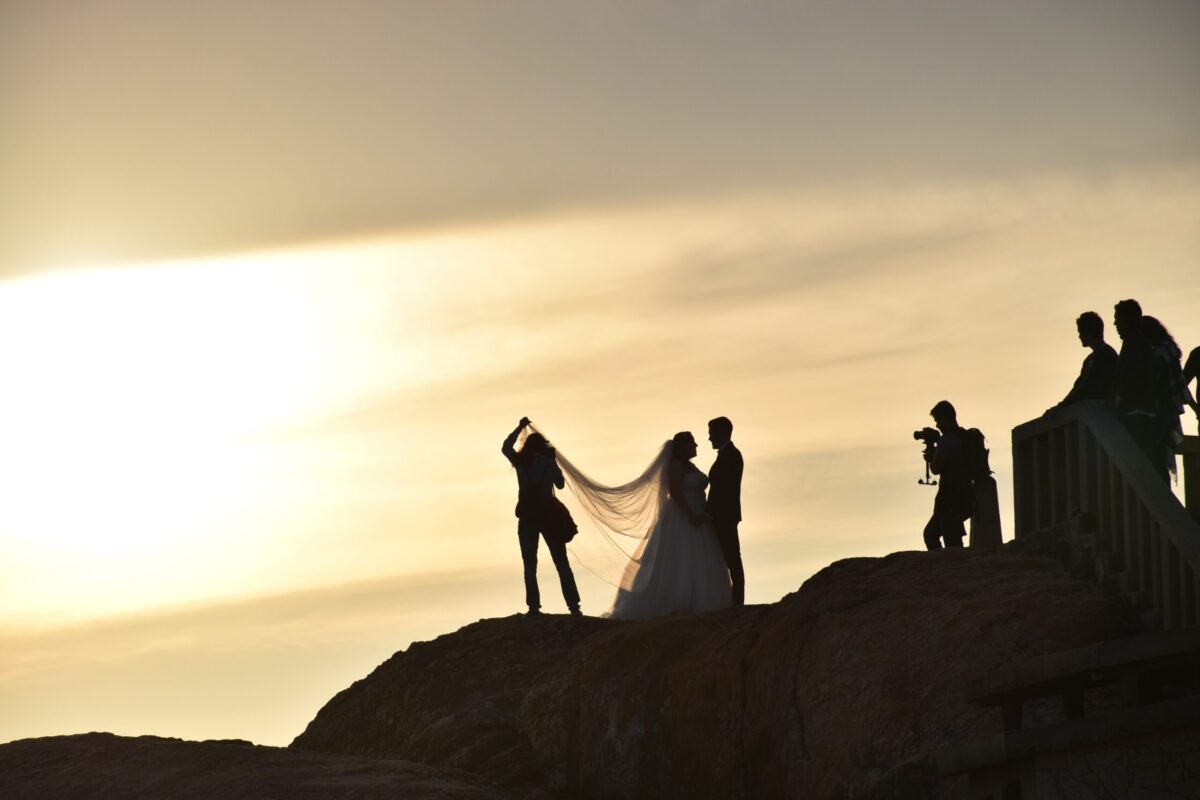
D'Andrea estimates that it would take four weeks to complete the full gallery if editing were outsourced and done well. If the photographer has enough help, they could be able to get the work done faster. Of course, there are photographers out there like D'Andrea who relish the challenge of doing it all on their own, despite the additional time investment.
We swear the attacker doesn't mean any harm. "A professional photographer's mission is to give you the best possible print. On rare occasions, we've heard of couples receiving their edited images before they were ready "That's what D'Andrea claims. "I look at each image twice as closely as the first."
It may take several days to upload the images, depending on their quality and the editing tools your professional uses. It takes time to go through the procedure, and it takes time to conduct the careful editing. If your nuptials fall during the peak wedding season, you should also keep in mind that the album the photographer is working so hard to finish is likely not the only one they are working on. D'Andrea estimates that it takes her around 30 hours of effort to accomplish all of the administrative tasks related to a single wedding. To illustrate the magnitude of the task at hand, let's increase this by the annual number of weddings: "When you multiply that by the entire number of weddings, you'll realise that you have a large amount of work on your hands."
Culling, the initial stage of editing, entails getting rid of irrelevant or uninteresting photos. Problems could arise on occasion due to this condition. Photographers often take multiple shots of the same pose or subtle variants on the pose to get the optimal viewpoint, focus, etc. Sometimes there will be multiple possibilities that look nearly identical, forcing photographers to pick the finest shot from amongst equals. Remember that the quick shutter speed of a camera means that it is possible to capture you mid-blink or mid-sentence, which means that not every picture of you will be a masterpiece. Photos that are grainy, have the person making a funny expression, or in which the eyes are closed can be easily discarded.
The next phase involves adjusting the RAW files to the desired degrees of saturation, sharpness, and exposure. Most photographers, though not all, prefer to capture their images in RAW format so that they have the most flexibility when it comes to editing to get their desired effect. To clarify, what is a RAW file? Data that has not been altered in any manner prior to being saved as a RAW file.
This means that the file has not been compressed or otherwise altered from its original state by the camera or the computer. The majority of digital camera users choose to shoot in JPEG mode, which reduces the image's file size while enhancing its colour and contrast. Therefore, the image typically looks wonderful right after it is extracted from the camera. With a RAW file, none of this happens, and the data remains unaltered, so we can use post-processing techniques to bring out the best in the photo. In order to accomplish this, image editing software like Photoshop is required. Your photographer will edit the chosen shots and run them through the RAW conversion process once they have been chosen. Your photos will be formatted after that.
Currently perfecting the last details. A photographer's style of taking pictures and editing them will develop with time. It's what makes you interested in supporting their efforts. The consistency of the editing is often a photographer's calling card, yet the definition of "consistency" might be subjective. When it comes to editing, nothing else compares to Photoshop. Everything is in one convenient location, which is a new experience. Some photographers argue that utilising a computer like Lightroom is easier and faster than this method. Compared to Photoshop, Lightroom has some limitations that prevent it from replacing the software.
Planning your dream wedding and don’t want to miss out on the special moments on your big day? Worry no more, Wild Romantic Photography has you covered.
Our "clean" edits rarely differ more than a few frames from the way the camera originally recorded the material. Having images that are more well-defined and well-lit is a step towards making a more professional impression. We pay close attention to the skin and the area around the eyes, making sure that wrinkles and fine lines are erased and that dark circles are lightened. Time-consuming corrections like these are frequently applied to extreme close-ups of people's faces in portraits. Removing distracting features from a photo is another common editing task.
Gain An Early Timing Sense
Before committing to a photographer (or any other vendor) for your wedding, it's important to ask a lot of questions over the phone or in person. Find out what their standard turnaround time is for delivering the photographs as one of your inquiries. Doing so will ensure that no unpleasant shocks may arise later on. Read your contract very carefully to make sure this is included. I cannot stress the significance of this enough. There should be a line added to specify the turnaround time if there isn't already one.
Solicit A Sample By Way Of Preview
Within a week of the wedding, many photographers would gladly offer you a selection of edited images. "I always send my couples a sneak peek throughout the wedding week to hold them over until my blog comes up or until they receive the whole gallery," D'Andrea explains. To tide them over until my blog goes live or until they receive the complete gallery, I do this. The wedding planner thought it was a great touch and said her clients appreciated it. If you catch a glimpse of what's to come, you might even want to broadcast it on social media. However, before doing so, you should check with your photographer; this may be a provision in your contract. Create lasting memories through your Yarra Valley wedding photography that will be cherished forever.
What Is An Acceptable Length Of Time?
There is nothing unusual about the fact that a week has passed after your wedding and you have heard nothing more about it. However, if the time limit stated in your contract has passed and you have not heard from your photographer, you should approach them about it. D'Andrea suggests taking the reins and inquiring with the photographer about expected deliverables and a timeline. "I wouldn't be too concerned if your photographer gets back to you and specifies that the images will be available by X date. But if the deadline passes and the pictures are still not ready, then it's time to get moving." We sincerely hope that this never happens to you, but if it does, having a signed contract will be very beneficial.
When Should I Expect My Photos?
"It's been eight months, and I still don't have my wedding images. Is this normal?" arises frequently in Social Media wedding groups. Despite widespread assumption, we think this isn't true. Your photos are taking so long for no good reason, unless your photographer has a life-threatening disease or other emergency. Your photos could be returned within a week to three months. During the high season (May to October), it may take longer to receive your photos, but your photographer should be in touch and able to answer any issues about deadlines. August-October are the busiest months. Due to family and fall mini sessions, We edit like a maniac. Communication is key; if your photographer avoids your inquiries or ignores your communications, be wary. Never ask your photographer daily when your photos will be ready or if they've communicated with you. If you’d like to work with professional photographers for your wedding, book with us at Wild Romantic Photography.
Remember that most of the work will be done after your wedding day. This means you'll spend hours polishing your photographs and getting them to you. We know it's hard to wait for your wedding photos because you want to relive the excitement and beauty of the day, but good things come to those who wait, and it's worth it to have those memories be as flawless as possible.
Conclusion
If a photographer only had "your wedding," they'd return your images in a week or two. A photographer should release them when done. If the photographer was there from the minute you got dressed until the first dance at 8 p.m., they will have many images to edit. Photographers will try to deliver your images quickly, but it may take time. After taking photos, much work remains.
Depending on image quality and editing tools, uploading may take days. During high wedding season, the photographer may be working on more than one album. RAW is a camera- or computer-uncompressed picture. With a RAW file, none of this happens, so we can apply post-processing to enhance the photo. Before hiring a photographer, ask a lot of questions.
Ask about their photo delivery time. Many wedding photographers will provide edited photos within a week. Make sure your contract includes this. Unless your photographer has a life-threatening illness or emergency, wedding photos take too long. Photos returned in a week to three months. During peak season (May to October), receiving images may take longer.
Content Summary
- If you've hired a professional photographer, photography is probably their main source of revenue.
- If a photographer only had "your wedding," they'd return your images in a week or two.
- Your wedding should go smoothly if you hire a reputable photographer.
- Signing a contract guarantees your wedding photographer's punctual delivery.
- Contracts usually define the time needed to develop and deliver wedding photos.
- We're sure the photographer told the client.
- Clients may consider this an edit, but the photographer won't do it (and if they are you should run in the other direction).
- Based on their past work and the wedding season, professionals will know this.
- Your photographer should tell you when you may expect your photos before you employ them.
- Time to receive wedding photos depends on the photographer's availability, the amount of photos taken, and their quality.
- If you want the whole album at once, it may take a while, but it's worth the wait.
- The bulk of a wedding photographer's time is spent editing, not capturing the event, according to an article and an infographic.
- After shooting, there's much to do.
- After your photographs are developed, you'll need to organise and cull them so they fit into an album that tells the story of your big day, highlights the most essential portions, and contains the best shots imaginable.
- Parallel album production will take longer.
- After being touched up, photos must be culled and arranged for an album.
- The length of time you have to wait depends on the number of images being processed, the size of the team, whether the editing process is outsourced, and the specialist overseeing your photos.
- D'Andrea believes that editing the entire exhibit would take four weeks.
- With enough aid, the photographer can work faster.
- Professional photographers aim to provide you the best print.
- Depending on image quality and editing tools, uploading may take days.
- Procedure and editing take time.
- D'Andrea estimates that planning a single wedding takes her 30 hours."
- Culling removes irrelevant or boring photographs.
- Next, tweak RAW files' saturation, sharpness, and exposure.
- Most digital camera users use JPEG mode, which decreases file size while boosting colour and contrast.
- With a RAW file, none of this happens, so we can apply post-processing to enhance the photo.
- Photoshop is needed for this.
- A photographer's photo-taking and editing approach evolves over time.
- Editing consistency is a photographer's calling card, yet "consistency" is subjective.
- Before committing to a wedding photographer (or any other provider), ask a lot of questions.
- Ask about their photo turnaround time.
- Check with your photographer first; this may be in your contract.
- If the contract deadline has gone and you haven't heard from your photographer, contact them.
- D'Andrea recommends taking charge and asking the photographer about deliverables and a schedule. "
- Unless your photographer has a life-threatening illness or emergency, your shots are taking too long.
- During high season (May to October), it may take longer to obtain your photographs, but your photographer should be in touch.
- If your photographer ignores your inquiries, be alert.
- Never ask your photographer daily if they've communicated or when your photos will be ready.
- After your wedding, you'll have less to do.
- Good things come to those who wait, and it's worth it to have stunning wedding photos.
FAQs About Photography
Do Wedding Photographers Edit All Photos?
Wedding photography is more than simply a service, and when you engage a professional, you're investing in a memory that will last a lifetime. Even though they will be there all day and shoot pictures, that is not even close to what you're paying them for. At the conclusion of the day, your photographer will have taken hundreds, if not thousands, of photos and will retreat to their studio to edit them.
Are you sure you want the photographer to immediately go print all of these shots for you? Your wedding photographer will not hide anything from you, but instead create a beautiful story from the day's happenings.
Wild Romantic Photography offers a variety of photography packages and services, including wedding photography consultations, if you're in need of some help planning your big day.
You know going in that a movie has been edited, and on DVDs you can view alternate endings and cut parts you missed the first time around. Some of the sequences are superfluous to the movie's narrative needs, and while there may be other ways to wrap things up, ultimately only the one that best captures the essence of the story will be used.
It's like expecting a photographer to hand over a memory card, USB, or DVD full of unedited raw photographs, or a writer to hand over a manuscript of their book complete with all the excised paragraphs and chapters. The same can be said for a book; it's the equivalent of asking a photographer to hand over a flash drive.
As a photographer, I know how to push my camera in a variety of lighting circumstances, allowing me to either pull features out of the shadows or tone down the bright areas of the image, thanks to my years of experience taking and editing photos. As a result of my mastery of the shutter button, I was able to achieve this. I don't enjoy showing the image on the back of my camera while I'm shooting spontaneously since it usually doesn't seem that great, but I know it will look amazing once it's been edited. When I take a picture, I usually have some idea of how I want to alter it afterwards.
The only way for a photographer to become proficient with their gear is through lots of time spent both in front of and behind the camera, editing the results. Repeating myself since it's so crucial, but not for you guys I know: the Nikon cameras I use are different from the Canon cameras. Yeah, I know I already mentioned that, but it's vital not for you people to know that I know it is important. All this technical jargon simply means that the way you take pictures will change depending on the brand of camera you use, such as how Nikon cameras tend to highlight shadows and Canon cameras tend to highlight highlights. The lens is also very important, but I won't go into detail because that's not why you hired me.
Just because a photographer can't get a good shot while the camera is still on doesn't mean they aren't skilled. Despite the fact that digital camera technology has come a long way in recent years, they still have a few limitations that vary from camera to camera and lens to lens. To put it another way, the typical person will use a professional-grade camera like a DSLR, while the majority of professional photographers will use consumer-grade equipment like a point-and-shoot. In general, the higher the total cost of the camera and lens, the better the camera and lens themselves, and the better the photos they take. Correct, but you also need to know how to use the appropriate equipment, right? What really separates an average photographer from a great one is not their gear, but their knowledge, expertise, and natural ability behind the lens.

The reason photographers alter their photos is because the image created by the camera after the shot does not appear amazing when examined closely. Getting the exposure just right might be tricky when you have to move from indoors to outdoors, from intense sun to shade (the amount of light and darkness in the image). This is especially important to keep in mind while photographing weddings, as many different aspects of the day will likely require different angles and lighting. That means you'll need to tweak or edit the photographs a little bit after you've imported them into your computer.
Our exclusive range of Melbourne wedding photography will help you not miss a thing on your wedding day.
Editing
If a photographer and their client had access to a stylist, a hairstylist, and endless time, they could be able to create a truly remarkable portrait. In addition, there is zero pressure on the photographer.
The world we live in now is imperfect, unfortunately. Consider a photographer who attends a wedding and takes pictures to record the event. Her aspirations to photograph the wedding were dashed when the minister informed her that flash photography was not allowed inside the church. I can see why the photographer wouldn't want the flash to go off during a religious ceremony, but I can't see why they would want it to go off during a red carpet event. The wedding ceremony will take place in a beautiful old chapel that the bride selected herself. In fact, gorgeous historic cathedrals are both ancient and beautiful; nevertheless, as is often the case with buildings of this era, they are sometimes exceedingly dark. You're initially shocked, but then you exclaim, "But I can see absolutely fine!" This is something I am capable of as well, but even the most advanced cameras still fall short of the sensitivity of the human eye. It's completely dark when viewed via a camera.
The good news is that high-quality professional cameras can get the job done even when there isn't enough light, though they'll never be able to equal their performance in well-lit settings. Your photographer will have to play around with the camera's settings to get the perfect shot. Consider keeping the shutter open for a little while longer. More light has been added, although it could make the picture unclear. Raising the camera's sensitivity can help improve photo quality. Unfortunately, a new unknown phenomena known as digital noise has occurred despite the increased light levels. Have you checked to see whether the aperture on the camera is wide open? However, when more light enters the picture, the depth of field decreases, and more and more of the scene and its inhabitants become blurry.
Obviously, not every take will be a success. While photographing a subject, professional photographers often take hundreds of shots. After that, she'll choose the ones that best reflect who you are creatively and as a person. She revises them until they are perfect in every way, have a nice balance, and are true to the source material. The photographs in this album have been expertly edited to make you seem your best. There is no use in wasting time sorting through hundreds of unutilised images when you can engage a professional photographer who will only give you the best shots once they have been edited to the greatest possible standard (sometimes dozens of the same pose with only minute differences).
Intentionally unedited photos were left as is when they did not make the final cut for editing. No one wants to hear that the camera caught them at an unflattering angle or that their imperfections were overemphasised, but occasionally a snapshot just doesn't turn out the way you imagined it would. Despite assurances from clients that they won't mind receiving hundreds of photographs without any editing, photographers are nevertheless forced to manually process and email the entire batch. An irate customer discovers that they were included in unwanted images in which they look terrible. Their faith in the photographer was severely damaged. Images captured at joyous occasions like weddings and newborn babies' arrivals evoke a wide range of feelings among viewers. People tend to avoid being around a newly engaged woman who, upon viewing photos of herself and her fiance, starts crying uncontrollably.
Retouching
You've looked at every proof, and you've finally found the one you've been waiting for: the best picture your child has ever been in. And one that you'd like to have blown up to a 16x20" print, frame, and display prominently in our living room to be admired by everyone who arrive.
You've planned the wedding of your dreams, and you don't want to miss a thing! Stop stressing, since you can rely on Wild Romantic Photography to take care of all your photography needs.
Really, who wouldn't want that? Okay, depending on the child's age, they may be responsible for it, but it's still your problem because you'll be the one paying for it.
After finishing with your edits, you can print the image. And certainly there are appropriate scenarios in which to do so. Although official portraits, in particular, might benefit immensely from some retouching, many images can.
Editing and maybe extensive extra work, such as the following, are required for photo retouching:
This makes the subject's eyes stand out more clearly.
Restoring a person's smile by fixing discoloured or broken teeth. improving the look of skin that has scars or acne.
Substituting one image for another, as when everyone else in the picture has their eyes closed but Uncle Harry's are open.
smoothing out fine lines and eliminating under-eye puffiness
Changing the shape of the face, waist, and arms, among other areas.
removal of potentially distracting elements, such as a gum wrapper thrown in front of the bride or a power line in the background.
So why would I have the photographer do the printing for me?
The reality is that it usually doesn't make a huge difference to have to retouch and prepare tiny prints (those that are less than 5x7 inches). Therefore, I propose that I provide the newlyweds with some edited digital photographs that may be used to create some inexpensive prints. My client may now affordably show off their photo collection to loved ones. Even if the photos are never physically printed, they will be accessible to everyone.
When it comes to larger prints or shots that could be displayed, however, a professional photographer does more than merely get pictures taken. In order to produce a high-quality print, the photographer must first take a superb photo.
- Modifies images by altering their colours, lighting, and composition.
- If necessary, a good crop of the photograph is essential. When you order a 5x7 photo from Sam's Club, does the subject's head get cut in half? That's because the standard aspect ratio for professional camera footage is 2:3. Printing your photo in 4x6, 8x12, 12x18, or any other size won't change the quality of the image. You may have to compromise for a lower or larger size than you'd prefer because the most frequent frame sizes are 5x7, 8x10, 11x14, and 16x20 inches. Therefore, it will be essential to crop the edges of some of the images. Before you order a print, the photographer will evaluate it to see if it can be cropped without sacrificing the qualities that make it a strong composition. If it can be cropped, the photographer will be able to demonstrate the final result.
- Adjusts the image's size to the values you provide. The ppi (pixels per inch) resolution that is sent to the printer is a factor in print quality. In general, 72 ppi is adequate for use on social networking sites like Facebook. If you want to print anything bigger than a business card, you'll need a resolution of at least 300 ppi. Let's say you're thinking about adding an 8x10 professional headshot to your portfolio. If the photographer wants to print a high-quality image, he or she must first take the original shot and scale it down so that it has a width of 2400 pixels and a height of 3000 pixels. Sharpening an image for printing on photographic paper might make the final product look too "crunchy" when applied to metal. Some photographs may benefit from additional sharpening in the same way that some printed wood images do.
- Collaborates with established facilities specialising in colour research to deliver superior service. If you want to buy a large canvas gallery wrap that might cost more than $500, it's crucial that you find a manufacturer with a superb reputation for producing high-quality things and paying great attention to the smallest of details. To further ensure accurate colours, a professional photographer will work in tandem with a lab. In order to get the required results, the professional photographer may need to calibrate their screen or use ICC profiles supplied by the lab.
- We'd like to offer you some suggestions. When designing this site, I am constantly on the search for fresh and innovative methods to feature your photographs. While I think your prints are wonderful, have you considered making iPhone cases? Drives that can be inserted into a computer, such as flash drives and USB drives. What do you say we set up a picture shoot of your adorable kid and have a "brag book" professionally created for Grandma to show off to the neighbours and other elderly relatives? If you'd like, I can arrange to have a shower curtain made with your image on it. The answer is "yes" in a word.
- Photographers don't just stand around and take pictures; we put in many hours of practise, spend thousands of dollars on expensive equipment and software, attend conventions, workshops, and clubs to meet other pros, and keep extensive personal and professional contacts. If I spend time making a photograph, it just makes sense that I'd want it to look its best for everybody who would look at it.
If this helps clear the air, then my hope is fulfilled. To what extent may I assist you? If you have any questions, comments, or concerns, feel free to send me an email and I will try my best to respond without charging you anything.
When it comes to wedding photography Yarra Valley, no one does it better than Wild Romantic Photography. Browse through these examples right now.
Trust The Professional
You should probably ask yourself why you care about seeing every photo if you insist on doing so. Is it feasible that among the many unsuccessful attempts there was one that worked? What opportunities might you be missing out on? The best shots from the shoot have been hand-picked by your photographer, who will now edit and provide them to you for use in an album or as wall art. This procedure has been meticulously carried out. You can have assurance that just the greatest photos from the session you two shared were used to make these. You both stand to benefit from the attention paid to the photographer's talent and hard work if the photos in question have artistic worth and emotional relevance. You put your trust in the photographer because of his or her expertise; you want your photos to reflect who you are, not just how you look. Now have faith that he can complete the task at hand, unearth the true value of the photos, and bring out their potential.
If you’d like to work with professional photographers for your wedding, book with us at Wild Romantic Photography.
Conclusion
When you engage a professional photographer, you're investing in a memory that will last a lifetime. Your photographer will not hide anything from you, but instead create a beautiful story from the day's happenings. Wild Romantic Photography offers a variety of photography packages and services, including wedding photography consultations. The way you take pictures will change depending on the brand of camera you use. The typical person will use a professional-grade camera like a DSLR, while the majority of professional photographers will use consumer-grade equipment like a point-and-shoot.
What separates an average photographer from a great one is not their gear, but their knowledge, expertise and natural ability behind the lens. Even the most advanced cameras still fall short of the human eye's sensitivity. High-quality professional cameras can get the job done even when there isn't enough light. When more light enters the picture, the depth of field decreases, and more and more of the scene becomes blurry. Intentionally unedited photos were left as is when they did not make the final cut for editing.
Images captured at joyous occasions like weddings and newborn babies' arrivals evoke a wide range of feelings among viewers. Although official portraits, in particular, might benefit immensely from some retouching, many images can. Photographers retouch images by adjusting their colours, lighting, and composition. A good crop of the photograph is essential. The resolution that is sent to the printer is a factor in print quality.
A professional photographer will work in tandem with a lab to ensure accurate colours and high-quality images. Sharpening an image for printing on photographic paper might make the final product look too "crunchy" when applied to metal. Some photographs may benefit from additional sharpening in the same way that some printed wood images do. If you're looking for a professional photographer for your wedding, book with us at Wild Romantic Photography.
Content Summary
- Wedding photography is more than simply a service, and when you engage a professional, you're investing in a memory that will last a lifetime.
- Your wedding photographer will not hide anything from you, but instead create a beautiful story from the day's happenings.
- It's like expecting a photographer to hand over a memory card, USB, or DVD full of unedited raw photographs, or a writer to hand over a manuscript of their book complete with all the excised paragraphs and chapters.
- As a photographer, I know how to push my camera in a variety of lighting circumstances, allowing me to either pull features out of the shadows or tone down the bright areas of the image, thanks to my years of experience taking and editing photos.
- The only way for a photographer to become proficient with their gear is through lots of time spent both in front of and behind the camera, editing the results.
- Repeating myself since it's so crucial, but not for you guys I know: the Nikon cameras I use are different from the Canon cameras.
- All this technical jargon simply means that the way you take pictures will change depending on the brand of camera you use, such as how Nikon cameras tend to highlight shadows and Canon cameras tend to highlight highlights.
- Just because a photographer can't get a good shot while the camera is still on doesn't mean they aren't skilled.
- Despite the fact that digital camera technology has come a long way in recent years, they still have a few limitations that vary from camera to camera and lens to lens.
- In general, the higher the total cost of the camera and lens, the better the camera and lens themselves, and the better the photos they take.
- What really separates an average photographer from a great one is not their gear, but their knowledge, expertise, and natural ability behind the lens.
- This is especially important to keep in mind while photographing weddings, as many different aspects of the day will likely require different angles and lighting.
- That means you'll need to tweak or edit the photographs a little bit after you've imported them into your computer.
- Your photographer will have to play around with the camera's settings to get the perfect shot.
- Raising the camera's sensitivity can help improve photo quality.
- There is no use in wasting time sorting through hundreds of unutilised images when you can engage a professional photographer who will only give you the best shots once they have been edited to the greatest possible standard (sometimes dozens of the same pose with only minute differences).
- Intentionally unedited photos were left as is when they did not make the final cut for editing.
- No one wants to hear that the camera caught them at an unflattering angle or that their imperfections were overemphasised, but occasionally a snapshot just doesn't turn out the way you imagined it would.
- Despite assurances from clients that they won't mind receiving hundreds of photographs without any editing, photographers are nevertheless forced to manually process and email the entire batch.
- An irate customer discovers that they were included in unwanted images in which they look terrible. Their faith in the photographer was severely damaged.
- Editing and maybe extensive extra work, such as the following, are required for photo retouching: This makes the subject's eyes stand out more clearly.
- The reality is that it usually doesn't make a huge difference to have to retouch and prepare tiny prints (those that are less than 5x7 inches).
- Therefore, I propose that I provide the newlyweds with some edited digital photographs that may be used to create some inexpensive prints.
- In order to produce a high-quality print, the photographer must first take a superb photo.
- If the photographer wants to print a high-quality image, he or she must first take the original shot and scale it down so that it has a width of 2400 pixels and a height of 3000 pixels.
- Sharpening an image for printing on photographic paper might make the final product look too "crunchy" when applied to metal.
- To further ensure accurate colours, a professional photographer will work in tandem with a lab.
- In order to get the required results, the professional photographer may need to calibrate their screen or use ICC profiles supplied by the lab.
- The best shots from the shoot have been hand-picked by your photographer, who will now edit and provide them to you for use in an album or as wall art.
- You both stand to benefit from the attention paid to the photographer's talent and hard work if the photos in question have artistic worth and emotional relevance.
- You put your trust in the photographer because of his or her expertise; you want your photos to reflect who you are, not just how you look.
- Now have faith that he can complete the task at hand, unearth the true value of the photos, and bring out their potential.
FAQs About Photography

What Are The Tips For Editing Wedding Photographs?
Of course, editing images is a necessary part of being a wedding photographer, as you surely already know. Time-consuming and stressful tasks may be a part of your wedding photography workflow. These tasks may involve learning well how edit wedding images and being knowledgeable with each of Photoshop's brushes or tools. The following twenty pieces of advice for editing wedding pictures can entirely revolutionise your photo editing while making it lot simpler and faster.
It's a lot like training for a marathon to photograph a wedding. Still, the creative process that was fueled by the audience's endurance did not conclude with the curtain call.
After photographing the pre-ceremony preparations, the ceremony itself, the formal photographs, and the reception, you'll likely have hundreds of digital images in a single folder, if not thousands.
The last touch that editing can add to a wedding photo is sometimes the deciding factor between a decent photo and a great photo.
Photographers that specialise in weddings frequently utilise the photo editing software Lightroom. Lightroom's ability to merge organisation and editing into the a single workflow greatly accelerates the post-production process.
When sorting through hundreds of images, this is crucial. Lightroom's tools can speed up the editing process, but only if you know how to use them. Here are some ways to improve your wedding photos using Lightroom.
Capturing a wedding with your camera is a thrilling hobby that allows you to unleash your inner artist. Since the market is filled with cameras of incredible quality, even people with only the most basic photography skills and expertise may readily take high-quality images. However, if you desire your images to be memorable, it is likely that you will need to alter them in some kind.
Both photography and photo editing are considered to be forms of art in their own right. What to do with the photos after you photograph a wedding is a crucial consideration. Having to edit a huge number of wedding photos while still meeting the high standards that have been set may be both a creative and demanding endeavour.
In today's digital era, there is a plethora of photo editing programmes available online, some of which are free to use, while others need payment. Regardless of the editing programme you choose to use, here are a few useful hints that can be applied to your wedding photographs. Using these suggestions, you might be able to create some truly unforgettable photographs.
If you need advice on your wedding photography, check out our photography packages and services at Wild Romantic Photography.
Use Flags and Stars to Make Culling Easier
The first step in wedding photo editing is selecting the images that will require adjustments. To help users make the most of Lightroom's many features, including its ability to organise and edit photos, the programme includes a number of useful selection tools.
Select the Library's import option (bottom left) and then the destination folder (right) on your hard drive to begin importing files. Make sure you check the box labelled "Add to Collection," and then create a new Collection for the nuptials.
After importing a bunch of images into a collection, you may look through them individually in order to pick out the ones you want to save. In Lightroom, the flags and star are the two most prominent selection tools for the cull process. My use of flags is primarily for expediency.
To mark a photo for later editing, We either tap the little flag in the upper left corner of a thumbnail image in the library module or the filmstrip inside the develop module, or Just press the key P on the keyboard. You may now flag the image for later editing. (Are you having trouble keeping in mind the keyboard shortcut? Pick represents the letter P.
Giving each photo a rating out of five stars is another option. Clicking a number from the keyboard will award the specified number of stars to the selected image. After that, you can go back and change the ratings on the photographs with four or five stars, however you shouldn't remove the ability to add 3 stars just in case.
To expedite the editing process, use custom presets
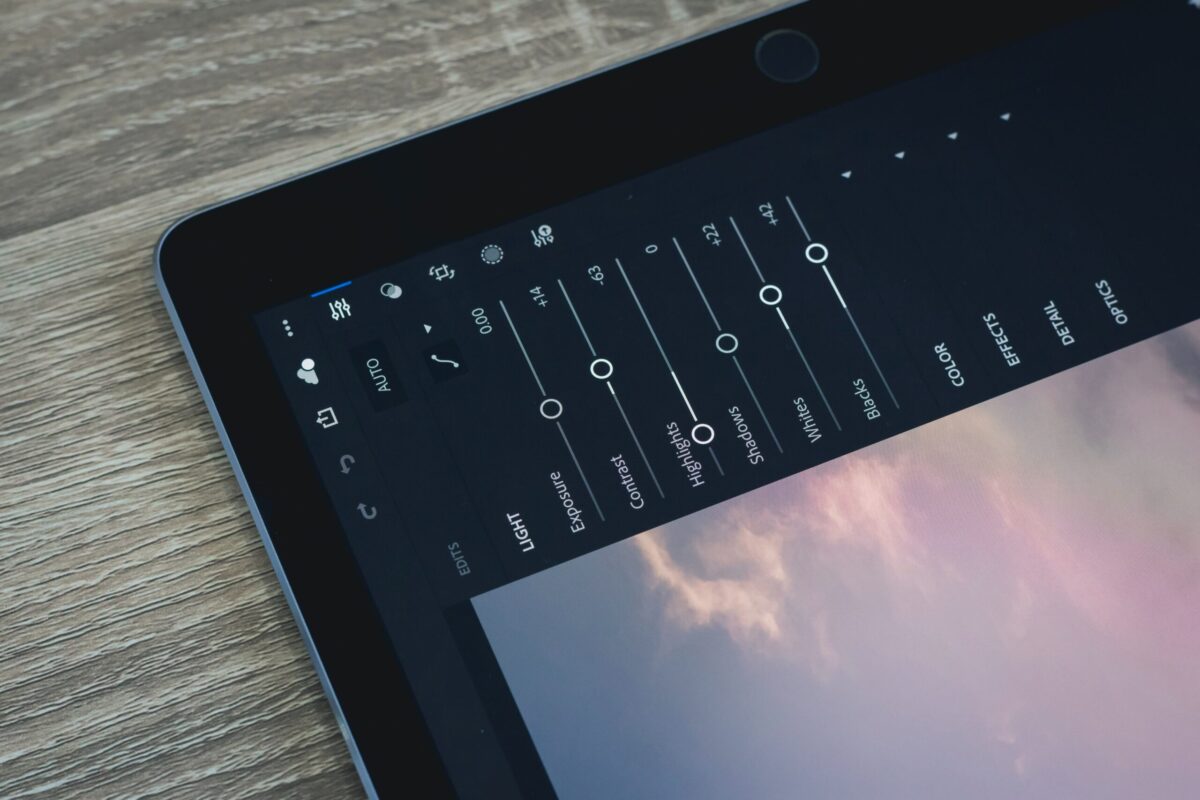
Some photographers believe by the usage of presets to speed up the editorial process, while others argue that doing so would cause your photographs to look generic. Is there a right way to respond to this?
Presets in Lightroom can help you save time and effort, and they're also easy to customise to your liking. You can tailor an existing preset to your needs, or make your own from scratch to combine quickness with a unique aesthetic.
We have several great film-inspired settings, but a few of them make people's complexion look weird by boosting the contrast or adding too much orange.
After customising the preset to our liking, You can save any changes so that the preset always applies the preferences.
Modifying a preset is as simple as applying it to a photo, making the necessary changes, and then right-clicking just on preset or selecting "update to current settings." Simply click the link below to be taken to our superb article detailing the process of installing presets.
If you've been making changes manually up till now, you have the information you need to create your own presets, which is an option available to you. The altered photo can be saved as a new preset by selecting it in the main window and then clicking the plus sign at the bottom of a presets menu.
Offer the presets a name in the resulting pop-up window, and then check the box(es) beside the adjustments you made to the presently selected image that you want to save as part of the preset. Now, if you need to make an alteration that is identical to one you've made before, you may utilise the preset to quickly apply the changes.
Even though presets are great for getting started, most photos still need additional editing after they've been processed with one. The remaining sliders and dials can be used to make any necessary corrections to the image or to good the colour adjustments made by the preset.
Cropping
To crop an image is among the most fundamental operations provided to you when working with images. This holds true whether you're working with a severely unbalanced action shot or a team portrait that just needs a few tweaks to look right. Accurately cropping and slicing photographs was crucial in the initial periods of photography.
The identical result can now be achieved with the use of a mouse click. But you shouldn't crop your pictures too much, otherwise they'll look squashed and crowded. Cropping photos to a 1:1 square is also popular right now. In contrast, 16:9 is the best aspect ratio to use while making slideshows. As a matter of fact.
Get Rid of Noise
Dampen the Noise Photographs shot in low light are prone to "noise," which is the appearance of countless tiny fuzzy particles. It detracts from the foreground's prominence and the overall impact of the picture. Some images (especially those with darker tones) tend to show it only in specific areas, while photographs taken in low light tend to show it all over the picture.
You may quickly fix or remove the noise that is diverting attention from the quality of the wedding photos utilising photo fixing and retouching software. In technical terms, this process is called denoising, and it may be completed with a single click of the mouse in the Photo Enhancer.
Make It Shine
Your brightness setting is another factor to think about while editing your wedding images. Many images that appear too dark can have the scene magically brightened by a simple slide of a brightness bar (or perhaps a change in terms of the amount indicated as a figure or a percentage).
In order to get the most out of your photos, Wedding Studio can help you find the optimal brightness setting for each individual shot. An algorithm is used to analyse the image and determine the optimal level of light transmission.
Settings for Appropriate Contrast
Just as crucial as altering the white balance is increasing the contrast in your wedding shots. Achieving the correct mix of shadows and highlights can be a moment and tiresome procedure for beginners who aren't yet adept in working in Lightroom or Photoshop. Lightroom presets streamline the image editing process by automating the colour correcting steps. Don't waste time adjusting the sliders for each one individually.
Before making any adjustments, be sure the photograph's lighting has not been altered. The Color Range selection in the Select menu is where you'll find the highlights. The CTRL+J shortcut lets you make a copy of the current selection on the topmost layer. Once again, select the Significantly better, and from the Color Range menu, pick the Shadows option.
Pressing Ctrl + J will create a duplicate of the current selection on the a new layer; from there, you may adjust the blend mode of the shadow layers to multiply. Reduce the opacity to around 30%; the actual percentage will vary from image to image.
Start by creating a new layer, then filling it with a colour that will blend in well with the rest of the layers and switching the layer's blending mode to Overlaid. As a first step in adjusting light and shadow, we use the functions Dodge and Burns (O). It's also possible to create a new layer, change its blending mode to Soft Light and Overlay, and then fill in the necessary regions with a black and white brush that has a low opacity.
If you’d like to work with professional photographers for your wedding, book with us at Wild Romantic Photography.
Perfection in Exposure
When editing a photo, one of the initial things to do after applying the presets is to play around with the exposure. To start, readjust the overall exposure if necessary. The next step is to modify the image's brightest sections by dragging the lights and whites slider. Dark-area adjustments entail fiddling with image's shadow and blacks.
It's recommended that you play with with the curves-based exposure modification tools (such as the blacks and highlights) before altering the contrast slider. (Those photographers who are accustomed to working with curves can also obtain the true tone curve.)
Rather than using the contrast slider, which can result in an overexaggerated appearance, you can increase the contrast inside an image by having the highlights brighter as well as the shadows deeper. To create a matte effect, do the inverse of what you'd normally are doing and darken the brightness while lightening the darks.
When I want to enhance the realism of a ring shot, I use the clarity slider rather than the less-used presence adjustments. When dealing with haze or fog, the dehaze tool can be of assistance.
Color Adjustment Using White Balance and HSL Tools
Lightroom Classic's hue, saturation, lightness, and vibrance adjustments can be found in two main panels. The white balancing is adjusted for the entire image from the very top.
You can use the dropper tool to choose the couple's shirt or even the bride's outfit, both of which will be white, and then use the temperature or tint sliders to make any needed modifications to the selected area.
Although the primary panel also features vibrance and saturation sliders, it's simple to push them far in either direction. If you really must use them, at least run through the HSL edits to see if anything more has to be done.
You may adjust each colour in the picture independently using the HSL (hue, saturation, and luminance) panel. The brightness of a colour describes how bright or dim it is. Saturation refers to how intense a colour is, whereas hue refers to the precise tone of the that colour.
Lightroom's HSL panel features individual sliders for each colour, allowing you to alter them without influencing the others or the overall hue. For creating a specific feel in your artwork, these colour tools were invaluable. For instance, if the greens and blues in a film are altered, the entire feel of the movie might be altered.
You may make some tweaks and customise a look with the help of the HSL panel. Lifting the oranges luminance slider will lighten skin tones, while lowering its red luminance slider will hide redness.
This HSL is also required for professional-quality monochrome photo creation. After the image is converted to black and white, the HSL panel will change to the B&W panel. From this menu, you may adjust how much grey each colour is toned down to.
When you have a photo wherein two different colours look identical when viewed as black and white, then can alter one of those colours to increase the contrast inside the monochrome form of the shot.
A final HSL hint: if you're not sure where a colour sits in the HSL panel, or where it would be transformed to black and white, then can clicking on the tiny circle icon in the bottom of the HSL panel.
With the target tool active, the corresponding colour slider will become illuminated when the cursor is moved over it. It takes only one click of the tool and a drag in either way to change the real slider value for any panel you have open.
This is correct for all three panels: brightness, saturation, and monochrome.
Use the Clone Tool to correct flaws
The clarity of your wedding photos could be compromised by flaws like wrinkles, spots, or shadows. However, with a few repetitions of the cloning tool, it will appear as though these defects were never there. Excessive use of this tool can make photos look artificial, so moderation is key. Professional picture editing software which is also programmed can assist remove the element of surprise when repairing photos, letting you get stunning and consistent every time.
Vibrancy of Colour
The subject matter will either "pop" with life or look as a boring image, as if a thick veil had already been placed so over lens, depending on the colour tones of your photograph. By capturing light with separate red, white, and blue sensors, digital cameras can duplicate the full range of colours seen by the human eye and remembered by the human brain. If the camera has an extreme preference for red, green, or blue, the overall impression and impact of the image may be diminished. Do you think her evening dress was blue or lilac?
With the right software and a little bit of artistic skill, altering the color calibration in you wedding images is a breeze. It would be wise to use an automatic photo editing solution like muvee Wedding Studio in this situation. The dynamic colour palette of the actual world, as seen by the human eye, is faithfully recreated using patent-protected colour science technology. Try it! To put it mildly, it's incredible.
Use the Sharpness Tool to remove blur
It's to be expected that some of Bob the shooter's hundreds of images from a lengthy day will turn out fuzzy or more or less out of focus. This is particularly true for candid or action photographs. Images that would have been absolutely useless without sharpening tool may be salvageable. Oversharpening an image can make it look fake or even comical, so be careful. The included presets in Photo Enhancer will give your images a more professional appearance. They will all look more polished and professional as a result.
Are you organising your dream wedding or hoping to catch all the action? Stop stressing, because Wild Romance Photography has you prepared.
If you want to make a name for yourself in the world of picture editing, you'll need a steady touch, a wealth of experience and knowledge in every one of the aforementioned areas, and more. You can't learn the ropes and develop a keen eye unless you put in the time and effort required. Our engineers have combined the "tricks and tips" that photographers find most helpful and popular into a set of intelligent presets that are activated with a single click.
Among the various possibilities for altering wedding images, these are some of our favourites. We continue to have faith in our main purpose even though we acknowledge the value of learning about various photo editing techniques. Our goal is to help professional wedding photographers thrive and grow their businesses.
This means contracting out tasks like wedding photo editing that consume a lot of time but bring in little to no revenue for your company. Do you have concerns regarding the quality of our photo editing? Talk to us online to learn more about how we can take the burden of editing off your shoulders and help you focus on the creative aspects of wedding photographers that will help your business grow.
Conclusion
Photographers that specialise in weddings frequently utilise the photo editing software Lightroom. Lightroom's ability to merge organisation and editing into the a single workflow greatly accelerates the post-production process. Here are some useful hints that can be applied to your wedding photographs. Select the Library's import option and then the destination folder on your hard drive to begin importing files. To mark a photo for later editing, either tap the little flag in the upper left corner of a thumbnail image in the library module or the filmstrip inside the develop module.
Just press the key P on the keyboard. Modifying a preset is as simple as applying it to a photo, making the necessary changes, and then right-clicking just on preset or selecting "update to current settings". The altered photo can be saved as a new preset by selecting it in the main window and then clicking the plus sign at the bottom of a presets menu. Photographs taken in low light are prone to "noise," which is the appearance of countless tiny fuzzy particles. Some images (especially those with darker tones) tend to show noise only in specific areas, while others show it all over the picture.
Images that appear too dark can be magically brightened by a simple slide of a brightness bar. Lightroom Classic's hue, saturation, lightness, and vibrance adjustments can be found in two main panels. The white balancing is adjusted for the entire image from the very top. Use the dropper tool to choose the couple's shirt or even the bride's outfit, both of which will be white. You may adjust each colour in the picture using the HSL (hue, saturation, and luminance) panel.
Lightroom's HSL panel features individual sliders for each colour, allowing you to alter them without influencing the others or the overall hue. This HSL is also required for professional-quality monochrome photo creation. With the right software and a little bit of artistic skill, altering the color calibration in you wedding images is a breeze. Digital cameras can duplicate the full range of colours seen by the human eye and remembered by the brain. Images that would have been useless without sharpening tool may be salvageable.
Overharping an image can make it look fake or even comical. The included presets in Photo Enhancer will give your images a more professional appearance. Our engineers have combined the "tricks and tips" that photographers find most helpful and popular into a set of intelligent presets that are activated with a single click.
Content Summary:
- Of course, editing images is a necessary part of being a wedding photographer, as you surely already know.
- Time-consuming and stressful tasks may be a part of your wedding photography workflow.
- These tasks may involve learning how edit wedding images and being knowledgeable with each of Photoshop's brushes or tools.
- The following twenty pieces of advice for editing wedding pictures can entirely revolutionise your photo editing while making it a lot simpler and faster.
- It's a lot like training for a marathon to photograph a wedding.
- After photographing the pre-ceremony preparations, the ceremony itself, the formal photographs, and the reception, you'll likely have hundreds of digital images in a single folder, if not thousands.
- The last touch that editing can add to a wedding photo is sometimes the deciding factor between a decent photo and a great photo.
- Photographers that specialise in weddings frequently utilise the photo editing software Lightroom.
- Lightroom's ability to merge organisation and editing into a single workflow greatly accelerates the post-production process.
- When sorting through hundreds of images, this is crucial.
- Lightroom's tools can speed up the editing process, but only if you know how to use them.
- Here are some ways to improve your wedding photos using Lightroom.
- Capturing a wedding with your camera is a thrilling hobby that allows you to unleash your inner artist.
- However, if you desire your images to be memorable, it is likely that you will need to alter them in some kind.
- Both photography and photo editing are considered to be forms of art in their own right.
- What to do with the photos after you photograph a wedding is a crucial consideration.
- Having to edit a huge number of wedding photos while still meeting the high standards that have been set may be both a creative and demanding endeavour.
- In today's digital era, there is a plethora of photo editing programmes available online, some of which are free to use, while others need payment.
- If you need advice on your wedding photography, check out our photography packages and services at Wild Romantic Photography.
- The first step in wedding photo editing is selecting the images that will require adjustments.
- To help users make the most of Lightroom's many features, including its ability to organise and edit photos, the programme includes a number of useful selection tools.
- Select the Library's import option (bottom left) and then the destination folder (right) on your hard drive to begin importing files.
- Make sure you check the box labelled "Add to Collection," and then create a new Collection for the nuptials.
- After importing a bunch of images into a collection, you may look through them individually in order to pick out the ones you want to save.
- In Lightroom, the flags and star are the two most prominent selection tools for the cull process.
- To expedite the editing process, use custom presets.
- What Are The Tips For Editing Wedding Photographs?
- Some photographers believe the usage of presets to speed up the editorial process, while others argue that doing so would cause your photographs to look generic.
- Is there a right way to respond to this?
- Presets in Lightroom can help you save time and effort, and they're also easy to customise to your liking.
- You can tailor an existing preset to your needs, or make your own from scratch to combine quickness with a unique aesthetic.
- After customising the preset to our liking, You can save any changes so that the preset always applies the preferences.
- Modifying a preset is as simple as applying it to a photo, making the necessary changes, and then right-clicking just on preset or selecting "update to current settings."
- Simply click the link below to be taken to our superb article detailing the process of installing presets.
- If you've been making changes manually up till now, you have the information you need to create your own presets, which is an option available to you.
- The altered photo can be saved as a new preset by selecting it in the main window and then clicking the plus sign at the bottom of a presets menu.
- Offer the presets a name in the resulting pop-up window, and then check the box(es) beside the adjustments you made to the presently selected image that you want to save as part of the preset.
- Now, if you need to make an alteration that is identical to one you've made before, you may use the preset to quickly apply the changes.
- Even though presets are great for getting started, most photos still need additional editing after they've been processed with one.
- The remaining sliders and dials can be used to make any necessary corrections to the image or to good the colour adjustments made by the preset.
- To crop an image is among the most fundamental operations provided to you when working with images.
- Accurately cropping and slicing photographs was crucial in the initial periods of photography.
- The identical result can now be achieved with the use of a mouse click.
- But you shouldn't crop your pictures too much, otherwise they'll look squashed and crowded.
- Cropping photos to a 1:1 square is also popular right now.
- In contrast, 16:9 is the best aspect ratio to use while making slideshows.
- Photographs shot in low light are prone to "noise," which is the appearance of countless tiny fuzzy particles.
- Some images (especially those with darker tones) tend to show it only in specific areas, while photographs taken in low light tend to show it all over the picture.
- You may quickly fix or remove the noise that is diverting attention from the quality of the wedding photos utilising photo fixing and retouching software.
- In technical terms, this process is called denoising, and it may be completed with a single click of the mouse in the Photo Enhancer.
- Your brightness setting is another factor to think about while editing your wedding images.
- Many images that appear too dark can have the scene magically brightened by a simple slide of a brightness bar (or perhaps a change in terms of the amount indicated as a figure or a percentage).In order to get the most out of your photos, Wedding Studio can help you find the optimal brightness setting for each individual shot.
- An algorithm is used to analyse the image and determine the optimal level of light transmission.
- Just as crucial as altering the white balance is increasing the contrast in your wedding shots.
- Achieving the correct mix of shadows and highlights can be a moment and tiresome procedure for beginners who aren't yet adept in working in Lightroom or Photoshop.
- Lightroom presets streamline the image editing process by automating the colour correcting steps.
- Once again, select the Significantly better, and from the Color Range menu, pick the Shadows option.
- Reduce the opacity to around 30%; the actual percentage will vary from image to image.
- Start by creating a new layer, then filling it with a colour that will blend in well with the rest of the layers and switching the layer's blending mode to Overlaid.
- As a first step in adjusting light and shadow, we use the functions Dodge and Burns (O).
- It's also possible to create a new layer, change its blending mode to Soft Light and Overlay, and then fill in the necessary regions with a black and white brush that has a low opacity.
- If you'd like to work with professional photographers for your wedding, book with us at Wild Romantic Photography.
- When editing a photo, one of the initial things to do after applying the presets is to play around with the exposure.
- To start, readjust the overall exposure if necessary.
- The next step is to modify the image's brightest sections by dragging the lights and whites slider.
- Dark-area adjustments entail fiddling with the image's shadow and blacks.
- It's recommended that you play with the curves-based exposure modification tools (such as the blacks and highlights) before altering the contrast slider.
- When dealing with haze or fog, the dehaze tool can be of assistance.
- The white balancing is adjusted for the entire image from the very top.
- You can use the eyedropper tool to choose the couple's shirt or even the bride's outfit, both of which will be white, and then use the temperature or tint sliders to make any needed modifications to the selected area.
- You may adjust each colour in the picture independently using the HSL (hue, saturation, and luminance) panel.
- Lightroom's HSL panel features individual sliders for each colour, allowing you to alter them without influencing the others or the overall hue.
- For creating a specific feel in your artwork, these colour tools were invaluable.
- You may make some tweaks and customise a look with the help of the HSL panel.
- This HSL is also required for professional-quality monochrome photo creation.
- After the image is converted to black and white, the HSL panel will change to the B&W panel.
- From this menu, you may adjust how much grey each colour is toned down to.
- A final HSL hint: if you're not sure where a colour sits in the HSL panel, or where it would be transformed to black and white, then click on the tiny circle icon in the bottom of the HSL panel.
- With the target tool active, the corresponding colour slider will become illuminated when the cursor is moved over it.
- This is correct for all three panels: brightness, saturation, and monochrome.
- The clarity of your wedding photos could be compromised by flaws like wrinkles, spots, or shadows.
- However, with a few repetitions of the cloning tool, it will appear as though these defects were never there.
- The subject matter will either "pop" with life or look as a boring image, as if a thick veil had already been placed over the lens, depending on the colour tones of your photograph.
- By capturing light with separate red, white, and blue sensors, digital cameras can duplicate the full range of colours seen by the human eye and remembered by the human brain.
- If the camera has an extreme preference for red, green, or blue, the overall impression and impact of the image may be diminished.
- With the right software and a little bit of artistic skill, altering the color calibration in you wedding images is a breeze.
- It would be wise to use an automatic photo editing solution like muvee Wedding Studio in this situation.
- The dynamic colour palette of the actual world, as seen by the human eye, is faithfully recreated using patent-protected colour science technology.
- To put it mildly, it's incredible.
- Use the Sharpness Tool to remove blur It's to be expected that some of Bob the shooter's hundreds of images from a lengthy day will turn out fuzzy or more or less out of focus.
- This is particularly true for candid or action photographs.
- Images that would have been absolutely useless without sharpening tool may be salvageable.
- The included presets in Photo Enhancer will give your images a more professional appearance.
- They will all look more polished and professional as a result.
- Are you organising your dream wedding or hoping to catch all the action?
- If you want to make a name for yourself in the world of picture editing, you'll need a steady touch, a wealth of experience and knowledge in every one of the aforementioned areas, and more.
- You can't learn the ropes and develop a keen eye unless you put in the time and effort required.
- Our engineers have combined the "tricks and tips" that photographers find most helpful and popular into a set of intelligent presets that are activated with a single click.
- Among the various possibilities for altering wedding images, these are some of our favourites.
- We continue to have faith in our main purpose even though we acknowledge the value of learning about various photo editing techniques.
- Our goal is to help professional wedding photographers thrive and grow their businesses.
- This means contracting out tasks like wedding photo editing that consume a lot of time but bring in little to no revenue for your company.
- Do you have concerns regarding the quality of our photo editing?
- Talk to us online to learn more about how we can take the burden of editing off your shoulders and help you focus on the creative aspects of wedding photographers that will help your business grow.
FAQs About Photography

How to Choose Wedding Photographers?
As exciting as a wedding might be, the lead-up to it can be plagued with stress and uncertainty. Choosing the perfect wedding site and agreeing on the suppliers who will be a part of your wedding day team are just two of the many time-sensitive decisions and financial commitments you must make. Thanks to these experts, your wedding day will be filled with unforgettable moments.
The photographer for your wedding is one of the most crucial suppliers you'll choose. Perhaps one of your loved ones has a high-grade DSLR camera, but if you really care about getting great shots of the big day, you should employ a professional photographer. This easy-to-follow manual will help you choose the ideal photographer for your wedding.
Listed here are the six main criteria you should use to compare and contrast photographers, increasing the likelihood that you will find a great fit when you choose one.
If you need advice on your wedding photography, check out our photography packages and services at Wild Romantic Photography.
Have you been loving their photographs?
It really really depends on the individual. It's possible for a photographer to take flawless shots that you nevertheless might not find visually pleasing. Inadequate colour correction, excessive usage of stock photos, or the search for something truly original could all be reasons why you're not satisfied with the photo.
Imaginative photographs are constantly taken, yet not all of them succeed in captivating the viewer. I'm not interested in creatively or excessively manipulating images using coloured flash gels. If a fake solar flare or sunset is added to a real-life scene, like a wedding shot, it really throws me off. It's true that many award-winning photographers and their clients want surreal photographs, but I think that doing so compromises authenticity and the ability to tell The term "replacement skies" refers to when a photographer captures a picture of a sky or sunset and then edits it in Photoshop to make it more colourful or dramatic.
When my clients look back on their wedding images twenty years from now, I want them to recall the actual sky and weather, not a generic sky plucked from the internet for free. Keep in mind the day in the same way I do.
The fact that you are a huge fan of their photography is a big deal, but it isn't the only reason they deserve your attention. If you'll indulge me, I'll explain why.
It can be difficult to make an informed decision on a wedding photographer based just on a review of their internet portfolio, as the majority of professionals will only feature their best work. These pictures were probably taken around the year 2000.
A great wedding photo is the result of several variables, most of which are outside of the photographer's control. The time of day and the availability of natural light, the couple's comfort with being photographed, the groom and bride's comfort with posing for photographs, and the wedding's location are all factors to consider.
Even though any competent professional photographer should be able to pose a couple attractively in any environment, that doesn't mean the subjects will cooperate or even like having their picture taken. The ceremony was taking too long, or they weren't interested in having a wedding portrait taken as a wedded couple.
This fact makes it reasonable to believe that a photographer would only include their best work from the most renowned weddings in their portfolio. That said, it's still no assurance that every photo you snap will be a masterpiece (far from it).
Larger weddings with larger budgets inherently offer more opportunities for stunningly great photography. This is especially true for reception photos, such as those of the venue's decor and other small elements, but it also applies to couple portrait locations.
You can't evaluate a photographer's skills solely by looking at their finished photos. Remember that this is your big day, and it won't be like anybody else's (even at the same venue).
Your wedding photos from the Yarra Valley wedding photography will be treasured for years to come.
Start Looking as Early as Possible
The best wedding photographers are in high demand, so booking them as early as possible is essential if you want one to record your big day. If your wedding is scheduled for a weekend or a holiday, this is very crucial to remember. The greatest photographers are in demand at all times of the year, so booking in advance is essential. As a result, you should begin your studies and readings as soon as possible. Many brides hire photographers a year or two in advance. It is never too soon to begin looking for and making plans with a photographer for your wedding. When all is said and done, there will be a significant sense of relief.
One of the biggest advantages of starting your search early is increasing the possibility that the most important wedding vendors, such as the photographer, the venue, and the caterer, will be accessible on your wedding day. Setting the wedding date and choosing the main service providers are usually the most difficult processes. Go ahead and do some research, and book your reservation straight away.
Want to be sure you don't miss a thing during the wedding of your dreams? Stop stressing, since you can rely on Wild Romantic Photography to take care of all your photography needs.
Compare Packages
Until you know for sure what you want, how many albums you need, and where your photographer resides, it will be impossible to give an accurate estimate of cost. Prices for packages start at around $2,500 and go all the way up to $15,000 or more. When interviewing photographers, you should enquire about their average "shooting charge" and package price, as well as their rates for the style of album you anticipate wanting and the amount of coverage you want to secure (day of, full weekend).
Find out what is included in the base package and the price range for any add-ons you might like, such an engagement shoot, special effects, or extra coverage, so that you can make an informed decision. Learn what included with the basic offering. The specific number of hours of coverage is an important question to ask. In a perfect world, you'd have your photographer there from the moment you wake up to the moment you leave the reception.
Most wedding photography packages include six to twelve hours of coverage, which is more than enough time to capture everything from the bride and her attendants getting ready for the ceremony to the last dance of the reception. It's recommended to purchase extra insurance if there's any chance of going over, and your photographer should definitely be present until the very end if this is the case (overtime is usually charged at a higher hourly rate). You should also give some thought to whether or not you want your photographer to document pre-wedding events like an engagement shoot or post-wedding celebrations like a golf tournament for the guys or a luncheon for the bridesmaids.
Verify that a second shooter is included in the contract, and if not, see if you can negotiate adding one. The second shooter's name may be revealed at a later date, but for now, let's just focus on the obvious benefit of having double the coverage. For instance, while one photographer takes care of the posed shots, the other can catch candid moments of your guests socialising and having a good time. This will enable for more thorough recording of the proceedings. Larger weddings (250 guests or more) may warrant the addition of a third photographer to the photographic team to ensure complete coverage of the day. Having a film of your wedding ceremony and reception is a great way to preserve these memories for generations to come.
Interviews Your Wedding Photographers
Once you've narrowed down your list of potential wedding photographers, it's time to start scheduling interviews. This is a crucial stage in the decision process, as it will reveal which of your potential wedding vendors are the best options.
Specifically, you should ask them to bring sample wedding albums so you may look through them, and you should specify that the books be similar to the style and layout of your wedding. Do not skip any of the photo galleries; they should be viewed in order from beginning to end. You'd have a clearer picture of how people record milestones and everyday occurrences alike. Inform them of your wedding's overall goals and objectives, and then find out how they intend to help you achieve those goals.
The last and possibly most crucial purpose of interviews is to figure out if your personalities are compatible. It will make working with them simpler, and you can rest assured that they will get along famously with your wedding guests. You'll be spending a good chunk of your wedding day with the photographer, so make sure you're comfortable with them. If everyone gets along, the day will be a blast, but if the photographer is controlling and snappy, or if you just don't click as a group, the experience will be awkward at best.
What to Ask Your Wedding Photographer?

When it comes to selecting the right photographer for your wedding, there are a few crucial factors to take into consideration.
- Their Style and Creativity –Numerous wedding photographers use an eclectic range of approaches and aesthetics when documenting weddings and other special occasions. Having a strategy for how you want your images to be taken is crucial.
- Photojournalistic Photography – Do you like seeing images that show people's "true" feelings and interactions? Monochrome or subdued-toned photographs are taken with the subject's facial emotions as the focal point.
- Classic Photography – Do you take pleasure in viewing images that have been expertly planned and lit? Although many people associate this layout with their grandparents' or other relatives' wedding albums, it is nevertheless frequently used today. This is owing to its conventional treatment of wedding rituals including the "first look," "the bride walking down the aisle," "the wedding kiss," and "the tossing of the bouquet."
- Fine Art or Artistic –Do you prefer wedding photos that don't show the actual ceremony? – meaning more on the artsy side or abstract rather than the traditional way of shooting a wedding? having the same meaning as that? A wedding with this kind of approach will stand out from the rest because no one else's photographs will be identical to yours.
- Lifestyle Photography –Are you interested in viewing pictures that merge photojournalism with other, more conventional approaches? If you'd want to use both natural and staged photos, this is the approach for you.
- Their Equipment – You should take advantage of your time spent learning about the tools needed to cover a wedding and get comfortable with using them. So, you should definitely ask what kind of camera and gear they're using. Is there a backup camera in case the main one has trouble?
- Their Professionalism – It is always suggested that you hire a professional wedding photographer who has extensive expertise doing so. This is crucial since it shows that they are ready to handle the wide variety of issues that could arise throughout the course of the event. Due to the varied settings, locations, and lighting situations that might occur during a wedding, an experienced wedding photographer will know from first-hand knowledge what equipment to use and what equipment should not be utilised. Knowing that your wedding photographer is equipped to handle any situation can put your mind at ease and improve the quality of your interactions with others.
- Their Cost –To what extent will the wedding photographer cost you? So, you're just going to employ their picture service. As an alternative, would you consider buying the entire collection, which includes a coffee table book, a framed picture, and a selection of fine art prints?
- Their Post-production Details – Find out from the photographers you're considering hiring how long it will take to get your images and any extras. Getting all the necessary photo proofs usually takes at least a month. Keep in mind that raw files, which are much more common than JPG files, are the standard for photographers. Having the flexibility to make edits to images in raw format requires the photographer to spend more time uploading, processing, and editing the image. If you choose, you may also enquire as to the total number of images you can expect to receive. Are you need to pick and choose which images will be modified? I was wondering if the fancy effects and retouching features cost extra.
- How would they cope if it rains – Rain is always possible in New Zealand, while the chances of rain in Hawke's Bay may be lower than the national average. Knowledgeable photographers will not be put off by the prospect of wet or snowy weather. They are able to do this because they are experts at what they do and they view every challenge as a chance to make the wedding day special and unique for the couple. If you work with a skilled professional, you won't be worried about how the rain may affect your wedding photos.
We have an exclusive range of wedding photography Mornington Peninsula services. Check them out here.
Book and Relax
Once you've done your homework, you'll be able to recognise your perfect wedding photographer. For some, it's an innate knowledge, but for other brides, it takes some digging around online to get the answers they need. If you have found the perfect wedding photographer and are completely satisfied with your decision, you may confidently book them, sign the contract, and pay the deposit. When you're done, sit back and enjoy some downtime. Keep in mind that planning a wedding is a journey, not just for the bride but also for the groom. The more you are able to take pleasure in the milestones along the way, the more happy your wedding day will be. Even though it is a big day in your life, you should remember that it is still just a day. A lifetime of marriage is an adventure. A lot of brides and grooms let the pressure of arranging their wedding prevent them from enjoying the day for what it is. As a result, remember to relax, and then relax some more.
If you’d like to work with professional photographers for your wedding, book with us at Wild Romantic Photography.
By adhering to these suggestions, you'll increase your odds of finding the best possible wedding photographer. What other advice do you have for me to get the best wedding photographer? Feel free to post any thoughts or recommendations in the section below. We'd love to hear your thoughts on this!
CONCLUSION
The photographer for your wedding is one of the most crucial suppliers you'll choose. Here are the six main criteria you should use to compare and contrast photographers. Inadequate colour correction, excessive use of stock photos or the search for something truly original could all be reasons why you're not satisfied with the photo. A great wedding photo is the result of several variables, most of which are outside of the photographer's control. The time of day and the availability of natural light, the couple's comfort with being photographed, and the wedding's location are all factors to consider.
Best wedding photographers are in high demand, so booking them as early as possible is essential. Wedding packages start at around $2,500 and go all the way up to $15,000. Most packages include six to twelve hours of coverage, which is more than enough time to capture everything from the bride and her attendants getting ready for the ceremony to the last dance of the reception. Having a film of your wedding ceremony and reception is a great way to preserve these memories for generations to come. Larger weddings (250 guests or more) may warrant the addition of a third photographer to the photographic team.
Interviews will reveal which of your potential wedding vendors are the best options. Photojournalistic Photography – Do you like images that show people's "true" feelings and interactions? Monochrome or subdued-toned photographs are taken with the subject's facial emotions as the focal point. Classic Photography – Many people associate this layout with their grandparents' or other relatives' wedding albums. Getting all the necessary photo proofs usually takes at least a month.
Having the flexibility to make edits to images in raw format requires the photographer to spend more time uploading, processing, and editing the image. Knowledgeable photographers will not be put off by the prospect of wet or snowy weather. Planning a wedding is a journey, not just for the bride but also for the groom. A lot of brides and grooms let the pressure of arranging their wedding prevent them from enjoying the day. If you'd like to work with professional photographers for your wedding, book with us at Wild Romantic Photography.
CONTENT SUMMARY
- Choosing the perfect wedding site and agreeing on the suppliers who will be a part of your wedding day team are just two of the many time-sensitive decisions and financial commitments you must make.
- The photographer for your wedding is one of the most crucial suppliers you'll choose.
- Perhaps one of your loved ones has a high-grade DSLR camera, but if you really care about getting great shots of the big day, you should employ a professional photographer.
- This easy-to-follow manual will help you choose the ideal photographer for your wedding.
- It can be difficult to make an informed decision on a wedding photographer based just on a review of their internet portfolio, as the majority of professionals will only feature their best work.
- A great wedding photo is the result of several variables, most of which are outside of the photographer's control.
- The time of day and the availability of natural light, the couple's comfort with being photographed, the groom and bride's comfort with posing for photographs, and the wedding's location are all factors to consider.
- This fact makes it reasonable to believe that a photographer would only include their best work from the most renowned weddings in their portfolio.
- Larger weddings with larger budgets inherently offer more opportunities for stunningly great photography.
- You can't evaluate a photographer's skills solely by looking at their finished photos.
- Remember that this is your big day, and it won't be like anybody else's (even at the same venue).
- The best wedding photographers are in high demand, so booking them as early as possible is essential if you want one to record your big day.
- If your wedding is scheduled for a weekend or a holiday, this is very crucial to remember.
- The greatest photographers are in demand at all times of the year, so booking in advance is essential.
- One of the biggest advantages of starting your search early is increasing the possibility that the most important wedding vendors, such as the photographer, the venue, and the caterer, will be accessible on your wedding day.
- Setting the wedding date and choosing the main service providers are usually the most difficult processes.
- Go ahead and do some research, and book your reservation straight away.
- Until you know for sure what you want, how many albums you need, and where your photographer resides, it will be impossible to give an accurate estimate of cost.
- Find out what is included in the base package and the price range for any add-ons you might like, such an engagement shoot, special effects, or extra coverage, so that you can make an informed decision.
- Learn what included with the basic offering.
- You should also give some thought to whether or not you want your photographer to document pre-wedding events like an engagement shoot or post-wedding celebrations like a golf tournament for the guys or a luncheon for the bridesmaids.
- Verify that a second shooter is included in the contract, and if not, see if you can negotiate adding one.
- Larger weddings (250 guests or more) may warrant the addition of a third photographer to the photographic team to ensure complete coverage of the day.
- Having a film of your wedding ceremony and reception is a great way to preserve these memories for generations to come.
- Once you've narrowed down your list of potential wedding photographers, it's time to start scheduling interviews.
- The last and possibly most crucial purpose of interviews is to figure out if your personalities are compatible.
- It will make working with them simpler, and you can rest assured that they will get along famously with your wedding guests.
- You'll be spending a good chunk of your wedding day with the photographer, so make sure you're comfortable with them.
- When it comes to selecting the right photographer for your wedding, there are a few crucial factors to take into consideration.
- Do you prefer wedding photos that don't show the actual ceremony? meaning more on the artsy side or abstract rather than the traditional way of shooting a wedding?
- Are you interested in viewing pictures that merge photojournalism with other, more conventional approaches?
- You should take advantage of your time spent learning about the tools needed to cover a wedding and get comfortable with using them.
- So, you should definitely ask what kind of camera and gear they're using.
- It is always suggested that you hire a professional wedding photographer who has extensive expertise doing so.
- Due to the varied settings, locations, and lighting situations that might occur during a wedding, an experienced wedding photographer will know from first-hand knowledge what equipment to use and what equipment should not be utilised.
- Knowing that your wedding photographer is equipped to handle any situation can put your mind at ease and improve the quality of your interactions with others.
- Find out from the photographers you're considering hiring how long it will take to get your images and any extras.
- Getting all the necessary photo proofs usually takes at least a month.
- Having the flexibility to make edits to images in raw format requires the photographer to spend more time uploading, processing, and editing the image.
- If you choose, you may also enquire as to the total number of images you can expect to receive.
- Knowledgeable photographers will not be put off by the prospect of wet or snowy weather.
- They are able to do this because they are experts at what they do and they view every challenge as a chance to make the wedding day special and unique for the couple.
- If you work with a skilled professional, you won't be worried about how the rain may affect your wedding photos.
- Once you've done your homework, you'll be able to recognise your perfect wedding photographer.
- If you have found the perfect wedding photographer and are completely satisfied with your decision, you may confidently book them, sign the contract, and pay the deposit.
- Keep in mind that planning a wedding is a journey, not just for the bride but also for the groom.
- Even though it is a big day in your life, you should remember that it is still just a day.
- A lifetime of marriage is an adventure.
- As a result, remember to relax, and then relax some more.
FAQs About Photography

What Are The 12 Principles Of Design?
Determining how many different design principles there are is likely to be among the most difficult components of having a discussion about design principles. Once that is settled, which of these so-called core design aspects should be used?
Type "principles of design" into Google and it will return results for articles that cover five or more different design tenets. Sometimes, even among publications that reach the same conclusion about the overall number of things, there is disagreement over which items should be counted.
If you need advice on your wedding photography, check out our photography packages and services at Wild Romantic Photography.
There are, in reality, around a dozen fundamental design principles that designers of all skill levels should keep in mind as they tackle the many tasks that fall under their purview. Among these guiding principles are: About a dozen "secondary" design principles are also sometimes included alongside the fundamentals. It is common to use the term "fundamentals" to refer to these guidelines. The following paragraphs will explain the fundamentals of design and give examples of how to put them into practise.
Fundamental Design Principles
As has already been mentioned, there is no agreed-upon set of fundamental design principles. Although there are many other concepts worth discussing, the twelve discussed below are the most common in literature on the topic.
Balance
Harmony and balance can be achieved in a composition by thoughtfully placing lines, colour, value, texture, shapes, and spaces. Proper balance, also known as symmetric balance, informally balance, also known as unbalanced balance, and radially balance are the three types of equilibrium. In a symmetrical balance, sometimes called a formal balance, the load on each side is the same. A balance with unequal amounts of weight on either side is known as an informal balance or an asymmetrical balance. This kind of balance is employed to keep things in check. A radial balance, also known as a circular balance, maintains its equilibrium by expanding outward from its origin. Circular radial balances are another name for radial balances.
What we mean when we talk about "balance" in compositional terms is the even distribution of the visual weight of the pieces within the whole. The picture has a sense of substance and "simply seems right" when viewed. Unease is induced in the audience whenever homoeostasis is disturbed.
Following are the three various methods through which equilibrium can be attained:
When both half of a piece of writing share the same elements and are structured in the same way, we say that the writing has symmetry. This is like how a mirror image or a person's left and right sides look exactly the same.
Asymmetry is a compositional technique that includes contrasting one or more parts of an artwork to establish a sense of balance. For example, a large circle may be placed on one side of the composition, while a small square could be placed on the other side to create a sense of balance.
The spokes of a bicycle wheel radiate outward from the hub, analogous to the radial symmetry of the object they make up. Many different kinds of geometric patterns exhibit this symmetry.
The design gives equal importance to each component, including but not limited to typeface, colour, picture, form, and pattern. While certain parts are more noticeable and substantial than others, the whole is comprised of both. The layout of these components on the page should convey a sense of equilibrium and harmony.
Looking for wedding photography Melbourne? Look no further! Wild Romantic Photography has you covered.
Emphasis
In the realms of design and painting, the use of focus allows for the establishment of dominance as well as subordination. Some objects, shapes, or colours might be considered dominant in a composition if they consume a disproportionate amount of visual real estate, are more substantial in size, or have more pronounced tonal differences than their subordinate counterparts. Maintaining a healthy equilibrium between the dominant and subordinate parts is crucial.
The term "emphasis" is used to describe the process by which an artist makes a certain part of a composition visually prominent and hence the focus of the viewer's attention. "Emphasis" can also be used to describe the steps taken to make a certain part of the composition stand out more than the others. One frequent strategy for doing so is through utilising contrast.
Movement
Movement in a design or image is the use of visual devices including line, colour, value, texture, form, and spaces to lead the viewer's gaze from one area to another. Many different strategies exist for generating motion. The way the artist manipulates the design's structural parts brings movement into the artwork. Usually, the arrangement of the forms is what causes the motion.
By strategically placing the artwork's elements, the artist can create the illusion of motion by leading the viewer's eye around and through the work. The result is an illusion of motion in the picture. A sense of motion can be created in a work of art by the use of diagonal or curving line, angles, the sense of distance, repetitions, and aggressive mark-making. Many techniques exist for creating this feeling of motion.
Contrast and variety
An artist will use the resources at their disposal to create a design that has depth and dimension. The artwork's overall sense of appeal is enhanced by the juxtaposition of opposing colours, textures, and patterns. Adding colour accents to the corners or edges of a form is a good way to make the shape stand out more.
Adding visual variation to a design is a great way to keep viewers engaged. It would be awful if the user became disinterested in the product because of a lack of variation in the design. The usage of a wide range of design components, such as colour, font, images, shapes, and pretty much everything else that comes to mind, can be used to create diversity.
However, it is pointless to amass a wide selection of items for the purpose of variety alone. Supporting the other components of a design with variety is essential, and it's also important to use variety in tandem with those components to create a more intriguing and visually beautiful final product. As a result, the user has a better time.
Proportion
Learning about proportions is a great way to streamline the design process. This phrase is used to indicate the extent to which one thing is disproportionately larger than another. By comparing several elements of a design, one can determine which are more or less important. There is a higher priority on larger pieces and a lower priority on smaller ones.
Proportion describes how one element in an artwork compares in size to the other elements in the same work. Artists can convey harmony, distance, focus, and effective use of space through the application of proportion.
Looking for wedding photography Melbourne? Look no further! Wild Romantic Photography has you covered.
Contrast
The term "contrast" is used to describe the relative strength of two or more parts in an artistic composition that differ from one another. The viewer's focus is naturally drawn to the juxtaposition of two contrasting items that are physically near together. Contrast sections in a composition tend to catch the viewer's attention nearly quickly after other aspects of the composition do.
Simply by pairing two of art's numerous components, you can observe how they contrast with one another. Contrast can be seen in the use of both positive and negative space. Two columns of colours next to each other but in opposite colour schemes serve as a good example of contrast. When compared to other words, "notan" stands out as a perfect illustration of contrast.
In the same way that larger components are given more weight than smaller components, so too do brighter colours command more of the average person's attention. On the other side, darker colours tend to be overlooked. For example, bringing attention to a single sentence inside a larger body of text by highlighting it in a brilliant colour helps it to immediately attract the attention of readers. There are many ways to accomplish this.
Examine the picture that appears at the top of the page. Observe how the addition of bright colours drew in a much larger audience after the natural tones were already captivating. The use of duotone colour schemes, which consist of two distinct yet complementary colour palettes, is a growing trend in the world of web design. The effect can be used to make graphics that seem to leap off the paper or screen by superimposing two contrasting colours over an image.
One option is to utilise a spectrum with a more progressive scale, but another is to use colours that contrast exceedingly strongly with one another to call attention to specific details. People are more likely to notice a red object against a green or black background than they would be if they were set against an orange or purple backdrop.
The colour palette of a design is the collection of colours and the rules by which they are used and organised. The relationship between different colour schemes is also part of the colour scheme. Designers can achieve contrast and emphasis through the use of colour, as well as bring about unification, rhythm, harmony, and balancing in their creations.
If a design makes extensive use of hues that contrast with one another, it will frequently give the sense of being disorganised and disorganised. Similar criticisms might be levelled towards designs that employ a colour scheme that breaks with conventional wisdom in the field of colour theory. On the other hand, picking a monochromatic, complimentary, or tetradic colour scheme at random isn't going to provide you the best results; you'll need to put in a lot more thought.
It is common practise to use a set of complementary colours to visually group design elements that are meant to go together. The use of colour can also be interpreted to denote intensity or even physical distance. While blues and greens tend to recede into the background against a black or dark background, warmer colours like reds and yellows tend to push forwards into prominence. When a pattern is superimposed on a bright background, however, the opposite occurs: Cool colours, like blue and green, appear closer than warm colours. Same as it would appear to someone using only their natural senses to perceive the world around them.
Because of this, the colours used can greatly affect how well viewers can pick out foreground elements from a design's or illustration's backdrop. When one uses a combination of warm and cool colours, one can create depth, which is similar to the way perspective works.
It's true that the position of each colour on the colour wheel matters when putting together pleasing colour schemes, but the warmth of the colour and its contrast with the colours around it are also crucial considerations.
Planning your dream wedding and don’t want to miss out on the special moments on your big day? Worry no more, Wild Romantic Photography has you covered.
Unity
When all the pieces and guiding concepts are consistent with one another, unity is attained. There needs to be some sort of relationship between each part of the total. It is crucial that they work well together in order to produce the desired effect and communicate the intended meaning.
Unity/Variety It's important that your painting feels cohesive as a whole, so that individual components don't detract from the whole. When there isn't enough variety, chaos ensues, while too much sameness leads to monotony. That you do both is a given. As you arrange elements in your composition, don't forget to include focal points and other points of interest for the audience.
We've all seen websites or other designs where items appear to have been tossed onto the page without any thought to how they might interact with one another. The fact that there are normally 10 different typefaces used in newspaper ads is the first thing that springs to mind here.
The term "unity" is used to describe how well all the parts of the design work together. A design's success depends on how well its numerous parts fit together. And when everybody are on the same page, information gets disseminated more clearly and consistently across the board. Strongly cohesive designs are more likely to be perceived as well-organised, high-quality, and authoritative than those that lack cohesion in these areas. This is due to the fact that well-integrated designs all strive for the same things aesthetically.
Rhythm
When movement is simply implied by the repetitive usage of visual elements in a way that is both non-uniform and organised, we might say that there is rhythm. This sort of motion is known as "visual pulsing." It shares similarities with a rhythm that is used in many styles of music. Rhythm, as contrast to pattern, which demands uniformity at all times, is responsive to alterations in the musical material.
Pattern
That which is repeated repeatedly is the pattern, and it might be any one of art's essential parts or any combination of them. It's possible to accomplish this in numerous ways. Given enough repetition, almost every skill can be mastered as a pattern. Curves, grid, and weaving are only some examples of classic designs. Patterns and the various types of patterns they might take are illustrated in Artlandia's Pattern Design Glossary. There has been a recent surge in interest in Zentangle drawing, an art style in which an abstract or representational outline is broken into multiple regions, each of which includes a unique pattern. It's possible to draw a zentangle in an abstract or realistic style.
Space
Rule of space
One of the most fundamental concepts of visual composition is the elimination of unnecessary details. This is because the deleted pieces contribute to a more unified whole. The "Rule of Space" states that "white space," or empty, negative space, should be present in proportion to the quantity of positive space in a design. This is true despite the fact that the design's backdrop colour may be anything at all.
Composers can use negative space to their advantage by drawing the eye to certain parts of the composition (like a single object on a white page) or by sending a whole new visual message (like the "arrow" hidden within the famous FedEx logo).
Strategic spacing can even be employed to guide the reader's eyes along a preset path across the page, as it aids in the development of patterns of page-scanning. In order to do this, the quantity of blank space between the lines of text has been reduced to a minimum.
We have the best wedding photographer in Yarra Valley to capture your beautiful moments on your wedding day.
White Space
"White space," sometimes known as "negative space," refers to the empty sections of a design. In this context, "white space" means "negative space." It's a fair assumption that nothing exists in space.
Young designers sometimes feel pushed to use every available space for "design," and as a result, they fail to appreciate the value of white space. However, white space accomplishes several crucial goals for a design, the most crucial of which is providing breathing room for the design's numerous elements. In addition, you can highlight specific sections of text or features of a design by making use of negative space.
On top of that, it may help differentiate the various parts of the design from one another. Capital-only style is harder to read than typography that utilises a combination of uppercase and lowercase letters. This is because lowercase letters have more varying amounts of negative space around them. Lowercase letters are more intuitive, making it easier for readers to decode and understand text written exclusively in lowercase.
Page-scanning patterns
Eye movement analysis can reveal the specific patterns that users adhere to when scanning pages. They will pick up on these recurring themes as they read. Most of the time, designers will rely on the most popular patterns to get the outcomes they want when they want people to notice items in a certain order.
citisens, for instance, are taught to read from the left to the right because that is the direction in which written text is most commonly presented in schools. Therefore, when shown a page of text, they all tend to demonstrate a scanning behaviour that is quite similar to one another. Writing in Arabic, on the other hand, follows a certain pattern in which the text reads from right to left.
Those who regularly read the language prefer to scan pages in the "reverse" direction, as opposed to those who don't. Designers have a duty to account for these variances when creating material that will be used by individuals from all over the world.
F-Patterns
Most readers of English use the F pattern to guide their eyes across the page. The letter F inspired the design. Why? For the simple reason that this is how the vast majority of readers prefer to absorb written material such as books, letters, and websites. Every line of text is read in order, from left to right, starting at the top left corner of the page and working our way down to the bottom. To the end of the text, this pattern persists.
As a result of this innate propensity, websites and other illustrations that mostly employ text are great candidates for the F pattern. It's a perfect match for these kinds of images, which is why designers rely on it so heavily. Reading backwards can feel strange since it goes against the grain of how most of us are accustomed to reading.
Z-Patterns
Designs that rely primarily on photographs often employ Z-shaped patterns in their composition. Here's an example: Here's an example: When scanning a page quickly, it's best to read from left to right across the top, then down at a 45-degree angle, and then back across the page again from left to right. The human brain is wired to handle visual information more quickly than text, so this is a distinct possibility.
In order to draw attention to a certain part of a composition, designers can align it with the classic "Z" pattern of eye movement. This draws attention to those specific parts of the scene. Think about an illustration, a headline, and a subheading simultaneously.
We have an exclusive range of wedding photography Mornington Peninsula services. Check them out here.
Hierarchy
Website visitors' ability to quickly comprehend the many types of content presented to them is directly influenced by the degree to which the website adheres to the idea of hierarchy. Using hierarchy, a design's components can be stacked in a logical order. The significance of a design can be deduced from the value of its parts, as the definition suggests. The most important parts (or material) should be presented in a way that makes them seem like the most important parts.
The most clear and comprehensible representation of hierarchy can be achieved through the use of titles and headings when designing a layout. The page title is the most important part of any page, and as such, it should stand out prominently. Important information in a document, such as headings and subheadings, should be formatted so that it stands out visually in relation to other information such as the document's title and the body material.
Repetition
Repetition is a tried and true strategy of memorisation. It's also great for bringing together disparate parts of a complex design. To achieve this, just apply the aforementioned method. Repetition can be accomplished in design in many different ways, such as by recycling the same colour palette, typeface, forms, or other elements. However, one of the most prevalent methods is just repeating the same element several times.
See the samples below to see how this article's headings employ repetition in their structure. Each design concept is presented here in the same fashion as the others, to show that they are all equally important and related to one another. Consistent headings throughout assist bring the many parts that make up the total together on the page.
Exactly what constitutes "fundamental" design principles has been and will continue to be a point of contention among designers. However, a thorough comprehension of the abovementioned design principles and the implementation of those concepts are crucial for the success of any design project.
Designers need a deep understanding of how each of these design concepts can be applied to their work. If you want to learn how to make better designs quickly, studying how other designers have applied these ideas to the framework of their own designs will assist. This technique has enormous potential for usefulness.
If you’d like to work with professional photographers for your wedding, book with us at Wild Romantic Photography.
High-quality designs can be created even without a thorough familiarity with all of these ideas and elements, but such knowledge is helpful. However, this is often achieved by the "designer's intuition." It's probable that a large amount of testing will be required to develop something that not only looks good but also provides the best potential experience for the user.
By simply putting into practise the guidelines we've outlined here, designers may be able to reduce the amount of time and energy spent on their projects.
Conclusion
There are around a dozen fundamental design principles that designers of all skill levels should keep in mind as they tackle the many tasks that fall under their purview. Type "principles of design" into Google and it will return results for articles that cover five or more different design tenets. The following paragraphs will explain the fundamentals of design and give examples of how to put them into practise. Asymmetry is a compositional technique that includes contrasting one or more parts of an artwork to establish a sense of balance. When both half of a piece of writing share the same elements and are structured in the same way, we say that the writing has symmetry.
"Emphasis" can also be used to describe the steps taken to make a certain part of a composition stand out more than the others. A sense of motion can be created in a work of art by the use of diagonal or curving line, angles, the sense of distance, repetitions, and aggressive mark-making. Adding visual variation to a design is a great way to keep viewers engaged. Artists can convey harmony, distance, focus, and effective use of space through the application of proportion. The term "contrast" is used to describe the relative strength of two or more parts in an artistic composition.
Contrast sections in a composition tend to catch the viewer's attention nearly quickly after other aspects of the composition do. People are more likely to notice a red object against a green or black background than they would be if they were set against an orange or purple backdrop. If a design makes extensive use of hues that contrast with one another, it will frequently give the sense of being disorganised. The use of colour can also be interpreted to denote intensity or even physical distance. When one uses a combination of warm and cool colours, one can create depth, which is similar to the way perspective works.
The term "unity" is used to describe how well all the parts of the design work together. Strongly cohesive designs are more likely to be perceived as well-organised, high-quality, and authoritative. This is due to the fact that well-integrated designs all strive for the same things aesthetically. The "Rule of Space" states that empty, negative space should be present in proportion to the quantity of positive space in a design. Young designers sometimes feel pushed to use every available space for "design," and fail to appreciate the value of white space.
White space accomplishes several crucial goals for a design, including providing breathing room for the design's numerous elements. Most readers of English use the F pattern to guide their eyes across the page. Writing in Arabic, on the other hand, follows a certain pattern in which the text reads from right to left. Designers have a duty to account for these variances when creating material that will be used by individuals from all over the world. Using hierarchy, a website's components can be stacked in a logical order.
The most important parts (or material) should be presented in a way that makes them seem like the most important part. Important information in a document, such as headings and subheadings, should be formatted so that they stand out visually in relation to other information such as the document's title and body material. Designers need a deep understanding of how each of these design concepts can be applied to their work. By simply putting into practise the guidelines we've outlined here, designers may be able to reduce the amount of time and energy spent on their projects. High-quality designs can be created even without a thorough familiarity with all of these ideas and elements, but such knowledge is helpful.
Content Summary:
- Determining how many different design principles there are is likely to be among the most difficult components of having a discussion about design principles.
- Once that is settled, which of these so-called core design aspects should be used?
- Type "principles of design" into Google and it will return results for articles that cover five or more different design tenets.
- Sometimes, even among publications that reach the same conclusion about the overall number of things, there is disagreement over which items should be counted.
- There are, in reality, around a dozen fundamental design principles that designers of all skill levels should keep in mind as they tackle the many tasks that fall under their purview.
- Among these guiding principles are: About a dozen "secondary" design principles are also sometimes included alongside the fundamentals.
- It is common to use the term "fundamentals" to refer to these guidelines.
- The following paragraphs will explain the fundamentals of design and give examples of how to put them into practise.
- As has already been mentioned, there is no agreed-upon set of fundamental design principles.
- Although there are many other concepts worth discussing, the twelve discussed below are the most common in literature on the topic.
- When both half of a piece of writing share the same elements and are structured in the same way, we say that the writing has symmetry.
- Asymmetry is a compositional technique that includes contrasting one or more parts of an artwork to establish a sense of balance.
- For example, a large circle may be placed on one side of the composition, while a small square could be placed on the other side to create a sense of balance.
- The layout of these components on the page should convey a sense of equilibrium and harmony.
- In the realms of design and painting, the use of focus allows for the establishment of dominance as well as subordination.
- Maintaining a healthy equilibrium between the dominant and subordinate parts is crucial.
- The term "emphasis" is used to describe the process by which an artist makes a certain part of a composition visually prominent and hence the focus of the viewer's attention. "
- Movement in a design or image is the use of visual devices including line, colour, value, texture, form, and spaces to lead the viewer's gaze from one area to another.
- Many different strategies exist for generating motion.
- The way the artist manipulates the design's structural parts brings movement into the artwork.
- By strategically placing the artwork's elements, the artist can create the illusion of motion by leading the viewer's eye around and through the work.
- The result is an illusion of motion in the picture.
- Many techniques exist for creating this feeling of motion.
- An artist will use the resources at their disposal to create a design that has depth and dimension.
- Adding visual variation to a design is a great way to keep viewers engaged.
- However, it is pointless to amass a wide selection of items for the purpose of variety alone.
- Supporting the other components of a design with variety is essential, and it's also important to use variety in tandem with those components to create a more intriguing and visually beautiful final product.
- By comparing several elements of a design, one can determine which are more or less important.
- Proportion describes how one element in an artwork compares in size to the other elements in the same work.
- The term "contrast" is used to describe the relative strength of two or more parts in an artistic composition that differ from one another.
- Contrast sections in a composition tend to catch the viewer's attention nearly quickly after other aspects of the composition do.
- Simply by pairing two of art's numerous components, you can observe how they contrast with one another.
- Contrast can be seen in the use of both positive and negative space.
- Two columns of colours next to each other but in opposite colour schemes serve as a good example of contrast.
- When compared to other words, "notan" stands out as a perfect illustration of contrast.
- The use of duotone colour schemes, which consist of two distinct yet complementary colour palettes, is a growing trend in the world of web design.
- The effect can be used to make graphics that seem to leap off the paper or screen by superimposing two contrasting colours over an image.
- One option is to utilise a spectrum with a more progressive scale, but another is to use colours that contrast exceedingly strongly with one another to call attention to specific details.
- The colour palette of a design is the collection of colours and the rules by which they are used and organised.
- The relationship between different colour schemes is also part of the colour scheme.
- Designers can achieve contrast and emphasis through the use of colour, as well as bring about unification, rhythm, harmony, and balancing in their creations.
- If a design makes extensive use of hues that contrast with one another, it will frequently give the sense of being disorganised and disorganised.
- Similar criticisms might be levelled towards designs that employ a colour scheme that breaks with conventional wisdom in the field of colour theory.
- On the other hand, picking a monochromatic, complimentary, or tetradic colour scheme at random isn't going to provide you the best results; you'll need to put in a lot more thought.
- It is common practise to use a set of complementary colours to visually group design elements that are meant to go together.
- The use of colour can also be interpreted to denote intensity or even physical distance.
- Because of this, the colours used can greatly affect how well viewers can pick out foreground elements from a design or illustration's backdrop.
- When one uses a combination of warm and cool colours, one can create depth, which is similar to the way perspective works.
- It's true that the position of each colour on the colour wheel matters when putting together pleasing colour schemes, but the warmth of the colour and its contrast with the colours around it are also crucial considerations.
- When all the pieces and guiding concepts are consistent with one another, unity is attained.
- It's important that your painting feels cohesive as a whole, so that individual components don't detract from the whole.
- When there isn't enough variety, chaos ensues, while too much sameness leads to monotony.
- The term "unity" is used to describe how well all the parts of the design work together.
- A design's success depends on how well its numerous parts fit together.
- Strongly cohesive designs are more likely to be perceived as well-organised, high-quality, and authoritative than those that lack cohesion in these areas.
- This is due to the fact that well-integrated designs all strive for the same things aesthetically.
- When movement is simply implied by the repetitive usage of visual elements in a way that is both non-uniform and organised, we might say that there is rhythm.
- This sort of motion is known as "visual pulsing."
- It shares similarities with a rhythm that is used in many styles of music.
- Rhythm, as contrast to pattern, which demands uniformity at all times, is responsive to alterations in the musical material.
- That which is repeated repeatedly is the pattern, and it might be any one of art's essential parts or any combination of them.
- Given enough repetition, almost every skill can be mastered as a pattern.
- Curves, grid, and weaving are only some examples of classic designs.
- Patterns and the various types of patterns they might take are illustrated in Artlandia's Pattern Design Glossary.
- There has been a recent surge in interest in Zentangle drawing, an art style in which an abstract or representational outline is broken into multiple regions, each of which includes a unique pattern.
- The "Rule of Space" states that "white space," or empty, negative space, should be present in proportion to the quantity of positive space in a design.
- Composers can use negative space to their advantage by drawing the eye to certain parts of the composition (like a single object on a white page) or by sending a whole new visual message (like the "arrow" hidden within the famous FedEx logo).Strategic spacing can even be employed to guide the reader's eyes along a preset path across the page, as it aids in the development of patterns of page-scanning.
- In order to do this, the quantity of blank space between the lines of text has been reduced to a minimum.
- Young designers sometimes feel pushed to use every available space for "design," and as a result, they fail to appreciate the value of white space.
- However, white space accomplishes several crucial goals for a design, the most crucial of which is providing breathing room for the design's numerous elements.
- In addition, you can highlight specific sections of text or features of a design by making use of negative space.
- Capital-only style is harder to read than typography that utilises a combination of uppercase and lowercase letters.
- This is because lowercase letters have more varying amounts of negative space around them.
- Eye movement analysis can reveal the specific patterns that users adhere to when scanning pages.
- Writing in Arabic, on the other hand, follows a certain pattern in which the text reads from right to left.
- Those who regularly read the language prefer to scan pages in the "reverse" direction, as opposed to those who don't.
- Designers have a duty to account for these variances when creating material that will be used by individuals from all over the world.
- Most readers of English use the F pattern to guide their eyes across the page.
- For the simple reason that this is how the vast majority of readers prefer to absorb written material such as books, letters, and websites.
- As a result of this innate propensity, websites and other illustrations that mostly employ text are great candidates for the F pattern.
- Reading backwards can feel strange since it goes against the grain of how most of us are accustomed to reading.
- Designs that rely primarily on photographs often employ Z-shaped patterns in their composition.
- Here's an example: Here's an example: When scanning a page quickly, it's best to read from left to right across the top, then down at a 45-degree angle, and then back across the page again from left to right.
- In order to draw attention to a certain part of a composition, designers can align it with the classic "Z" pattern of eye movement.
- This draws attention to those specific parts of the scene.
- Think about an illustration, a headline, and a subheading simultaneously.
- Hierarchy Website visitors' ability to quickly comprehend the many types of content presented to them is directly influenced by the degree to which the website adheres to the idea of hierarchy.
- Using hierarchy, a design's components can be stacked in a logical order.
- The significance of a design can be deduced from the value of its parts, as the definition suggests.
- The most important parts (or material) should be presented in a way that makes them seem like the most important parts.
- The most clear and comprehensible representation of hierarchy can be achieved through the use of titles and headings when designing a layout.
- The page title is the most important part of any page, and as such, it should stand out prominently.
- Important information in a document, such as headings and subheadings, should be formatted so that it stands out visually in relation to other information such as the document's title and the body material.
- Repetition is a tried and true strategy of memorisation.
- It's also great for bringing together disparate parts of a complex design.
- See the samples below to see how this article's headings employ repetition in their structure.
- Each design concept is presented here in the same fashion as the others, to show that they are all equally important and related to one another.
- Exactly what constitutes "fundamental" design principles has been and will continue to be a point of contention among designers.
- However, a thorough comprehension of the abovementioned design principles and the implementation of those concepts are crucial for the success of any design project.
- Designers need a deep understanding of how each of these design concepts can be applied to their work.
- If you want to learn how to make better designs quickly, studying how other designers have applied these ideas to the framework of their own designs will assist.
- This technique has enormous potential for usefulness.
- If you'd like to work with professional photographers for your wedding, book with us at Wild Romantic Photography.
- High-quality designs can be created even without a thorough familiarity with all of these ideas and elements, but such knowledge is helpful.
- However, this is often achieved by the "designer's intuition."
- By simply putting into practise the guidelines we've outlined here, designers may be able to reduce the amount of time and energy spent on their projects.
FAQs About Photography

How Do You Take Good Wedding Photos?
Is it something you'd like to get better at, photographing weddings? The wedding day is a pivotal and unforgettable moment in any couple's journey through life together. As a wedding photographer, it is your responsibility to capture beautiful images of the special day and provide them to the newlyweds. If you want to shoot beautiful wedding images, but are also aware of the numerous pitfalls that photographers face on this special day, this article is for you.
A few of the many topics that will be covered are listed below. Learning these guidelines can help you feel more prepared for your first shoot:
- Working together hand in hand
- Possessing excellent preparation and tools.
- Getting ready to fire off some shots
- Aware of who and what should be photographed
- logging the transient experiences of a lifetime
What Is Wedding Photography?
Knowing what makes the wedding ceremony and reception challenging subjects to capture will help you better apply our recommendations and take better wedding photos.
When photographing a wedding, you only have one chance to get the shots right, unlike when taking portraits or landscapes. The wedding and the reception are usually held on the same day. What this means is that the photographer has very little room for error. You need to be ready to open fire at any second.
It's likely that the bride, groom, and their friends and family may be anxious about the wedding, so it's crucial that you maintain a calm demeanour as well.
You should have a wedding photography contract ready for the couple and their parents to sign well in advance of the wedding, just like you would for any other event photography. Having a pre-agreed-upon plan and documenting all relevant information will assist reduce or eliminate arguments. In this agreement, you should outline the ultimate number of deliverables your company will provide to clients after the session.
You will look back on your wedding photos as your favourite keepsake.
Not sure where to start when it comes to looking for your wedding photographer of choice?
Wedding Photography Tips
Even for those who are already actively engaged in the area of photography as professionals, shooting a wedding can be a challenging task due to the breadth of the genre and the many different styles that fall under it. There are many different kinds of photography that you might pursue, including portraiture, still life, action, travel, landscape, and even underwater photography. Professional wedding photographers have undoubtedly encountered every conceivable scenario over their careers.
However, it might be challenging for inexperienced photographers to capture a wedding in a natural way during their first few assignments. It's not difficult, especially if you follow our guidance on the most important aspects of wedding photography.
Get To Know the Couple
Focus on gathering as much information as possible about the pair you will be working with during your initial meetings with them. Where did they meet each other? How long have they been dating? Is their family complete? Your coverage of their wedding and the visual narrative you create with the photos you take may be informed by their answers to these questions.
A pre-wedding photo shoot is highly recommended. It will allow everyone to get to know one other better, which will be a major help when the big day finally arrives. Furthermore, it helps you zero in on the most flattering perspectives from which to shoot your loved one.
Test Your Camera in Advance
Make sure everything is in working order and in good condition before heading out to the wedding to capture some unforgettable images.
You shouldn't just bring your camera and a few extra lenses and flashes to the wedding; you should also bring a sturdy tripod to utilise for group shots and other static shots. Taking photographs during an indoor wedding may necessitate the use of supplementary lighting equipment to that currently at your disposal. For weddings held in the open air, a bounce can serve as a suitable alternative to heavy lighting.
Err on the side of caution and pack more supplies than you think you'll need. In order to capture every moment, from the cocktails provided at cocktail hour to the exciting dancing on the dance floor, bring along a lot of spare batteries and memory cards.
Pre-Plan the Shoot
The planning is far more valuable than the actual shot. Budget some extra time in your schedule for this specific stage of the wedding photography planning process.
Before the big day arrives, schedule time to shoot numerous images of the bride and groom in various settings. The pair will do what they are told and value your judgement, but they may also suggest some ideas of their own for photo ops.
You have complete creative control over how the happy couple is posed for the pictures. It is strongly suggested that you show your clients a guidebook of postures while you and they arrange the photo shoot together. Allow them to choose out the poses they want for their wedding photos, and then write those preferences into the contract you'll both sign.
Depending on how natural they are in front of the camera, you may need to give your clients some extra direction to get the photo you want. Thus, it's crucial to be patient with the newlyweds. A person's enjoyment of an experience is correlated with how much effort was put into making that experience pleasant for them.
Keep in mind as well that the growth of a photography business relies heavily on recommendations from satisfied customers. If you ever need a patient photographer, I can recommend one of your customers. When it comes to photography, your reputation is important. If you botch a wedding for a client, you'll be dragging your brand through the mud, and there's no easy way to clean it up. Your good name will be destroyed if you do this.
Location Scouting
Things can go terribly wrong on the wedding day, and the couple may have to make snap decisions if they are too rigid about sticking to their original plan. The pair may feel pressured by this situation. They may have decided to bump the time of the group shots up by two hours, leaving you little time to seek out the best area to take them. Because you want a decent view, you'll have to settle for less than optimal lodgings.
Instead, arrive early and wander the wedding's surroundings to scope out the best shooting locations. Think of the best spots for pictures of the dress, the rings, the couple, the guests, and the reception. It's a good idea to visit the wedding site a few days or weeks before the big day to scout out the finest spots to stand and snap pictures. This way, you won't have to worry about being late, and you might even have time to eat the peanut butter sandwich you brought with you on the wedding day.
Create a Personalised Shot Checklist
We knew this was going to be one of the most crucial bits of information, so we left it for last. The only way to accomplish your shot list is to plan out when you will be able to do each item on the list.
Nowadays, prospective wedders are far more likely to choose a photographer based on their demonstrated ability to capture the big picture as well as the finer points of the nuptials. Every bride hopes that her wedding book will bring back fond memories of her special day, including the beautiful location, the perfect fit of her dress, the joyous atmosphere, and more.
The couple should sit down with you at least once before the wedding to go over a basic checklist and to ask for any extra information they may require. They will assure you that the final say rests with you, but you may help steer them in the right direction by presenting them with the standard wedding photo list provided below.
- Preparation Routines for the Big Day
- What You Need To Know About These Essentials (Rings, wardrobe, invitation, dress, jewellery, etc.)
- Photos of the Kids
- Location and Church
- Wedding Entourage
- Car for the Bride's Arrival
- This Is What the Future Husband Said
- Performing a Wedding Ceremony
- The Finishing Touches (Venue, table setting, place card, flowers, cake, etc.)
- The Greetings (Dance with parents, first dance, speech, toasts & cake cutting, toast)
- Each and Every Member of the Wedding Party
If you don't want to leave anyone out of the wedding, it's important to learn the names of the important people involved, such as the couple's relatives and close friends.
You can trust your special day to the hands of the most talented wedding photographer in Yarra Valley has to offer.
Do the Hiring or Join the Team
Weddings, as a rule, are quite active and chaotic occasions. Given the limited time and the inherent difficulty of juggling numerous jobs at once, it is highly doubtful that a single shooter could cover everything. Assigning one photographer to each member of the couple is the norm, therefore a wedding typically has three photographers total. The photographers should work together to divide up the essential shots, increasing their chances of capturing exceptional moments. The alternative is to employ someone to assist with the technical components of the shoot, such as the lighting and equipment setup. One further way it will aid you as a marksman is by letting you kick back while you work.
To be a photographer, you need a lot of gear, all of which you can't possibly transport on your own. You will likely require assistance from other people in order to take the most stunning wedding images imaginable. A second professional photographer can help with light control, practise pictures, and catch fleeting moments that you might otherwise miss. There is no way to be in two places at once.
Try approaching a professional photographer that specialises in weddings and offering your services as a second in command at one of their forthcoming events. It's a win-win because you get help from a professional photographer without breaking the bank, and the guest list stays small.
Bring the Right Gear
The ability to capture a wedding properly increases dramatically if you have professional-grade wedding photography gear. The quality of your wedding photos and the range of shots you can take will both benefit from upgrading to the greatest cameras (yes, plural because you'll need a backup camera) and lenses your budget will allow. The Canon EOS R5, Sony Alpha a7S III, or Fujifilm X100V are all fantastic entry-level cameras for photographing special events like weddings.
You should include at least one prime lens and one wide-aperture zoom lens in your kit so that you may easily switch between them while on the go. With these lenses, you should be able to mingle easily among the partygoers without bringing undue attention to yourself. In addition, a telephoto lens, either prime or zoom, is required for taking images at a significant distance, while a high-quality wide-angle lens is essential for taking pictures of big groups of people and capturing the environment.
To create soft, diffused light without a diffuser, a reliable external flash can be pointed upward. Pop-up flashes should be avoided at all costs while taking portraits since they produce unnaturally bright and unflattering light.
In addition, you'll need a reliable tripod to ensure that your shots are stable and crisp. Finally, and this should go without saying, don't forget to include additional batteries and memory cards!
Have Backups of Everything
If you have a problem with GAS (Gear Acquisition Syndrome), you may want to avoid shooting weddings until you get it under control, as the cost of wedding photography (and photography in general) can quickly become prohibitive.
You should have extras of everything, including camera bodies, lenses, memory cards, batteries, and speedlights. Anything might happen on the wedding day, and you don't want to be the photographer that was hired but didn't bring their equipment.
One option for dealing with this issue is to rent the machinery you will eventually buy. In some cases, renting is more practical than buying. You can finally try out that dream camera or lens without having to fork over a tonne of cash, and you might even end up realising that you don't need to upgrade your equipment after all.
Familiarise Yourself With the Program
One of the most crucial things you can do before covering a wedding is to find out what kind of wedding you will be photographing. It's important to be well-versed on the customs and symbols of the wedding ceremony's culture of origin so that you don't miss any of the action. It would be beneficial for you and the couple if you could also obtain a copy of the reception's schedule. This way, you can prepare for the situation and take your shots strategically.
Among your duties will be learning the schedule for the day, from when you must arrive for the bride and groom's preparations to when the reception must conclude.
Figure Out the Lighting Situation Beforehand
The best way to get a feel for the lighting at your wedding venue is to visit there a few days in advance, preferably at a time that is about equal to when the ceremony will take place. Take a walk around the entire venue, indoors and out, and make mental notes about the various lighting situations you'll face. You may then get ready for it ahead of time and think about what kind of lighting gear and accessories you would need to bring.
Your camera and all of its lenses should absolutely come along! Conduct a series of test shots across the entirety of the location to determine the optimal camera settings. Time spent attempting to figure out what brightness level works best in what circumstances will be saved during the real event.
Get Accurate Exposure to the Bride’s Dress
To capture the bride's beautiful gown in all its glory, the photographer must ensure that the light is just right. Some wedding photographers might miss this important element. Take the example of a fairly conventional bride who almost probably chose a classic white wedding gown. White is a colour that can be difficult to shoot accurately, especially in a variety of lighting situations, so bear that in mind.
To get the best exposure and record the dress's true colour without losing any of the intricate details, you'll need to familiarise yourself with proper metering techniques.
Stay Alert and Be Ready for Anything
As a photographer at a special event, you won't have much downtime. Despite how well thought out your shot list is, the most striking and useful photographs are sometimes the ones that were captured by chance. Always be aware of your surroundings and ready to pull out your camera at a moment's notice; this is especially true in the event that someone suddenly starts crying or the young person carrying the bible decides to abandon it in the midst of the aisle. Don't spend the whole day following the newlyweds around; instead, capture the guests as they laugh, cry, and embrace.
Keep in mind that the unplanned, unposed moments at your wedding will make for some of the most priceless photographs.
Be Authoritative and Professional
Perhaps a great deal of wisdom and trust are needed here. Even experienced wedding photographers may struggle to keep order and direct guests throughout the hectic cocktail hour and reception. You should practise being assertive and bold enough to place yourself front and centre for photos and other formal occasions. You'll be able to remind yourself that you're getting paid to give advice on how to acquire the greatest wedding images possible, and that gives you the permission to do so (with due respect, of course).
Furthermore, you need to make sure that you are dressed suitably for the occasion. Find out the level of formality expected of the occasion, and dress in clothes that allow you to move freely without drawing undue attention to yourself.
Keep a professional demeanour while still being personable; people are watching. Having a photographer who isn't skilled at their craft is the single biggest reason why people won't buy from you, no matter how wonderful your photo collection is.
At Wild Romantic, we have the best wedding photographer in Mornington Peninsula to capture every single moment on your wedding day.
Know When to Keep Your Distance and When to Move Closer
The other visitors will likely be carrying cameras, so it's a good idea to establish your authority early on. If you're not helping out with the wedding photography in some capacity, it's best to keep your distance from the guests. During the wedding and the subsequent toasts, this is of the utmost importance. To avoid being an annoying and intrusive photographer, it is recommended that you purchase a high-quality zoom lens.
However, going physically near to your topic allows you to record more angles. The lesson here is that, to take great photographs, you need to know when to step back and when to get in closer.
Don’t Manipulate or Interfere With Your Subjects
Getting ready photos of the bride and husband should be taken in a relaxed, unposed manner. Let events unfold as they would normally. If the shot is overly directed, it doesn't matter how skilled a model or actor your collaborator is. During the group pictures and photoshoot before the reception, it is helpful to keep the newlyweds, their entourage, and the guests under control by having them strike a few innovative or classic poses.
If you want to capture candid expressions in your photos, it's better to keep out of the way of your subjects. Permit them to do as they like in order to capture their natural behaviour; these photos may turn out to be even better than what you had in mind.
Capture the Firsts
Every detail of the wedding day is important, but the first few hours of marriage are extremely poignant, and the couple wants to remember them forever. The first kiss, first dance, and first serious gaze at one another are all landmark moments in a couple's history. It is important to ask your customers if there are any special occasions they would want to have photographed, as they may be planning their own atypical "first moments."
Time needs to be set aside for these initial stages, and preparation is key to capturing the finest possible image. Due to the rapid pace at which these benchmarks change, you will need to ensure that you are well prepared in advance.
The best strategy to improve the quality of your in-the-moment photos is to boost your camera's shutter speed, which allows you to take more shots in fast succession without losing any precious seconds. In the editing process, you'll have several great shots from which to pick the best. To the best of your ability, document these preliminary stages from a variety of perspectives. Prepare many cameras with remote shutters in case the couple plans a grand entrance so that you can record the occasion from different angles.
Shoot the Reactions
Photos of the wedding guests having a wonderful time should be included in the newlyweds' wedding album. If you observe your friends and family having a great time on the dance floor or at dinner, you should make an effort to photograph those unique moments as well. Take images of your clients' loved ones who came to offer their support and see how they respond to seeing you.
This is the kind of work that an assistant can handle on their own if you have one. Leave them in charge of capturing the guests' and the family's "WOW!" reactions as you stay close to the bride and groom.
As your friend snaps the images, tell them to move swiftly and get as many different people's expressions as possible. It's a joyous occasion, and the couple should be able to look back on these photographs with fond memories.
Learn Something from Each and Every Wedding you're a Part Of
If you're looking for advice as a wedding photographer, the finest piece of advise is to view each wedding as a learning opportunity.Your initial wedding will probably not go well, but it can still teach you a lot. According to the adage, "experience is the best teacher," therefore it's useful to think back on both the high points and low points of past attempts at wedding preparation. You will learn how to negotiate with the bridal couple at the beginning, how to act among guests to elicit the necessary emotional states, how to shoot tough shots, and how to think fast on your own, all of which will considerably increase your abilities as a wedding photographer. Up top, I outlined the advantages of this strategy (which is crucial for documenting current events).
One of the best ways to get experience as a wedding photographer is to act as a second or third photographer.
One last piece of advice: chill out and enjoy yourself. It is a party, after all, and it is now in progress. Don't take yourself too seriously; This is meant to be a happy event. Even if you aren't one of the invited guests, you can still have a good time organising the party. The fact that you take pleasure in your work is no doubt one of the primary motivations behind your decision to focus on wedding photography. Please don't undervalue your pastime because it lacks humour and fun.
The level of satisfaction you gain from the job you produce is directly proportional to the amount of fun you have working on it.
Conclusion
As a wedding photographer, it is your responsibility to capture beautiful images of the special day and provide them to the newlyweds. Understanding what makes the wedding ceremony and reception challenging subjects to capture will help you better apply our recommendations and take better wedding photos. The wedding and the reception are usually held on the same day. It might be challenging for inexperienced photographers to capture a wedding in a natural way. However, following our guidance on the most important aspects of wedding photography is not an impossible task after meeting the people you will be photographing (and their friends and family) at the big day.
If you botch a wedding for a client, you'll be dragging your brand through the mud, and there's no easy way to clean it up. A person's enjoyment of an experience is correlated with how much effort was put into making that experience pleasant for them. The standard wedding photo list has been put together by Yarra Valley Wedding Photographers. A typical wedding typically has three photographers working on the shoot. The photographers should work together to divide up the essential shots, increasing their chances of capturing exceptional moments.
It is highly doubtful that a single photographer can cover everything. A second professional photographer can help with light control, practise pictures, and catch fleeting moments. Upgrade to the greatest cameras (yes, plural because you'll need a backup camera) and lenses your budget will allow. Include at least one prime lens and one wide-aperture zoom lens so that you may easily switch between them while on the go. Stay alert and ready to pull out your camera at a moment's notice.
Don't spend the whole day following the newlyweds around; instead, capture the guests as they laugh, cry, and embrace. High-quality zoom lenses are recommended to avoid being an annoying and intrusive photographer. Getting ready photos of the bride and husband should be taken in a relaxed, unposed manner. To capture candid expressions in your photos, it's better to keep out of the way of your subjects. The best strategy to improve the quality of your in-the-moment photos is to boost your camera's shutter speed.
If you're looking for advice as a wedding photographer, the best piece of advise is to view each wedding as a learning opportunity. According to the adage, "experience is the best teacher," therefore it's useful to think back on high and low points of previous attempts at wedding photography. As a wedding photographer, one of the best ways to get experience is to act as a second or third photographer. You will learn how to negotiate with the bridal couple at the beginning, how to act among guests to elicit the necessary emotional states and how to shoot tough shots.
Content Summary
- Learning these guidelines can help you feel more prepared for your first shoot: Working together hand in hand Possessing excellent preparation and tools.
- You should have a wedding photography contract ready for the couple and their parents to sign well in advance of the wedding, just like you would for any other event photography.
- Test Your Camera in Advance Make sure everything is in working order and in good condition before heading out to the wedding to capture some unforgettable images
- Pre-Plan the Shoot The planning is far more valuable than the actual shot.
- Before the big day arrives, schedule time to shoot numerous images of the bride and groom in various settings.
- It's a good idea to visit the wedding site a few days or weeks before the big day to scout out the finest spots to stand and snap pictures.
- Bring the Right Gear The ability to capture a wedding properly increases dramatically if you have professional-grade wedding photography gear.
- Familiarise Yourself With the Program One of the most crucial things you can do before covering a wedding is to find out what kind of wedding you will be photographing.
- Figure Out the Lighting Situation Beforehand The best way to get a feel for the lighting at your wedding venue is to visit there a few days in advance, preferably at a time that is about equal to when the ceremony will take place.
- To get the best exposure and record the dress's true colour without losing any of the intricate details, you'll need to familiarise yourself with proper metering techniques.
- The best strategy to improve the quality of your in-the-moment photos is to boost your camera's shutter speed, which allows you to take more shots in fast succession without losing any precious seconds.
- One of the best ways to get experience as a wedding photographer is to act as a second or third photographer
- One last piece of advice: chill out and enjoy yourself. It is a party, after all, and it is now in progress.
FAQs About Photography
How Do You Save On Wedding Videography?
Unlike the bouquet and cake, the images from your wedding will be preserved for all eternity. Only by investing in the services of a professional photographer and videographer can you ensure that every moment of your wedding will be preserved in crisp, high-quality stills and lively movies. It is recommended that you allocate between 10 and 12 percent of your overall wedding budget to photography and videography. That way, you won't have to worry about not having enough cash to pay for these necessities.
Having a friend or family member capture images instead of a professional is appealing, but we can assure you that regretting not investing in professional photography or videography for your wedding is a typical and widespread occurrence. To reduce the cost of wedding photography, consider using the following strategies. If you're trying to save money, but you still want beautiful photographs, consider these guidelines.
A growing number of engaged couples are opting to capture their special day on film. As a result, when we calculate your wedding budget using our free wedding budget generator, we recommend wedding videography as one of the wedding extras.
On the other hand, it's easy to want every single feature for your wedding film at once, which can leave you feeling overwhelmed by the plethora of possible packages and their corresponding prices. When you add up all the extras, an Oscar-worthy wedding video might cost a pretty penny. Luckily, we've got some great recommendations that'll help you cut costs without skimping on quality. You've spent a lot of time and effort preparing for the wedding of your dreams, and you wouldn't dream of missing even one of the unforgettable moments that will unfold on this most important of days.
Worry no more, Wild Romantic Photography has you covered.
Be On The Lookout For The Best Deal
Experienced videographers for weddings know that their clients will have varying requirements and budgets. Most experts provide several tiers of service from which customers can choose.
Prepare in advance by doing your task. Check through the online portfolios of many different video production firms to do an apples-to-apples comparison of their offerings. In order to keep the price down, some wedding video packages leave out optional extras that come standard in others. On the other hand, you'll be provided with a high-quality video clip that serves as a retrospective of the event's formal and informal parts. Feel free to contact the applicable videographer at any time if you have inquiries about the services included in the various packages. It's possible that deeper discounts could be negotiated if you do so.

Making a wish list of the precise aesthetics and formats you want captured on your big day is a smart idea before hiring a photographer and videographer. You'll be off to a terrific start in the interview process if you come prepared like this. In this way, you can allocate your funds in a way that best suits your needs, whether that's more or less hours of coverage, fewer or more photographers, or different types of digital photo files. Costs can be reduced by allowing the customer to tailor the service to their specific requirements.
When making decisions, don't forget to factor in the advice of your recently married friends or the benefits of your upcoming interview. Determine whether your must-have photographs can be obtained with the bare minimum of coverage, or how many assistants make the most sense in relation to the size of your guest list, by inquiring about the specifics of the services they provide.
Make Your Reservations in Advance
Final-minute wedding videographer bookings typically come with a heftier price tag. High demand means that professional videographers are often booked months in advance.
Don't put off contacting that one expert until the last minute, or you may miss out on a once-in-a-lifetime opportunity. If you do end up hiring them, you could have to pay more than you would if you had scheduled their services in advance. If you know roughly when the wedding will occur, you may begin looking at low-cost videography options.
When you book in advance, some videographers offer discounts. Booking in advance can help you avoid paying a premium for a service that is likely to increase in price as the demand for it rises or as the peak booking season draws near.
Looking for wedding photography Melbourne? Look no further! Wild Romantic Photography has you covered.
Pick a bundle that includes both still Photography and Videography
You can save money on both the photography and videography of your wedding if you book the same studio for both services.
To get the best results, look for a studio that provides both options. Not only may you save money by purchasing in bulk, but you can also streamline your operations by simply having to deal with a single provider for all your needs.
Videographers are often multi-talented, offering additional photography skills. Do not purchase a bundle before comparing the bundle's total cost to the individual costs of the services you require. Be ready for the possibility that the total cost of a package will exceed your prediction.
Make sure the terms of the package suit your needs before committing to it. It is crucial to have an idea of the total number of photographs and their format before beginning. Moreover, you need to be given specific guidelines to follow when making the wedding film (how long, what file format, what medium it will be provided on, etc.).
You may find that the overall cost of the bundle is higher than you had hoped because the studio added on extra for services like photo printing.
If you’d like to work with professional photographers for your wedding, book with us at Wild Romantic Photography.
Look for a Younger Videographer to Work With
The process will move more smoothly when working with a professional who is just starting out, but in the end, you will get what you pay for.
Those videographers with a lot of experience and a large record of happy customers should expect to command a higher rate. There is absolutely nothing peculiar or out of the ordinary about that. They have invested heavily in their education, equipment, and expertise. If you're worried about the quality of the finished product, hiring someone with decades of experience in the sector can help put your mind at ease. Young videographers may lack experience, but they frequently make up for it with enthusiasm and originality.
You won't have to spend a fortune, and the ultimate product can be even better than you anticipate. Don't be too quick to dismiss the efforts of up-and-coming videographers; they deserve your attention. If you want a professional look without breaking the bank, hiring one is a good option.
Control the Length of Time Spent Shooting
A wedding videographer's rate is heavily influenced by how long they are required to film the ceremony and reception.
If you only need a videographer for a few hours, you can save money on the package price. You can hire a professional videographer to film simply the ceremony and any special events leading up to it. Allow guests to record their own videos at the reception. As well as having access to a beautiful video of the ceremony, you may also live vicariously through the perspectives of your invited guests. Have a chat with whoever is in charge of the camera and find out the finer details. In order to better organise your photo-taking, you and your pals can make a wish list. The wedding videographer can go home after these are captured, and you can get a better deal on the final product.
Choose the Right Video Length
Some bride and grooms desire a full-length feature film chronicling their whole wedding day, while others, more budget-conscious, seek something shorter. Each episode may just be thirty minutes long, but it will provide everything viewers need.
Focus on the Ceremony
There is no other part of your wedding day that will hold as much significance or significance as your ceremony. You've come this far to declare your undying love for one another in front of God and all your loved ones. All the dads present their daughters to the groom, and the bride and groom enjoy their first kiss as husband and wife.
Additionally, it's highly unlikely that you'll have any additional video of the ceremony (unlike the countless Snapchat stories that will be uploaded throughout the reception). In particular, if you'd prefer your guests to be unplugged during the wedding. In order to save money and have a priceless keepsake to look back on for years to come, I highly recommend having this part of your wedding day videotaped by your videographer.
Wild Romantic Photography has the best range of services of wedding photography Yarra Valley. Check them out here.
Shoot Only the Ceremony and First Half of the Reception
Curtail the entire time commitment of the two experts. Tell them to bring their cameras and remain for the ceremony, then invite them to the cocktail hour and the first half of the reception. You can hand over the reins to your guests at the end of the night after they have recorded your entrance, the toasts, the cutting of the cake, and the first dance (all of which should occur earlier in the reception's timeline). Like a hashtag, but better by a factor of ten, The Guest is a fantastic auto-sharing photo tool that quickly uploads and organises all of your guests' photographs and videos in one area. Please have a look at it if you haven't already. Before the night is up, you will have access to every single amazing dance floor snap.
Keeping Things Simple will Help you Save Money on your Wedding Videography
The price of a wedding video can be kept down by minimising the time spent on editing and other post-production tasks.
The amount of time invested in post-production is not trivial. If you want to take it easy on set, stick to doing documentaries. This is especially true for complex projects that necessitate a wide variety of results. To put it simply, we'll just add some music and subtitles and call it a day in post-production (if necessary).
When deciding on a topic for your video, steer clear of anything too vague that will add extra hours of editing time. You shouldn't expect to spend a fortune, but having the studio do some basic retouching and upgrading is a must.
Get Wedding Videography for Less by Creating a Registry
Instead of receiving typical wedding gifts, you might have guests contribute to the cost of professional photography and/or videography.
You may hire the top photographers and videographers in the market by using a wedding photo and video registry. In order to give their clients a sense of ownership over the finished product, several high-end photography and videography studios provide this option.
One alternative is to organise a fund-raising event. Crowdfunding campaigns can be embarrassing, but chances are good that your friends would chip in if they knew how.
Many people consider a couple's wedding day to be a watershed moment in their life. That's why they'll help a friend or family member out with whatever they need so that their special day goes off without a hitch. If you don't at least consider the alternatives we've presented, the outcome will come as a surprise.
Request a Customised Offer
Though, the filmmaking studio's bundles aren't your only option.
A videographer should be able to tailor a plan to your preferences and financial constraints. Check that they have access to your account information. If you tell a professional in your field about your financial constraints, they will be able to tell you right away what sorts of services you may expect to receive.
In contrast to the studio's preset packages, which include a number of bonuses and extras, customised orders typically do not. But if you're on a tight budget, that option may be best for you.
It is crucial that if you ask for a personalised quote, you always have detailed and exact information about the services to be performed and the desired output. If the quote is detailed enough, you won't have to worry as much about hidden costs.
Our service of wedding photography Mornington Peninsulain the Mornington Peninsula are second to none. You can check them out in this link.
A Standard Plan is also Available
Similar to the way photographers often provide packages, videographers will often sell their services for wedding videos in bundled bundles. Instead of picking every available editing and special effect, just get the bare bones programme that will follow the wedding day and give you the finished film.
Ultimately, you and your guests will be having a great time, and this will come across clearly in the film without the use of any gimmicky gimmicks.
Consult with your Wedding Venue or Planner for Suggestions
Wedding planners with experience are likely well-connected in the wedding industry. This means they can give you advice you wouldn't have considered otherwise.
The coordinator or owner of your venue should have some suggestions for videographers. In order to show their appreciation, several event planners and venues provide discounts if you suggest them to someone else. If you do it this way, you could potentially reduce the total cost of your wedding videography.
If you need advice on your wedding photography, check out our photography packages and services at Wild Romantic Photography.
Attend Wedding Fairs
Numerous skilled wedding videographers will be present at these fairs, and many will provide attractive discounts to the couples that stop by to chat. Thus, you should go, probe deeply, and strike a great deal for yourself.
Become an Editing Guru
If raw memories are what you value most, then train to become a master editor. Your wedding videographer will have hours of stunning footage from the big day that will be yours to cherish forever and will be able to tell the story of your love without saying a word. If you and your spouse are technically adept, or have friends who are, you can save money on post-production by editing the film yourselves. Video editing software like iMovie is not only user-friendly, but also capable of creating an enjoyable wedding video.
Hire Only One Videographer
When recording a wedding, many professionals have an assistant that stays with them the whole time. Even while doing so will result in comprehensive coverage of everything that occurs, the final cost may go up as a result of the extra cents.
There is no need for more than one videographer to capture every special moment of your wedding. There are videographers who advocate for the use of consulting assistants; you should talk to one to find out what they recommend.
Wait to Buy Prints and Albums (or Include One in Your Package)
A photo album is not required to be purchased immediately if it is not included in the price of your photographic package. Focus first on finding a reliable professional photographer. In this light, consider: As a contemporary spin on the conventional paper gift given on the first wedding anniversary, a beautiful photo album would be a wonderful present for the happy couple. The cost of an album to keep for up to a year after the wedding may be included in certain photographers' package prices.
If you wait a year to make an album, though, it doesn't mean you won't be able to see your images. Even after our wedding is over, you'll have the images to look at and brag about for weeks. Soon after the digital files have been updated, you will be able to access at least some of them, and there is a possibility that you will also have access to an online gallery. For video, the same rule of thumb holds true. Many videographers now offer to post your highlight reel to a site like Vimeo, where it may be viewed repeatedly and shared across other networks.
Hire Someone Local to Your Wedding Location
The cost of hiring a professional will rise when the project requires them to travel to your location. Not only will they need to get themselves from one place to another, but they also have a lot of heavy and expensive gear to haul around. To rephrase: if you're a New Yorker getting married in California, it's probably best to look for California-based picture and video firms. Do we really have no other option? Booking a venue that includes photography and videography in their package will save you money compared to hiring these services from outside the venue's preferred vendor list.
Have Your Ceremony and Reception at the Same Place
The wedding photography and videography budget may increase or decrease depending on the location of your ceremony and the reception. Because the ceremony and reception will be happening in the same place, you'll have extra time to take photographs, cover cocktail hour, and other events. You can cut costs on things like gas, equipment rentals, and the location of your event.
Skip the Raw Footage
After they are done filming, some videographers will email you the raw footage (footage that has not been changed or edited) so that you can preview it and decide which sequences to preserve and which to cut. In case you want to save the footage for future generations, your videographer may offer to sell you the raw footage as part of your package. If it's not included in your package, it's not worth shelling out the cash to add it on, especially if you're not even going to watch it (if you are unable to sit through five hours of unedited video, your friends and family will most likely not be able to either). The normal length for a video is one hour; nevertheless, it's a good idea to keep a highlight reel as well.
Get a Referral from a Photographer You Love
If you've gone over the statistics several times and realised that hiring the photographer or videographer of your dreams is still outside of your price range, don't give up just yet. Aside from answering your questions, they may also be able to suggest a colleague who has your sense of style and can help you in other ways. Ryan adds, "Within the photography community, we are continually complimenting the work of other photographers that we look up to, so if a client's budget cannot handle my packages, I will gladly provide a referral for someone whose services are more reasonable." They might refer you to some other professionals they've worked with before (commonly referred to as associate or second shooters) who charge less because they aren't as well recognised (yet). Before signing any contracts, you should hold face-to-face meetings with prospective specialists (and you should ask them these questions during that meeting). As this person will be following you around all day on your big day, you should feel completely at ease with them.
Final Thoughts
It's not unheard of to find a wedding video for under a thousand bucks.
You should start making preparations now. Further, it could be beneficial to do some investigating and try to find non-traditional solutions.
When booking a videographer, it's best to give them as much notice as possible, ask for a custom quote, and find someone in close proximity to your home. The addition of a young, experienced person to the team is a potent method of decreasing costs.
Having a small budget for your wedding doesn't mean you have to go out on important details like video and photos.
You will come to profoundly regret the decision to fully skip the assistance of a professional, even if your guests contribute their own photographs and video clips to the project. Before making such a major choice, consider all of your options. If you tell a videographer that you are trying to save money, they may give you greater creative control over the project and provide you with more affordable alternatives.
Although the cost of a professional videographer might add up quickly, they are usually not the single largest expense associated with the big day. Therefore, you should consider cutting some other, more substantial costs in order to free up some additional funds. If you do things like make your own party favours and decorate the venue yourself, you may be able to save enough money to afford a professional videographer.
Conclusion
It is recommended that you allocate between 10 and 12 percent of your overall wedding budget to photography and videography. If you're trying to save money, but still want beautiful photographs, consider these guidelines. Some wedding video packages leave out optional extras that come standard in others. Make a wish list of the aesthetics and formats you want captured on your big day. Determine whether your must-have photographs can be obtained with the bare minimum of coverage.
Booking in advance can help you avoid paying a premium for services that increase in price as demand rises. Videographers are often multi-talented, offering additional photography skills. Do not purchase a bundle before comparing the total cost to the individual costs of the services you require. You may find that the overall cost of the bundle is higher because the studio added on extra for services like photo printing. You can hire a professional videographer to film simply the ceremony and any special events leading up to it.
Allow guests to record their own videos at the reception. Some bride and grooms desire a full-length feature film chronicling their whole wedding day. Others, more budget-conscious, seek something shorter. The cost of a wedding video can be kept down by minimising the time spent on editing and other post-production tasks. Instead of receiving typical wedding gifts, you might have guests contribute to the cost of professional photography and/or videography.
The Guest is an auto-sharing photo tool that organises all of your guests' photographs and videos in one area. If you're on a tight budget, ask for a personalised quote for your videographer. Get the bare bones programme that will follow the wedding day and give you the finished film. If you and your spouse are technically adept, you can save money on post-production by editing the video. If you're getting married in California, it's probably best to look for California-based picture and video firms.
Video editing software like iMovie is capable of creating an enjoyable wedding video. The cost of hiring a professional will rise when the project requires them to travel to your location. Booking a venue that includes photography and videography in their package will save you money. Some videographers will email you raw footage (footage that has not been changed or edited) so that you can preview it and decide which sequences to preserve and which to cut. It's not unheard of to find a wedding video for under a thousand bucks.
The addition of a young, experienced person to the team is a potent method of decreasing costs. If you tell a videographer that you are trying to save money, they may give you greater creative control over the project.
Content Summary
- Only by investing in the services of a professional photographer and videographer can you ensure that every moment of your wedding will be preserved in crisp, high-quality stills and lively movies.
- It is recommended that you allocate between 10 and 12 percent of your overall wedding budget to photography and videography.
- In order to keep the price down, some wedding video packages leave out optional extras that come standard in others.
- Make Your Reservations in Advance Final-minute wedding videographer bookings typically come with a heftier price tag.
- Pick a bundle that includes both still Photography and Videography You can save money on both the photography and videography of your wedding if you book the same studio for both services.
- If you'd like to work with professional photographers for your wedding, book with us at Wild Romantic Photography.
- Control the Length of Time Spent Shooting A wedding videographer's rate is heavily influenced by how long they are required to film the ceremony and reception.
- Focus on the Ceremony There is no other part of your wedding day that will hold as much significance or significance as your ceremony.
- Keeping Things Simple will Help you Save Money on your Wedding Videography The price of a wedding video can be kept down by minimising the time spent on editing and other post-production tasks.
- Get Wedding Videography for Less by Creating a Registry Instead of receiving typical wedding gifts, you might have guests contribute to the cost of professional photography and/or videography.
- It is crucial that if you ask for a personalised quote, you always have detailed and exact information about the services to be performed and the desired output.
- If you need advice on your wedding photography, check out our photography packages and services at Wild Romantic Photography.
- Booking a venue that includes photography and videography in their package will save you money compared to hiring these services from outside the venue's preferred vendor list.
- When booking a videographer, it's best to give them as much notice as possible, ask for a custom quote, and find someone in close proximity to your home.
FAQs About Photography

What Are The Questions To Ask Your Wedding Photographer?
How do you go about finding excellent service providers for your wedding? holding discussions with them before they sign the contract, by way of interviews. When collaborating with a photographer, this is something you absolutely must remember. Aside from being attracted to the photographer's aesthetic, an interview over the telephone or in person is a wonderful method to guarantee that you'll feel comfortable having them around, as you'll be spending practically the entire of the day with them.
Do you feel lost when it comes to initiating a consultation with the wedding photographer of your dreams? Our team of specialists has created a list of inquiries to put to your photographer that should help you zero in on the specifics you need to know. If you need advice on your wedding photography, check out our photography packages and services at Wild Romantic Photography
Choosing a photographers for your big day can feel like a mammoth task. We suggest Find experienced photographers whose rates are reasonable, and only then settle on the style of photos you want it for your wedding day. When you're down to your final two or three choices for wedding photographers, it's time to bring up those questions so you can gauge your level of comfort with them.
It's impossible to stress the relevance of this; it's almost as crucial as their acting chops in front of camera. You'll be spending the duration of the wedding day together with this person, so getting along well is important for both your enjoyment and the quality of the images they shoot. We have compiled a comprehensive list of all the inquiries you should make to your wedding photographer.
You're looking for (or maybe even have discovered) the perfect wedding photographer; you love their style, you've checked out a lot of their previous work, and they're available on your wedding day.
Make sure everything goes smoothly by asking your prospective photographer the following questions before you hire them. This will give you a clear idea of what to expect and help you avoid any unpleasant surprises. Here are some questions to ask and answers to double-check. Your photographer should have already discussed much of this with you, but in scenario they haven't, below are a few points to keep in mind and question them about during your meeting.
Questions to Ask Your Wedding Photographer
Have You Thought About Getting Insurance?
Make sure the wedding photographer you hire has public liability insurance before you book them for the big day. This ensures their safety in case something goes wrong, like a guest getting smacked in the face with the lens or the tripod getting knocked over. This is something a skilled wedding photographer should have, along with insurance for their gear. If photography is a side gig or pastime for them, they might not have insurance. That would be a great way for them to cut costs.
If that's the case, Then guess You should ask: why is this mattering to you so much? Your photographer should have insurance to cover the cost of new camera equipment in the event of theft or damage. However, if they not carry insurance and do not have the financial means to renew it, they may be compelled to reject your appointment, putting you without the need for a photographers for your event.
Venues for weddings often need photographers to show proof of insurance before they'll let them work there.
Can You Show Us an Example of a Full Wedding Gallery?
Feel free to request a sample of the photographer's work from a previous wedding when enquiring about their services. You can judge the quality of work based on this sample. You can get a sense of the photographer's shooting style, an estimate of the number of photographs you can expect to receive (though the actual number will vary based on the length of both the photographers coverage), and an idea of how the cameraman's photographs fare under different lighting conditions by looking at their body of work as a whole.
Looking for wedding photography Melbourne? Look no further! Wild Romantic Photography has you covered.
What type of lighting do you use?
To clarify, do you know what the photographer means by "3 Canon Speedlite 600EX-RT operated with tiny wizards or Canon ST-E3-RT"? Because of this, your enquiry drives us a little bit insane. A sizable subset of photographers define ourselves as "natural sunlight photographers." There's no reason not to do that, but most people do it to cover up the fact that they're flash photography novices.
There is no problem with that at all. This is a rhetorical question because any respectable wedding photographer ought to be flexible in the face of unexpected challenges. In case it begins to rain in the gorgeous park or field you have picked for your shots and you are required to utilise a dimly lit inside site instead, you will want to be sure your professional photographer is capable of shooting in the place you have selected for your images.
If your photographer solely uses the built-in flash, you may be underwhelmed by the final product. The photographer's ability to and familiarity with the right use of many flashes will undoubtedly increase the "wow" element of your wedding images.

What Happens If You Are unable to Attend the Wedding?
The ancient adage, "plan for the worse and hope for the best," feels true once it comes to choosing wedding service providers. The odds of your wedding photographer showing up are extremely high (about 99.9%), yet anything may happen on the big day, and you and your photographer have no control over it.
Therefore, you should make inquiries about their backup option in the highly improbable scenario that your photographers will be unable to join your wedding. Don't be shy about asking about their process for a one-off event; most photographers have helpers or a network of contacts they can tap into to have your special day documented. In any way, in the off chance that this isn't the situation, you should enquire as to their usual practise.
What Exactly Comes With Your Packages?
When comparing costs, it's important to find out if extras like engagements sessions, prints, albums, and digital proofs are included. All three of these factors have the potential to dramatically change the total price tag. Whether or not your album is included is less important than making sure you're comparing apples to apples when shopping for the best value, since you can still make it yourself or buy something à la carte. You should also ask about the cost of film and processing if your shooter intends to utilise film.
Is it possible for me to select a specific post-production style at your studio?
The studio's post-production method is yet another factor that will affect how your photos turn out. Meaning they'll alter your photos after they've already been shot. You must take great care, as many studios will also not edit your photos before handing them over to you in their raw, unedited form. Unfortunately, the circumstances do not lend itself to delivering a polished and professionally made final result. Create lasting memories through your Yarra Valley wedding photography that will be cherished forever.
What will the photographer and their assistants be wearing?
Wedding photographers are an integral part of the festivities, but they shouldn't steal the show by interrupting the party. That's why the photographer needs to stay out of sight for as long as possible. Furthermore, there may be religious or cultural occasions where certain colours are not permissible to wear. Verify that the photographers you've contracted will be dressed suitably for the event.
wedding photographers usually dress for their assignments in all-black ensembles consisting of black shirt and a black suit pants or dress shirt. We wear in all black because we are work as photojournalists and don't want to draw attention to ourselves from the clients and guests. Since no one will see us, we can shoot pictures freely.
What Happens If You Get Sick or Have an Emergency?
Find out what you will do if everything else fails. If you need a mental break, asking them about their contingency strategy is a good idea. Experienced photographers will have a backup plan in place and may even have a short list of reliable photographers they can contact in the event that they are unable to attend. Not only will asking them this put you at ease, but it will also help you build trust with your photographer.
Your photographer must have a back - up plan since they only had a day or one opportunity to capture the moment, so if you ask these questions and they don't have one or choose to disregard it, you should challenge them.
How much will an additional hour cost?
Make sure you're getting all the information you need from the session recorded. Find out how many hours are included in full coverage, think over whether or not you need your photographer to be there for your first dance, and decide the extent to which you want them to shoot shots of you and your bridesmaid getting ready. You should schedule the event and make sure a photographer will be present to capture all the special moments. Think about how many hours you'll need and the events of the day, and confirm that your photographers will be available to capture them all.
Perhaps you have already hired your photographer and settled to all the details with them, but you have changed the schedule somewhat, delaying the first dance because of the cake cutting. So, it's getting late; if things are running late and you're worried about being late, talk to your photographer about staying an extra hour and seeing if you can agree on a price. If the schedule is tight and you feel like you could be pressed for time, use this phrase.
It was definitely for the best to schedule your photographer's arrival somewhat later such that you wouldn't have to rush and stress on the day of your occasion to have everything done after your photographer left. Making the most of your photographic opportunities would be simplified with this.
Have you already shot at 'My Venue or Location'?

Best wedding photographers are trained to capture precious moments in a wide range of environments and at any time of day. Being fully honest, as a London-based wedding photographer, We feel that shooting in a new place always sparks a new wave of ideas and new inspiration. However, if you are worried that your photographer is unfamiliar with the area, you might ask them to undertake a pre-shoot tour with you; they may do this anyway.
It's important to ask this question before even meeting with your photographer in person if you're one of these couple who will only employ a photographers who has shot at their wedding venue before. Both of your time is wasted if you pursue this. When hiring a photographer who concentrates in wedding venues, the odds are slim that they will have experience working in the area you have in mind. They've got guns out and about across the whole planet.
How many weddings have you photographed thus far?
Don't allow the price of a wedding photographer's services discourage you from hiring them because there is no "magic number." While some photographers may only cover 15 weddings annually and edit their photos in-house, others may cover as many as 50 in a year and hire someone else to do the editing. Two completely different industries cannot be compared.
You might as well try to draw parallels between melons and grapes and see how well it turns out. But if you really wanted to, you could ask this question a different way. It's easy to start a discussion with a photographer by inquiring about the recent wedding season. Find out what it's like, where they've shot, what kinds of customers they've worked with (ready to wear, shy, etc.), what kinds of seminars they've attended, and so on. You may learn a lot about their versatility as an art and businessperson from this.
Planning your dream wedding and don’t want to miss out on the special moments on your big day? Worry no more, Wild Romantic Photography has you covered.
What kind of photo editing do you do?
As the question implies, the couple is oblivious to the topic at hand. How often do brides ask if their wedding pictures will be touched up in some way? There is no overlap between the editing and enhancing operations. Most wedding photographers will edit your photos the old fashioned way.
Applying Photoshop or other adjustments to a single image might take anything from 20 minutes to a few hours, thus this service is usually reserved for print or for customers with particular needs. Do not be fooled; when a wedding photographers promises to retouch every single one of your photos to make you look flawless, you may assume they are either lying or charging you a ridiculously low rate.
Will you provide me with the raw files?
Most photographers agree with me that the interview is ended after the couple ask this question. Why? The photographer can get the idea from your question that you don't respect their creativity. When it comes to RAW files, how much familiarity do you have? Then please explain your interest in them. Is it your intention to make the necessary changes to the document without any outside help? If that's the case, I was wondering why you've decided to spend so much money on a wedding photographer.
Is this your full-time job?
Since there are multiple possible answers to this enquiry, it is essential that you specify exactly what you think you need. For want of a better description, there are photographers who "specialise" in all types of photography, including but not limited to weddings, fashion, families, babies, events, boudoir, and pregnancy photography. If the photographer has such a list, you should definitely ask what proportion of their clientele are actually married or engaged.
Just because the photographer is a full-time professional does not mean they are exclusively available for weddings. This question is useful for sorting apart professional and amateur photographers, in all honestly, a person's website and social media activity can give you a much better picture of their level of professionalism.
We have an exclusive range of wedding photography Mornington Peninsula services. Check them out here.
When Can I Expect to See My Photos?
It is usual for your wedding photographer to only be able to present you with a preliminary estimate. This varies from photographer to photographer and from season to season, as does the variety of assignments that is typically available. Knowing which photographers edit their own images and which ones outsource the task is essential in order to make a fair comparison of the time it requires photographers to turn round their work. Shortly after a wedding, some photographers will share a "sneak peek" collection of photographs online.
Could you suggest any new wedding photography trends for us?
Because photography is constantly developing, new trends, techniques, and tools occur frequently. Drone photography is becoming becoming increasingly popular among modern wedding photographers. These amazingly portable equipment can capture magnificent aerial photography that would be impossible for a photographer just on ground. You can also ask them to make a short promotional video that you can use on social media.
Learn more about the options available to get your visitors involved in the photography process. This is also a common practise in modern weddings. It is in the guests' best financial interest to snap lots of fun and intriguing images for you since it is difficult for a photographers to be in two places at once. Rather than searching for these images across various social media platforms, you should advise your friends to download The Guest.
If you’d like to work with professional photographers for your wedding, book with us at Wild Romantic Photography.
The ideal response to a photographer's enquiry into whether you have any concerns is to go completely blank, secure in the knowledge that all of your needs have been addressed. The photographer's job is to put everyone at ease and ensure that you feel like your questions are valid.
Conclusion
We have compiled a list of all the inquiries you should make to your wedding photographer. Find experienced photographers whose rates are reasonable, and only then settle on the style of photos you want it for your wedding day. Wedding photographers should have insurance to cover the cost of new camera equipment in the event of theft or damage. If they do not carry insurance and do not have the financial means to renew it, they may be unable to accept an appointment for your big day. If your photographer solely uses the built-in flash, you may be underwhelmed by the final product.
It's important to find out if extras like engagements sessions, prints, albums, and digital proofs are included. You should also ask about the cost of film and processing if your shooter intends to utilise film. Wedding photographers are an integral part of the festivities, but they shouldn't steal the show. Many studios will also not edit your photos before handing them over to you in their raw, unedited form. Create lasting memories through your Yarra Valley wedding photography that will be cherished forever.
Wedding photographers are trained to capture precious moments in a wide range of environments and at any time of day. Think about how many hours you'll need and the events of the day, and confirm that your photographers will be available to capture them all. Make sure you're getting all the information you need from the session recorded. Some photographers may only cover 15 weddings annually and edit their photos in-house. Others may cover as many as 50 weddings in a year and hire someone else to do the editing.
There is no overlap between editing and enhancing operations. Most wedding photographers will edit your photos the old fashioned way. Will you provide me with the raw files? The photographer can get the idea that you don't respect their creativity. Is this your full-time job?
There are photographers who "specialise" in weddings, fashion, families, babies, events, boudoir and pregnancy photography. Knowing which photographers edit their own images and which ones outsource the task is essential in order to make a fair comparison of the time it requires photographers to turn round their work. Drone photography is becoming becoming increasingly popular among modern wedding photographers. Some photographers share a "sneak peek" collection of photographs online after a wedding.
Content Summary:
- How do you go about finding excellent service providers for your wedding?
- holding discussions with them before they sign the contract, by way of interviews.
- When collaborating with a photographer, this is something you absolutely must remember.
- Do you feel lost when it comes to initiating a consultation with the wedding photographer of your dreams?
- Our team of specialists has created a list of inquiries to put to your photographer that should help you zero in on the specifics you need to know.
- If you need advice on your wedding photography, check out our photography packages and services at Wild Romantic Photography
- Choosing a photographer for your big day can feel like a mammoth task.
- We suggest Find experienced photographers whose rates are reasonable, and only then settle on the style of photos you want it for your wedding day.
- When you're down to your final two or three choices for wedding photographers, it's time to bring up those questions so you can gauge your level of comfort with them.
- We have compiled a comprehensive list of all the inquiries you should make to your wedding photographer.
- You're looking for (or maybe even have discovered) the perfect wedding photographer; you love their style, you've checked out a lot of their previous work, and they're available on your wedding day.
- Make sure everything goes smoothly by asking your prospective photographer the following questions before you hire them.
- Here are some questions to ask and answers to double-check.
- Questions to Ask Your Wedding Photographer Have You Thought About Getting Insurance?
- Make sure the wedding photographer you hire has public liability insurance before you book them for the big day.
- This is something a skilled wedding photographer should have, along with insurance for their gear.
- If photography is a side gig or pastime for them, they might not have insurance.
- Your photographer should have insurance to cover the cost of new camera equipment in the event of theft or damage.
- However, if they do not carry insurance and do not have the financial means to renew it, they may be compelled to reject your appointment, putting you without the need for a photographers for your event.
- Venues for weddings often need photographers to show proof of insurance before they'll let them work there.
- Feel free to request a sample of the photographer's work from a previous wedding when enquiring about their services.
- You can judge the quality of work based on this sample.
- You can get a sense of the photographer's shooting style, an estimate of the number of photographs you can expect to receive (though the actual number will vary based on the length of both the photographers coverage), and an idea of how the cameraman's photographs fare under different lighting conditions by looking at their body of work as a whole.
- What type of lighting do you use?
- There's no reason not to do that, but most people do it to cover up the fact that they're flash photography novices.
- There is no problem with that at all.
- This is a rhetorical question because any respectable wedding photographer ought to be flexible in the face of unexpected challenges.
- In case it begins to rain in the gorgeous park or field you have picked for your shots and you are required to utilise a dimly lit inside site instead, you will want to be sure your professional photographer is capable of shooting in the place you have selected for your images.
- If your photographer solely uses the built-in flash, you may be underwhelmed by the final product.
- The photographer's ability to and familiarity with the right use of many flashes will undoubtedly increase the "wow" element of your wedding images.
- What Are The Questions To Ask Your Wedding Photographer?
- The ancient adage, "plan for the worse and hope for the best," feels true once it comes to choosing wedding service providers.
- The odds of your wedding photographer showing up are extremely high (about 99.9%), yet anything may happen on the big day, and you and your photographer have no control over it.
- Therefore, you should make inquiries about their backup option in the highly improbable scenario that your photographers will be unable to join your wedding.
- Don't be shy about asking about their process for a one-off event; most photographers have helpers or a network of contacts they can tap into to have your special day documented.
- When comparing costs, it's important to find out if extras like engagement sessions, prints, albums, and digital proofs are included.
- You should also ask about the cost of film and processing if your shooter intends to utilise film.
- Is it possible for me to select a specific post-production style at your studio?
- The studio's post-production method is yet another factor that will affect how your photos turn out.
- Meaning they'll alter your photos after they've already been shot.
- Create lasting memories through your Yarra Valley wedding photography that will be cherished forever.
- What will the photographer and their assistants be wearing?
- Wedding photographers are an integral part of the festivities, but they shouldn't steal the show by interrupting the party.
- That's why the photographer needs to stay out of sight for as long as possible.
- Verify that the photographers you've contracted will be dressed suitably for the event.wedding photographers usually dress for their assignments in all-black ensembles consisting of black shirt and a black suit pants or dress shirt.
- Find out what you will do if everything else fails.
- If you need a mental break, asking them about their contingency strategy is a good idea.
- Experienced photographers will have a backup plan in place and may even have a short list of reliable photographers they can contact in the event that they are unable to attend.
- Not only will asking them this put you at ease, but it will also help you build trust with your photographer.
- Your photographer must have a back - up plan since they only had a day or one opportunity to capture the moment, so if you ask these questions and they don't have one or choose to disregard it, you should challenge them.
- How much will an additional hour cost?
- Make sure you're getting all the information you need from the session recorded.
- Find out how many hours are included in full coverage, think over whether or not you need your photographer to be there for your first dance, and decide the extent to which you want them to shoot shots of you and your bridesmaid getting ready.
- You should schedule the event and make sure a photographer will be present to capture all the special moments.
- Think about how many hours you'll need and the events of the day, and confirm that your photographers will be available to capture them all.
- Perhaps you have already hired your photographer and settled to all the details with them, but you have changed the schedule somewhat, delaying the first dance because of the cake cutting.
- So, it's getting late; if things are running late and you're worried about being late, talk to your photographer about staying an extra hour and seeing if you can agree on a price.
- If the schedule is tight and you feel like you could be pressed for time, use this phrase.
- It was definitely for the best to schedule your photographer's arrival somewhat later such that you wouldn't have to rush and stress on the day of your occasion to have everything done after your photographer left.
- Making the most of your photographic opportunities would be simplified with this.
- Have you already shot at 'My Venue or Location'?
- What Are The Questions To Ask Your Wedding Photographer?
- by Wild Romantic Photography MelbourneBest wedding photographers are trained to capture precious moments in a wide range of environments and at any time of day.
- Being fully honest, as a London-based wedding photographer, We feel that shooting in a new place always sparks a new wave of ideas and new inspiration.
- However, if you are worried that your photographer is unfamiliar with the area, you might ask them to undertake a pre-shoot tour with you; they may do this anyway.
- It's important to ask this question before even meeting with your photographer in person if you're one of these couple who will only employ a photographers who has shot at their wedding venue before.
- When hiring a photographer who concentrates in wedding venues, the odds are slim that they will have experience working in the area you have in mind.
- How many weddings have you photographed thus far?
- Don't allow the price of a wedding photographer's services discourage you from hiring them because there is no "magic number."
- But if you really wanted to, you could ask this question a different way.
- It's easy to start a discussion with a photographer by inquiring about the recent wedding season.
- Find out what it's like, where they've shot, what kinds of customers they've worked with (ready to wear, shy, etc.),
- You may learn a lot about their versatility as an art and businessperson from this.
- Planning your dream wedding and don't want to miss out on the special moments on your big day?
- Worry no more, Wild Romantic Photography has you covered.
- What kind of photo editing do you do?
- As the question implies, the couple is oblivious to the topic at hand.
- There is no overlap between the editing and enhancing operations.
- Most wedding photographers will edit your photos the old fashioned way.
- Will you provide me with the raw files?
- Most photographers agree with me that the interview is ended after the couple ask this question.
- Why?
- The photographer can get the idea from your question that you don't respect their creativity.
- When it comes to RAW files, how much familiarity do you have?
- Then please explain your interest in them.
- Is it your intention to make the necessary changes to the document without any outside help?
- If that's the case, I was wondering why you've decided to spend so much money on a wedding photographer.
- Is this your full-time job?
- Since there are multiple possible answers to this enquiry, it is essential that you specify exactly what you think you need.
- If the photographer has such a list, you should definitely ask what proportion of their clientele are actually married or engaged.
- Just because the photographer is a full-time professional does not mean they are exclusively available for weddings.
- This question is useful for sorting apart professional and amateur photographers, in all honestly, a person's website and social media activity can give you a much better picture of their level of professionalism.
- We have an exclusive range of wedding photography Mornington Peninsula services.
- It is usual for your wedding photographer to only be able to present you with a preliminary estimate.
- This varies from photographer to photographer and from season to season, as does the variety of assignments that is typically available.
- Knowing which photographers edit their own images and which ones outsource the task is essential in order to make a fair comparison of the time it requires photographers to turn round their work.
- Shortly after a wedding, some photographers will share a "sneak peek" collection of photographs online.
- Could you suggest any new wedding photography trends for us?
- Because photography is constantly developing, new trends, techniques, and tools occur frequently.
- Drone photography is becoming increasingly popular among modern wedding photographers.
- You can also ask them to make a short promotional video that you can use on social media.
- Learn more about the options available to get your visitors involved in the photography process.
- This is also a common practise in modern weddings.
- It is in the guests' best financial interest to snap lots of fun and intriguing images for you since it is difficult for a photographers to be in two places at once.
- Rather than searching for these images across various social media platforms, you should advise your friends to download The Guest.
- If you'd like to work with professional photographers for your wedding, book with us at Wild Romantic Photography.
- The ideal response to a photographer's enquiry into whether you have any concerns is to go completely blank, secure in the knowledge that all of your needs have been addressed.
- The photographer's job is to put everyone at ease and ensure that you feel like your questions are valid.
FAQs About Photography
What Camera Do Most Wedding Photographers Use?
Talent, expertise, and patience are essential qualities for a wedding photographer. However, there is one thing that each and every wedding photographer has to have in order to create stunning photographs that beautifully capture every feeling, joyous moment, and exquisite detail of the most significant day in the bride and groom's lives: the greatest camera for the job. Wedding photography is just a demanding field that calls for a strong DSLR camera that is purpose-built to not only satisfy but also surpass the photographer's goals in terms of velocity (to catch those key precious moments that cannot be recreated) and image quality.
I'd like to shoot pictures at a wedding, but I'm not sure what type of camera equipment need. As photographers, we get this question fairly often; in fact, not a week goes by where we don't get at least one letter or email asking about some aspect of photography gear. The majority of those photographers are all in their early careers and are still learning their craft. Most professional photographers know that the knowledge and experience needed to operate their gear is far more essential than the gear itself.
Although selecting the best camera for wedding photography may appear to be a straightforward process, the reality is that certain cameras will work very well, while others will not be able to endure the demands of the big day.
Choosing the right wedding photographer in Melbourne to capture every moment on your wedding day.
Wedding photography is a high-stakes gig where you have to make the most of fleeting moments and make sure you capture the perfect shot every time. Therefore, you would not only want to pick a kit bag filled with tools that you are familiar with and can rely on to help you deliver, but you will also wish to know the photographic equipment thoroughly and out so that you do not have to start tinkering with settings here on run and lose the moment.
A common photography saying goes something like, "Newbie photographers chat about cameras, amateurs talk over lenses, and professional photographers talk on lighting and technique." This is partially true, but we all know that even when you get a group of expert photographers out, there will be much of talk about equipment. Everyone is crazy about their shiny new toys. There are additional factors to think about, especially when it comes to wedding photography, but a talented photographer can still generate great photographs with even the most minimal equipment for working professionally.
Choosing a camera for just a wedding is much more crucial than picking one out for someone who just wants to snap some shots of their kids for fun. The equipment needs to work well in the often-difficult lighting circumstances photographers face, and it also needs to be reliable and flexible enough to be utilised in a wide range of photographic styles. We love being able to wear many hats on the day of a wedding, serving not only as the official wedding photographer but also as the official portrait photographer, product photographer, landscape photographer, and photojournalist. As you can see, this is just one of the many reasons why we adore shooting weddings.
Most of the time, our consumers aren't curious in the tools we use. Occasionally, we'll get a question from a client who's into photography or actually works as a photographer, but so far, it's been a tiny fraction of our total consumer base.
It's difficult for us to answer this question because our needs will be different from that of other photographers. The likelihood that there are two photographers, in addition to the intended shooting style, will affect the technical requirements.
Try not to be tempted as a wedding photographer to skimp on more advanced equipment that could really make a difference. Photography gear is not only expensive but also often heavy and difficult to carry around all day. However, considering the foregoing, we decided against investigating this further.
In any case, we are here to help, regardless of whether you're just beginning started or are searching for a new lens to improve your existing system. This article will discuss the top cameras for wedding photography, whether you're just starting out, seeking to upgrade, or hoping to make wedding photography your full-time career. For the most part, we don't believe we'll need a camera with a lot of functions to capture our big day, so we opted against buying an entry-level camera.
With this in mind, compiled a list of the best wedding photography cameras currently on the market.
If you’d like to work with professional photographers for your wedding, book with us at Wild Romantic Photography.
Who Should Buy the Best Camera for Wedding Photography?
The following cameras are recommended for professional photographer and videographers with some experience who want to take their work to the next level by producing exceptional wedding photos.
You may find fantastic solutions for anything you need, whether you want a professional camera at the peak of its class or even a mirrorless camera that's also lightweight and has exceptional performance.
What To Look For When Choosing The Best Camera For Wedding Photography

Build Quality
Any camera purchase is an investment, so it makes sense to seek for one that will last the test of time by being well-made, durable, and weatherproof. Before making the investment, you should investigate the machinery thoroughly to make sure it fulfils your requirements.
If you want to make a living as a wedding photographer, chances are you'll need to bring along multiple cameras. If so, it's smart to get a camera that can withstand as much abuse as possible, since cameras are often broken, especially when the photographer makes their way through the wedding attendees.
Wild Romantic Photography has the best range of services of wedding photography Yarra Valley. Check them out here.
Image quality, processor speed, and colour tones
When compared to the results that can be obtained with a camera or even a high-quality mobile device, the results that can be obtained with a quality DSLR camera are far superior. Mirrorless and smartphone cameras can't compare to the quality and size of the sensors found in DSLR cameras.
Since of this, it is expected that digital album reflex cameras (DSLRs) have a higher dynamic range under low-light conditions because they will be able to allow in more light. Even though every system comes with its own idiosyncrasies and limitations, newer DSLR cameras have improved controls from across board, including exposure to shutter, that can help you shoot better images.
DSLR cameras are more likely to have dedicated processors than smartphones or mirrorless cameras. This is a huge distinction because photographs created by dedicated processors will be of a higher quality.
Only your imagination will limit the spectrum of colours and tones you can capture with a digital single-lens reflection (DSLR) camera. You can see that the combination is practically a blank slate when viewed through different lenses.
Many Different Lens Options Are Easily Accessible
Different perspectives produce different outcomes. It is imperative that we purchase a camera that can accommodate a wide variety of lenses.
It is up to the painter to select a brush that works well with his or her individual technique and prefered brush strokes. Different lenses provide widely varying outcomes, both for individual users and in specific contexts.
Photography during a wedding encompasses a wide range of subjects, from formal portraits to close-ups of flowers to fast-moving dance floors, so having a wide selection of lenses on hand is essential for capturing all the action over the course of the day.
Before making a camera purchase, it's a good idea to consider the lenses you already own and the ones you'd like to get.
Price
Digital single-lens reflex (DSLR) cameras can be found in a wide price range, but even an entry-level model, such as the Nikon D7500, can provide comparable image quality to its more expensive counterparts.
Dynamic Range
When you are taking pictures of a bride and groom, you need to make sure that you get every detail, from the adequate detailing on her white dress to the subtle shadows on the groom's black tux. The camera that has the widest possible dynamic range, as well as the highlight and shadow sliders available in the post-processing of RAW images, are going to be your closest allies.
Image Quality in General
This is, of course, crucial in promoting your huge prints for keepsakes. Full-frame DSLRs are essentially required for this operation, as you'll want the lowest possible noise at the maximum ISO setting. Planning your dream wedding and don’t want to miss out on the special moments on your big day? Worry no more, Wild Romantic Photography has you covered.
Autofocus
Due to the nature of wedding photography, which often involves capturing subjects in motion, it is essential that wedding-specific cameras have fast and reliable autofocus. Here's what we recommend: You should look for a camera with more AF points and study reviews to find out what people think about its performance.
An additional feature that may be found in the spec sheets of DSLR cameras is the detection range. The detection range describes the range of light that what a camera may use to sharply focus a picture. Taking a look at the lowest figure can be useful when contrasting cameras (e.g. -3 EV of AF will offer better low-light performance than -2 EV of AF).
Performance in Low-Light Conditions
An ISO performance of a camera you're considering buying should be considered alongside the sensor or autofocus capabilities. DxOMark & user reviews are great locations to seek for a camera's ISO rating. To help you visualise how each camera covered here would perform in low-light situations, we've included its ISO range.
The User Interface
The user experience is not nearly as significant as other elements because you may acquire acclimated to any type of layout with just enough training. At this point, you can tailor your camera to meet your individual needs. However, many photographers believe that upgrading to the newest edition of a camera brand or model they already own can significantly reduce the learning curve.
Durability
Since you plan on taking so many pictures, it is in your best interest to purchase a high-quality camera with a sturdy body and a shutters that can tolerate hundreds of light exposures.
System
Canon and Nikon offer the best professional photography lenses, lighting, and accessory systems. Sony is making rapid progress. Those with greater experience in photography might choose from Pentax's full-frame DSLR that comes in at less than $2,000. Though the camera's lenses are top-notch, the overall system has several limitations that make up for the high quality of the photos it takes.
Accessories and Bonus Features
Before buying a digital single-lens reflex camera, make sure you know which lenses and flashes are compatible with it. Find out if the model you choose comes with the lens you need or want before making your purchase. We'll answer more questions regarding the lenses used by wedding photographers in our FAQ.
You should invest in a wireless flash system and a hot-shoe flash that is compatible with your camera. Using these add-ons, you can fire a flash that isn't built into the camera.
When photographing a wedding, the additional capabilities of a camera might also come in quite handy. Some of the most important aspects of a camera in wedding photography include a lengthy battery life, the ability to capture video, and the presence of several SD card ports.
Quick Summary of the Best Camera for Wedding Photography
- For seasoned wedding photographers, the Nikon Z6 is really the best mirrorless option.
- If you're planning a small or destination wedding, the Nikon D850 has been the ideal camera.
- When it comes to taking professional images, nothing beats with Canon EOS 5D Mark IV.
- When it comes to wedding photography and filming, the Sony a7R IV is the greatest full-frame mirrorless camera currently available.
Best Wedding Photography Camera
NIKON Z6
The Nikon Z6, with its mirrorless design, is a fantastic option for professional wedding photographers. Its older sibling, the Z7, is a close competitor in terms of fundamental characteristics, however the Z6 has a lower resolution because of a different sensor.
The Z6 is aimed at an entirely new group of people: those thinking about switching from DSLRs to mirrorless cameras. Since our budget won't allow it, we can't even think of Z6 as an option. Photos shot with this camera have a long way to go before they're satisfactory, though.
We love Nikon's mirrorless cameras and, if forced to pick only one, we'd opt with the Z6 because of its versatile 24-70mm f/2.8 lens. To achieve this, it uses a combination of focal phase-detect plus contrast-detect to supply 273 AF points.
The Z6 excels in every important performance category. A lot of advantages may be found in the Nikon complete mirrorless camera that is priced in the middle.
To kick things off, you should not be the least bit dissatisfied with the output first from 24.5-megapixel back-illuminated sensor. At the same time, the Z6 II can capture stunning 4Digital counterparts. The Z6's 273-point stage AF system is very capable and can track moving subjects effectively across 90% of the frame. EyeAF, which has gained notoriety in other regions, is also included into this system.
The Z6 II's buffer depth is ample, and it can shoot at a quick 14 frames per second when using the mechanical shutter. The Z6 II's body panels are made of magnesium alloy, and the device's textured grip adds to our positive impression when held inside the hand. Are you a fan of the Z6 II's sound design yet long for a greater pixel count? Take a look at the Nikon Z7 II, which is a 45-megapixel version of its sibling.
We have an exclusive range of wedding photography Mornington Peninsula services. Check them out here.
NIKON D850
A Nikon D850 is an excellent camera for destination weddings and other types of destination weddings. The most recent model of Nikon's D800 line, this camera is sealed against the elements, making it ideal for use on trips to far-flung destinations with extreme climates. This is also a great choice if you're thinking about upgrading to a Nikon Z6.
The D850 may seem a touch old in a world full of cutting-edge mirrorless cameras, but you won't feel that way for long once you start shooting with it. To many, the Nikon D850 represents the pinnacle of digital single-lens reflex (DSLR) cameras. As an added bonus, it is also considered by many to be among the top wedding cameras on the market today. The high-quality 45-megapixel complete sensor with a wide dynamic range and the sophisticated 153-point focusing system also contribute to this. The photographer can thus catch every minute detail of the bride's outfit.
It's bulkier than other mirrorless cameras, but its weather-sealed, sturdy build means it can survive being doused with champagne without sacrificing any of the shooting capabilities. And it keeps on shooting with a battery life that puts mirrorless cameras to shame; it's a classic that won't go out of style.
What We Like:
- With its 45.7-megapixel camera, it should be capable of capturing some gorgeous images at the wedding even while allowing for the some cropping.
- It's a form of autonomous object tracking in three dimensions, capable of keeping up with swift to moderately paced moving targets.
- For a camera with this resolution as well as a mechanical shutter that tops out at 1/8000 of a second, the continuous shooting speed is incredibly rapid.
CANON EOS 5D MARK IV
Digital single-lens reflex (DSLR) cameras like the Canon EOS 5D Mark IV have advanced autofocus (AF) systems. A return to the domain of video recording for DSLR cameras is made possible by this camera. Even though its primary function is video recording, it also produces stunning still images.
Canon's latest EOS 5D DSLR boasts enhanced image quality, speed, and adaptability over previous models. The full-frame sensor in this durable camera body boasts a quality of 30,4 megapixels, allowing you to capture both stunning stills and incredibly detailed 4K video. When shooting video or using the camera's Live View mode, the camera's enhanced 61-point autofocus technology and Dual Pixel AF feature ensure a fast and smooth autofocus experience. These two characteristics help one concentrate more intently.
It Canon EOS 5D Mark IV has a DIGIC 6+ engine, which works in tandem with the camera's sensor and autofocus to ensure faster processing times regardless of the conditions. The camera has built-in Wi-Fi, Gprs, and a touch-screen LCD, making it simple to upload and edit images online and with other devices.
SONY Α7R IV
The Sony Alpha 7R IV's 61-megapixel sensor represents a substantial increase of 31% when comparing to its predecessor, making and is one of the complete mirrorless cameras with one of the finest resolutions on the market.
This camera has a good dynamic range, so it can catch fine details in both bright and dark areas. And because it performs so well even in dim lighting, it's the perfect camera for recording those unforgettable moments at wedding receptions, first dances, and cocktail parties. Aside from the ones listed, the following are some more contexts where this cam would prove useful:
Good Features:
- Shooting at 10 fps with continuous autofocus is possible, and the 14-stop dynamic range was achieved in part by using the exposure adjustment feature. Incredibly, this feature also serves as a superb autofocus.
- It is also a great camera for wedding filming thanks to its advanced built-in face, eyes, and animal auto-detection features.
- Equipped with state-of-the-art technological features
- An increase in the grip's surface area lessens the possibility of your losing your hold.
- The included electronic viewfinder features a 120 Hz refresh rate and minimal latency.
Conclusion
Wedding photography is a demanding field that calls for a strong DSLR camera that is purpose-built to not only satisfy but also surpass the photographer's goals. Certain cameras will work very well, while others will not be able to endure the demands of the big day. The knowledge and experience needed to operate their gear is far more essential than the gear itself. Choosing a camera for just a wedding is much more crucial than picking one out for someone who just wants to snap some shots of their kids. The equipment needs to work well in the often-difficult lighting circumstances photographers face, and it also needs to be reliable and flexible enough to be utilised in a wide range of photographic styles.
The following cameras are recommended for professional photographers and videographers who want to take their work to the next level by producing exceptional wedding photos. Digital album reflex cameras (DSLRs) have a higher dynamic range under low-light conditions because they will be able to allow in more light. Newer DSLR cameras have improved controls from across board, including exposure to shutter, that can help you shoot better images. Digital single-lens reflex (DSLR) cameras can be found in a wide price range, but even an entry-level model can provide comparable image quality to its more expensive counterparts. Full-frame DSLRs are essentially required for this operation, as you'll want the lowest possible noise at the maximum ISO setting.
If you're looking for the best camera for wedding photography, consider buying a digital single-lens reflex (DSR) or full-frame DSLR. DxOMark & user reviews are great locations to seek for a camera's ISO rating. Some of the most important aspects of a camera in wedding photography include a lengthy battery life, the ability to capture video and the presence of several SD card ports. The Z6 II's buffer depth is ample, and it can shoot at a quick 14 frames per second when using the mechanical shutter. Nikon's 273-point AF system is very capable and can track moving subjects effectively across 90% of the frame.
Take a look at the Nikon Z7 II, which is a 45-megapixel version of its sibling. Nikon D850 is considered by many to be among the top wedding cameras on the market today. It's bulkier than other mirrorless cameras, but its weather-sealed, sturdy build means it can survive being doused in champagne without sacrificing any of the shooting capabilities. Canon's latest EOS 5D DSLR boasts enhanced image quality, speed and adaptability over previous models. Canon EOS 5D Mark IV has a DIGIC 6+ engine, which works in tandem with the camera's sensor and autofocus to ensure faster processing times.
Sony Alpha 7R IV's 61-megapixel sensor represents a substantial increase of 31% when comparing to its predecessor. This camera has a good dynamic range, so it can catch fine details in both bright and dark areas.
Content Summary:
- Talent, expertise, and patience are essential qualities for a wedding photographer.
- However, there is one thing that each and every wedding photographer has to have in order to create stunning photographs that beautifully capture every feeling, joyous moment, and exquisite detail of the most significant day in the bride and groom's lives: the greatest camera for the job.
- Wedding photography is just a demanding field that calls for a strong DSLR camera that is purpose-built to not only satisfy but also surpass the photographer's goals in terms of velocity (to catch those key precious moments that cannot be recreated) and image quality.
- Most professional photographers know that the knowledge and experience needed to operate their gear is far more essential than the gear itself.
- Although selecting the best camera for wedding photography may appear to be a straightforward process, the reality is that certain cameras will work very well, while others will not be able to endure the demands of the big day.
- Choosing the right wedding photographer in Melbourne to capture every moment on your wedding day.
- Wedding photography is a high-stakes gig where you have to make the most of fleeting moments and make sure you capture the perfect shot every time.
- Therefore, you would not only want to pick a kit bag filled with tools that you are familiar with and can rely on to help you deliver, but you will also wish to know the photographic equipment thoroughly and out so that you do not have to start tinkering with settings here on run and lose the moment.
- This is partially true, but we all know that even when you get a group of expert photographers out, there will be much talk about equipment.
- Everyone is crazy about their shiny new toys.
- There are additional factors to think about, especially when it comes to wedding photography, but a talented photographer can still generate great photographs with even the most minimal equipment for working professionally.
- Choosing a camera for just a wedding is much more crucial than picking one out for someone who just wants to snap some shots of their kids for fun.
- The equipment needs to work well in the often-difficult lighting circumstances photographers face, and it also needs to be reliable and flexible enough to be utilised in a wide range of photographic styles.
- We love being able to wear many hats on the day of a wedding, serving not only as the official wedding photographer but also as the official portrait photographer, product photographer, landscape photographer, and photojournalist.
- Most of the time, our consumers aren't curious in the tools we use.
- The likelihood that there are two photographers, in addition to the intended shooting style, will affect the technical requirements.
- Try not to be tempted as a wedding photographer to skimp on more advanced equipment that could really make a difference.
- Photography gear is not only expensive but also often heavy and difficult to carry around all day.
- In any case, we are here to help, regardless of whether you're just beginning or are searching for a new lens to improve your existing system.
- This article will discuss the top cameras for wedding photography, whether you're just starting out, seeking to upgrade, or hoping to make wedding photography your full-time career.
- For the most part, we don't believe we'll need a camera with a lot of functions to capture our big day, so we opted against buying an entry-level camera.
- With this in mind, compiled a list of the best wedding photography cameras currently on the market.
- If you'd like to work with professional photographers for your wedding, book with us at Wild Romantic Photography.
- The following cameras are recommended for professional photographers and videographers with some experience who want to take their work to the next level by producing exceptional wedding photos.
- You may find fantastic solutions for anything you need, whether you want a professional camera at the peak of its class or even a mirrorless camera that's also lightweight and has exceptional performance.
- Any camera purchase is an investment, so it makes sense to seek for one that will last the test of time by being well-made, durable, and weatherproof.
- Before making the investment, you should investigate the machinery thoroughly to make sure it fulfils your requirements.
- If you want to make a living as a wedding photographer, chances are you'll need to bring along multiple cameras.
- If so, it's smart to get a camera that can withstand as much abuse as possible, since cameras are often broken, especially when the photographer makes their way through the wedding attendees.
- Wild Romantic Photography has the best range of services of wedding photography Yarra Valley.
- Image quality, processor speed, and colour tones When compared to the results that can be obtained with a camera or even a high-quality mobile device, the results that can be obtained with a quality DSLR camera are far superior.
- Mirrorless and smartphone cameras can't compare to the quality and size of the sensors found in DSLR cameras.
- Since of this, it is expected that digital album reflex cameras (DSLRs) have a higher dynamic range under low-light conditions because they will be able to allow in more light.
- DSLR cameras are more likely to have dedicated processors than smartphones or mirrorless cameras.
- Only your imagination will limit the spectrum of colours and tones you can capture with a digital single-lens reflection (DSLR) camera.
- Different perspectives produce different outcomes.
- It is up to the painter to select a brush that works well with his or her individual technique and preferred brush strokes.
- Photography during a wedding encompasses a wide range of subjects, from formal portraits to close-ups of flowers to fast-moving dance floors, so having a wide selection of lenses on hand is essential for capturing all the action over the course of the day.
- Before making a camera purchase, it's a good idea to consider the lenses you already own and the ones you'd like to get.
- Digital single-lens reflex (DSLR) cameras can be found in a wide price range, but even an entry-level model, such as the Nikon D7500, can provide comparable image quality to its more expensive counterparts.
- When you are taking pictures of a bride and groom, you need to make sure that you get every detail, from the adequate detailing on her white dress to the subtle shadows on the groom's black tux.
- The camera that has the widest possible dynamic range, as well as the highlight and shadow sliders available in the post-processing of RAW images, are going to be your closest allies.
- This is, of course, crucial in promoting your huge prints for keepsakes.
- Full-frame DSLRs are essentially required for this operation, as you'll want the lowest possible noise at the maximum ISO setting.
- Planning your dream wedding and don't want to miss out on the special moments on your big day?
- Worry no more, Wild Romantic Photography has you covered.
- Due to the nature of wedding photography, which often involves capturing subjects in motion, it is essential that wedding-specific cameras have fast and reliable autofocus.
- Here's what we recommend: You should look for a camera with more AF points and study reviews to find out what people think about its performance.
- An additional feature that may be found in the spec sheets of DSLR cameras is the detection range.
- The detection range describes the range of light that a camera may use to sharply focus a picture.
- DxOMark & user reviews are great locations to seek for a camera's ISO rating.
- The user experience is not nearly as significant as other elements because you may acquire acclimated to any type of layout with just enough training.
- At this point, you can tailor your camera to meet your individual needs.
- However, many photographers believe that upgrading to the newest edition of a camera brand or model they already own can significantly reduce the learning curve.
- Since you plan on taking so many pictures, it is in your best interest to purchase a high-quality camera with a sturdy body and shutters that can tolerate hundreds of light exposures.
- System Canon and Nikon offer the best professional photography lenses, lighting, and accessory systems.
- Though the camera's lenses are top-notch, the overall system has several limitations that make up for the high quality of the photos it takes.
- Before buying a digital single-lens reflex camera, make sure you know which lenses and flashes are compatible with it.
- Find out if the model you choose comes with the lens you need or want before making your purchase.
- You should invest in a wireless flash system and a hot-shoe flash that is compatible with your camera.
- Using these add-ons, you can fire a flash that isn't built into the camera.
- When photographing a wedding, the additional capabilities of a camera might also come in quite handy.
- Some of the most important aspects of a camera in wedding photography include a lengthy battery life, the ability to capture video, and the presence of several SD card ports.
- For seasoned wedding photographers, the Nikon Z6 is really the best mirrorless option.
- If you're planning a small or destination wedding, the Nikon D850 has been the ideal camera.
- The Nikon Z6, with its mirrorless design, is a fantastic option for professional wedding photographers.
- Its older sibling, the Z7, is a close competitor in terms of fundamental characteristics, however the Z6 has a lower resolution because of a different sensor.
- The Z6 is aimed at an entirely new group of people: those thinking about switching from DSLRs to mirrorless cameras.
- Since our budget won't allow it, we can't even think of Z6 as an option.
- We love Nikon's mirrorless cameras and, if forced to pick only one, we'd opt with the Z6 because of its versatile 24-70mm f/2.8 lens.
- To achieve this, it uses a combination of focal phase-detect plus contrast-detect to supply 273 AF points.
- The Z6 excels in every important performance category.
- A lot of advantages may be found in the Nikon complete mirrorless camera that is priced in the middle.
- To kick things off, you should not be the least bit dissatisfied with the output first from the 24.5-megapixel back-illuminated sensor.
- At the same time, the Z6 II can capture stunning 4Digital counterparts.
- The Z6's 273-point stage AF system is very capable and can track moving subjects effectively across 90% of the frame.
- The Z6 II's buffer depth is ample, and it can shoot at a quick 14 frames per second when using the mechanical shutter.
- Are you a fan of the Z6 II's sound design yet long for a greater pixel count?
- Take a look at the Nikon Z7 II, which is a 45-megapixel version of its sibling.
- We have an exclusive range of wedding photography Mornington Peninsula services.
- NIKON D850 A Nikon D850 is an excellent camera for destination weddings and other types of destination weddings.
- The D850 may seem a touch old in a world full of cutting-edge mirrorless cameras, but you won't feel that way for long once you start shooting with it.
- To many, the Nikon D850 represents the pinnacle of digital single-lens reflex (DSLR) cameras.
- As an added bonus, it is also considered by many to be among the top wedding cameras on the market today.
- The high-quality 45-megapixel complete sensor with a wide dynamic range and the sophisticated 153-point focusing system also contribute to this.
- The photographer can thus catch every minute detail of the bride's outfit.
- It's bulkier than other mirrorless cameras, but its weather-sealed, sturdy build means it can survive being doused with champagne without sacrificing any of the shooting capabilities.
- And it keeps on shooting with a battery life that puts mirrorless cameras to shame; it's a classic that won't go out of style.
- What We Like: With its 45.7-megapixel camera, it should be capable of capturing some gorgeous images at the wedding even while allowing for some cropping.
- It's a form of autonomous object tracking in three dimensions, capable of keeping up with swift to moderately paced moving targets.
- For a camera with this resolution as well as a mechanical shutter that tops out at 1/8000 of a second, the continuous shooting speed is incredibly rapid.
- CANON EOS 5D MARK IV Digital single-lens reflex (DSLR) cameras like the Canon EOS 5D Mark IV have advanced autofocus (AF) systems.
- A return to the domain of video recording for DSLR cameras is made possible by this camera.
- Even though its primary function is video recording, it also produces stunning still images.
- Canon's latest EOS 5D DSLR boasts enhanced image quality, speed, and adaptability over previous models.
- The full-frame sensor in this durable camera body boasts a quality of 30,4 megapixels, allowing you to capture both stunning stills and incredibly detailed 4K video.
- When shooting video or using the camera's Live View mode, the camera's enhanced 61-point autofocus technology and Dual Pixel AF feature ensure a fast and smooth autofocus experience.
- The Canon EOS 5D Mark IV has a DIGIC 6+ engine, which works in tandem with the camera's sensor and autofocus to ensure faster processing times regardless of the conditions.
- The camera has built-in Wi-Fi, Gprs, and a touch-screen LCD, making it simple to upload and edit images online and with other devices.
- SONY A7R IV The Sony Alpha 7R IV's 61-megapixel sensor represents a substantial increase of 31% when compared to its predecessor, making and is one of the complete mirrorless cameras with one of the finest resolutions on the market.
- This camera has a good dynamic range, so it can catch fine details in both bright and dark areas.
- And because it performs so well even in dim lighting, it's the perfect camera for recording those unforgettable moments at wedding receptions, first dances, and cocktail parties.
- Aside from the ones listed, the following are some more contexts where this cam would prove useful: Good Features: Shooting at 10 fps with continuous autofocus is possible, and the 14-stop dynamic range was achieved in part by using the exposure adjustment feature.
- Incredibly, this feature also serves as a superb autofocus.
- It is also a great camera for wedding filming thanks to its advanced built-in face, eyes, and animal auto-detection features.
- Equipped with state-of-the-art technological features An increase in the grip's surface area lessens the possibility of your losing your hold.
- The included electronic viewfinder features a 120 Hz refresh rate and minimal latency.
FAQs About Photography

What Are The Seven Elements Of Photography?
Photography as a medium has evolved into something much larger than an independent art form. That's a skill you'll want to have. Professional photographers spend a great deal of time researching and perfecting their trade so that they can capture images that stand out. Each of the seven aspects of photography—line, form, shape, substance, pattern, colour, and space—defines what a serious photographer ought to pay attention to. Line, shapes, forms, and space are the building blocks. Each contributes a distinct quality to the final item.
If you need advice on your wedding photography, check out our photography packages and services at Wild Romantic Photography
Photographic Elements
One of photography's seven essential elements is the way in which the shot was arranged. Composition gives you the freedom to show any of these components in the way that works best for you.
Line
Instead than drawing the eye directly to a certain spot, like points do, lines lead the eye along a specific path. They can also function as a boundary, like the line between the sky and the ground.
The same is true of lines in photography; they are not bound by the same precise definitions as line in geometry. In photographs, a line is defined as something that either crosses the frame or links two distinct locations within it. Some examples of such features are a meandering road or the sharp peaks of a mountain range. In most cases, the edge of the a cloud may be traced as a line, even if it is blurry or poorly defined.
One of the many roles lines play in a photograph is to link the various elements together. They can give an image structure, which is crucial for making it look like it was made with care. When there is a path that goes from of the forefront to the background, the photo is much more likely to feel cohesive.
Sometimes a photographer's mind creates lines that appear in a shot. Picture an artwork of a child admiring a toy truck. The gap between the youngster and the truck, which at first glance appears to just be "empty," is, in fact, rather significant. The photo's two components are linked by a line, and that link increases the significance of both parts.
In contrast to points, lines do not have the same weight. Instead, they're used to establish relationships between concepts, highlight contrasts, or lead the reader in a specific path. This means they are extremely vital to the whole, making up a substantial portion of the makeup.
The meaning of a line might shift based on the surrounding text. Photographs can have powerful effects thanks to the lines that guide the viewer's eyes. Draw the viewer's full attention to the image with repeated lines that fade away into the background. In some cases, the "line" of the a model's body will be shaped like a "S," which will draw the viewer's eyes all the way down the model's shape.
In addition to being the most prominent feature, the line also holds the most weight. Your eyes have been conditioned to following a line even when there is none to be seen. One of design's most potent tools is the line, which, depending on its characteristics and its trajectory, may evoke a wide range of emotions.
Horizontal lines can make you feel relaxed, while vertical lines can make you feel powerful, and diagonal lines can make you feel like you're going somewhere. Soft, curving lines communicate a sense of peace and tranquilly, while hard, straight lines express a sense of agitation and turmoil.
Looking for wedding photography Melbourne? Look no further! Wild Romantic Photography has you covered.
Shape
Including components like a doorway with a rectangle opening, squares tiles, or a ring of trees can give an image "form." You can use them to give your artwork a more finished look by "framing" your source material, or you can use them to bring a fresh and unique perspective.
The form is a description of a two-dimensional entity. Shapes, such the contours of a home, tree, sun, etc., are what kids concentrate on most when they draw. Tracing an object's perimeter reveals its shape.

When taking pictures, the silhouette effect created by backlighting can be used to depict the unique shapes of the items being taken. Silhouette shots are most effective when the subject (or objectoutline )'s stands out against the background.
After reviewing the basics of composition, we can move on to more complex issues. Anything from a smiling face to a crescent moon can be the form of a shape. Feelings evoked by a photograph are subjective and cannot be predicted in advance based on its design alone. Each shape has its own unique qualities—a circle may be soothing, a heart may be evocative, a triangle may be energetic, and so on—but they all share the capacity to command our attention.
At other occasions, the shapes themselves serve as the subject. The sun appears round in photographs. The shapes can be literal, like a cloud floating over a mountain range, or more abstract, like a valley surrounded by a cloud formation that forms a perfect circle. To a certain extent, both symmetrical and asymmetrical shapes matter. The former serves to focus the viewer's attention, while the latter gives the image some much-needed structure.
In photography, it's important to keep an eye out for shapes, both obvious and subtle. Always bear in mind that shapes, especially simple shape and the forms of humans and animals, have a great tendency to capture our attention. If you feel like the arrangement of your images could use some work, do so.
Form
The structure is what gives a snapshot that is only three features in scope the sense that it is visual and bursting with life. Managing the amount of light that hits your subject is a common method for achieving this effect. A photographer shooting a portrait can pick from a wide range of lighting arrangements. Your subjects will take on form in a variety of intensities and shapes thanks to these arrangements.
This shape represents a three-dimensional object in computer graphics. The third dimension, thickness, is what gives a shape its form.
Photography, like other kinds of art, is a this double medium; as such, it is up to you, the photographer, to portray the third dimension by creating the illusion of depth.
Utilizing shadow and light in the composition can make a photograph appear to have greater depth.
We have the best wedding photographer in Yarra Valley to capture your beautiful moments on your wedding day.
Texture
The principle of adding texture to a photograph is simple: find objects with interesting textures and include them in the shot. Portraits taken against a textured background, such as an old, worn barn, can help bring out the best in your subject while also giving you some interesting options for composition. Textured skin can add intrigue and mystery to a person.
Texture refers to an object's surface characteristics, including the variety of bumps, ridges, and other features that can be seen. Using a variety of textures, you may add visual appeal to your images.
An item's emotional impact and the quantity of attention it receives are both heavily influenced by the object's texture.
What kind of mood can you convey in a shot of smooth stones and mist from an extended exposure of the ocean? Isn't it interesting to think of jagged, rocky mountains that are bathed in light that has a great of contrast?
Images can be created simply by focusing on the textures present, such as the patterns in the sand or the waves in the ocean. Typically, though, textures are discrete elements that work together to form a composite image. Each of these adds further dimension to your subject or bridges the gap between related topics.
Textured parts of a picture are more likely to catch the eye. Too much texture in "unimportant" areas of a shot can be jarring and make the whole thing seem overly complicated. Sometimes the texture will help your subject stand out more, like when you're trying to emphasise the shape of mountains in a landscape.
The direction and angle of the light are crucial factors in bringing out the textures. Depending on the mood you want to capture in your shot, you will wait again for light that will highlight the object's roughness or its softness. The purpose of your shot will determine this.
Planning your dream wedding and don’t want to miss out on the special moments on your big day? Worry no more, Wild Romantic Photography has you covered.
Pattern
A pattern is any recurrent shape or texture that follows the same rhythmic structure again and over.

In photography, patterns can be observed in seemingly random places. This applies to anything with a repetitive design, not just an inconsequential texture that pops up all over the picture. Recognizing the significance of just the reflect of a hill in water is essential because it helps to bring the entire scene into focus.
That's the result when you look for patterns. Photographs benefit from their use because of the overall effect they have on the final product. In these captions, the photographer explains why he or she took a certain shot rather than taking any number of others of the same or comparable subject.
Patterns may be more obvious in images of man-made scenes, including such architectural photography. The wings on a bird or even the way waves sweep over the ocean are just two examples of patterns observed in the natural world.
Not every picture you take has to show a pattern, and that's okay. However, take note of the occurrences in which you notice recurring or interrelated patterns in the world. It may be a very striking photo.
Patterns can be discovered in both natural and manmade objects if one takes the time to look for them. Making use of these patterns in the composition can help you make an eye-catching image that holds the attention of the viewer.
In some cases, deviating from the norm of harmony and rhythm in composition can lead to exciting new outcomes.
The pattern's consistency lends calm to an otherwise hectic scene. Everything from man-made objects to elements of nature and ideas in the abstract.
When the parts of a design are laid out in a regular and repeatable fashion, we have a pattern. Patterns, in this sense, are nothing more than the mindless reiteration of a design's constituent parts. These are paired processes that take place in the same context.
The human visual system has been evolved to detect and identify recurring patterns. If this happens to a spectator, it could elicit feelings in them that they weren't prepared for.
Since patterns give the impression that an image is flying off the paper, they play a significant role in the creative process of art and design. When attempting to include patterns into your images, exploration or photographic technique are both crucial.
Think about photographing both natural and man-made subjects, such as flowers and monuments. Upon closer inspection, you'll see an incredible variety of repeating designs in the world around you.
Colour
In the design process, we prioritise the use of colour. The colours you use play a huge role in creating the mood of a shot.
Color is the foundation of design. By combining the main colours red, blue, and yellow, it is possible to make secondary and tertiary colours. As a result of this procedure, the "colour wheel" is born. Colors that sit immediately opposite each other in the colour chart are said to be complementary. The combination of these hues is beautiful. The result has been that the colours red and green were immediately associated with Christmas, the colours blue and orange with sports teams, and the colours yellow and purple with the nobility (Lakers).
To some extent, the spectrum of colours can be broken down into warm and cold tones. Warm colours, like red, orange, and yellow, make people think of comfort, energy, and vitality. However, green and blue are soothing hues that can make one feel both serene and sad.
When compared to the more conventional black-and-white photography, which is also a creative decision, the introduction of colour can drastically change the composition and mood of a shot.
Photographically, each colour conjures up its own unique set of emotions, a topic that might fill volumes but will not here. For the time being, though, knowing the difference between colours is the most crucial.
Among the spectrum of warm colours are red, orange, and yellow. They inject a scene with vitality, bursting to the foreground to give it a sense of heightened motion and energy. Many people will mistakenly believe that a bright red marker against a brilliant blue background is physically closer to them than it actually is. What I mean is that they are not just metaphorically brought to the fore of the discussion.
Accordingly, greenish, blues, and violet are the contrasting colours, sometimes known as cool colours. These tones are softer and gentler in general than the previous ones. The blue sky or greener field both convey a message that is comforting and comfortable to the viewer because they are the colours most commonly found in nature. Yet cold colours are often found in low-light settings, such as shadows even on a bright day. Photos taken during a storm, for instance, can convey this feeling of foreboding quite effectively.
We have an exclusive range of wedding photography Mornington Peninsula services. Check them out here.

Keep in mind the colours in your images and how you may best utilise them when you are arranging your shots. The contrast created by mixing a warm and cool colour makes for an eye-catching visual. Similarly, photos using only one or two basic colours provide a very consistent message that, if carefully executed, may be quite effective.
Space
The use of negative space is another technique that may be used to create the illusion of depth in a picture. An image's composition is incomplete without elements in the front, midground, and background. It's a simple technique for making the viewer look everywhere in the picture, and maybe even beyond it. To a photographer, "space" can also mean both the foreground and background. Vacant positive space can be filled by something, such as your topic of discussion. The term "negative" is used to describe a space that appears to be blank but which may really contain data. "Negative space" refers to the empty areas between the several "positive" ones.
Space is another crucial aspect of design since it indicates not just the distance between pieces but also their viewpoint and relative sizes.
The "positive space" of an image is occupied by the subject, while the "negative space" is occupied by the background. The negative and positive spaces around the subject are equally important when attempting to determine its form.
When using the third rule to compose a photograph, making sure to leave some space around the subject can put them at ease.
Similarly to how islands and water go together, cloud and the sky, and ink and paper are inseparable. Positivist and negativity space were both on hand.
A photograph's "positive space" is any area that the eye naturally gravitates towards. Generally speaking, positive space consists of areas that are quite prominent to the eye. It's the same with textured areas.
Negative space is the empty space between positive areas. It stands out from the rest of the picture rather than blending in, as is sometimes the case with cool colours, but it isn't the focal point, either.
Positively dominated photos appear cluttered, whereas negatively dominated ones seem sparse. Neither of these emotions is particularly uplifting, yet it's impossible to deny that they can make for attractive photographic subjects. My goal in photographing cityscapes, which often feature a lot of empty space, was to give a sense of movement and urgency. In several of my previous images, the subject is dwarfed by the enormity of the background. These images are intended to make you feel sad and amazed.
The connection between negative and positive space is also heavily influenced by other compositional elements like visual weight and distance. A photograph of a single topic, such as a portrait, might contain various amounts of positive and negative space, however, depending on the photographer's choice of composition. To make your topic appear bigger or smaller, merely change how it compares to the rest of the frame. The emotional undertones of the picture will change noticeably.
The Thirds Rule
The "rule of thirds" is one of the most extensively utilised compositional concepts in photography, and it is best demonstrated by superimposing a nine-square grid and over image being studied. To do this, split the image into nine equal parts by drawing a vertical and horizontal third line across it. Placing the subject of your photo along one of the laws of form photography's guiding lines helps ensure that your picture is properly balanced and arranged.
Photography Lighting and Composition
Two of photography's seven basic elements—lighting and composition—are among the medium's most crucial components. Most beginning photographers' efforts are directed into these two areas. The thirds rule is just one of several compositional tools available to photographers. Symmetry and depth are two of these methods. Use of symmetry techniques, such as reflections, can add visual appeal to an otherwise dull shot.
Adding depth to an image involves creatively blending elements from the foreground and background. Another major type of light used in photography is called "shooting light." To do this, you must be aware of, and make an effort to highlight, the interaction of light with the subject of your images. Simply you experimenting with all these seven essentials of photography and the expert skills that go along with them, you will go from being simply photographer to the a photographic artist.
Your control over your photography output will increase if you follow these seven rules. As a result, there will be more chances to take images of a greater quality.
If you’d like to work with professional photographers for your wedding, book with us at Wild Romantic Photography.
Great composition in photographic photographs relies on the aforementioned design components. In the subsequent articles, we'll delve deeper into each of these sections, helping you to fully grasp their significance. Do you purposefully try to implement these design elements into your photographs? In terms of aesthetics, what do you think makes one photograph more interesting than another?
Conclusion
Photography is all about line, shape, substance, pattern, colour, and space. Composition gives you the freedom to show any of these components in the way that works best for you. Professional photographers spend a great deal of time researching and perfecting their trade so that they can capture images that stand out. What are The Seven Elements Of Photography? by Wild Romantic Photography Melbourne.
Draw the viewer's full attention to the image with repeated lines that fade away into the background. Soft, curving lines communicate a sense of peace and tranquilly, while hard, straight lines express agitation and turmoil. In photography, it's important to keep an eye out for shapes, both obvious and subtle. Feelings evoked by a photograph are subjective and cannot be predicted in advance. Managing the amount of light that hits your subject is a common method for achieving this effect.
Images can be created simply by focusing on the textures present, such as the patterns in the sand or the waves in the ocean. Texture refers to an object's surface characteristics, including the variety of bumps, ridges, and other features that can be seen. In photography, patterns can be observed in seemingly random places. Photographs benefit from their use because of the overall effect they have on the final product. Making use of these patterns in a composition can help you make an eye-catching image that holds the attention of the viewer.
The colours you use play a huge role in creating the mood of a photograph. Warm colours, like red, orange, and yellow, make people think of comfort, energy, and vitality. Green and blue are soothing hues that can make one feel both serene and sad. Cold colours are softer and gentler in general than the previous ones. Greenish, blues, and violet are the contrasting colours, sometimes known as cool colours.
The use of negative space is another technique that may be used to create the illusion of depth in a picture. The Thirds Rule is one of the most extensively utilised compositional concepts in photography. The connection between negative and positive space is heavily influenced by other compositional elements like visual weight and distance. A photograph of a single topic might contain various amounts of positive and negative space, depending on the photographer's choice of composition. Great composition in photographic photographs relies on the aforementioned design components.
The thirds rule is just one of several compositional tools available to photographers. Symmetry and depth are two of these methods. Use of symmetry techniques, such as reflections, can add visual appeal to an otherwise dull shot.
Content Summary:
- Each of the seven aspects of photography—line, form, shape, substance, pattern, colour, and space—defines what a serious photographer ought to pay attention to.
- Line, shapes, forms, and space are the building blocks.
- Each contributes a distinct quality to the final item.
- If you need advice on your wedding photography, check out our photography packages and services at Wild Romantic Photography
- One of photography's seven essential elements is the way in which the shot was arranged.
- They can also function as a boundary, like the line between the sky and the ground.
- The same is true of lines in photography; they are not bound by the same precise definitions as line in geometry.
- One of the many roles lines play in a photograph is to link the various elements together.
- Sometimes a photographer's mind creates lines that appear in a shot.
- Picture an artwork of a child admiring a toy truck.
- The photo's two components are linked by a line, and that link increases the significance of both parts.
- In contrast to points, lines do not have the same weight.
- Instead, they're used to establish relationships between concepts, highlight contrasts, or lead the reader in a specific path.
- This means they are extremely vital to the whole, making up a substantial portion of the makeup.
- The meaning of a line might shift based on the surrounding text.
- Photographs can have powerful effects thanks to the lines that guide the viewer's eyes.
- Draw the viewer's full attention to the image with repeated lines that fade away into the background.
- In some cases, the "line" of a model's body will be shaped like a "S," which will draw the viewer's eyes all the way down the model's shape.
- In addition to being the most prominent feature, the line also holds the most weight.
- One of design's most potent tools is the line, which, depending on its characteristics and its trajectory, may evoke a wide range of emotions.
- Including components like a doorway with a rectangle opening, squares tiles, or a ring of trees can give an image "form."
- You can use them to give your artwork a more finished look by "framing" your source material, or you can use them to bring a fresh and unique perspective.
- The form is a description of a two-dimensional entity.
- When taking pictures, the silhouette effect created by backlighting can be used to depict the unique shapes of the items being taken.
- After reviewing the basics of composition, we can move on to more complex issues.
- Anything from a smiling face to a crescent moon can be the form of a shape.
- At other occasions, the shapes themselves serve as the subject.
- To a certain extent, both symmetrical and asymmetrical shapes matter.
- In photography, it's important to keep an eye out for shapes, both obvious and subtle.
- If you feel like the arrangement of your images could use some work, do so.
- Your subjects will take on form in a variety of intensities and shapes thanks to these arrangements.
- This shape represents a three-dimensional object in computer graphics.
- The third dimension, thickness, is what gives a shape its form.
- Utilising shadow and light in the composition can make a photograph appear to have greater depth.
- We have the best wedding photographer in Yarra Valley to capture your beautiful moments on your wedding day.
- The principle of adding texture to a photograph is simple: find objects with interesting textures and include them in the shot.
- Using a variety of textures, you may add visual appeal to your images.
- Textured parts of a picture are more likely to catch the eye.
- Sometimes the texture will help your subject stand out more, like when you're trying to emphasise the shape of mountains in a landscape.
- The direction and angle of the light are crucial factors in bringing out the textures.
- Depending on the mood you want to capture in your shot, you will wait again for light that will highlight the object's roughness or its softness.
- The purpose of your shot will determine this.
- In photography, patterns can be observed in seemingly random places.
- That's the result when you look for patterns.
- Patterns may be more obvious in images of man-made scenes, including such architectural photography.
- The wings on a bird or even the way waves sweep over the ocean are just two examples of patterns observed in the natural world.
- Not every picture you take has to show a pattern, and that's okay.
- However, take note of the occurrences in which you notice recurring or interrelated patterns in the world.
- Patterns can be discovered in both natural and manmade objects if one takes the time to look for them.
- Making use of these patterns in the composition can help you make an eye-catching image that holds the attention of the viewer.
- In some cases, deviating from the norm of harmony and rhythm in composition can lead to exciting new outcomes.
- The pattern's consistency lends calm to an otherwise hectic scene.
- Everything from man-made objects to elements of nature and ideas in the abstract.
- When the parts of a design are laid out in a regular and repeatable fashion, we have a pattern.
- Patterns, in this sense, are nothing more than the mindless reiteration of a design's constituent parts.
- These are paired processes that take place in the same context.
- The human visual system has been evolved to detect and identify recurring patterns.
- Since patterns give the impression that an image is flying off the paper, they play a significant role in the creative process of art and design.
- Think about photographing both natural and man-made subjects, such as flowers and monuments.
- Upon closer inspection, you'll see an incredible variety of repeating designs in the world around you.
- In the design process, we prioritise the use of colour.
- The colours you use play a huge role in creating the mood of a shot.
- Colour is the foundation of design.
- By combining the main colours red, blue, and yellow, it is possible to make secondary and tertiary colours.
- As a result of this procedure, the "colour wheel" is born.
- Colours that sit immediately opposite each other in the colour chart are said to be complementary.
- The combination of these hues is beautiful.
- Warm colours, like red, orange, and yellow, make people think of comfort, energy, and vitality.
- When compared to the more conventional black-and-white photography, which is also a creative decision, the introduction of colour can drastically change the composition and mood of a shot.
- For the time being, though, knowing the difference between colours is the most crucial.
- Among the spectrum of warm colours are red, orange, and yellow.
- Accordingly, greenish, blues, and violet are the contrasting colours, sometimes known as cool colours.
- Yet cold colours are often found in low-light settings, such as shadows even on a bright day.
- Keep in mind the colours in your images and how you may best utilise them when you are arranging your shots.
- The contrast created by mixing a warm and cool colour makes for an eye-catching visual.
- Similarly, photos using only one or two basic colours provide a very consistent message that, if carefully executed, may be quite effective.
- The use of negative space is another technique that may be used to create the illusion of depth in a picture.
- Vacant positive space can be filled by something, such as your topic of discussion.
- The "positive space" of an image is occupied by the subject, while the "negative space" is occupied by the background.
- The negative and positive spaces around the subject are equally important when attempting to determine its form.
- When using the third rule to compose a photograph, making sure to leave some space around the subject can put them at ease.
- A photograph's "positive space" is any area that the eye naturally gravitates towards.
- Generally speaking, positive space consists of areas that are quite prominent to the eye.
- It's the same with textured areas.
- Negative space is the empty space between positive areas.
- It stands out from the rest of the picture rather than blending in, as is sometimes the case with cool colours, but it isn't the focal point, either.
- Positively dominated photos appear cluttered, whereas negatively dominated ones seem sparse.
- In several of my previous images, the subject is dwarfed by the enormity of the background.
- These images are intended to make you feel sad and amazed.
- The connection between negative and positive space is also heavily influenced by other compositional elements like visual weight and distance.
- A photograph of a single topic, such as a portrait, might contain various amounts of positive and negative space, however, depending on the photographer's choice of composition.
- To make your topic appear bigger or smaller, merely change how it compares to the rest of the frame.
- The emotional undertones of the picture will change noticeably.
- The "rule of thirds" is one of the most extensively utilised compositional concepts in photography, and it is best demonstrated by superimposing a nine-square grid and over image being studied.
- To do this, split the image into nine equal parts by drawing a vertical and horizontal third line across it.
- Placing the subject of your photo along one of the laws of form photography's guiding lines helps ensure that your picture is properly balanced and arranged.
- Two of photography's seven basic elements—lighting and composition—are among the medium's most crucial components.
- The third rule is just one of several compositional tools available to photographers.
- Symmetry and depth are two of these methods.
- Another major type of light used in photography is called "shooting light."
- To do this, you must be aware of, and make an effort to highlight, the interaction of light with the subject of your images.
- Simply you experimenting with all these seven essentials of photography and the expert skills that go along with them, you will go from being simply a photographer to a photographic artist.
- Your control over your photography output will increase if you follow these seven rules.
- If you'd like to work with professional photographers for your wedding, book with us at Wild Romantic Photography.
- Great composition in photography photographs relies on the aforementioned design components.
- Do you purposefully try to implement these design elements into your photographs?
FAQs About Photography
Can a Photographer Use My Wedding Photos?
How many of you knew that almost no one ever buys their wedding photos?
A question that some brides and grooms might not have even thought to ask each other before the big day. One possible interpretation is that since it is my wedding and someone else is taking pictures, the copyright for those pictures belongs to me. It's not a piece of cake, to put it bluntly.
Most people don't expect to be surprised by this nugget of information.
However, after reading this post, you will know why wedding photos are the most expensive photos of a lifetime, which the vast majority of people do not own, and, more importantly, how you can avoid this common wedding-day failure and keep both your wedding day and your wedding photos in your possession.
Hiring a skilled photographer to record your wedding day is a brilliant plan. Disposable cameras and smartphones simply can't compete with the quality of professionally taken images. Choose a photographer you get along with well and make sure you understand the terms of the agreement.
Most individuals who are thinking about getting married in the near future would be surprised to learn that the photographer hired for the wedding is the one who has legal copyright to the images taken at the ceremony. It's disappointing to learn this because many recent weds would love to share their wedding photos on social media, make a Flipagram to give to Grandma, or even play with with the colours in Photoshop as they see fit.
An individual's wedding is a very private and special occasion. People often think that the wedded couple owns all of the wedding photos taken. Because they view the photographer as an independent contractor, they never give any thought to the fact that the photographer may be the sole proprietor of the wedding photos.
Legally speaking, this is a question of copyright law, which is an extremely strict legal regime.
What is Copyright? Anyway?
We promise to keep this short and straightforward. Copyright refers to the legally protected status of an original work of creation. As a result, the owner has more say over how something is used or disseminated. In its most fundamental form, copyright laws safeguard photographers from unauthorised use of their work. For a set number of years, the creator keeps complete ownership of their works.
Photographs aren't the only works worthy of protection; there are many others. In this area, you can find things like books, paintings, sculptures, music, films, TV shows, radio shows, and computer programmes. It's mutually beneficial for the creative sector and its individual practitioners to have legal safeguards against infringement.
A copyleft notice or registration form is not required to use an image.
While it is usually understood in Australia that the creator of a work is the first owner of the copyright to that work, if an employee makes a piece as part of that employee's job responsibilities, the copyright to that work will belong to the firm. In Australia, the copyright for photographs produced by a professional photographer is initially held by whoever commissioned the work, whether for commercial or personal use.
Owners of copyright in Australia are afforded the following protections under the law:
- construct an exact replica of the work in question,
- release the work to the public for the first time and explain the significance of the work to the public.
Owners of copyright can authorise others to make commercial use of their creations in exchange for payment.
Although this term most often refers to monetary payment, it can also refer to a trading agreement where goods and services are exchanged for one another. Unless an exception provided for in the Copyright Act applies, third parties (individuals or businesses) will need permission (also known as a licence) to use copyright material in ways that are exclusively reserved for the use of the owner of the copyright.
One distinctive feature of Australian law managing intellectual property is the author's right to reserve moral rights in an original work (the photographer). Whether or not they retain copyright ownership, they do not give up any moral rights to the work.
The primary benefit of having moral rights is that they provide the creator or photographer the ability to:
- Get recognised as the one who created the work being referenced.
- If their work is wrongly ascribed to someone else or if it is altered in a way that damages their reputation, they should seek legal redress.
In contrast to copyright, ownership of moral rights cannot be transferred to another person or organisation. However, an artist or photographer may voluntarily relinquish their moral rights. If no one is named, who does the copyright automatically go to? Photographs taken for a private event, such as a wedding, will typically have the copyright held by the person who commissioned the photos.
Further, the photographer will be able to prohibit (or at least severely limit) the use of photos for any purpose apart from the one for which they were originally commissioned. The bride and groom, for example, may not sell the images for use in commercial media without the photographer's consent.
However, regardless of whether the images were taken for personal use or as part of a commercial venture, the copyright to them remains with the photographer at all times. You must get permission from the photographer before using their work in any way. It is not necessary to include a copyright notice or watermark in order to activate copyright protection, but doing so is a good method to show that you are the original owner of the copyright. It is possible to activate copyright protection in different ways. Remember that if you want to start your own business in Australia, you'll need an ABN (ABN).
Photographs taken on the job will often belong to the company, unless otherwise agreed upon.
The copyright of images taken by a photographer should be limited by a contract that also limits the commissioner's ability to use the photographs for whatever purposes they see fit. Prior to signing any document, you should have it reviewed by an attorney who is admitted to practise law in Australia.
To use commissioned photographs for any other purpose than that for which they were commissioned is an infringement of the photographer's copyright. In the absence of a written agreement to the contrary, the Australian government is considered the owner of any photographs created for or published by the Australian government.
It states that if a photographer agrees to take a photograph for someone else for personal or household use in exchange for "valuable consideration," and the work is completed in accordance with the terms of the agreement, then the photographer is not entitled to any of the intellectual property rights associated with the photograph. Whatever copyright remains in effect is owned by the photographer.
Photographers in Australia must include the following clauses in their contracts to protect their intellectual property:
- Be sure to specify in your contract how your customer plans to use the photographs; this will allow you to exercise your legal right to prevent unapproved secondary uses of the images. Make sure the agreement specifies the client's intended usage of the photos.
- The contract should specify that the photographer will retain ownership of the copyright even if the customer is the current owner of the copyright and there is no agreement to the contrary.
- In the absence of a copyright reservation, the photographer is responsible for including a licence in the agreement that grants the right to use the photos for promotional and advertising purposes.
Let's say you've managed to get your hands on a photography contract drafted by a lawyer who isn't actually qualified to practise law in Australia. To make sure you protect your copyright and can legally defend your moral rights, you should have it assessed by an Australian attorney who is conversant with the ramifications of the Copyright Act 1968 (Cth). That is why it's important to have things checked out.
Choosing the right wedding photographer in Melbourne to capture every moment on your wedding day.
Check Your Contract

This moves us to the next stage in the procedure. When you feel that you have discovered the ideal photographer for you, it is time to educate yourself on your rights and the regulations that they must follow. As was noted before, the legal copyright to your images will be maintained by the photographer unless they want to transfer those rights to you.
It is highly uncommon for photographers to lose ownership of the photos they have taken. It is a completely usual practise for a photographer to own the copyright, therefore you need not be concerned about this element of the scenario.
By selling you the image rights, they forfeit the ability to use the photos in any future advertising or marketing for themselves. Furthermore, they are unable to monetize the images by selling advertising space. This includes showing the photographs as a representative of their work on their website or any other type of advertising they want to exploit. In most situations, they do not find pleasure in carrying out such a work. It is also possible for it to be rather costly!
Therefore, you and your photographer should go over the finer points of the contract. Keep in mind that since they are an expert in weddings and copyright practises, they should be able to address any issues that you have that are troubling to you.
Wedding Photographer Contracts
Suppose, like many couples, you're interested in duplicating, recreating, and altering your wedding photos. If this is the case, you should request a copy of the contract for your wedding photography services in order to study the terms pertaining to copyright and any other problems. Before choosing a wedding photographer, it is crucial to complete each of these tasks.
The most common contracts utilised by wedding photographers are as follows: The photographer either I does not permit the reproduction of images without permission, (ii) grants clients a licence to reproduce or publish the photographs, or (iii) includes a copyright release that grants clients full access to the photographs and allows them to do whatever they want with the photographs.
Even if the photographer is the copyright owner under federal law, you can be pleasantly pleased by their willingness to work with you. This is because not all wedding photographers care about how their clients will use the photos they take.
Some wedding photographers, for instance, offer their customers uncompressed digital negatives or high-resolution photographs on a file-sharing drive or a USB drive. Let's pretend, nevertheless, that a photographer is incredibly selective in the photos they accept. The couple's contract for wedding photos will almost probably say that the photographer owns the copyrights and that the pair must obtain the photographer's permission to use the photos in any way.
Hold on, and don't give up too easily! Even if the photographer is listed as the owner of the copyright at the outset of the contract, he or she may be open to discussing the specifics of your use of the images with you.
Wild Romantic Photography has the best range of services of wedding photography Yarra Valley. Check them out here.
Payments and Possession. Doesn't that Equal Ownership?
There are extra layers of complication brought about by the questions of possession and payment. Having a photo in your wallet or the 'Photos' folder on your hard drive is sometimes misunderstood by the general public as equating to legal ownership of the photo, despite the fact that you paid for it.
But this is far from the truth. In the eyes of the law, a work belongs first and foremost to its original creator. This suggests that the buyer may not acquire full legal ownership of the images even after making payment. Consider the instance of a sculpture being photographed. Does the photographer or the sculptor own the copyright? Although this is a difficult issue, the proper answer is the original sculptor because he is the author of the sculpture and thus entitled to protection under copyright laws. Even though the photographer possesses an image of the statue, he does not have the legal right to claim ownership of the monument because he is not the original creator of the statue. Any time a photographer wants to use an image of someone else's work, they need to get their permission from that person first.
The sculptor would be outraged if the photograph were used in the future to produce a postage stamp without his or her consent. Suppose the stamp became a huge financial success, selling millions of copies and generating a lot of revenue. Who gets to keep those millions? This time around, the sculptor is the right choice. No amount of re-creation fees or ownership changes can transfer the copyright of an original work to someone who wasn't involved in its creation in the first place.
Exclusivity
The photographs may be used in whatever way the photographer desires because they are his or her own property. Among these potential uses is commercialisation; after all, as we've already established, this is a great chance to make some extra money off the photos!
Having your wedding posted online for the world to see is a huge honour because the images are so beautiful. However, you likely do not want the photos shot at your wedding to be shared online or utilised commercially without your knowledge and consent. If you are a private person or seeking total exclusivity, this is something to negotiate with your photographer.
Photographers who specialise in weddings typically work hard to create stunning visual documentation of your big day without resorting to digital manipulation.
Andrew from Light Works Photography elaborates as follows: "Always before a wedding, I make sure to get the couple's permission to utilise any of the photos for marketing purposes, including publishing them on my website or social media. At the very least on a moral level, I have no doubt that you are entitled to some rights with regards to the images. Given that they were shot at such a private and sensitive time, you should have the option of sharing them publicly or keeping them to yourself."
After the legal stuff
The time for your wedding festivities has passed. Now that you've returned from your honeymoon and are rubbing lotion into your sun-kissed skin and shaking the sand out from between your toes, you can browse over your wedding photos and realise that not everything that happened during that time was wasted.
About 500 images are routinely delivered by photographers following a wedding. This may seem excessive, but keep in mind that they photographed everything, including the details you failed to see.
Today's digital age is reflected in how your photos are delivered to you. Each photographer has their own distinct approach. There are some that will provide you with a password in order to gain access to a private online gallery that you can browse through. Alternatively, you may be provided with a USB disc on which your photographs have been saved in the JPEG format. Plus, they can provide you a CD with all of your photos on it.
Photographers understand that this is your wedding day, thus they will provide you access to your photographs in a variety of digital formats. For sharing with loved ones, you can now print many photos at once.
Some photographers choose to include a watermark in their final images. This means they intend to brand the image in some way with their company's name or emblem. A typical hiding spot for something like this is a secluded alcove. Make sure you receive watermark-free versions of your photos by reviewing the agreement carefully. Prints without the photographer's watermark may be unavailable to you until you pay for them if you don't have permission to use them. Having a print version of your shot taken is a service that photographers rarely offer. Assuming they would always provide printable versions is a bad idea.
Social Media
Now is the time of digital gadgets. Thus, it is only natural that we would like to share beautiful wedding day images with the world via various social media sites. Almost of photographers covering weddings will not mind if you post their work online. Most will produce low-resolution copies for use on social media in the expectation that you would show them to friends and family.

It's important to avoid jumping to conclusions about whether or not it's okay. Get to know the photographer's style by talking to them beforehand. They may ask that you tag them in the photo or the caption to give them credit.
Negotiate a Photography Copyright Release Form
Asking a wedding photographer for a copyright release is a smart idea during any negotiations. A copyright release is an agreement between the customer and photographer that absolves either party of any copyright obligations. A photographer's copyright to the wedding photos is released via a properly worded release, and the client is given unrestricted use of the images for any purpose. Doing so results in monetary compensation. In addition to the photographer's name and the title of the work, the release should also include the terms that describe who is permitted to do the result.
An agreement to waive copyright protections can be as simple as a letter including a statement of clearance written in plain English, or as complex as a legally binding contract with dozens of pages of fine print. Simply said, you should be allowed to do whatever you want with your wedding as it is your big day.
What Does This All Mean?
These experts continue to focus solely on wedding photography because of the high demand it receives. No attempt has been made to steal your photos or restrict your access to them. Photographers typically care deeply about telling the story of your wedding through the beautiful images they capture because, first and foremost, they love doing it.
Assuming you don't sell or distribute your photos, you're not breaching the law. Due to this, the most majority are really accommodating, and you can reuse their images without any problems if you just ask them first. (Obviously, this doesn't hold true for every time you make a copy or reprint your photos!) They are cognisant of your plans to make copies and distribute them amongst relatives and friends.
Similarly, wedding photographers will not likely utilise your images for any additional commercial purposes without your express permission. The usage of visuals on their online portfolios and websites is one example of this.
The photographer will typically own the copyright to the photos but will give you permission to use and distribute them whatever you like.
Starting to think about hiring a wedding photographer? Check out our range of Mornington Peninsula wedding photography here.
CONCLUSION
Wedding photos are the most expensive photos of a lifetime, which the vast majority of people do not own. The photographer hired for the wedding is the one who has legal copyright to the images taken at the ceremony. Here's how you can avoid this common wedding-day failure and keep both your wedding day and your wedding photos. Copyright protects the right of creators and their creations to be used by others in ways that are exclusively reserved for the owner of the copyright. Owners of copyright can authorise others to make commercial use of their creations in exchange for payment.
In Australia, the copyright for photographs produced by a professional photographer is held by whoever commissioned the work, whether for commercial or personal use. Photographers in Australia must include the following clauses in their contracts to protect their intellectual property in order to ensure they retain ownership of all images taken on a job or assignment. The photographer will be able to prohibit (or severely limit) the use of photos for any purpose apart from the one for which they were originally commissioned. The contract should specify that the photographer will retain ownership of the copyright even if the customer is the current owner. In the absence of a copyright reservation, the photographer is responsible for including a licence in the agreement that grants the right to use the photos for promotional and advertising purposes.
The most common contracts utilised by wedding photographers are as follows: The photographer either I does not permit the reproduction of images without permission, or (ii) grants clients a licence to reproduce or publish the photographs. Before choosing a wedding photographer, it is crucial to complete each of these tasks. The photographer owns an image of a statue, but does not have the legal right to claim ownership of the monument because he is not the original creator of the statue. If the photographer wants to use the image for commercial purposes, they need to get permission from the sculptor first. Photographers understand that this is your wedding day, so they will provide you access to your photographs in a variety of digital formats.
Some photographers choose to include a watermark in their final images. Prints without the photographer's watermark may be unavailable to you until you pay for them. A photographer's copyright to the wedding photos is released via a properly worded release, and the client is given unrestricted use of the images for any purpose. Photographers typically care deeply about telling the story of your wedding through the beautiful images they capture because, first and foremost, they love doing it.
CONTENT SUMMARY
- How many of you knew that almost no one ever buys their wedding photos?
- One possible interpretation is that since it is my wedding and someone else is taking pictures, the copyright for those pictures belongs to me.
- However, after reading this post, you will know why wedding photos are the most expensive photos of a lifetime, which the vast majority of people do not own, and, more importantly, how you can avoid this common wedding-day failure and keep both your wedding day and your wedding photos in your possession.
- Hiring a skilled photographer to record your wedding day is a brilliant plan.
- Choose a photographer you get along with well and make sure you understand the terms of the agreement.
- Most individuals who are thinking about getting married in the near future would be surprised to learn that the photographer hired for the wedding is the one who has legal copyright to the images taken at the ceremony.
- An individual's wedding is a very private and special occasion.
- People often think that the wedded couple owns all of the wedding photos taken.
- Because they view the photographer as an independent contractor, they never give any thought to the fact that the photographer may be the sole proprietor of the wedding photos.
- Legally speaking, this is a question of copyright law, which is an extremely strict legal regime.
- It's mutually beneficial for the creative sector and its individual practitioners to have legal safeguards against infringement.
- A copyleft notice or registration form is not required to use an image.
- While it is usually understood in Australia that the creator of a work is the first owner of the copyright to that work, if an employee makes a piece as part of that employee's job responsibilities, the copyright to that work will belong to the firm.
- In Australia, the copyright for photographs produced by a professional photographer is initially held by whoever commissioned the work, whether for commercial or personal use.
- Owners of copyright in Australia are afforded the following protections under the law: construct an exact replica of the work in question, release the work to the public for the first time and explain the significance of the work to the public.
- Owners of copyright can authorise others to make commercial use of their creations in exchange for payment.
- One distinctive feature of Australian law managing intellectual property is the author's right to reserve moral rights in an original work (the photographer).
- Whether or not they retain copyright ownership, they do not give up any moral rights to the work.
- In contrast to copyright, ownership of moral rights cannot be transferred to another person or organisation.
- However, an artist or photographer may voluntarily relinquish their moral rights.
- The bride and groom, for example, may not sell the images for use in commercial media without the photographer's consent.
- However, regardless of whether the images were taken for personal use or as part of a commercial venture, the copyright to them remains with the photographer at all times.
- You must get permission from the photographer before using their work in any way.
- t is not necessary to include a copyright notice or watermark in order to activate copyright protection, but doing so is a good method to show that you are the original owner of the copyright.
- It is possible to activate copyright protection in different ways.
- Remember that if you want to start your own business in Australia, you'll need an ABN (ABN).
- The copyright of images taken by a photographer should be limited by a contract that also limits the commissioner's ability to use the photographs for whatever purposes they see fit.
- To use commissioned photographs for any other purpose than that for which they were commissioned is an infringement of the photographer's copyright.
- In the absence of a written agreement to the contrary, the Australian government is considered the owner of any photographs created for or published by the Australian government.
- It states that if a photographer agrees to take a photograph for someone else for personal or household use in exchange for "valuable consideration," and the work is completed in accordance with the terms of the agreement, then the photographer is not entitled to any of the intellectual property rights associated with the photograph.
- Whatever copyright remains in effect is owned by the photographer.
- Be sure to specify in your contract how your customer plans to use the photographs; this will allow you to exercise your legal right to prevent unapproved secondary uses of the images.
- Make sure the agreement specifies the client's intended usage of the photos.
- The contract should specify that the photographer will retain ownership of the copyright even if the customer is the current owner of the copyright and there is no agreement to the contrary.
- In the absence of a copyright reservation, the photographer is responsible for including a licence in the agreement that grants the right to use the photos for promotional and advertising purposes.
- Let's say you've managed to get your hands on a photography contract drafted by a lawyer who isn't actually qualified to practise law in Australia.
- To make sure you protect your copyright and can legally defend your moral rights, you should have it assessed by an Australian attorney who is conversant with the ramifications of the Copyright Act 1968 (Cth).
- Choosing the right wedding photographer in Melbourne to capture every moment on your wedding day.
- When you feel that you have discovered the ideal photographer for you, it is time to educate yourself on your rights and the regulations that they must follow.
- As was noted before, the legal copyright to your images will be maintained by the photographer unless they want to transfer those rights to you.
- It is highly uncommon for photographers to lose ownership of the photos they have taken.
- Therefore, you and your photographer should go over the finer points of the contract.
- If this is the case, you should request a copy of the contract for your wedding photography services in order to study the terms pertaining to copyright and any other problems.
- Even if the photographer is the copyright owner under federal law, you can be pleasantly pleased by their willingness to work with you.
- The couple's contract for wedding photos will almost probably say that the photographer owns the copyrights and that the pair must obtain the photographer's permission to use the photos in any way.
- Even if the photographer is listed as the owner of the copyright at the outset of the contract, he or she may be open to discussing the specifics of your use of the images with you.
- There are extra layers of complication brought about by the questions of possession and payment.
- Although this is a difficult issue, the proper answer is the original sculptor because he is the author of the sculpture and thus entitled to protection under copyright laws.
- Even though the photographer possesses an image of the statue, he does not have the legal right to claim ownership of the monument because he is not the original creator of the statue.
- Any time a photographer wants to use an image of someone else's work, they need to get their permission from that person first.
- No amount of re-creation fees or ownership changes can transfer the copyright of an original work to someone who wasn't involved in its creation in the first place.
- The photographs may be used in whatever way the photographer desires because they are his or her own property.
- Having your wedding posted online for the world to see is a huge honour because the images are so beautiful.
- However, you likely do not want the photos shot at your wedding to be shared online or utilised commercially without your knowledge and consent.
- If you are a private person or seeking total exclusivity, this is something to negotiate with your photographer.
- At the very least on a moral level, I have no doubt that you are entitled to some rights with regards to the images.
- There are some that will provide you with a password in order to gain access to a private online gallery that you can browse through.
- Plus, they can provide you a CD with all of your photos on it.
- Photographers understand that this is your wedding day, thus they will provide you access to your photographs in a variety of digital formats.
For sharing with loved ones, you can now print many photos at once. - Make sure you receive watermark-free versions of your photos by reviewing the agreement carefully.
- Having a print version of your shot taken is a service that photographers rarely offer.
- Thus, it is only natural that we would like to share beautiful wedding day images with the world via various social media sites.
- Most will produce low-resolution copies for use on social media in the expectation that you would show them to friends and family.
- Get to know the photographer's style by talking to them beforehand.
- Asking a wedding photographer for a copyright release is a smart idea during any negotiations.
- A photographer's copyright to the wedding photos is released via a properly worded release, and the client is given unrestricted use of the images for any purpose.
- In addition to the photographer's name and the title of the work, the release should also include the terms that describe who is permitted to do the result.
- Simply said, you should be allowed to do whatever you want with your wedding as it is your big day.
- No attempt has been made to steal your photos or restrict your access to them.
- Assuming you don't sell or distribute your photos, you're not breaching the law.
- Similarly, wedding photographers will not likely utilise your images for any additional commercial purposes without your express permission.
- The photographer will typically own the copyright to the photos but will give you permission to use and distribute them whatever you like.
FAQs About Photography

Are Wedding Photographers Worth It?
Everyone's attention, time, and energy should be directed towards the couple being married because they are the only ones who will make a change in the world. However, there are a plethora of vendors you'll need to contact in order to pull off the perfect wedding: florists, bridal boutiques, caterers, stationery designers, and so on. All of these folks will stress the significance of having a flawless wedding day. It's fantastic that you're looking to collaborate with people who share your enthusiasm; it's also crucial to the success of the wedding to have the correct flowers, the best food, and the perfect outfit. I'm not saying you shouldn't include them; it's a given.
It seems that some of these soon-to-be-married couples are having a hard time booking a photographer they like for their upcoming weddings. The two of them aren't really keen on getting their pictures taken together.
Looking for wedding photography Melbourne? Look no further! Wild Romantic Photography has you covered.
Why Is Hiring a Professional Wedding Photographer So Important?
How important is photography during your wedding compared to other details? Absolutely not, but it should be on the top of your priority when it comes to researching, budgeting for, and booking for your big day.
Photographs taken at a wedding are significant because they serve as a record of the event, a repository of precious memories, and a means of conveying the experience in a narrative form. On the other hand, this won't just be any old story; it will be the stunning tale of your unforgettable wedding day. A story to tell your loved ones, including your kids and grandkids, and something you can pass down down the generations.
This is not me attempting to be a downer; rather, it is an attempt to put things in perspective and to encourage you to prioritise certain costs over others, such as those associated with your wedding photos, which will last long after your flowers have faded and your cake has been devoured.
There doesn't seem to be any reason to go with the more costly wedding photographer when the cheaper option seems to provide just as much value. As an alternative to hiring a photographer who would provide you with 200-250 high-resolution images, you might choose someone who will provide you with 600 photos for a far lower price. These are some of the most debated issues that come up regularly in the world of photography.
Instead of me speculating on the reasons why some photographers charge exorbitant charges, let's go headfirst into the question of why budget photographers charge so little.
Experience
Most newcomers to the field of wedding photography give discounts on their services in order to gain experience and grow their portfolios. The bad news is that while they may have wonderful talent and a good eye for photography landscapes and flowers, they will make a lot of blunders, and the pictures they take of you on your big day may not turn out well. You should have gotten better outcomes, so that's disappointing. Weddings move at such a breakneck pace and are so unpredictable that it's impossible to capture any further moments.
In light of this, you should question yourself whether you are comfortable trusting a novice with your precious wedding photographs. When you think back on that fantastic day, what specific details will come flooding back to you? You are totally right to bring up old recollections. You'll look back on your wedding images and wish you'd engaged a professional photographer who could have done a better job of capturing the joy and beauty of the day.
We have the best wedding photographer in Yarra Valley to capture your beautiful moments on your wedding day.
Equipment
With the advent of the digital age and the decreasing cost of entry-level Digital Single Lens Reflex (DSLR) cameras and lens sets, taking up wedding photography as a career (or, should I say, a part-time wedding photographer) has never been easier. This means that you can "try out" a new line of work without completely uprooting your life and putting a strain on your finances by exploring a field that was previously only a hobby.
In order to ensure that they always have access to ideal lighting conditions, the top photographers always have at least three to five of their most crucial lighting accessories on hand. They have extensive experience with their cameras because they purchased them rather than renting them. Typically, a cheap photographer won't have a spare camera or any other tools on hand.
While cameras are an essential tool, they are far from the only thing you'll need to get the job done. The editing process is where a lot of the magic happens. Most budget photographers are not going to shell out thousands of dollars for a powerful computer and a color-accurate display just to edit their photos.
Given our newfound knowledge of what drives down some photographers' rates, we can begin to probe what drives up that of others.
Time
All high-priced photographers devote themselves full-time to their craft. Focusing on honing your skills and refining your portfolio is essential if you want to make a livelihood as a photographer. Did you realise that capturing the images is only 15% of our whole effort? Photo enhancement and album making can take up a sizeable chunk of time. Everything else is spent on back-end tasks like administration, marketing, and networking, which are essential to the success of any organisation. Just recently, a potential client of mine questioned, "What do you mean by editing?" It was initially insulted by the fact that she was unaware of the one activity that consumes the vast bulk of my time. On the other hand, after giving it some thought, It concluded that few people outside the photography field are aware of how much work should be done to the original RAW photo before a stunning result can be created. We spend an extra week to ten days reviewing the images after spending seven to nine hours covering the wedding itself. The photographer also needs to keep up with the latest technological developments and read widely in order to maintain their level of expertise. It's all in service of improving the quality of your final photo prints, after all.
Experience
Certain abilities can only be gained via hands-on practise. Rapid decision making is essential in the event of unforeseen circumstances, such as a change in the weather, a breakdown in the machinery, an accident, or a delay. A professional photographer, however, will have no difficulties dealing with such situations, since they will have likely dealt with such problems in the past. However, there is much more to experience than just problem-solving skills; it also includes familiarity with the best wedding venues, the ability to anticipate where to be to get the best shot, and the knowledge that other service providers (videographers, wedding planners, make-up artists, etc.) may affect your ability to capture the day.
Feeling at Ease
The photographer at a wedding will get to capture both staged and natural scenes. Because of their significance, these parts of your wedding day deserve your joy and laughter. You may have requested some posed group images or individual portraits, but you still want to feel natural and confident in your expressions. A professional photographer will be able to achieve this. This skill comes from having confidence in someone else and learning from your mistakes.
If you're relaxed, you'll look natural in photos because you won't be fraught with anxiety. The atmosphere will be quite similar to that of a photoshoot with close friends, with minimal stress and lots of opportunity for candid, gorgeous shots.
What if?
However, suppose that... Consider the photographer's health, a sudden emergency, or the failure of their computer's hard disc; what then? The worst possible outcome is that you don't have any pictures from your big day. In the event that something goes wrong during a photo shoot, a professional photographer will have a backup plan in place. In contrast to a professional, who may have their reputation at stake and the resources to back up their claims in the event of a setback, a novice may be unprepared and unable to do so.
It's all you have at the end
The anticipation of viewing your wedding photographs only grows after the big day has passed. You may relive the day through the guests' faces in images or through a series of photos that capture a fleeting moment throughout the celebration.
After the big day is passed, all you'll have are the pictures you took of it. These are the photographs that you will treasure forever and show to your children and grandchildren. Make sure it's a collection of good memories, not something that will make you regret not hiring a professional photographer or spending more money.
Quality of Work
Beware picking the lowest price among several quotations because that strategy usually ends up costing more in the long run. You may generally expect higher quality from your photographer if he or she provides fewer high-resolution photographs. This is a simple rule: the fewer photographs he sends your way, the more time he has to give each one his full attention.
Car and album share some similarities. Cars like the Volkswagen City Golf and the Bentley are common, right? The most costly photographers create luxury hand-made books of the highest quality and durability; these albums are meant to be saved for a lifetime. However, the "premium package" does take into consideration the fact that albums of this calibre do not come cheap.
One day, and a lot of memories
As I noted before when discussing couples who don't place a lot of value on wedding photography, this is because on the actual day of the wedding, you don't have much to take pictures of. This is the thing, these are the objects and items that will be there on your day, things that you and everyone else will observe. You may get stunning flower arrangements from a florist. Your baker will bake you a cake that is as beautiful as it is tasty. The examples are endless. This is what you may expect to find on your day, and the thing is right here. However, with wedding photography, you're paying for something you won't get to see until after the big day. In addition, the greatest wedding photographers will remain completely invisible to your guests.
What are you paying for?
It's not just about the big day itself when it comes to wedding preparations; rather, it's about making memories that will last a lifetime. It's about having a tale to tell your children and grandchildren, about seeing the joy on your loved ones' faces as they reminisce about the day, and about being able to relive the day through beautiful photographs.
A wedding album should tell more than just a pretty picture or two of the happy couple on their big day; it should capture the entire story of the day, from the bride getting ready with her bridesmaids to the groom's father wiping away tears of joy and pride. Be careful to allocate as much of your wedding budget as possible towards hiring a professional photographer. If you're just now beginning to look at wedding details, consider that this is not some generic love story, but rather, your own. This is not just any story; it is the story of your wedding, from the anticipation of the bride and her attendants to the anxiousness of the groom during the first dance. After spending hours upon hours upon days upon days upon days upon days upon days upon days upon days upon days upon days upon days upon days upon days upon days upon days upon days upon days upon days upon days upon days upon days upon days.
Hiring a professional photographer to record the event and the story behind it will ensure that you never have to live with the regret of not having done so.
Having a state-of-the-art camera isn't everything in photography
Computers are only tools, like the brushes, hammers, and pens used by painters, carpenters, and writers; what makes for truly great works of art is not the tool, but the mind using it.
It's not wise to engage a part-time builder just because they have access to all the bricks, tools, and supplies necessary to complete the task. You should look for a company or individual that has been there for a while, has proven itself, and has a large number of satisfied, happy clients prepared to provide testimonials.
You should hire a professional photographer who is adept at handling all aspects of the photographic process, from composing and taking the ideal shot in a variety of lighting and environmental situations to capturing the perfect moment in time. Not the camera, but the photographer's skill and experience, perfected over the course of years and thousands of hours spent behind the lens, is responsible for this. If you buy this, you won't just get a few beautiful pictures; you'll get an entire album's worth.
It's not only about shooting with a camera; there's also editing, splicing, and album making to consider. Even if the photography part is complete, the work is far from done. There are additional tools required for photography aside from the camera.
Working with a newbie will increase your workload
If you hire a professional photographer, you can trust that they will be in the exact location you specify and capture all the special moments as you want them. Employing a professional photographer will allow you to focus on other things while they take care of your shoot.
A professional photographer will know the routine of the day and where to pick the most photogenic spot in the church to capture those priceless moments between the bride and groom. Your wedding day is not a photo session, but rather a living, breathing experience that happens only once.The photographer for the wedding should have enough expertise to know what to expect and how to keep things running smoothly.
Is a Wedding Photographer Worth the Cost?
Now that we've discussed what goes into a wedding photographer's price tag, it's important to note that it's important to include their services as an investment in your wedding budget. The vast majority of newly engaged couples spend considerable time and energy looking for the best wedding photographers to capture their big day.
The following are some of the advantages and disadvantages of hiring a professional photographer:
Pros: Most people only get married once, so having professional photos taken of the event is essential. You'll be glad you kept these memories when you're older.
Cons: The expense to your wedding budget will increase dramatically as a result of this. You might be able to go on a trip or buy something else you need if you could save money in other areas.
Now, how essential these factors are to you will determine whether you spend a lot of money on a wedding photographer or look for cheaper options.
To have pictures taken at your wedding, should you ask a friend or family member to help out, or should you invest the money and pay a professional? The solution is contextualised by how much you can spend. You should hire a professional wedding photographer if at all possible. Commonly, people will hire a photographer for as little time as possible. Photographing the ceremony itself and the family pictures that follow it is usually part of this job. Two to three hours should be enough time to do this. The pre-wedding photos and a large chunk of the reception will not be included if you choose this option. Before moving on, you should ensure that at least one, and preferably two, people are accessible to take these images. Avoid presuming that you will obtain the photos you want because many other people are doing the same thing. The following tips will assist you in achieving the desired results in your own photography endeavours.
Get a friend or family member to commit to being there with a camera so you can rest assured that you'll have someone to take pictures. Make sure they have a camera, know how to use it, can follow orders, and can send you the pictures promptly. You never know who might be interested in taking portraits or wedding photos for you as a way to expand their portfolio and get experience. If you ask about among relatives and friends, you can find a photographer that is willing to shoot your wedding for free in exchange for a review or to use your photographs in their portfolio.
At Wild Romantic, we have the best wedding photographer in Mornington Peninsula to capture every single moment on your wedding day.
Make a list of the various sorts of shots you'd like to sample. There is nothing more disheartening than going through a bunch of photos and realising that the one you were really hoping for didn't work out. Most wedding photographers will have a form for you to fill out that will outline your photography priorities and the people and places you want captured. It's possible to produce a multi-generational wedding ring shot by having you, your mother, and your grandmother all wear your wedding bands in the same photo. You may have seen a creative and entertaining photo concept in a magazine that you'd like to try out, a photograph of a treasured family artefact, a group portrait of the extended family, or a memorable snapshot of you and your best friend from back in high school. Avoid assuming that the person shooting your photos is aware of whatever you want to include in the frame.
Before setting out, it's wise to do some recon on the region. This is another piece of advice that will prove to be helpful. Many professional photographers in the area are already acquainted with the locations, the lighting setups, and the greatest vantage points for taking photographs. It's important to do this so that you can prepare for taking family photos and plan where you can go to take images in beautiful settings.
Photographing your own wedding can be done beautifully. Just because your cousin has a fancy new DSLR camera doesn't mean he should bring it to the wedding without some sort of advance planning.
Instead of being an additional cost, hiring a professional photographer for your wedding is an investment
You'll have packed away your wedding gown, eaten the last of the cake, watched the flowers wither, burst the last of the balloons, and sold the rest of the party supplies.. Unfortunately, this is true; the lesson to be learned is that hiring a professional wedding photographer involves an outlay of resources. When you get back from your honeymoon and look over your wedding photos and album, you'll understand why working with a professional photographer was so worthwhile. It's possible that on the big day, you won't give this any thought at all.
CONCLUSION
Photographs taken at a wedding are significant because they serve as a record of the event, a repository of precious memories, and a means of conveying the experience in a narrative form. There doesn't seem to be any reason to go with the more costly wedding photographer when the cheaper option seems to provide just as much value. Why do you want a professional photographer on your wedding day? From equipment to experience, we take a look at why budget photographers charge so little. Top photographers have extensive experience with their cameras because they purchased them rather than renting them.
They always have access to three to five of their most crucial lighting accessories on hand. Most budget photographers are not going to shell out thousands of dollars for a powerful computer and a color-accurate display just to edit their photos. Photographer also needs to keep up with the latest technological developments and read widely in order to maintain their level of expertise. Experience is more than just problem-solving skills; it also includes familiarity with the best wedding venues and the ability to anticipate where to be to get the best shot. You may have requested some posed group images or individual portraits, but you still want to feel natural and confident in your expressions.
Consider the photographer's health, a sudden emergency, or failure of their computer's hard disc; what then? The worst possible outcome is that you don't have any pictures from your big day. With wedding photography, you're paying for something you won't get to see until after the big day. The greatest wedding photographers will remain completely invisible to your guests. It's about having a tale to tell your children and grandchildren, about seeing the joy on your loved ones' faces as they reminisce about the day.
A wedding album should tell more than just a pretty picture or two of the happy couple on their big day. Hiring a professional photographer will ensure that you never have to live with the regret of not having done so. Even if the photography part is complete, there's editing, splicing, and album making to consider.
CONTENT SUMMARY
- It's fantastic that you're looking to collaborate with people who share your enthusiasm; it's also crucial to the success of the wedding to have the correct flowers, the best food, and the perfect outfit.
- It seems that some of these soon-to-be-married couples are having a hard time booking a photographer they like for their upcoming weddings.
- Why Is Hiring a Professional Wedding Photographer So Important?
- How important is photography during your wedding compared to other details?
- Absolutely not, but it should be on the top of your priority when it comes to researching, budgeting for, and booking for your big day.
- Photographs taken at a wedding are significant because they serve as a record of the event, a repository of precious memories, and a means of conveying the experience in a narrative form.
- A story to tell your loved ones, including your kids and grandkids, and something you can pass down down the generations.
- This is not me attempting to be a downer; rather, it is an attempt to put things in perspective and to encourage you to prioritise certain costs over others, such as those associated with your wedding photos, which will last long after your flowers have faded and your cake has been devoured.
- There doesn't seem to be any reason to go with the more costly wedding photographer when the cheaper option seems to provide just as much value.
- Instead of me speculating on the reasons why some photographers charge exorbitant charges, let's go headfirst into the question of why budget photographers charge so little.
- Most newcomers to the field of wedding photography give discounts on their services in order to gain experience and grow their portfolios.
- The bad news is that while they may have wonderful talent and a good eye for photography landscapes and flowers, they will make a lot of blunders, and the pictures they take of you on your big day may not turn out well.
- In light of this, you should question yourself whether you are comfortable trusting a novice with your precious wedding photographs.
- You'll look back on your wedding images and wish you'd engaged a professional photographer who could have done a better job of capturing the joy and beauty of the day.
- With the advent of the digital age and the decreasing cost of entry-level Digital Single Lens Reflex (DSLR) cameras and lens sets, taking up wedding photography as a career (or, should I say, a part-time wedding photographer) has never been easier.
- Typically, a cheap photographer won't have a spare camera or any other tools on hand.
- Most budget photographers are not going to shell out thousands of dollars for a powerful computer and a color-accurate display just to edit their photos.
- Given our newfound knowledge of what drives down some photographers' rates, we can begin to probe what drives up that of others.
- All high-priced photographers devote themselves full-time to their craft.
- Focusing on honing your skills and refining your portfolio is essential if you want to make a livelihood as a photographer.
- Photo enhancement and album making can take up a sizeable chunk of time.
- Everything else is spent on back-end tasks like administration, marketing, and networking, which are essential to the success of any organisation.
- The photographer also needs to keep up with the latest technological developments and read widely in order to maintain their level of expertise.
- It's all in service of improving the quality of your final photo prints, after all.
- However, there is much more to experience than just problem-solving skills; it also includes familiarity with the best wedding venues, the ability to anticipate where to be to get the best shot, and the knowledge that other service providers (videographers, wedding planners, make-up artists, etc.)
may affect your ability to capture the day. - You may have requested some posed group images or individual portraits, but you still want to feel natural and confident in your expressions.
- In the event that something goes wrong during a photo shoot, a professional photographer will have a backup plan in place.
- The anticipation of viewing your wedding photographs only grows after the big day has passed.
- After the big day is passed, all you'll have are the pictures you took of it.
- These are the photographs that you will treasure forever and show to your children and grandchildren.
- Make sure it's a collection of good memories, not something that will make you regret not hiring a professional photographer or spending more money.
- You may generally expect higher quality from your photographer if he or she provides fewer high-resolution photographs.
- However, the "premium package" does take into consideration the fact that albums of this calibre do not come cheap.
- As I noted before when discussing couples who don't place a lot of value on wedding photography, this is because on the actual day of the wedding, you don't have much to take pictures of.
- This is the thing, these are the objects and items that will be there on your day, things that you and everyone else will observe.
- However, with wedding photography, you're paying for something you won't get to see until after the big day.
- What are you paying for?
- It's not just about the big day itself when it comes to wedding preparations; rather, it's about making memories that will last a lifetime.
- It's about having a tale to tell your children and grandchildren, about seeing the joy on your loved ones' faces as they reminisce about the day, and about being able to relive the day through beautiful photographs.
- A wedding album should tell more than just a pretty picture or two of the happy couple on their big day; it should capture the entire story of the day, from the bride getting ready with her bridesmaids to the groom's father wiping away tears of joy and pride.
- Be careful to allocate as much of your wedding budget as possible towards hiring a professional photographer.
- This is not just any story; it is the story of your wedding, from the anticipation of the bride and her attendants to the anxiousness of the groom during the first dance.
- Hiring a professional photographer to record the event and the story behind it will ensure that you never have to live with the regret of not having done so.